YAWAL
TYPE : GROUND FORT
DISTRICT : JALGAON
HEIGHT : 0
GRADE : EASY
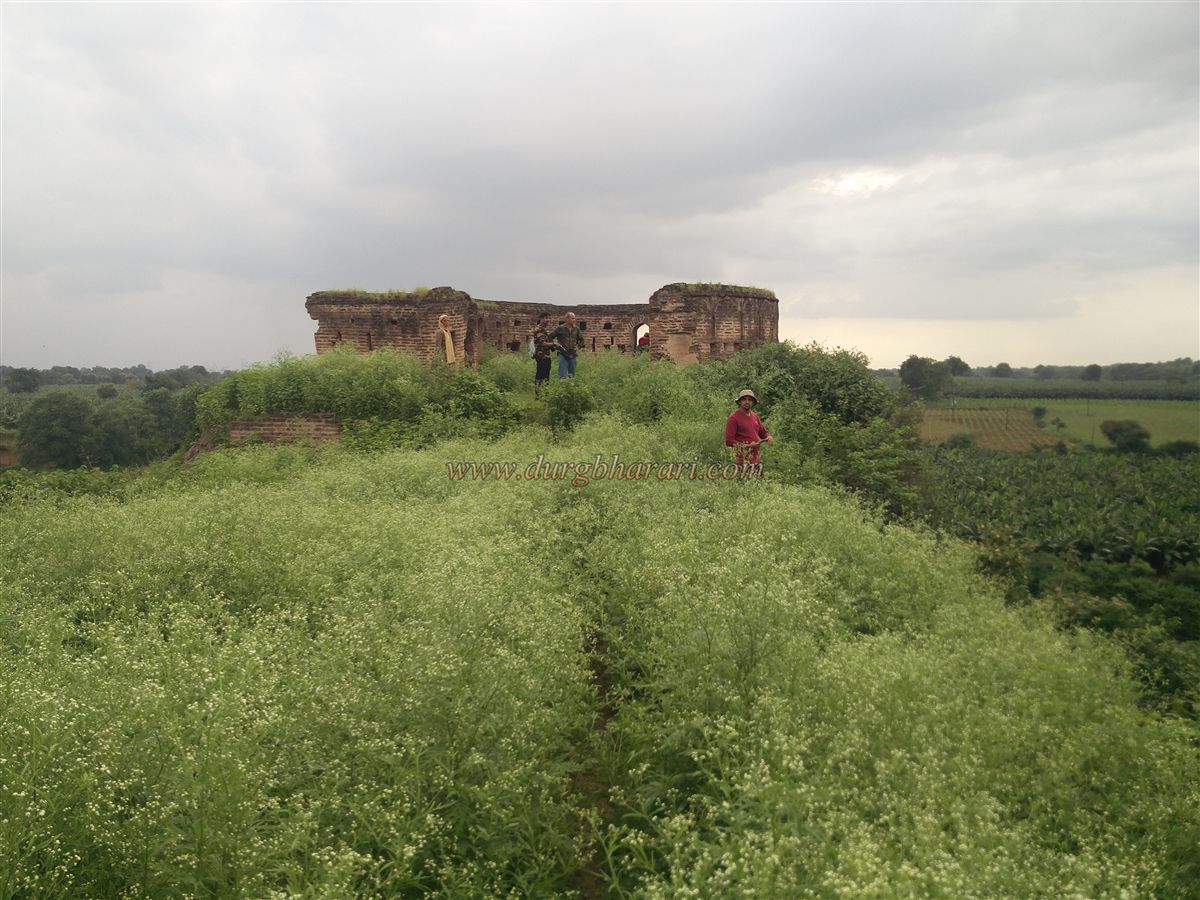
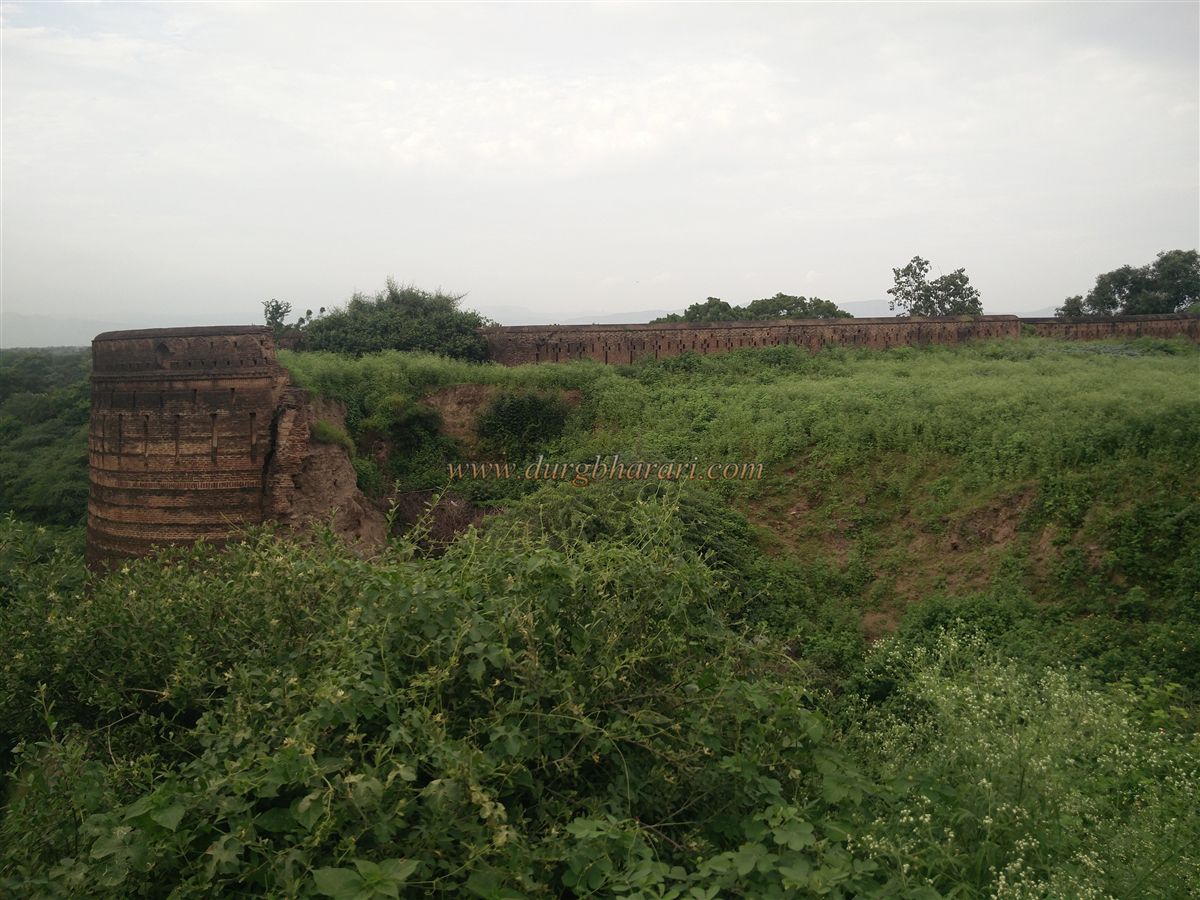
The city of Yaval, situated in the Tapi river valley in the Satpura mountain range, is renowned as the land of Sage Vyas, the composer of the Mahabharata. One of the two temples of Sage Vyas in India is located in Yaval. In this city, on the banks of the Sur River, stands a ground fort known as the Nimbalkar Raja's Fort, perched on a small hillock. Located to the west of Yaval on a hill along the Sur River, this square-shaped fort covers an area of about one and a half acres and contains nine small and large bastions within its fortified walls. This beautiful fort, which has witnessed many events of the medieval era, is now being destroyed due to sheer neglect. If not repaired in time, it will remain only as a heap of ruins.
...
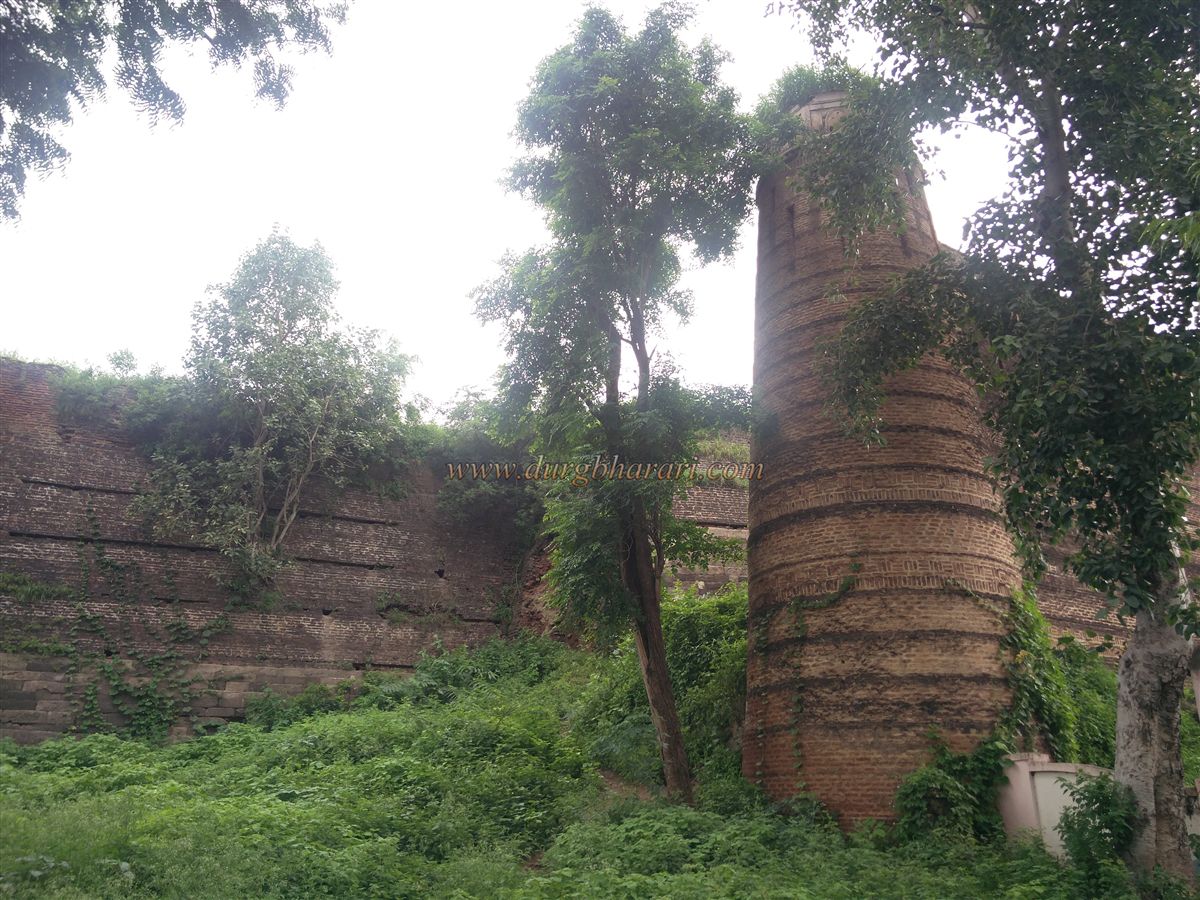
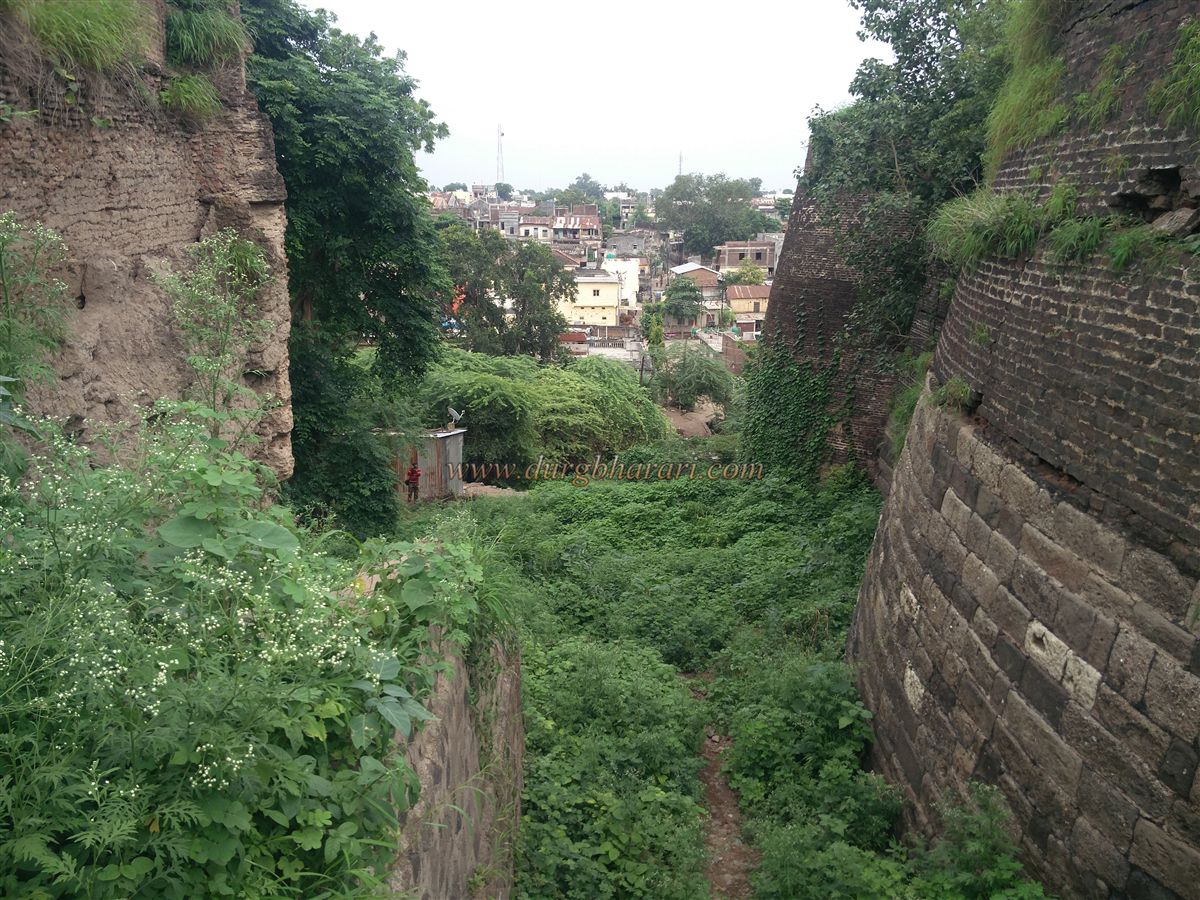
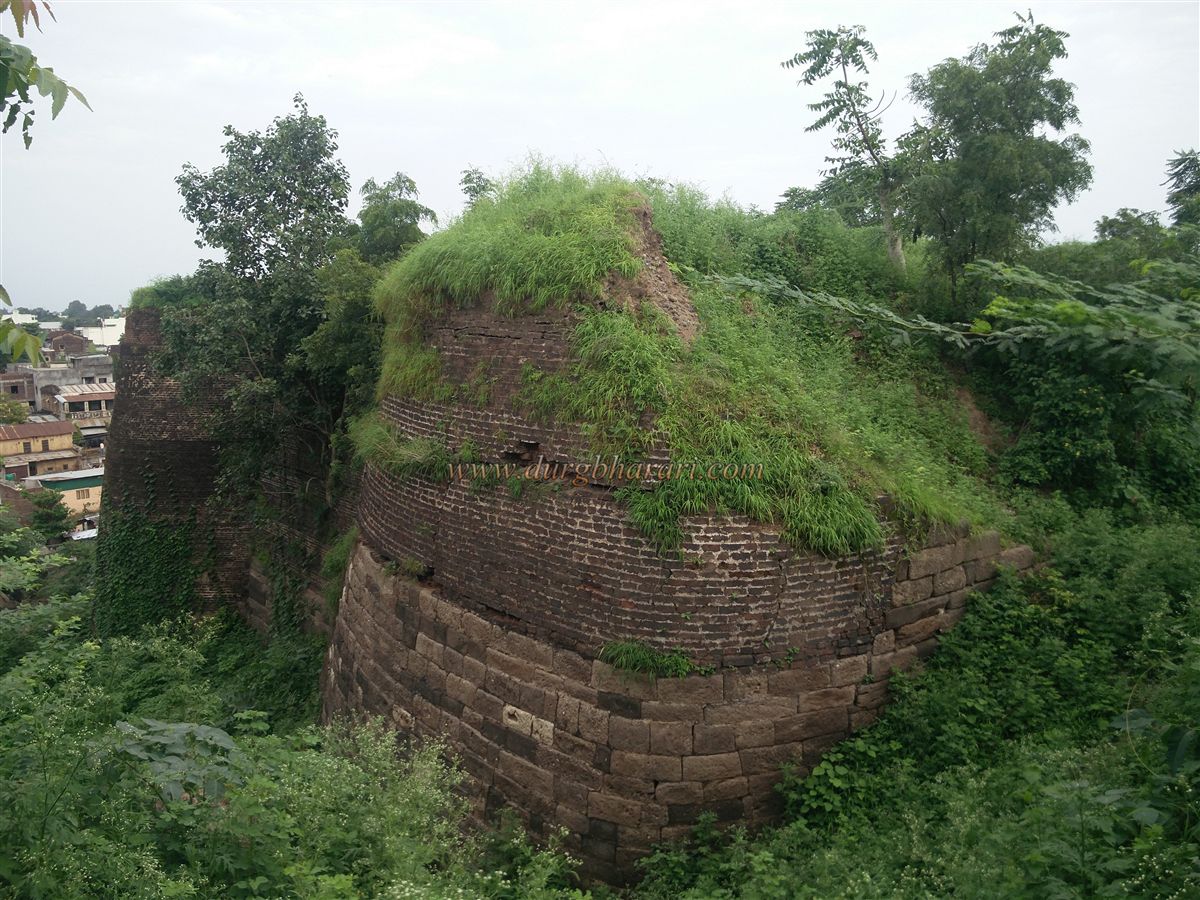
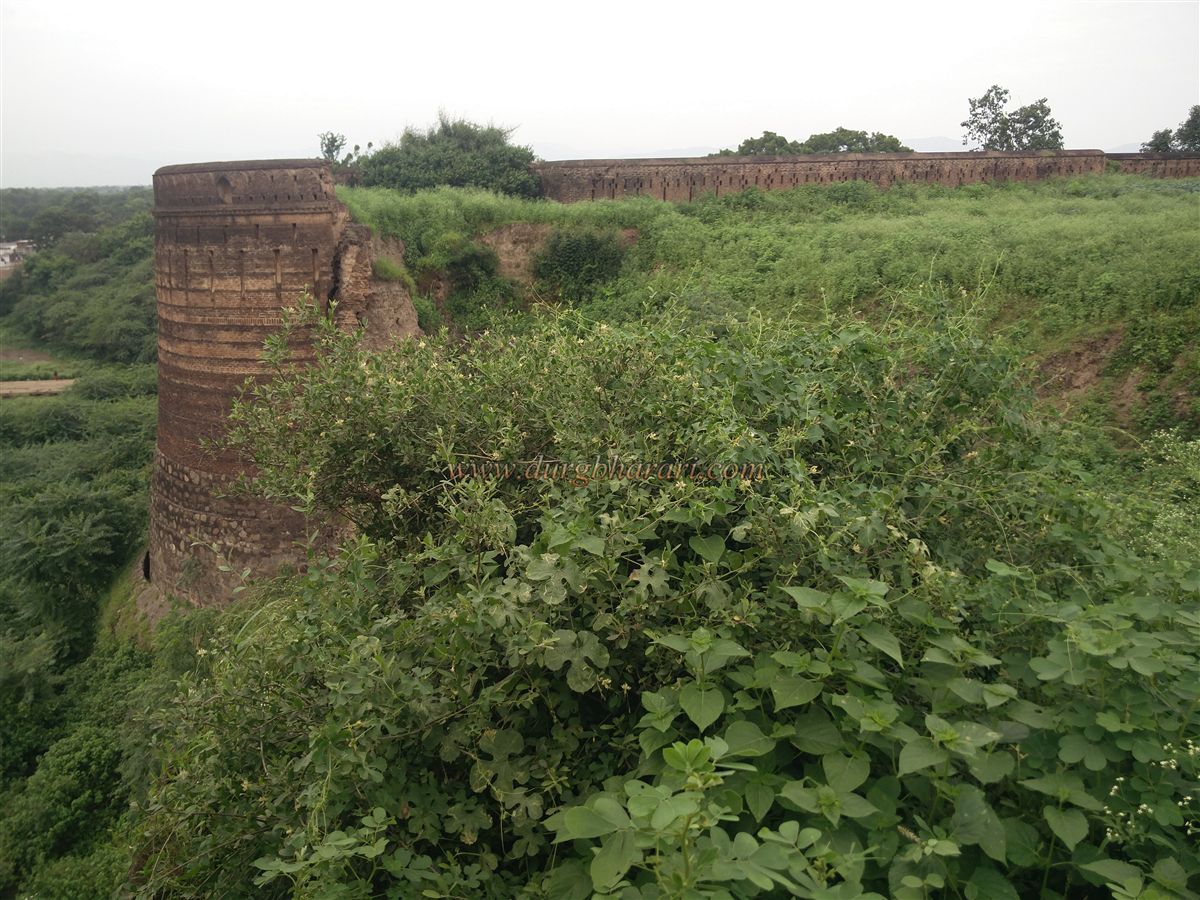
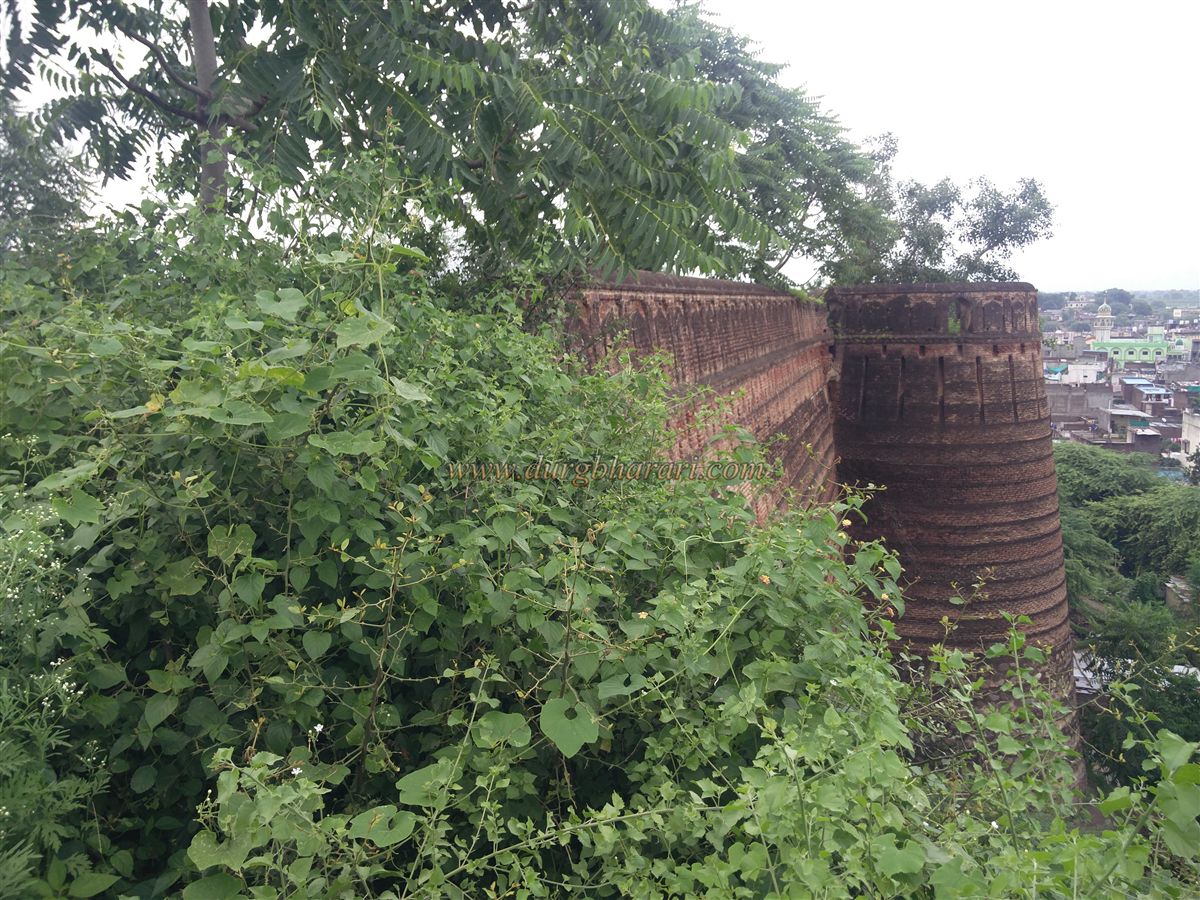
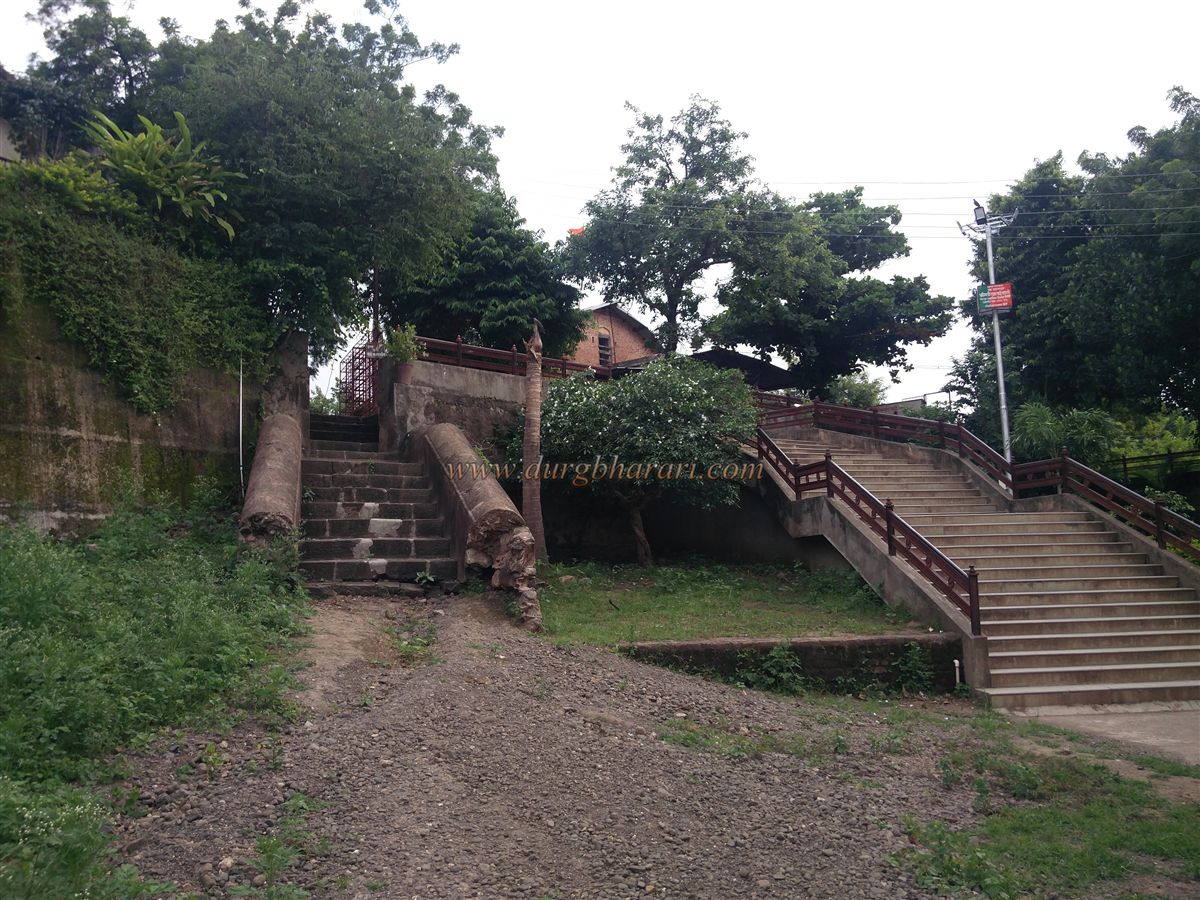
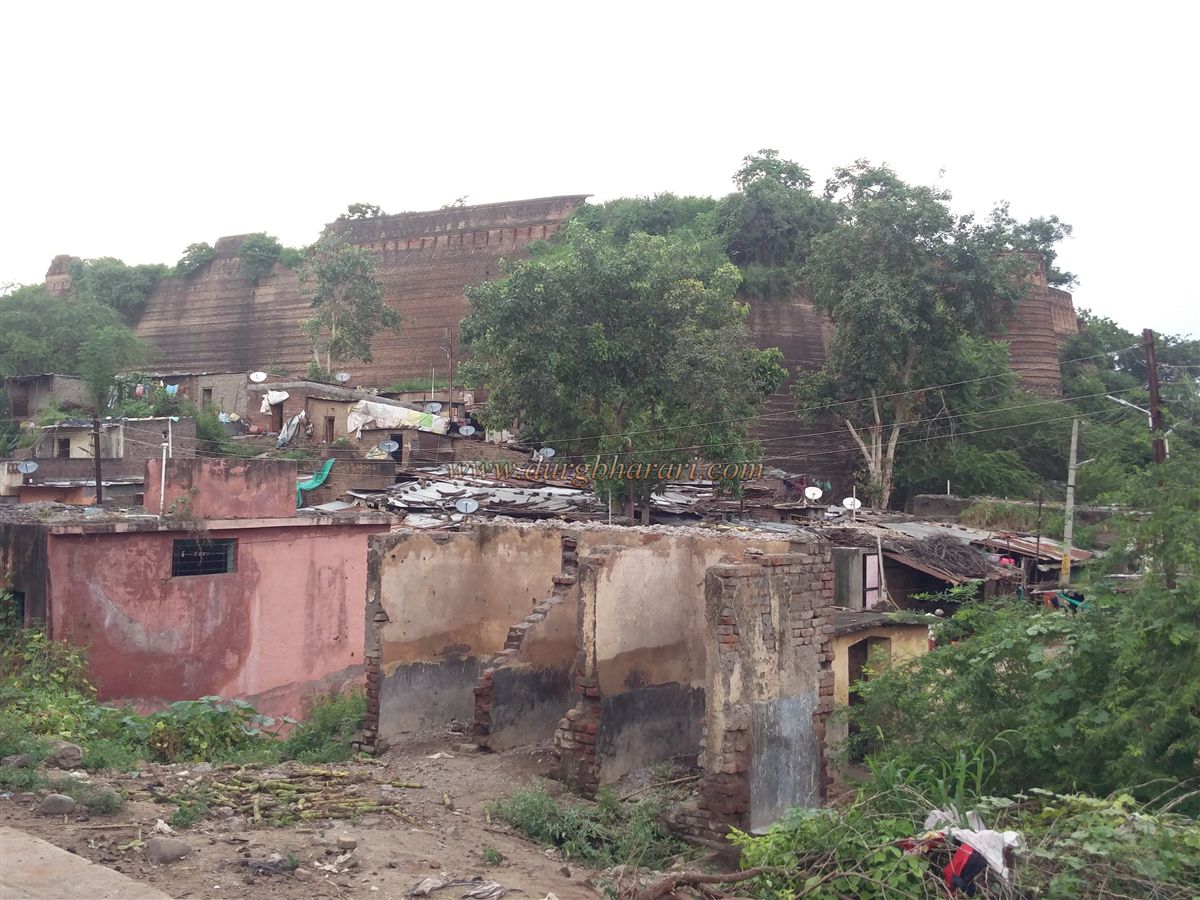
Yaval, a taluka town, is situated about 20 km from Bhusawal and 40 km from Jalgaon. A road from Yaval village leads to the court premises adjacent to the fort. From the court premises, one can see the fort's bastions and fortifications. The lower portion of the fort walls and bastions is built with dressed stone, while the upper portion is constructed with bricks. The path to the fort ascends from within the court premises. Due to limited movement, shrubs have overgrown along the path. The first east-facing entrance and the second north-facing entrance to the fort now remain only as remnants.
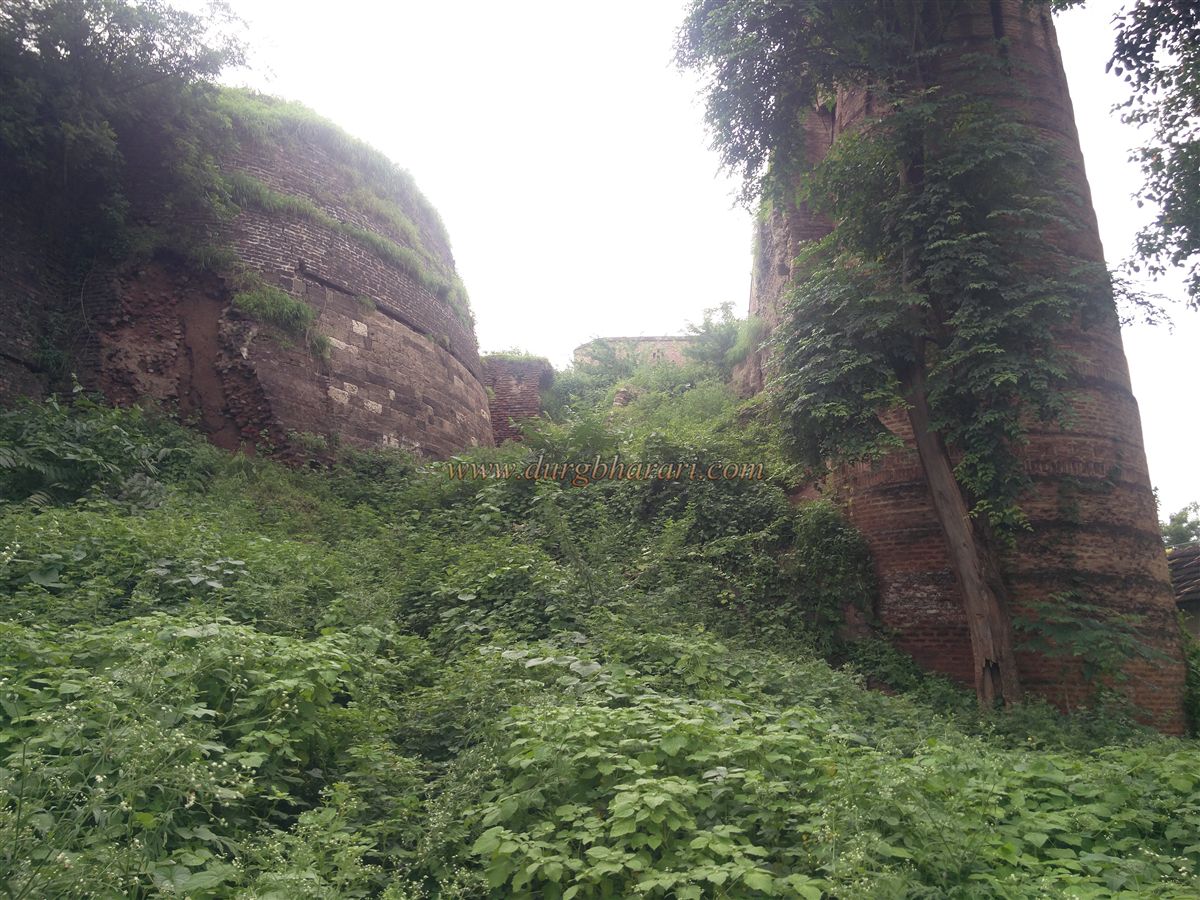
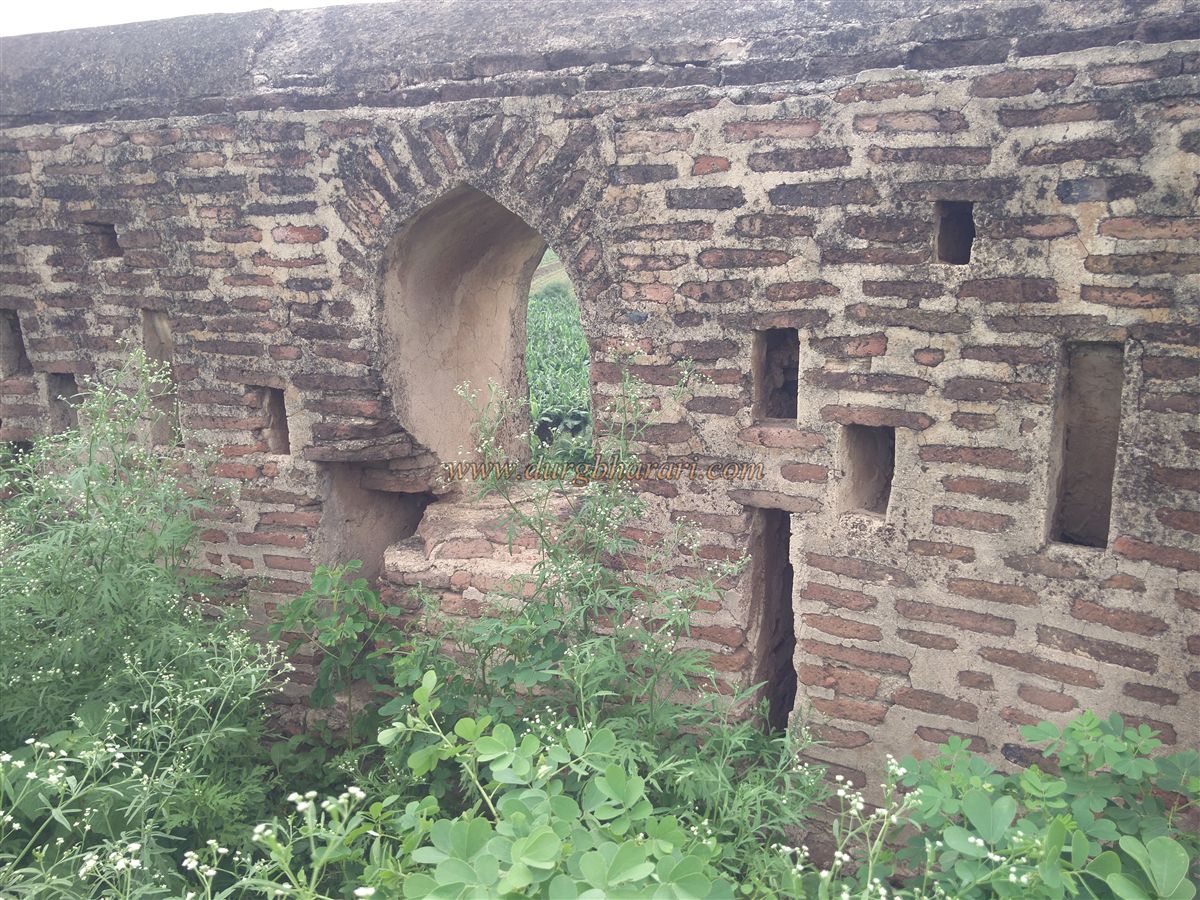
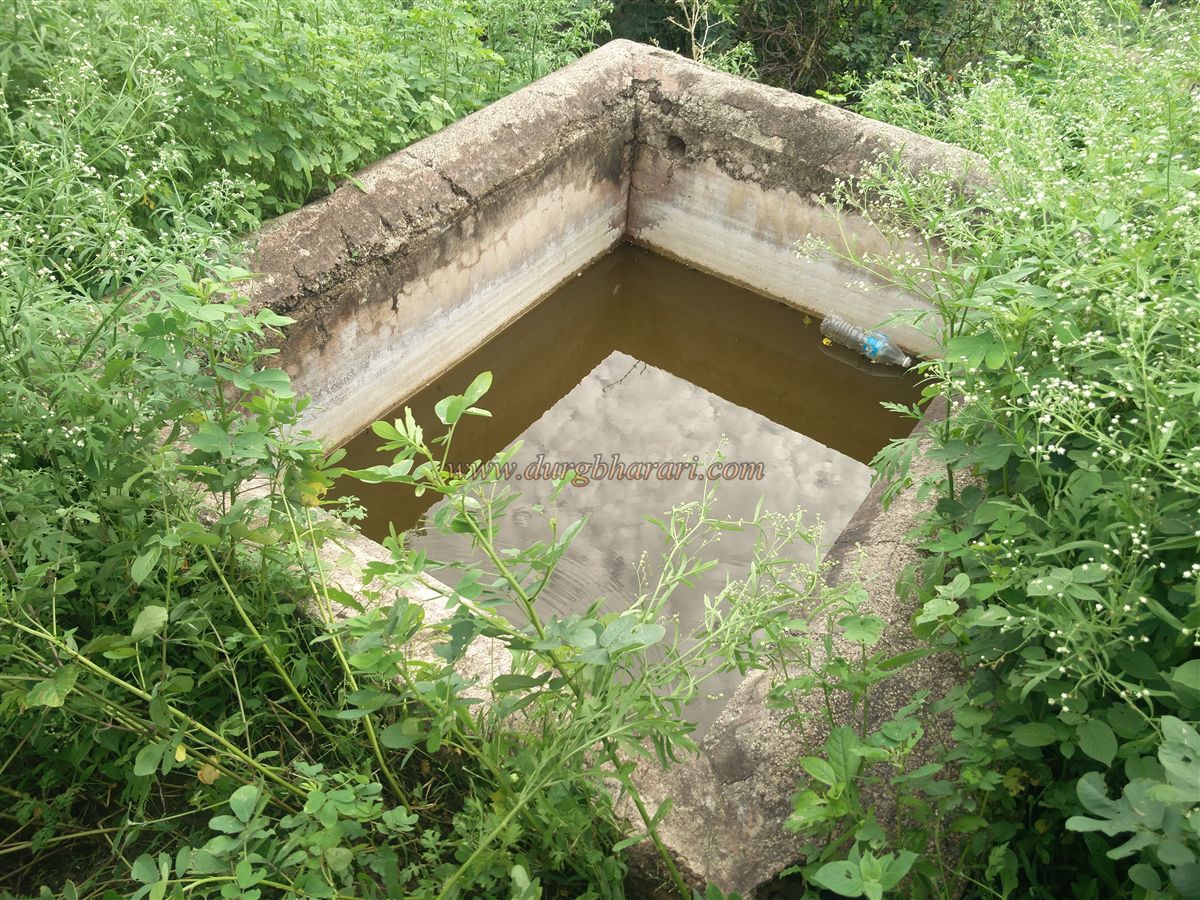
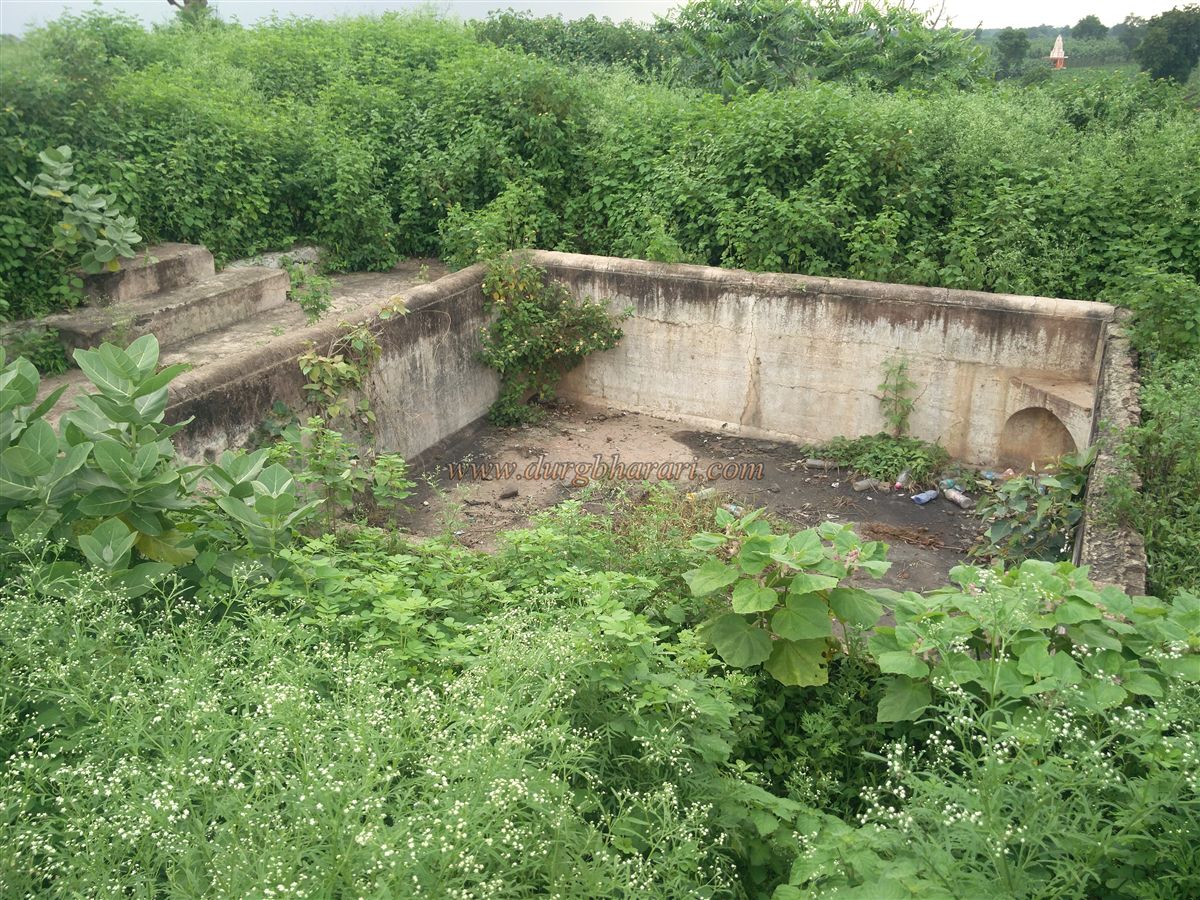
Upon entering the fort, one can walk around the entire perimeter using the fortified walls. The fortification on the river-facing side is heavily damaged, and some of the bastions have partially collapsed. The walls rise about 40 to 50 feet from the ground, and the bastions have openings for firing guns and cannons. In the centre of the fort stands the platform of a mansion, and within its courtyard is a deep well. While exploring the fort, two small and one large cisterns built with lime mortar are visible. As the fort is located on elevated ground, the entire city of Yaval is visible from the top. Half an hour is sufficient to explore the entire fort.
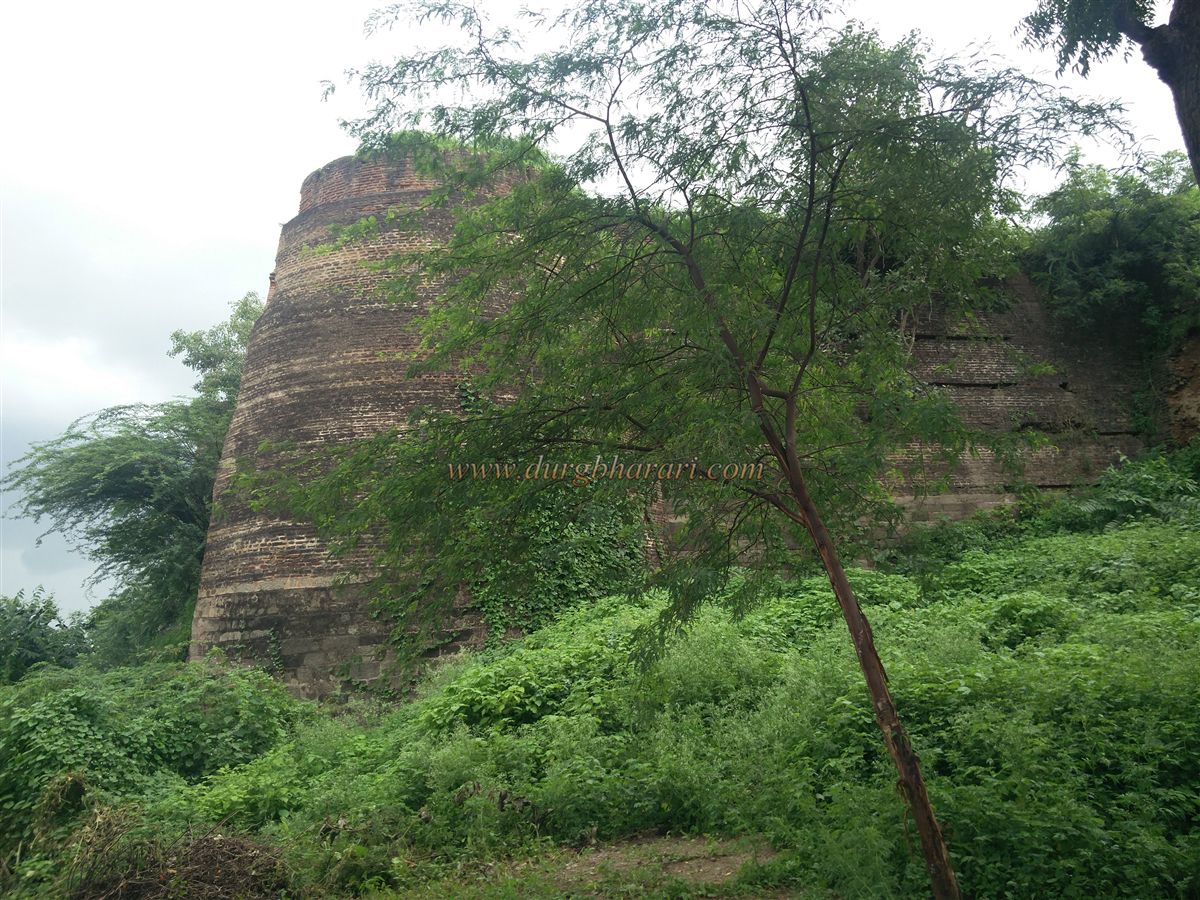
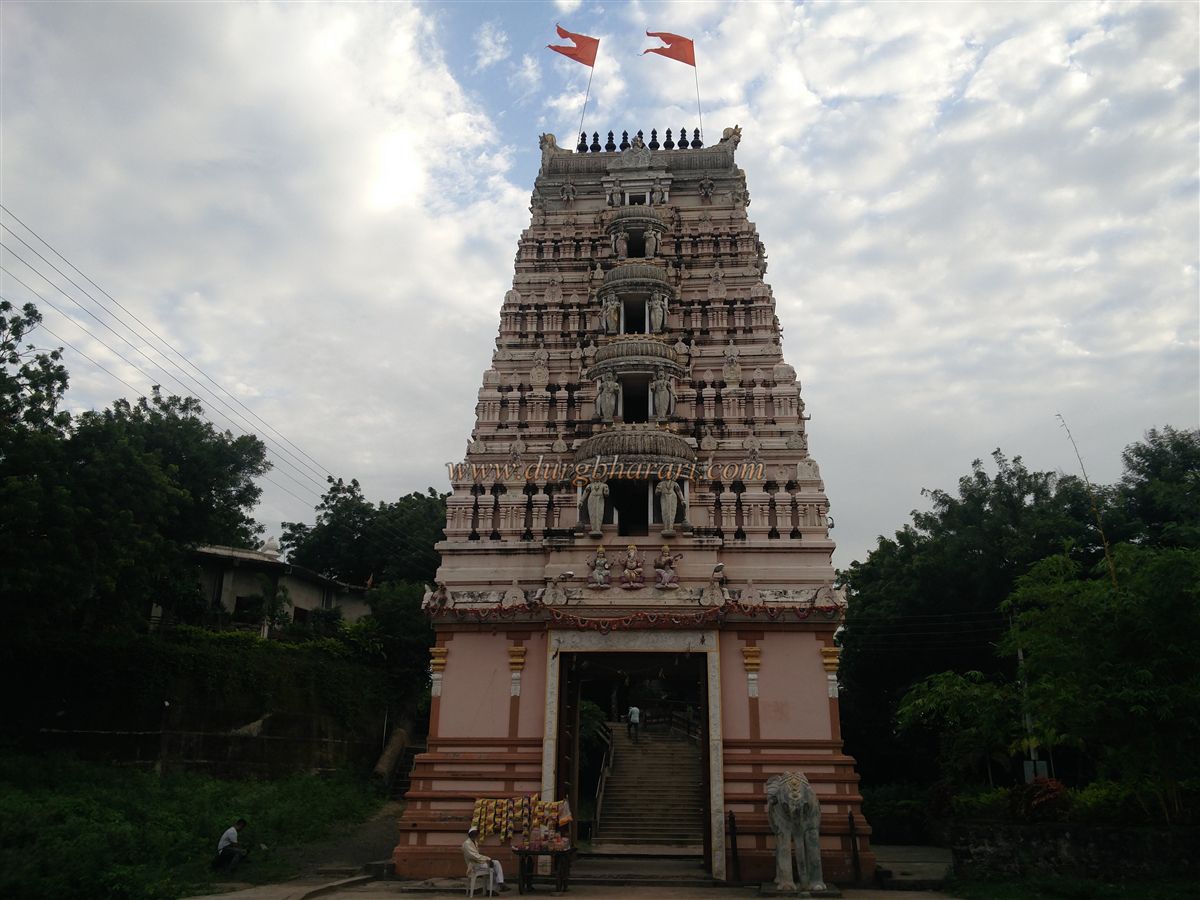
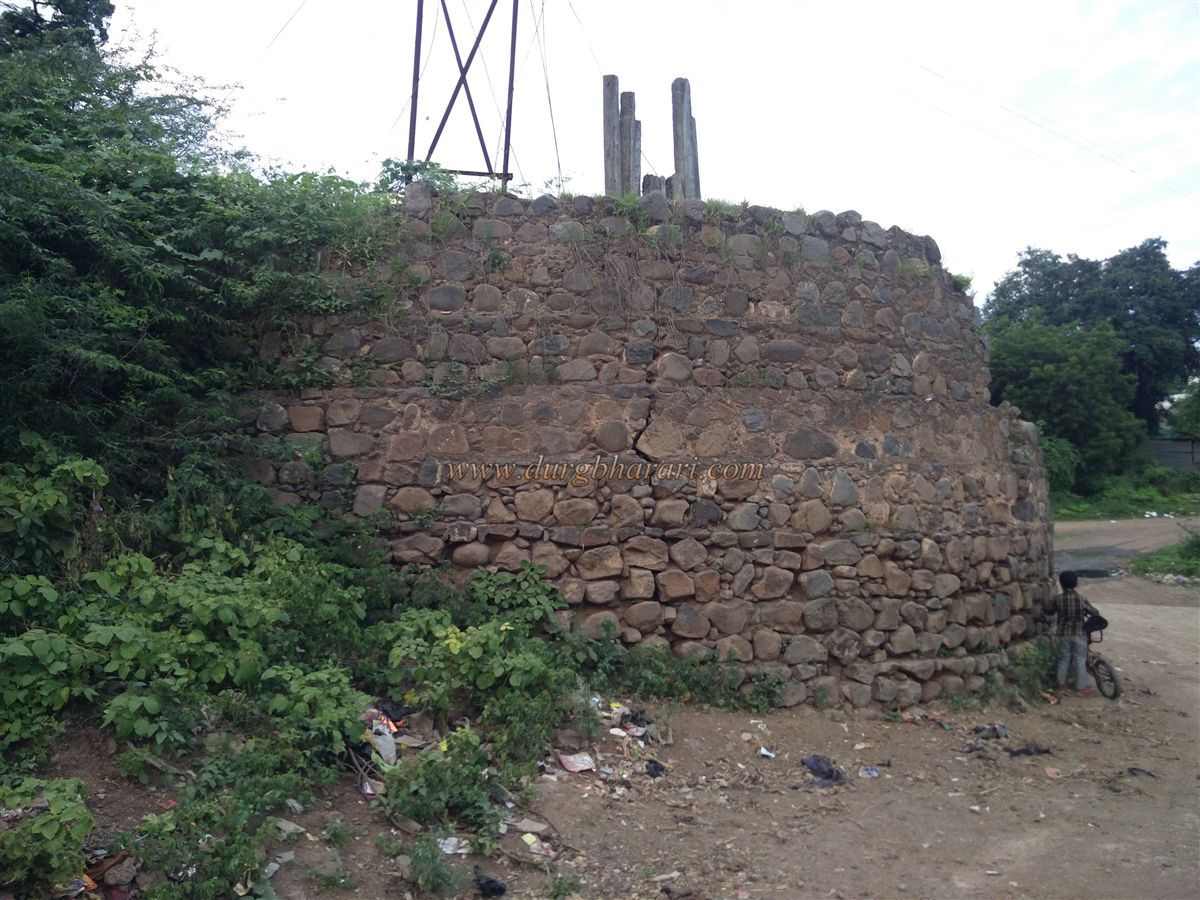
While exiting from the riverside, one comes across a bastion that is separate from the main fort. Additionally, across the river, on a small hill facing the fort, stands the Vyas temple, which is also a sight to behold. Yaval was an important location in history as it lay along the medieval trade route of Shirpur-Chopda-Yaval-Burhanpur. Goods transported through the mountain passes of Satpura would pass along this route, leading to the construction of forts at both Yaval and Pal.
During the Maratha period, Yaval was under the control of the Shinde, who, in 1788, granted it as a jagir to the Pawar of Dhar, known as the Nimbalkar. Thereafter, the construction of the Yaval fort began. Records suggest that subsequently, Sayajirao Nimbalkar of Yaval briefly held control over the Lasur fort. Later, in 1837, Yaval returned to the Shinde and remained under their control until 1843. In 1844, both the city and the fort of Yaval came under British control. Mentions of this can be found in the Yaval city development plan of 1988. There are also records indicating that Zhambare Deshmukh received the Yaval region as a jagir for a certain period, though the exact timeline remains uncertain.
While exploring this region, the forts of Pal, Lasur, and Rasulpur Sarai, along with Yaval Fort, can all be conveniently visited in a single day.
© Suresh Nimbalkar
GALLERY