YAVATESHWAR
TYPE : MEDIEVAL SHIVMANDIR
DISTRICT : SATARA
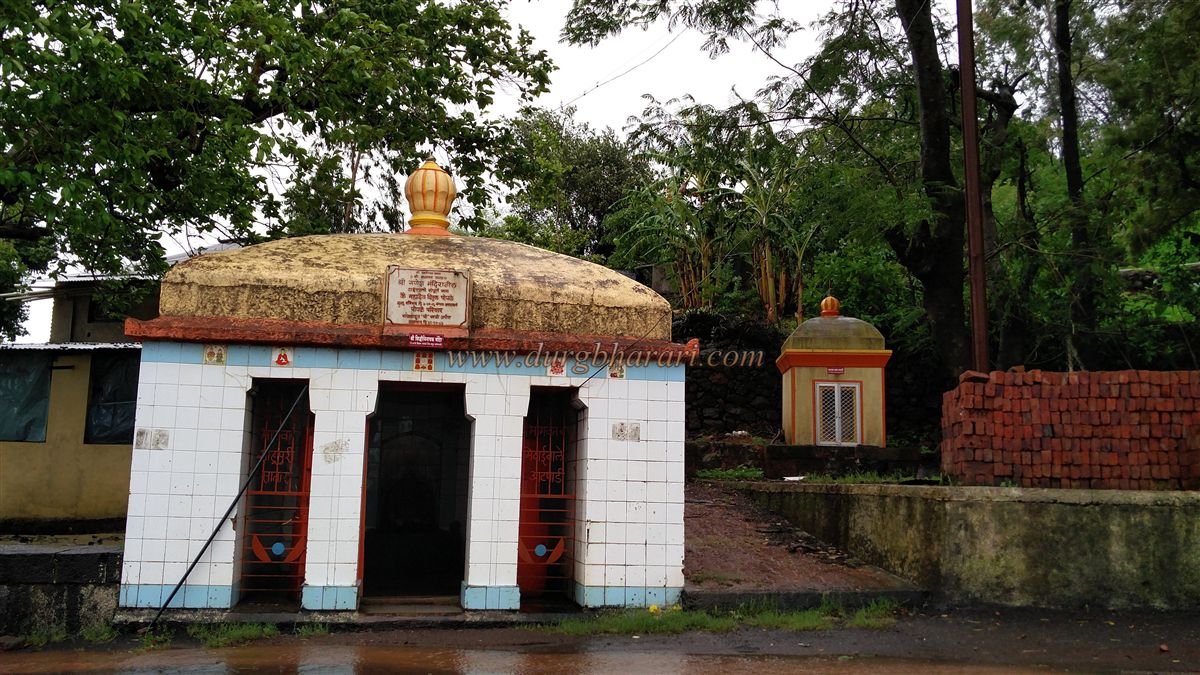
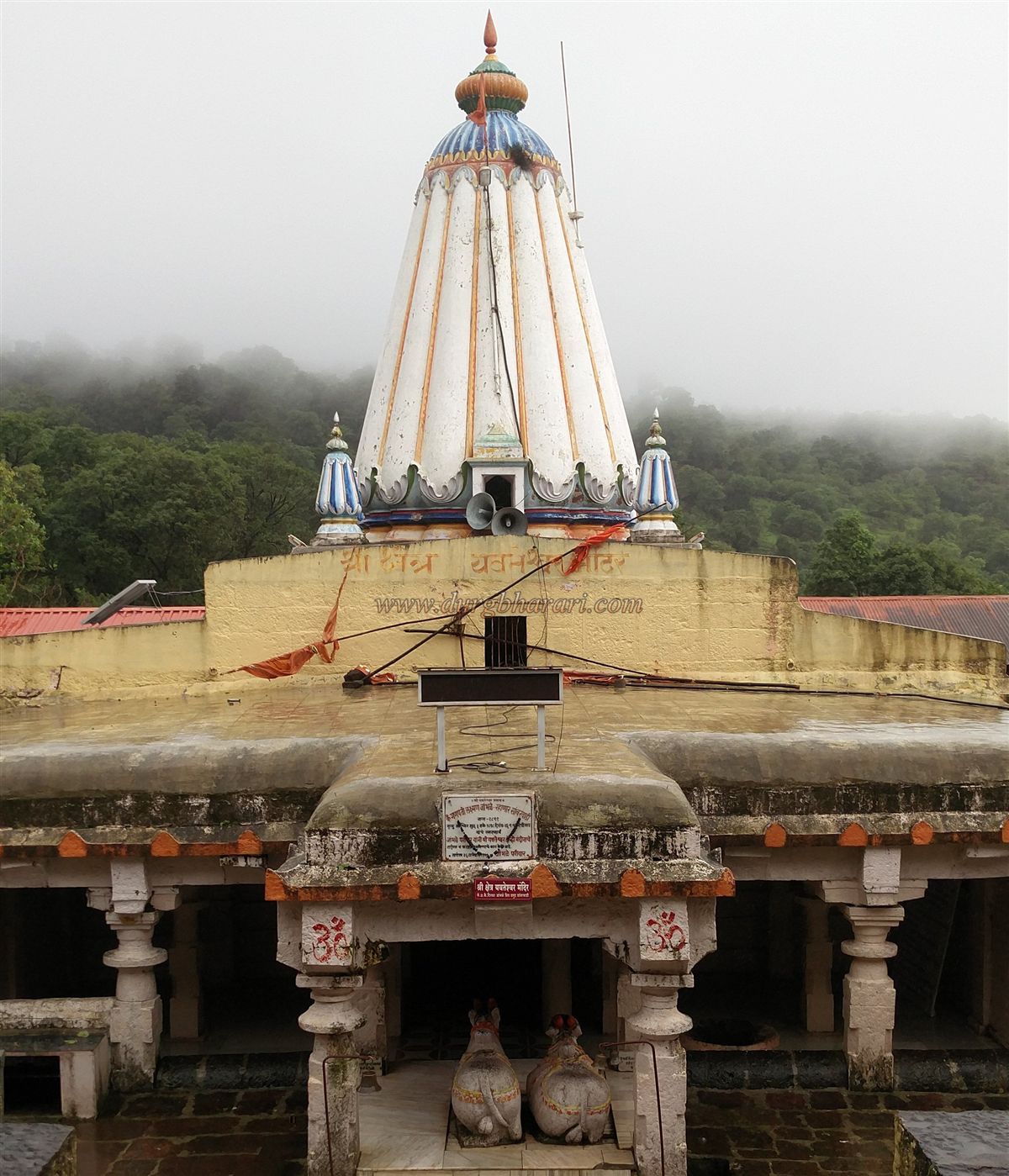
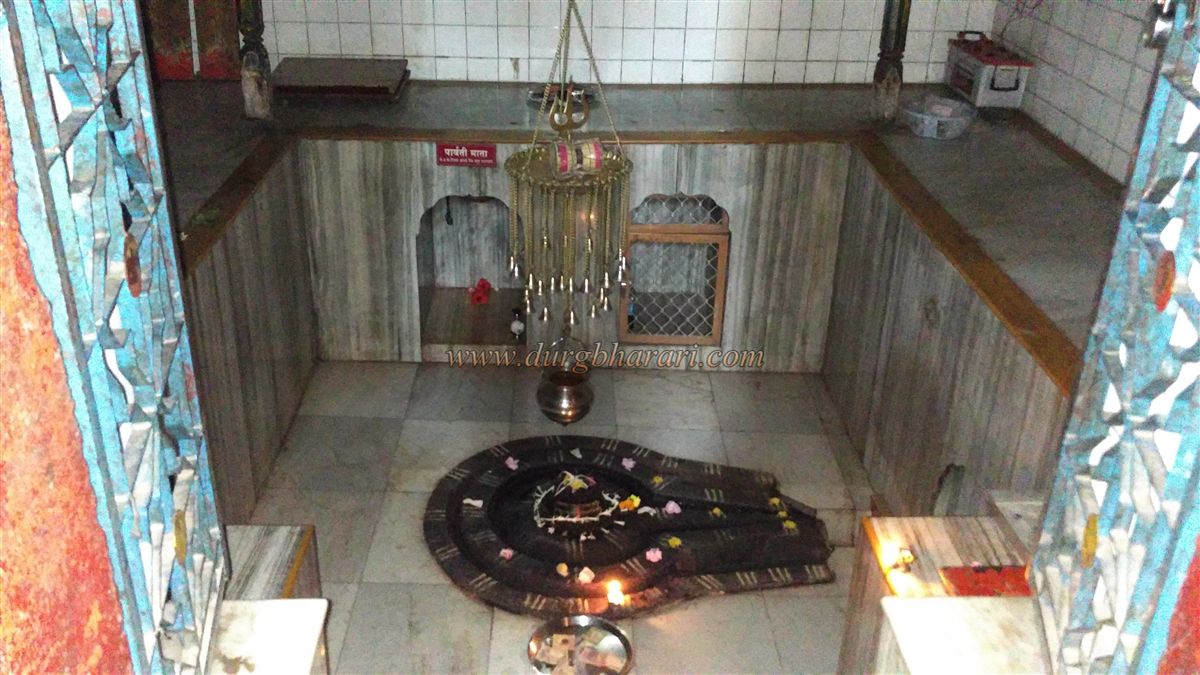
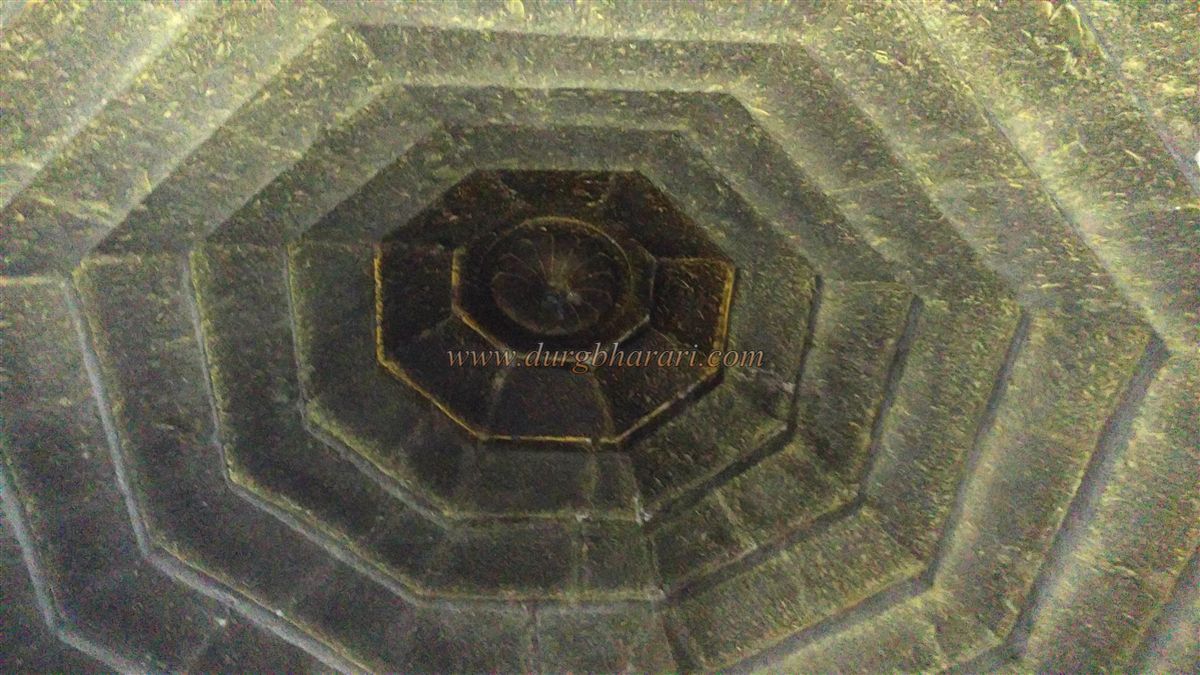
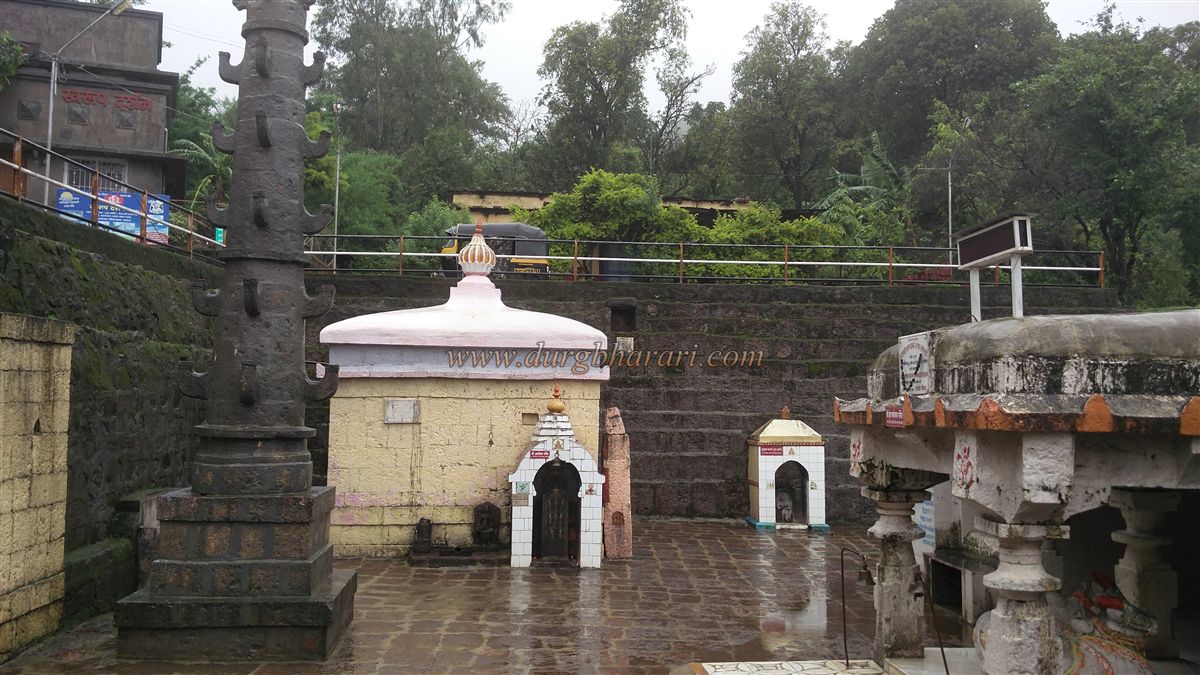
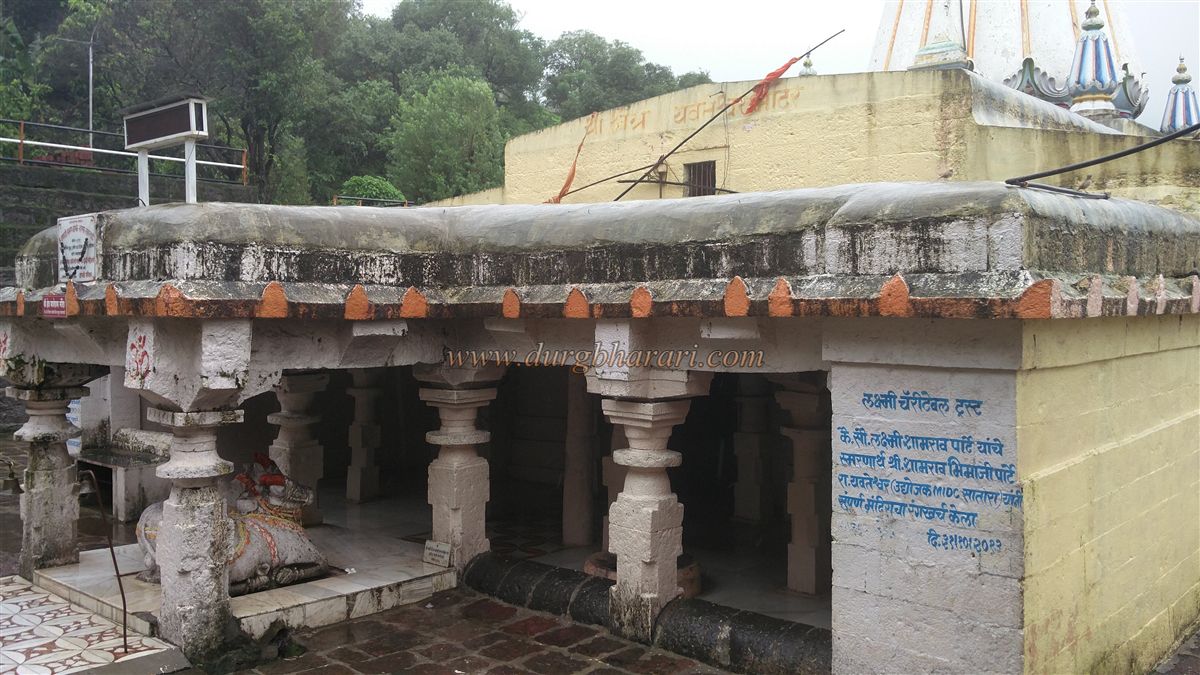
Yavateshwar is a small village nestled in the hills about four kilometres west of Satara city. Here stands a temple of Lord Shankar built during the Yadav period, along with the nearby shrine of the village deity, Kal Bhairavanath. The annual pilgrimage of Kal Bhairavanath is considered the first pilgrimage of the region. The temple is of Yadav-era construction, and inside it is a large Shivlinga. In front of the sanctum, there are two beautifully carved Nandi statues in stone. Beside it is the temple of Kal Bhairavanath. The idol of Kal Bhairav is in the Dravidian style, and the interior of the temple’s spire is worth observing.
Both temples are surrounded by a strong stone fortification. In the southern wall of this enclosure, a virgal (hero stone) has been placed.
...
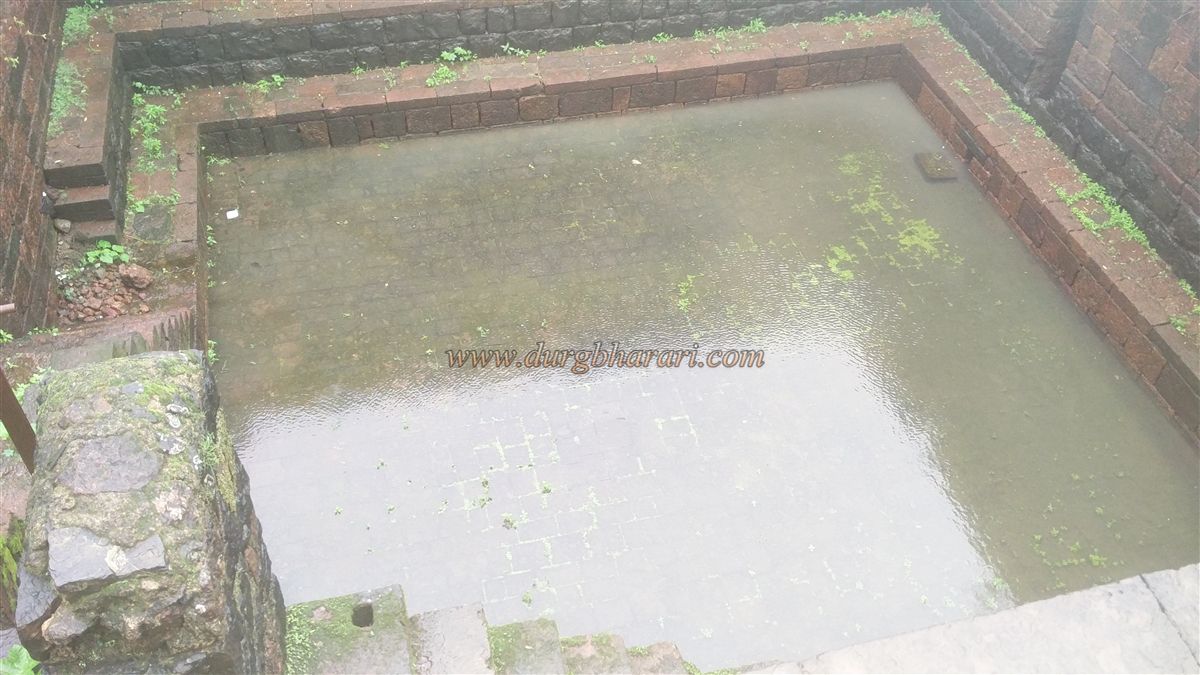
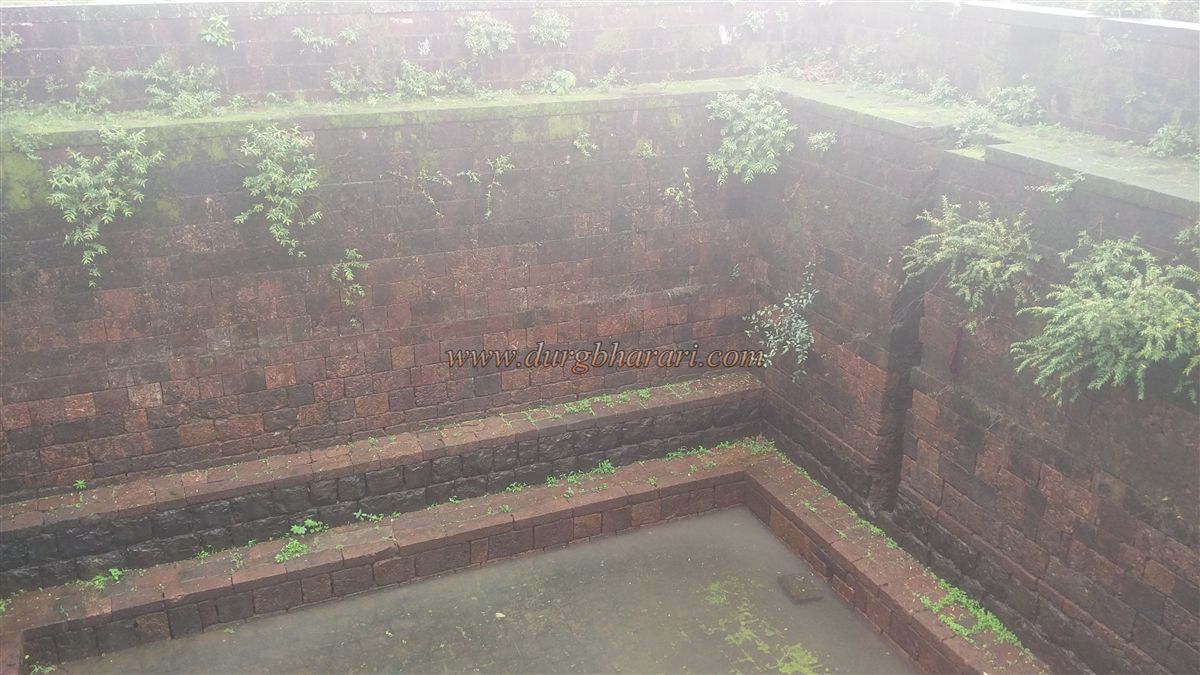
In front of the temple stands a tall lamp tower (deepmala), and within the temple premises, several other statues can be found. To the west of the temple is a water reservoir known as Devtale, which was constructed using laterite stones in a unique style. However, this tank does not retain water for long nowadays. The elevation of this hill is 1,230 meters above sea level. On a northern hill of the same mountain stands another temple dedicated to Bhairav, known as Pedhyacha Bhairoba.
Some believe that Chhatrapati Shahu Maharaj built the Yavateshwar Mahadev temple. From here, one can see far-off views of Kanher Dam, Sajjangad, Jarandeshwar, and Meruling. Surrounded by dense greenery and open, fresh air, the atmosphere is truly pleasant. From the hill, one gets a panoramic view of Satara city and a clear sight of the facade of Ajinkyatara Fort. Buses and private transport are available every half hour from Satara to this location.
The annual pilgrimage (yatra) of this temple takes place every year on the new moon day (Amavasya) of the month of Ashwin. The residents of Yavateshwar, Sambharwadi, and Ambedare manage all the arrangements for this event. A grand palanquin procession with the sounds of drums and cymbals proceeds toward a divine mango tree located a little distance from the temple. The specialty of this sacred mango tree is that it blossoms in a single day on the day of the yatra, and after the ritual worship, mangoes begin to appear on it. After worshipping the tree, a devotee from the village climbs the tree, breaks off a flowering branch, and places it in the palanquin. The palanquin and the devotee are then carried back toward the temple with great fanfare. It is believed that once the mango blossoms and fruit appear on the tree, the pilgrimage is considered complete.
© Suresh Nimbalkar
GALLERY