YASHWANTGAD-REDI
TYPE : COASTAL FORT
DISTRICT : SINDHUDURG
HEIGHT : 0
GRADE : EASY
Yashwantgad is known as the last fort on Maharashtra’s 720 km long coastline. This fort is located in the village of Redi, which is famous for its manganese mines and the naturally formed (Swayambhu) idol of Lord Ganesha. The fort has a series of six gates, strong ramparts, bastions, a large mansion inside, a temple, and a well, all of which are still in good condition.
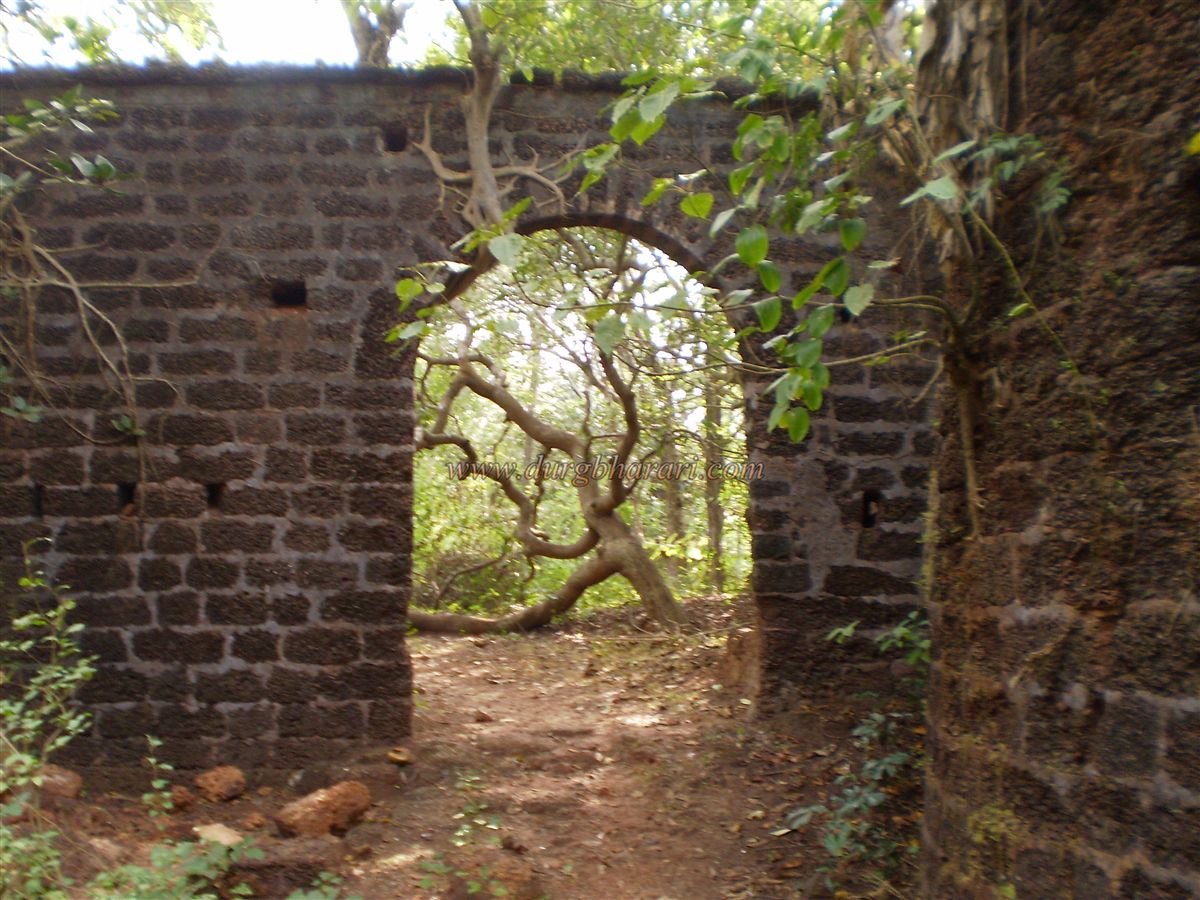
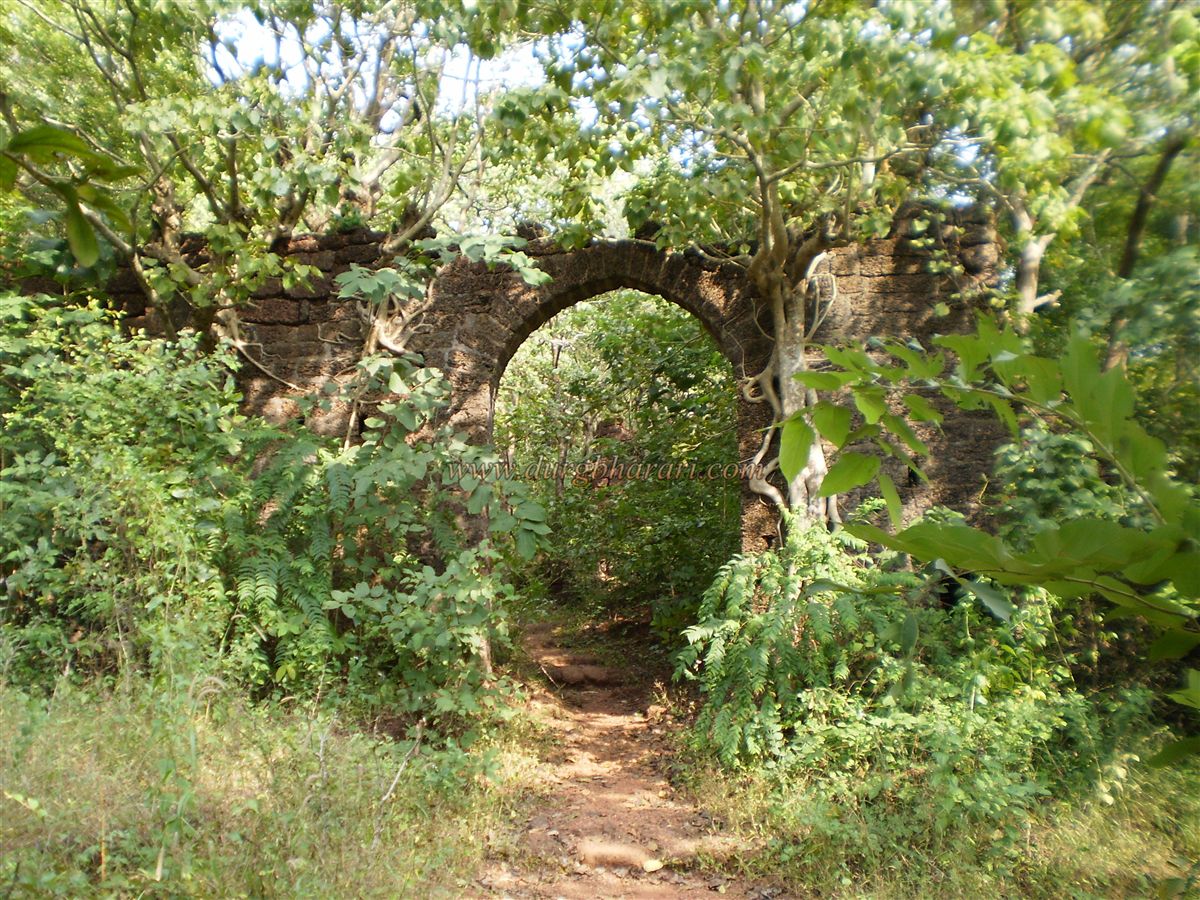
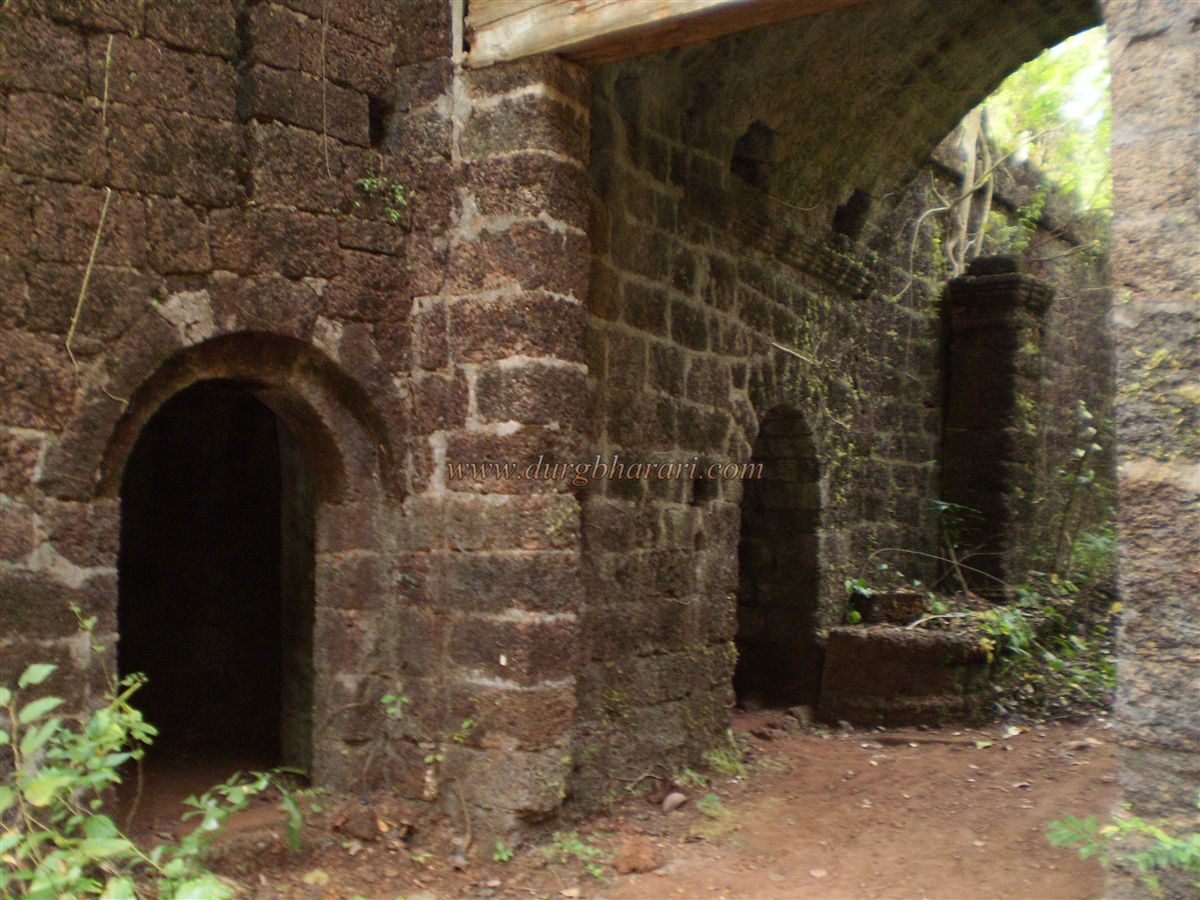
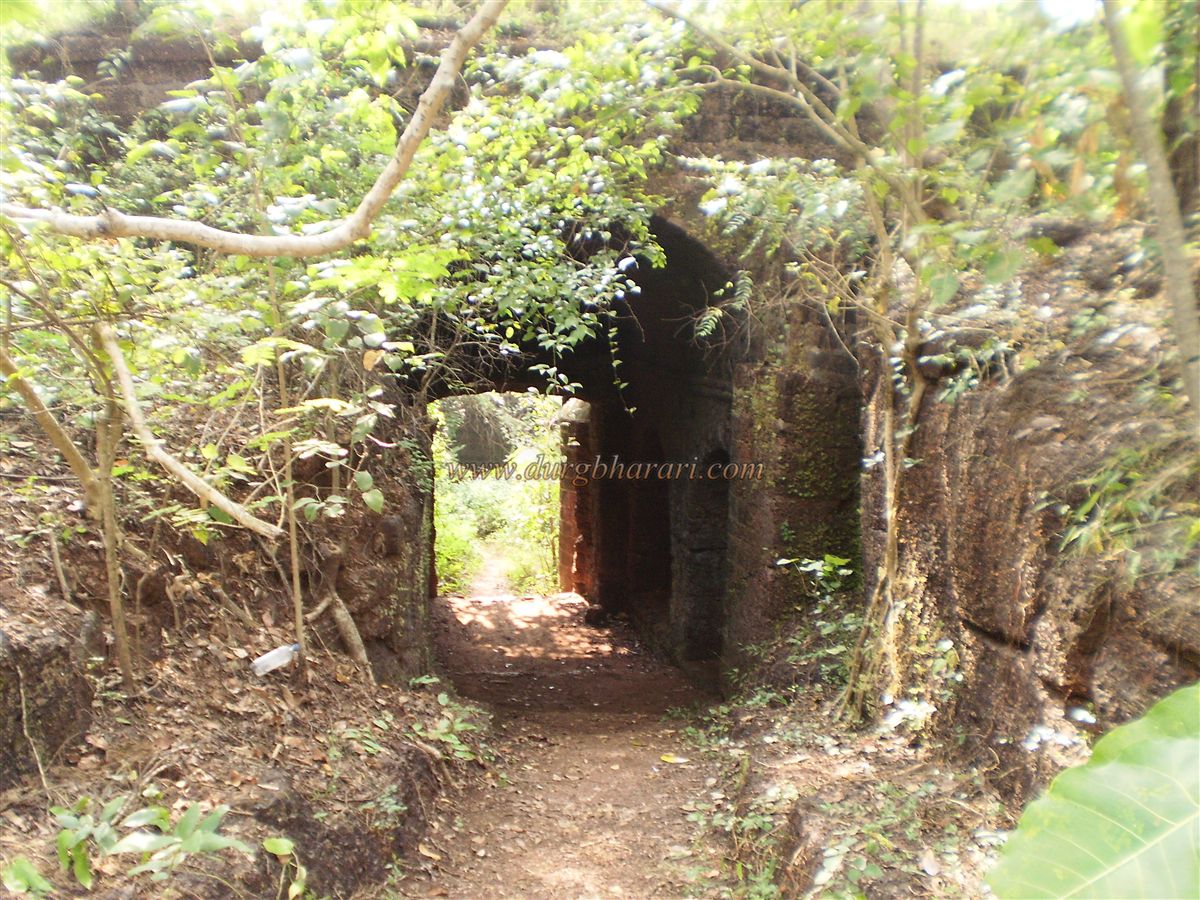
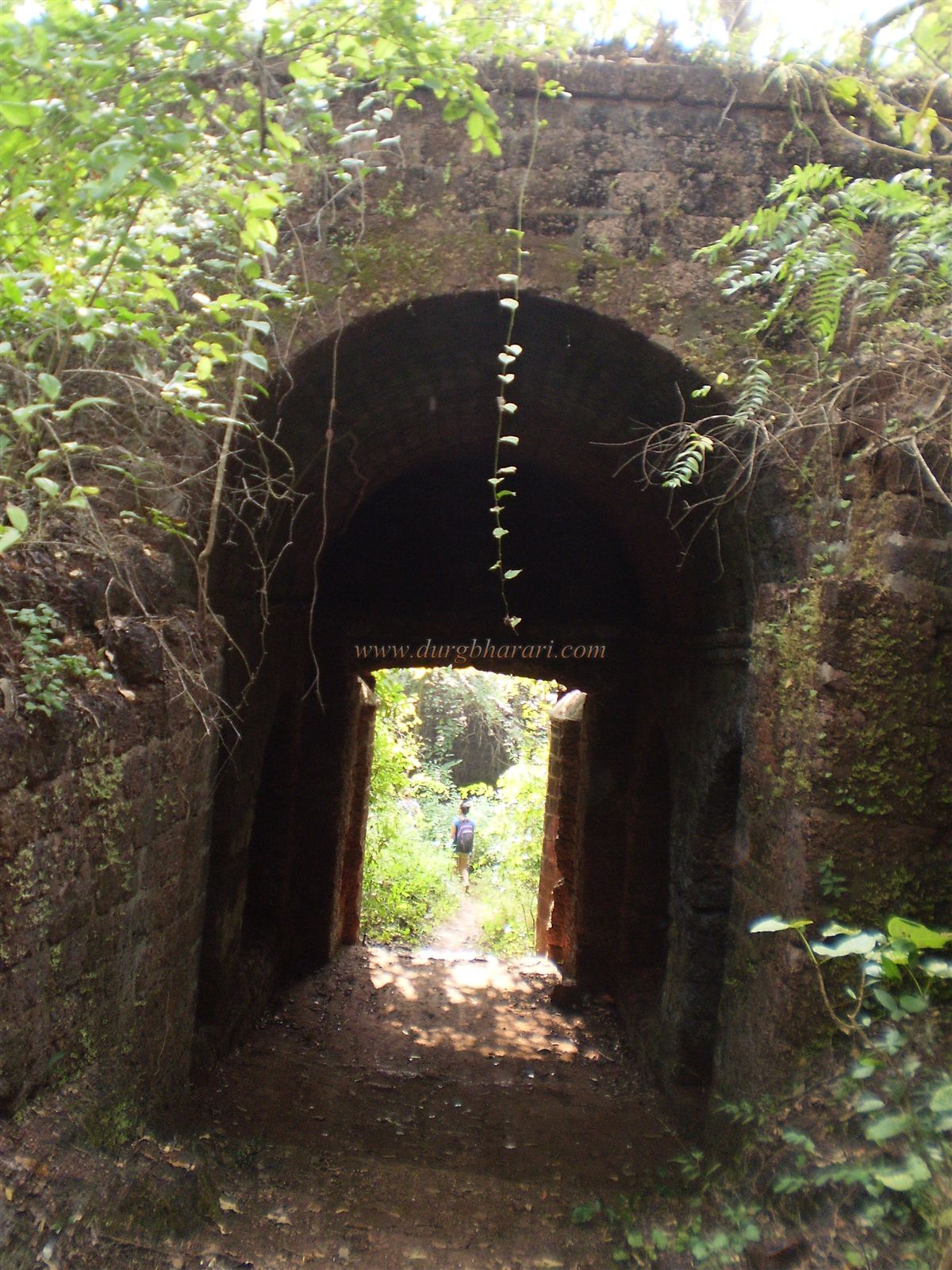
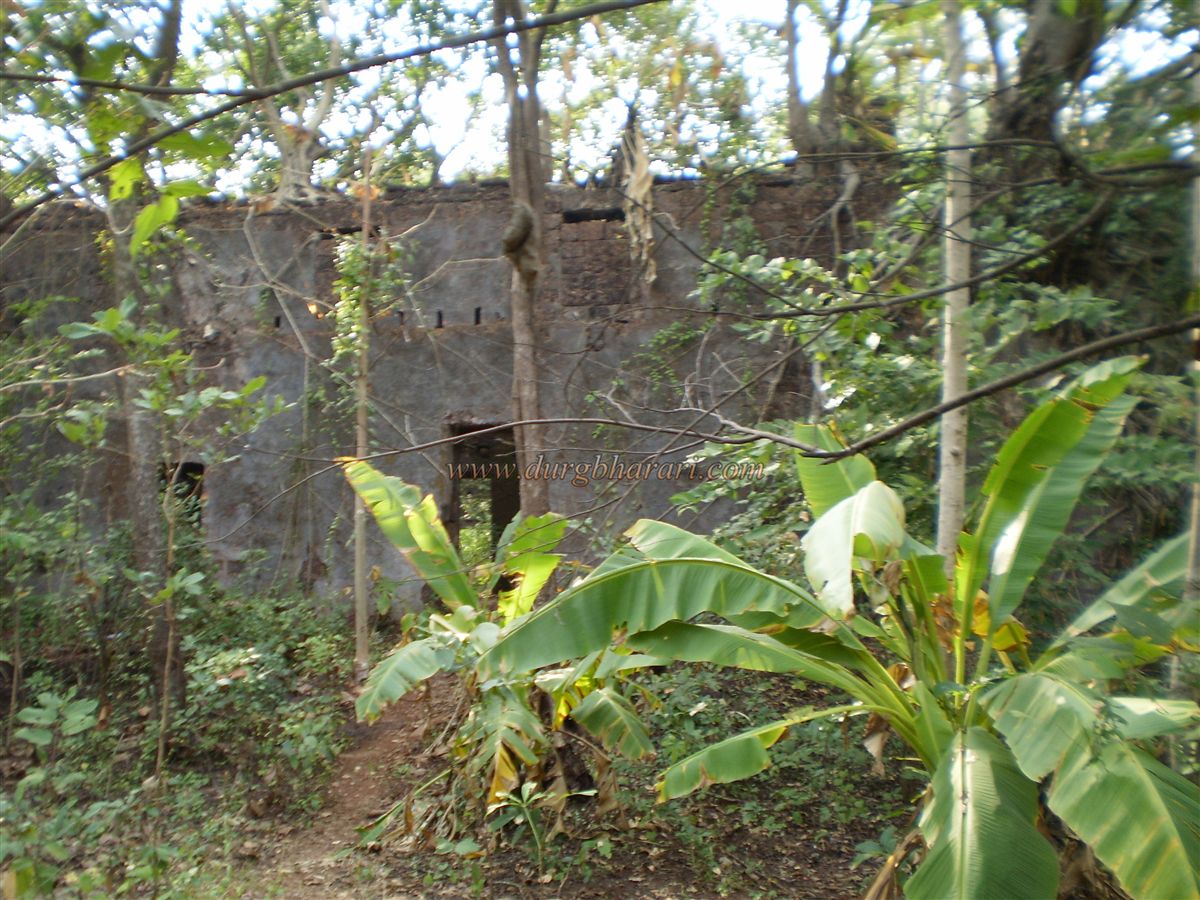
To visit Yashwantgad, one has to reach Redi village from Vengurla, a distance of about 20 km. A road beside the Vitthal temple in Redi leads directly to the fort, which is located by the creek. The fort is built on a small hill about 150 feet high and is now surrounded by dense vegetation. A path through the forest leads to a robust arched gateway. Attached to this gateway is a strong bastion, all constructed from laterite stone. On entering the gate, there are guard rooms on either side.
...
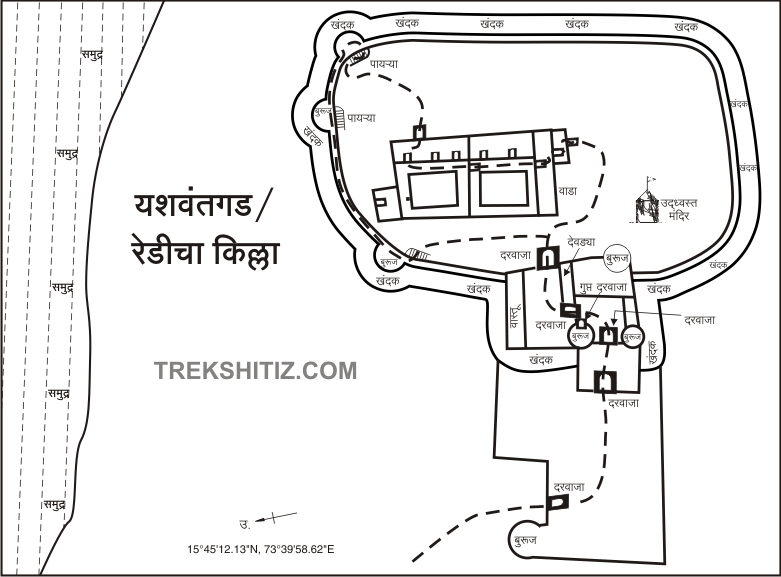
Inside the fort, there’s a path leading left toward the citadel (Balekilla), built with stone steps. Walking along this path leads to the first gate of the citadel, which has a few steps. Just beyond is a 20-foot-deep trench dug for protection, surrounding the entire citadel. A bastion and a second gate appear ahead, followed by a massive and unique third gateway. If the main gate is closed, entry is made through a smaller side gate (dindi Darwaja). The winding entrance passage and the layout are rare in Maharashtra and are similar to those found in Parasgad, Karnataka.
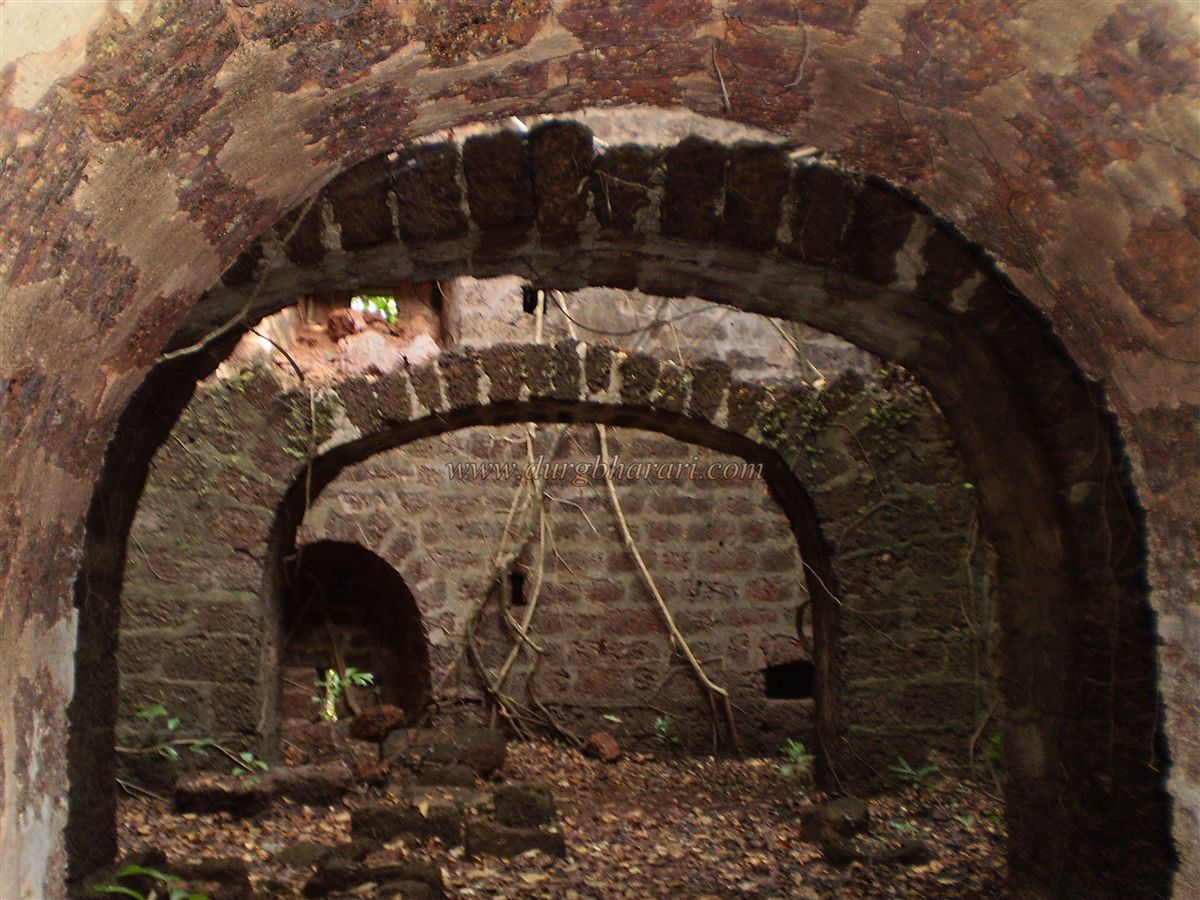
After entering, one sees guard rooms, three porches, and a pathway carved from rock. Between the second and third gates is a fortified courtyard, built with arched stone structures for security. The design ensures that no one can reach this courtyard without permission. The main gateway of the citadel has impressive circular bastions that enhance its beauty.
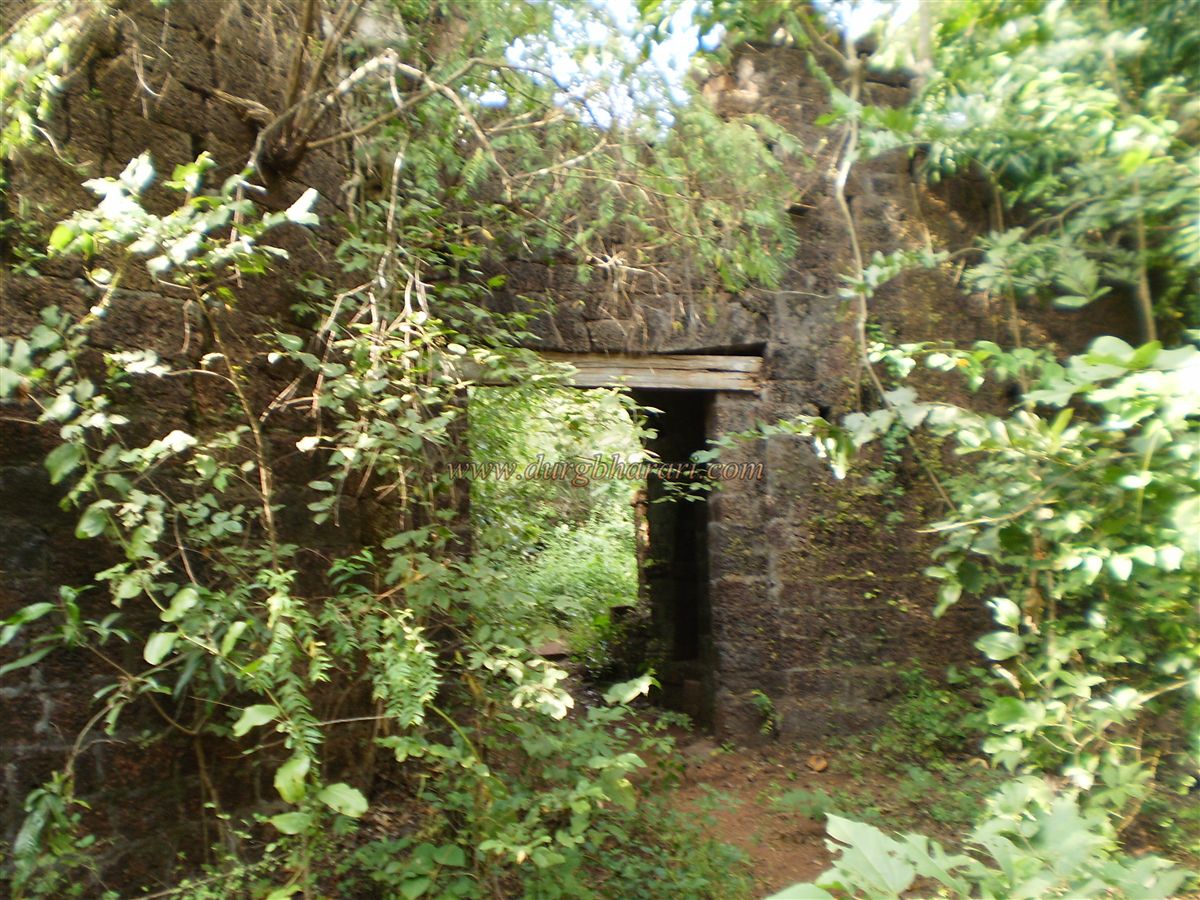
Inside, a grand building appears on the left—the royal palace. The entrance through an arched gate leads to a structure resembling a maze, making it difficult to trace one’s path. The palace includes two large halls, and though the first and second floors are now gone, their doors, windows, niches, and balcony projections can still be seen. The roots of trees growing on the palace walls have formed unique shapes. In one courtyard is a 20×20 ft tank with steps on all four sides, stone pillars on the edge, and leaf-and-flower carvings made with lime plaster.
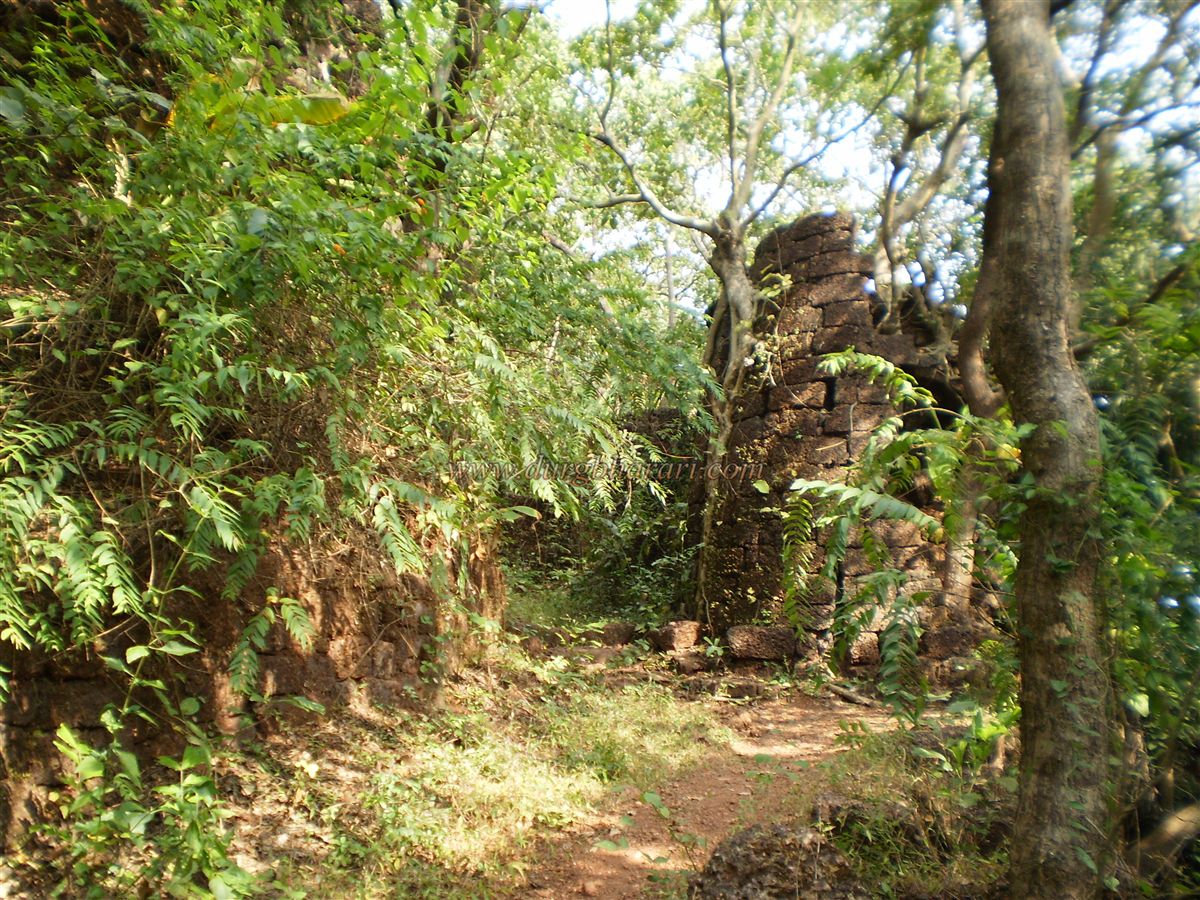
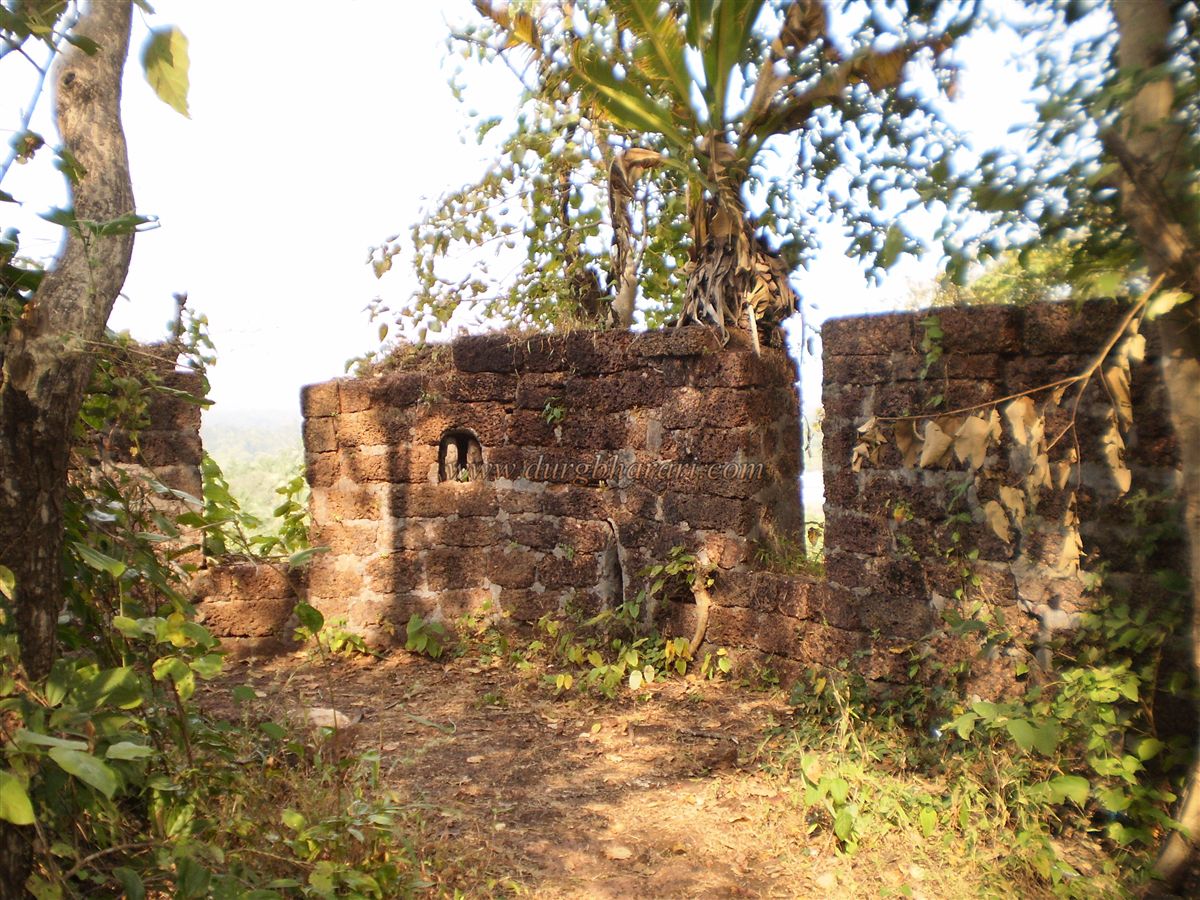
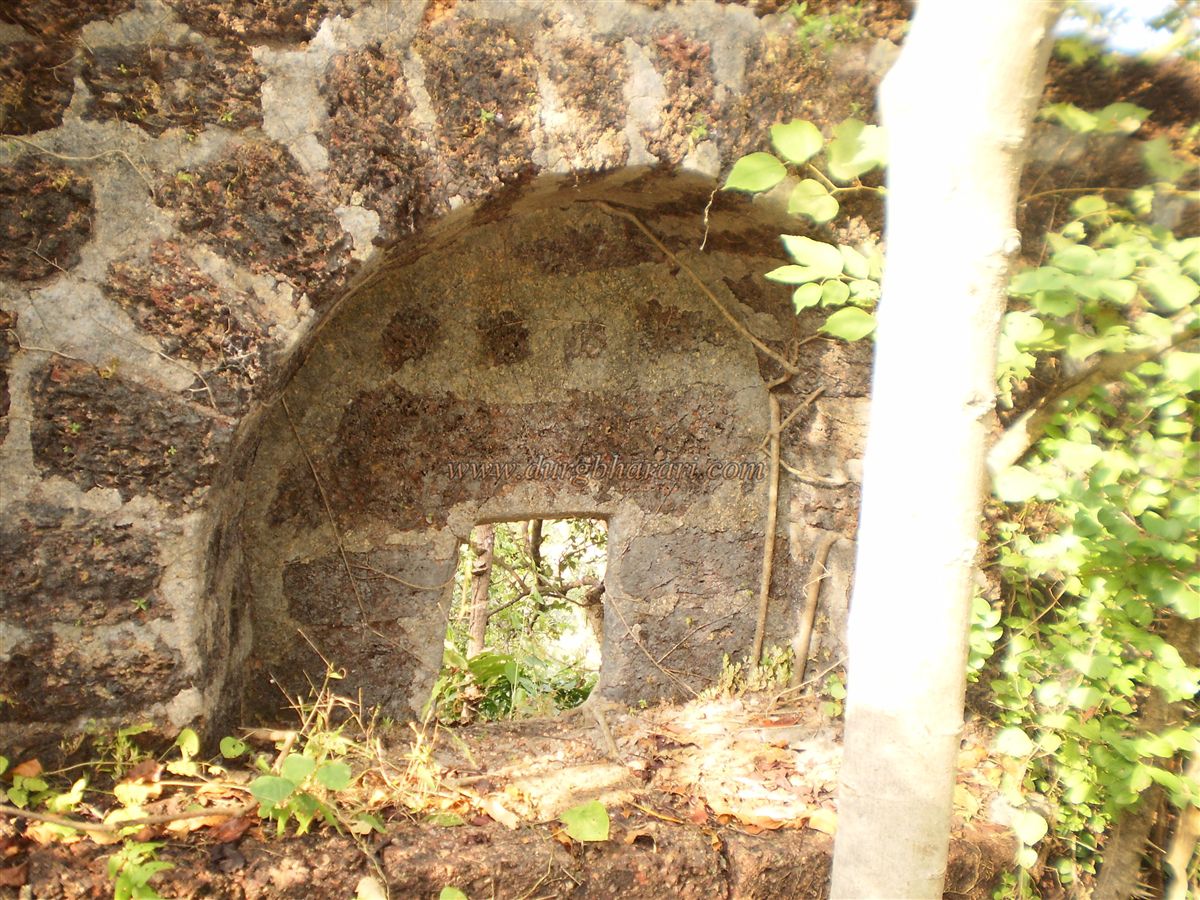
From the palace, one can walk toward the ramparts. Due to dense vegetation, not all areas are accessible. Some parts of the rampart rise up to 25–30 feet and include battlements and bastions with slits for attacking enemies. On the north and east sides are unique sentry points and small hidden doors leading inside. Behind the 3-foot-high walls, one could sit and watch the surrounding region. Unfortunately, overgrown trees have obscured much of the structure.
While walking along the ramparts, one encounters a large rectangular well with a few steps, though the bottom is now filled with soil. Continuing along, one comes to a bastion that offers views of the Arabian Sea, the creek, and boats at Keriwada. Nearby, two rooms once used by guards are still visible. A massive bastion reveals views of the inner palace and beyond to Redi port and the Keriwada region. From the north bastion, the confluence of the Arabian Sea and the Redi creek presents a stunning sight.
Eventually, one reaches the top of the main citadel gate, from where the enclosed courtyard and the third gate are visible. Dense vegetation prevents further movement along the rampart, so one descends to the entrance to conclude the citadel tour.
From the base of the fort, a road leads to the seashore. Along the way is a ruined bastion. Climbing it reveals a damaged yet impressive two-armed idol of Lord Ganesha carved in laterite stone. This idol closely resembles the famous Ganesha idol found in Redi village. After seeing this idol, a small well appears with four steps. Locals call it the "Horse Well." Further along is another dry well, and eventually, one exits to the seashore through a small gate. The sea view from Yashwantgad is breath taking. Exploring the fort takes about two to two and a half hours.
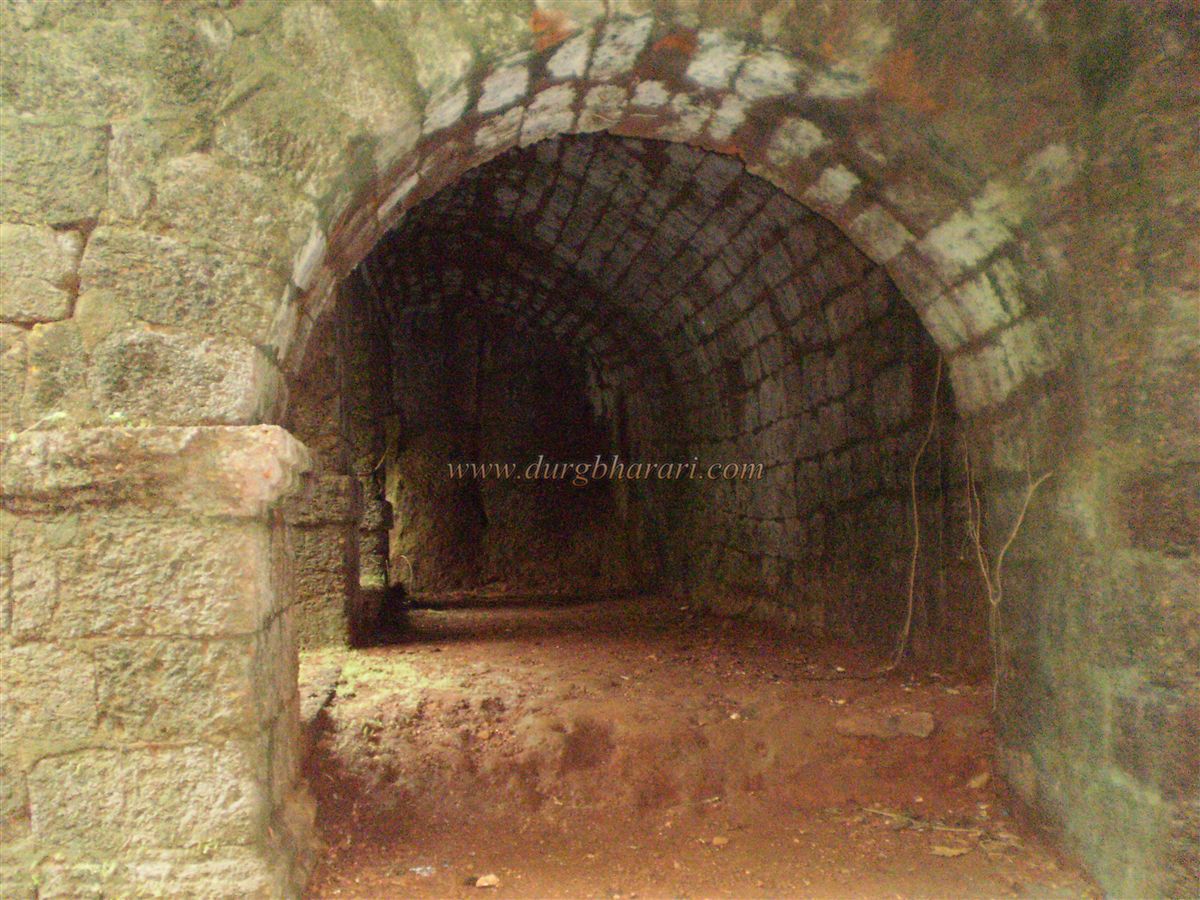
At the entrance from Redi village, one sees a small entry gate with protective bastions and walls. Entering through this gate, one climbs to the plateau of the fort. The first main gate is followed by a 20-foot-deep trench that circles the fort. A second gate lies at a right angle to the first, flanked by bastions. A bit higher is the third (main) gate, notable for its small side entrance and winding path used when the main gate was closed. All the gates have intact arches. Just inside the main gate are arched guard rooms. The fourth gate is at a right angle to the third and is designed like a tunnel.
Inside the citadel, one sees the royal residence and the two-storeyed administrative building with a maze-like layout. It occupies about one-third of the citadel and is so complex that it’s hard to tell where one has come from. Though the upper floors are gone, wall niches for beams, and the positions of doors and windows can still be seen. Tree roots growing into the structure have created fascinating patterns.
In a courtyard is a 20×20 ft. water tank with steps on all sides and carved stone pillars decorated with leaf motifs. From the northern and eastern ramparts, sentry points and small hidden doors are visible, designed for surveillance and protection. From the north bastion, the view of the Arabian Sea meeting the Redi creek is spectacular. The bastion battlements are also unique.
There’s a warehouse-like building near the entrance, but no cisterns, ponds, or wells are visible on the fort. Aside from the fort, Redi village is also home to the Swayambhu Ganapati Temple, Mauli Temple, and a scenic beach.
Historically, Kankan’s ports were known for trade. Redi, known in ancient times as "Revati Dweep," was one such major port. Around 610–611 AD, it was a major commercial hub under the Chalukya king Swami. Yashwantgad was built to control maritime trade and the creek. The fort passed from the Adilshahi rulers to the Sawant of Sawantwadi. In 1664, Shivaji Maharaj captured the fort from the Adilshahi-aligned Wadikar and repaired it, but it later returned to the Wadikar. In 1817, the Portuguese attempted to seize it but were defeated by the Fond Sawant.
Later, the fort changed hands among the Wadikar, Portuguese, Dutch, and the Karveer Chhatrapati. In 1818, the British took control of the fort from Sambhaji Sawant under a false promise to stop raids, and it remained under British rule thereafter.
© Suresh Nimbalkar
GALLERY