WORLI
TYPE : COASTAL FORT
DISTRICT : MUMBAI
HEIGHT : 0
GRADE : EASY
Once under Portuguese control, the northern Konkan region included the area of present-day Mumbai. In Marathi, this region was known as “Firangaan.” Most of the forts in Firangaan were built by Europeans, with their own distinct architectural style. Looking at the history of Firangaan, it becomes evident that the Portuguese also built isolated bastions and outposts at certain locations to serve the same defensive purposes as forts.
Even today, some forts in Mumbai stand strong, preserving their historic legacy. These forts were once under Portuguese control and later passed to the British. One such fort is the Worli Fort, which we are visiting today.
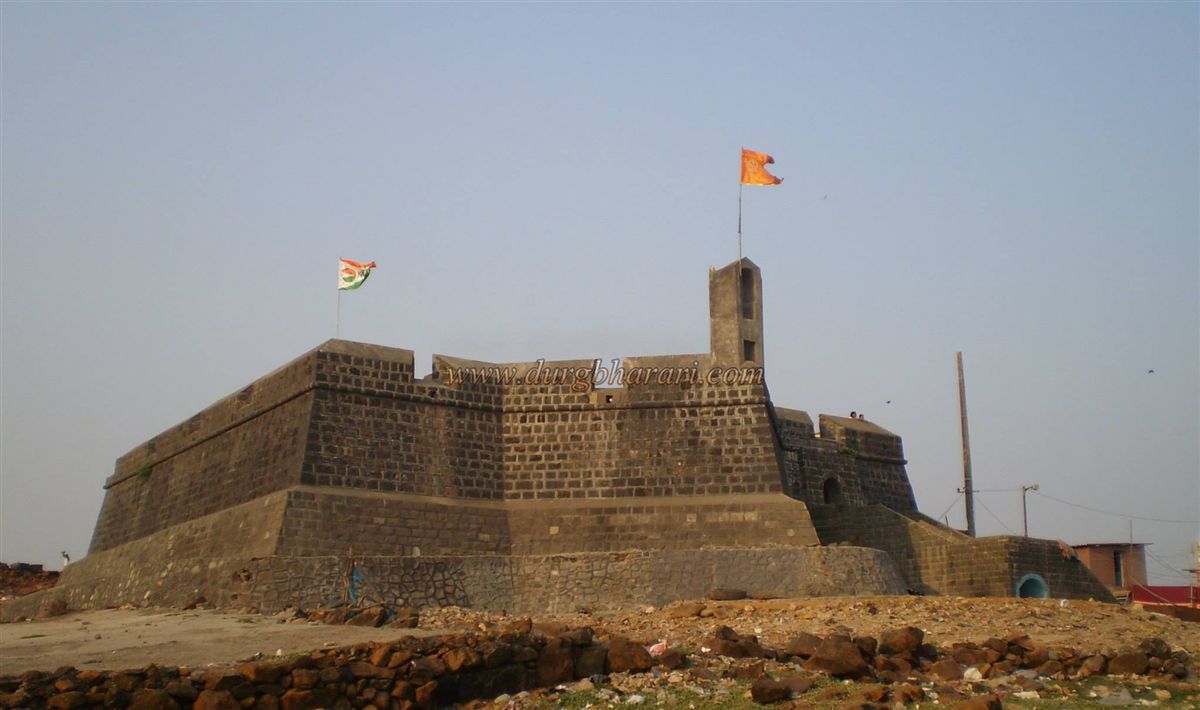
In Worli Koliwada, a narrow lane from the Adarsh Nagar bus stop leads towards the seashore. After a ten-minute walk through this lane, you arrive at Worli Fort. The Portuguese built this fort in 1561 on a small hillock at the tip of the Worli Island.
...
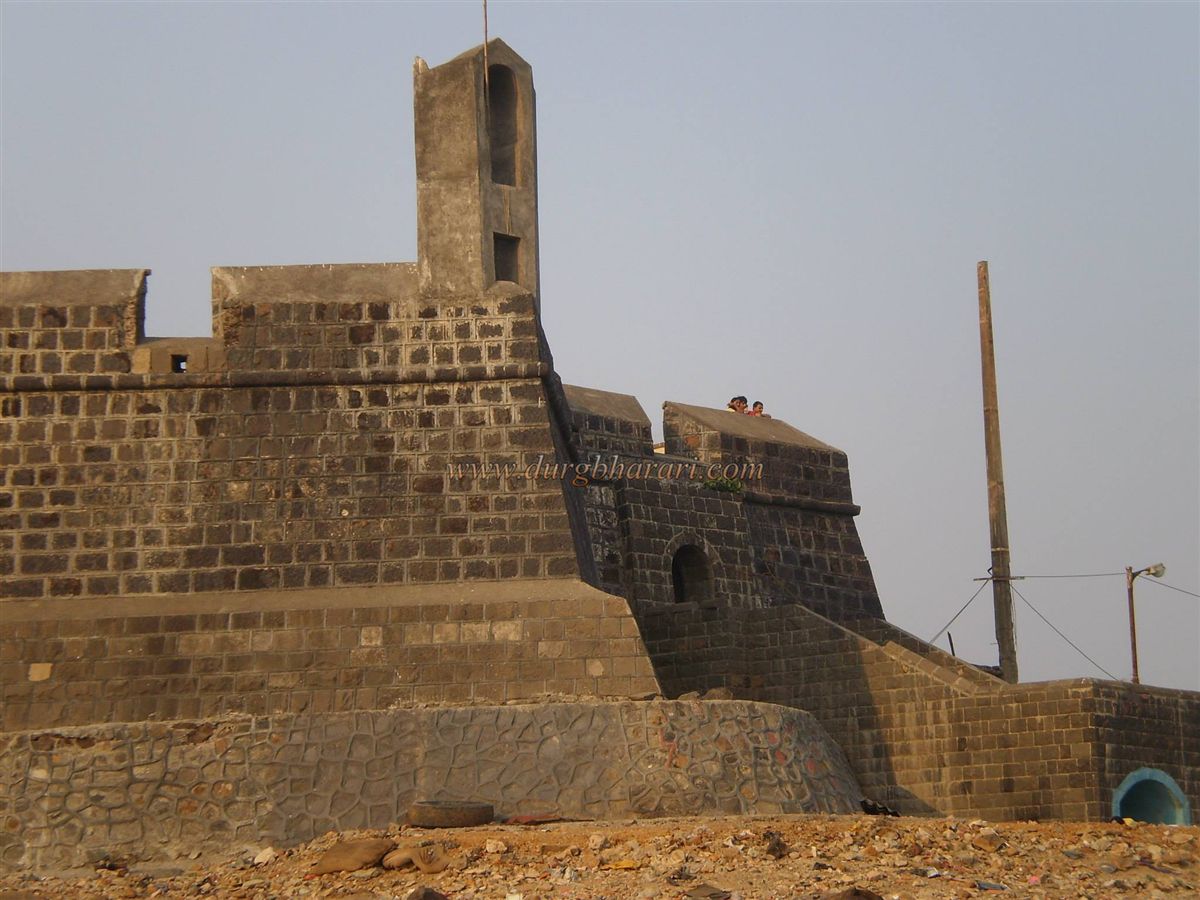
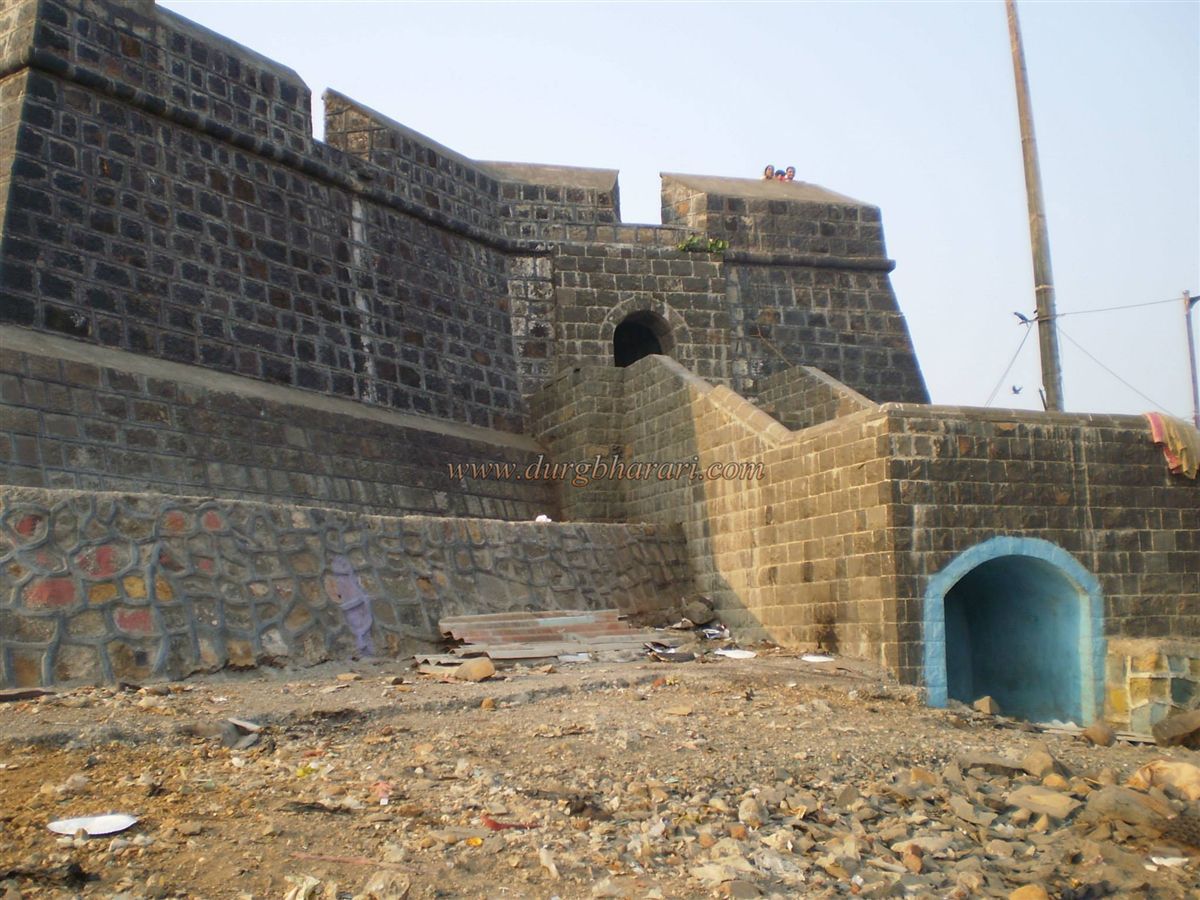
Its thickening base walls, the triangular bastion on the southern side, and the tower for hanging a bell on the bastion are classic examples of Portuguese architecture visible here.
In 1665, along with the other islands of Mumbai, this fort also came under British control. There were a total of 11 forts on the Mumbai islands. The land projection of Worli into the sea, along with Mahim Fort and Bandra Fort, forms a shape resembling the English letter “U.” Due to this naturally concave landform, the sea here remains calm, which once made this an important spot for the movement of small boats, ships, and large vessels.
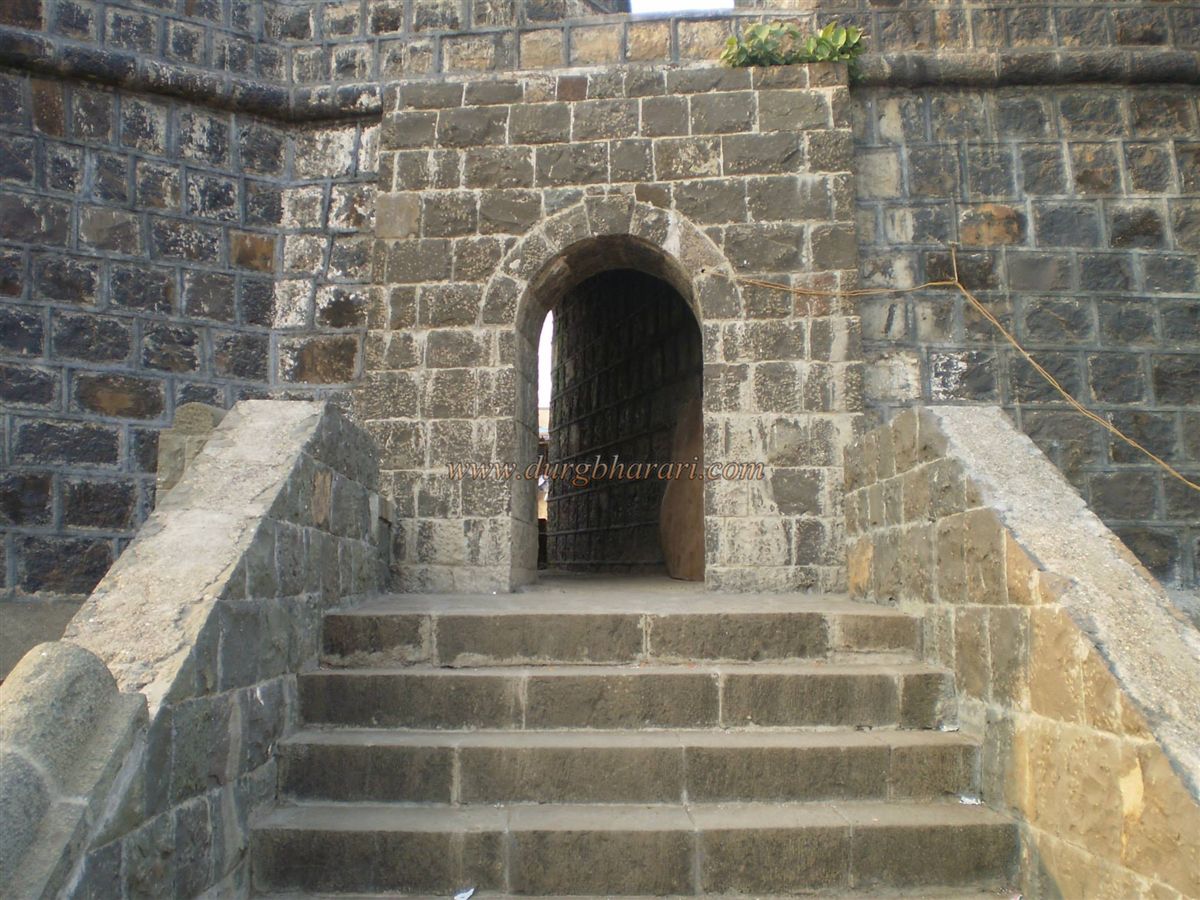
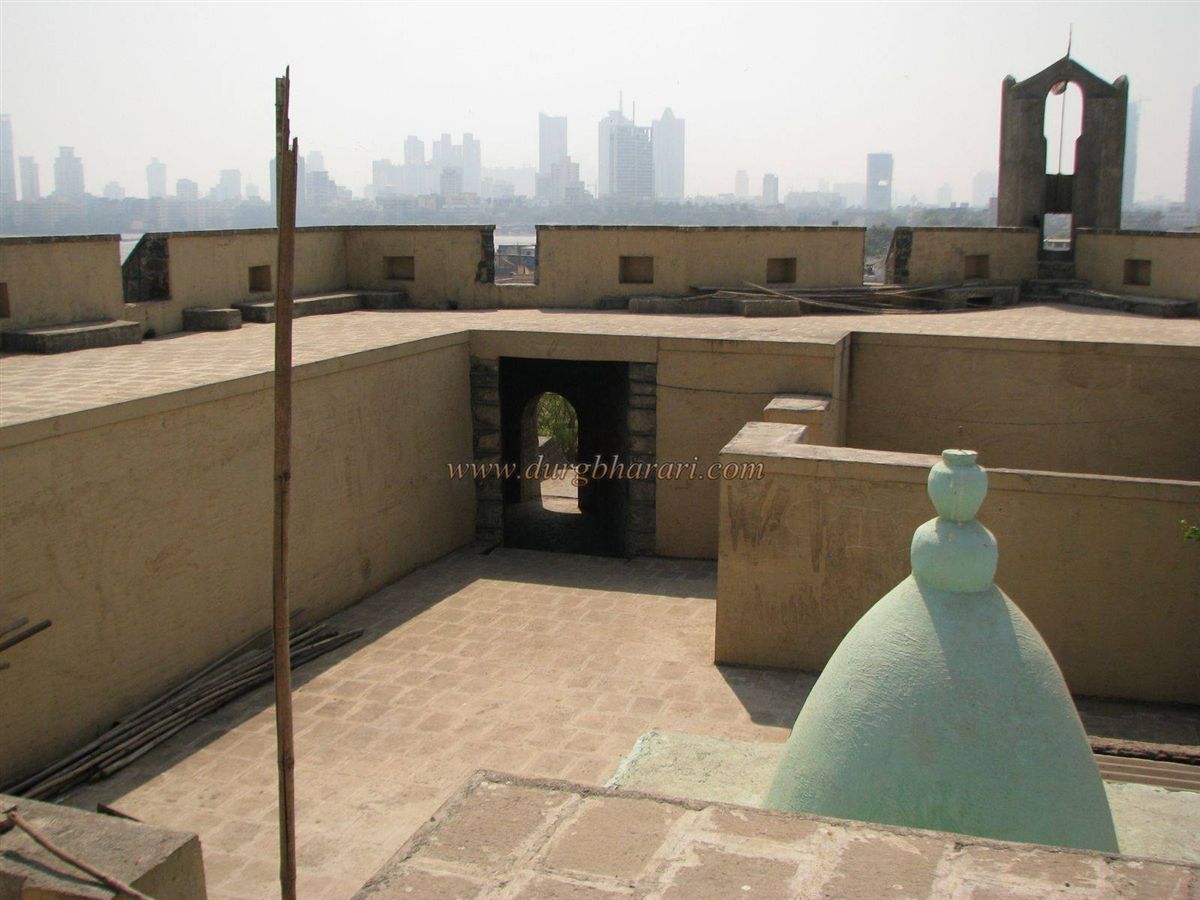
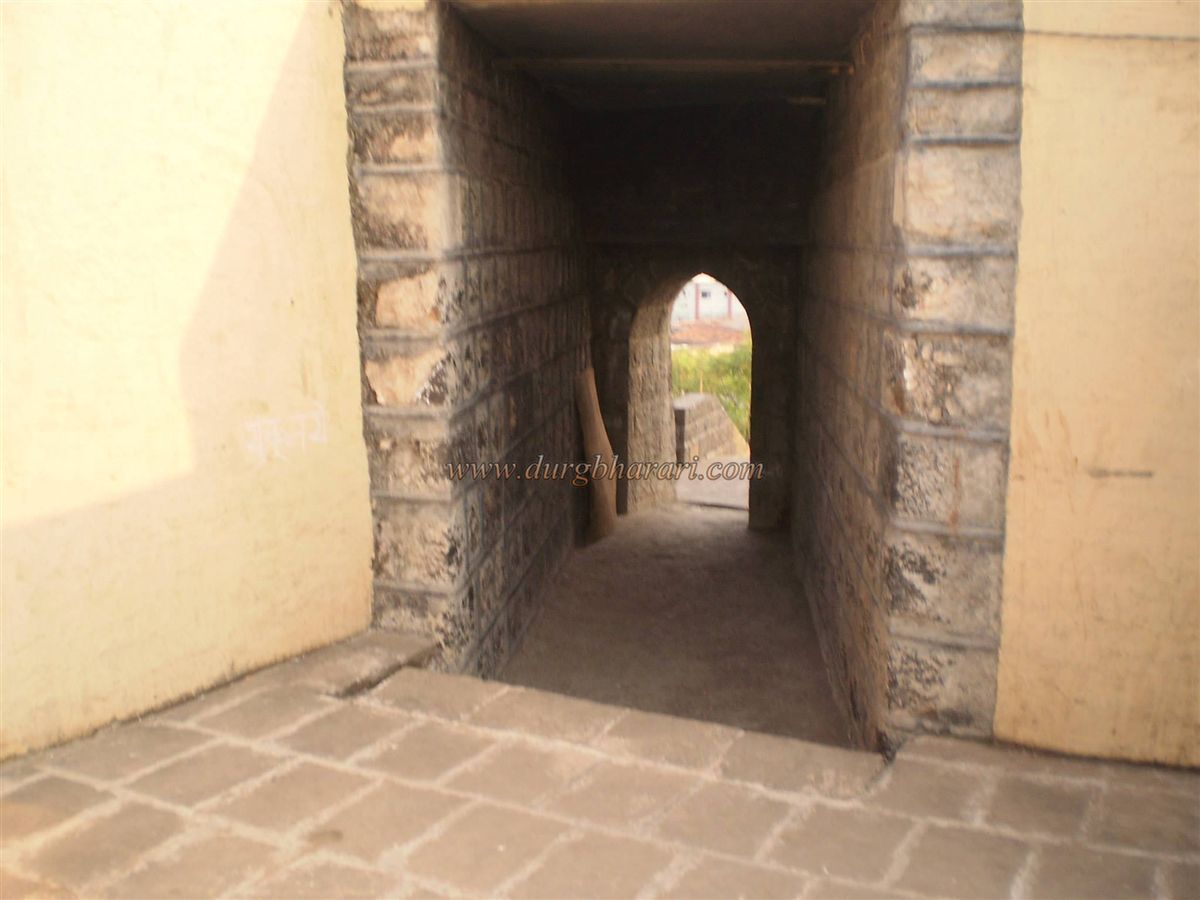
Recently, the Archaeological Department carried out restoration work, so the fort is in good condition. The entrance is through a small doorway, above which stands a tower designed for hanging a bell. Unique among Mumbai’s forts, Worli Fort has its own water source—a well—located inside. Next to the well, a small recently built temple and a gymnasium can be found.
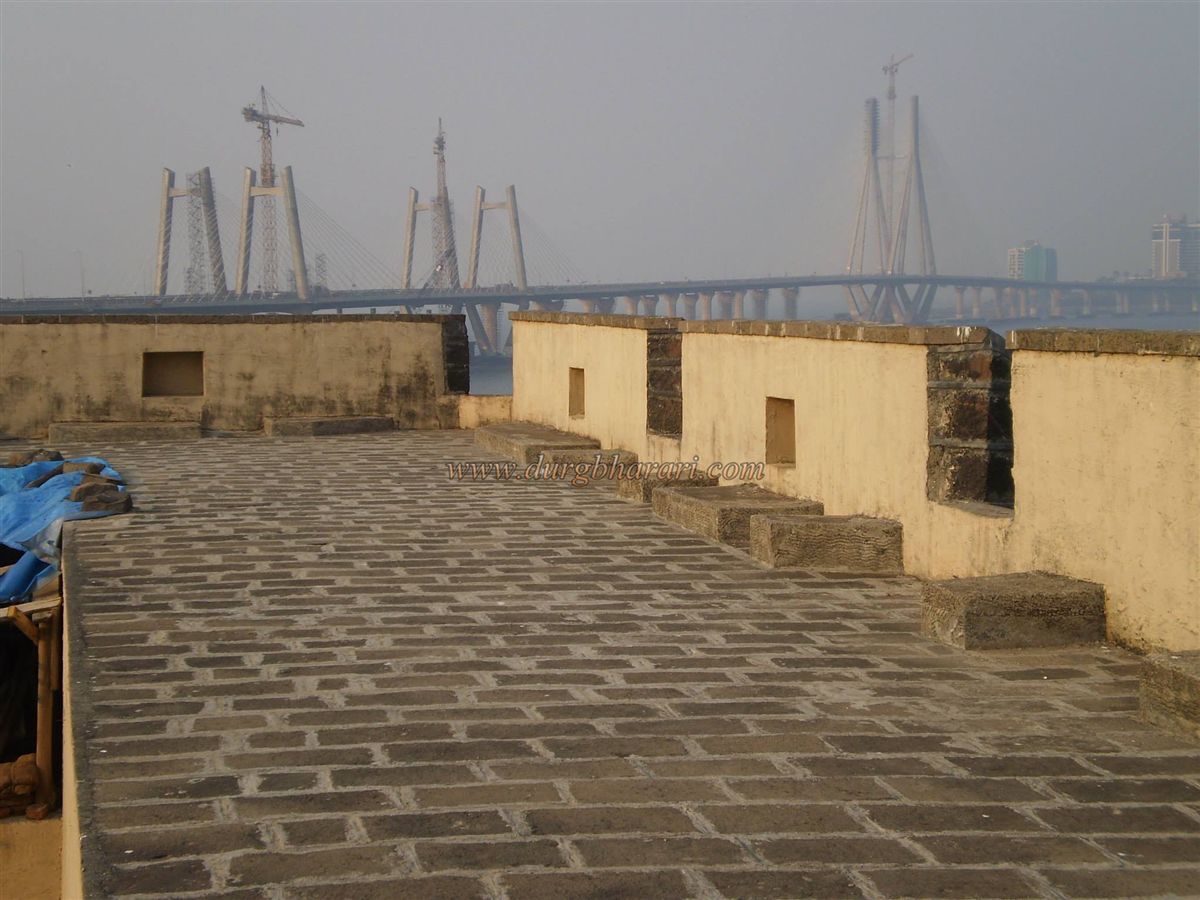
Climbing up the steps leading to the fort walls offers a clear view extending up to Bandra and Mahim. Outside the fort, near the shore, three platforms built for cannons can be seen. In the 17th century, the British stationed cannons here to curb pirate activities. From the fort, one can also see the Worli-Bandra Sea Link.
The fort is small and compact, and a complete visit takes no more than half an hour.
© Suresh Nimbalkar
GALLERY