WATHAR-NIMBALKAR
TYPE : GADHI/ NAGARKOT
DISTRICT : SATARA
HEIGHT : 0
GRADE : EASY
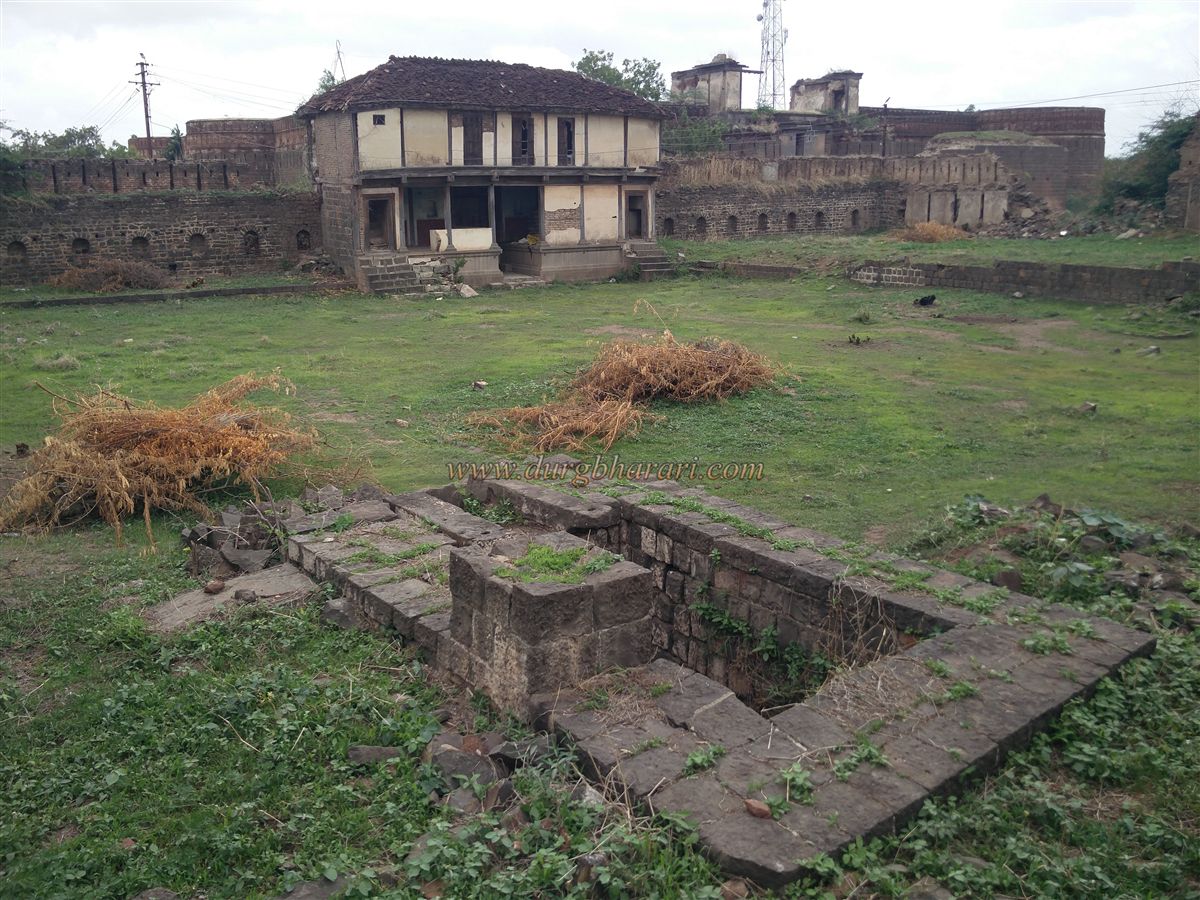
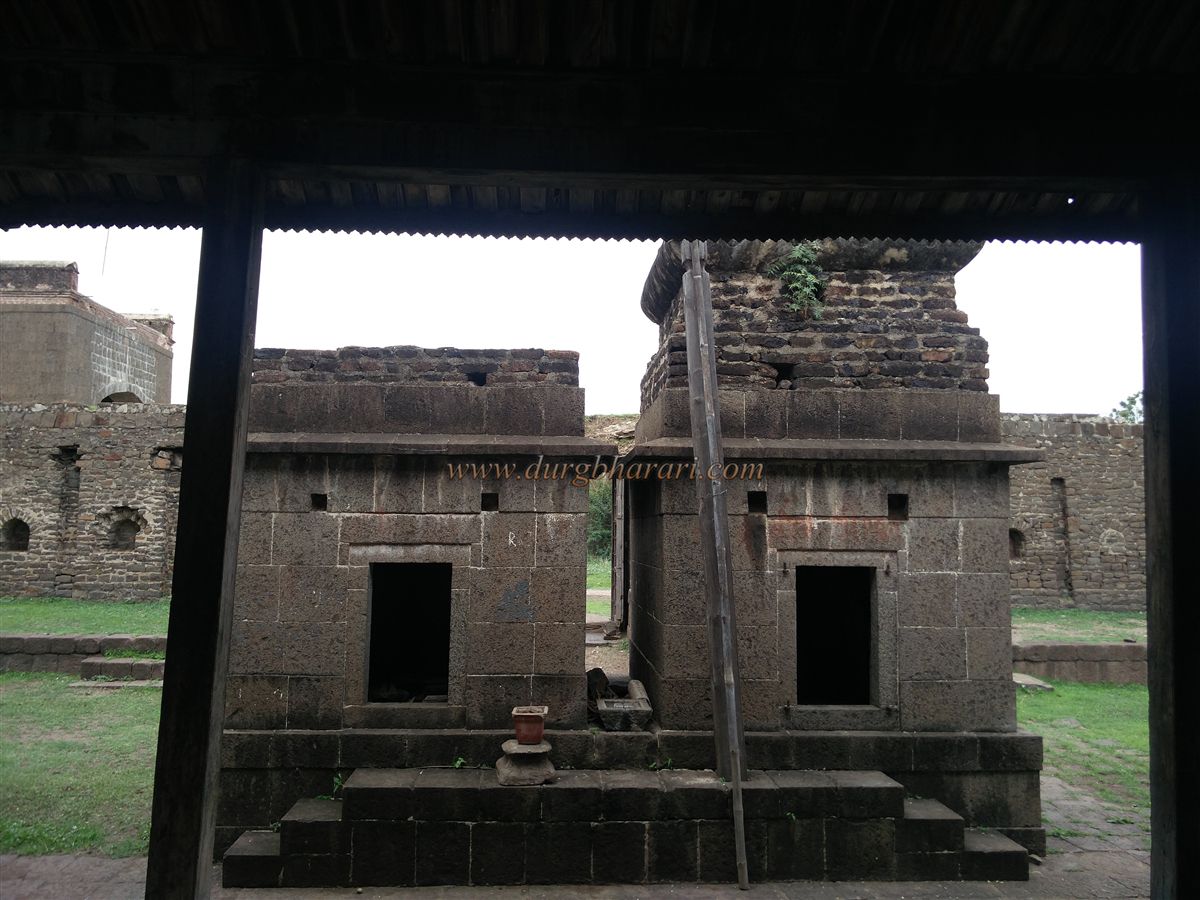
The history of Phaltan and its architectural heritage is deeply tied to the legacy of the Nimbalkar family, whose influence is evident throughout the region. Among the many notable sites in this area, the fortified palace complex at Wathar Nimbalkar in Phaltan taluka of Satara district stands out as a truly unique structure in Maharashtra. Unlike most other gadhis (fortified mansions), this complex does not consist of a single fort-like structure. Instead, it comprises six independent fortified gadhis and two temples, all enclosed within a larger defensive wall. Spread over approximately 25 acres, this complex represents a rare and elaborate example of Maratha-era residential and defensive architecture.
...
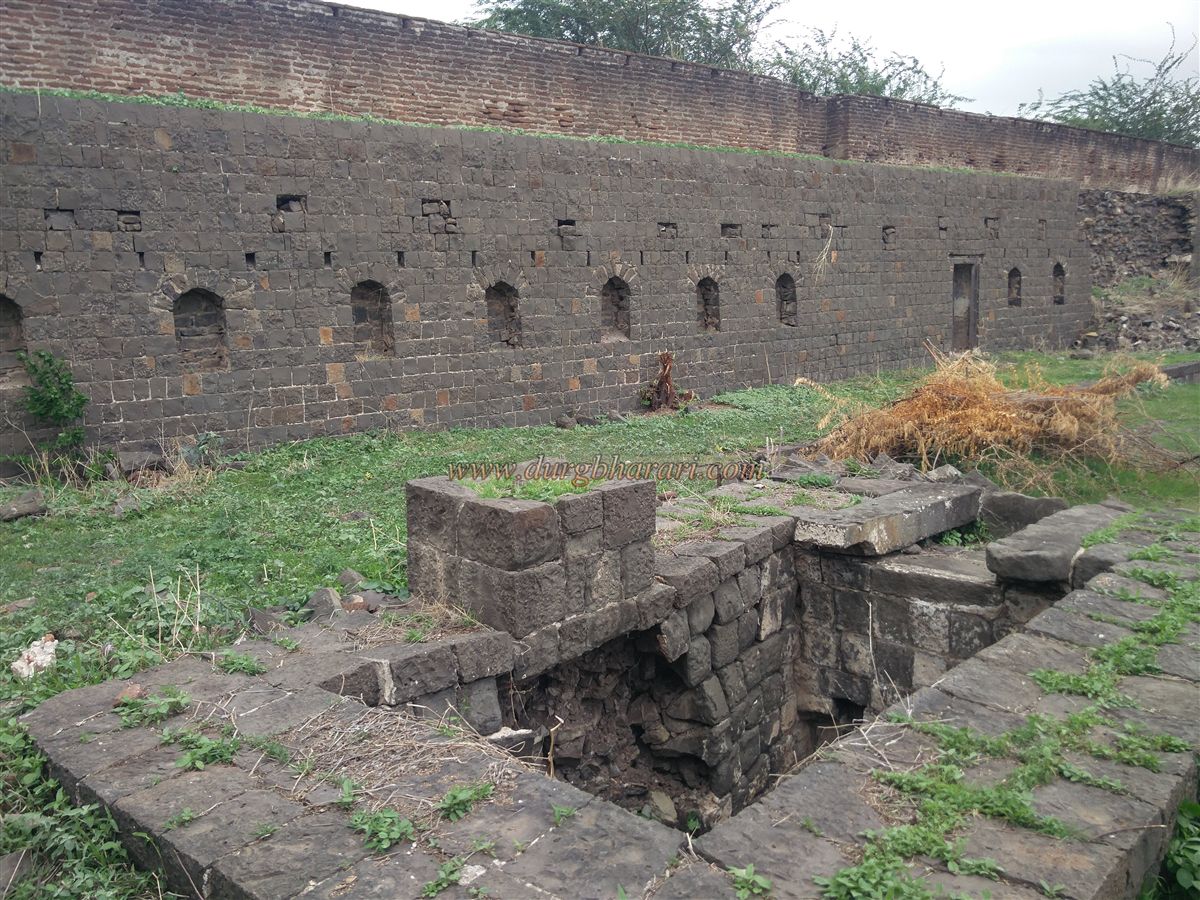
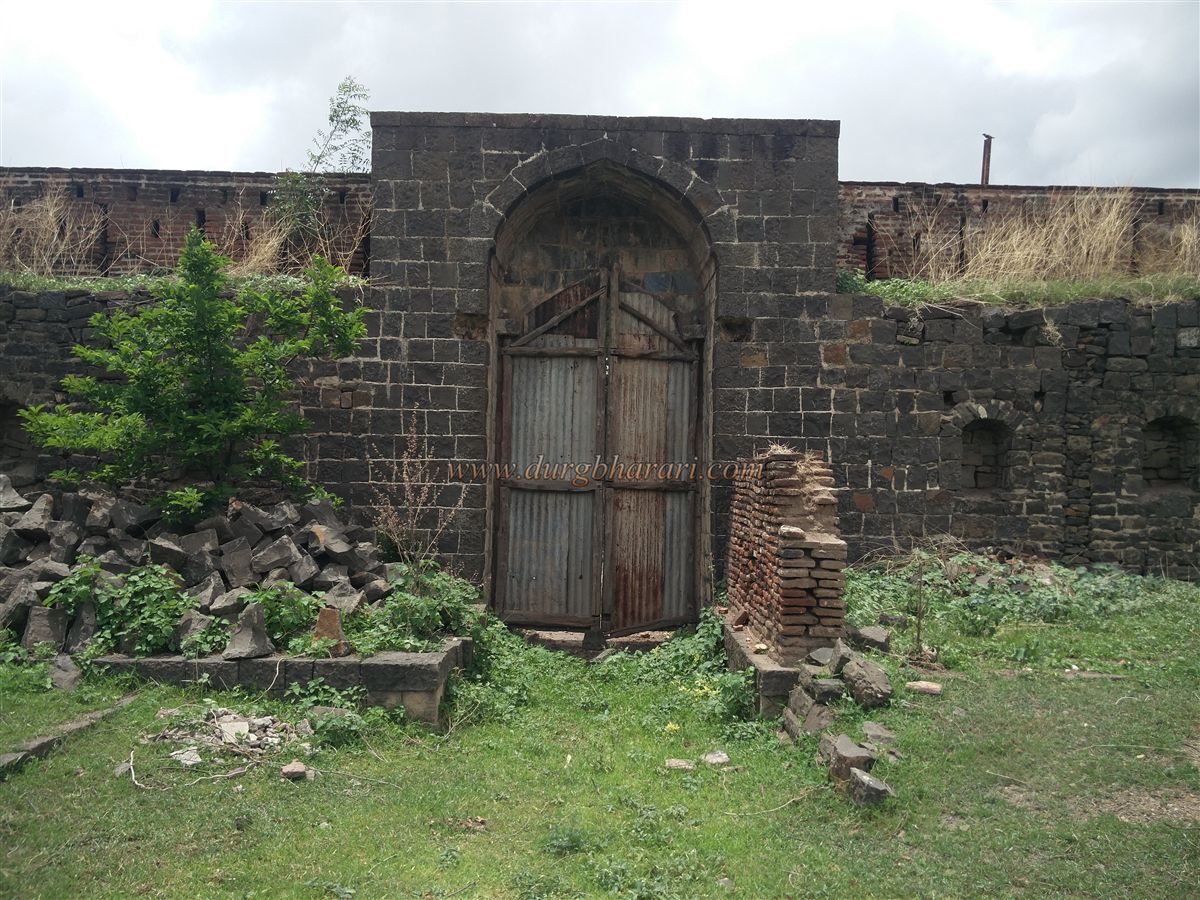
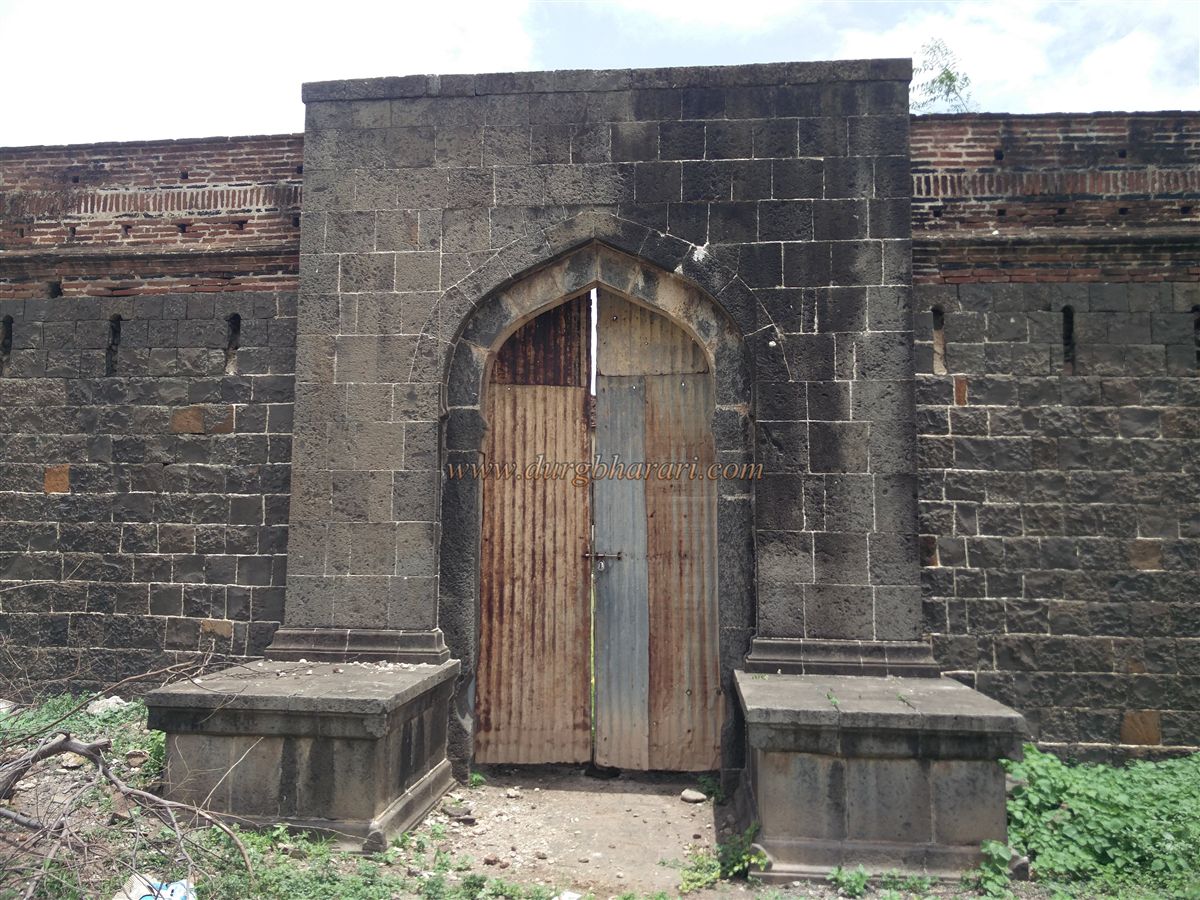
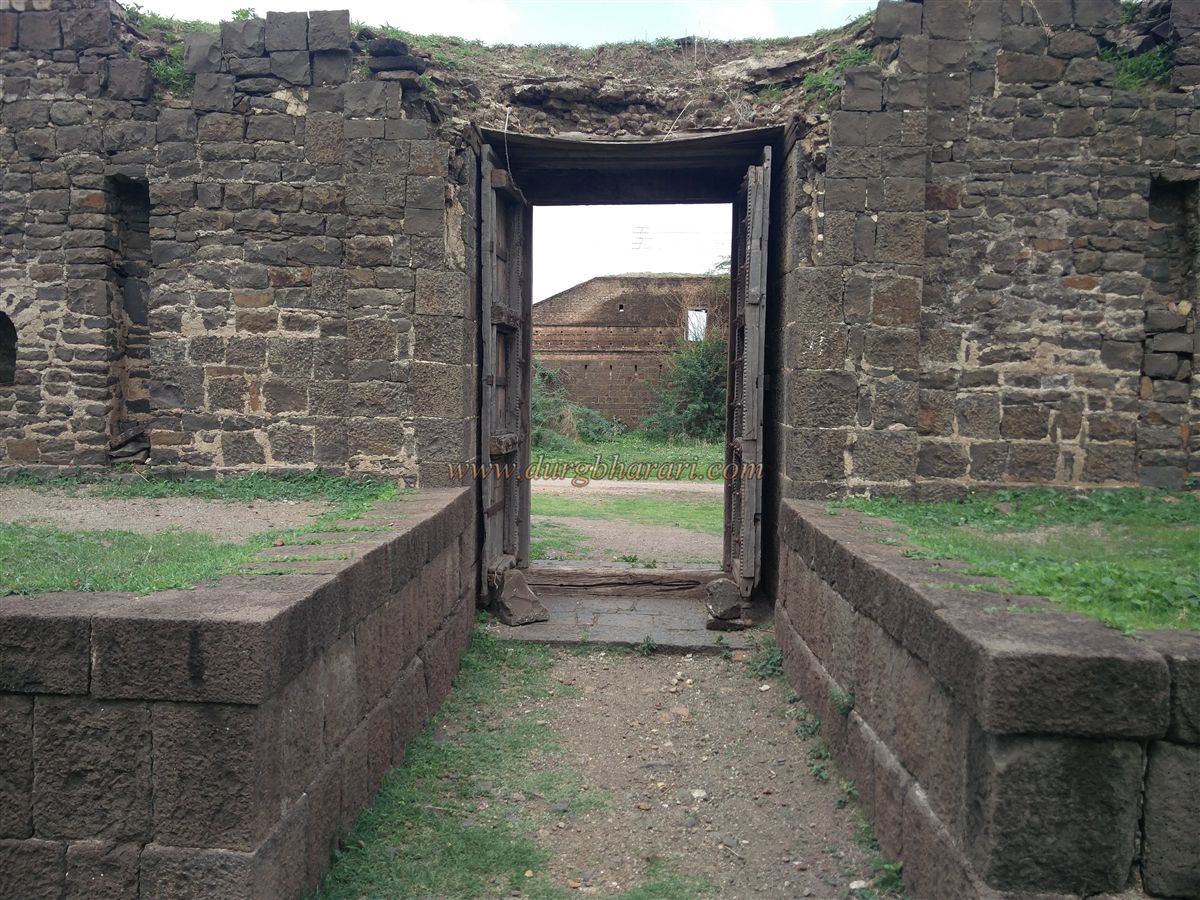
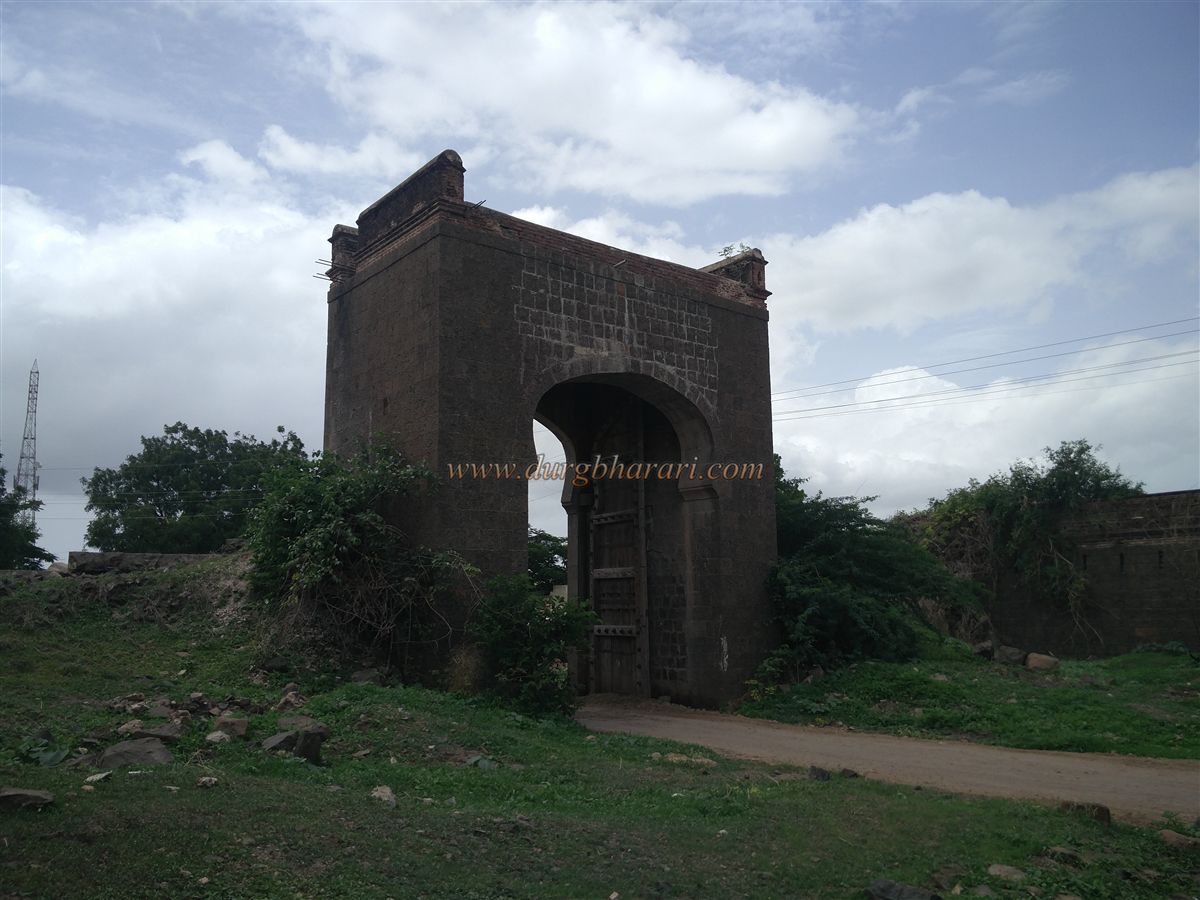
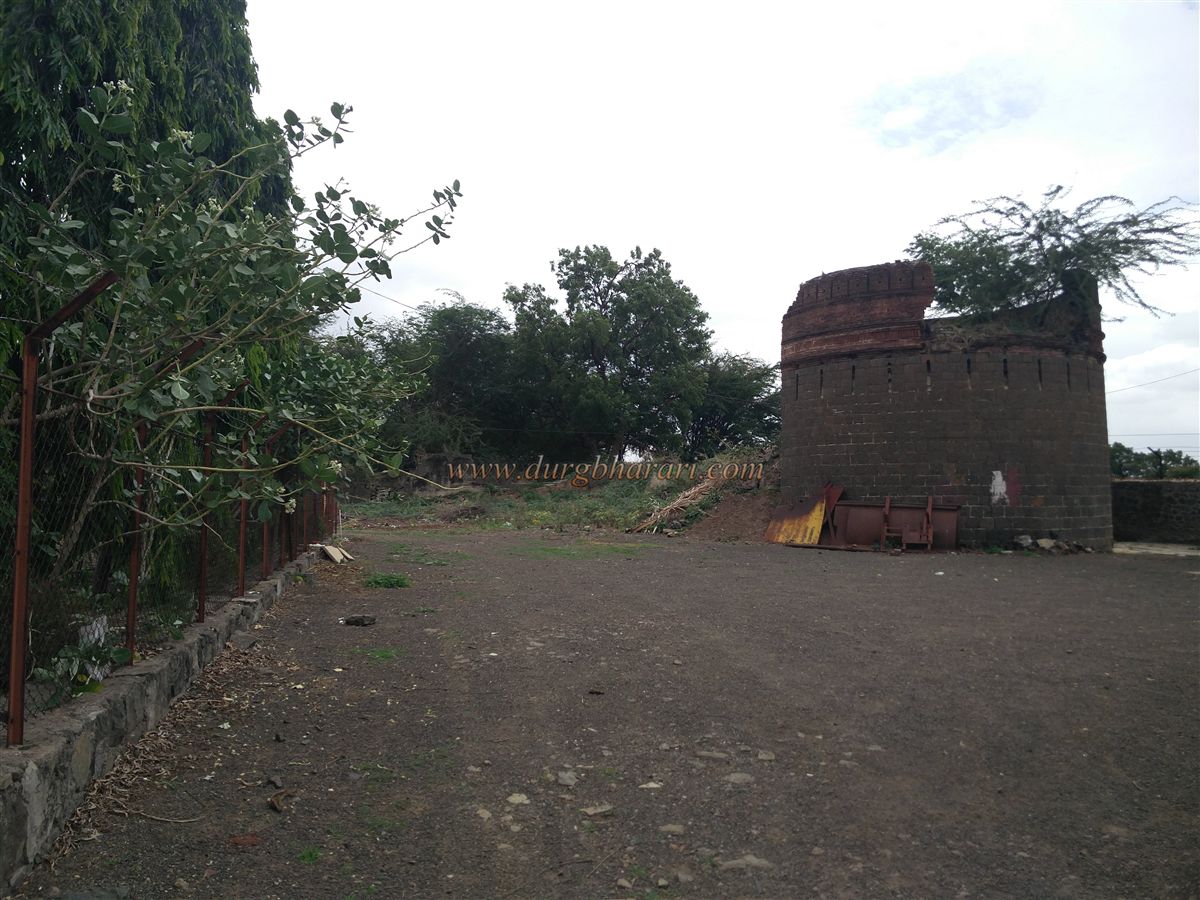
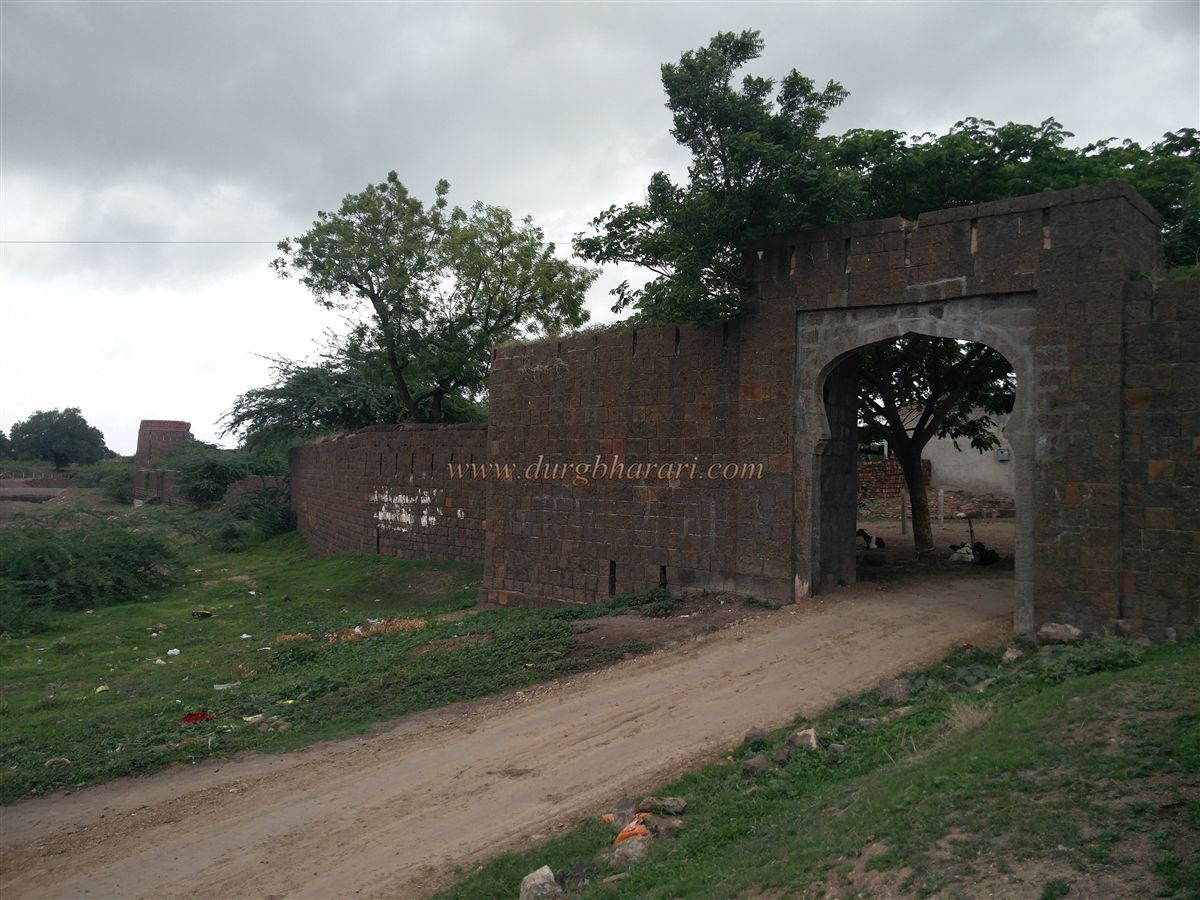
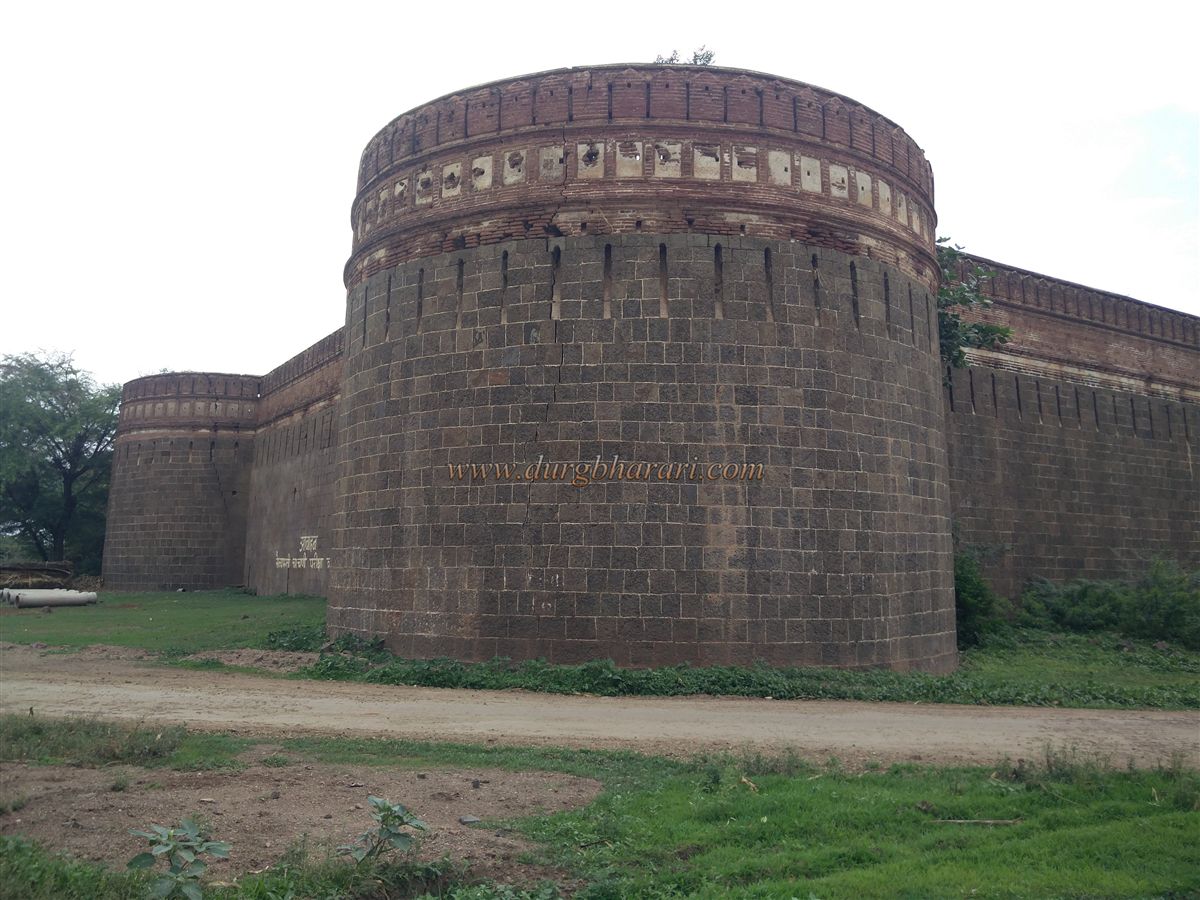
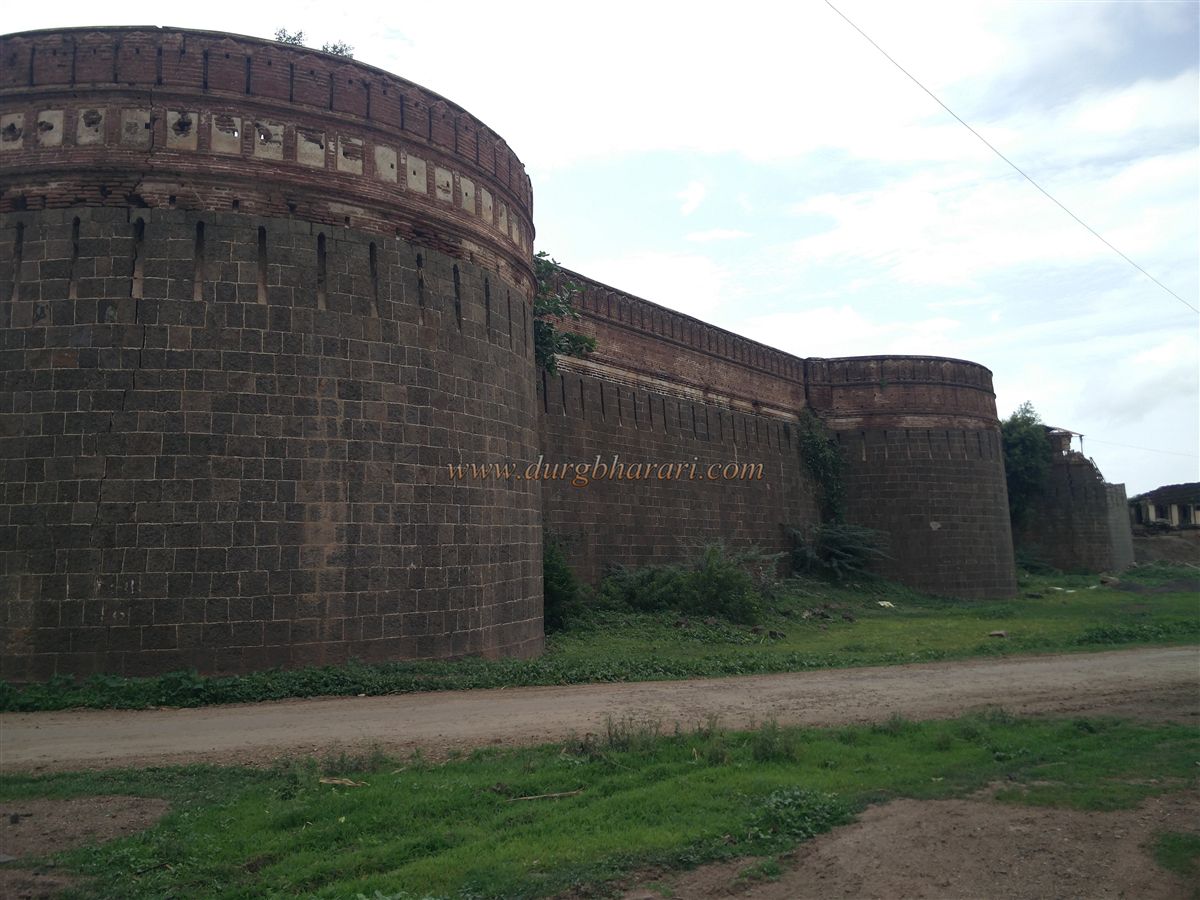
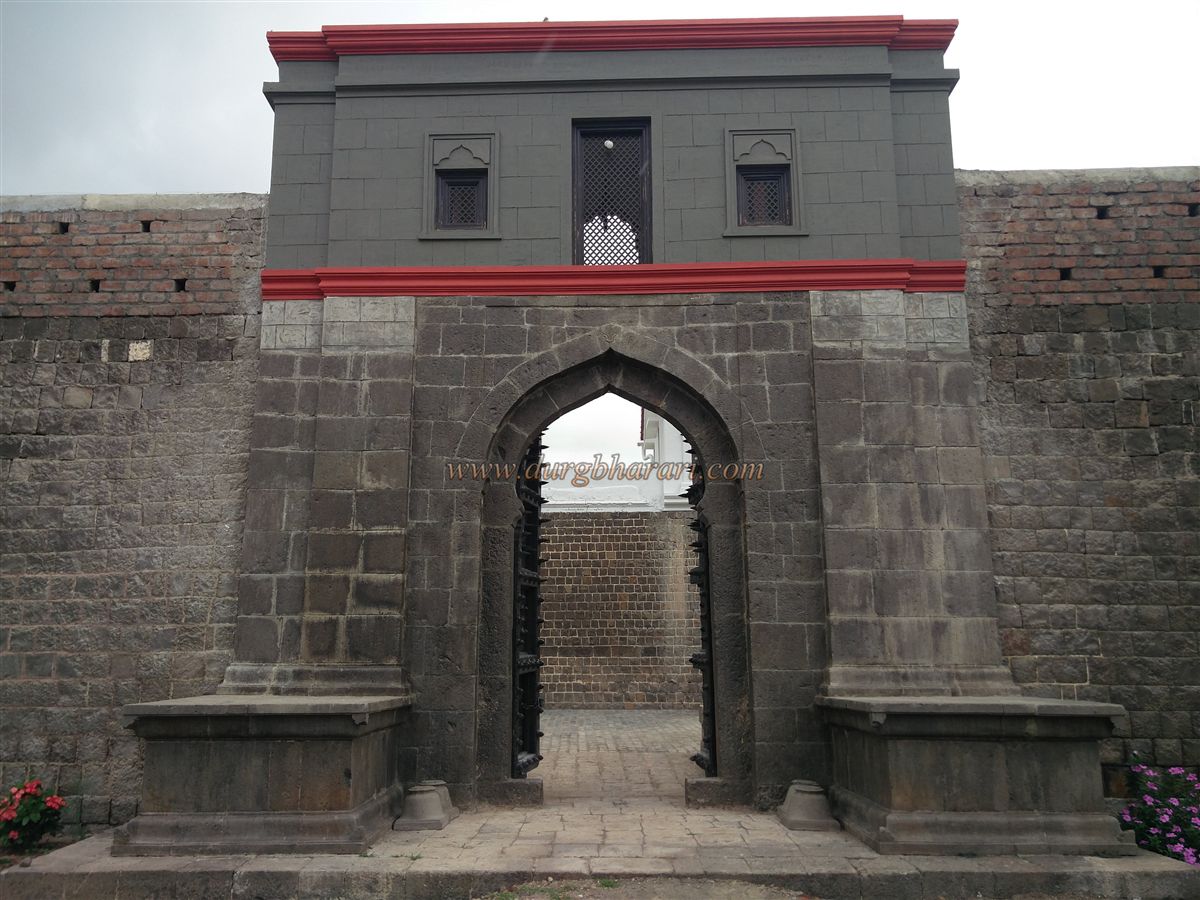
Situated on the banks of a river, the complex benefits from a natural moat on its western side, formed by damming the river to create a defensive barrier. The main entrance to the fortification lies on the northern side, with a secondary gate to the south. The massive northern gateway, about 20–22 feet high, is built of dressed stone and fitted with large wooden doors reinforced with sharp iron spikes. The walls and bastions, constructed from dressed stone, feature loopholes for muskets, testifying to the defensive intent of the builders.
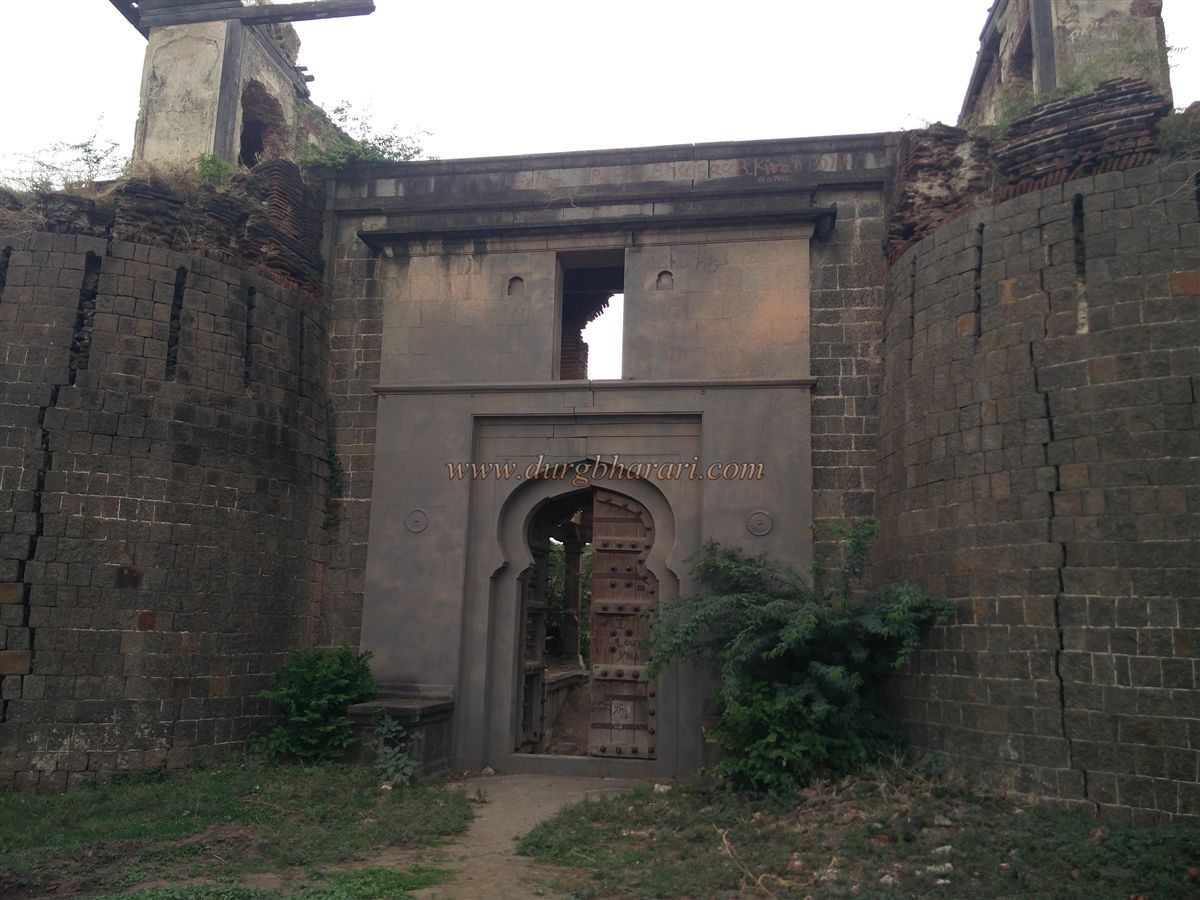
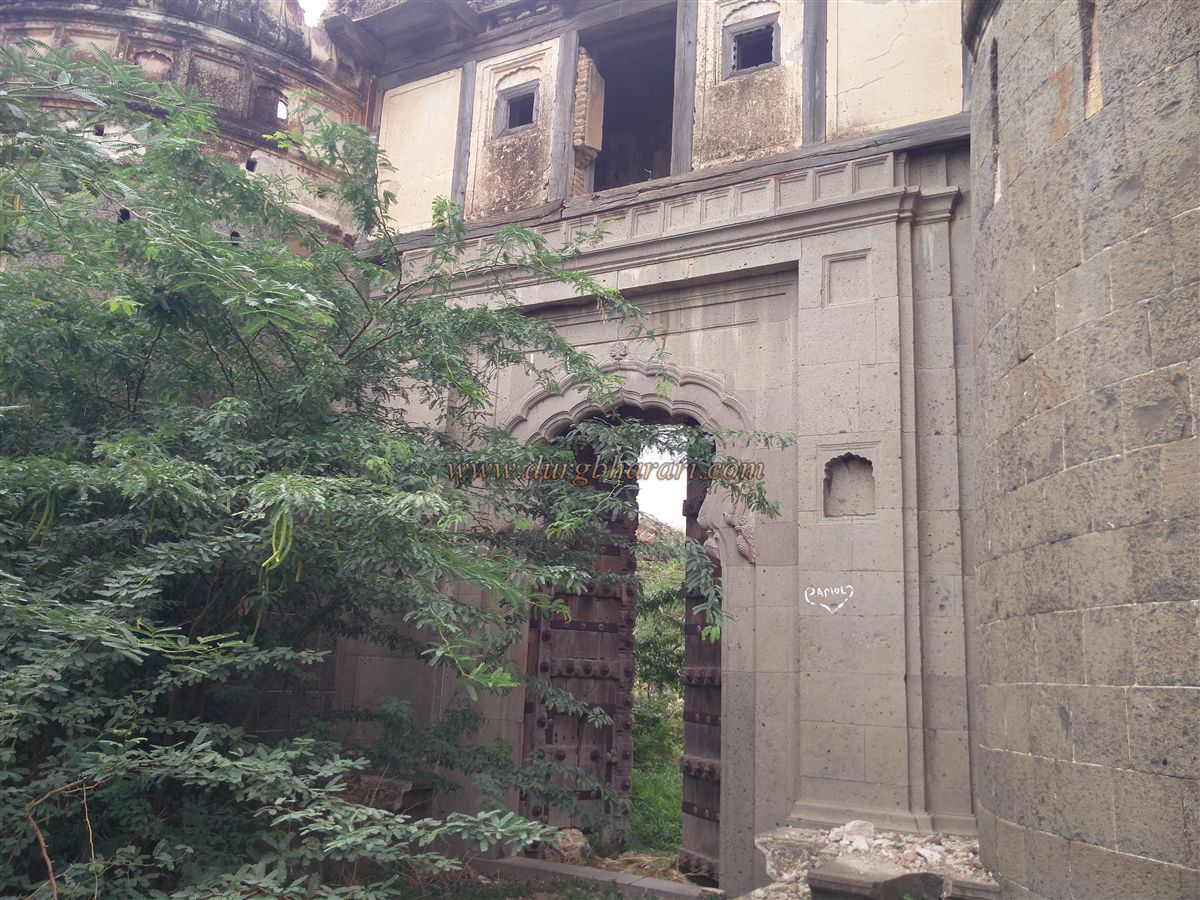
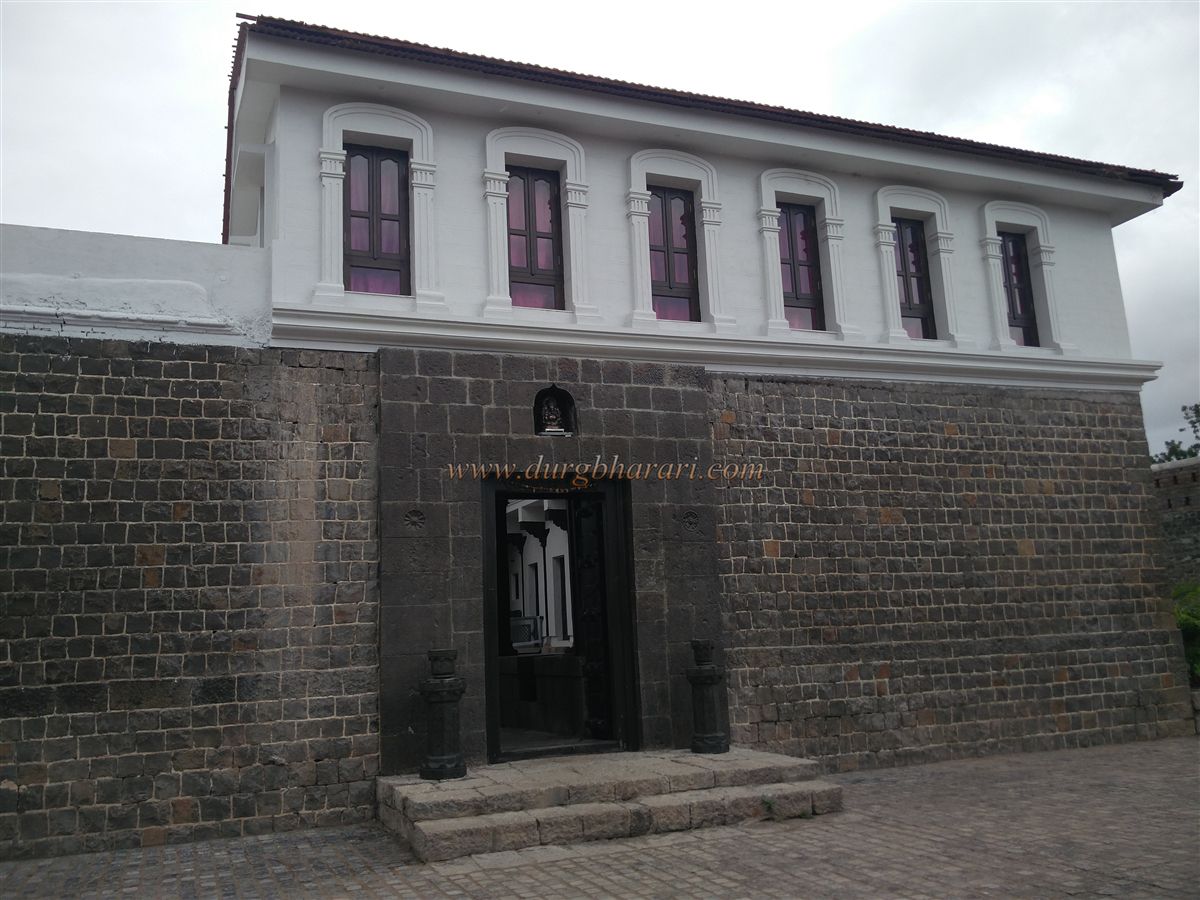
Inside the enclosure, each of the six gadhis has its own independent walls and water system. The central gadhi, occupying about 1.5 acres, is the largest and best-preserved of the six. Known as the Nav Burujacha Wada (the mansion with nine bastions), it is square in shape, with nine bastions — one at each corner, one on each side, and two flanking the gateway. The main northern entrance has a dindi gate, and above it is a Nagarkhana (drum chamber). The remains of the interior suggest that the central palace was originally four stories high, though only fragments of it now survive.
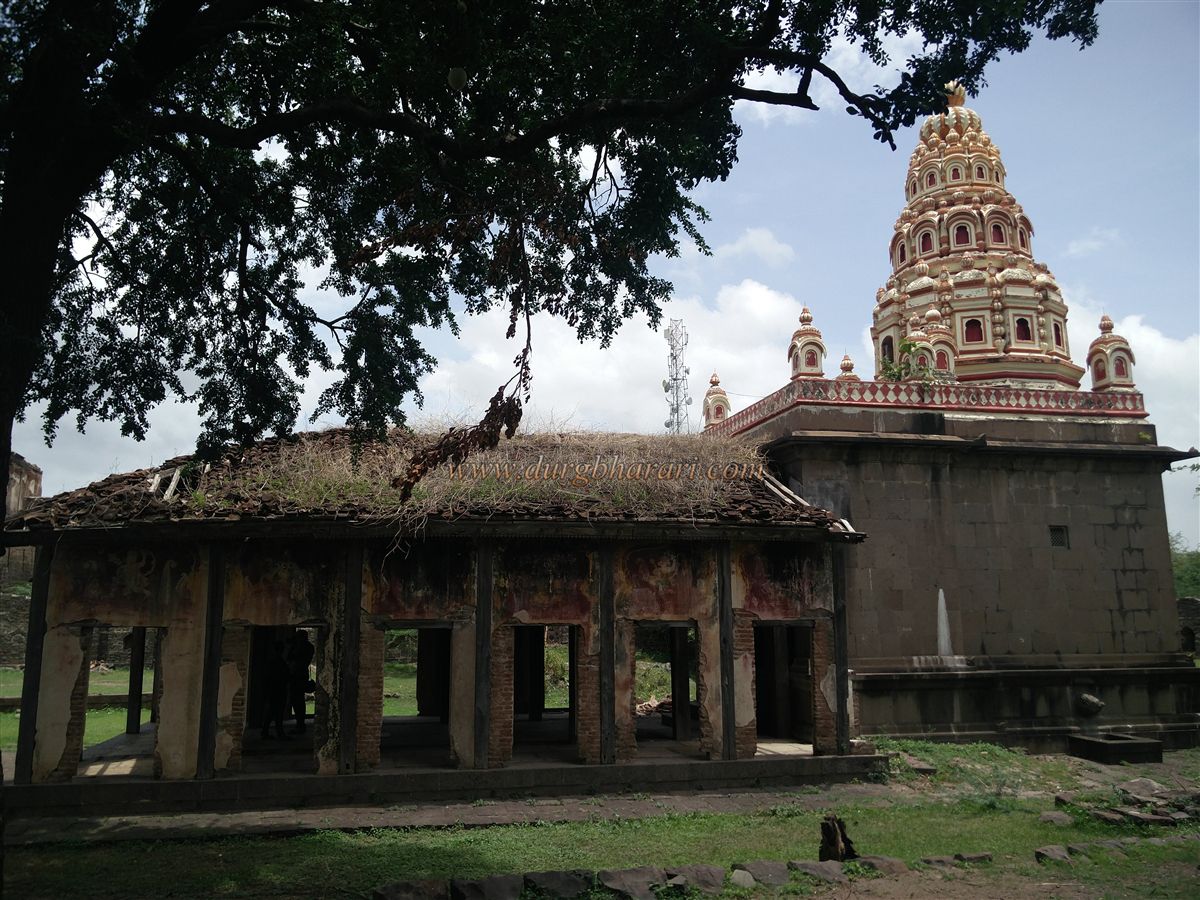
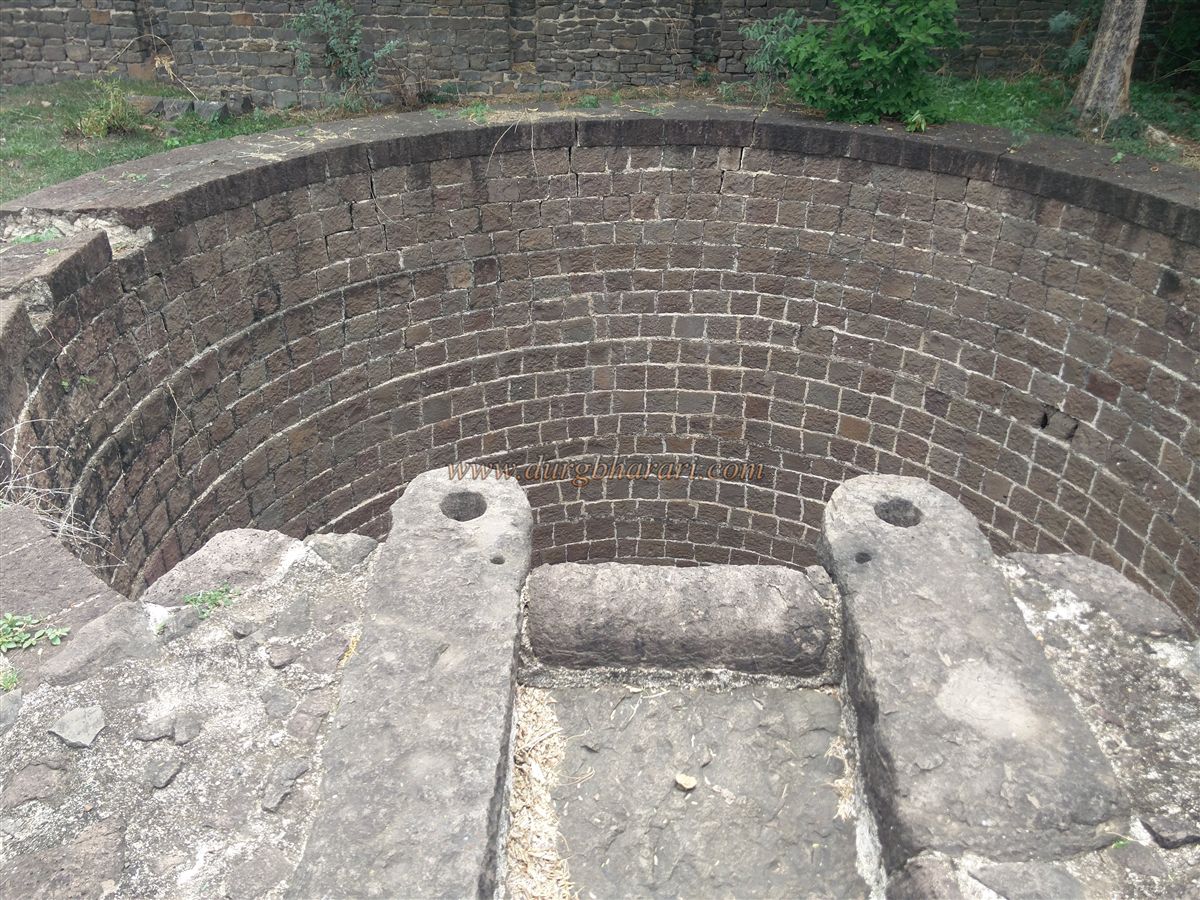
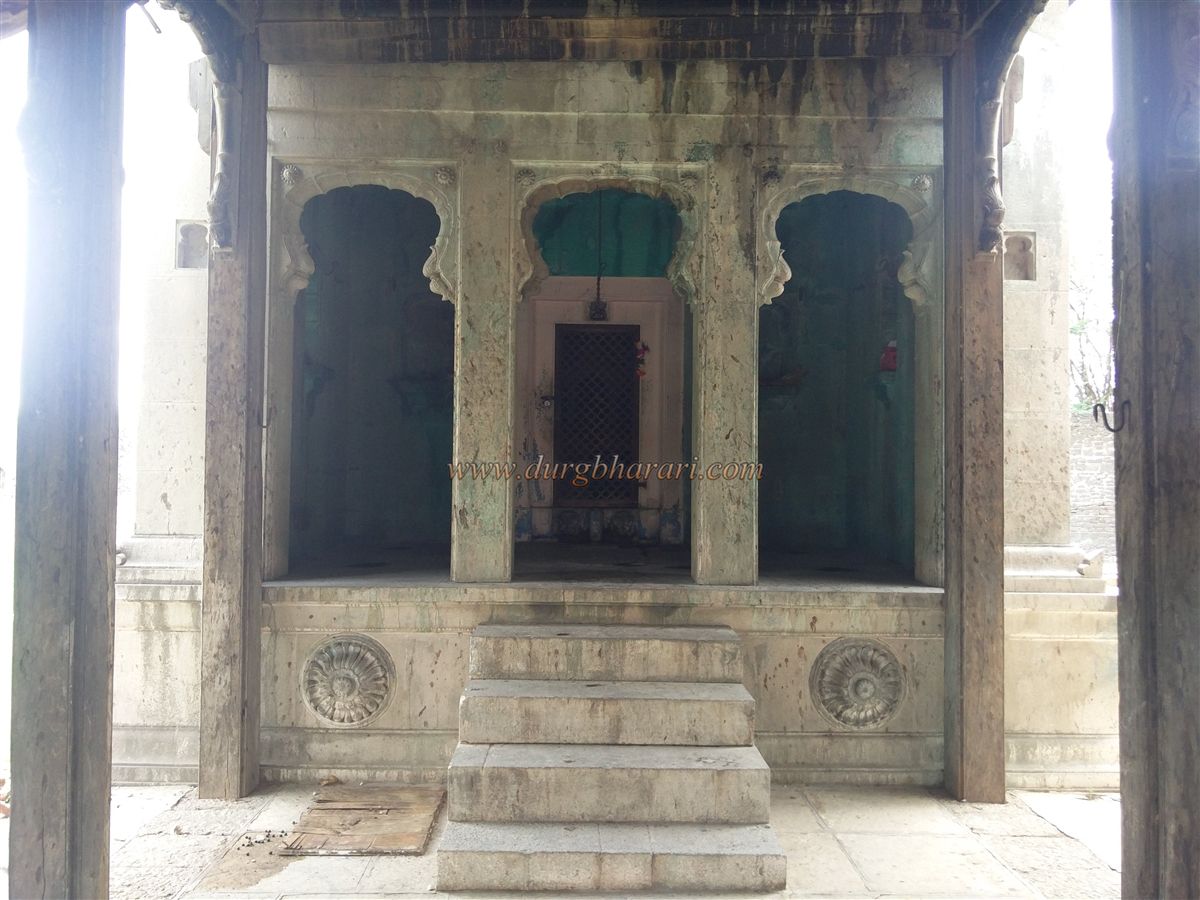
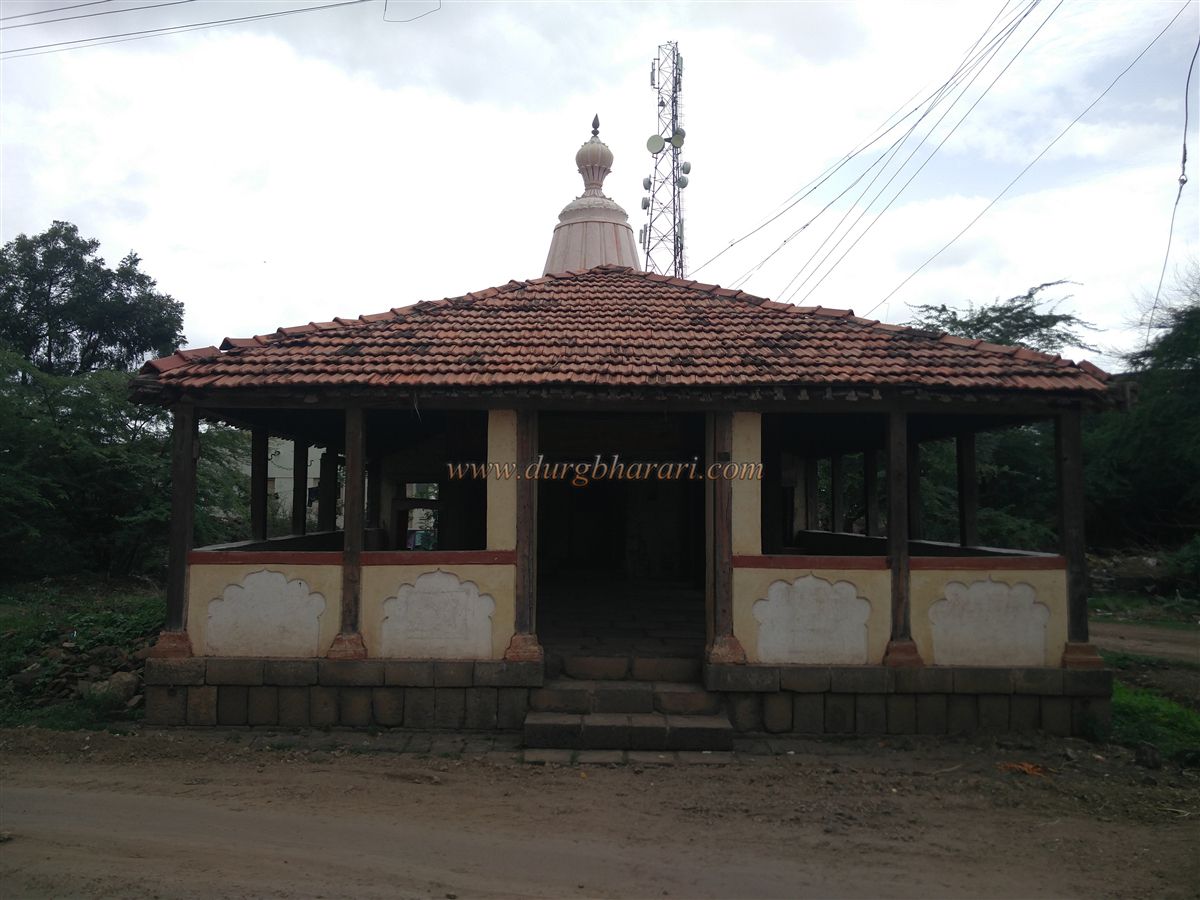
The Ram Temple inside the fort is a fine example of medieval temple architecture. It consists of a stone-built sanctum and a wooden Sabhamandap (assembly hall), adorned with exquisite carvings and paintings. Sadly, these are now in a dilapidated state. The temple courtyard contains a large well with steps and a pulley system for drawing water, as well as numerous storage niches and living quarters, suggesting that this temple complex once supported a sizeable resident community.
The other five gadhis are smaller (each around 1 acre), with varying degrees of preservation. One of these gadhis is still inhabited by a branch of the Nimbalkar family and has been maintained in relatively good condition. The others are in ruins, their walls overtaken by vegetation or incorporated into later constructions.
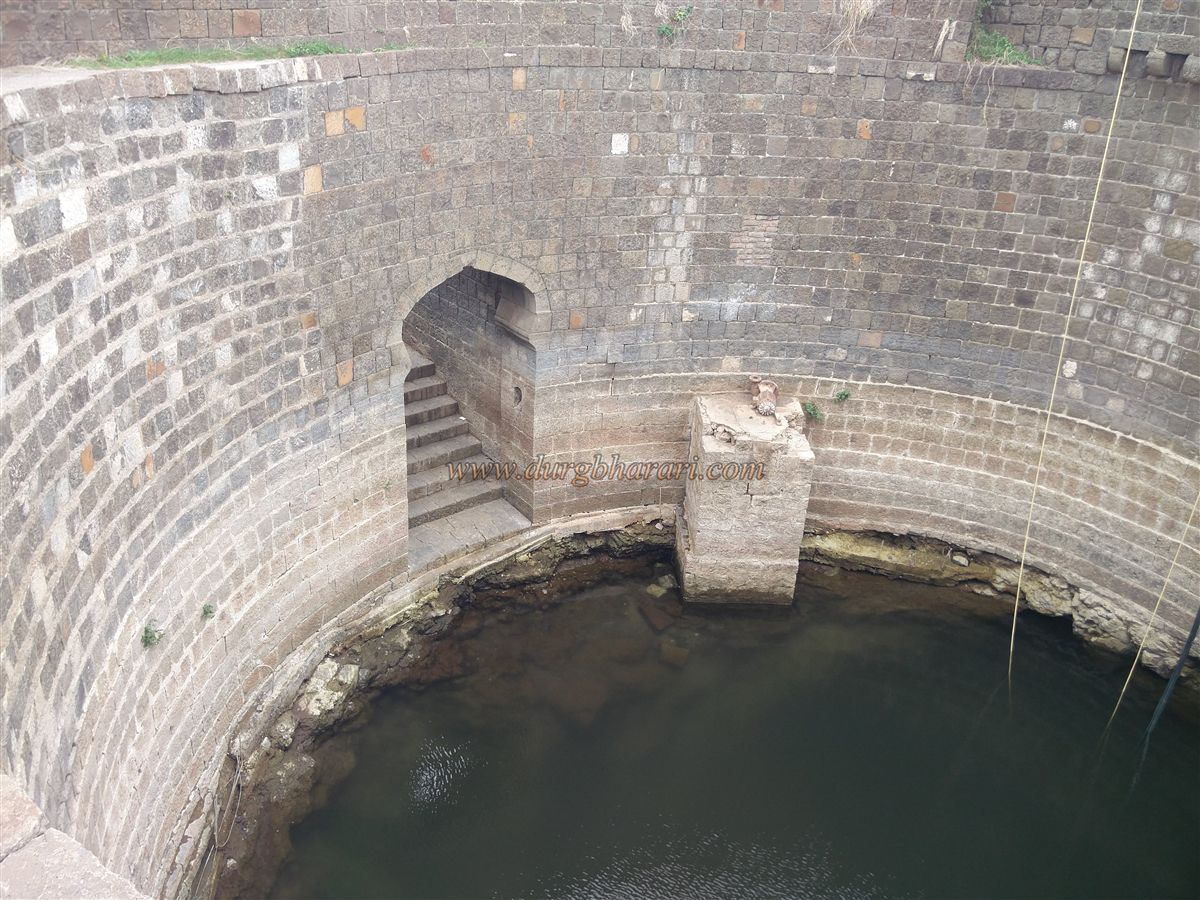
A particularly interesting feature of the complex is a large stone-built well accessible both from inside and outside the fort through a set of steps. Such dual-access water structures were vital for survival during sieges. There is also a secret escape passage in the western wall of the main gadhi, a typical Maratha defensive feature.
Historically, the Nimbalkar of Phaltan were one of the oldest and most influential Maratha noble families, with a presence in Maharashtra for over 750 years. During the era of Chhatrapati Shivaji Maharaj, Wathar was an important settlement, with the Nimpatilki of the village granted to the Bhoite family by Chhatrapati Shahu Maharaj. In the early 18th century, figures such as Santaji Nimbalkar and Haibatrao Nimbalkar played significant roles in the political and military affairs of the Maratha state. Records, such as those found in historian V. K. Rajwade’s Marathyanchya Itihasachi Sadhane, note a battle between the Nimbalkar and the Jadhav near the Salpe Ghat close to Wathar. In 1711, Haibatrao Nimbalkar, acting on Chhatrapati Shahu’s orders, engaged Chandrasen Jadhav in battle near the Adarki Ghat, further cementing the military significance of this region.
Exploring the entire complex of six gadhis, temples, wells, and defensive walls can take more than three hours, but it offers a rare and fascinating glimpse into Maratha-era fortified domestic architecture — a type of structure distinct from hill forts and royal palaces.
© Suresh Nimbalkar
GALLERY