WAI KOT
TYPE : CITY/GROUND FORT
DISTRICT : SATARA
HEIGHT : 0
GRADE : EASY
The town of Wai, situated on the banks of the Krishna River, is known as the “Dakshin Kashi” (Southern Kashi) of Maharashtra. This identity comes from its spacious river Ghats and the presence of more than a hundred small and large temples within the town. Located in Satara district, this taluka headquarters was the cultural capital of Maharashtra during the 18th and early 19th centuries. The temple of Dholya Ganapati, built by Sardar Raste, the father-in-law of Peshwa Nanasaheb, brought great fame to the town. But apart from this temple, Wai was also home to two other historically significant structures — the Wai Nagardurg (town fort) and the Wai Bhuikot (ground fort). Even today, fort enthusiasts know very little about these two forts. The Bhuikot existed during the era of Chhatrapati Shivaji Maharaj, while the Nagardurg was constructed during the Peshwa period.
...
Although travellers pass through Wai when visiting the surrounding forts or heading to Pachagani and Mahabaleshwar, they rarely explore these forts due to the lack of awareness. Today, we take a tour of these lesser-known forts.
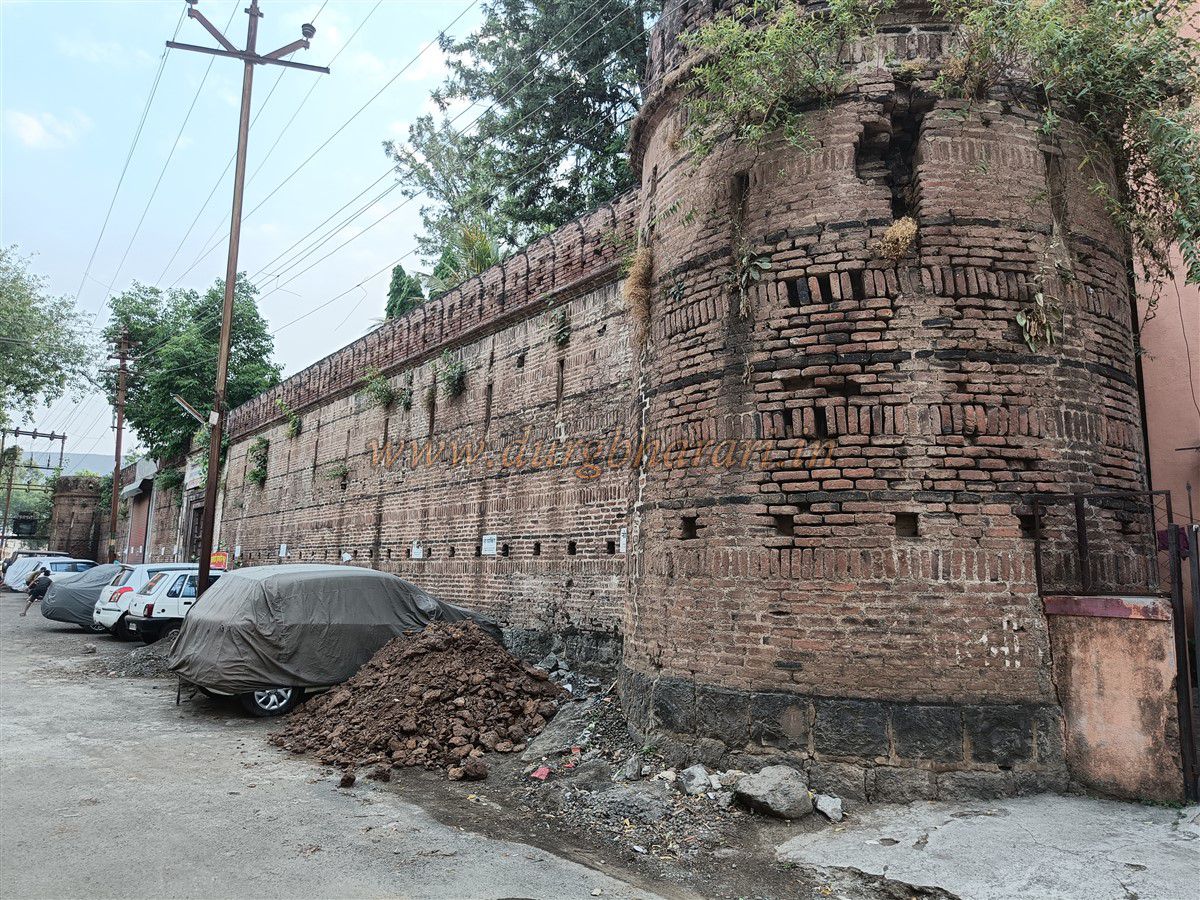
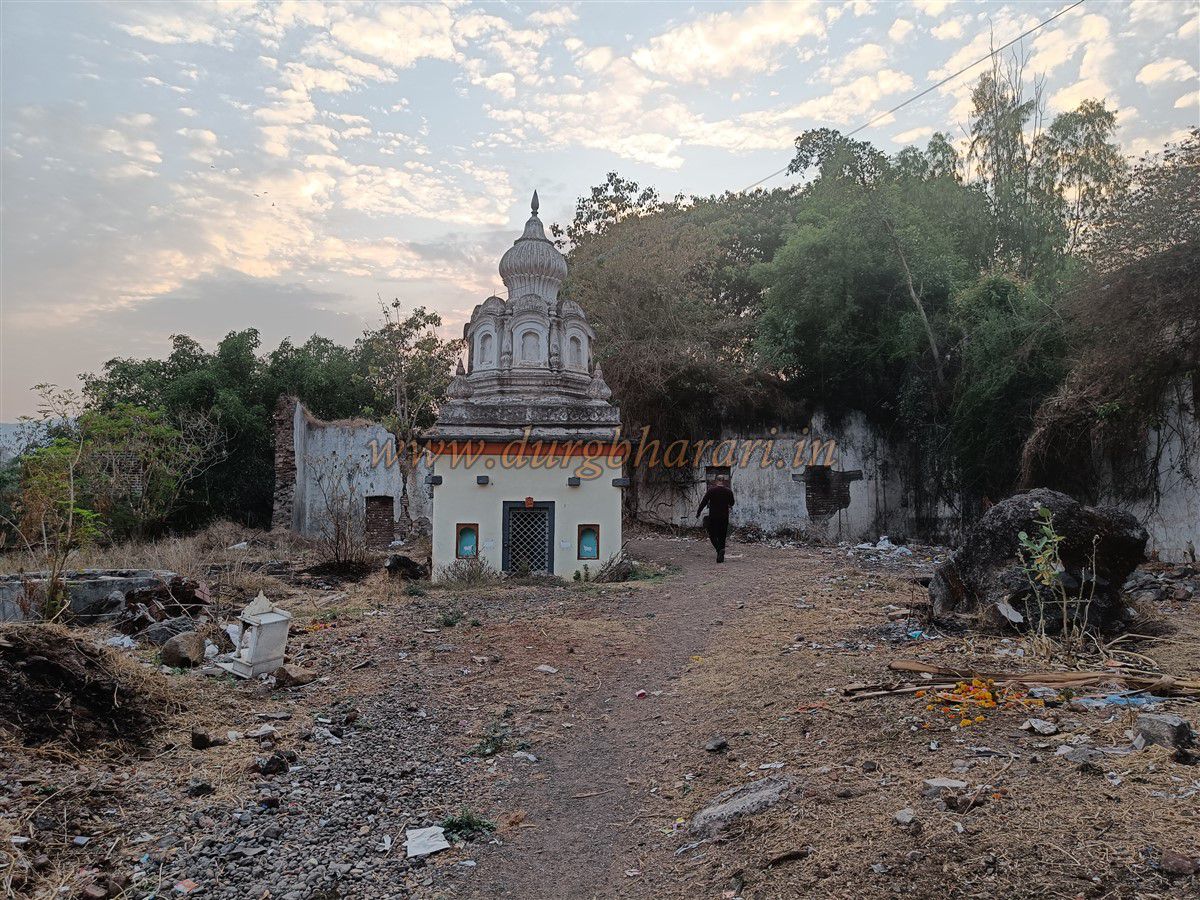
Wai is located 32 km north of Satara and 88 km south of Pune on the banks of the Krishna River. The town, as we see it today, expanded during the Peshwa period. In the time of Shivaji Maharaj, Wai was much smaller, confined to the southern part of the present town, and the Bhuikot fort stood in what is now Raviwar Peth. Within this Bhuikot was Afzal Khan’s mansion, remnants of which still survive. Stones from temples can be seen incorporated into the fort’s walls. Some distance away, near a stream, lie remains of the fortification walls now hidden by overgrown vegetation. About 500 steps from here towards Phulenagar, near a mosque in a residential area, one can see more sections of the fort walls, parapets, and a bastion. Along the way stands a partially collapsed bastion upon which a tomb has been constructed. It is believed that Afzal Khan stayed in this very fort during his time in Wai. Two 17th-century mosques from this period also survive in good condition. Since the fort was destroyed during Shivaji’s time, very few remnants exist, and whatever remained has been eroded by the growing settlement.
The second historically important structure is the Wai Nagardurg, built during the Peshwa period to protect the growing town. The expanding city has encroached upon its walls and gateways, leaving only a few remains. In the Peshwa era, Wai had nine gateways for entering the town. Today, only four survive; the other five are completely lost. One of these gates lies on the road to Menawali village, while the remaining three face the Krishna River. Since the riverfront restricted expansion, these river-facing gates have been preserved.
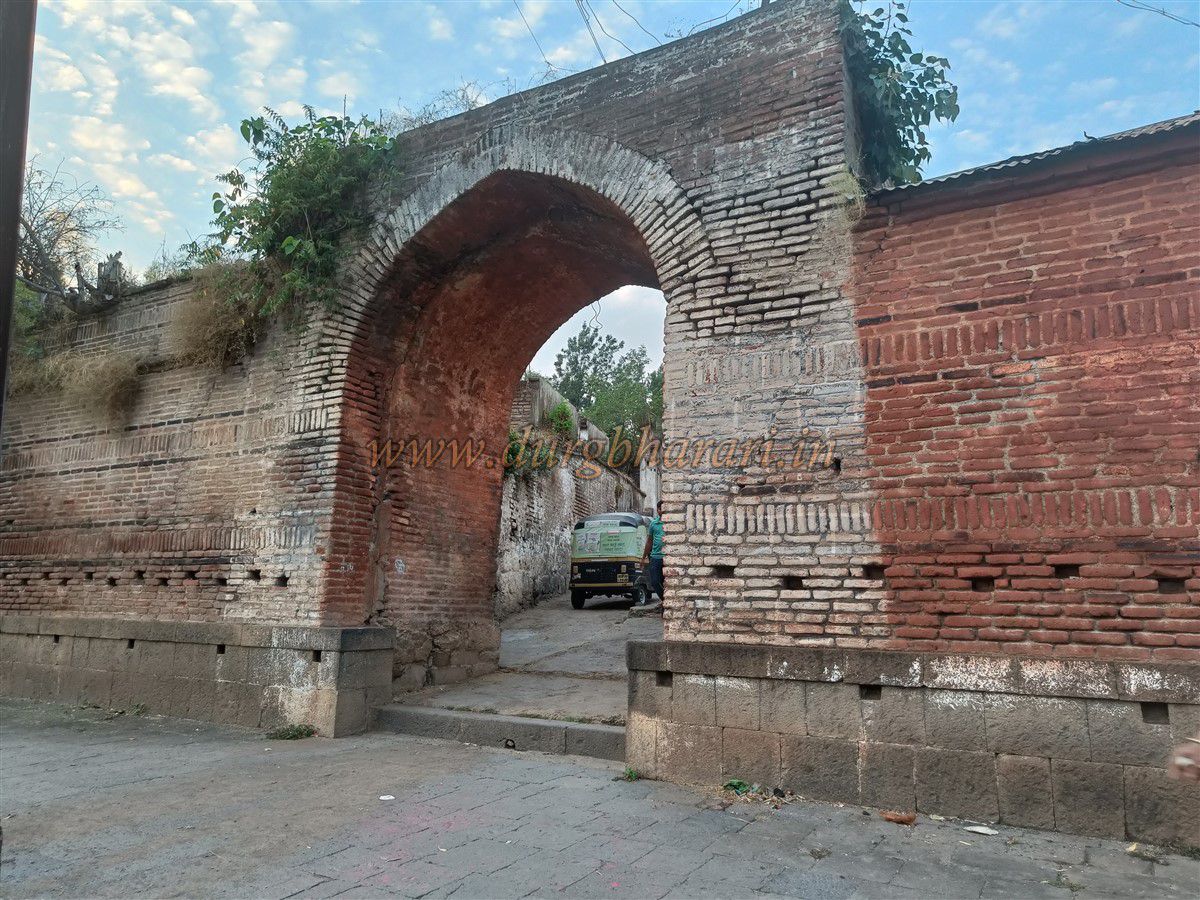
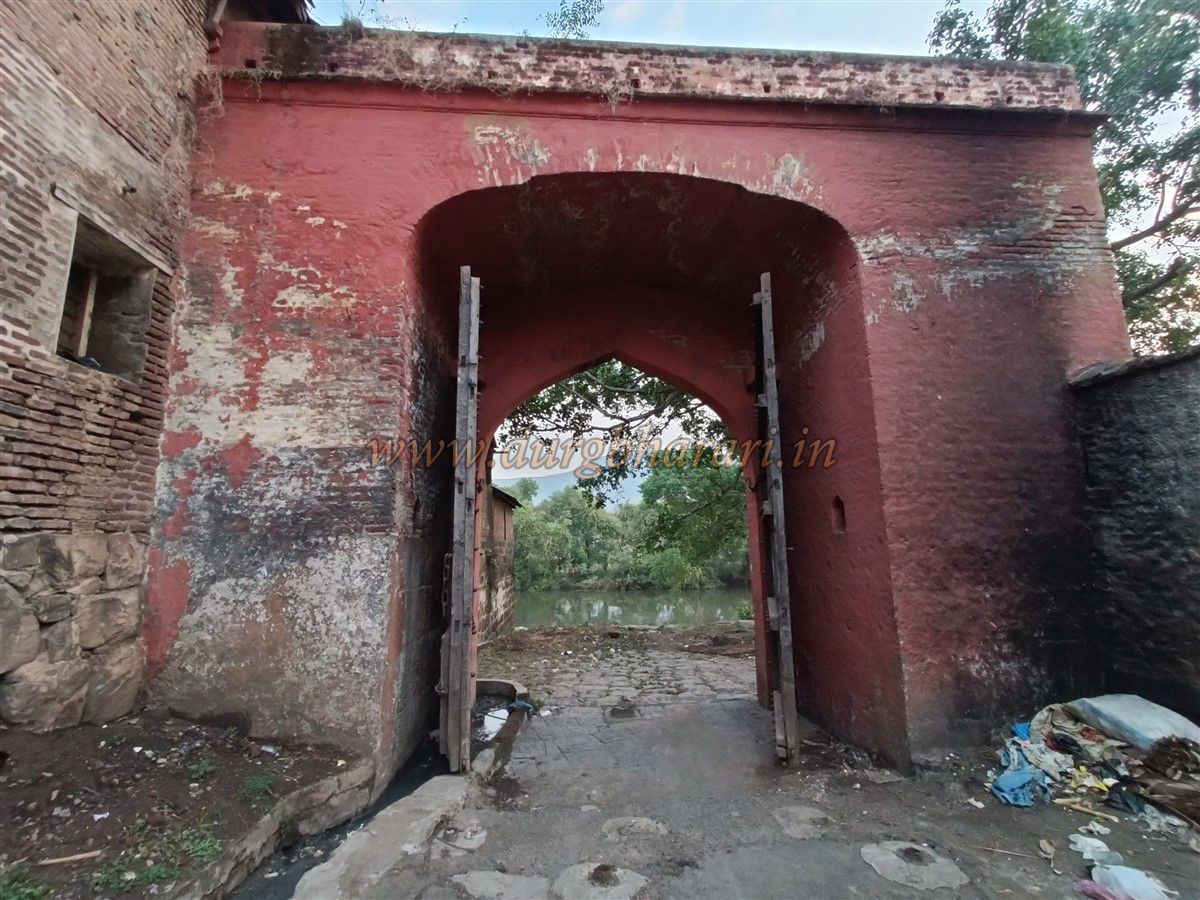
The best way to explore the Nagardurg is to begin from the Menawali Gate. This gate stands on the main road from Wai to Menawali, still functioning as a passage for traffic. The lower part of the gate is built of dressed stone, while the upper portion is brickwork. The wooden doors survive, with a smaller dindi door set within them. Above the gate are loopholes for musket fire.
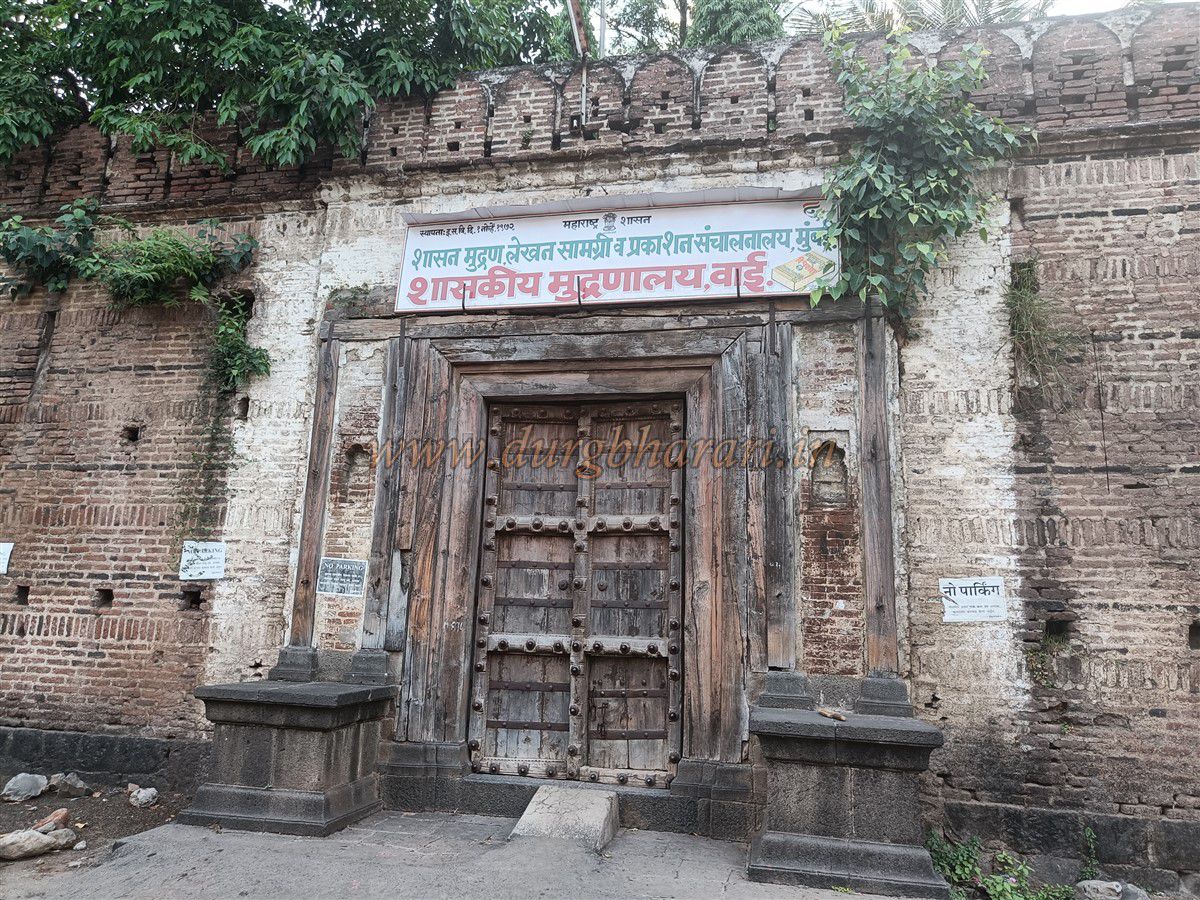
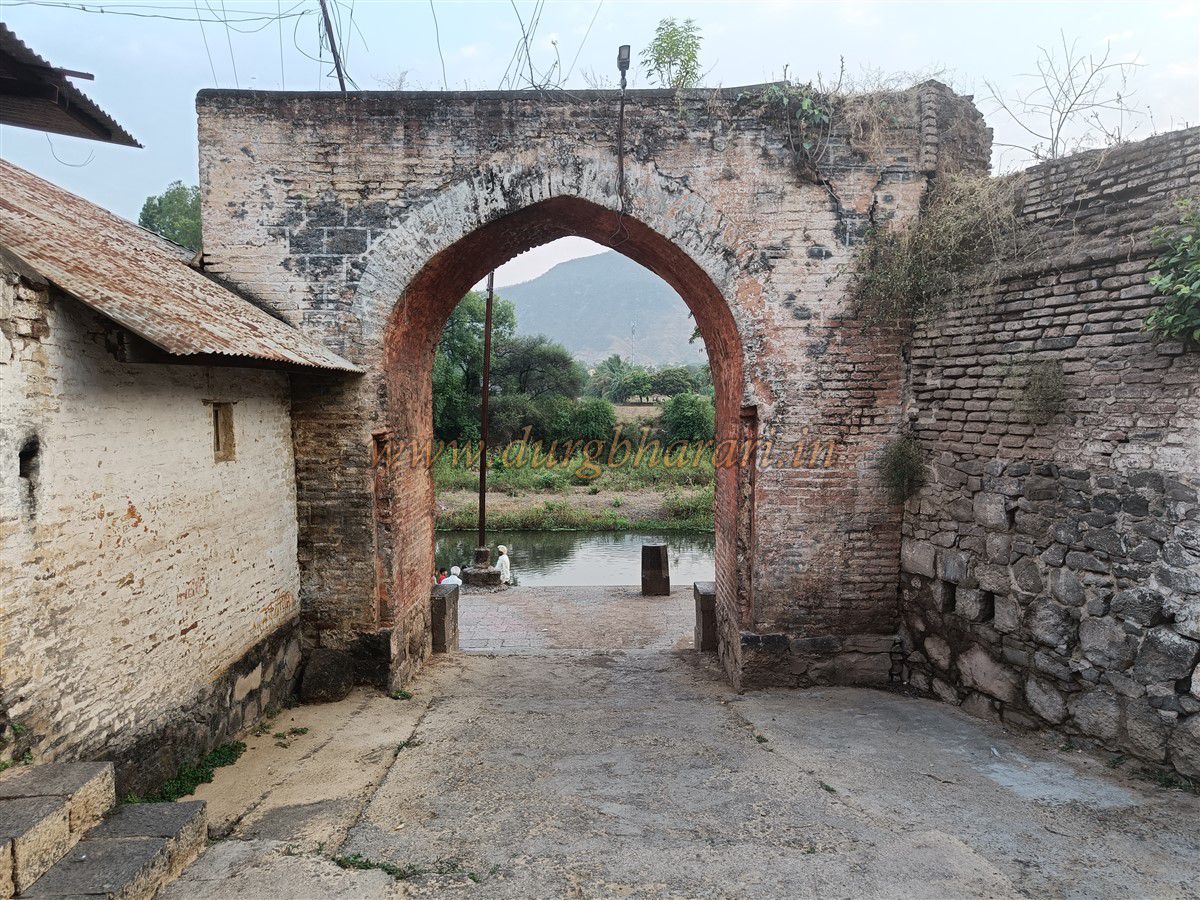
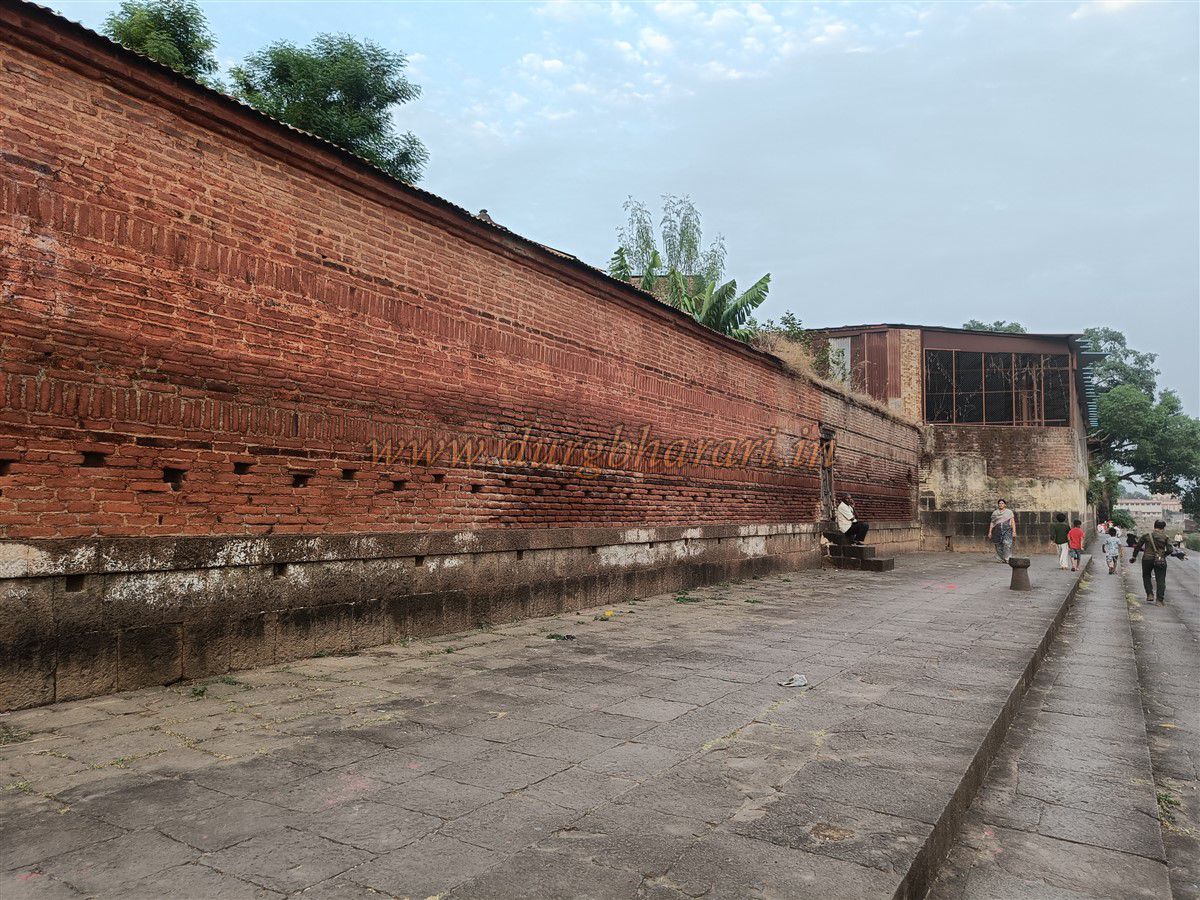
Passing through this gate, turn right along the road towards the river. On the way stands the old Chauburji Wada, now housing a government printing press. Moving further, you pass through a medium-sized gate and exit the fort area onto the stone Ghats of the Krishna River. Following the ghats, the next structure encountered is the Gangaves. Built between two bastions, this gate has dressed stone at its base and brickwork above. Its wooden doors and dindi door survive, with inner chambers for guards and musket holes above for defense.
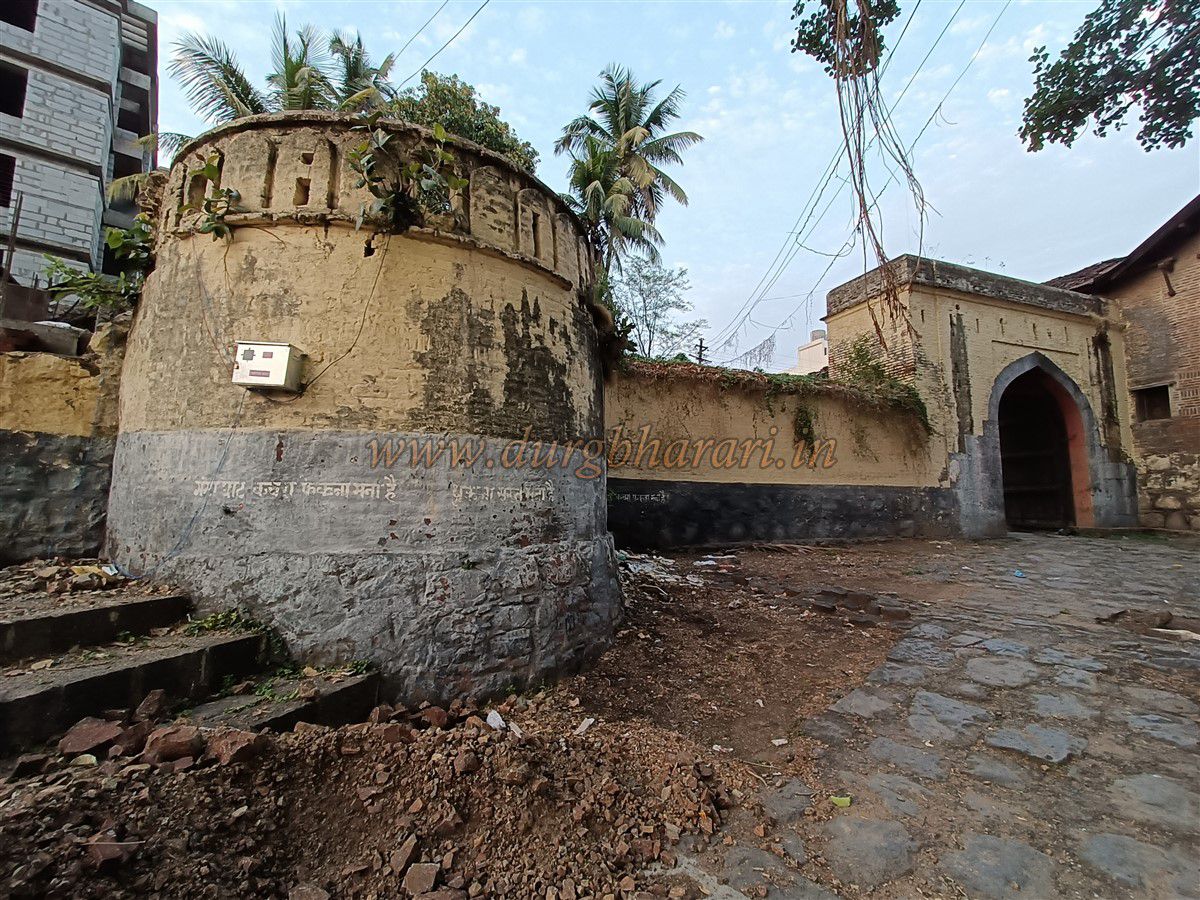
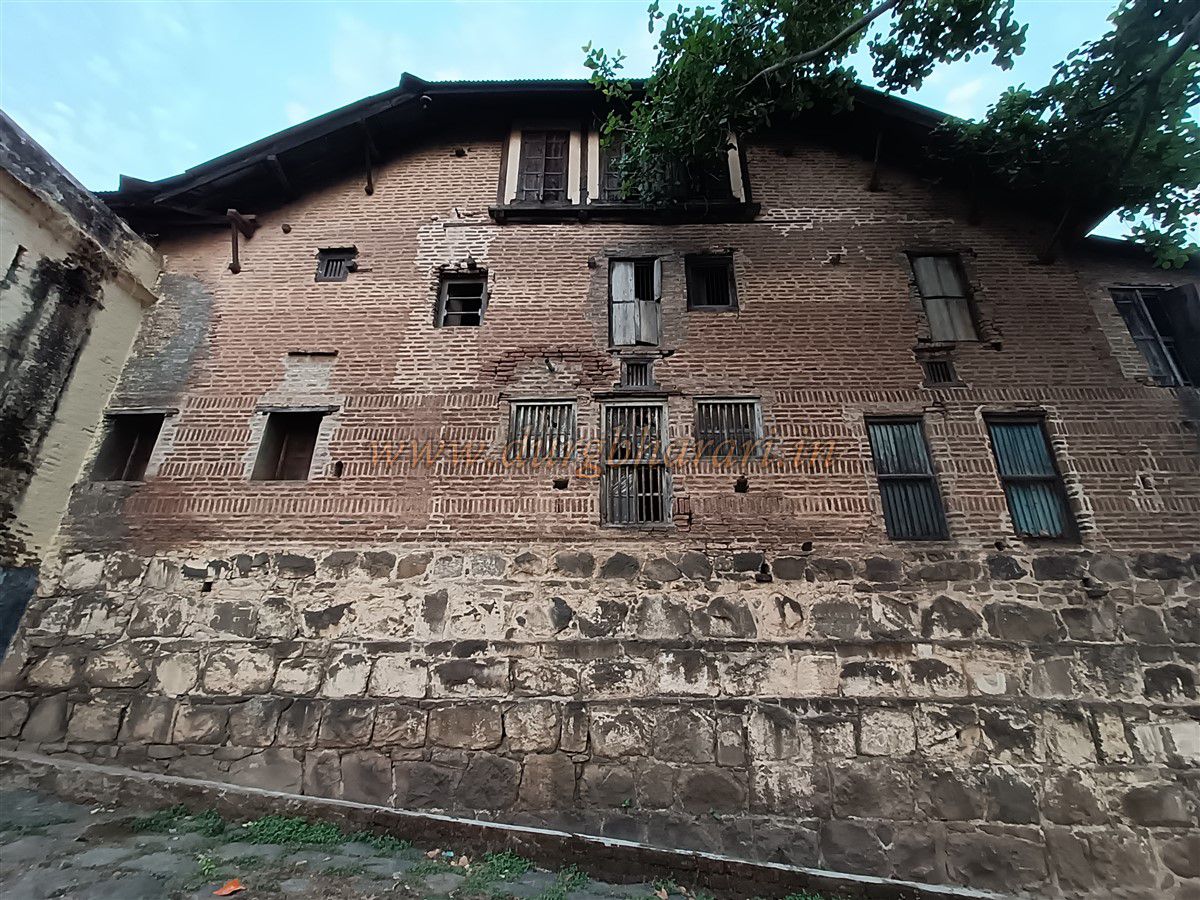
Continuing straight along the riverbank leads to the third and final gate of the fort. Nearby is a circular bastion and, adjoining the gate, a three-story wada. The wooden doors of this gate also survive with a smaller dindi door.
After viewing these gates, head to the Ganapati Ghat, where the largest and grandest temple of Ganapati in Wai stands. Built in 1762 by Peshwa Sardar Ganpatrao Bhikaji Raste, the idol is seated in a squatting posture, measuring 6 feet high and 7 feet wide. Due to its broad form, it is known as Dholya Ganapati. This Ganapati is the town deity of Wai.
Near the Ganapati temple stands the Kashi Vishweshwar temple of Lord Shankar. This temple is enclosed by a walled courtyard with a grand eastern entrance topped by a Nagarkhana (drum house). Inside are two deepmalas (lamp towers) and a Nandi Mandap with a massive statue of Nandi.
In addition, while exploring the town and its riverbanks, one can see numerous other temples such as Siddheshwar, Gangarameshwar, Lakshmi Narayan, Rokdoba Hanuman, Harihareshwar, Ambabai, and Wakeshwar. It takes roughly two hours to tour the entire Nagardurg area.
According to Tarkateertha Laxman Shastri Joshi, the name Wai suggests it was once a settlement of weavers. While Wai’s ancient history is not fully known, the Krishna Mahatmya section of the Skanda Purana refers to it as Vairajakshetra. It was also known by the name Viratnagar. Joshi suggests the name Wai may derive from “Wayadesh,” linked to the term “Way” (Koshti – weaver community). Dr. H. V. Sankalia, however, believes that the village name “Wayi” from the 8th century gradually evolved into Wai.
Archaeological evidence suggests that Wai was under the rule of the Satavahana between 200 BCE and 300 CE. This is supported by the Hinayana caves at Lohare, 6 km from Wai. The hill forts in the region — Pandavgad, Vairatgad, Kamalgad, and Chandan-Vandan — were likely built by the Shilahara, who ruled here between 900 and 1300 CE.
During the Bahmani period, Sultan Ahmad Shah Wali (1422–1436) sent Malik-Ut-Tujar to Maharashtra, and in 1429, he captured the forts around Wai and established a Bahmani military outpost here. Later, during Mahmud Gawan’s Konkan campaign in 1469, troops from this region participated. Wai eventually came under the control of the Adilshahi rulers of Bijapur. Between 1649 and 1659, Afzal Khan served as the Adilshahi Subhedar of Wai. After his death in the Battle of Pratapgad in 1659, the Marathas briefly held Wai, but their control did not last long. Afzal Khan’s successor, Syed Ilyas Sharzakh Khan, was appointed as Subhedar.
In 1674, Chhatrapati Shivaji Maharaj took full control of this region and appointed Yesaji Malhar as the Subhedar. The Marathas held the area until the death of Chhatrapati Sambhaji Maharaj. During this period, in 1687, Maratha Senapati Hambirrao Mohite was killed in a battle with Sharzakh Khan near Kenjal, close to Wai. By 1689, Wai fell into Mughal hands. Santaji Ghorpade, Ramchandrapant Amatya, and Shankaraji Narayan fought the Mughals and recaptured Wai, establishing a Maratha outpost.
In the era of Chhatrapati Shahu Maharaj (1707–1749), Wai saw a period of joint Maratha and Mughal control. The banker Bhikaji Raste of Satara married his daughter Gopikabai to Peshwa Nanasaheb, forging ties between the Raste and Peshwa families. The Raste family settled in Wai during the later Peshwa era (1761–1818) and contributed greatly to its development. They built many paved ghats on the Krishna River and constructed beautiful temples like Umamaheshwar, Mahaganapati, Kashi Vishweshwar, Govind-Rameshwar, Vishnu, Lakshmi, Bhadreshwar, and Kedarnath, which earned Wai its reputation as Dakshin Kashi.
They also built small dams on the Kivra stream to promote agriculture and ensure drinking water supply. Wai is also notable as the birthplace of Rani Lakshmibai of Jhansi, and the famous Menawali village associated with Nana Phadnavis lies nearby.
© Suresh Nimbalkar
GALLERY