WAFGAON
TYPE : GADHI / NAGARKOT
DISTRICT : PUNE
HEIGHT : 0
GRADE : EASY
While exploring forts, one often comes across old mansions and fortified structures in many villages. Some of these mansions or fortifications are in fact complete ground forts. One such remarkable structure is the Vafgaon Bhuikot Fort, built by Malharrao Holkar and the birthplace of Yashwantrao Holkar. This fort still proudly stands as a testament to its glorious medieval past. If one wishes to see a perfectly preserved Bhuikot along with its internal structures, Vafgaon Fort is the ideal place to visit. At present, the fort has been handed over as a donation to the Rayat Shikshan Sanstha, which manages it. It is said that there was once a mint within the fort premises during the Holkar rule.
...
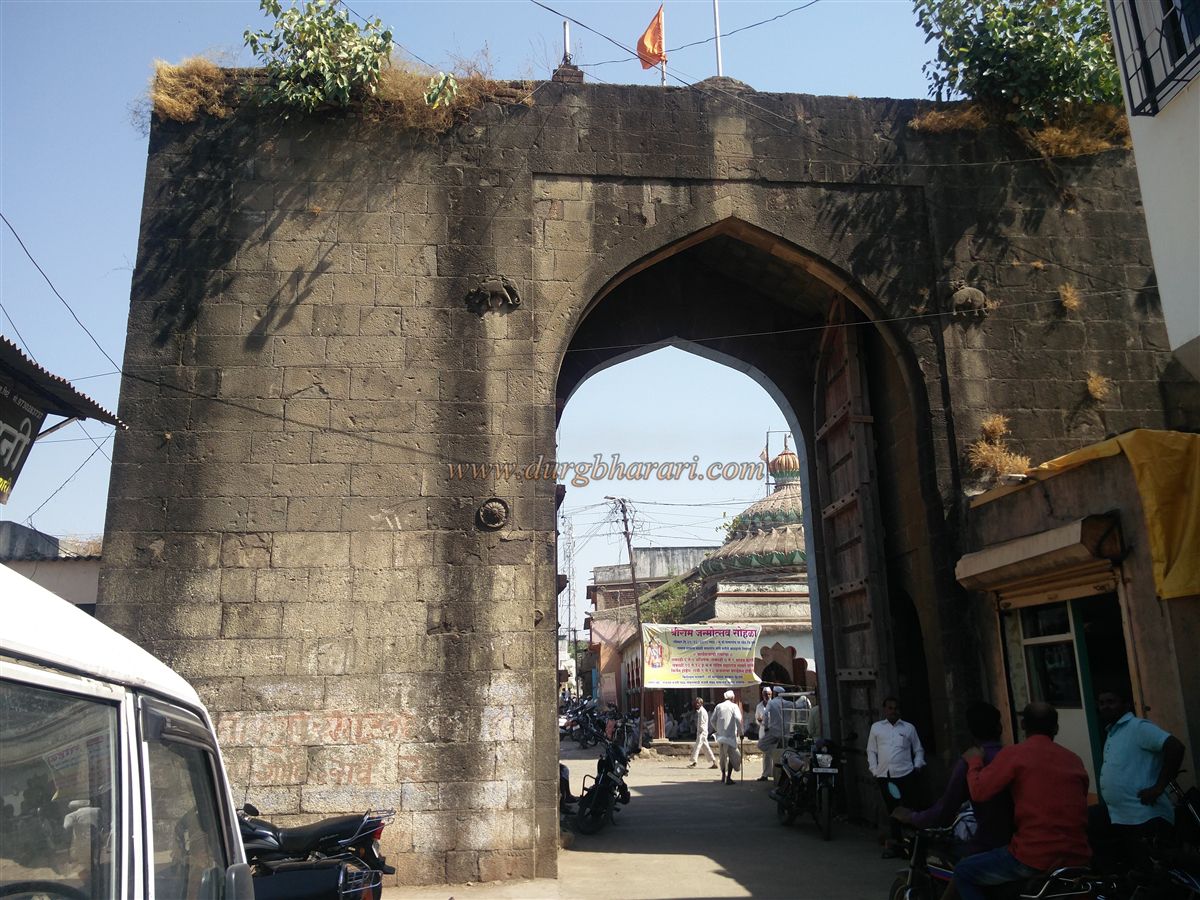
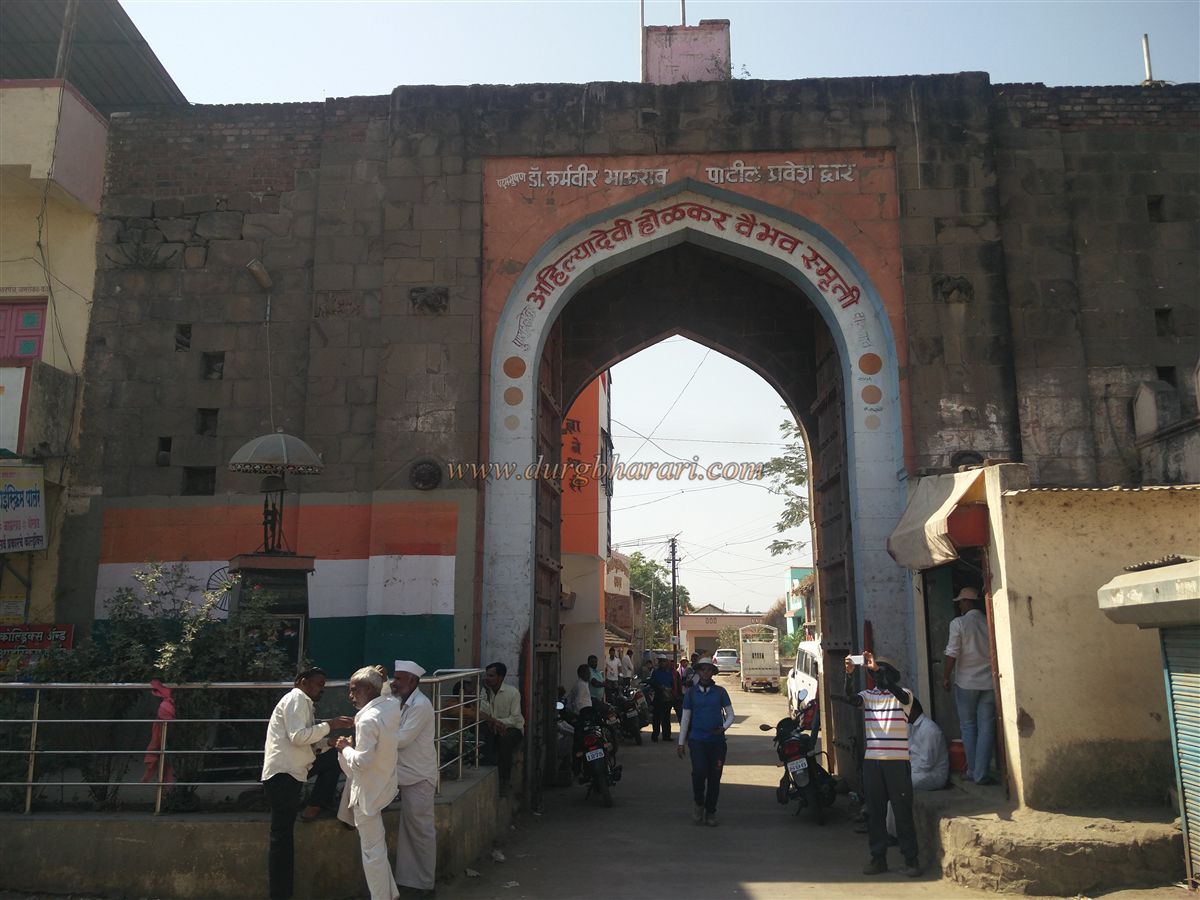
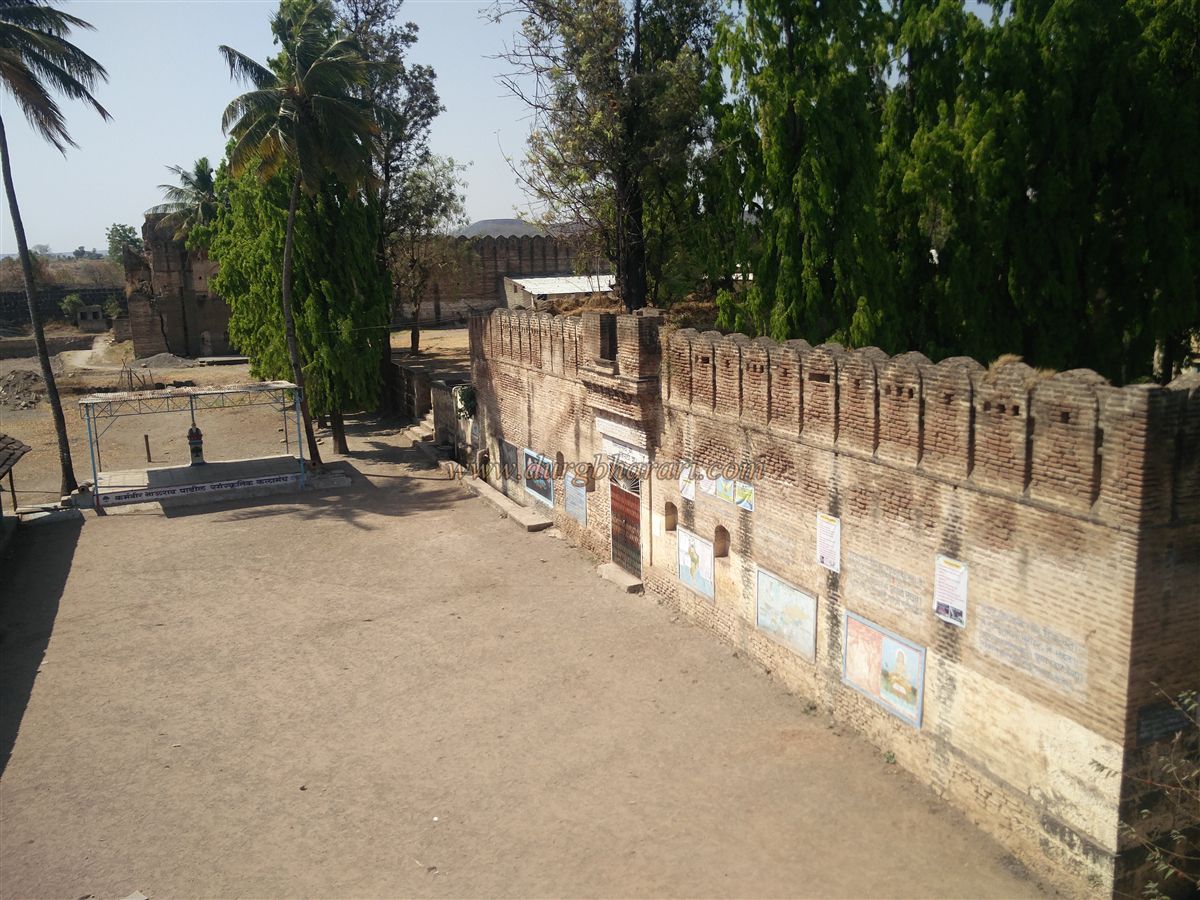
To visit the Vafgaon Bhuikot Fort, one must first reach Rajgurunagar. Vafgaon lies about 12 km from Rajgurunagar. As you approach the village, the sturdy outer fortification walls of the fort can be seen from afar. Upon entering the village, to the right side of the road, one notices the imposing arched gateway of the fort with an inscription reading “Punyashlok Ahilyadevi Holkar Vaibhav Smruti”. In front of the gateway stands a Hanuman temple. On the outer wall of the arch, there are Sharabh carvings on either side, a lotus motif below, and an image of a horse rider heading to battle. On the inner side of the arch, elephant carvings with lotus designs are seen. The wooden doors of the gateway still survive, and inside are guard rooms for sentries. Due to increasing settlement in the area, much of the outer wall along the road and the two bastions adjoining the gateway have been completely destroyed. Presently, only one ruined bastion near the riverbank remains at the end of this fortification. A portion of the Nagarkot wall along the riverbank still stands, with two surviving bastions.
The design of Vafgaon fort consists of a large Nagarkot enclosing half the village and, at one corner within it, a Bale Killa for the royal family. The Velu River encircles three sides of the fort as a natural defensive moat, leaving one side connected by land. The Nagarkot covers an area of about 16 acres, while the Bale Killa occupies about 4 acres. The road through the Nagarkot leads directly to the Bale Killa. Along the way, several old mansions can still be seen.
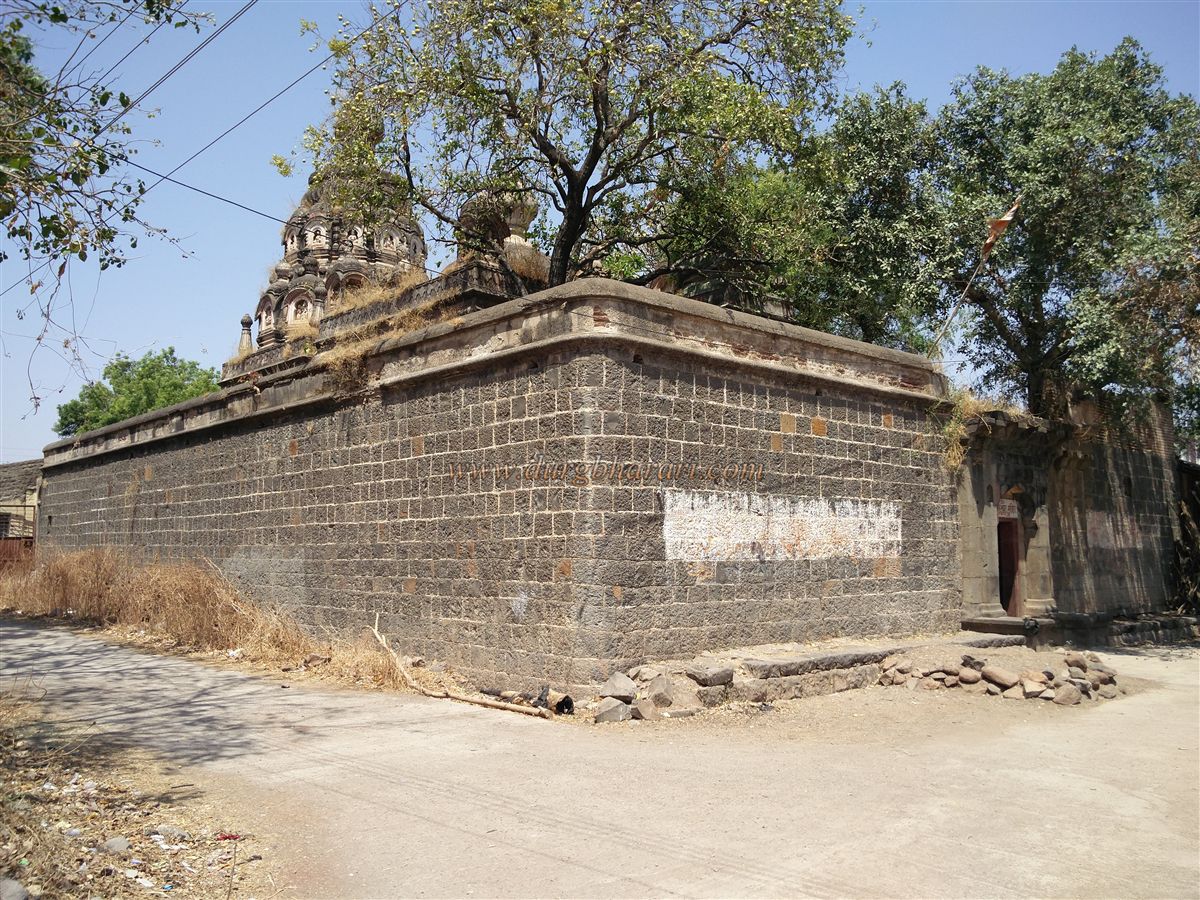
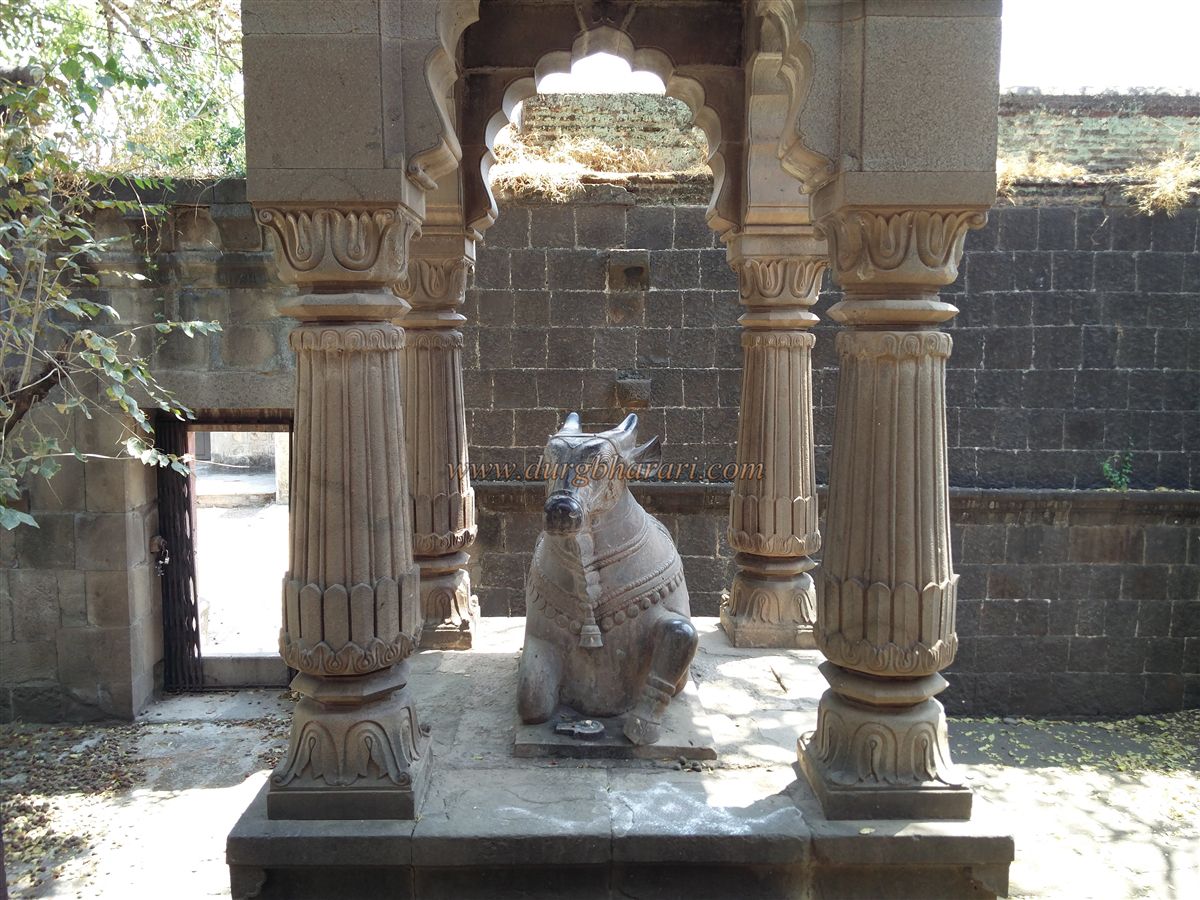
In front of the Bale Killa’s entrance stands the Shri Rajeshwar Mahadev temple, built in stone masonry with a lime-plastered Shikhar. The temple complex is enclosed by a stone wall. In the outer hall sits a stone Nandi, and flanking the doorway are carvings of two Dvarapala. The temple consists of a sanctum and an assembly hall with stone lattice windows. This temple was built during the reign of Ahilyadevi Holkar, and next to it, a raised platform once housed a Dharamshala. Inside the sanctum, worship items used by the Holkar are still preserved.
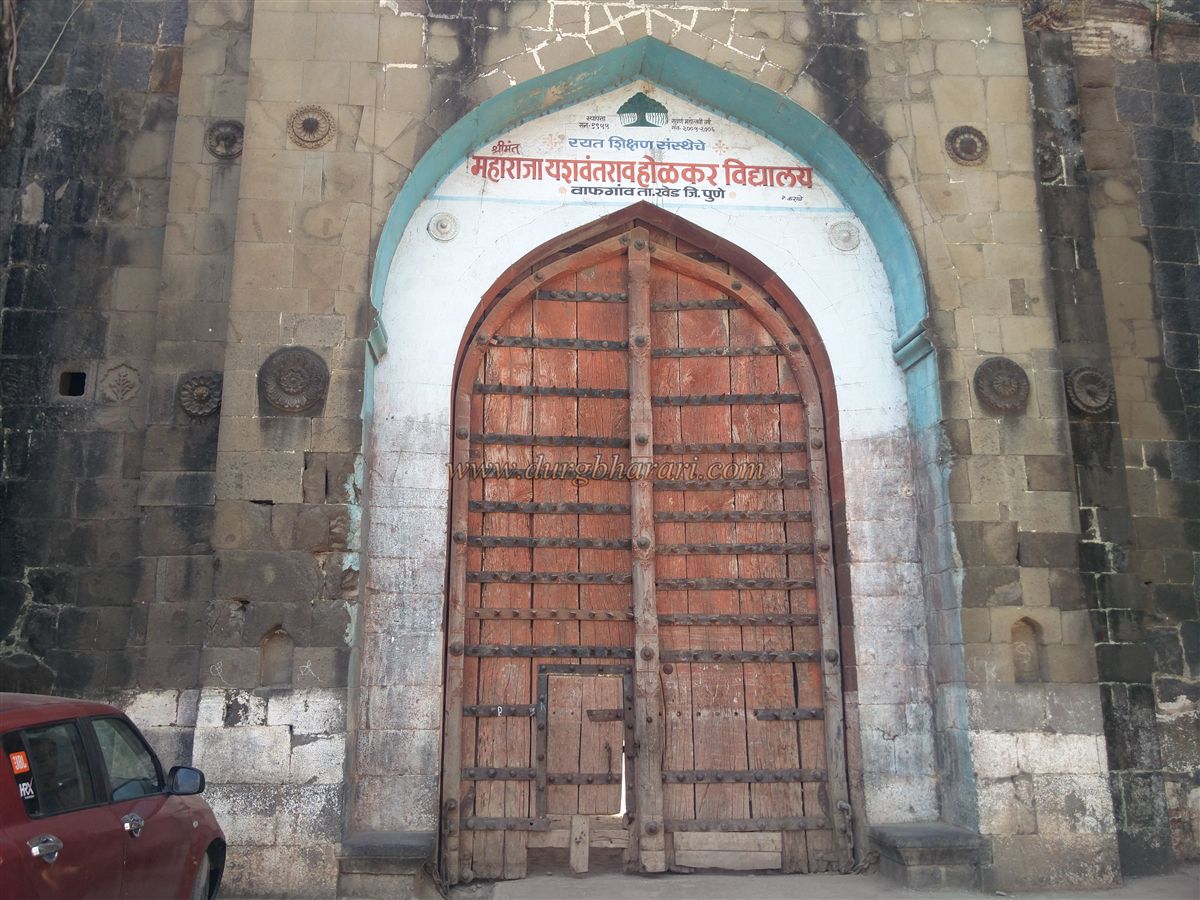
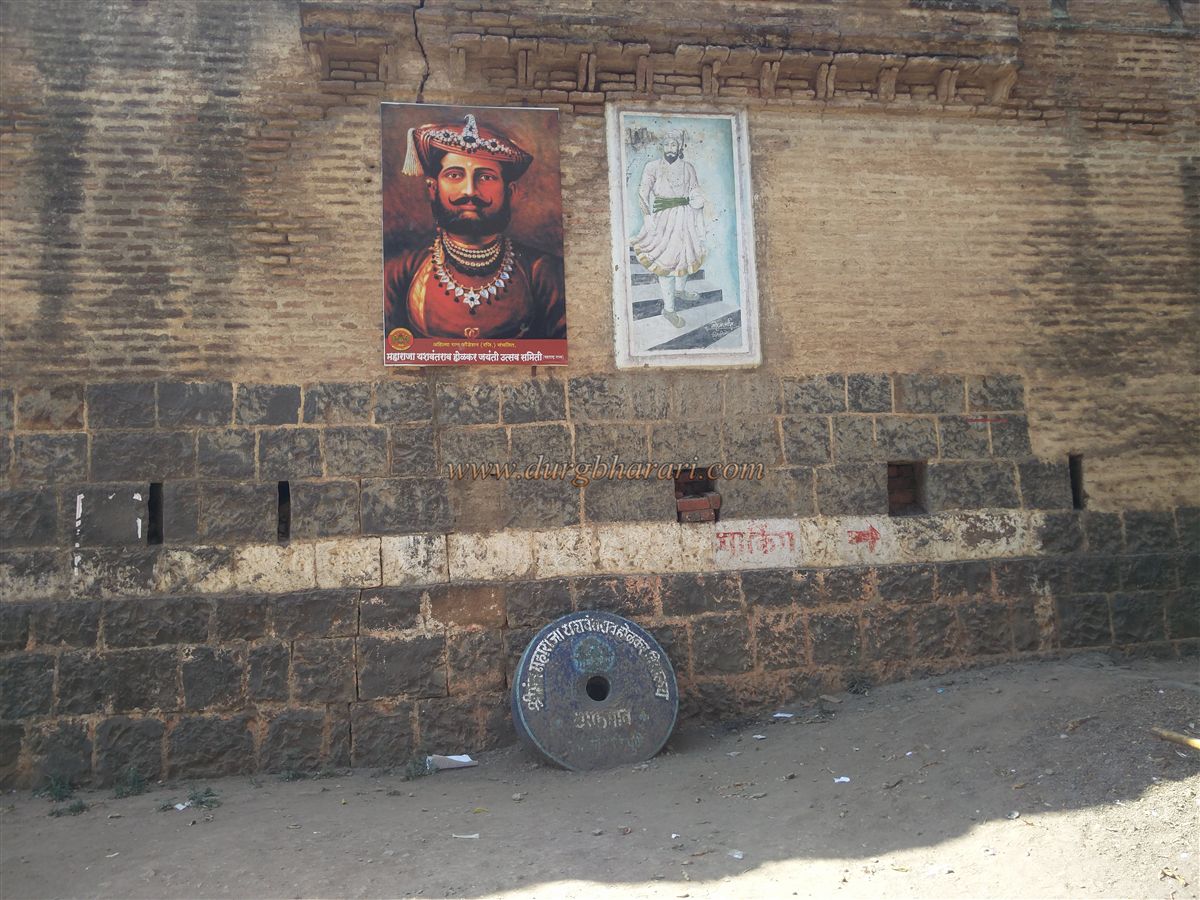
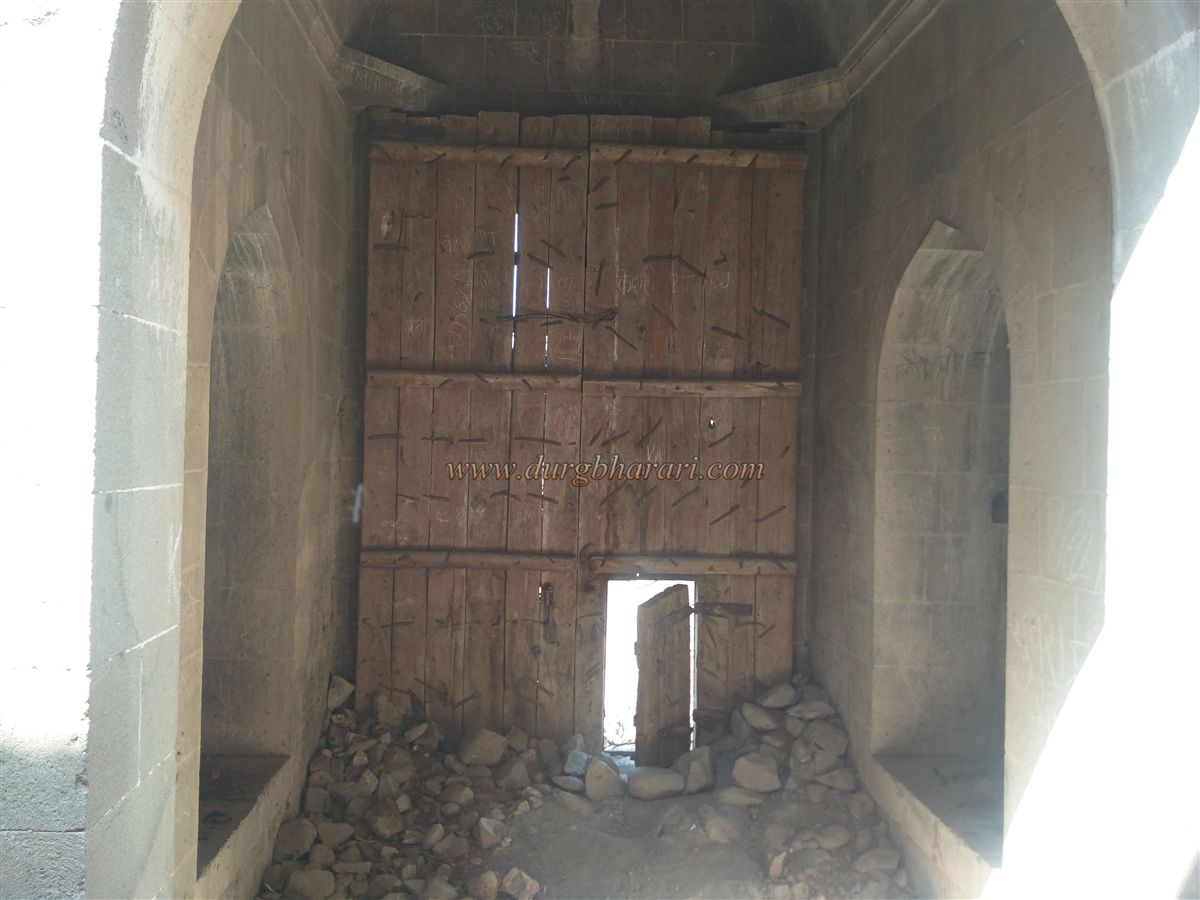
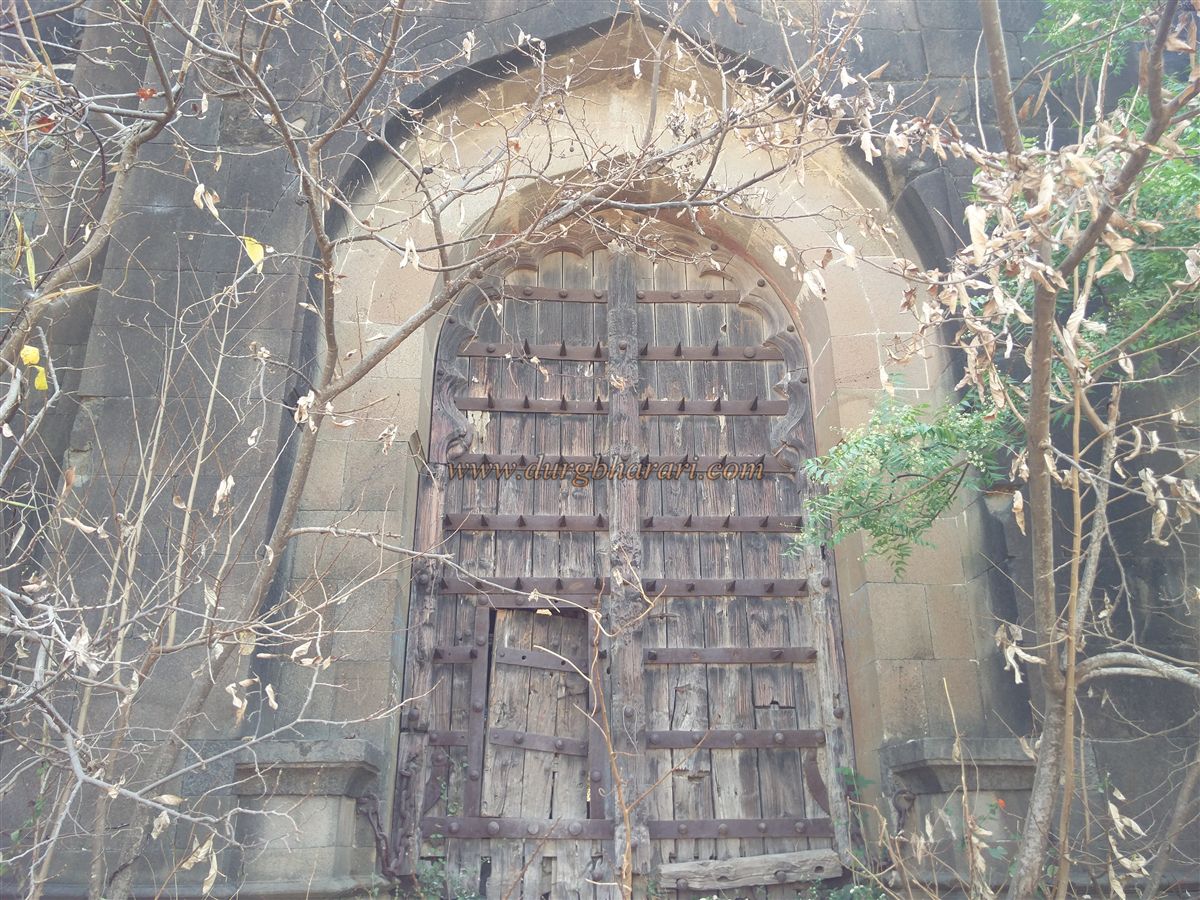
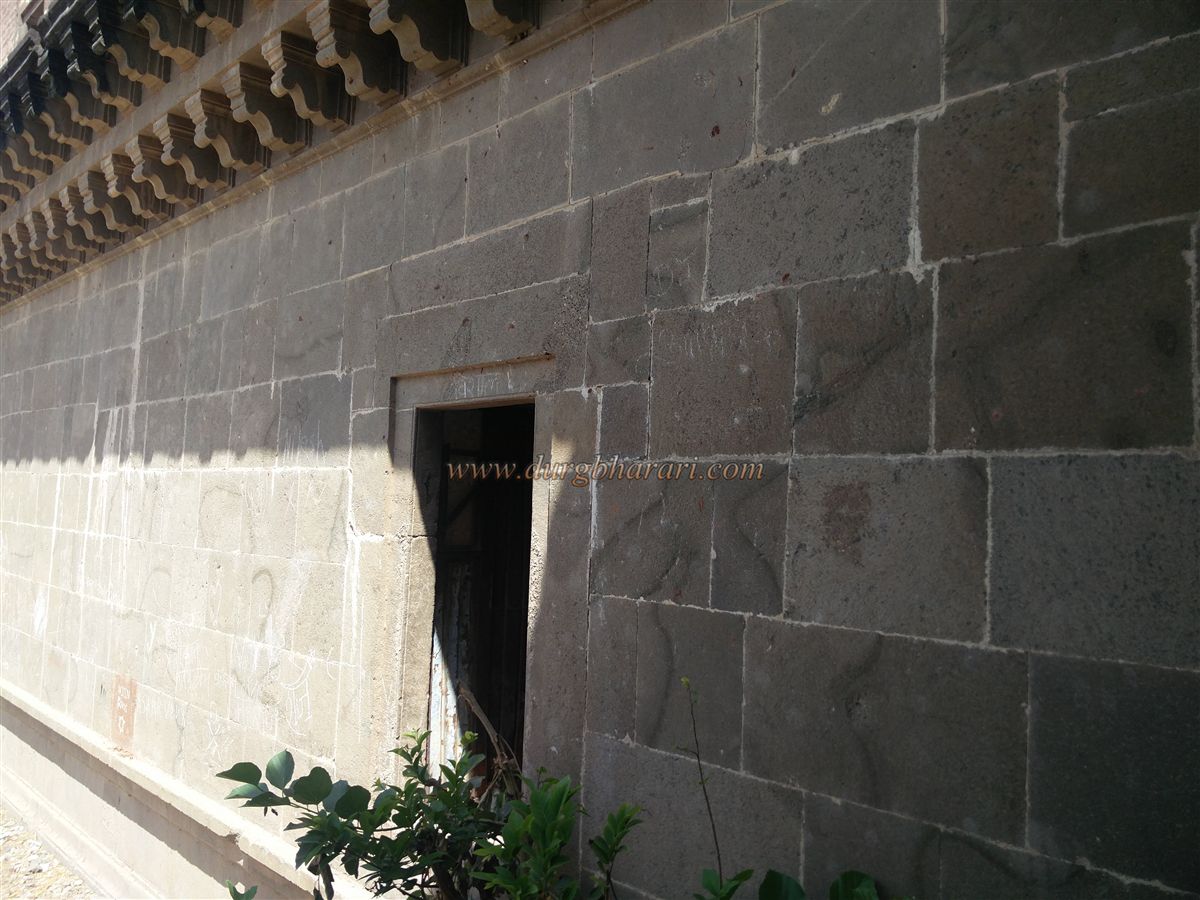
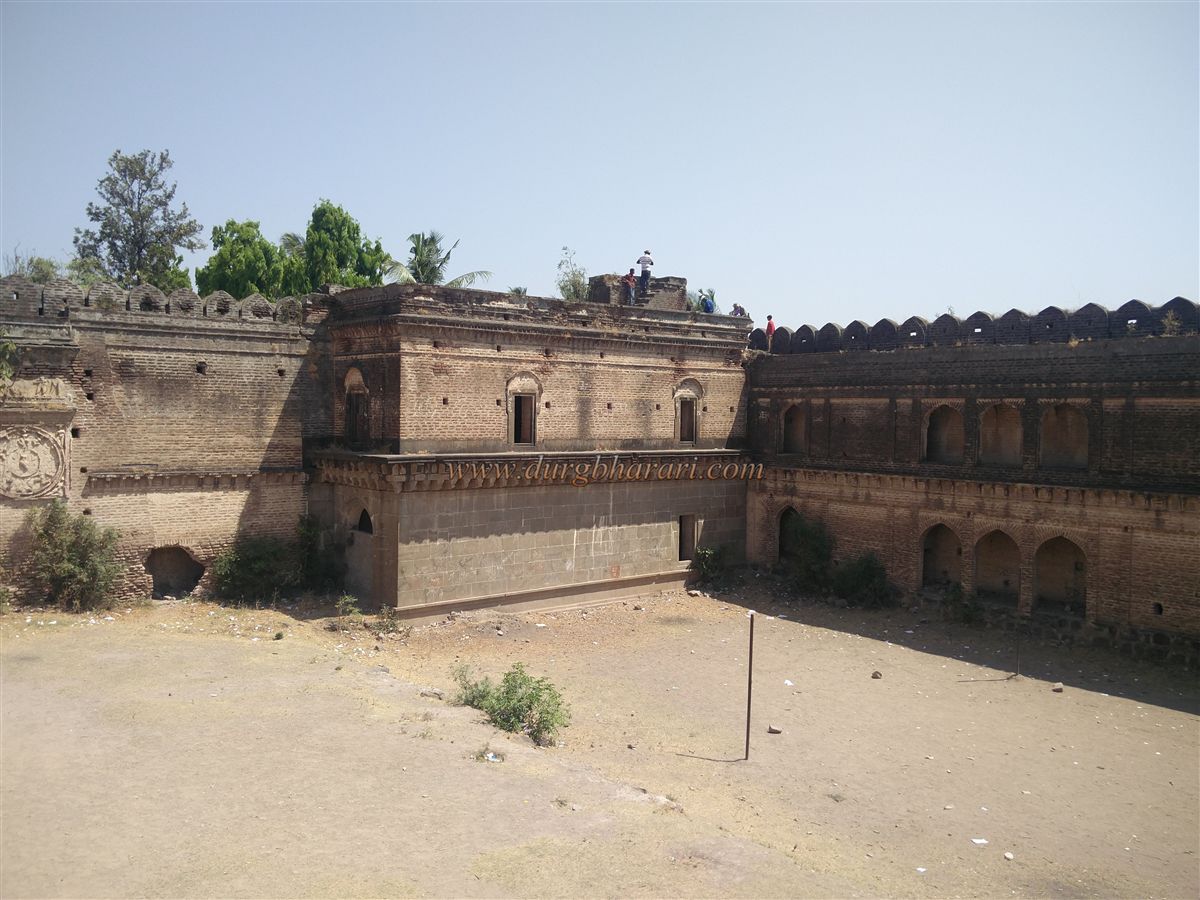
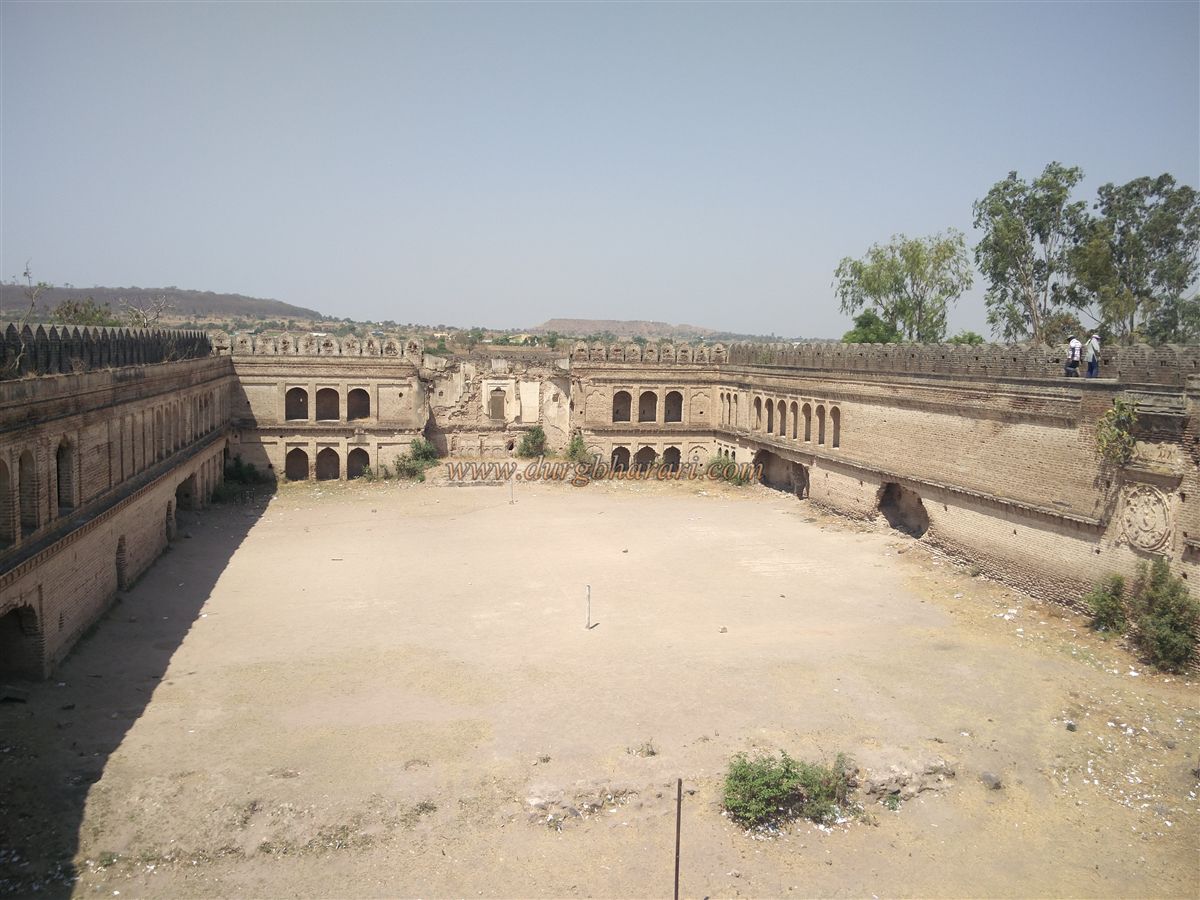
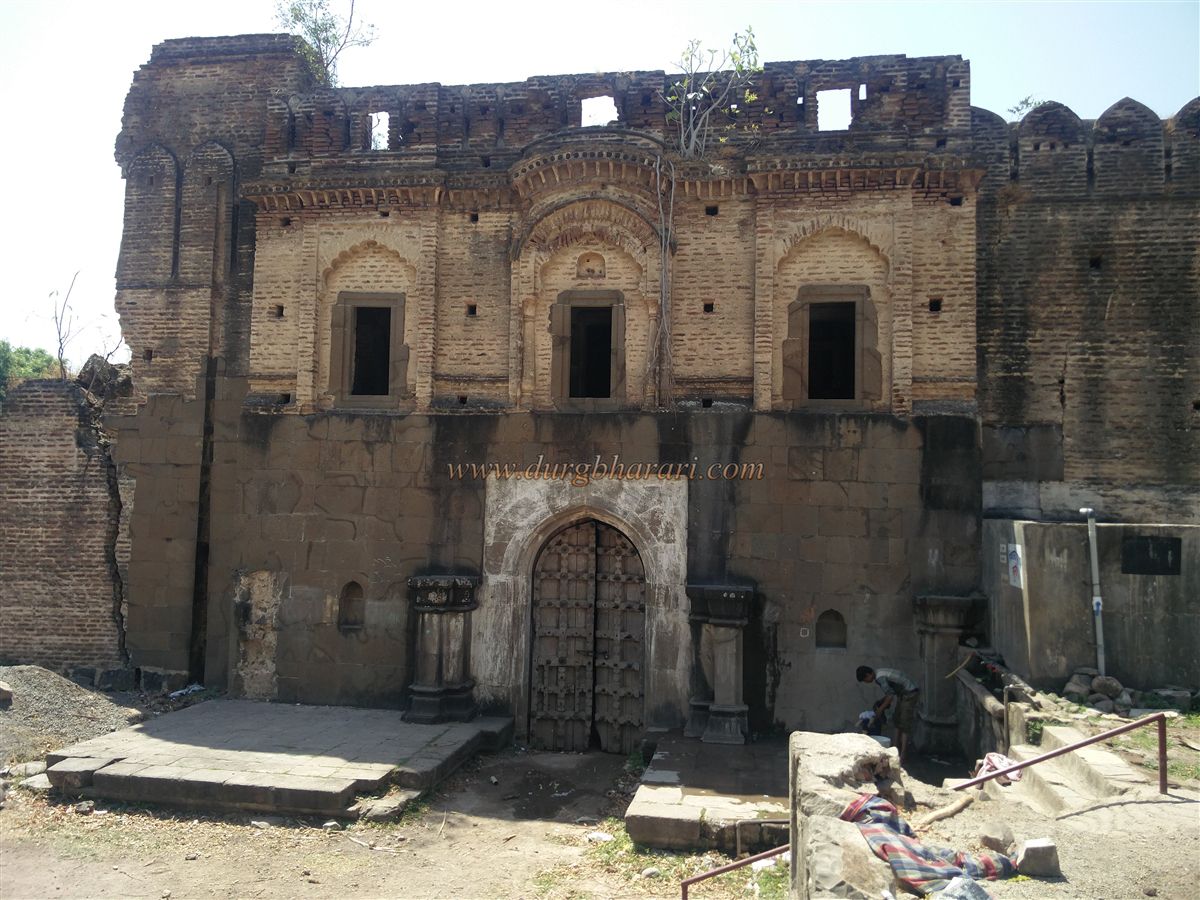
Beyond the temple lies the main entrance to the Bale Killa, a massive stone gateway with an iron-studded wooden door reinforced with sharp iron spikes to prevent elephant charges. The fort has two gateways—the main north-facing gate and a west-facing secondary gate. The Bale Killa is square-shaped, with seven bastions—two near the gate, four at the corners, and one in the middle of a wall section. Each bastion has gun embrasures and machicolations for firing muskets and cannons. The walls up to the parapet level are built of finely dressed stone, with brick masonry above. At the gateway, next to the bastion, lies a lime grinding mill with a large stone wheel. The arch of the gateway is decorated with floral carvings. The inner side of the gate still has guard rooms. Entering through a small side door, one finds the inner courtyard wall obstructing direct access, a common defensive feature.
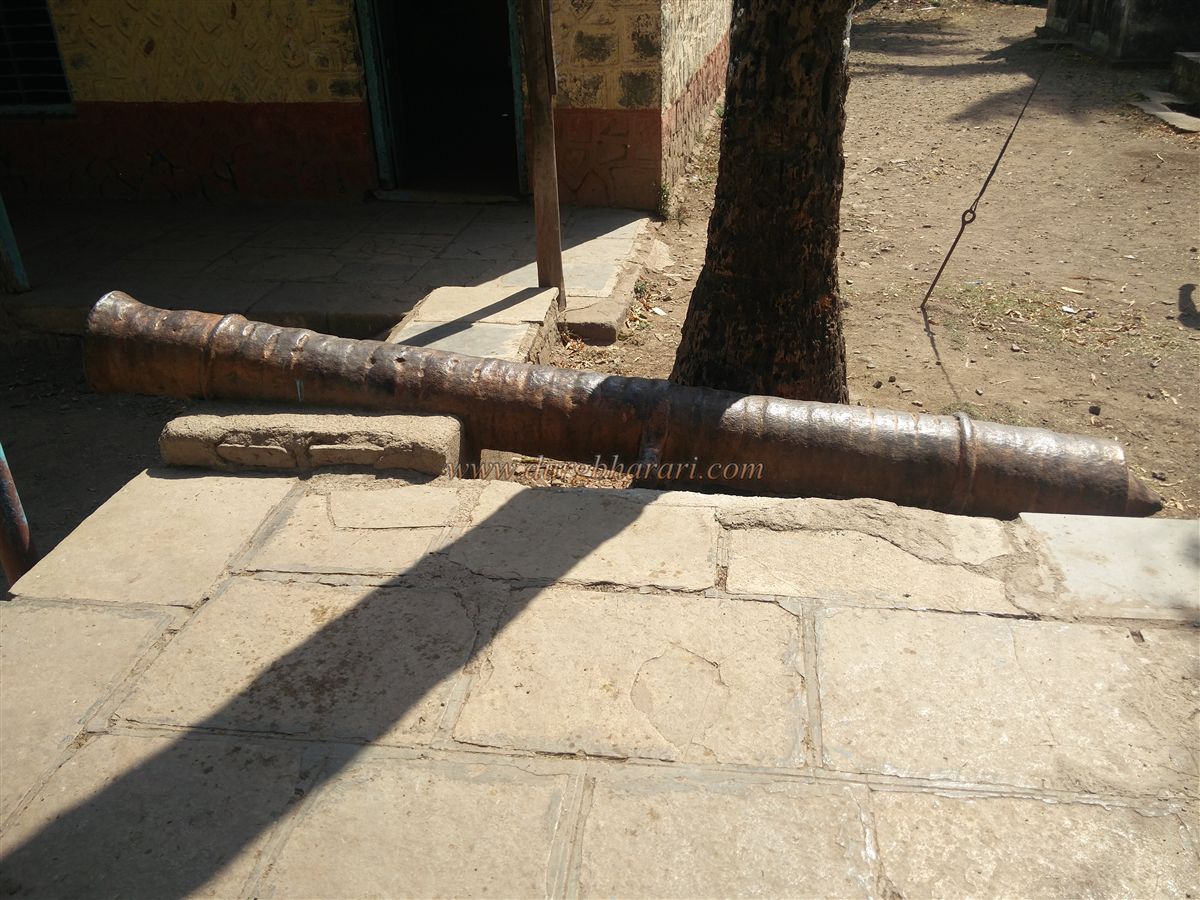
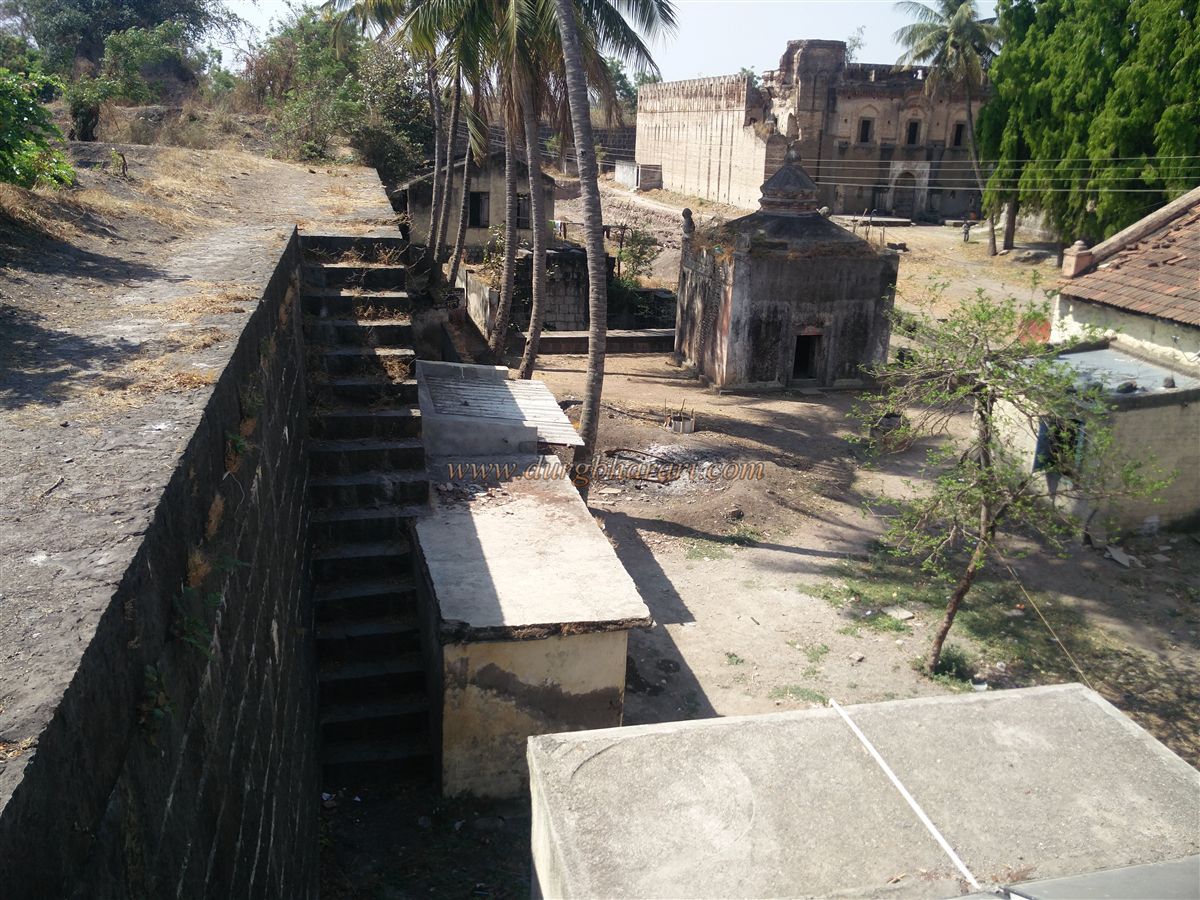
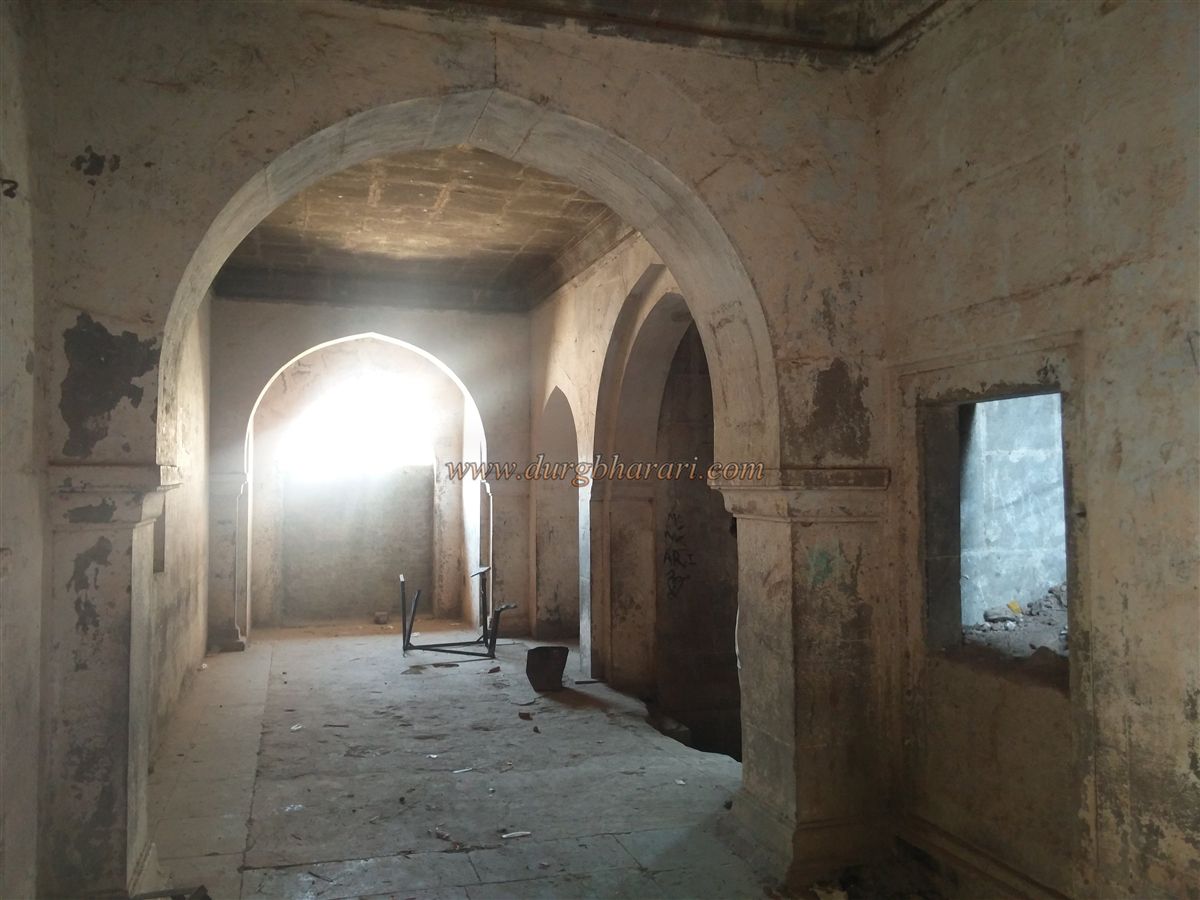
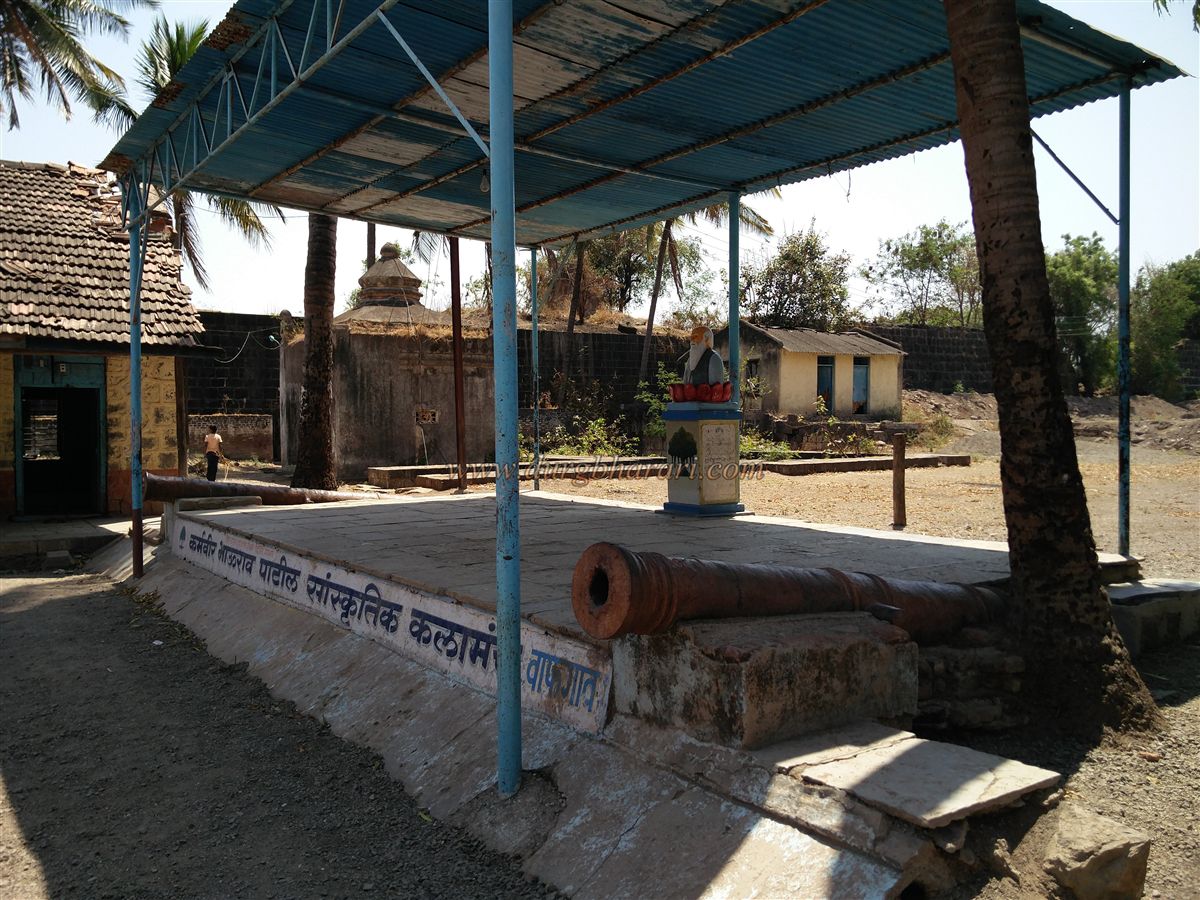
Inside, on the left lies the two-storeyed royal palace, known as the Rani Mahal. This palace features elegant medieval wooden architecture. On its upper floor is a Vishnu Panchayatan shrine, with idols installed by Ahilyadevi Holkar. In front of the palace stand two large cannons placed on a platform. Behind this is a stepwell built during Ahilyadevi rule, with steps leading down on all sides. Near the stepwell is a small Vishnu-Lakshmi shrine in Rajasthani style. In a bastion at the corner lies a hidden well with a small door in the wall, containing 15–20 descending steps, allowing access from inside and from the bastion above. This clever design ensured water access for soldiers without exposing themselves to outside threats. This well’s water is still used for drinking.
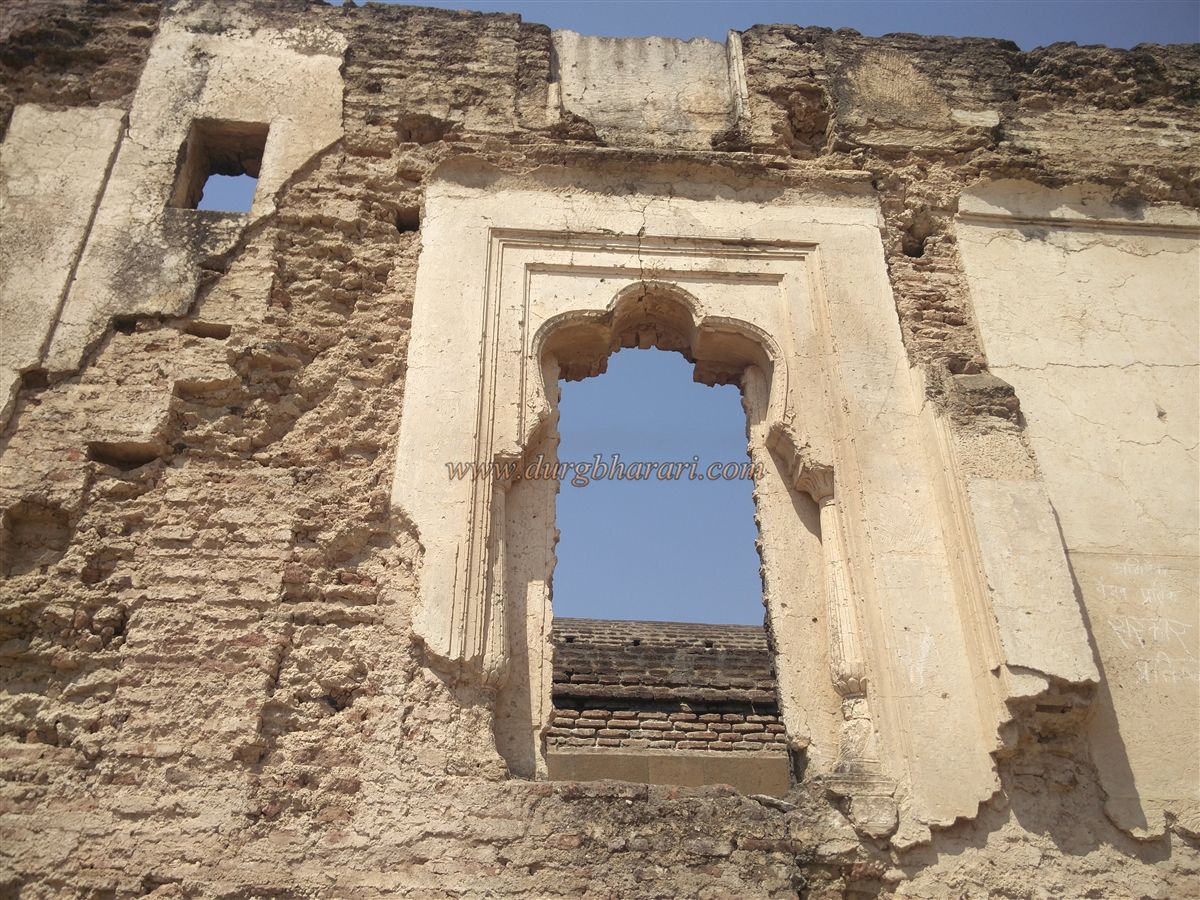
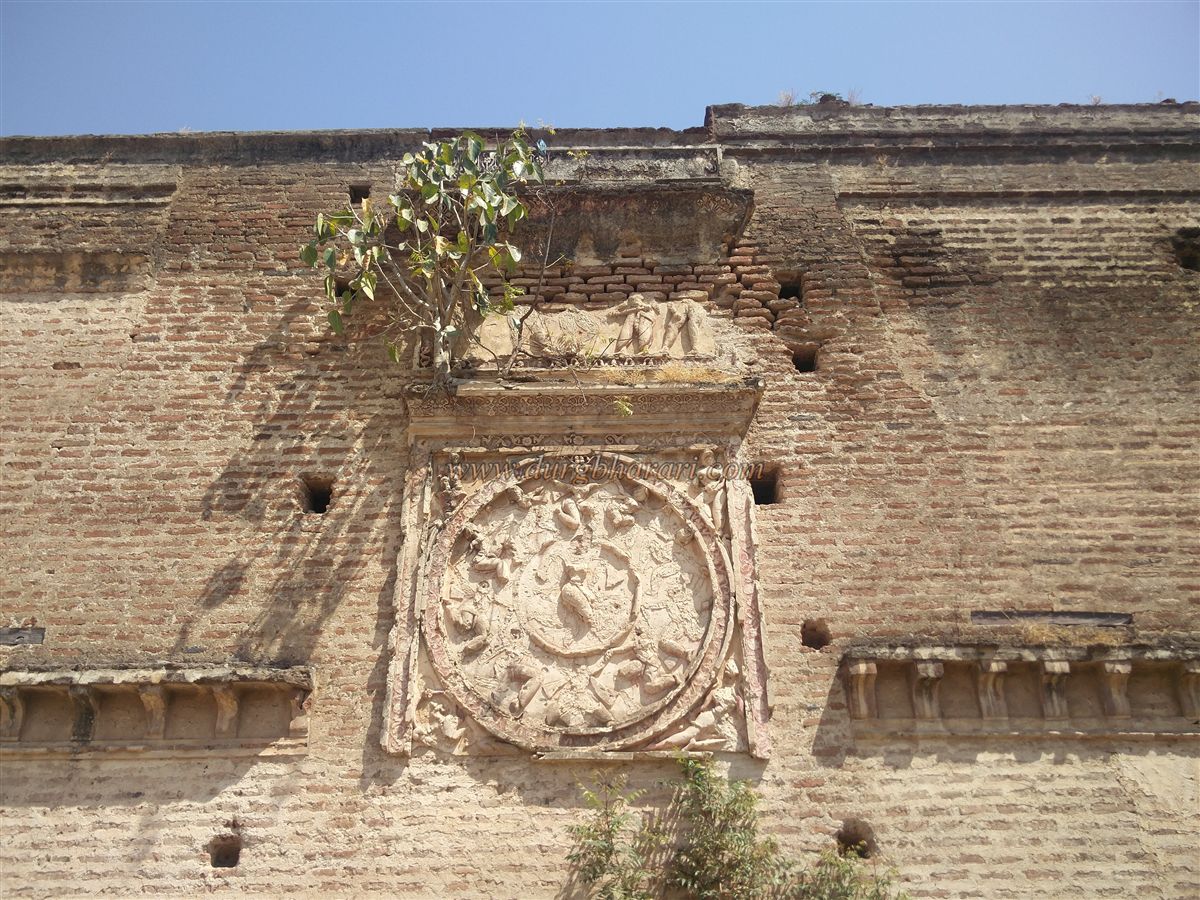
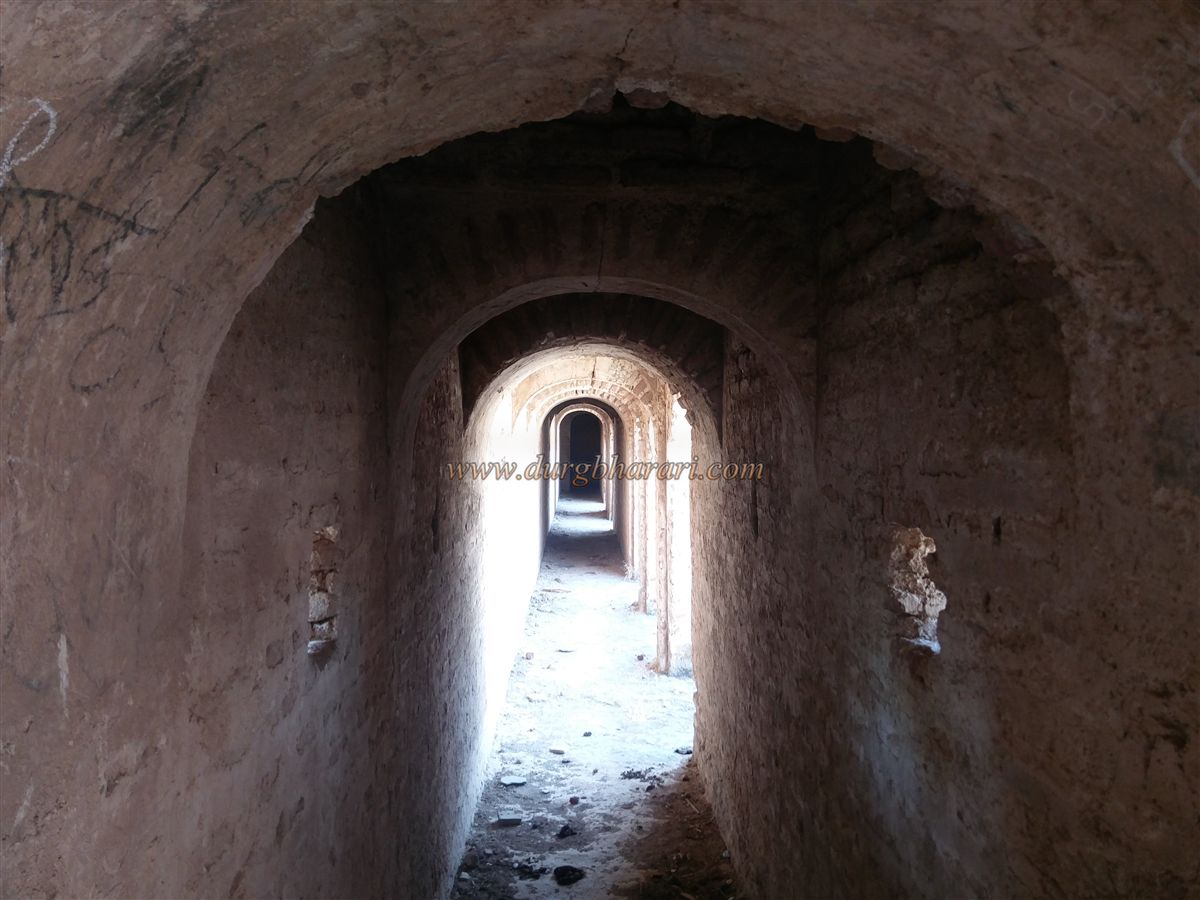
The fort’s main highlight is the Royal Court, a two-storeyed structure built with stone and brick and finished with lime plaster. The exterior walls have beautifully crafted brick patterns, while the interior walls are hollow with numerous chambers connected by small staircases. On top of the Darbar stands the Holkar royal flag post. The rear side once had a large balcony for courtiers, now collapsed. The Darbar gateway is made of dressed stone, with a Nagarkhana above it for ceremonial music. The upper part of this gateway is three storeys high, with decorated stone pillars on the outside and intricate lime plaster carvings inside. Between the Rajdarbar and the Rani Mahal lies a massive underground granary measuring 100x100 feet. Though its entrance has been narrowed and partially sealed for safety (as school children used to enter it), it can still be accessed, though the dark, stuffy interior makes long stays uncomfortable.
The fort now houses a residential school, leading to some modifications to the original structures and the construction of new buildings. The outer Nagarkot walls and bastions are partially ruined, with one bastion almost completely collapsed. The Bombay Gazetteer records refer to the fort as an “English Fort,” though its origins and architecture clearly show its Maratha-era design. Vafgaon Fort is a remarkable example of Maratha-period Bhui Kot architecture with well-preserved gates, bastions, palaces, temples, and defensive features. When visiting Rajgurunagar, one must not miss the opportunity to explore this historic site that reflects the grandeur of the Holkar dynasty.
© Suresh Nimbalkar
GALLERY