WADALA BURUJ
TYPE : SINGLE BASTION
DISTRICT : MUMBAI
HEIGHT : 0
GRADE : EASY
Mumbai, the financial capital of India, is a city formed from a cluster of seven islands. Evidence suggests that these islands have been inhabited since the Stone Age. The first written reference to the Mumbai islands appears in the work of the Egyptian geographer Ptolemy in 150 CE. During the Satavahana period, these islands were an important center of overseas trade. In the 5th–6th centuries, the region was under the Maurya dynasty, with its capital at “Puri,” now known as Gharapuri Island. Over time, the Chalukya, Rashtrakut, Shilahara, and Yadavas ruled over this area. In 1140 CE, Pratap Bimb of Gujarat defeated the Shilahara and established his capital at Mahikavati, present-day Mahim. In 1320, Sultan Mubarak Shah of Gujarat captured Mumbai. In 1534, through a treaty between the Portuguese and Bahadur Shah, the last Sultan of Gujarat, the region from Daman to Mumbai came under Portuguese control, and this part of North Konkan began to be called Firangaan.
...
In 1662, when England’s King Charles II married Portuguese princess Braganza, Mumbai was given to the British as part of her dowry, marking the beginning of a new chapter in the city’s history. Over centuries, each ruling power built coastal forts to protect its territory and hold off invaders. On the western coast of Mumbai, forts like Worli, Mahim, Bandra, and Madh were constructed, while the southern coast was defended by Kala Killa, Rewa Fort, and Sion Fort. On the eastern side, forts like Shivdi, Mazgaon, Dongri, and Bombay Fort formed a chain of defense. Most of these forts were built during the Portuguese and British periods.
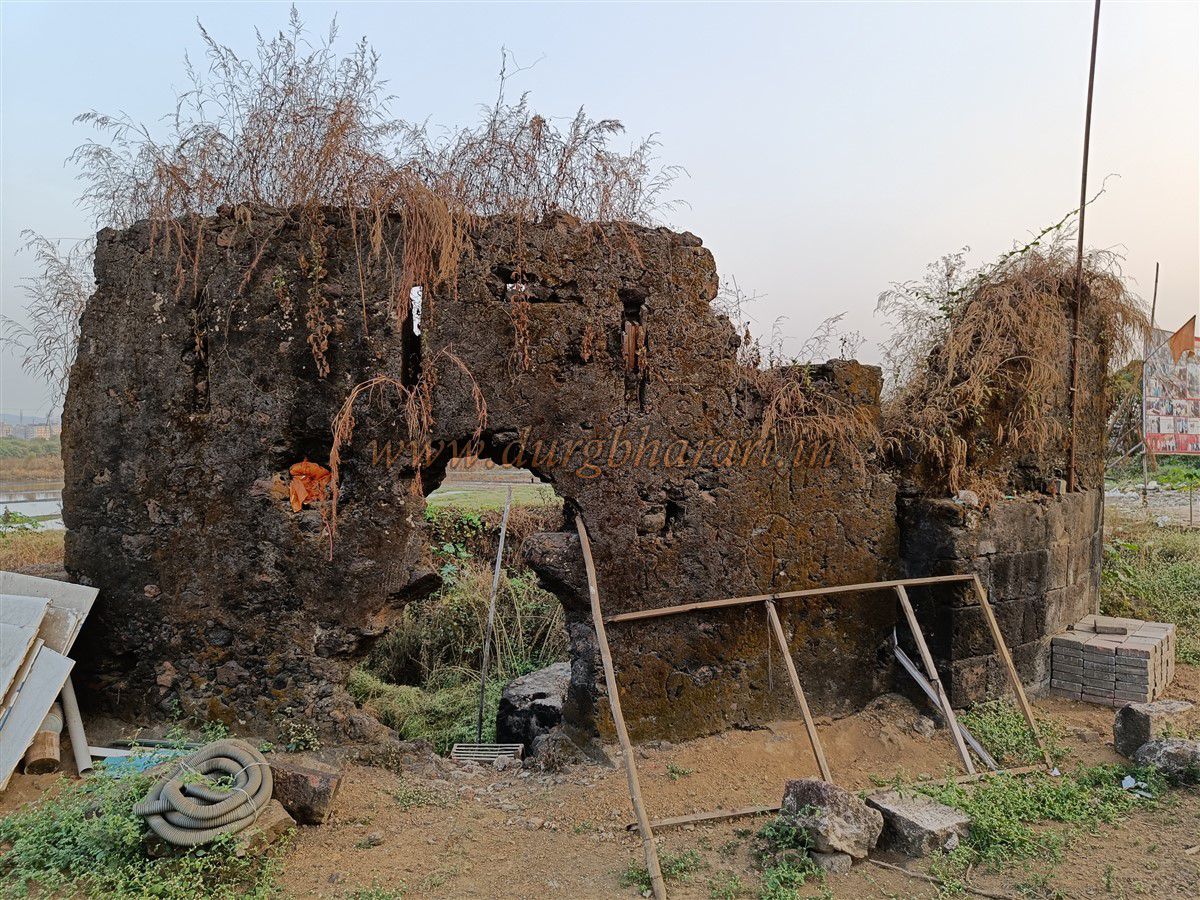
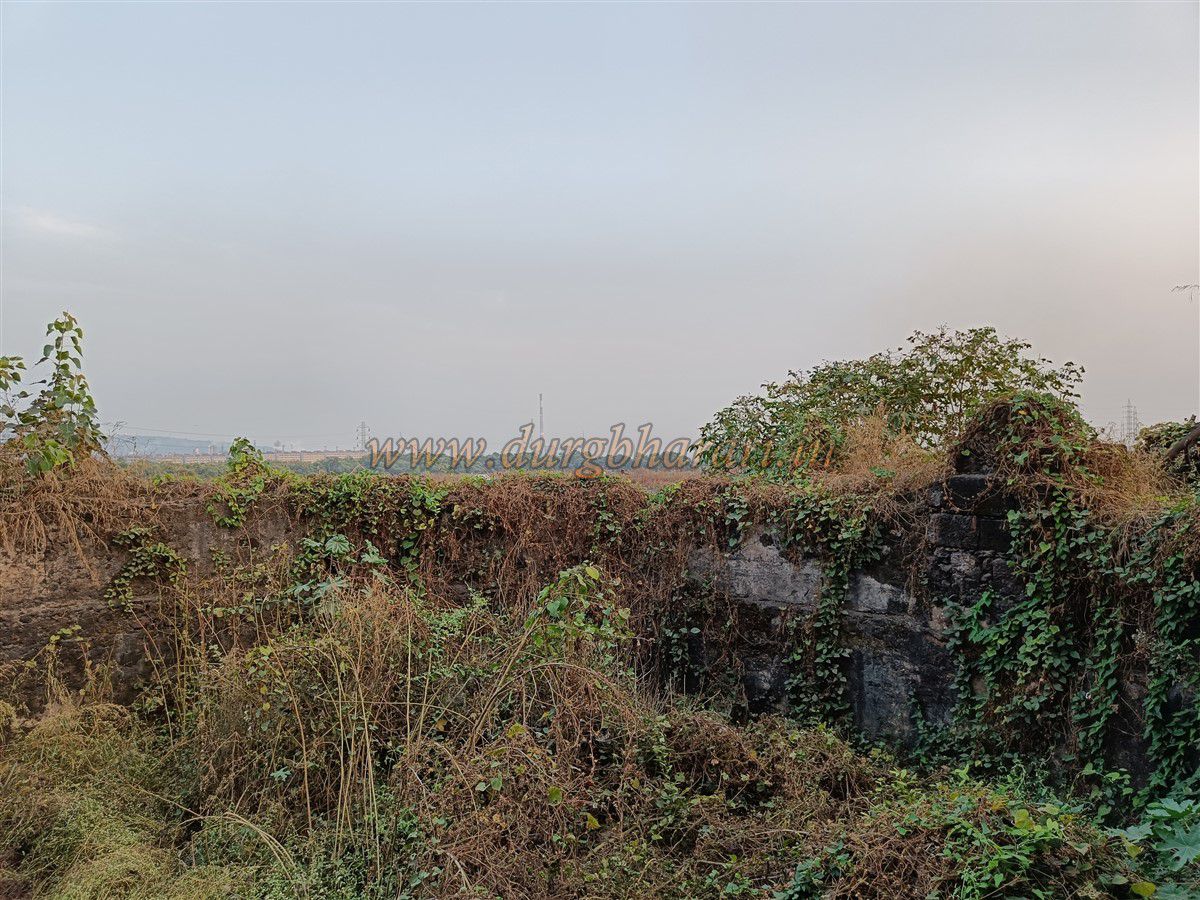
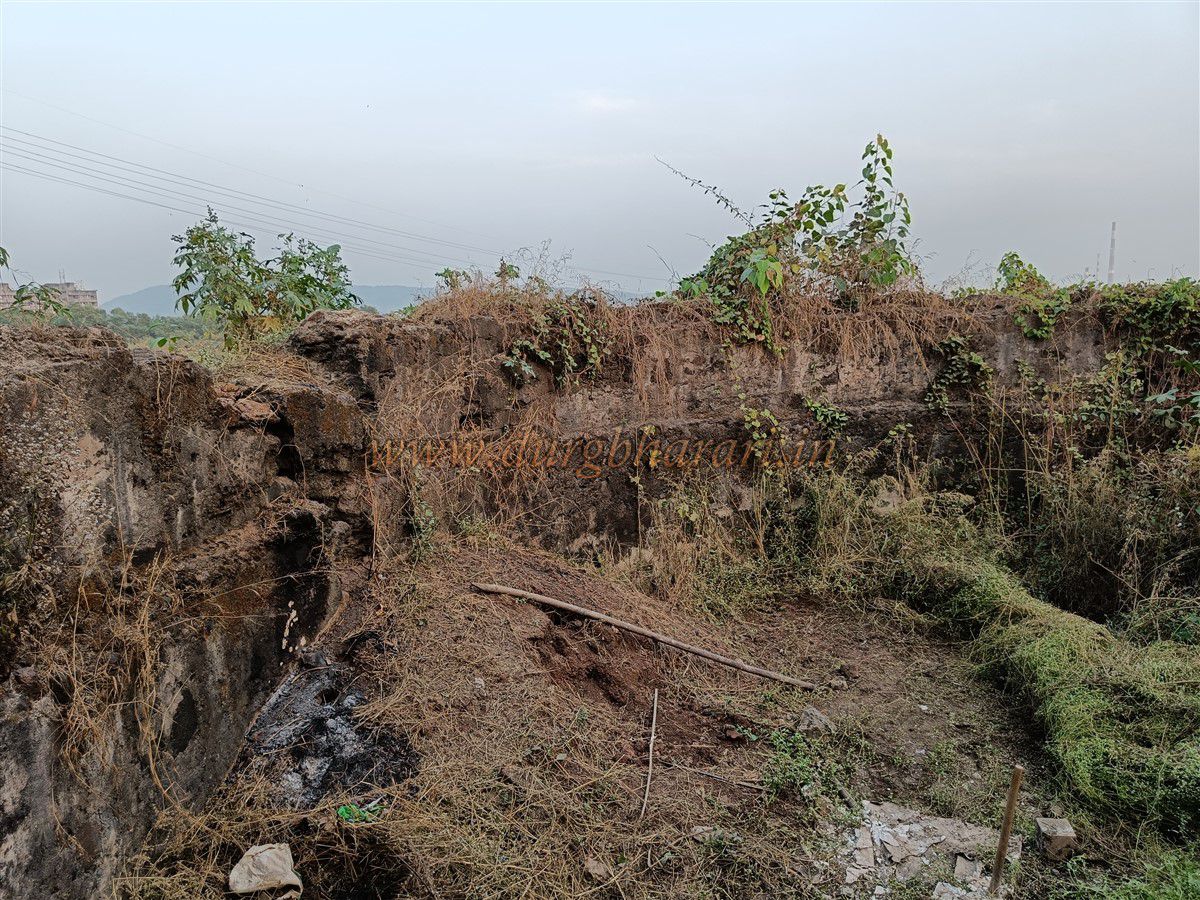
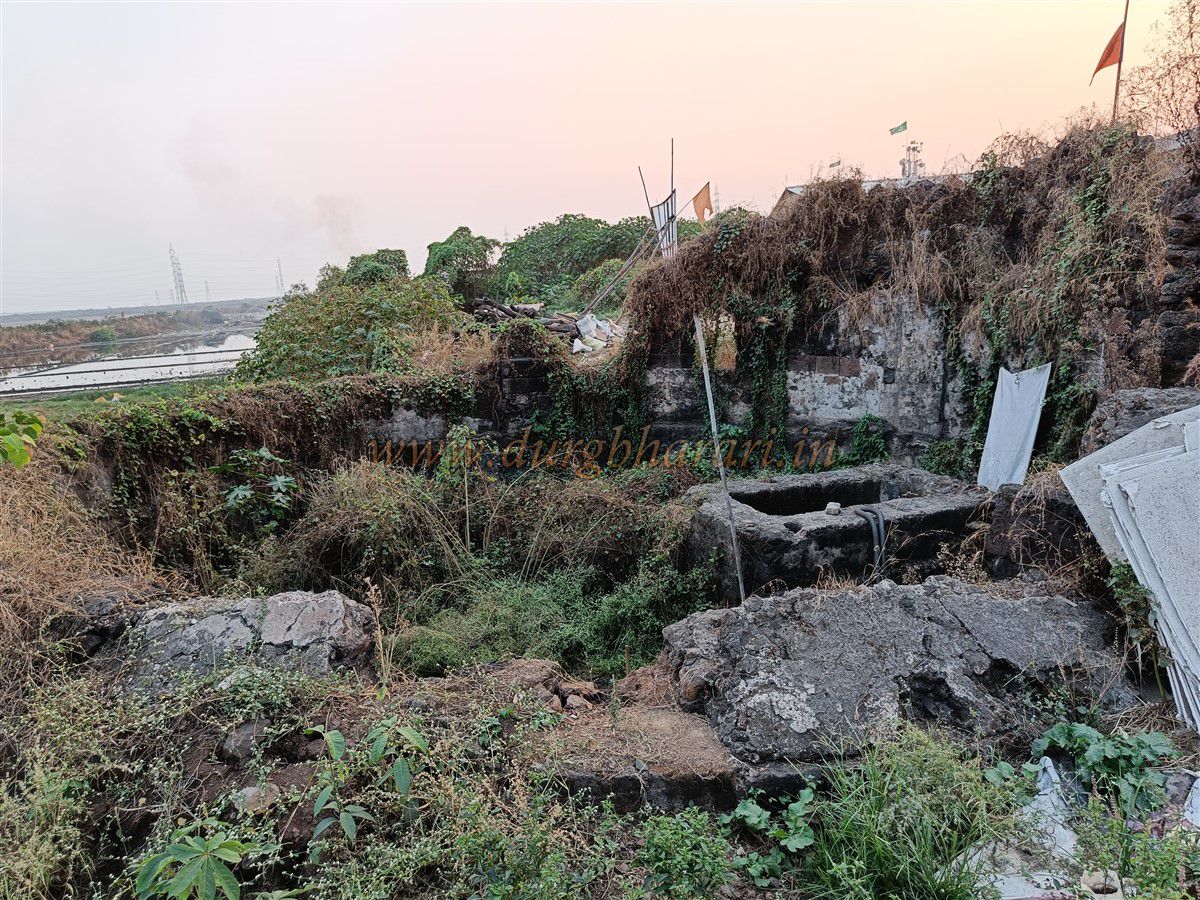
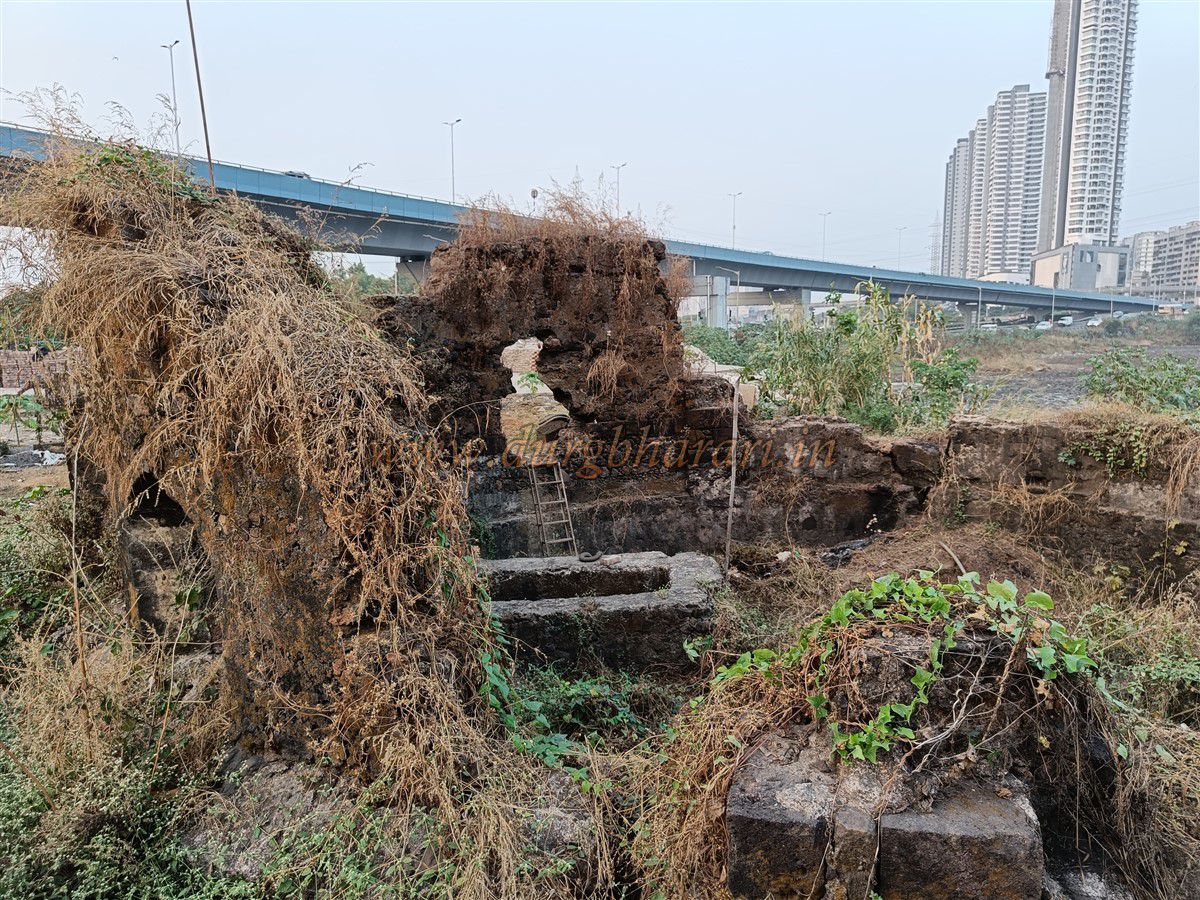
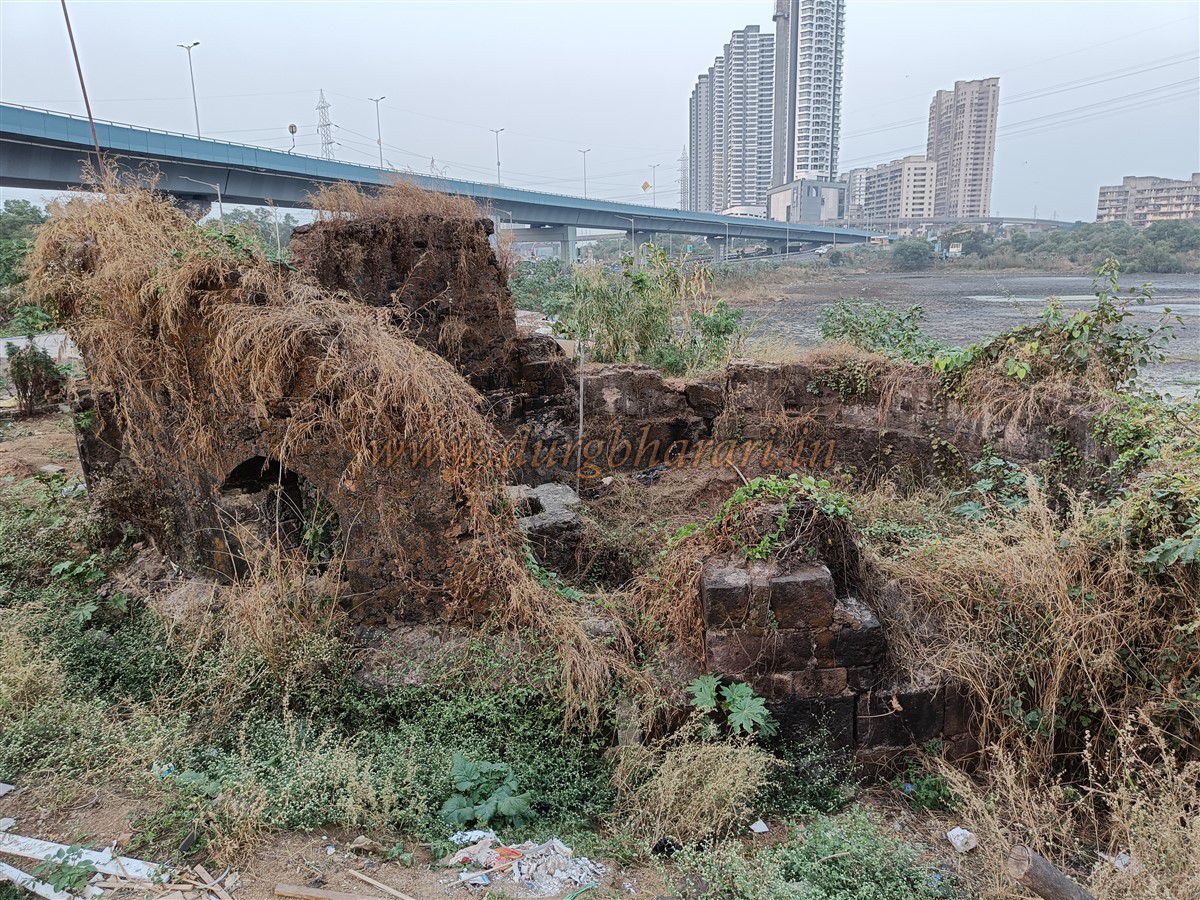
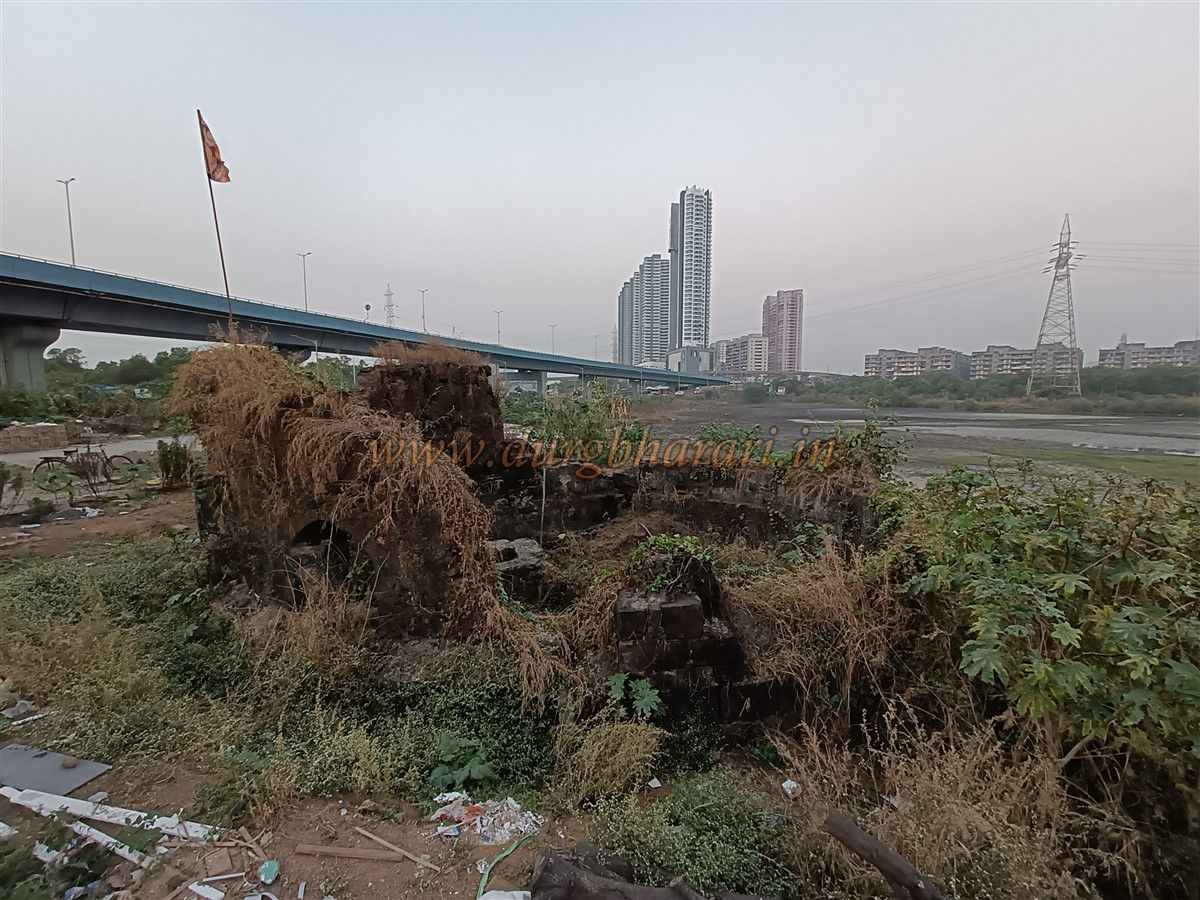
To guard against the Marathas and the Siddi, whom they considered enemies, the Portuguese and British erected bastions at strategic intervals along the coast. Even today, on Mumbai’s western coast near Madh, isolated bastions at Ambova and Danapani can still be seen. British maps from 1812 and 1843 mention a tower on Mumbai’s eastern coast, though its exact location remained unclear for a long time. Then, unexpectedly, during construction work in Wadala, a bastion was discovered that had been buried under vegetation and soil for years. Locals noticed this old circular stone-and-lime structure while clearing the land for building. Decades of accumulated soil and foliage had kept it hidden from view.
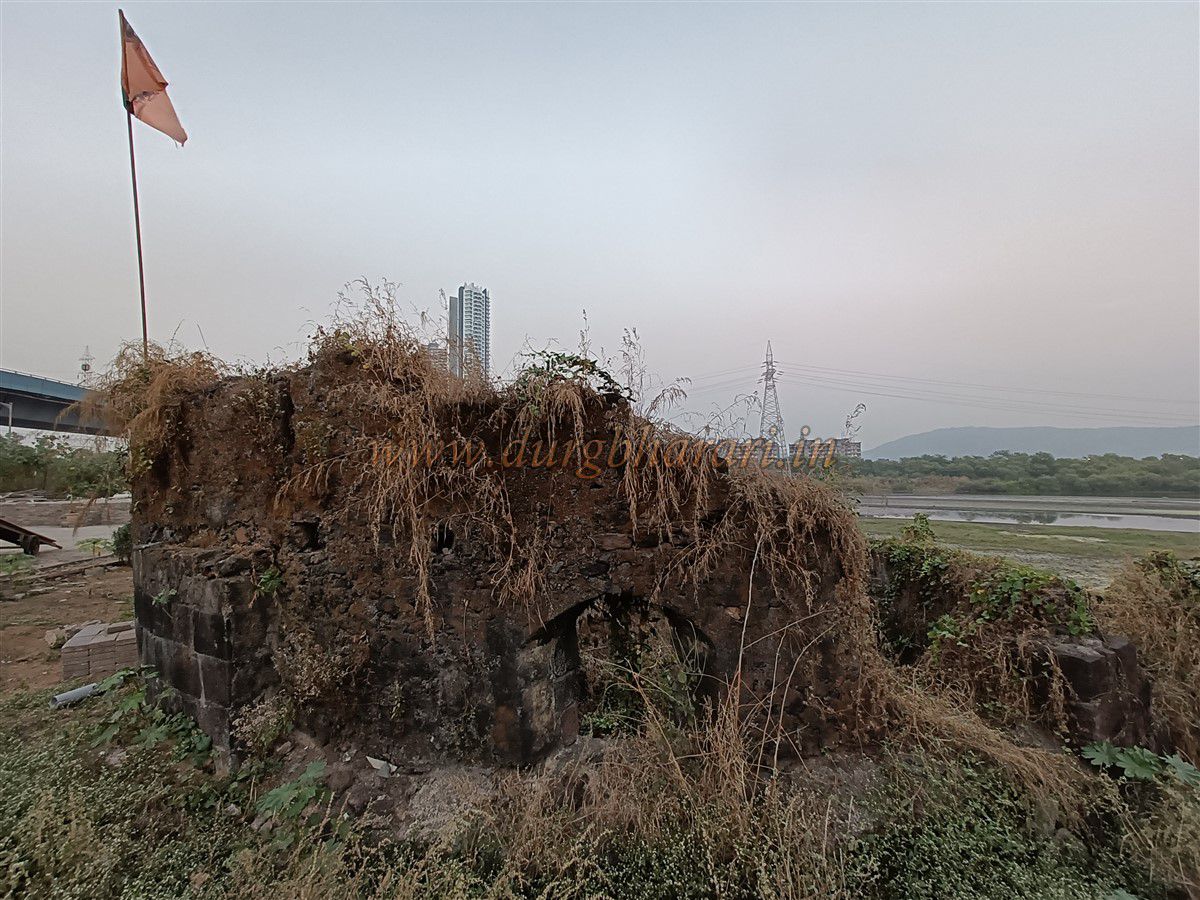
This isolated bastion, similar to what is known abroad as a Martello Tower, is an example of Portuguese military architecture. Built along the creek leading from Mumbai’s eastern coast toward Sion Fort, it stands between Sion Fort and Shivdi Fort. It was likely constructed to block the movement of boats toward Sion Fort and to monitor ships in the Panvel, Uran, Thane, and Gharapuri regions.
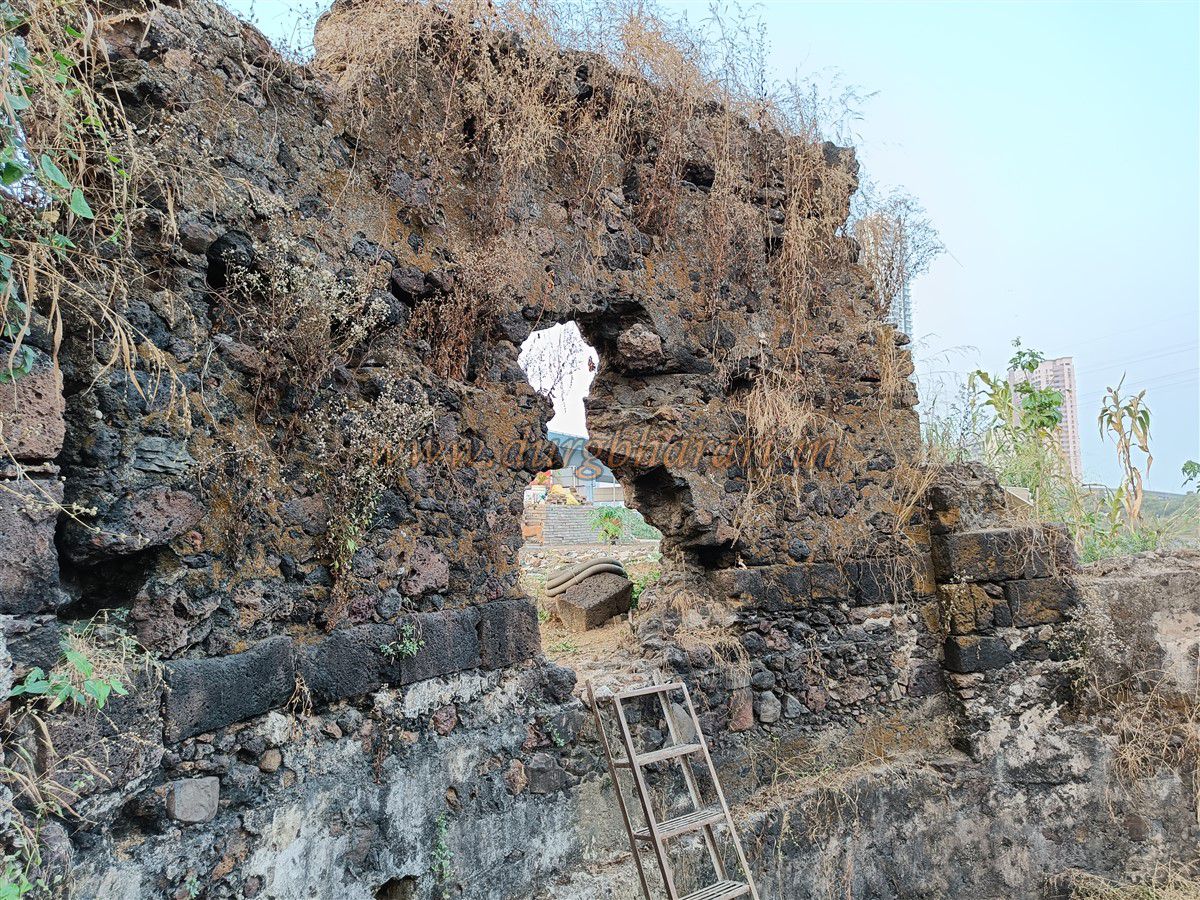
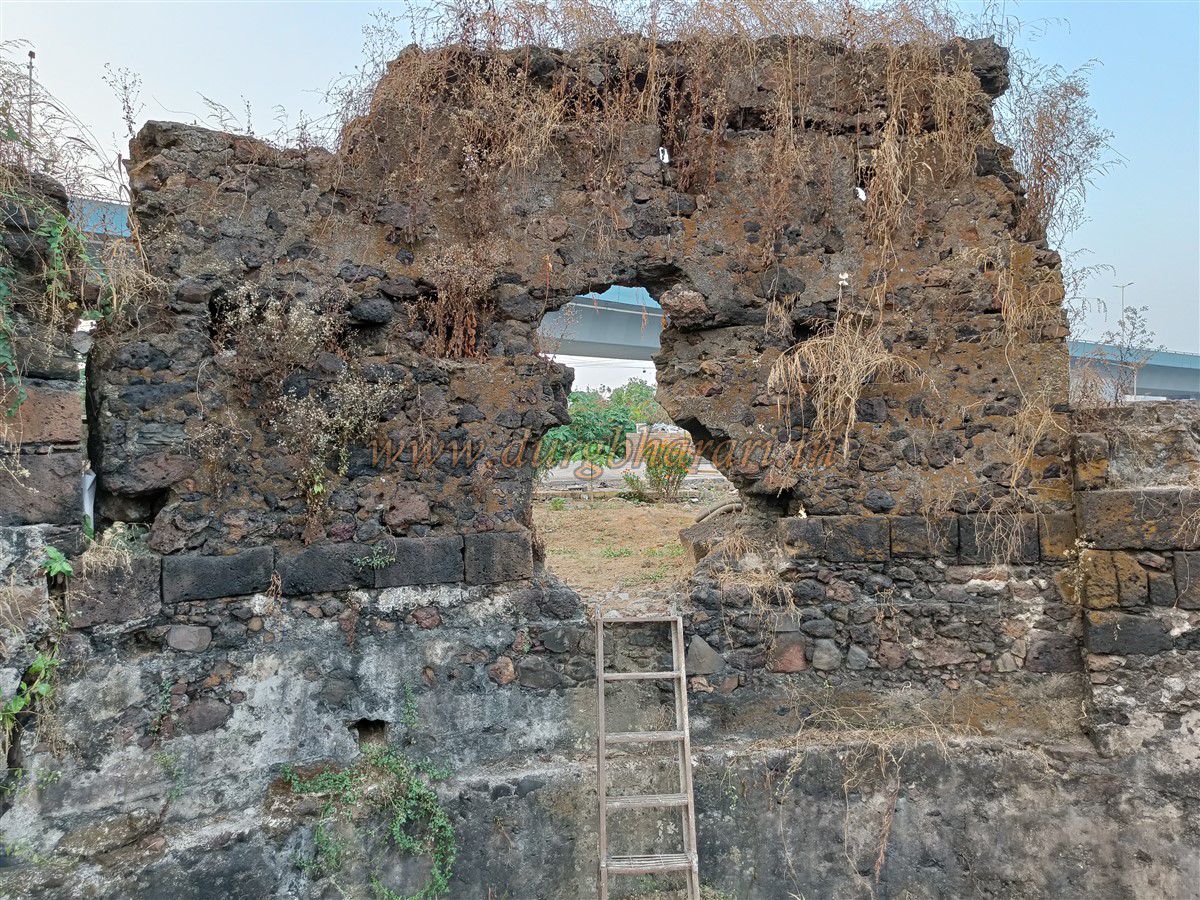
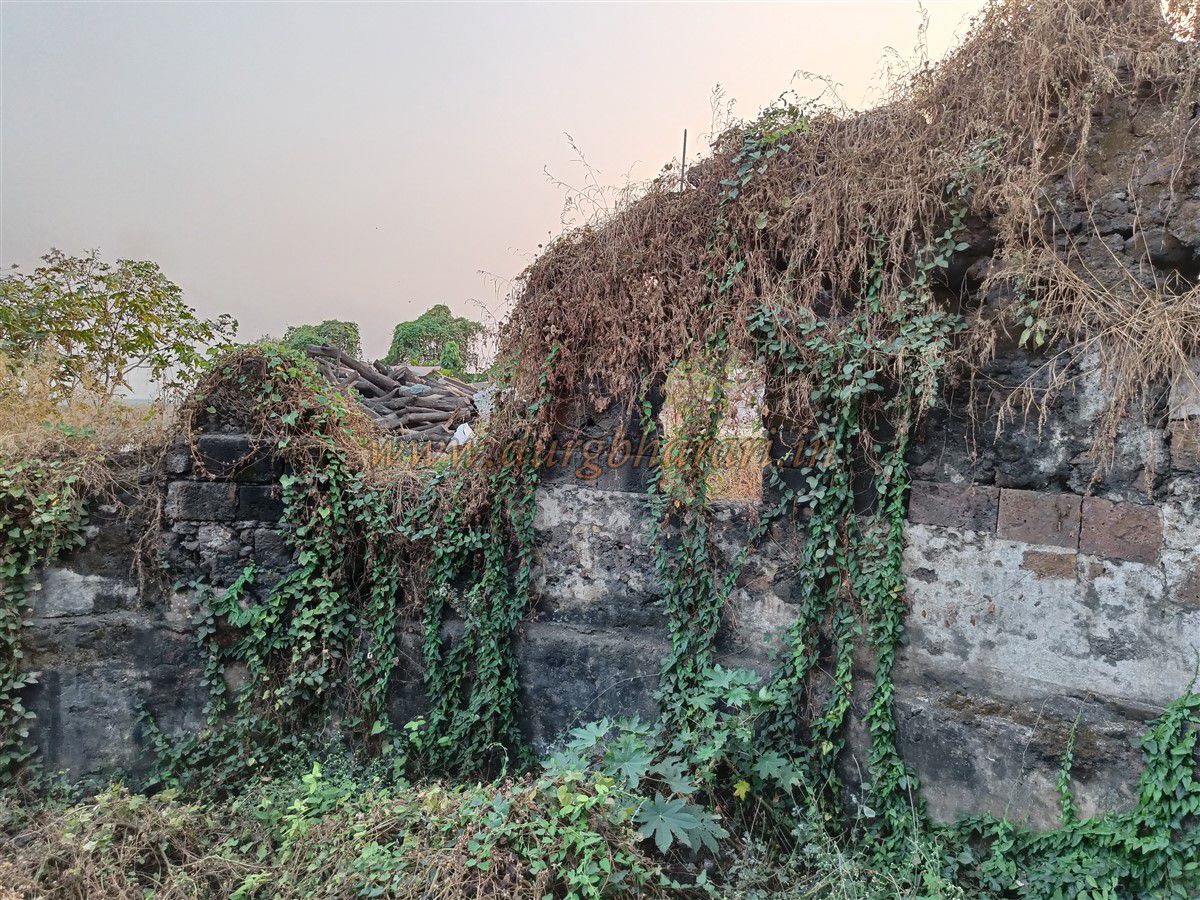
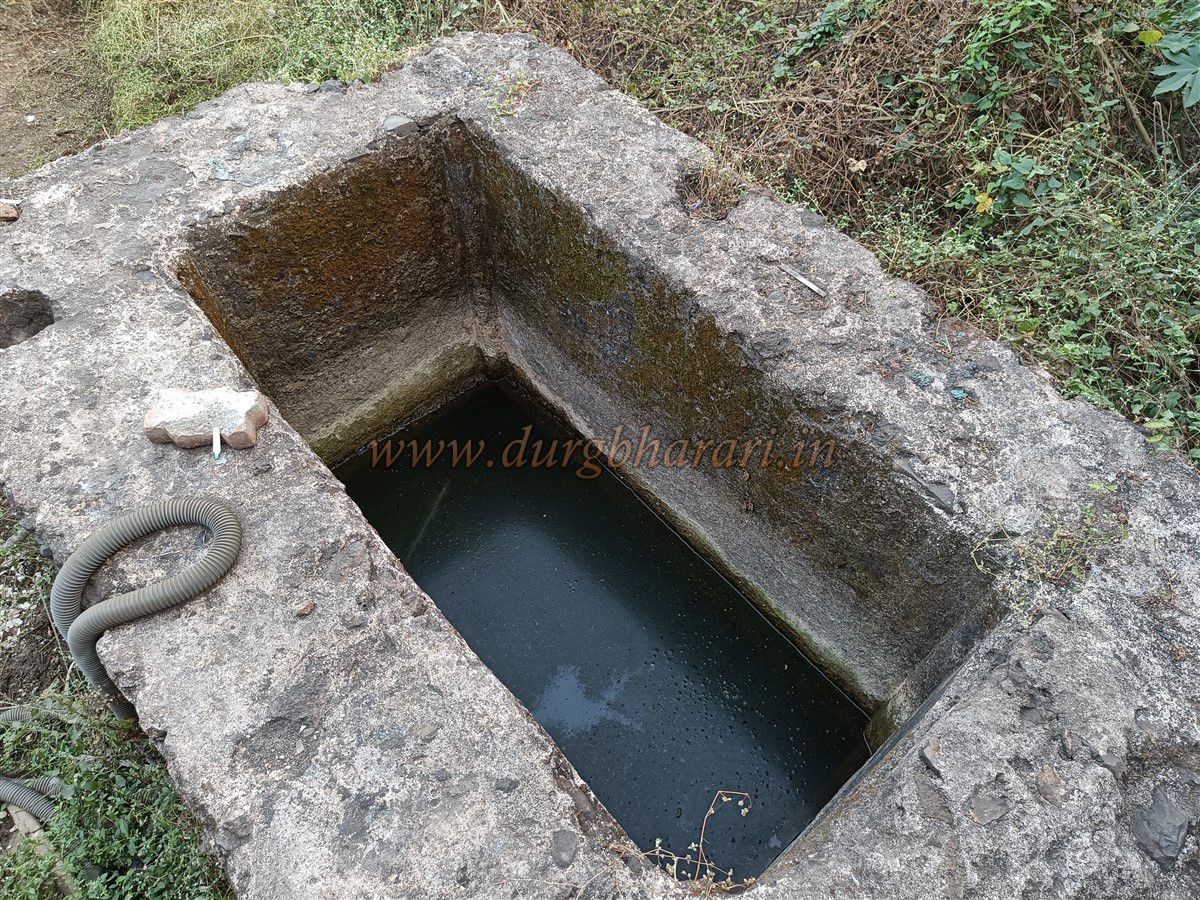
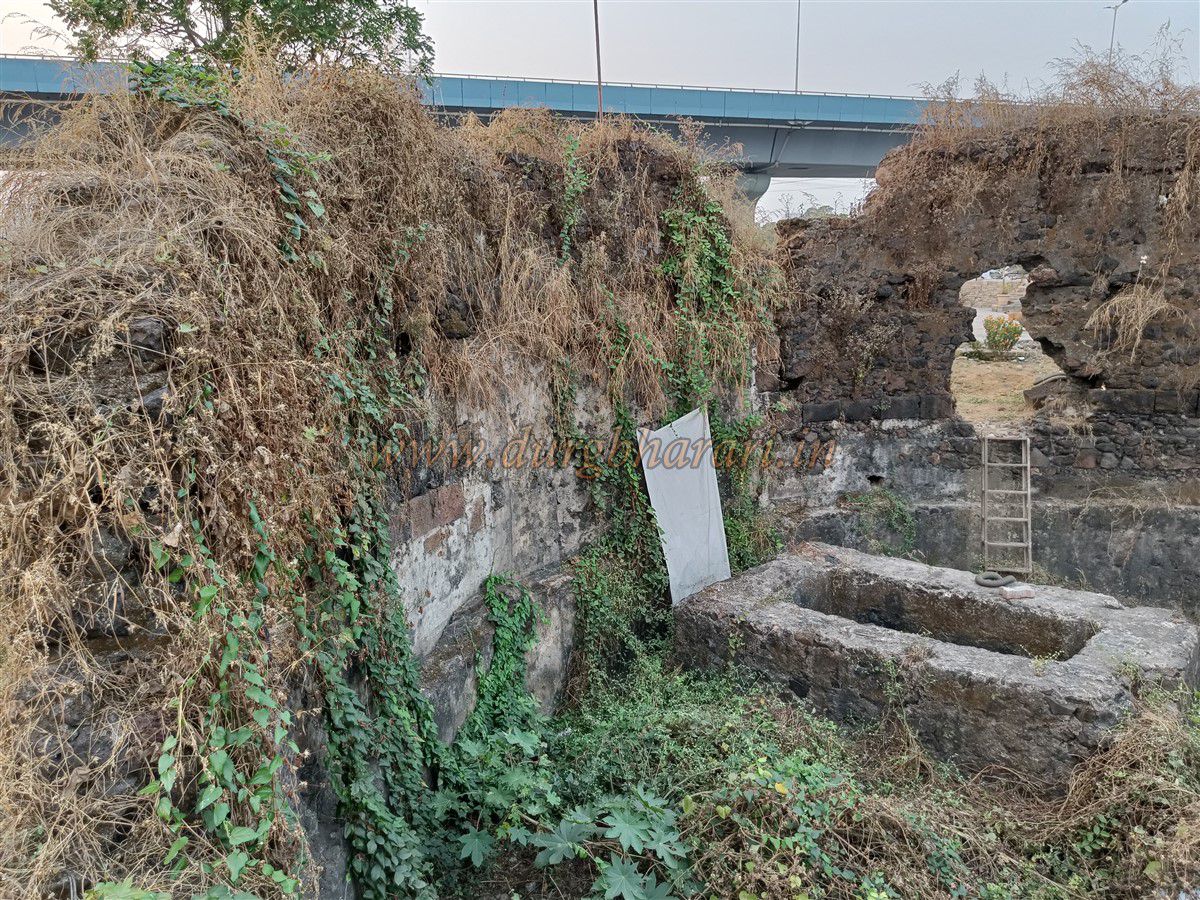
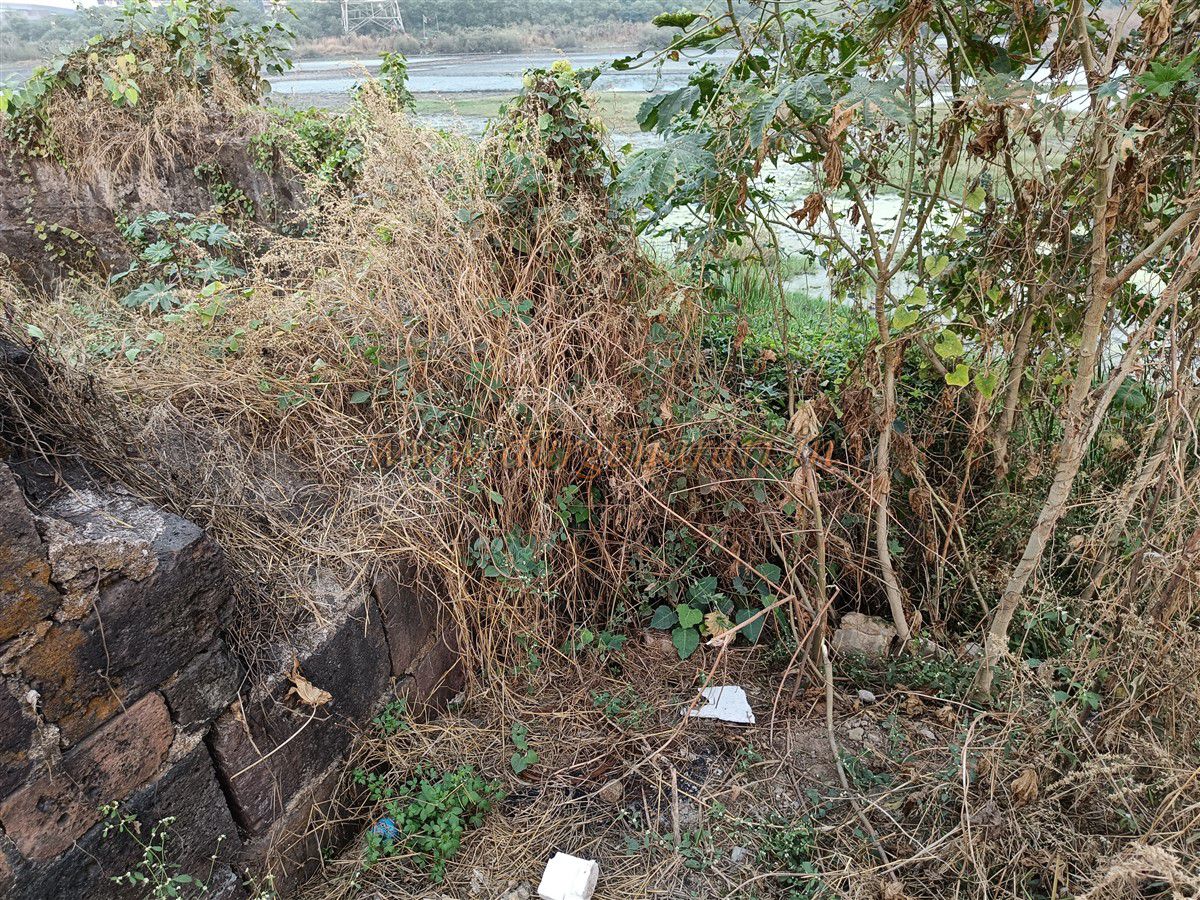
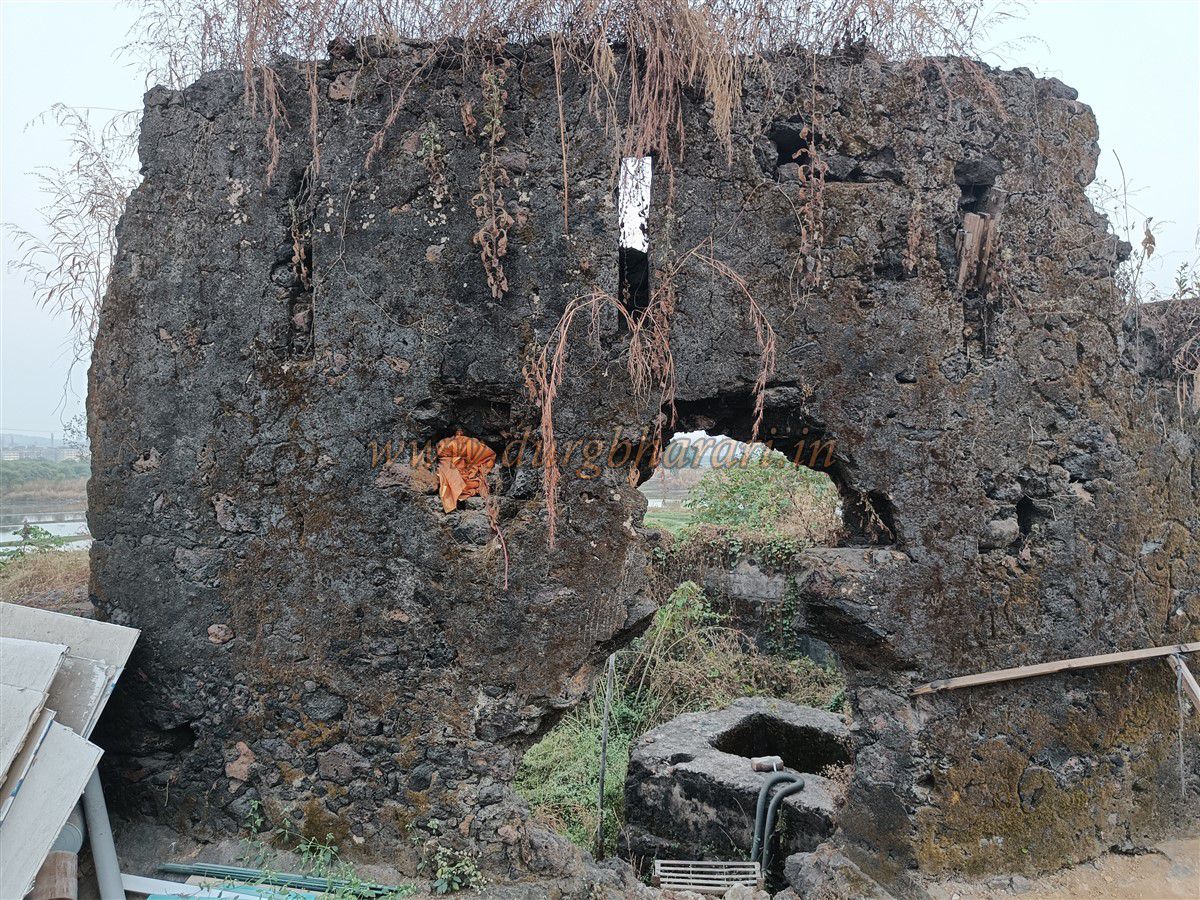
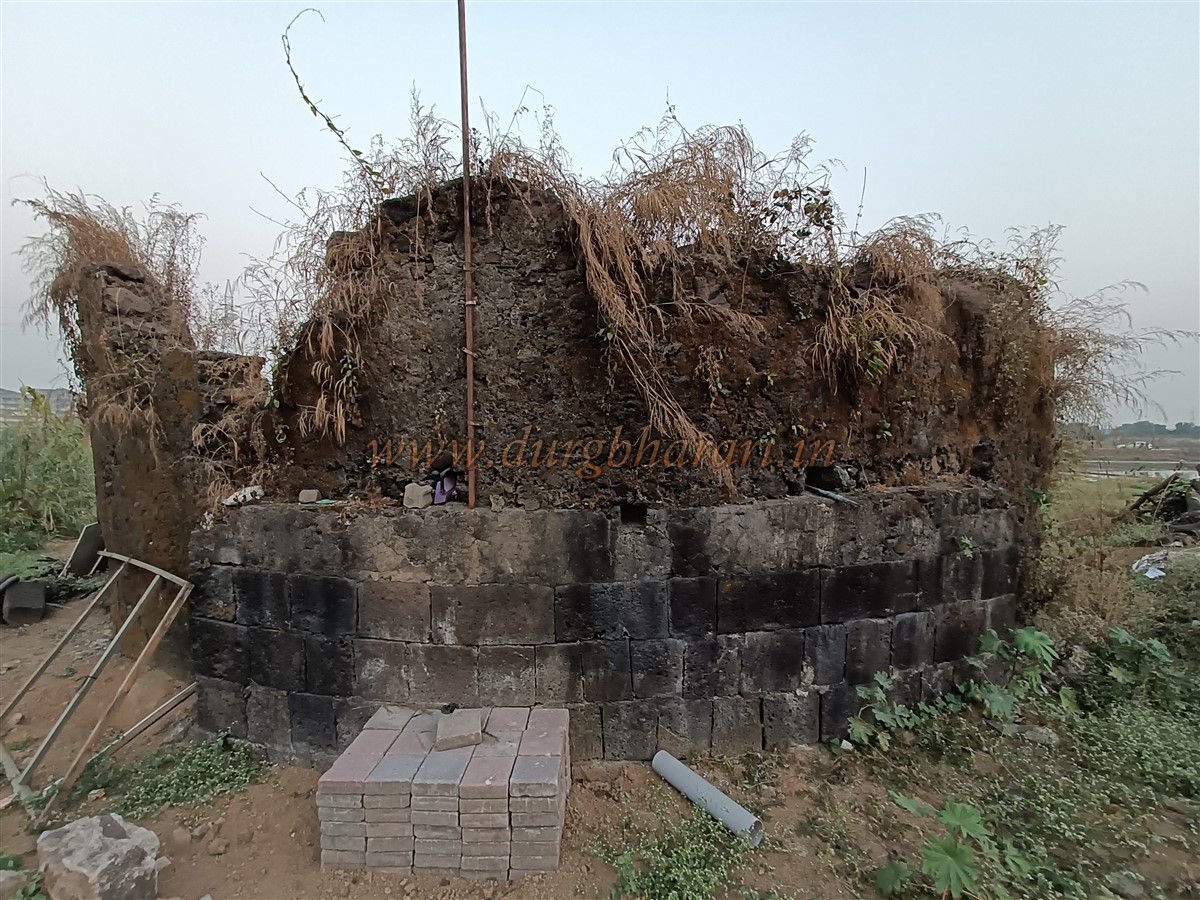
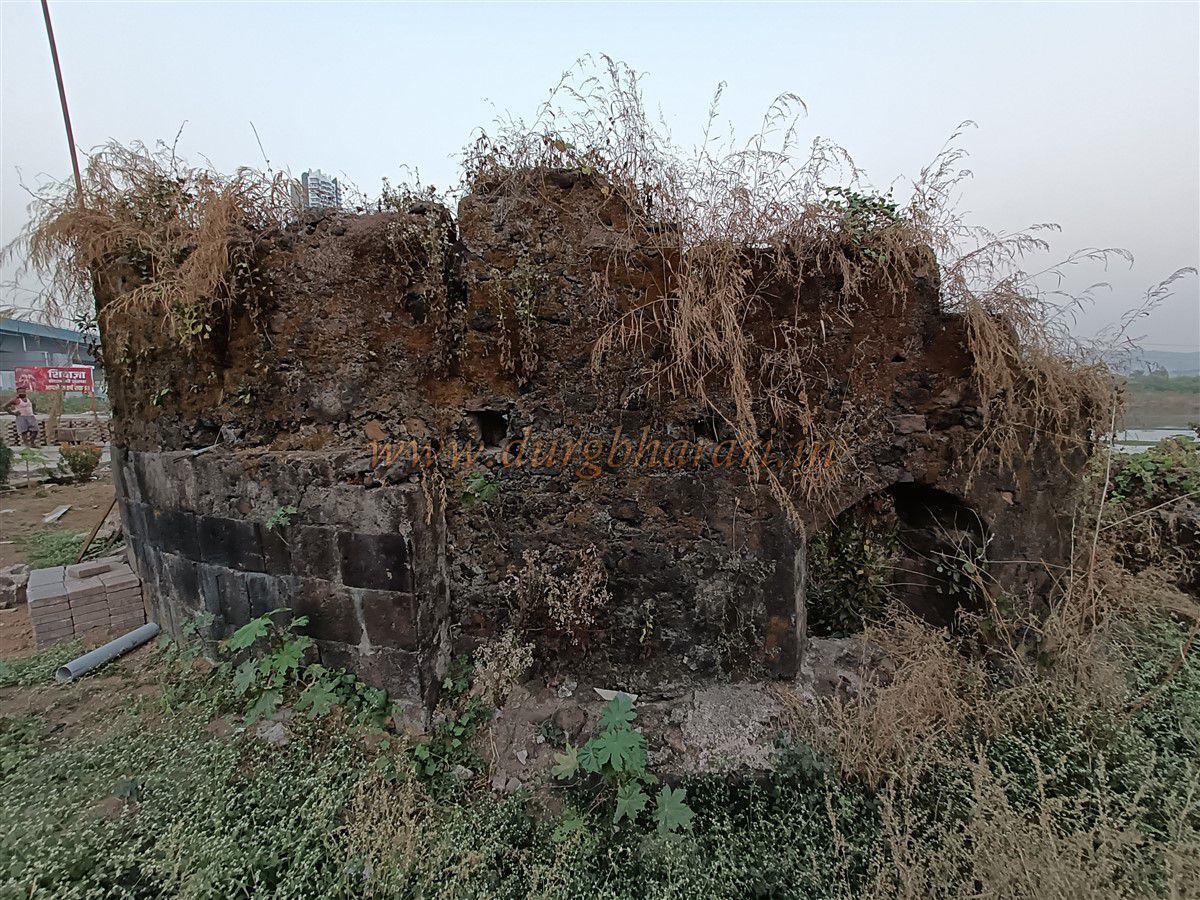
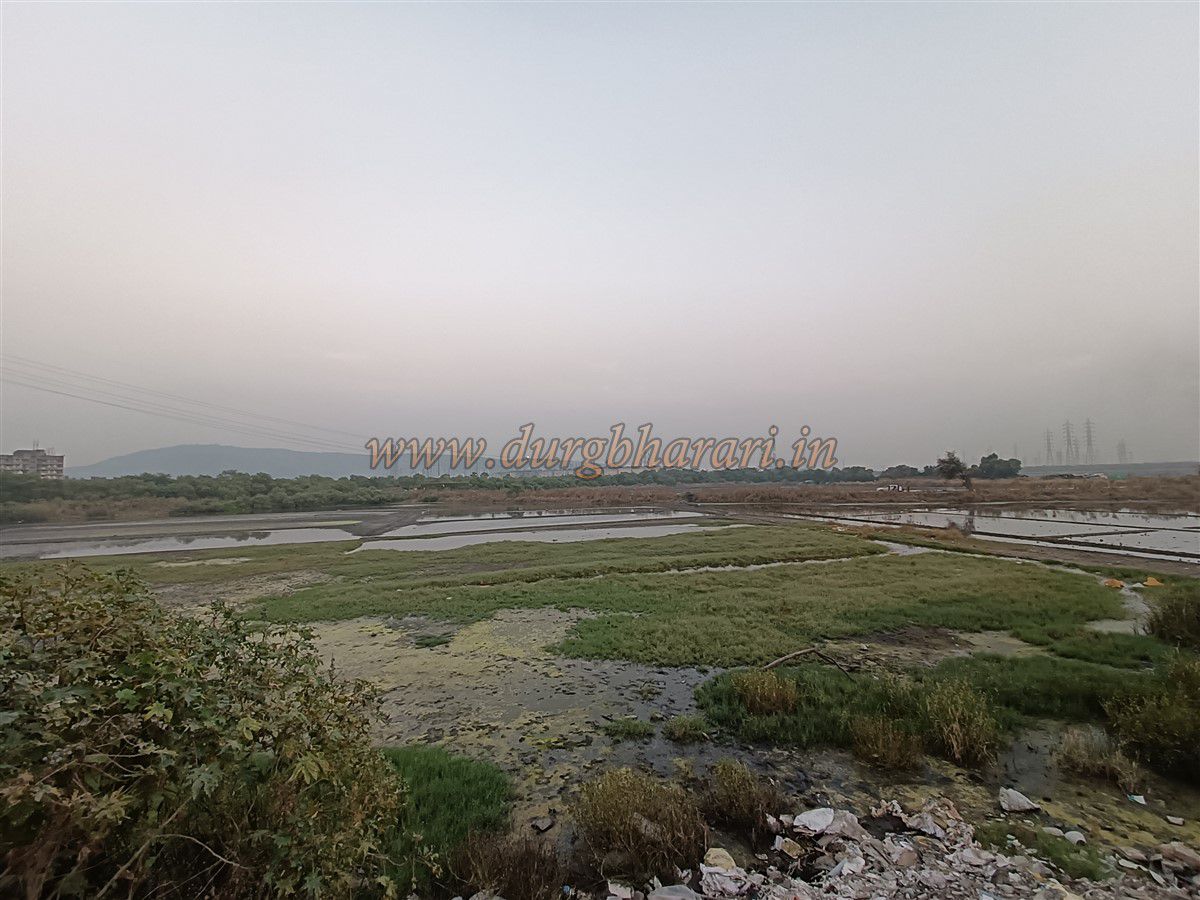
The bastion has a circular shape with a diameter of about 50 feet. It is built using a mix of dressed and rough stones bound with lime. Stone slots for wooden beams suggest that it may once have been two stories high. The upper part has loopholes for gunfire, while the interior contains a rectangular water tank measuring 12 by 6 feet and about 8 feet deep. Since the bastion stands in a marshy area, water is still present inside, but it is not potable, indicating the tank was probably used for storing external water. The lower part of the bastion is still buried, likely hiding a window or passage toward the creek that may have been used for access with a ladder.
Exploring the bastion takes about 15 minutes. It is located near Mitaghar in Wadala, along the Eastern Express Highway, about 3 km from Wadala station. It lies in the Shanti agar area, and one can easily reach it by asking for directions to Adarsh College or Madina Masjid.
According to fort enthusiast Chandan Vichare, the structure was brought to light through the efforts of Samadhan Jugdar, the local Shiv Sena branch chief of Shantinagar, along with the Shivajna Seva Trust and Prakash Hasbe, who cleared away the debris that had buried it. Their work has brought to attention a nearly 350-year-old historical relic, doing a great service to historians and fort enthusiasts.
© Suresh Nimbalkar
GALLERY