WADA VIMLESHWAR
TYPE : SHAIV LENI
DISTRICT : SINDHUDURG
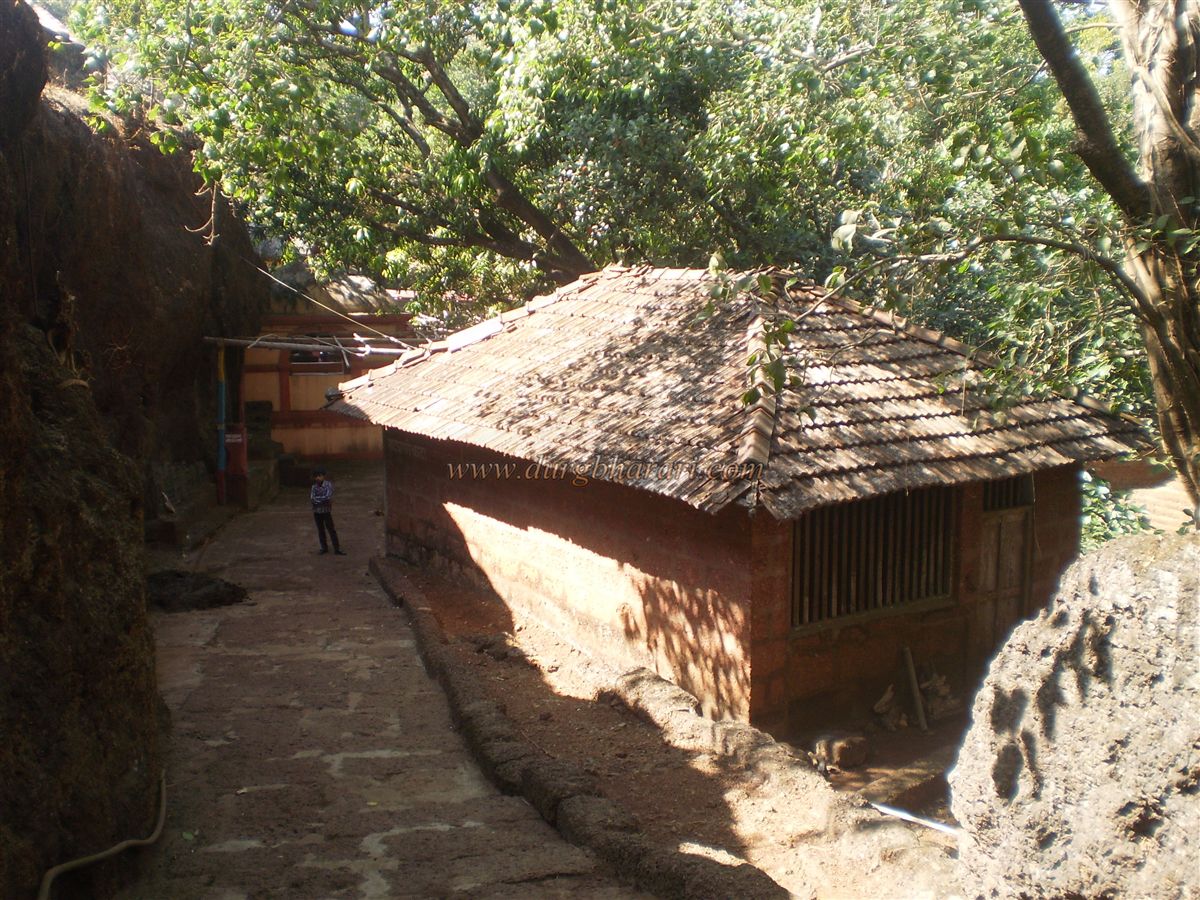
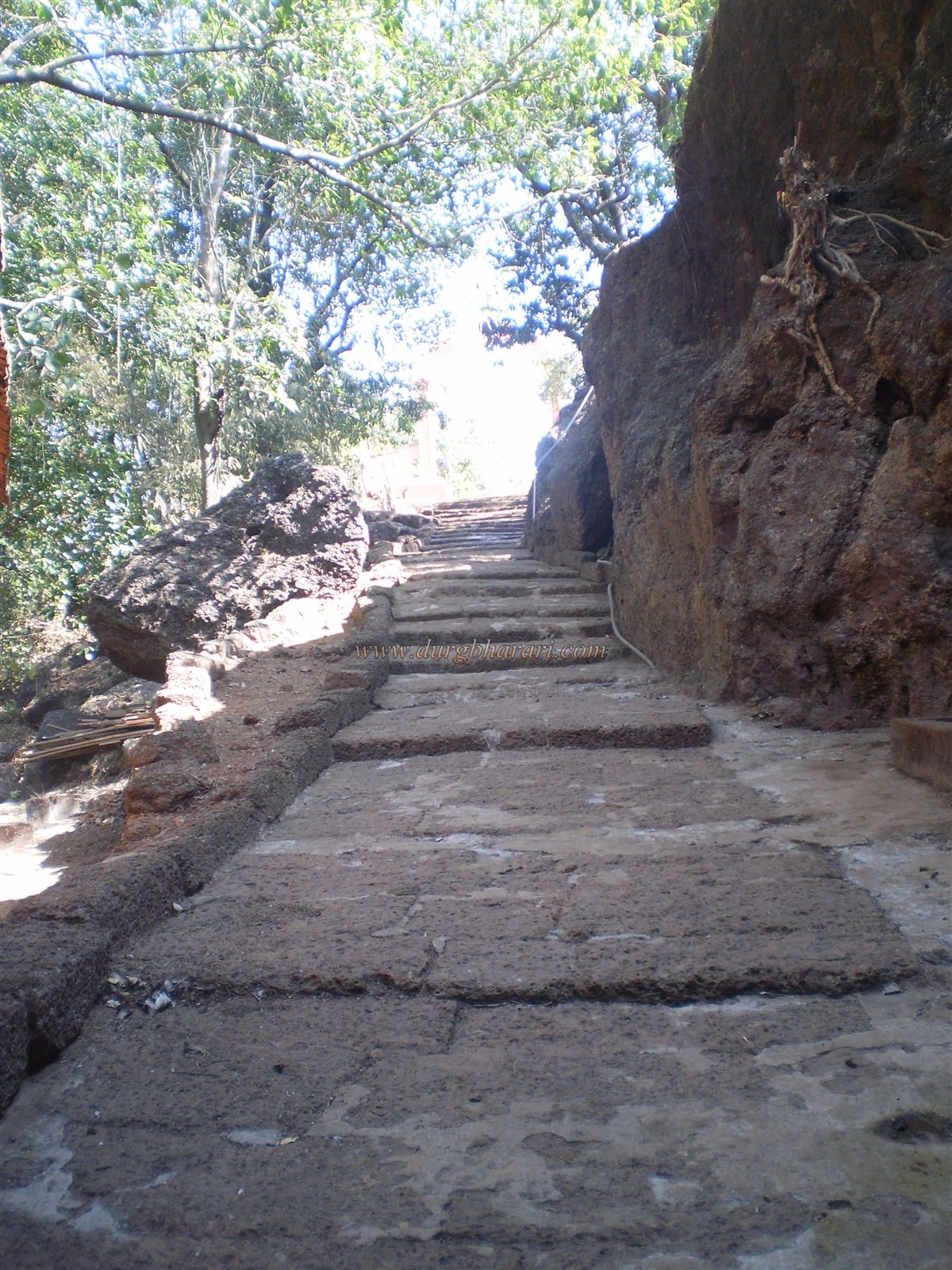
On the Devgad–Vijaydurg route, 14 km from Devgad and 18 km from Vijaydurg, lies the village of Wada. About 1 km from this village, at stop near the Vimalēshwar temple, and half a kilometre along the road leading to Phanse–Padavne, stands the shrine of Shri Vimalēshwar. From the road, only the temple’s spire is visible, but as one descends the steps into the courtyard, the grandeur of this temple becomes apparent.
This place is a beautiful blend of exquisite stone carvings, serene natural surroundings, and human artistry, making it a truly wonderful tourist destination. The temple is enveloped by dense greenery—towering coconut and areca nut trees that touch the sky, creating a serene and cool atmosphere.
...
At the base of the hill, this temple is carved into a solid laterite rock, forming an impressive cave structure divided into three sections: the sanctum (Garbhagriha), the assembly hall (Sabhamandap), and the gallery. A Shiva lingam resides in the sanctum, while a spacious courtyard lies in front of the temple. From the courtyard to the top of the temple, the height measures approximately 50–60 feet.
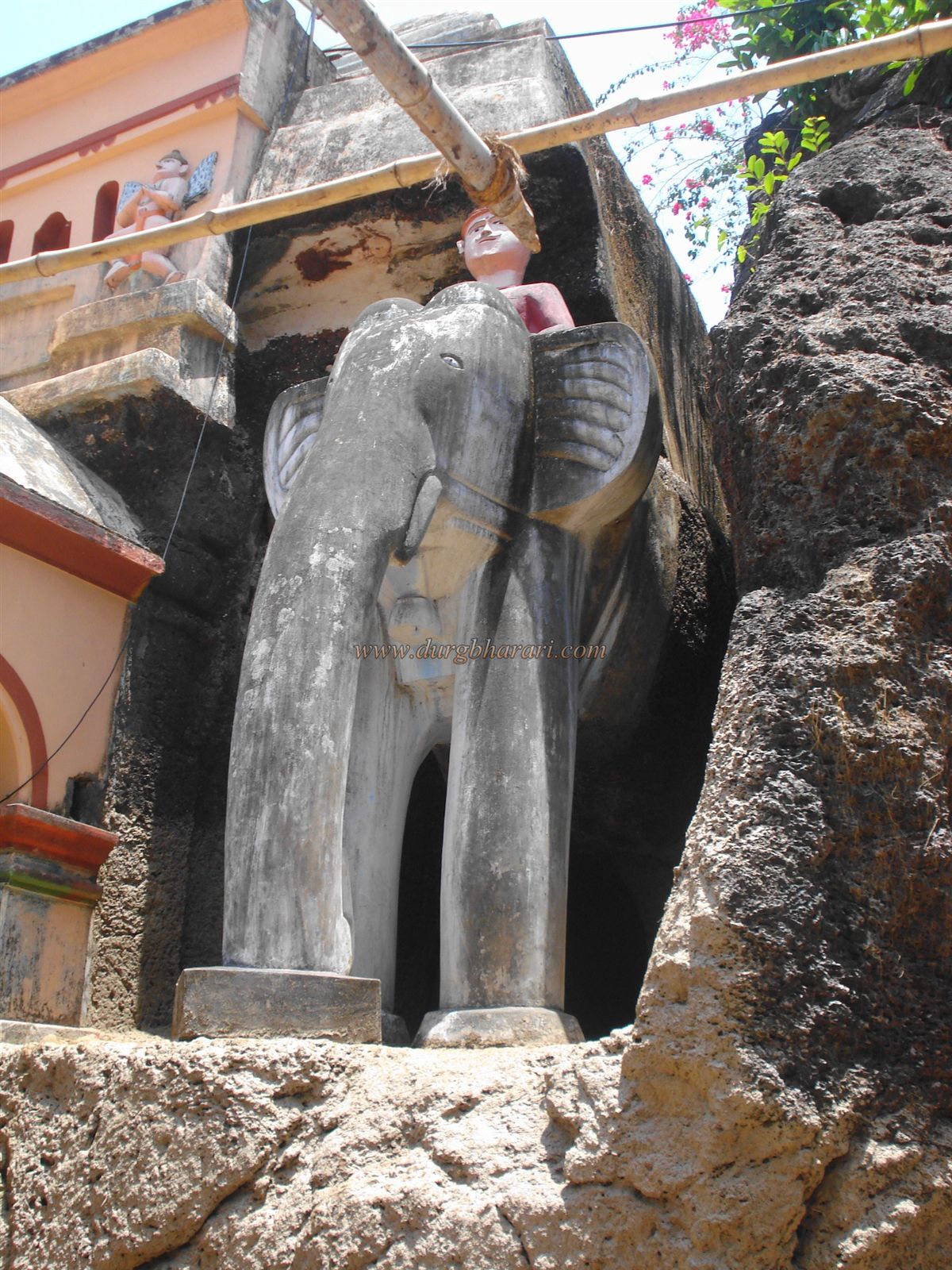
The temple’s façade features five nude human figures, believed to symbolize the five elements (Pancha Tattva). On either side of the cave entrance are carvings of elephants with mahouts, alongside tall stone lamp towers (deepmalas). As the main road passes above the temple, a trench about three feet deep has been dug around the temple to protect it. The spire has been raised using cement in recent times.
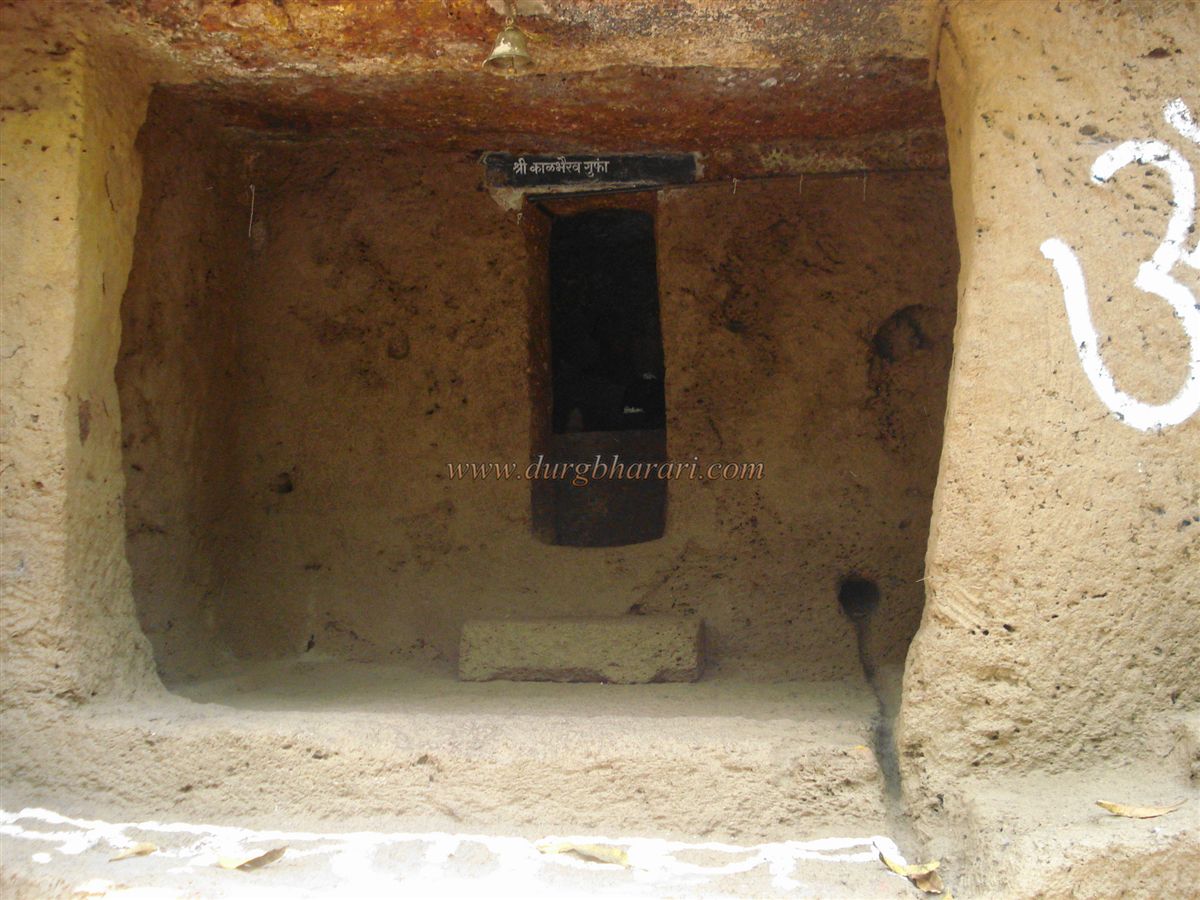
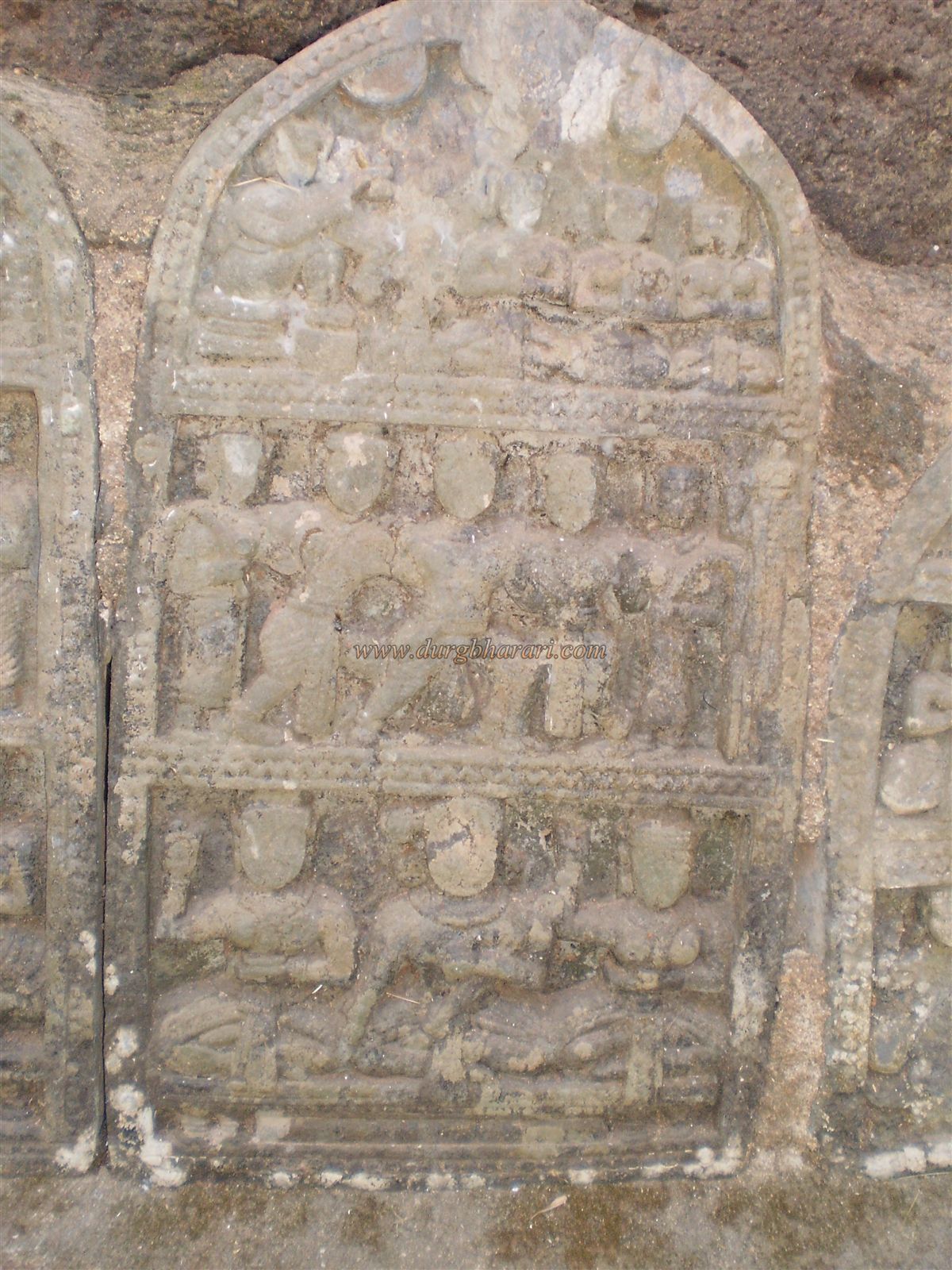
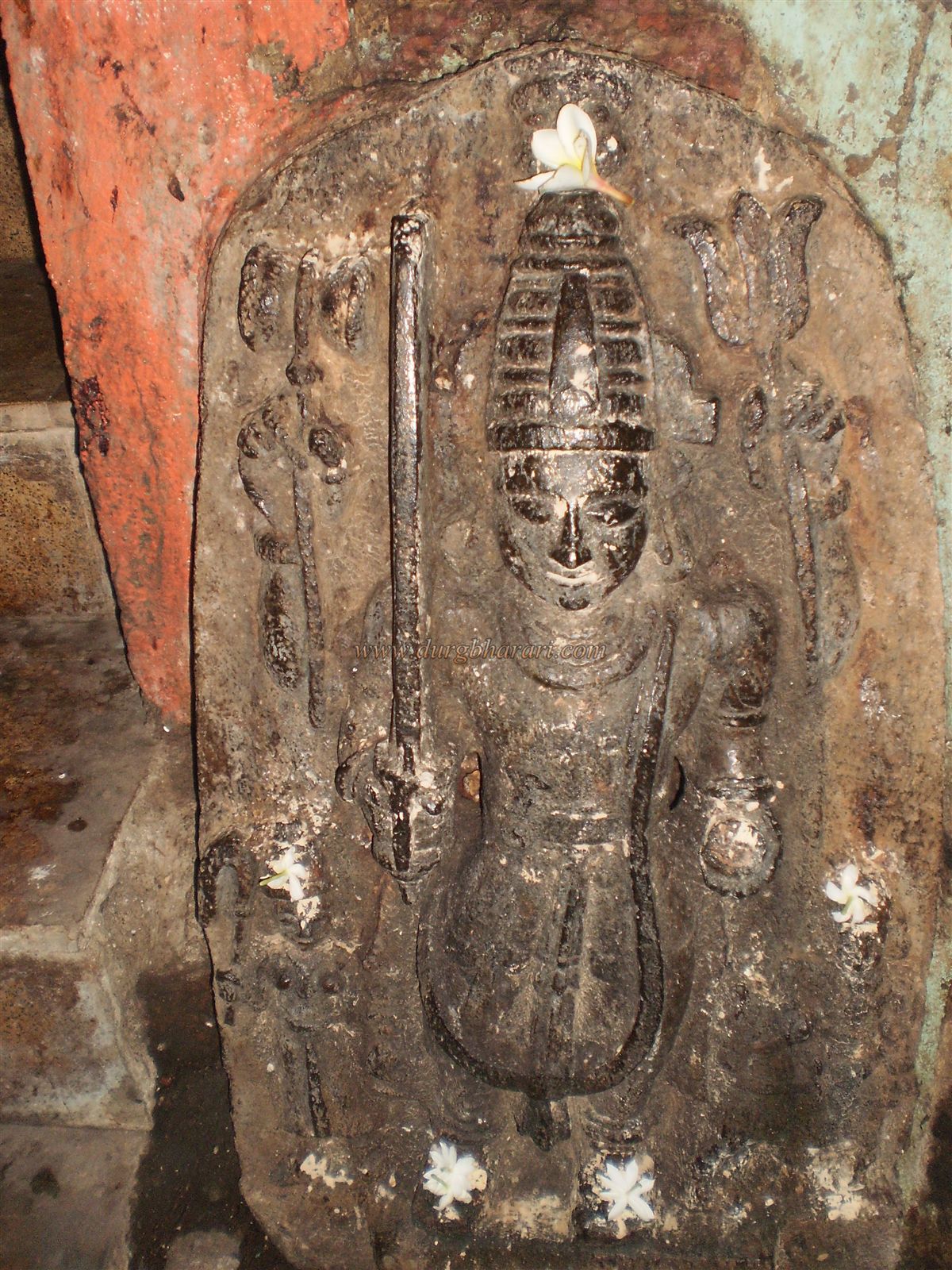
On both sides of the temple are caves dedicated to Kalbhairav. While descending toward the temple, one can see beautifully carved hero stones (virgal) in black stone neatly arranged along the left side of the main pathway.
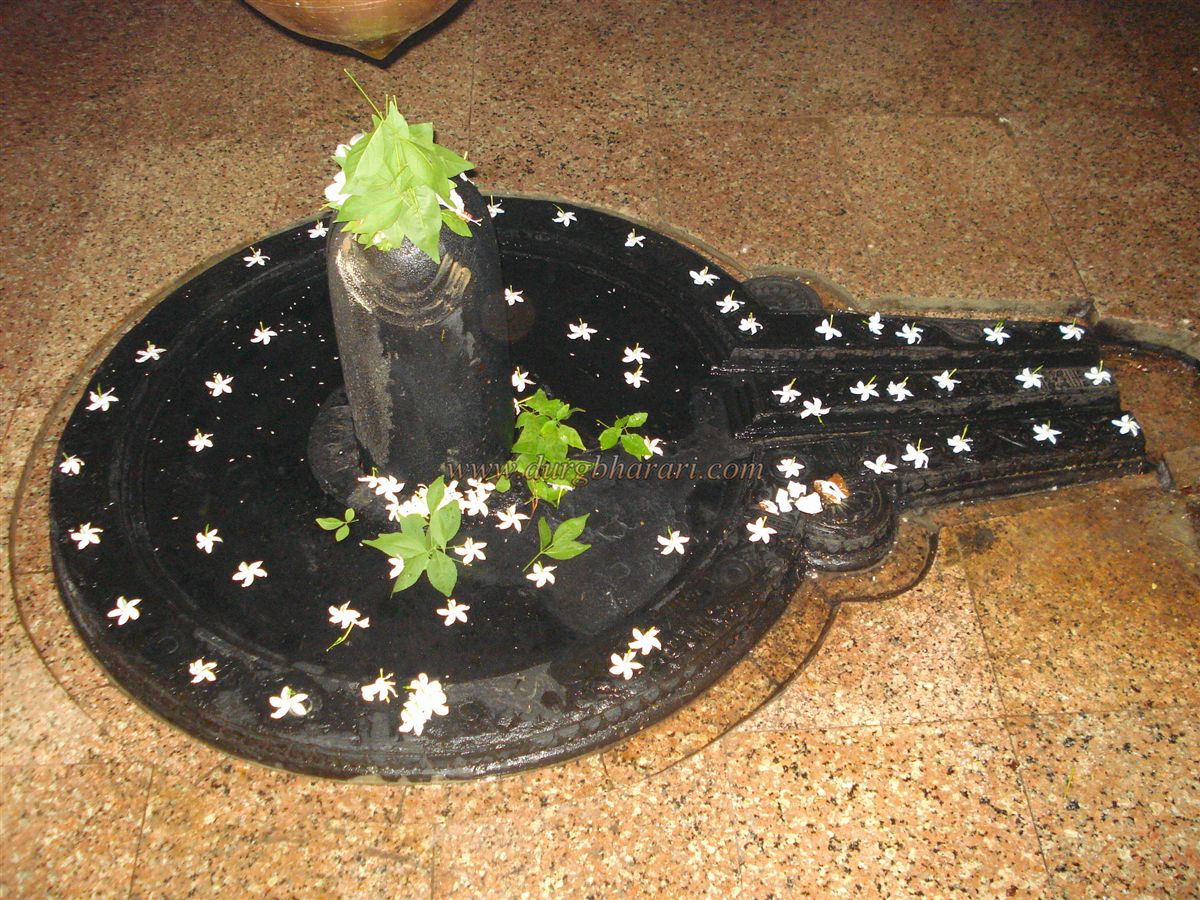
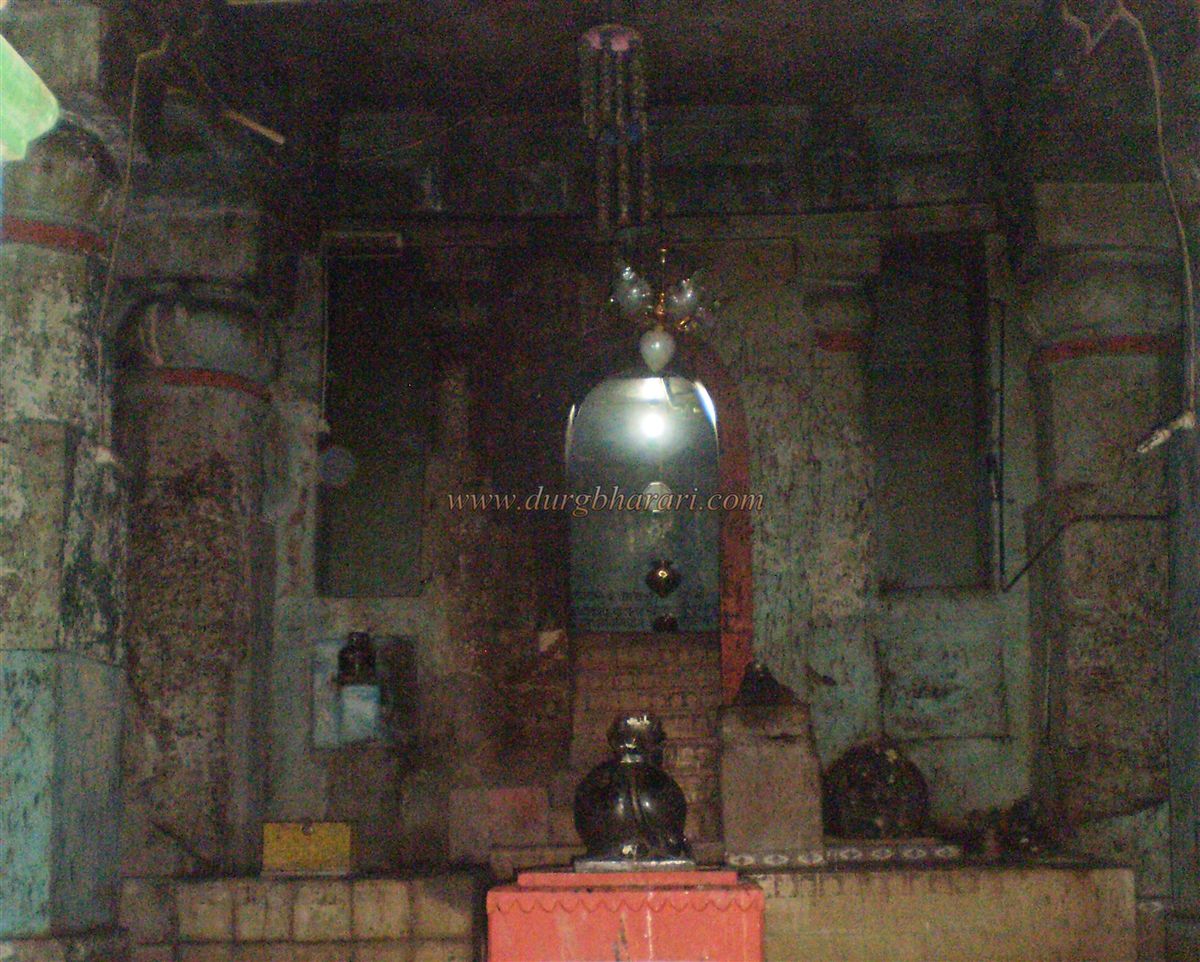
Entering from the courtyard, one first steps into the gallery, where a large bell hangs. Beyond this lies the 35-foot-wide and 15-foot-high assembly hall with intricately carved pillars. A few steps upward leads to the sanctum, which measures 6.5 feet in height and 16 feet in length and breadth. Due to the darkness inside, bats are often seen in the cave, and their screeches can startle visitors. In the center of the sanctum sits a finely crafted Shiva lingam with a Nandi idol.
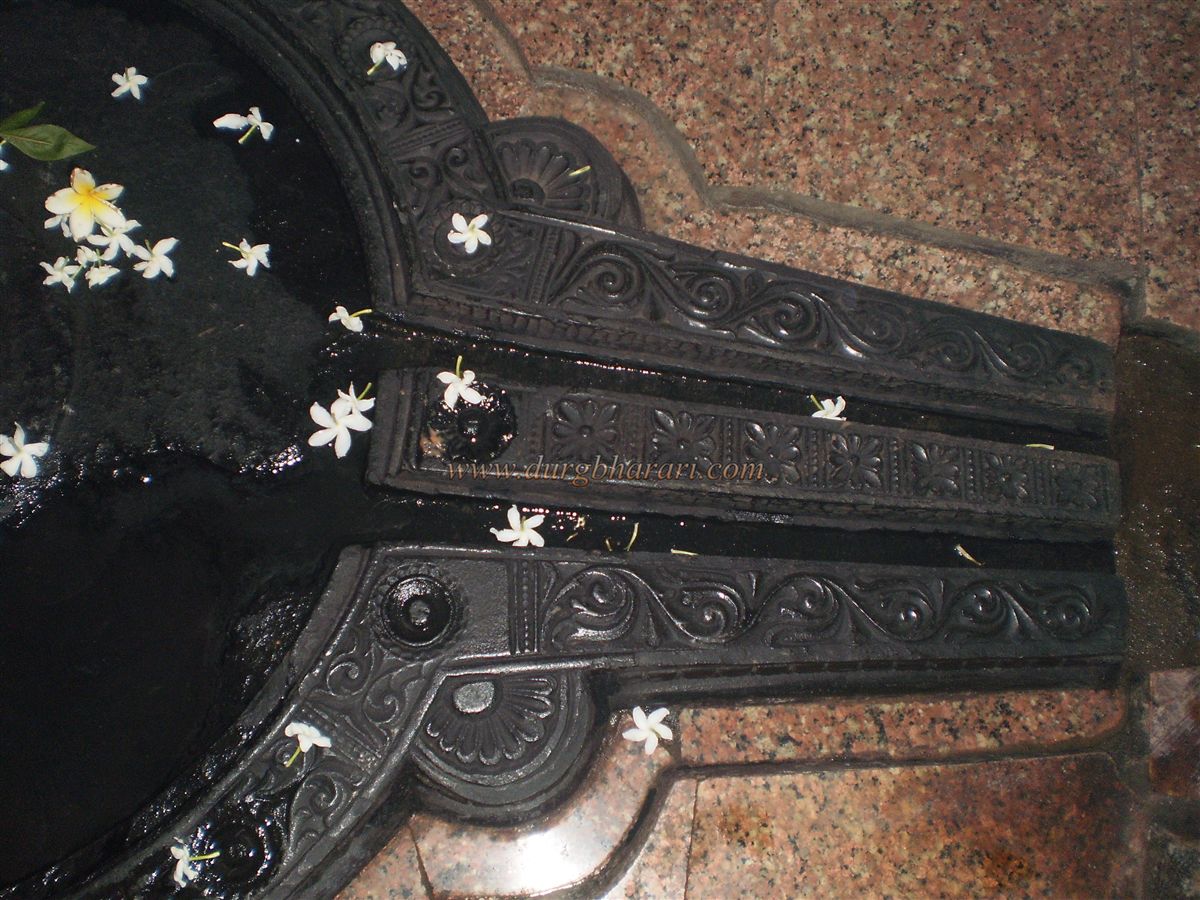
One of the temple’s unique features is that no matter how much water is poured during the daily Abhishek (ritual bathing), it seeps into the lingam’s base and never flows out. This phenomenon adds to the temple’s mystique.
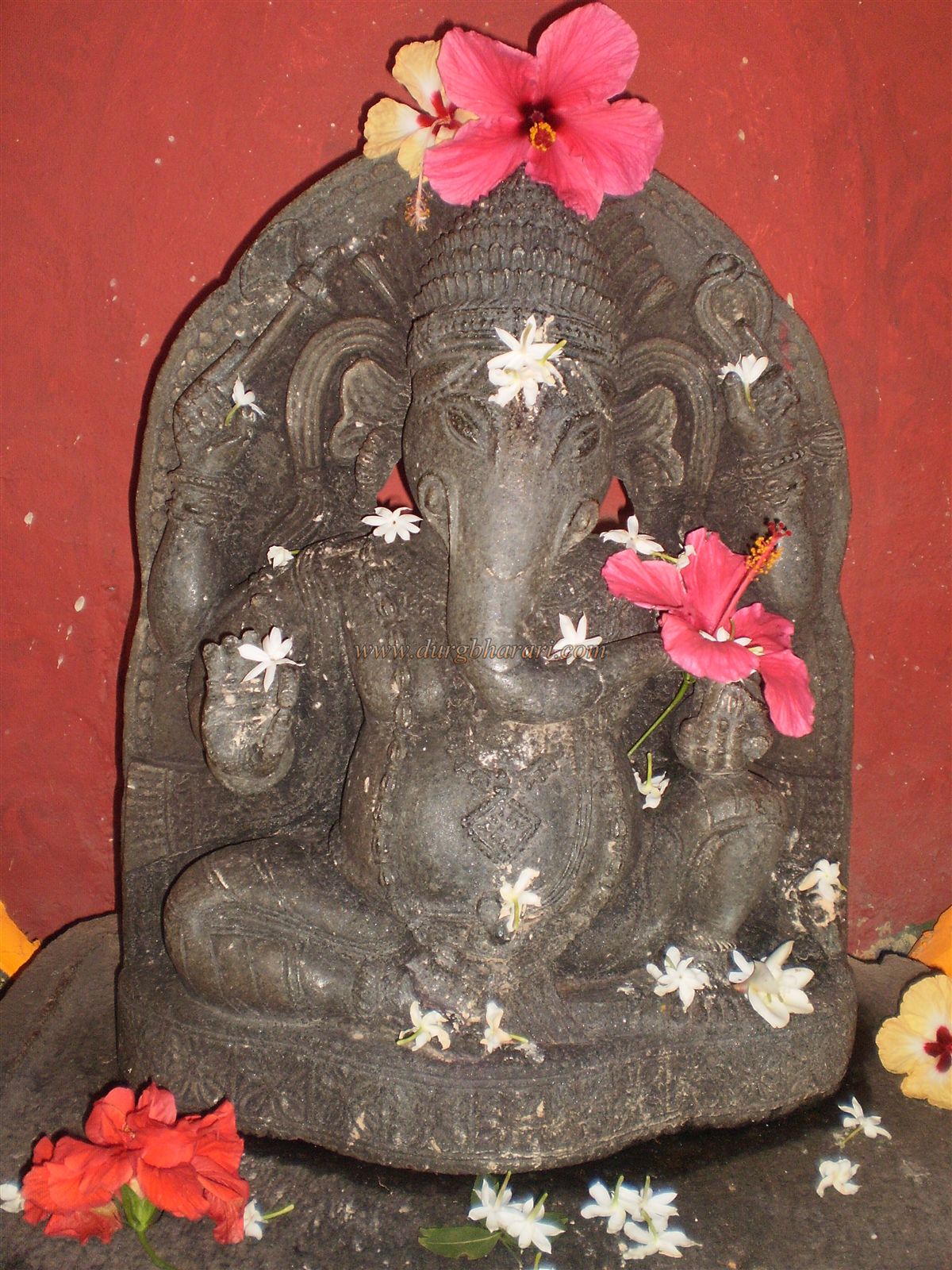
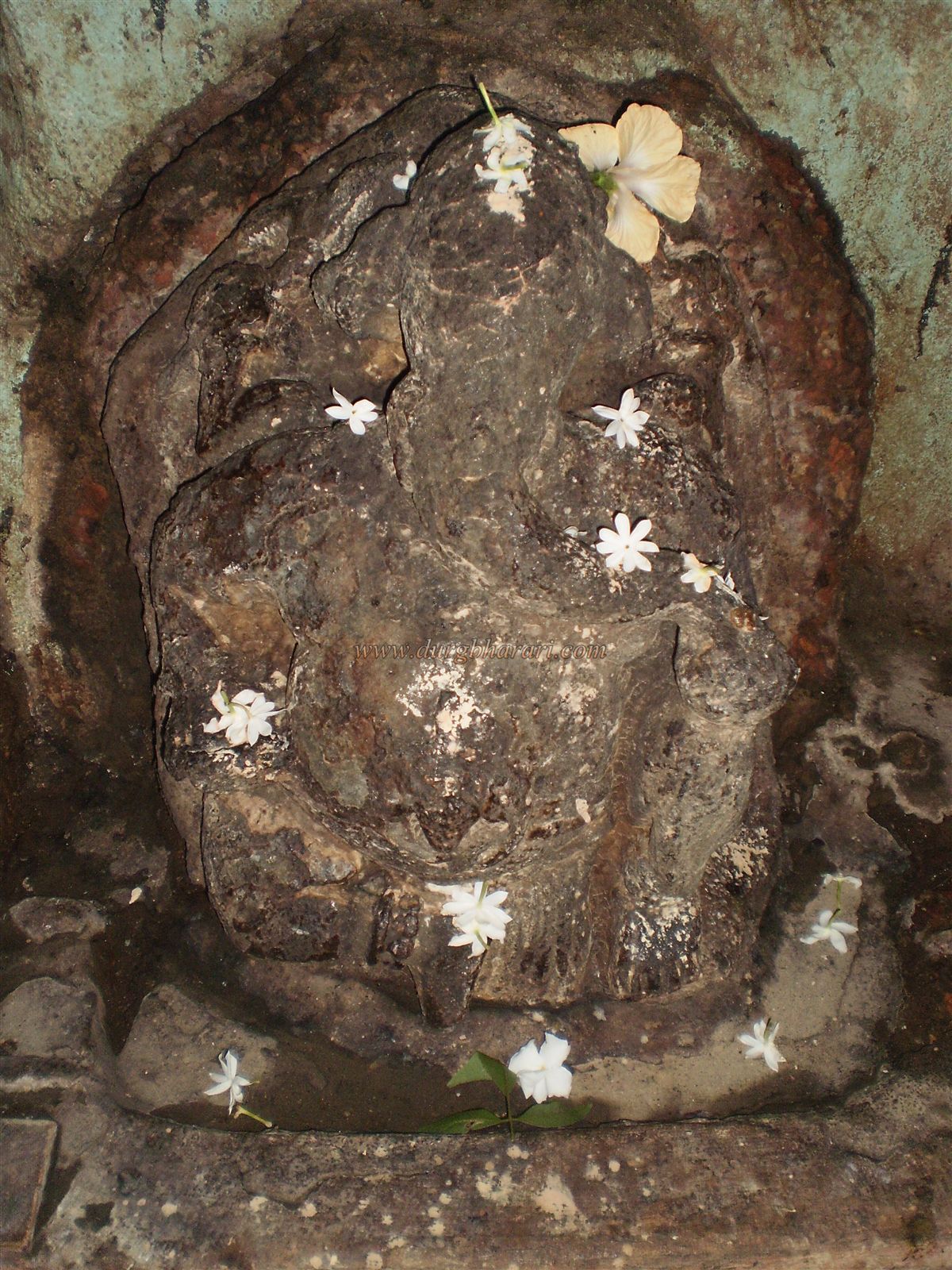
In front of the temple is a platform for sitting and a stone-paved path for circumambulation. There is also a large tulsi Vrindavan (sacred basil shrine), a Kalbhairav shrine, and a Ganesh temple. Opposite the temple stands a Dharamshala (pilgrim rest house), and in the village lies the Samadhi (memorial) of a saint named Nene. Major festivals such as Mahashivratri and Tripurari Pournima are celebrated here with great devotion.
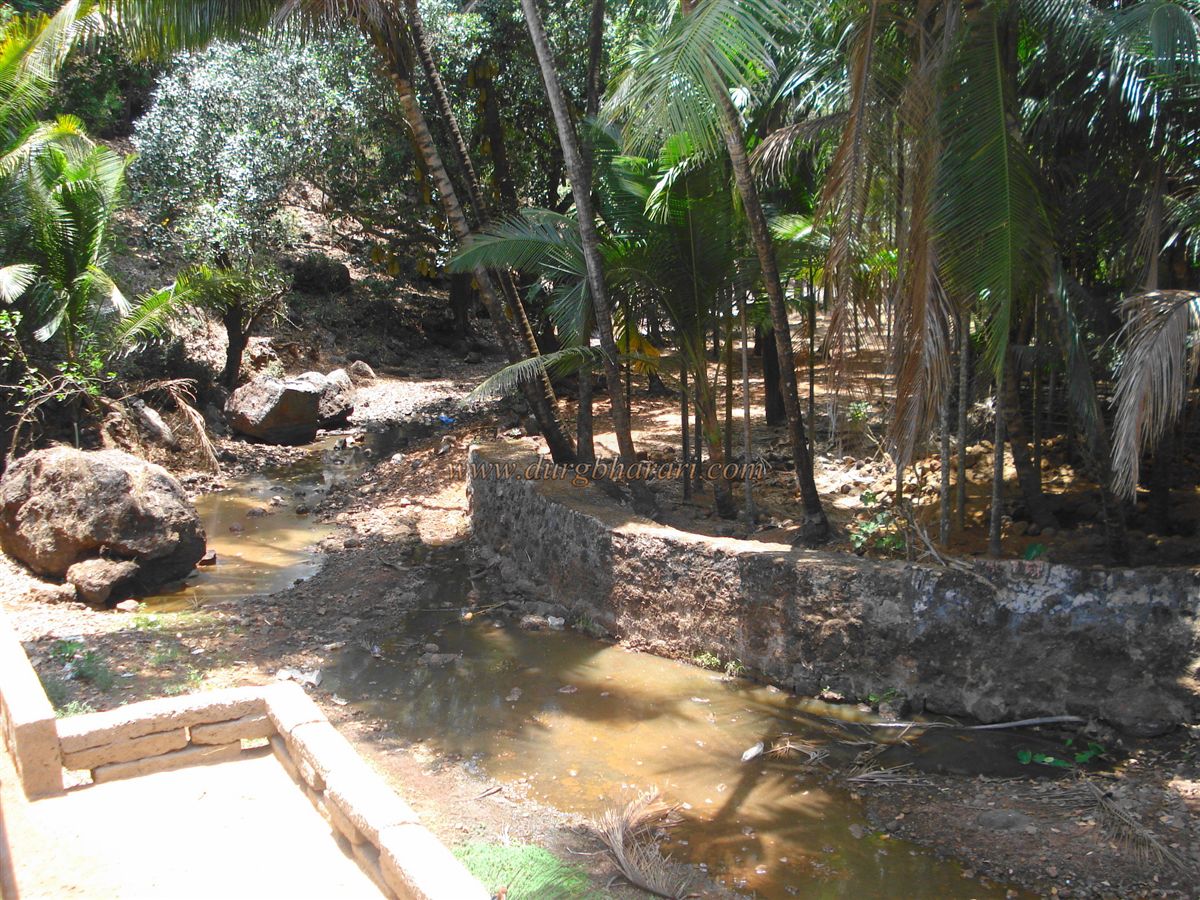
Due to the surrounding dense coconut groves, the place is serene and naturally cool. Two perennial springs supply water to the temple and to about 21 local households. Even in summer, the water remains cool, while in monsoon and winter, it stays pleasantly warm. Locals believe this spring water to be as pure as the Ganges. From the stone walls of the cave oozes a white gum-like substance known locally as “Pashan,” which is used as a remedy for asthma.
This blend of breath taking natural beauty, extraordinary cave-carved artistry, and deep spiritual significance makes Shri Vimalēshwar Temple an unforgettable experience for devotees and visitors alike. Recently, the Marathi film “Gojiri” was shot in this picturesque location.
From here, the historic Vijaydurg sea fort and Shri Rameshwar Temple are just 15 km away, and the beautiful Padavne beach is also nearby, making this region a perfect destination for history lovers and travellers alike.
© Suresh Nimbalkar
GALLERY