VIVALVEDHE
TYPE : HILL FORT
DISTRICT : PALGHAR
HEIGHT : 1100 FEET
GRADE : HARD
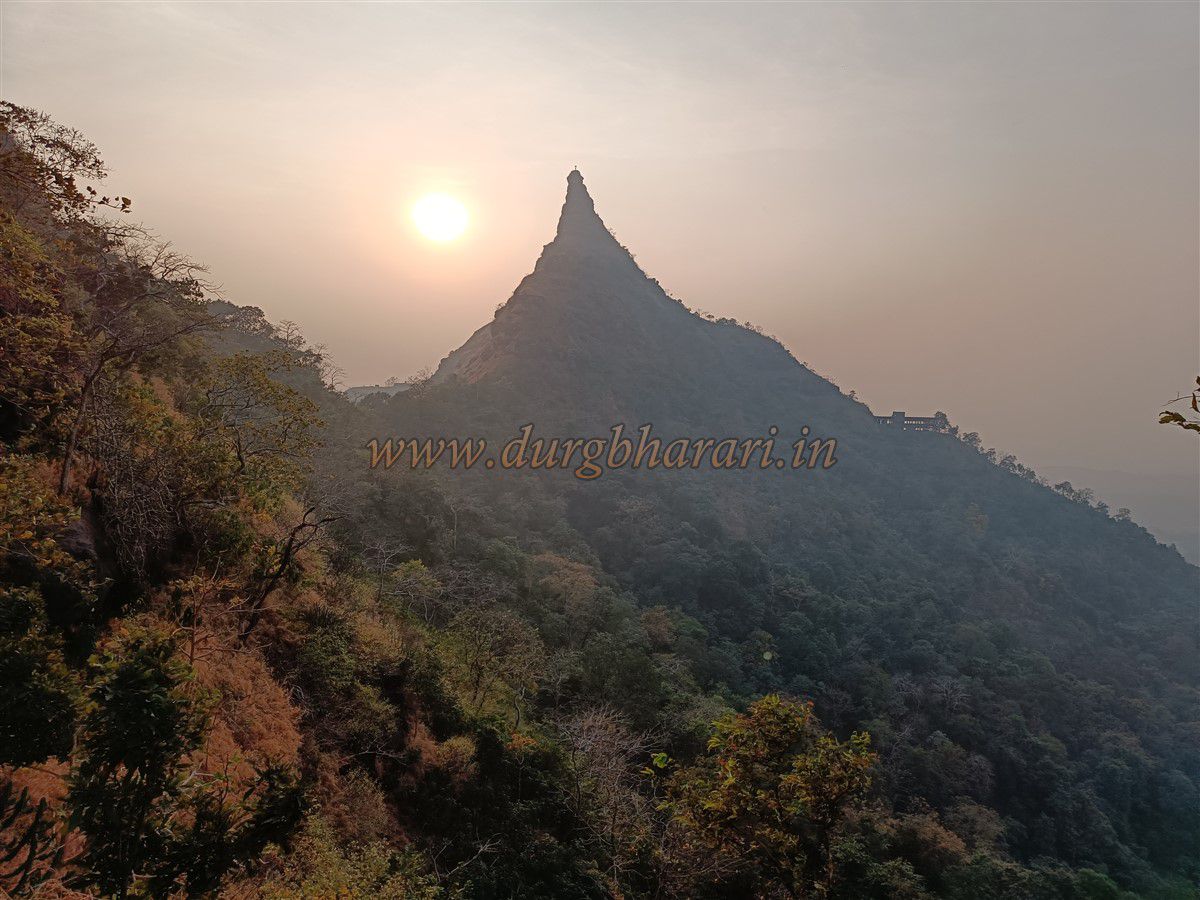
Near Charoti on the Mumbai–Ahmedabad Highway lies the well-known Mahalakshmi temple of Dahanu in Palghar district. One of these Mahalakshmi temples is located in a cave on the Musalya Hill, while the other is at the foot of the hill in Viwalveḍe village. Both these places are visited by devotees throughout the year.
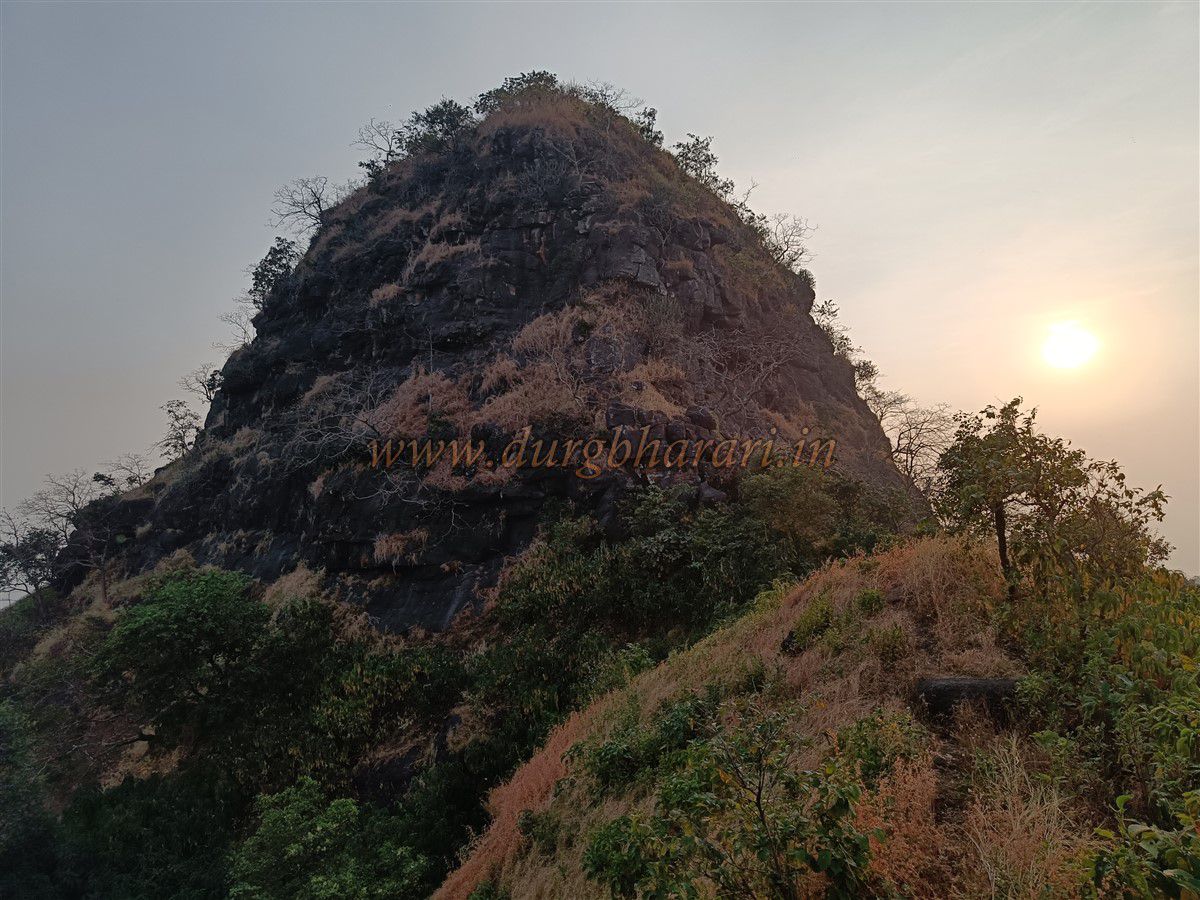
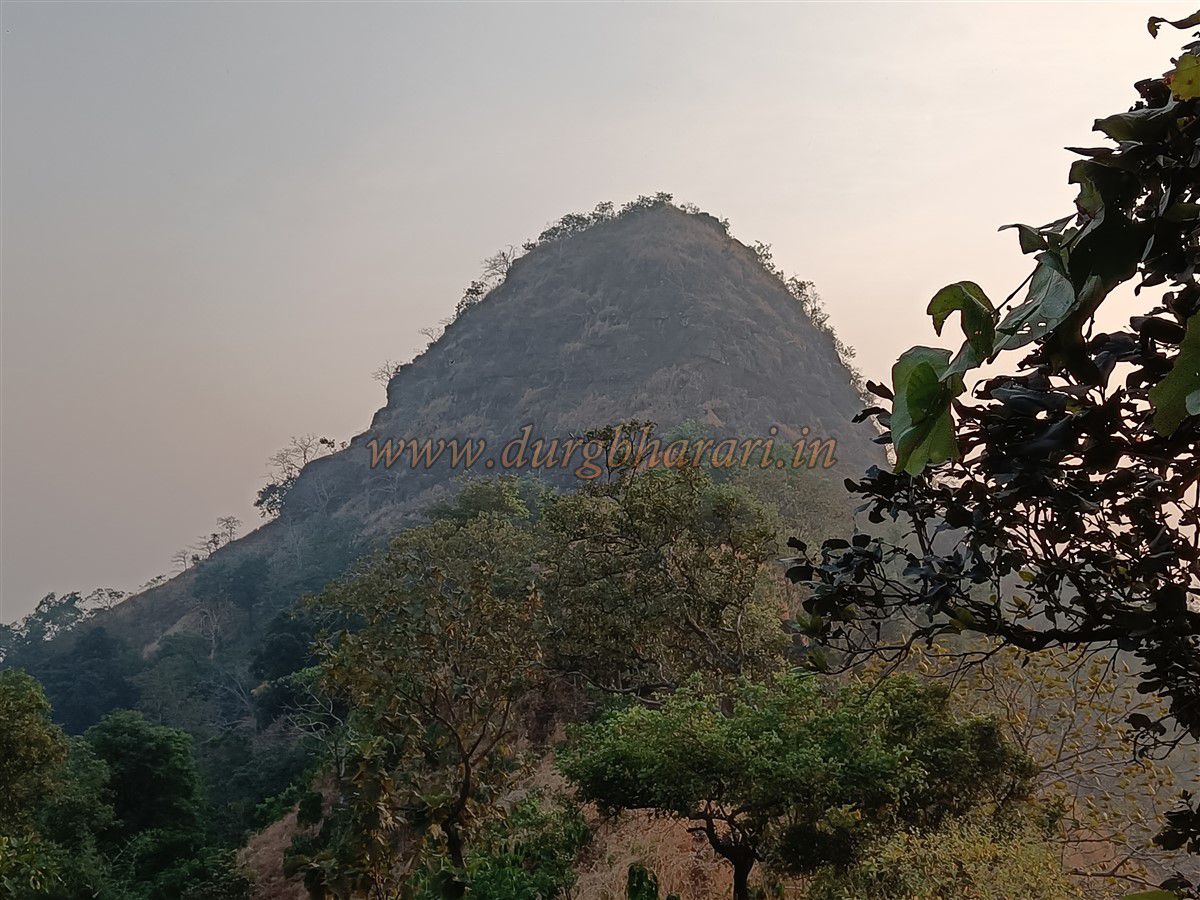
In front of the spire of the Mahalakshmi temple on the hill, one can see another hill, slightly shorter and dome-shaped. Locals refer to this hill as Paili Hill. Once used as a small outpost for surveillance, the fortification on this hill has now completely faded into obscurity. I first learned about this fort from Jagdish Dhanmeher of Sahyaspandan. As the exact name of this fort is unknown today, we shall refer to it by the name of the base village – Viwalveḍe Fort.
...
To reach the fort, the base village is Viwalveḍe, situated 27 km from Dahanu railway station via Charoti. From Dahanu station, Charoti junction on the Mumbai–Ahmedabad highway is about 23 km, accessible by rickshaws and state transport buses. From Charoti, a private rickshaw can take you to Viwalveḍe.
On reaching the village, walk past the cluster of shops. On the right side is the entrance to the Mahalakshmi temple, while on the left, a small cement road leads further in. Walk along this road for about 10 minutes, and you will see a trail on the left going uphill. The landmark here is a simple wooden fence with a signboard indicating an underground gas pipeline.
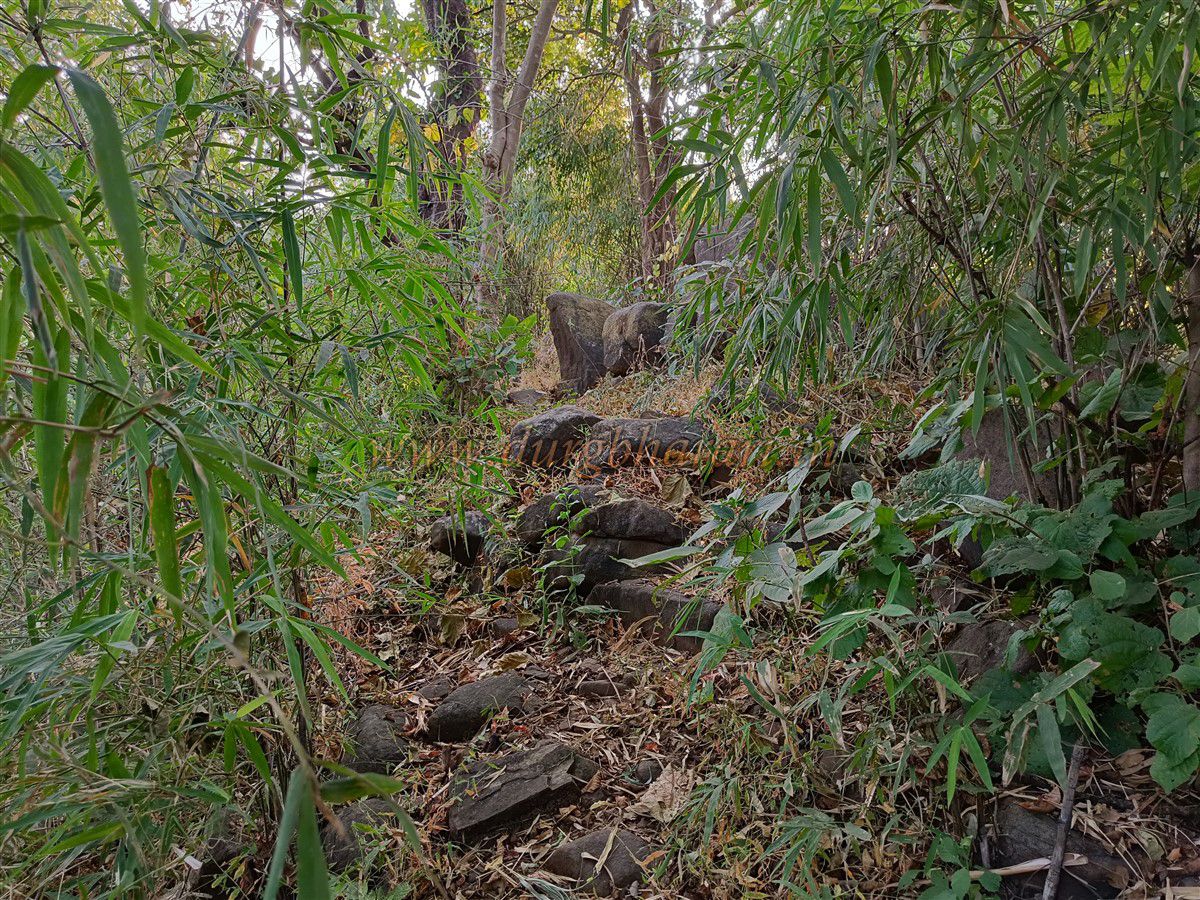
Following this trail, you will cross two enclosures – one fenced with wire and the other with thorny bushes. After crossing the second enclosure, the worn path climbs uphill to the Paili Hill ridge. A 30-minute climb brings you to the base of a rocky spur covered in dense vegetation. Another half-hour ascent up this spur takes you to the base of the vertical rock pinnacle of Paili Hill.
From here begins the thrilling, challenging climb to the fort. One path to the right leads toward the Mahalakshmi temple on Musalya Hill, while another descends to the left. Taking the left path, you circle the pinnacle along a very narrow, slippery ledge that requires extreme caution. From this side, you get a magnificent view of the spire of Musalya Hill and the Mahalakshmi temple.
From here, the path to the fort is of a difficult grade, and using ropes for safety is advisable. Along this trail, you will see a pit on the edge of the cliff, once used for fixing a wooden post. After negotiating this tough rock patch, you finally reach the fort summit.
The elongated oval-shaped fort top stands 1,100 feet above sea level and spreads over roughly a quarter-acre area. There are three water tanks on the summit — two of them are dry, while one still holds water, though it is not potable as it hasn’t been in use for years. Due to the lack of human activity, dense vegetation covers most of the fort, and no other significant remains are visible. Exploring the entire fort takes about 30 minutes.
The history of Viwalveḍe Fort remains shrouded in mystery due to its long obscurity. However, it does find mention in the list of 29 forts under the Javhar princely state.
© Suresh Nimbalkar
GALLERY