VISAPUR
TYPE : HILL FORT
DISTRICT : PUNE
HEIGHT : 3540 FEET
GRADE : MEDIUM
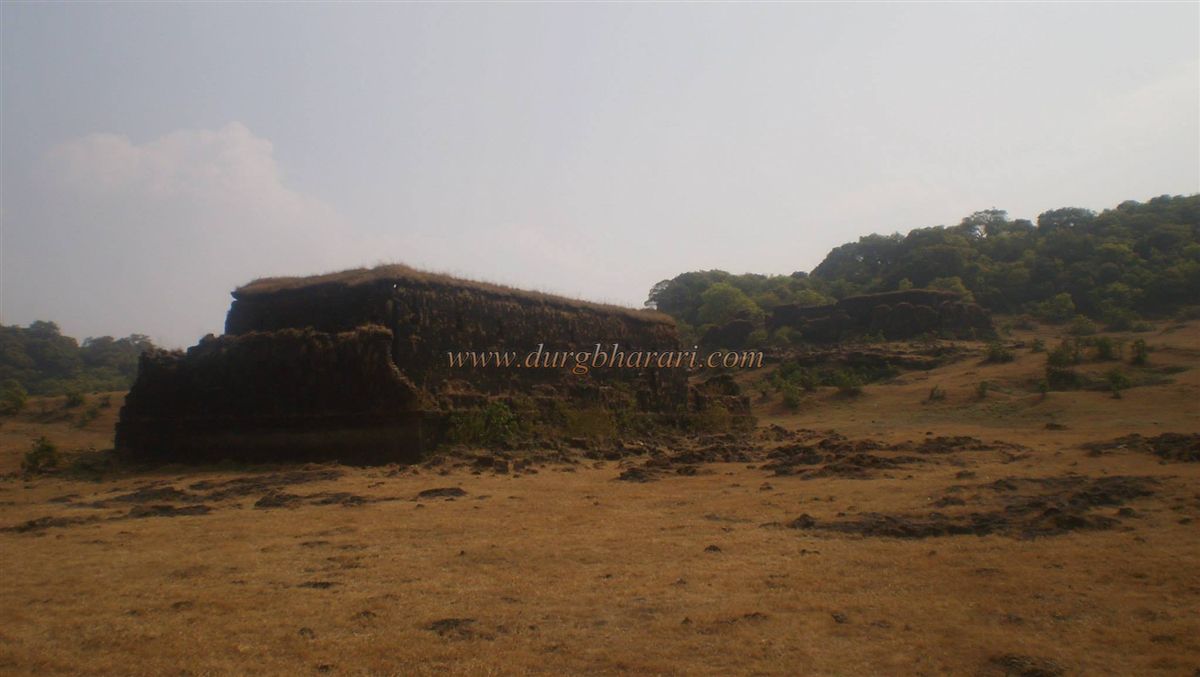
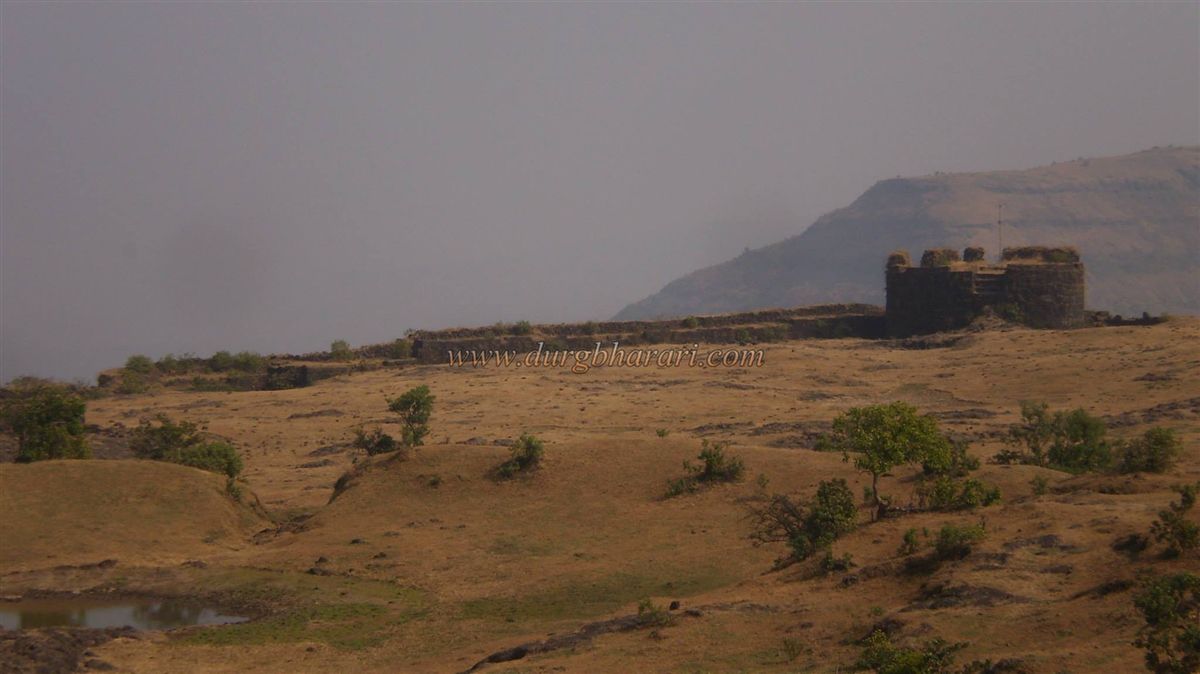
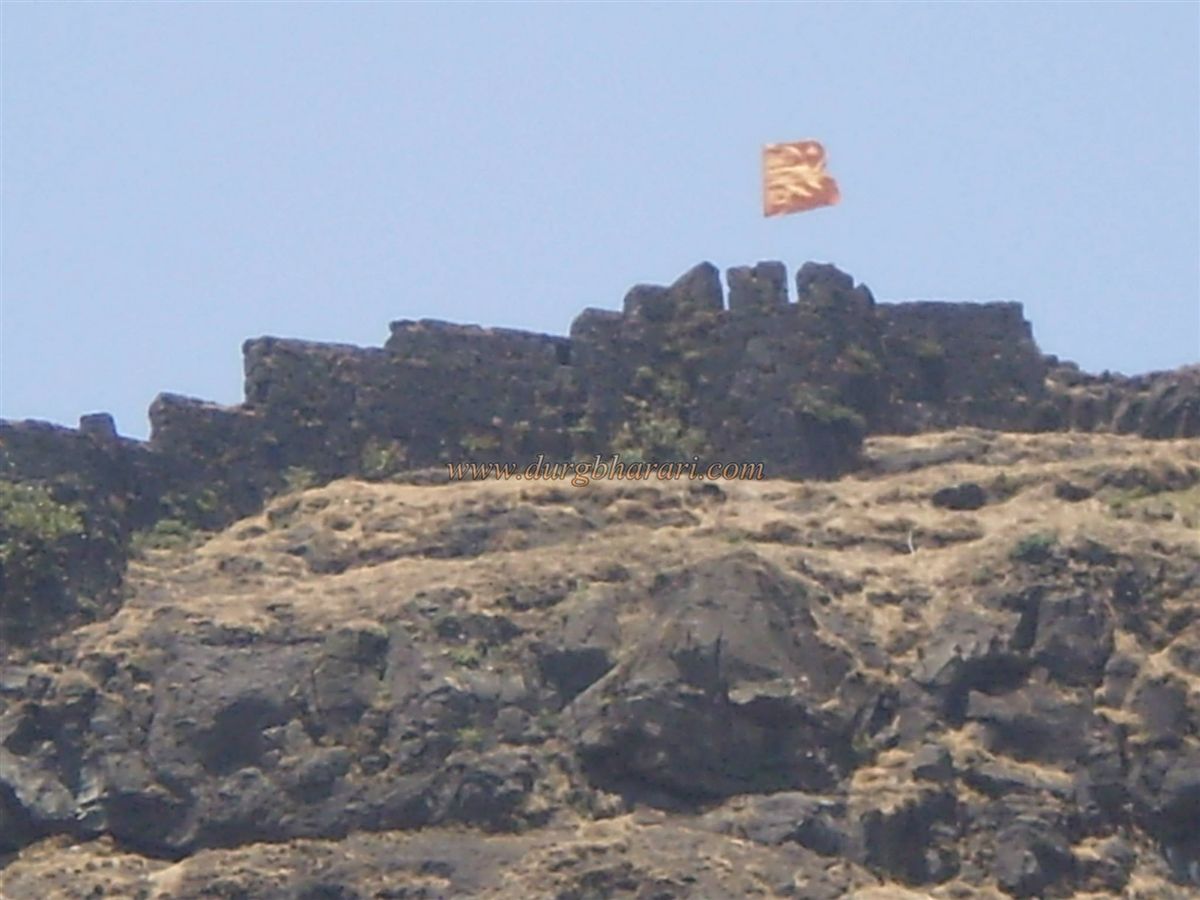
In Maharashtra, the historically renowned twin forts of Lohagad–Visapur are located in Pune district. Situated in Maval taluka, to the east of Lonavala and south of Malavli railway station, this fort stands 3,038 feet above sea level and about 1,200 feet above its base. At the foot of the fort lies the village of Bhaje, famous for its ancient Buddhist caves. This twin fort complex was built to keep watch over the surrounding areas of the Konkan and the Deccan. Visapur Fort was one of the four protective forts of Pawan Maval. Among these, Visapur is the largest in size and the highest in altitude, protected on all sides by sheer cliffs. This ancient fort features two small hillocks on its top, making it slightly higher than Lohagad. The vast plateau on the fort and its continuous, massive fortification walls are its true defining features.
...
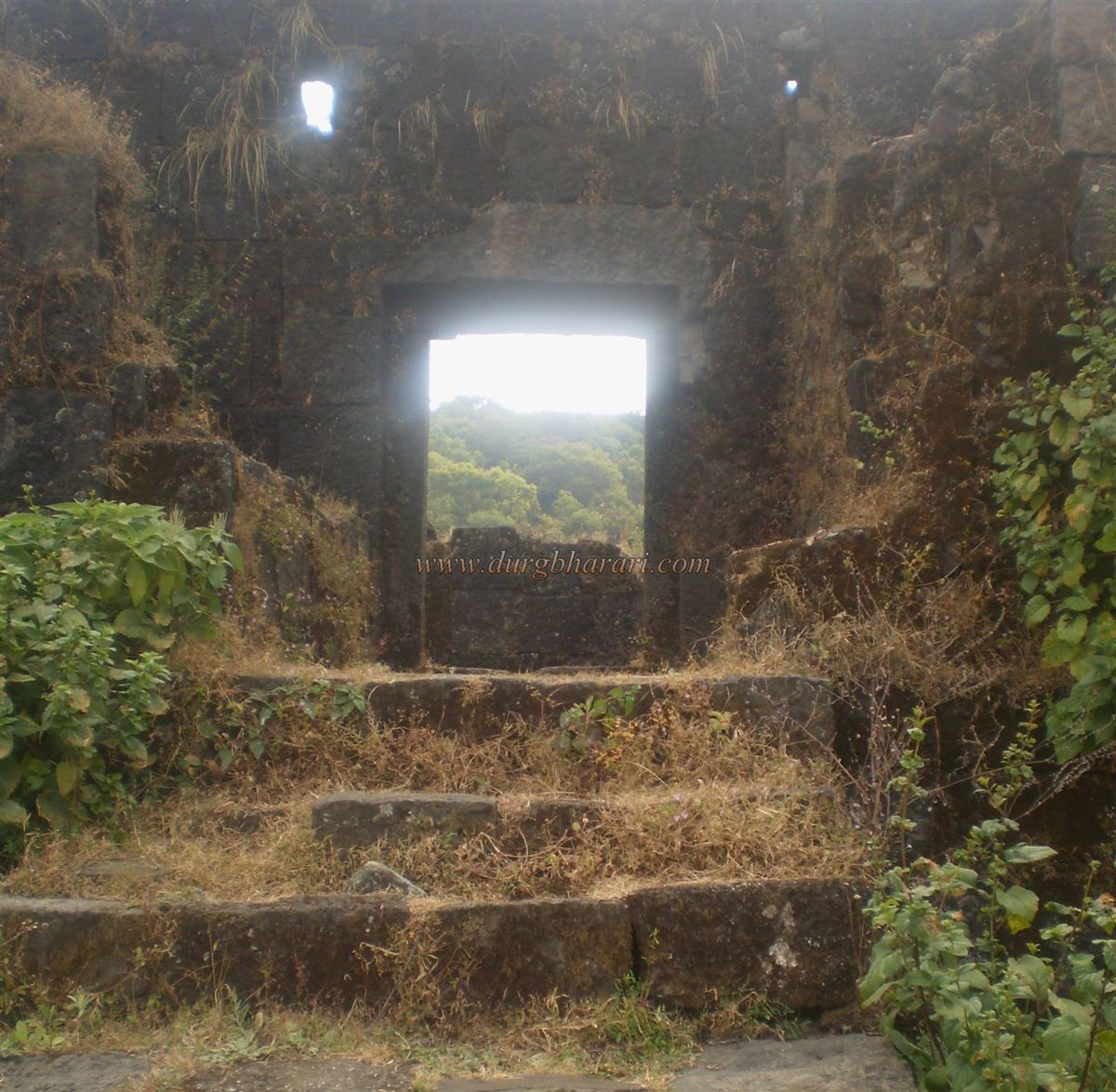
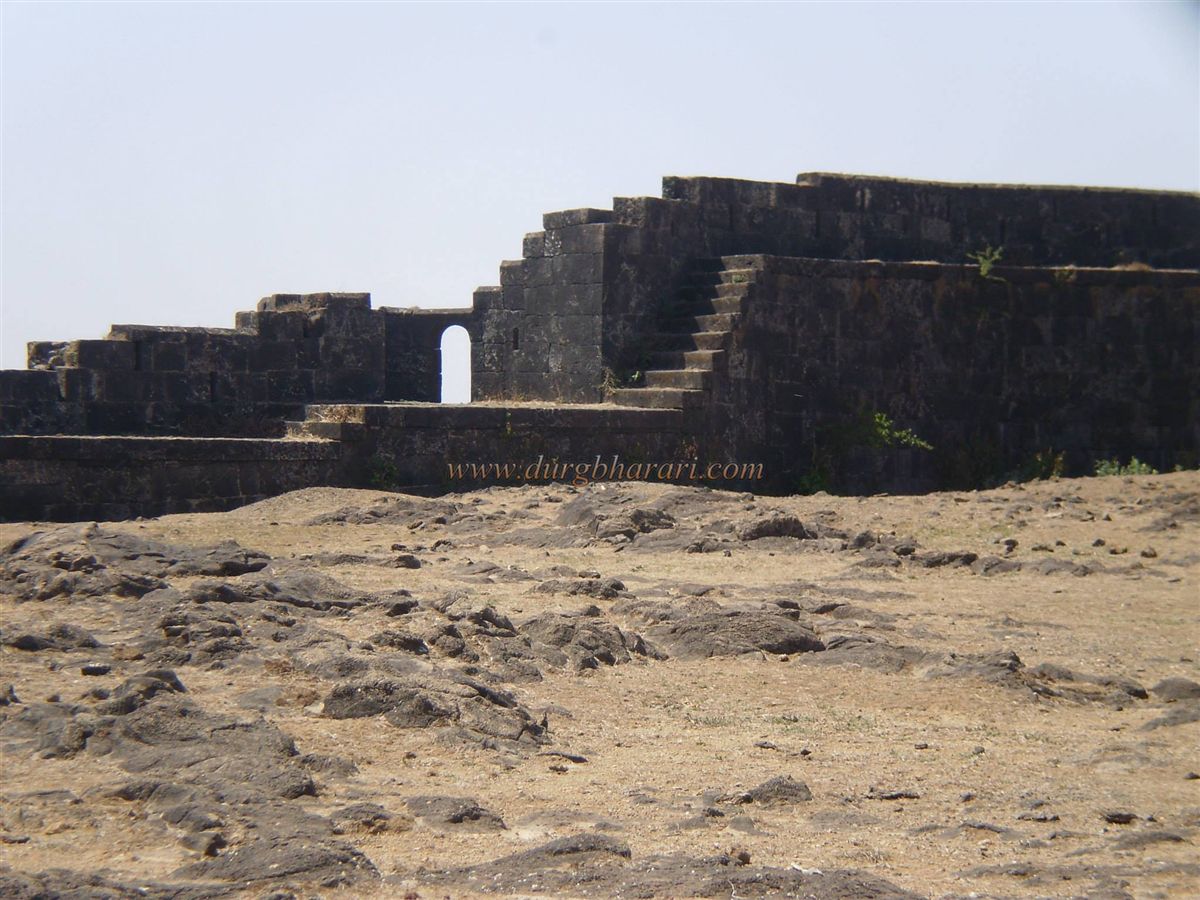
To reach the fort, one must alight at Malavli railway station on the Mumbai–Pune route and proceed to Bhaje village. From Bhaje, there are two paths to climb the fort. One ascends beside the stream near the Bhaje caves, while the other climbs via the Gaimukh pass between Lohagad and Visapur, circling around to reach Visapur. Of these, the route from Bhaje caves is shorter but slightly more adventurous, while the route from the Konkan Darwaja (via Lohagad) is longer but easier. Historically, the northern route entered the fort through the Delhi Gate, while the southern route entered via the Konkan Gate. Though these gates are no longer fully visible, their remains can still be identified. After the British captured this fort, they destroyed both these gates with cannon fire.
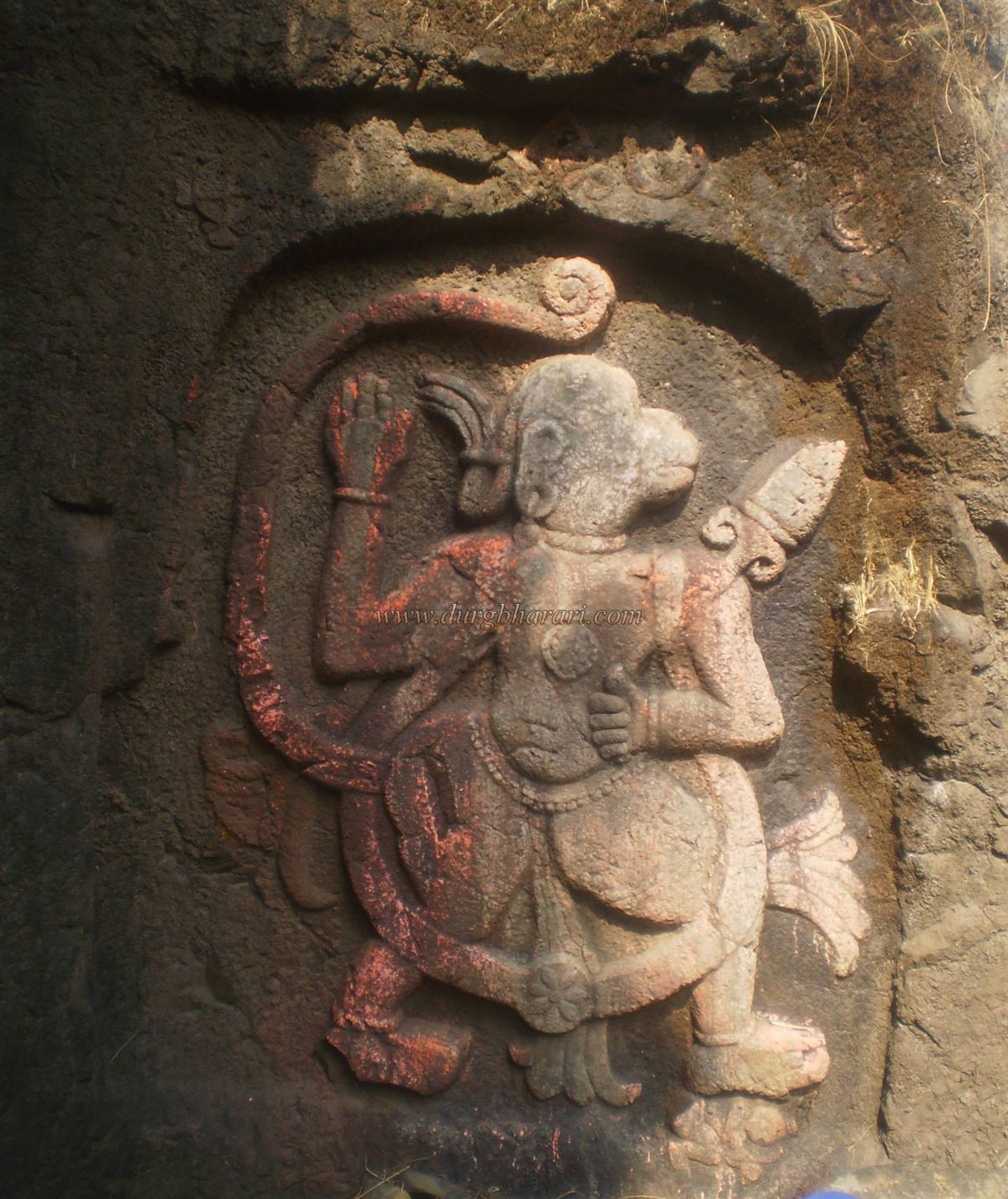
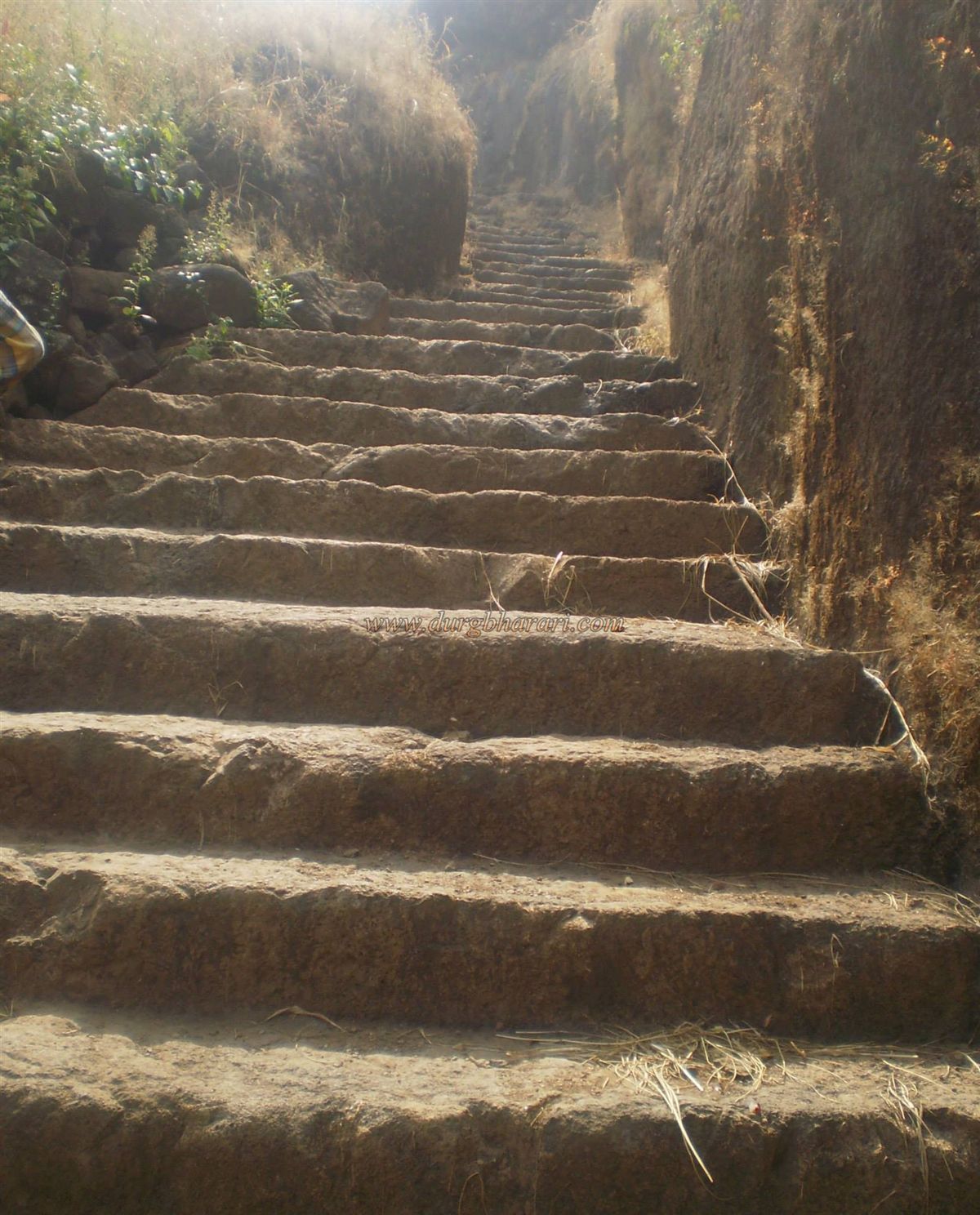
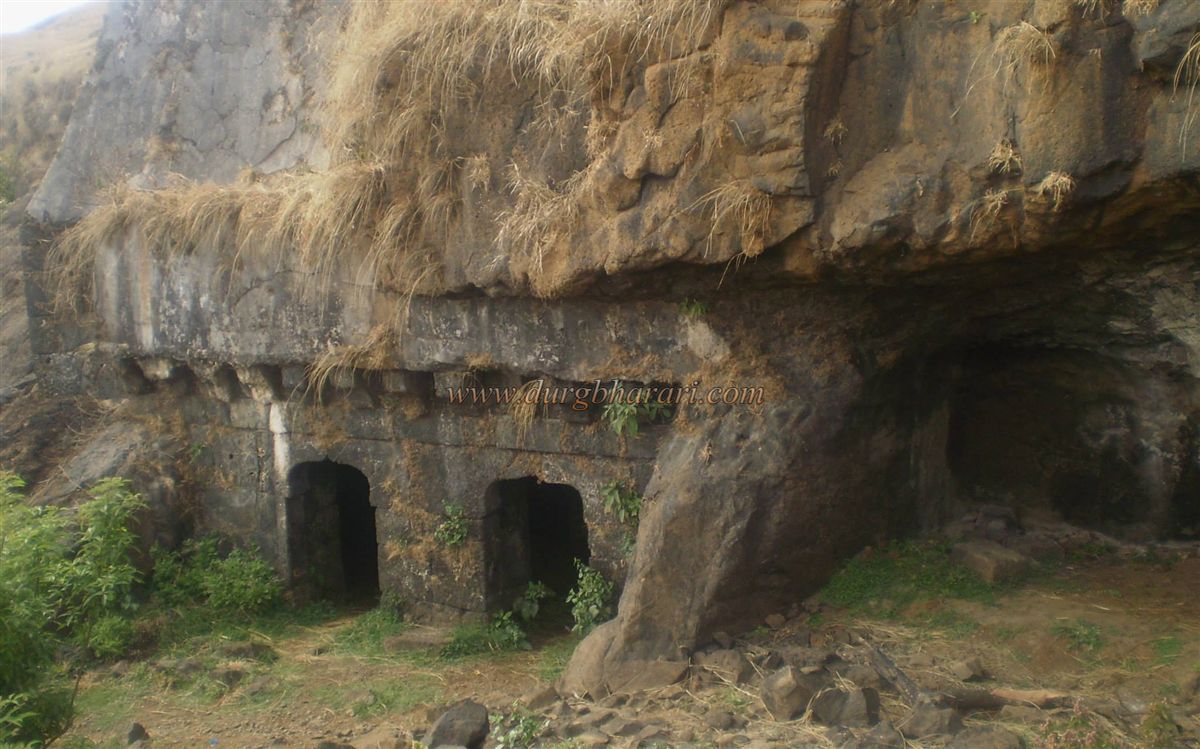
If one enters via the Delhi Gate, the path passes rock-cut cisterns, the foundations of guardhouses, and a rock-cut stairway. Climbing these steps, one enters the fort after saluting the six-foot-tall carved idol of Hanuman and the Ganesh idol at the guardhouse. Next to these idols are two caves, which can accommodate about 30 to 40 people, though they fill with water during the monsoon.
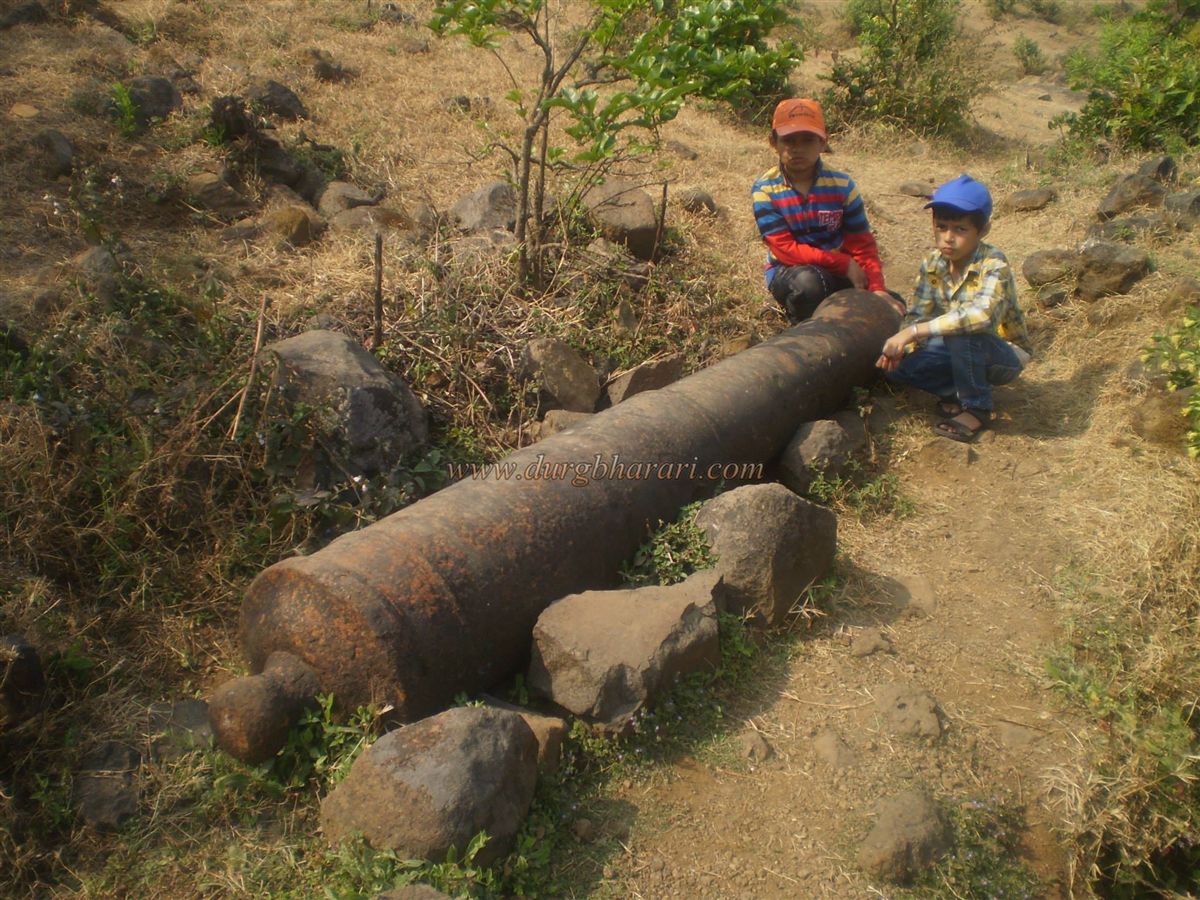
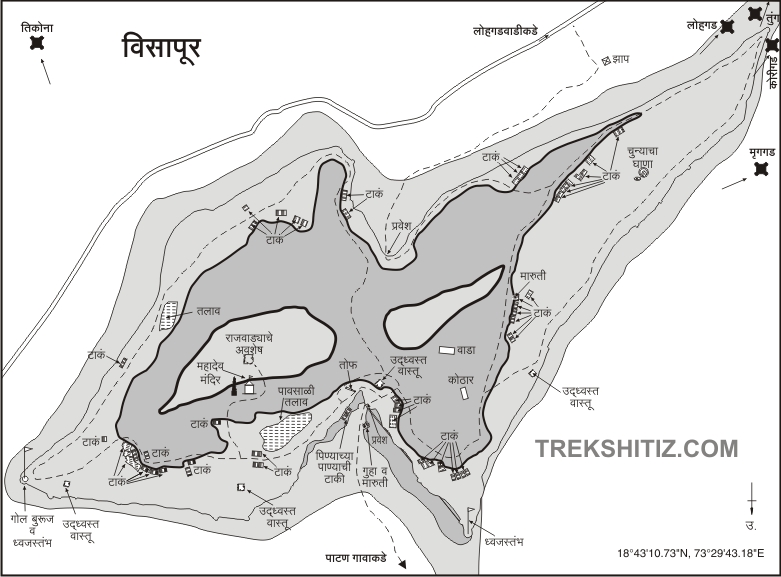
The layout of the fort includes a vast plateau with two small hillocks in the center forming the citadel (Balekilla). Upon reaching the top, the visitor first encounters the sadar (administrative building) to the left, beside which lies a huge cannon. Two more cannons can be seen on the north western bastion. In his 1896 book Forts of Maharashtra, historian C. G. Gogte mentions that one of these cannons, about 10 feet long, bears the Tudor royal insignia of a rose and crown along with the letters “ER.” It is believed that this cannon was captured by Kanhoji Angre from an English ship and presented to the Peshwa. After 1818, when the British vacated the fort, they hammered nails into the cannon’s barrel to render it unusable.
Behind the sadar stands the hillock of the citadel. Except for the remnants of the fort commander’s mansion, a few soldiers’ houses, and a beautiful idol of Ganesha, the citadel is mostly in ruins and lacks its own independent fortifications. Surrounding the citadel is a vast flat area.
Starting a circumambulation of the fort from this flat area, moving in a northeast–southwest direction, one first encounters a small Mahadev temple. In front of this temple stands a deepmala (lamp tower) with carvings, including an idol of Ganesh. Next comes a large tank with a Maruti (Hanuman) temple on its bank. Visapur features six Hanuman idols in total. From the Maruti temple, proceeding towards the northern fortifications, one encounters a small dome housing the sculpture of a warrior. On the northern ramparts, a few carvings and figures are etched into the rock. At the north eastern bastion, a circular platform with a surrounding trench can be seen, probably designed to mount and rotate a cannon in all directions. Near this bastion stands another independent watchtower.
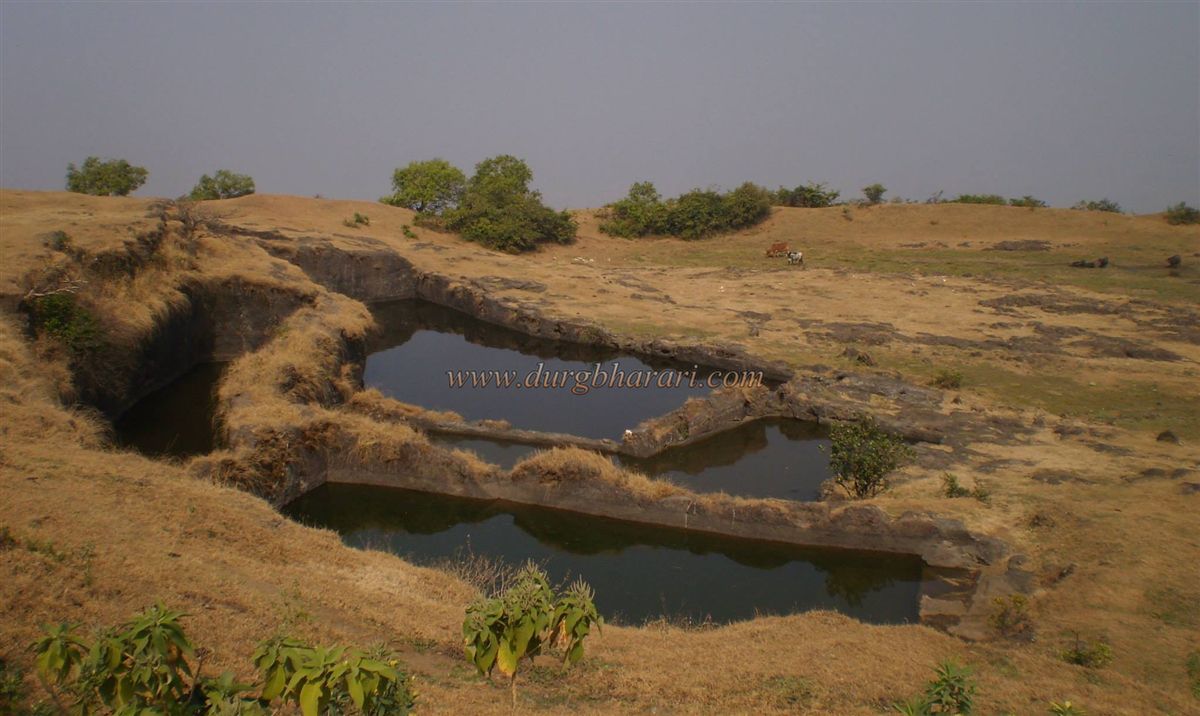
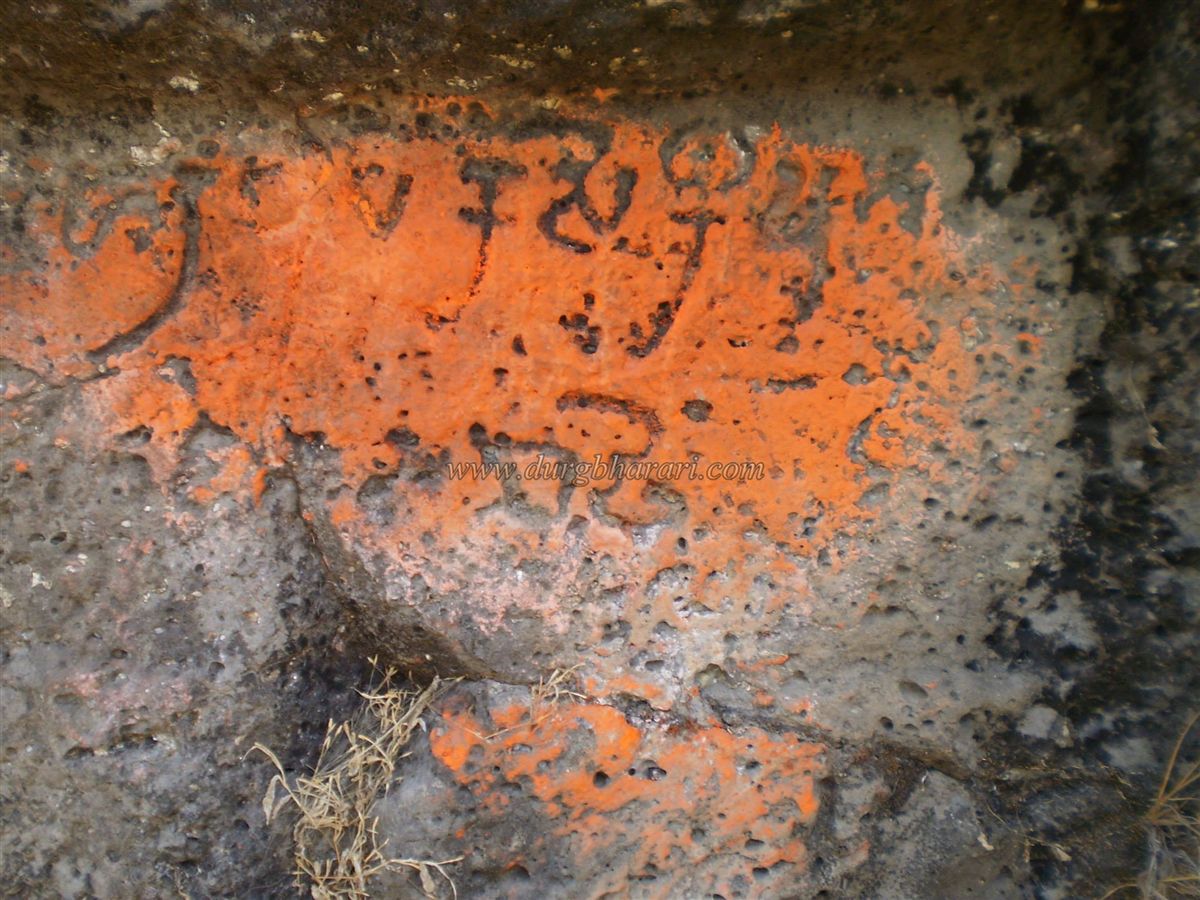
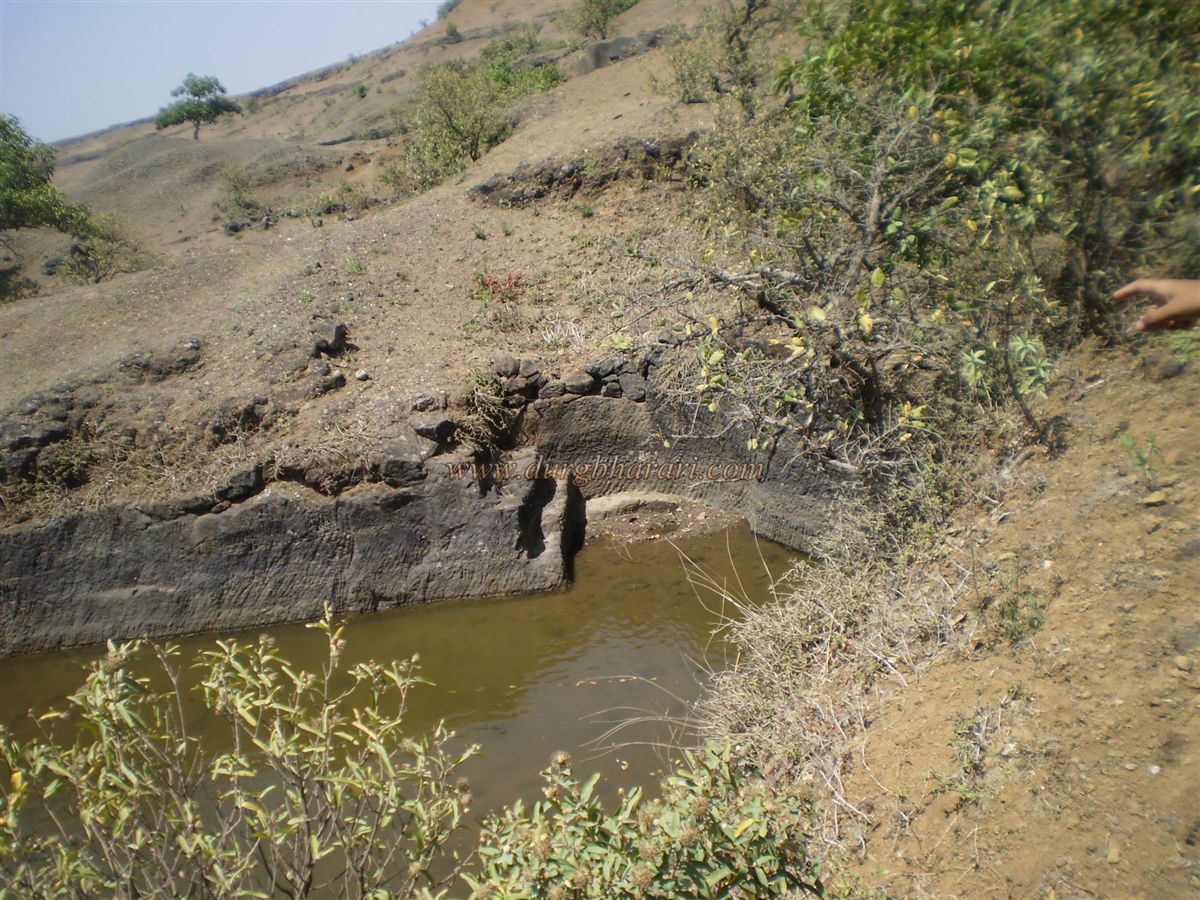
Proceeding from the northern side towards the east and then to the south, one finds another rock-cut water tank. In fact, the fort has many small and large cisterns dug in different places to provide adequate water supply. On the southern side lies the second Konkan Gate, though the adjacent ramparts are now breached. After entering through this gate, one sees rock-cut chambers and cisterns, which were probably used as barracks or storehouses. Some of these cisterns bear inscriptions in Brahmi script, proving the fort’s antiquity.
Indeed, any fort containing caves can be considered at least one or two thousand years old. Situated near Bor Ghat, Visapur’s layout, the presence of Bhaje caves at its base, its rock-cut structures, and Brahmi inscriptions confirm that its history stretches back to ancient times. However, the fort’s present structure dates to the Maratha period. It appears that Visapur was strengthened primarily to support Lohagad. According to Shivaji Maharaj’s directives, no nearby hill should remain unfortified; if a hill cannot be merged into the main fort, it should be enclosed with its own fortifications. This very principle seems to have led to the fortification of Visapur.
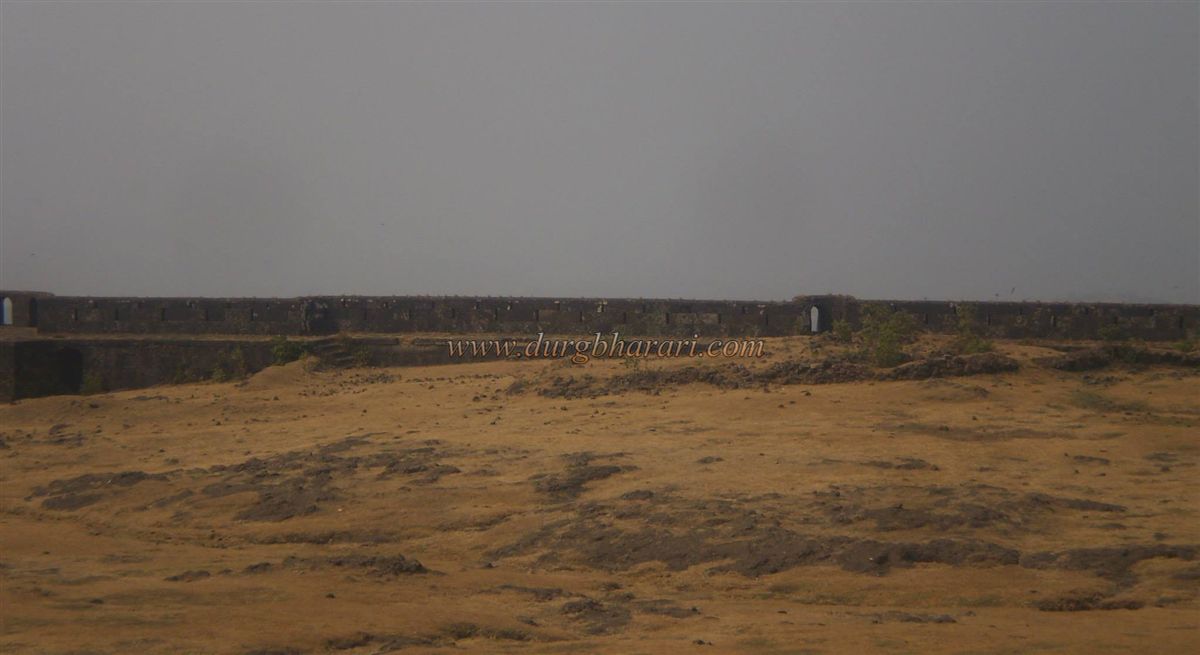
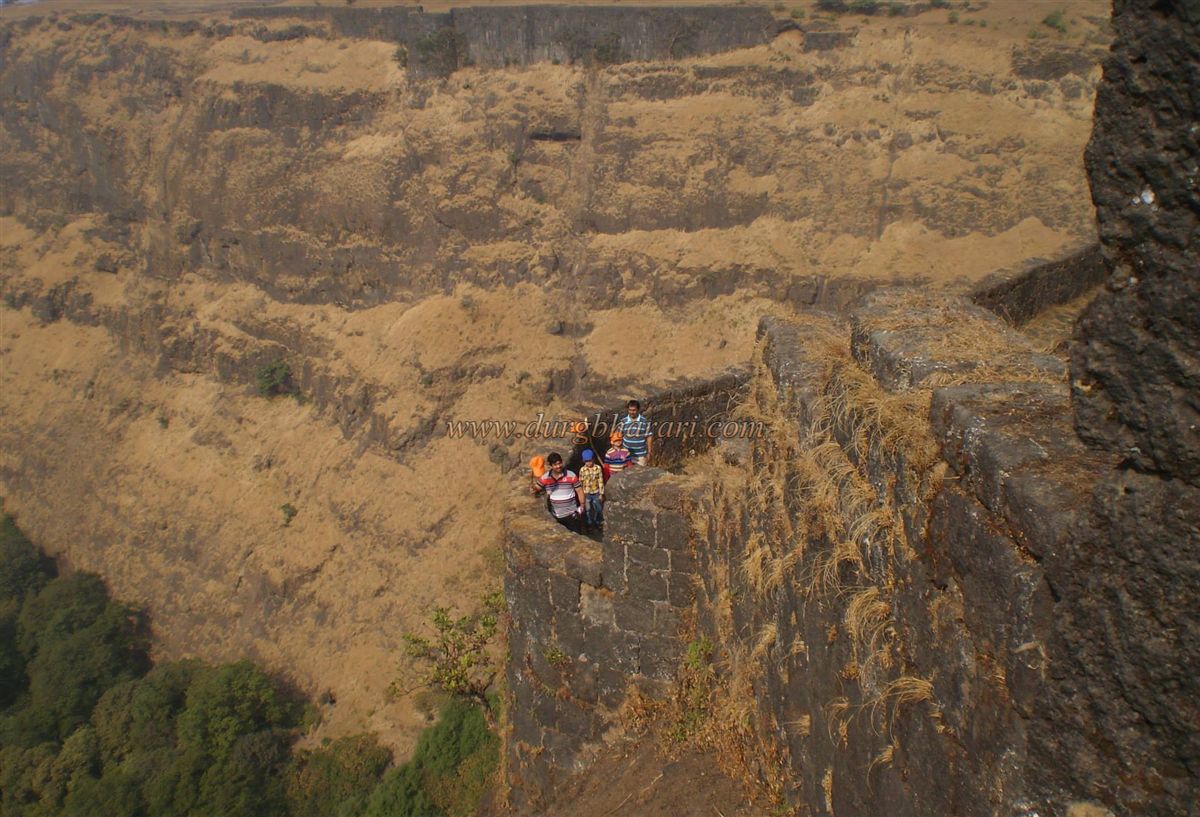
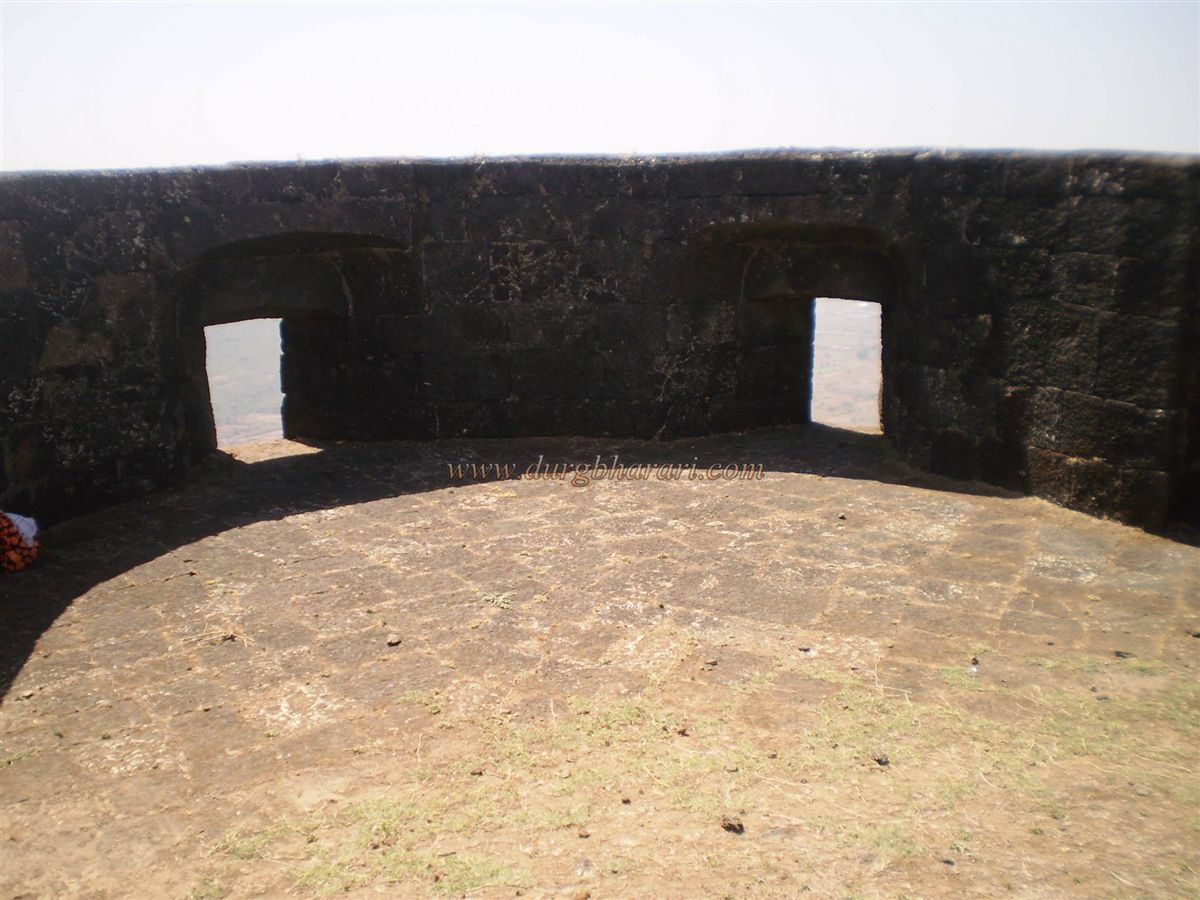
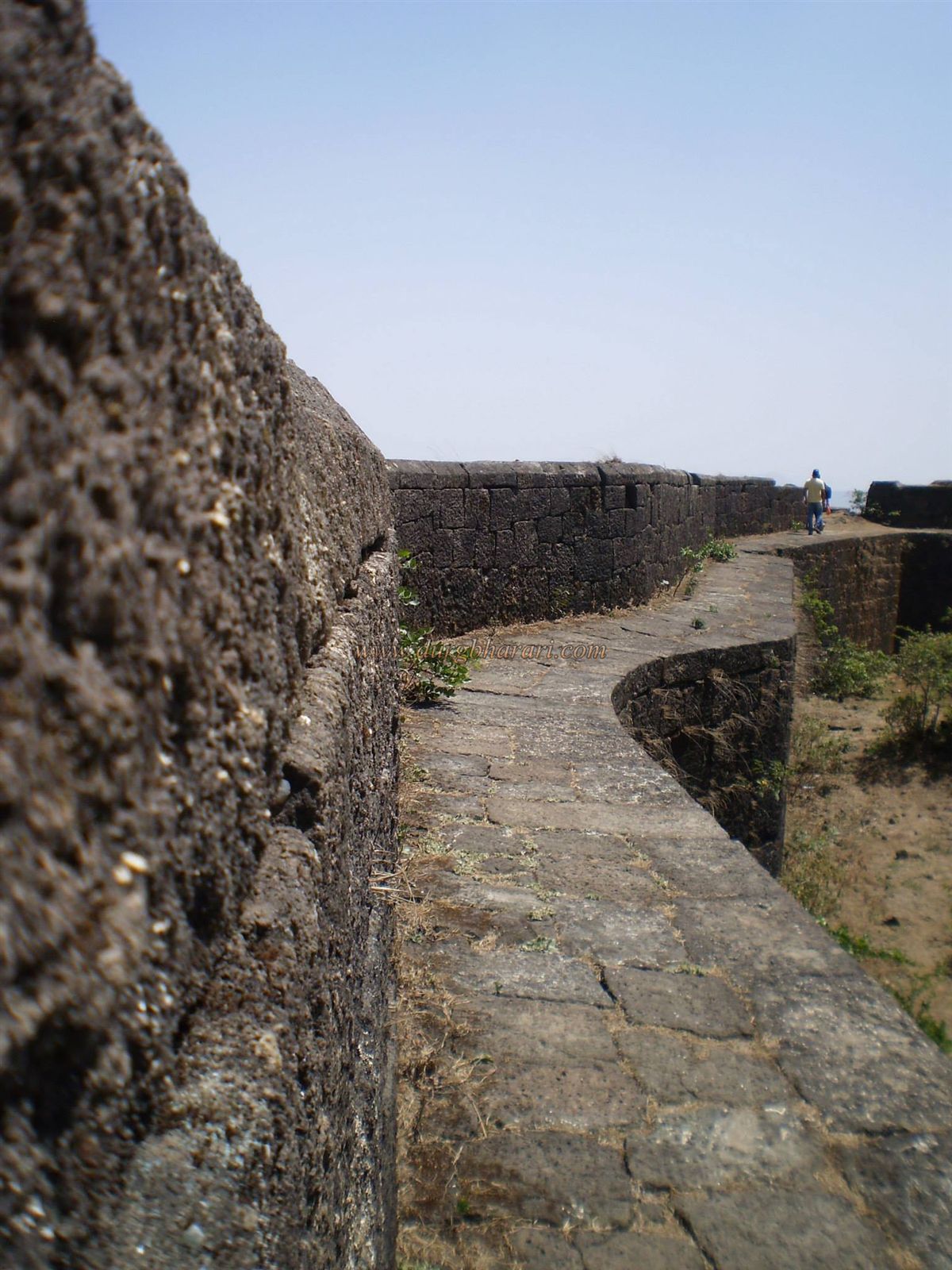
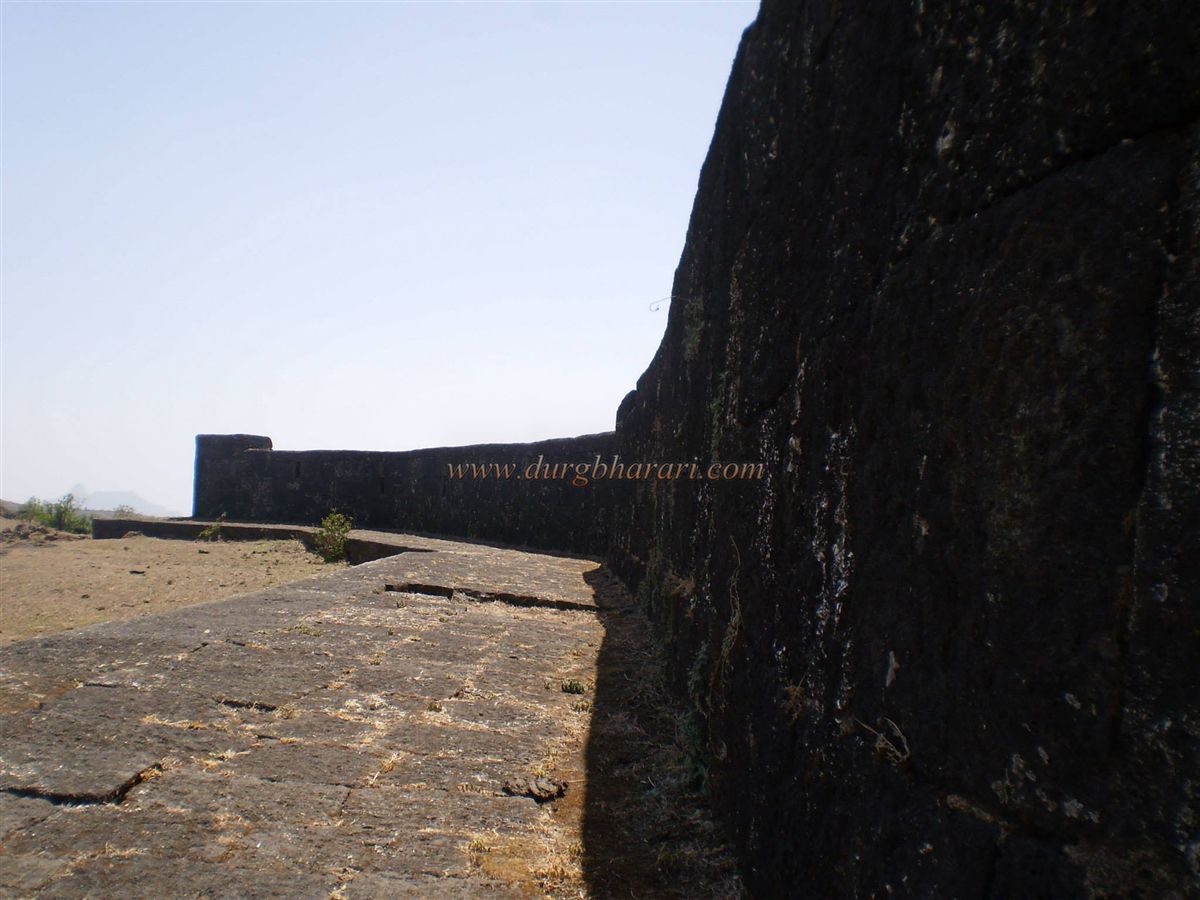
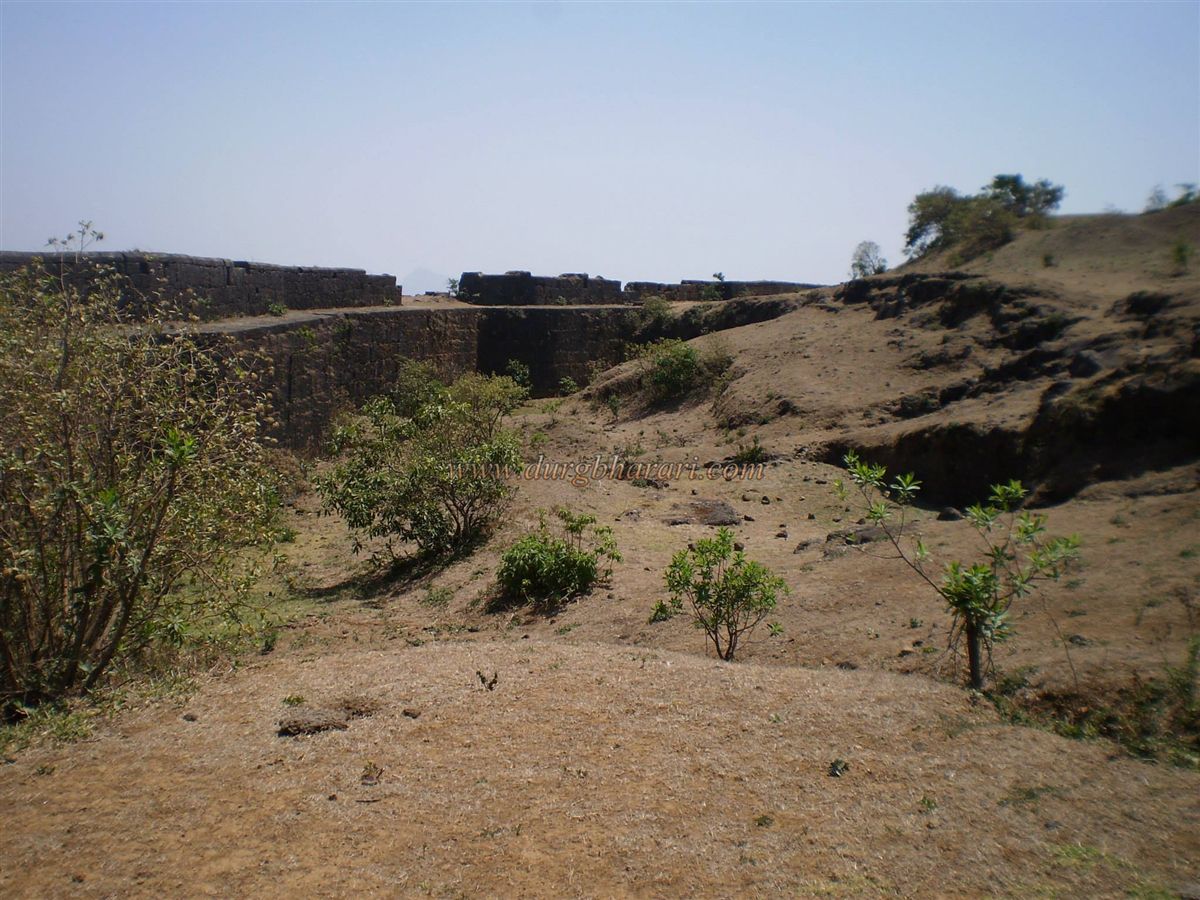
The western fortifications of Visapur are the most formidable. The north, east, and south sides are naturally protected by steep cliffs, making the western side the most vulnerable. To secure this side, a one-kilometre-long wall, 8–10 feet wide, stretches from the Delhi Gate to the Gaimukh pass between Lohagad and Visapur. This exquisitely built wall is made of dressed stone blocks, with a wide pathway on top, steps at intervals for climbing, semi-circular bastions, loopholes for guns and cannons, and a height designed to keep defenders concealed. The wall also incorporates small shrines, soldiers’ quarters, water tanks, ammunition stores, deep chambers, and even latrines.
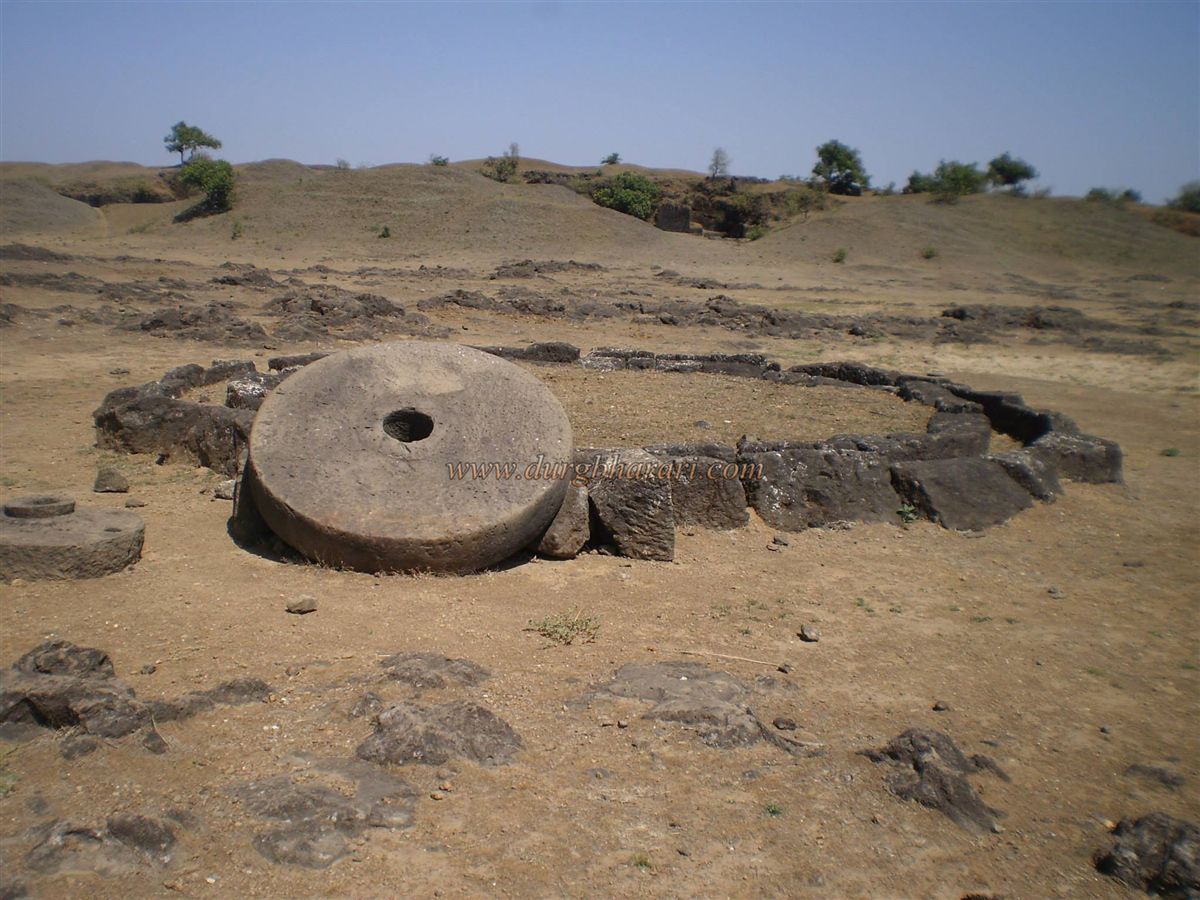
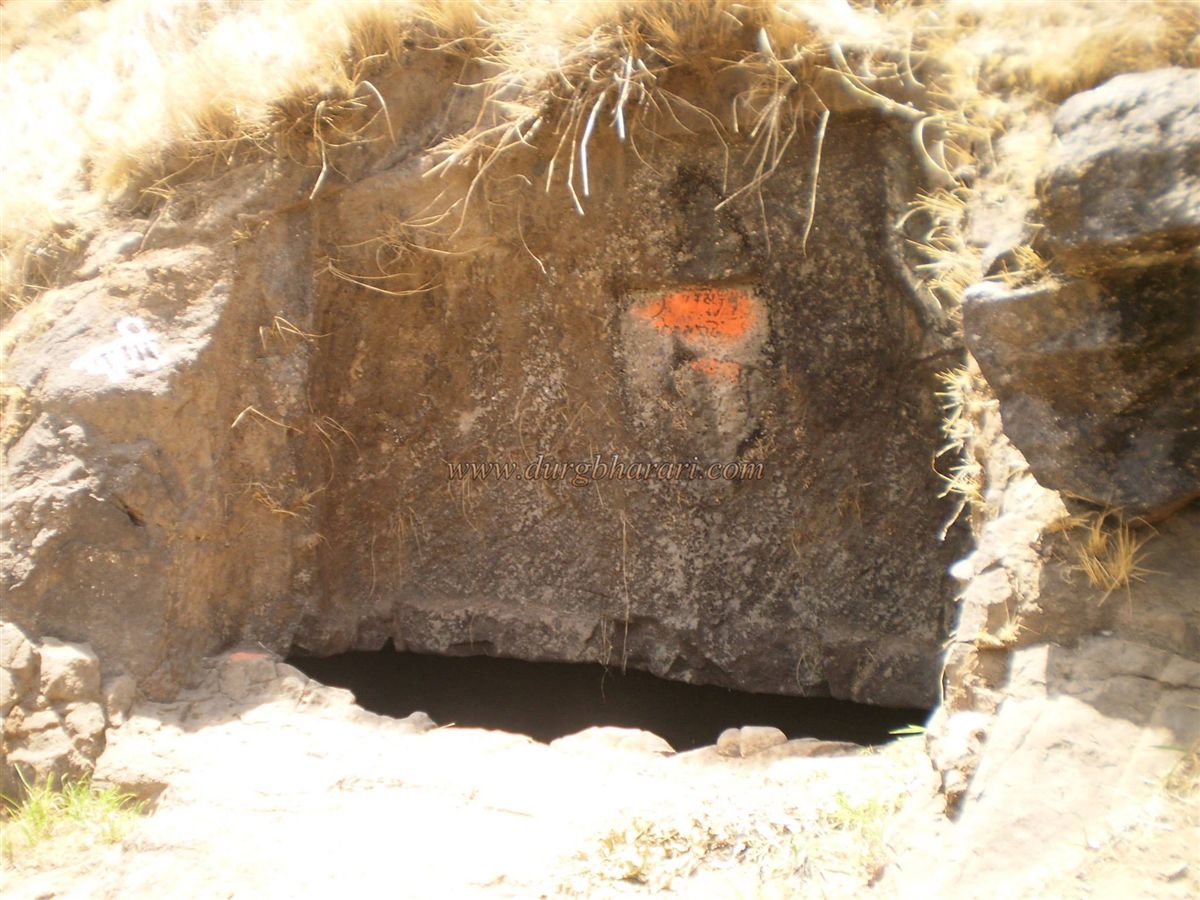
Among all hill forts in Maharashtra, Visapur western fortification is particularly notable. The stones used for construction were quarried from the very tanks dug on the fort. Near these ramparts, several such tanks can still be seen, one of which has a large carved image of Hanuman on its wall. At another spot, seven interconnected tanks form a group. Nearby, a grinding stone used for mixing lime mortar, still in place with its wheel intact, and two large stone mills (one broken) are also visible.
Continuing along the western wall, one reaches the north western bastion, which houses another massive cannon, showcasing Visapur strength. Recently, the fort conservation group Sahyadri Shiledar unearthed a buried secret door and painstakingly excavated a third cannon buried five feet underground. Previously, only two cannons were known to exist here; now a third has been recorded. From this bastion, one gets a panoramic view of the entire western fortification. No other fort in Maharashtra boasts such an imposing wall. From the top, the view of Lohagad is spectacular. Further south, one can spot Tung and Tikona forts and the Pawna dam.
The fort covers a vast area and takes about two hours to explore fully. With proper planning, both Lohagad and Visapur can be visited in a single day. Descending from the southern Konkan Gate involves negotiating a steep, boulder-strewn slope through the breached walls, leading to the Gaimukh pass. On this route, one passes a large rock-cut cistern with a Brahmi inscription. Continuing through the dense forest brings one to the Gaimukh pass between Lohagad and Visapur.
In this pass lies a spot called Kapala, where carvings of nine animals — horse, camel, elephant, and others — can be seen on a stone platform. Beside it stands an idol of Hanuman, and a little further is a vermillion-smeared stone called Tahaldev. From here, one can proceed towards Lohagad.
The complete history of this long-neglected fort is not fully known, but its origins can be traced back to the Satavahana period. The presence of the Bhaje and Bedse Buddhist caves in its vicinity suggests that Visapur was constructed during or even before that era. In 1657, Shivaji Maharaj incorporated Lohagad and Visapur into Swarajya. During Shivaji’s time, this fort was also known as Isagad. Its independent history is scarce, but it is often intertwined with Lohagad. Under the Treaty of Purandar in 1665, this fort was surrendered to the Mughals. After the Agra incident and subsequent campaigns to consolidate the Swarajya, Shivaji Maharaj recaptured all lost forts in 1670.
After Sambhaji Maharaj’s death, the fort again fell to the Mughals. In October 1682, while the Marathas were raiding the northern regions near Pune, Mughal general Shahabuddin reached Chakan. When he learned that the Marathas were near Lohagad, he rushed there and clashed with them, killing 60 men. The Marathas then moved to Visapur, but by the time Shahabuddin reached there, they had advanced towards Kusapur. This confirms that in 1682, the Marathas had captured Visapur, though they suffered heavy casualties.
In 1713, Kanhoji Angre captured the fort. Around 1720, after Shivaji Maharaj’s death, Peshwa Balaji Vishwanath negotiated with Kanhoji Angre, who agreed to hand over all forts except Rajmachi to Chhatrapati Shahu Maharaj. During this time, Balaji Vishwanath is believed to have constructed the present fortifications of Visapur, which remain in good condition today. During the Peshwa period, there were plans to use this fort as a prison.
On 4 March 1818, Colonel Prorther captured the fort for the British, and the very next day the Marathas abandoned Lohagad.
From Bhaje village, it takes about two hours to reach Visapur Fort or Lohagad via the Gaimukh pass.
© Suresh Nimbalkar
GALLERY