VIRUL
TYPE : GADHI
DISTRICT : NASHIK
HEIGHT : 0
GRADE : EASY
When we think of Wardha district, the name that immediately comes to mind is Mahatma Gandhi’s Sewagram. However, this district in Vidarbha once had many forts in the form of hill forts, land forts, and wada (small strongholds). During our exploration of the forts in Wardha district, we discovered a total of 10 forts in a ruined state. Even in today’s digital age, there is hardly any information available about these forts on the internet. I have tried to present the information we gathered during our visits to these forts on the Durgbharari website.
Many of these forts have been almost completely destroyed, with only remnants such as a section of a wall, a bastion, or a gateway still standing against time. Of these 10 forts, 2 are hill forts, 1 is a caravanserai, and the remaining 7 are small wada (gadhis). Most of these forts now house villages, temples, or dargah within them, and these newer structures have encroached upon and further eroded the fort remains.
...
Additionally, the lack of awareness and indifference of locals towards these structures has also contributed to their deterioration.
After the abolition of princely states, the maintenance of these privately-owned forts became difficult for their owners, leading to the collapse of most of them, while some have been completely levelled. One such fort is the Virul Fort in Arvi taluka.
To visit the Virul fort, one must first reach Wardha city. The distance from Wardha to Virul is about 32 km, and buses and rickshaws are available for transport. On the way from the bus stop to the fort, one can see many old-style houses and mansions.
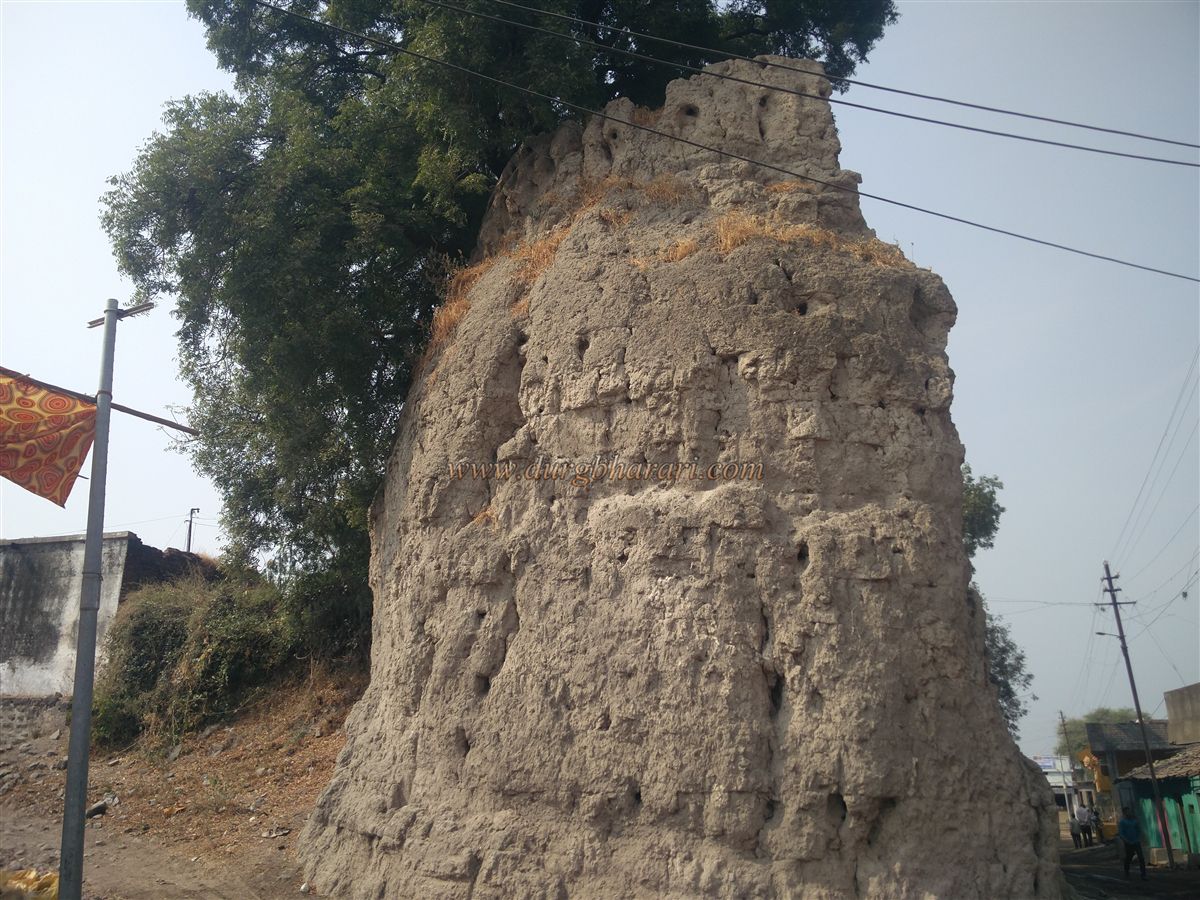
This rectangular-shaped fort, built on a small mound in the center of the village, spans about 1 acre. Once equipped with 7 bastions, the fort today has only 4 bastions and some sections of earthen fortifications remaining. Two of these bastions were positioned near the gate, while the remaining five were part of the fort wall. These bastions still have gun loops for musketry.
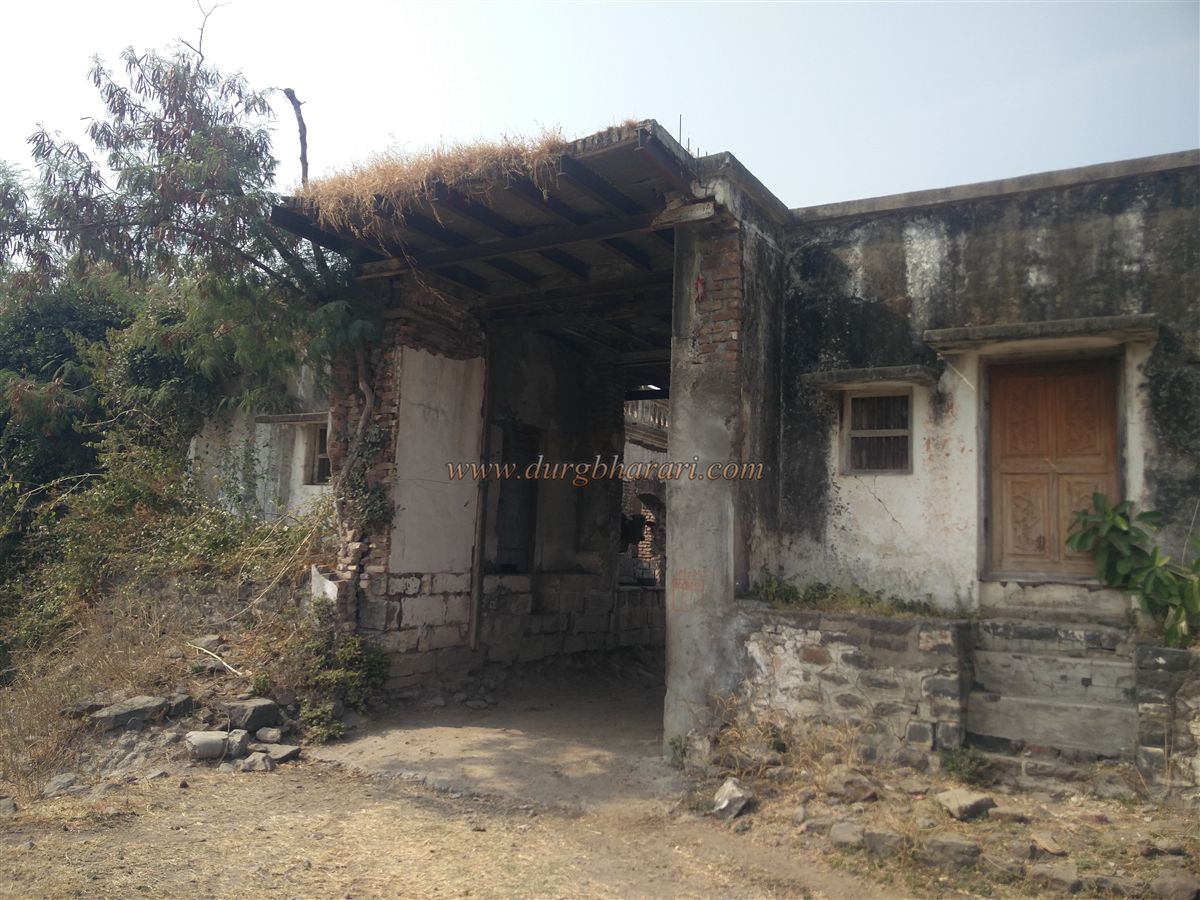
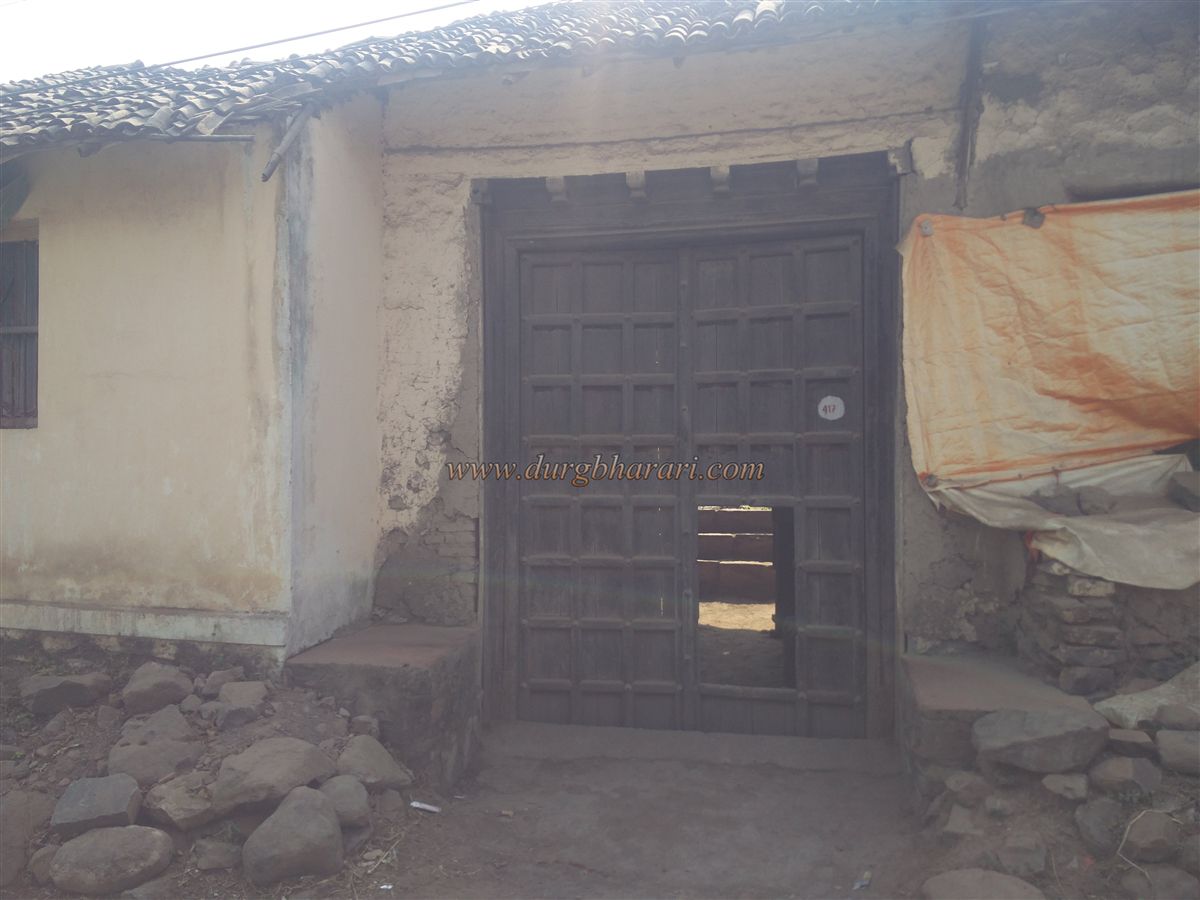
The east-facing gate of the fort, though partially renovated, retains much of its original construction. Inside the gate, there are chambers on both sides, likely used for administrative purposes. In the center of the fort stands a platform built with dressed stone, and behind it are the remnants of a fallen mansion wall.
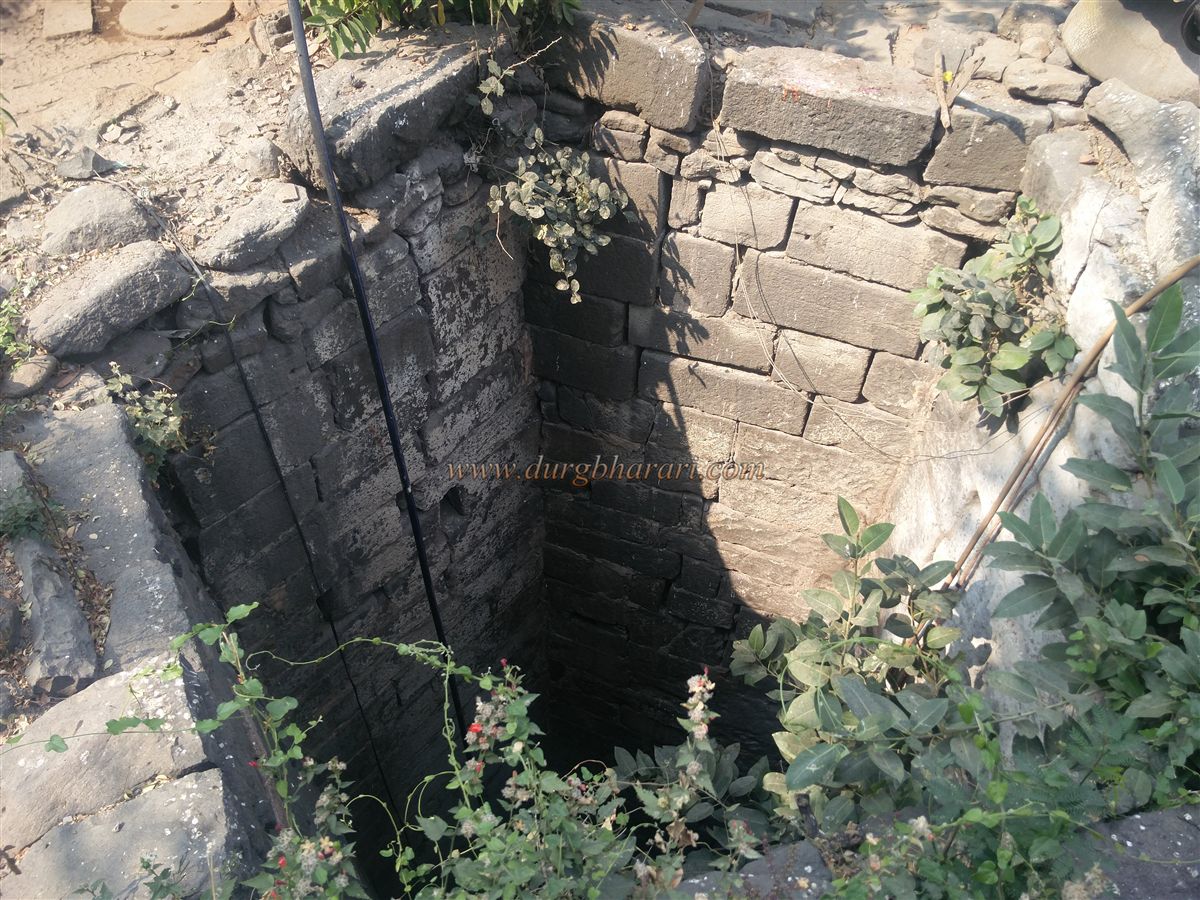
On the left side inside the gate are the houses of the fort’s original owners and their descendants. Behind the courtyard of the first house stands a pentagonal well made of dressed stone.
According to Shashikant Wani (Khurzadikars), a descendant of the original owners, the Khurzadikar family once held revenue rights over four villages, of which Virul was one. The Khurzadikar family donated the fort at Sonegaon to Saint Abaji and later shifted their residence from Kurzhadi to Virul. The Virul fort was built by the Pindaris, after which the Khurzadikar family took possession of it upon settling here.
It takes about 30 minutes to fully explore the fort.
© Suresh Nimbalkar
GALLERY