VIRGAON
TYPE : FORTRESS
DISTRICT : AHMEDNAGAR
HEIGHT : 0
In Ahmednagar district, along with massive forts like Alang, Madan, Kulang, and Harishchandragad, some villages also feature small and medium-sized forts (wada or gadhis). Due to the neglect of the fort owners as well as the local residents, many of these forts have severely deteriorated, and some have even been razed to the ground. One such fort, now counting its last days, can be seen at Virgaon in Akole taluka. The distance from Akole, the taluka headquarters, to Virgaon is 11 km, while the Ghoti–Akole–Virgaon distance is 43 km.
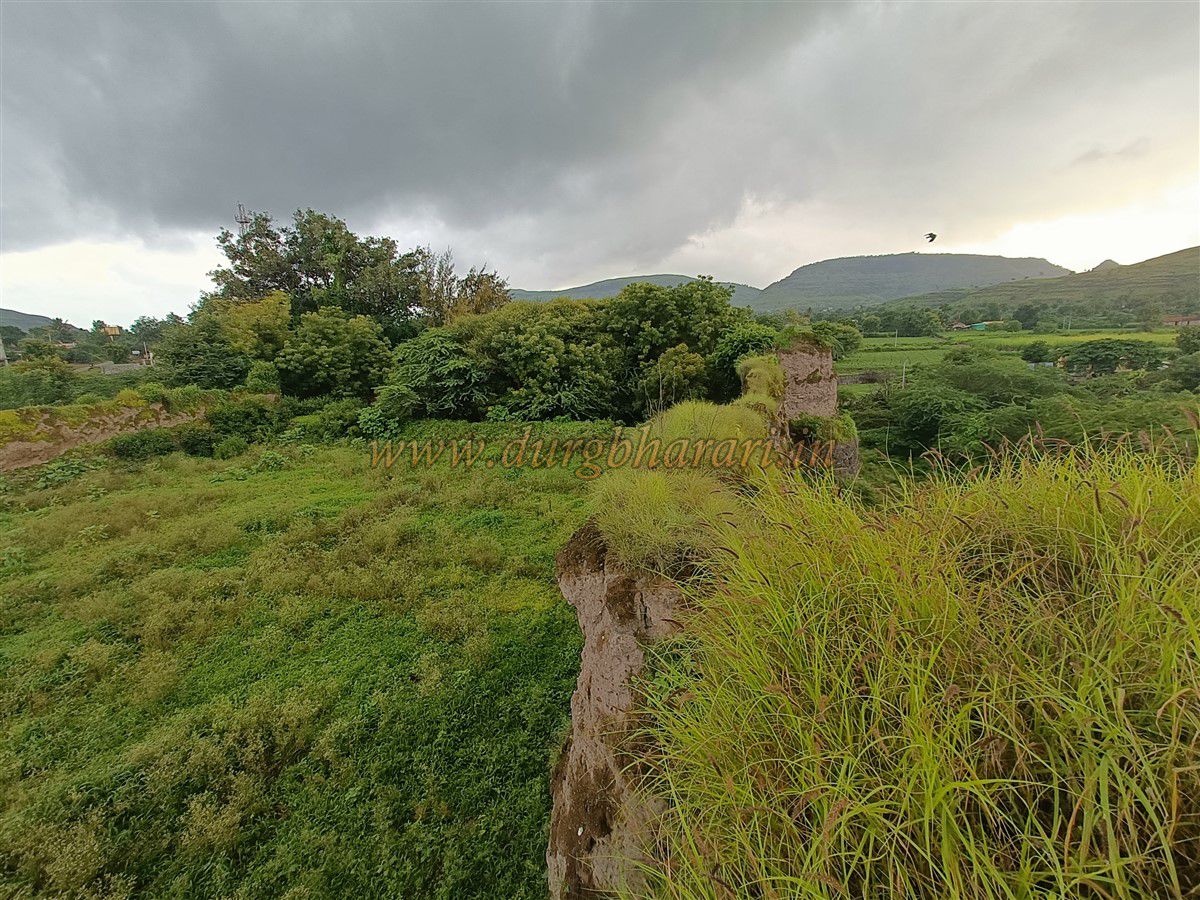
This fort, known as Throat’s Fort, is situated at the very entrance of the village. Since the village itself is not very large, it is easy to reach the fort. Built on a small mound, the square-shaped fort covers an area of about half an acre and is completely in ruins. Except for the western fortification, the rest of the walls have completely collapsed.
...
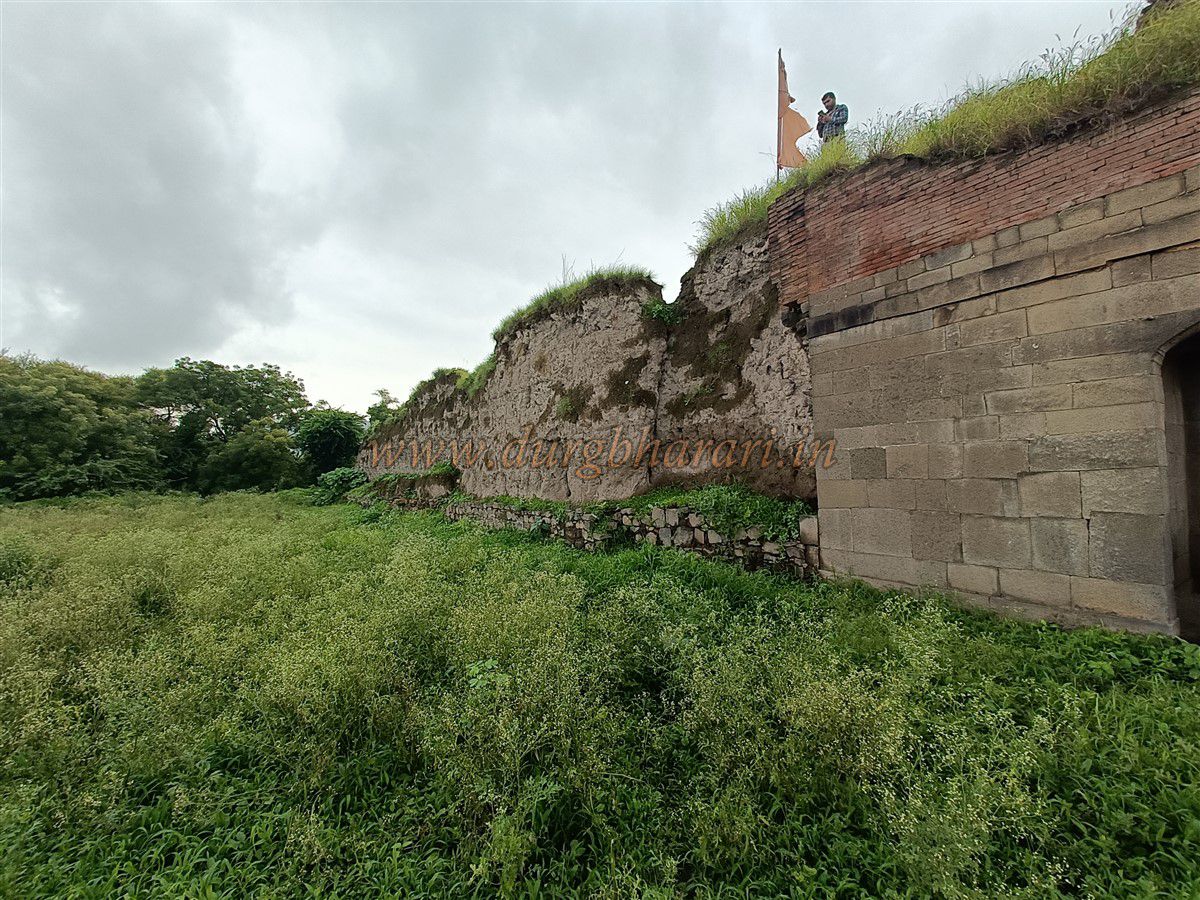
In this fortification, one can see a total of five bastions—four at the corners and one next to the gate. Only the western wall of the fort remains standing today, and the main entrance of the fort, which faces east, is located within this wall.
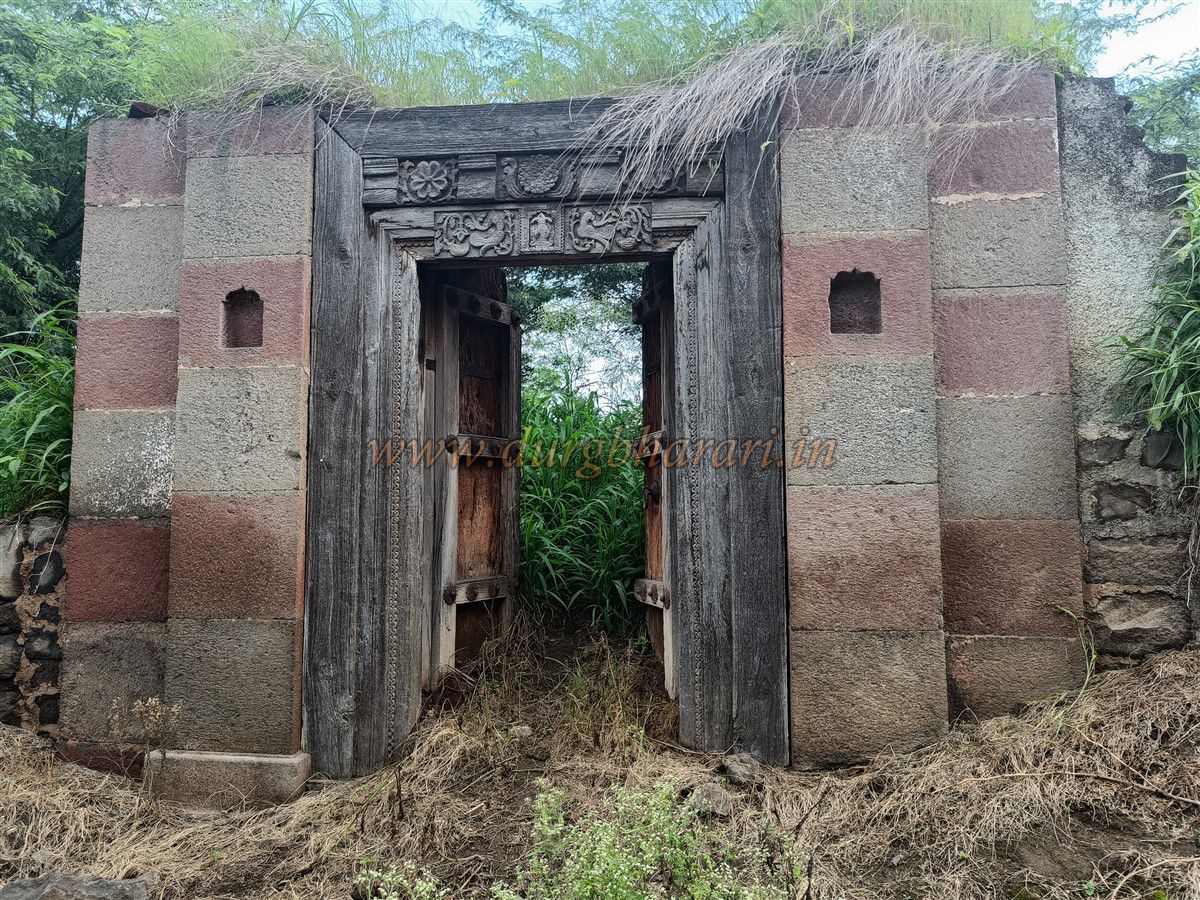
The gateway, built of dressed stone, is still in good condition, and even its wooden door has survived. Next to the gate is an earthen bastion, with another bastion located at the far end. Since the stones from the fort walls have been removed, only earthen embankments now remain. Locals have been using these stones and soil for building their houses, so even these remaining ruins may not last long.
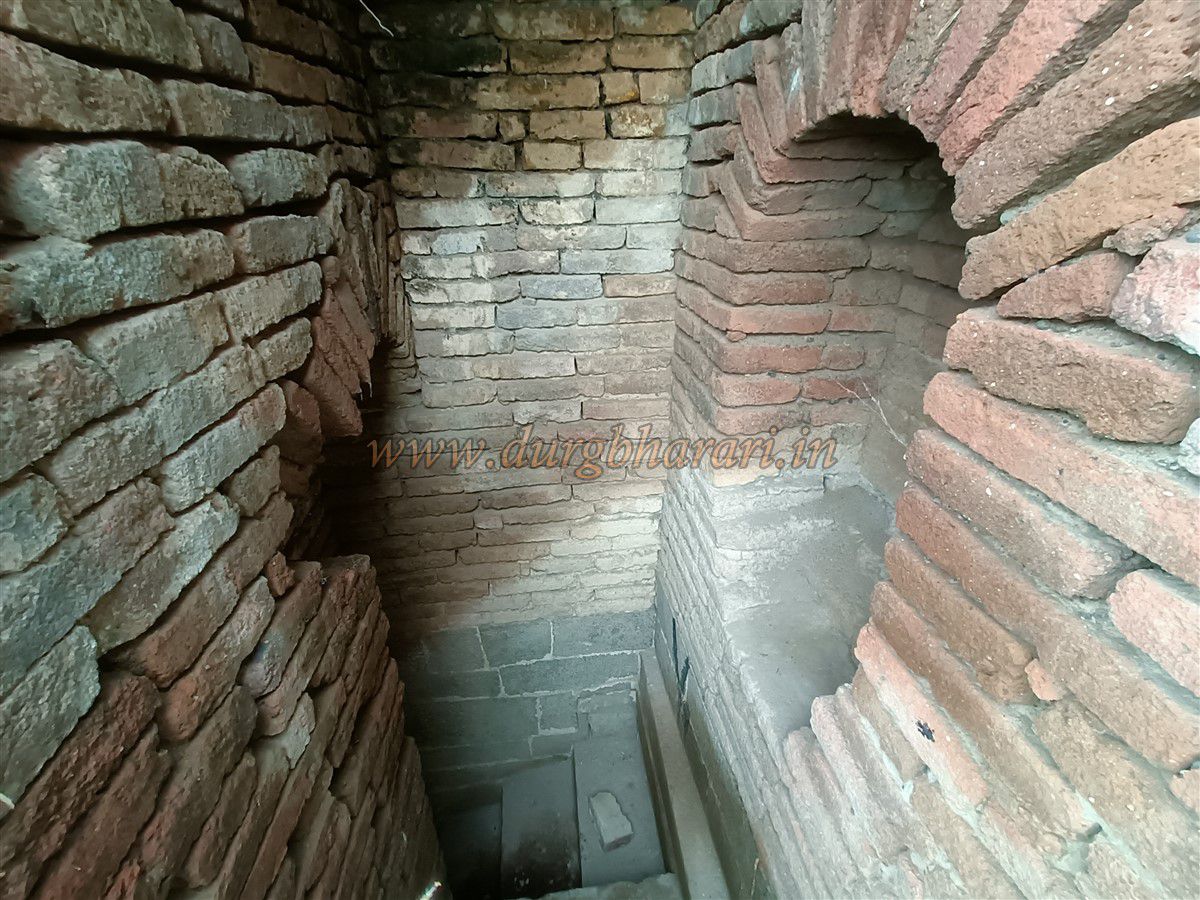
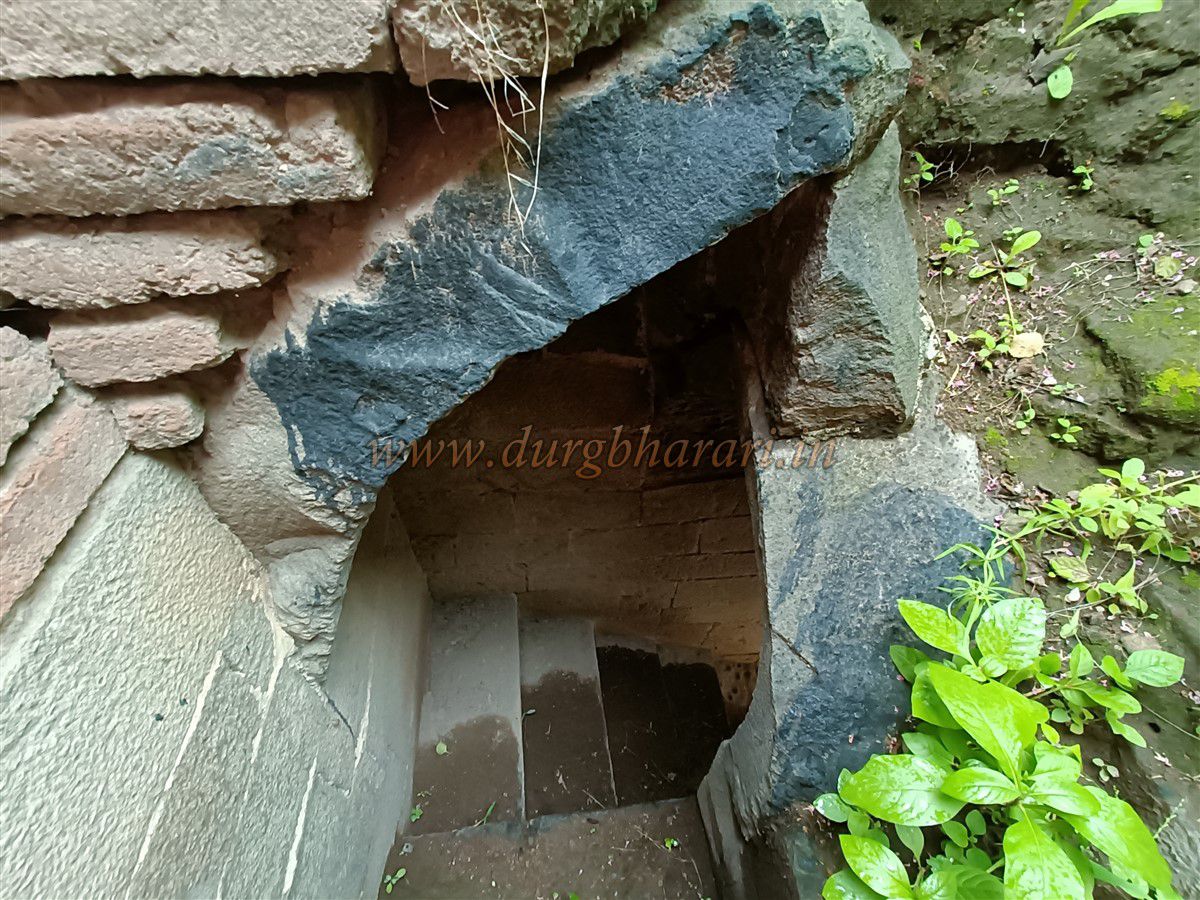
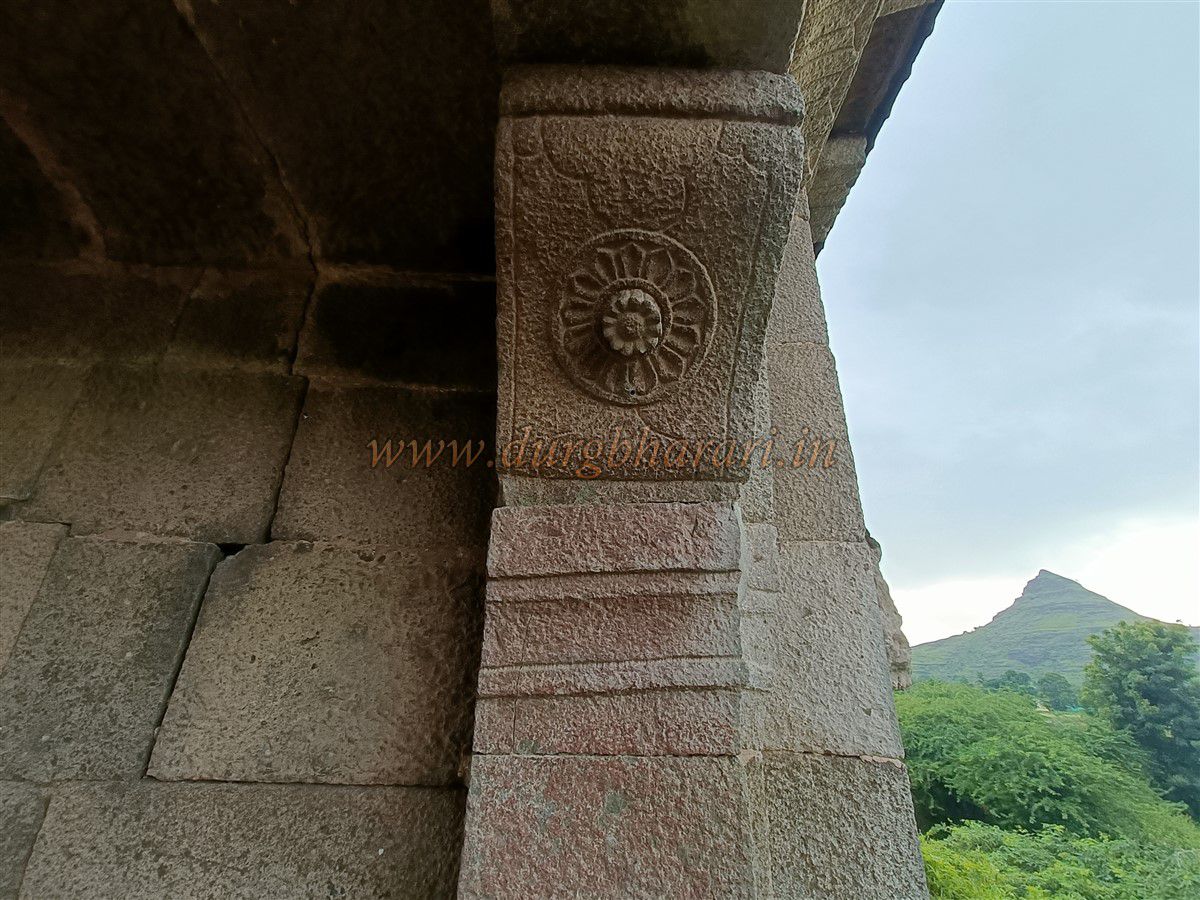
On the stone arch of the gate, there is a carving of Lord Ganesha and two Sharabh (mythical creatures) above it, with the entire section richly decorated with carvings. The upper floor of the gate is constructed with bricks and has intricately designed niches. Upon entering the gate, there are stairways on both sides of the inner wall leading to the upper part of the gate and the bastion. From the top of the gate, one can get a full view of the fort premises.
Inside the fort, no structures remain today—it has become a flat ground. As climbing the remaining ramparts is dangerous, a visit to the fort usually ends at the gate itself. About 10 minutes are enough to explore this fort.
Apart from the name “Thorat’s Fort,” the locals have no additional information about the fort, and thus its history begins and ends with the name “Thorat.” It is said that the descendants of the Thorat family are now settled in Pune, but no contact with them could be established.
© Suresh Nimbalkar
GALLERY