VIRATHAN
TYPE : COASTAL FORT
DISTRICT : PALGHAR
HEIGHT : 0
GRADE : EASY
To visit Virathan Fort, one must take a Western Railway local train and get down at Saphale station. From Saphale, state transport buses and private rickshaws are available to reach Virathan. In Virathan village, near the Vitthal Wadi area of Virathan Budruk, the fort stands atop a small, tree-covered hillock about 100 feet high. It takes roughly 10 minutes to climb the hill. Compared to other Portuguese structures in this region, a considerable part of Virathan Fort still remains intact. The fort is located about 5 km from Saphale station.
As no historical documents are available regarding its name, the fort is known by the name of the village itself—as Virathan Fort, Virathan Madi, or Virathan Killa. Since the local people do not have much information about the fort, it is advisable to gather full details about it before visiting.
...
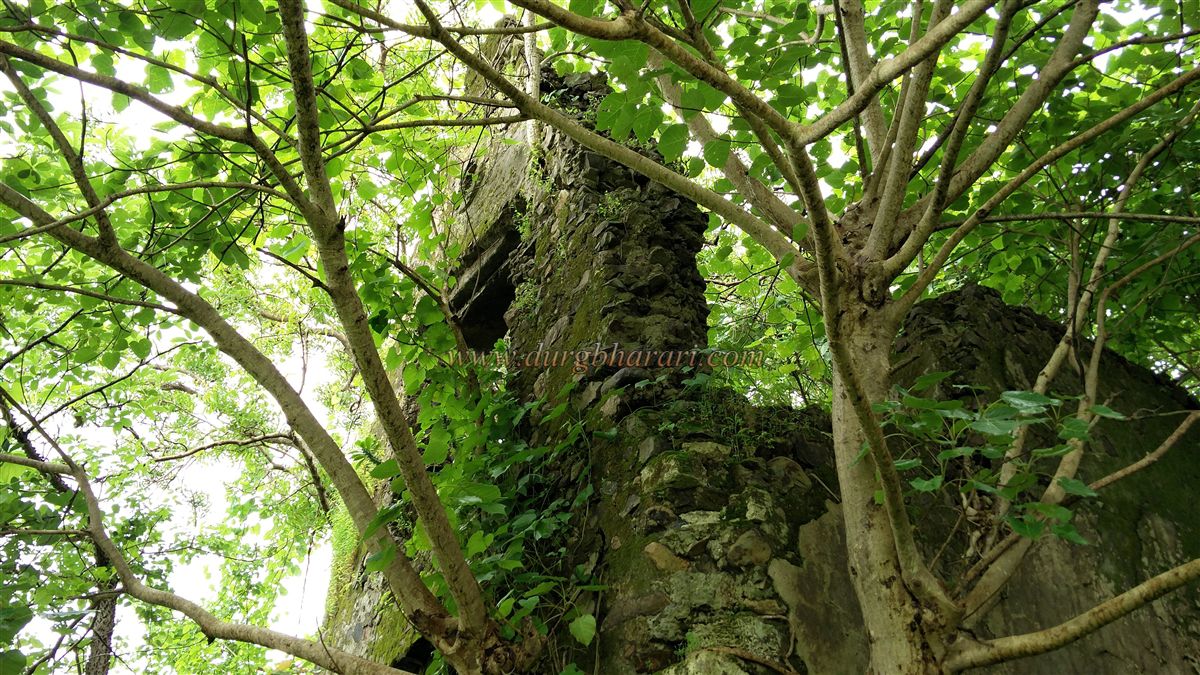
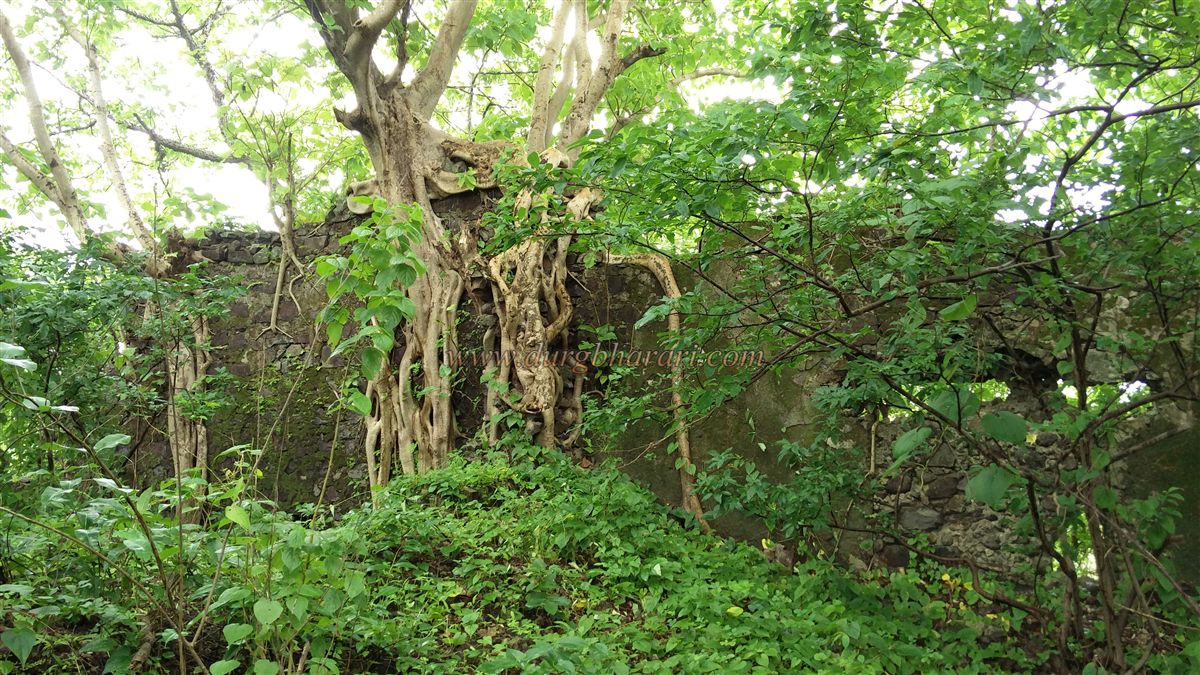
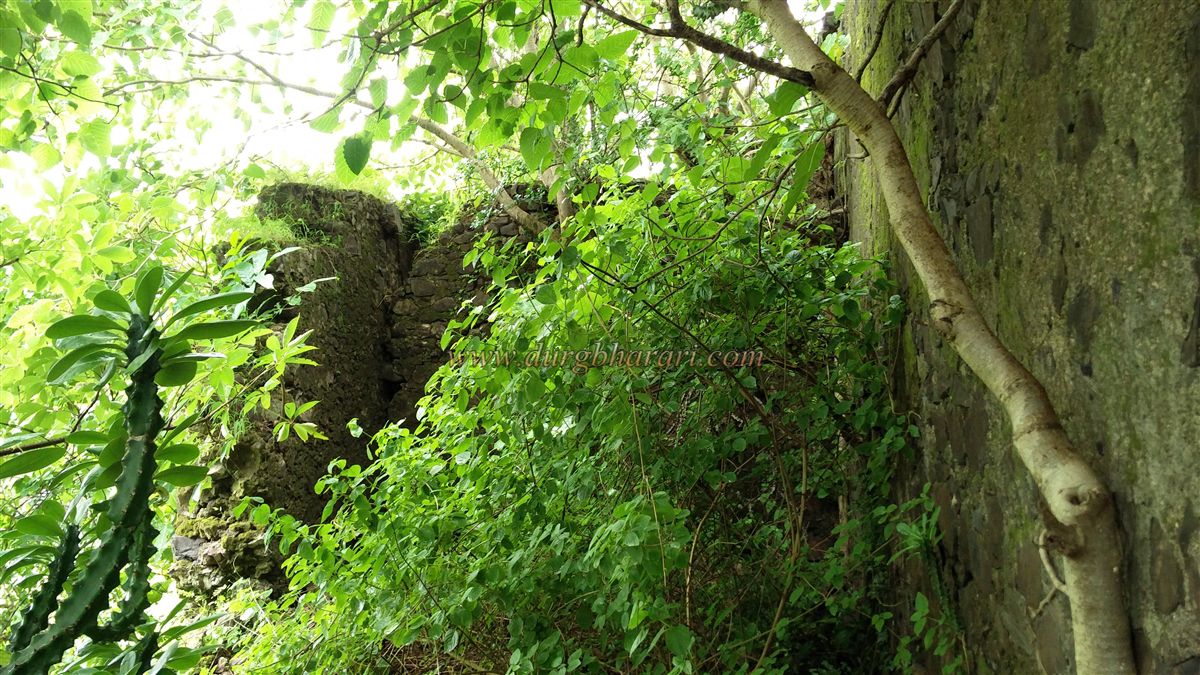
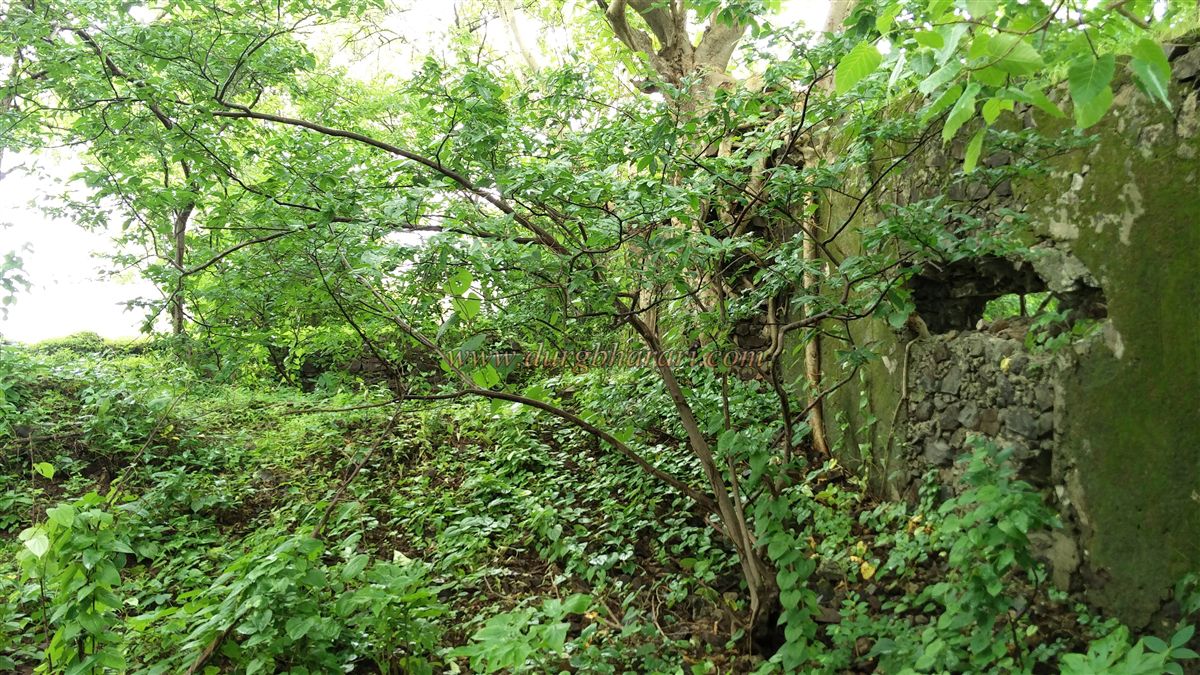
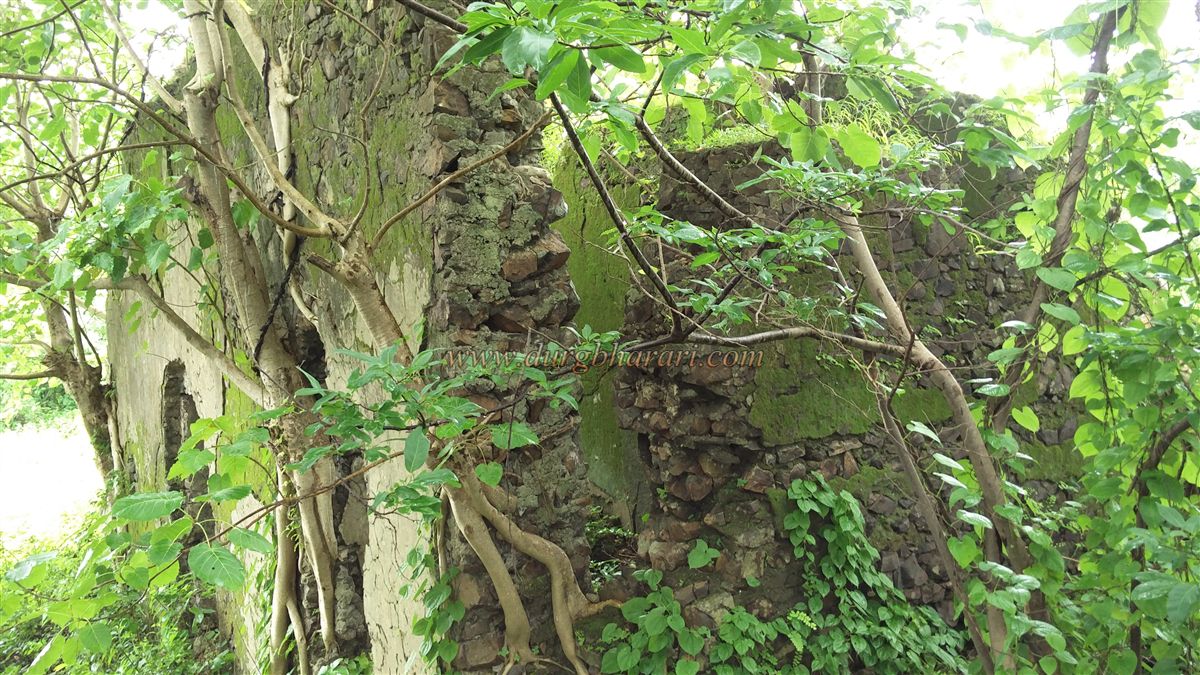
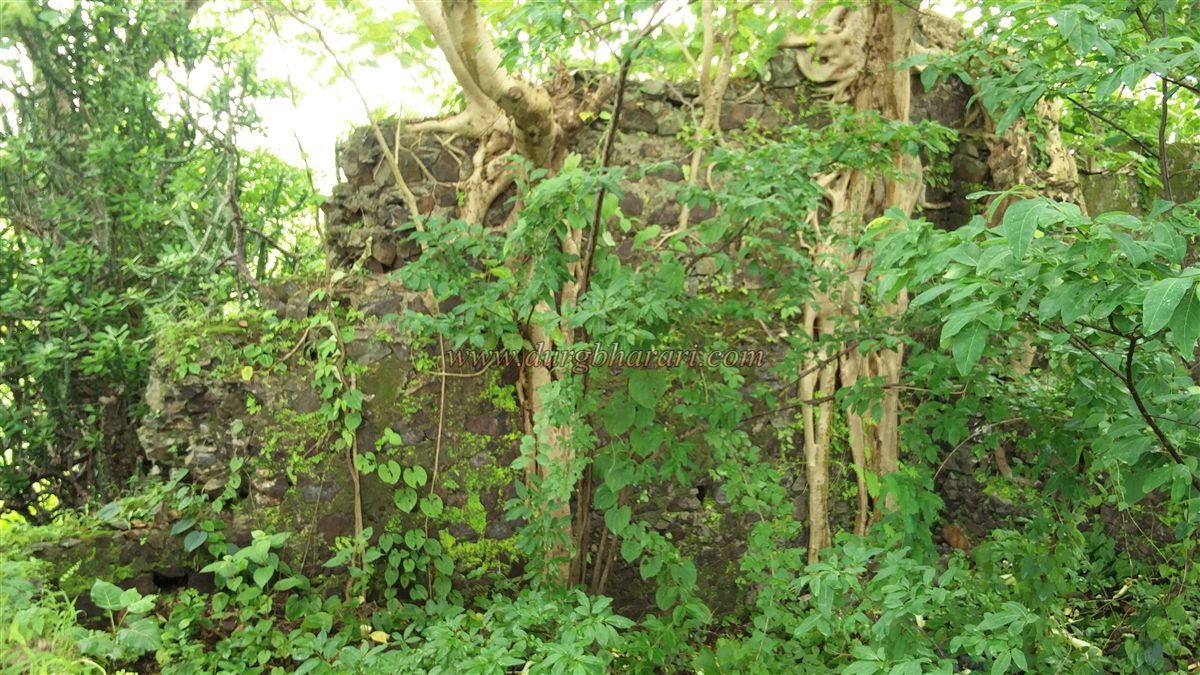
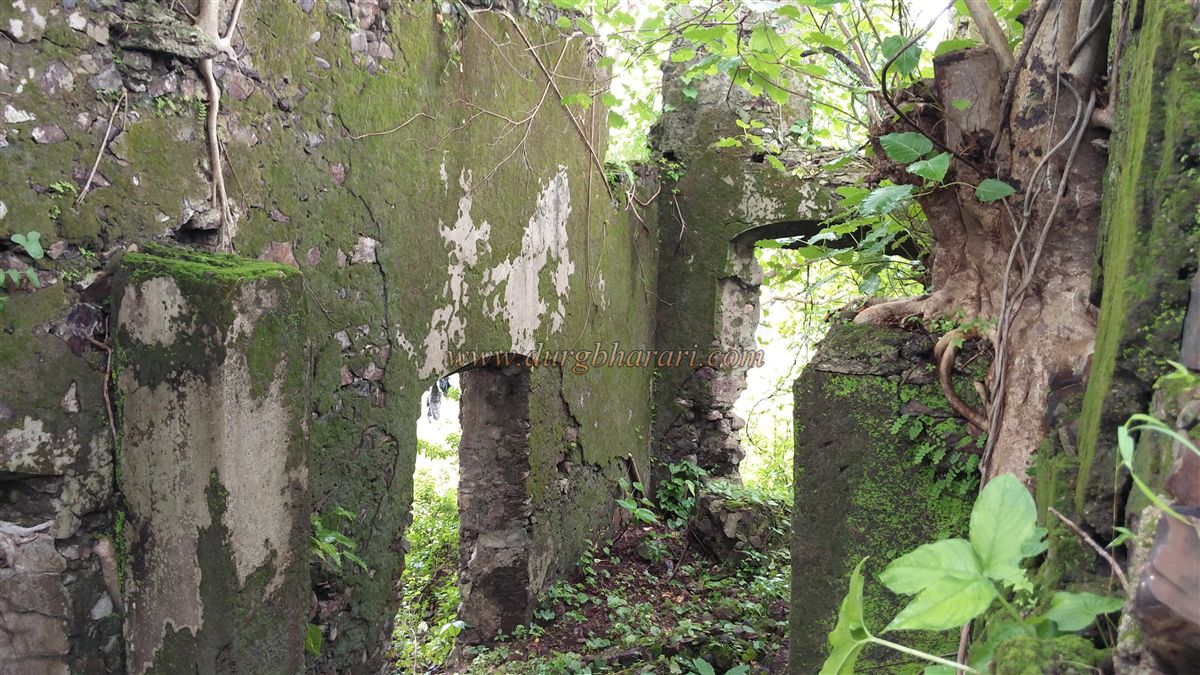
Upon climbing the hill, the ruins of the fort come into view. Trees have spread their roots across all the walls of the fort. The surrounding fortifications of Virathan Fort still exist. Based on the available remains and historical references, this fort was likely used as a Portuguese administrative office and warehouse. Its construction involved dressed and undressed stones, mud mortar, and lime. Wooden beam slots in the walls indicate that the structure was originally three-storied.
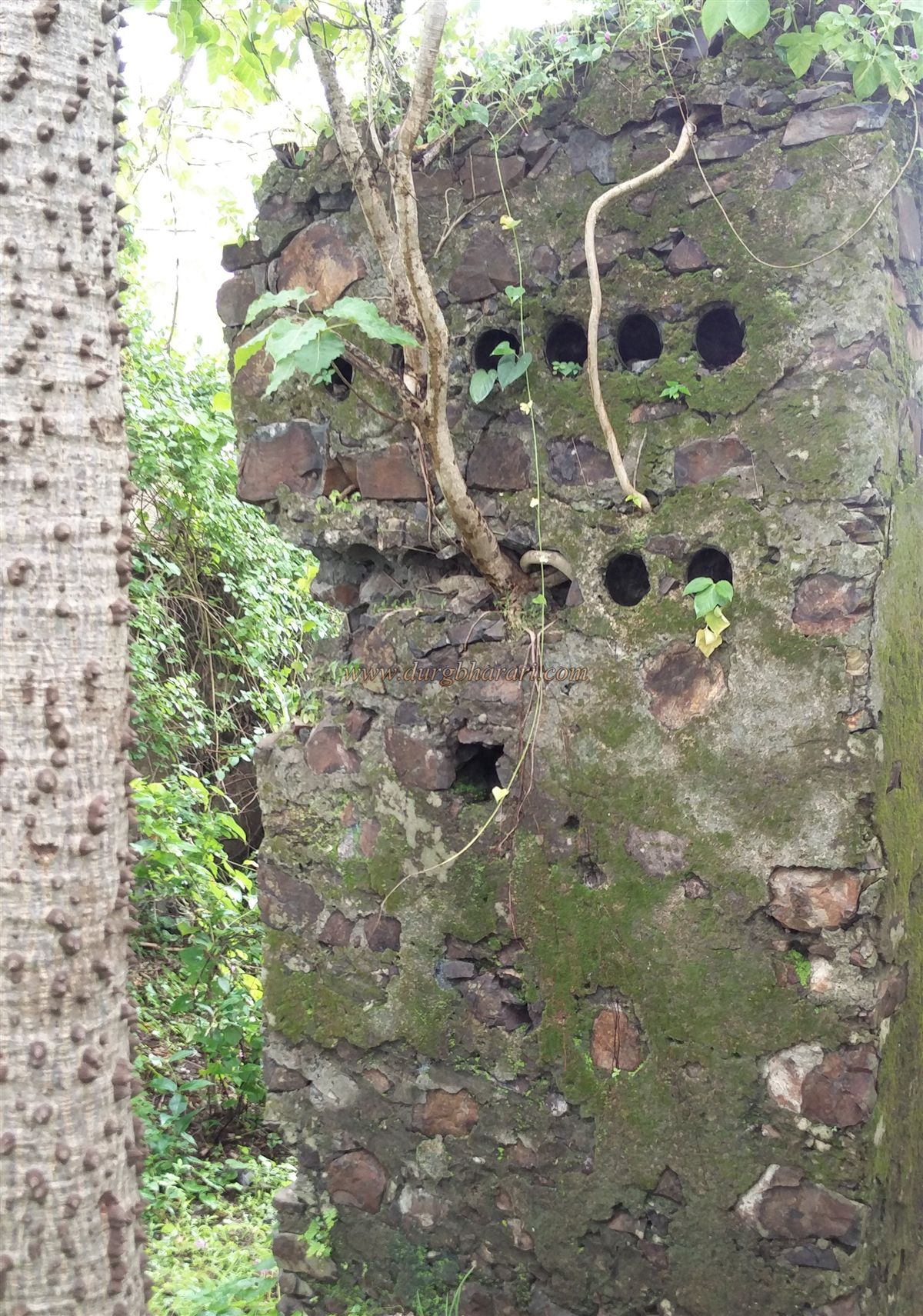
Special features of this fort include terracotta ventilation pipes embedded in the walls for air circulation and a staircase leading to the upper floors. Additionally, the remains of a Portuguese-era church and altar can be seen inside the fort. The fort’s walls also exhibit defensive features. Marks on the opposite hill indicate that the stones used for construction were quarried from that very plateau.
As the fort is privately owned, visitors should keep this in mind while exploring.
The forts, strongholds, and structures in the Datiware–Shirgaon region were built in a parallel line along the creek. These small forts, constructed by the Portuguese around the 16th century, primarily served to supply provisions to other small and large forts from Datiware to the Manor region. By using these small forts, watchtowers, and long-range cannons, the Portuguese established their dominance over the maritime routes of North Konkan.
On January 10, 1739, after the Marathas captured Mahim Fort during the Vasai campaign, this region also came under Maratha control. It takes about an hour to explore the entire fort. Those interested in understanding the Portuguese outposts along the ancient maritime trade routes and their geographical importance must visit this place.
Dr. Shridatt Raut, a representative of the Vasai Fort Campaign, along with his associates, has been introducing people to this fort, reviving the history of Virathan village, and playing a vital role in preserving its lost glory. The Vasai Fort Campaign deserves appreciation for its efforts to make the upcoming generations aware of the heritage structures and valor of the Vasai region.
© Suresh Nimbalkar
GALLERY