VINCHUR
TYPE : FORTRESS
DISTRICT : NASHIK
HEIGHT : 0
GRADE : EASY
Vitthal Shivdev Vinchurkar was an important Sardar during the Peshwa period. The fortified mansion (wada) of this prominent noble can still be seen in the village of Vinchur. Located in Niphad taluka of Nashik district, Vinchur lies on the Nashik–Aurangabad highway, about 50 km from Nashik. Upon entering the village, one notices a worshipped stone in the middle of the road. On inquiry, it is revealed that this spot once marked the main entrance gate of the walled village. In earlier times, the entire settlement was fortified, and on the occasion of Dussehra, a bull sacrifice was performed at this gate. Though this custom has been discontinued, the Kachole family living nearby continues to worship this stone daily. Another gate, known as Holkar Ves, can also be seen in the village. Recently, this gate was demolished under the pretext of renovation and replaced with a cement arch.
...
The name “Holkar Ves” was given by the Vinchurkar to the eastern entrance of the village to honor the noble Malharrao Holkar, who frequently travelled along the Vinchur–Chandwad route. To this day, this gate is known as Holkar Ves.
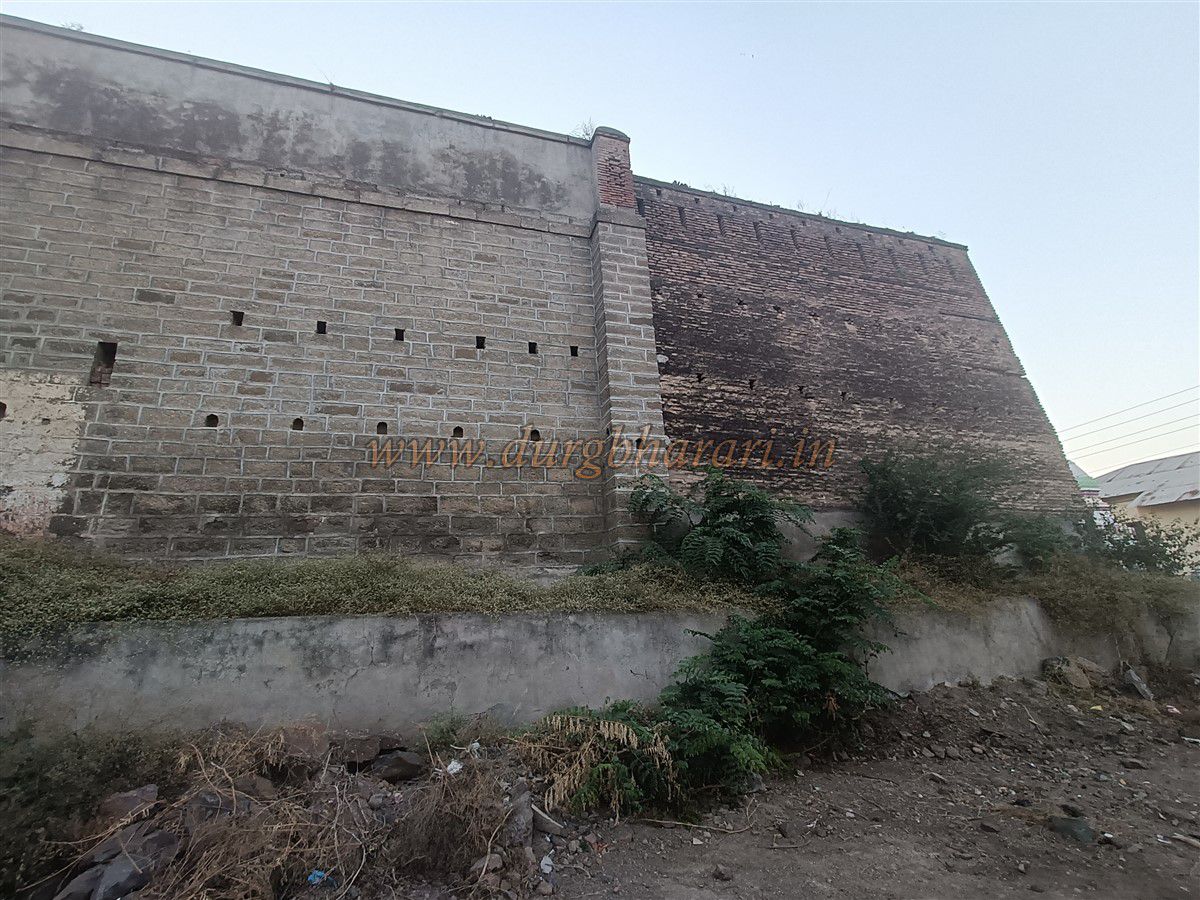
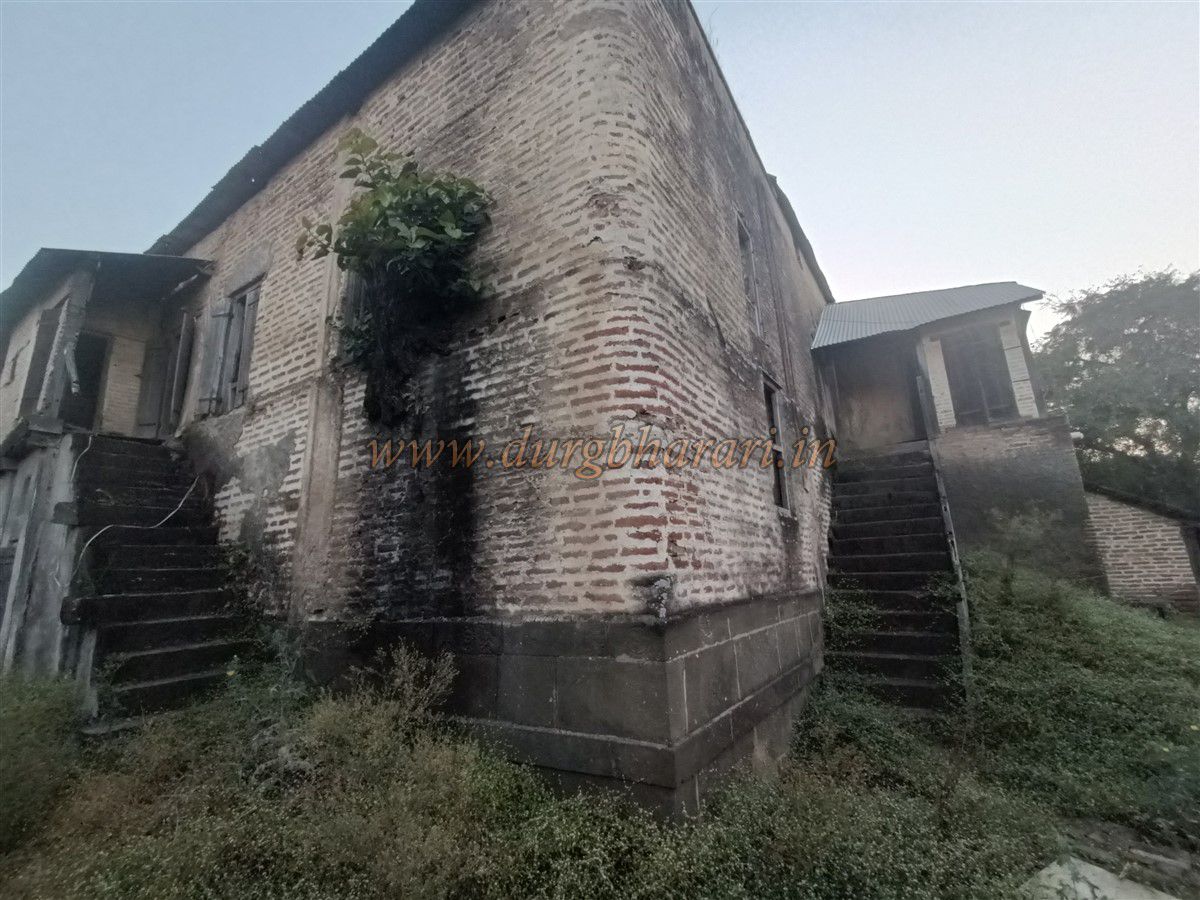
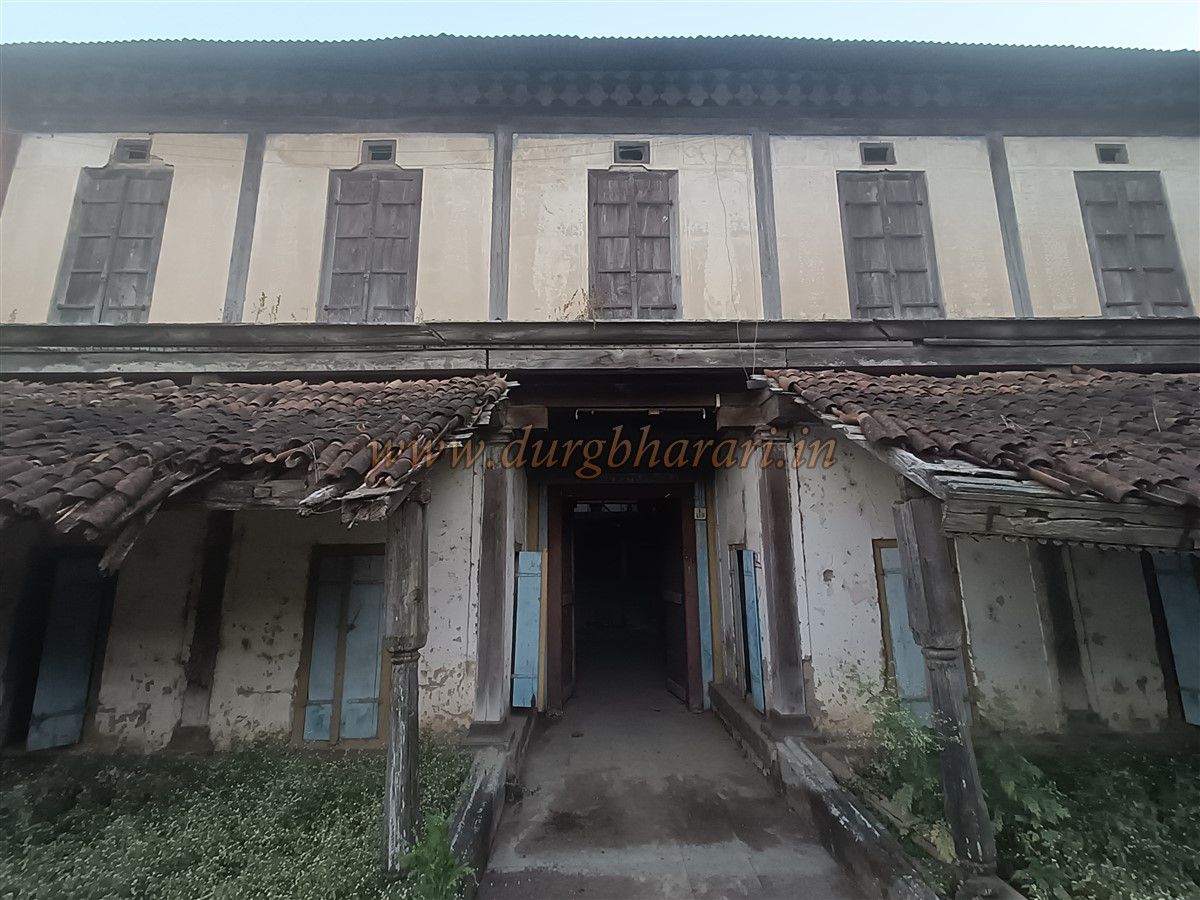
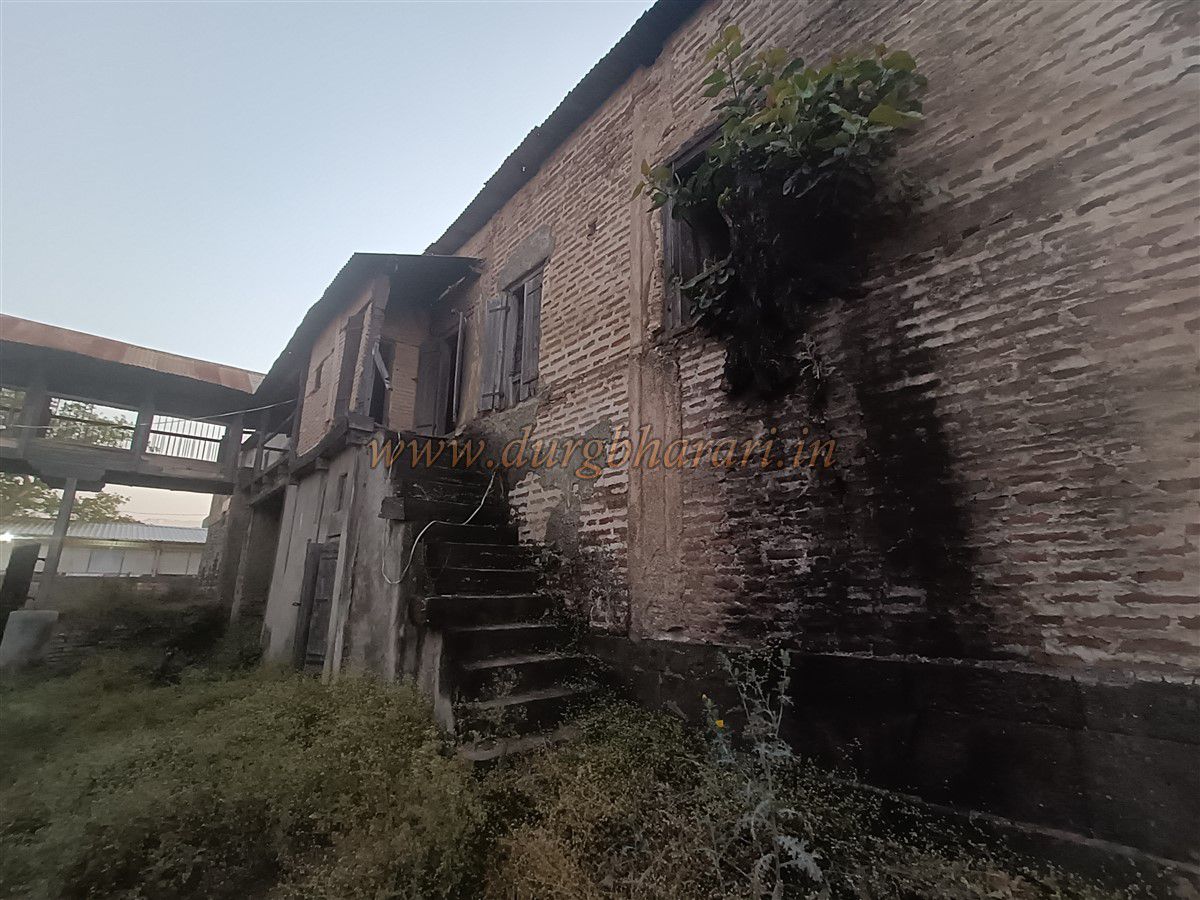
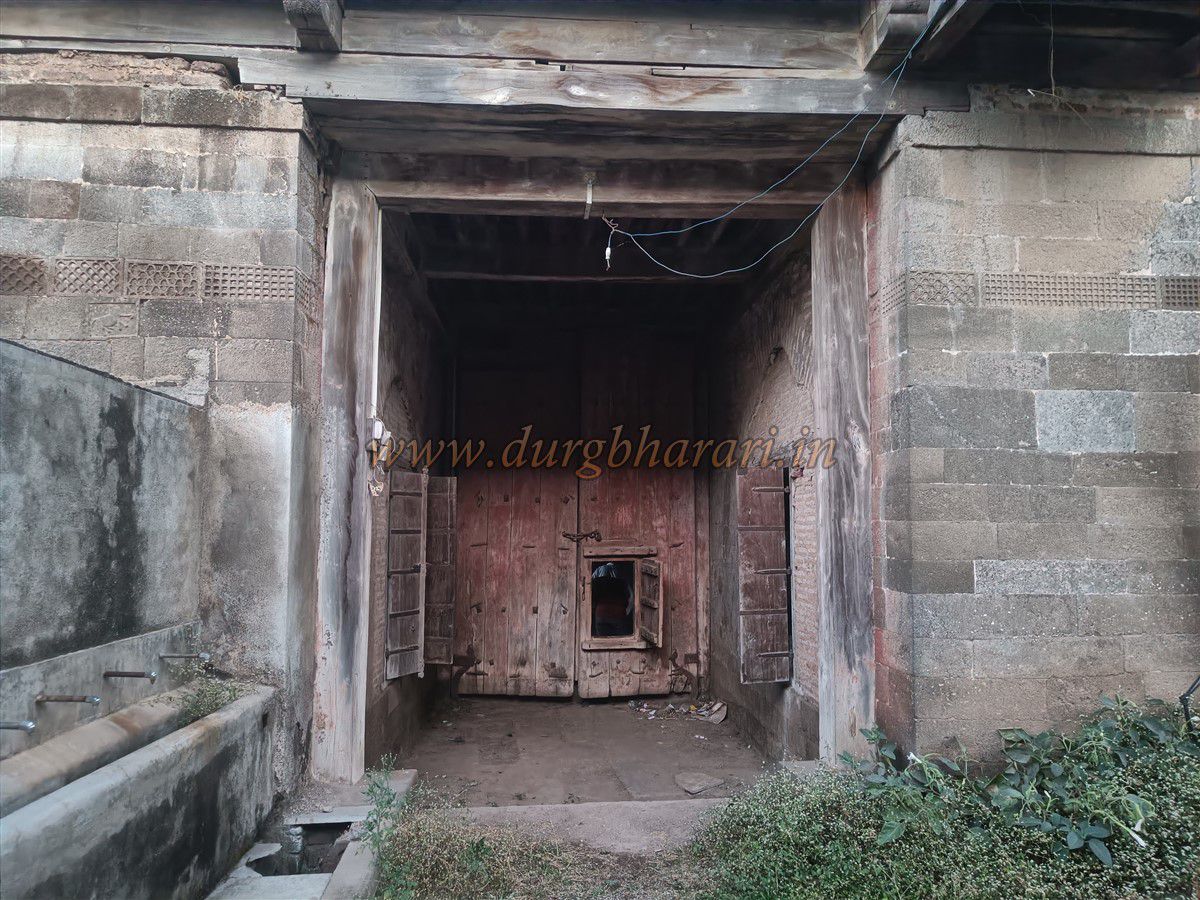
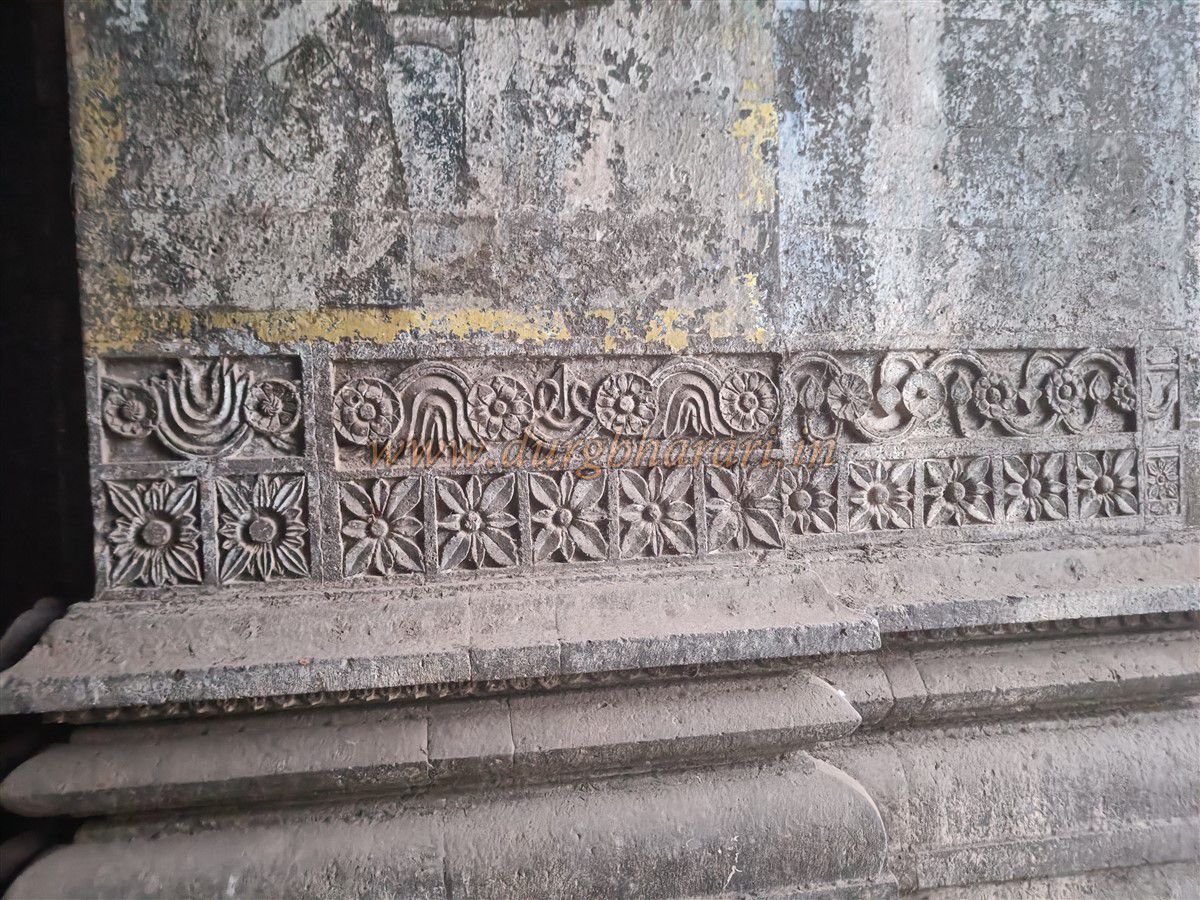
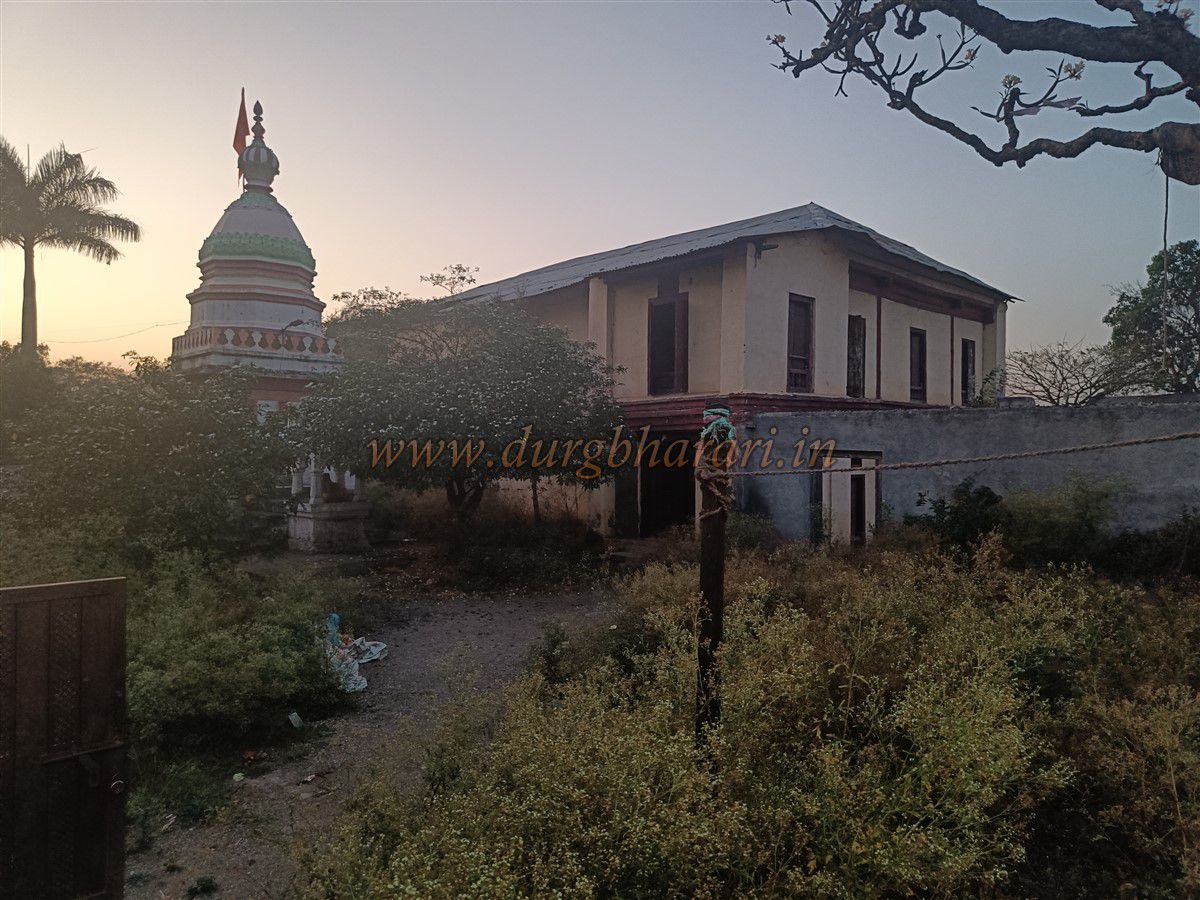
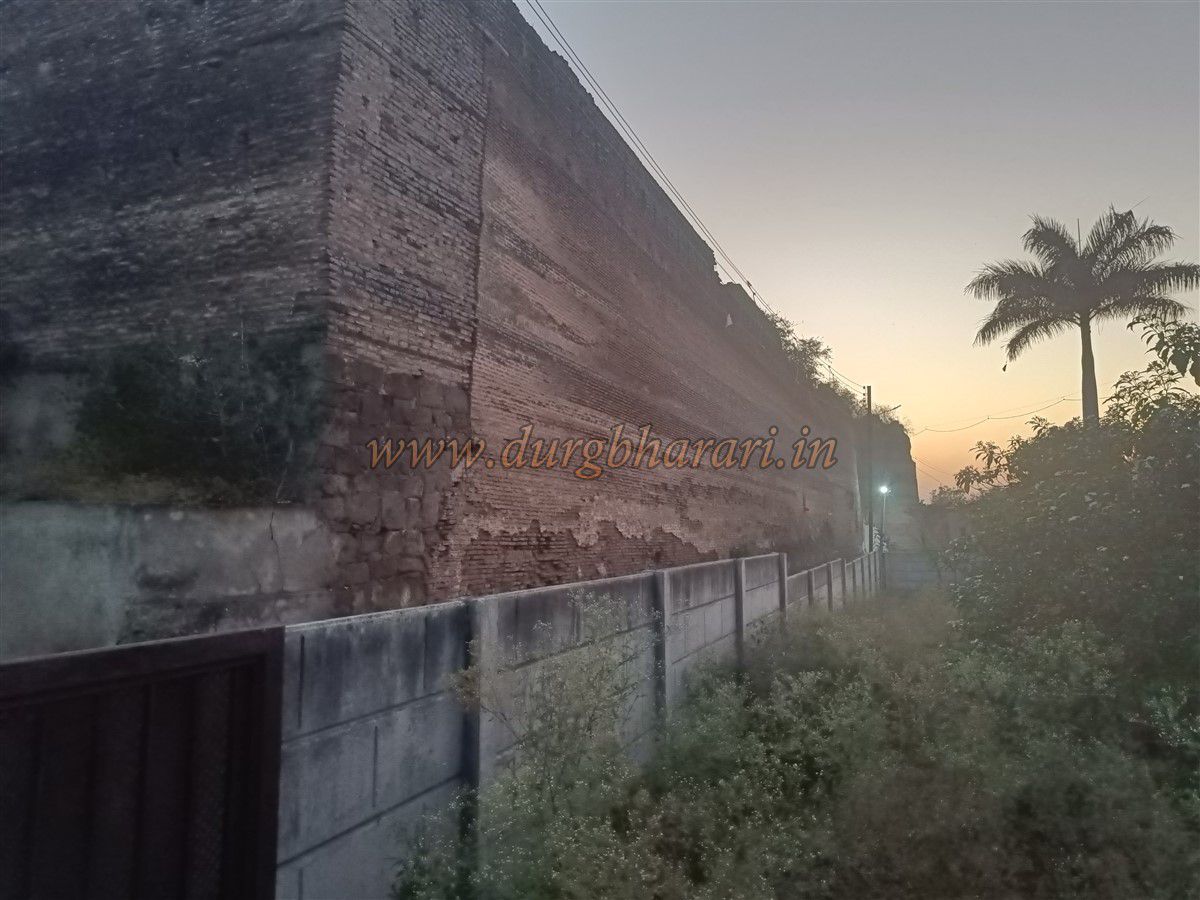
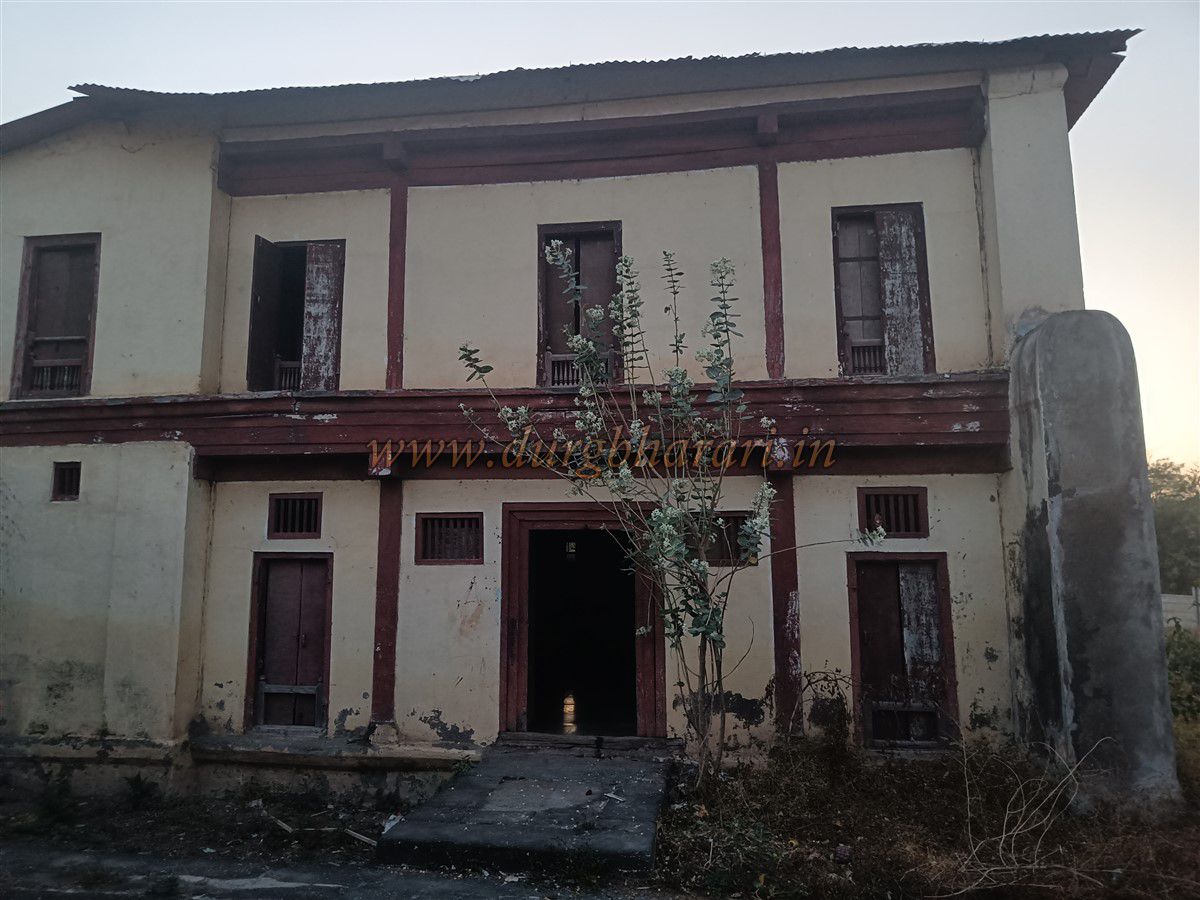
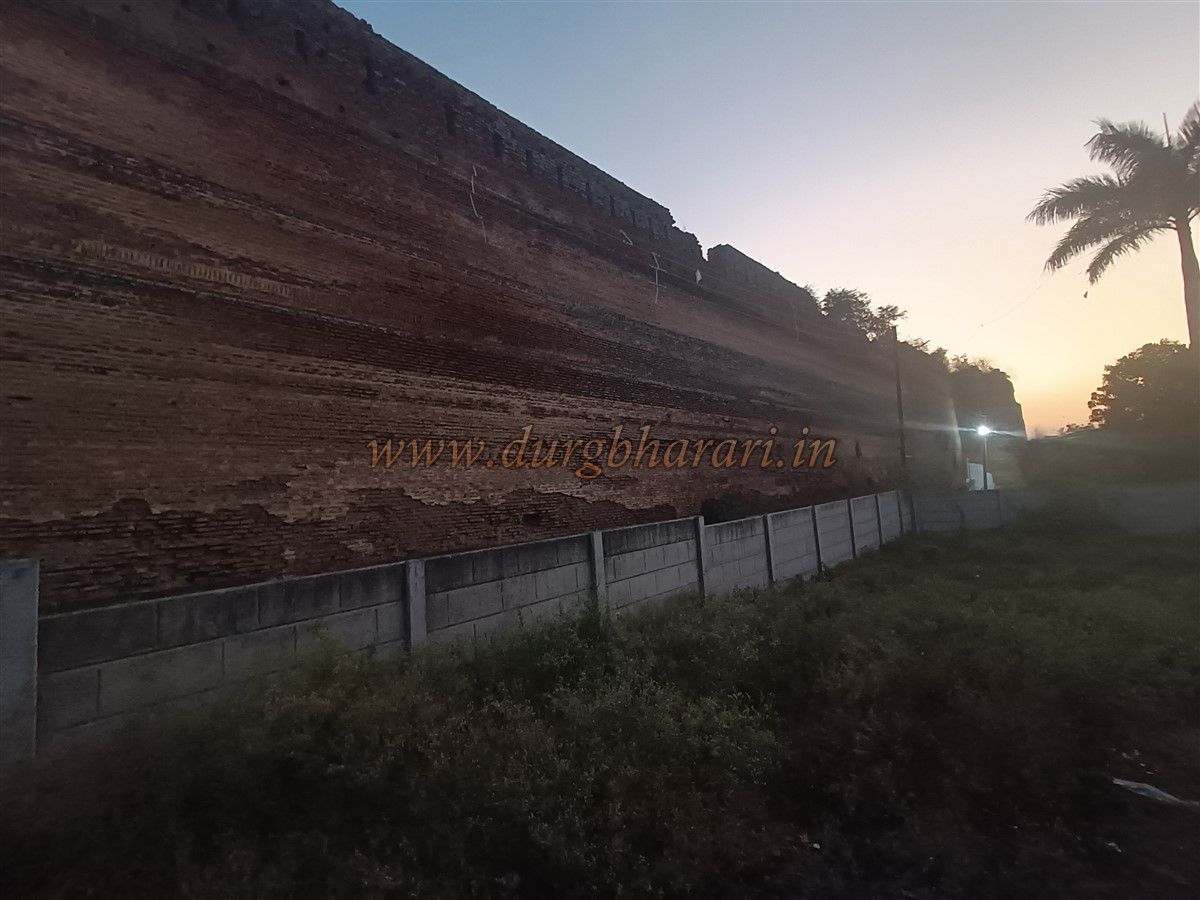
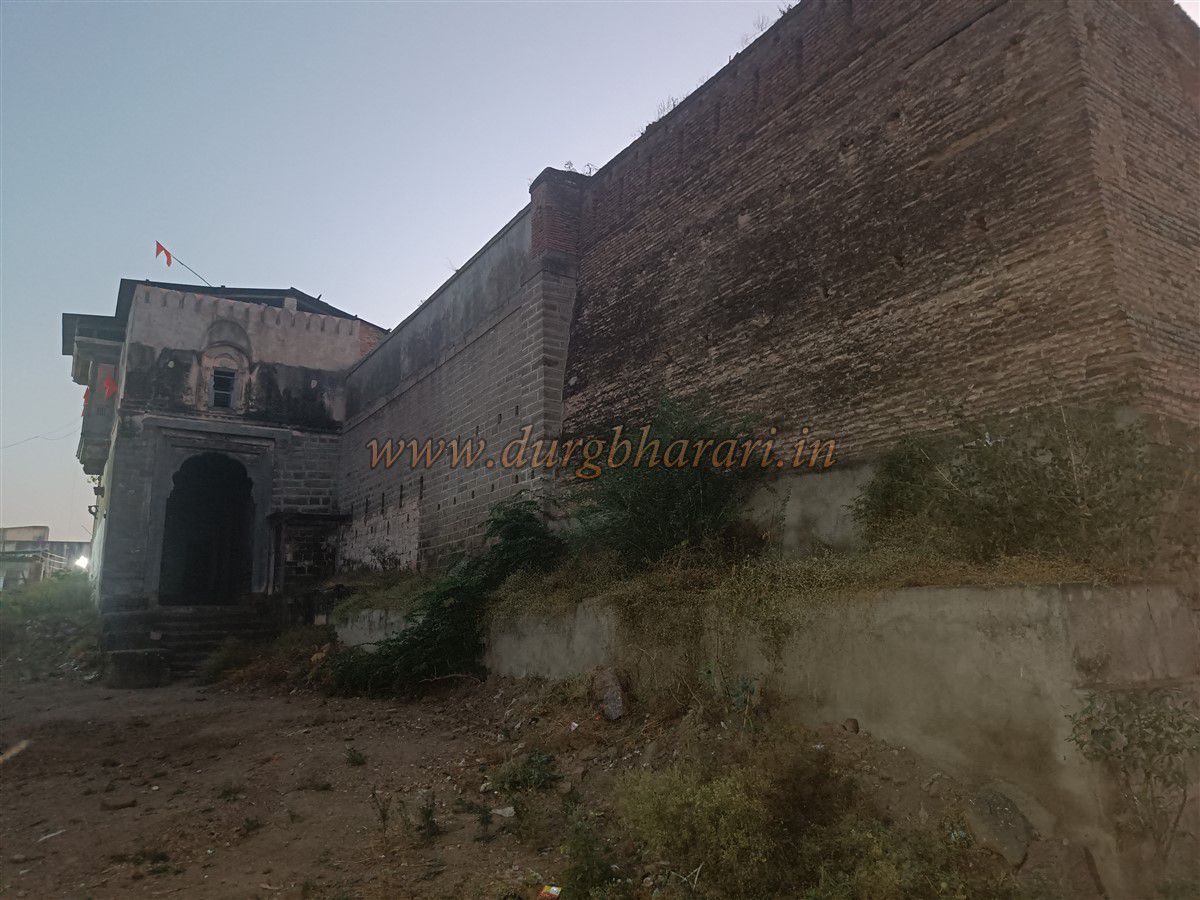
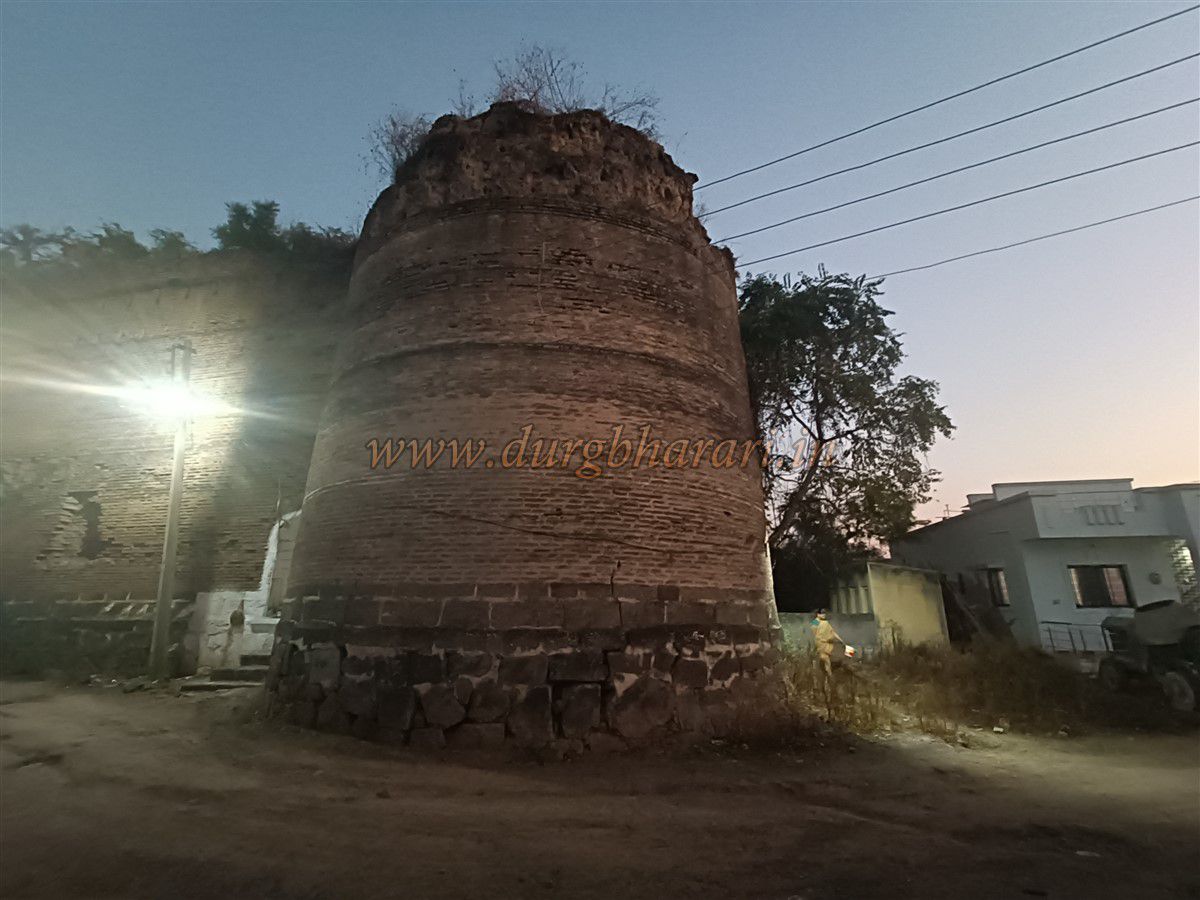
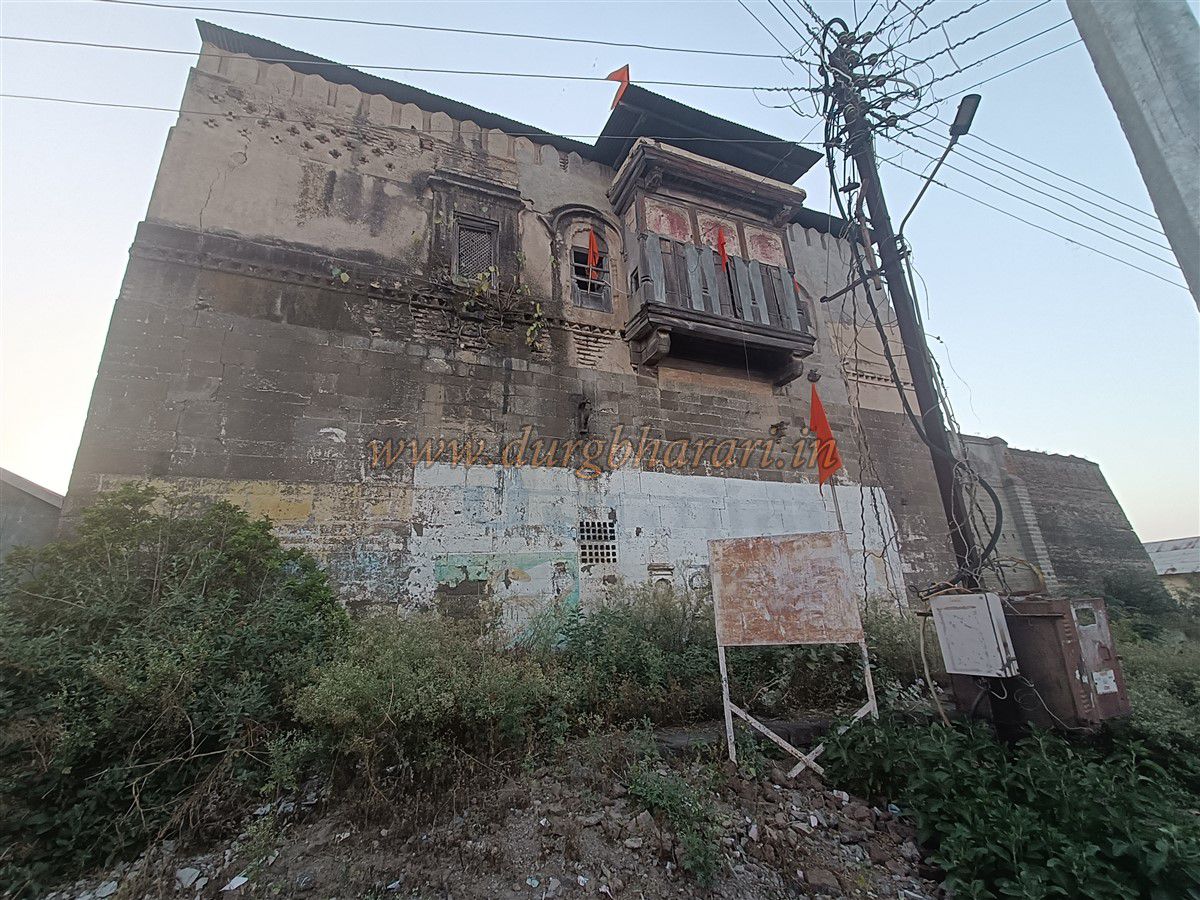
Within the village stands the famous wada of the Vinchurkar. Once well-maintained, it is now deteriorating due to neglect. Rectangular in shape, the wada covers about 1.5 acres. Modern constructions have completely destroyed its eastern fortification wall. Of the remaining walls, two bastions stand on the southern side, one of which has significantly crumbled. The outer walls of the wada are built with dressed stone at the base and bricks above. The main entrance is on the western side, and inside lies another north-facing gate. The wooden doors of the first gate are gone, though its arched wooden frame remains intact. The second gate still retains its strong wooden door with a smaller wicket door (dindi Darwaja). Guard rooms can be seen inside this gate. Above both gates are structures that once served as Nagarkhana (drum houses), and decorative work adorns the façade. Beneath this decoration lie two damaged stone sculptures.
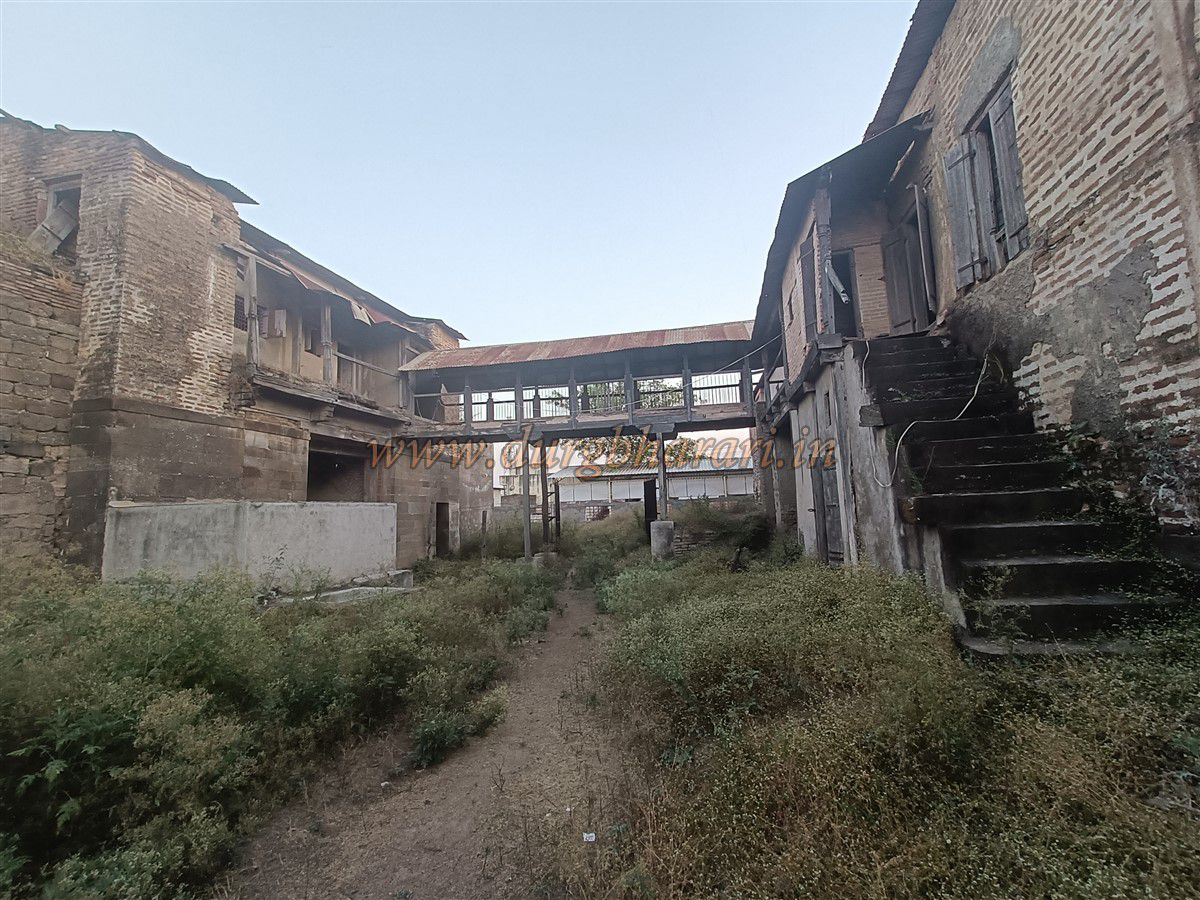
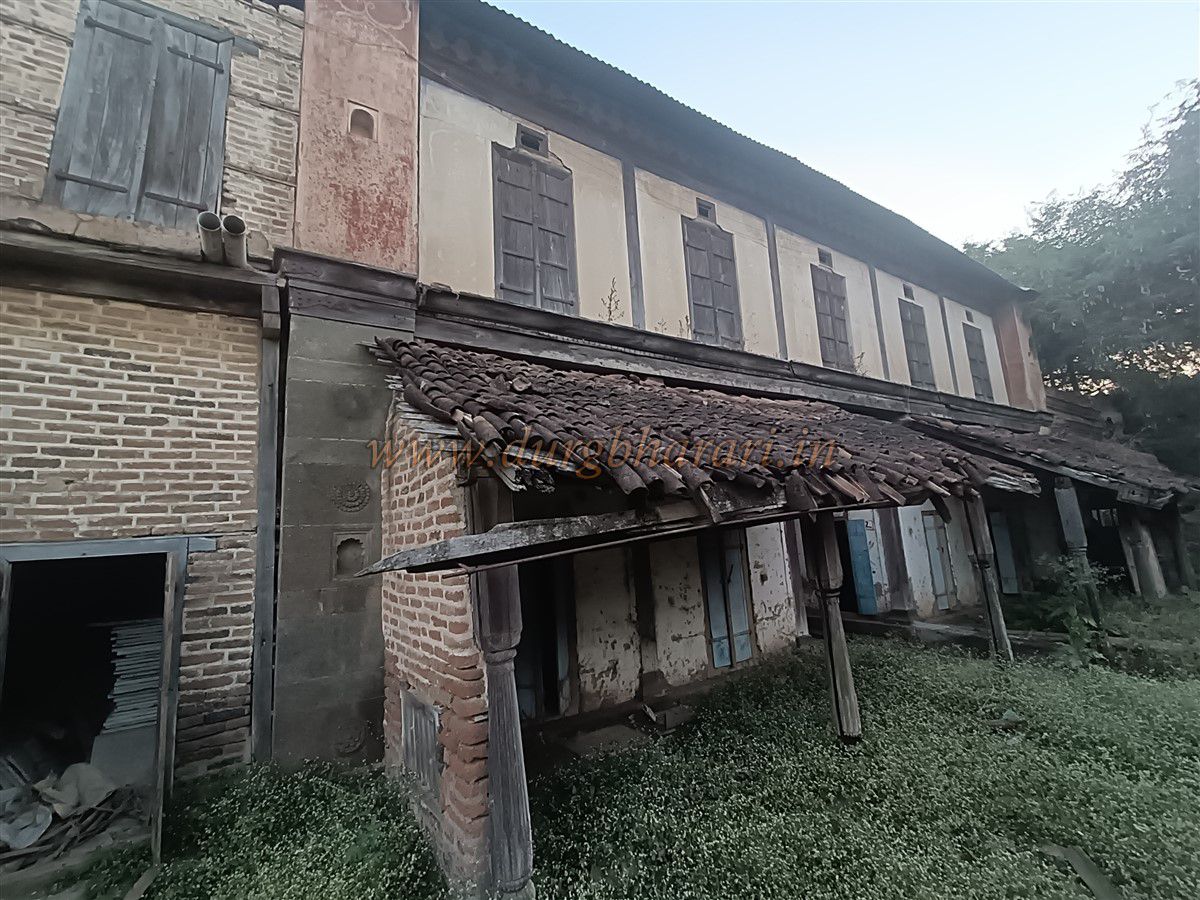
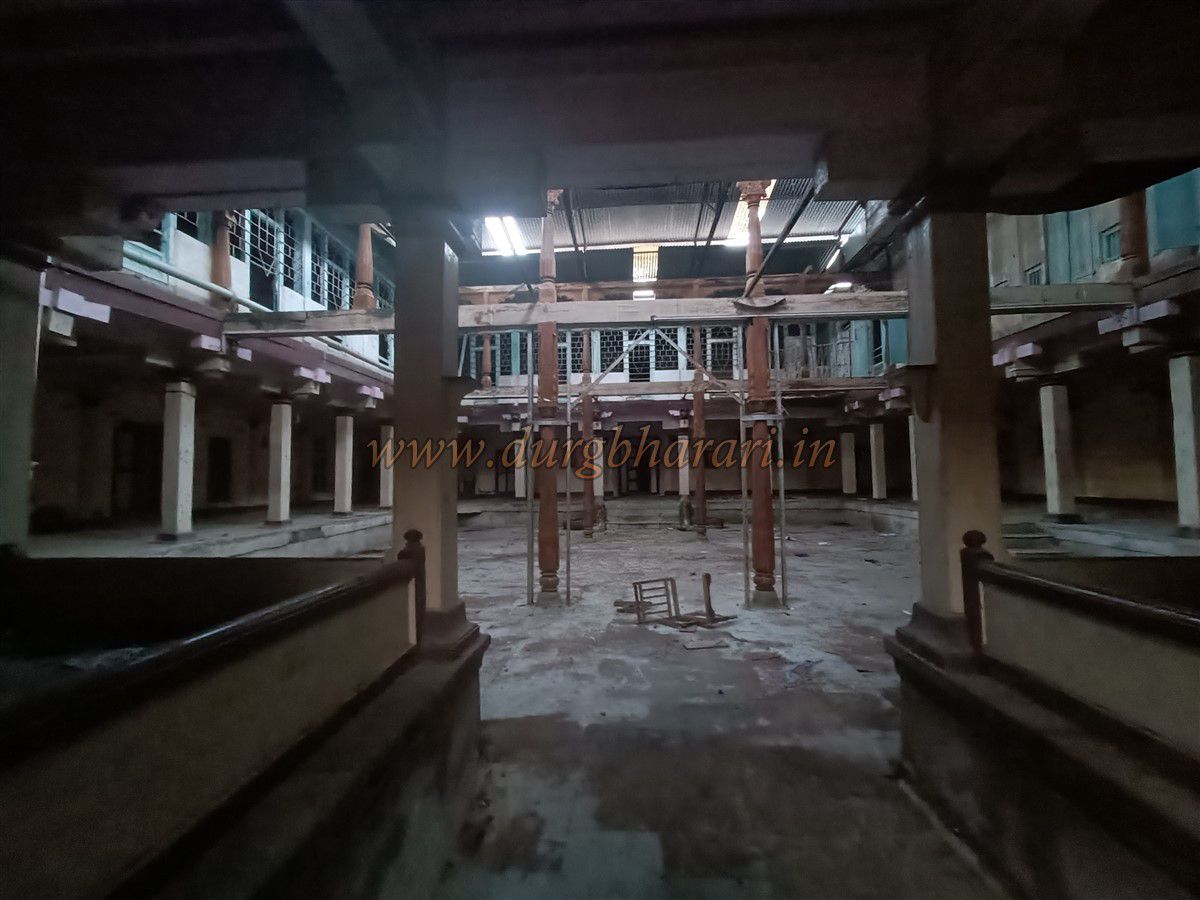
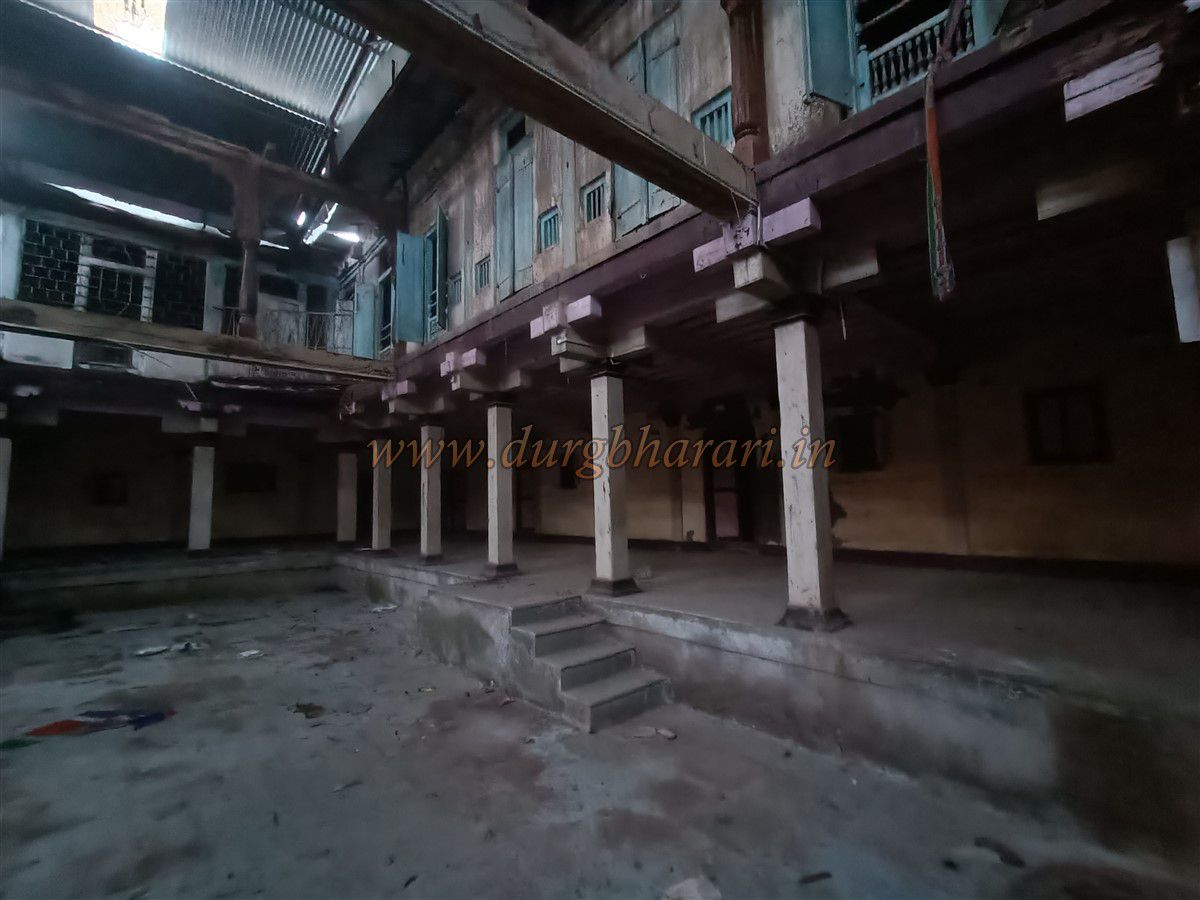
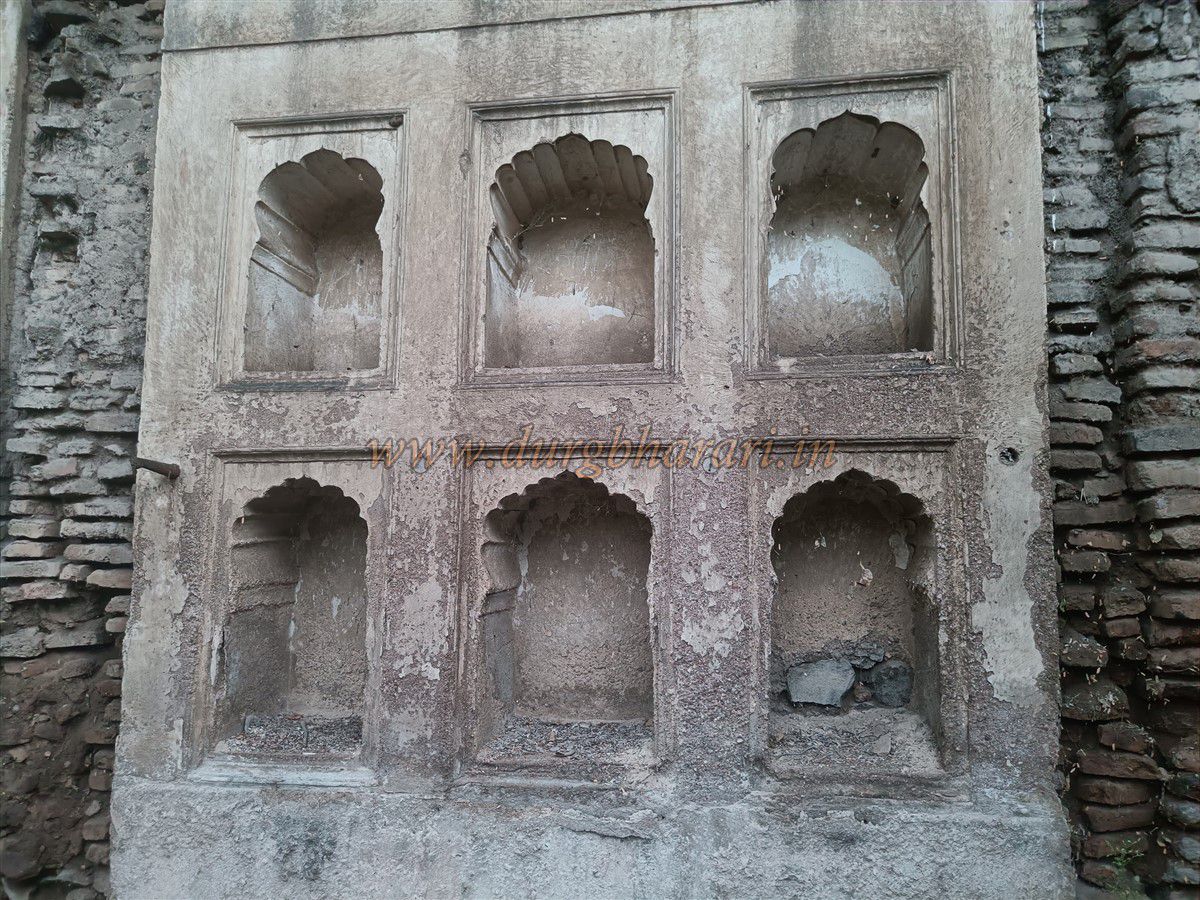
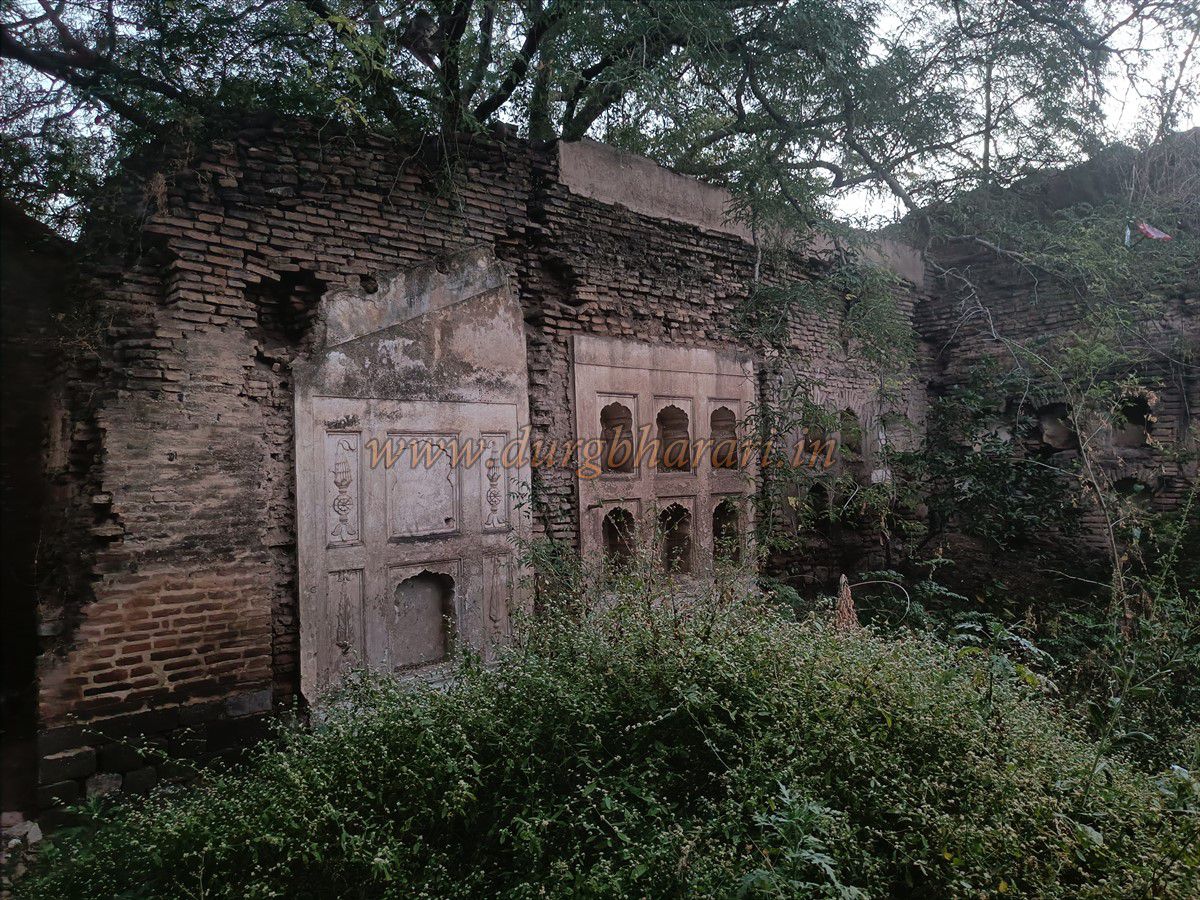
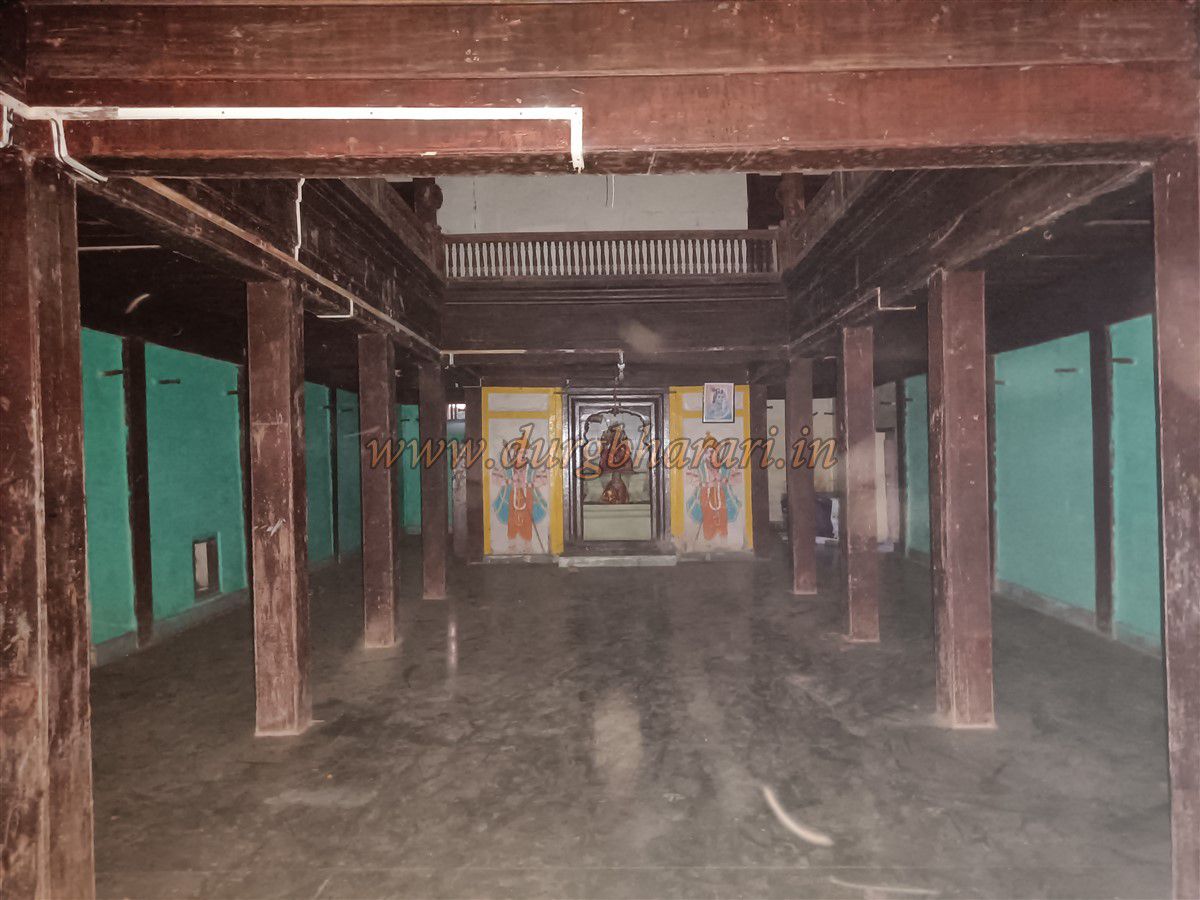
On passing through the second gate, one enters the wada’s courtyard, now overgrown with shrubs and weeds. The inner wada is two-storied, with the upper floor connected to the Nagarkhana through a gallery. Modern cement stairs have been added to access the upper level. The main entrance leads into a spacious square courtyard with platforms (jotas) on all sides and several rooms within. Two staircases provide access to the upper floor. To the south, inside the fortification, thick vegetation surrounds a closed stepwell. Nearby are the remains of a ruined structure with two standing walls containing several intricately carved niches. Corner steps lead up to the ramparts, which feature gun slits for defense. A full tour of the wada takes about an hour.
A short distance from the wada stands a privately-owned Krishna temple belonging to the Vinchurkar family. Another notable feature is the water supply system established by the Vinchurkar about 200 years ago. Water was drawn from a well in Jeughale, a hamlet about 3 km from Vinchur, and brought underground to the village through a tunnel. This water supplied two fountains and seven tanks (haud). Two of these tanks are located behind the Balaji temple, just 20 feet apart, with one bearing the inscription Shaka 1803 (1881 CE). Another tank lies in Shani Chowk, while a fourth has been filled in. A fifth tank in front of the wada likely supplied water to the household. The sixth and seventh tanks, located in the adjacent Krishna temple, include the largest of all. Until a few years ago, it was believed that this water came from a reservoir at the base of Lonzai Devi hill. However, local youths discovered that it originated from the well at Jeughale. An inscription on the tunnel’s air shaft records its construction in Shaka 1803 (1881 CE). The tunnel, measuring 10 feet high and 4 feet wide, is entirely built of dressed stone. Seven ventilation shafts were built at intervals of about 100 feet, though only two remain open today. Beyond this, clay pipes carried the water onward. The well eventually dried up due to a falling water table, rendering this water system defunct about 20–22 years ago.
Vitthal Shivdev Vinchurkar gained fame in the Vasai campaign and played a significant role in the Battle of Panipat. He was born in 1695 in the Dani family of Saswad. Later, he received the jagir of Vinchur, earning him the surname Vinchurkar. He was deeply interested in martial training and horse riding, which gave him a strong physique. In 1715, he left Saswad for Mardhe near Satara, where he met an official in the service of Chhatrapati Shahu Maharaj. This acquaintance introduced him to the royal court, where he was employed to care for the horses.
One day, while accompanying Shahu Maharaj on a hunting expedition, his strength and bravery impressed the king, who granted him a horse from the royal stables and took him into his service. This marked Vitthalrao first royal appointment. His continued courage and capability earned him command of a troop of ten horsemen. Around this time, he married Rakhamabai, the daughter of a Kulkarni from Kenjal village near Wai.
In 1744, when Nadaji Darekar created disturbances in Vinchur, the Peshwa dispatched Vitthal Shivdev to quell the rebellion. He attacked Vinchur, killed Darekar, and established control. For this service, the Peshwa rewarded him with land grants, including Vinchur village. Around this time, he built the wada at Vinchur, making it his base, and thereafter became popularly known as Vinchurkar.
Vitthal Shivdev was one of the prominent nobles who fought alongside Sadashivrao Bhau in the Battle of Panipat. His Samadhi (memorial) lies outside the village. Vinchurkar fought alongside Peshwa Bajirao I in many victorious campaigns.
This brave Sardar, who brought fame to Vinchur through his valour at Panipat, left behind an important historical legacy. It is essential to preserve his wada and, with it, the cultural heritage of Vinchur.
© Suresh Nimbalkar
GALLERY