VIJAYDURG
TYPE : SEA FORT
DISTRICT : SINDHUDURG
HEIGHT : 0
GRADE : EASY
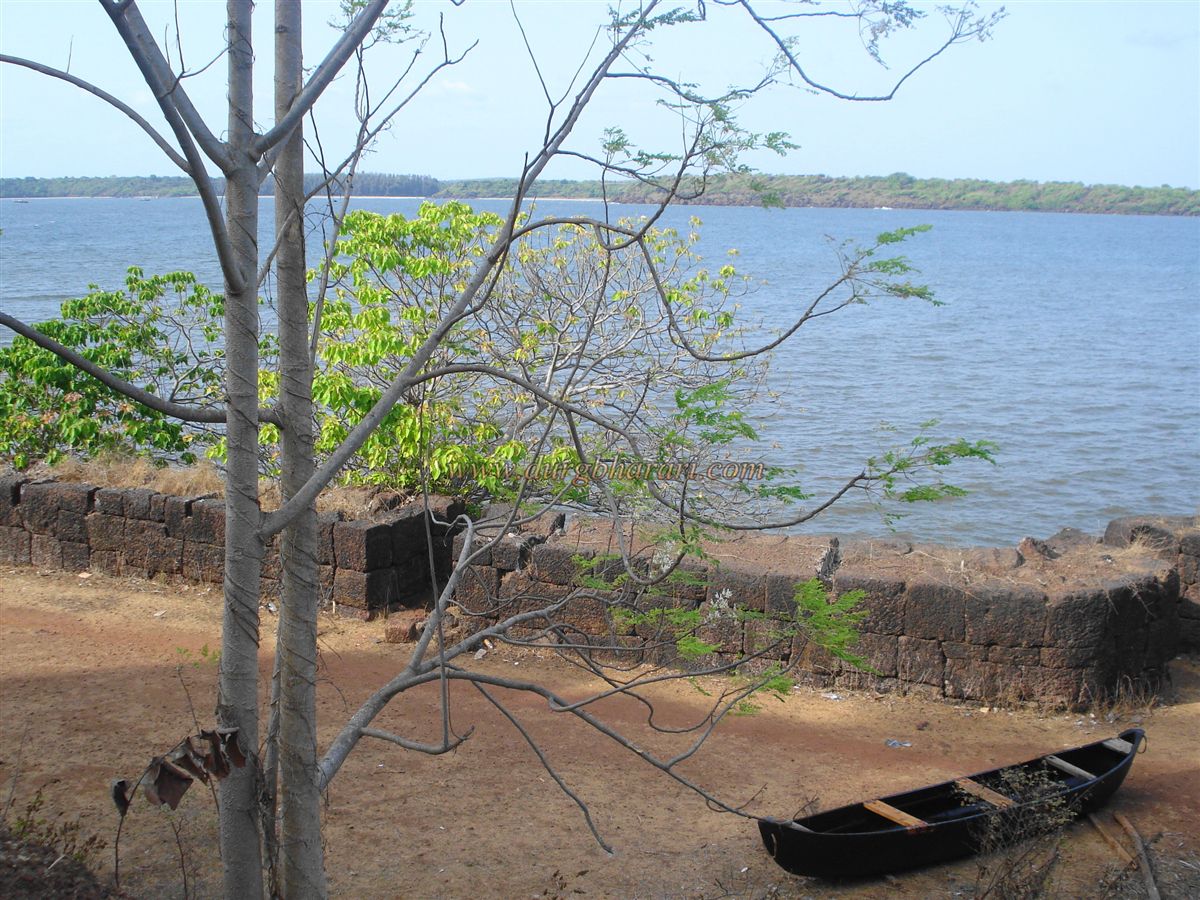
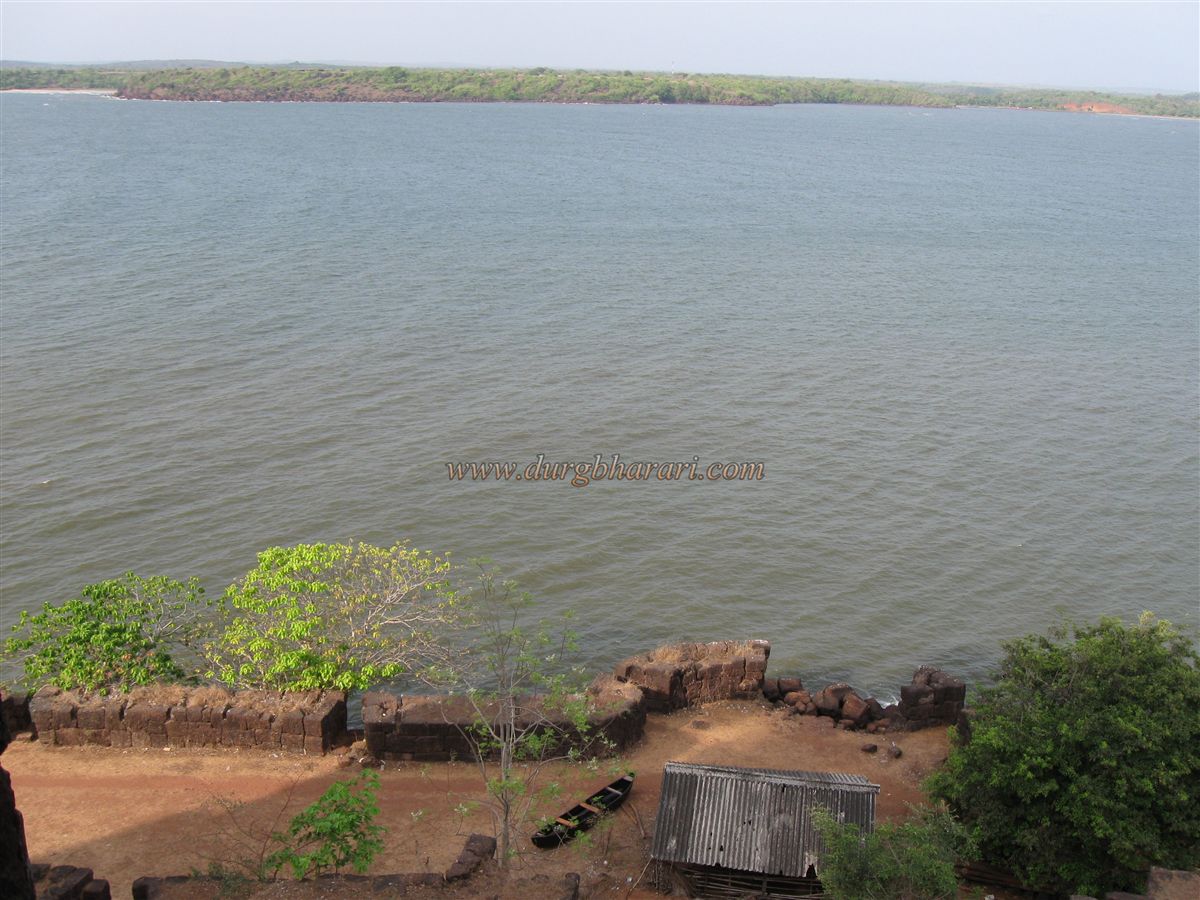
Vijaydurg, which remained under uninterrupted Maratha rule for more than 100 years, was the stronghold of the Maratha navy. From 1653 to 1756, this fort was the crown jewel of the Maratha Empire. Bearing the legacy of Chhatrapati Shivaji Maharaj’s valor, this fort witnessed the heroic exploits of naval commanders like Kanhoji Angre and Tulaji Angre, who relentlessly defended Maratha sovereignty along the western coast from Suvarnadurg to Redi. Even today, the fort stands proudly, a testament to its glorious past. Surrounded by water on all four sides during its prime, Vijaydurg’s history is as thrilling as its architecture. This impregnable sea fort stands on a massive rock on the southern side of the Vaghotan Creek. It was built by the Shilahara King Bhoj between 1195 and 1205 under the supervision of Mirza Walibeg, then the governor of the Konkan province.
...
At that time, the fort was known as Gheria, named after the nearby village of Girye. In 1218, the Yadavas of Devagiri defeated the Shilaharas, and in 1354, the rulers of Vijayanagar seized control of the Konkan region after defeating the Yadavas. Later, in 1431, Bahmani Sultan Alauddin Ahmed Shah defeated Vijayanagar and captured the region. Between 1490 and 1526, the Bahmani kingdom fragmented into five states, and the Konkan came under the control of the Adilshahis of Bijapur. Vijaydurg remained under Adilshahi rule for nearly 129 years until 1653.After consolidating his power in the Deccan, Chhatrapati Shivaji Maharaj turned his attention to the western coastline. Believing that “he who controls the forts controls the region,” he knew that capturing sea forts was vital for dominance over the Konkan. The Maratha people were facing relentless oppression at the hands of the British, Dutch, and Portuguese, and Shivaji realized that only a powerful navy could drive them out. With this vision, Shivaji established his navy. Under the leadership of Daulat Khan (Daryasarang) and Mainak Bhandari, the Marathas wrested control of this fort from the Adilshahis, establishing a strategic naval base. In 1653, Shivaji captured the fort, renamed it Vijaydurg, and fortified it with triple-layered walls and a Gomukhi-style main gate. He chose this fort as a naval base to counter the Siddis, Portuguese, and British. Before the construction of Sindhudurg, the Maratha navy operated mainly from Vijaydurg.
After Shivaji’s death and the turbulent reign of Chhatrapati Sambhaji, Kanhoji Angre rose to prominence in the Konkan. During Chhatrapati Rajaram’s rule, Kanhoji established Vijaydurg as his principal base, earning the title of Sarkhel (admiral). From 1698 to 1729, he maintained Maratha dominance over the western seas. Relations between the Angres and the British or Portuguese were always hostile. In 1717, the Marathas captured the British ship Sussex and kept it at Vijaydurg. In retaliation, in 1718, the British launched a massive naval attack on the fort, but Maratha commander Rudraji Dhulap repelled the assault, causing heavy British losses, including 200 men and vast ammunition, forcing them to retreat to Bombay. In 1720, Captain Boone, the British Governor of Bombay, with Portuguese assistance, again attacked Vijaydurg with a formidable fleet, including the massive warship Fame. Yet, the British suffered defeat, and to prevent the Marathas from capturing Fame, they burned and sank it. Four years later, the Dutch attempted a similar attack but were also repelled.
Kanhoji established a shipyard at Girye for shipbuilding and repair. After his death, disputes arose among his heirs, straining relations with the Peshwas. Tulaji Angre succeeded Kanhoji as admiral but defied Peshwa Balaji Baji Rao. In 1754, Tulaji captured several Peshwa ships and burned some of them. He also built new ships, hiring European mercenaries for his fleet. This led to a joint offensive against him by the Peshwas and the British in 1756. Despite Tulaji’s efforts to maintain ties with Peshwa Nanasaheb, the Peshwas launched a combined land-sea attack with the British. On February 13, 1756, Tulaji was defeated, Vijaydurg fell to the British, and the Maratha fleet was completely destroyed. The British looted immense wealth from the fort, estimated at 10–12 lakh rupees. However, as part of a treaty, the British later returned Vijaydurg to the Peshwas in exchange for the Bankot fort. Anandrao Dhulap was appointed as the fort’s administrator, while Tulaji died in Peshwa captivity in 1786.
This marked the beginning of the Maratha navy’s decline. After Madhavrao Peshwa’s death, the Portuguese attempted to seize Vijaydurg, Ratnagiri, and other Konkan territories, but in January 1773, Tryambak Vinayak and Krishnaji Dhulap successfully drove them out. In 1783, Anandrao Dhulap thwarted another British attempt to capture the fort. However, during the Third Anglo-Maratha War in 1818, Colonel Imlack captured Vijaydurg for the British. In 1878, during a total solar eclipse, scientist Lockyer set up a special observation platform on the fort and discovered the element helium.
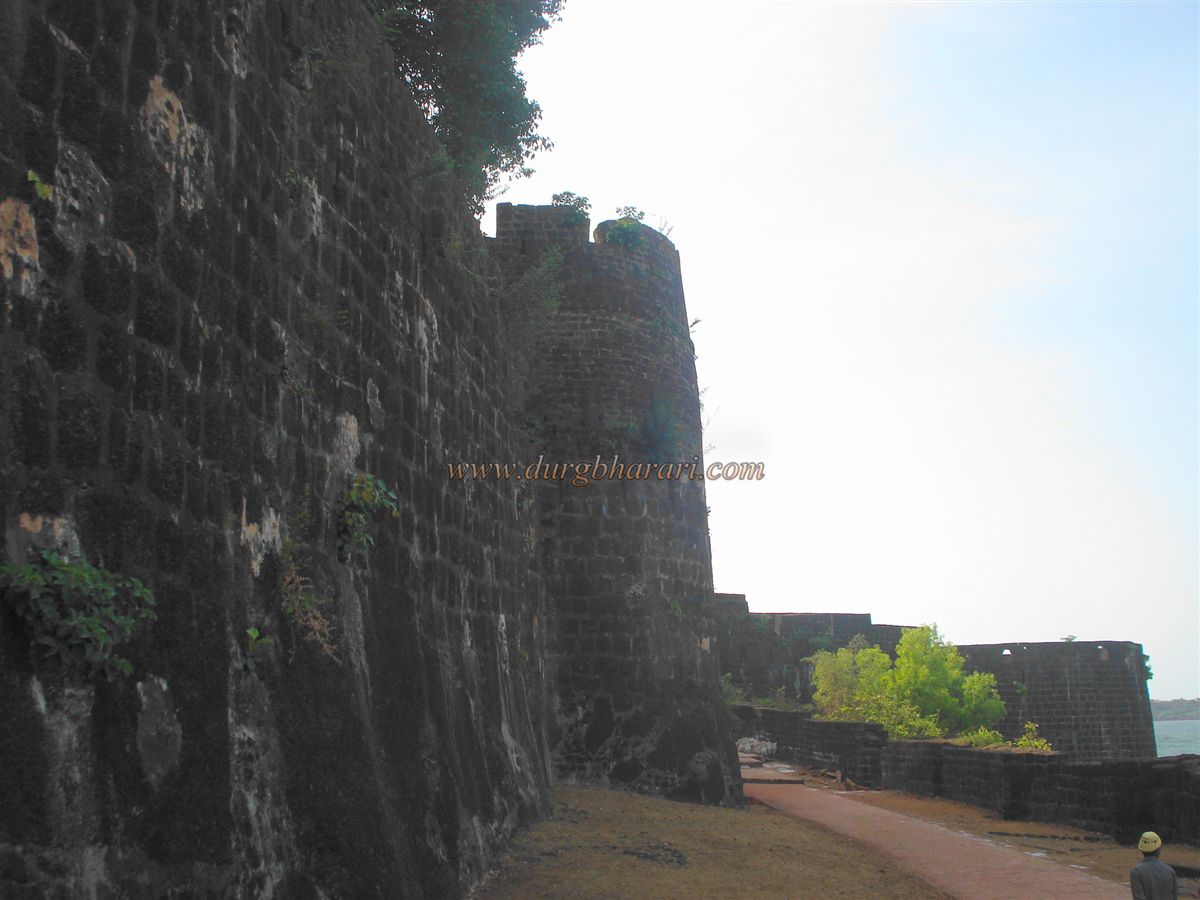
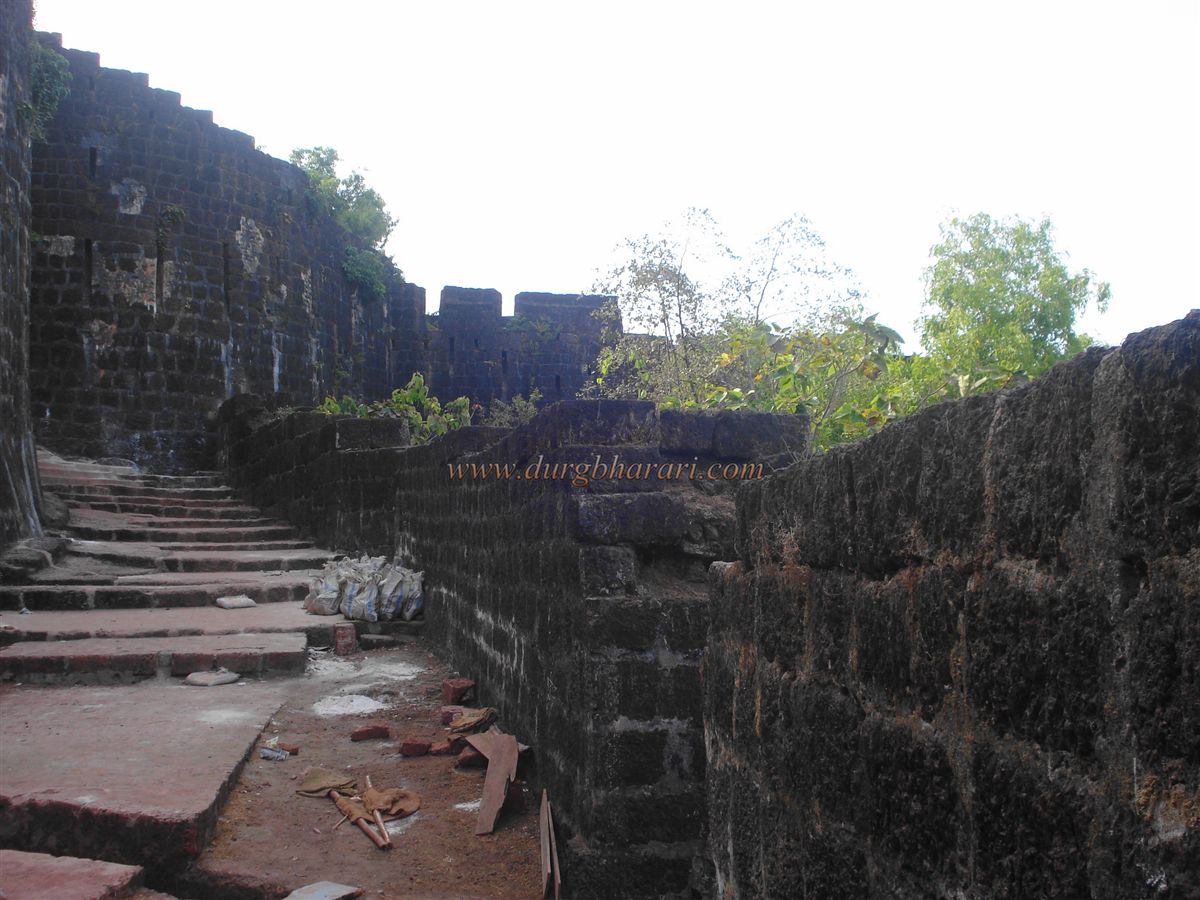
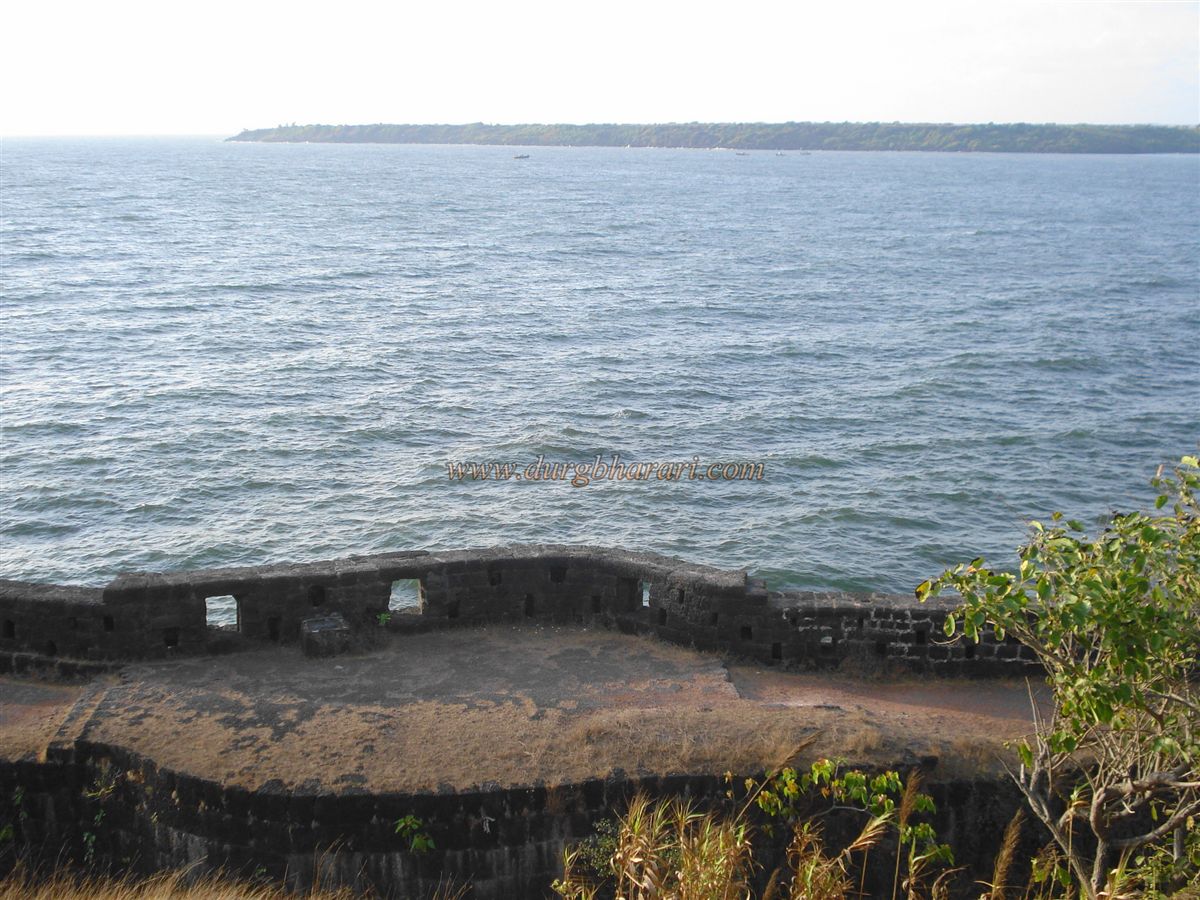
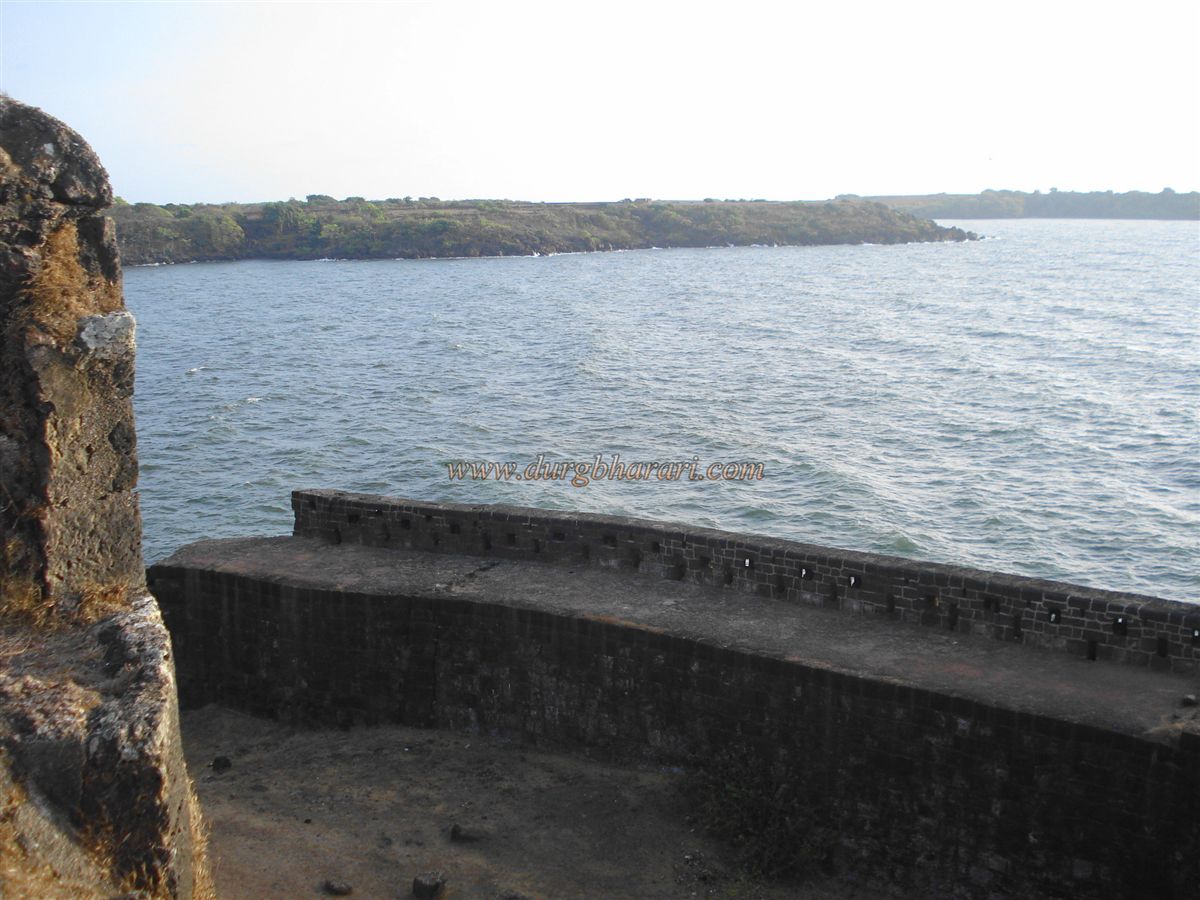
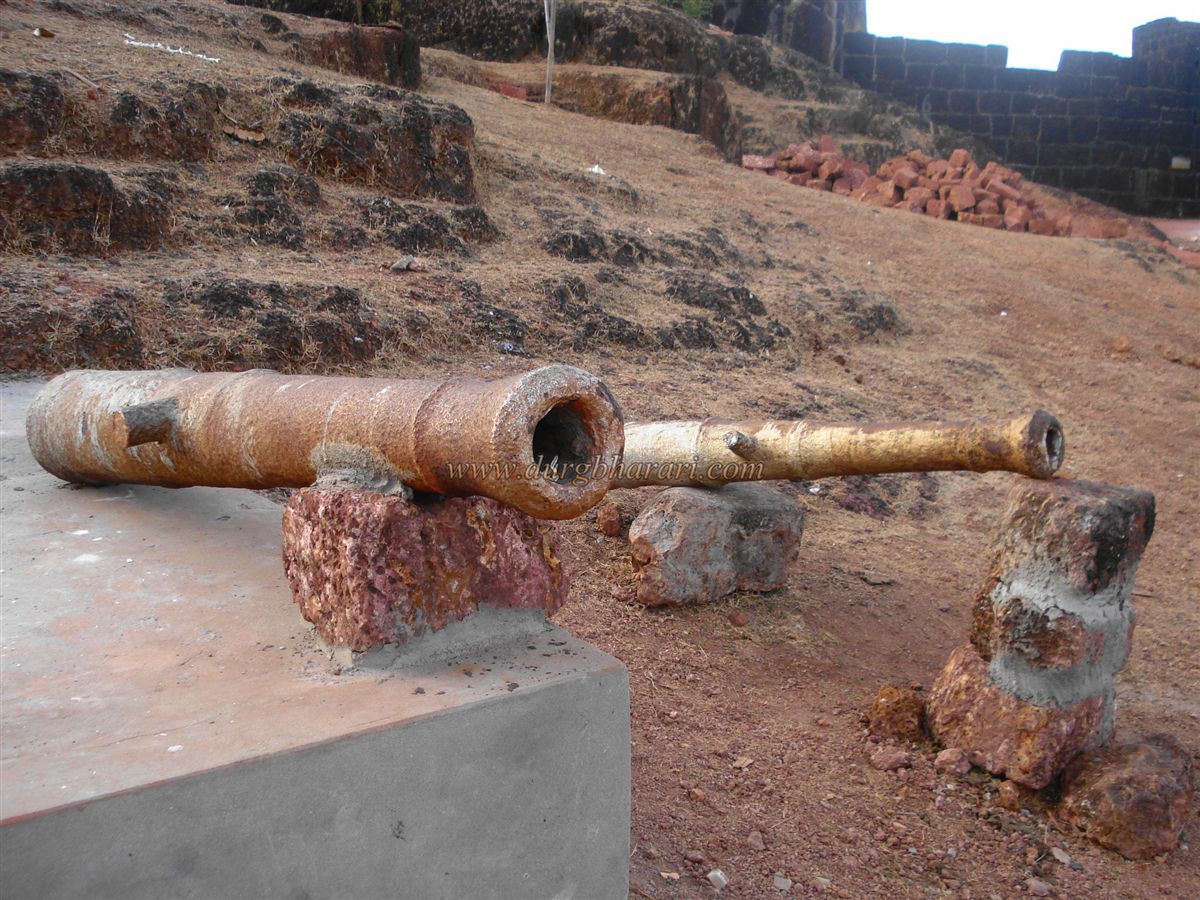
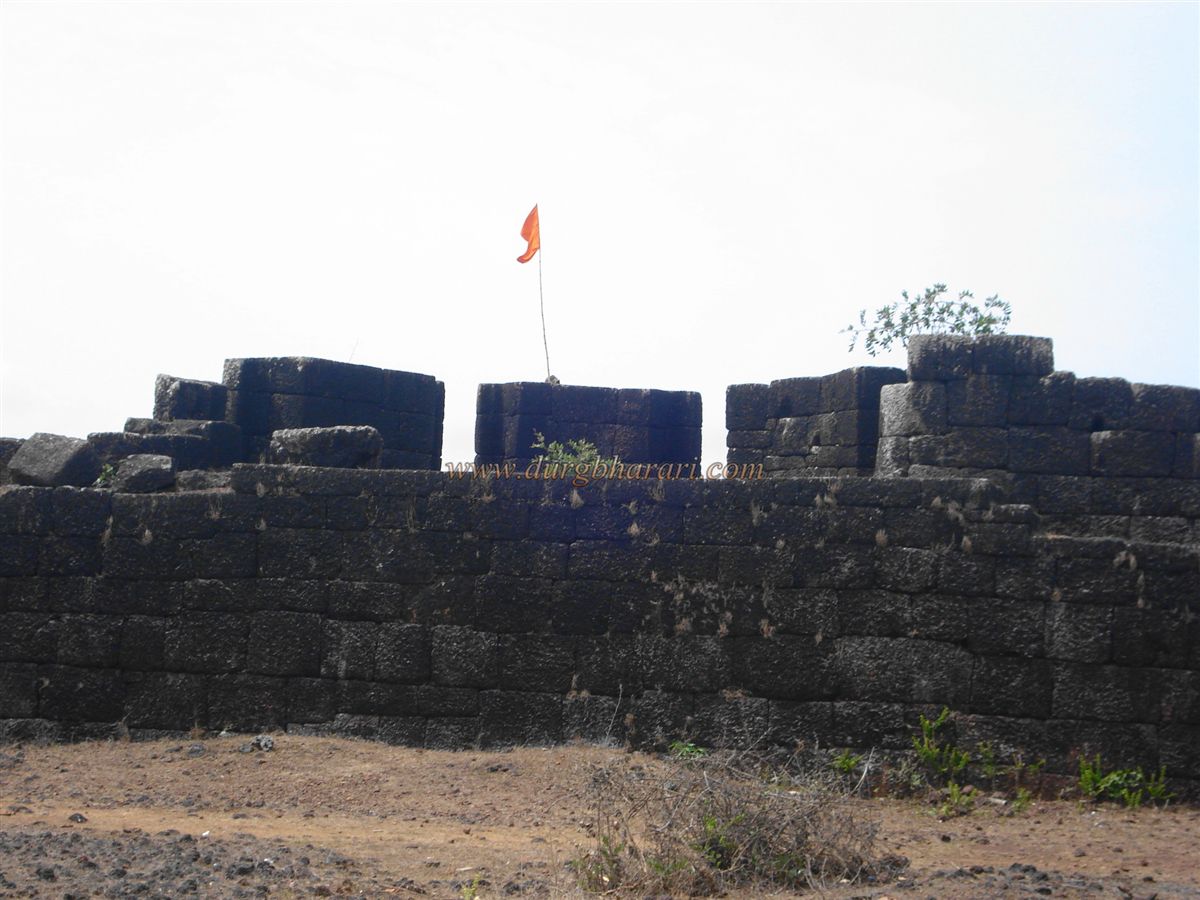
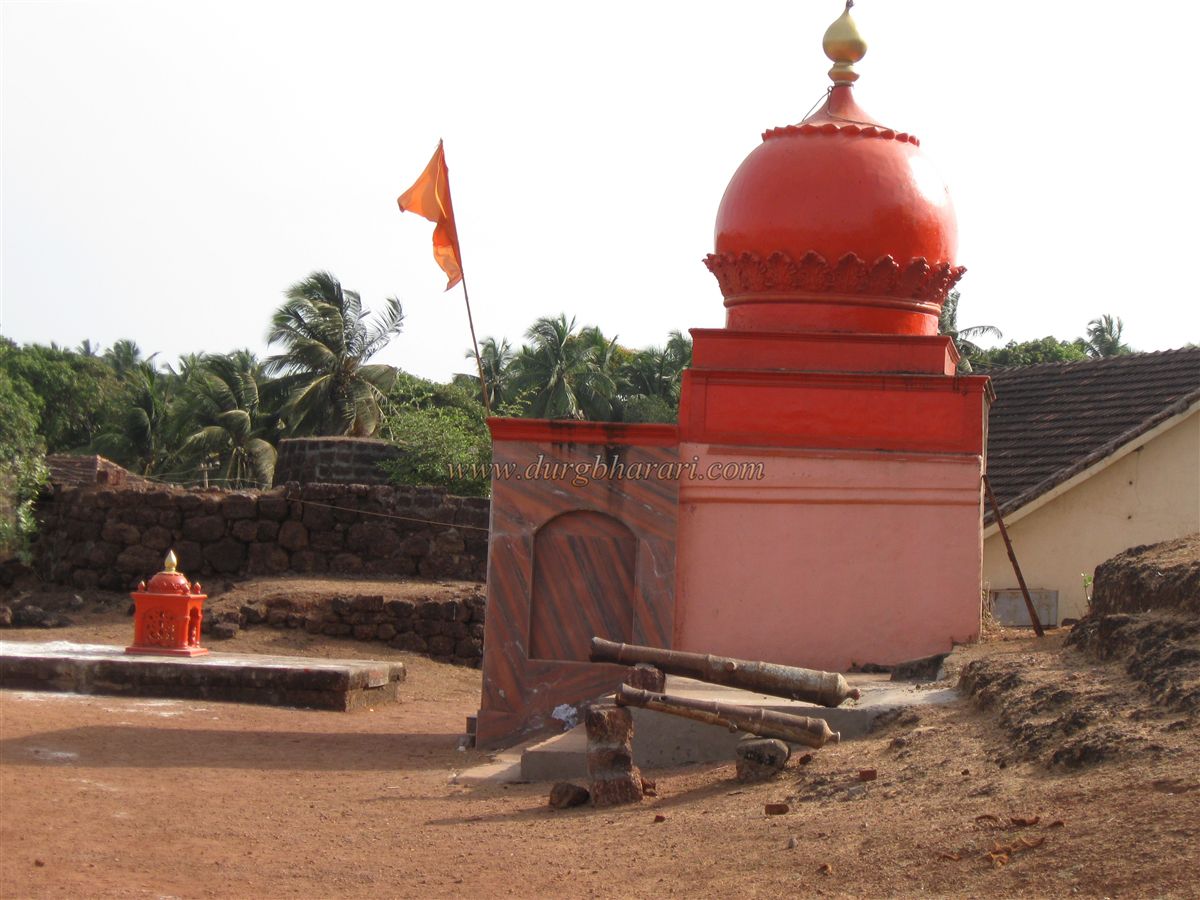
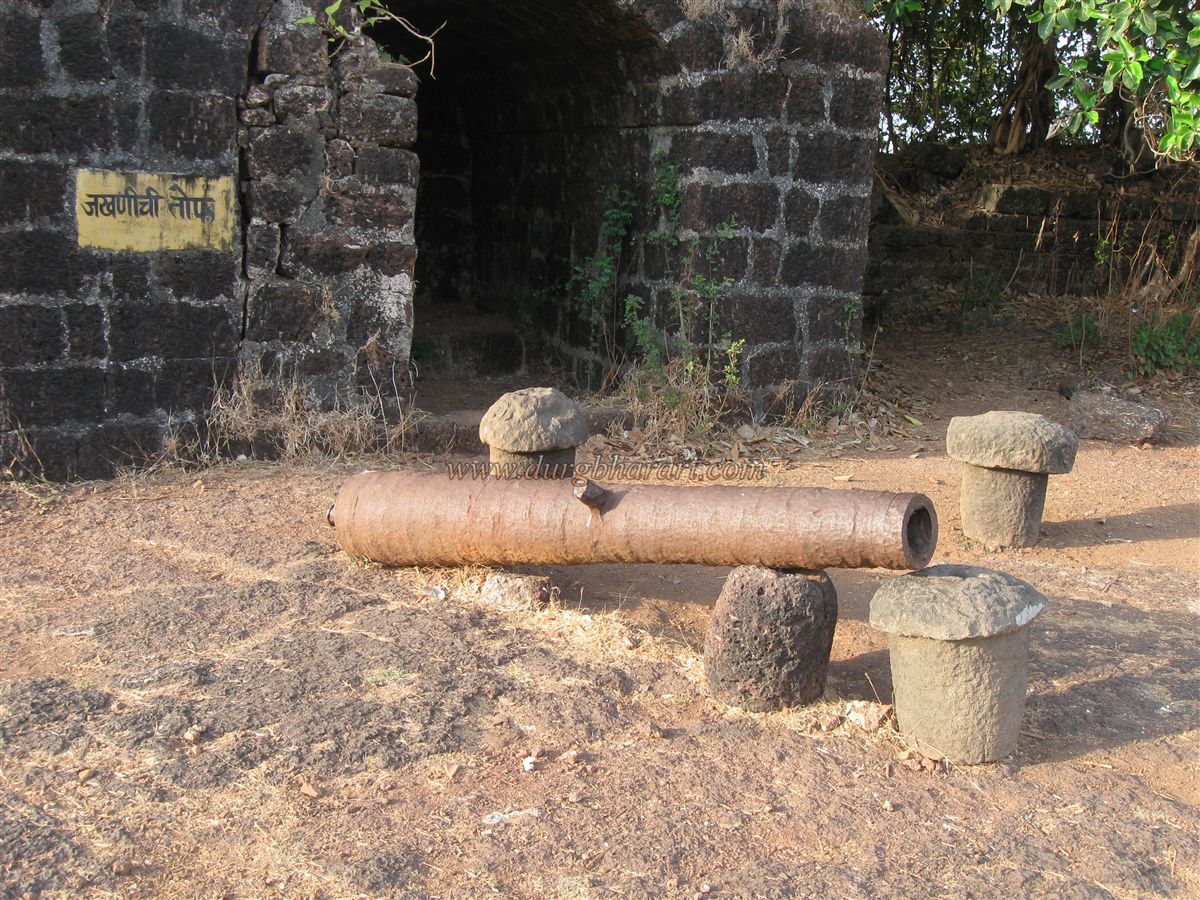
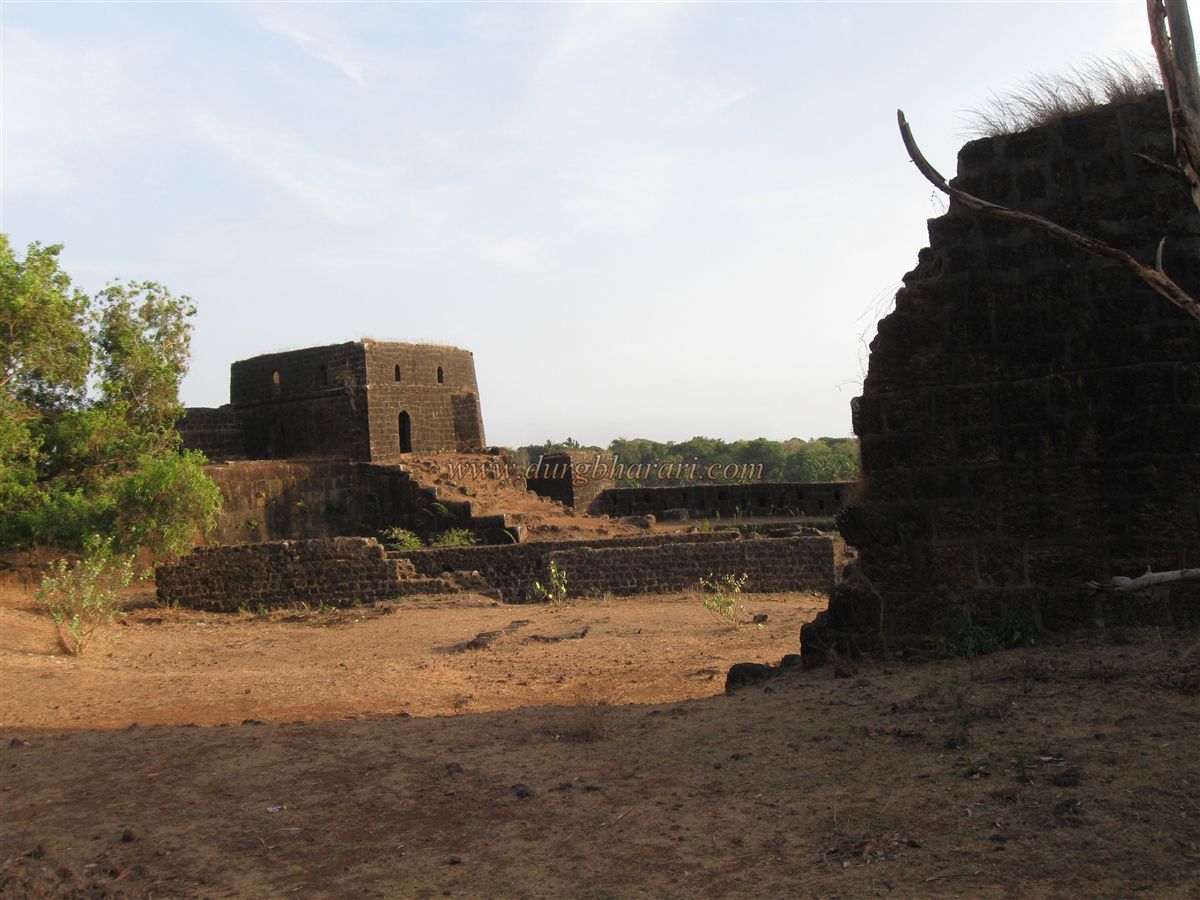
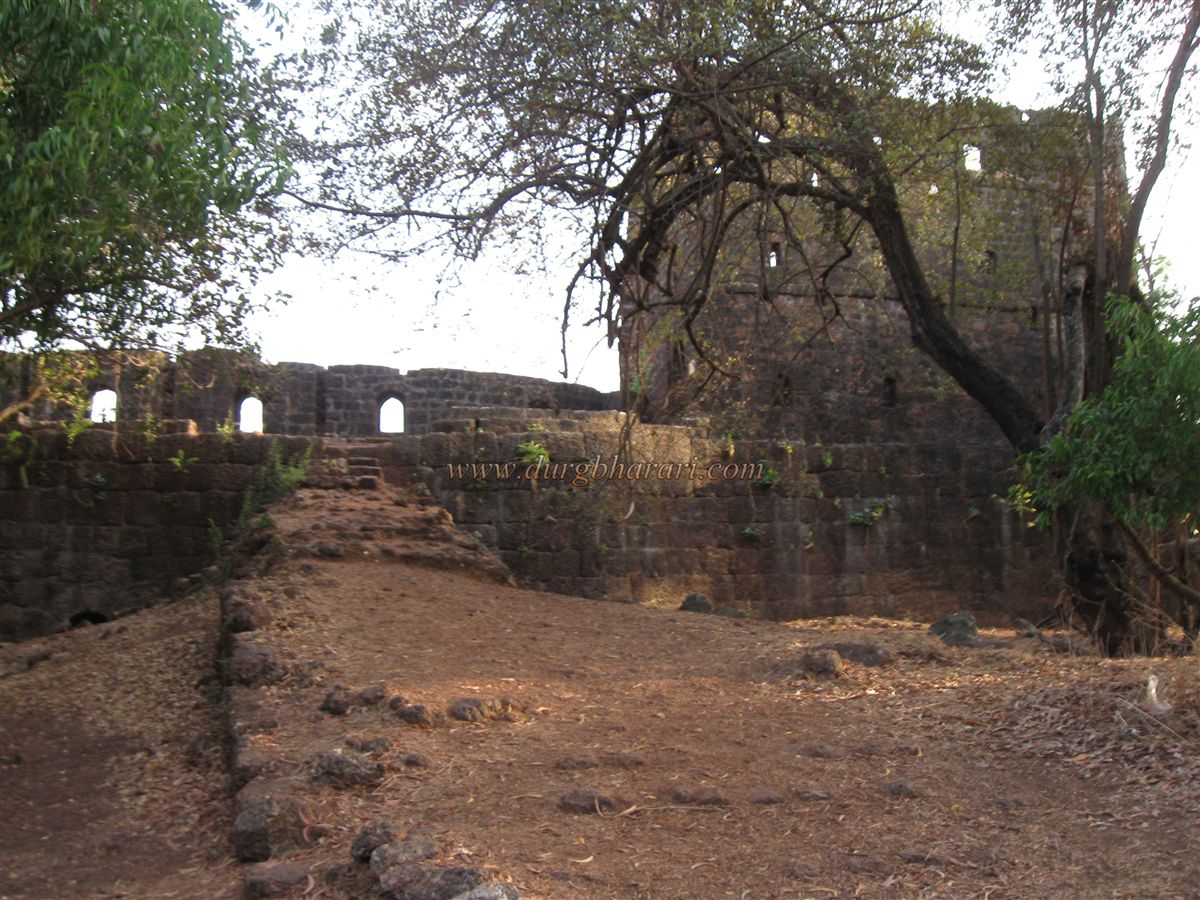
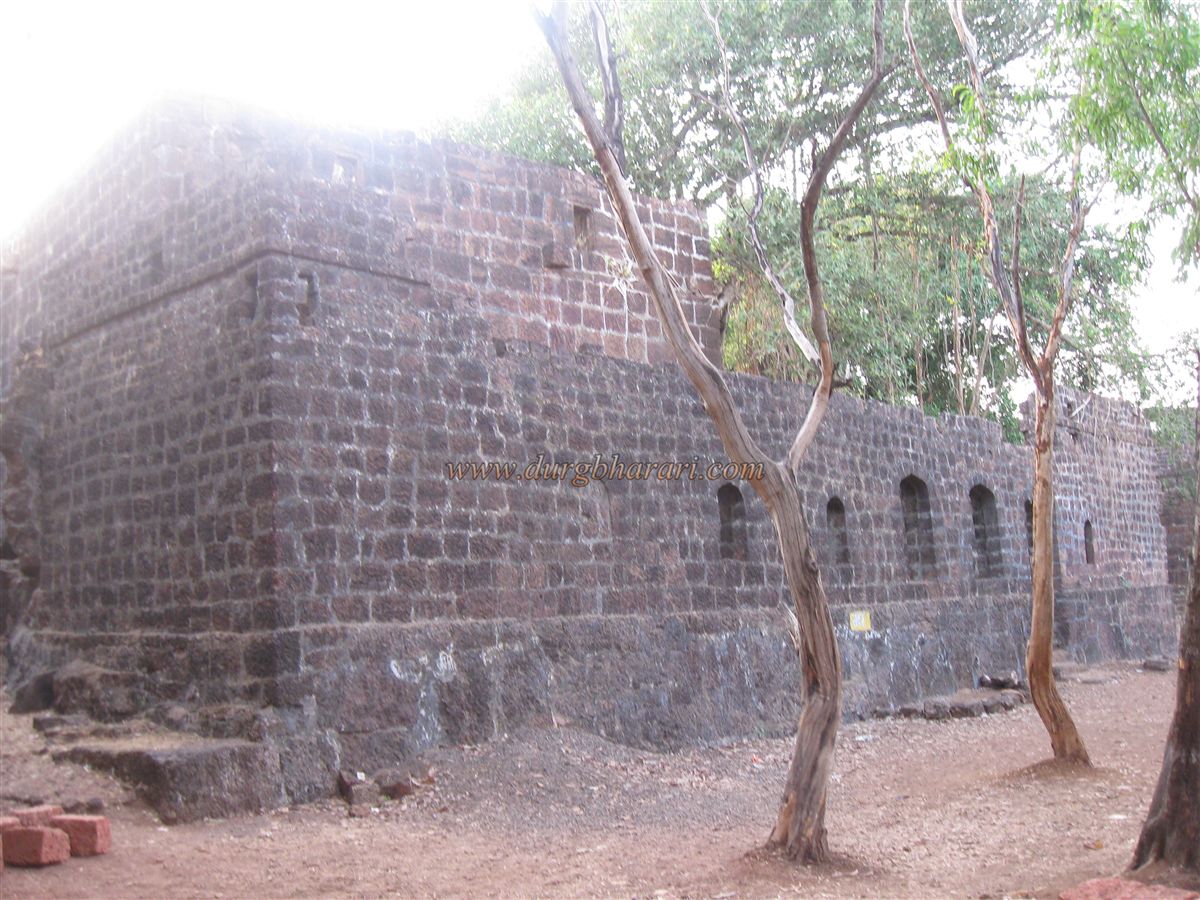
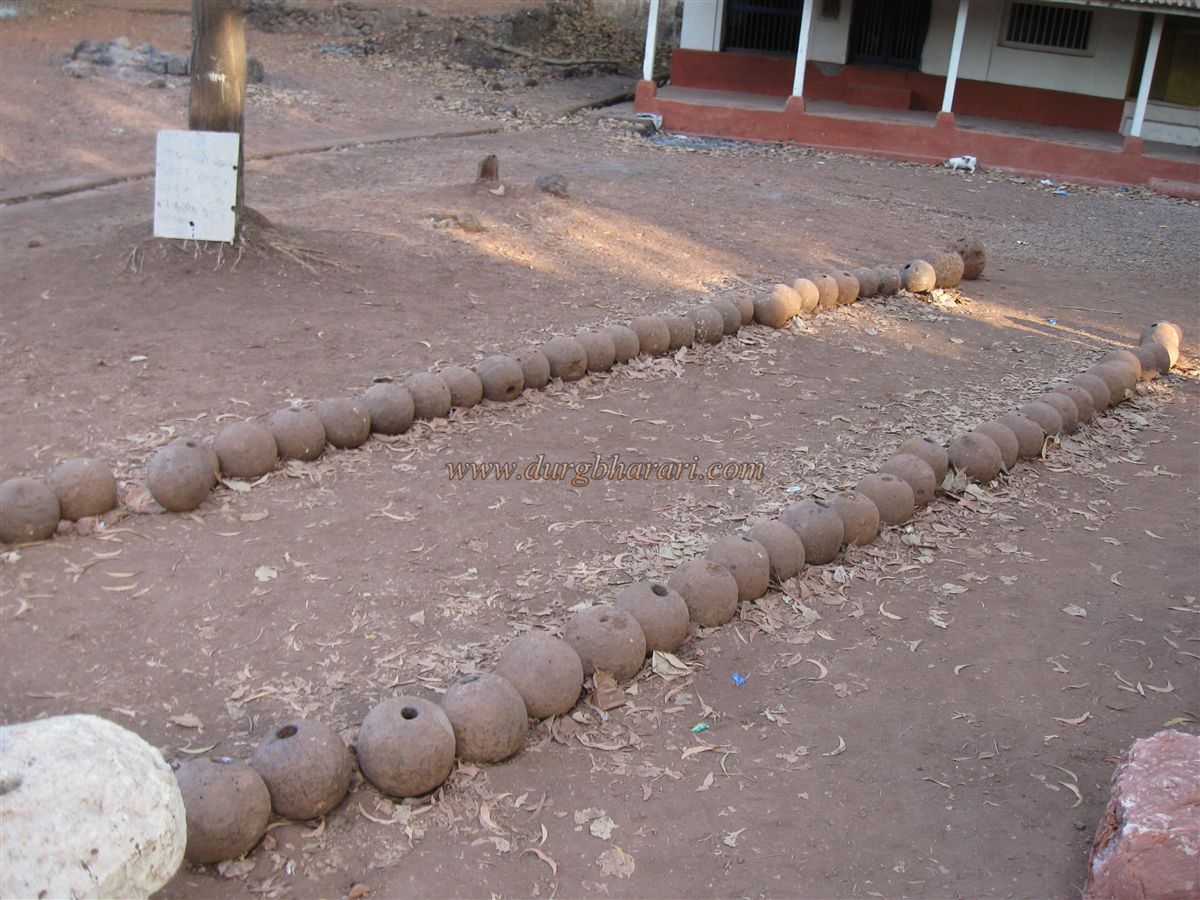
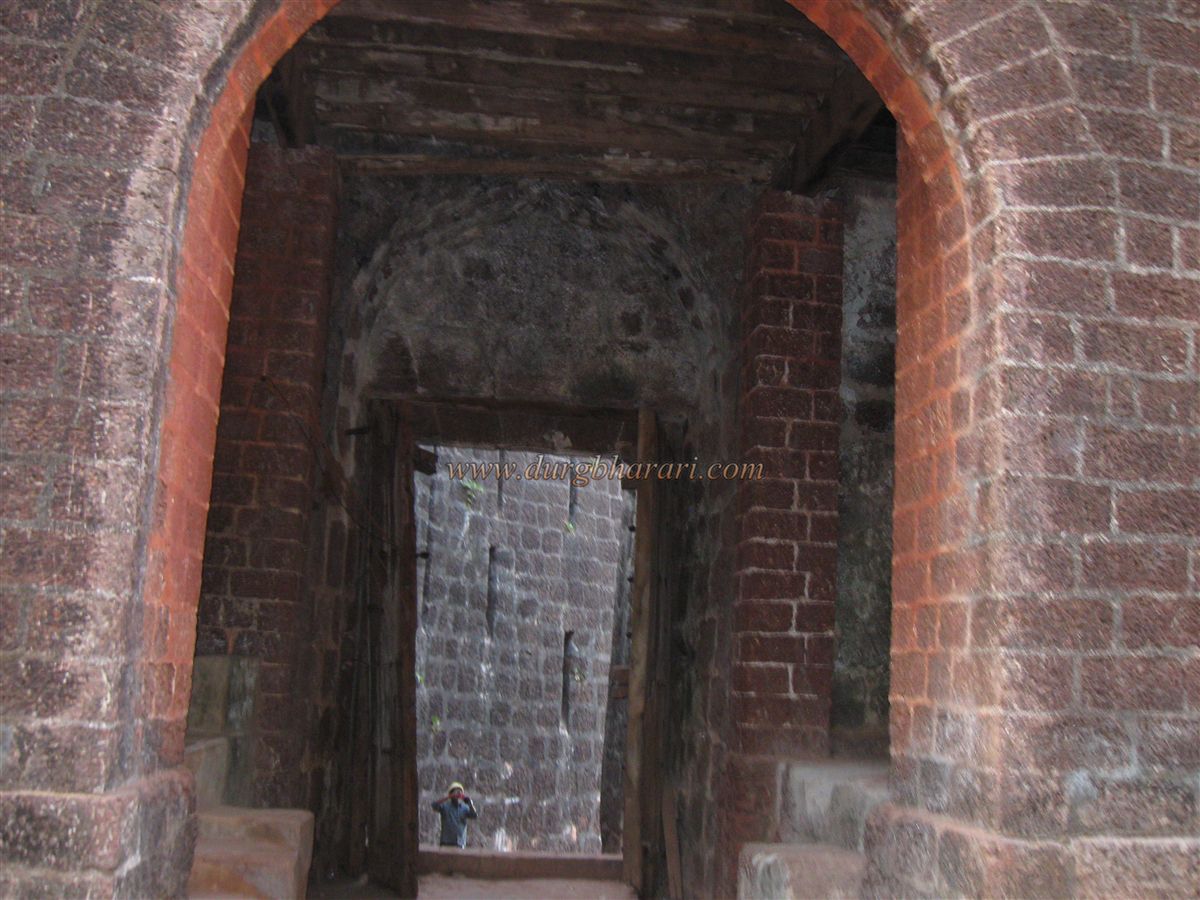
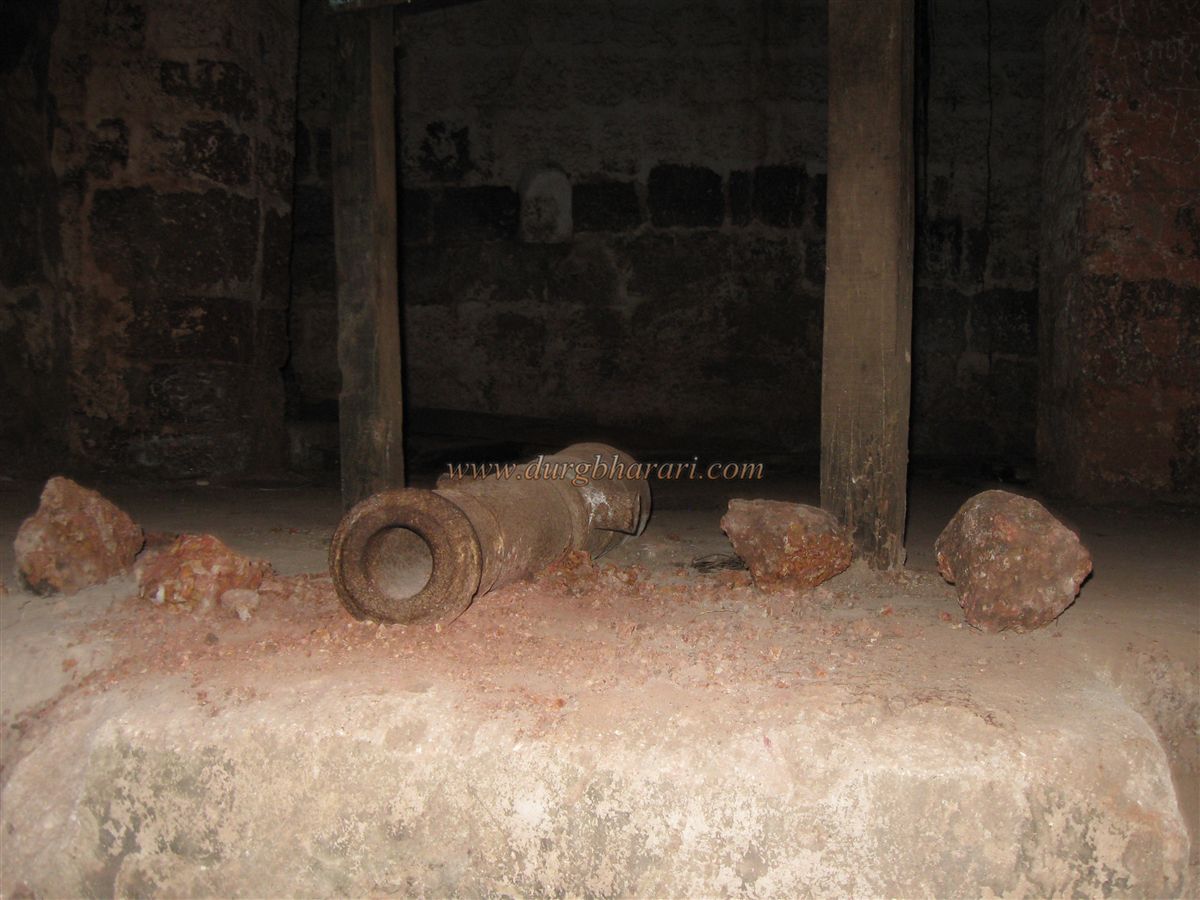
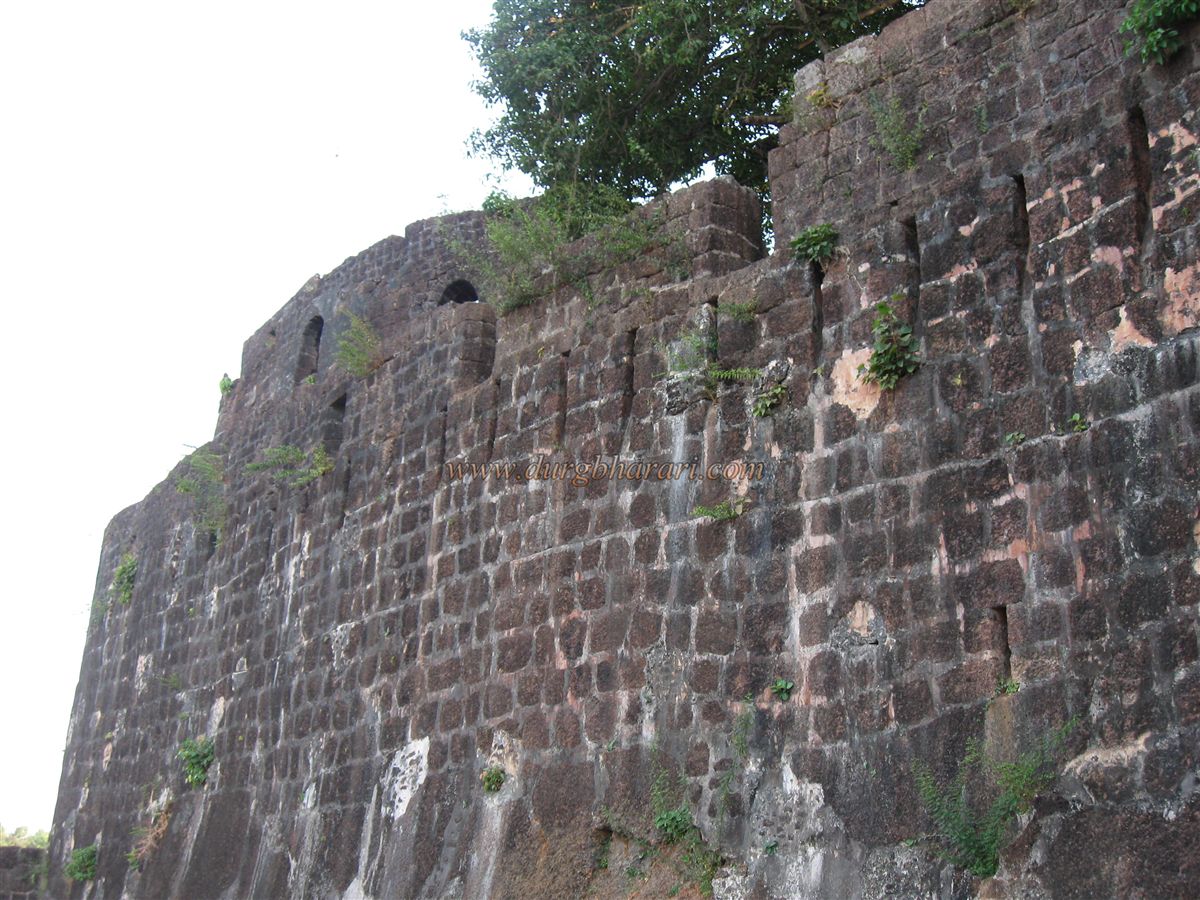
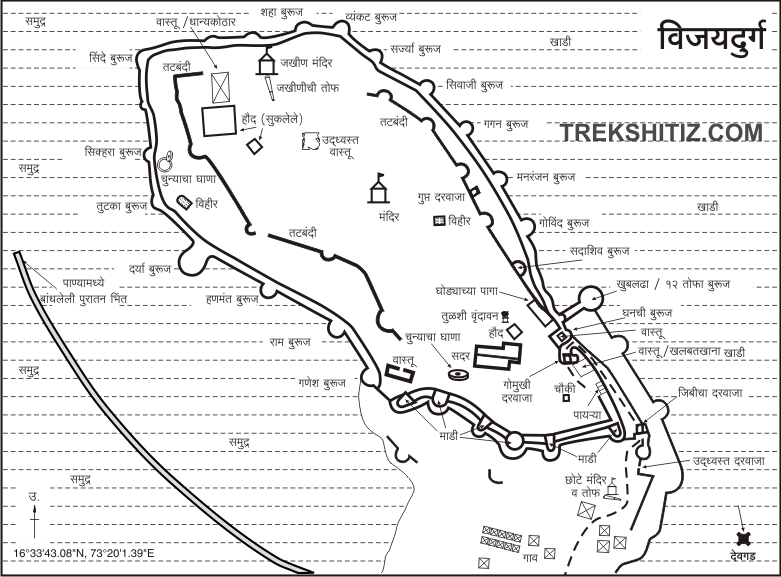
Vijaydurg is located 485 km from Mumbai and 455 km from Pune. From the Mumbai-Goa highway, take a right at Talere, and the fort is about 52 km away. Entering Vijaydurg village, the massive fort stands impressively in view. After Shivaji’s capture, the fort was expanded from 5 acres to 17 acres and 19 gunthas, with 27 strong bastions, including three multi-storied ones. The main entrance lies to the north, leading through a winding pathway for security. A moat once filled with seawater protected the landward side, with a wooden bridge that was removed at night. The first gate is Hanumant Darwaja, near which stands a Hanuman temple and a cannon installed by Shivaji. Beyond lies the Jibi Darwaja, a fortified enclosure where Portuguese soldiers once stationed 4-pounder cannons to aid Tulaji Angre against the British and Peshwas. The fort features triple fortifications, with the outer wall 30 feet high, a middle wall 10 feet high, and the main wall 30 feet high. The grand Yashwant Mahadarwaja is Gomukhi in design, cleverly concealed from direct enemy fire. Marks from British cannon fire are still visible on the outer walls. Inside, there are watch chambers, a smaller Dindi gate for late entry, and an upper Nagarkhana (drum house).
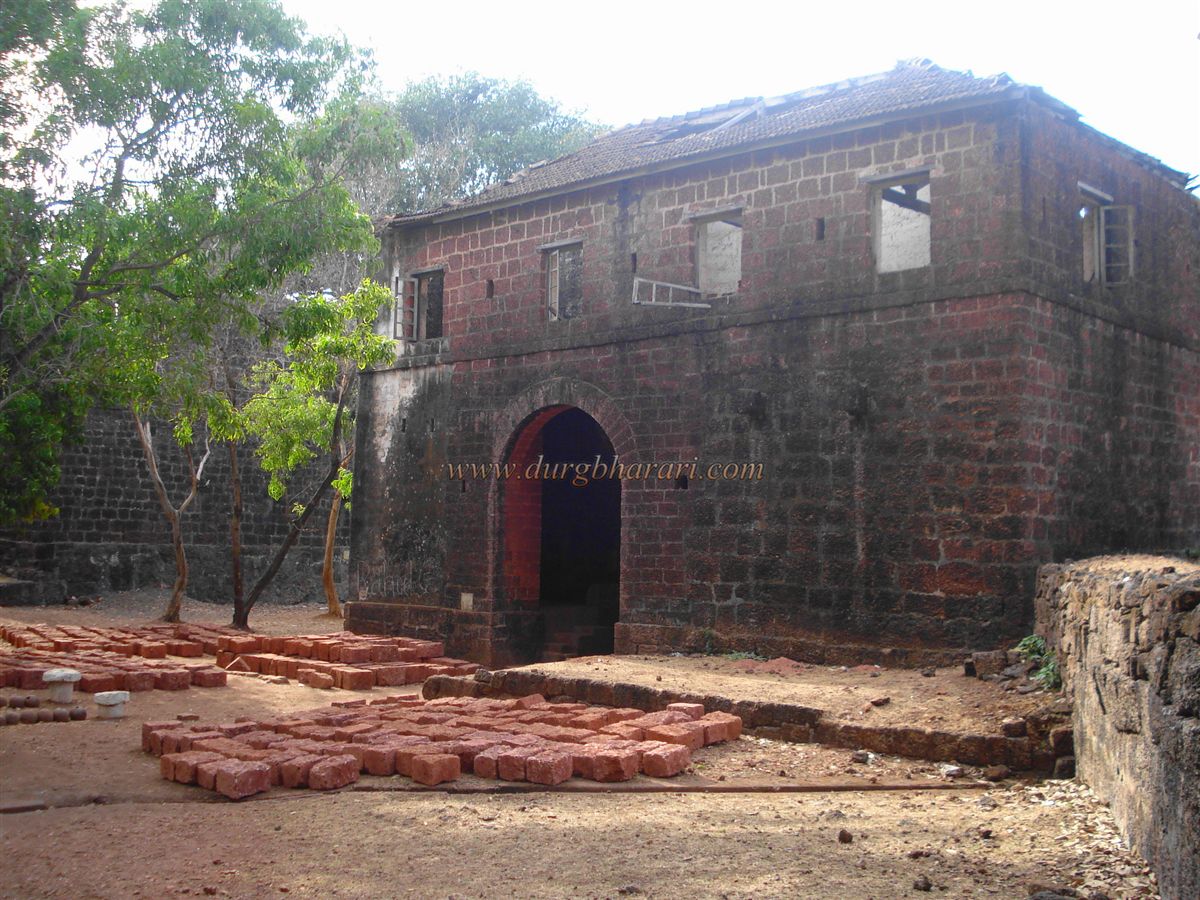
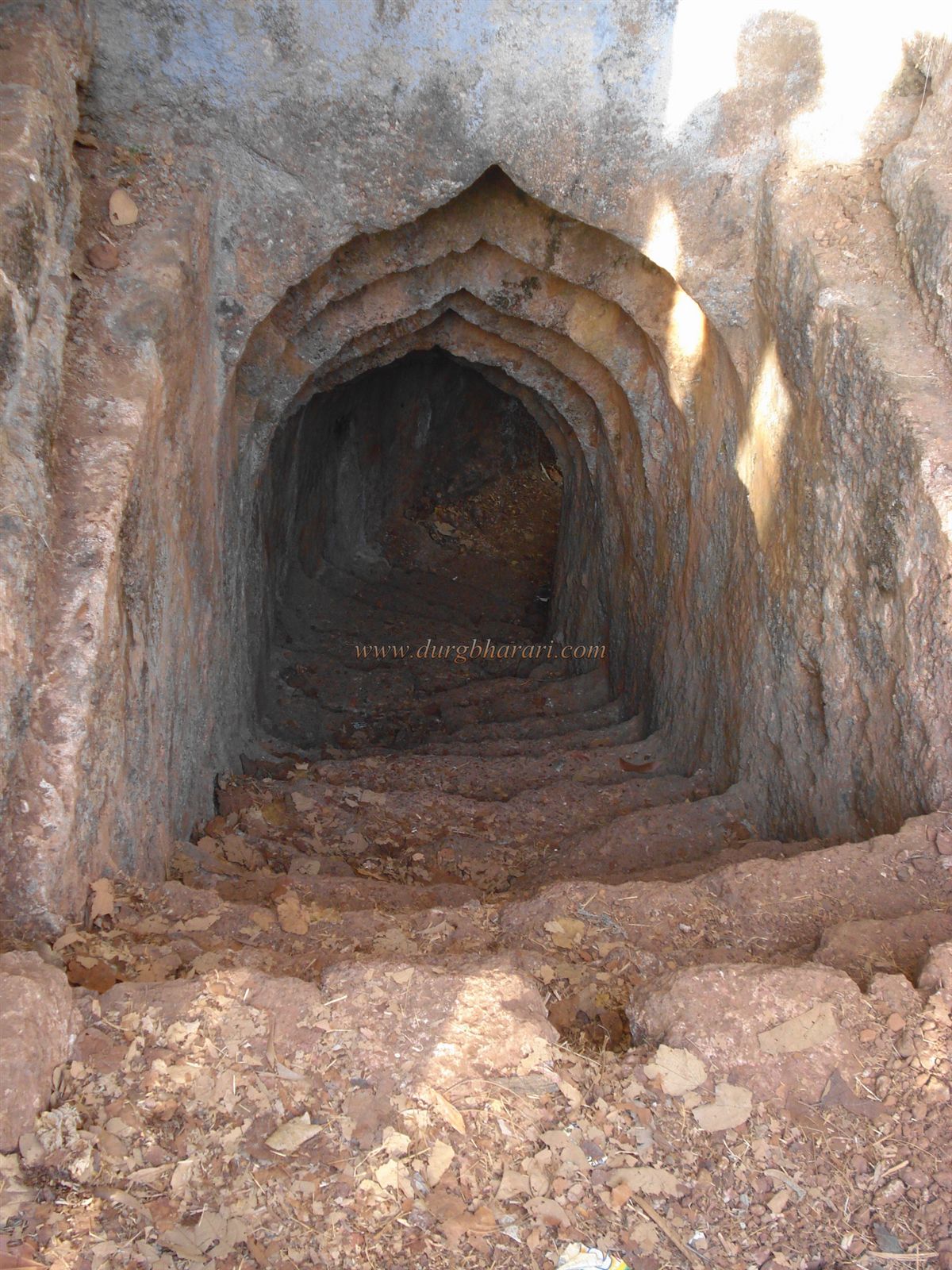
Within the fort are structures like the Khilbatkhana (council hall), flag bastion, granaries, the Sadar (main hall), lime grinding pits, multi-story buildings called Madi, and the Rani Vasa (Queen’s quarters). Several ruined plinths and wells are scattered throughout, including a sweet-water well just 20 feet from the sea. The walls feature loopholes, water troughs, and bastions named Ganesh, Ram, Hanumant, Darya, Tukka, Shikhara, Sinde, Shah, Vyankat, Sarja, Shivaji, Gagan, Manranjan, Govind, Khubaldha (Baratopha), Ghanchi, and Paan. The Khubaldha bastion projects 32 meters into the sea, connected by an arched tunnel.
A remarkable feature is an underwater laterite stone wall, 122 meters long, 3 meters high, and 7 meters wide, located 8–10 meters deep in the sea to the west of the fort. It once prevented enemy ships from approaching the fort. Researchers from Deccan College, including Sachin Joshi, suggest that this wall might be a natural dike formation rather than a man-made structure. Another natural feature, the “Angre Bank,” a submerged hill about 35–40 km long and 15–20 km wide, played a key defensive role for the Maratha navy.
Near Girye village, about 7 km from Vijaydurg, Kanhoji Angre built a 355-foot-long and 227-foot-wide north-facing dry dock, where ships like Fattejung and Samsherjung were built and repaired. The dock could accommodate ships up to 500 tons. In 1952, Captain Davies discovered an 18th-century anchor buried in the dock, now preserved at the Mumbai Nautical Museum. The dock was defended by the specially constructed Matatia bastion, armed with cannons and guarded by soldiers.
On December 13, 1916, Vijaydurg was declared a nationally protected monument in Maharashtra.
© Suresh Nimbalkar
GALLERY