VICHKHEDE
TYPE : NAGARKOT
DISTRICT : JALGAON
HEIGHT : 0
GRADE : EASY
Sometimes, in the quest to explore faraway places, we fail to notice what lies right before our eyes. This thought struck me when I visited the fortification at Vichkhede. I often wondered how, despite traveling multiple times on the Dhule–Nagpur highway and exploring the forts around Jalgaon, this fort had never been recorded in my notes. Though there is no official documentation referring to it as a fort, this ground fort still bears significant remnants of its walls, bastions, and other ruins.
On the Mumbai–Agra National Highway, between Dhule and Jalgaon, lies a small village called Vichkhede with around 100–125 houses, situated on the banks of the Bori River. This village itself is set within the fort walls. Located in Parola taluka of Jalgaon district, it is about 60 km from Jalgaon and 30 km from Dhule.
...
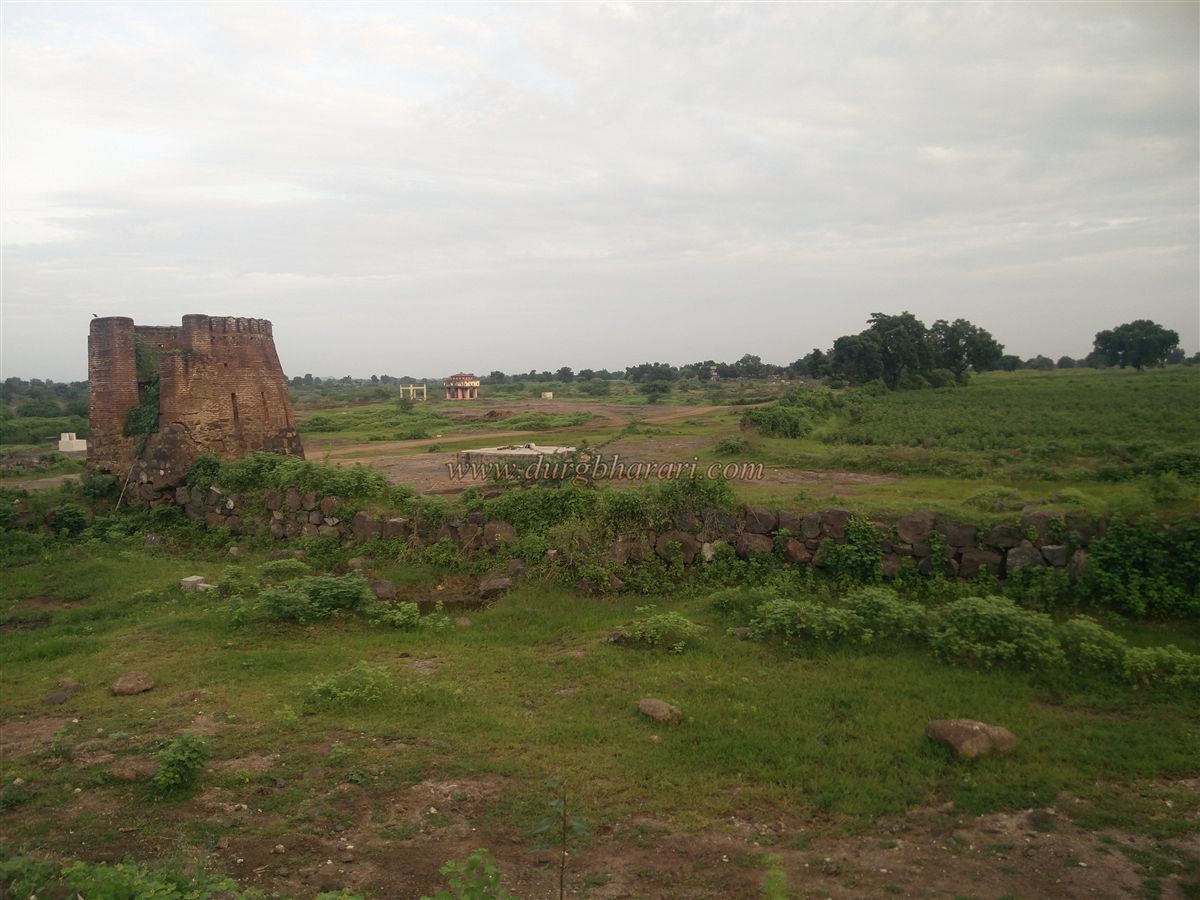
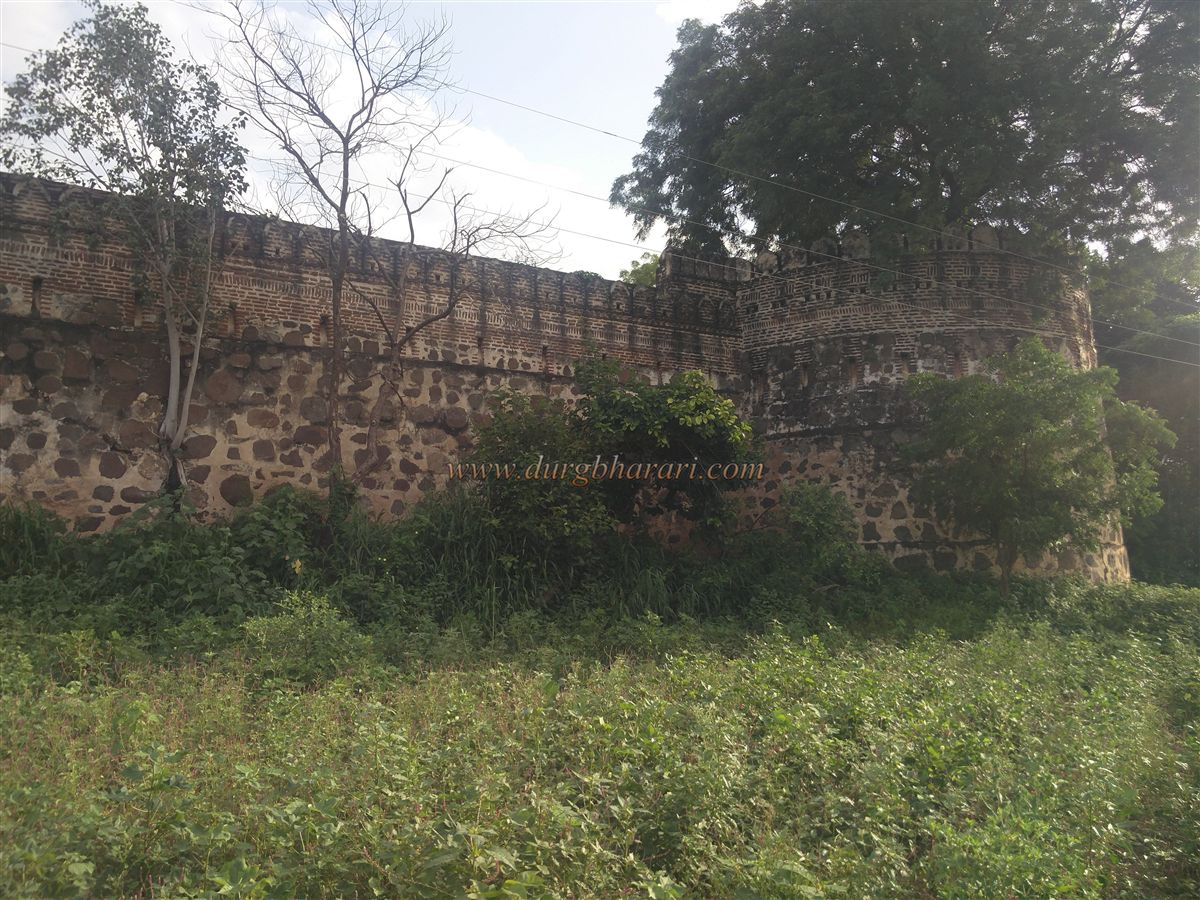
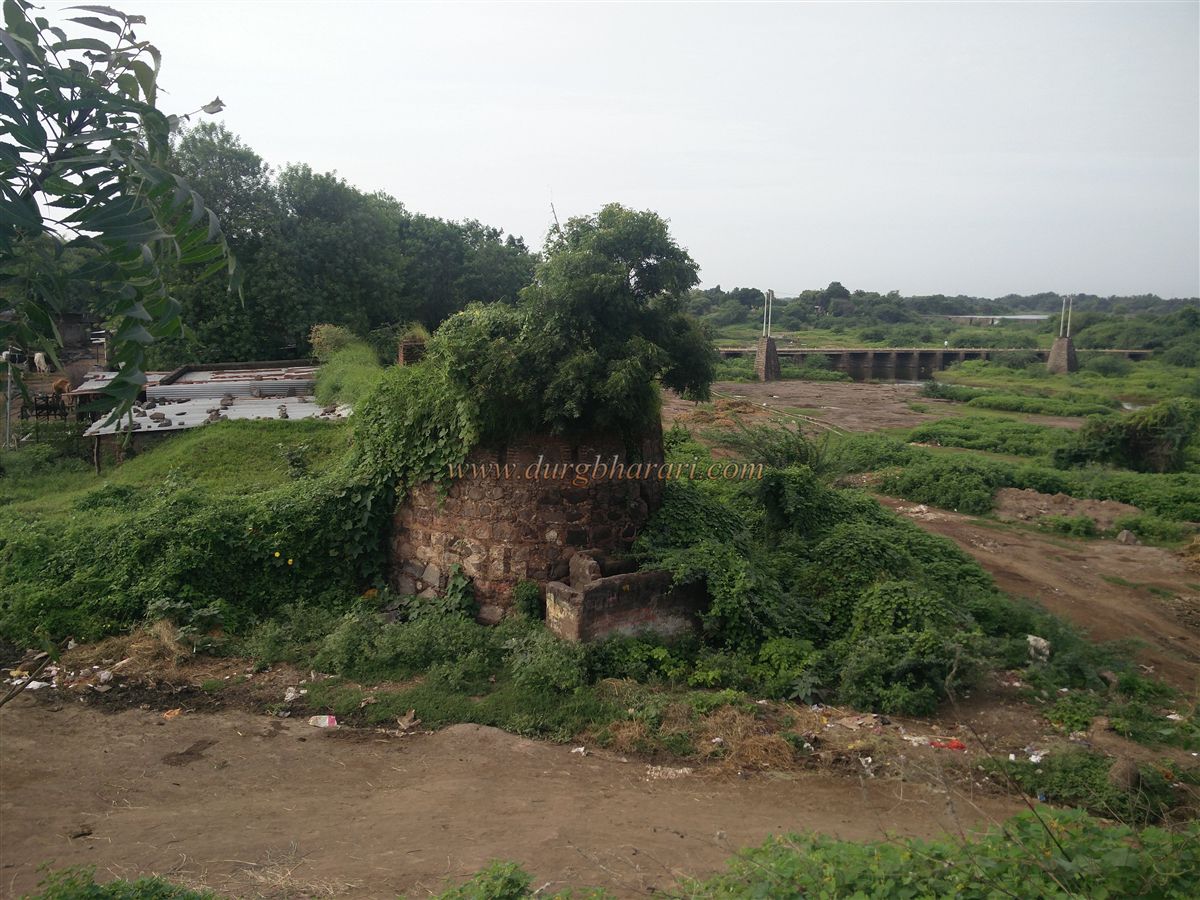
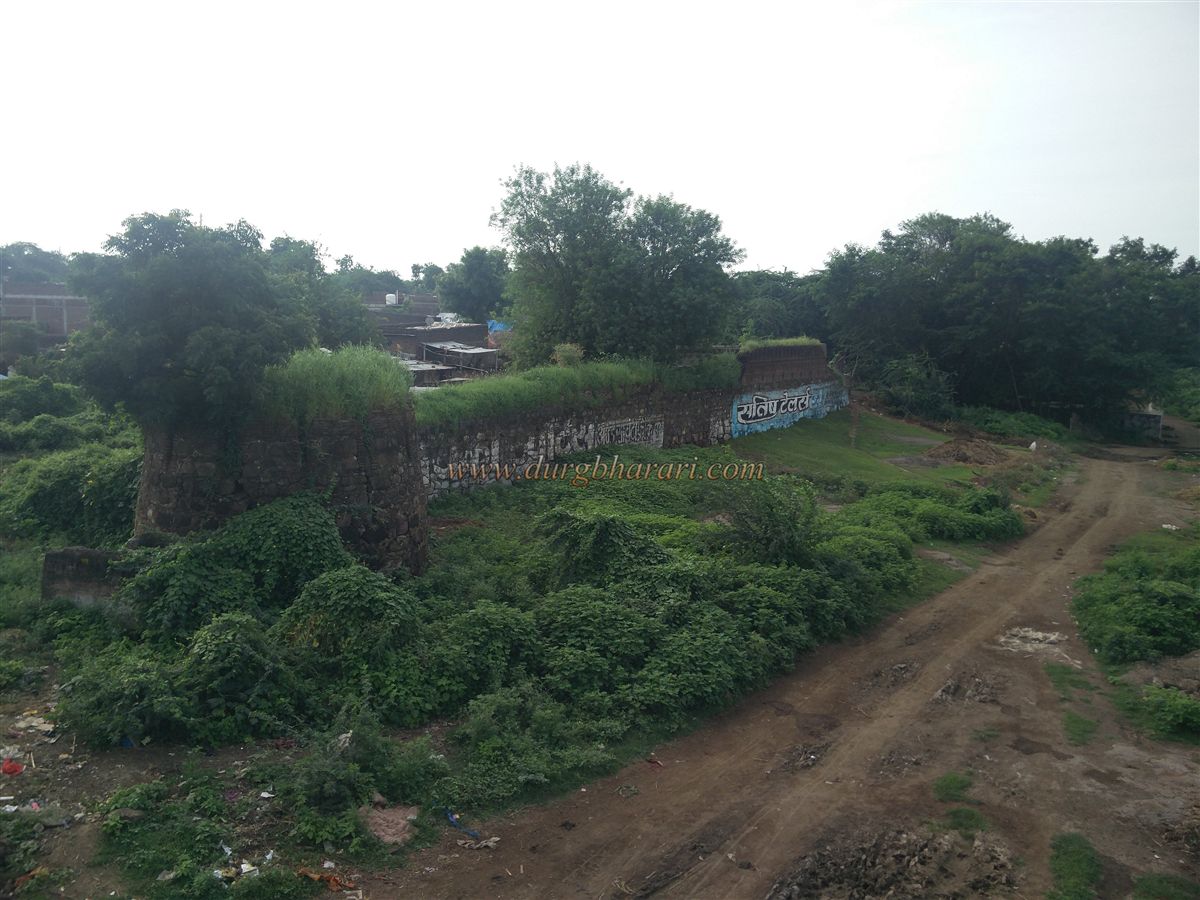
Traveling from Dhule towards Jalgaon, after crossing the Bori River, one can see the fort’s ramparts and bastions on both sides of the bridge. The highway divides the fort into two parts: on the left, a bastion and a portion of the wall remain, though much of it has been destroyed by road construction; on the right, the ramparts and bastions are still largely intact, enclosing the village.
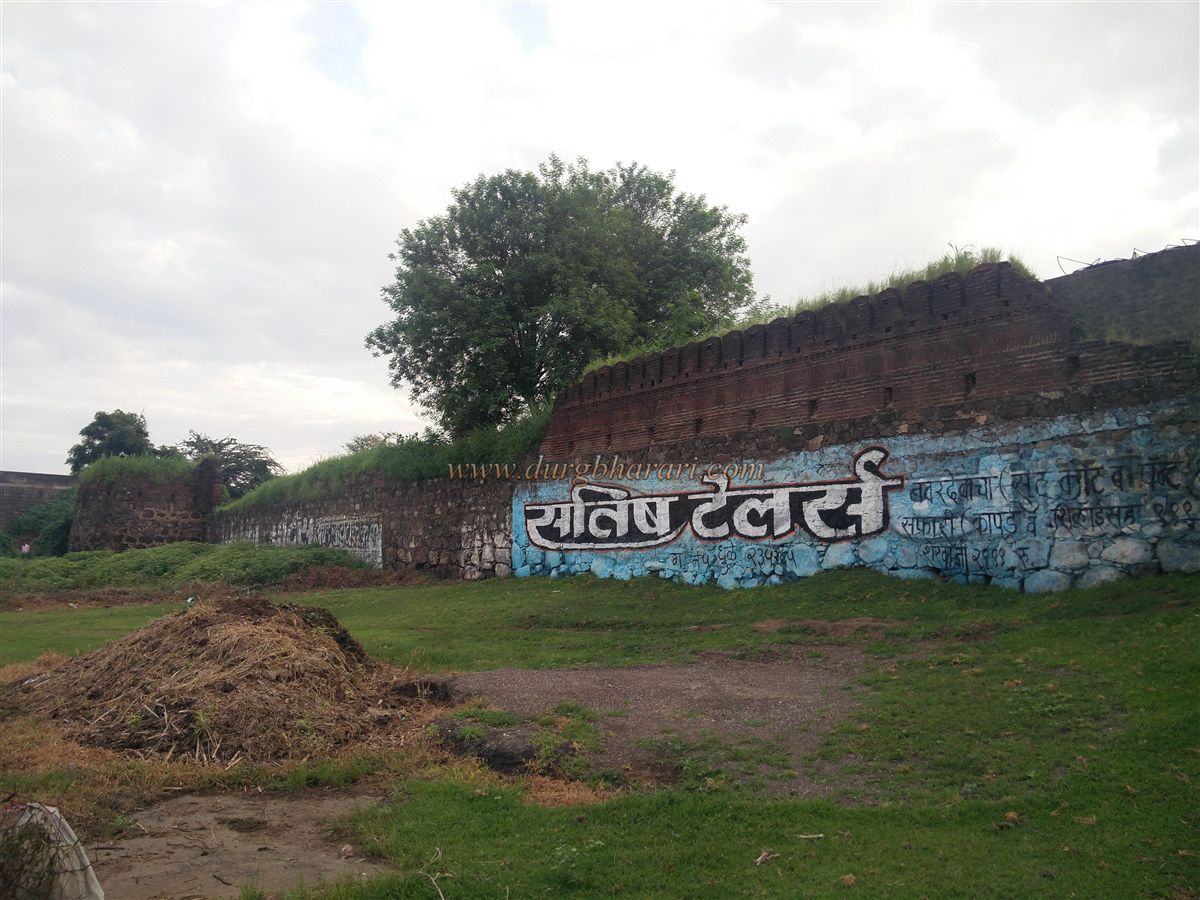
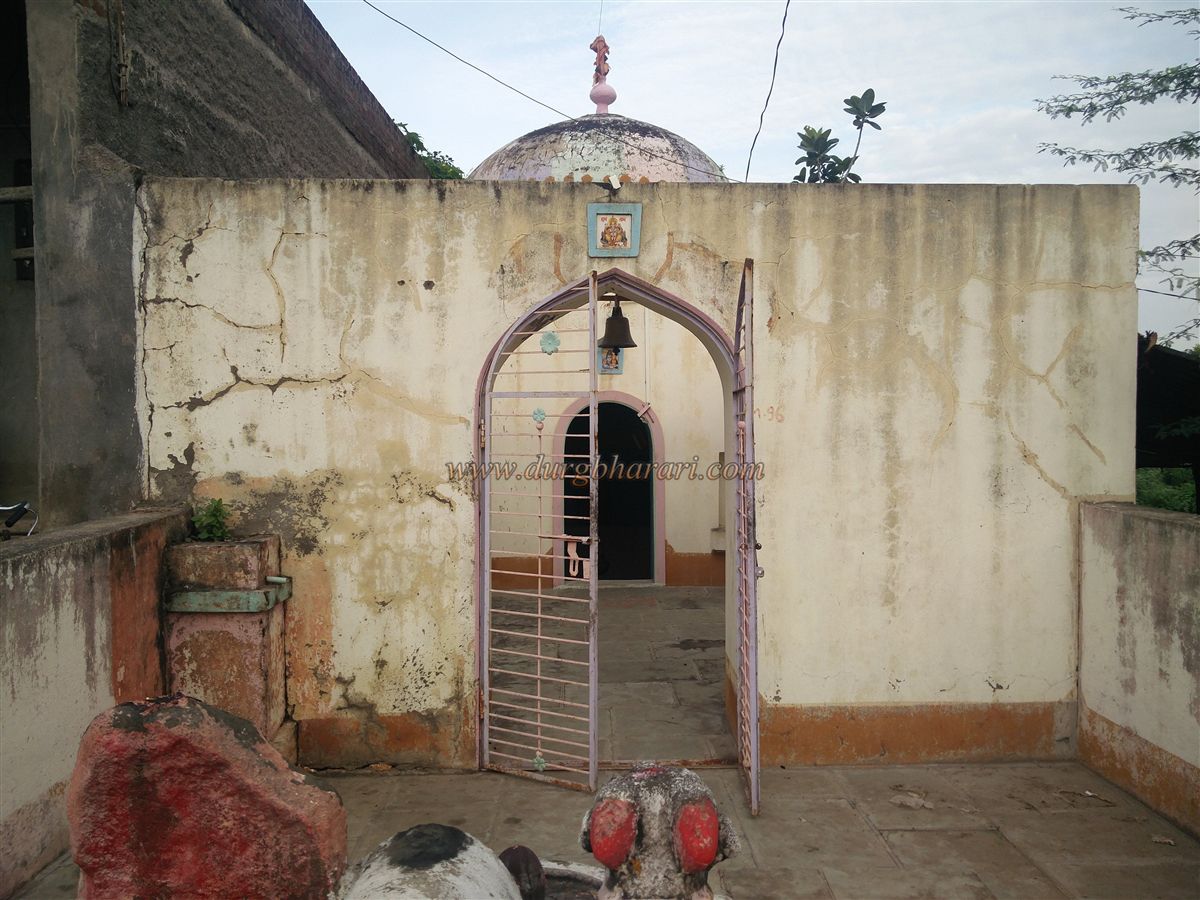
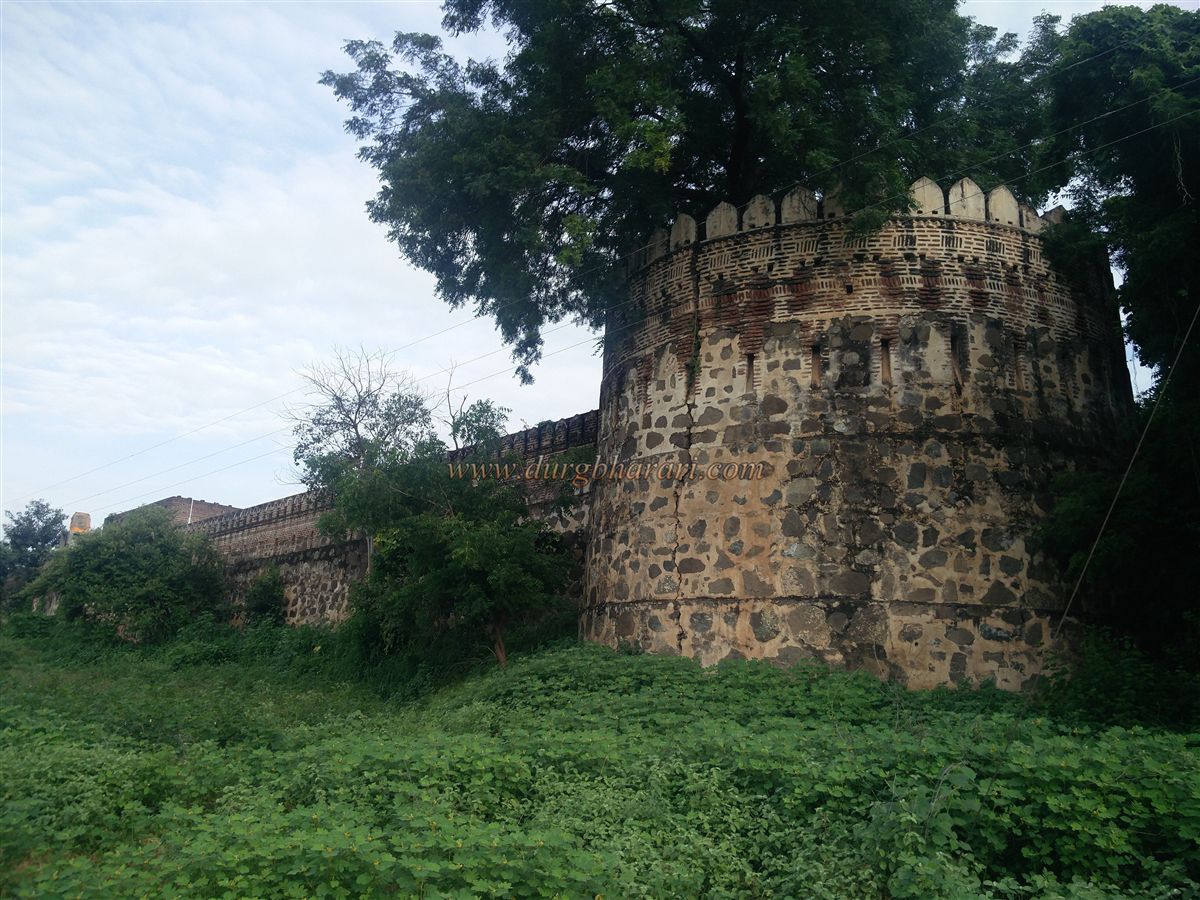
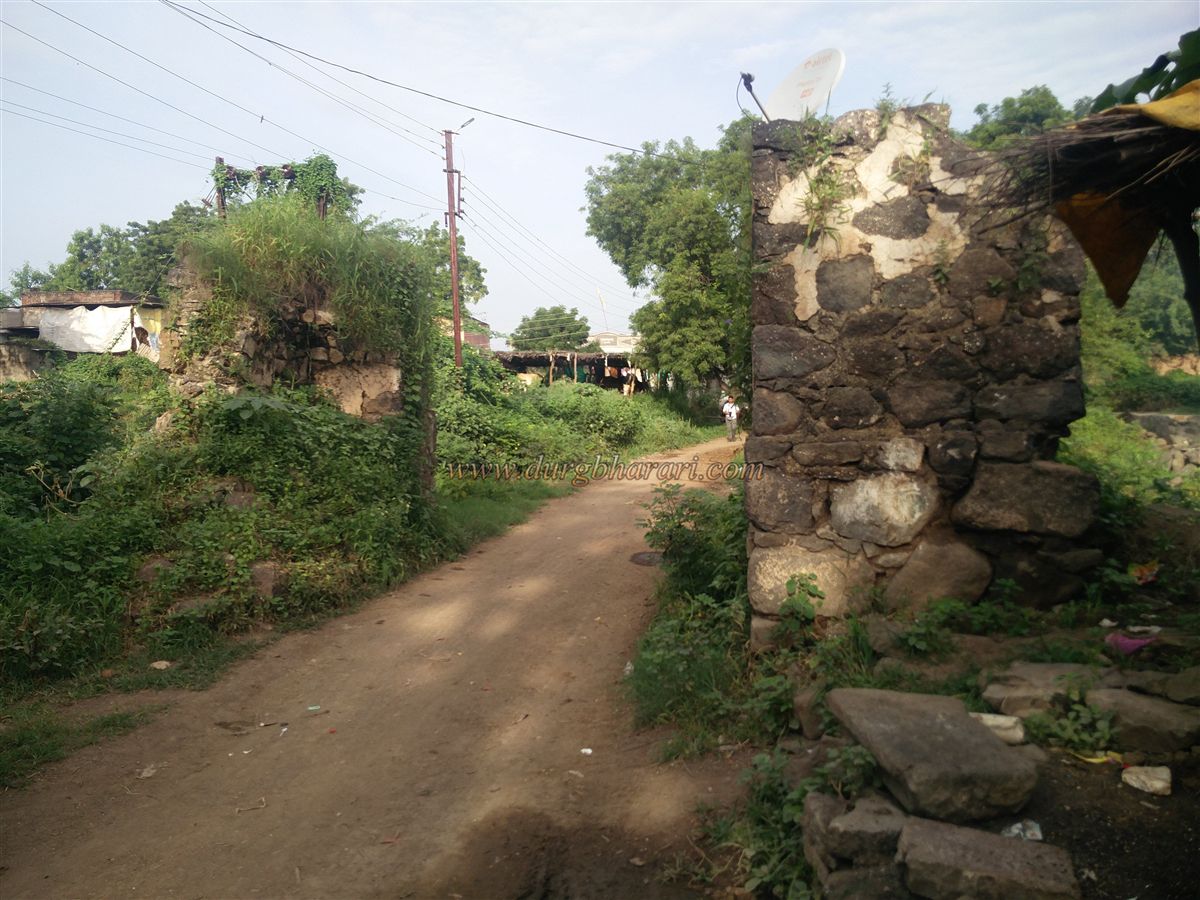
Starting from the riverbank near the highway, one can begin exploring the fort. Along this path on the river-facing side of the fort are five bastions. After passing the first two bastions and their connecting walls, one reaches a temple adjoining the fort wall. Beyond this, the old highway cuts through the fort, destroying a portion of its defences. Entering the village by this route and turning right, after passing 5–6 houses, a small footpath leads toward the river. At the end of this path are two bastions with steps between them. Between these bastions was once a west-facing gate, now reduced to ruins, which served as the village’s entrance from the river.
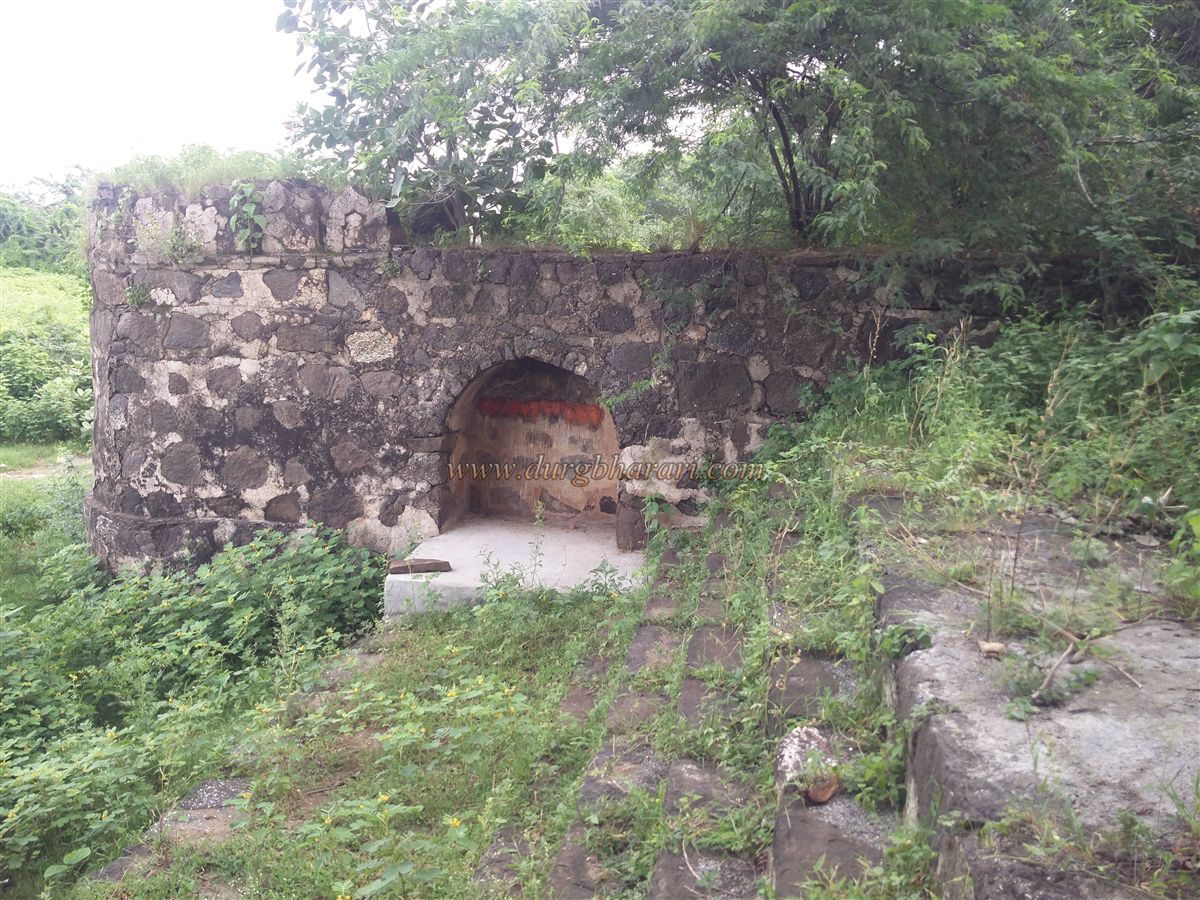
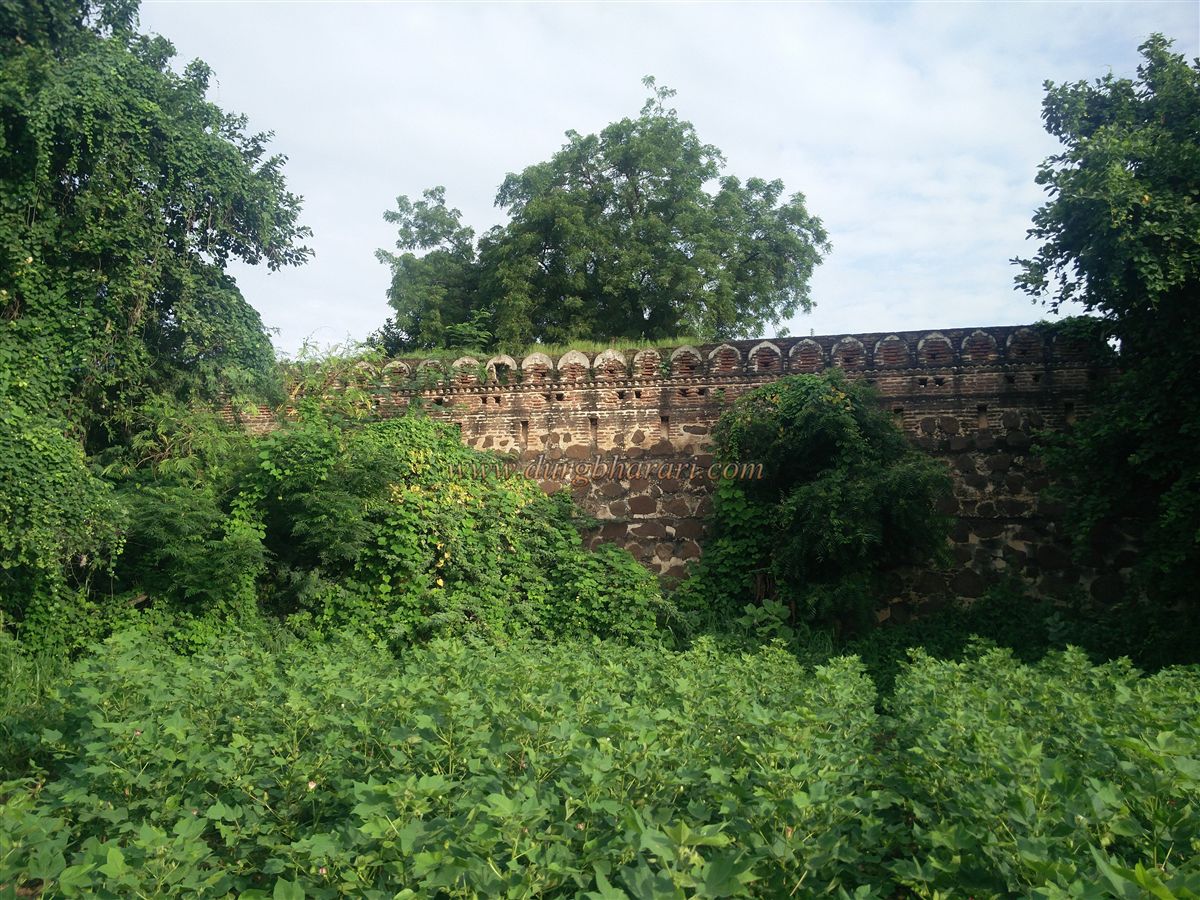
Retracing the path back, one finds an ancient Mahadev temple and a Deepmala on the right. Continuing straight and exiting through the southern wall, an old grave can be seen in the fields outside. Near this area is the blocked entrance of an underground passage that once led out of the fort. The southern ramparts are fully preserved and contain four bastions, one of which has partially collapsed from the outside, and another houses a shrine dedicated to a Pir. From this bastion, a small doorway opens outside the walls.
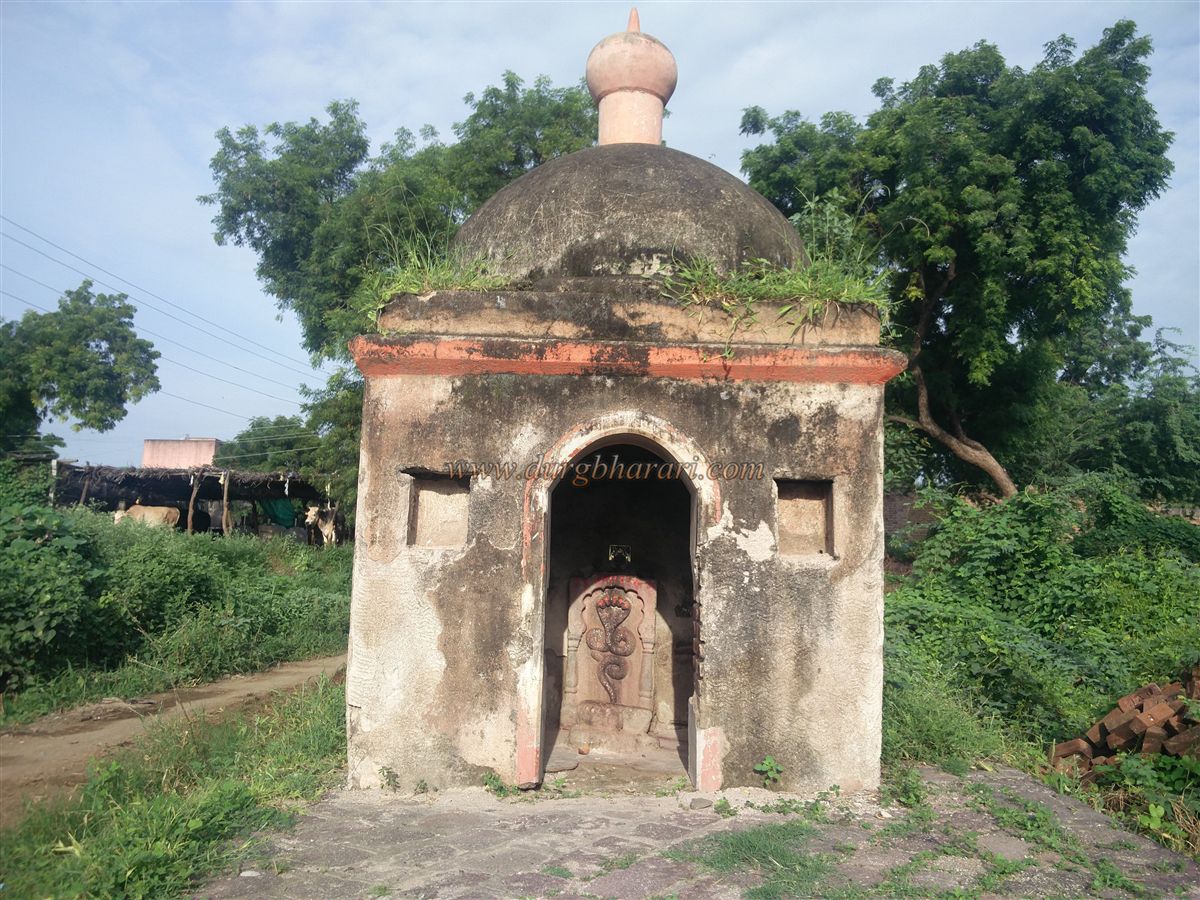
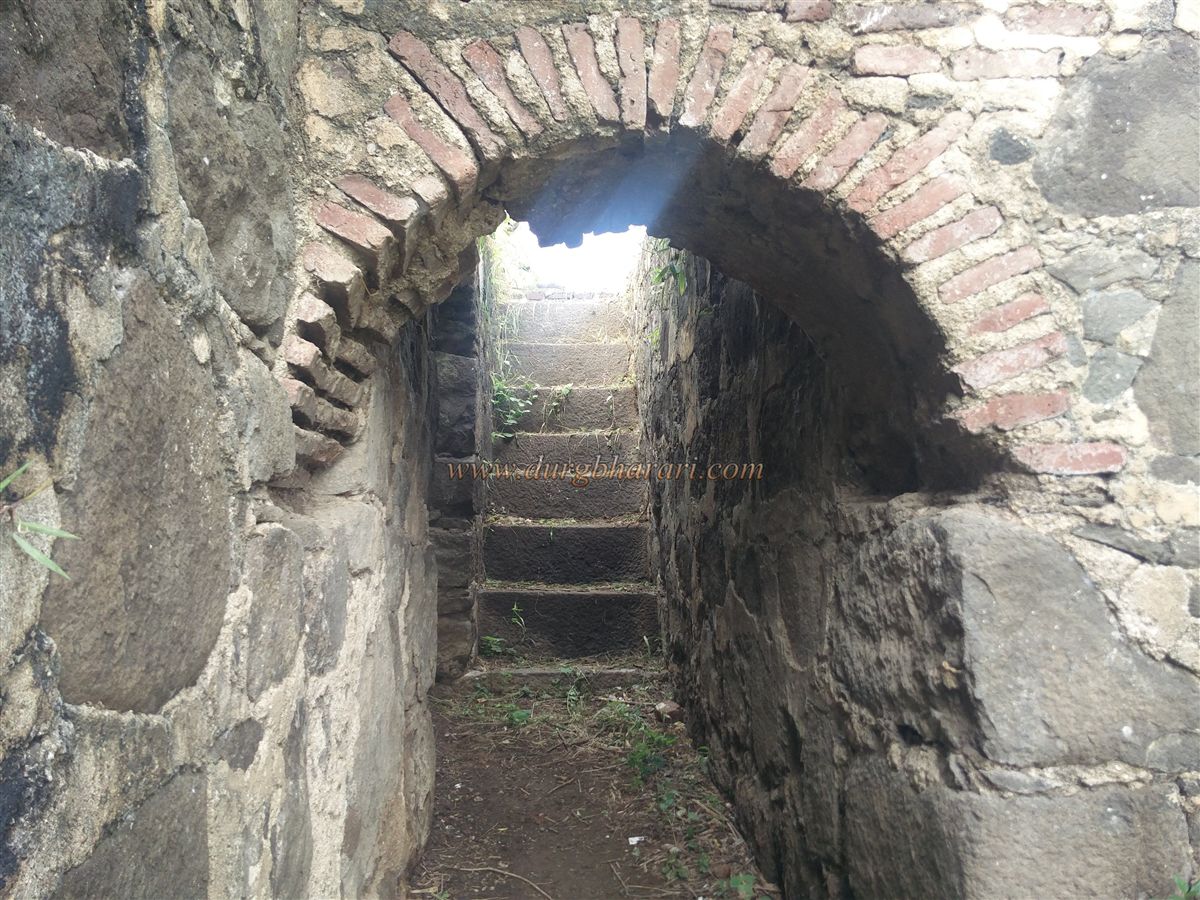
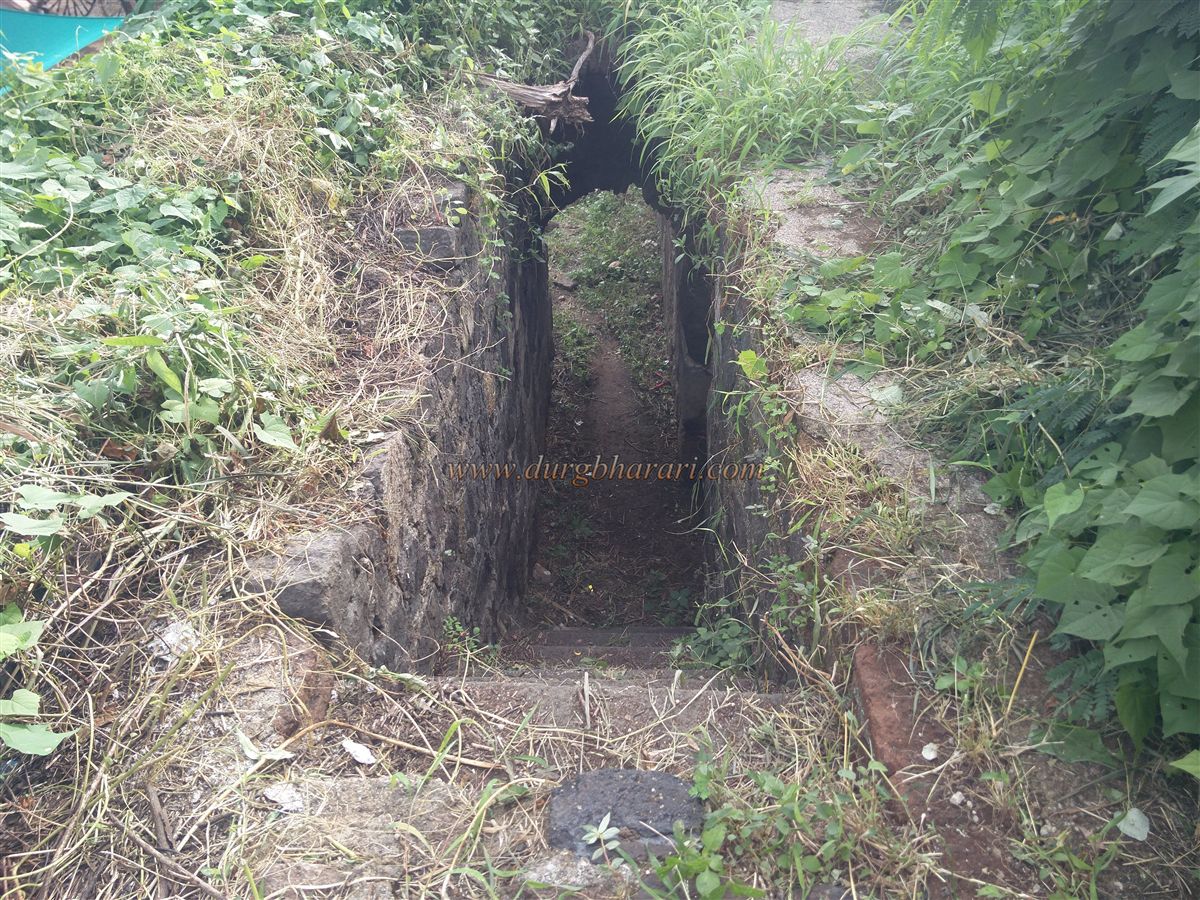
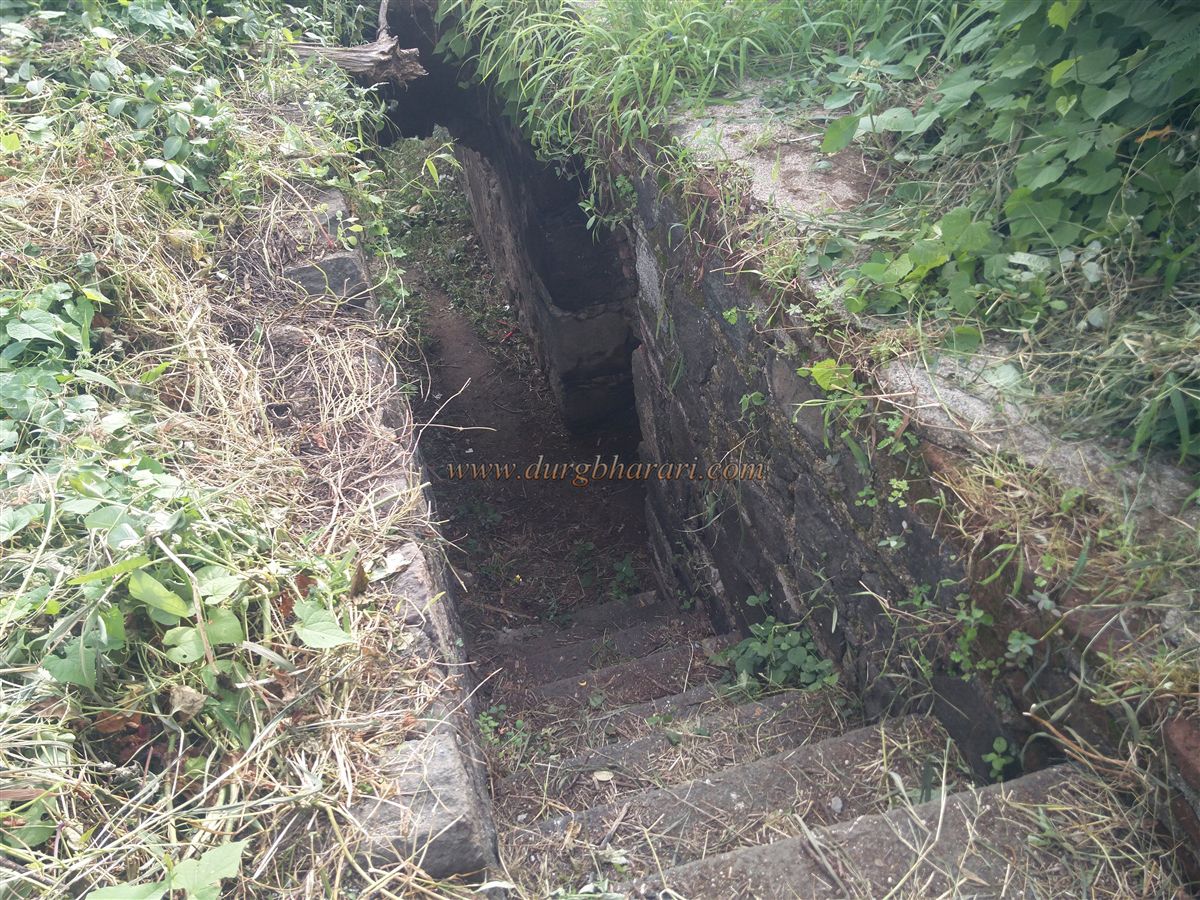
Walking along the entire southern perimeter eventually leads to the east-facing entrance, which brings one back into the village. This gate is now completely destroyed, but in front of it stands a newly constructed temple dedicated to Maruti. Proceeding along this path, the ruins of a mansion and its gate can be seen. Local villagers said this was the wada of the Shinde Deshmukh family, who later settled in Pune. To the right of the path is an old Nag temple with a beautifully carved serpent idol. A little further, a path leads to a bastion that has internal stone steps built into the rampart. A pointed-arch doorway provides access to this staircase, and atop this bastion lies a grave.
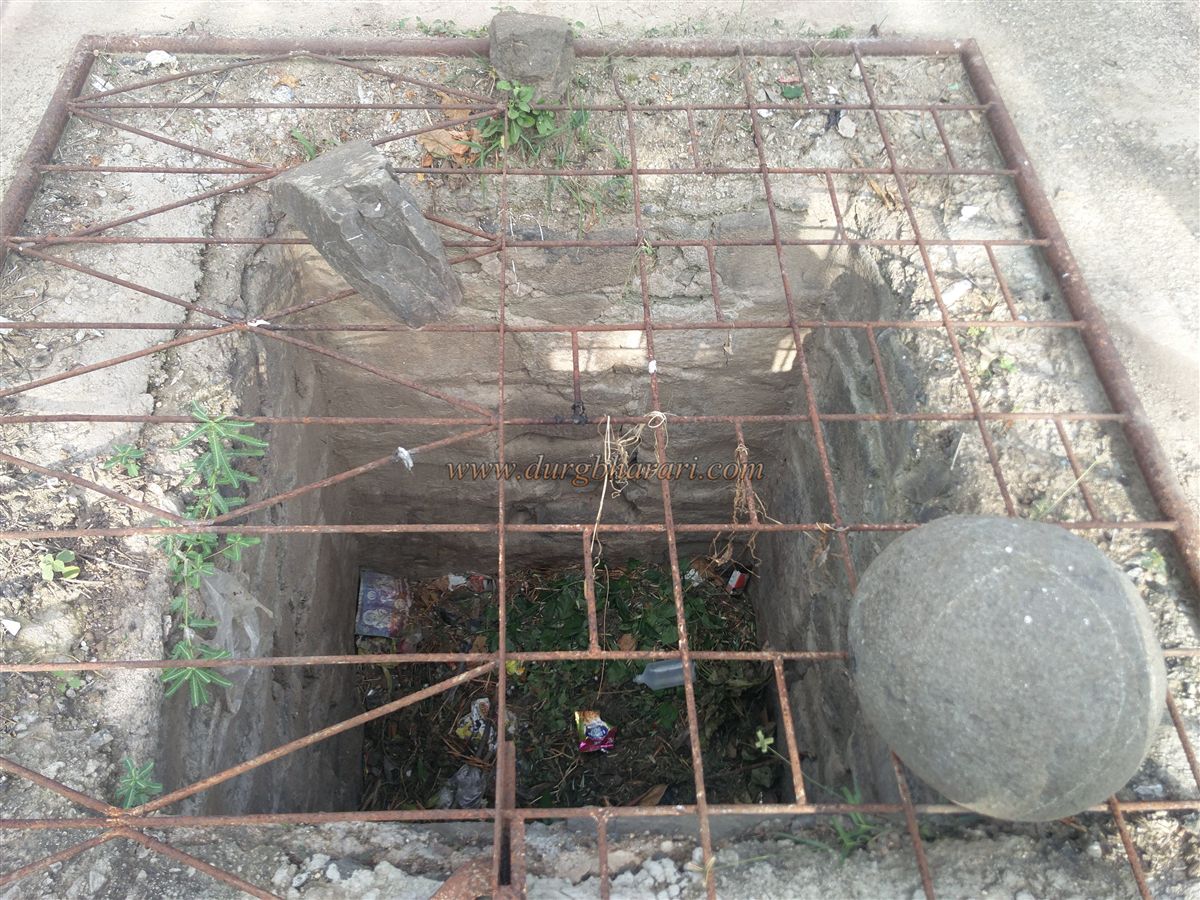
While walking through the village, locals mentioned that there were once seven wells here, though only two square-shaped wells remain today. The village also contains a Ganpati temple. Due to the growing population, many of the old structures have been destroyed over time.
The fort is rectangular, oriented north–south, covering an internal area of about 25 acres. It takes about an hour to an hour and a half to explore fully. When asked about its history, villagers associated the fort with the Parola fort and with the descendants of Rani Laxmibai, but the presence of the Shinde wada and the Nag temple point to a different historical context. Old records refer to Vichkhede as a small town near Parola.
© Suresh Nimbalkar
GALLERY