VERUL
TYPE : FORTRESS
DISTRICT : SAMBHAJINAGAR
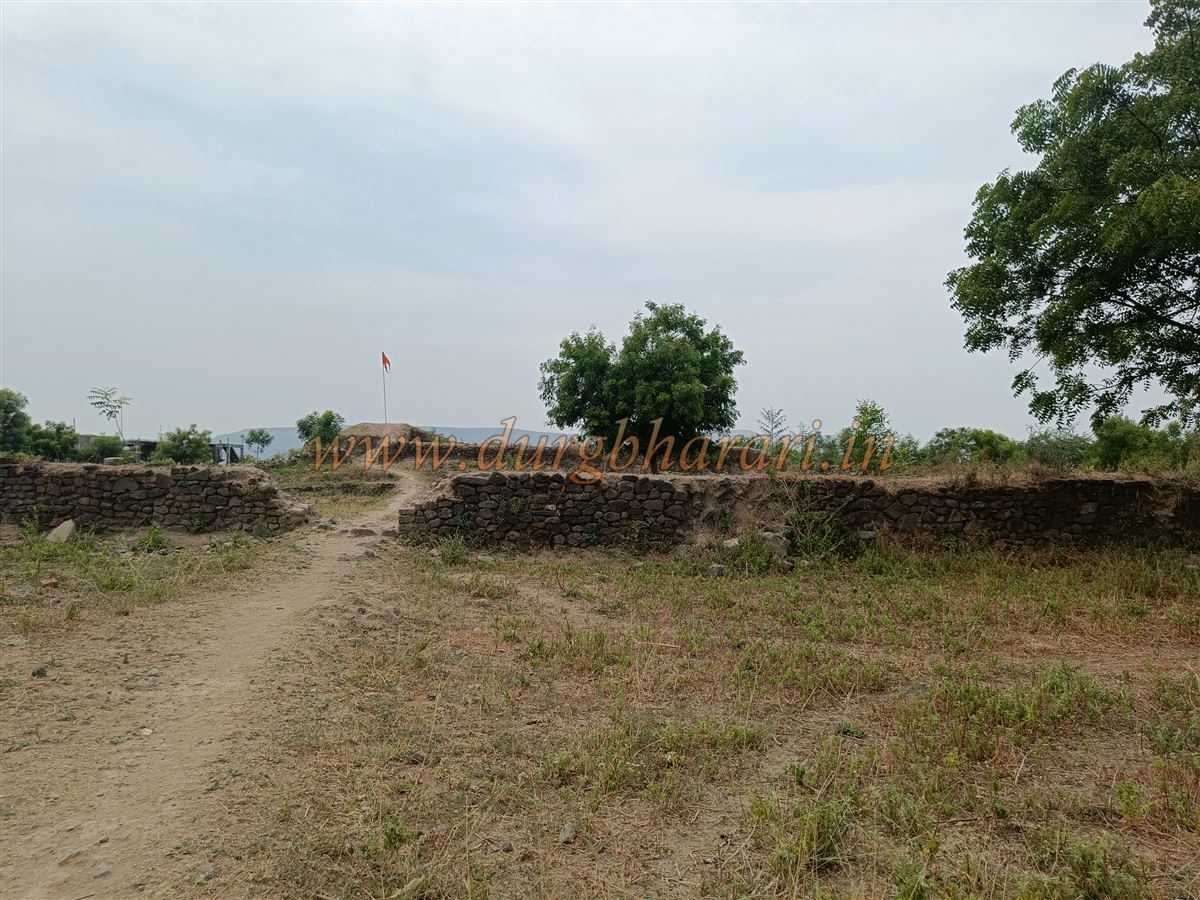
Verul, located near Chhatrapati Sambhajinagar, possesses both mythological and historical heritage. The temple of Ghrishneshwar at Verul is one of the twelve Jyotirlinga, while the Kailas temple carved during the Rashtrakut period and the other caves at Verul are world-famous. In addition to this, Verul also carries the legacy of the medieval period, as it is known as the ancestral village of Chhatrapati Shivaji Maharaj. Even today, the remnants of the fort of Maloji Raje Bhosale, the father of Shahaji Raje and the grandfather of Chhatrapati Shivaji Maharaj, can be seen in Verul. These remains now exist only in name.
Two generations of Shivaji Maharaj’s ancestors – his great-grandfather and grandfather – resided here, and not only that, but his father Shahaji Raje was also born and spent his early years here.
...
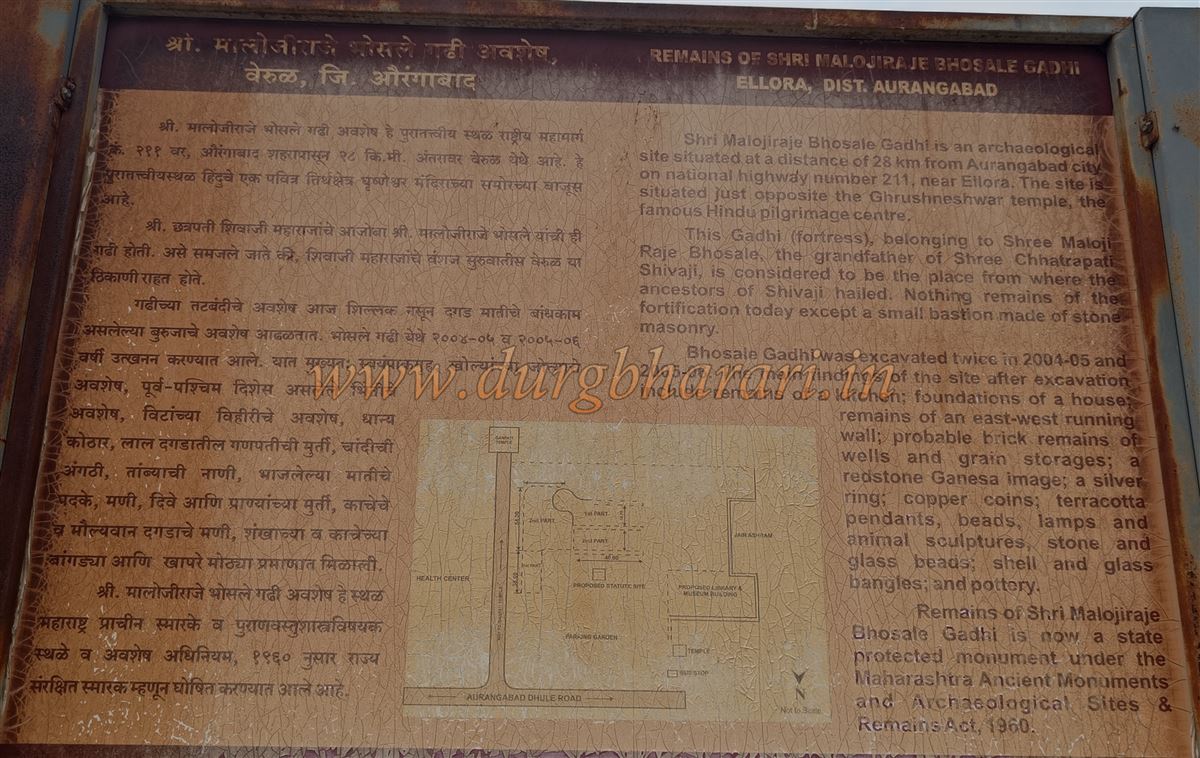
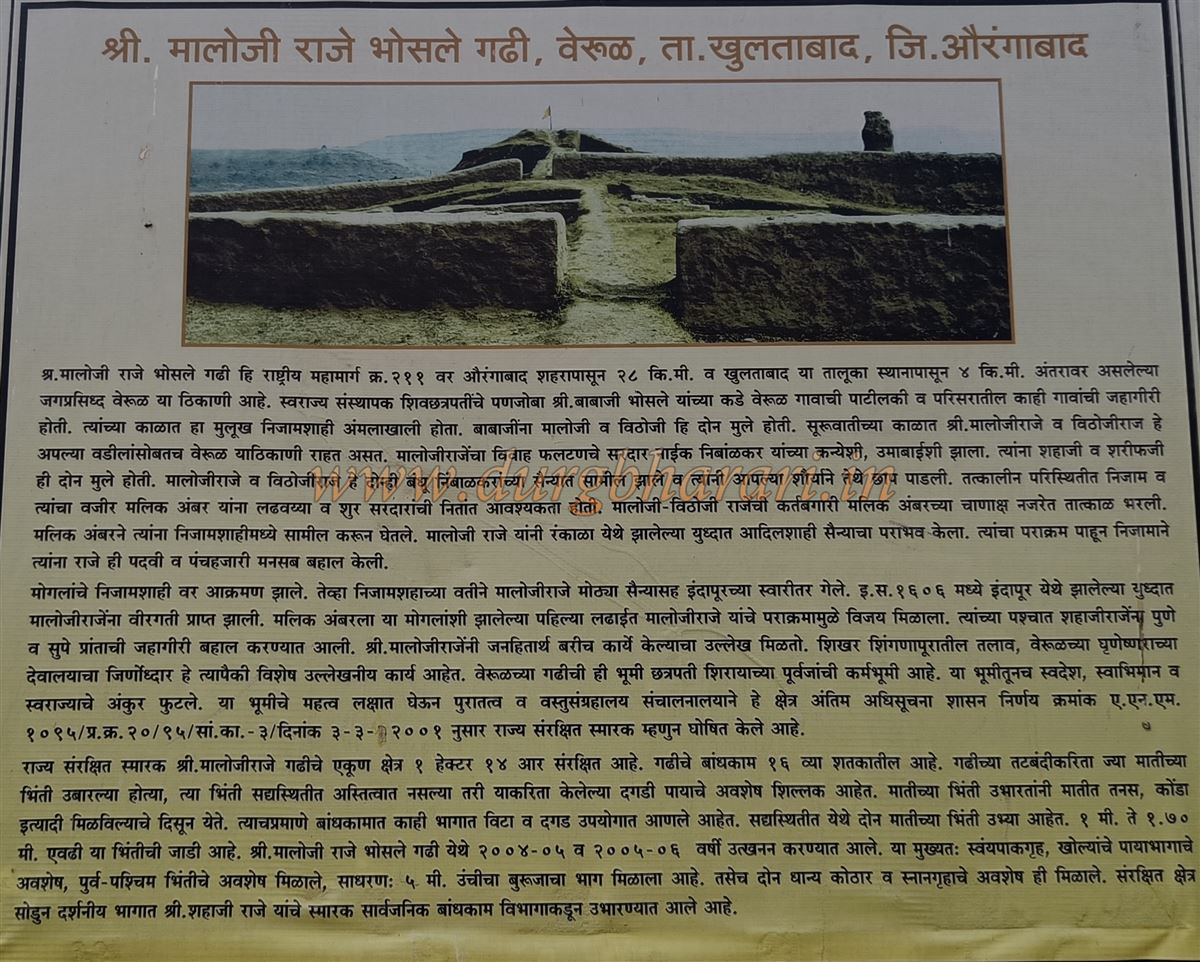
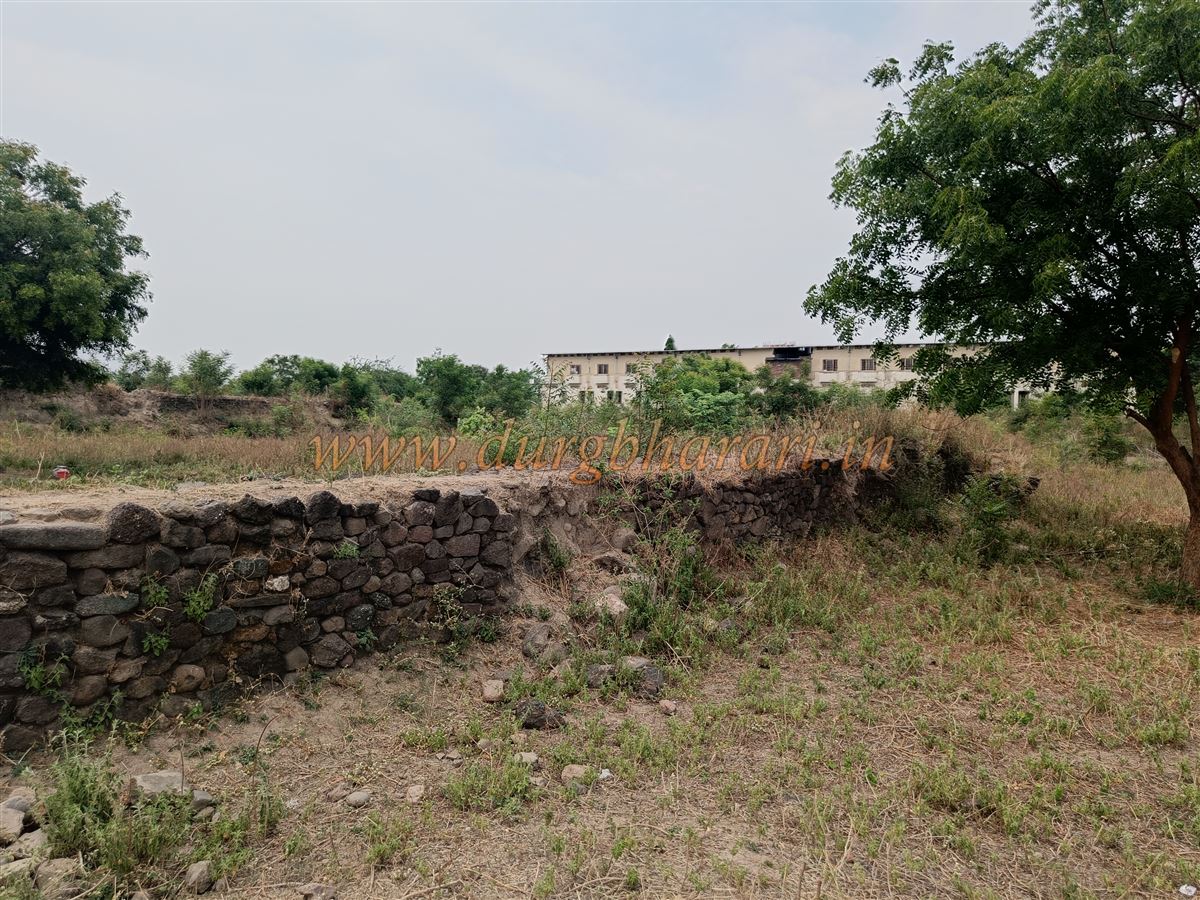
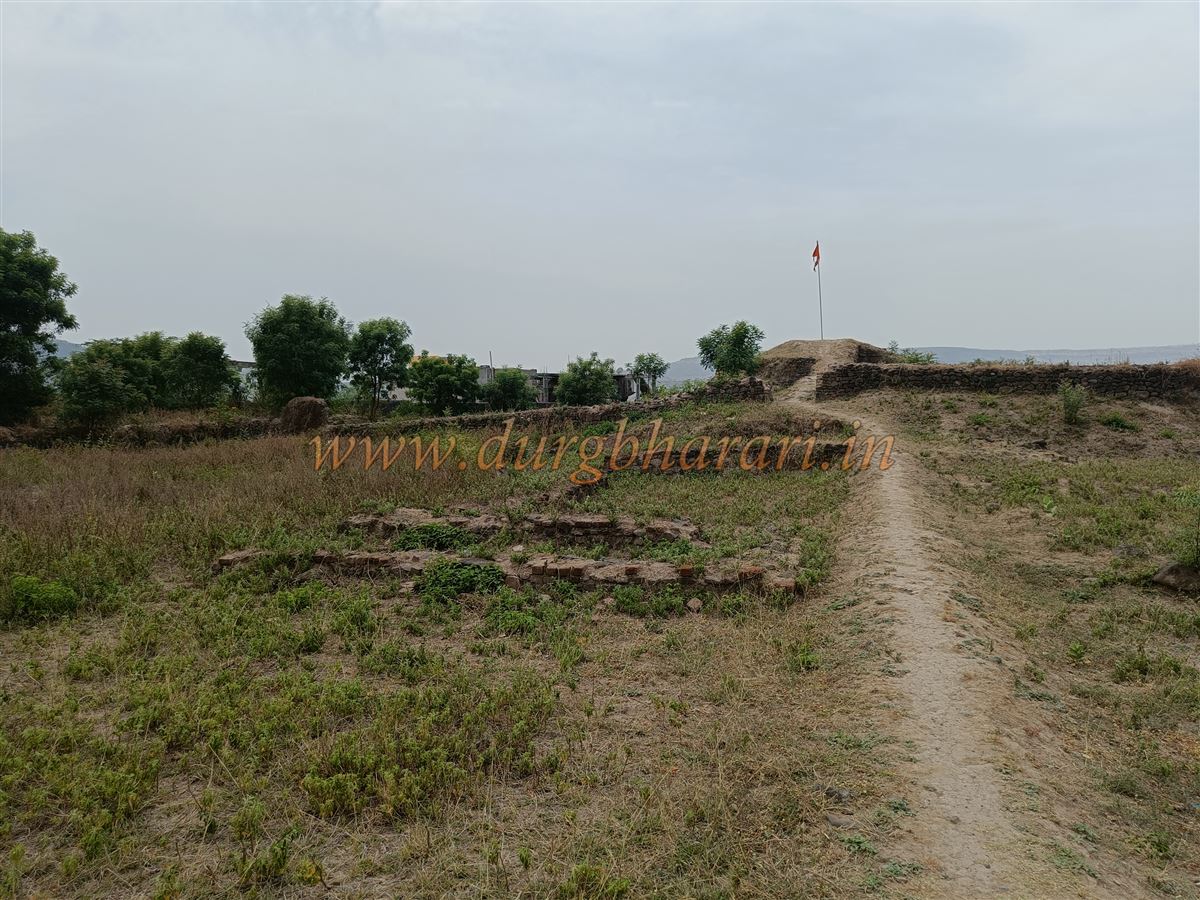
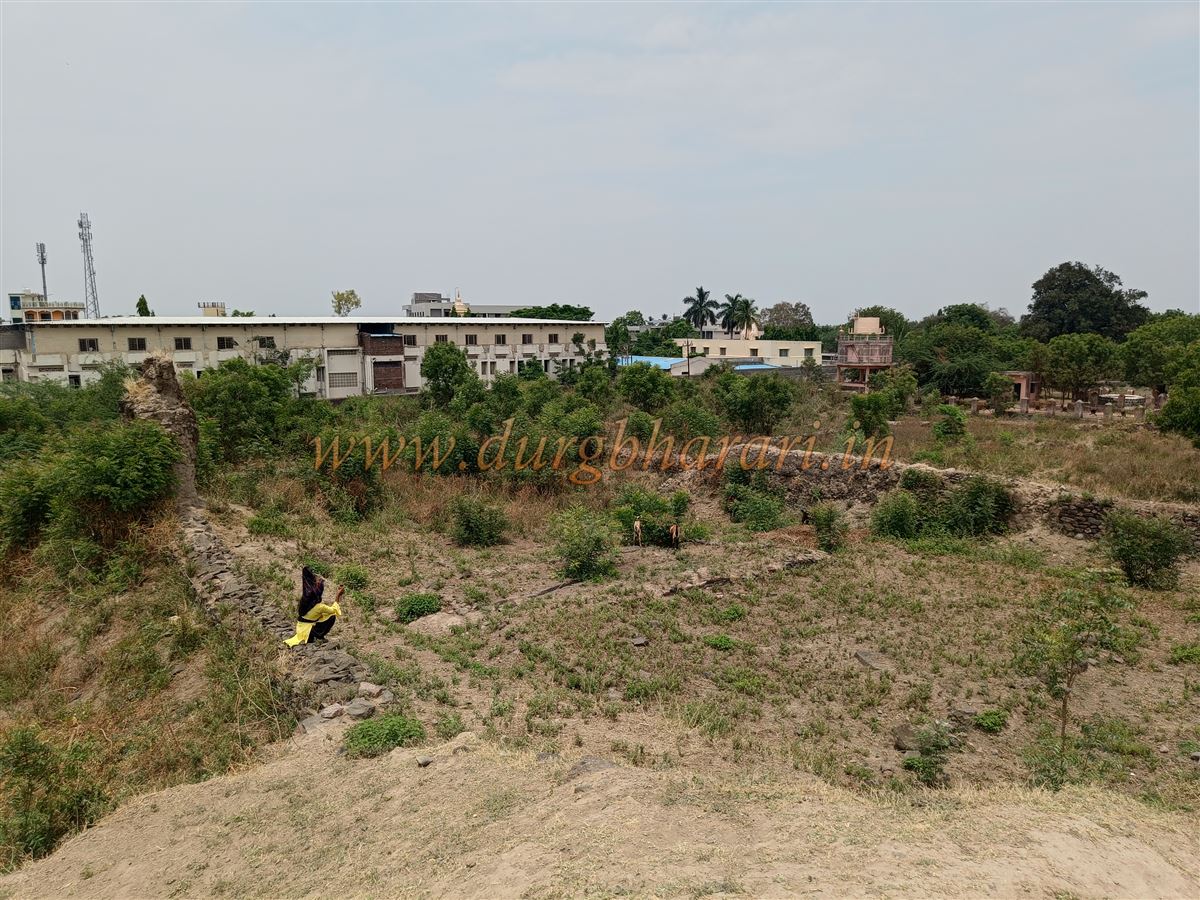
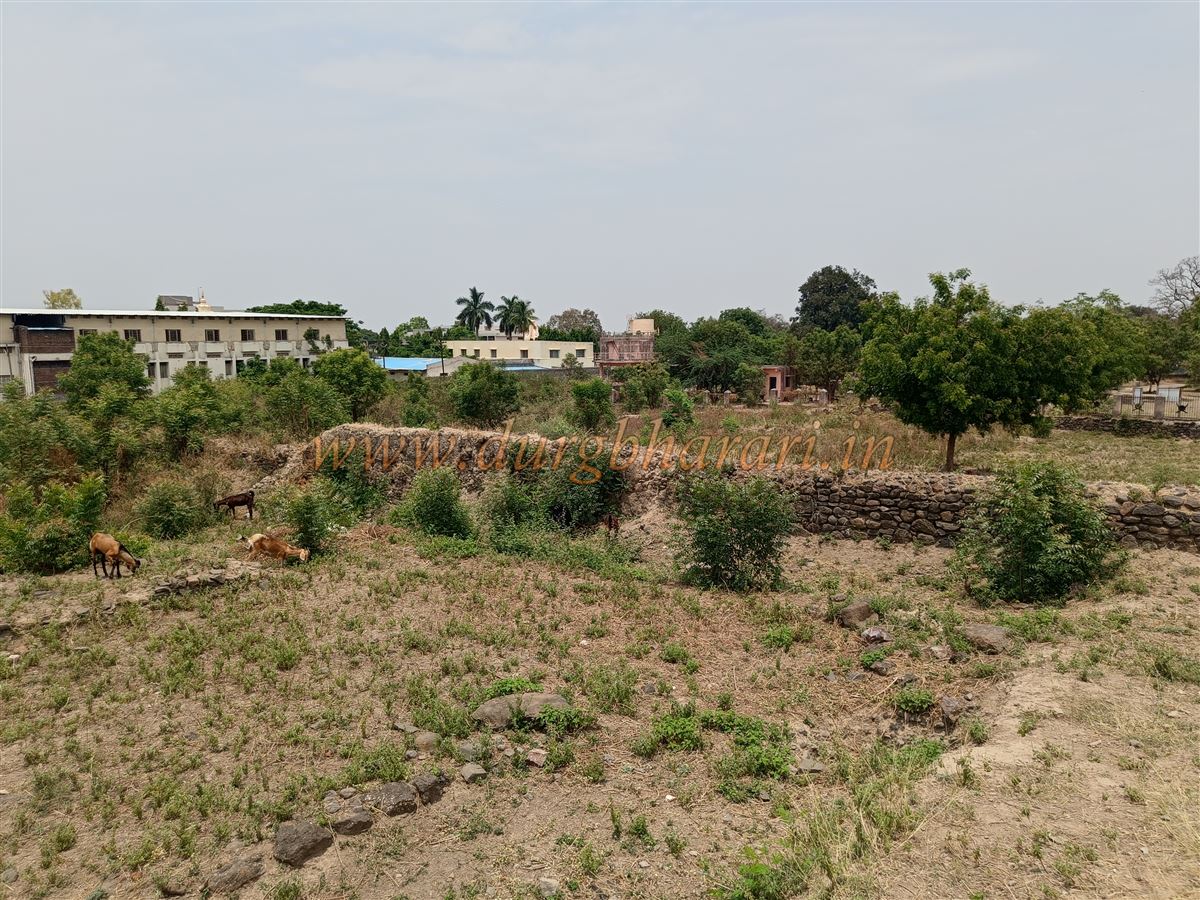
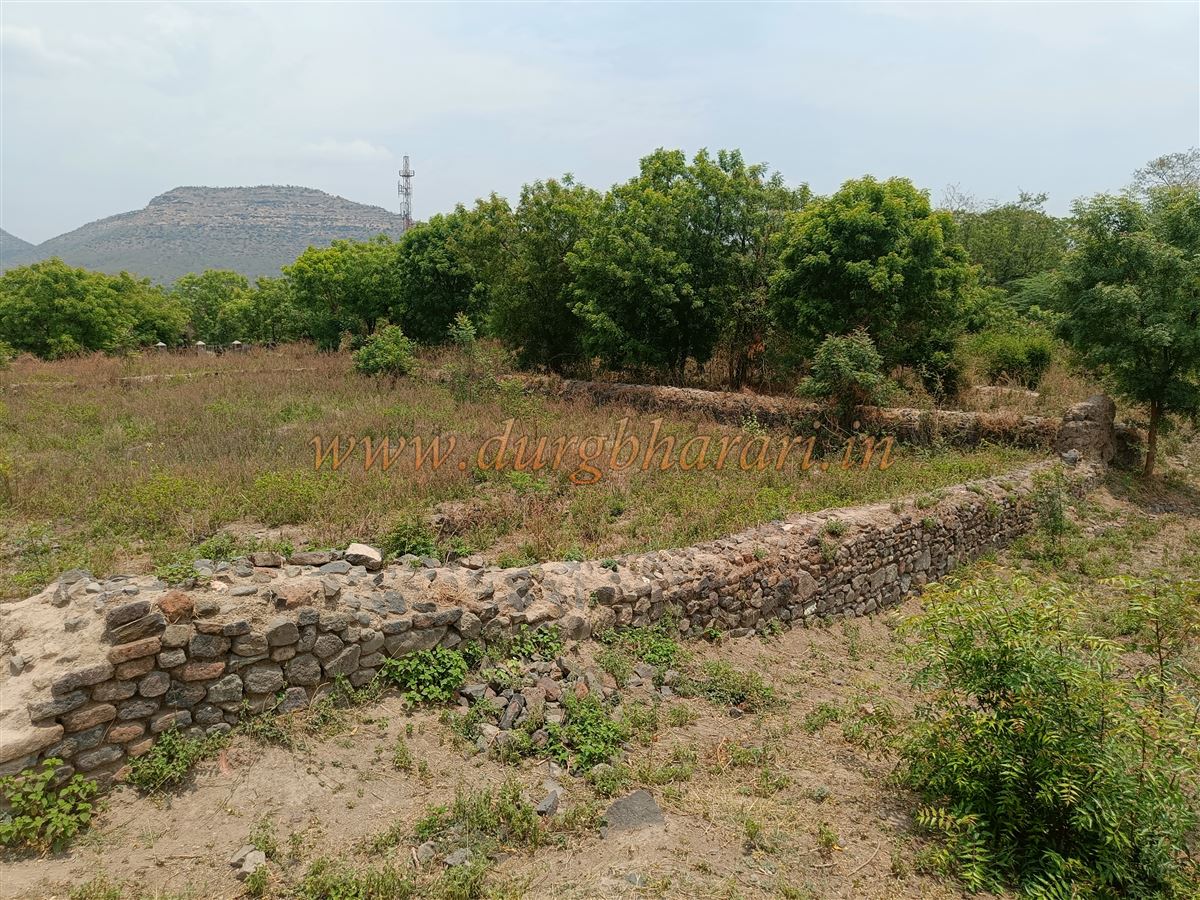
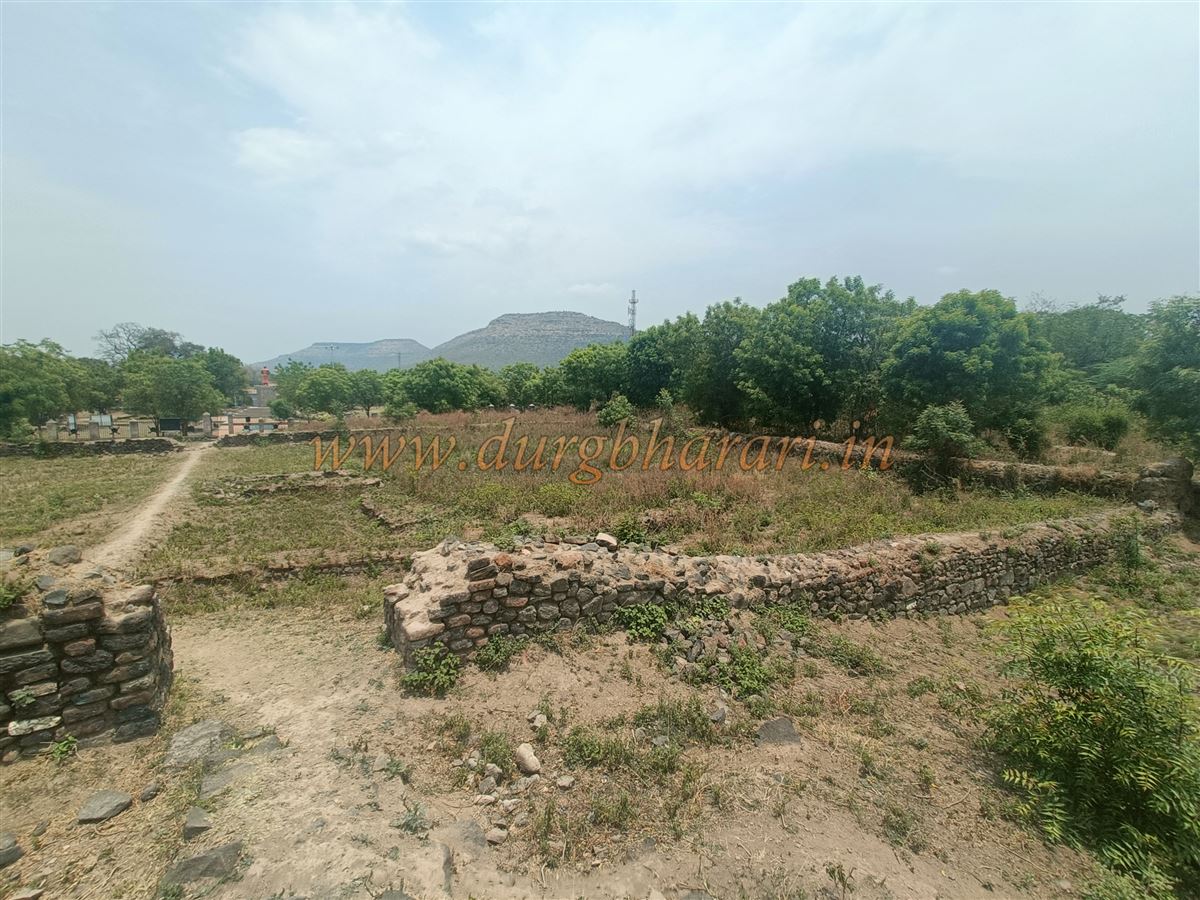
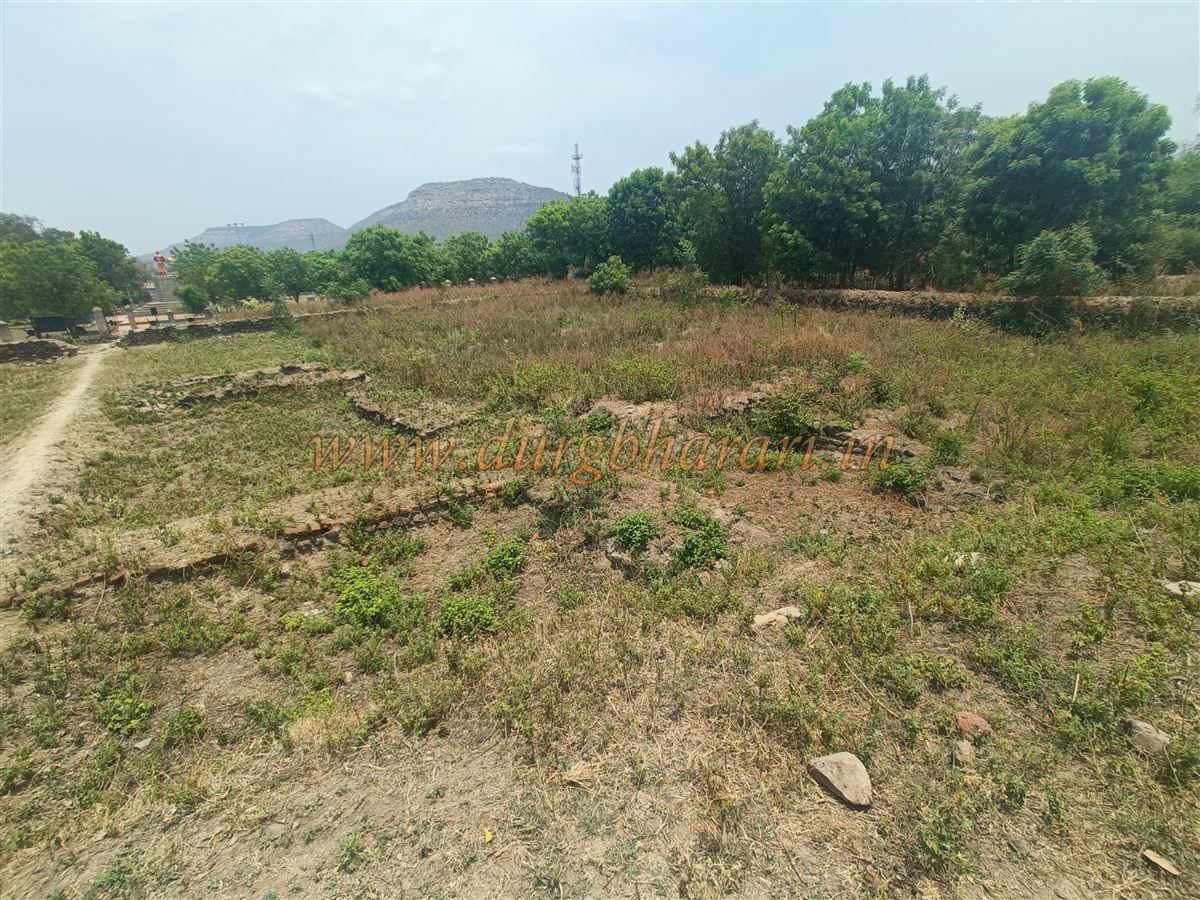
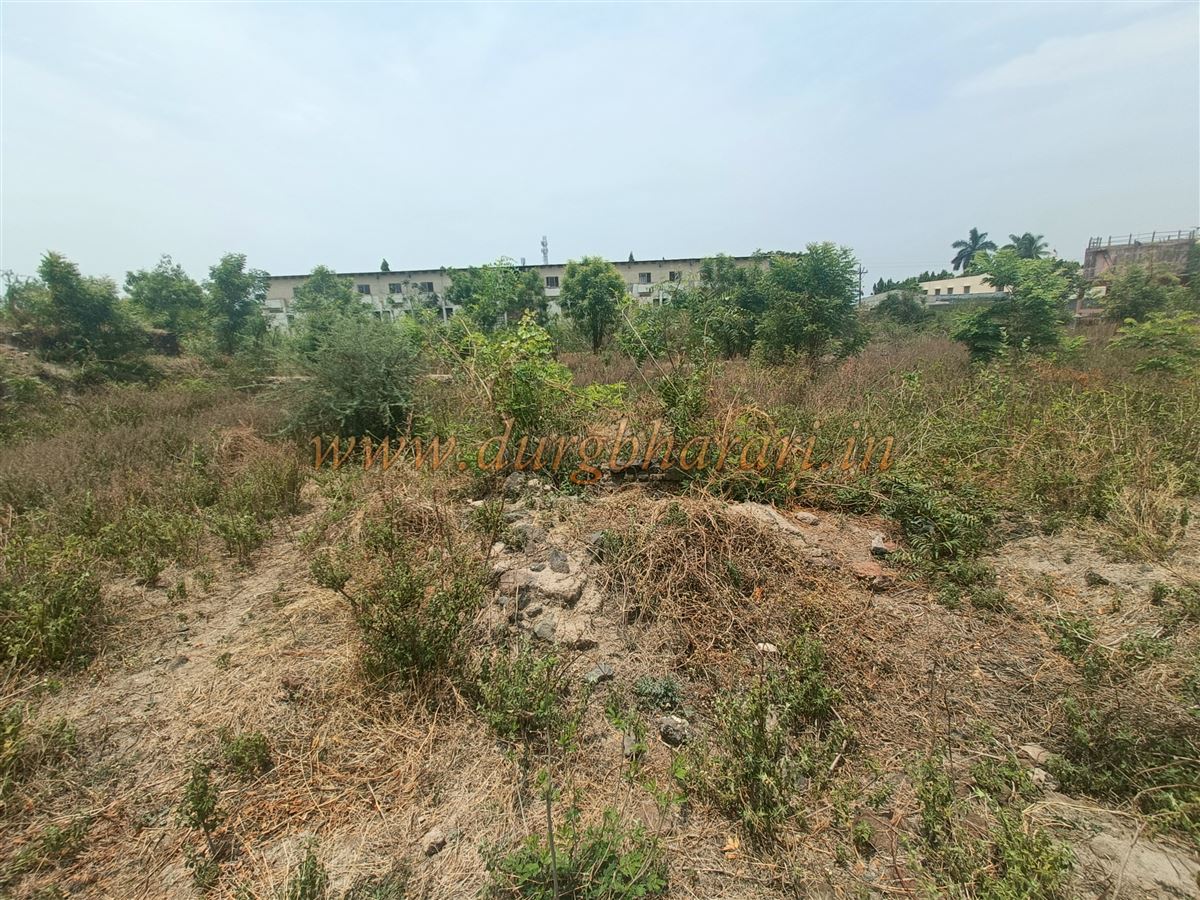
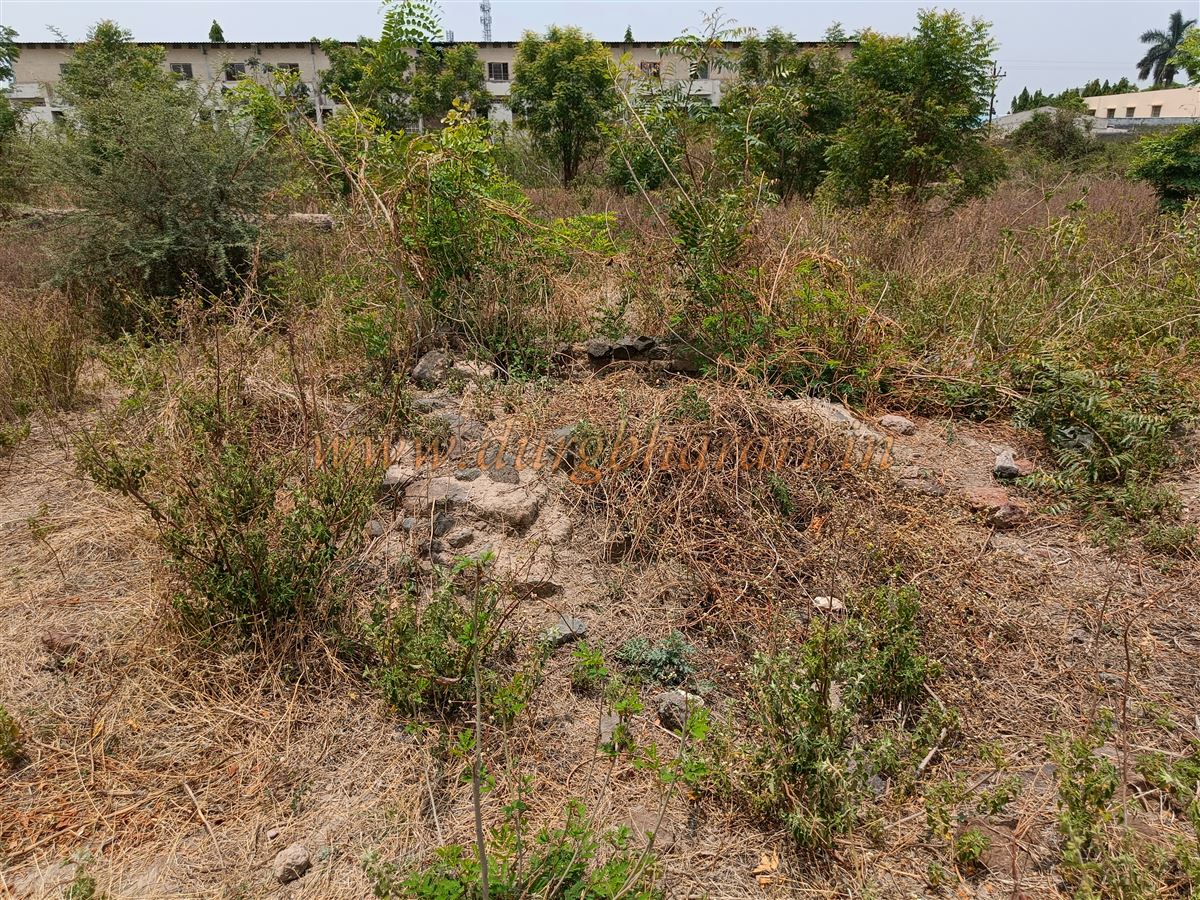
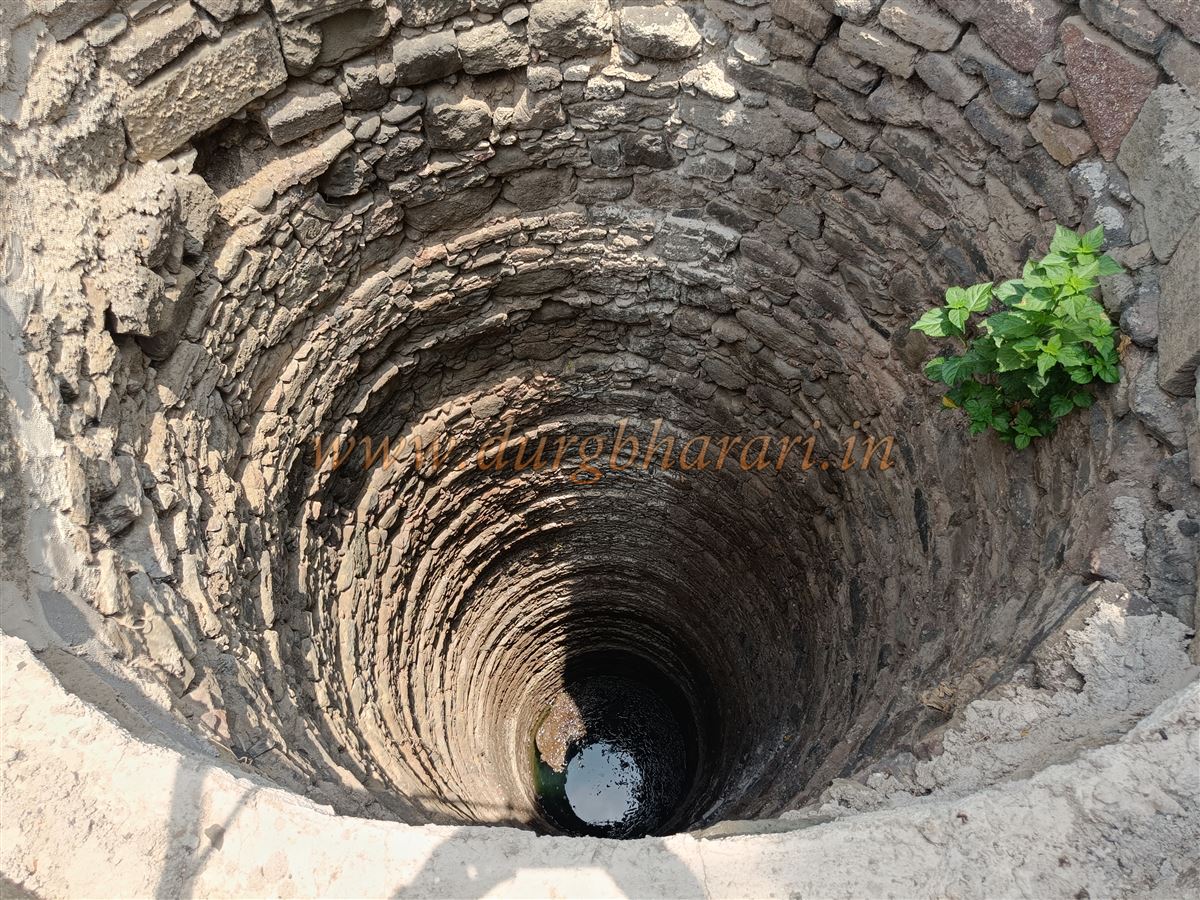
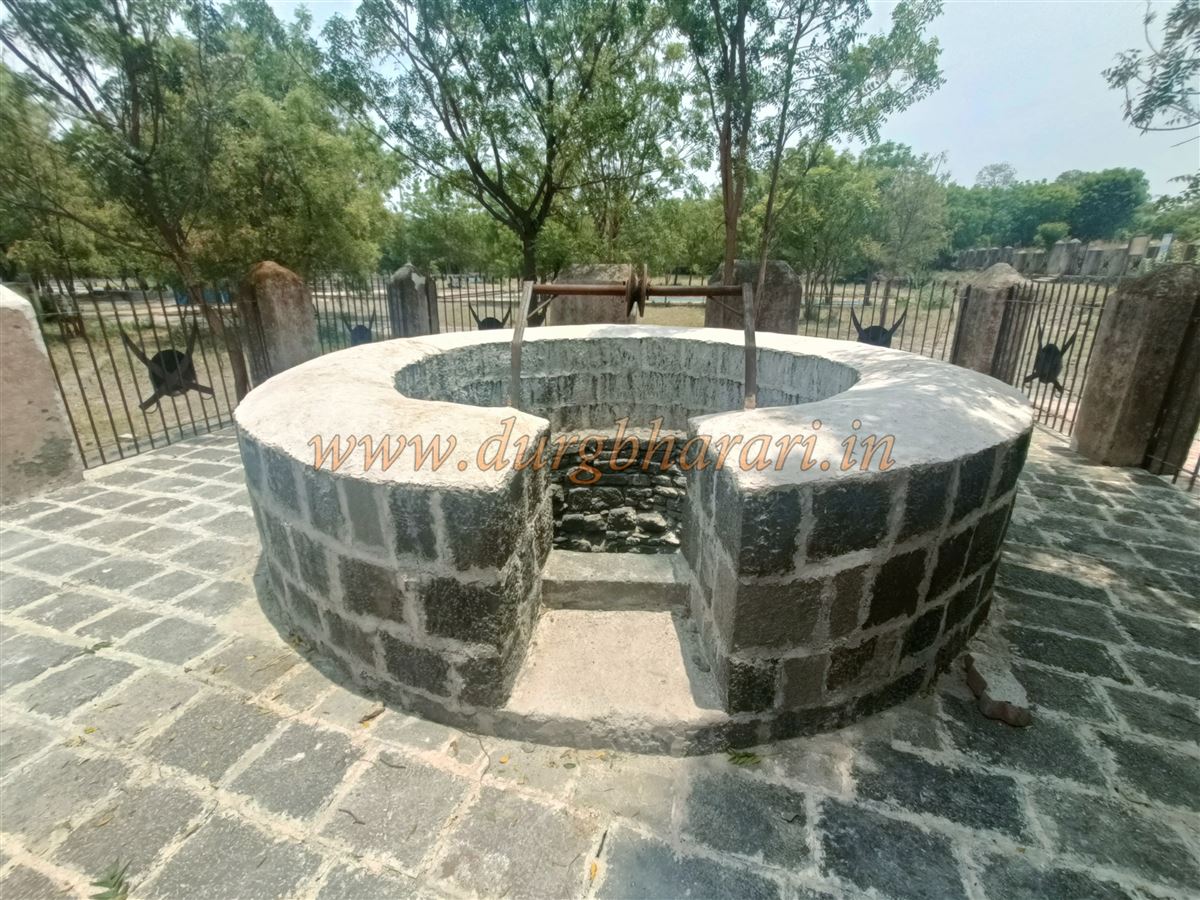
Over time, the fort residence turned into mere mounds of earth, but recently, between 2004 and 2006, the Archaeological Department carried out excavations here and brought to light the structure of this fort. In this excavation, remains of a kitchen, foundations of rooms, portions of the east-west wall, as well as two granaries and a bathing area were uncovered.
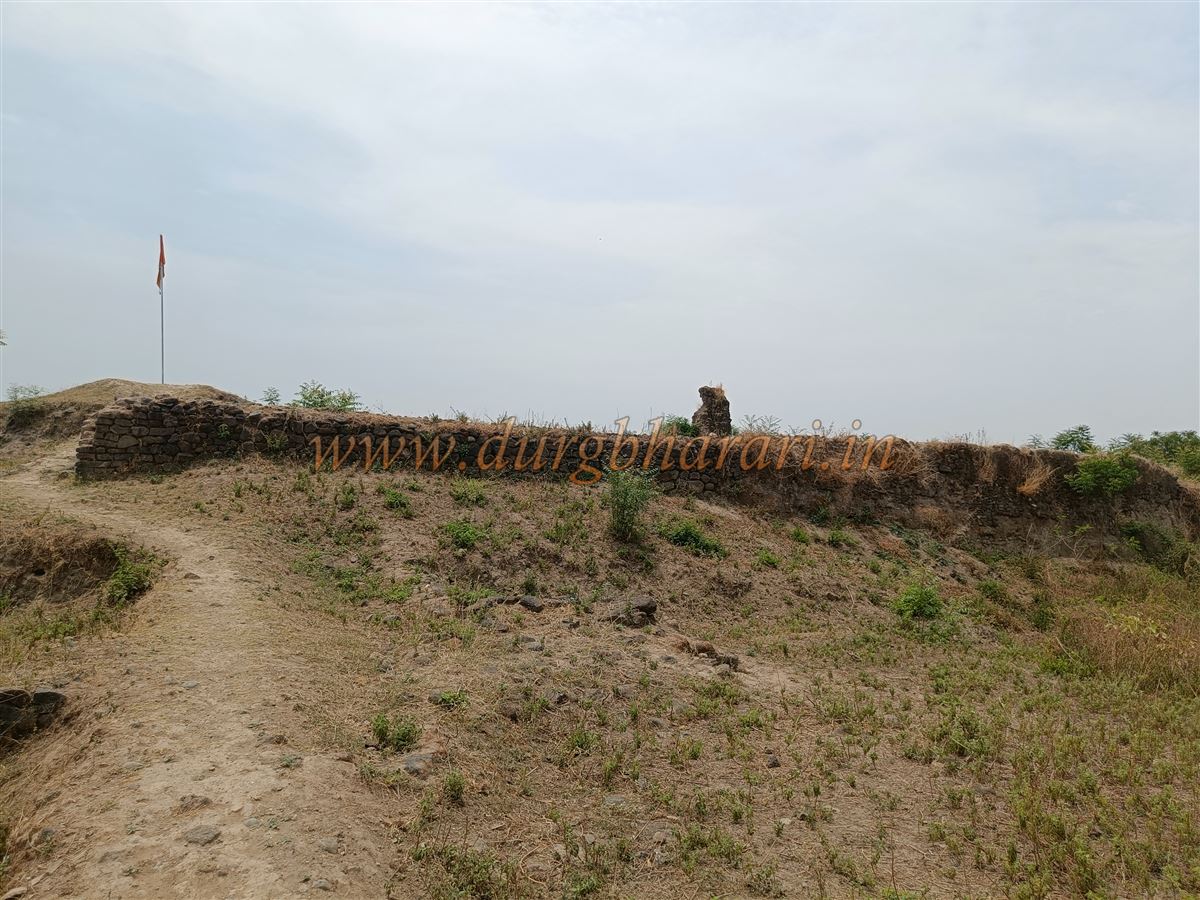
According to the officials of the Archaeological Department, artifacts such as a red stone idol of Ganesha, a silver ring, copper coins, clay lamps, animal figurines, glass and precious stones, as well as conch and glass bangles were found at the site. The entire fort area covers more than two and a half acres and was built in the sixteenth century. Among the fort structures, a single bastion, about 5 meters (approximately 15 feet) high, remains intact. Although the fort walls no longer stand, their foundations, three to five feet thick, still survive, giving an idea of their former size. Stones and bricks were used in constructing the fort, while mud, grass, and chaff were used as binding material in the walls.
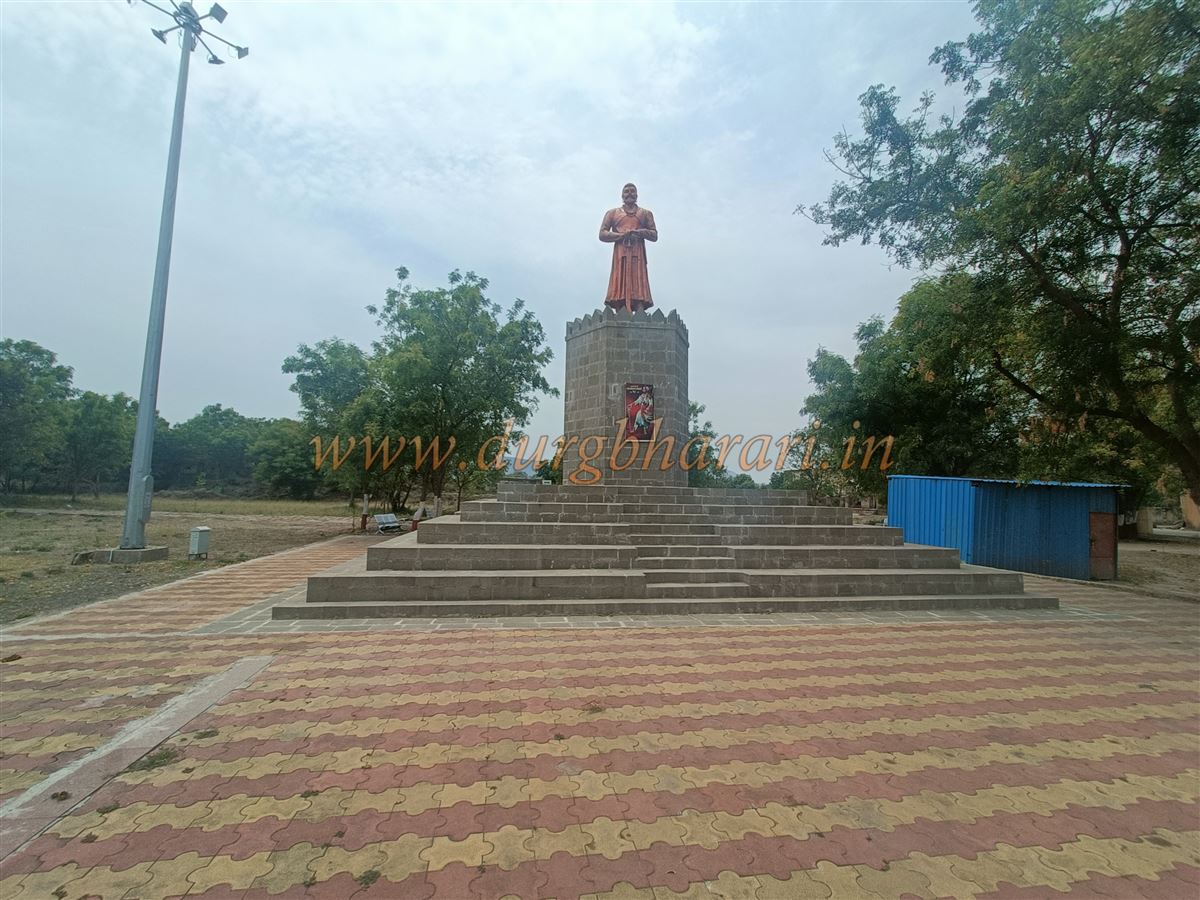
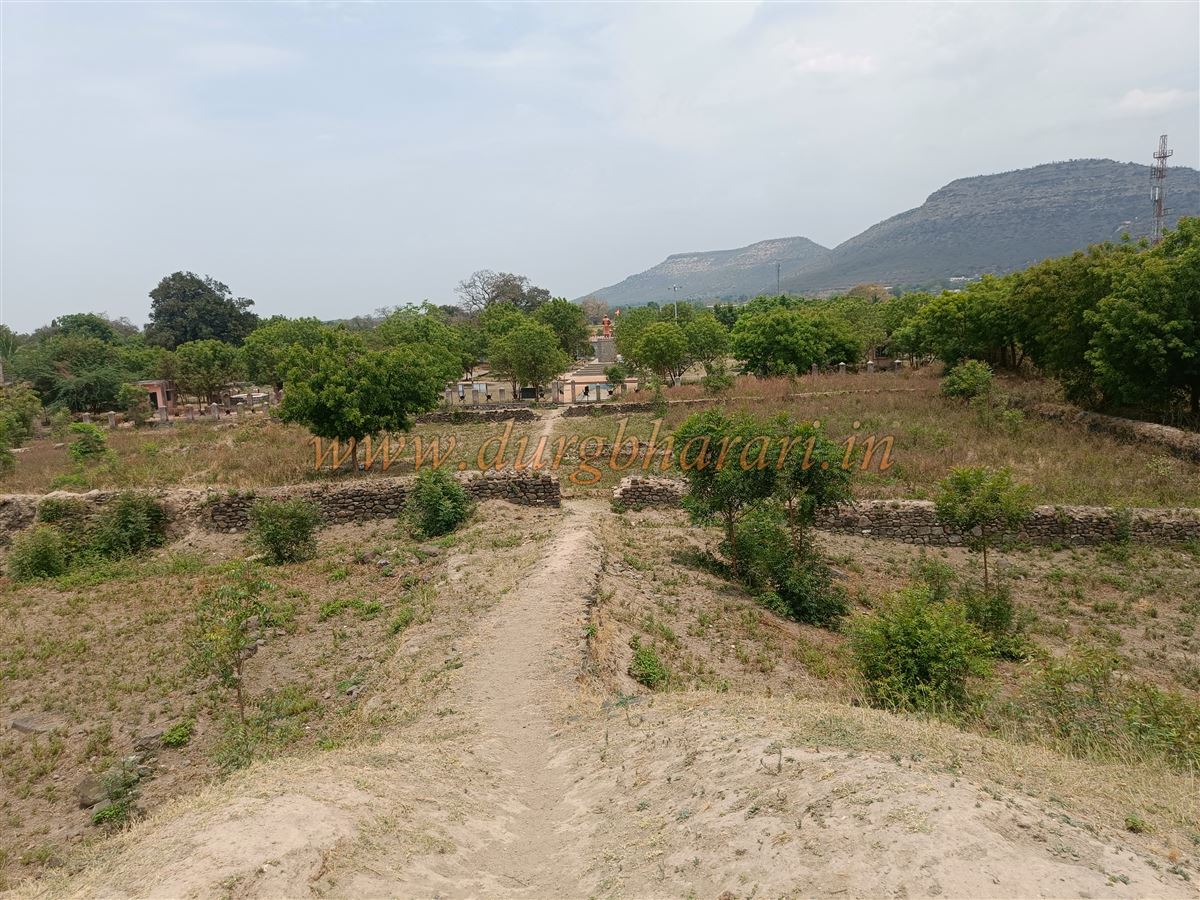
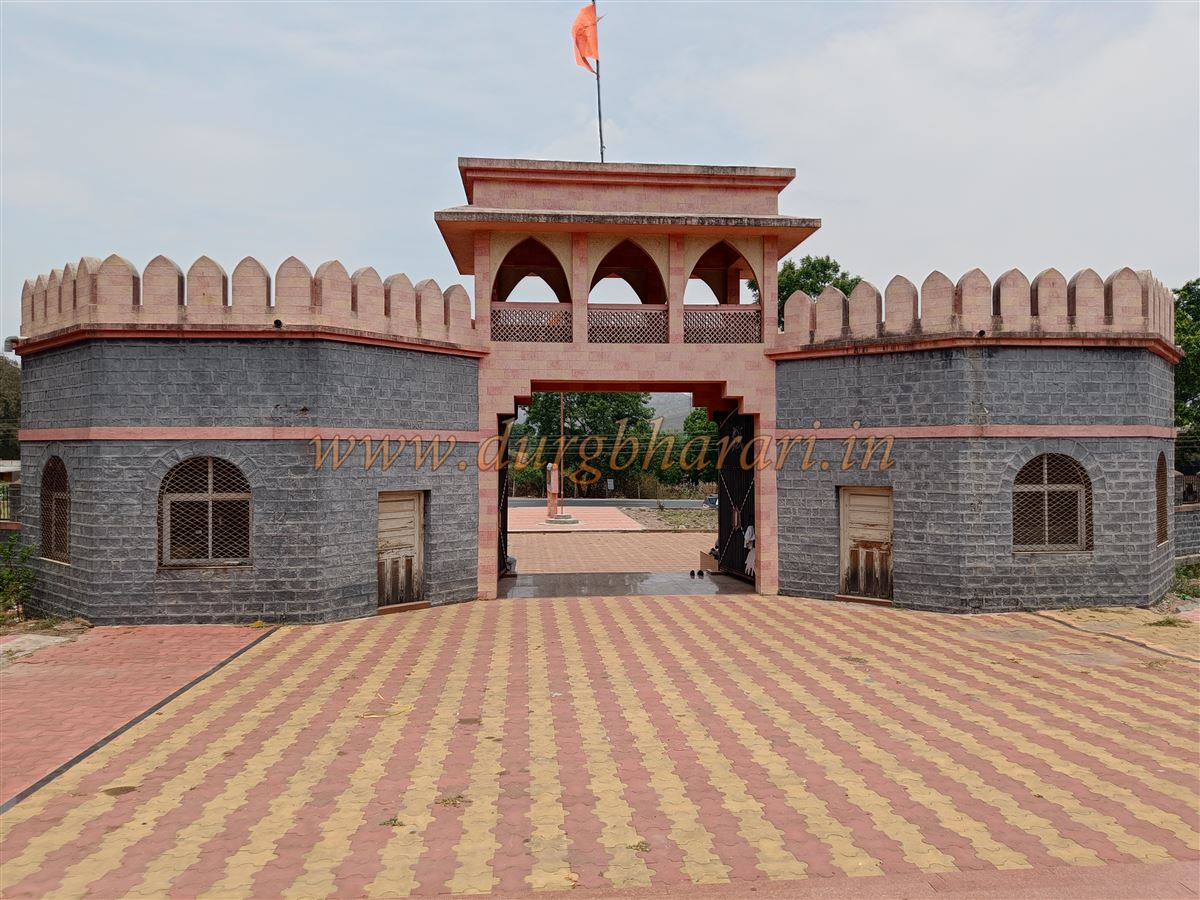
The original fort area has been declared a protected site by the government. In front of this protected area, a grand statue of Shahaji Raje has been erected as a memorial. In front of the Ghrishneshwar temple, there is one Samadhi, and two more behind it – three in total. These Samadhi belong to Babaji Raje Bhosale, Maloji Raje Bhosale, and Vithoji Raje Bhosale. Babaji Bhosale, the great-grandfather of Chhatrapati Shivaji Maharaj, held the Patilship of Verul village and also had the jagir of the surrounding villages. During Babaji Bhosale’s time, this region was under the rule of the Nizamshahi. He had two sons, Maloji Raje and Vithoji Raje. Maloji Raje, through his valour, gained great influence in the Nizamshahi court.
It was in this very fort at Verul that Shahaji Raje Bhosale, the father of Chhatrapati Shivaji Maharaj, was born on 18 March 1594. After the Ghrishneshwar temple fell into disrepair, Maloji Raje undertook its renovation. After the death of Maloji Raje, the Nizamshahi granted his jagir to Shahaji Raje and Sharifji Raje. Vithoji Raje managed the administration and raised both Shahaji and Sharifji here.
When visiting the caves of Verul and taking darshan of Ghrishneshwar, one must also visit this nearby historic site.
© Suresh Nimbalkar
GALLERY