VAVI
TYPE : FORTRESS
DISTRICT : NASHIK
HEIGHT : 0
GRADE : EASY
Chhatrapati Shivaji Maharaj is the revered deity of Maharashtra, and there has always been curiosity among the people about his descendants and ancestors. One such fort, associated with the bloodline of Chhatrapati Shivaji Maharaj, can be seen in the village of Wavi in Sinnar taluka of Nashik district. Over time, this fort has greatly deteriorated, leaving only a few remnants today.
To visit Wavi fort, travellers from Mumbai can first reach Sinnar, the taluka headquarters, while those from Pune can reach Sangamner. Wavi is located on the Ghoti–Shirdi highway, about 27 km from Sinnar and 35 km from Sangamner. Upon entering the village, if one asks for the Bhosale fort, locals easily guide visitors to the site. On the way to the fort, a few old mansions reminiscent of its history can be seen.
...
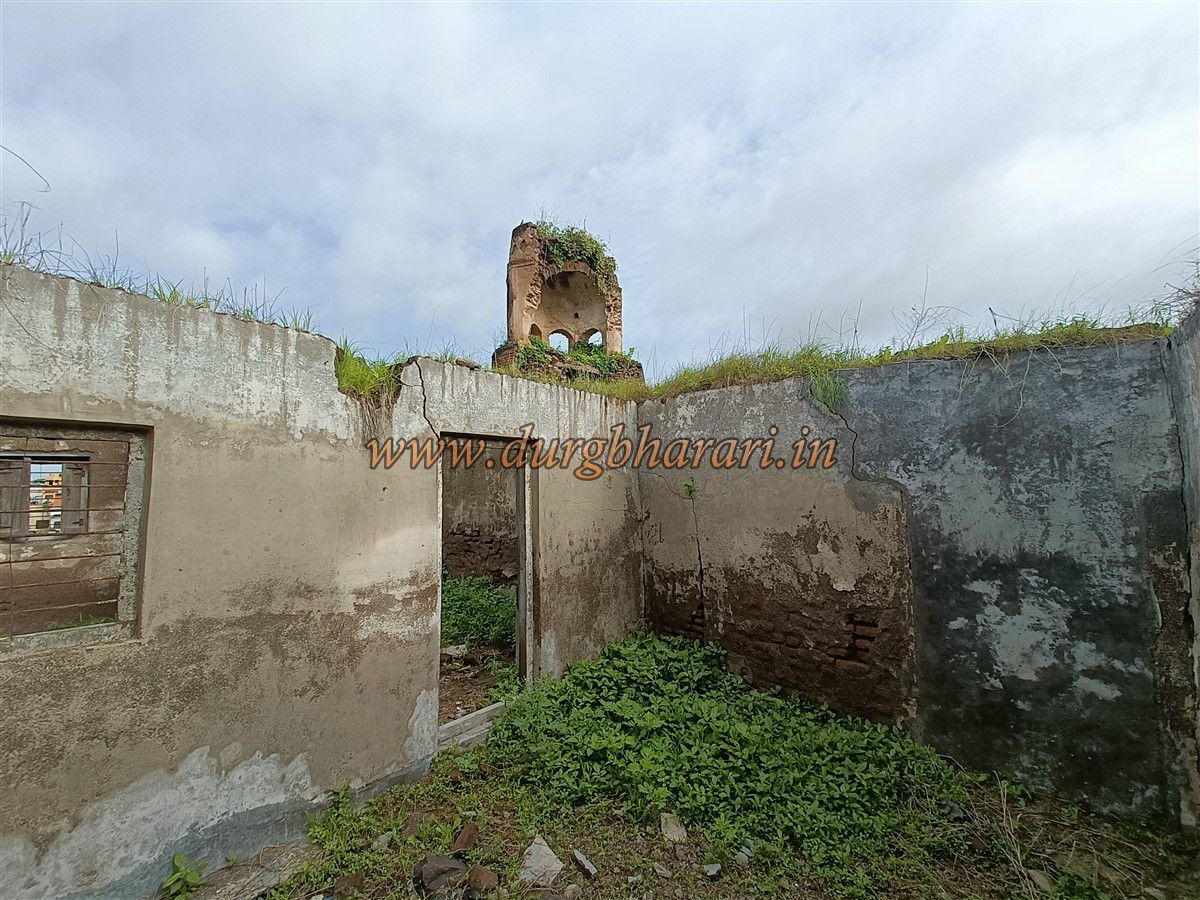
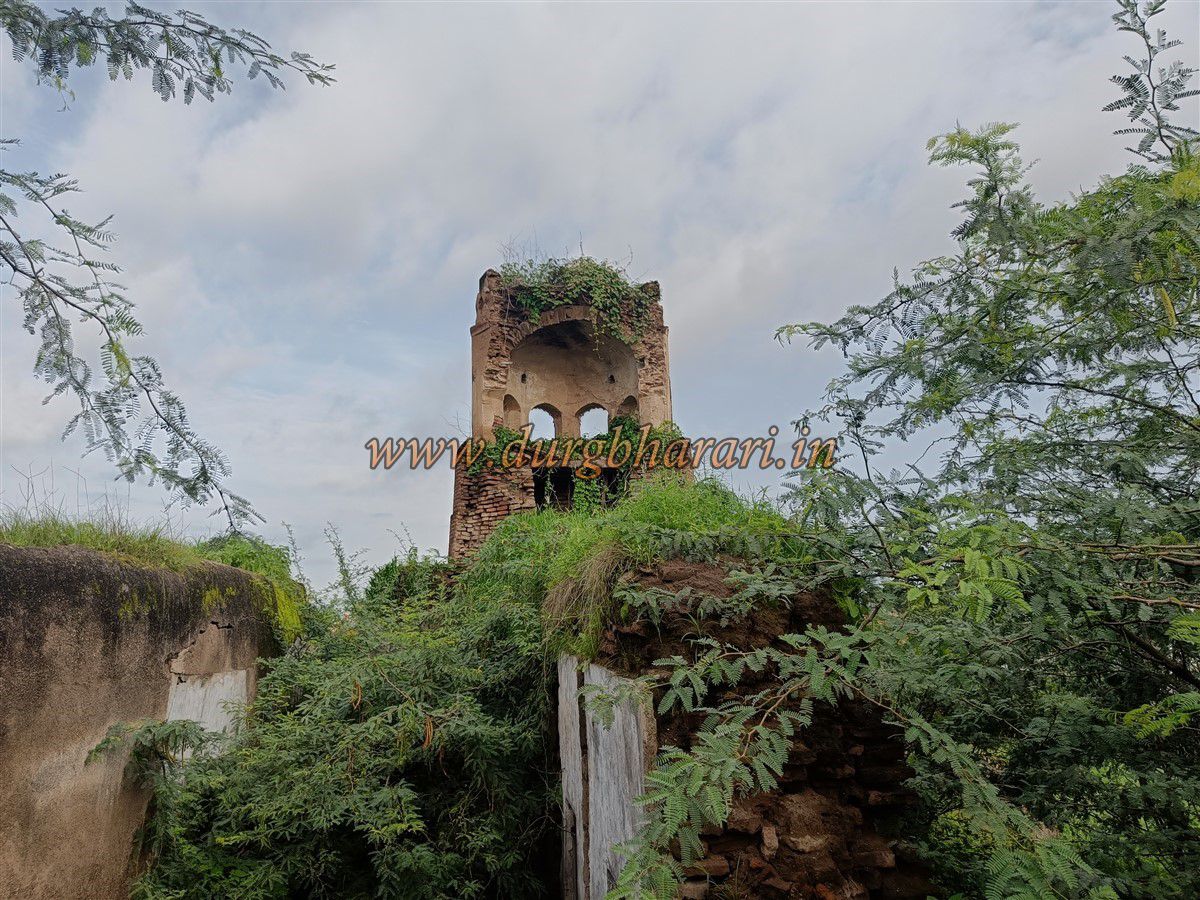
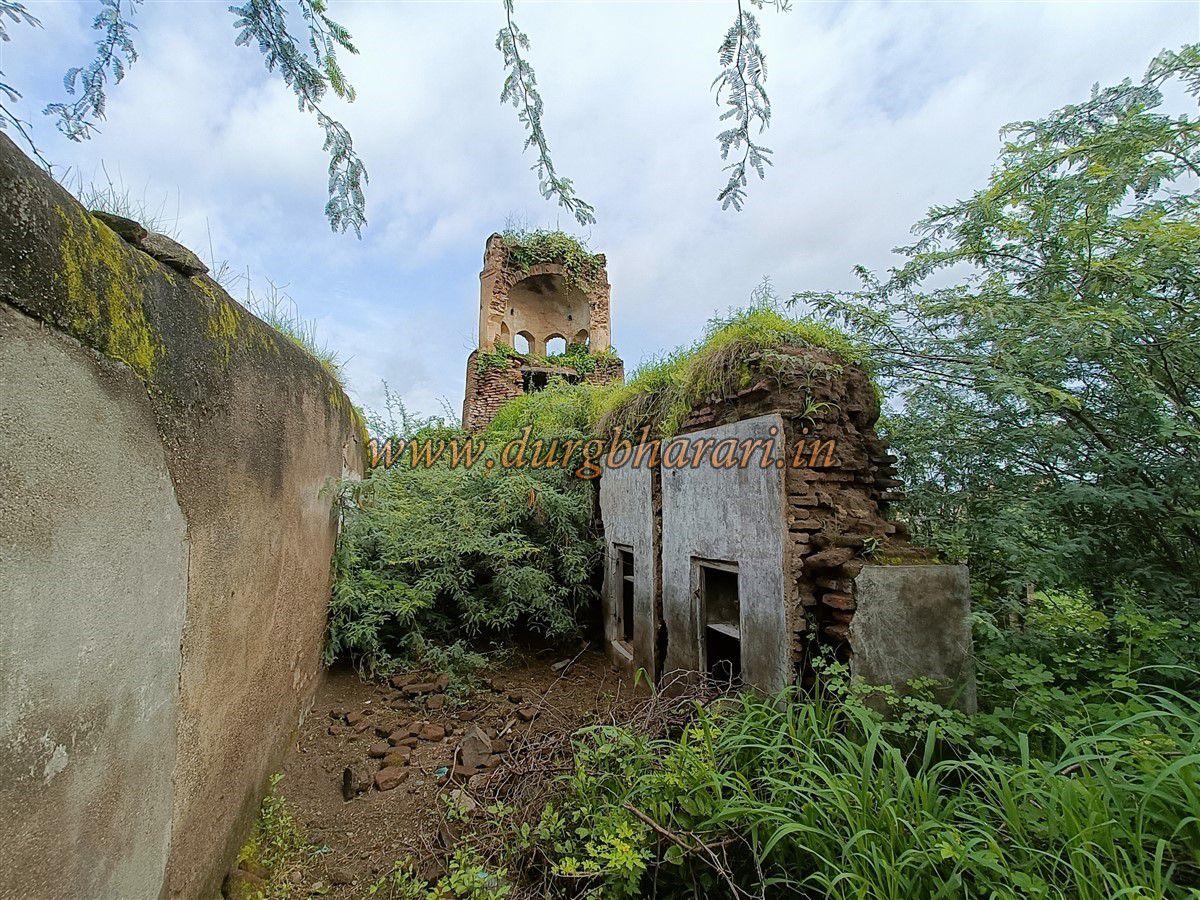
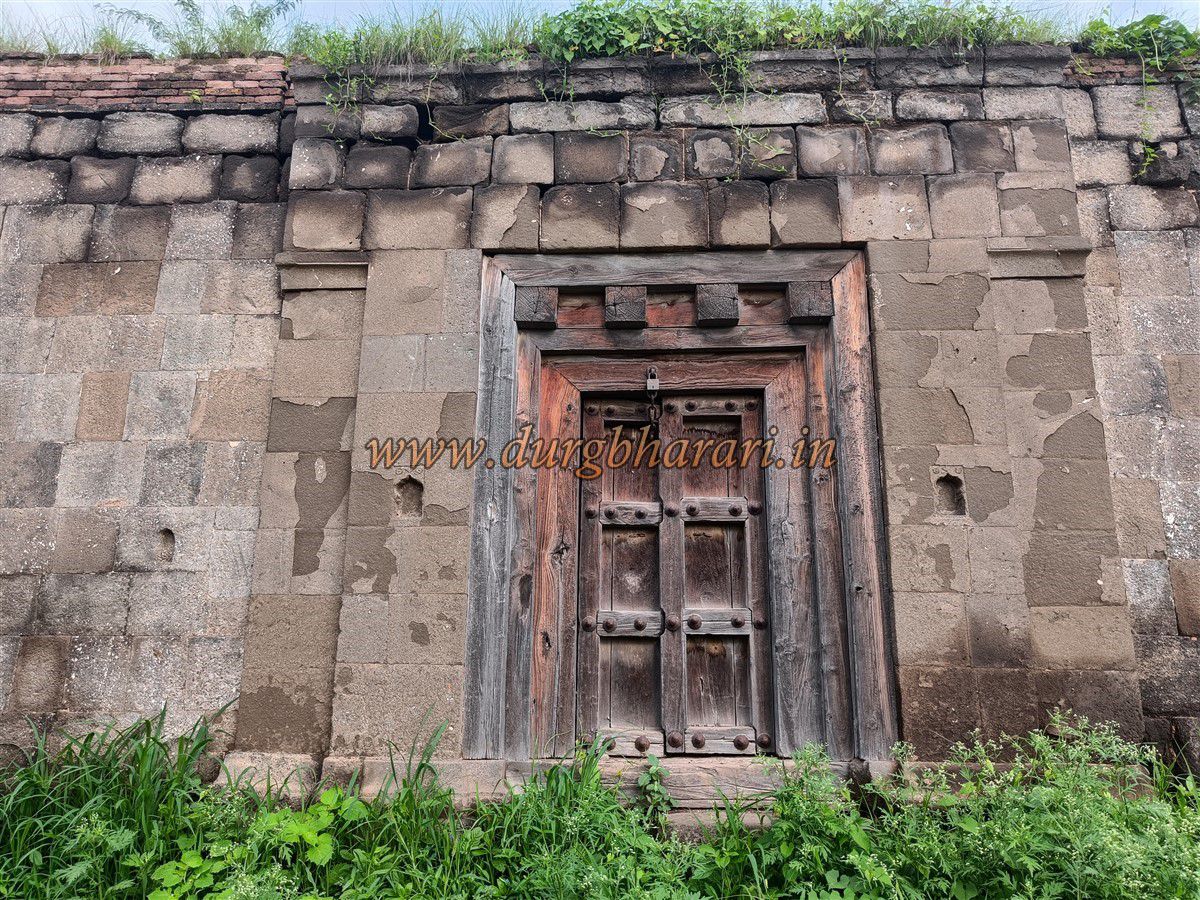
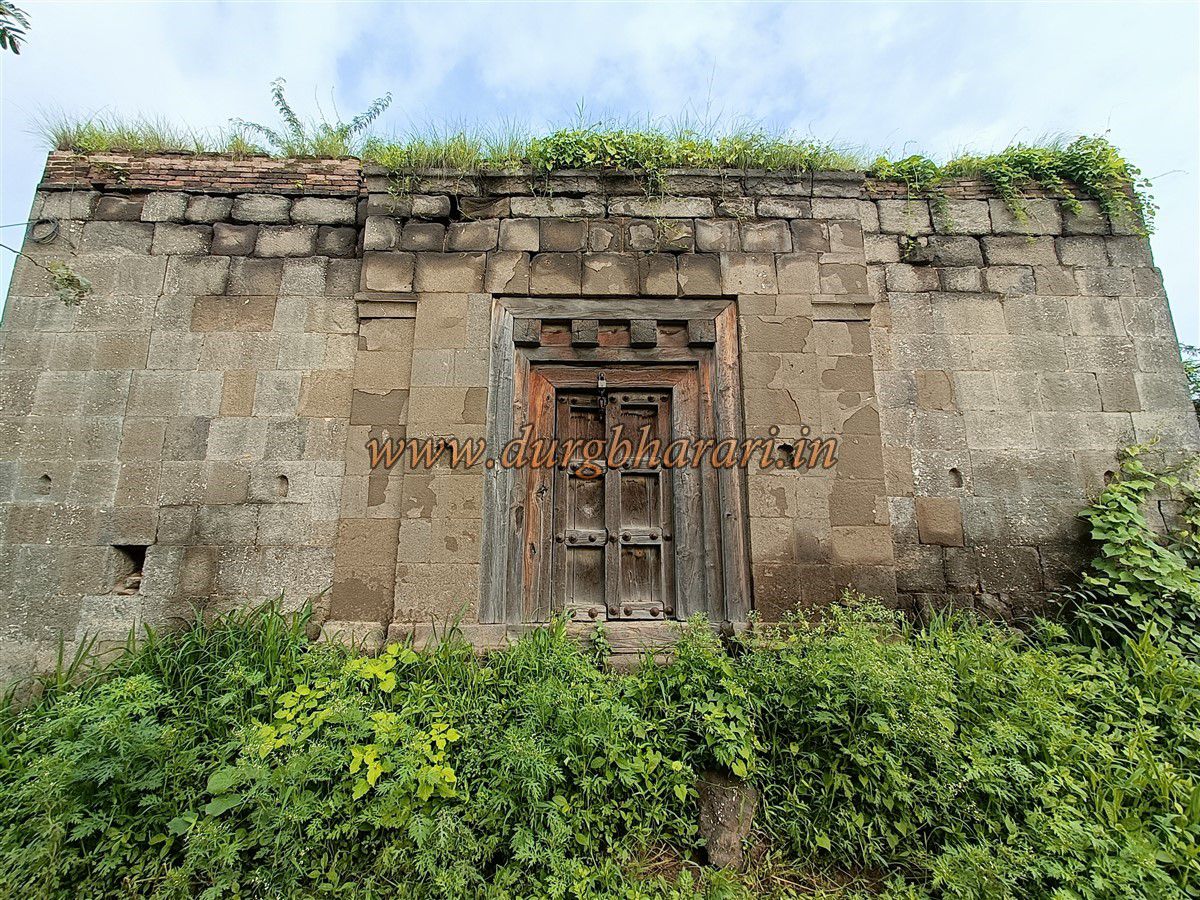
Reaching the fort, one expects to witness something grand, but instead faces disappointment. At present, only a small mound remains of the fort, with two partially collapsed bastions on either side. One of these bastions still has a partially crumbled, ornate tower, though the path to reach it is destroyed. Below this bastion, there is an underground storage chamber, accessible through a small door in the wall adjacent to the bastion. The lower portions of the bastions and walls are made of dressed stone, while the upper sections were constructed using flat bricks. Judging by its remains, the fort must once have been enclosed within an outer fortification (parkot), covering an area of more than an acre. Portions of this outer wall are still visible.
On the western side of the fort, near the bastion, the stone plinth of an old mansion remains, with worn floral carvings that hint at its antiquity. In later times, several modifications appear to have been made to the remaining ruins of the fort. With very little left to see, a tour of the fort can be completed in about 15 minutes.
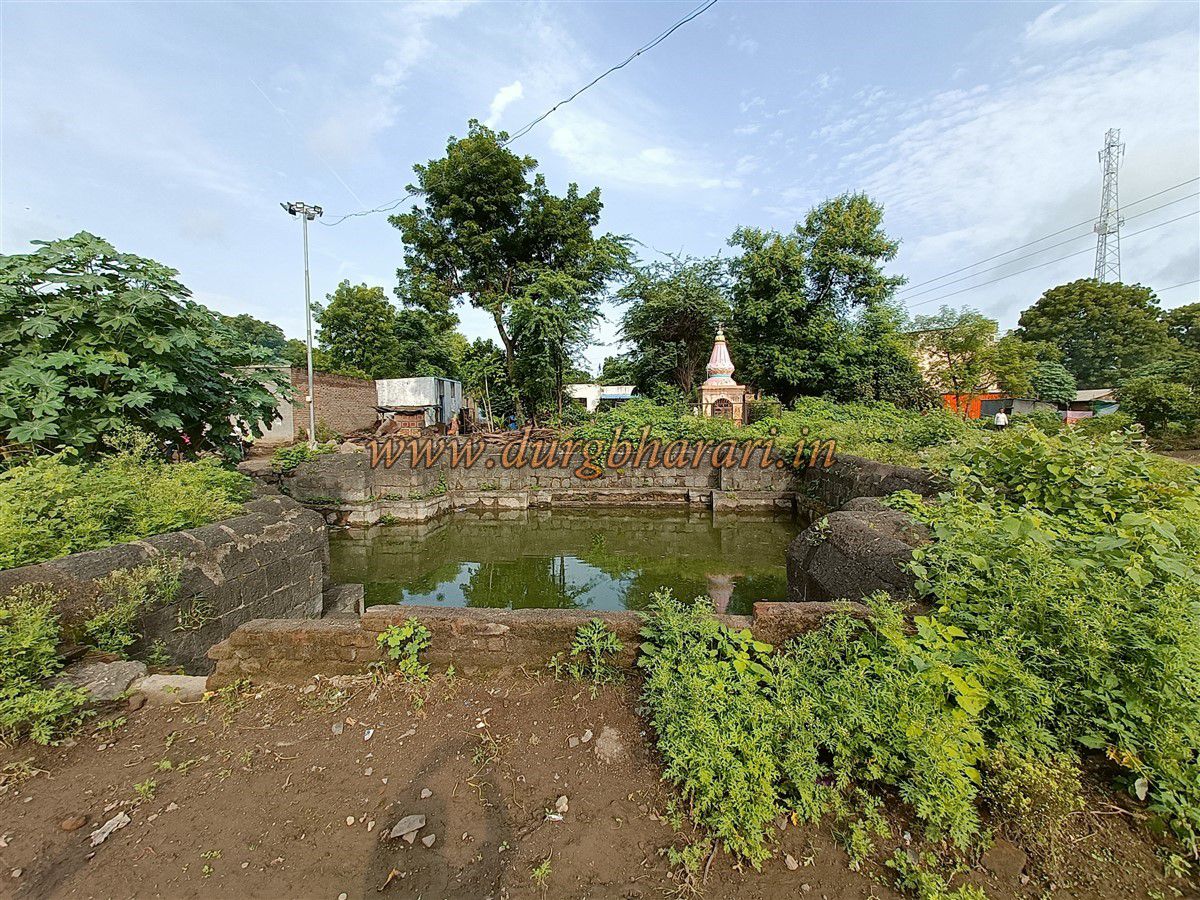
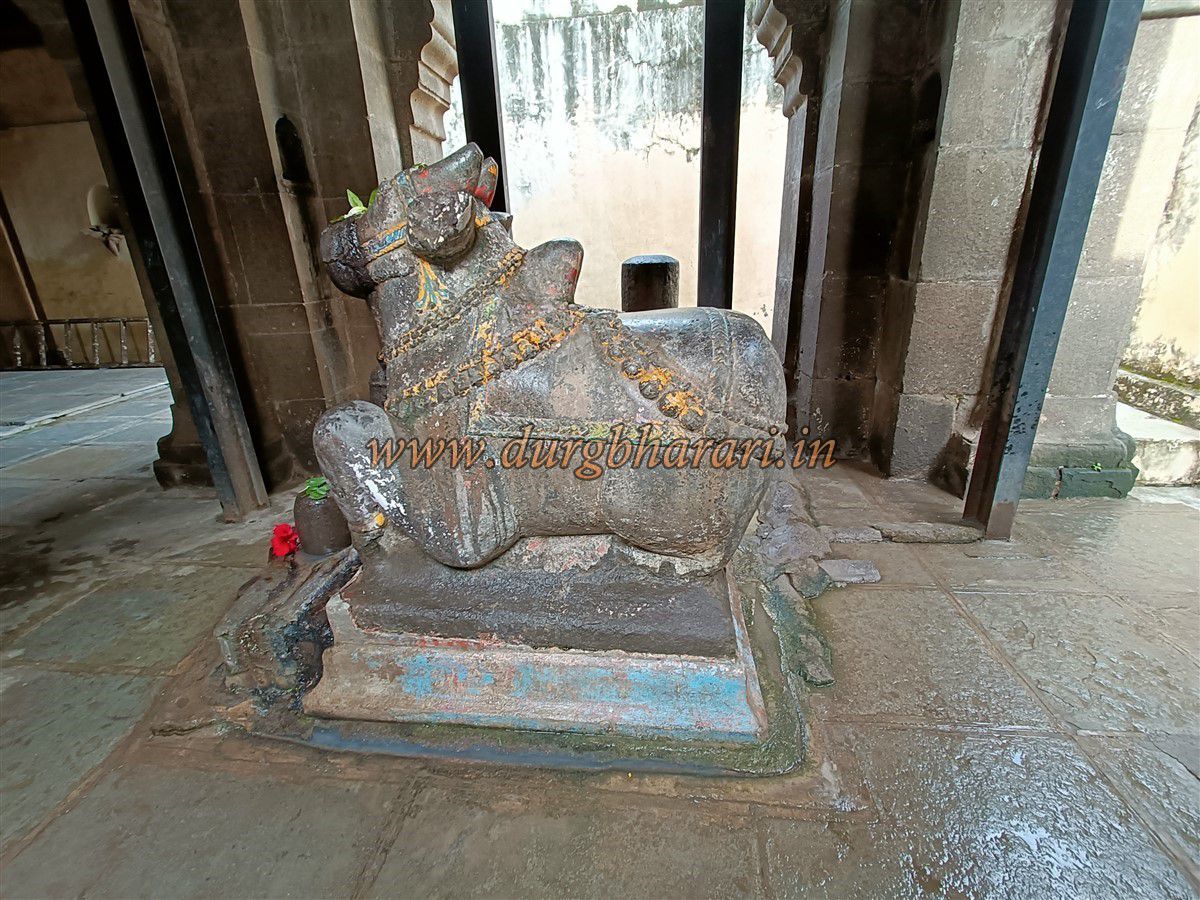
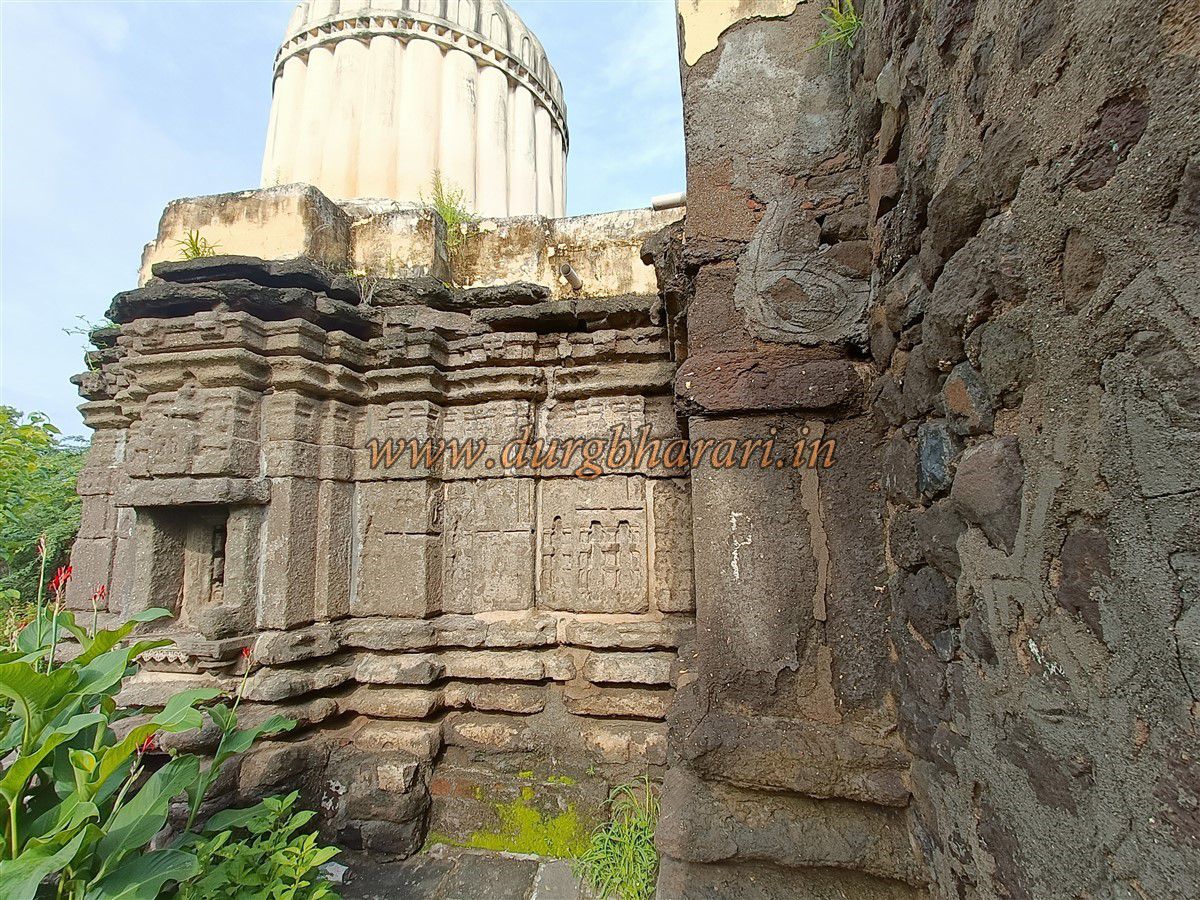
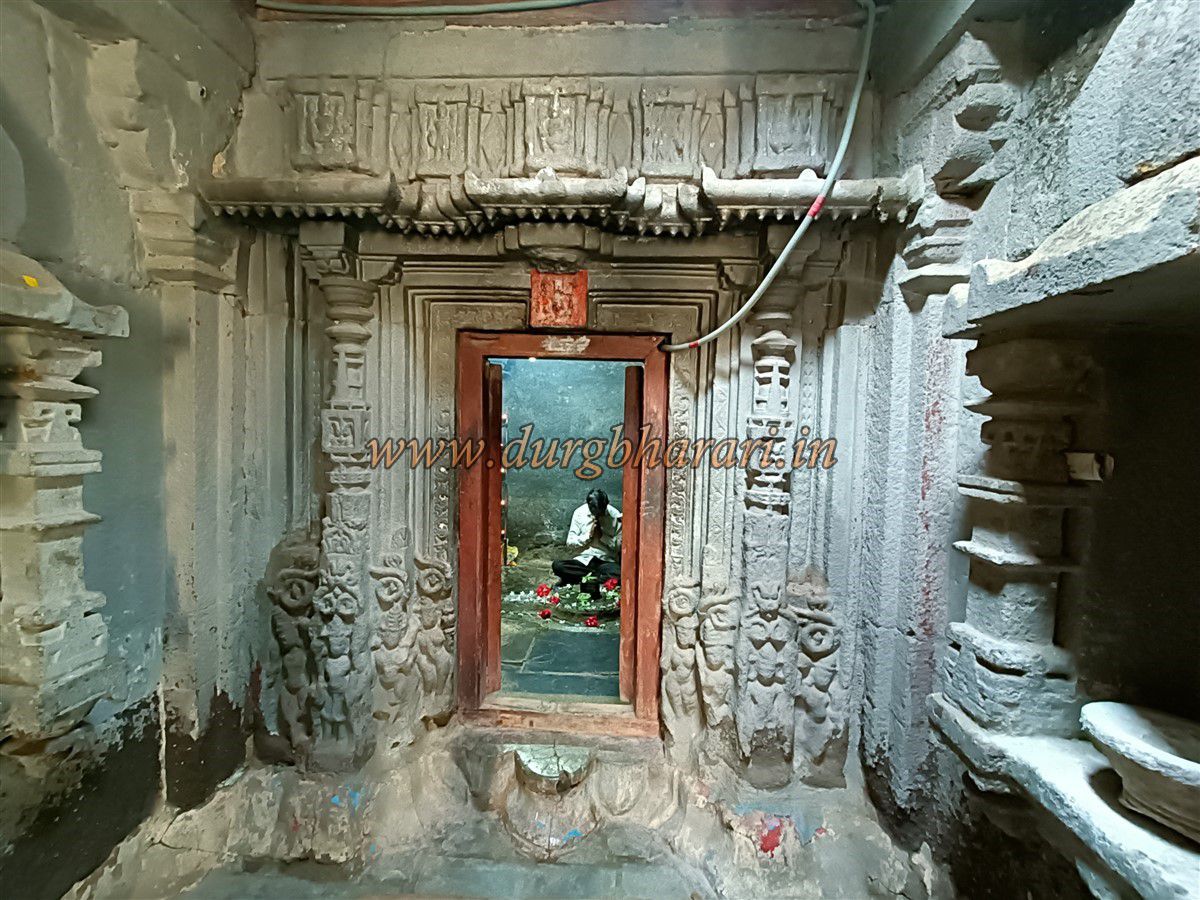
Apart from the fort, the village also has an ancient Vaijeshwar temple, which too is in a dilapidated condition. Within the temple premises, there is an ancient stepped tank (pushkarni). Exploring these structures takes about an hour.
Babaji Bhosale, the grandfather of Shahaji Raje, held the hereditary rights (vatan) of eight villages: Verul, Wavi, Bansendre, Berdi, Hingani, Jinti, Mungi, and Paithan. After Babaji Bhosale’s death, his son Vithoji Raje and his eight sons managed these estates. Vithoji Raje’s eldest son, Sambhaji Raje, held the Wavi estate. Sambhaji Raje met a heroic death during the famous Khanda–Ngale elephant incident at Daulatabad fort. After his death, the Wavi estate was inherited by Vithoji Raje’s second son, Kheloji Raje.
During the time of Shahaji Raje, Kheloji Raje was a valiant commander. Around 1629, when Shahaji Raje left Nizamshahi, Kheloji Raje joined the Mughals with him. Mughal emperor Shah Jahan conferred upon Kheloji Bhosale a mansabdari of 5,000. In 1633, when the Mughals laid siege to Daulatabad, Kheloji Raje abandoned them and joined the Adilshahi of Bijapur, where he fought against the Mughals.
Once, during a pilgrimage to the Godavari River on the occasion of Parvani, Kheloji Raje’s wife was captured by Mughal commander Mahabat Khan, who demanded a ransom of four lakh rupees. To protect his wife’s honor and preserve his family’s dignity, Kheloji Raje paid the ransom and secured her release. Later, following a peace treaty between the Mughals and Adilshahi, Kheloji Raje left Adilshahi service and returned to his ancestral estate at Verul.
In November 1639, Mughal commander Malik Hussein attacked Kheloji Raje, and he was killed in the battle. After his death, his son Jivaji Raje inherited the family estates. Later, Chhatrapati Ramraja of Satara decided to adopt Vithoji Raje, the eldest son of Trimbakji Bhosale of Wavi. The adoption took place on 15 September 1777, after which Vithoji Raje assumed the name Shahaji and became known as Chhatrapati Shahu Maharaj (younger). He was born around 1762 in Wavi and was coroneted as Chhatrapati in 1778.
After his adoption, his father Trimbakji Raje Bhosale and younger brother Chhatursingh Raje Bhosale settled in Satara. Chhatursingh Raje, born around 1770, was a trusted aide of Chhatrapati Shahu Maharaj (younger). Seeing the weakening position of the Chhatrapati, Chhatursingh Raje actively met several Maratha commanders to strengthen their cause, though with limited success.
Chhatrapati Shahu Maharaj (younger) died at Satara on 4 May 1808 at the age of 46. He was succeeded by Shrimant Pratapsingh Maharaj Chhatrapati. In May 1811, Peshwa Baji Rao II had Trimbakji Dengle capture Shrimant Chhatursingh Raje, who was sent to Raigad and later imprisoned in Kangori fort. On 15 April 1818, Chhatursingh Bhosale of Wavi breathed his last while in captivity.
© Suresh Nimbalkar
GALLERY