VASOTA
TYPE : HILL FORT
DISTRICT : SATARA
HEIGHT : 3610 FEET
GRADE : HARD
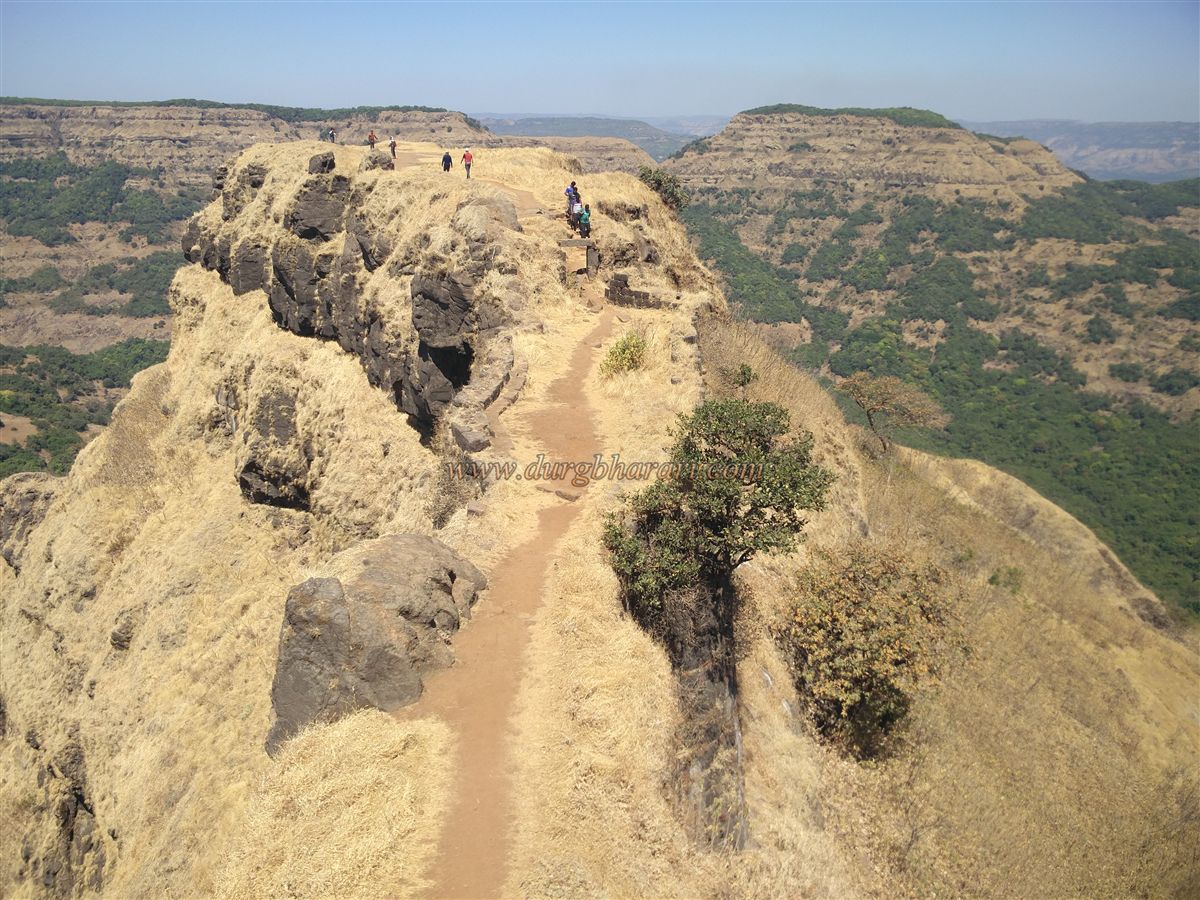
The main Sahyadri range stretches from south to north, and for nearly two thousand years, numerous mountain passes cutting through its rugged cliffs have provided routes for travel between the Konkan and the Deccan plateau. To protect these routes, many forts were constructed on the shoulders and ridges of the Sahyadri at various times. Some of these forts are even directly linked to ancient mythological times. One such fort, associated with the sage Vasistha of the Puranas, is the Vasota Fort. It is believed that the name Vasota is a corrupted form of “Vasistha.”
Nestled deep within the forests of the Koyna River basin, Vasota is a combination of a hill fort and a forest fort and is also known as Vyaghra Gad (Tiger Fort). A trip to Vasota is considered incomplete without visiting Nageshwar, but since this entire area falls within the Koyna Wildlife Sanctuary and the Sahyadri Tiger Reserve, overnight stays are strictly prohibited.
...
Thus, the Vasota-Nageshwar trek, which takes about twelve hours, must be completed in a single day.
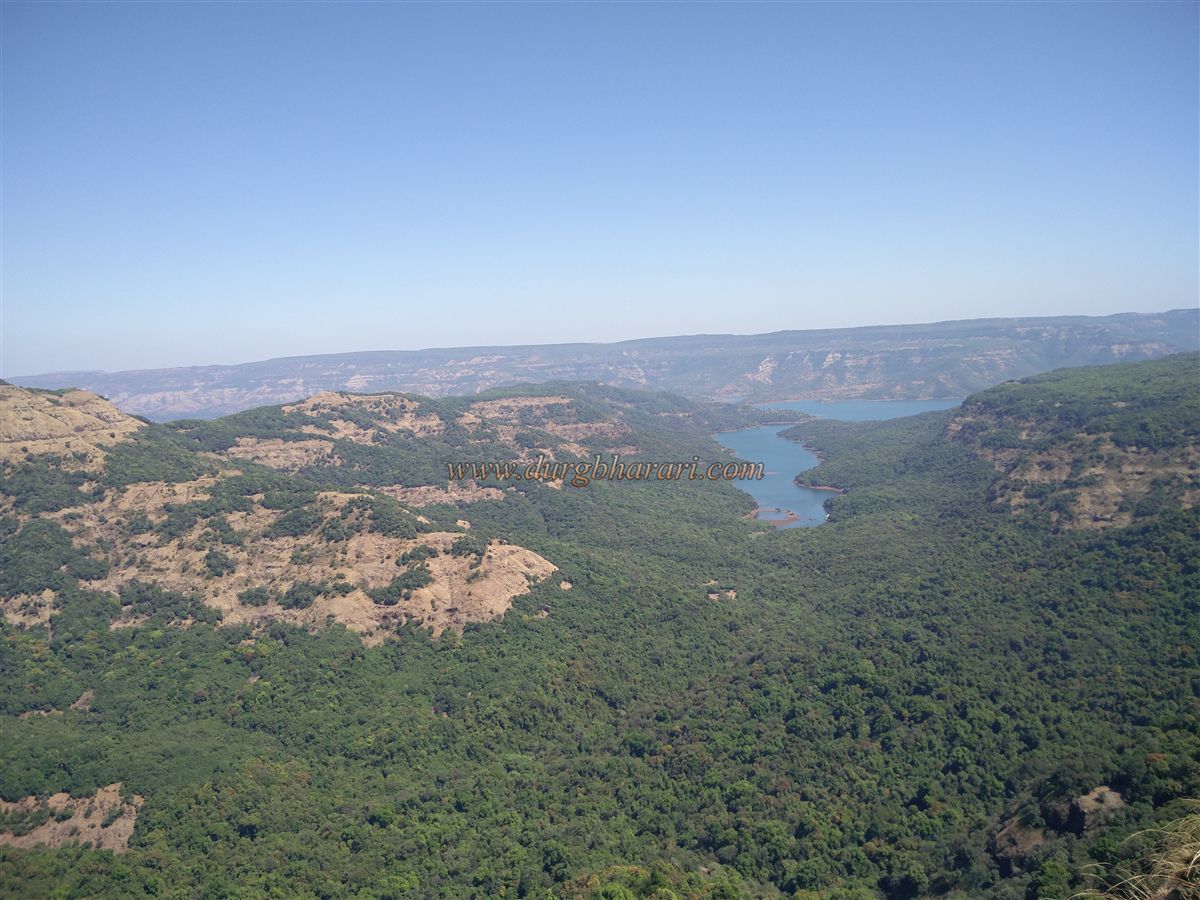
Although there are several traditional routes to Vasota, two well-used ones remain today — one from Bamnoli in Satara district on the plateau and another from Choravane near Chiplun in Konkan. The Satara-Kaas-Bamnoli road covers 38 km from Satara to Bamnoli, with another 14 km from Kaas to Bamnoli. From Bamnoli, one must cross the Koyna backwaters by boat after paying an entry fee to the forest department. This route allows for a day-long trek from Bamnoli to Met Indavli, then Vasota, onward to Nageshwar, and back to Bamnoli via Met Indavli. Staying overnight at Bamnoli is recommended, with accommodation available at the Bhairavanath Temple.
A few important points must be noted. Since this entire area falls under the Sahyadri Tiger Reserve, entry to Vasota is prohibited during the monsoon season (June 15 to October 15) and on December 31 and January 1. Entry into the sanctuary is permitted between 7:30 a.m. and 1:30 p.m., but due to permit formalities, the trek cannot begin before 8 a.m.
A boat accommodating 12 people from Bamnoli to Met Indavli costs Rs. 3,540, regardless of whether it carries one person or a full group. Sometimes boat operators cause inconvenience if smaller groups try to combine to share the cost. In addition, the forest department charges an entry fee of Rs. 30 per person, Rs. 150 per boat, and Rs. 300 for a guide, along with separate camera charges. If returning from the trek after sunset, trekkers may face fines from the forest department, and boatmen often demand extra money.
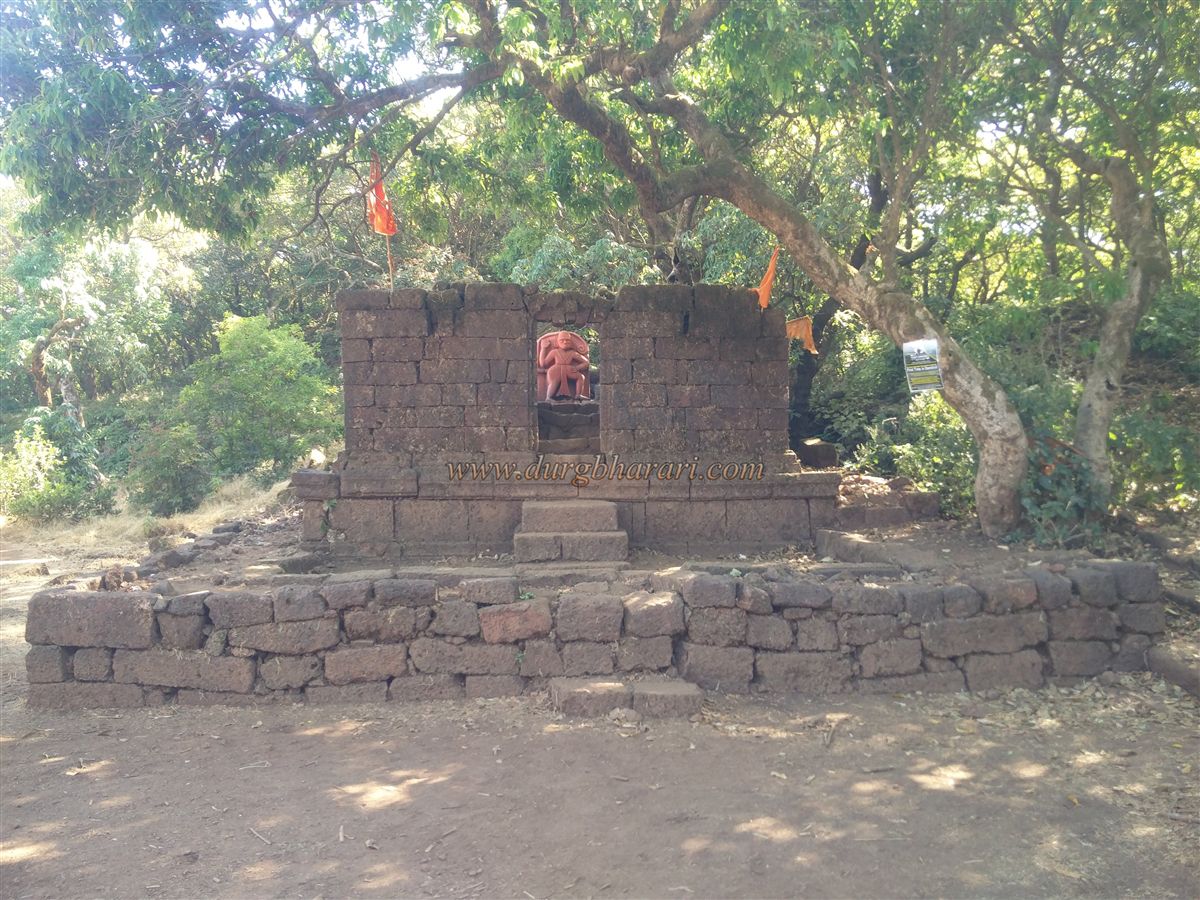
It takes about an hour to cross the Koyna backwaters by boat to Met Indavli. From there, a path behind the forest office leads to a small, roofless Hanuman and Ganapati temple. As the water on the fort is not potable, trekkers should fill their bottles from the stream here. After crossing the stream, a steep climb through dense forest takes about 1.5 hours to reach the Nageshwar junction. The path on the right leads to Nageshwar, while the straight path ascends to the fort in about half an hour. From Met Indavli, a well-defined trail takes about 2.5 hours to reach the fort.
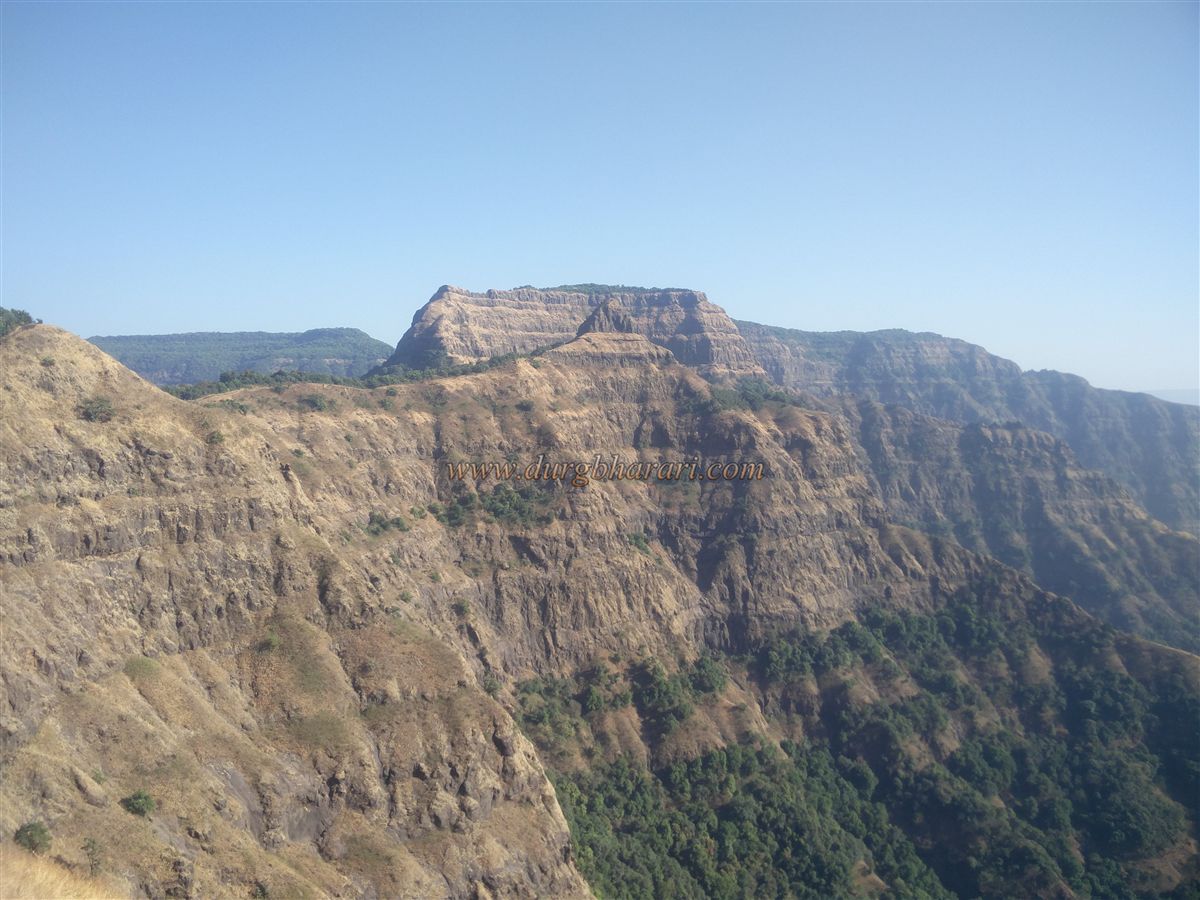
Now let us consider the second route from the Konkan side. Staying overnight at the Vitthal temple in Choravane allows trekkers to complete the Choravane-Nageshwar-Vasota-Nageshwar-Choravane trek in a day. Choravane is about 30 km from Chiplun. From the Vitthal temple in Choravane, a road climbs to a plateau at the base of Nageshwar Pinnacle. With private vehicles, one can drive up to this point, reducing the trek by about 3 km and saving 1.5 hours of walking. This makes it possible to complete the journey in about 10 hours, provided one starts early in the morning.
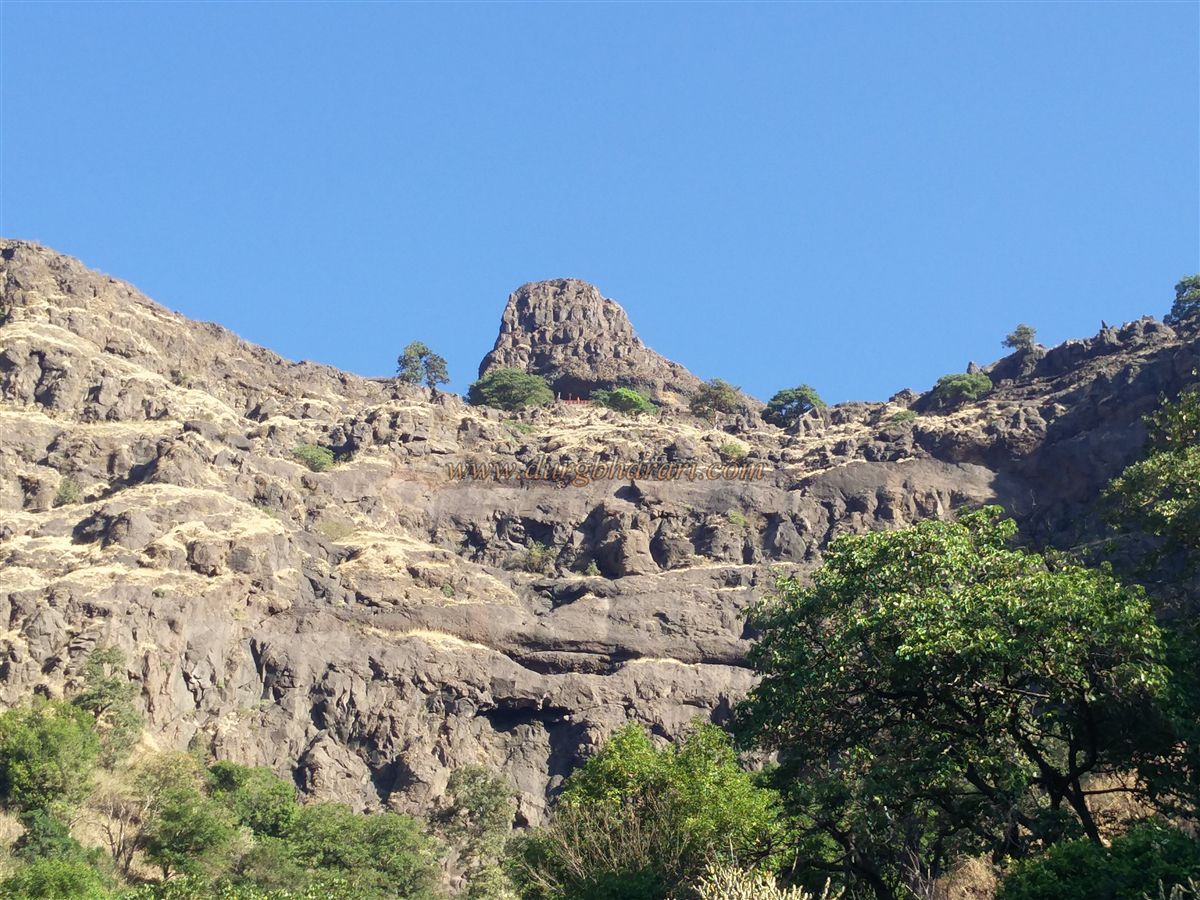
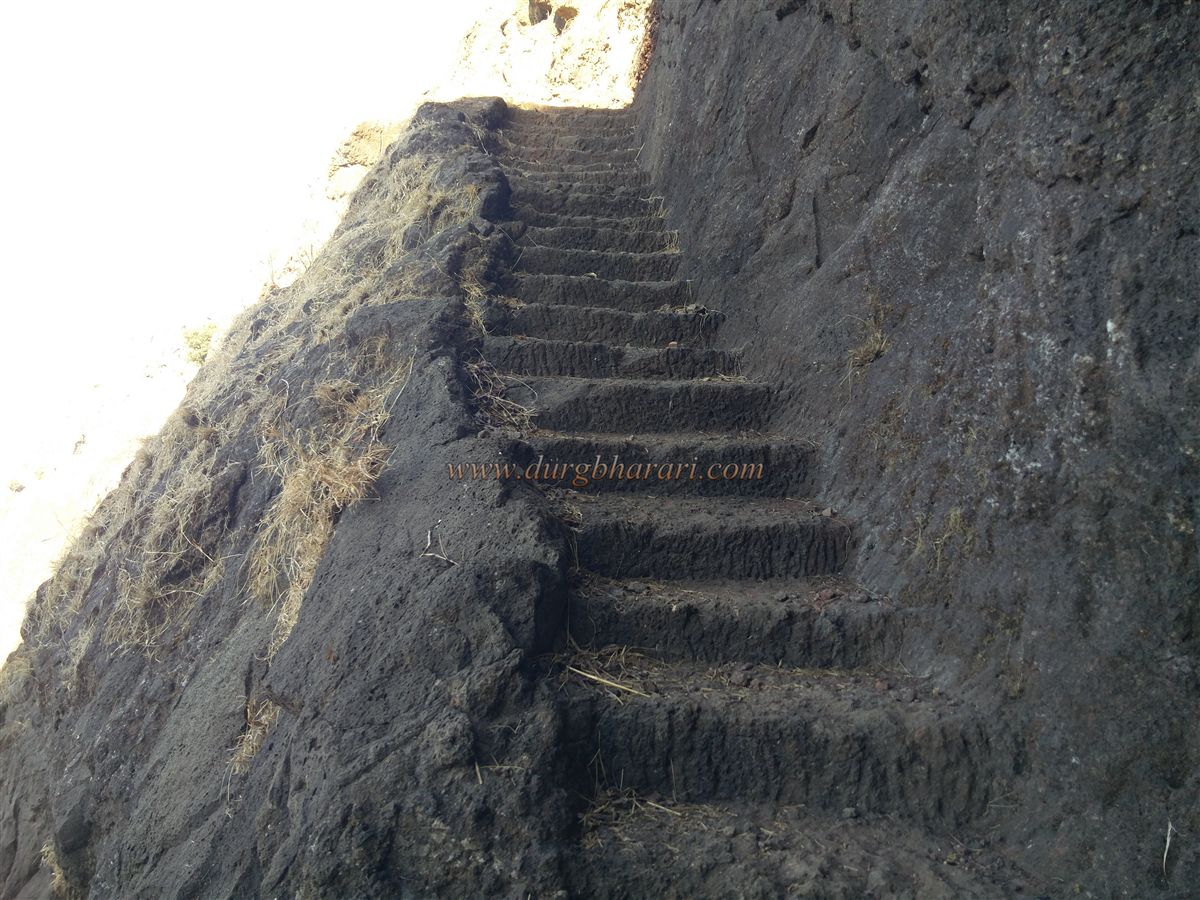
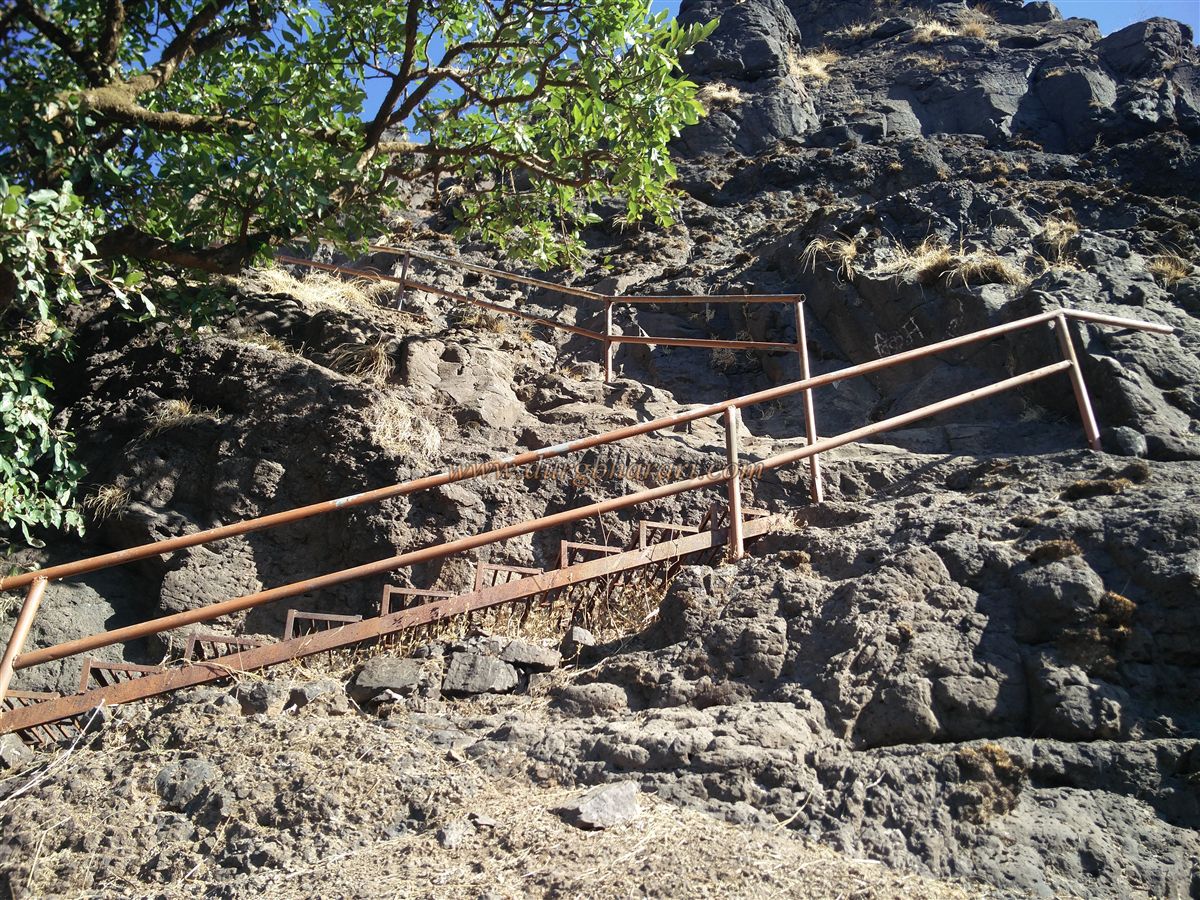
Since there is no water along this route other than at Nageshwar, carrying sufficient water is essential. Meals can be arranged at the shop in front of the Vitthal temple in Choravane with prior notice by contacting Pramod Jadhav at 8275626510. From Choravane, the fort and the Nageshwar Pinnacle are clearly visible. The route consists of stone steps, forest trails, steep climbs, iron ladders, carved steps, and slippery patches, taking about 2.5 hours to reach the plateau facing the Nageshwar Pinnacle.
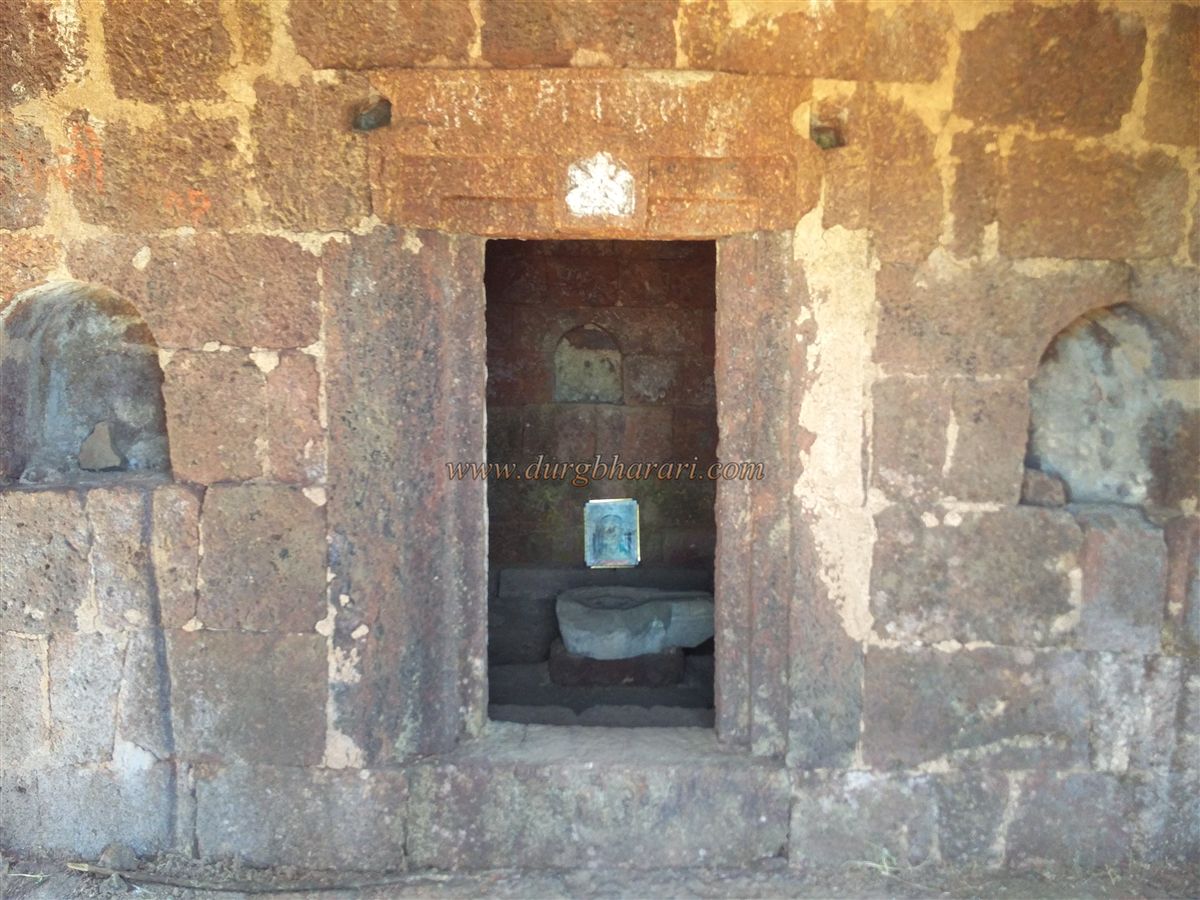
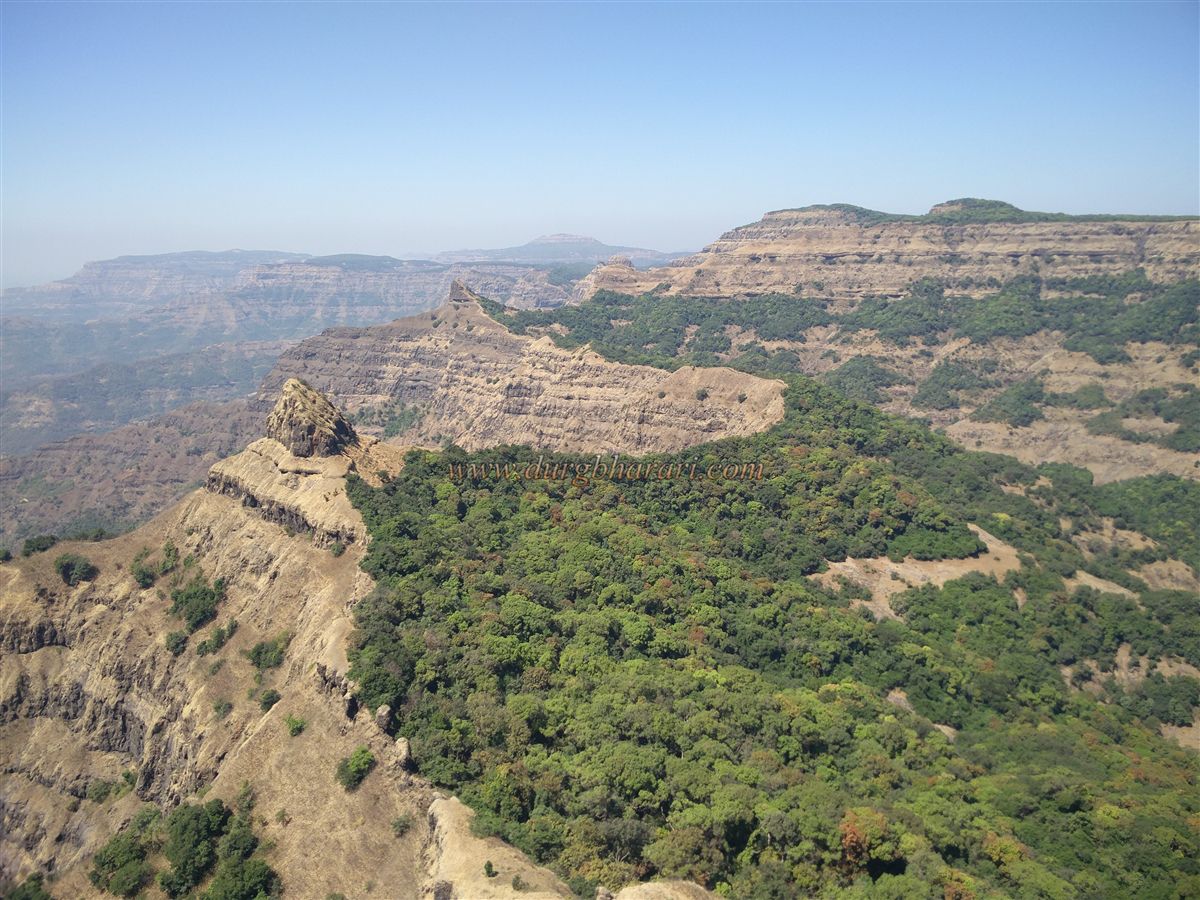
From here, the path to the right leads to Vasota Fort, while the one to the left descends to the cave at the base of the Nageshwar Pinnacle. A signboard points toward the Nageshwar Kund, a perennial water reservoir protected with a metal mesh to prevent littering. A few more steps lead to the cave at the base of the pinnacle, large enough to accommodate 50–60 people. Inside the cave is a Shivalinga, which is constantly bathed by water dripping from the ceiling throughout the year. Old records mention idols of Shiva and Parvati here, but today only the Shivalinga remains. From the cave, Vasota Fort and the Vasistha River valley are visible. Every Shravan Monday and on Mahashivratri, thousands of devotees visit this sacred spot.
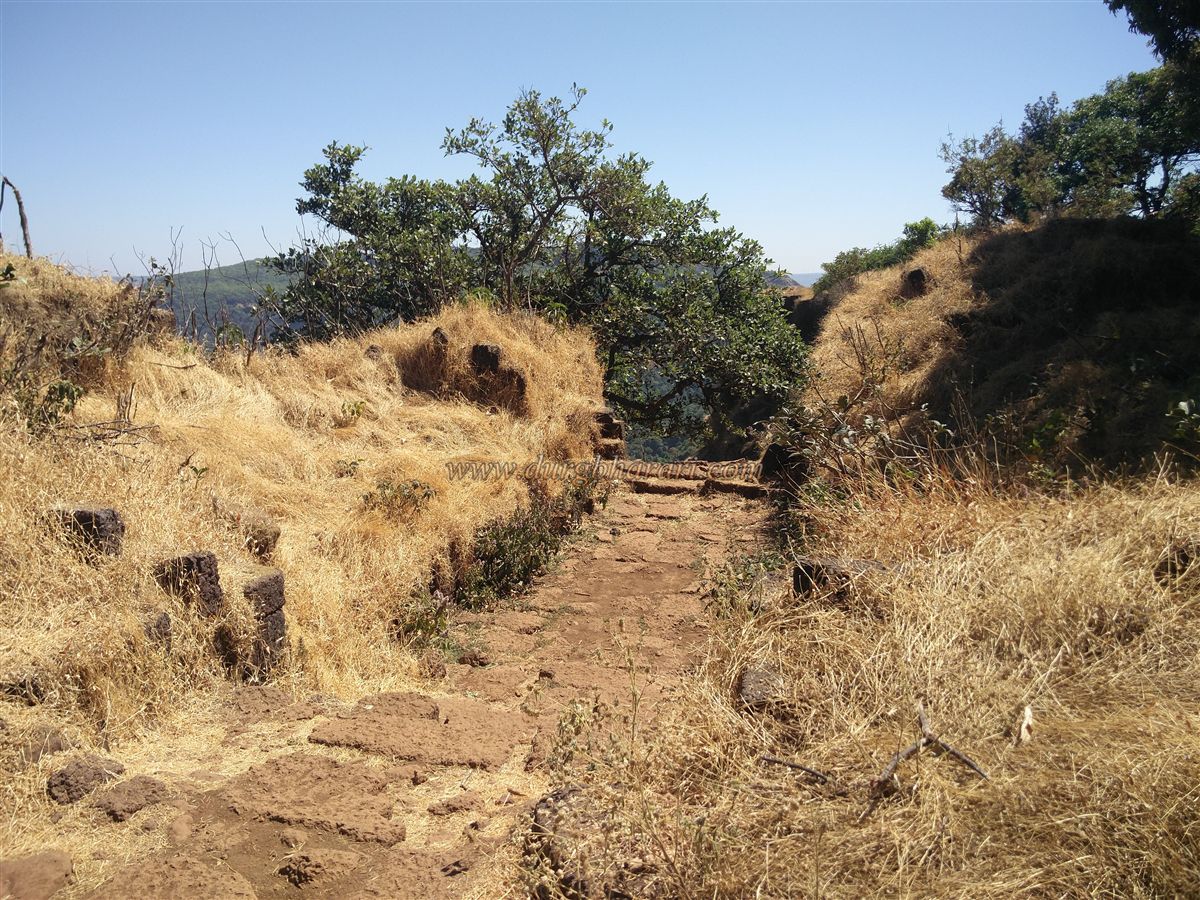
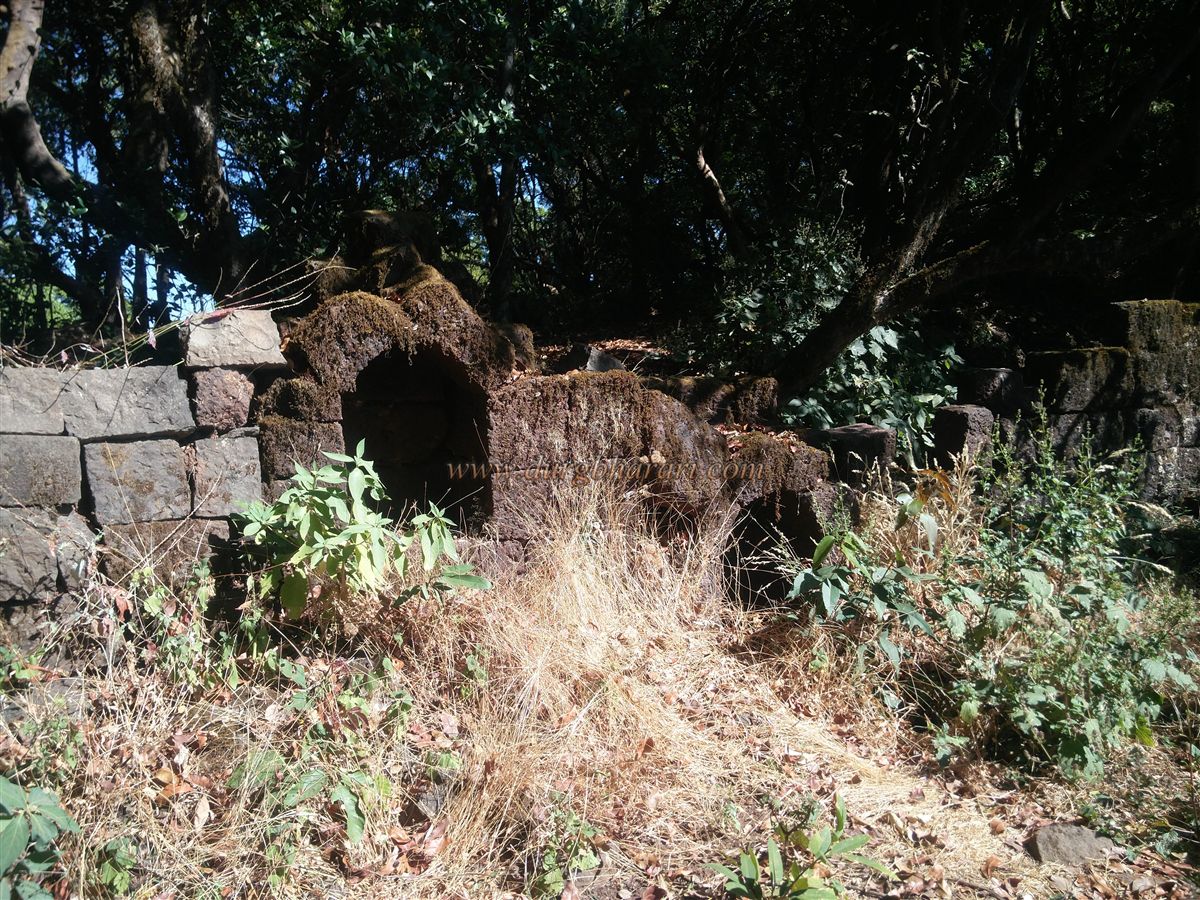
After a brief rest at the cave, trekkers continue toward the fort, passing the smaller pinnacle known as Khota Nageshwar (False Nageshwar). This trail goes through dense forest and past some ruins, likely old outposts. Care must be taken on the slippery sections. Skirting the base of Khota Nageshwar and traveling about 3 km in 1.5 hours, the path joins the trail coming from Met Indavli. A square platform of an old outpost can still be seen here. From this point, the trail, lined with laterite stones, climbs for half an hour to reach a plateau just below the fort.
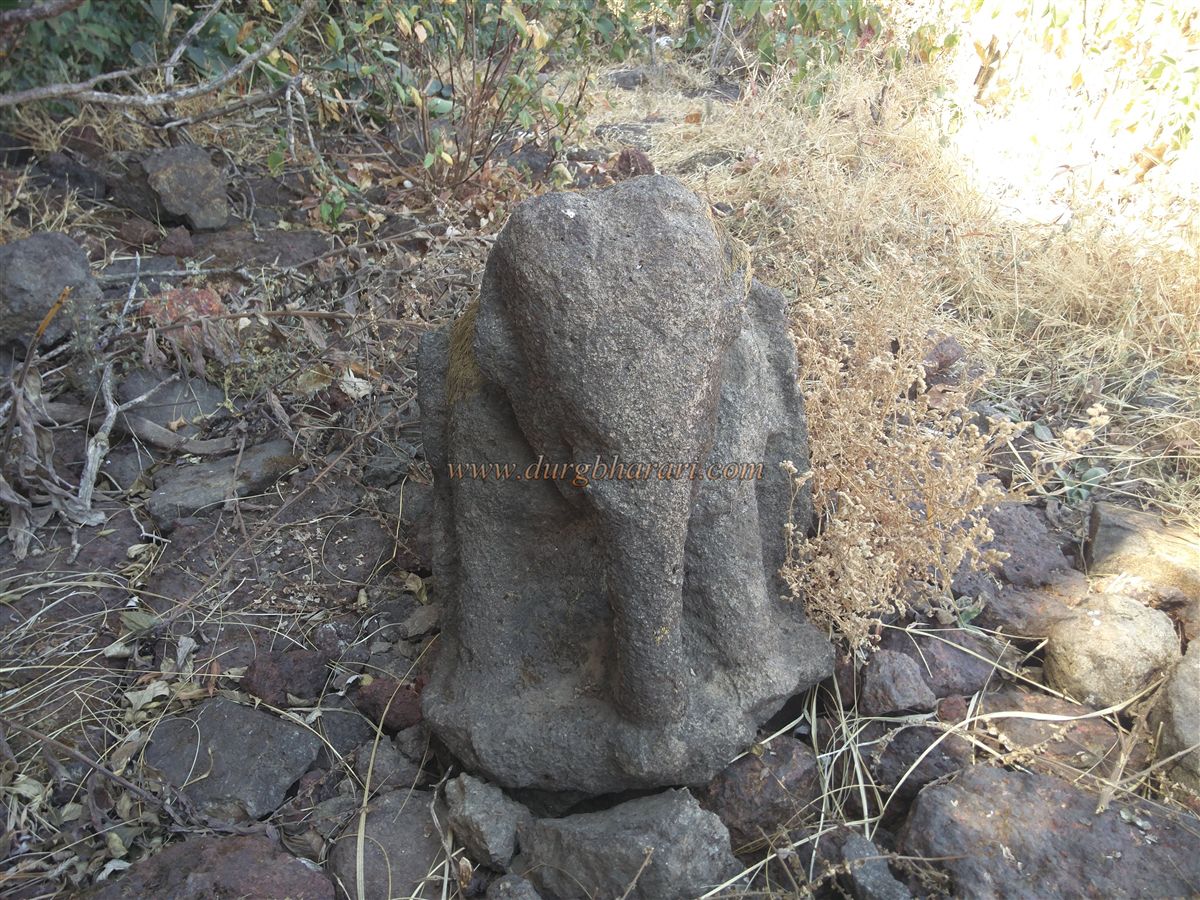
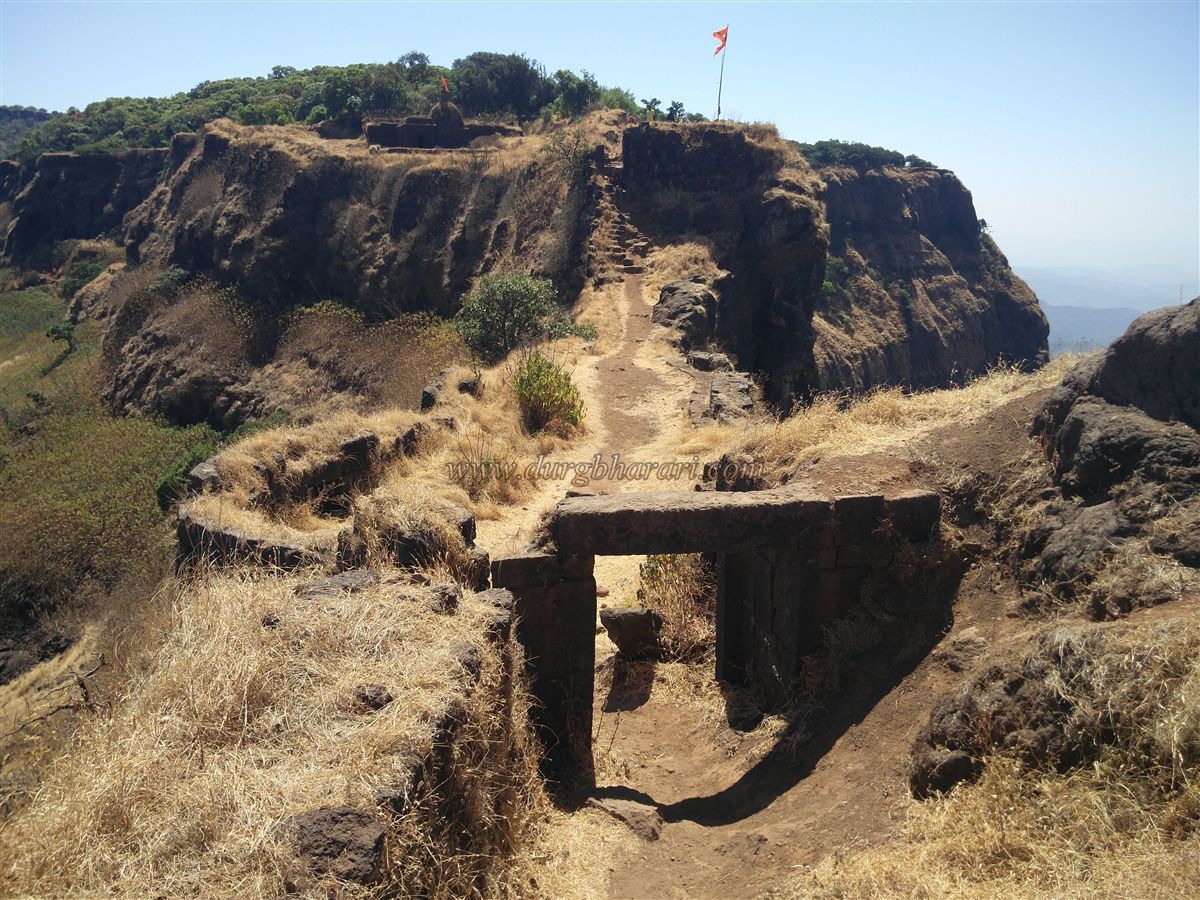
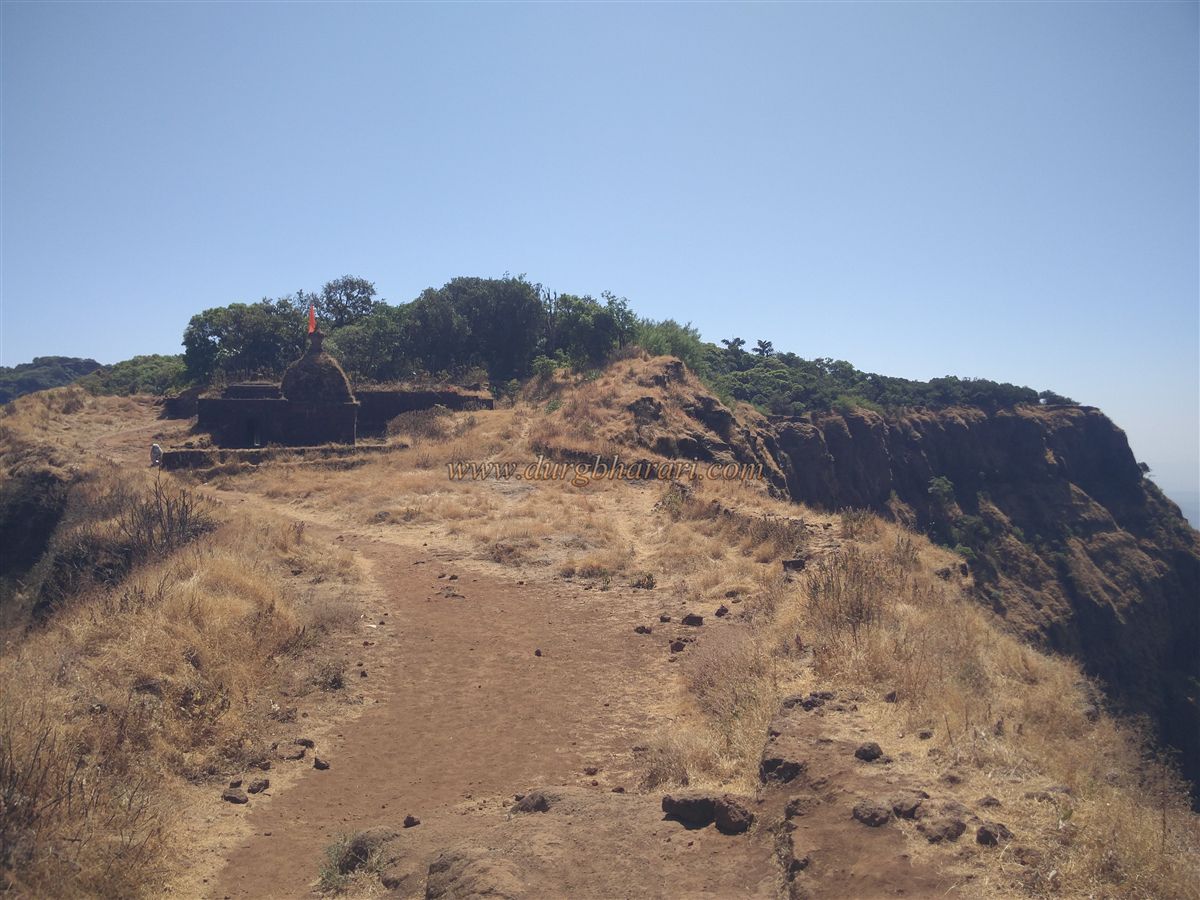
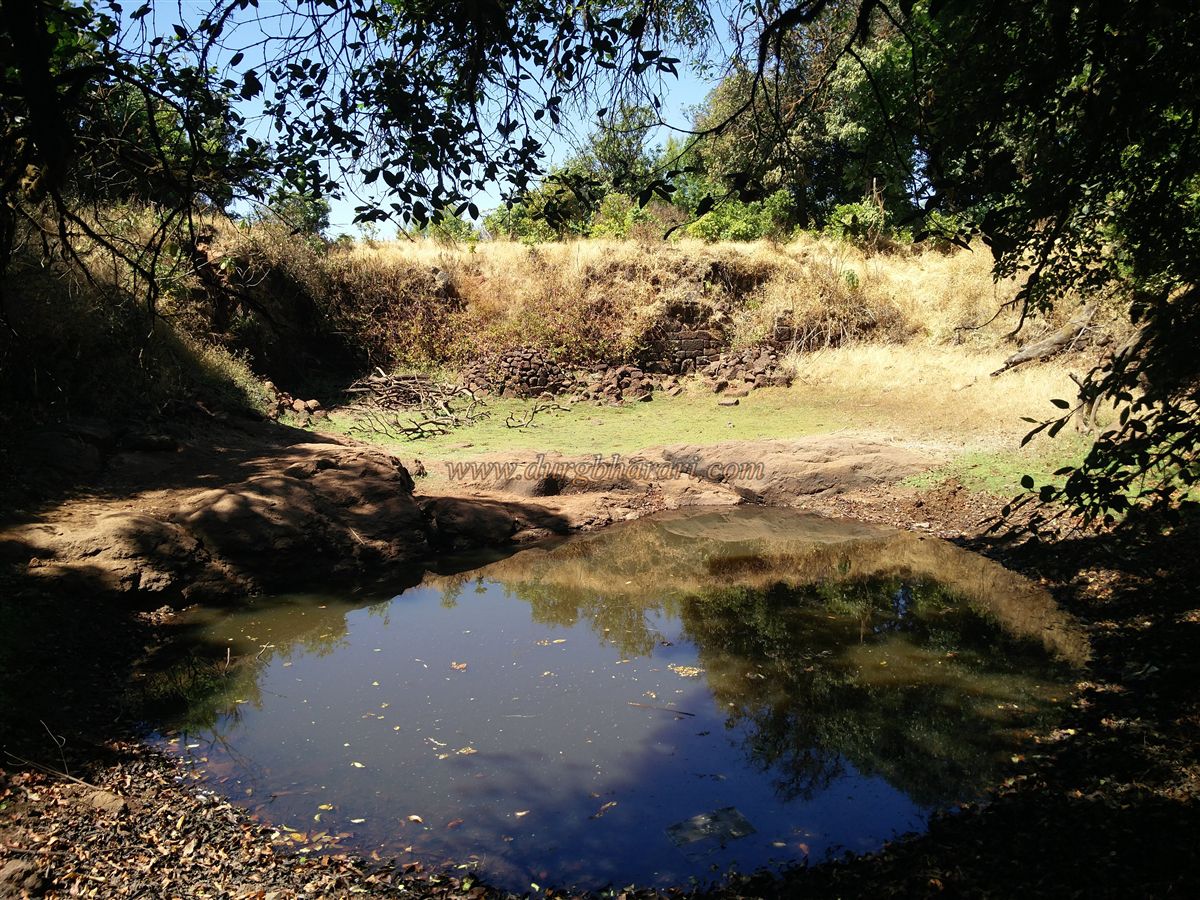
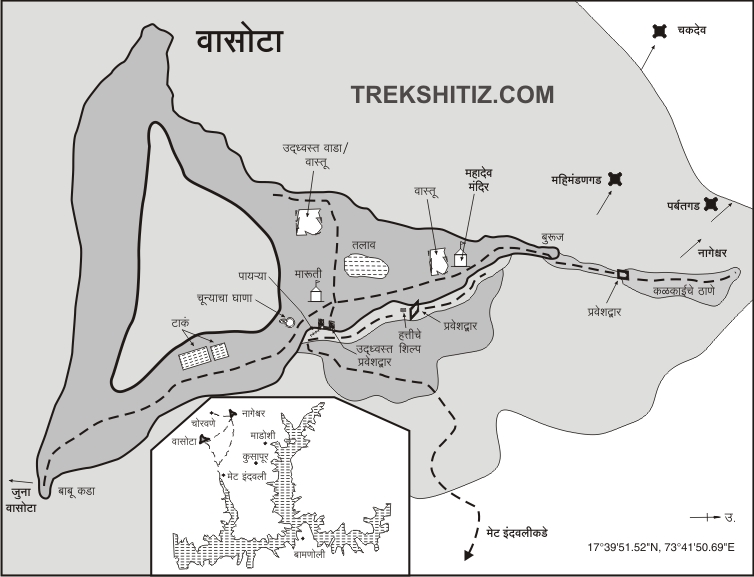
From the plateau, the fort’s entrance gate and the carved rock steps leading up to it are visible. Before the steps, a path to the right leads to a fallen sculpture of an elephant head and the ruins of the original eastern gate. The fort has two gates — the first, now largely ruined, was built against a cliff with the support of a bastion, while the second, facing north, stands between two bastions. Inside both gates are the remains of guard rooms. A small, silted water tank lies along the path. Climbing up to the second ruined gate leads to the fort’s interior, where a roofless Hanuman temple stands on a platform.
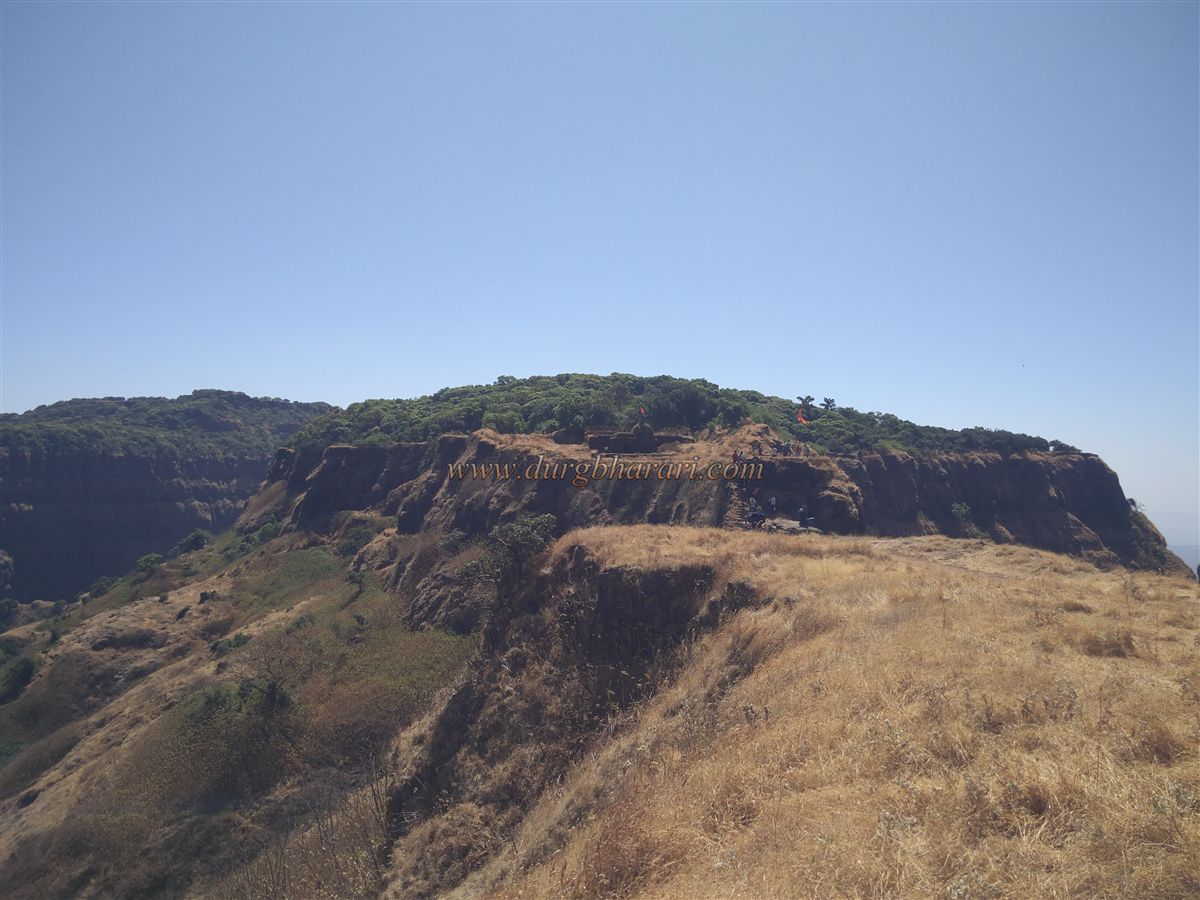
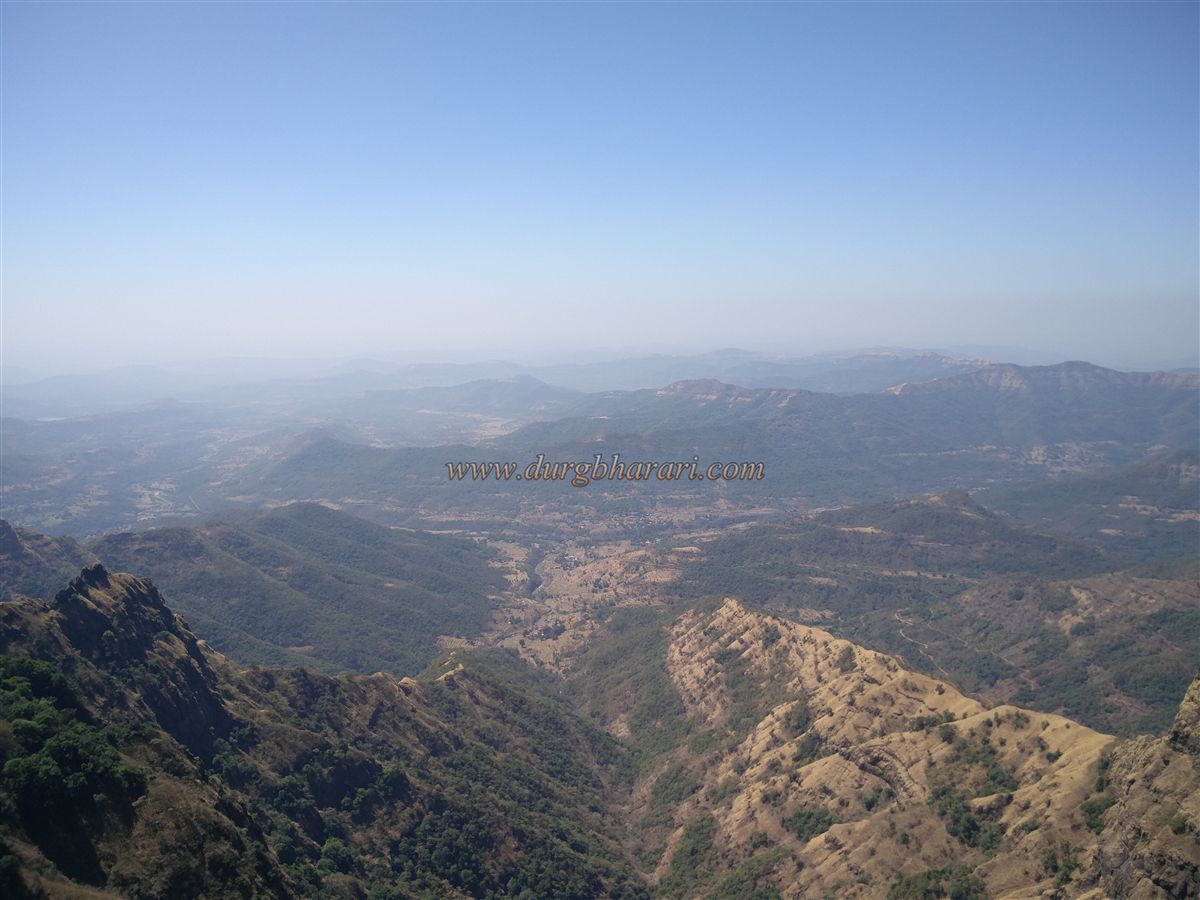
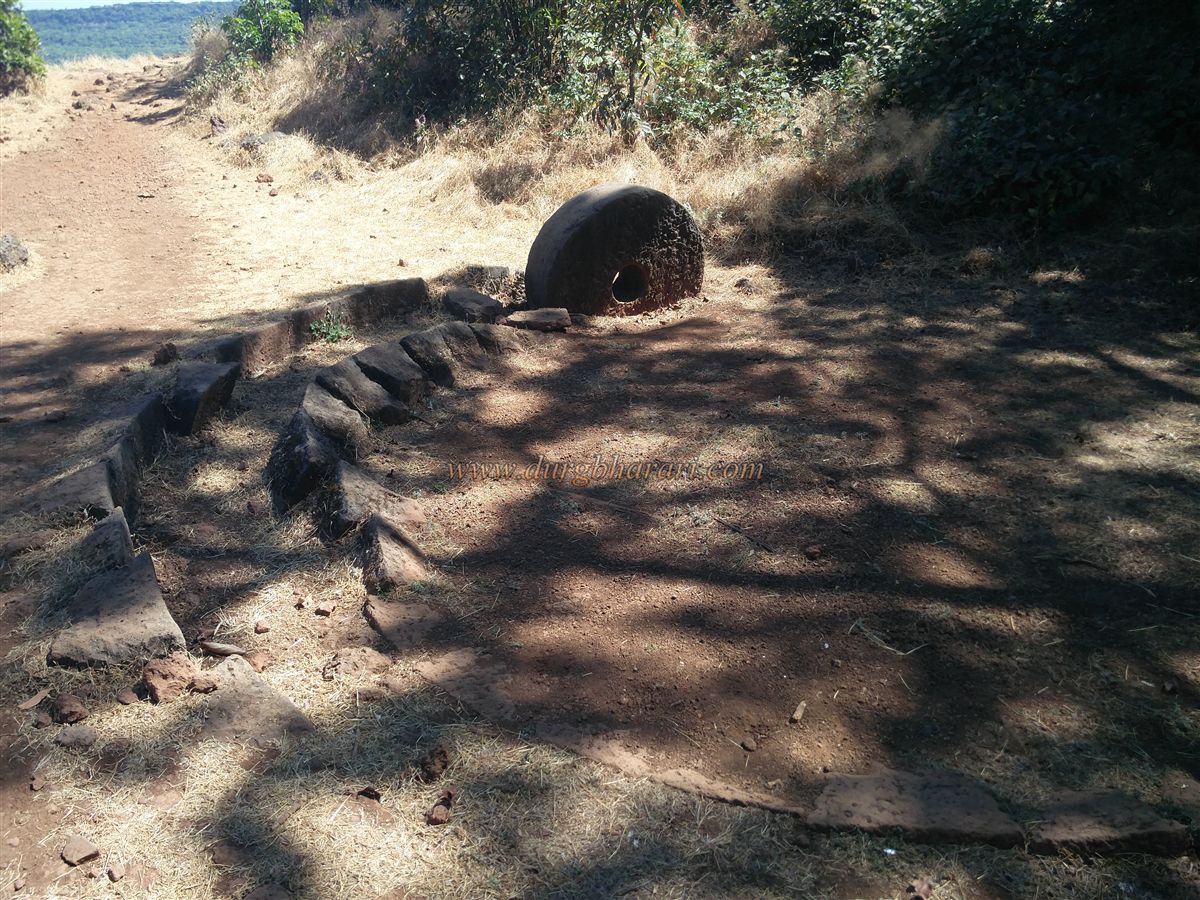
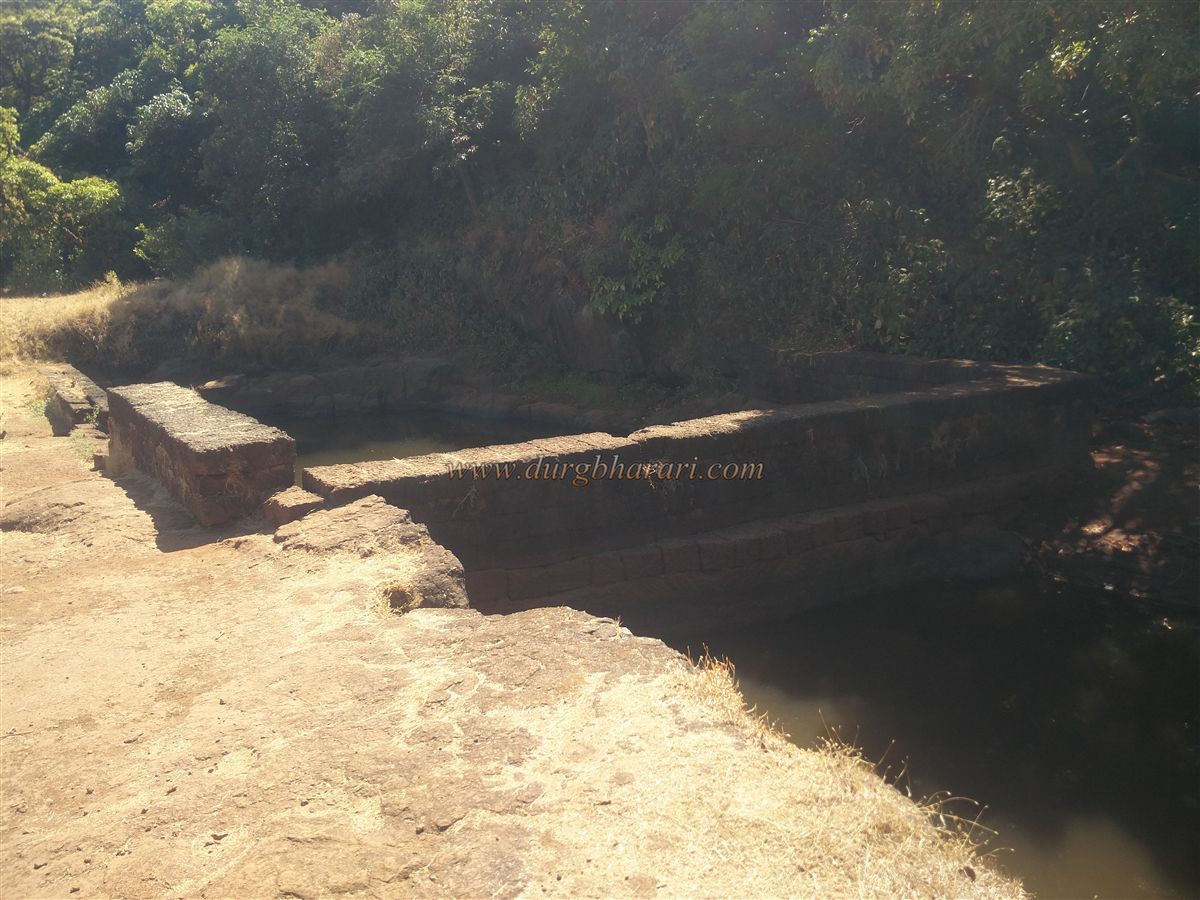
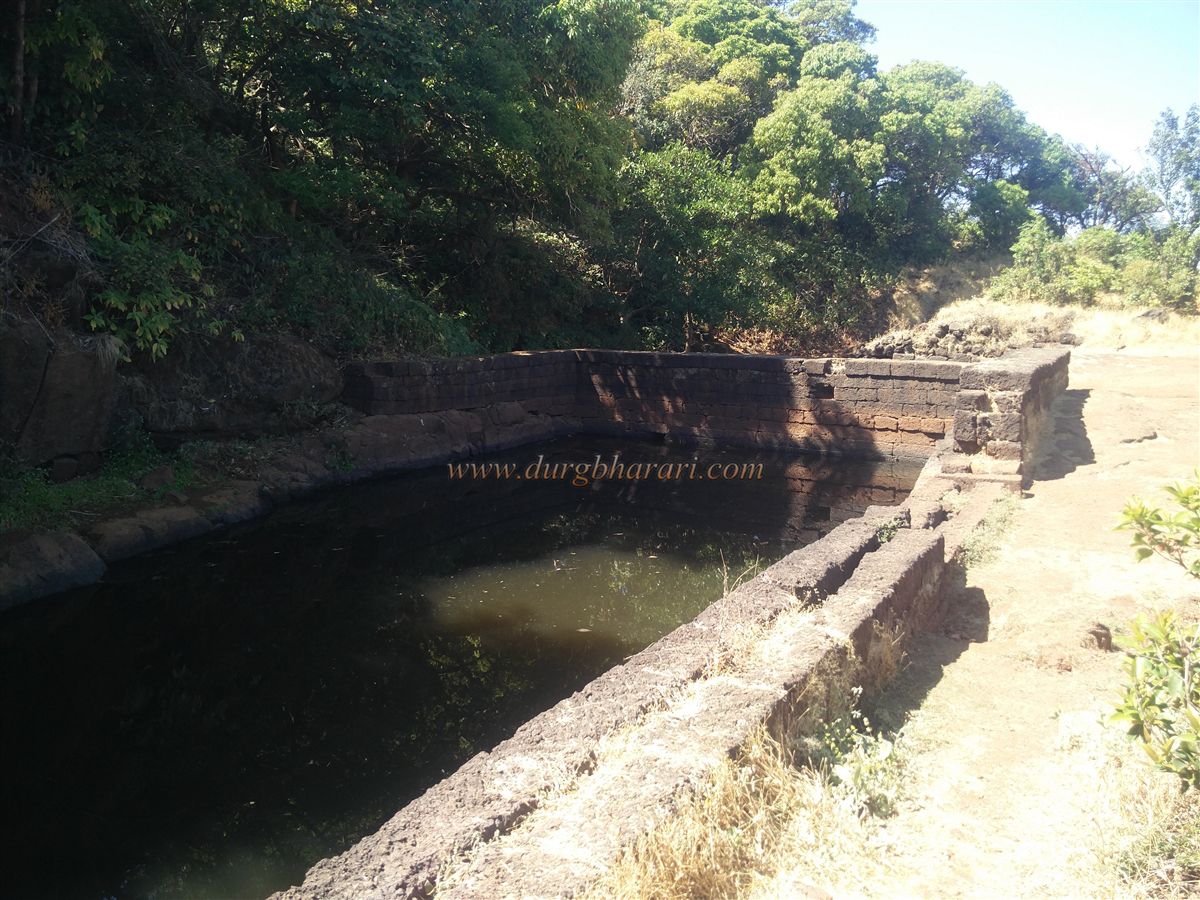
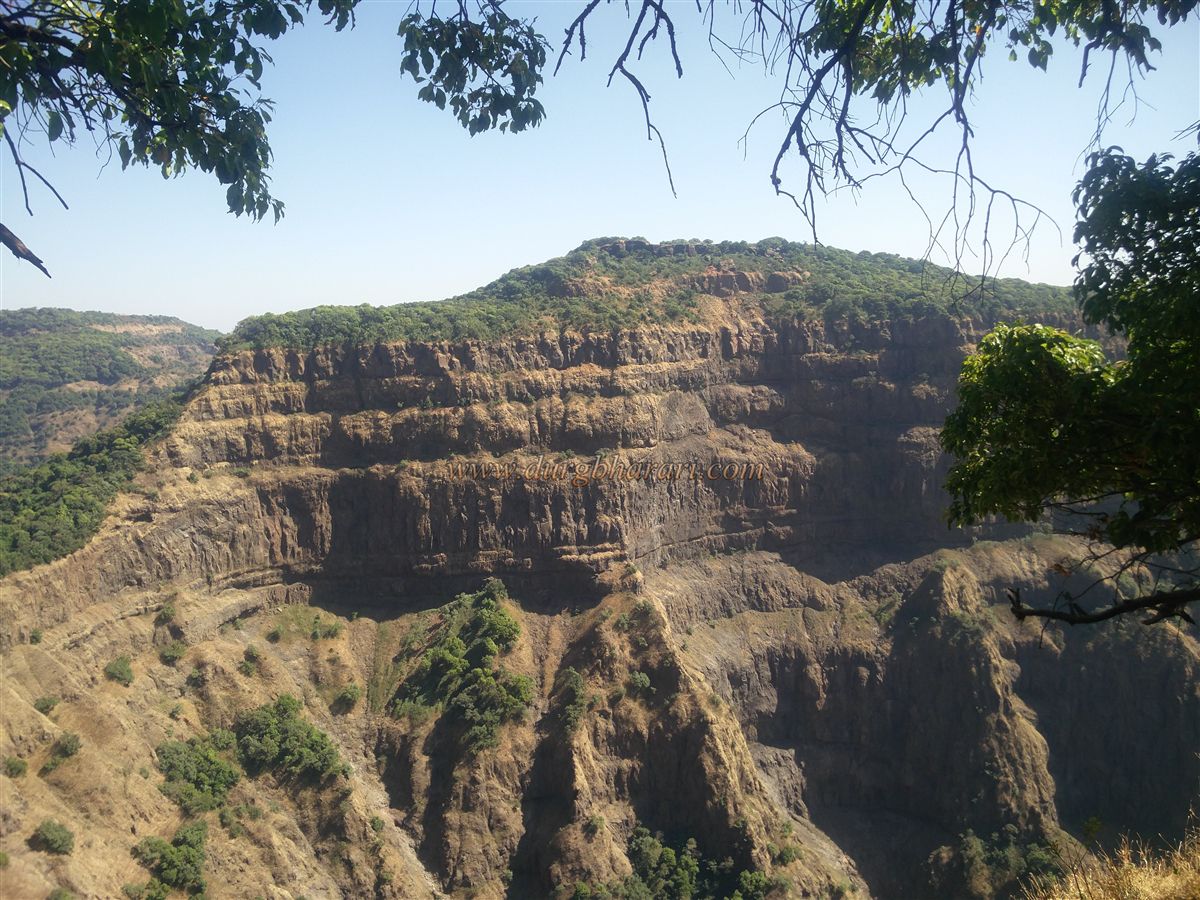
From the temple, three paths branch out, allowing exploration of the entire fort. Vasota stands 3,625 feet above sea level and covers about 12 acres in a triangular shape. The path on the left first leads to a square well with steps for descending, though its water is not drinkable. Nearby is an old lime-mixing pit with its wheel still in place. A little ahead lies a long, rock-cut cistern divided into two parts by a wall; this water is also unfit for drinking. Pushing through the vegetation, one reaches a southern bastion with partially intact fortifications, offering a view of the old Vasota hill opposite. This old fort, known for its semi-circular cliff called Babu Kada, is now inaccessible, with no water sources and thick forests inhabited by wild animals.
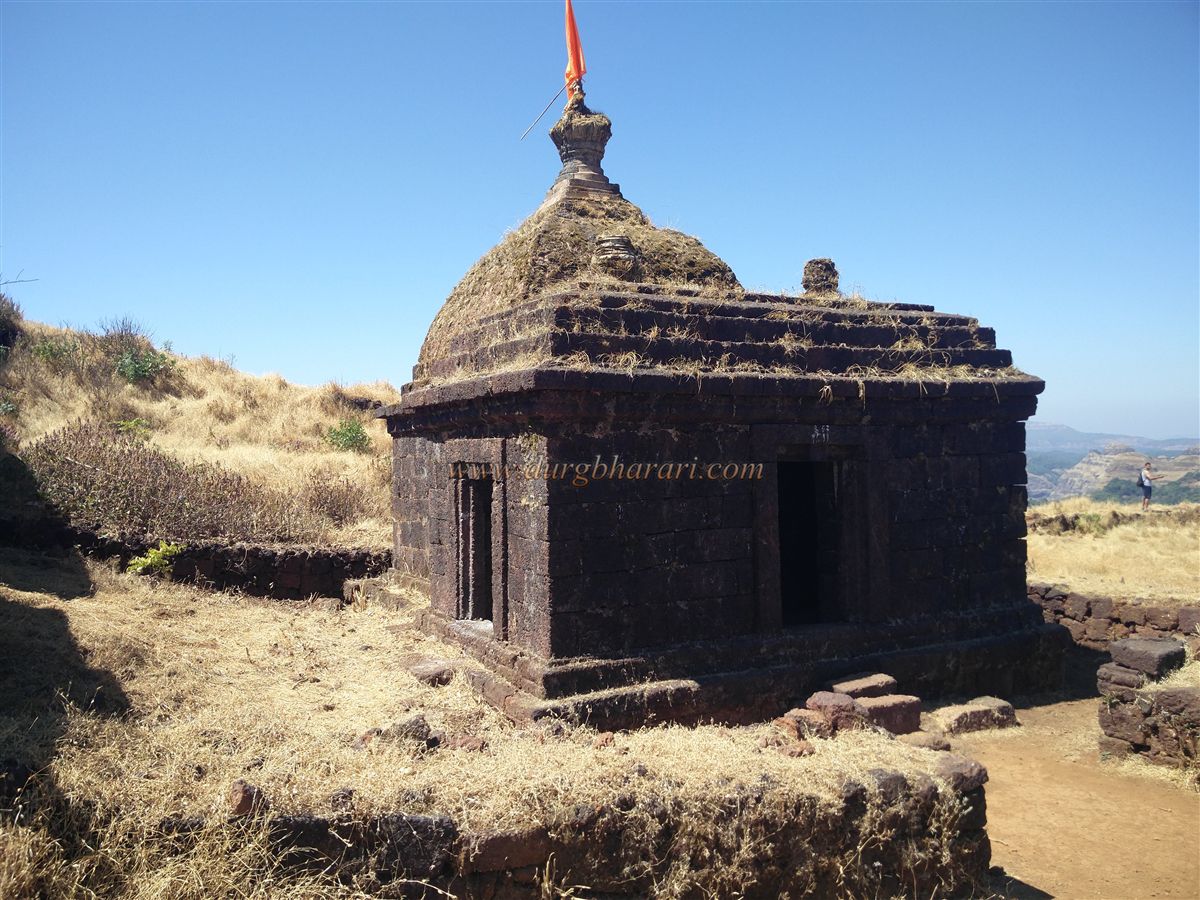
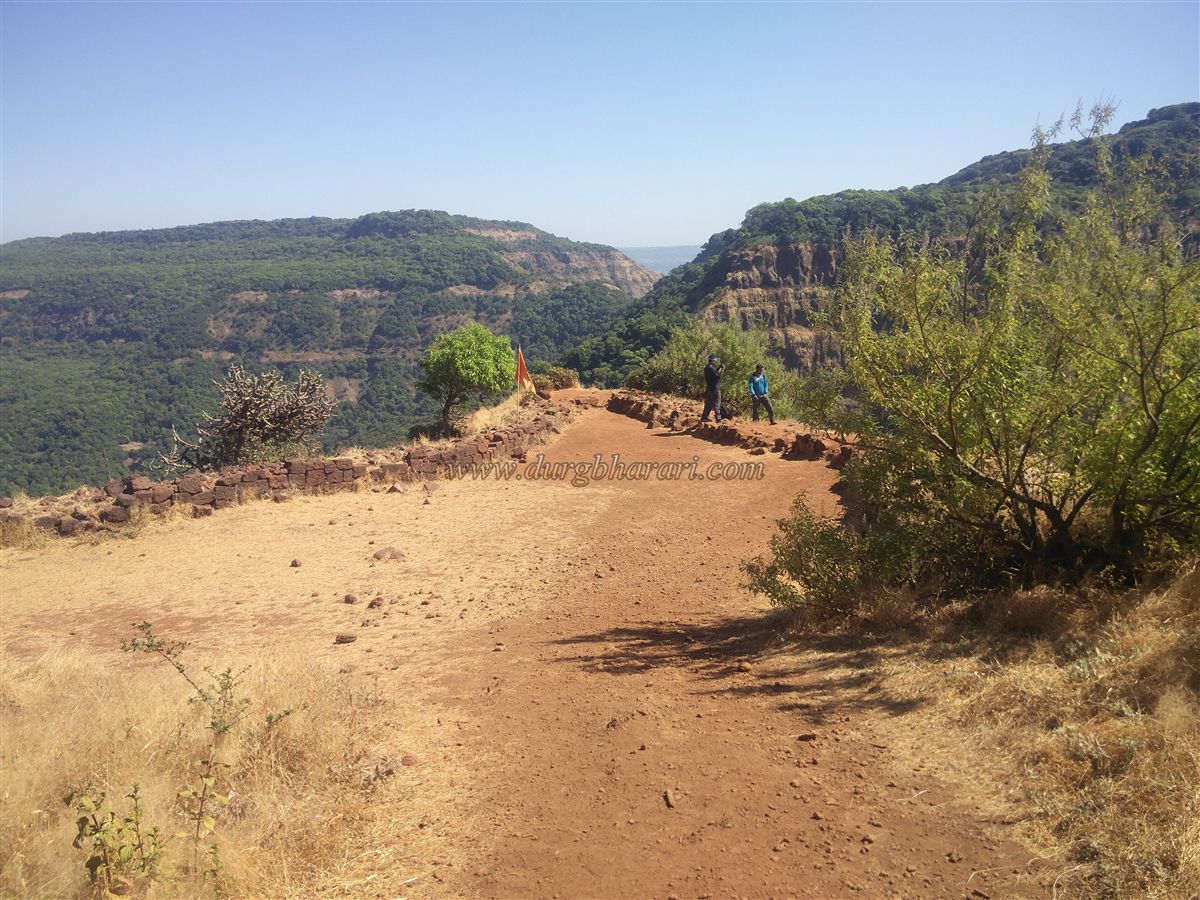
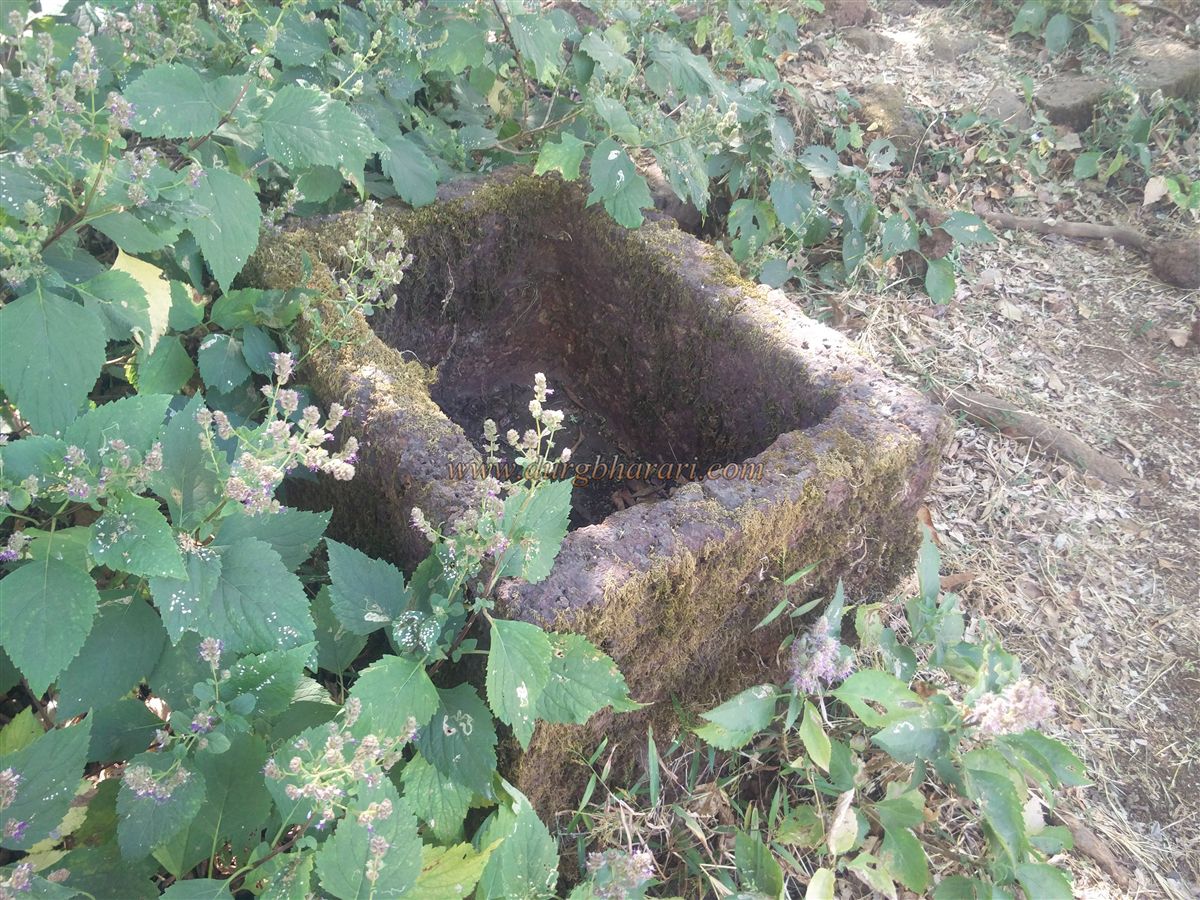
Returning to the Hanuman temple and taking the right path leads to Kalkaai Machi. Along the way is a large stepped tank with undrinkable water, surrounded by 3–4 stone troughs. A little ahead stands a beautiful laterite Mahadev temple and the remnants of a granary. Beyond this is a bastion, from which steps descend to the machi. Two gates with intact lintels provide entry to Kalkaai Machi. From here, one can see the forested Chakdev hill, the forts of Rasalgad, Sumargad, and Mahipatgad, and the Koyna backwaters.
Returning to the Hanuman temple and taking the straight path leads to overgrown ruins — the remains of a large mansion with walls, niches, toilets, and a water tank. This was likely a residential structure for officers or important persons. Continuing along the wall, the trail reaches the western edge of the fort, where another silted tank lies. From here, returning to the Hanuman temple completes the circuit of the fort. It takes about two hours to explore Vasota fully.
The return journey can be made back via the Nageshwar route to Choravane in the Konkan. This route is shorter, less expensive, and less time-consuming, especially with a private vehicle.
Historically, Vasota was a significant fort. It is believed to have been built during the reign of Shilahara King Bhoj II (1178–1193). It is mentioned as “Vasota” in a copper plate grant of Rashtrakut King Avidheya. In the early 16th century, it was held by the Shirke and More families, who served the Adilshahi. In 1656, Shivaji Maharaj defeated Chandra Rao More of Javali and took control of the Javali region, though Vasota likely remained outside his control at that time.
After the slaying of Afzal Khan, Shivaji Maharaj’s officer Doroji attacked Rajapur to seize Afzal Khan’s ships, but the British there claimed ownership and refused to hand them over. Later, when Shivaji was besieged at Panhala by Siddhi Johar, Jijabai sent Bandal’s forces, who captured Vasota on July 6, 1660, renaming it Vyaghra Gad. Due to its difficult terrain, Shivaji Maharaj used the fort as a prison. During this period, the British at Rajapur helped Siddhi Johar with long-range cannons and artillerymen, prompting Shivaji to loot the Rajapur factory and imprison English officers Revington and Gifford at Vasota.
In September 1679, Shivaji Maharaj discovered four treasure chests containing 26,000 rupees on the fort. After Shivaji’s death, Aurangzeb invaded Maharashtra and besieged Ajinkyatara and Sajjangad. During this time, the idols worshipped by Samarth Ramdas were safely moved to Vasota. Later, while traveling from Raigad to Jinji, Chhatrapati Rajaram also briefly stayed at Vasota.
During a conflict between the Peshwa and the Pant Pratinidhi of Aundha, Bapu Gokhale, a Peshwa general, was sent against the Pant Pratinidhi. Though Gokhale defeated them, the Pant Pratinidhi mistress, Tai Telin, stockpiled supplies and ammunition at Vasota and revolted. Gokhale besieged the fort for 8–10 months, eventually setting up cannons on the nearby Old Vasota hill and bombarding the fort, forcing Tai Telin to surrender. She was captured and sent respectfully to the Peshwa. This event is humorously remembered in the Marathi saying: “Shrimant Pratinidhi invincible fort Vasota | Tai Telin wields the whip, Bapu Gokhale beware of the sting.”
In 1817, Peshwa Bajirao II briefly kept Chhatrapati Pratapsingh and his family at Vasota. In 1818, Marathas captured two British officers, Cornet Hunter and Morrison, near Khadki while they were traveling from Hyderabad to Pune, imprisoning them first at Mangalgad and later at Vasota. To rescue them, General Pritzler, supported by Grant Duff and Elphinstone, besieged the fort. Initially, the British fired from the foothills, but the fort’s commander, Bhaskar Pant, resisted fiercely. Finally, like Bapu Gokhale before him, Pritzler set up cannons on Old Vasota on March 29, 1818, bombarding the fort for twenty hours before capturing it. This bombardment destroyed much of the fort’s structures. At the time of capture, the British seized loot worth two lakh rupees and jewels worth three lakh rupees belonging to the Satara Chhatrapati.
Even today, despite its remoteness, Vasota draws large crowds of weekend trekkers — often more interested in selfies and music than the fort itself. Such crowds, numbering 150–200 people, make it difficult to truly experience the fort. The noise and activity also keep wild animals from appearing along the trails.
© Suresh Nimbalkar
GALLERY