VARKHEDI
TYPE : FORTRESS
DISTRICT : JALGAON
There are several villages in Jalgaon district known by the names Varkhed, Varkheda, and Varkhedi. The reason for mentioning this is that two of these villages with the name Varkhed have forts. The first Varkhed village is in Bhusawal taluka, where a fort built by the Holkar still stands, which we had visited earlier in 2016. The second village, Varkhedi Budruk, is in Pachora taluka, about 12 km from Pachora and around 45 km from Jalgaon. The fort in this village is known as Masaram Dada fort.
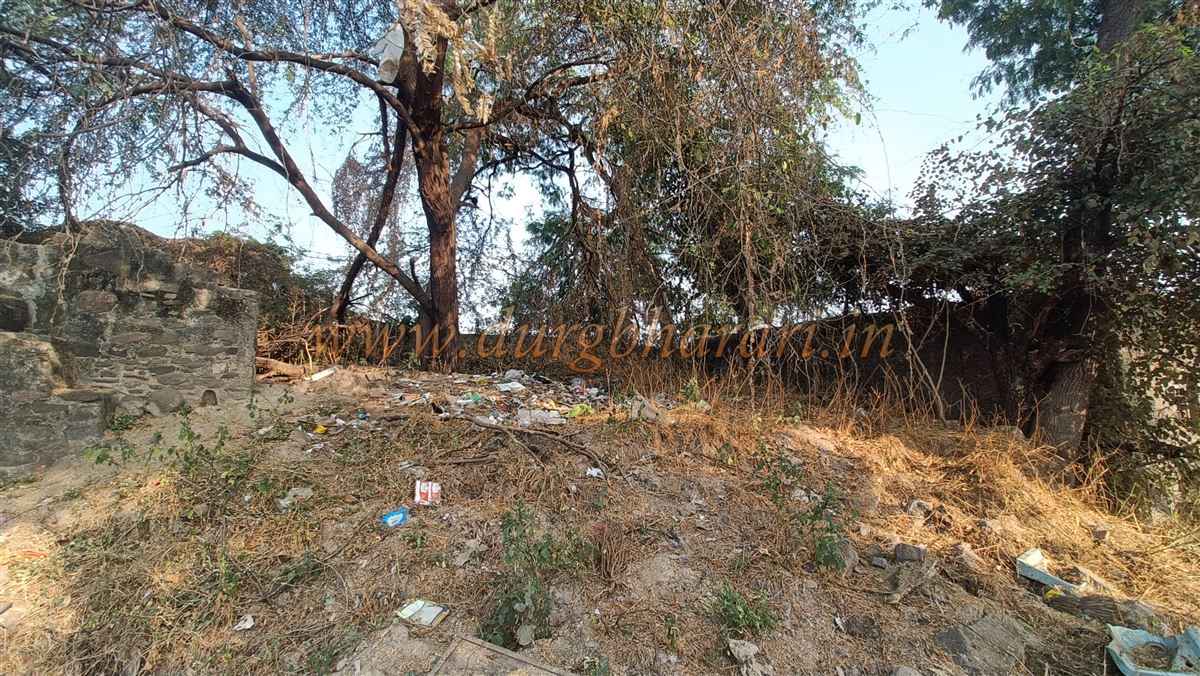
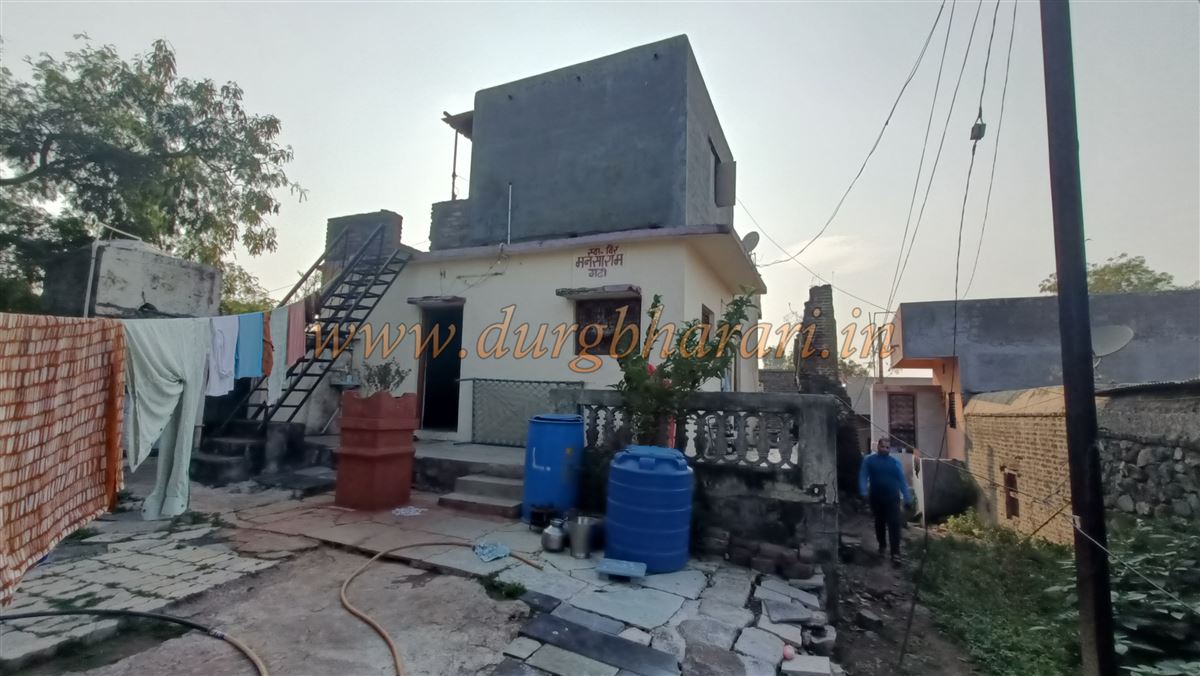
Once described as a strong stone-built fort, it now survives only in name, with remnants scattered around. Situated on a small elevated mound within the village, the square-shaped fort still has one bastion and a portion of its walls standing, hinting at its past glory. Part of the fort now has a newly built house, while the rest of it lies completely abandoned.
...
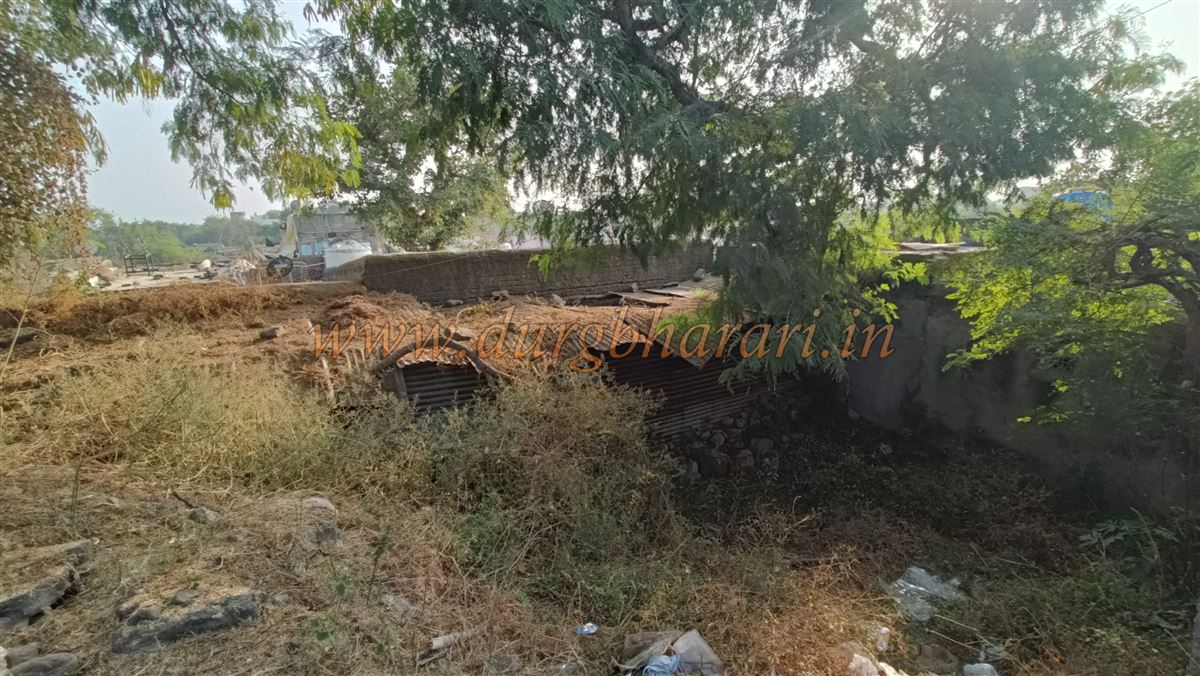
The remaining bastion and walls stand about 25 feet high, and the surviving construction is entirely of brickwork. On the northern side of the fort, near the bastion, there is a square-shaped stepwell that contains an underground passage. Currently, the passage has been sealed with metal sheets, though locals may allow it to be opened upon request. A complete tour of the fort takes barely 10 minutes.
The exact period of the fort’s construction is unknown, but it clearly played a significant role in conflicts with the British. In 1821, when the British took control of 12 villages from the Shinde, Varkhedi was among them, but in 1835 it was returned to the Shinde. In 1843, the British once again tried to take possession, but this time the villagers and their leader, Mansaram Dada, refused to surrender. Mansaram Dada shut the fort gates, leading to a fierce confrontation with the British. Seeing his defiance, Captain Maurice, the British officer commanding the Bhil Battalion in Khandesh, brought in the battalion from Dharangaon along with two nine-pounder cannons from Malegaon. The fort gates were blown up with cannons, ending the resistance. However, during the fierce gunfire, Mansaram Dada was killed, and his son was severely wounded. Sixteen British soldiers were killed and several others injured in the clash.
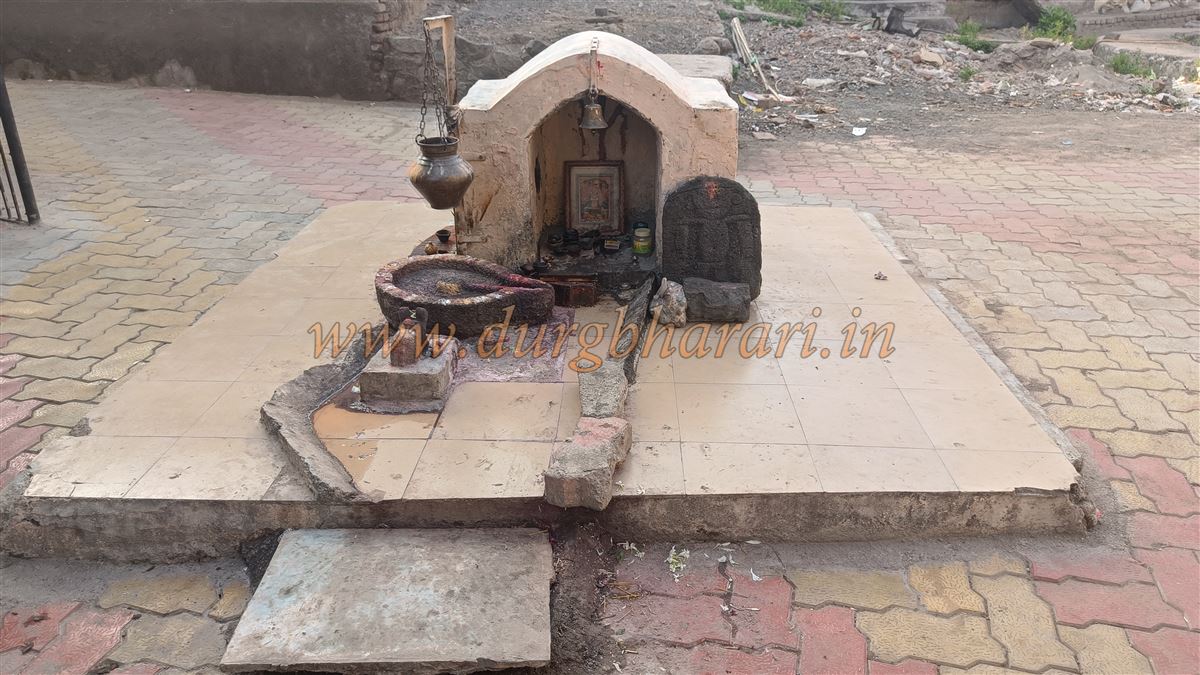
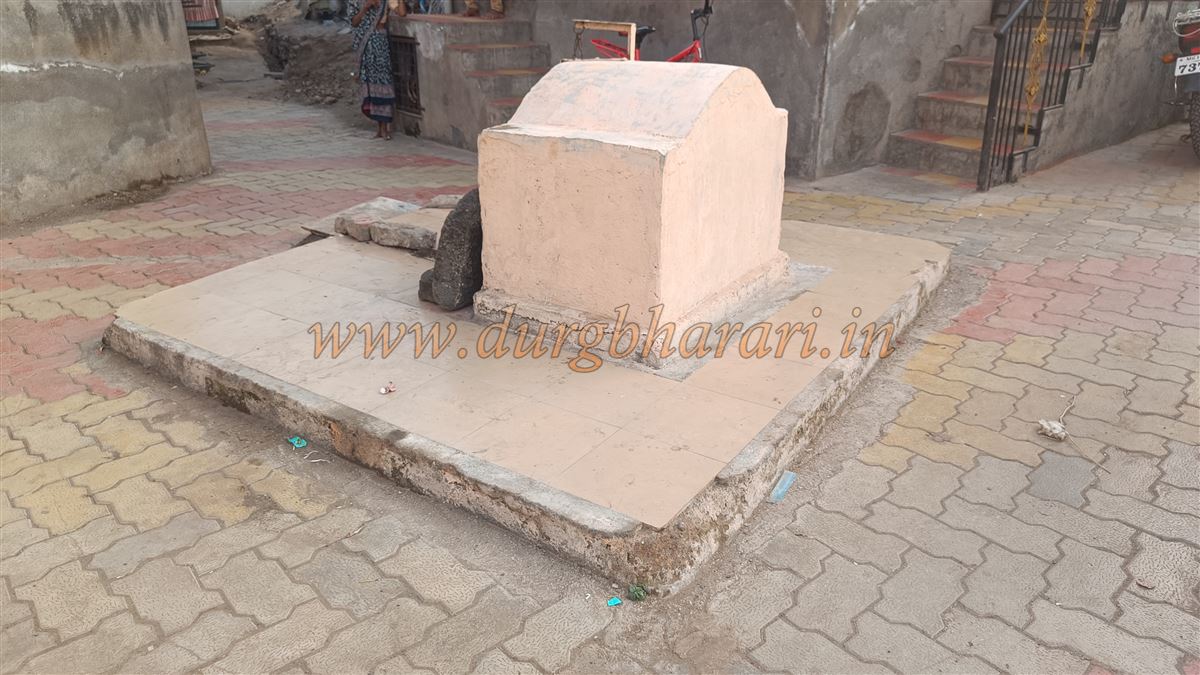
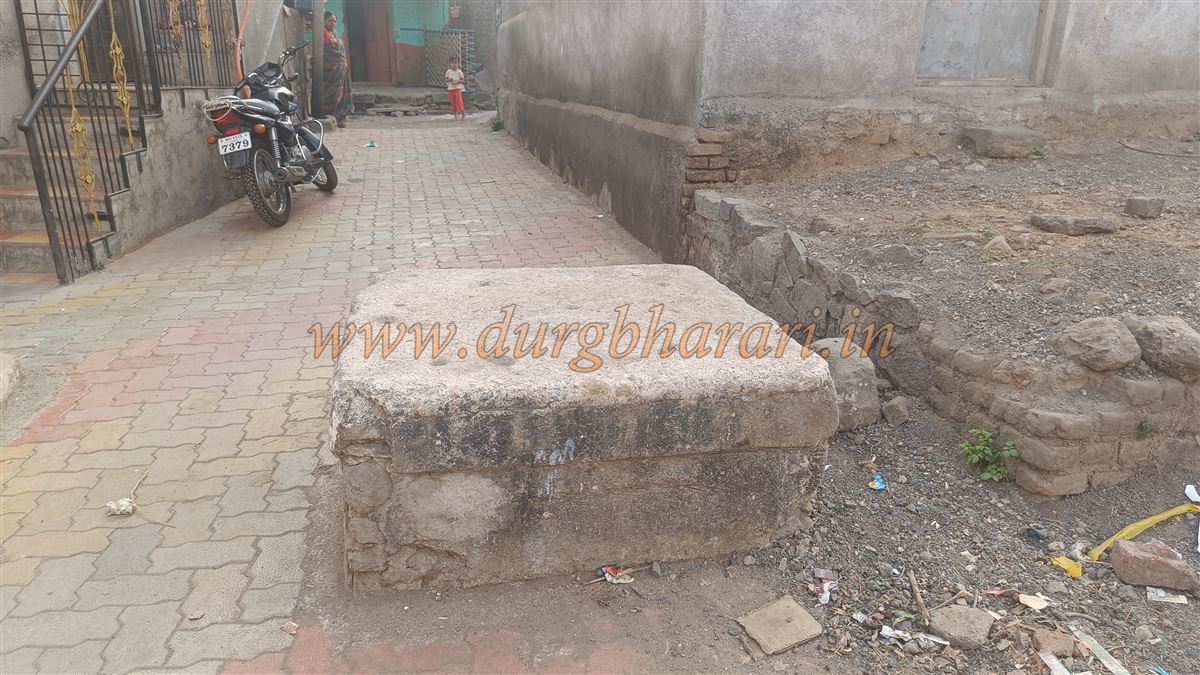
It was a small fort, but thanks to the iron will of its defenders, it did not fall easily into British hands. In the village, there is a small memorial-like platform marking the resting place of Mansaram Dada and his son, though it remains in a neglected condition. Talking to the locals can lead you to this memorial, allowing you to pay your respects along with visiting the fort.
© Suresh Nimbalkar
GALLERY