VARI BHAIRAVGAD
TYPE : HILL FORT
DISTRICT : AKOLA
HEIGHT : 1150 FEET
GRADE : EASY
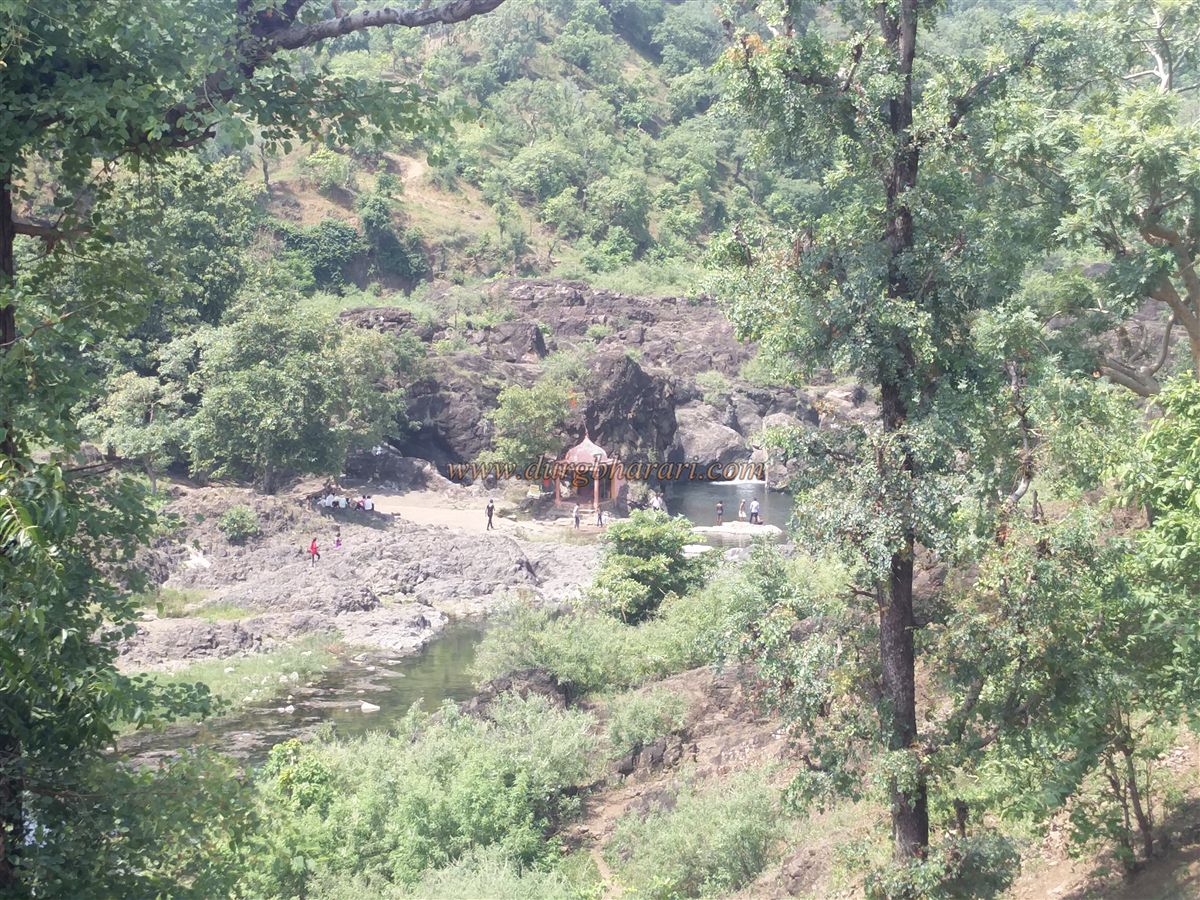
In the Telhara taluka of Akola district lies a Hanuman temple known as Wari Hanuman, which is famous in the surrounding region. Situated at the foothills of the Satpura mountain range, this place is adorned with natural beauty. Locals believe that this Hanuman idol was consecrated by Samarth Ramdas, though they know very little about the nearby Bhairavgad fort. Located on the banks of the Wan River, this place was originally known as Wari Bhairavgad. However, with the growing popularity of the Hanuman temple, the identity of Wari Bhairavgad has been gradually fading into the background.
Wari Bhairavgad is about 80 km from Akola city. To reach there, one must first travel to Telhara, about 55 km away, or Akot, about 45 km away, and from there reach Hiwarkhed, which is 20 km from both towns.
...
From Hiwarkhed, Wari Hanuman is another 15 km, accessible by rickshaw or bus. Since bus services are irregular, rickshaws are the more reliable option. Though the dam built on the Wan River has made this region self-sufficient in terms of water, the road conditions here are in a dreadful state.
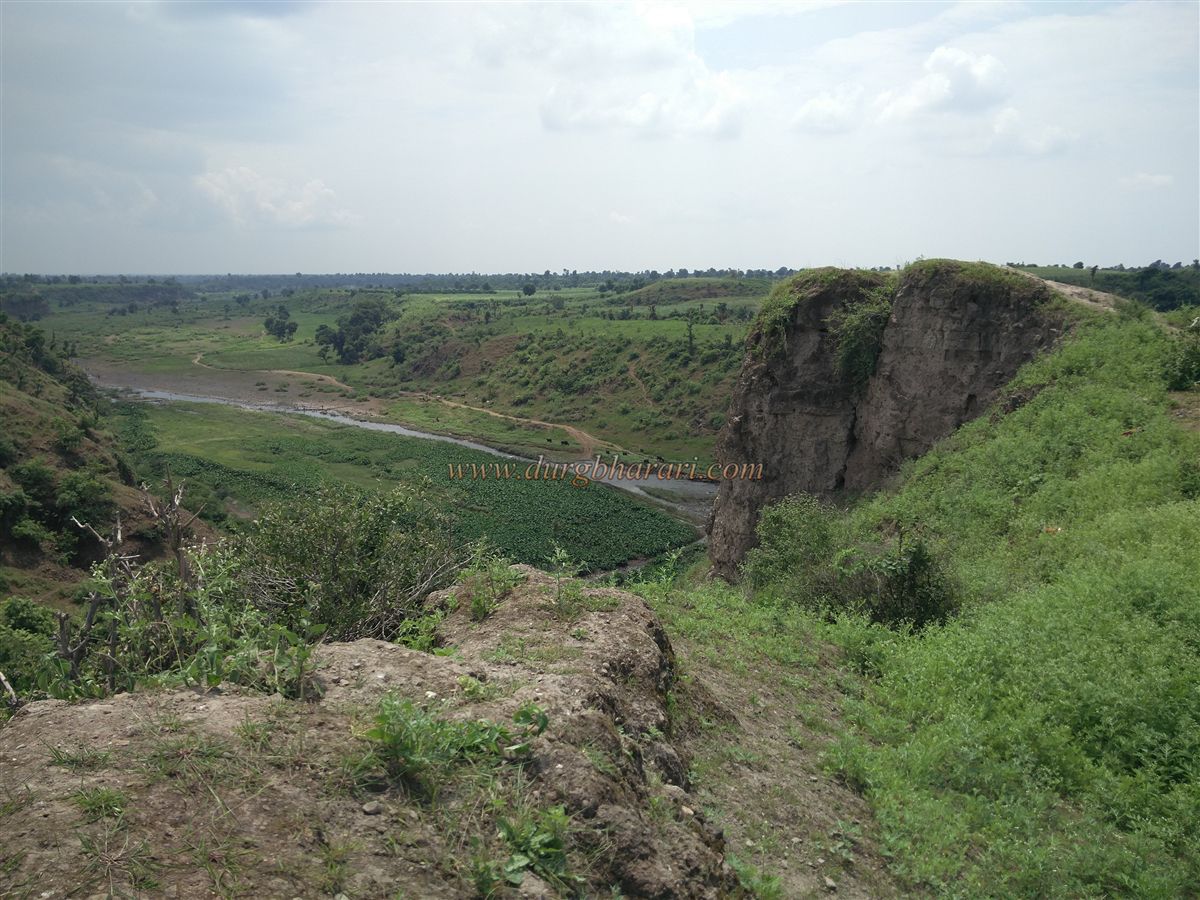
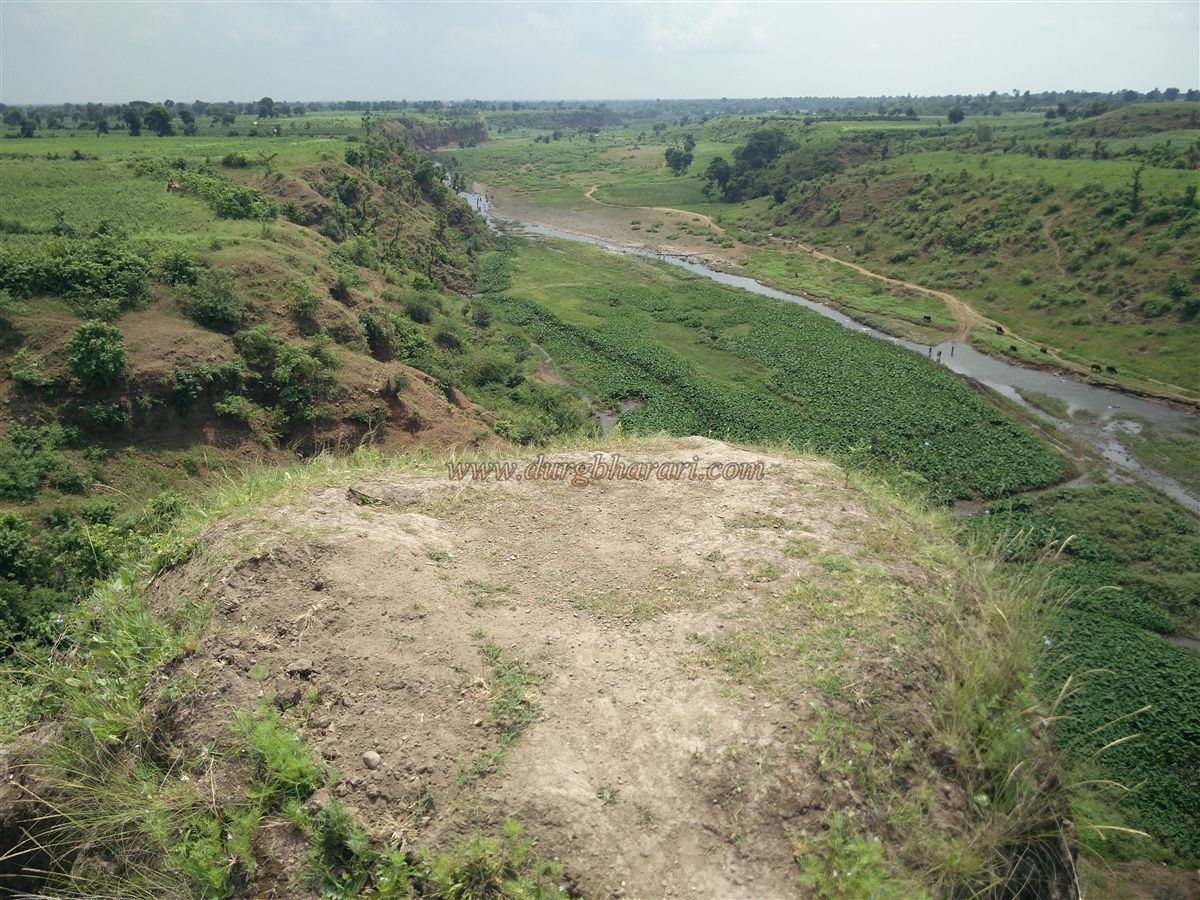
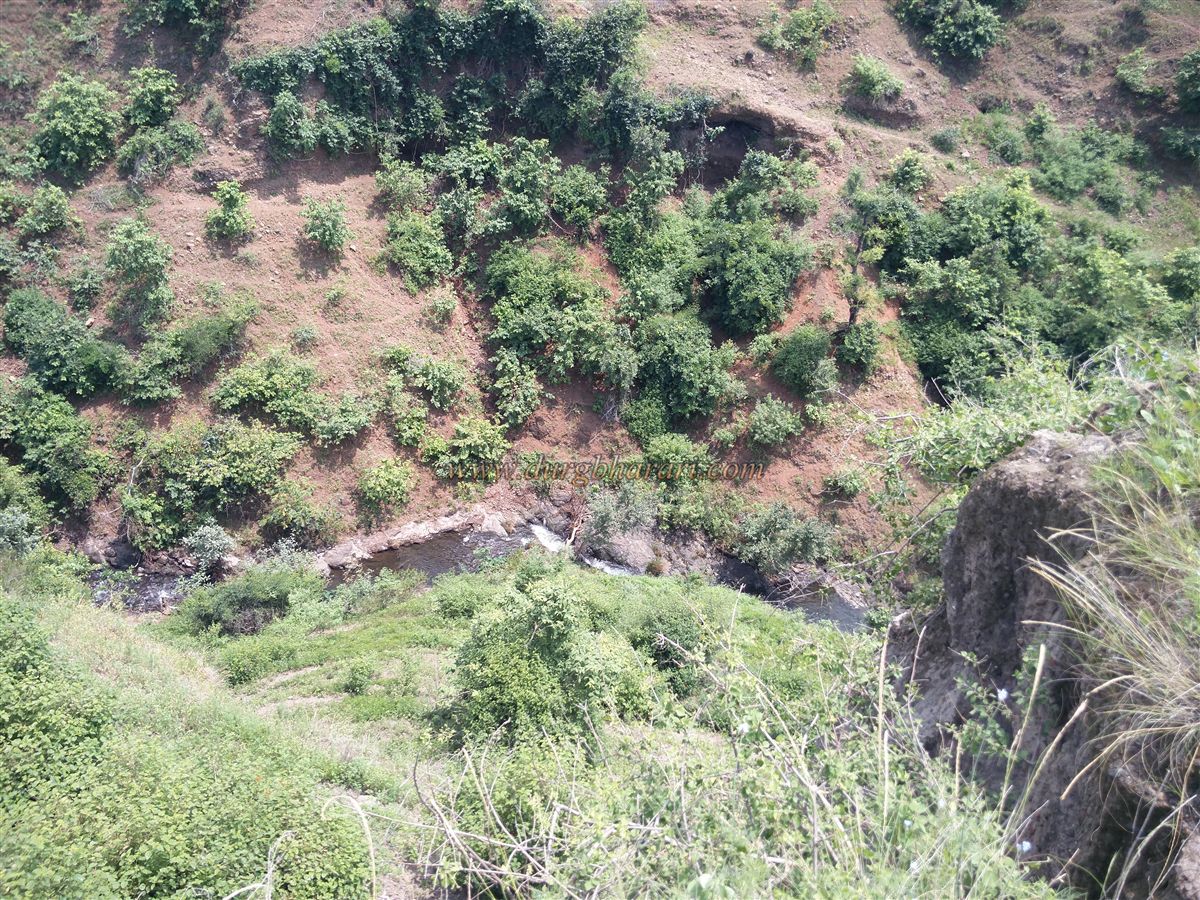
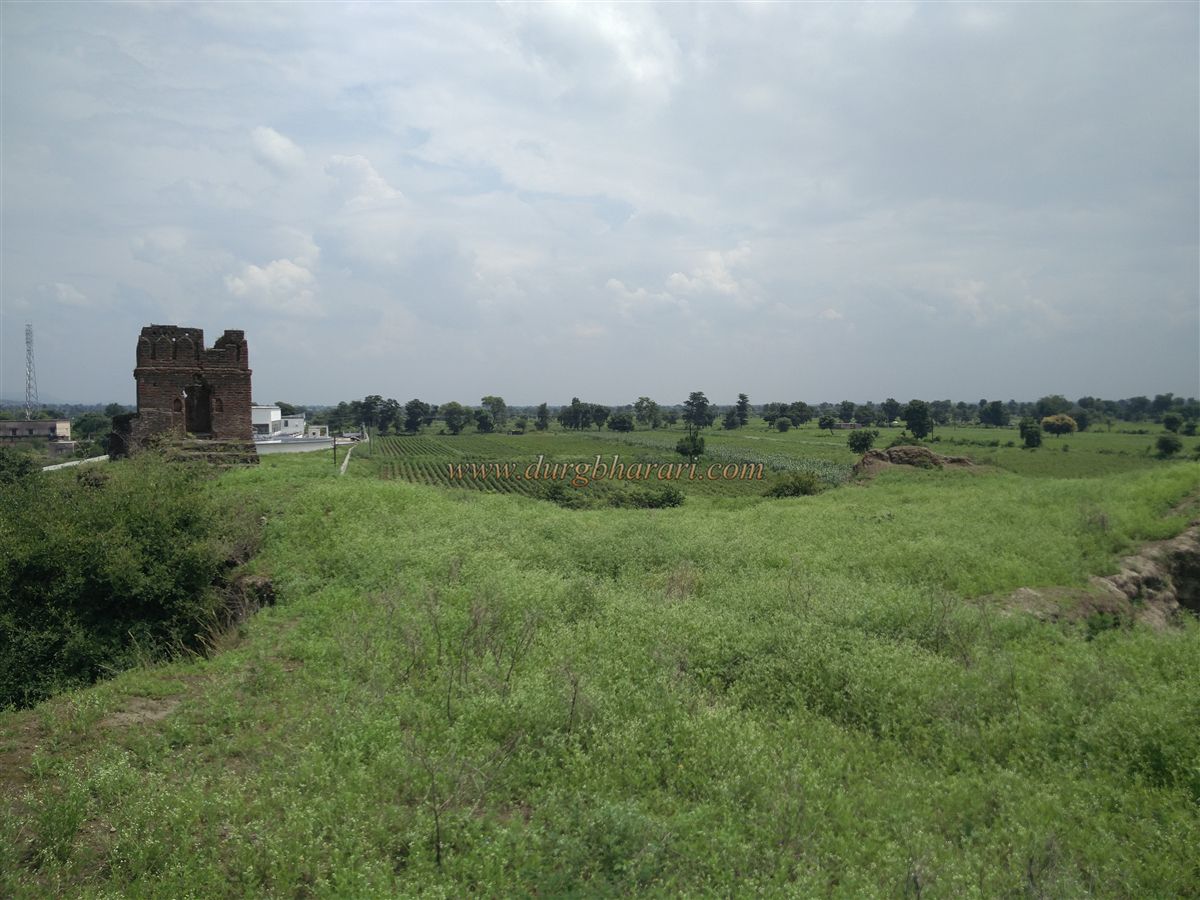
Before reaching the Hanuman temple, a left turn on the main road leads to Wari village. The temple is located about 1 km from this village. After crossing through the entire settlement, one reaches Bhairavgad, which is situated on a hillock outside the village. This ancient fort of Bhairavgad stands on a triangular hillock on the banks of the Wan River. On two sides, the fort is naturally protected by the river, which forms a gorge over 100 feet deep, while on the landward side, a 40-foot-deep moat was dug to separate the fort from the mainland.
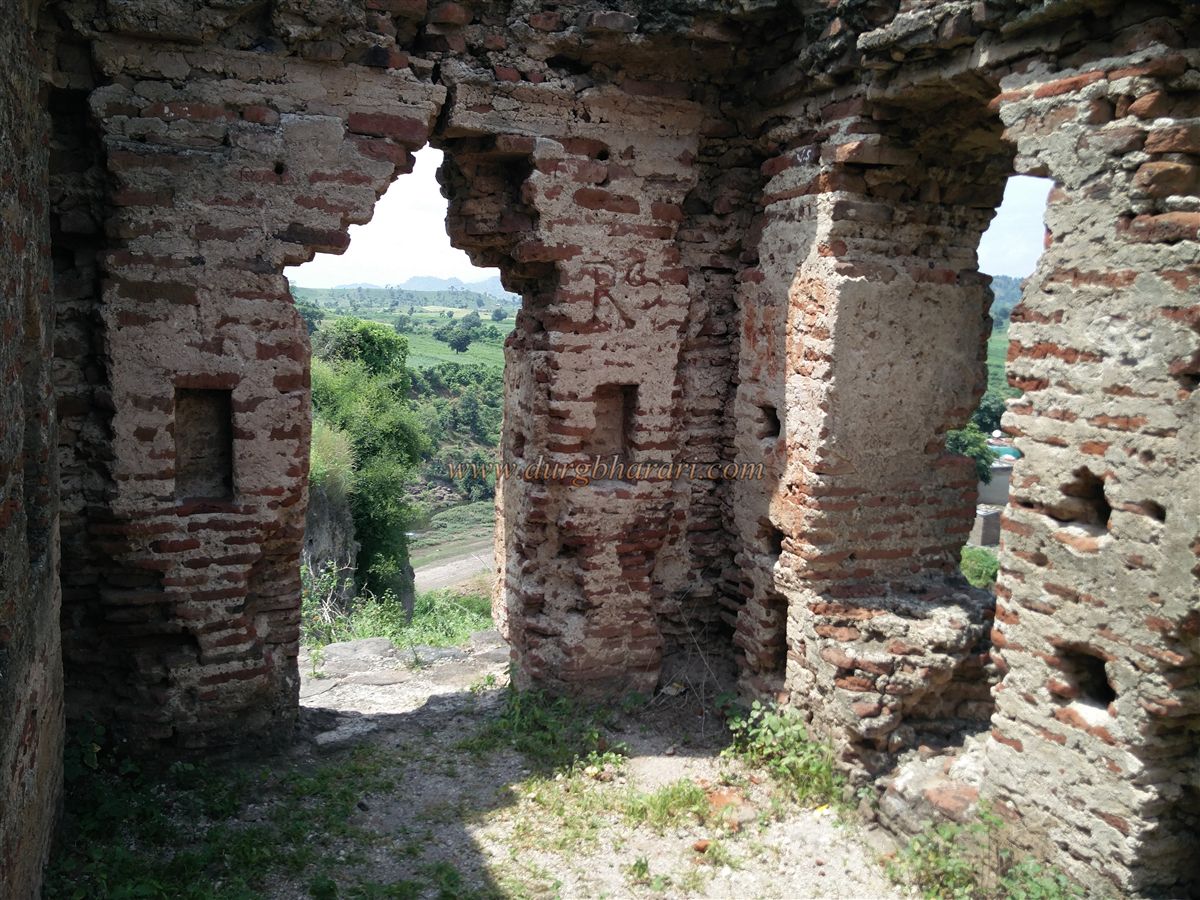
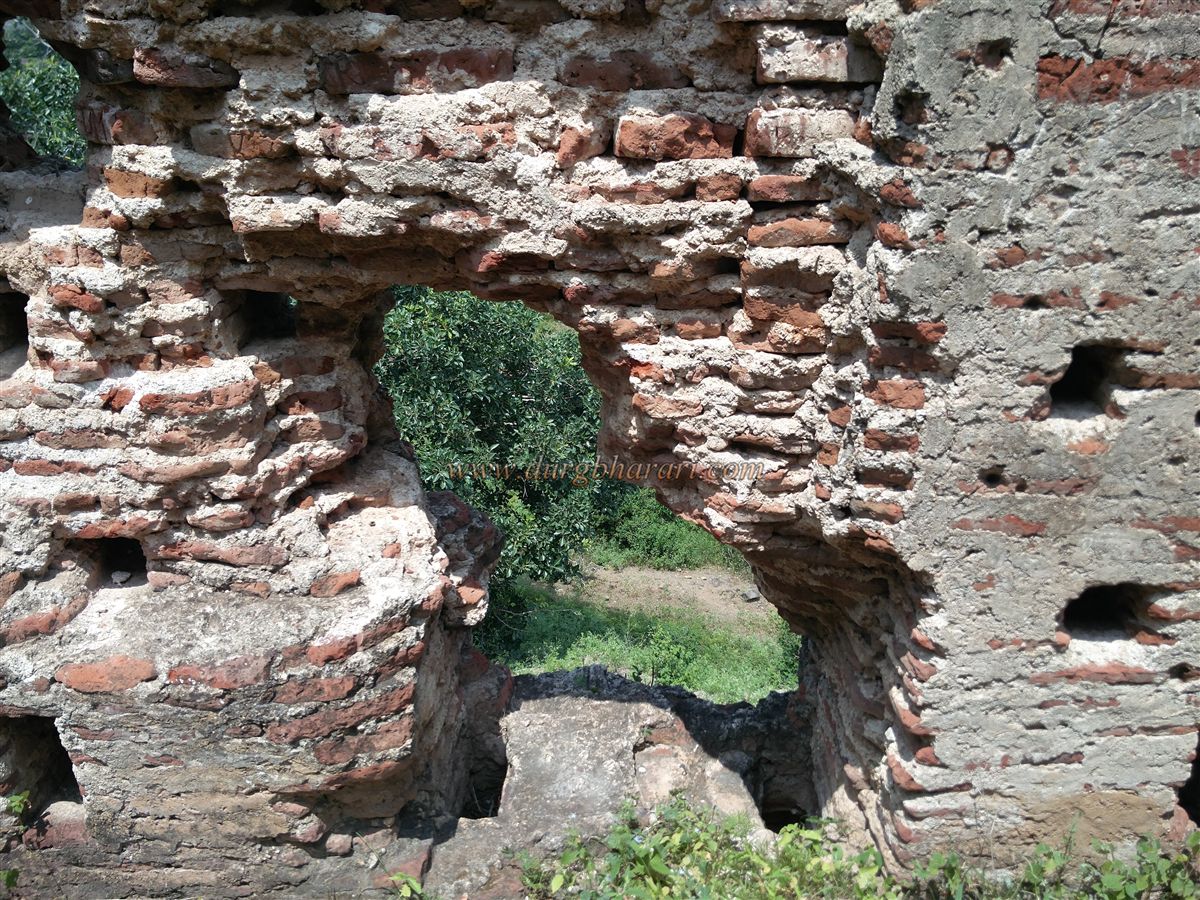
With no authority maintaining the fort, the villagers have taken stones and soil from it for building their houses. Due to this excavation, it is difficult to determine the original materials used in the fort walls, but the remaining portions of the ramparts near the ground level are made of sticky white clay. The fort covers an area of about half an acre and has a total of four bastions.
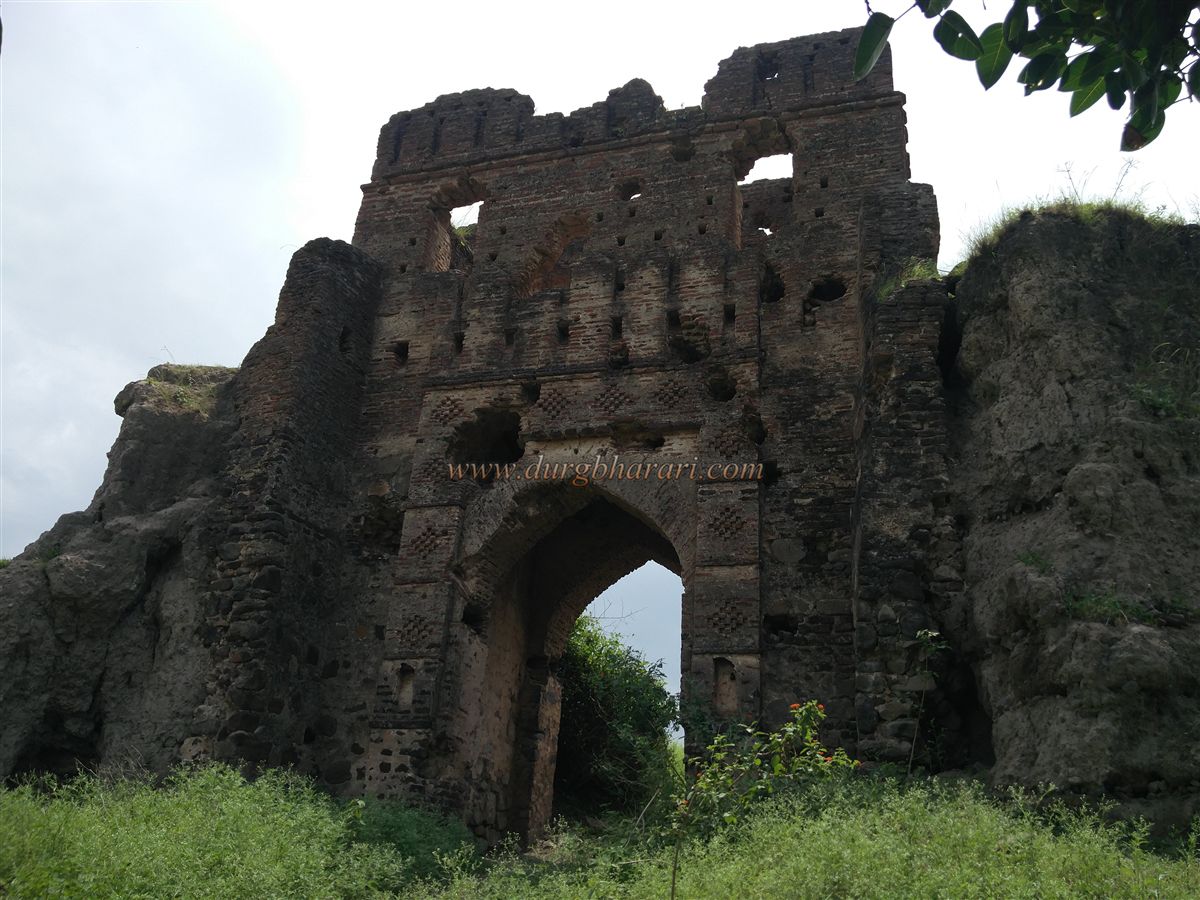
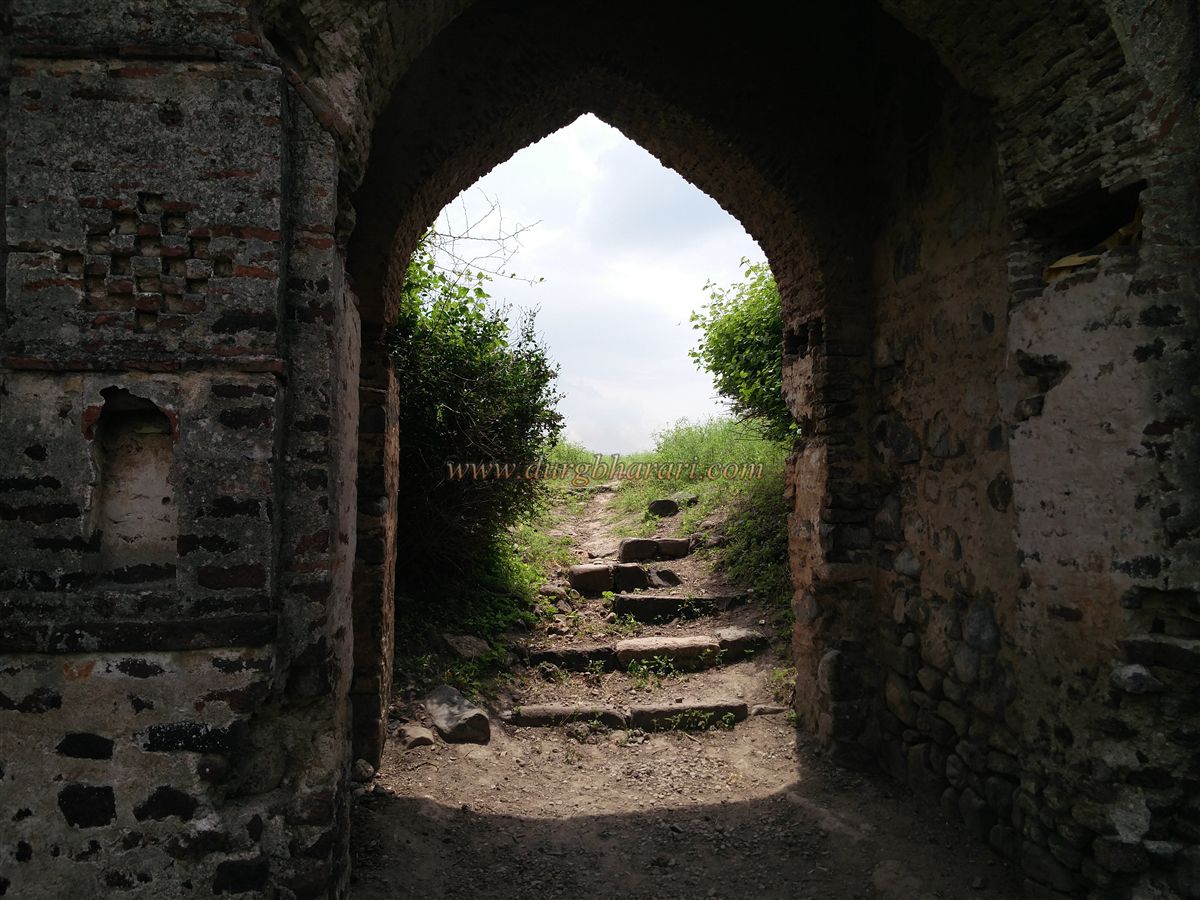
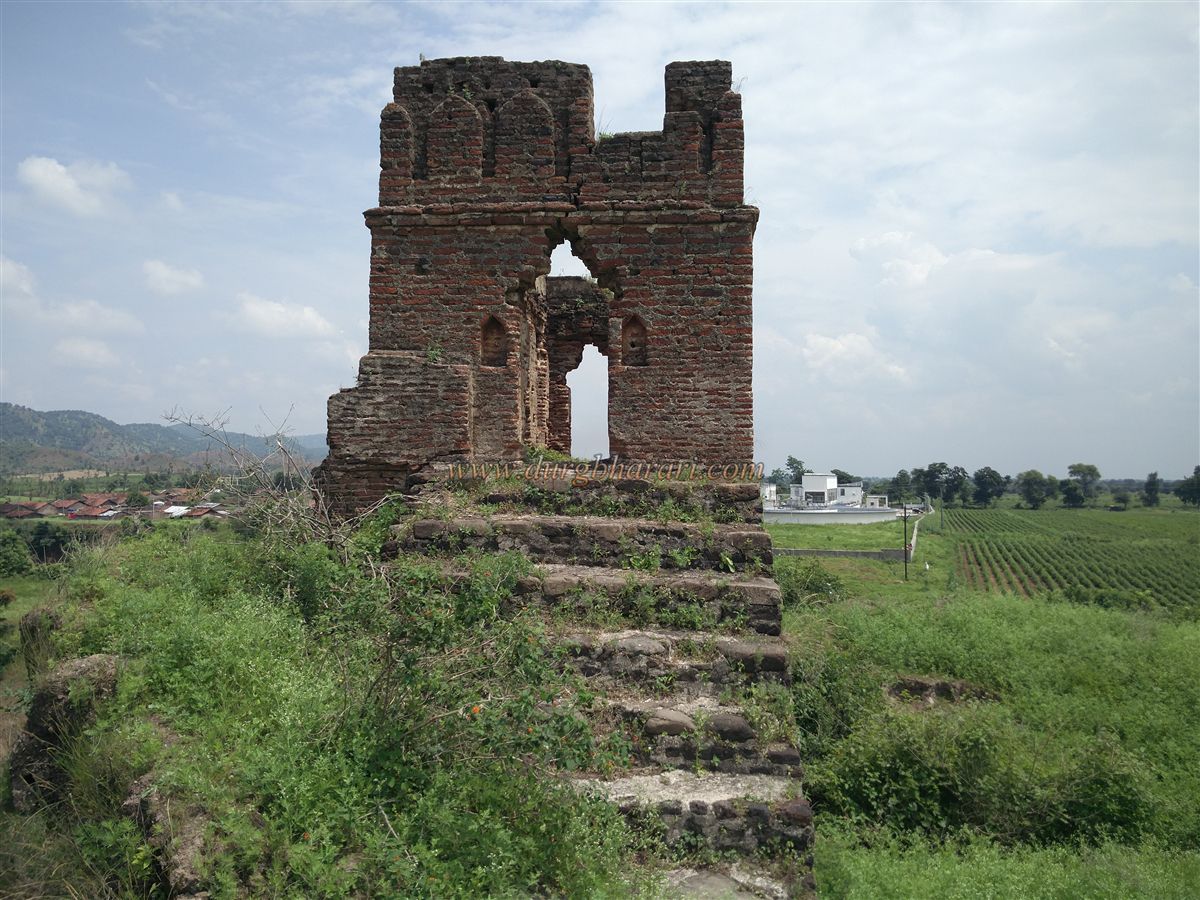
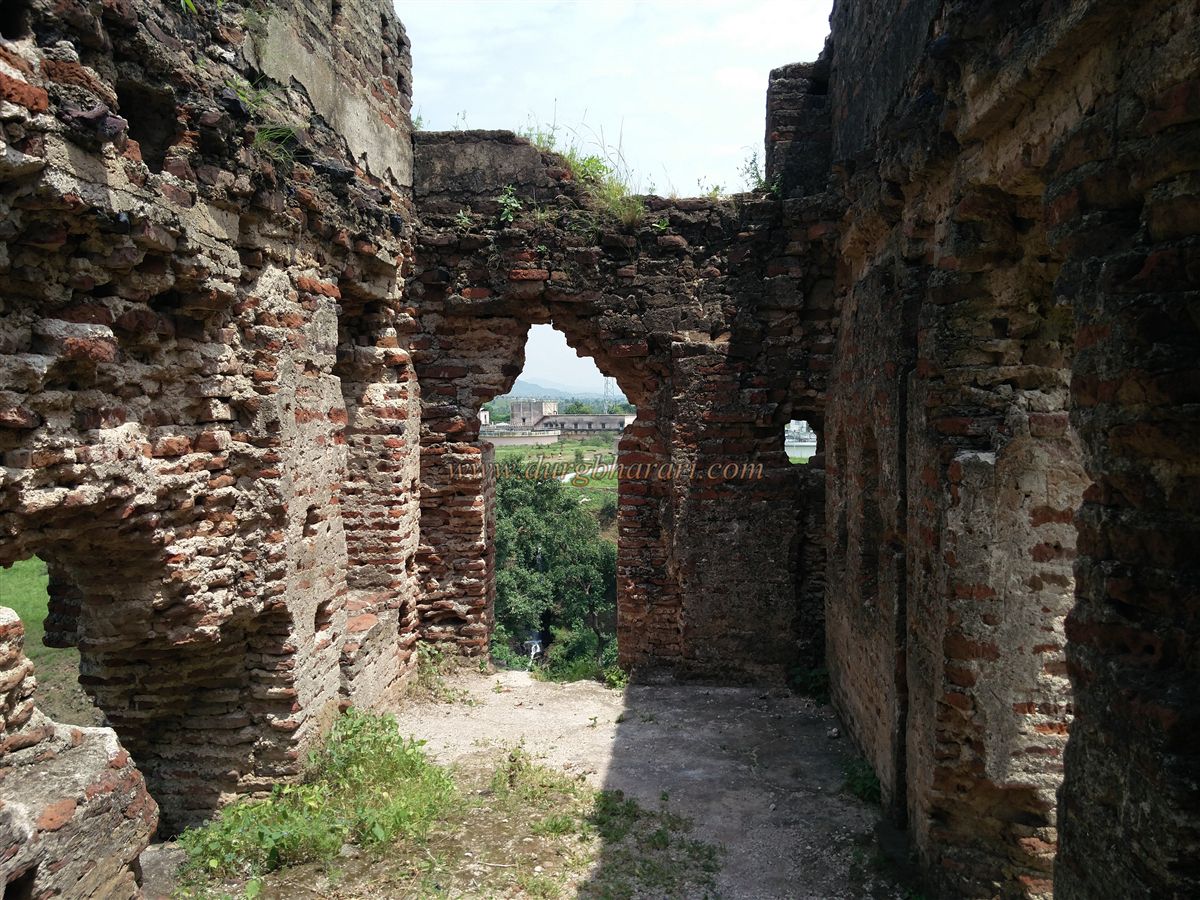
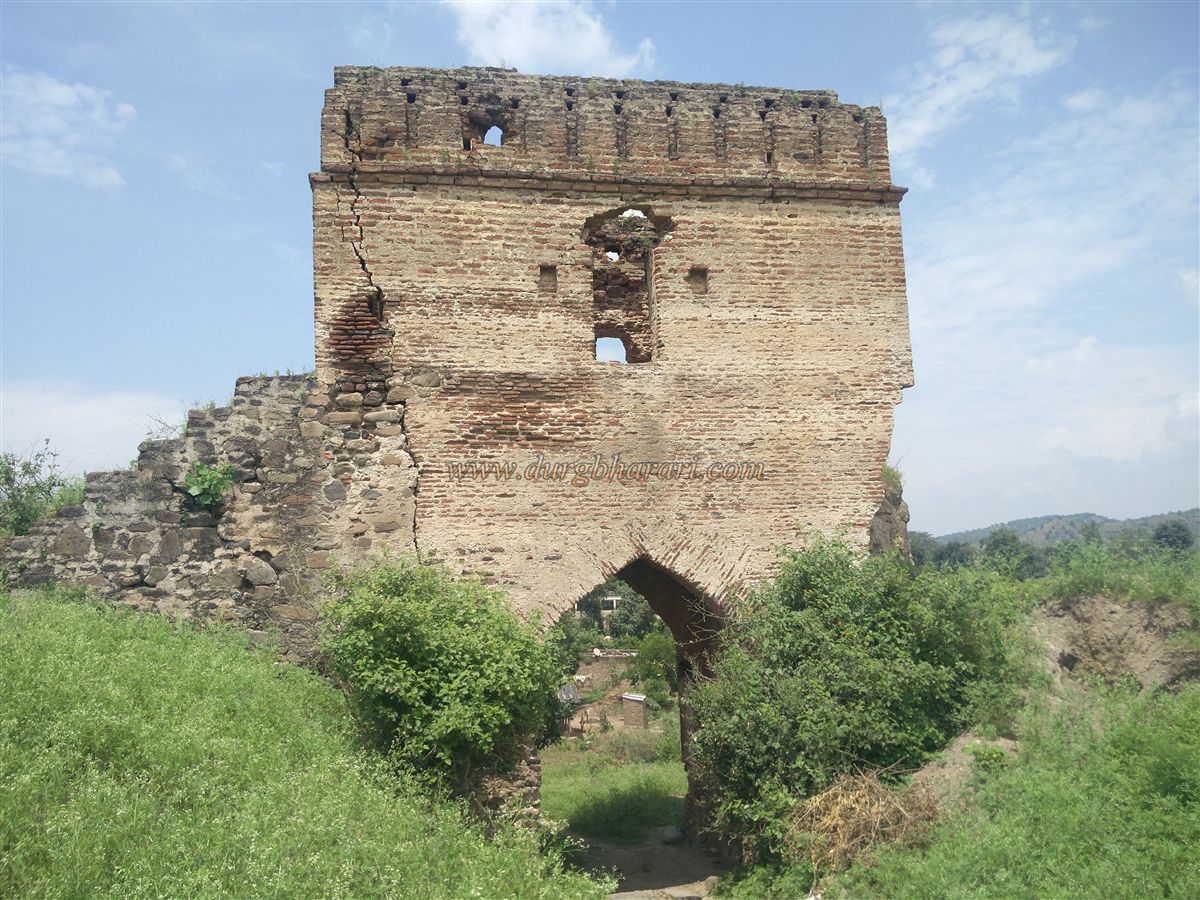
The northern-facing entrance gate of the fort still stands intact. It is built using a mix of stone and bricks. Although the adjoining bastion has collapsed, the presence of loopholes for firing guns at the gate suggests that the bastion once had similar features. Above the gate, there were provisions for accommodation and lookout points, and the arches for surveillance are still visible. The ramparts along the riverbank remain largely intact.
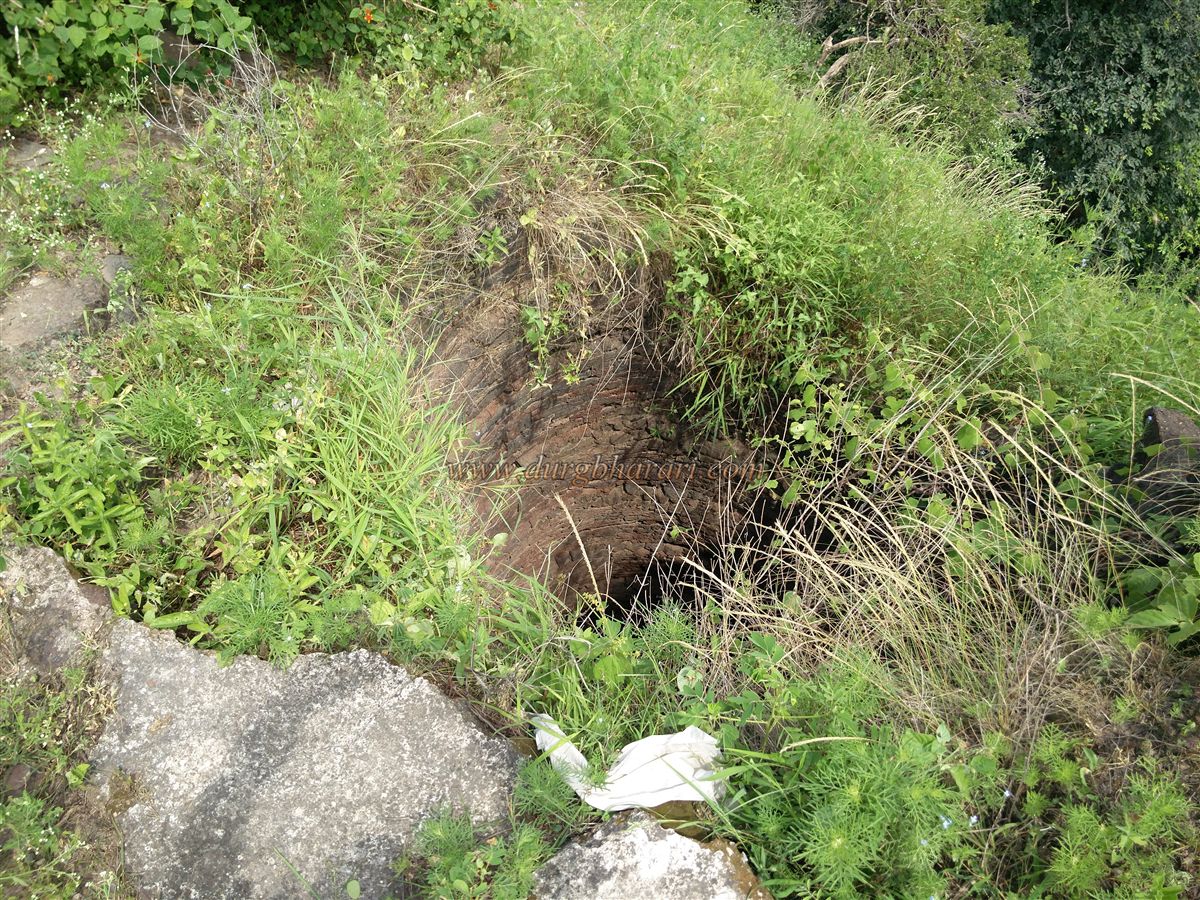
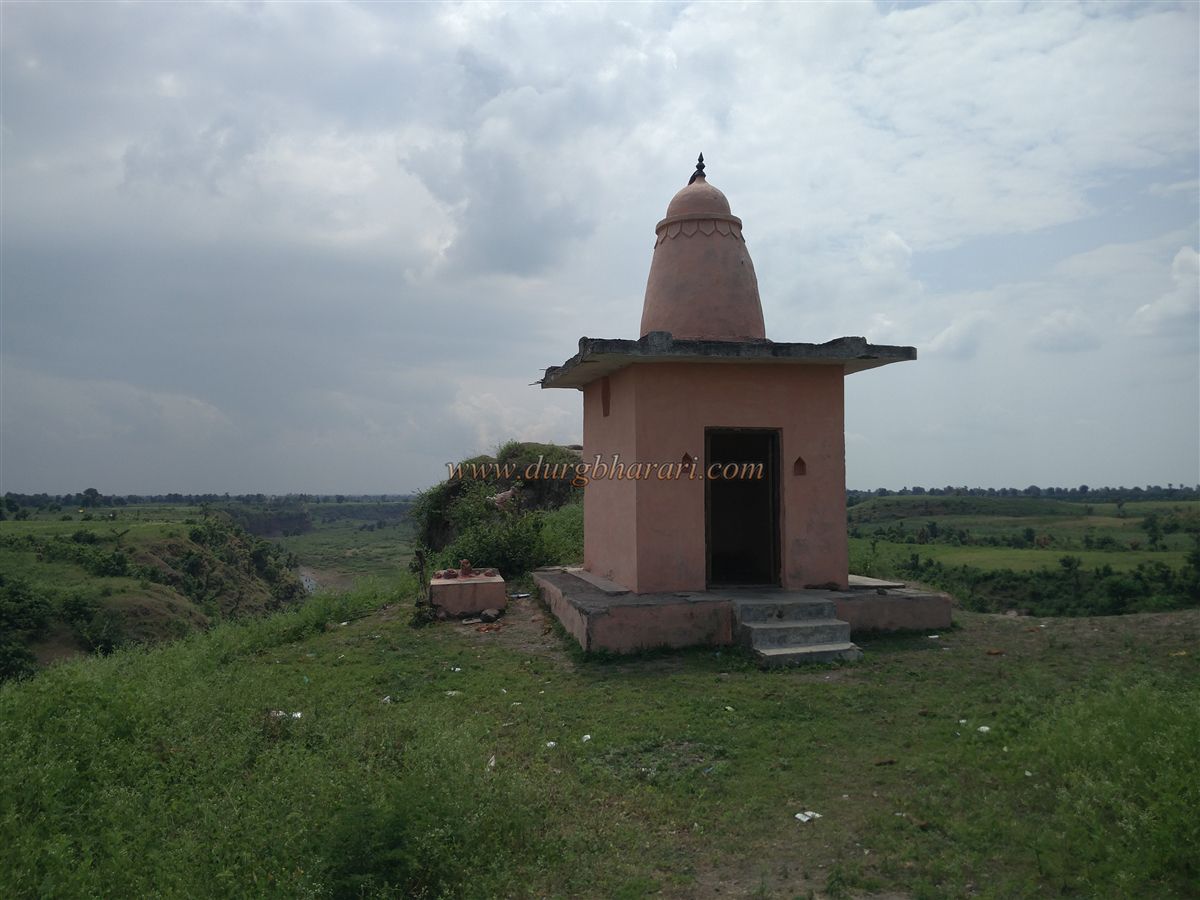
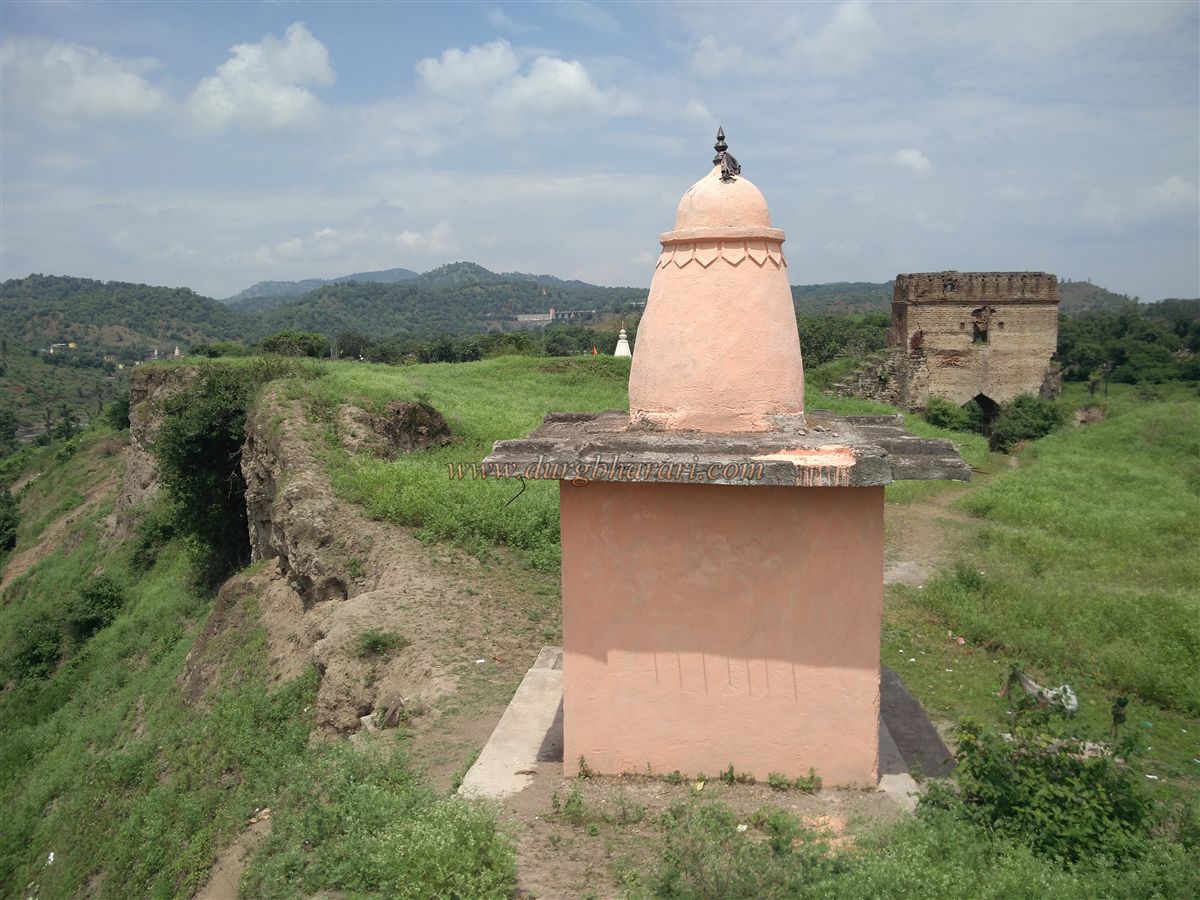
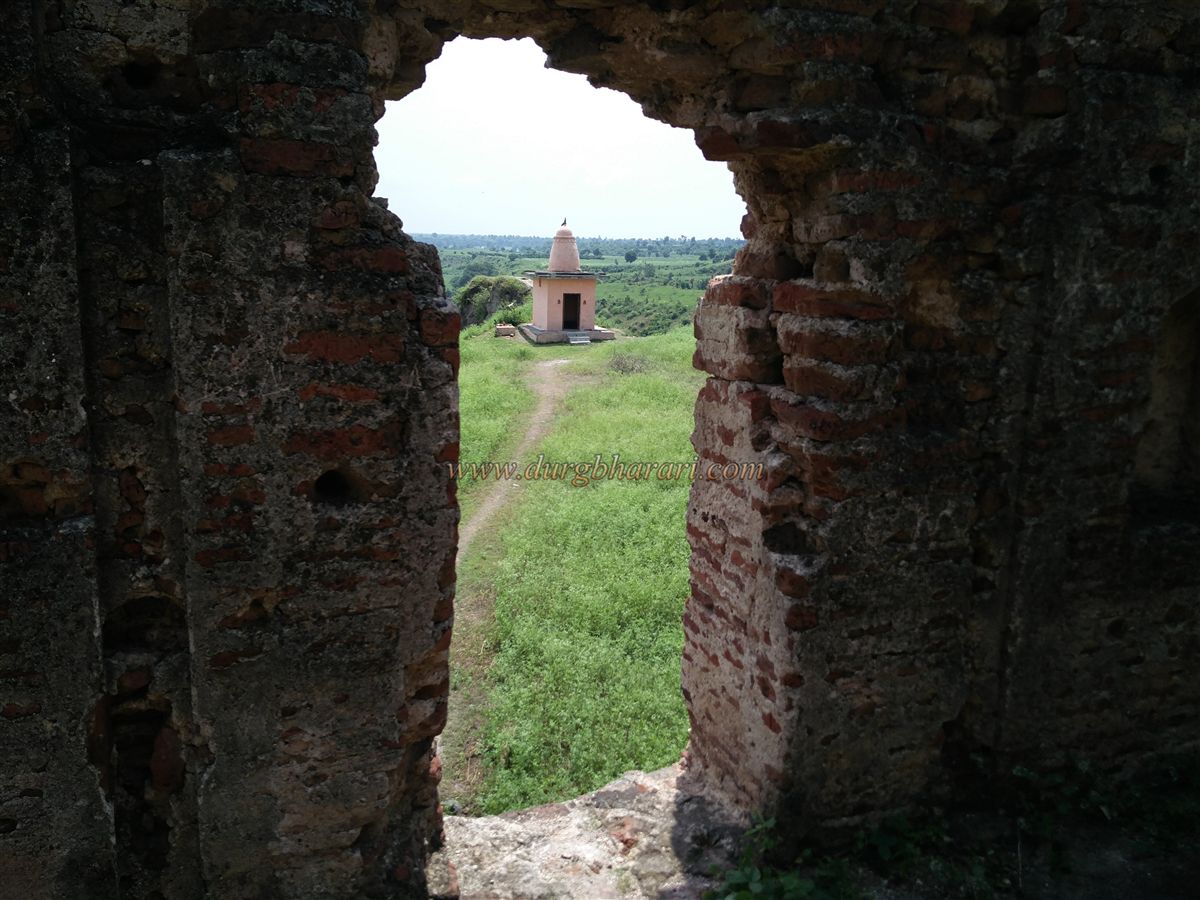
Once inside the fort, on the left side, near the second bastion, lies a well about 70–80 feet deep, with its inner walls constructed from stone and bricks. Near the third bastion, villagers have recently built a small cement temple dedicated to a goddess. Apart from this, no other significant remains can be seen on the fort. It takes about half an hour to explore the entire site.
The locals believe that this fort was built by a Gond ruler and that Wari was once the administrative sub-division (Pargana) of the Narnala fort. For those wishing to stay overnight, accommodation can be arranged at the village temple, which also has a hand pump for water in front. From here, one must walk toward the Hanuman temple to catch a rickshaw, as they usually pass directly to the temple and do not stop near the fort.
© Suresh Nimbalkar
GALLERY