VARDHANGAD
TYPE : HILL FORT
DISTRICT : SATARA
HEIGHT : 3460 FEET
GRADE : EASY
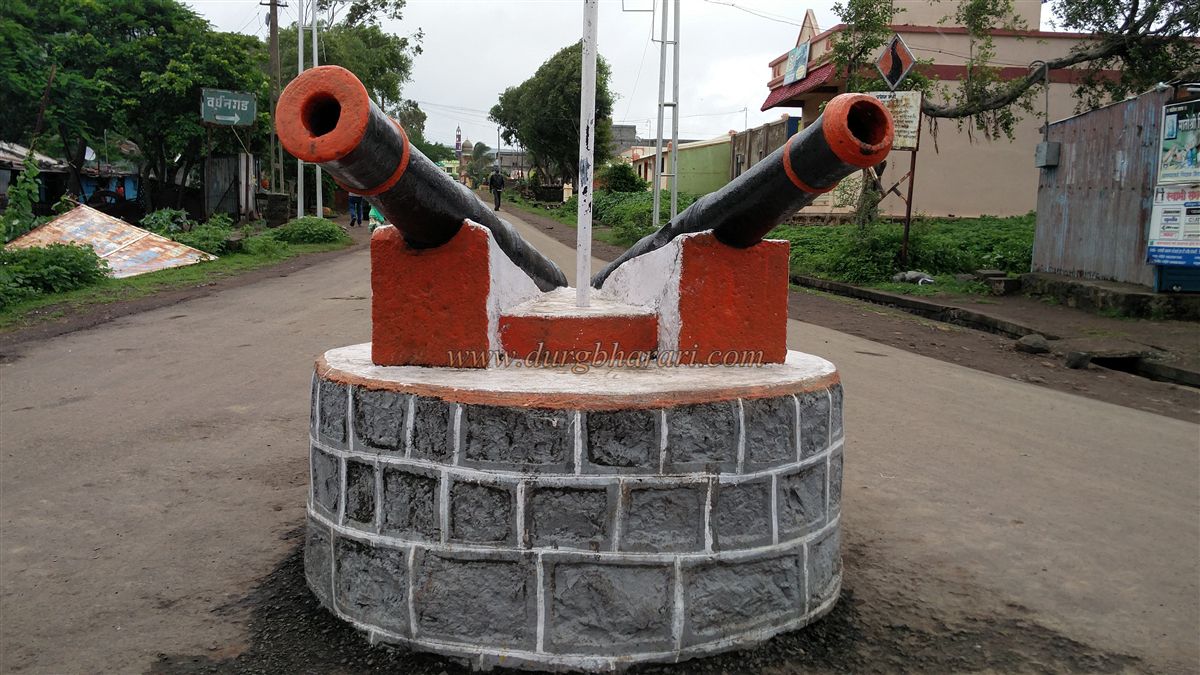
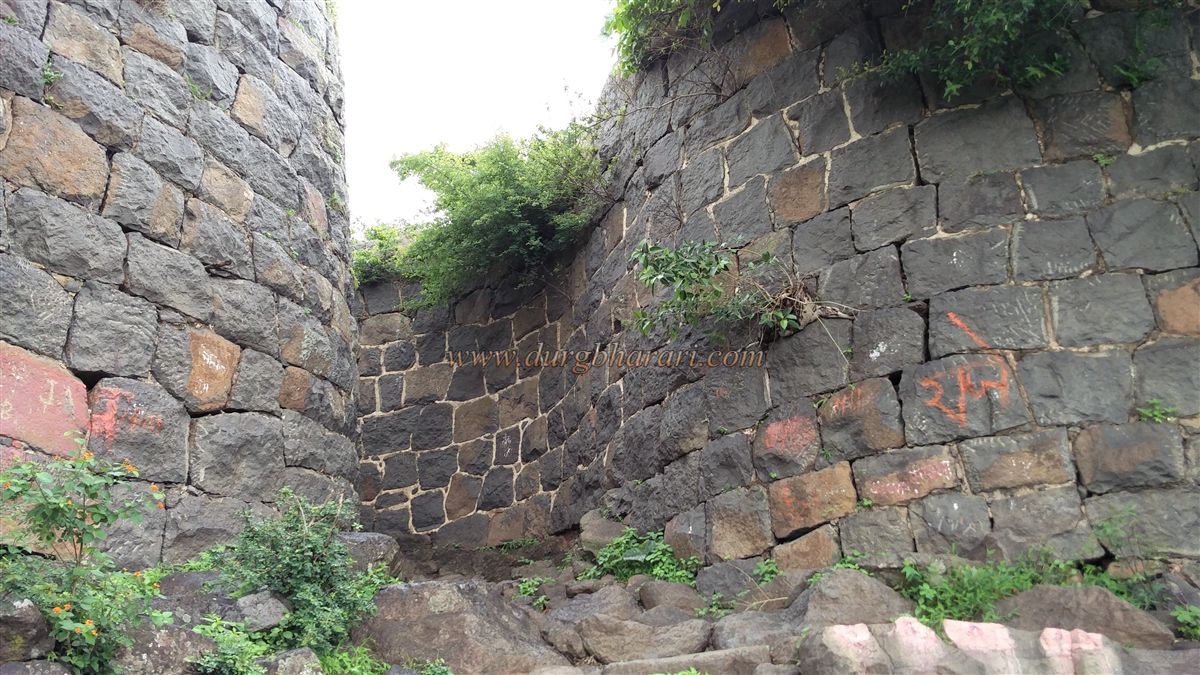
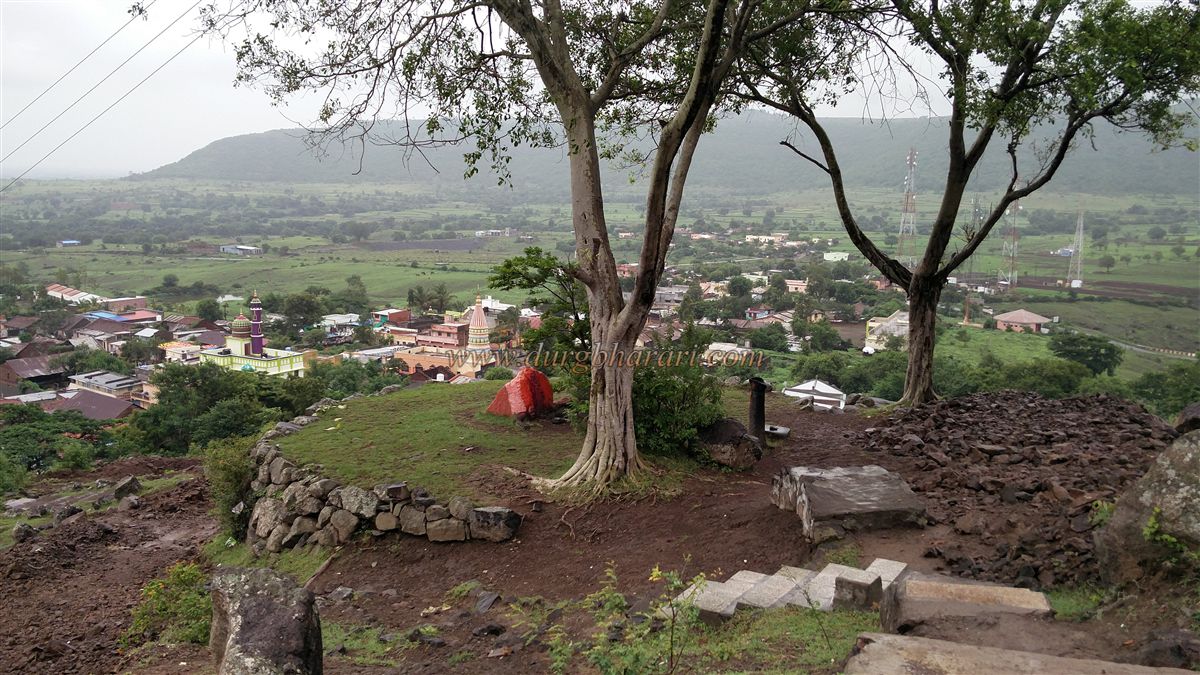
Vardhangad Fort is built on the Bhandlikundal hill in the Mahadev range of the Sahyadri. Located in Khatav taluka, the fort is about 30 km from Satara city and 13 km from Khatav town. The village of Vardhangad itself lies on the Koregaon–Phusegaon highway, and the fort rises on the hill directly behind the village. As one enters the village, two cannons can be seen in the square, and the fort’s well-preserved fortifications are visible from afar. A broad pathway to the fort begins from an old wada (mansion) in the village, and since devotees regularly visit the temple of Vardhani Mata atop the fort, the path is well-trodden. Some sections have built stone steps, making the climb easier. Within ten minutes, one reaches the shrine of Bhairav, and the path directly leads to the main entrance.
...
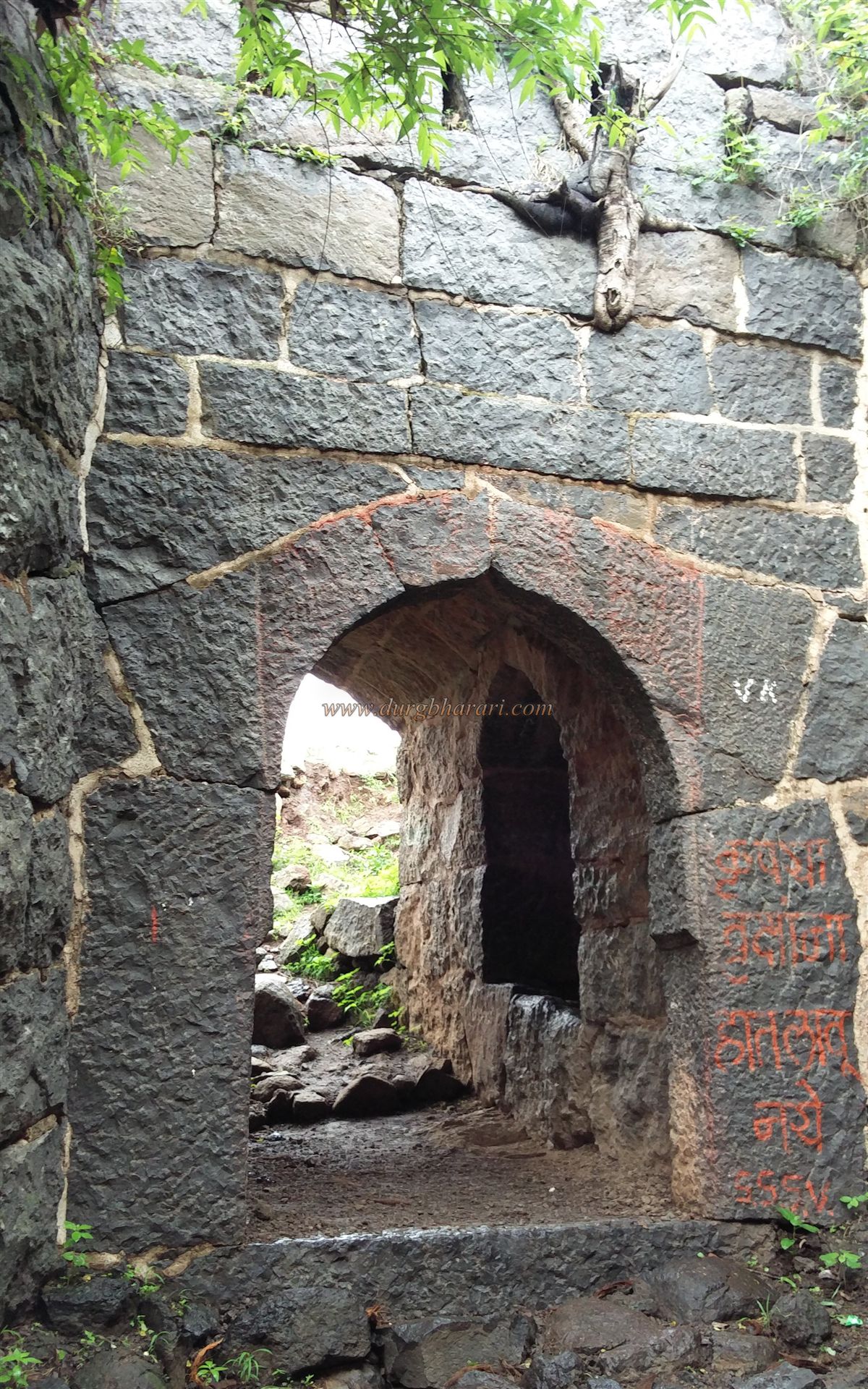
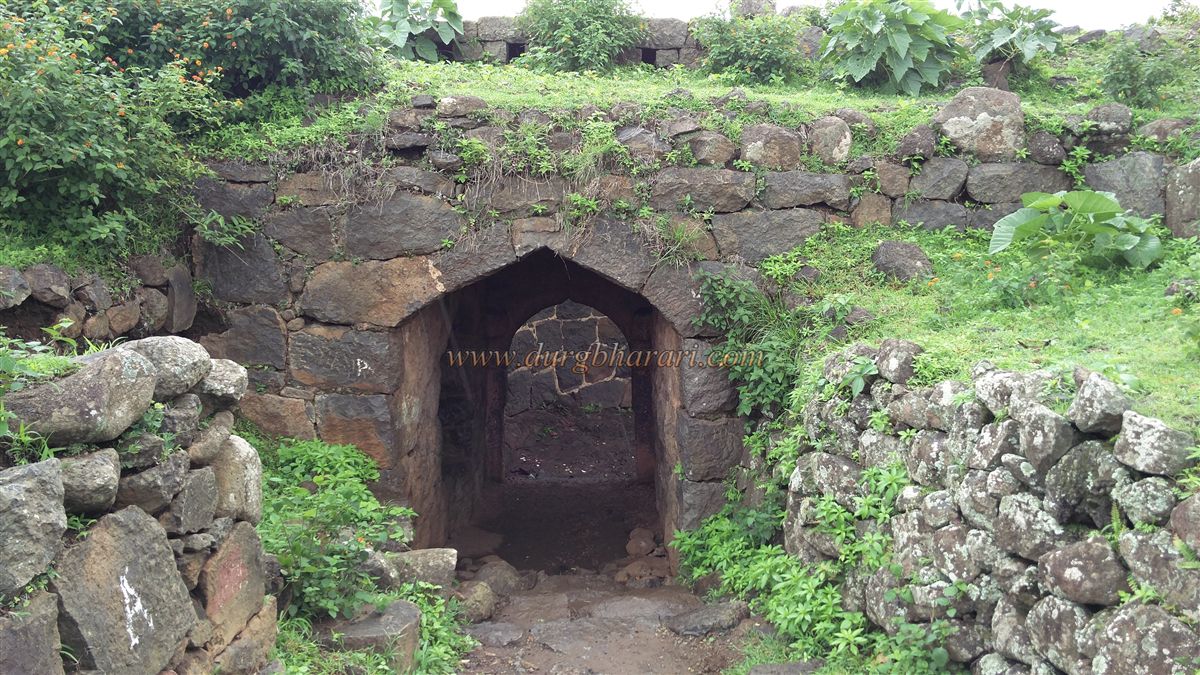
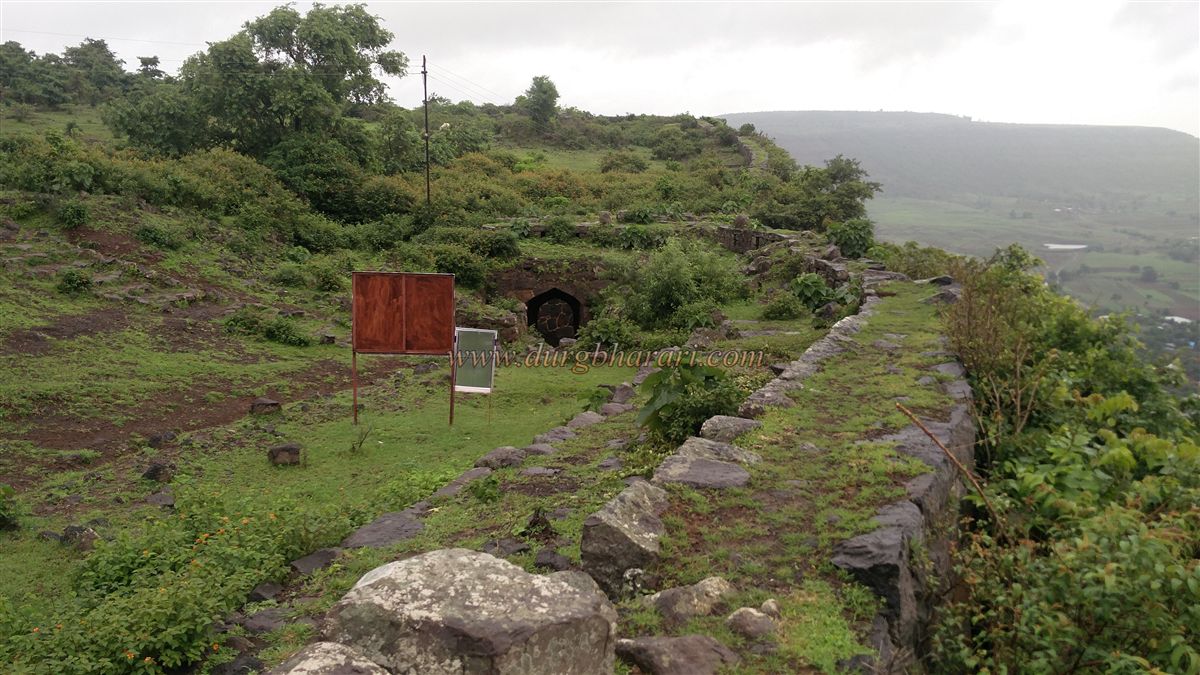
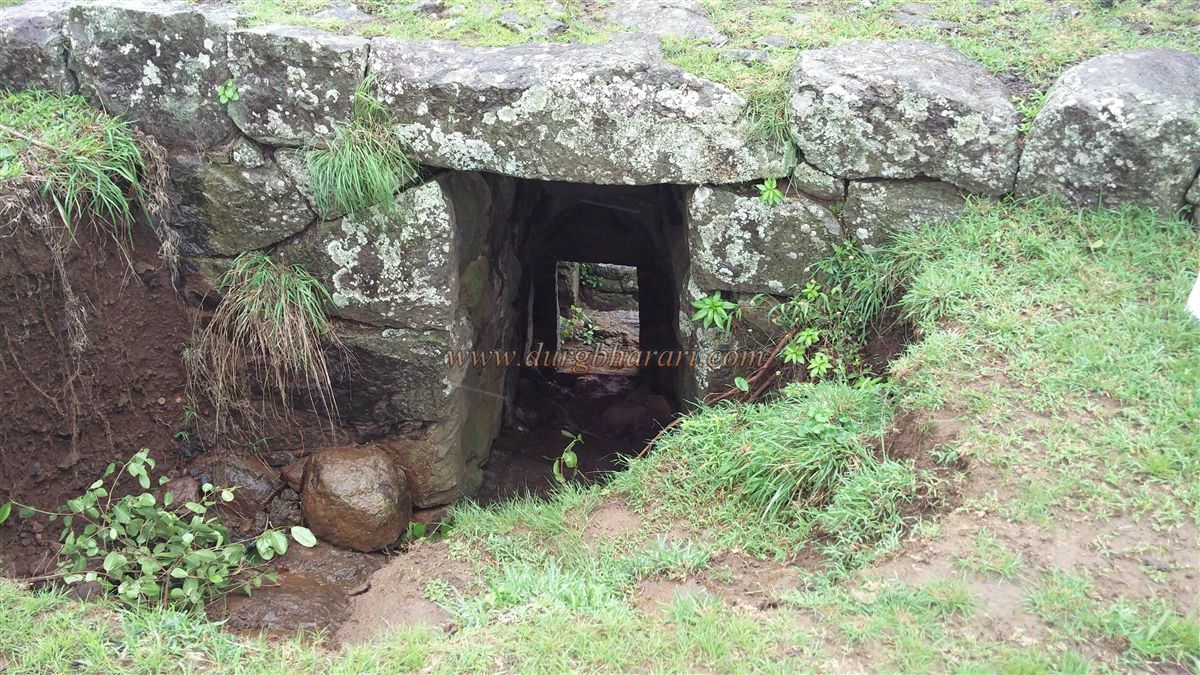
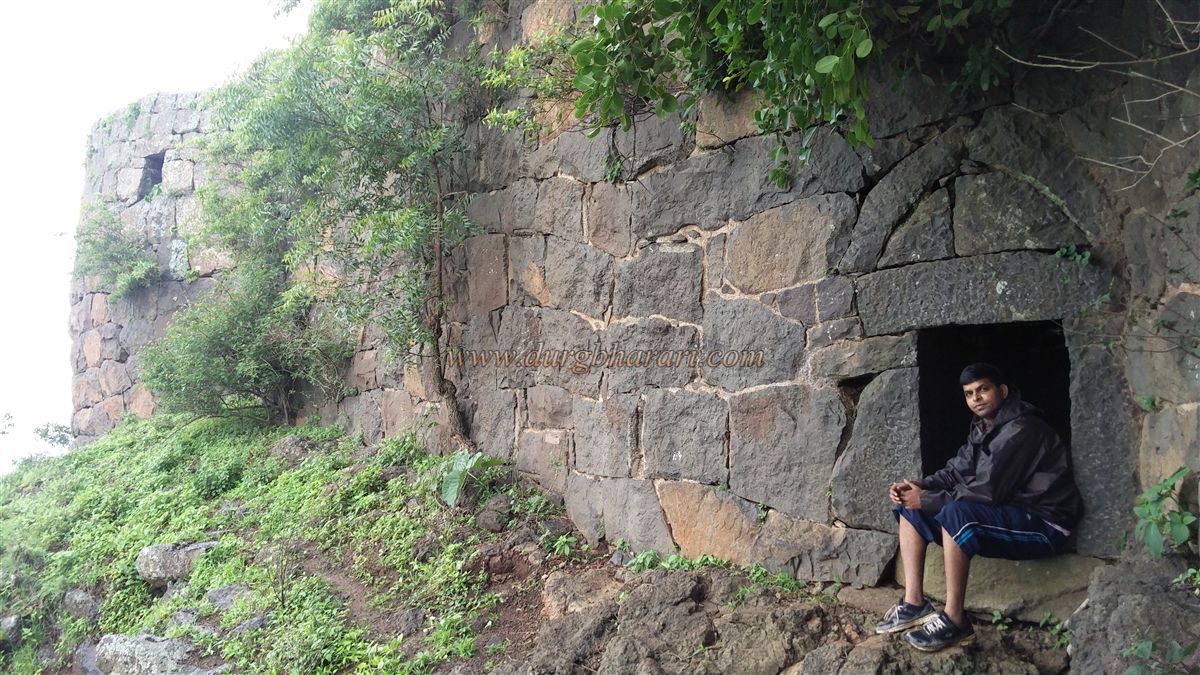
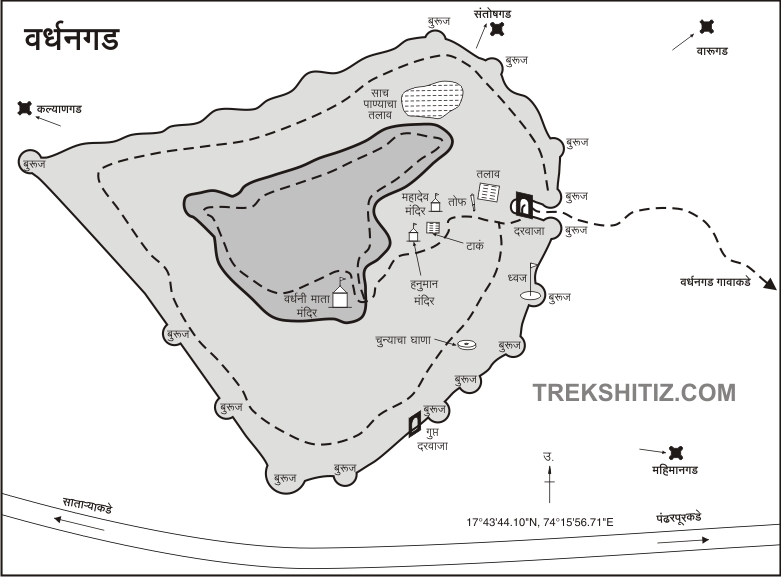
The climb to the fort is simple, and it takes about half an hour to reach the gate. The entrance faces east and is cleverly hidden between two buruj (bastions). The machi (plateau) on top of the fort is largely flat, with a small hillock rising in the center. The fortifications of the machi are still in good condition, allowing one to walk along the ramparts around the entire plateau. To the left of the gate is a Buruj with a flagpole, where the saffron flag flutters proudly. Passing three bastions further ahead, the fourth bastion contains a chorvat (secret passage) leading out of the fort.
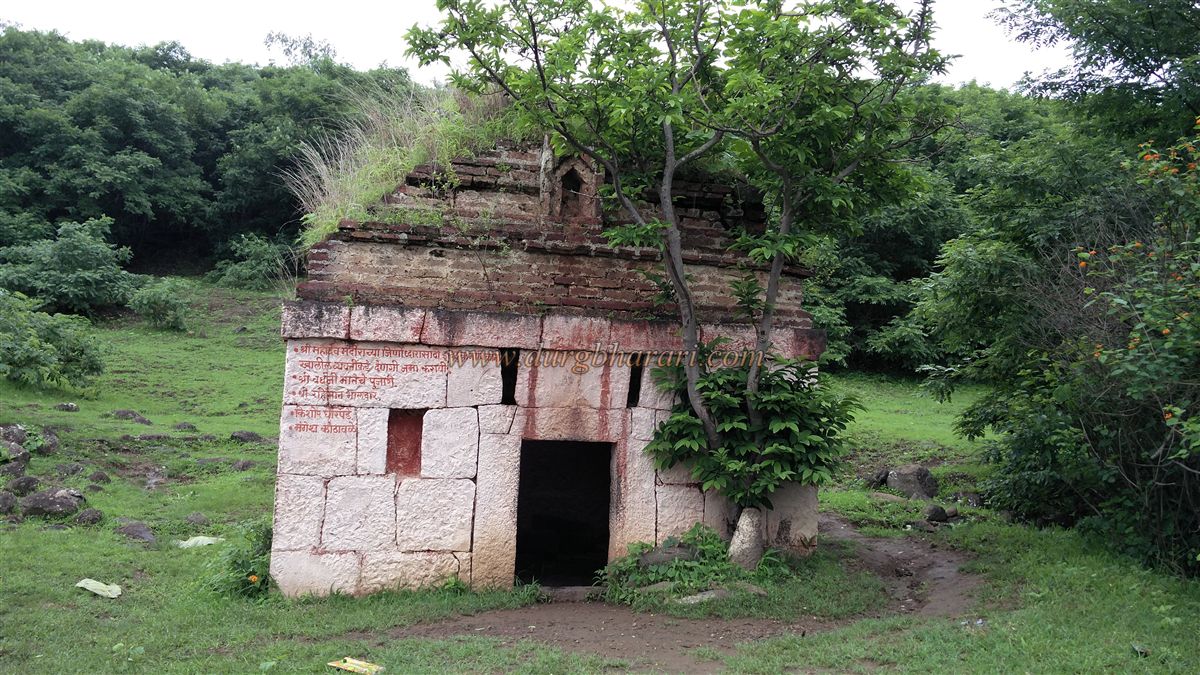
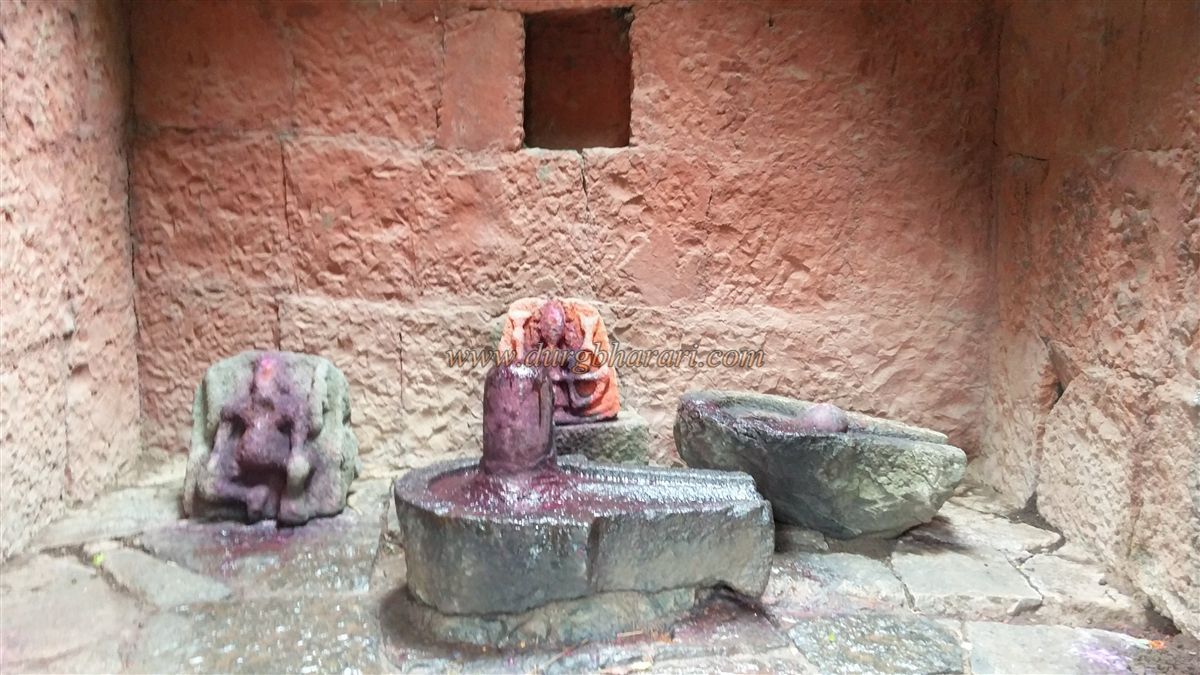
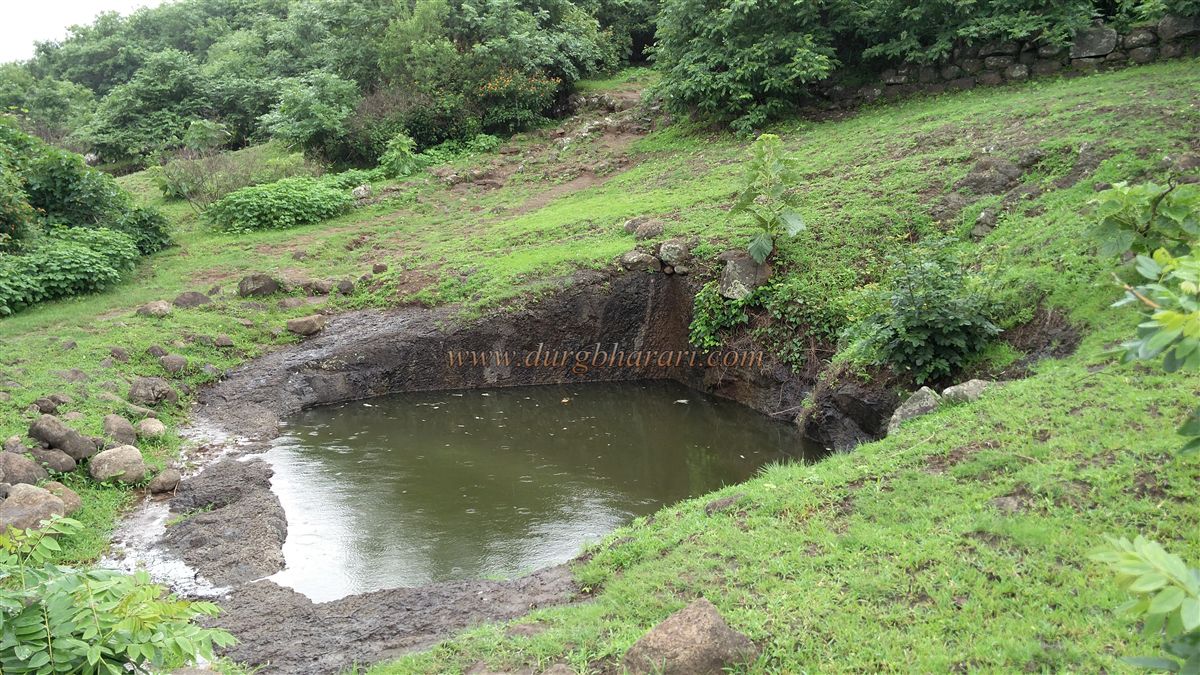
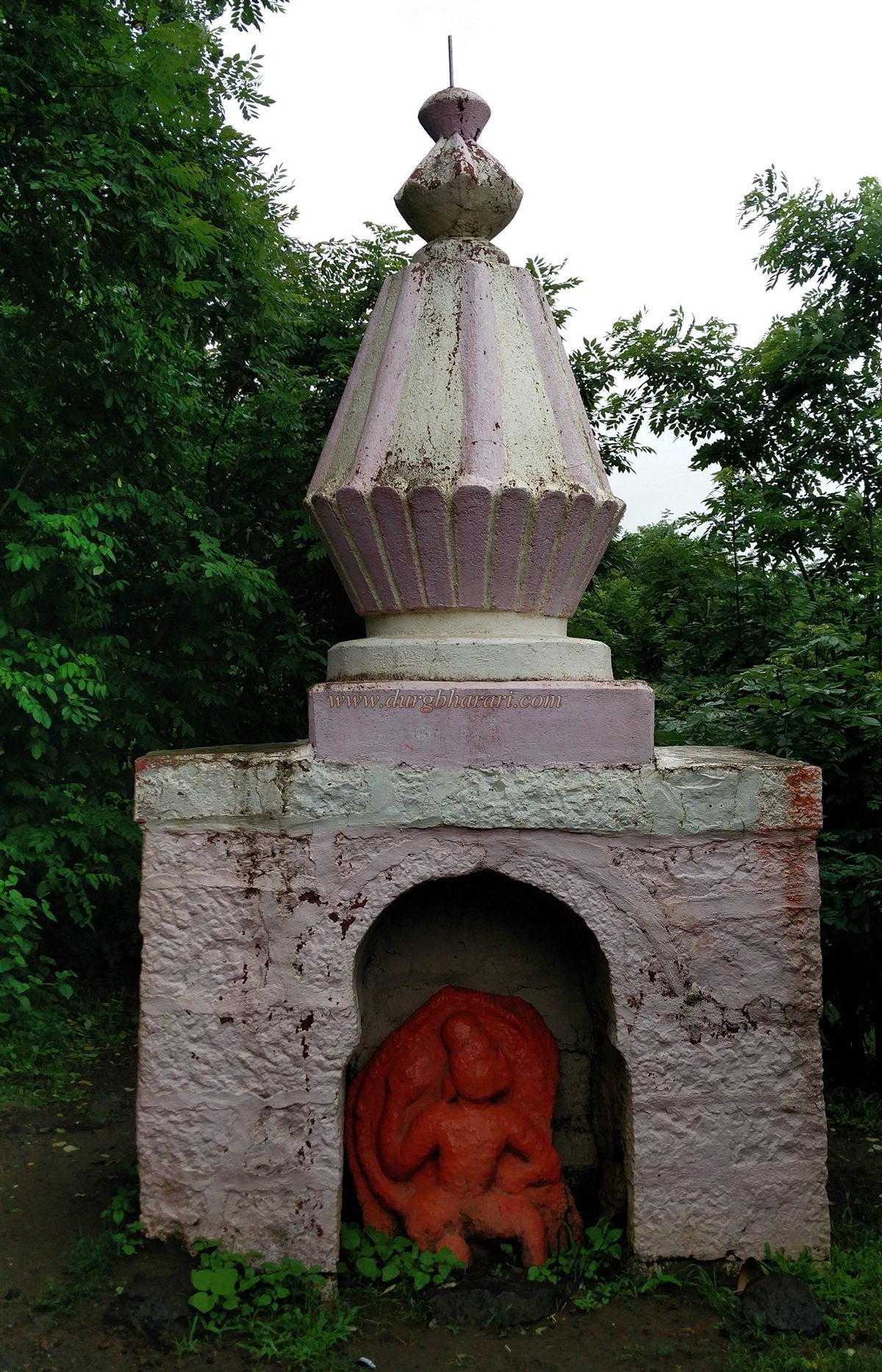
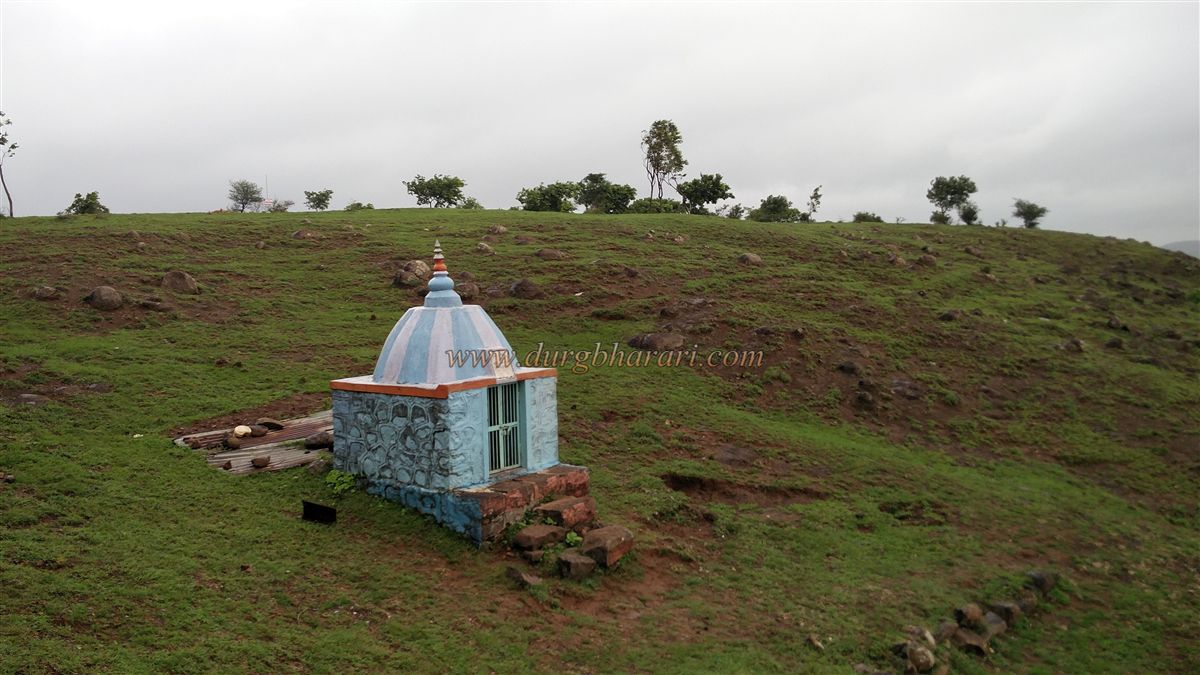
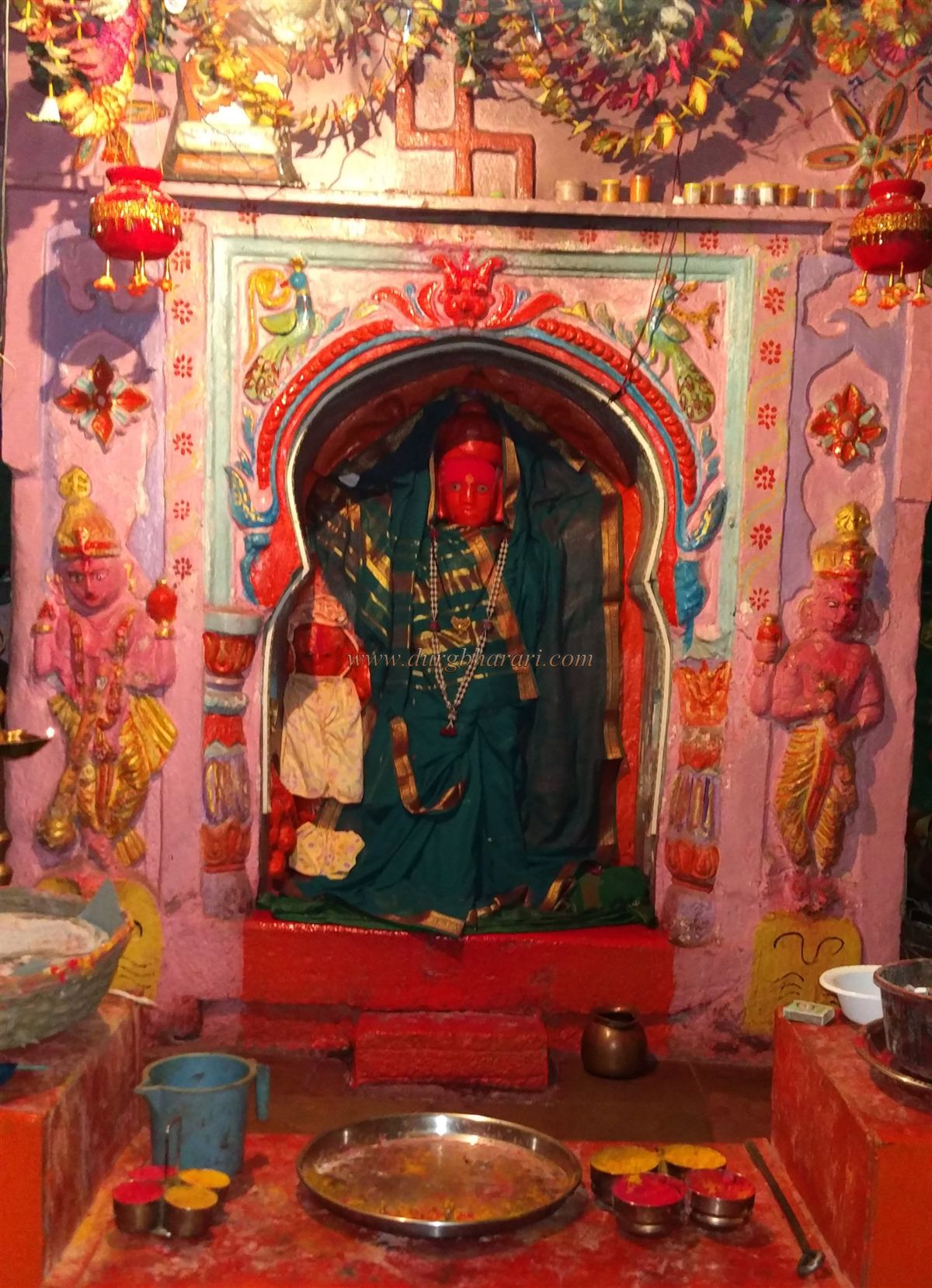
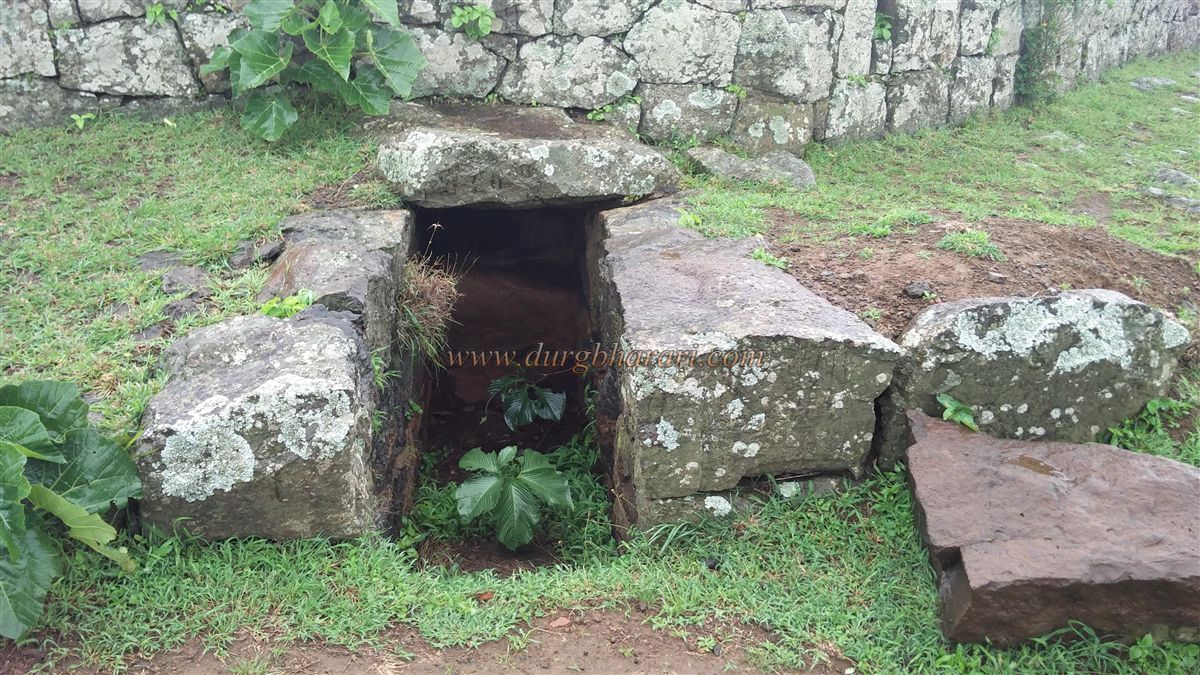
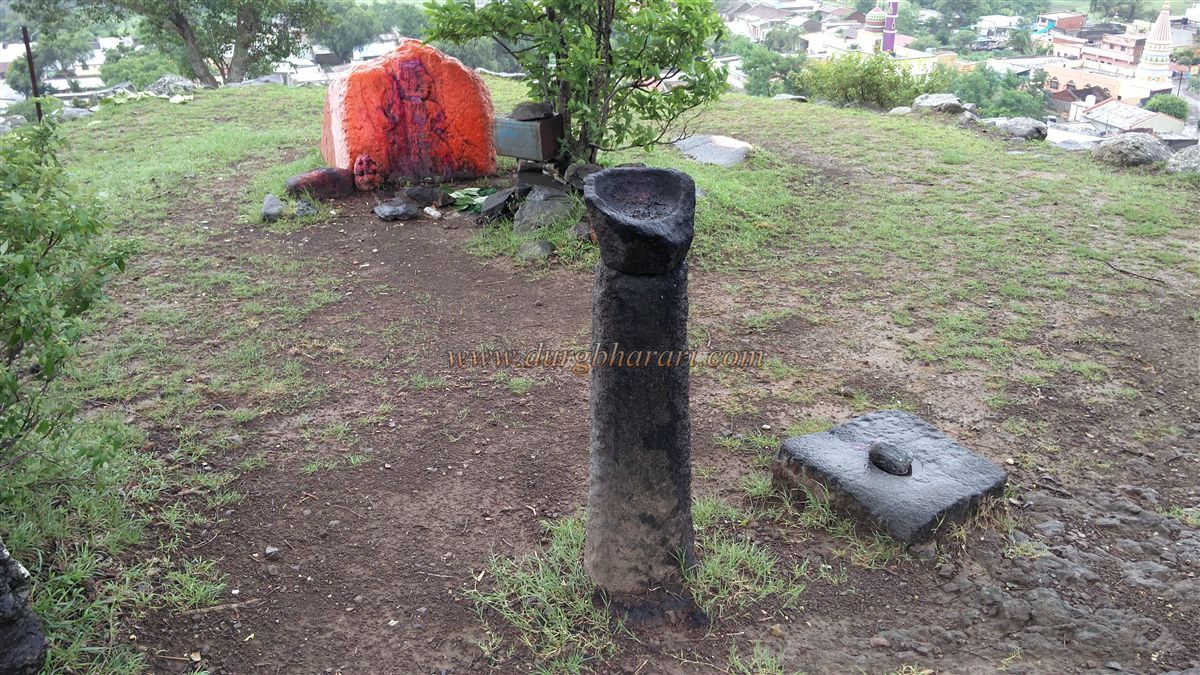
Stone steps at the entrance lead up to the central hillock. On the way stands a small domed shrine with a Hanuman idol, followed by a small Shiva temple that houses two shivling and two other idols. Next to the temple is a water cistern with potable water, which remains the primary drinking water source for the fort. From the gate, it takes about fifteen minutes to reach the temple of Vardhani Mata atop the hillock. This temple, dedicated to the fort deity, has been recently renovated. Its spacious Mandap (assembly hall) can accommodate 8–10 people for overnight stays, though one must reach early since the pujari (priest) locks the temple at dusk if no one is present. Behind the temple, a path descends to the ruins of old houses and a set of rock-cut twin cisterns. From the temple, one can see Kalyangad (Nandgiri), Mahimangad, Santoshgad, and other surrounding forts. An hour is sufficient to explore the entire fort.
It is believed that Chhatrapati Shivaji Maharaj built Vardhangad after the killing of Afzal Khan. Between 12 October and 11 November 1661, the Maharaj stayed here. After capturing forts in the Kolhapur region, Aurangzeb turned his attention to the Satara forts. On 8 June 1701, Fateullah Khan captured Khatav. Considering the low rainfall of the area and the strategic value of nearby forts like Chandan–Vandan and Nandgiri, the Mughals set up camp at Khatav, and their forces began gathering there.
To delay the inevitable attack on the fort, on 9 June 1701, the fort commander sent his vakil (envoy) to Fateullah Khan, pretending that he was willing to surrender the fort in exchange for a promise of safe passage. Fateullah Khan accepted the request, but no Maratha soldier appeared. Realizing the deception, he launched an assault on 13 June 1701. Many Marathas were killed or wounded, and the Mughals burned down several wada (mansions) at the base of the fort, taking forty people captive. The Mughals also suffered casualties.
On 19 June 1701, the Marathas evacuated the fort under the cover of night. On 22 June, Ali Raza, Aurangzeb’s officer in charge of supplies, arrived to seize property from the fort. He confiscated 675 man (a traditional measure) of grain, 40 man of lead, gunpowder, six large cannons, and a jamburka (small cannon). Aurangzeb renamed the fort Sadiqgad. However, in September 1704, the Marathas recaptured it, imprisoned the Mughal commander Kishorsingh, and restored the original name, Vardhangad. In early October, the Mughals once again seized the fort, but in 1707 the Marathas reclaimed it. Finally, in 1818, Vardhangad fell to the British.
© Suresh Nimbalkar
GALLERY