VANDAN
TYPE : HILL FORT
DISTRICT : SATARA
HEIGHT : 3675 FEET
GRADE : MEDIUM
Maharashtra has a rich tradition of forts. While wandering in Western Maharashtra, one can see numerous forts in the Sahyadri mountain range. During the rule of various dynasties, the Sahyadri were adorned with forts, and the entire range became decorated with these strongholds. One such fort, built during the reign of Shilahara king Bhoj II, is the twin fort of Chandan-Vandan. While traveling from Pune to Satara on the Mumbai-Bengaluru highway, this pair of forts, situated on the left side, immediately attracts attention. These two forts are constructed on a hill near Satara and, though separated only by a pass, each has its own distinct fortification with machi (plateaus) and citadels, allowing us to study them as independent forts. Today, we will explore the Vandan fort, located in Wai taluka.
...
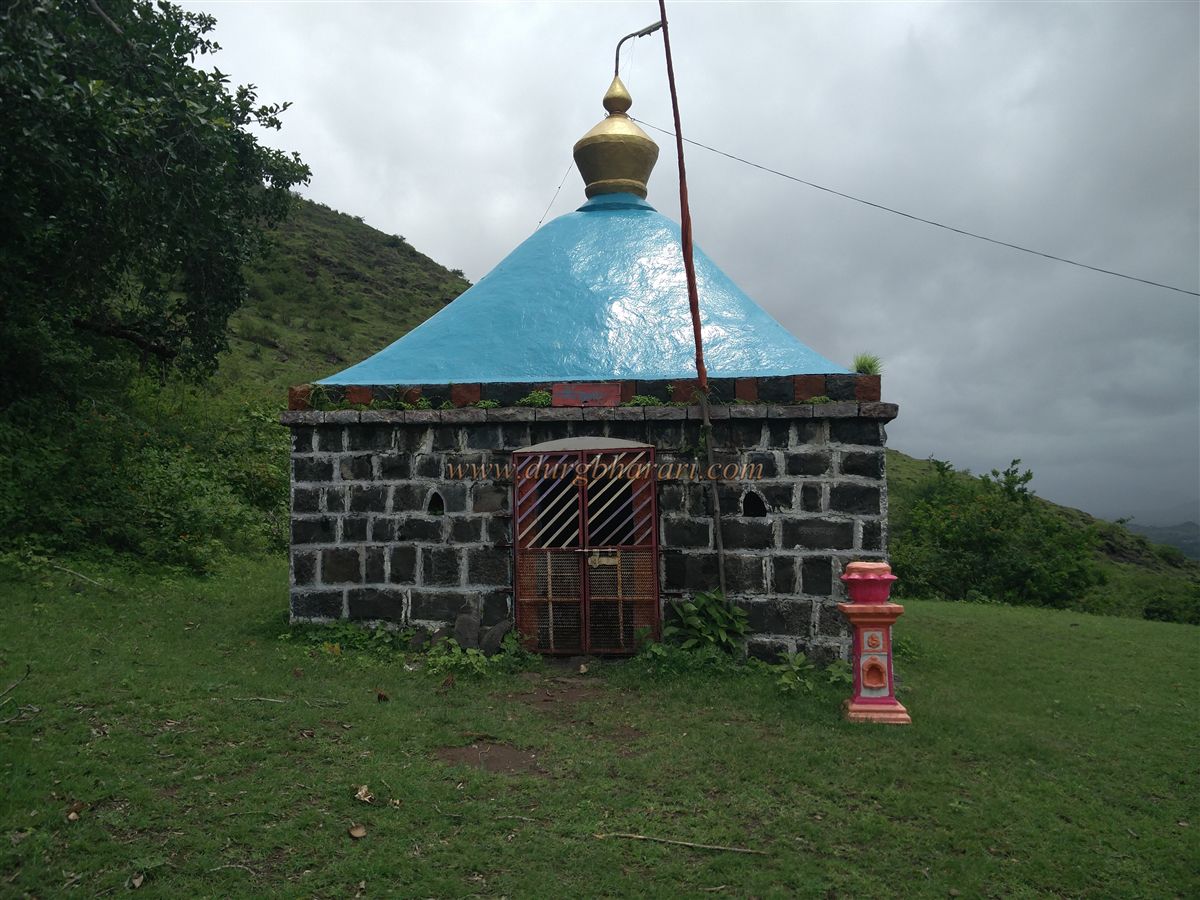
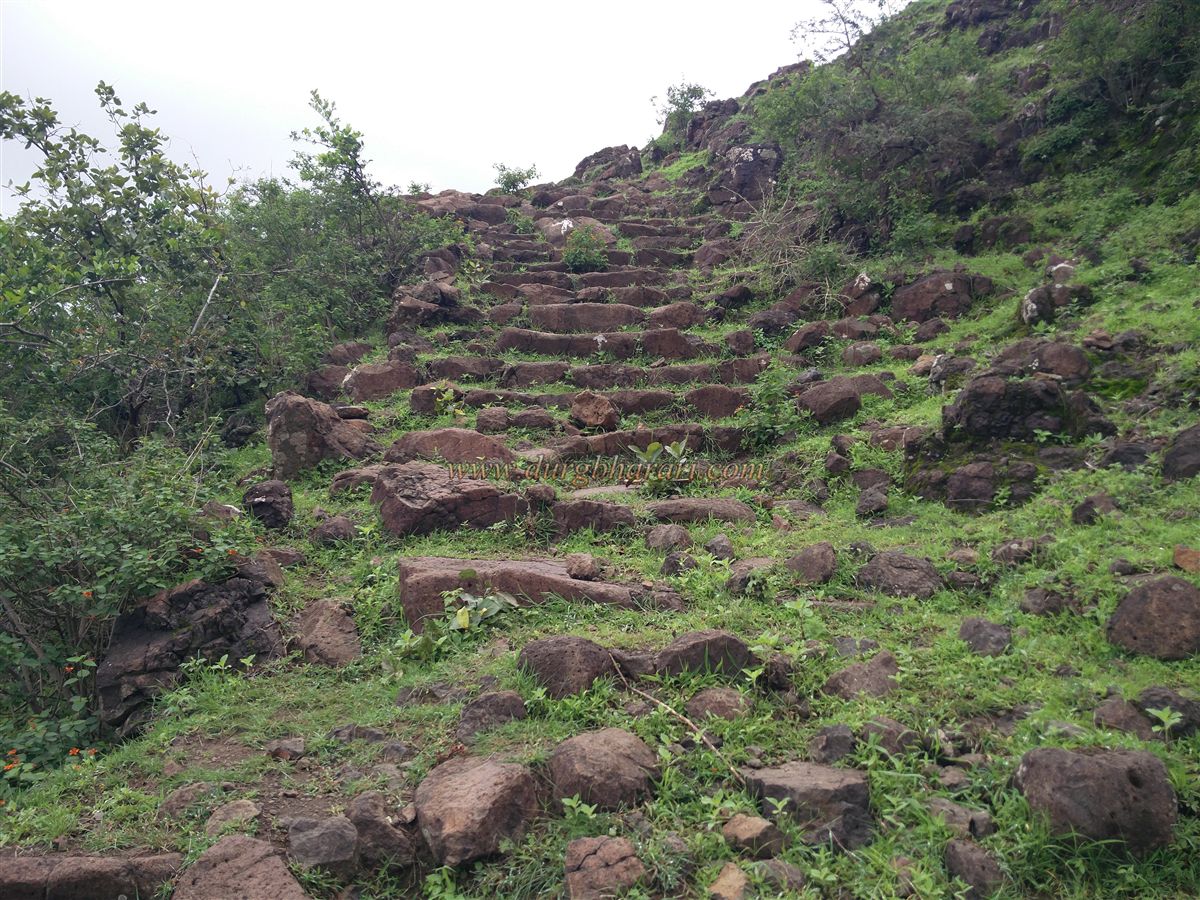
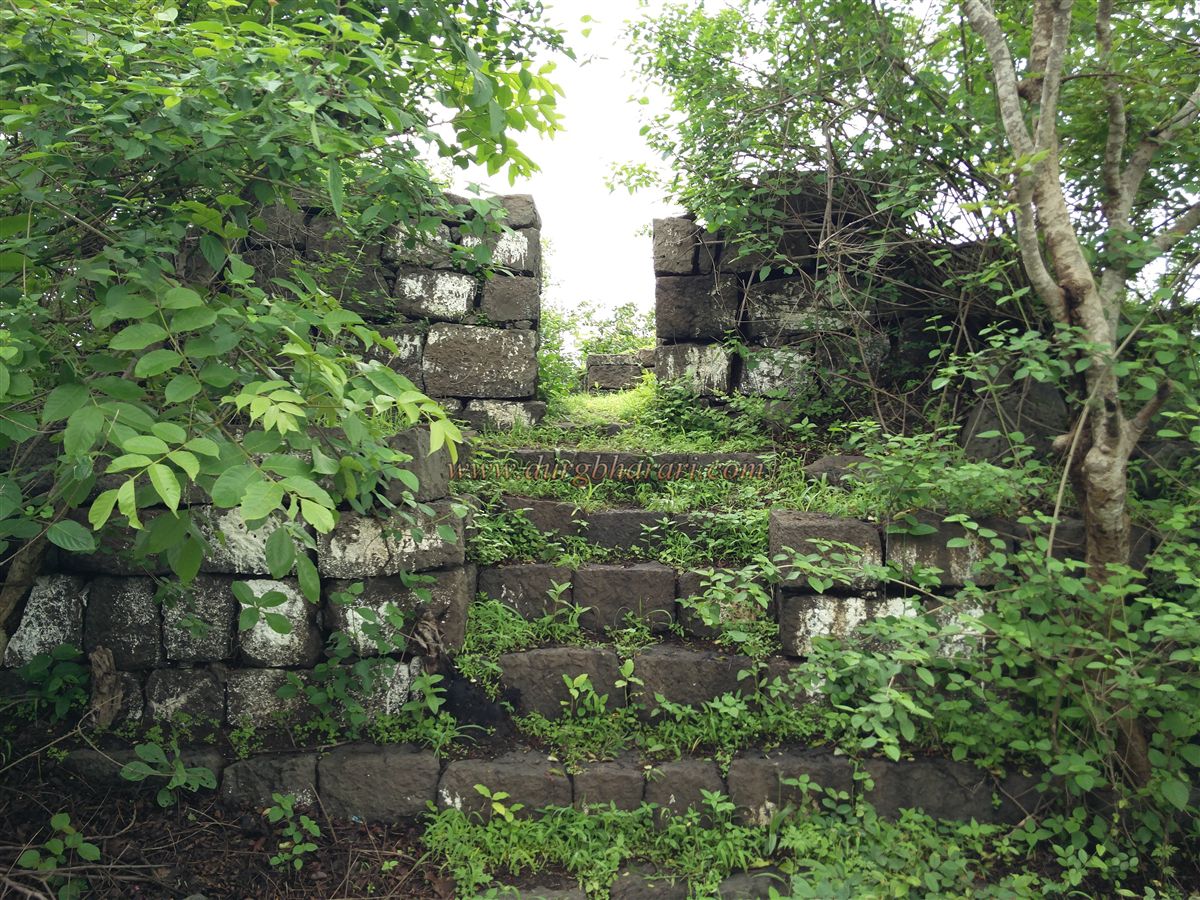
At the base of Vandan fort lies the village of Belmachi, located 100 km from Pune via the Bhuiinj-Kikli route and 20 km from Satara. From the upper Belmachi hamlet, a pathway leads up to the fort, while another path from Rautwadi on the other side also climbs up to the fort. These two paths meet in front of the main entrance of Vandan. The Belmachi route appears to be the primary pathway, as evident from the presence of an ancient Bhairav temple at its start and some well-constructed steps along the way. Passing through dense vegetation, it takes about an hour to reach the pass between the two forts. To the right stands Vandan fort, while Chandan fort lies to the left. From here, a half-hour climb leads to the north-facing main gate of Vandan fort.
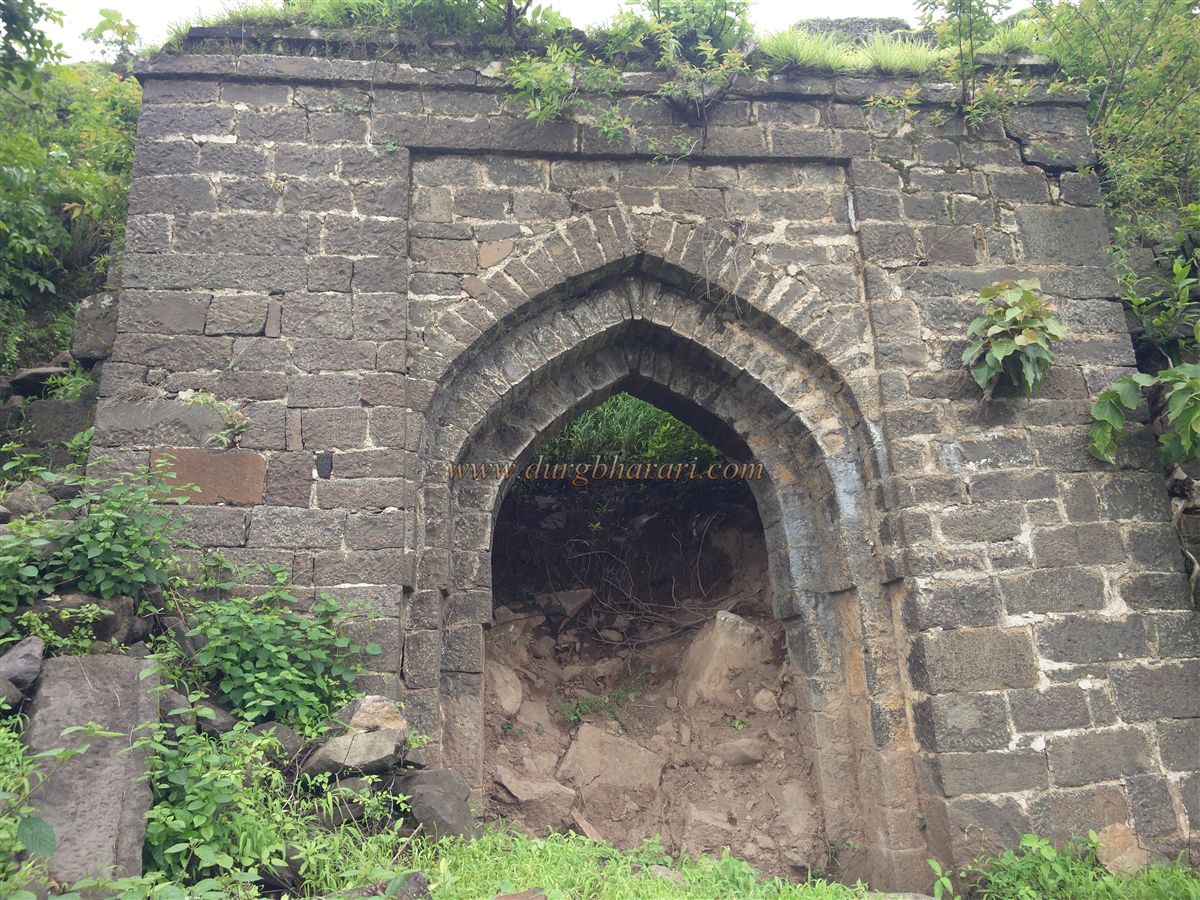
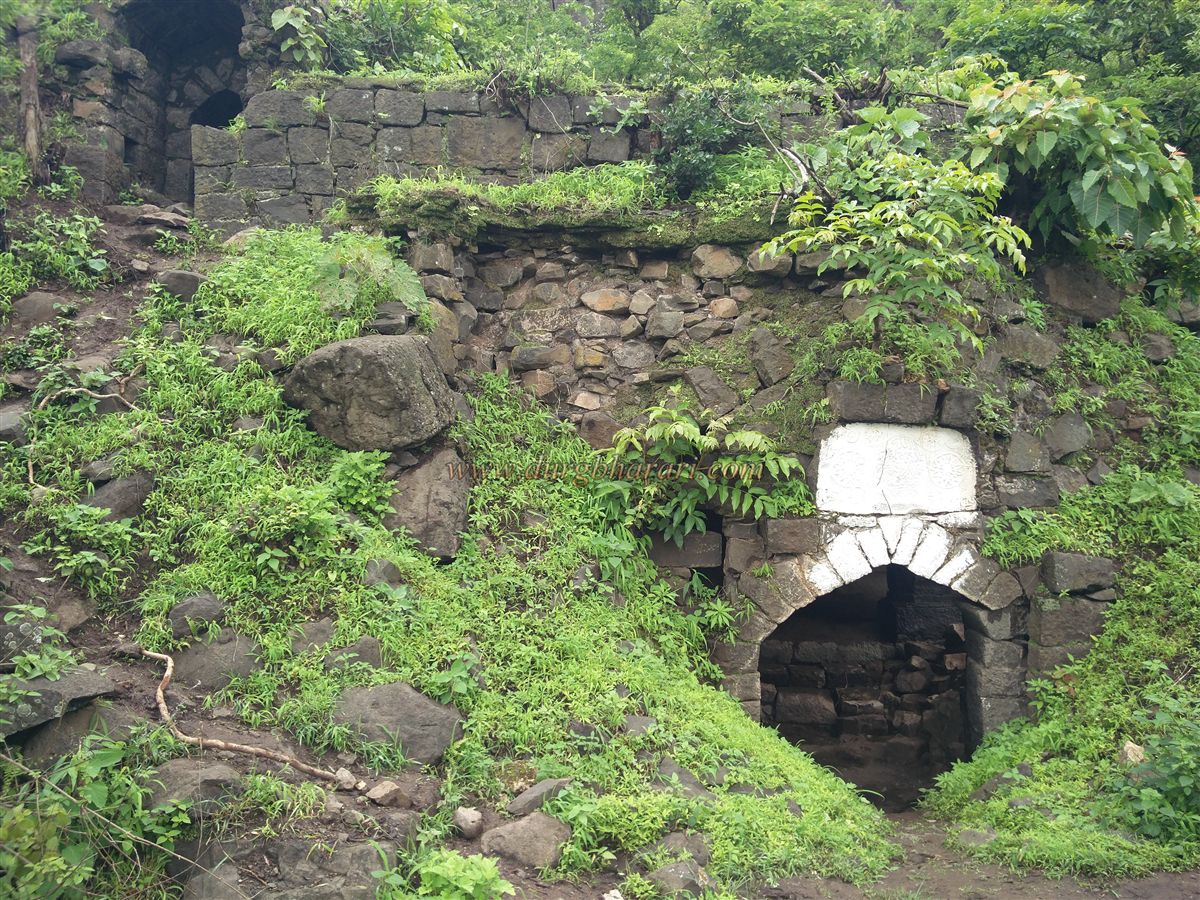
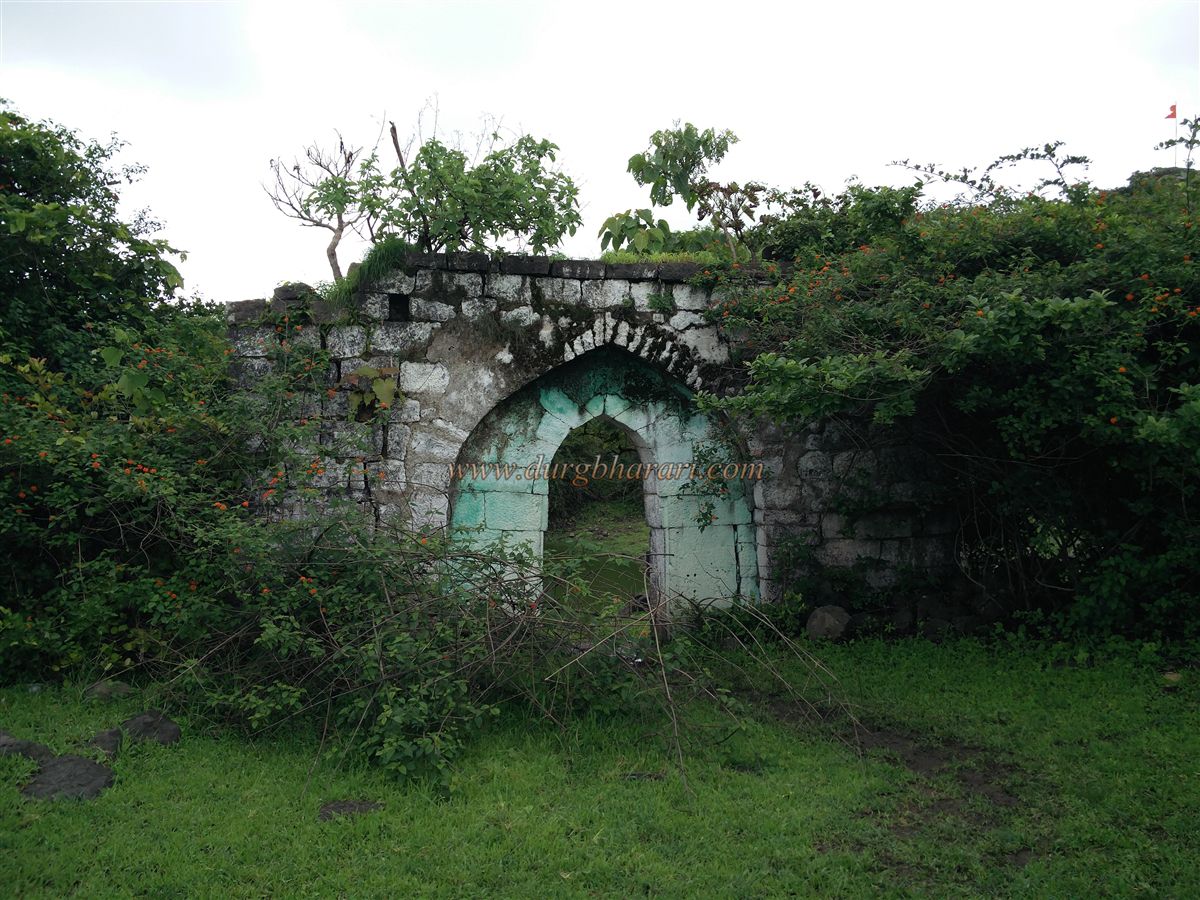
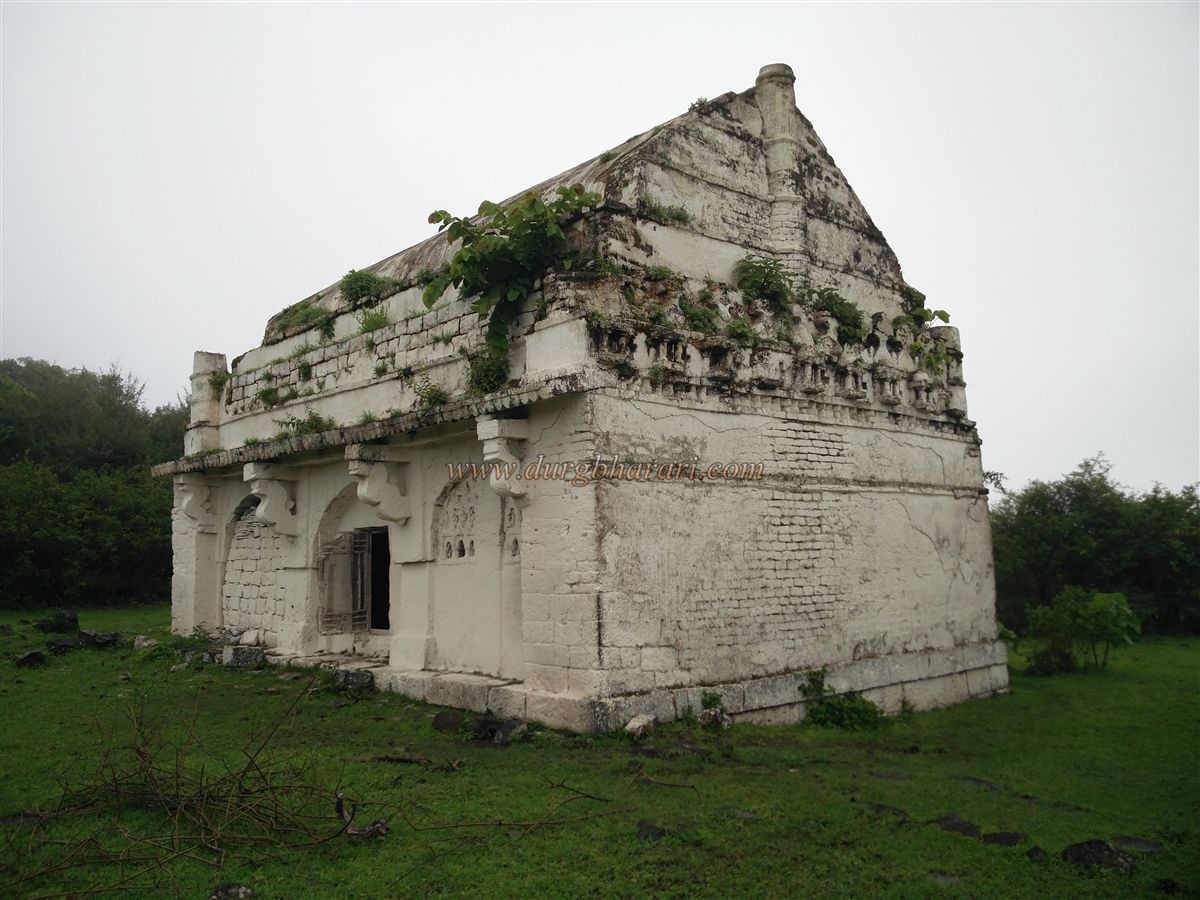
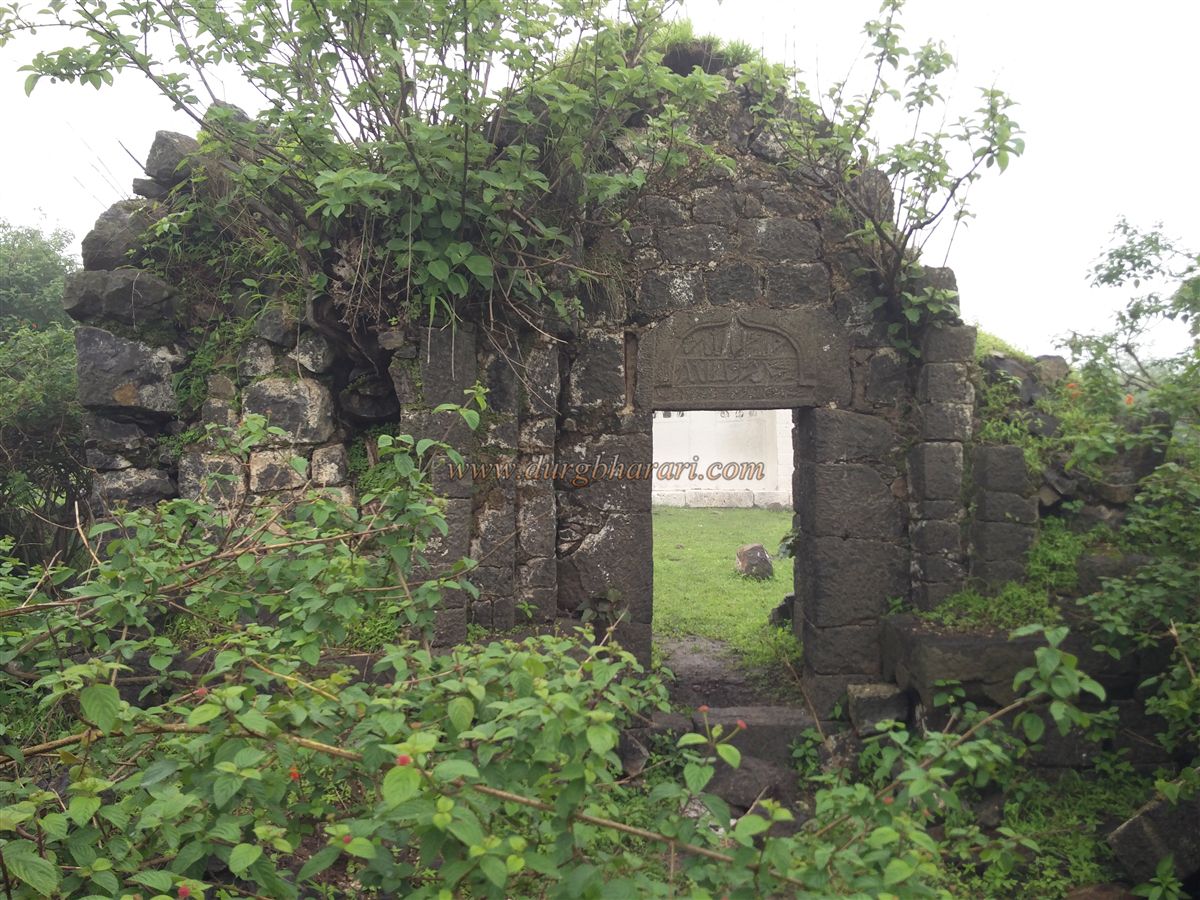
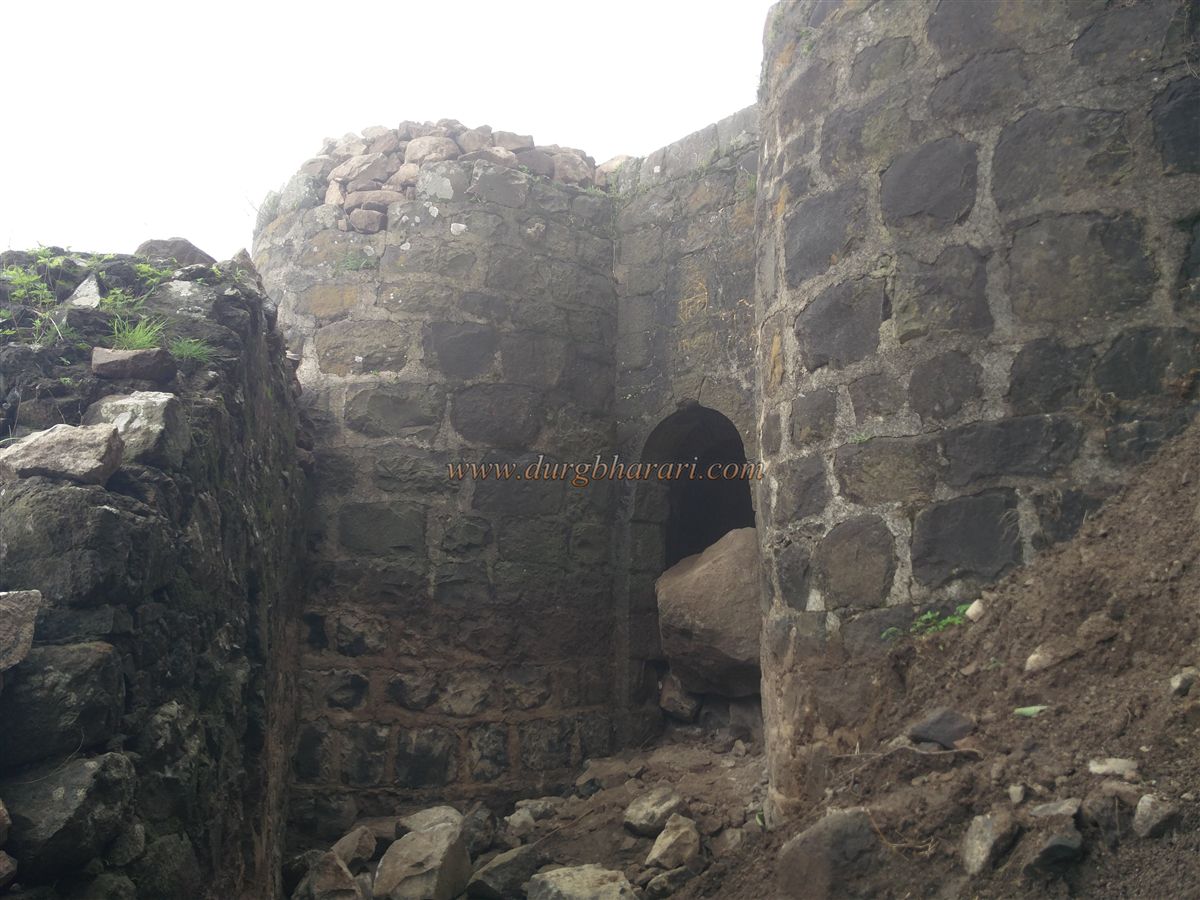
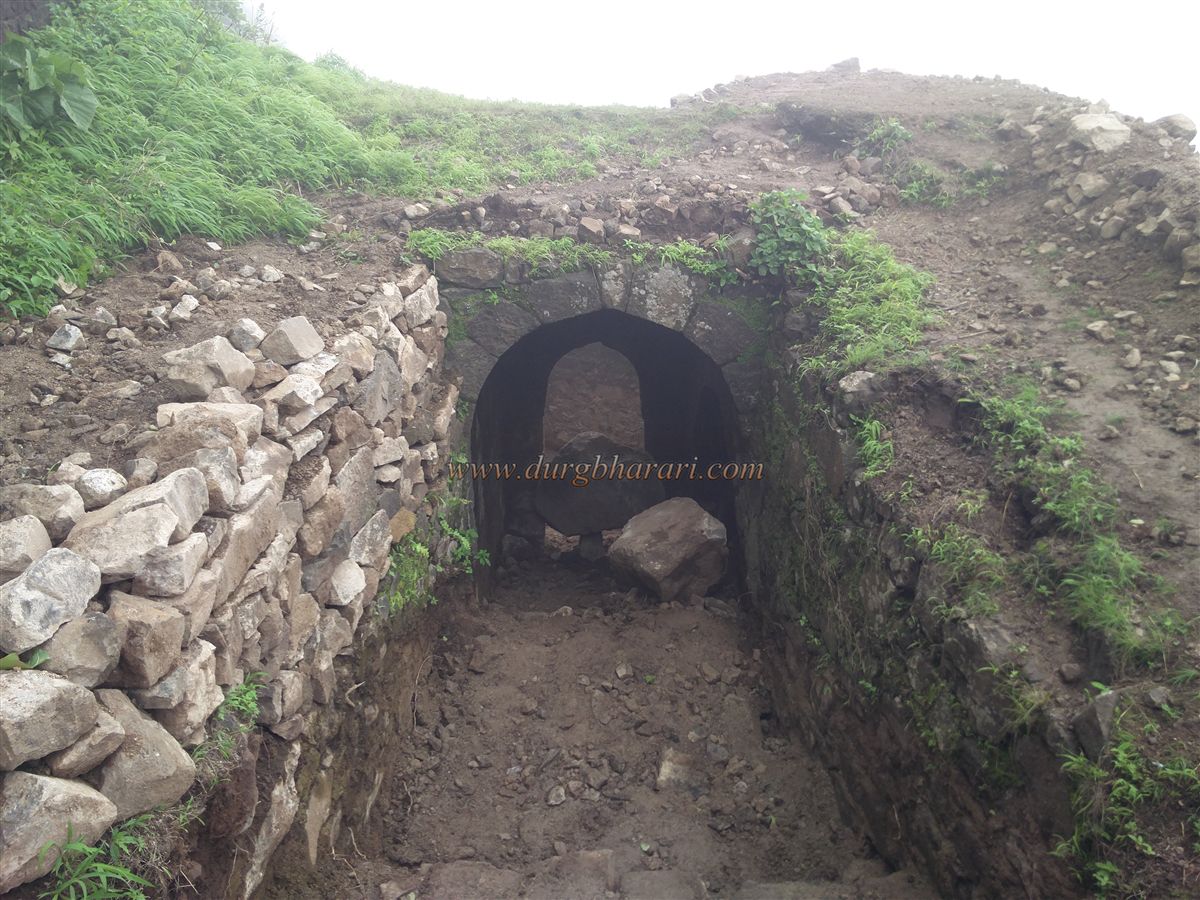
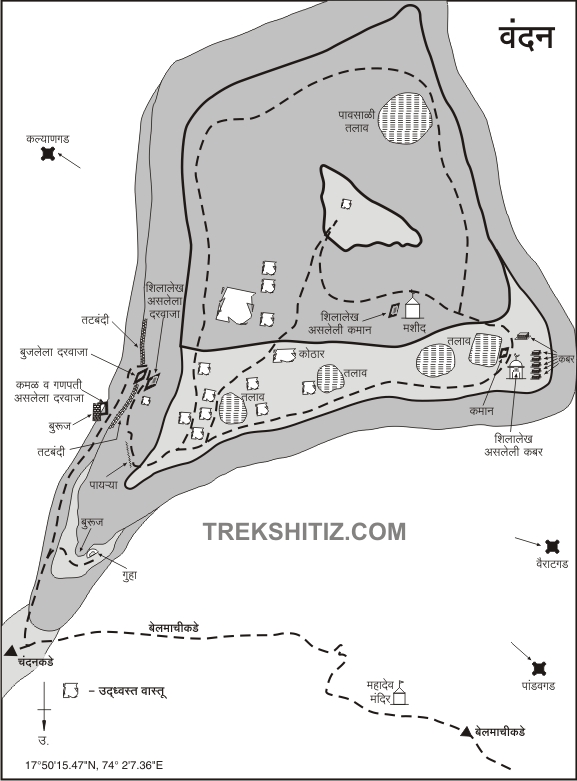
This gateway, built between two bastions, features a sculpture of Lord Ganesha and floral carvings on one of the bastions, with guard rooms inside. Judging by its design, this gate appears to have been constructed during the Maratha period. The inner walls have collapsed, and an additional horizontal fortification connects the upper and lower sections of the walls. Some portions of this wall have also fallen. As one ascends, three gates must be crossed one after another. Beyond the first gate lies the second, which faces west. It is partially buried under soil, and hence entry is through a portion of the adjacent wall. Inside, a stone structure from the Adilshahi period stands, featuring a small arched doorway with a Persian inscription carved on it and an additional line in Modi script at the bottom. This inscription likely relates to the construction of the building.
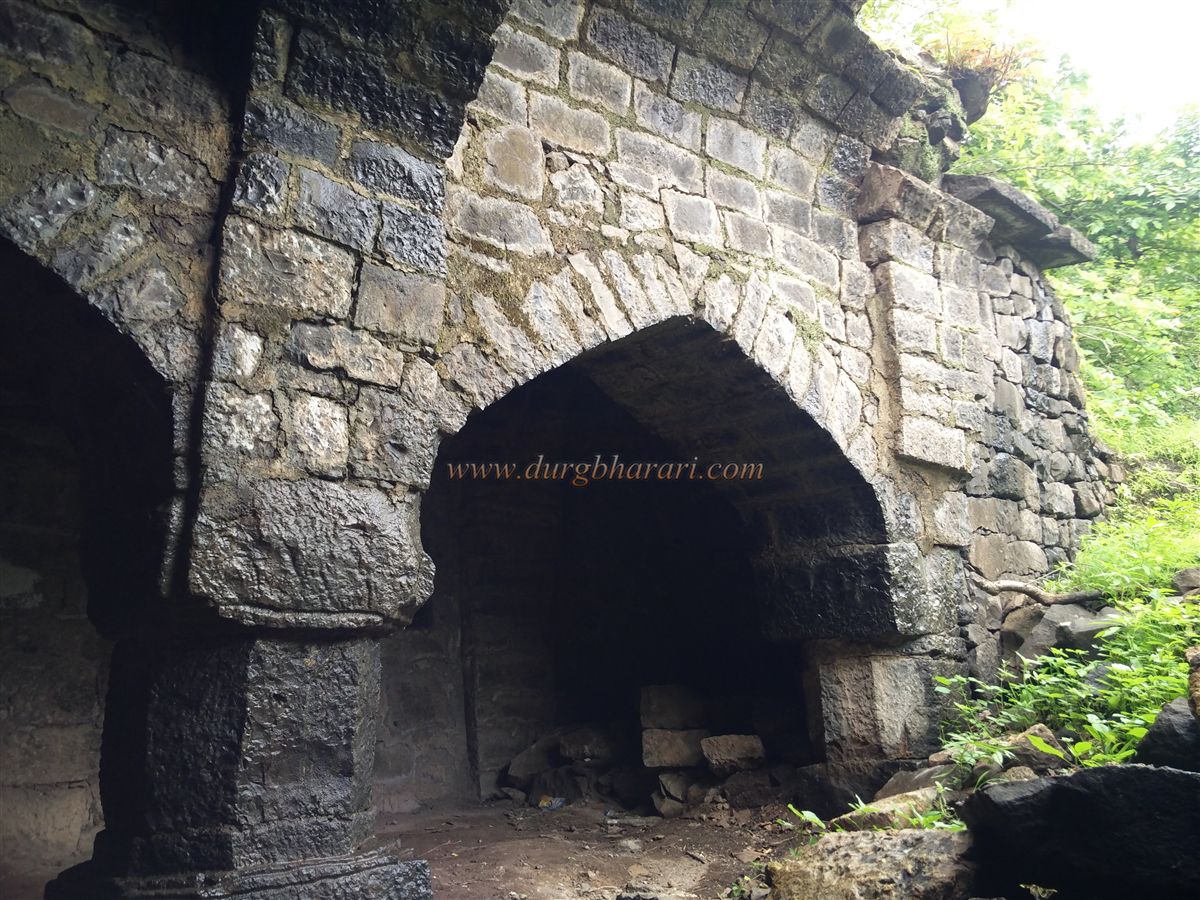
In the 16th century, when the fort was under Bijapur Adilshahi rule, extensive construction took place here. This building and gate were probably built at that time. Inside the building are arched corridors, one of which houses a stone staircase embedded in the wall leading to the upper floor. This building is reminiscent of gateways on Panhala fort and could easily accommodate 10-12 people.
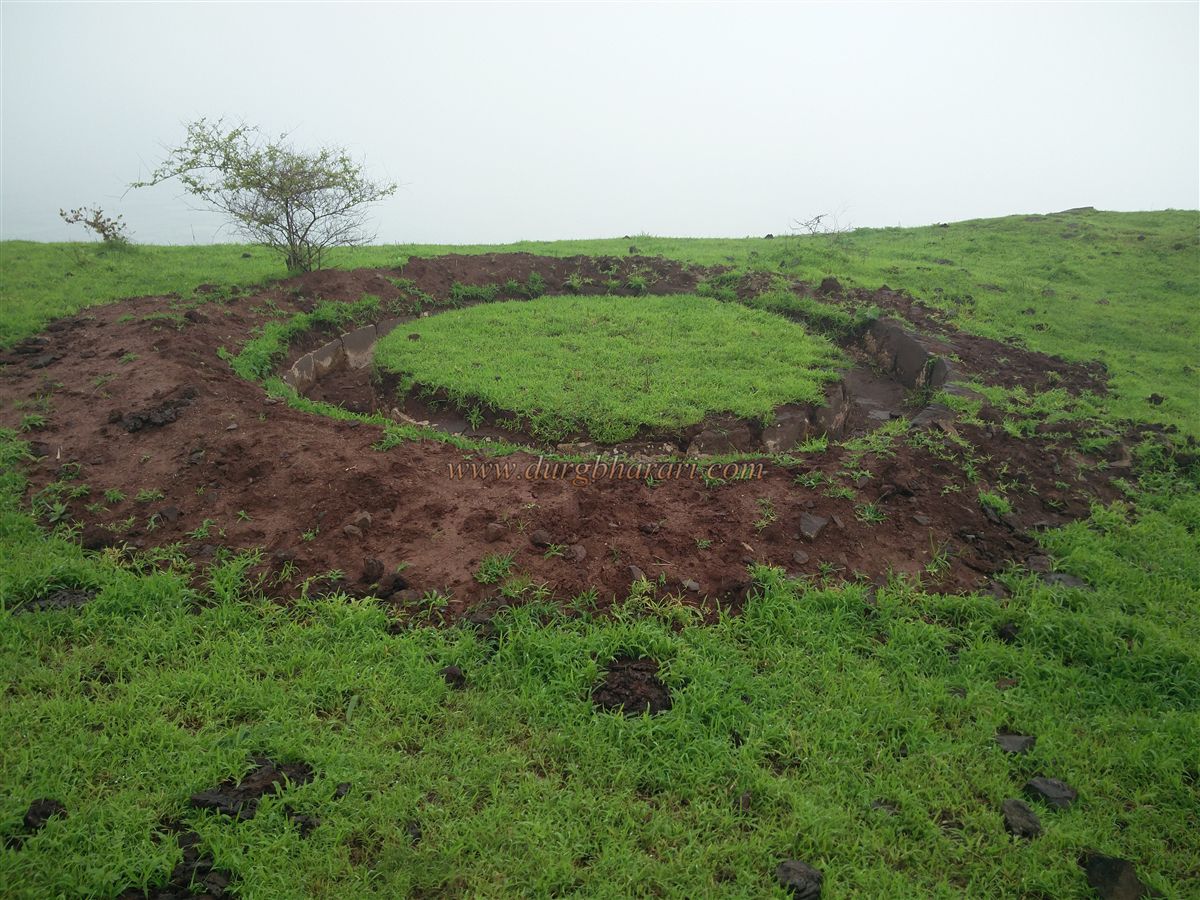
From this building, proceeding ahead to the right, remnants of residential platforms are visible on the left. Locals claim this is where Tulaji Angre was imprisoned on Vandan fort. A staircase here leads up to the citadel, while another path goes toward the northern bastion. On the way to the bastion lies a lime-grinding mill without its stone wheel. Returning from the bastion and climbing towards the citadel, one encounters large-scale ruins resembling an organized settlement. These ruins, arranged along the hillside, give the impression of an open amphitheatre. There are numerous residential platforms here, and locals refer to this area as Brahmin Vasti. Judging by the number of remains, a considerable population once lived on the fort.
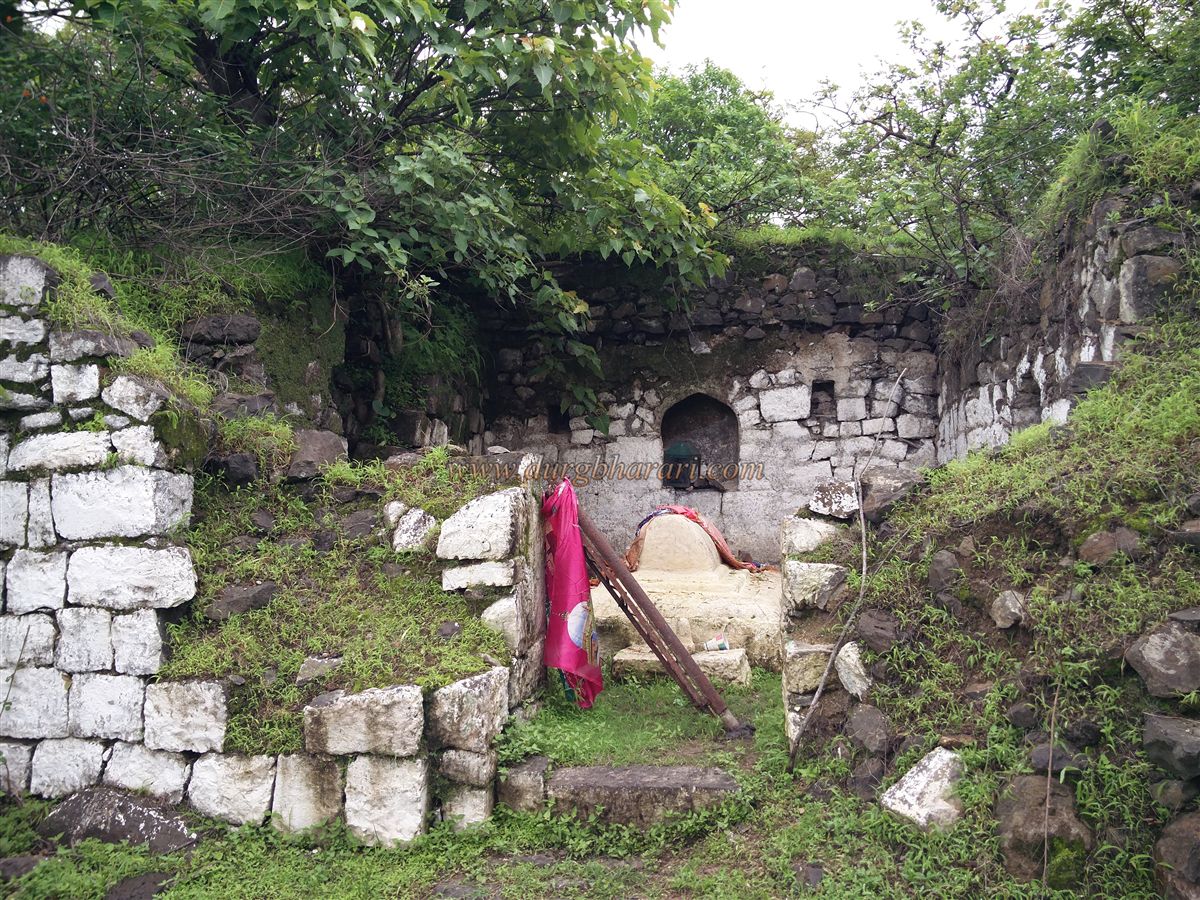
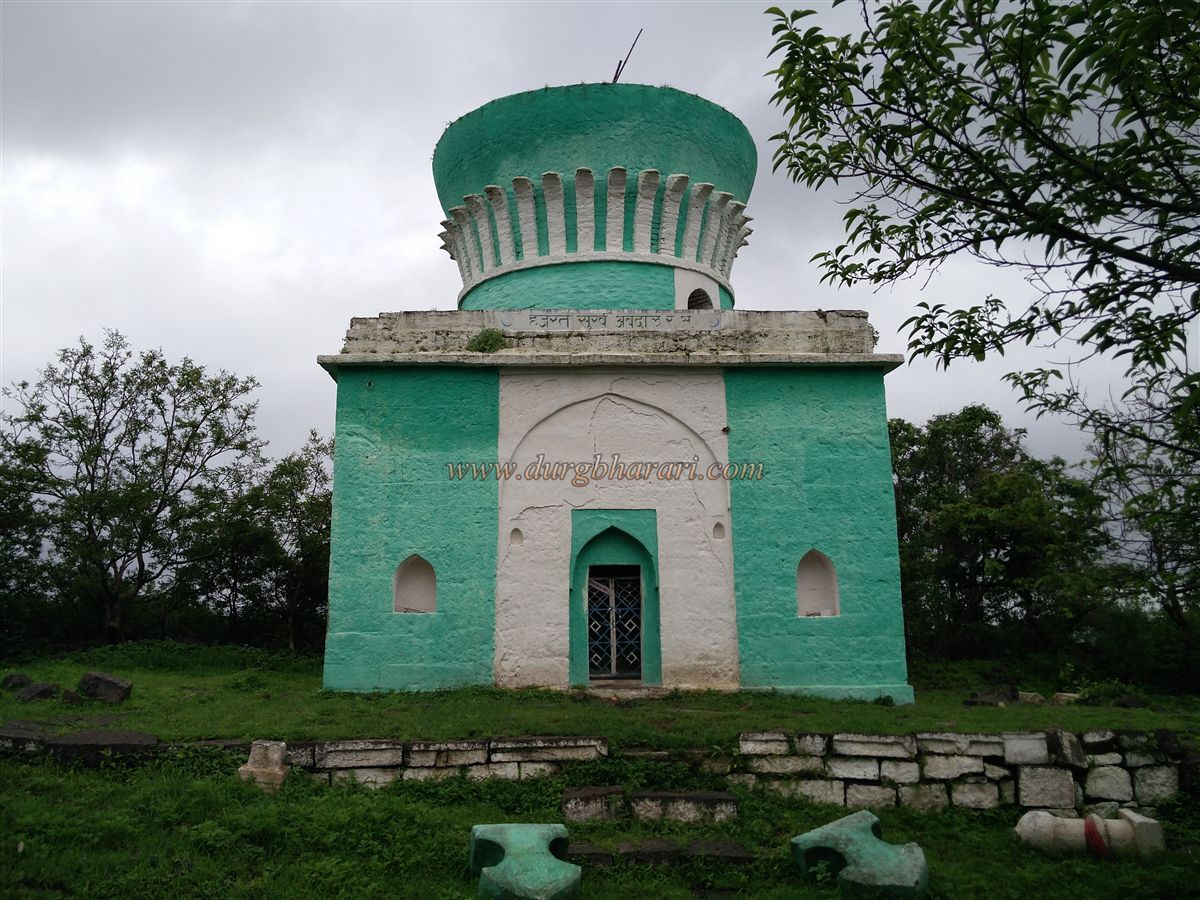
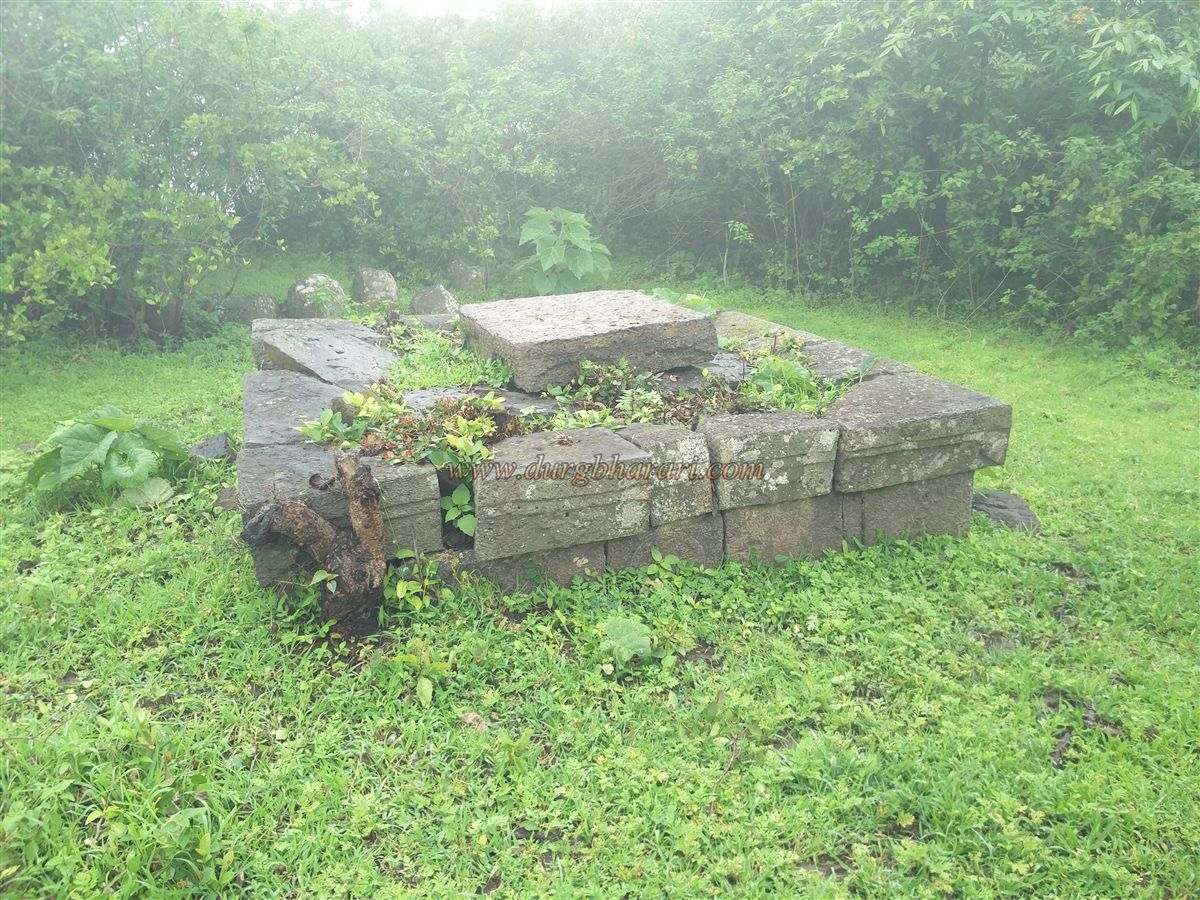
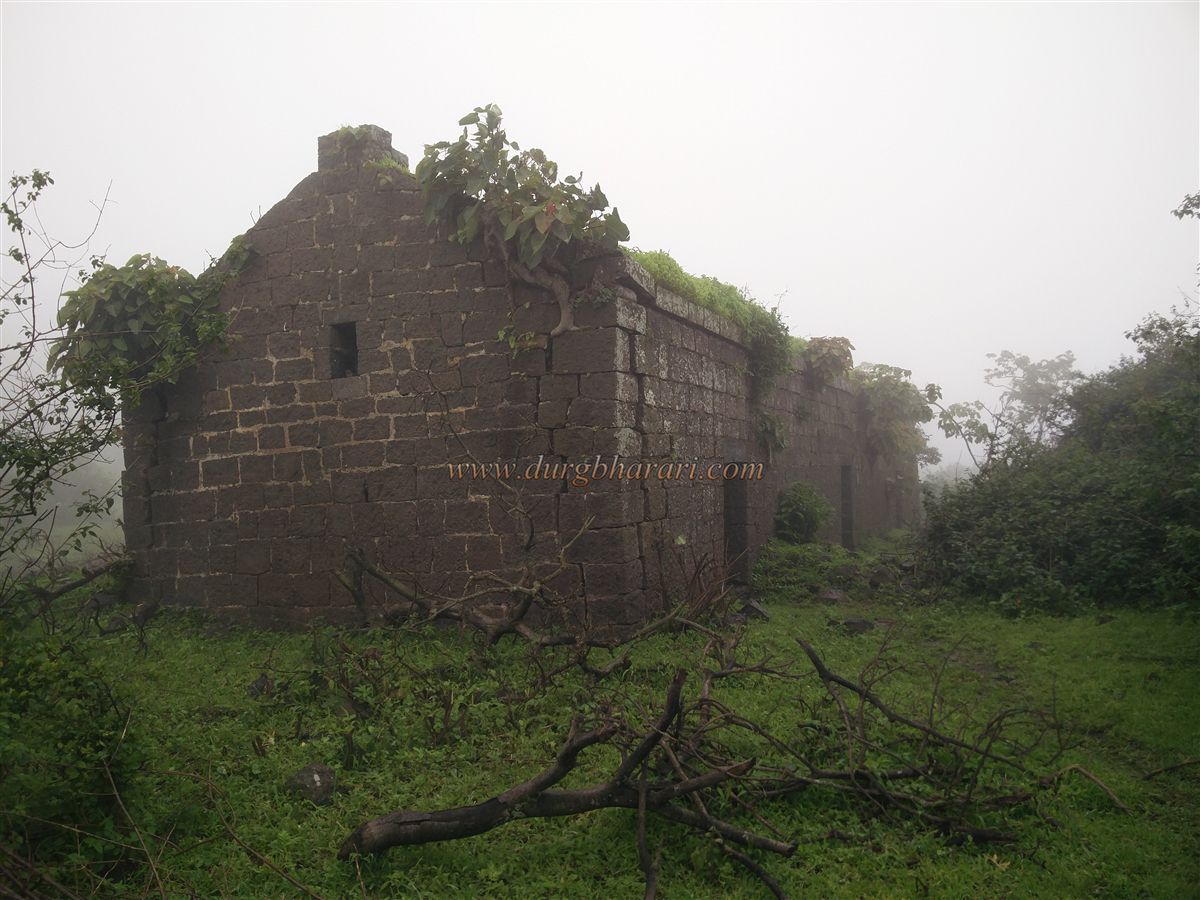
Further ahead lies a small water tank, and beyond it, ruins of a large wada (mansion). This structure has three rooms with three doorways and arched stone roofs, known as Sarkar Wada. Moving westward toward a bastion, two more water tanks can be seen. After crossing these tanks, there is a mosque enclosed within fortified walls. A Persian inscription is carved on the gate of this mosque. To its left is a small hillock forming the citadel of the fort, though before climbing it, one should explore the western part of the fort. Behind the mosque stands a tomb platform, and beyond it lies a large tank with a dargah on its edge. A gateway with steps leads down into the tank. The dargah complex contains a huge platform and numerous scattered graves, with minaret fragments and carved stones. The dargah can accommodate 15–20 people, though water in the tank usually dries up after April.
In front of this dargah is another ruined dargah, and on a nearby elevation, enclosed within four walls, lie five to six distinct graves. Beyond these, there are three small tomb platforms, one of which has a carved Shiva lingam. From here, one proceeds toward the citadel. The citadel has a built bastion, a grave, and ruins of a building. Since the fort is surrounded by steep cliffs on all sides, fortification walls are present only in certain sections.
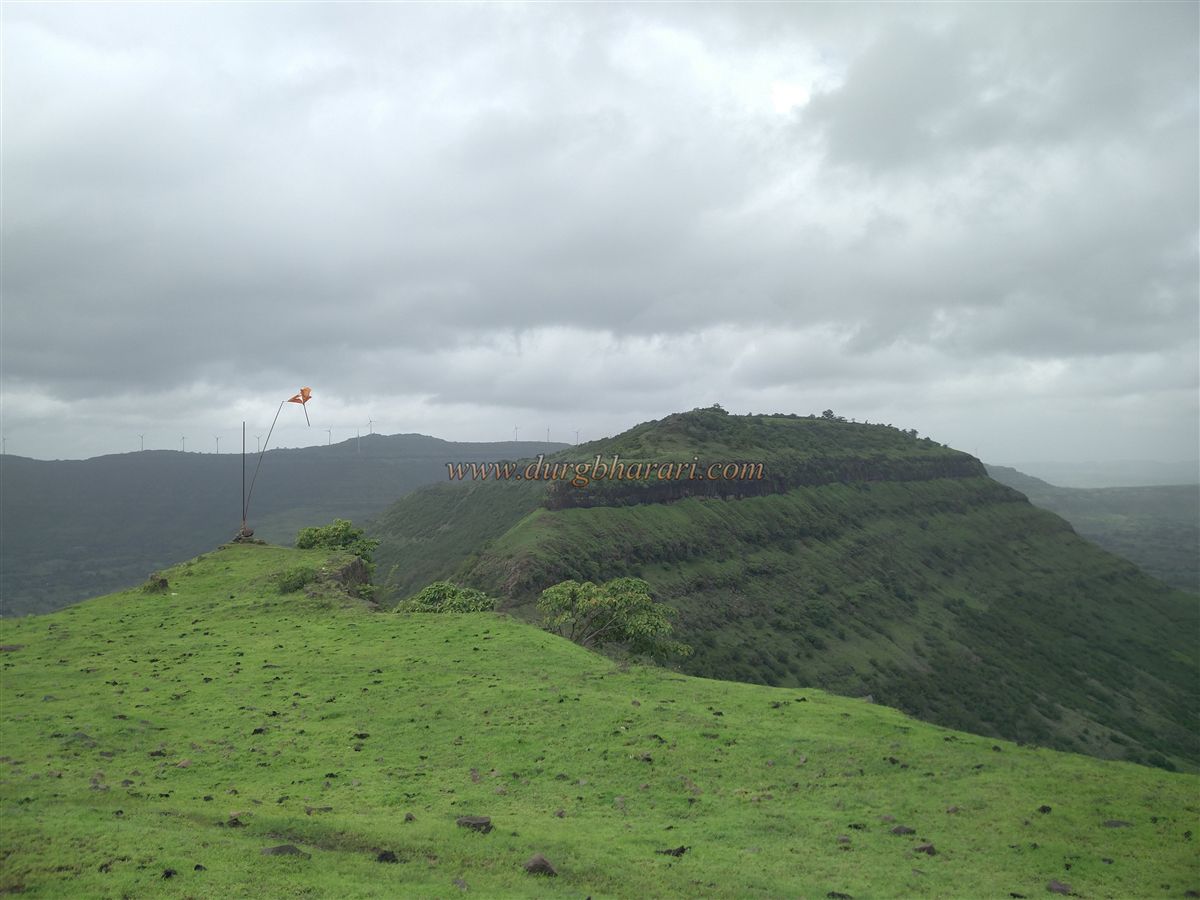
Vandan fort is roughly triangular in shape, oriented north-south, covering an area of 65 acres. The citadel stands at an elevation of 3,787 feet above sea level and 1,230 feet above the base village. The fort is divided into three levels — the lower plateau, the middle plateau, and the citadel — and surpasses Chandan fort in both height and area. From the citadel, one can view the entire fort, as well as nearby forts such as Vairatgad, Ajinkyatara, Kamalgad, Kenjalgad, Pandavgad, and Kalyangad.
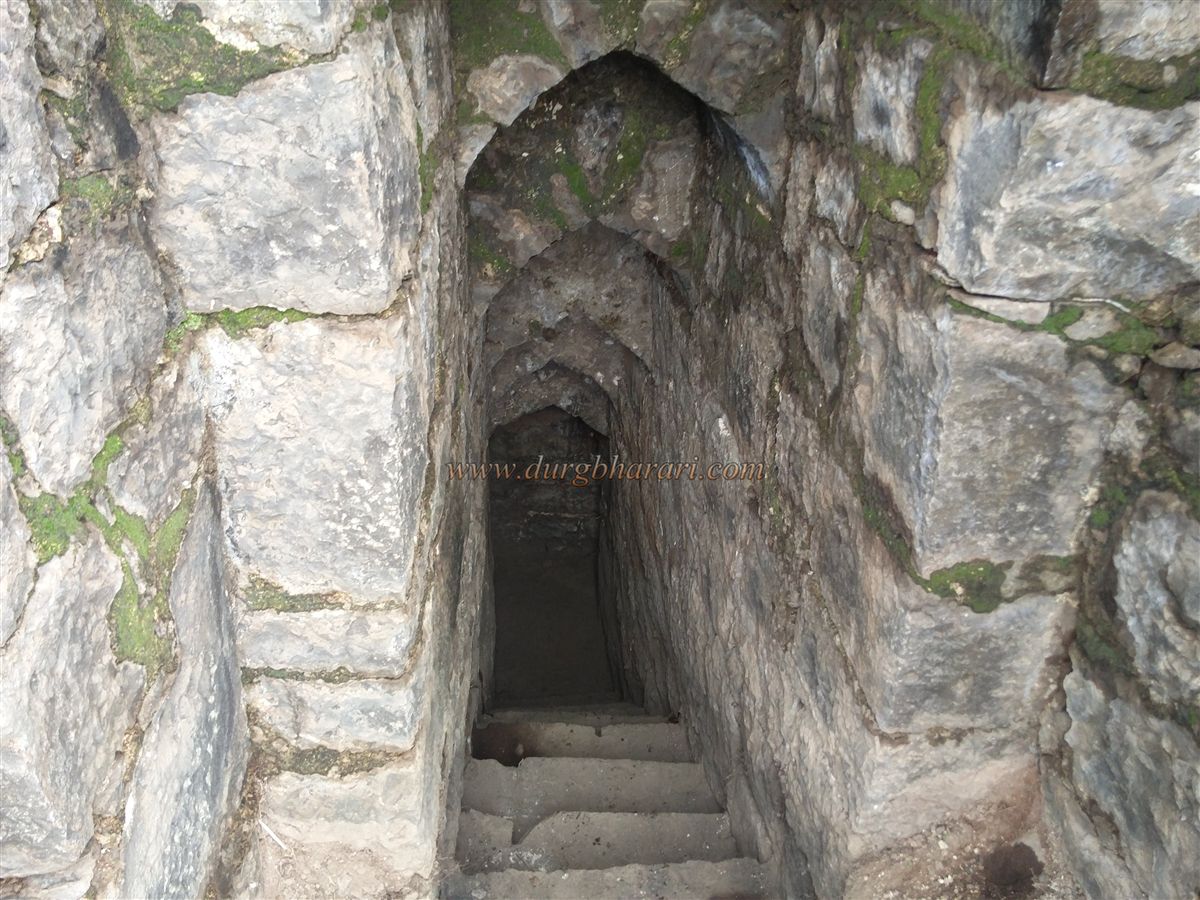
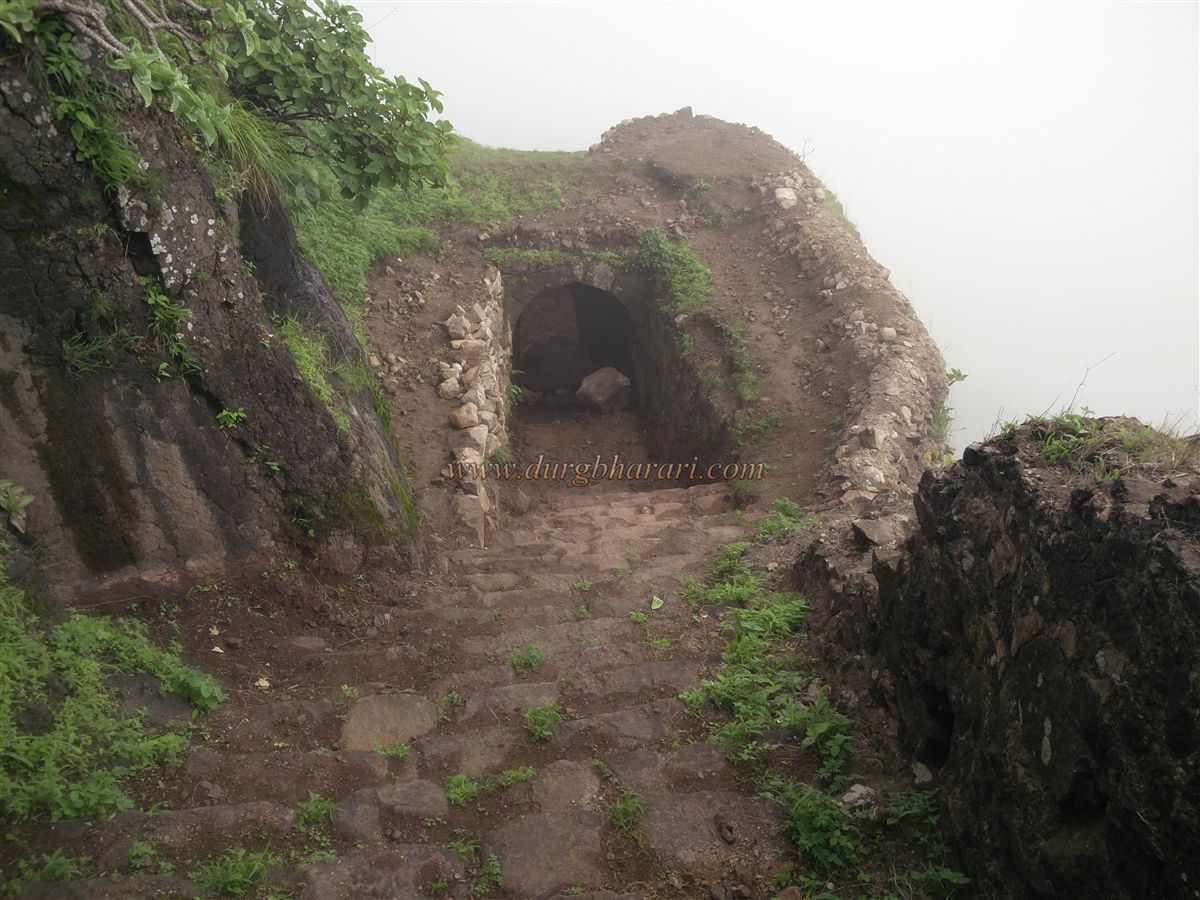
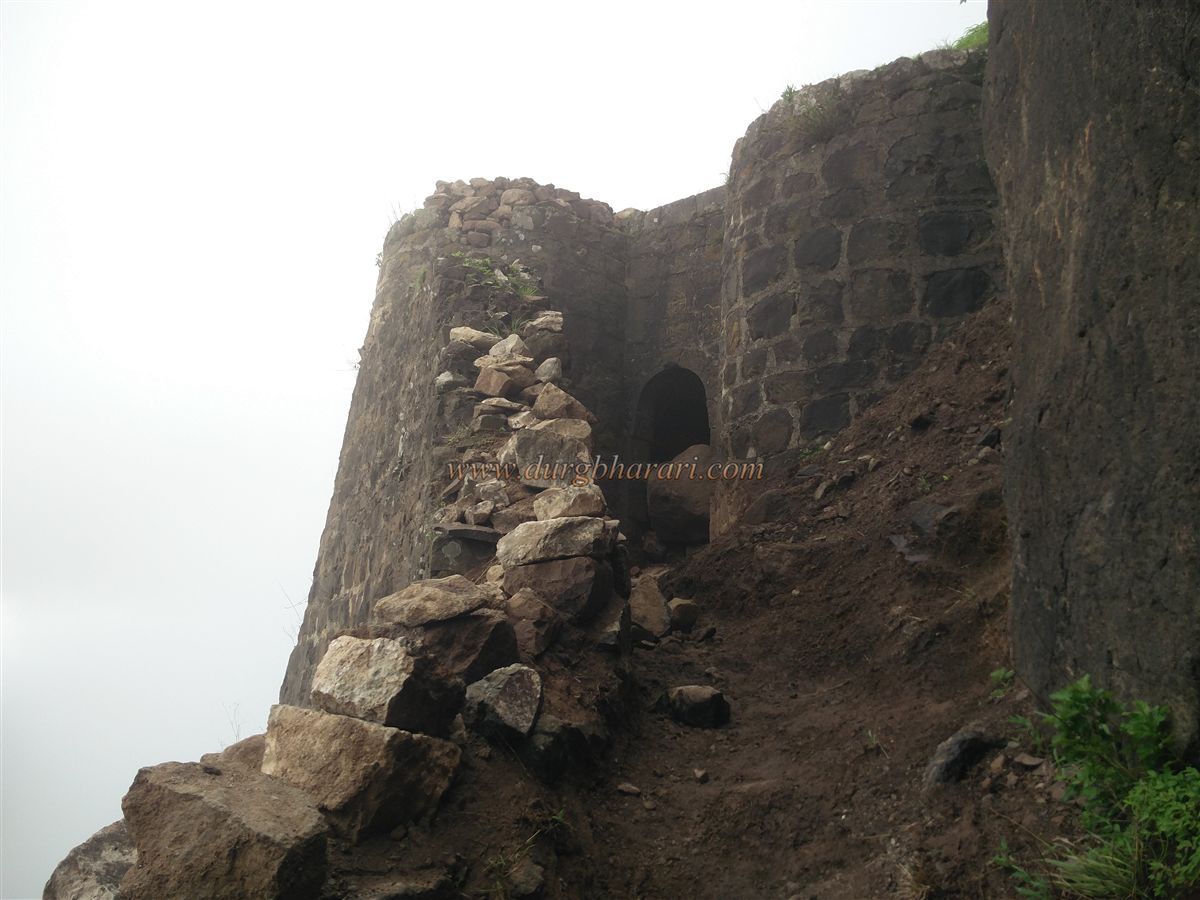
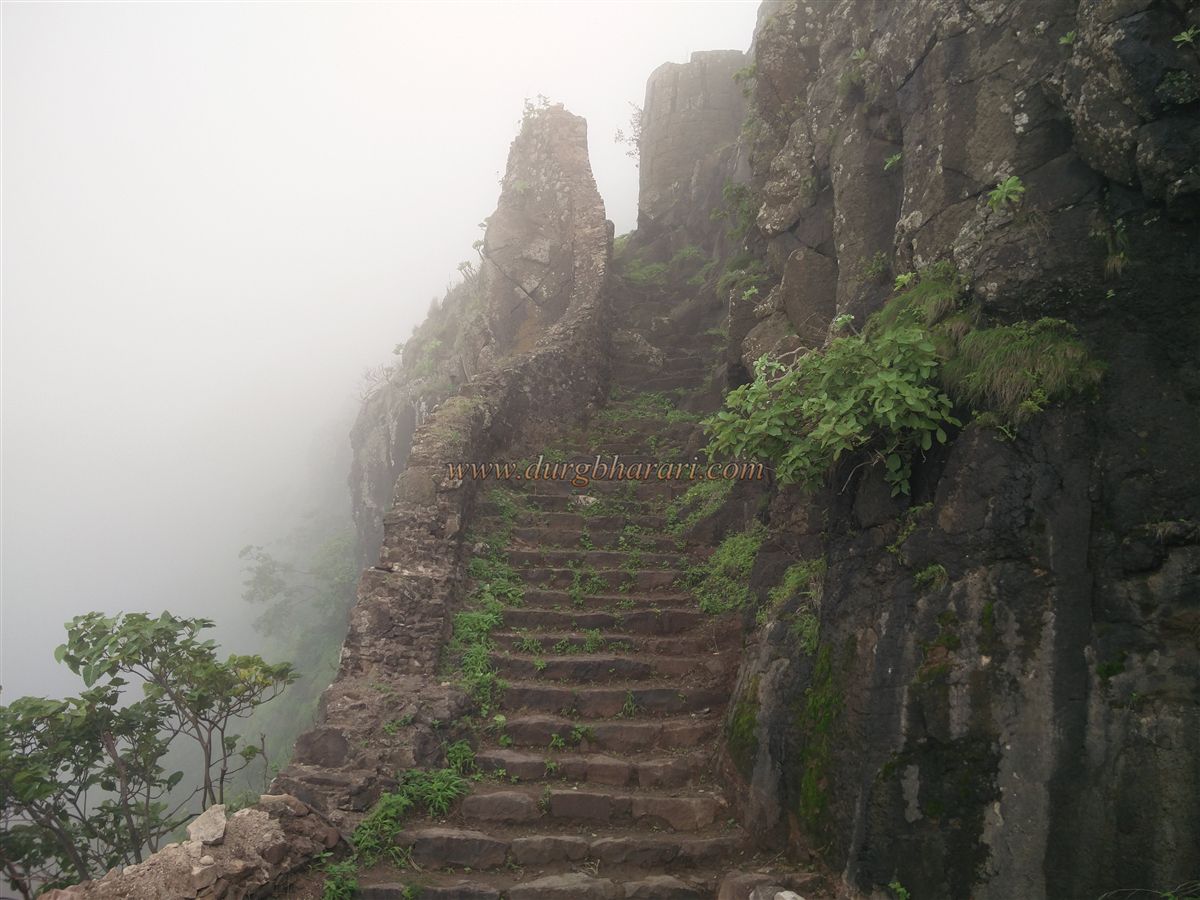
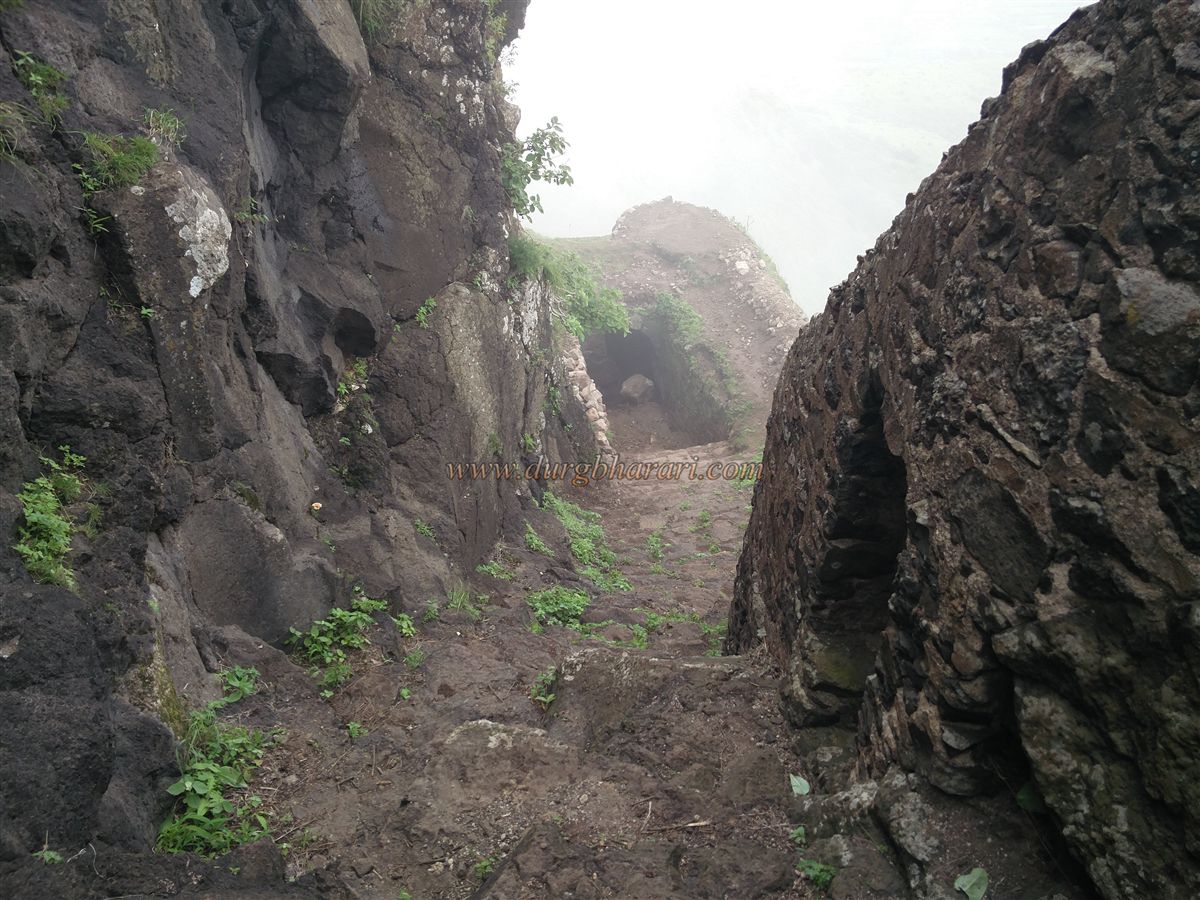
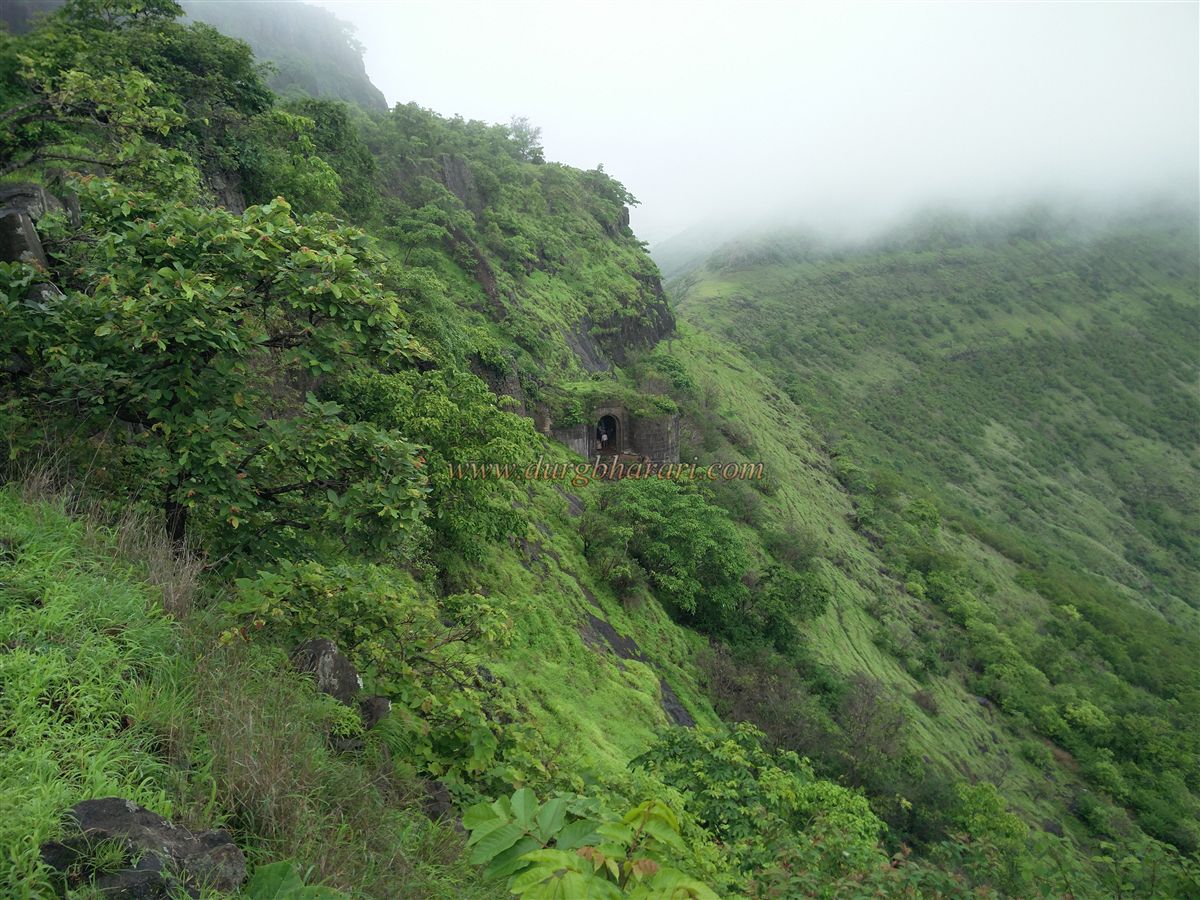
Descending southward from the citadel leads to the lower plateau, where another lime-grinding mill without its stone wheel is found. This section of the wall remains in good condition but is mostly buried under soil. There is also an arched structure here, similarly buried. Beyond it, 40–50 steps carved into the rock lead to the southern gate, which, along with its adjacent bastion and walls, remains well-preserved. Passing through this gate leads out of the fort, but the path to Rautwadi from this spur is broken, forcing a return. From here, instead of going back to the middle plateau, one can head east, passing several bastions and remnants, to reach the main gate.
A full exploration of the fort takes about three hours. According to copper plate inscriptions from 1191–1192 CE, Shilahara king Bhoj II built these forts. In 1337–38 CE, the Satara region came under the Bahmani Sultanate, and after its decline, the area fell under the Adilshahi of Bijapur in the 16th century. During the reign of Ibrahim Adilshah II, many constructions were added. Thus, although Vandan fort was originally built by King Bhoj, most of its existing structures are from the Adilshahi period.
Under Adilshahi rule, the fort was an important administrative unit. After Afzal Khan’s death in 1659, Shivaji Maharaj captured the Satara region, and Annaji Datto incorporated this fort into Swarajya, renaming it from Sangramgad to Vandan. In 1685, during Sambhaji Maharaj’s reign, Mughal commander Amanullah Khan attacked Chandan-Vandan, capturing 25 horses, 20 guns, 2 flags, and 1 drum. By 1689, the Mughals had taken control of the fort. Records show that on 7 October 1701, the Mughals recaptured Vandan during the Mughal-Maratha war after Rajaram Maharaj’s death. In 1707, Chhatrapati Shahu Maharaj reclaimed the region and brought Vandan back into Swarajya. Balaji Vishwanath appointed Dadopant to oversee the fort to keep an eye on Tarabai.
In 1818, the British captured Chandan and Vandan forts after heavy cannon fire. In 1857, Captain Ross visited Vandan to disable a cannon stationed there.
Today, the youth of Rautwadi village are voluntarily working to restore the fort without expecting any assistance. The eastern main gate was once blocked by rubble and soil, with the guard rooms buried, but has now been cleared. They also discovered the previously undocumented southern gate, its adjacent bastion, wall, and 40 steps carved in the rock leading to it. These efforts, though not publicized, deserve great respect. Every weekend, these young men dedicate their time to this noble cause.
© Suresh Nimbalkar
GALLEERY