VAMBORI
TYPE : FORTRESS
DISTRICT : NAGAR
HEIGHT : 0
GRADE : EASY
While touring the forts of the Ahmednagar district, one does not only encounter hill forts but also a significant number of town forts and fortified mansions (wada). Most villages with such forts seem to be settled within fortified enclosures, or “Nagarkot.” One such village is Vambori, located in the Manjarsumba region of Ahmednagar district. Vambori lies about 17 km from Rahuri taluka headquarters and 30 km from Ahmednagar city. Descending from the Vambori Ghat through the Garbhagiri mountain range, one reaches this village.
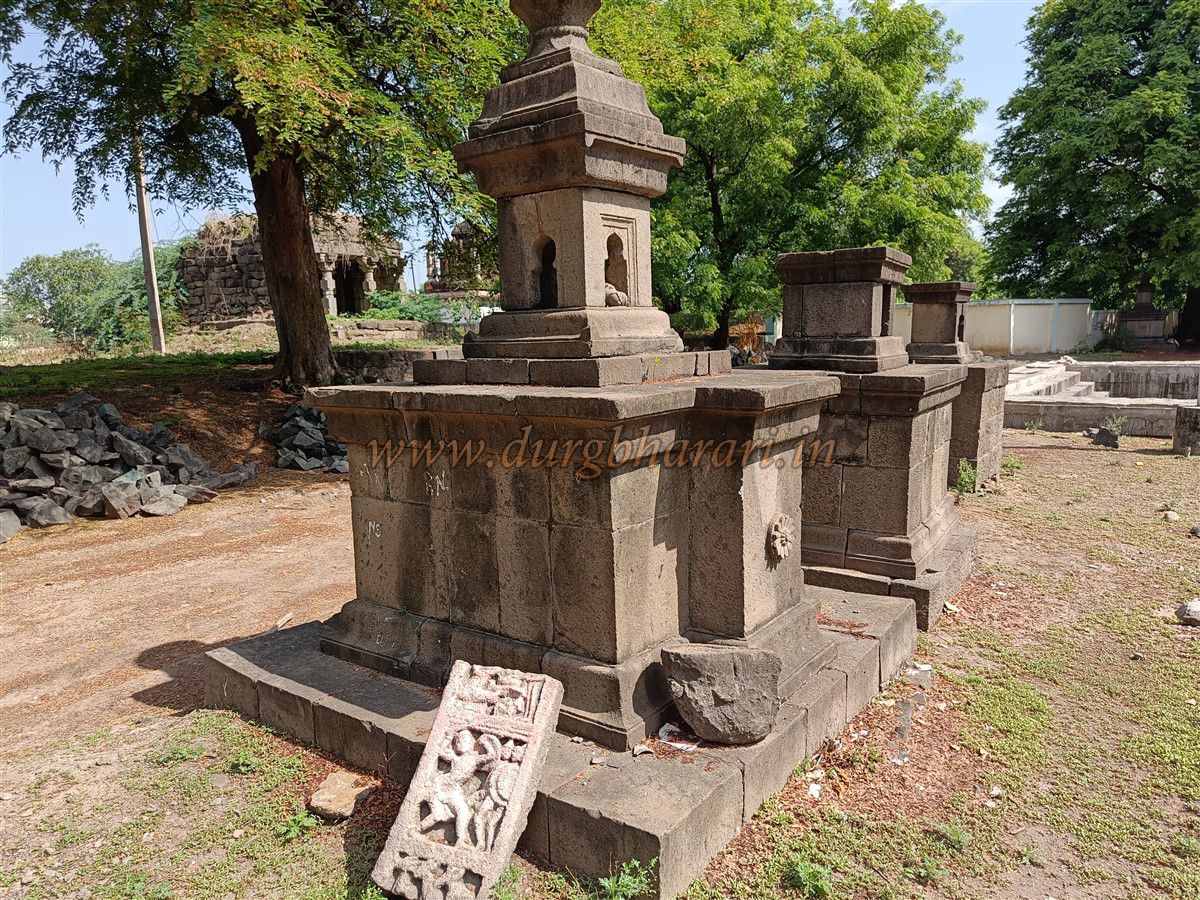
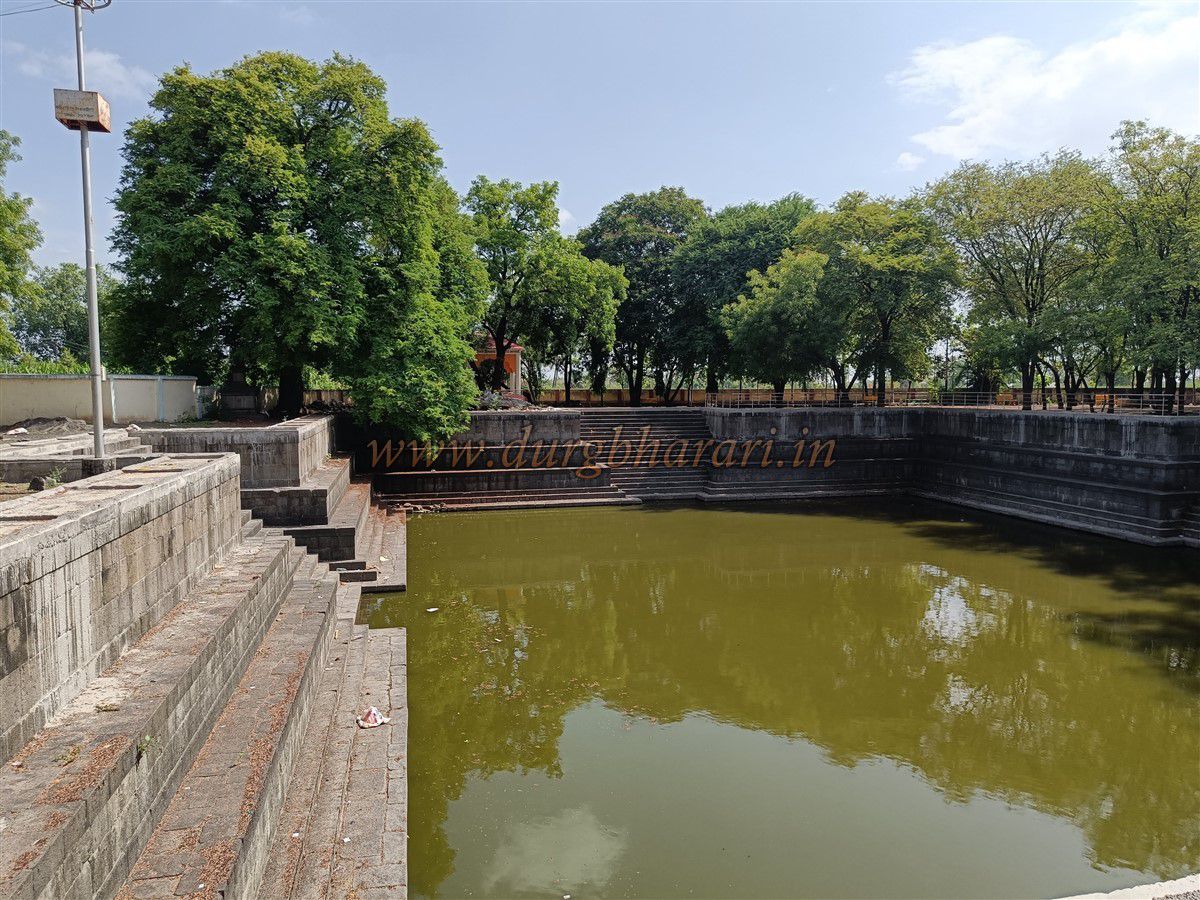
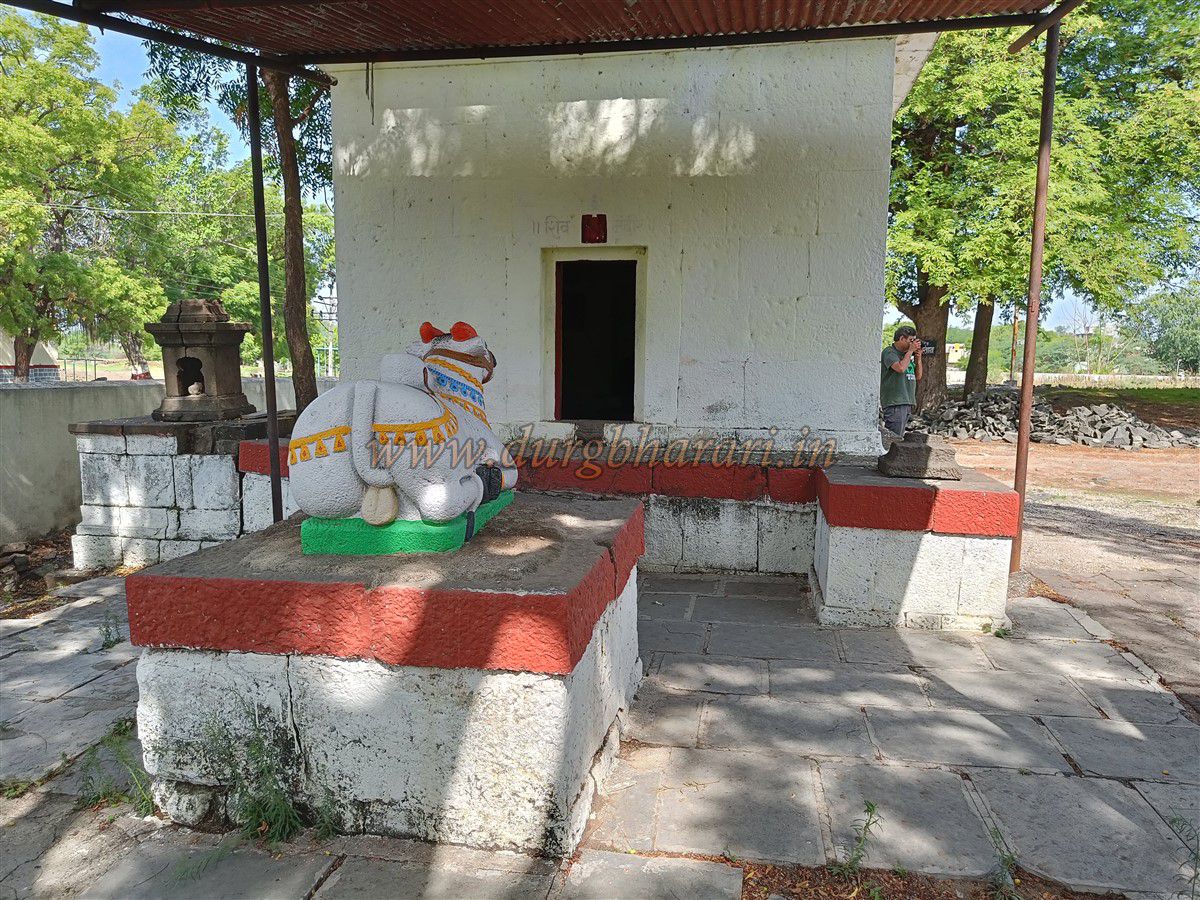
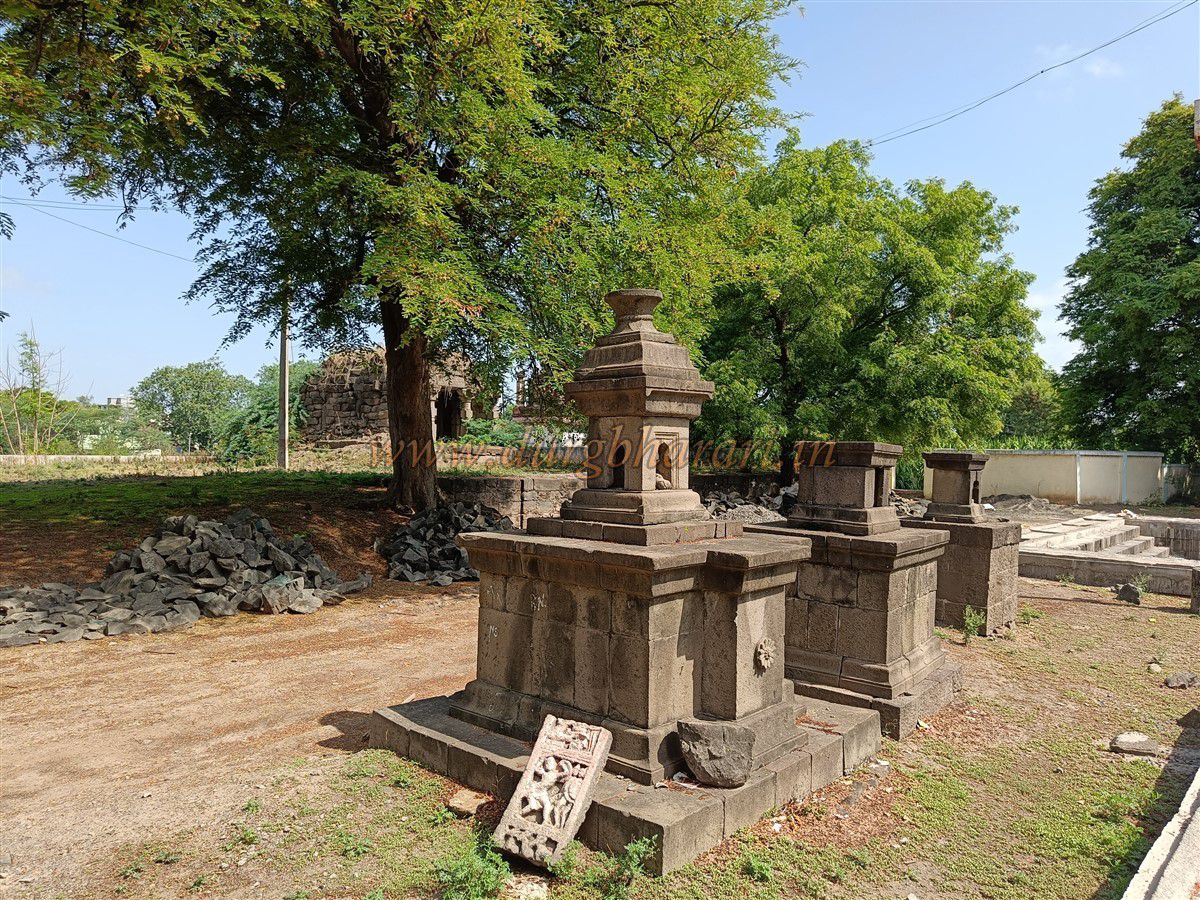
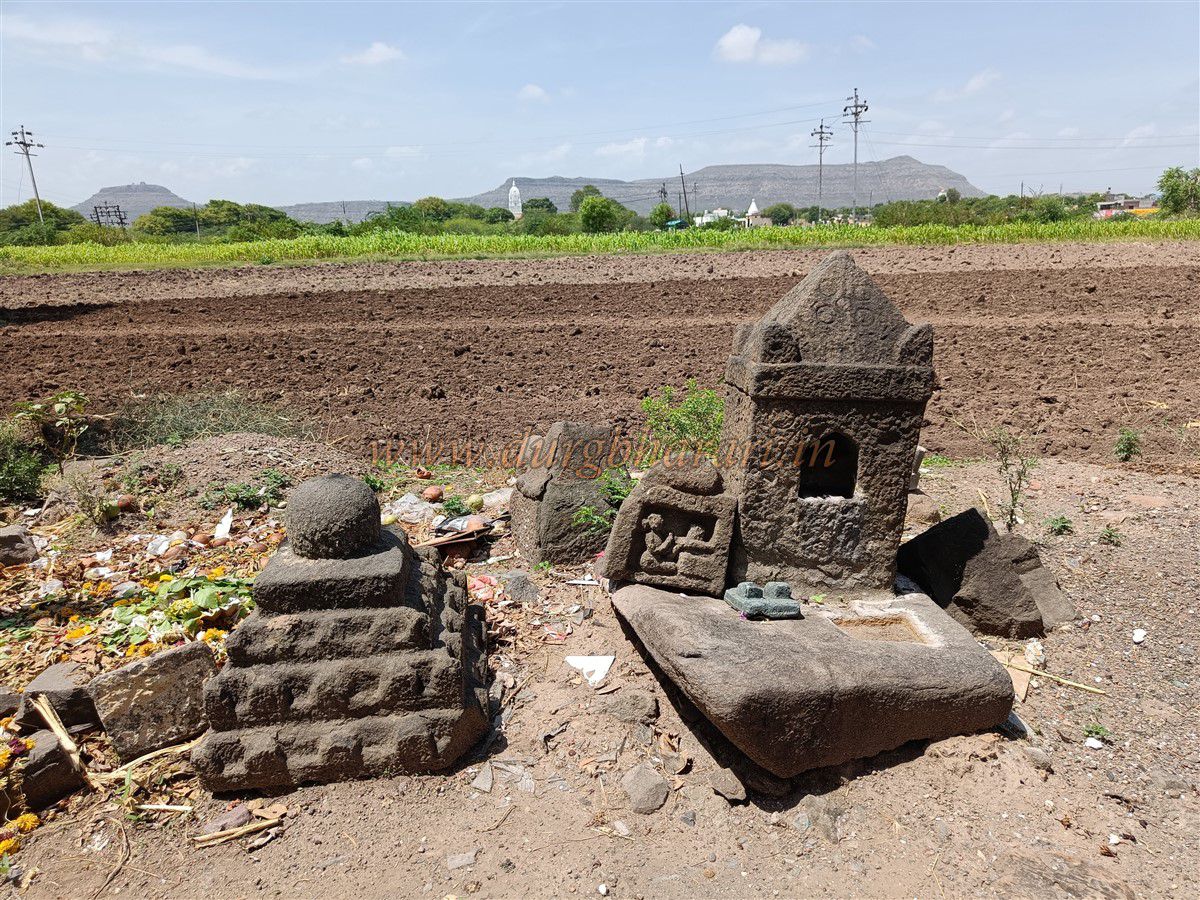
Before entering the village, there is a large stepwell called Valmiki Tirtha. This entire pushkarni (sacred tank) is built with dressed stone, with steps on all four sides leading down to the water. Near this stepwell stands a renovated temple dedicated to Lord Mahadev. On its banks are beautifully carved stone Samadhi of unknown saints, and a few hero stones (virgal) are placed nearby.
...
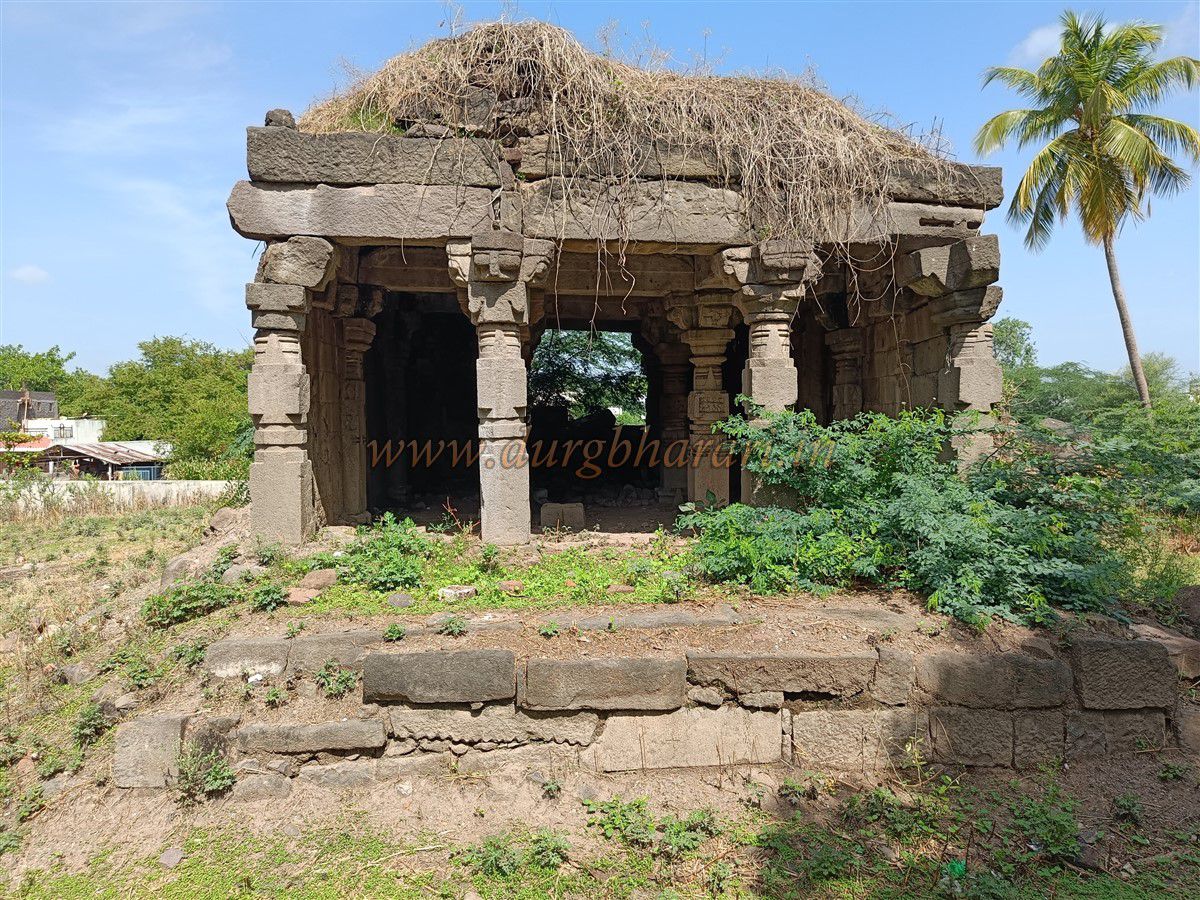
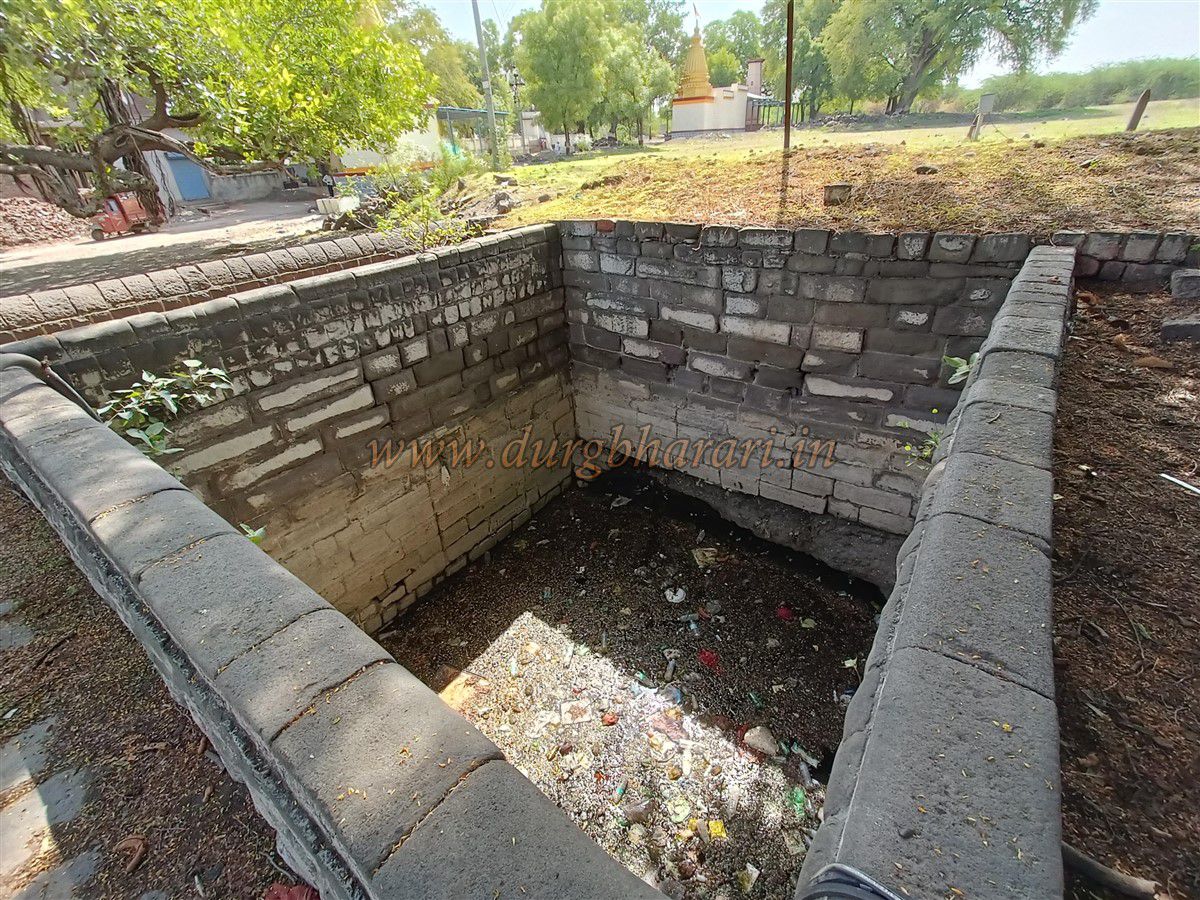
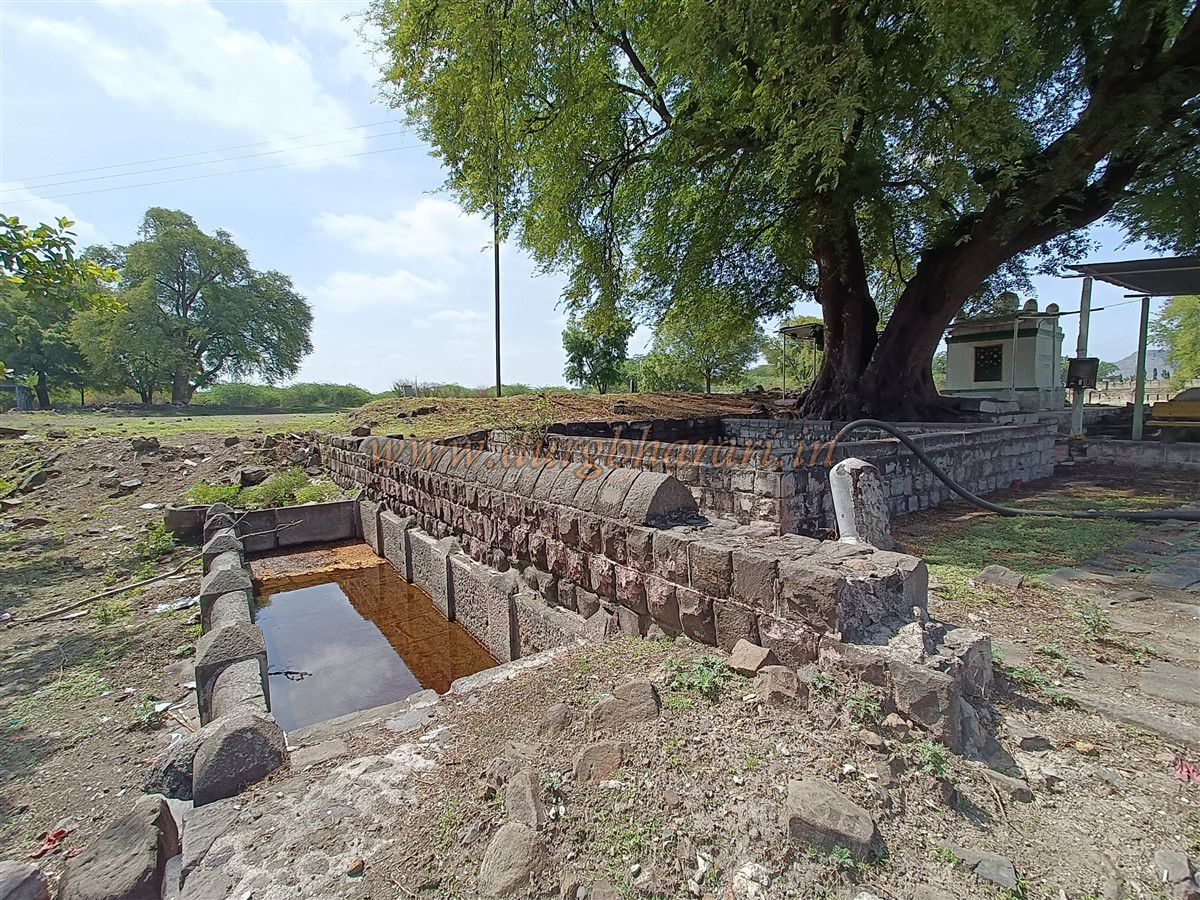
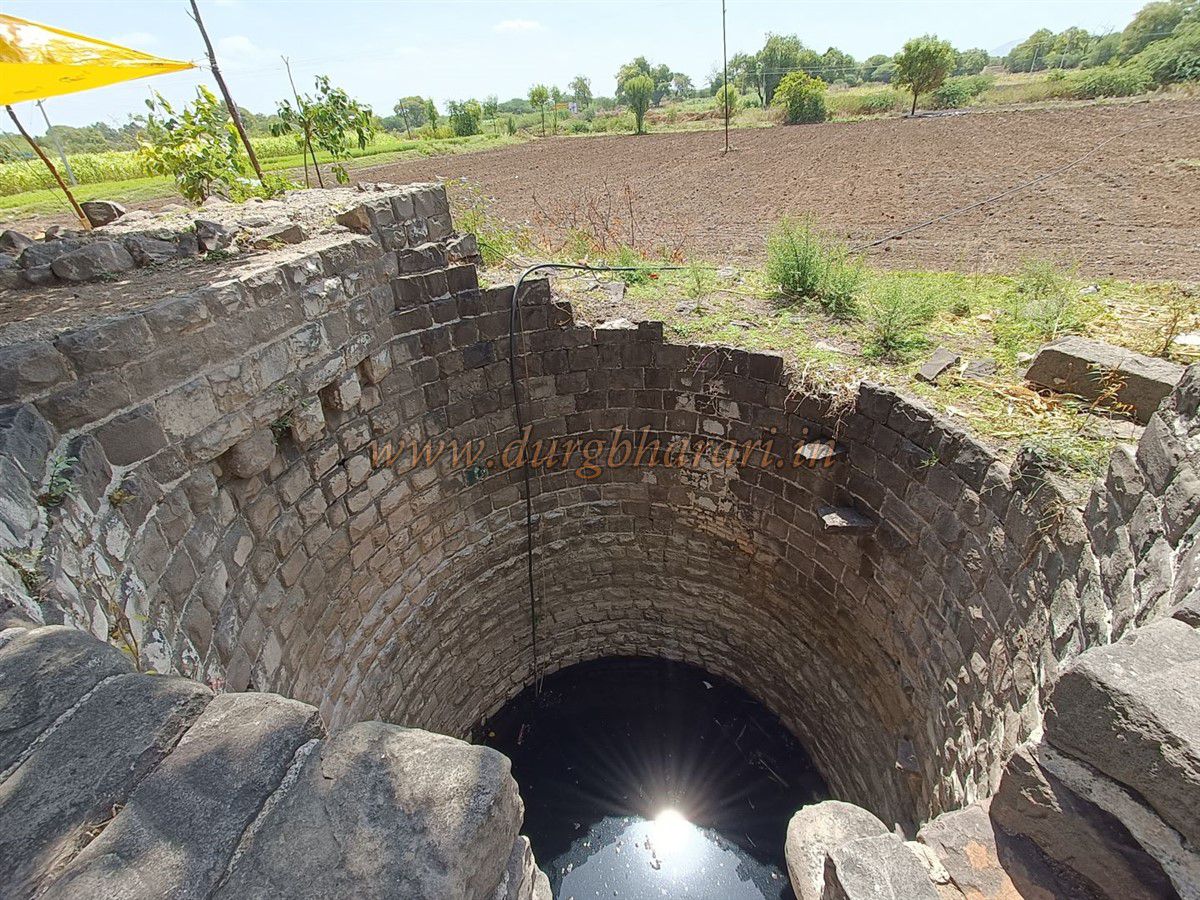
Beside these Samadhi is the ruined remains of a 12th-century temple. On the outer side of the pushkarni are two medieval temples — one dedicated to a goddess and the other to Khandoba. Near these temples is a square-shaped well, adjacent to which is a stone reservoir built for storing water, most likely used for watering cattle. Though the stone reservoir is still in good condition, the well water is no longer in use and has deteriorated. This serene and scenic area is worth a visit.
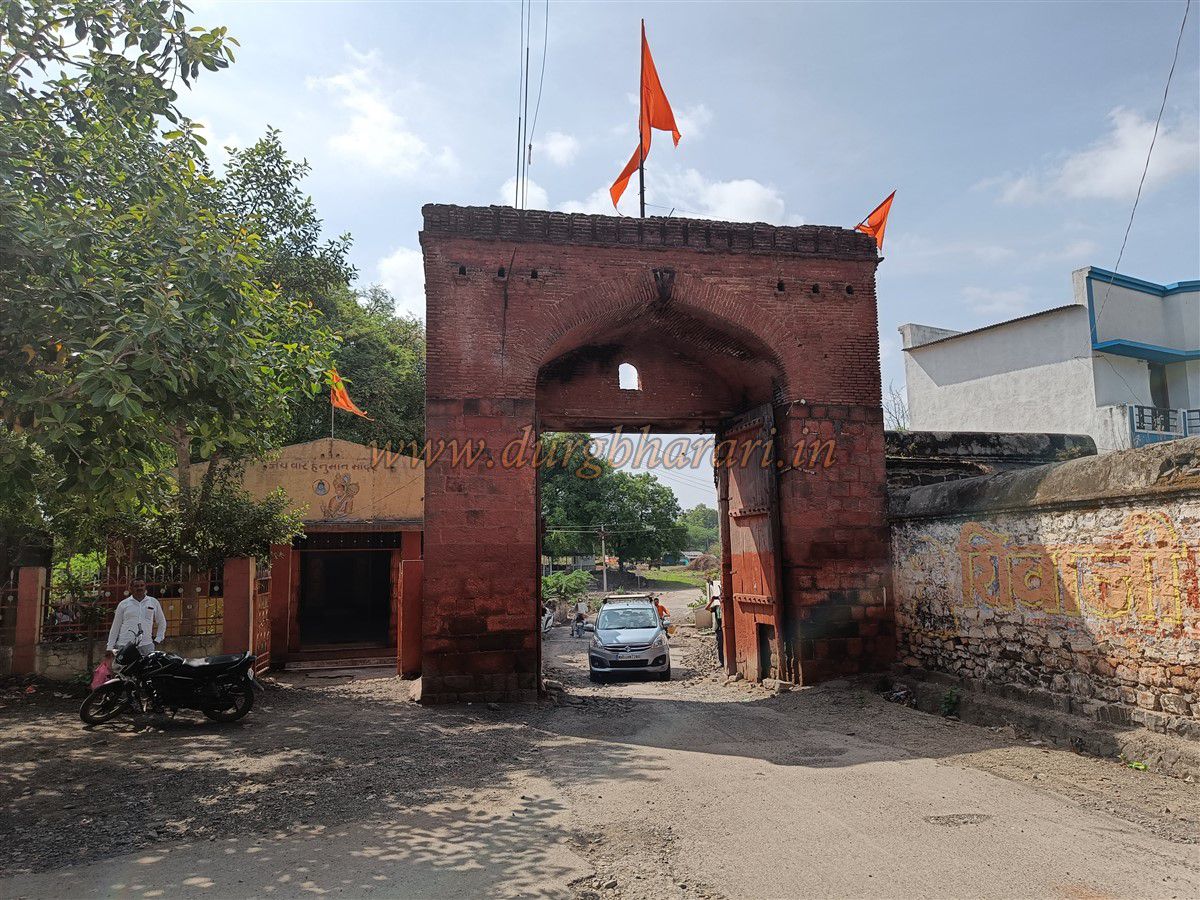
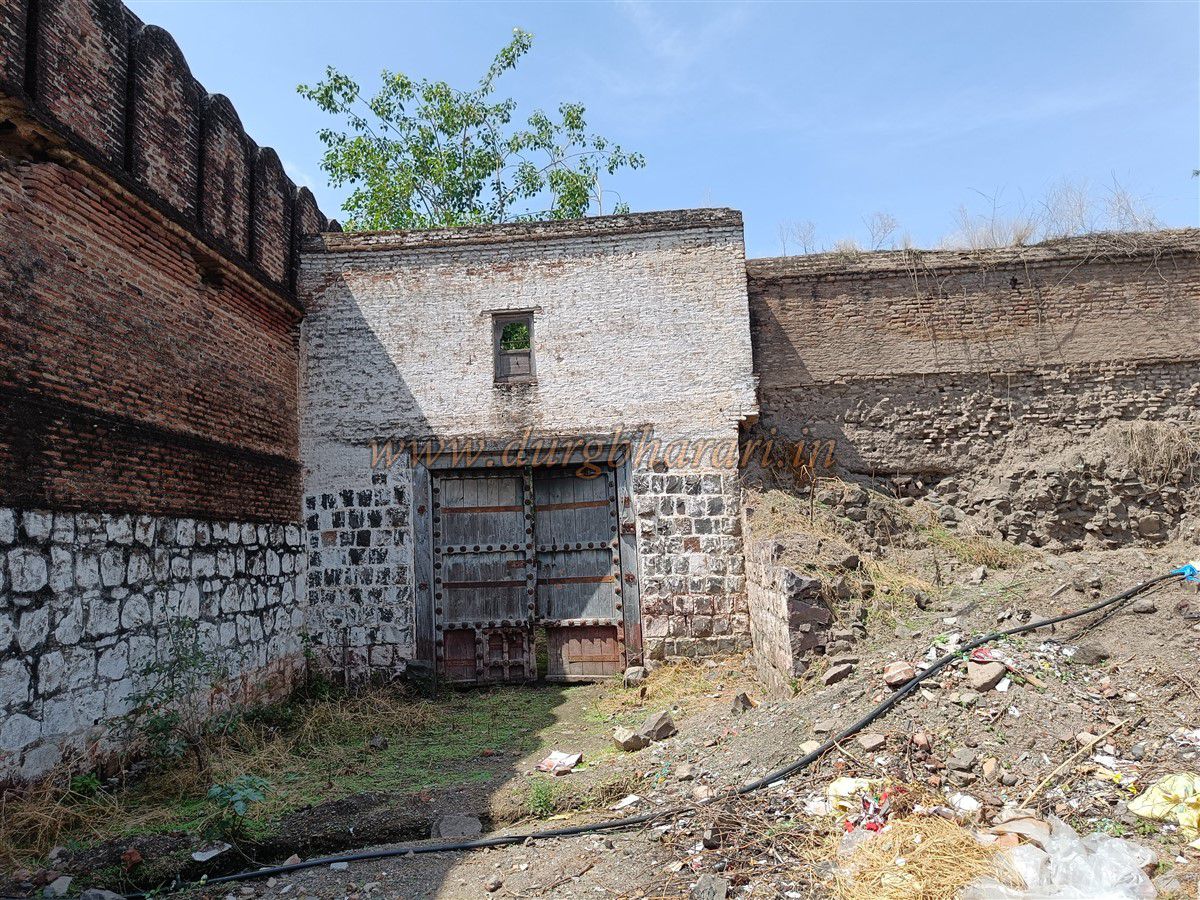
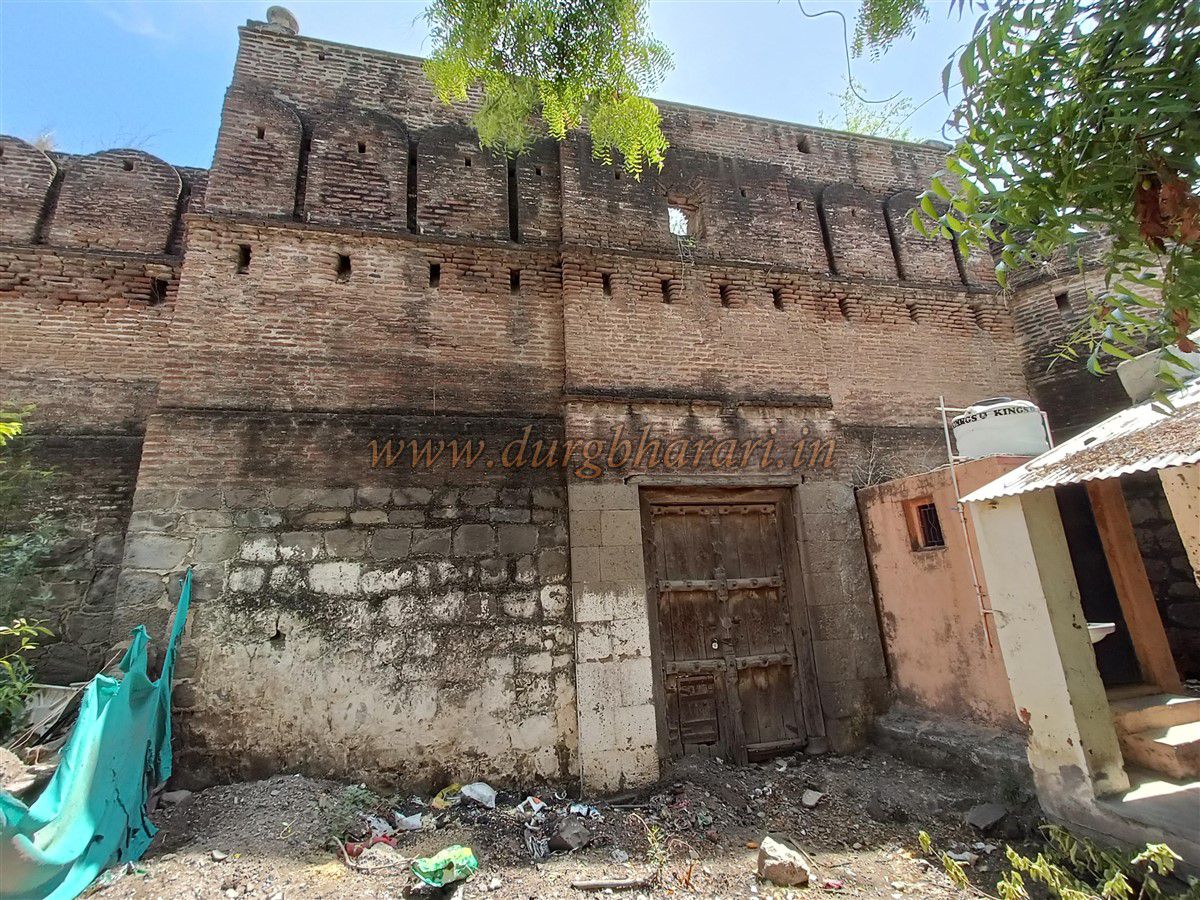
Crossing the bridge over the river, one enters the village through the first gate of the Nagarkot. Outside this gate are temples dedicated to Hanuman and Shankar. The lower part of this gate is constructed in dressed stone, while the upper structure is made of bricks. The original wooden gate still survives, complete with a smaller pedestrian “dindi” door. This gate is known as the Nagar Ves, while another gate, called the Rahuri Ves, is located elsewhere. Apart from these two gates, no other remnants of the Nagarkot survive.
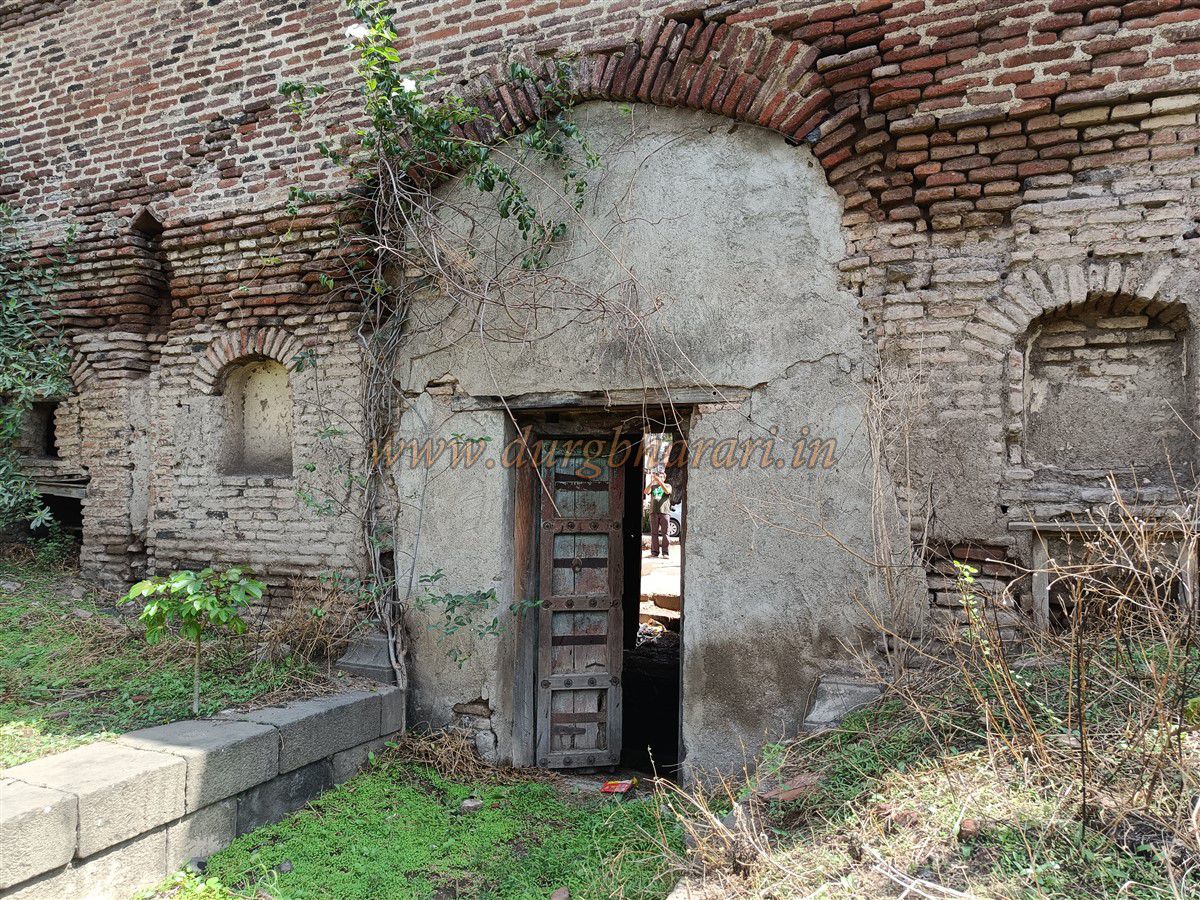
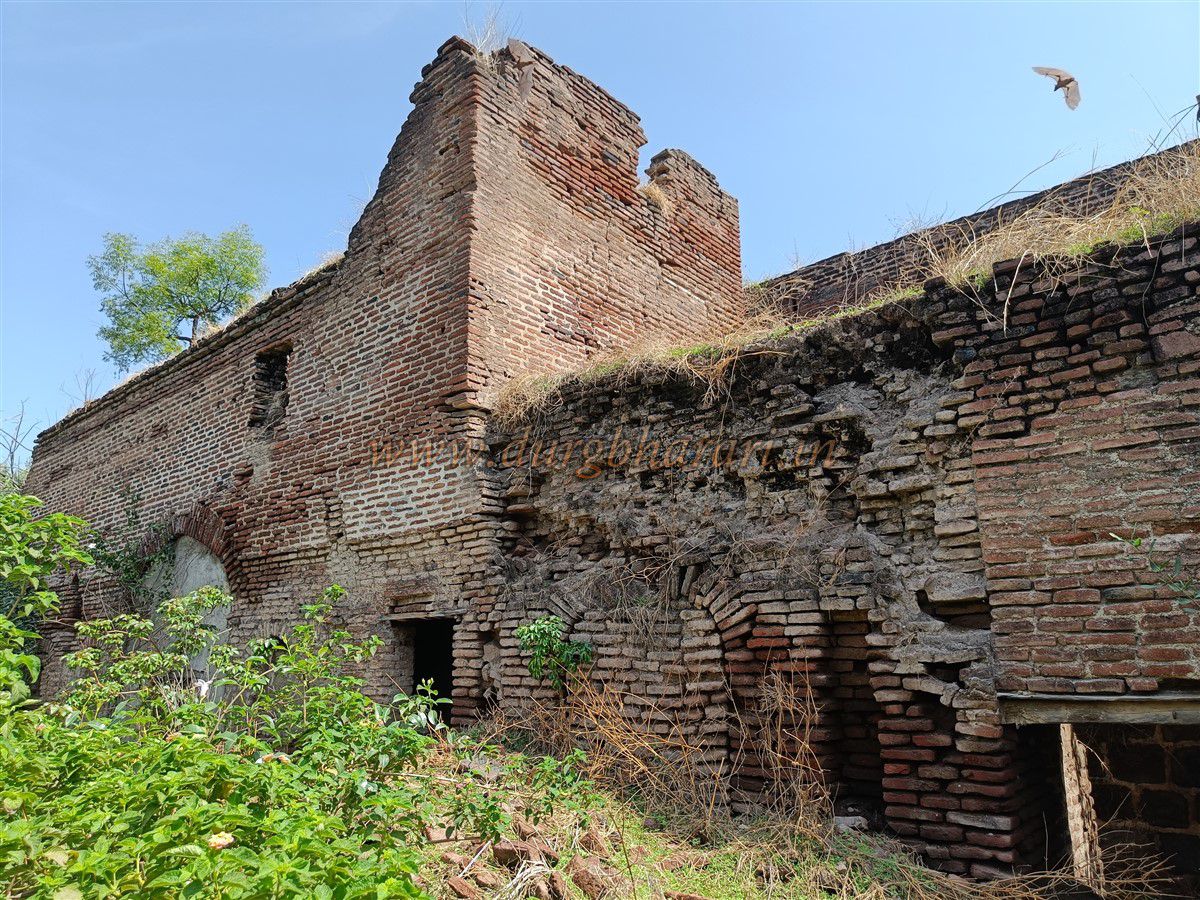
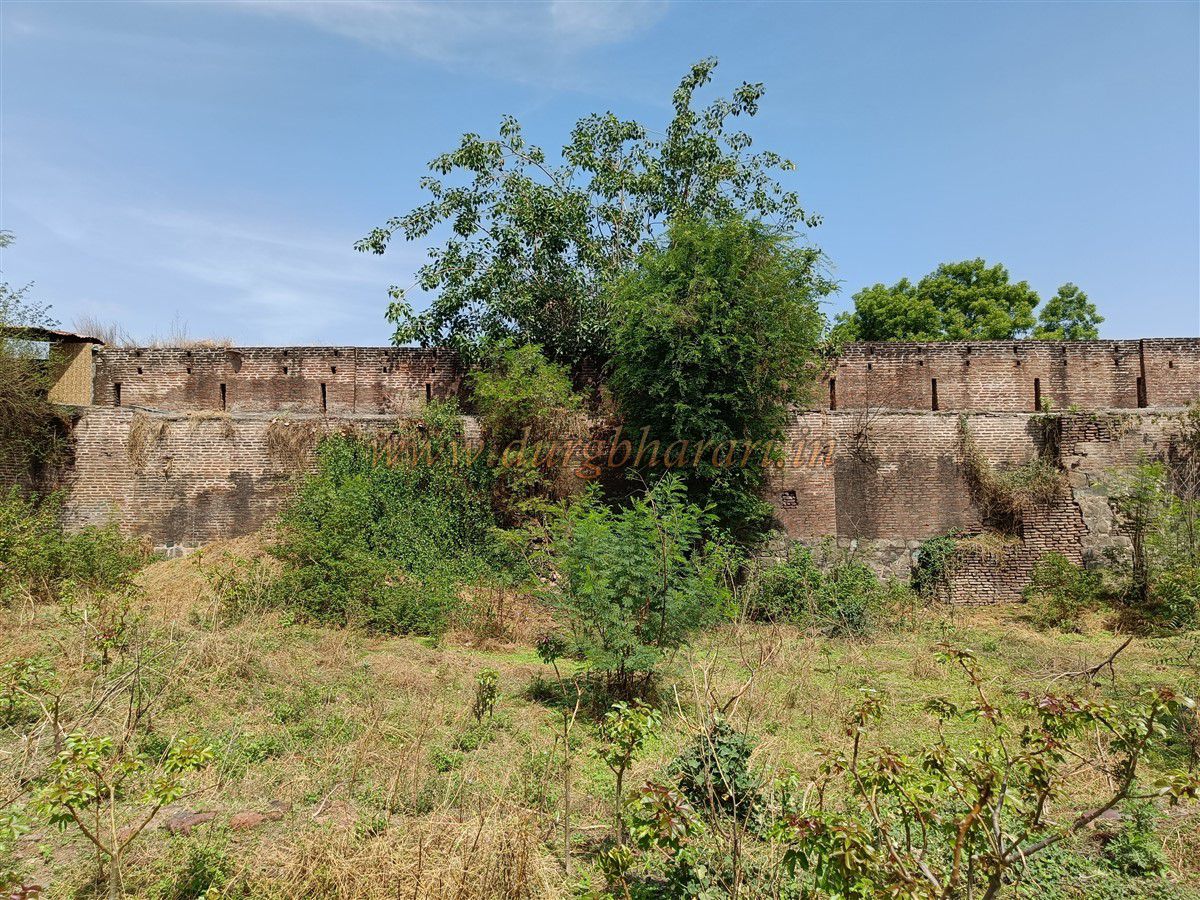
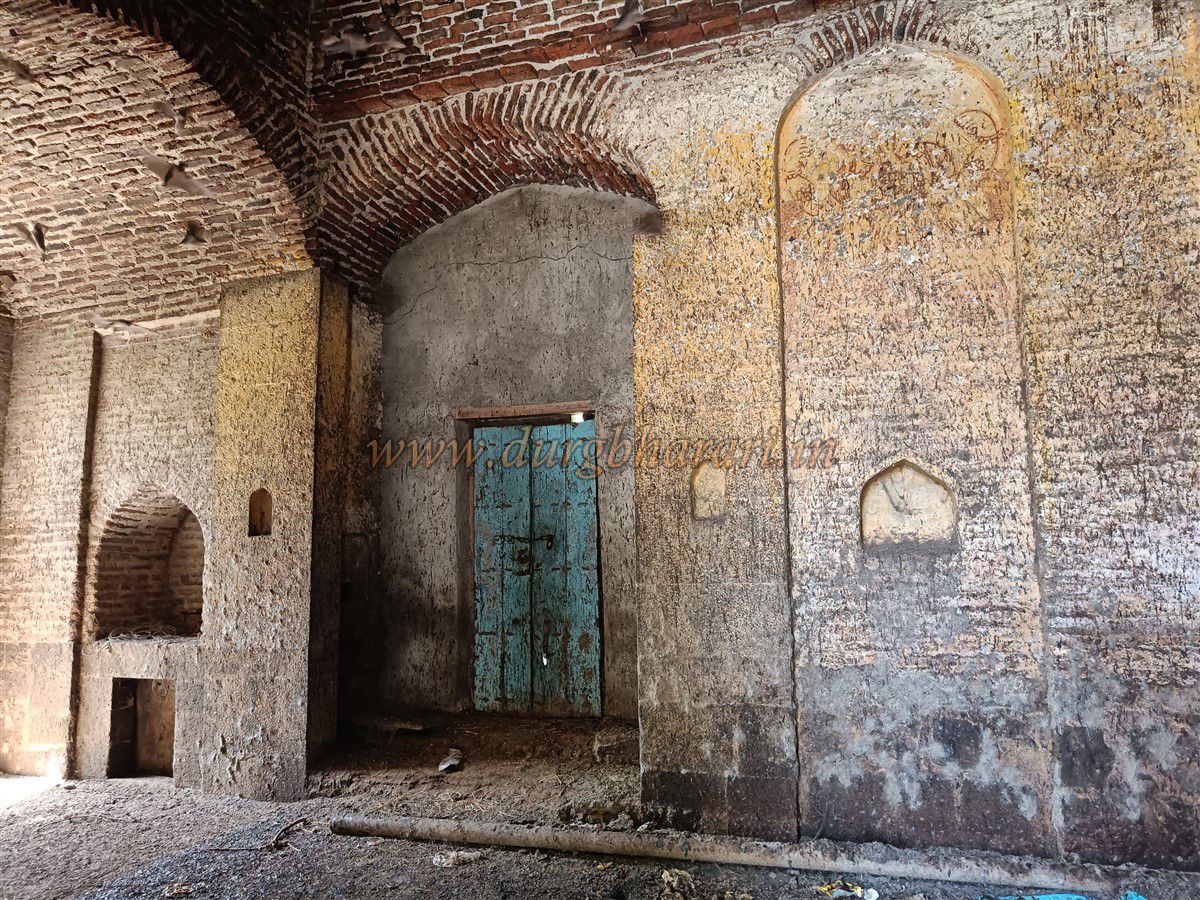
In the central part of the village stands the Vambori Fort (Gadhi), which is rectangular in shape and spread over about half an acre. It has four bastions at its corners, with the main entrance on the eastern side and a secondary entrance on the western side. The gateway is entirely built of dressed stone, topped with brick superstructures. The lower portion of the fort walls is constructed in stone, while the upper sections are made of bricks, with brick-built parapets along the top. The arched gateway still retains its wooden doors. Passing through the dindi door leads to an inner courtyard with another entrance leading deeper into the fort. This courtyard also contains rooms that once housed guards, and a staircase on the right side leads to the ramparts.
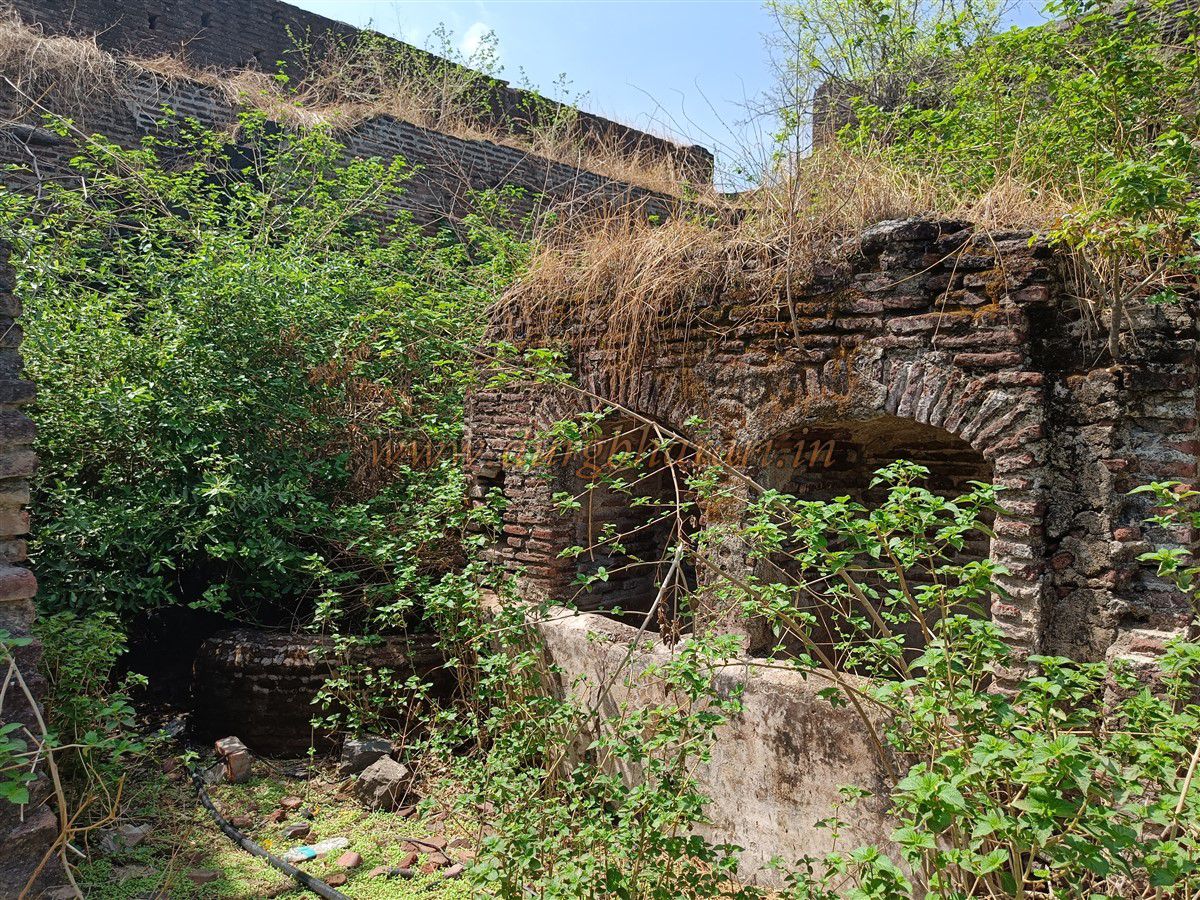
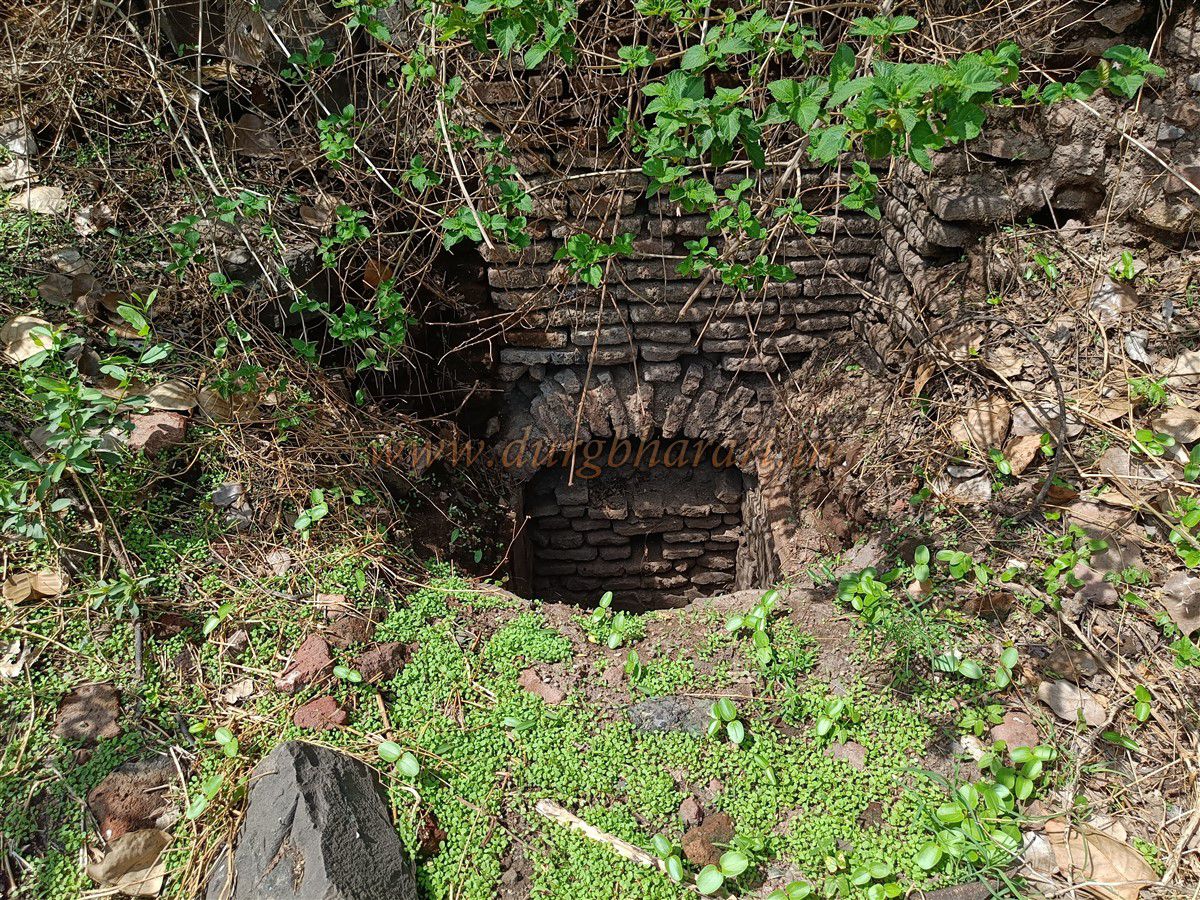
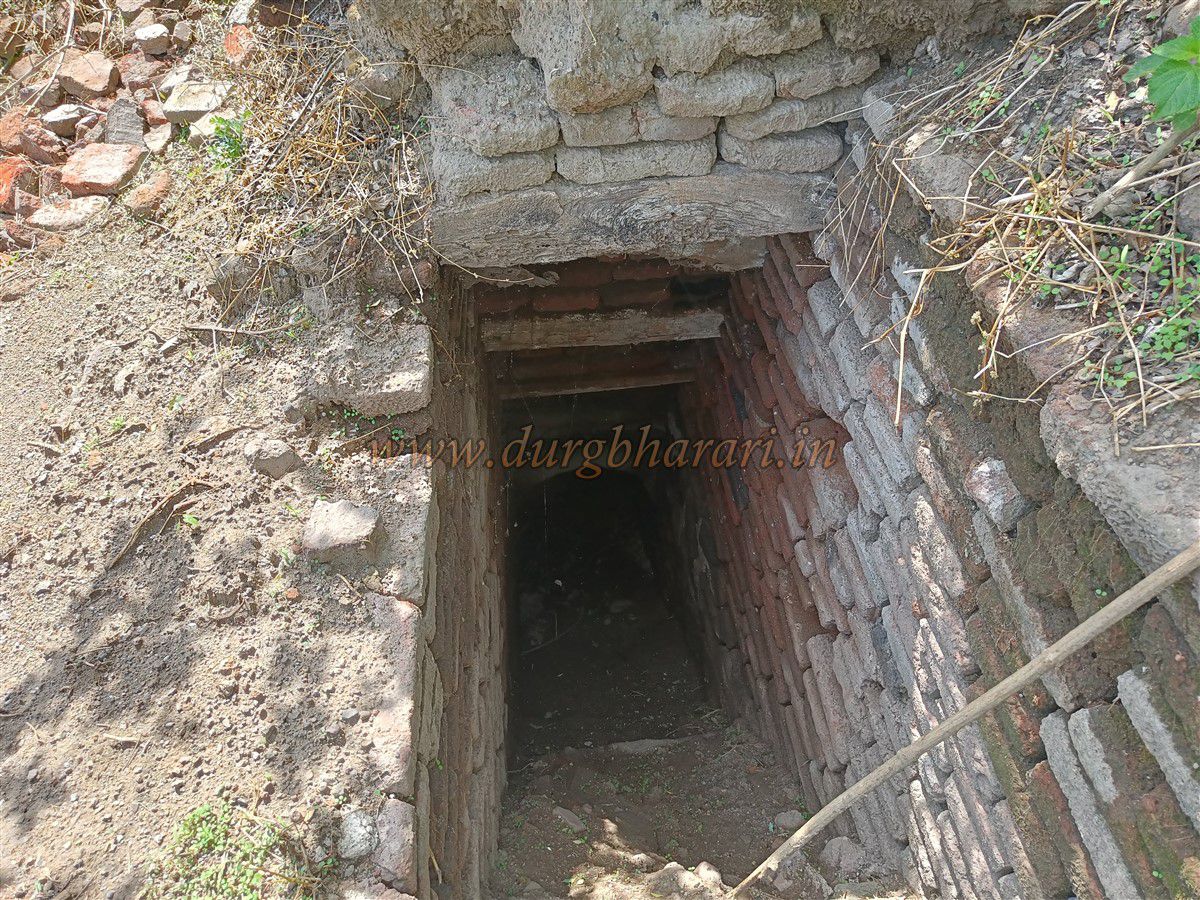
The fort walls remain intact, allowing a complete walk around the perimeter. Inside the fort, the ruins of a mansion are visible, though only a few remnants survive. Among these is a deep circular brick-lined well with a closed staircase leading down to its base. Another set of steps inside the fort provides access to the ramparts, and some sections of the wall contain chambers built within them.
The descendants of the fort’s original owners sold it during the British era, and it is now privately owned by a Jain family. Though the fort remains locked, the family resides in a house opposite the fort and willingly provides the key and permission to visitors. With no human habitation inside, the fort is now home to a large number of bats. It takes about 15 minutes to fully explore the fort.
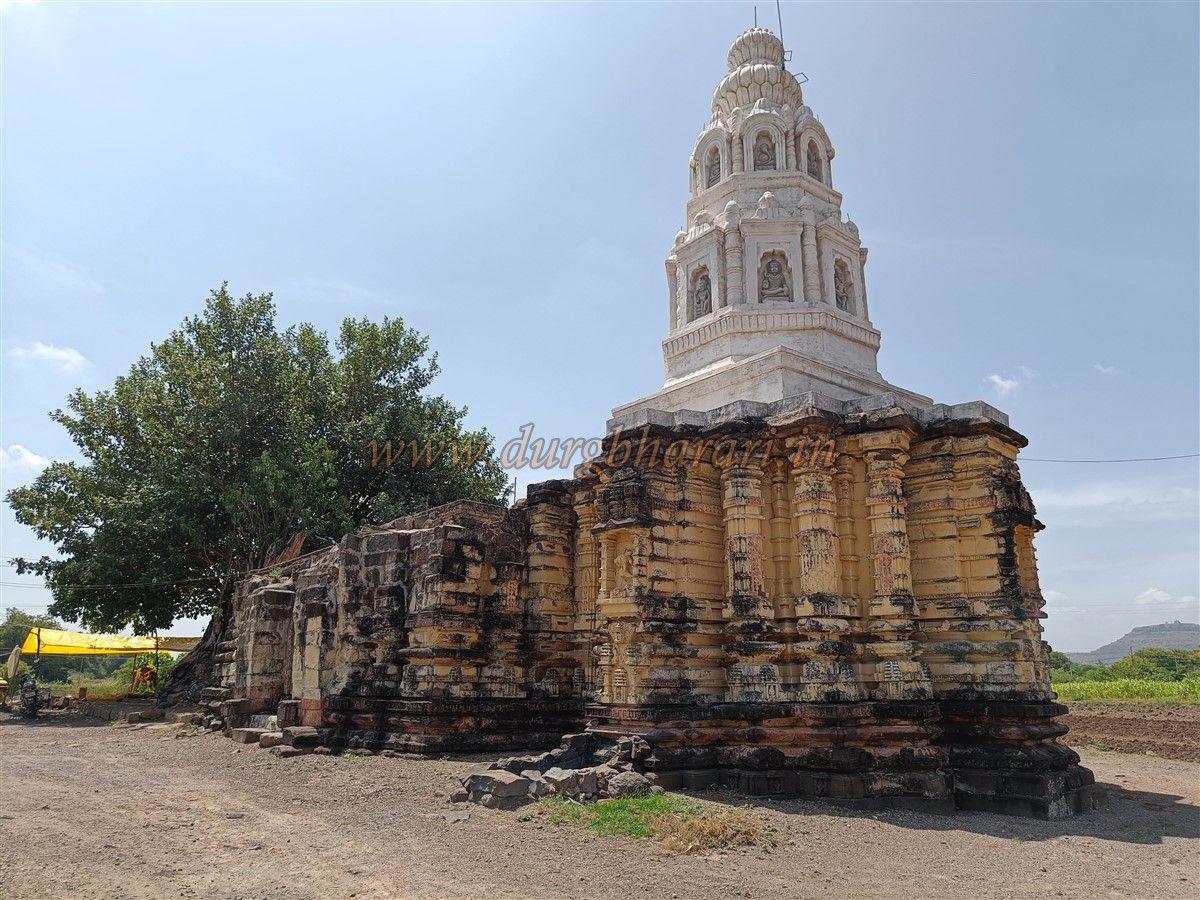
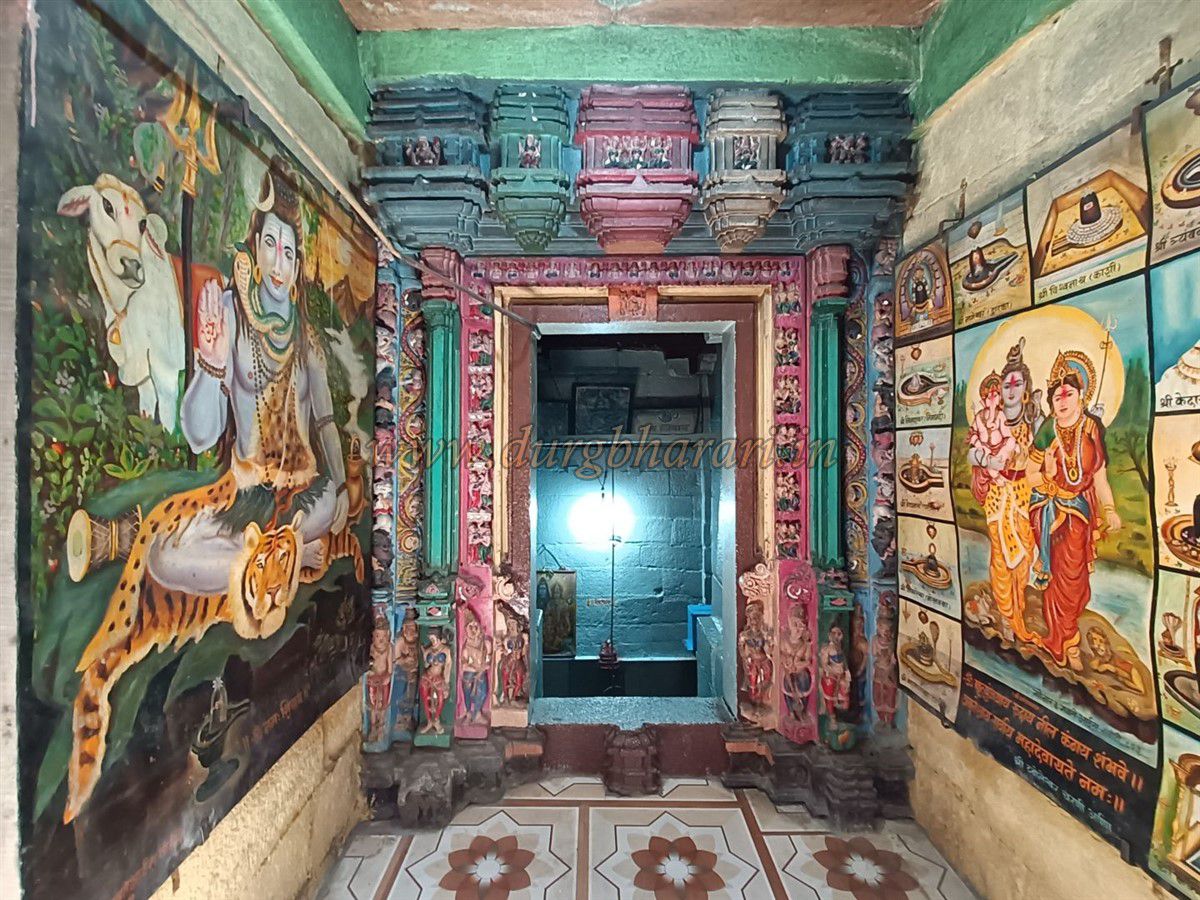
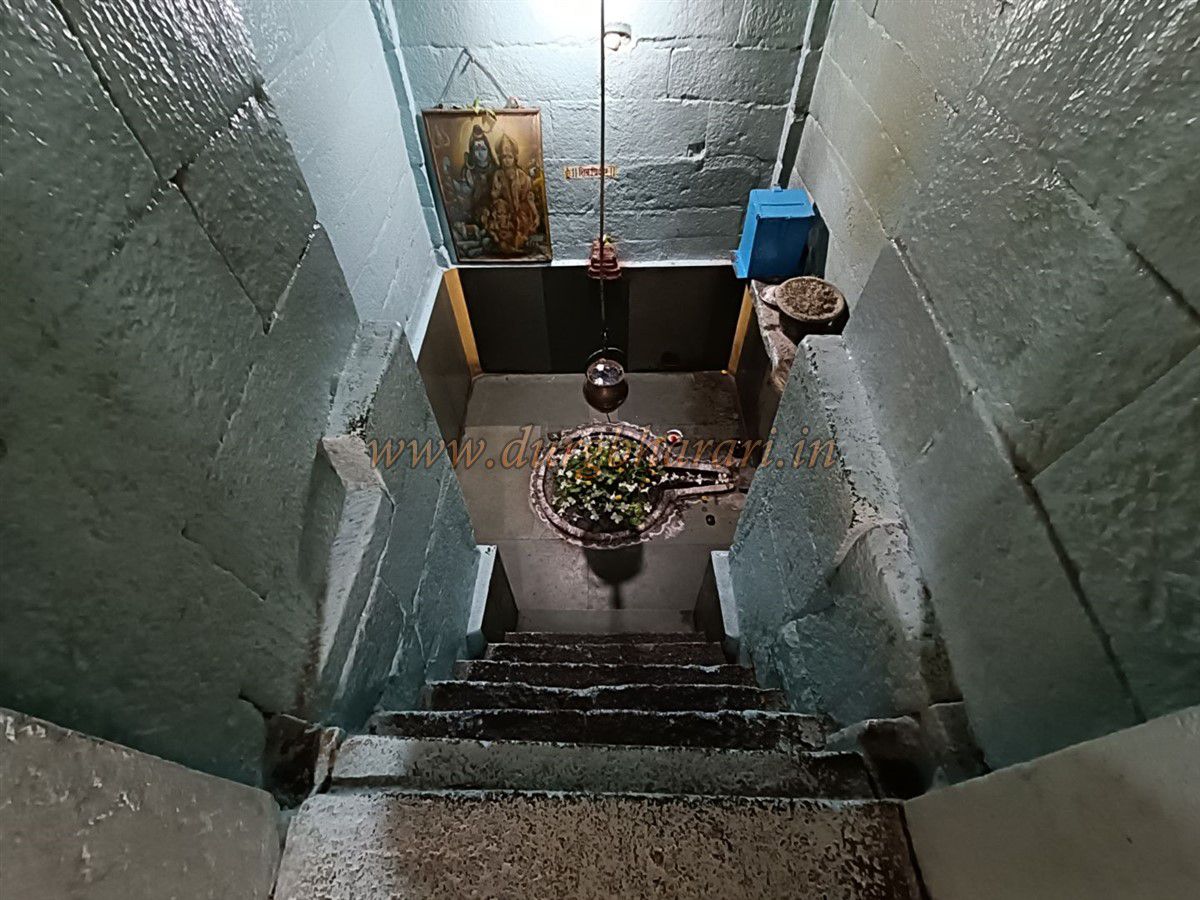
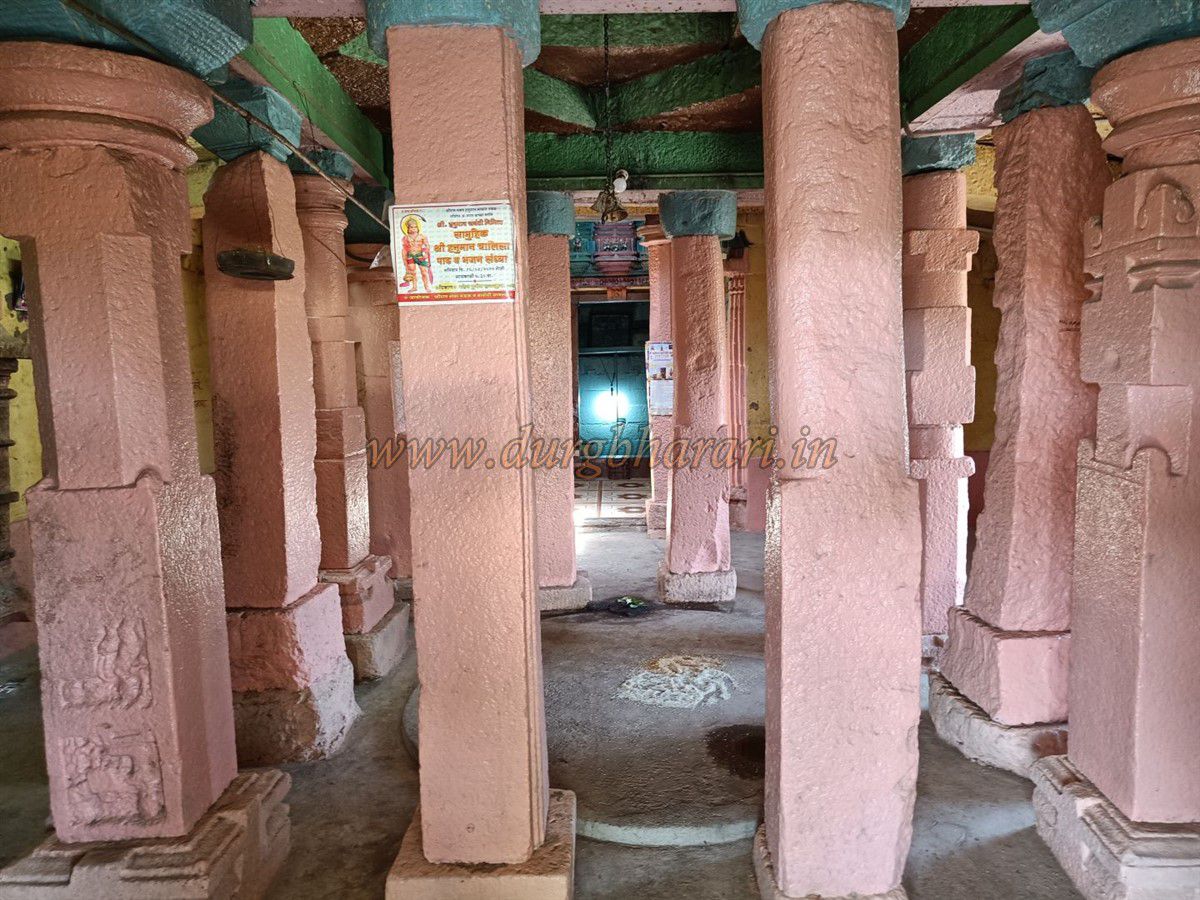
Outside the village, along the Nagar road, stands the ancient Khokleshwar Mahadev Temple. The temple consists of a Sabhamandap (assembly hall), antaral (vestibule), and Garbhagriha (sanctum), housing a Shiva lingam. The temple has suffered significant damage, but minimal repairs and colouring have been done, and a new Shikhar (spire) has been added. In front of the temple is a large stone-built well, with a few hero stones scattered nearby.
It takes at least two hours to explore the entire village of Vambori. Observing the Khokleshwar Temple and the ancient Shiva temple near Valmiki Tirtha suggests that the village has existed since at least the 12th century. Although a coherent historical record of Vambori is lacking, certain threads of its pre-Shivaji-era history reach back to the Bhosale family. Babaji Bhosale, the great-grandfather of Chhatrapati Shivaji Maharaj, held the Patilki (chieftainship) of eight villages. His two sons were Maloji Raje and Vithoji Raje. While Maloji received the Pune and Supe jagirs, the eight villages belonging to Vithoji included Vambori. These eight villages were Mungi, Paithan, Hirdi, Berdi, Jinti, Verul, Vambori, and Wavi. It is mentioned that Vithoji later distributed these villages among his sons, though further history remains unavailable. It is believed that the Valmiki Tirtha at Vambori was constructed by Ahilyabai Holkar.
© Suresh Nimbalkar
GALLERY