VAJRAGAD
TYPE : COASTAL FORT
DISTRICT : PALGHAR
HEIGHT : 160 FEET
GRADE : EASY
Vajragad is now almost completely lost. Because of the Datta temple built on this fort, it is locally known as Dattdongri, Girij Dongri, or Hira Dongri. Vasai is an ancient and historic city. Nirmal, a place created by Parashuram and sanctified by the presence of Adi Shankaracharya, is a well-known pilgrimage site. On the Nirmal-Vasai road at Girij lies a hill. During the campaign for Vasai, Chimaji Appa captured this hill and, in the midst of the intense preparations for the Vasai expedition, the Marathas constructed Vajragad between the forts of Vasai and Arnala. The Marathas built this fort to keep watch over the coastal stretch between Vasai and Arnala and to establish their dominance over the Portuguese. It served primarily as a watchtower and played a significant role in the Vasai campaign.
...
The Portuguese began building the Vasai fort in 1526. Along with that, they created a chain of forts in the surrounding areas of Shirgaon, Mahim, and Kelve to maintain their dominance. They committed countless atrocities on the local population for religious conversions. Complaints about these cruelties reached the Peshwa, and in 1737, under the leadership of the brave Chimaji Appa, along with commanders like Gangaji Naik, Shankaraji Phadke, and Baji Rethrekar, the Marathas launched a campaign to uproot the Portuguese completely. It was during this Vasai expedition that Vajragad was built.
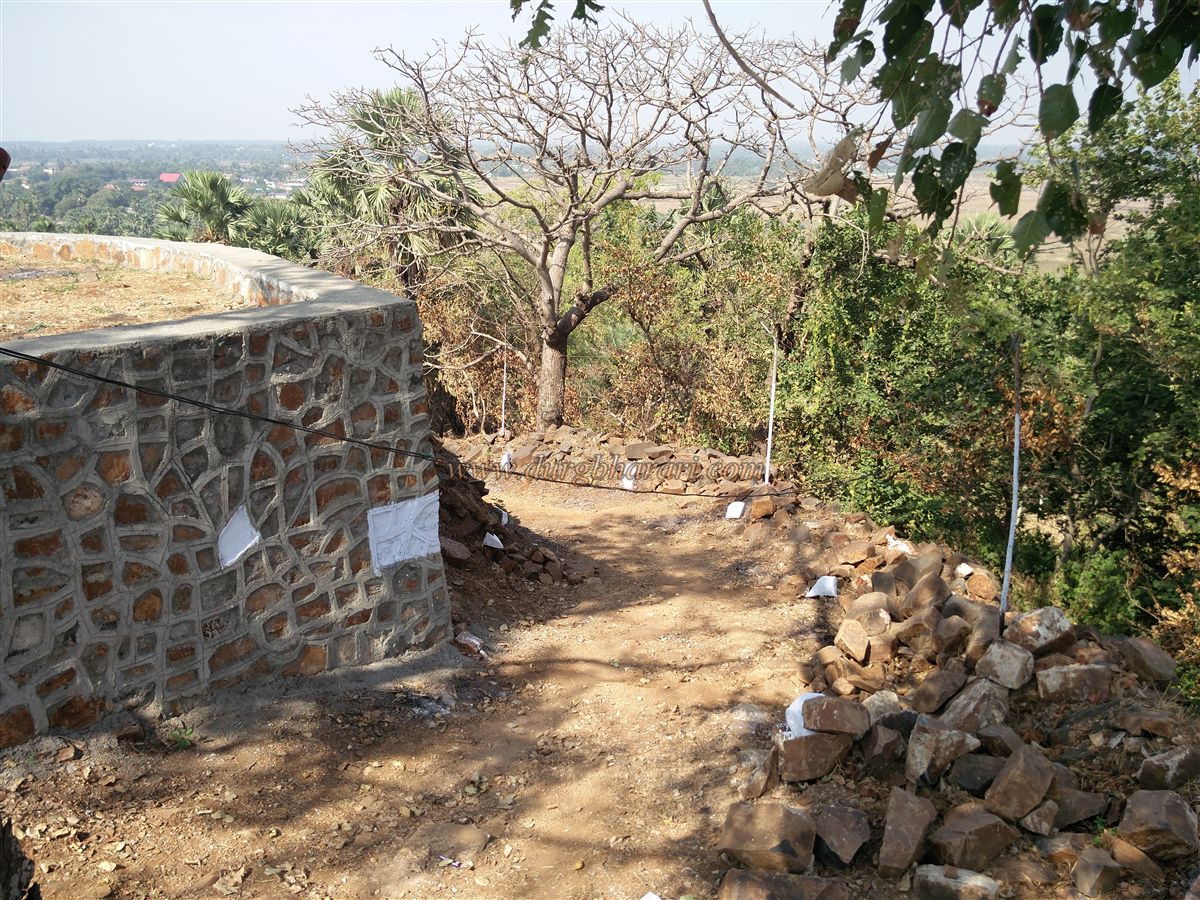
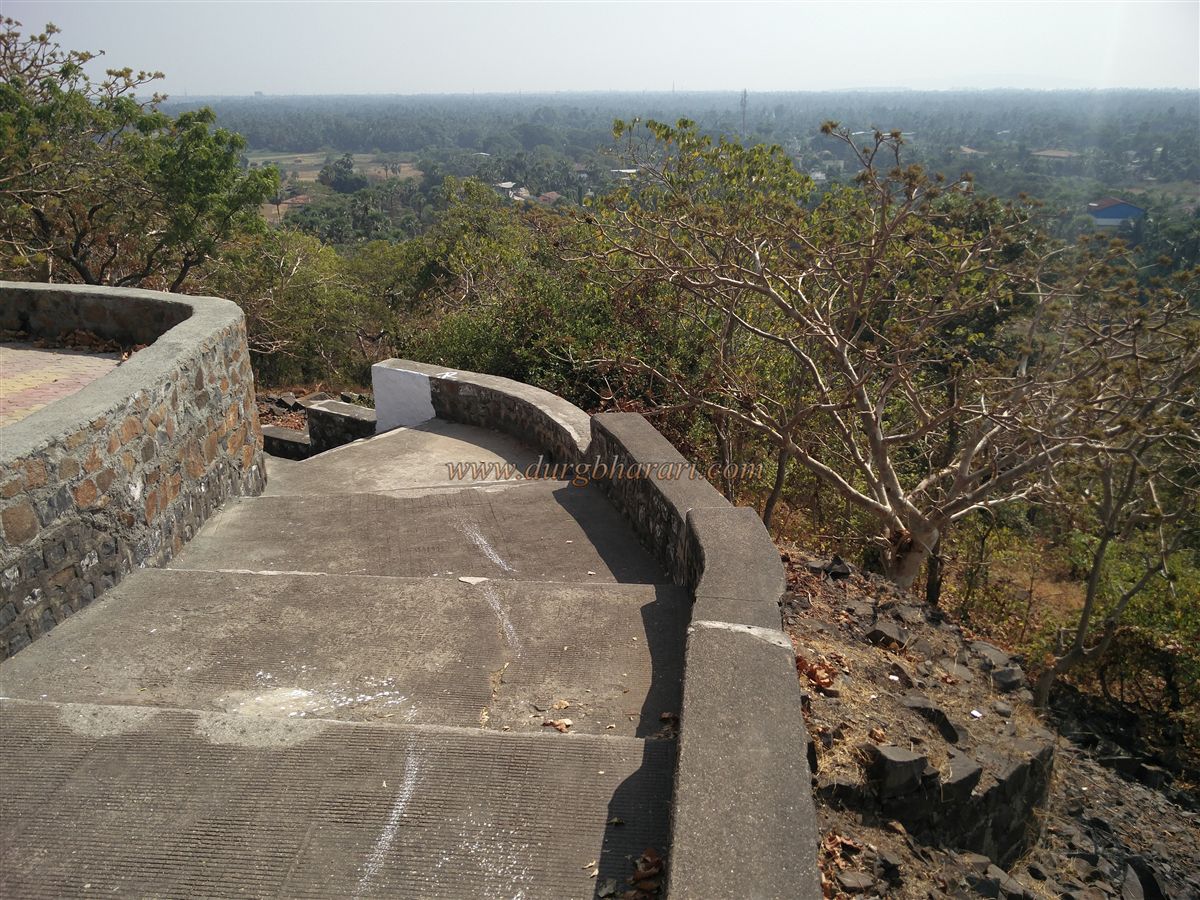
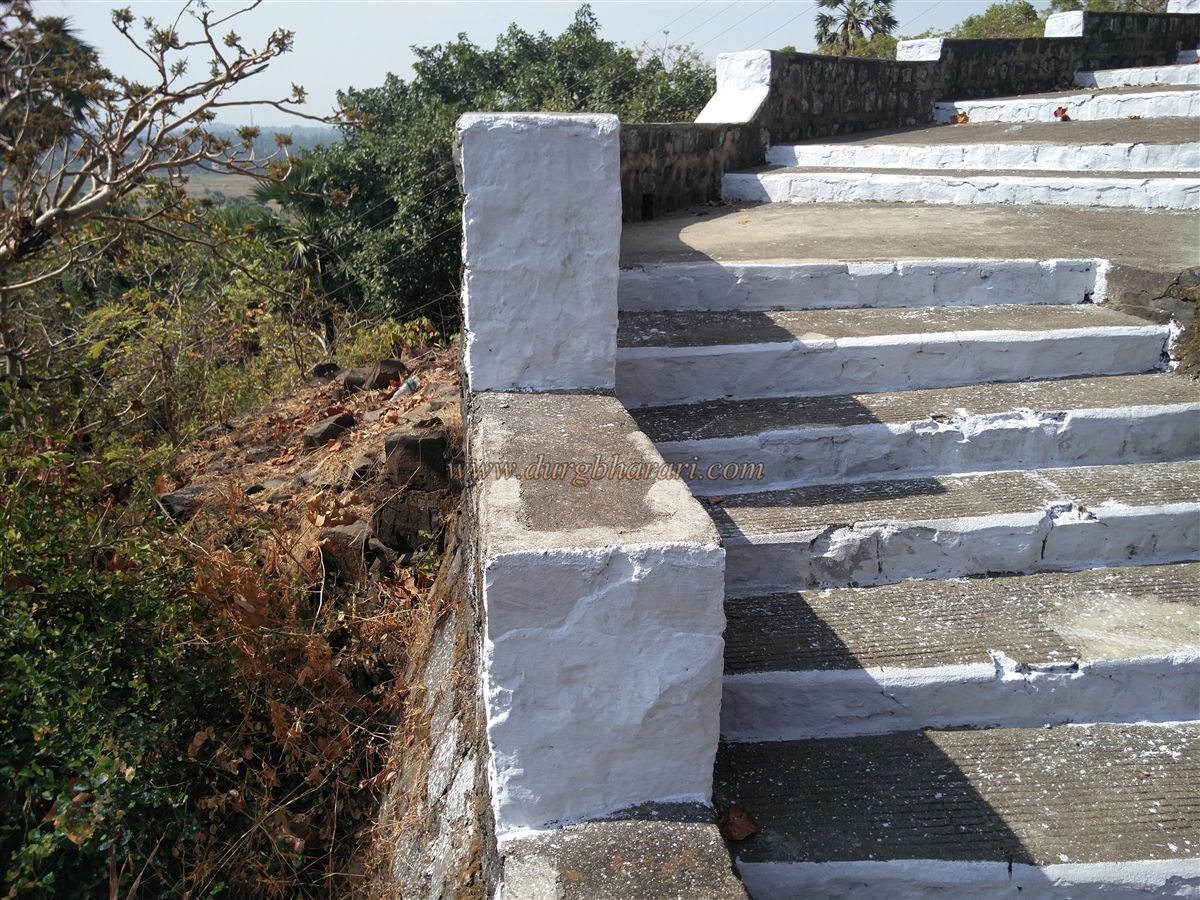
Vajragad can be reached from Vasai or Nalasopara stations on the Western Railway. Girij village is located 14 km from Vasai and 8 km from Nalasopara. From either station, one can take a bus heading west to Girij or hire a six-seater rickshaw to reach the base of Vajragad. The fort stands on a small, shrub-covered hill northeast of Girij village. Steps have been built to climb up to it. In just 10 minutes from the base, one enters the fort’s plateau through its ruined entrance gate. Both bastions of the gate are nearly destroyed. The left bastion is hidden in the bushes and requires a slight detour off the steps to be seen.
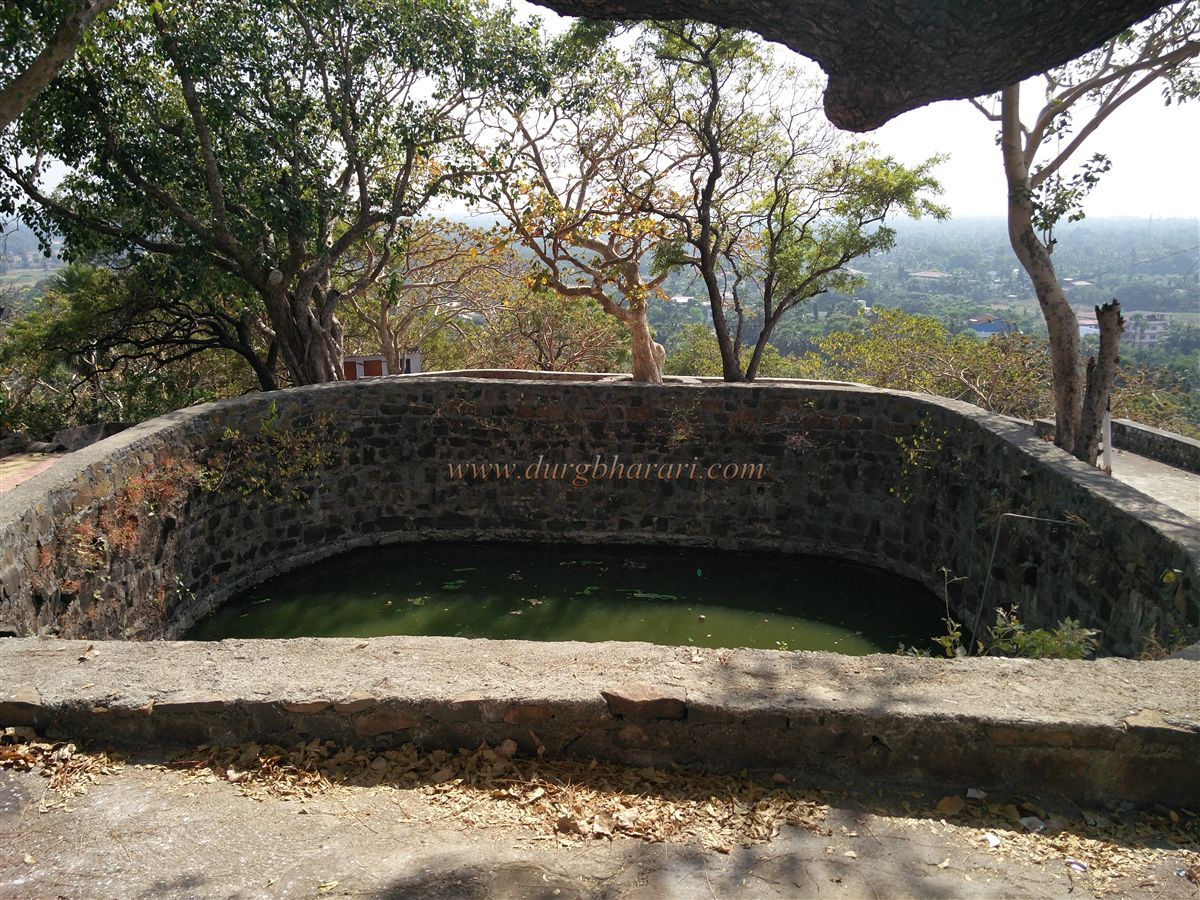
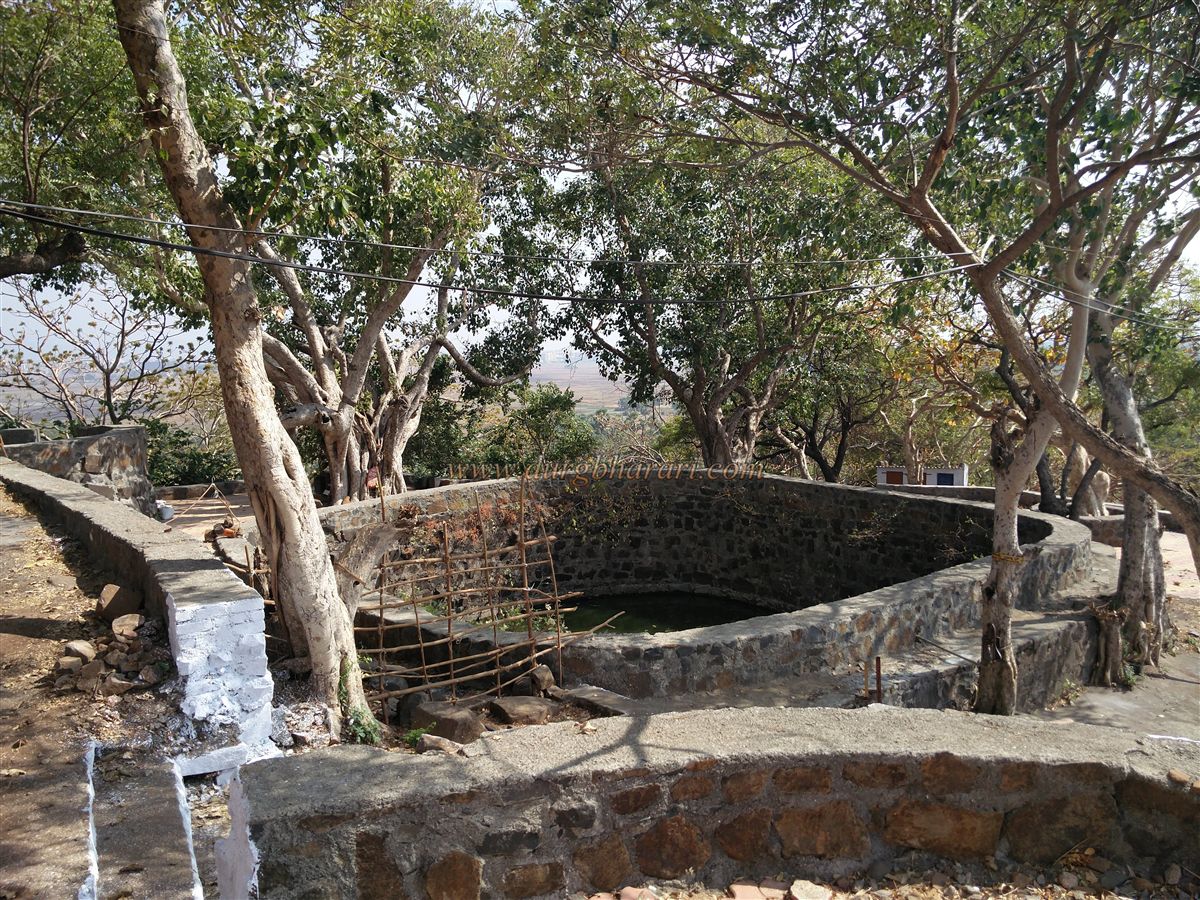
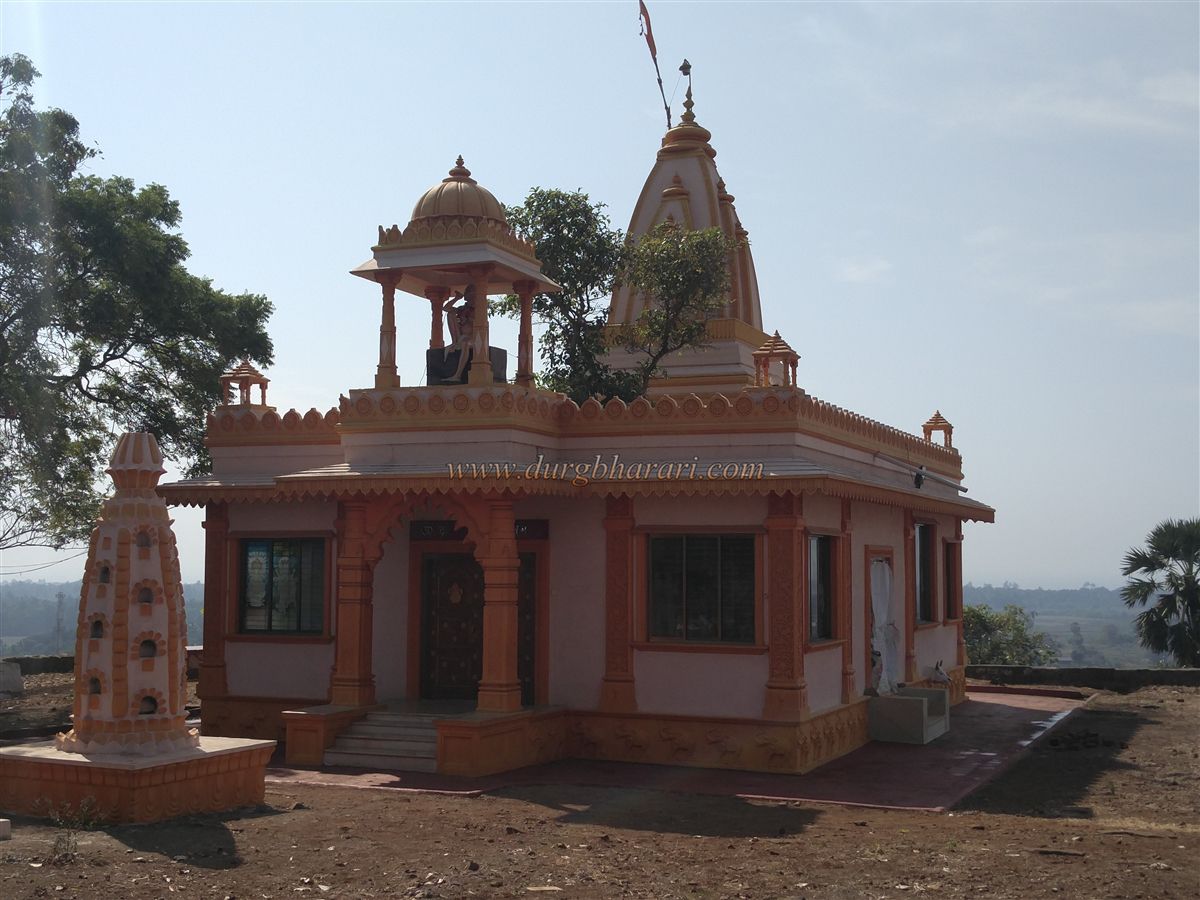
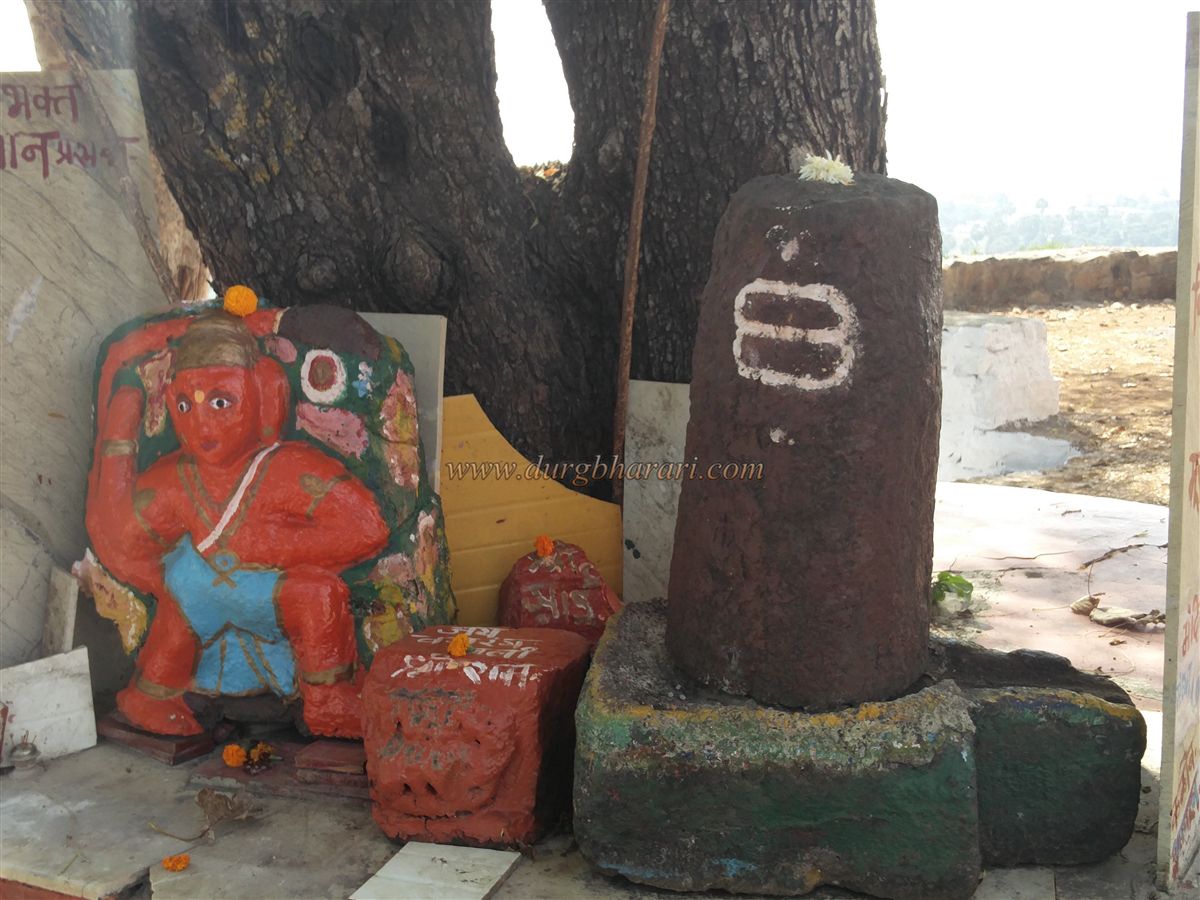
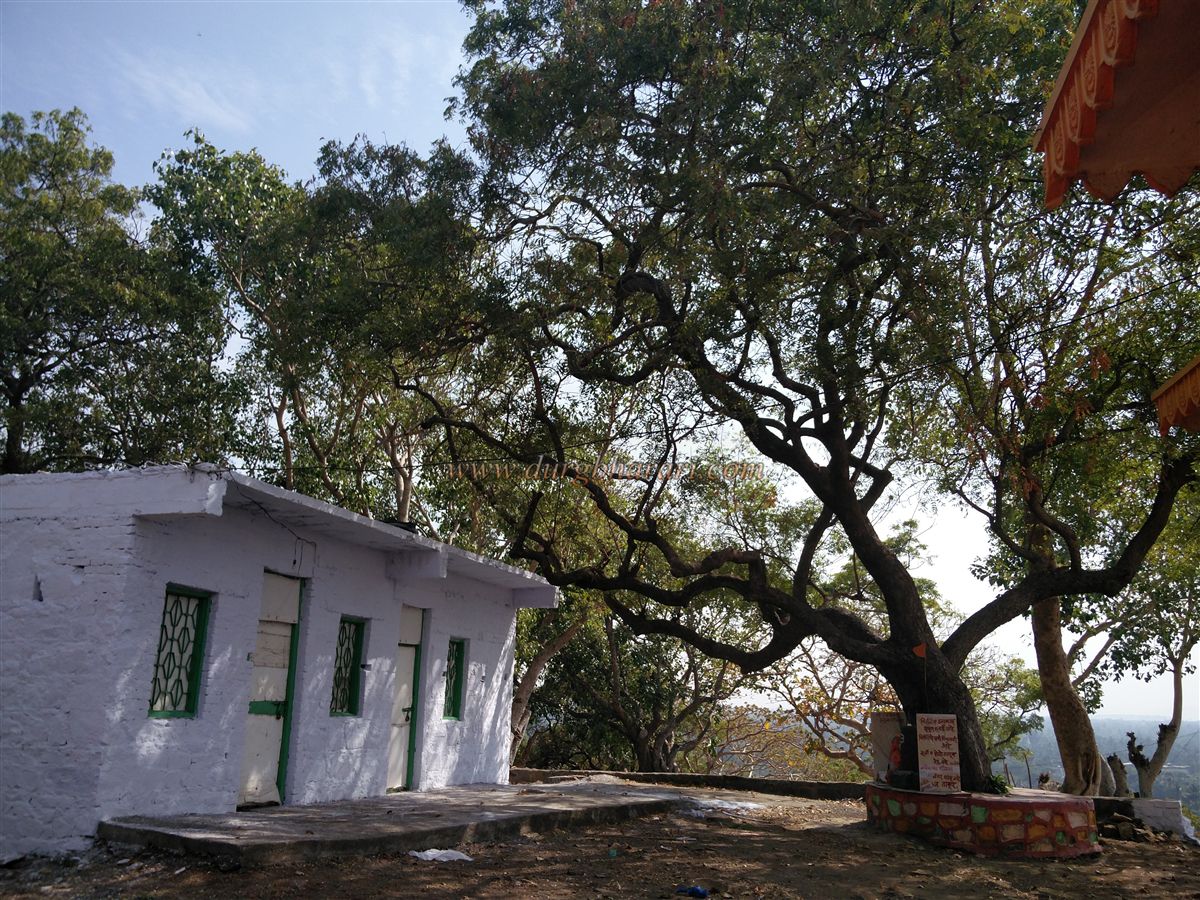
The fort’s bastions and walls are constructed by stacking large stones without mortar, as it was built quickly for military purposes, without using lime. Returning to the steps and climbing up, one reaches the top of the fort. Directly ahead lies a large, square, rock-cut water tank, which still holds plenty of water. On the site of a now-closed structure once stood a main building (Sadar), under which lies a cellar accessible from the backside of the fort through a passage beneath the wall. Around the tank and elsewhere on the fort grow trees such as peepal, Audumbar, and neem. The fort also houses a Datta temple, and under a nearby tree stands a Hanuman idol.
From the fort, one can see Arnala fort to the north, Vasai fort to the south, and the vast surrounding region. On the way up to the fort are iron-rich rocks similar to those at Khanderi, which produce a metallic sound like striking a vessel when hit with another stone. From this hill, about 150 feet high, the vast Arabian Sea stretches westward from Arnala’s bastions, while to the east, one can see the hill of Jivdani and the plateau of Tungareshwar.
© Suresh Nimbalkar
GALLERY