VAIJNATH- AROGYABHAVANI
TYPE : ANCIENT SHIVMANDIR
DISTRICT : KOLHAPUR
Among the sacred places sanctified by the presence of Shri Narasimha Saraswati — the second incarnation of Shri Dattatraya — the most renowned are Audumbar, Narsobawadi, and Ganagapur. However, one of the places where the Guru is believed to have stayed for 12 years, as mentioned in the Shri Guru Charitra, is not widely known. This little-known site is the Vaidyanath Aarogyabhavani Temple at Devarwadi, located on the Kolhapur–Belgaum border.
In the 14th chapter of the Shri Guru Charitra, this location is referred to as a “great southern Kshetra” (sacred site):
“Aisepare Sangoni Shri Guru Nighale Tethoni, Jethe Ase Aarogyabhavani Vaidyanath Maha Kshetra.” (Chapter 14)
...
For a long time, this verse was assumed to refer to Parli Vaidyanath. However, considering the association of this site with the life and work of Shri Narasimha Saraswati, its antiquity, the presence of the Aarogyabhavani shrine, and the Dattatraya Paduka, it seems more likely that the place referred to in the text is indeed this temple.
The Vaidyanath Aarogyabhavani Temple is situated in the quiet, picturesque foothills of Mahipal Fort (Mahipalgad) in Kolhapur district, just across the border from Belgaum. Though little known in Maharashtra, it is a significant place of worship for devotees from Karnataka. The region is also known for its abundance of rare medicinal herbs.
From Belgaum, traveling toward Sawantwadi, one re-enters Kolhapur district after about 12 km. At Shinoli village, a road branches off to Devarwadi. From Belgaum, it takes about 45 minutes to reach Devarwadi village at the base of Mahipalgad. From here, a climb leads halfway up the hill to the ancient temple complex of Vaidyanath and Aarogyabhavani.
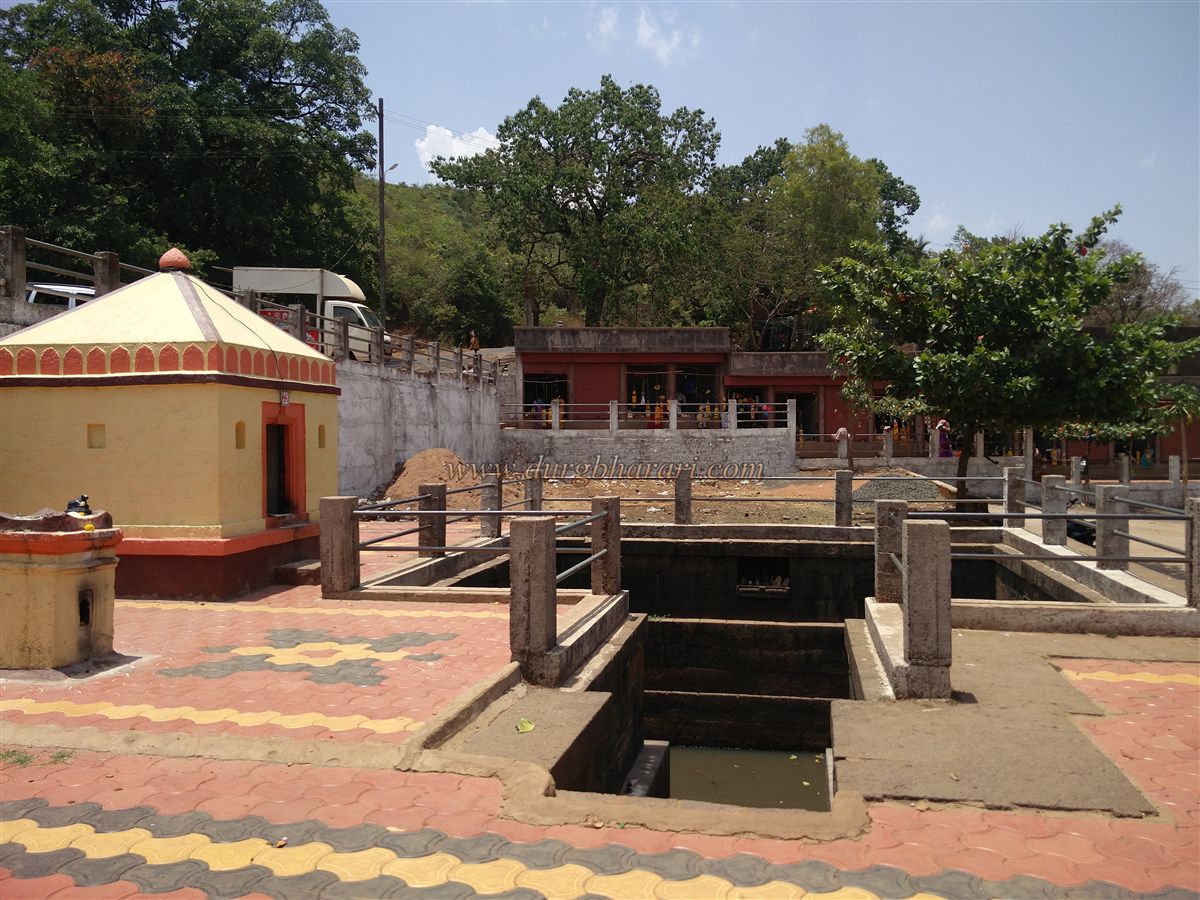
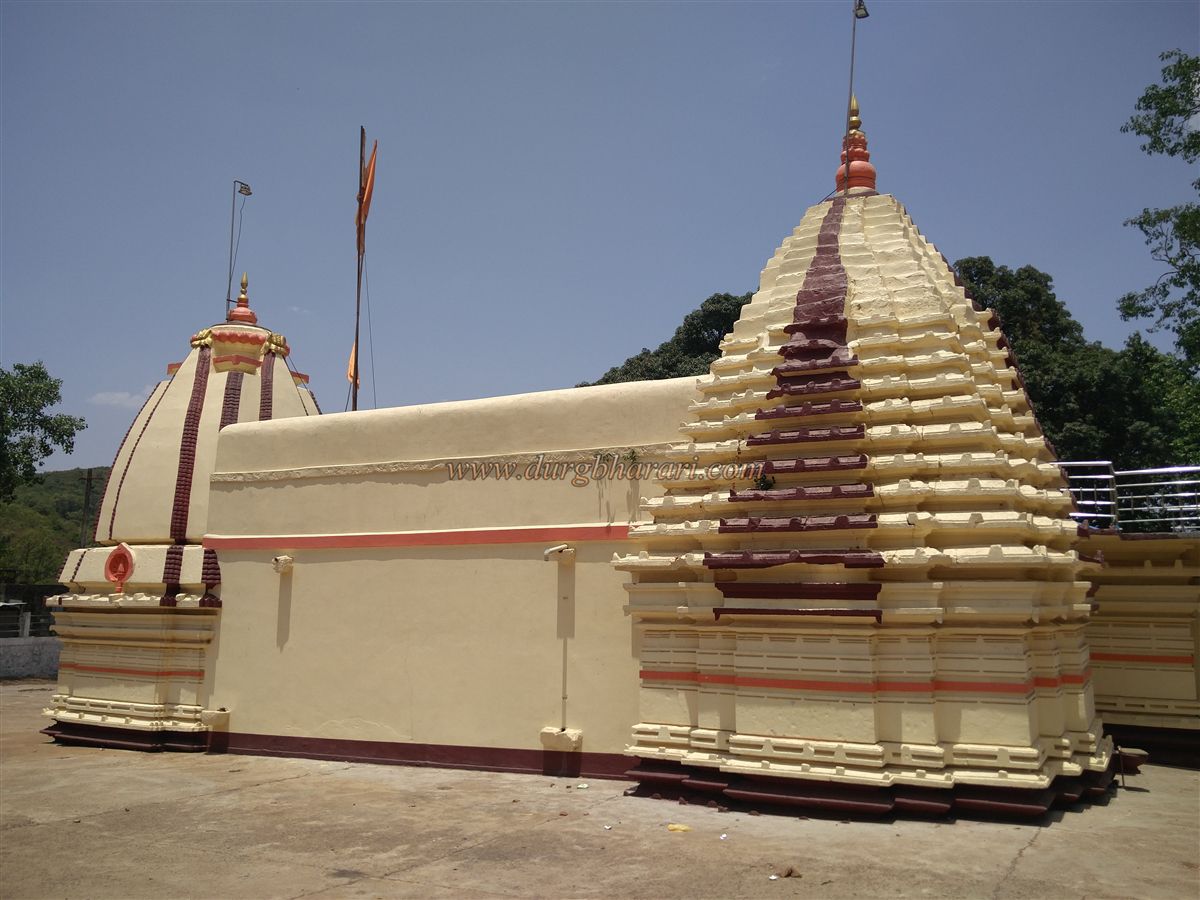
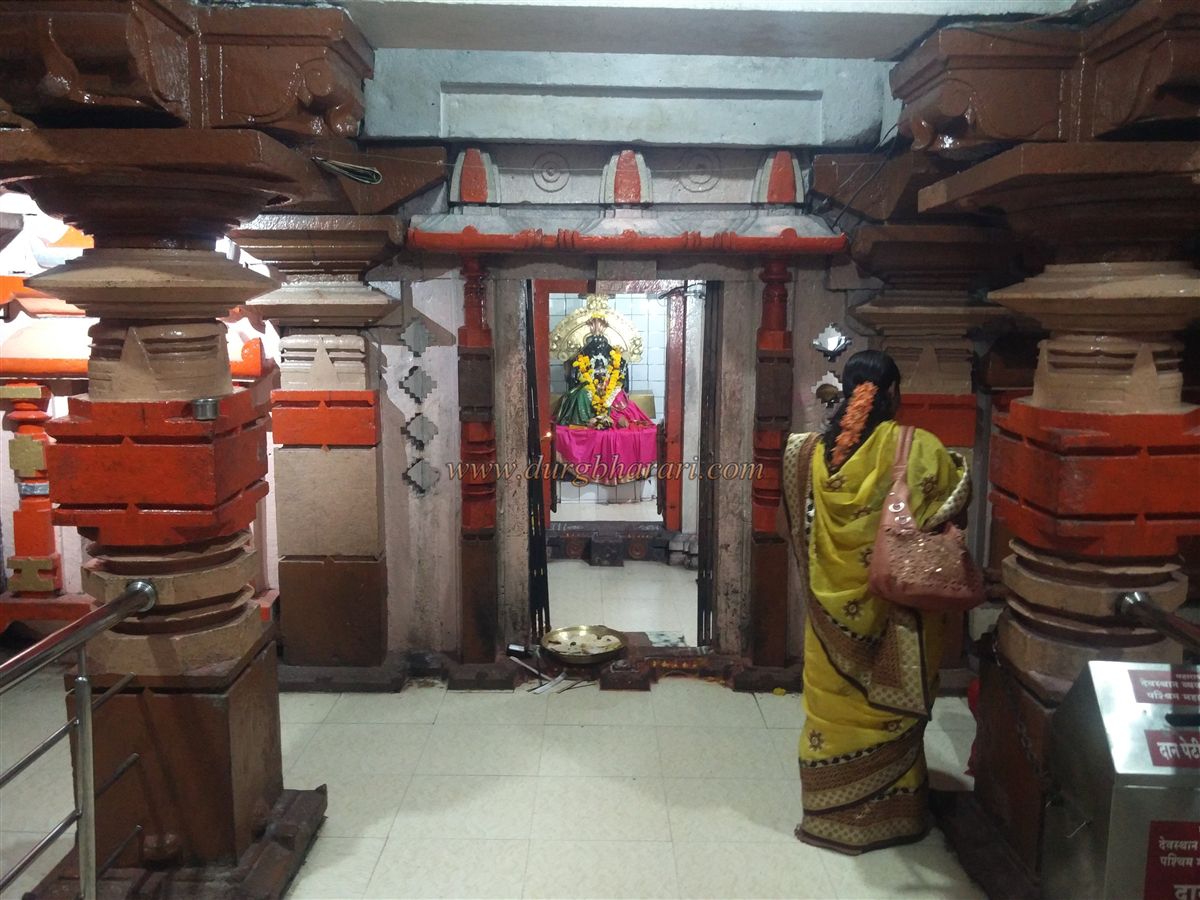
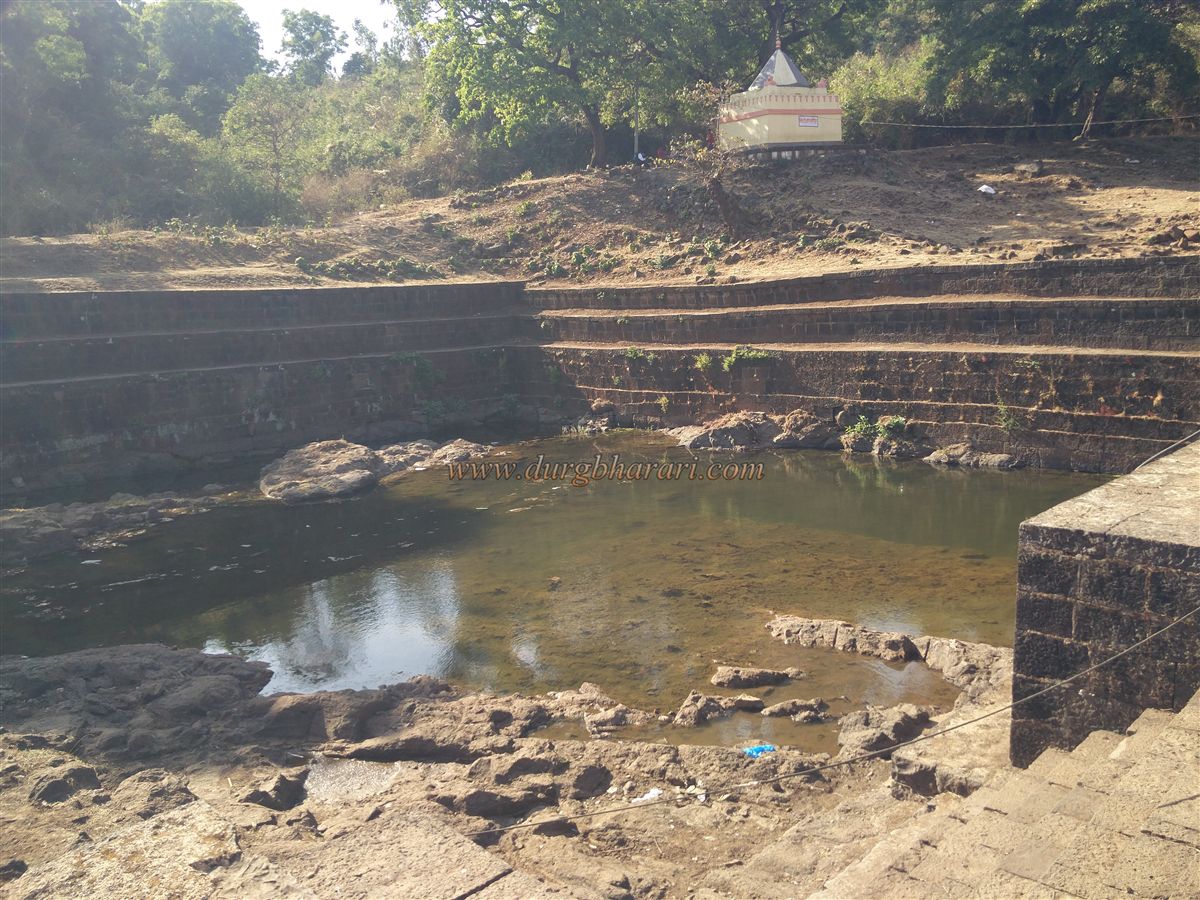
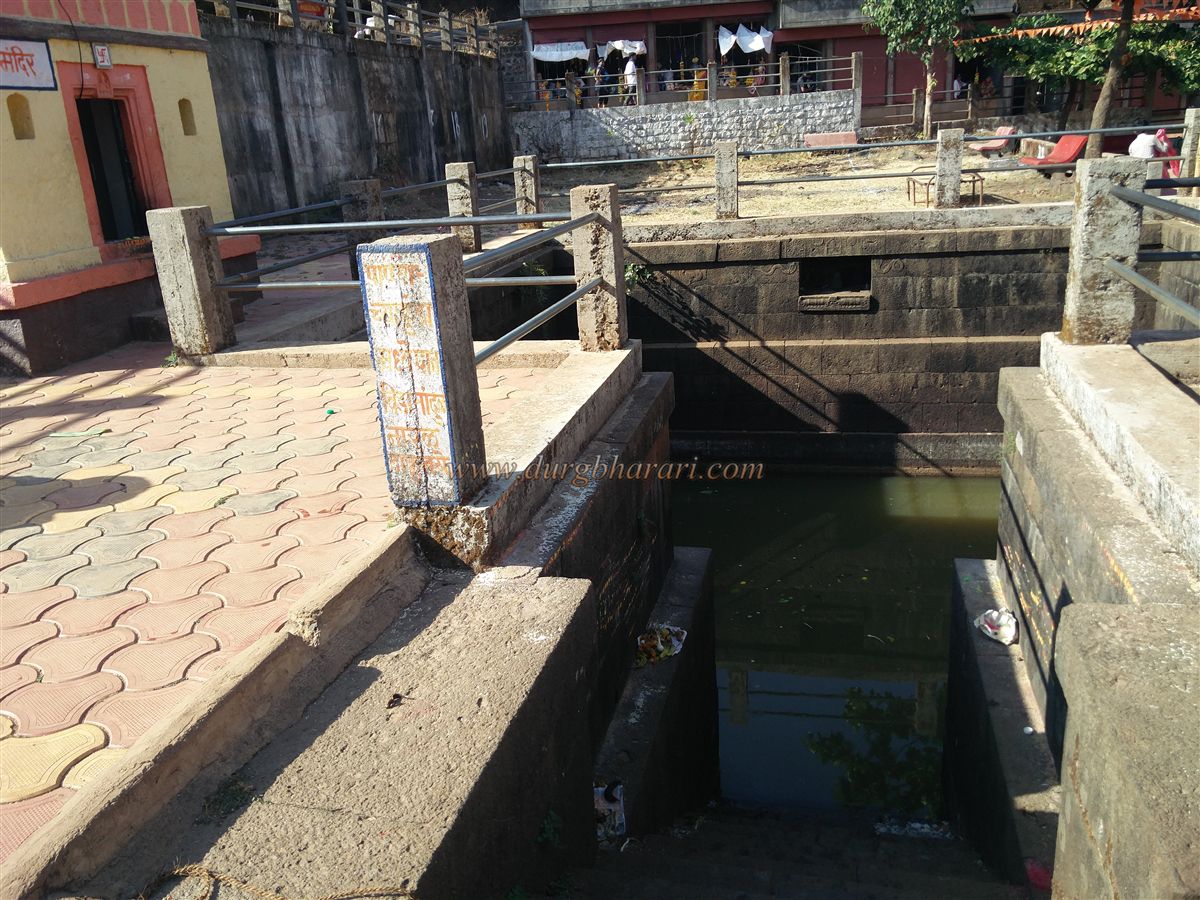
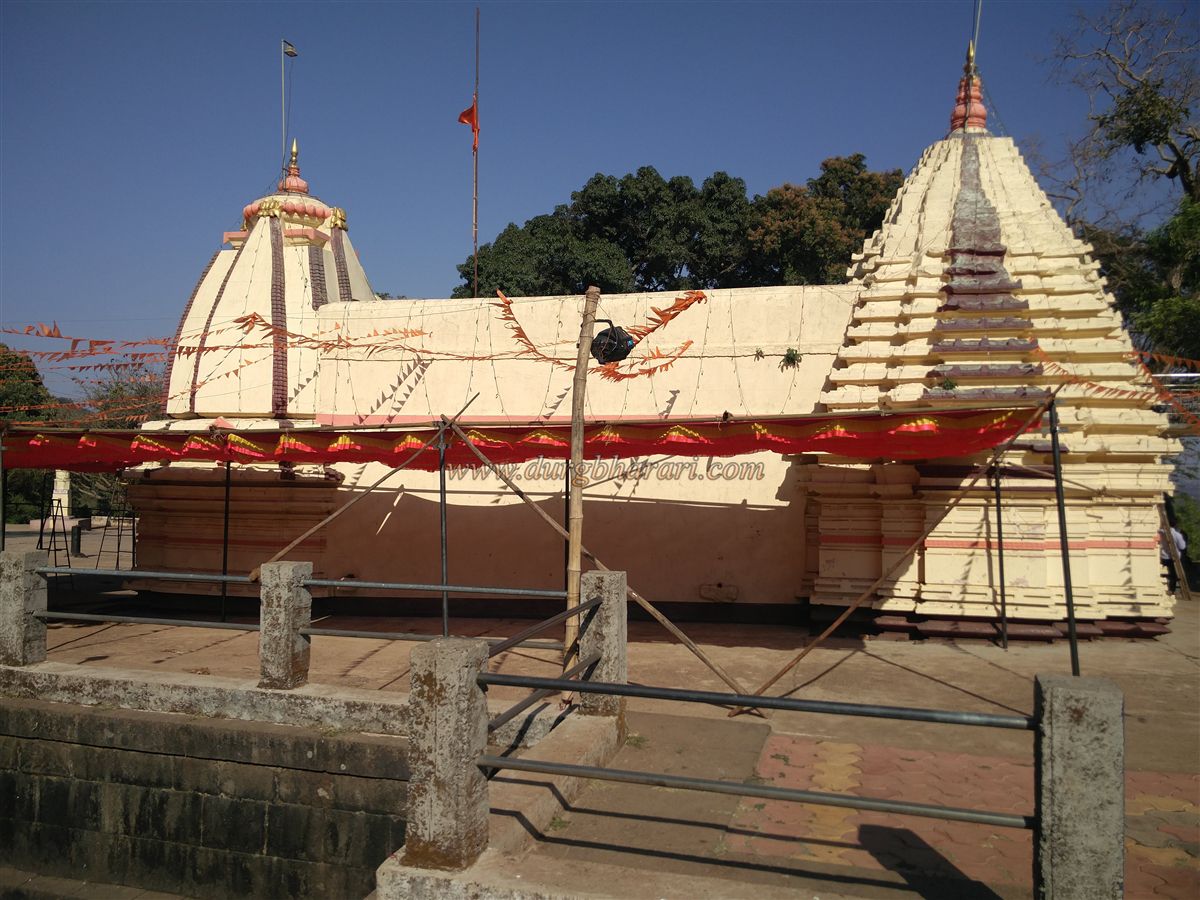
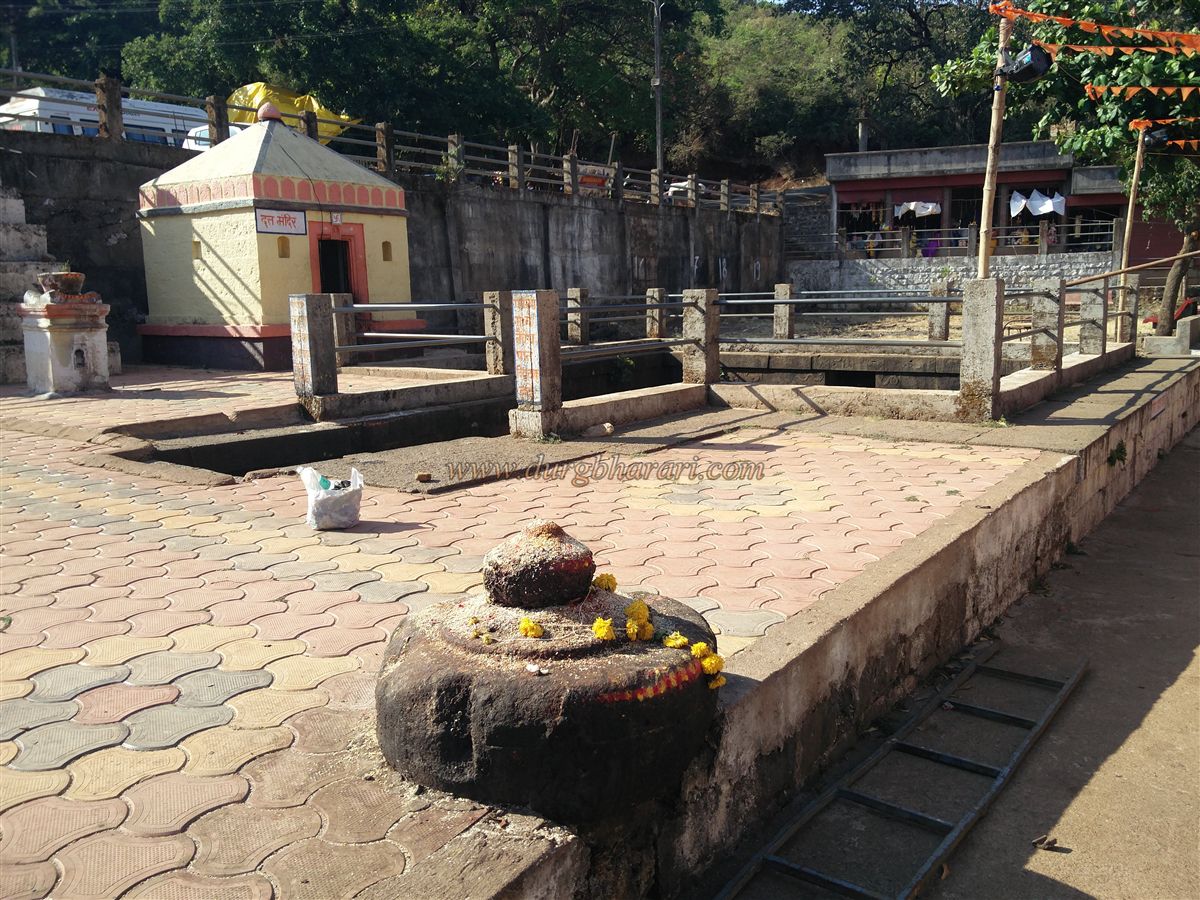
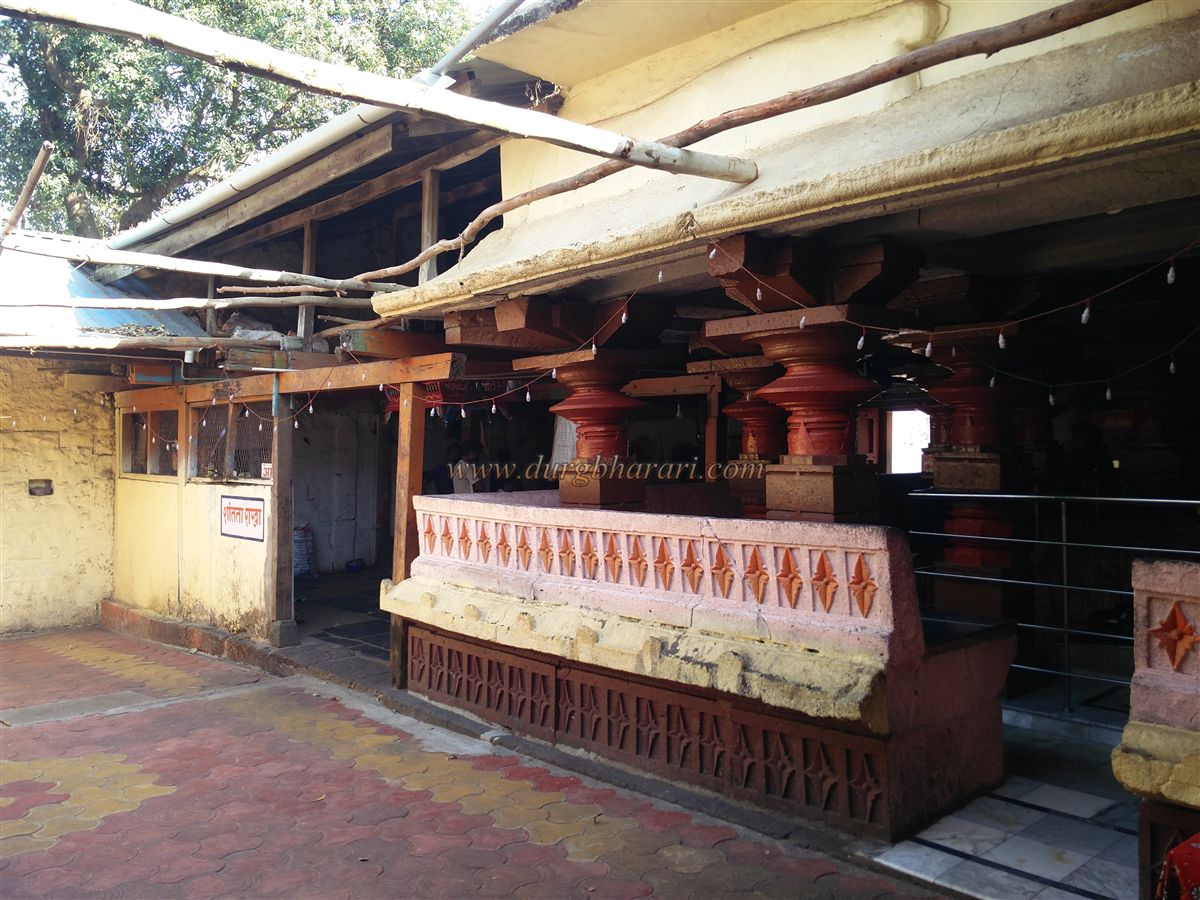
Outside the temple complex lies a large, well-built stone reservoir. The complex houses two shrines: Vaidyanath (Shiva) and Aarogyabhavani (a fierce, eight-armed form of the Goddess), with a connecting structure built more recently. On the eastern side is a Dharamshala providing accommodation for pilgrims.
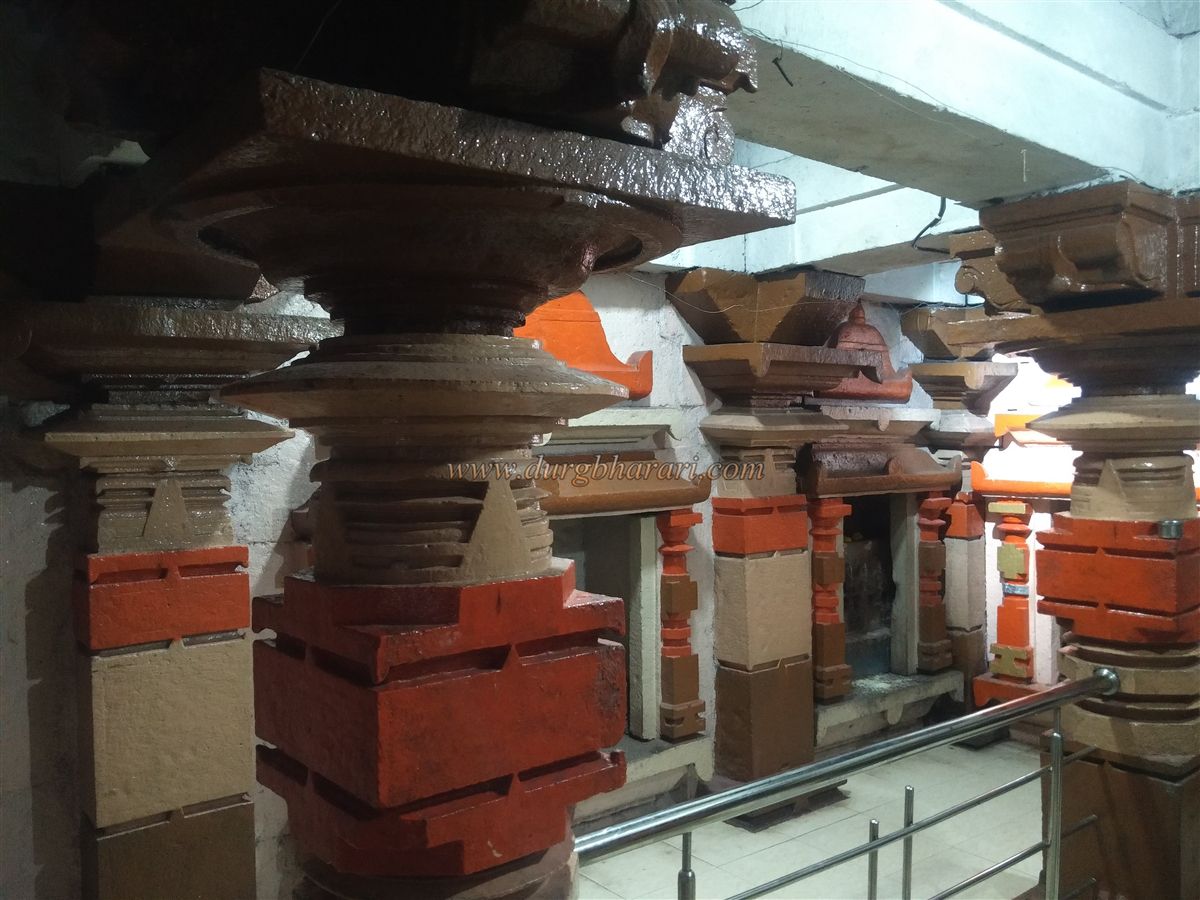
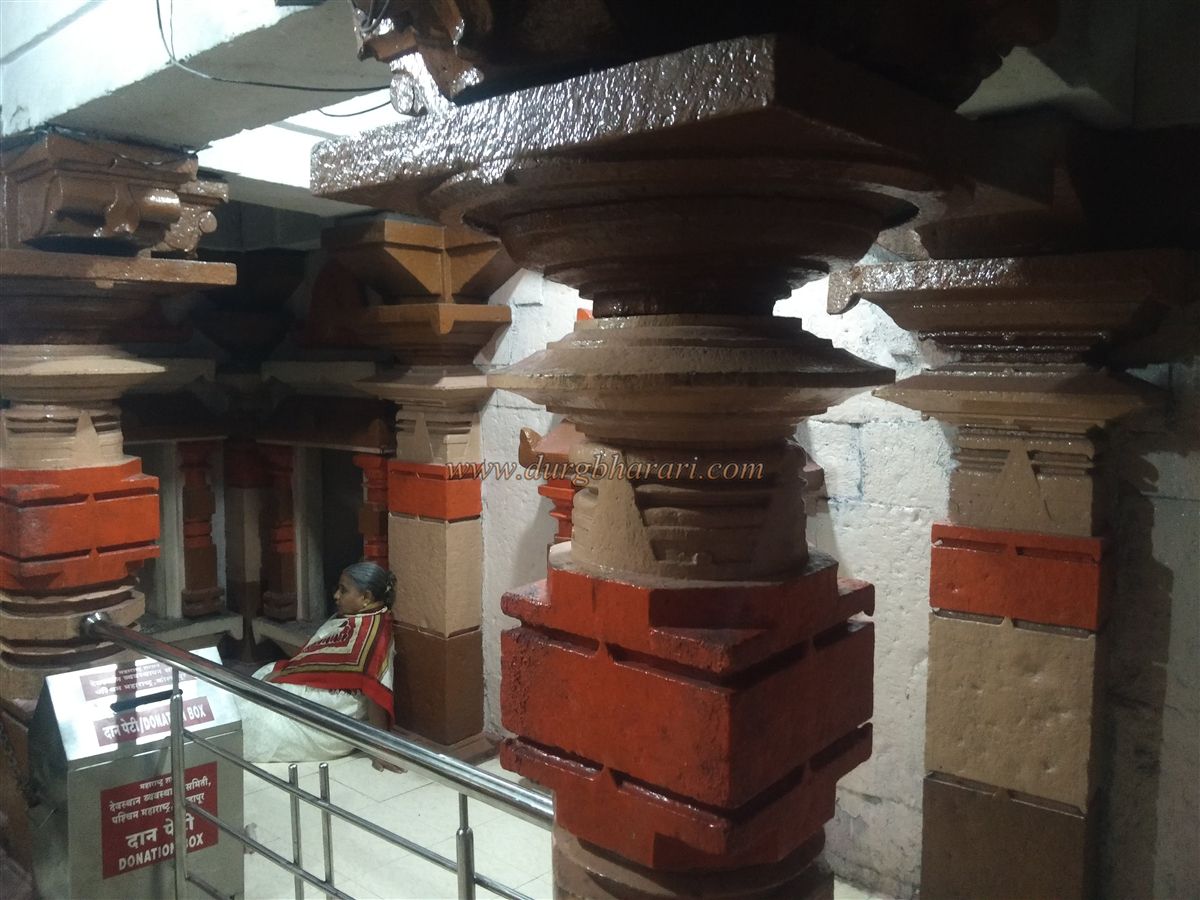
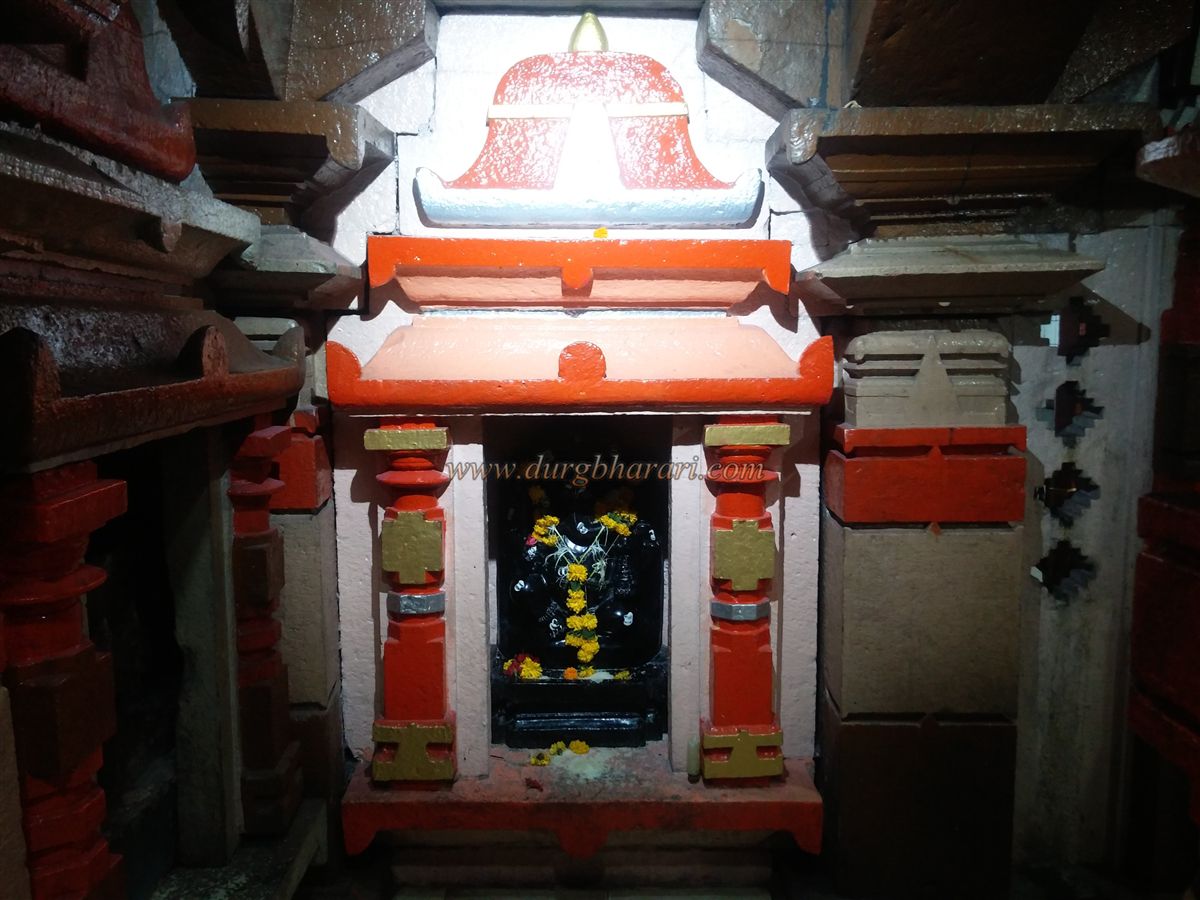
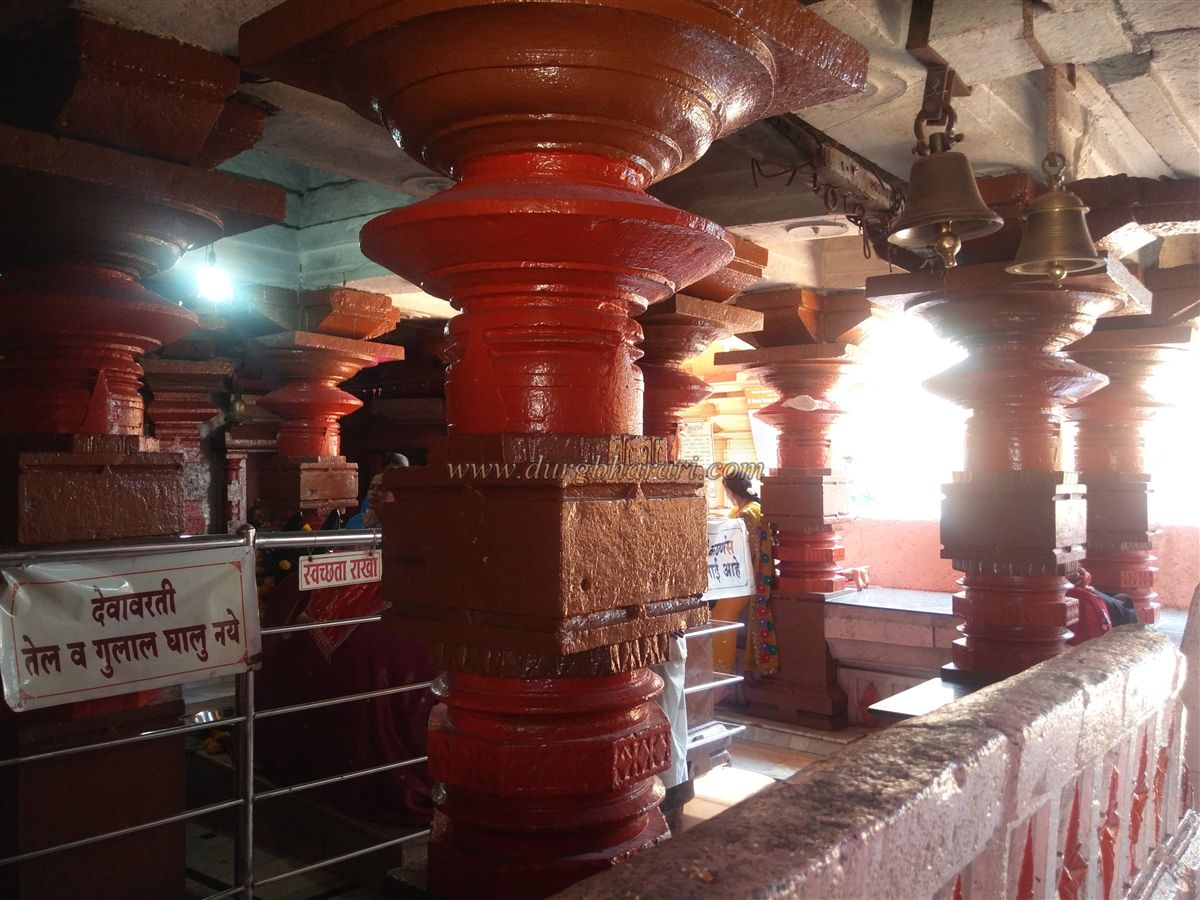
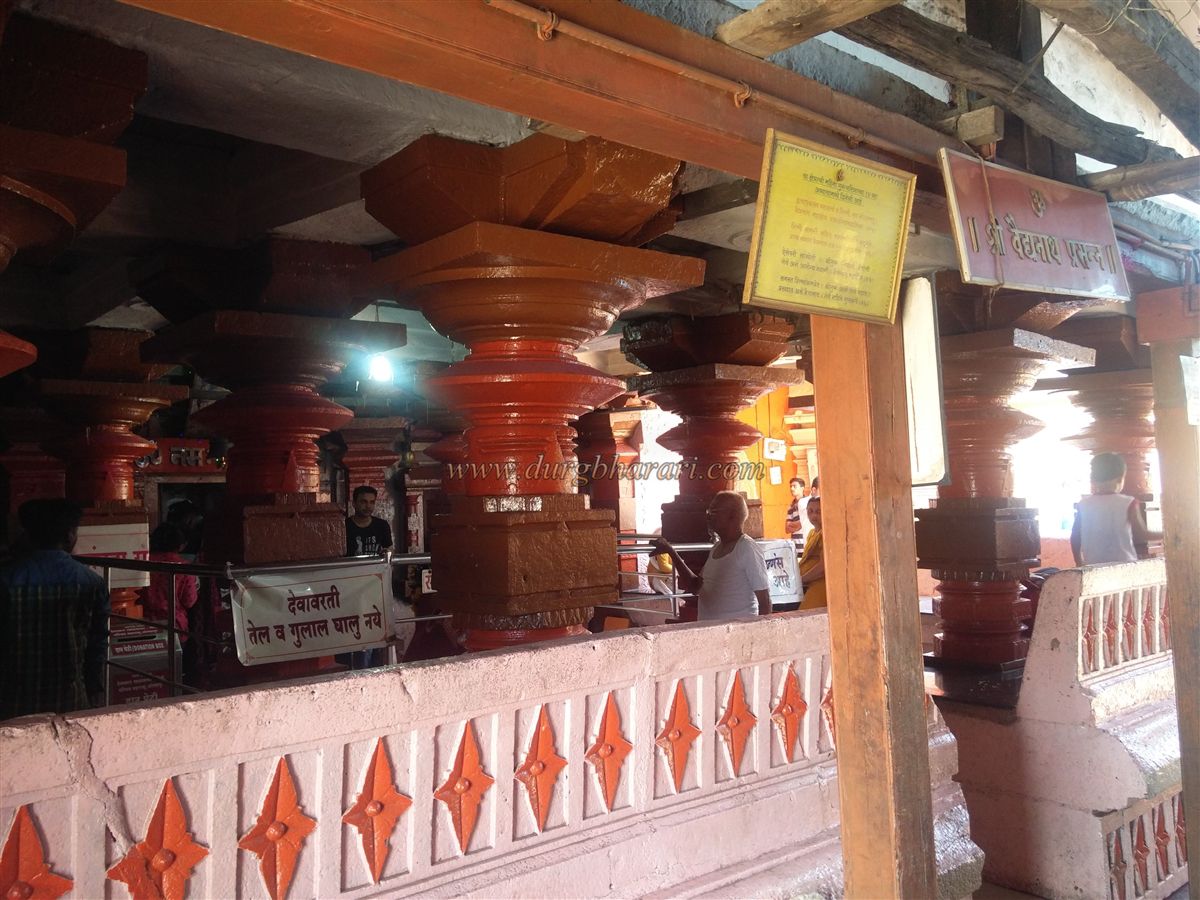
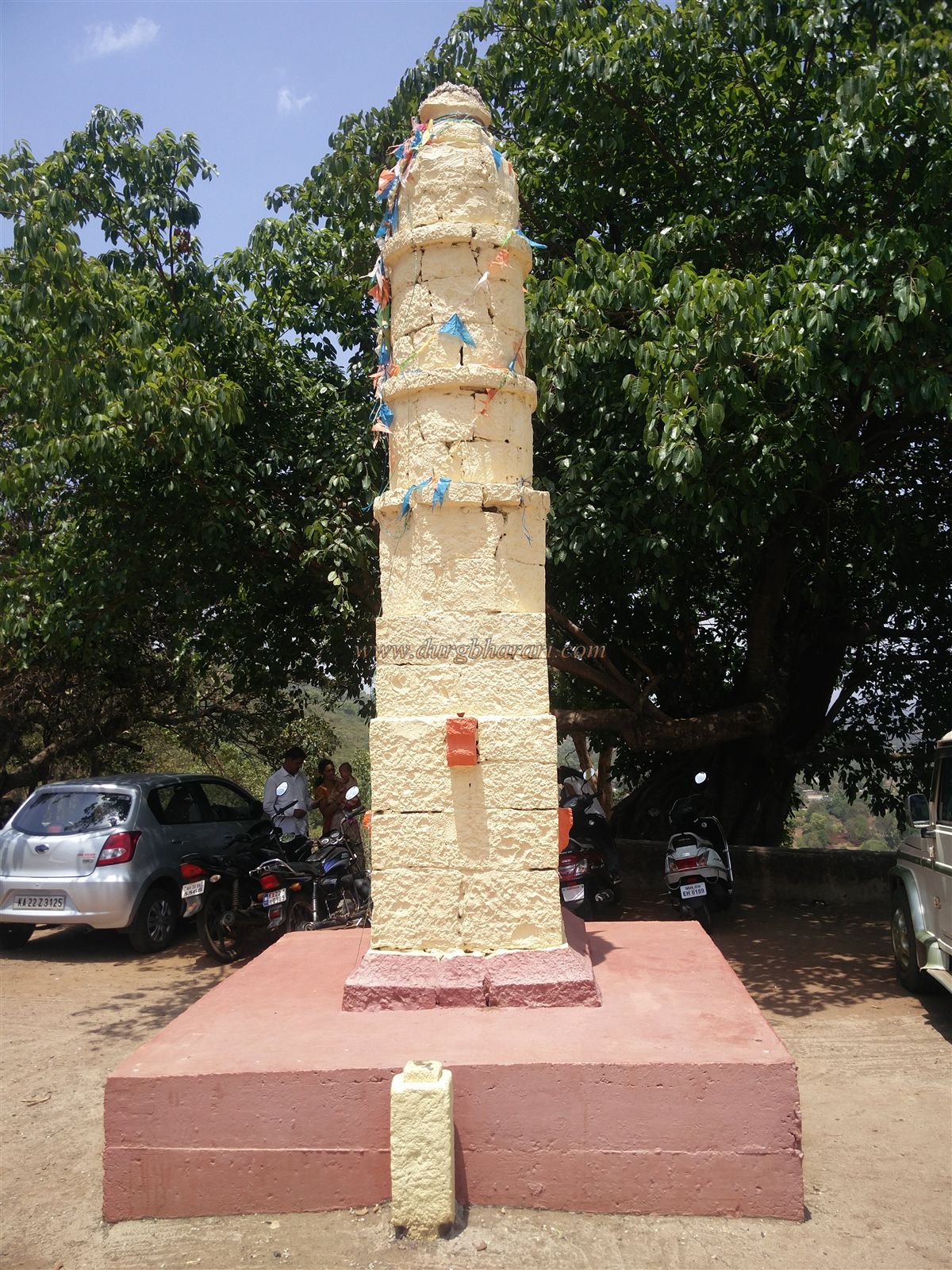
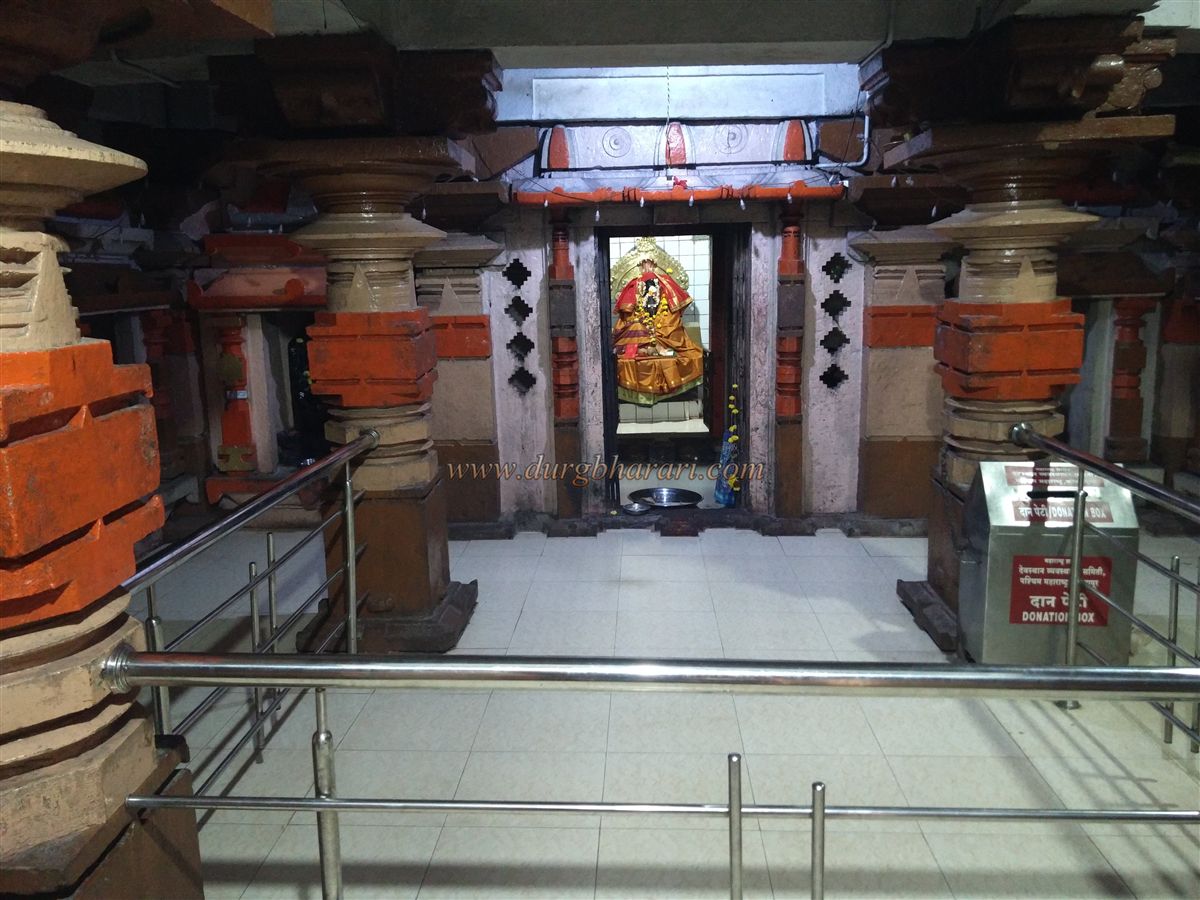
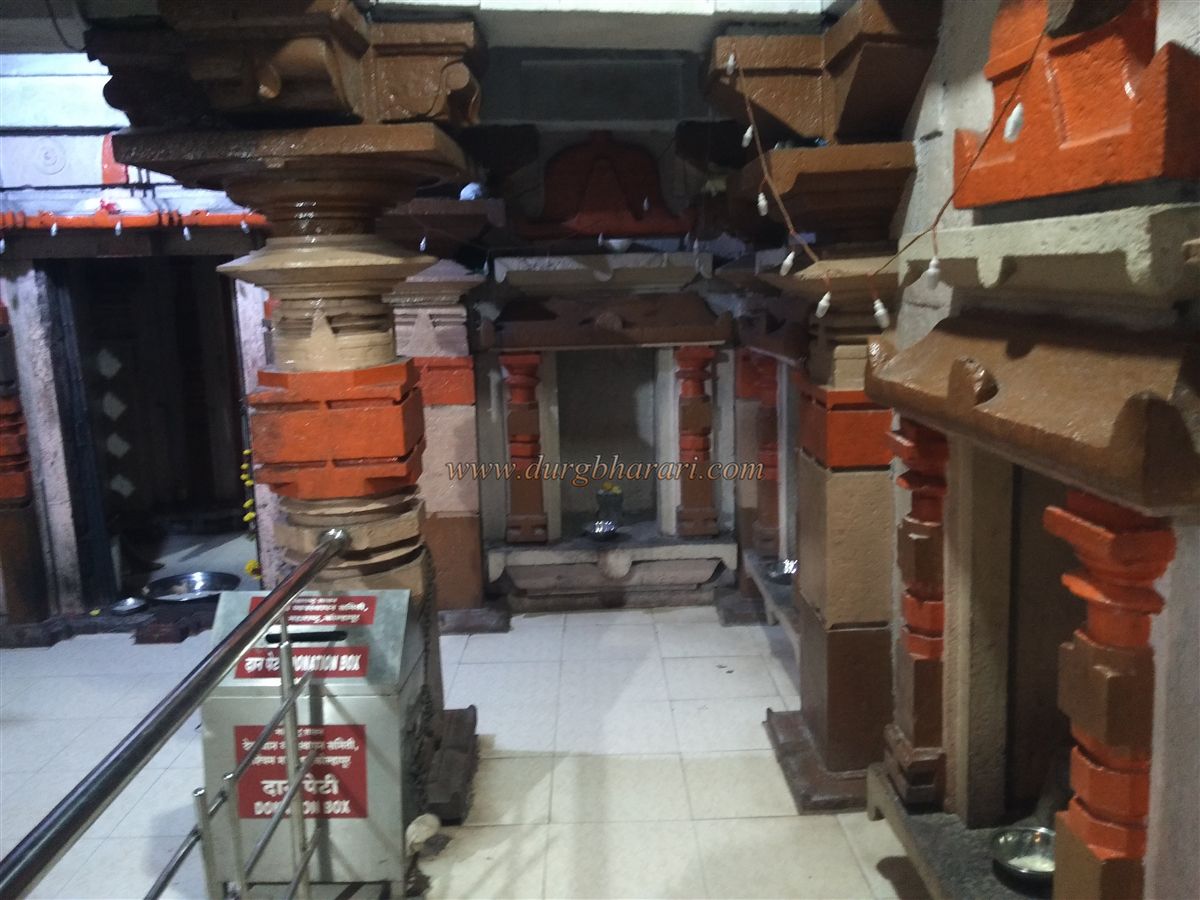
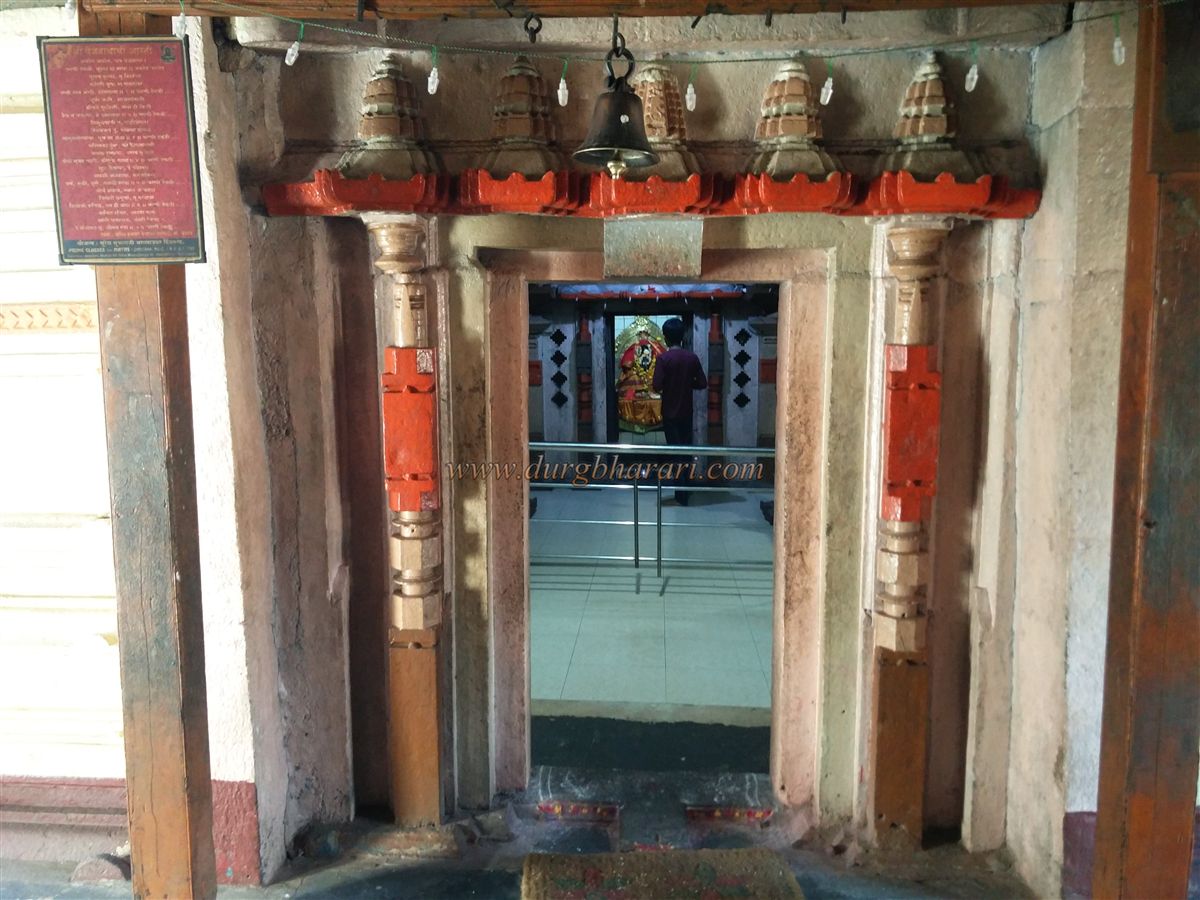
The main temple dates back to the 11th century, though it has been repainted with oil paint in recent times. An inscription can be seen at the entrance, and in front of the temple stands a beautiful Nandi. The sanctum houses a Shivlinga, while the Aarogyabhavani shrine contains a two-hand-high idol of the fierce, eight-armed Goddess. In the Mandap stands a roughly three-foot-high black stone idol of Lord Ganesha — a stone not native to this region, suggesting it was brought from elsewhere. The pillars of the temple are carved, graceful, and well-proportioned.
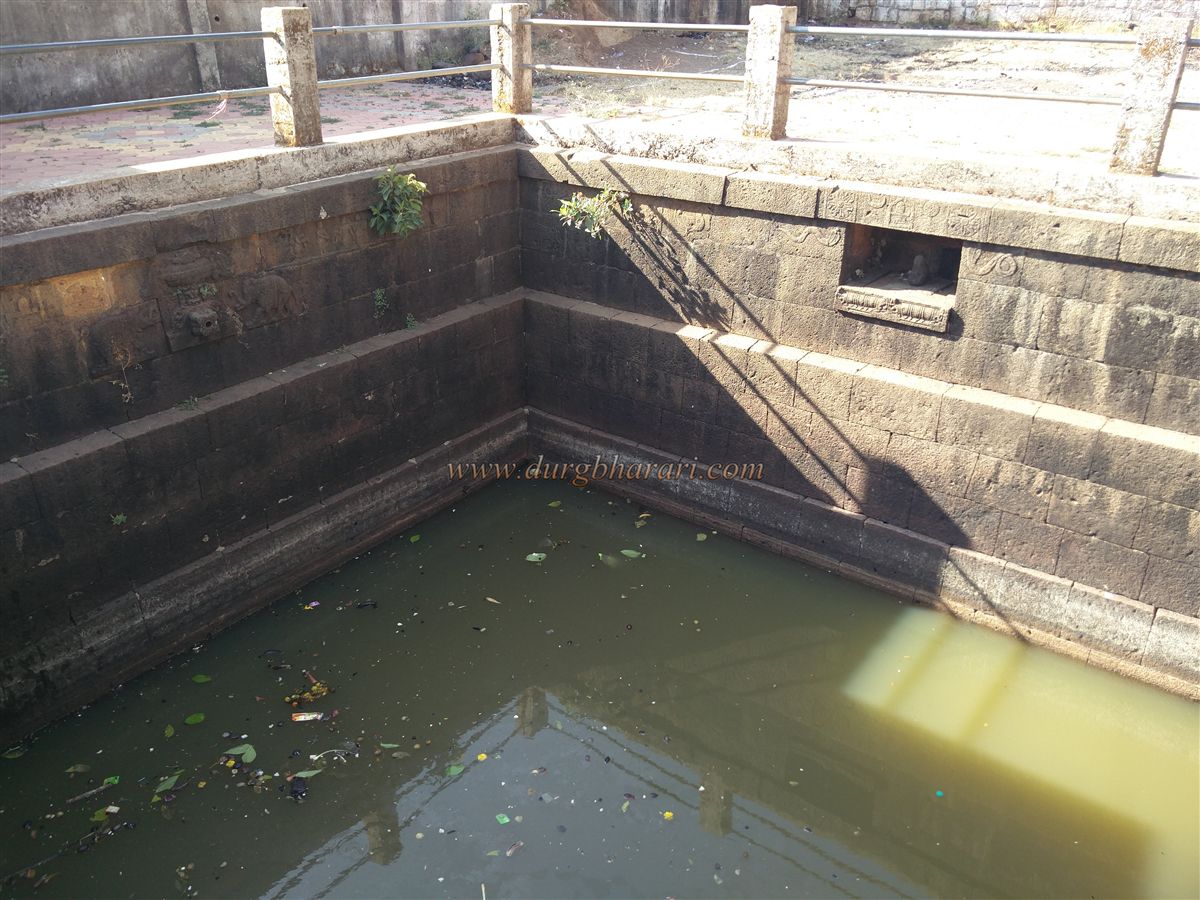
Behind the temple are the Dattatraya Paduka, with a beautifully constructed stone tank used for drinking water. Carvings are visible on the stones within the tank. From the temple, one can also see Mahipalgad, which is about 3 km away.
On the path leading from the temple to Mahipalgad, there are several caves. These caves are spacious, with one visible from the front and another located beneath it, accessible by two separate routes. The lower cave remains filled with water throughout the year.
© Suresh Nimbalkar
GALLERY