VADHU TULAPUR
TYPE : MONUMENTS
DISTRICT : PUNE
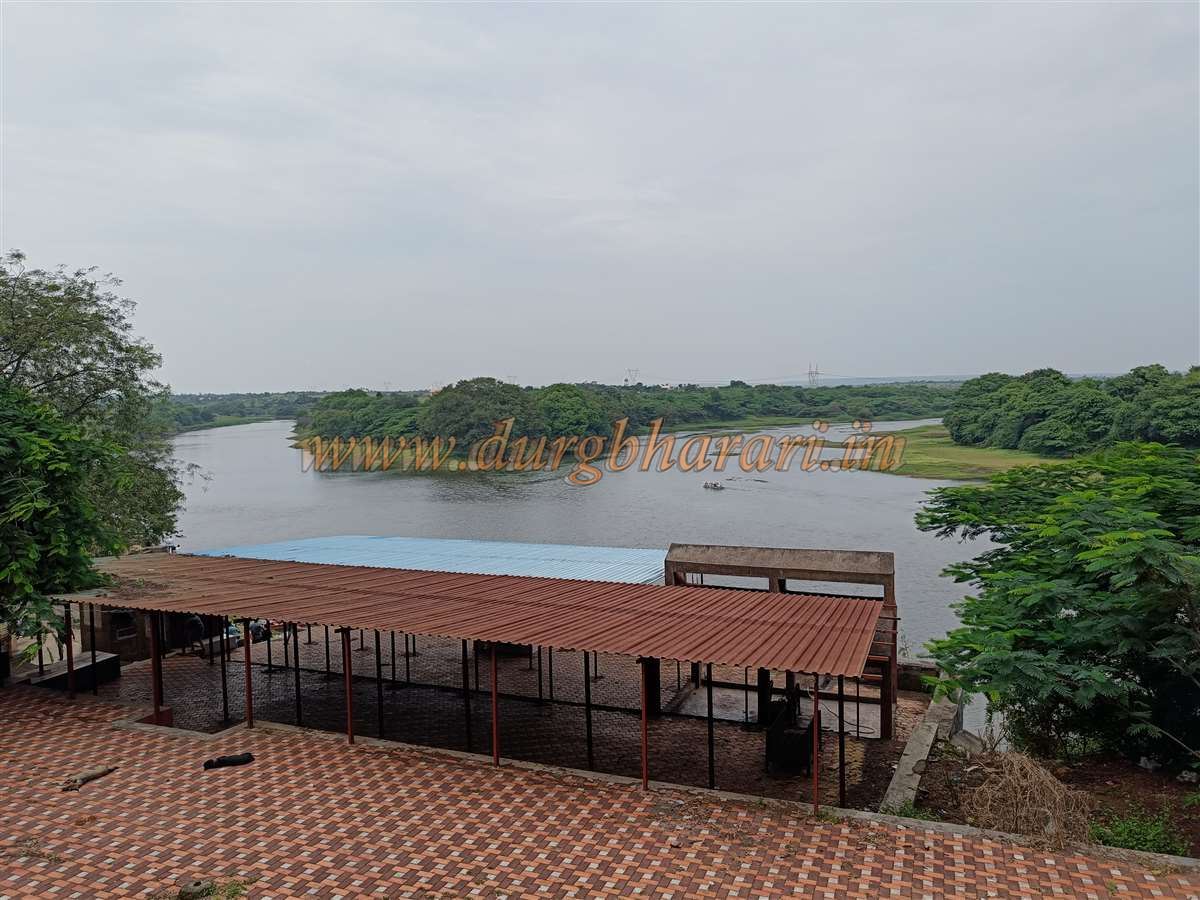
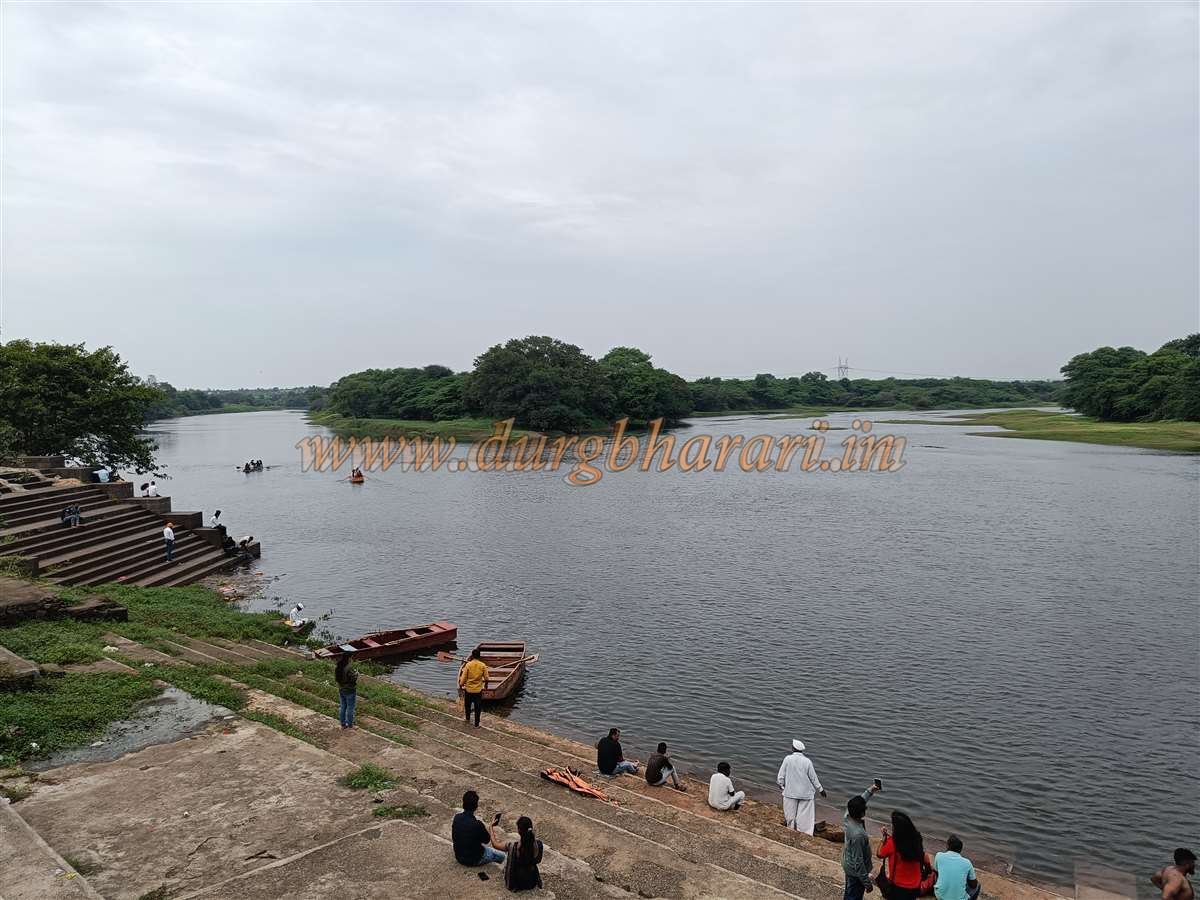
At Vadhu-Tulapur in Shirur taluka of Pune district lies the Samadhi (memorial) of Chhatrapati Sambhaji Maharaj, though for most Shiv devotees this is about all they know. Yet at some point, many think of visiting this sacred place to bow their heads in reverence. In reality, Vadhu and Tulapur are not one village but two separate ones, about 4 km apart in a straight line. Samadhi sites of Chhatrapati Sambhaji Maharaj can be found in both Vadhu Budruk and Tulapur. These two villages are situated on opposite banks of the Bhima River, and if traveling by road, the distance between them is about 14 km. Vadhu Budruk lies on the banks of the Bhima, about 7 km from Tulapur Phata on the Pune–Ahmednagar highway, while Tulapur sits at the confluence of the Bhima and Indrayani rivers, around 25 km from Pune station.
...
Locals say that Tulapur was once known as Nangarvas. Shahaji Raje and Adilshahi commander Murar Jagdev had their camp at this place, and the ancient Sangameshwar temple that stands here today existed even then. Around 1633, Murarpant Jagdev renovated this temple and performed his Suvarna Tula (ritual weighing in gold) in its courtyard, donating his own weight in gold. From that time onward, the place came to be known as Tulapur.
This is the Samadhi site of Chhatrapati Sambhaji Maharaj, who laid down his life for Swarajya in the prime of his youth. Beside it is also the Samadhi of his close companion, Kavi Kalash. On 11 March 1689, Chhatrapati Sambhaji Maharaj and Kavi Kalash were brutally killed here by Aurangzeb. Sambhaji Maharaj was subjected to inhuman torture before being executed, and his body was cut into pieces and scattered near the river. He was only 32 years old at the time of his death. Later, a memorial to Sambhaji Maharaj was erected here.
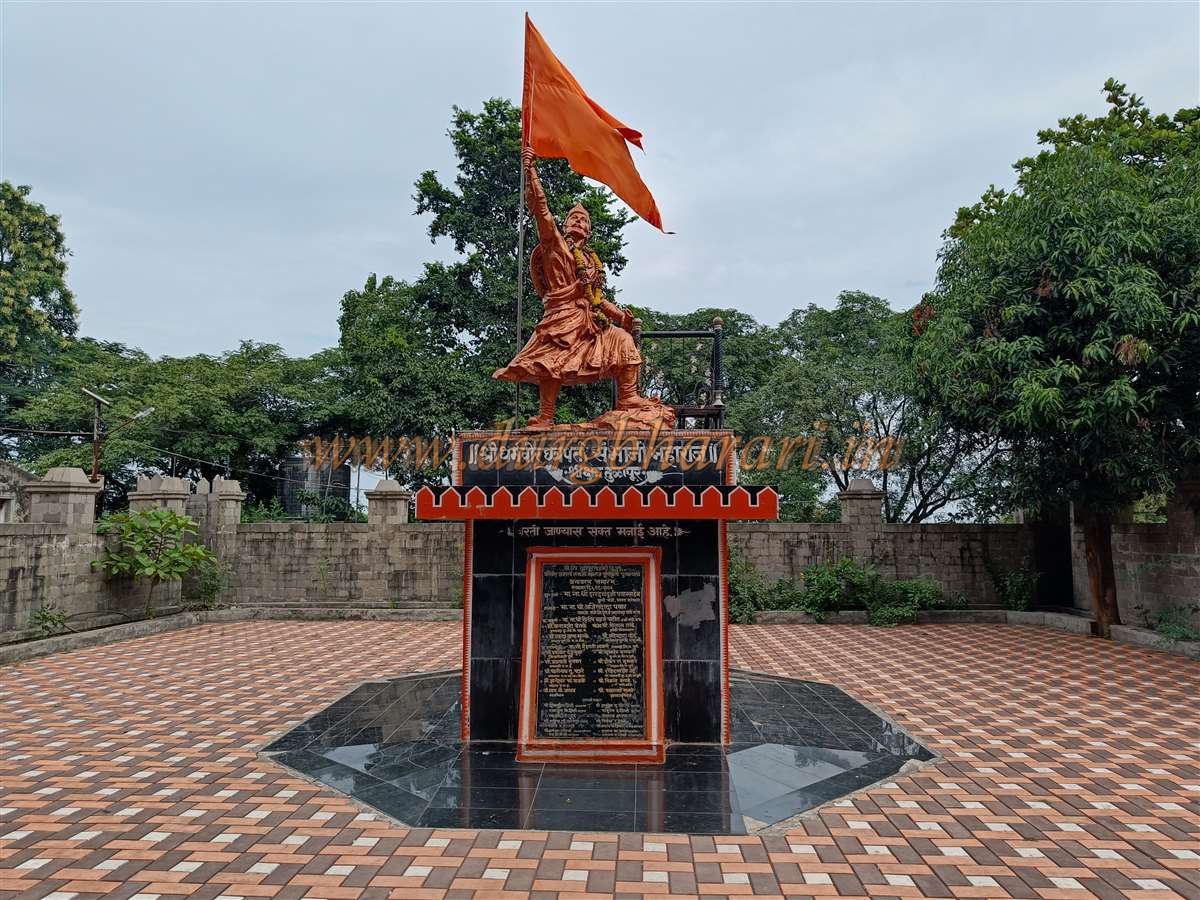
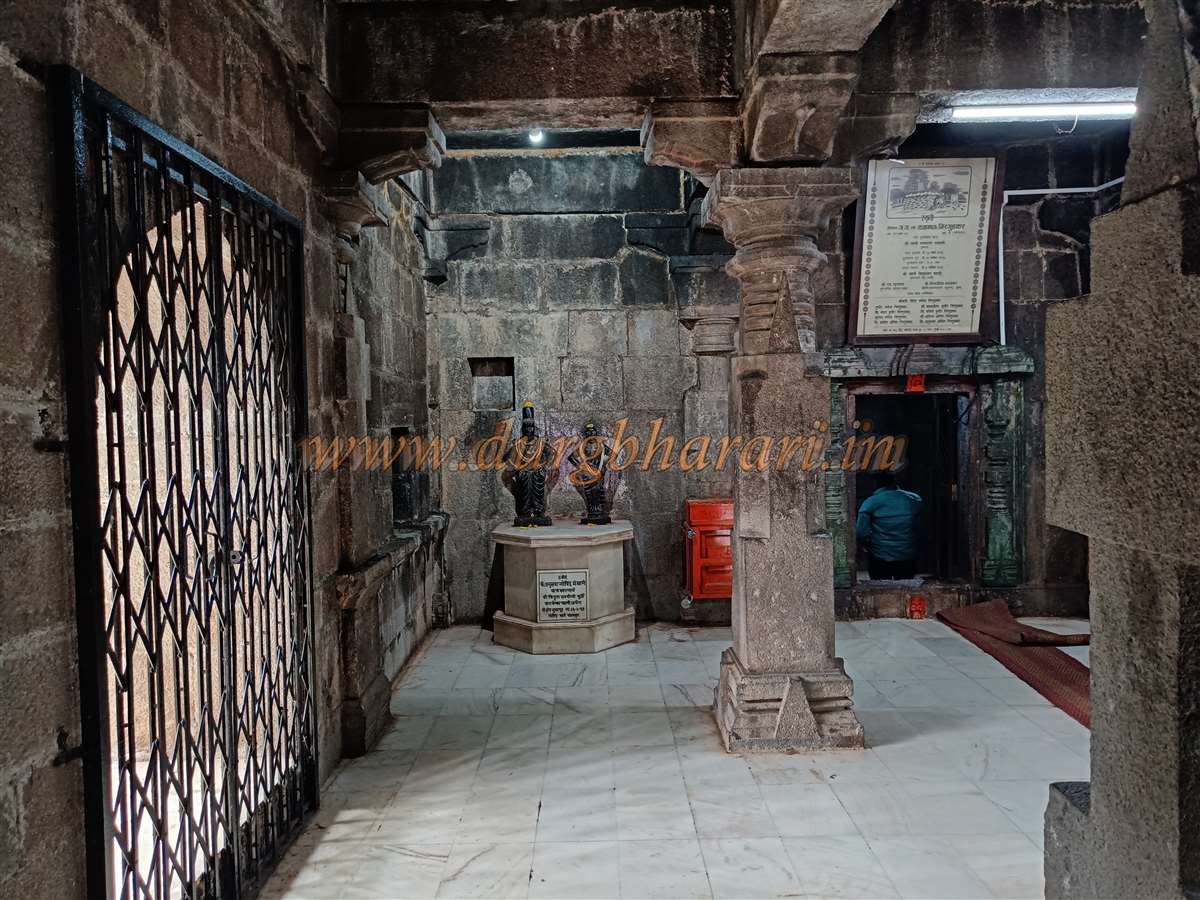
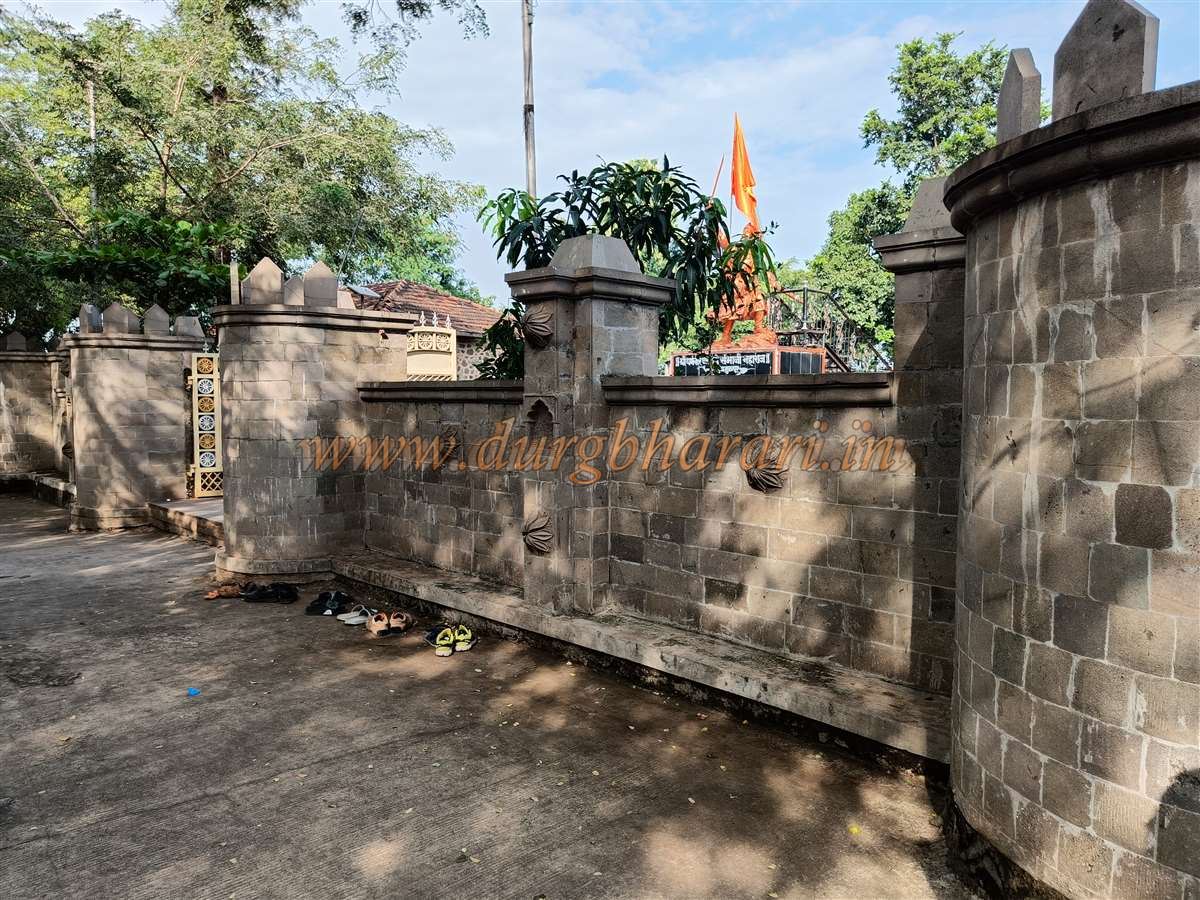
At the entrance to Sambhaji Maharaj’s Samadhi at Tulapur is an arch adorned with a sculpture depicting his valour — showing him tearing apart a lion’s jaw. Inside, to the right, is a stone enclosure resembling the fort walls, complete with a bastion, within which stands a statue of Sambhaji Maharaj holding a sword and gazing upward, mounted on a medium-sized pedestal. To the left of this enclosure lies the small square Samadhi of Kavi Kalash, inscribed as his place of sacrifice. Kavi Kalash was a dear friend and advisor to Sambhaji Maharaj. He, too, was executed here alongside the Maharaj. Kavi Kalash had been more than a companion — a brother in spirit and a loyal servant who stood by Sambhaji throughout his life, and even in death.
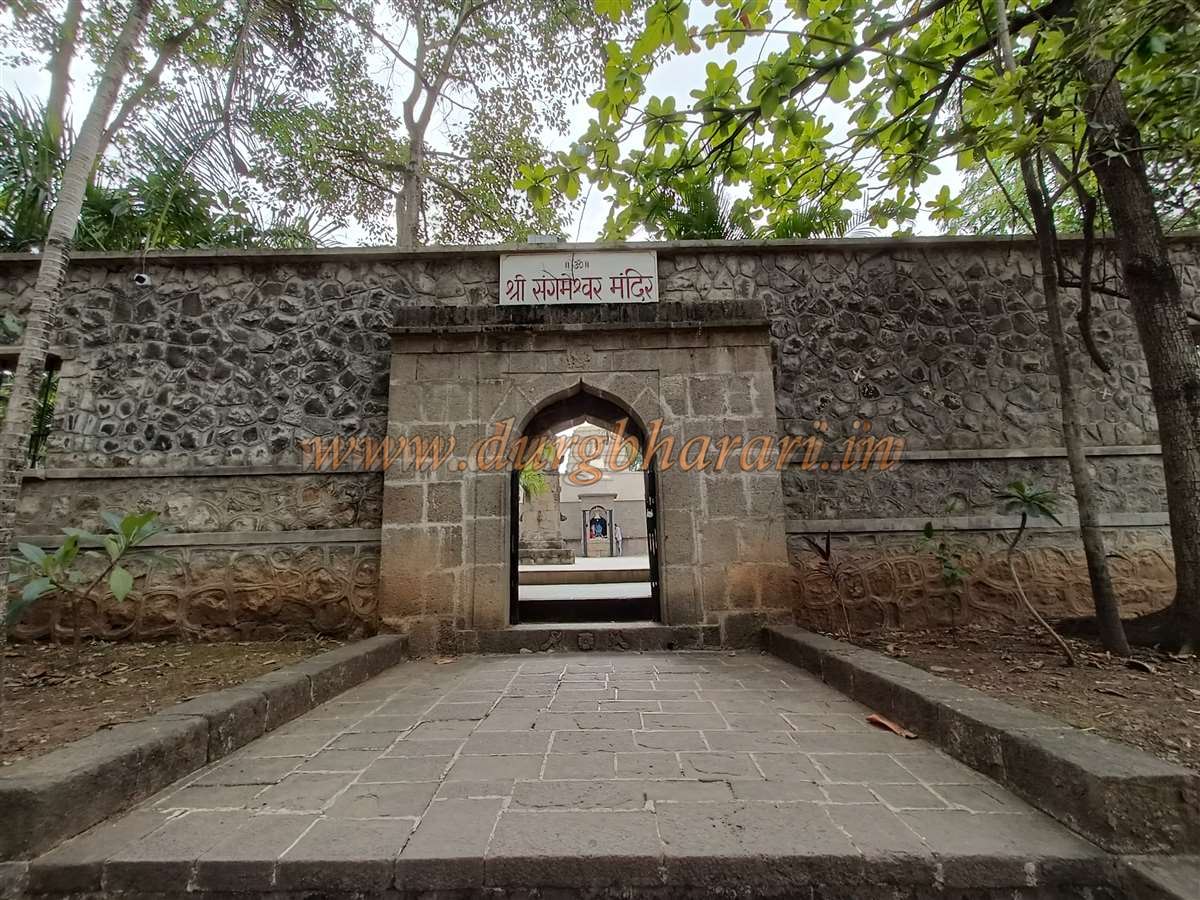
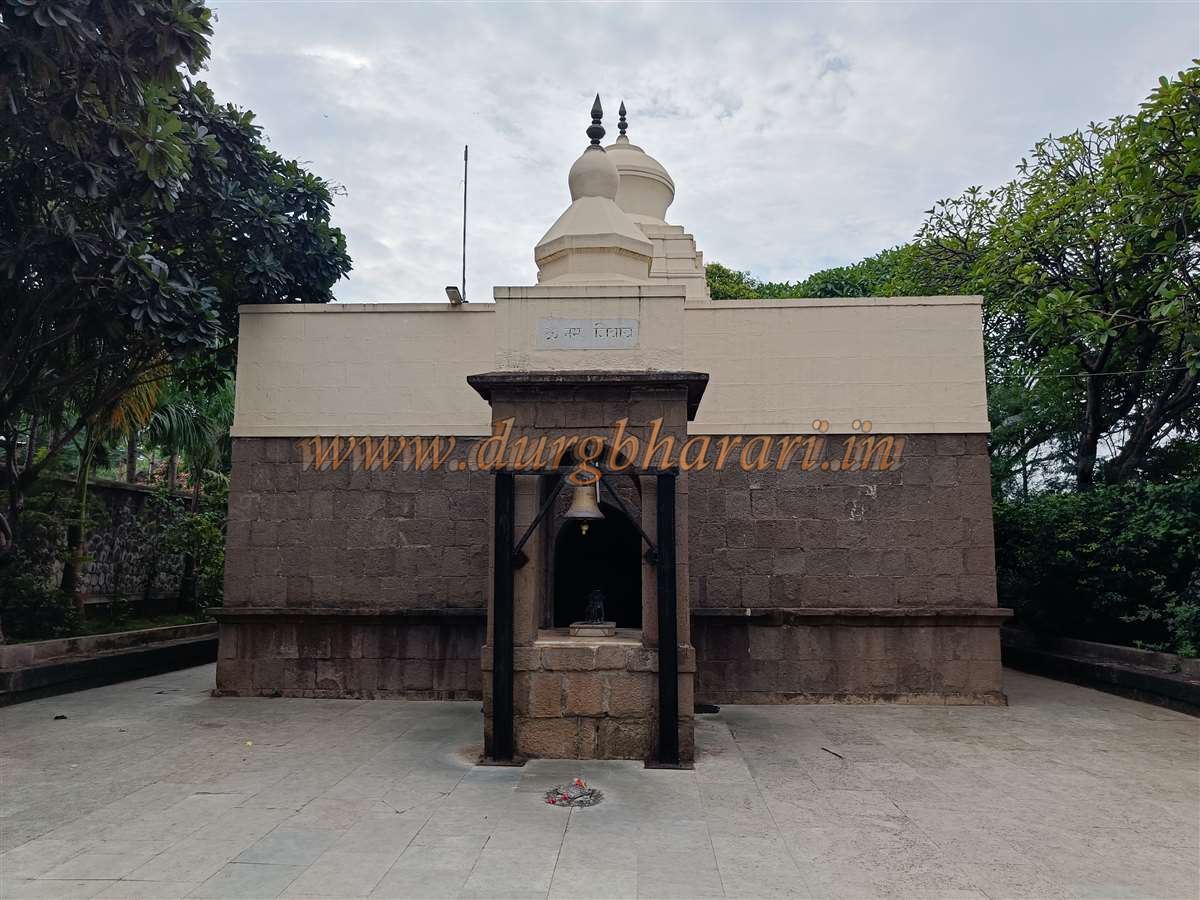
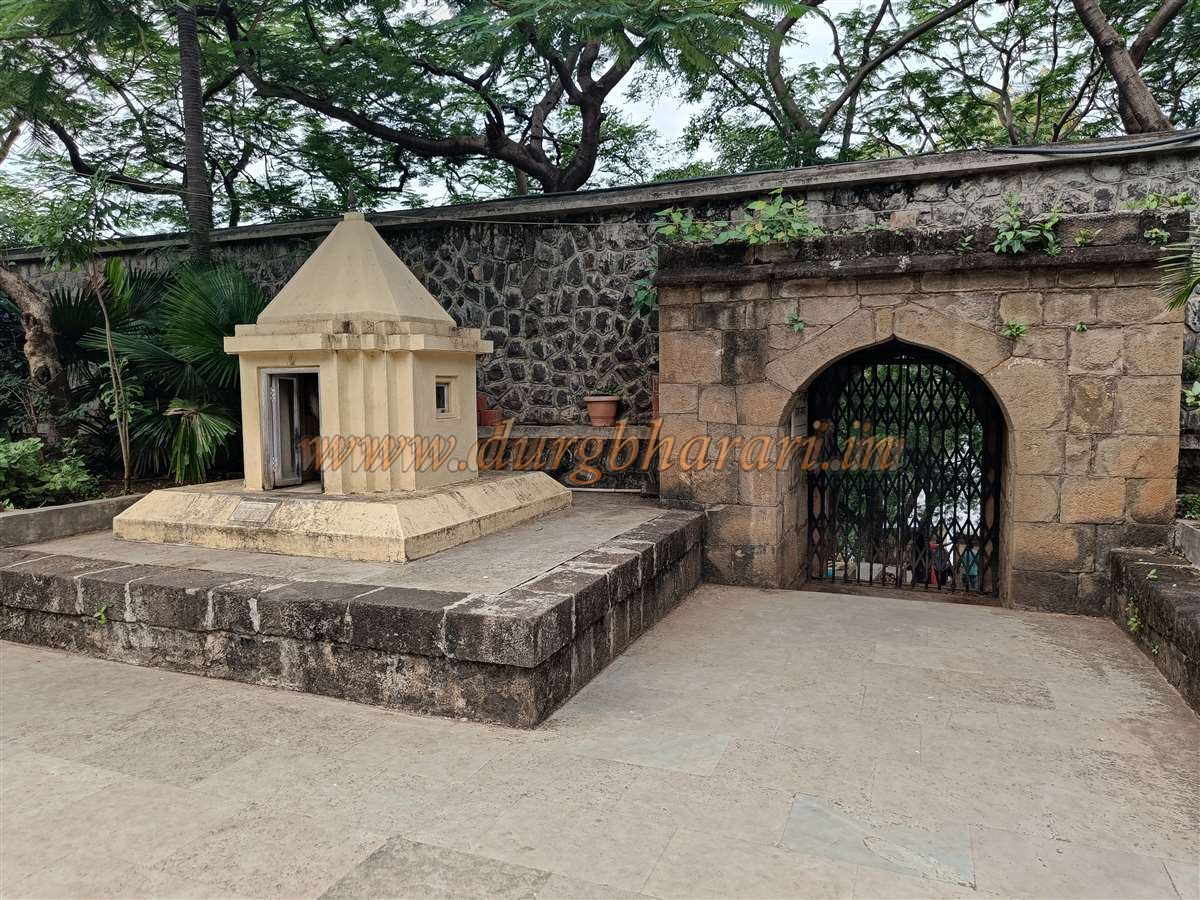
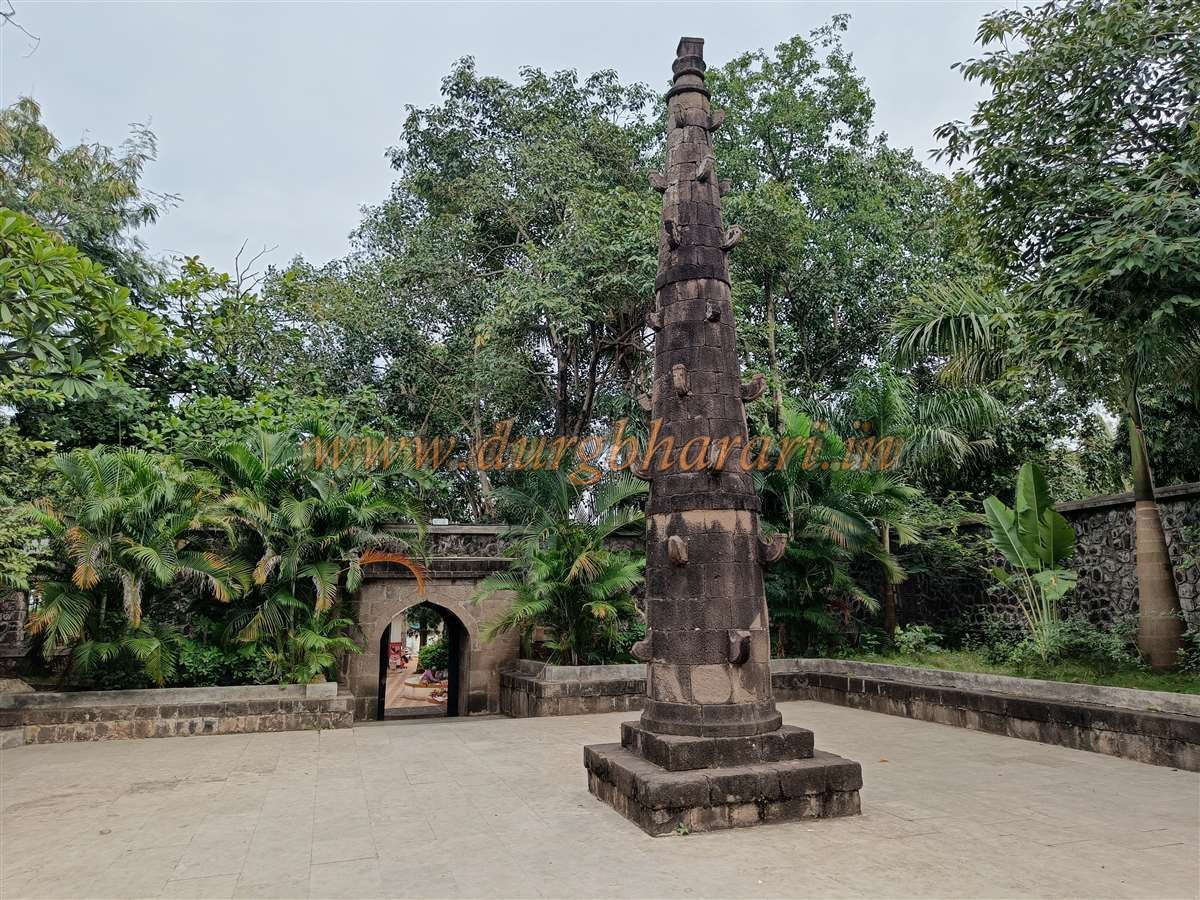
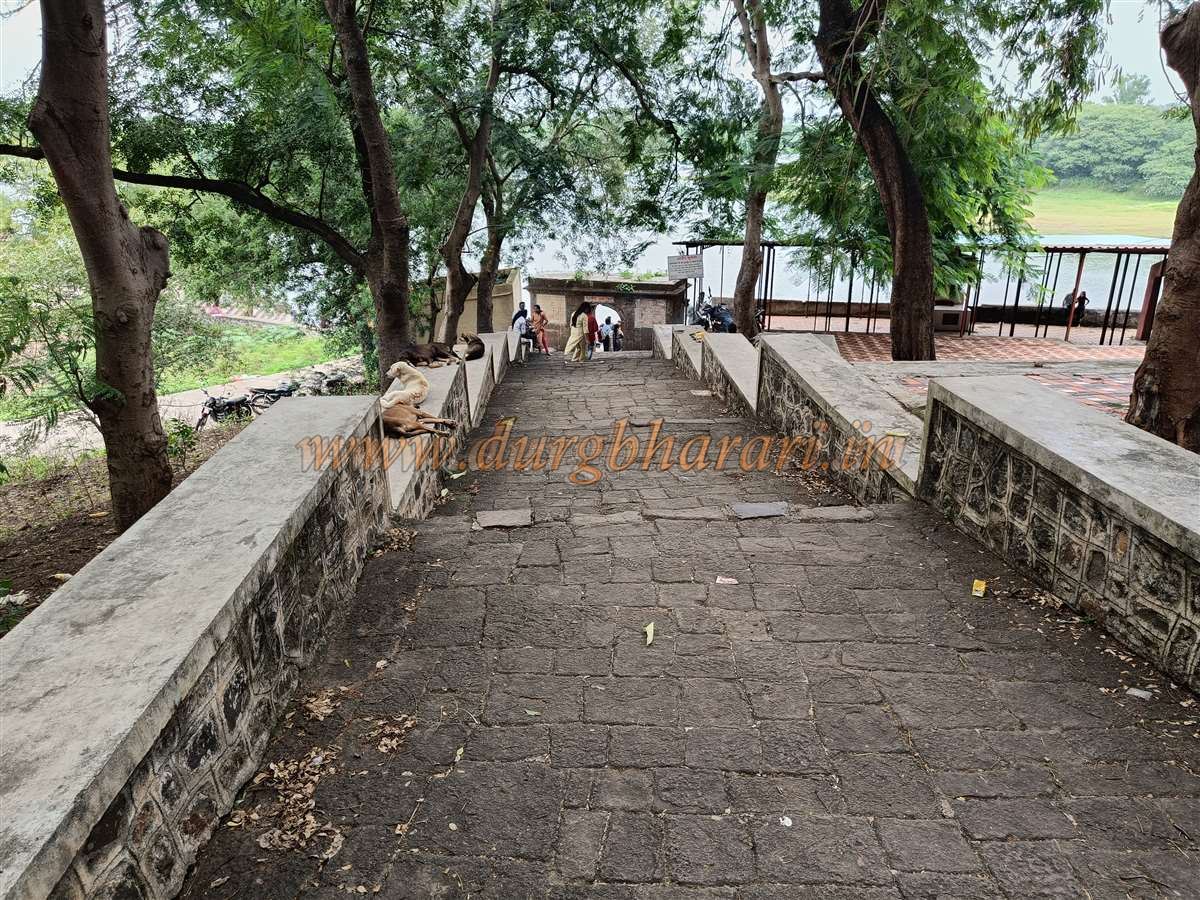
In front of the Samadhi is a stone courtyard that houses the ancient Sangameshwar temple dedicated to Lord Shiva. Within its premises stands a tall Deepmala (lamp tower), along with small shrines of Ganapati and Hanuman. The temple still retains much of its original form, with beautiful carvings visible on its pillars. Outside the sanctum, idols of Ganapati and Vitthal-Rakhumai can also be seen. Below the temple lies the confluence of three rivers — Bhima, Indrayani, and Bhama. Along the ghats of this confluence are several smaller temples, including Maha Ballaleshwar, Rameshwar, and Koteswar. One hour is enough to explore this entire sacred complex and bow at the Samadhi of Chhatrapati Sambhaji Maharaj.
After the death of Chhatrapati Shivaji Maharaj, Sambhaji Raje assumed the responsibility of ruling Swarajya as its second Chhatrapati. In those turbulent times, Aurangzeb himself marched upon the Maratha kingdom with an enormous army, determined to conquer it completely. In the first three years of his rule, Sambhaji defeated the combined forces of the QutubShahi and Adil Shahi kingdoms. Aurangzeb now aimed to destroy the Marathas and establish complete Mughal control over Hindustan. Taking advantage of this chaos, the Siddhis and Portuguese also became active against the Marathas. Surrounded on all sides by enemies, Sambhaji Maharaj fought them with immense courage, making them feel the edge of his sword.
But in February 1689, Sambhaji Maharaj was captured by Aurangzeb at Sangameshwar in Ratnagiri district. He was first taken to Bahadurgarh in Ahmednagar district and then brought to Tulapur, where he was tortured for 40 days and mercilessly executed. Aurangzeb believed that with Sambhaji gone, Swarajya would be easy to crush. Instead, this act inflamed all of Maharashtra, ensuring that Aurangzeb could never fully conquer the Maratha kingdom.
Along with Tulapur, Vadhu also has a memorial dedicated to Sambhaji Maharaj, keeping alive the memory of his sacrifice for Swarajya.
© Suresh Nimbalkar
GALLERY