VADGAON NIMBALKAR
TYPE : GADHI
DISTRICT : PUNE
HEIGHT : 0
GRADE : EASY
In Maharashtra, there are thousands of wada and small forts. In the later Maratha period, although the Peshwa were at the center of power, many vassals under their authority built Bhuikot (ground forts) and small fortified residences in their territories. Many of these ground forts were private properties used for collecting revenue and for self-defence. After the abolition of the Vatan, maintaining these private forts became difficult for their owners, leading to the ruin of most of them. The indifference of the locals towards these structures has also contributed to their decay. The fort of the Nimbalkar rulers at Vadgaon Nimbalkar is one such fort. Since it was not much used and the British rule came soon after, there is very little information available in history about this fort. No information about this fort is available on the internet or elsewhere, so this is a small attempt to introduce it.
...
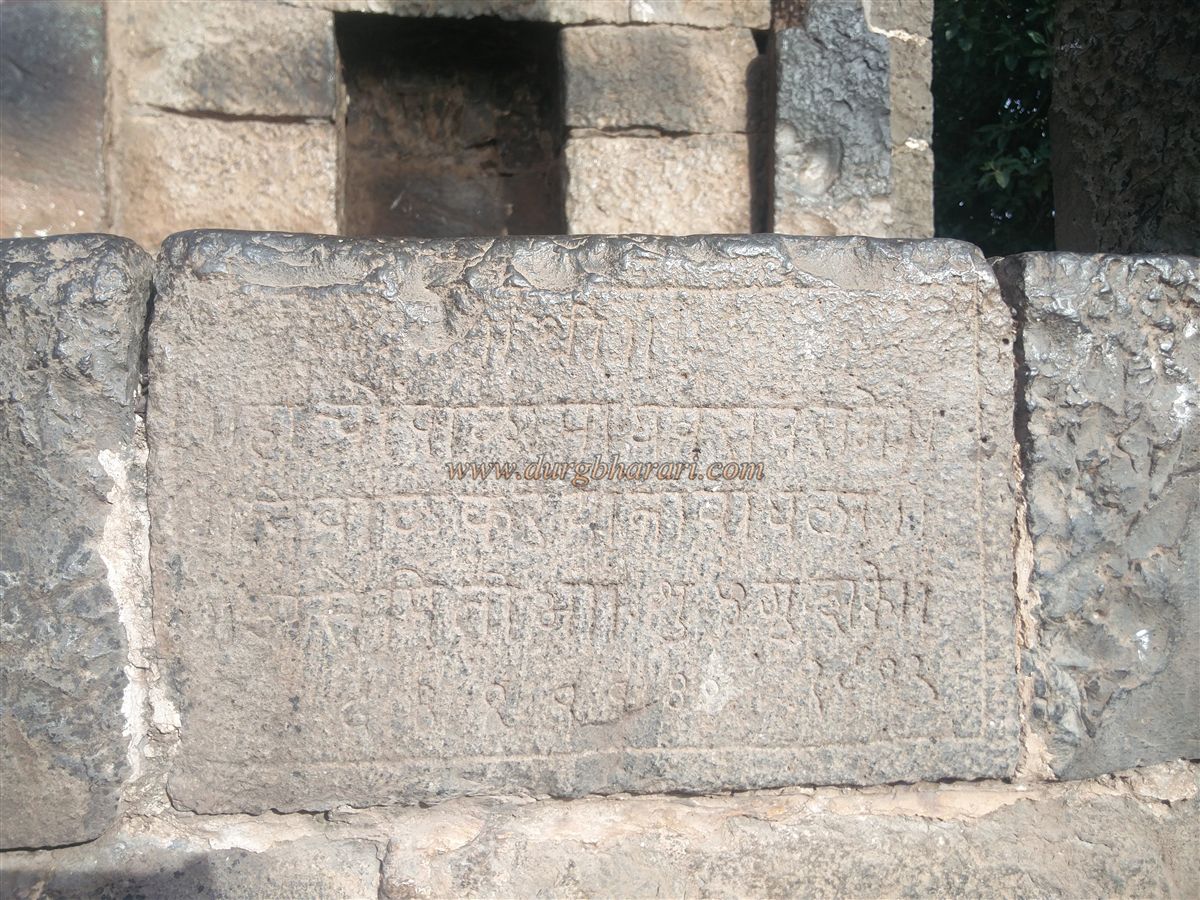
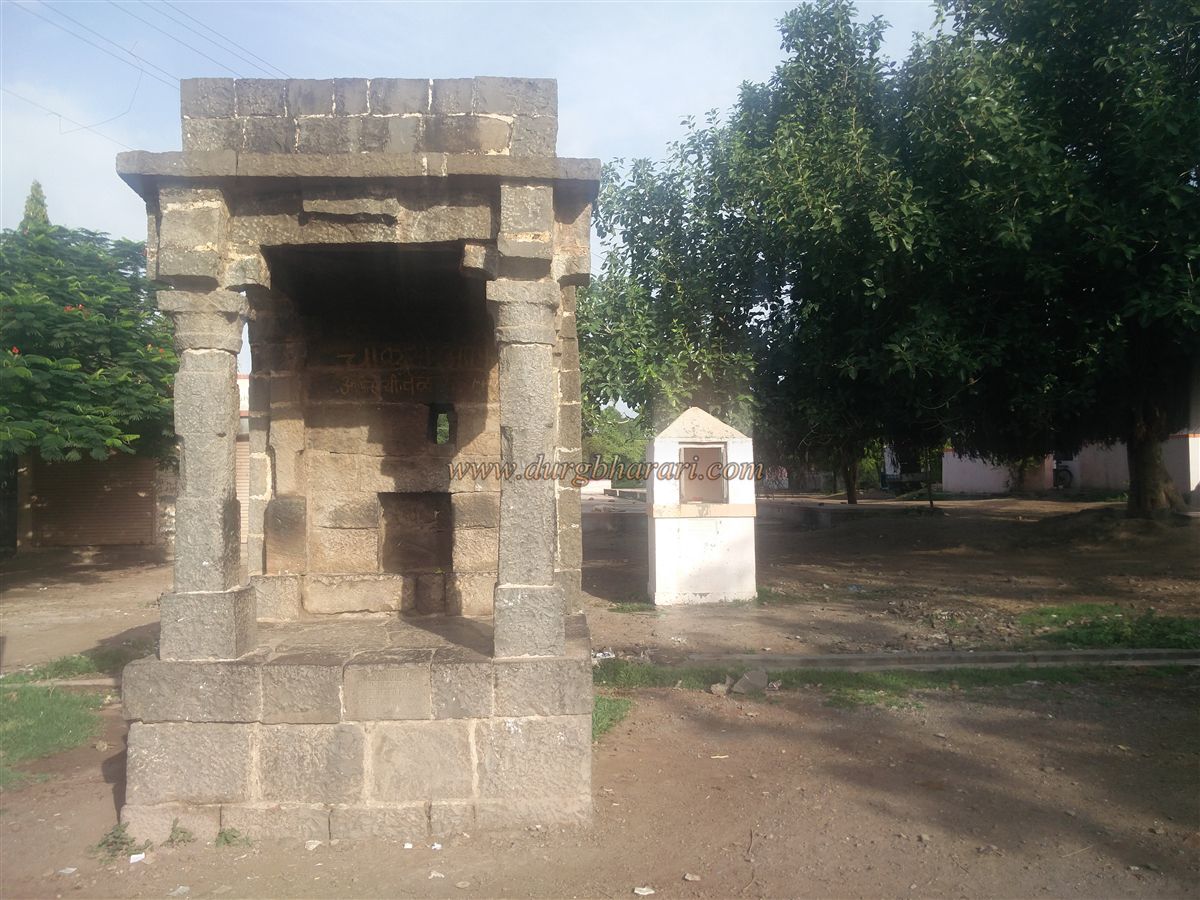
The Nimbalkar fort at Vadgaon Nimbalkar in Baramati taluka is 87 km from Pune via Saswad–Jejuri–Nira and 22 km from Phaltan. This prosperous village, which was the hereditary Vatan of the descendants of the Nimbalkar rulers of Phaltan, still preserves traces of its glorious past in the form of the Bhairavanath temple and Vishnu temple. On the way to the fort is a small public rest house with an inscription stating that it was built in Shaka 1812.
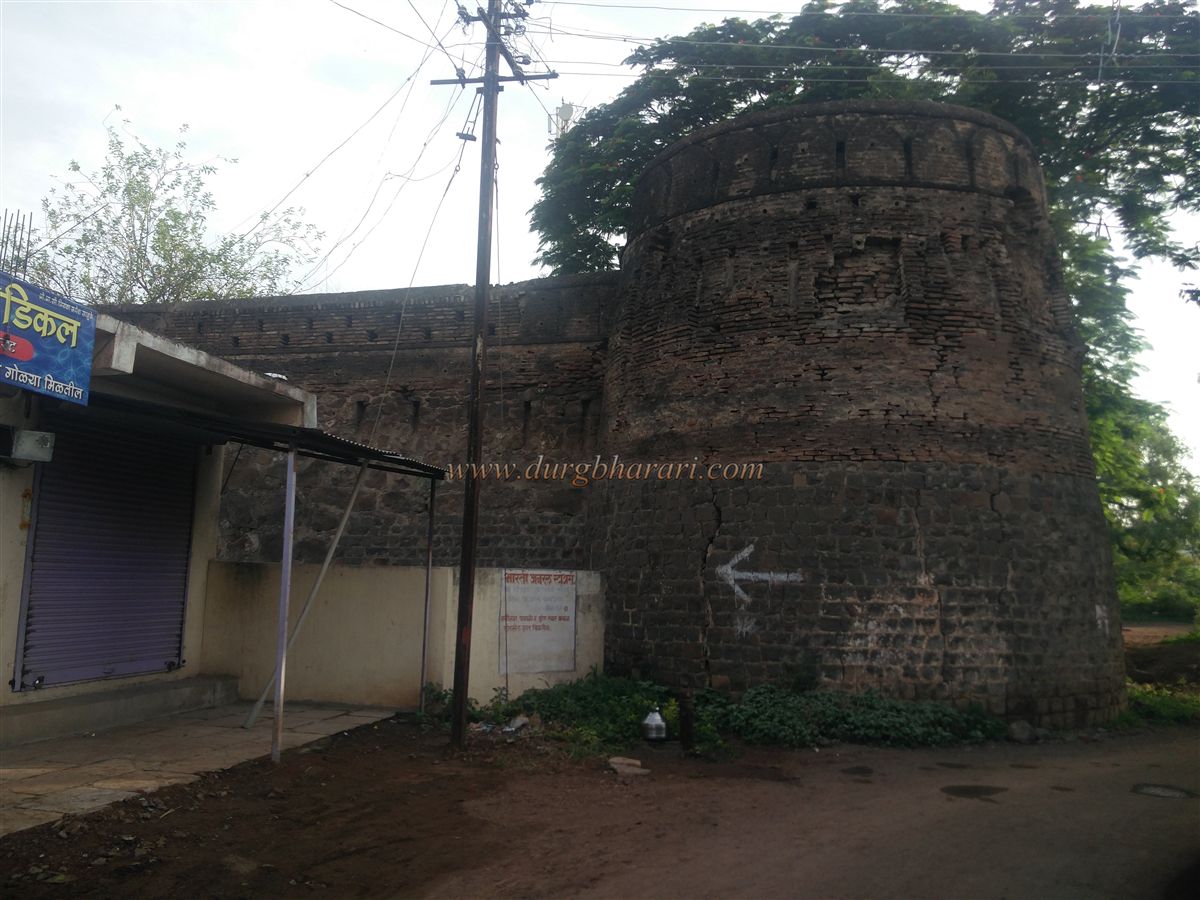
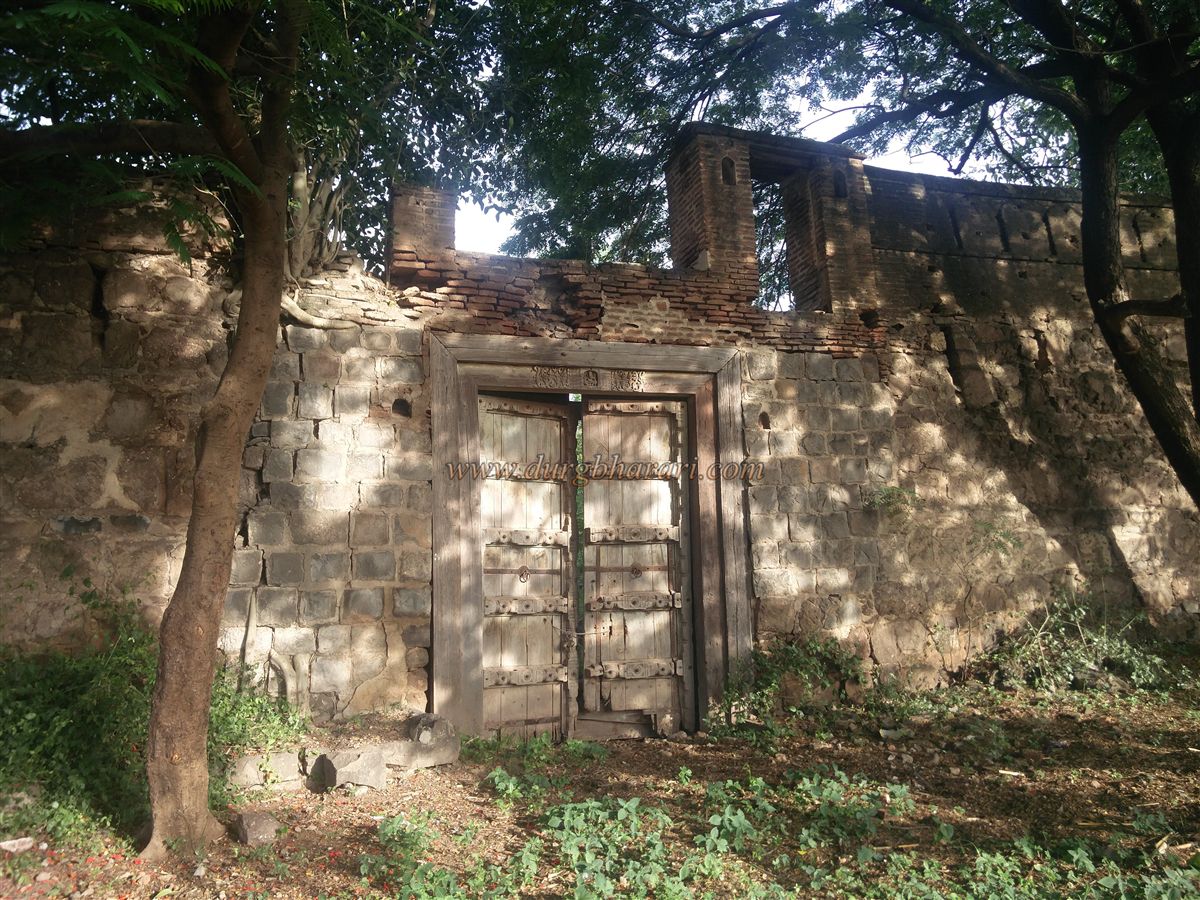
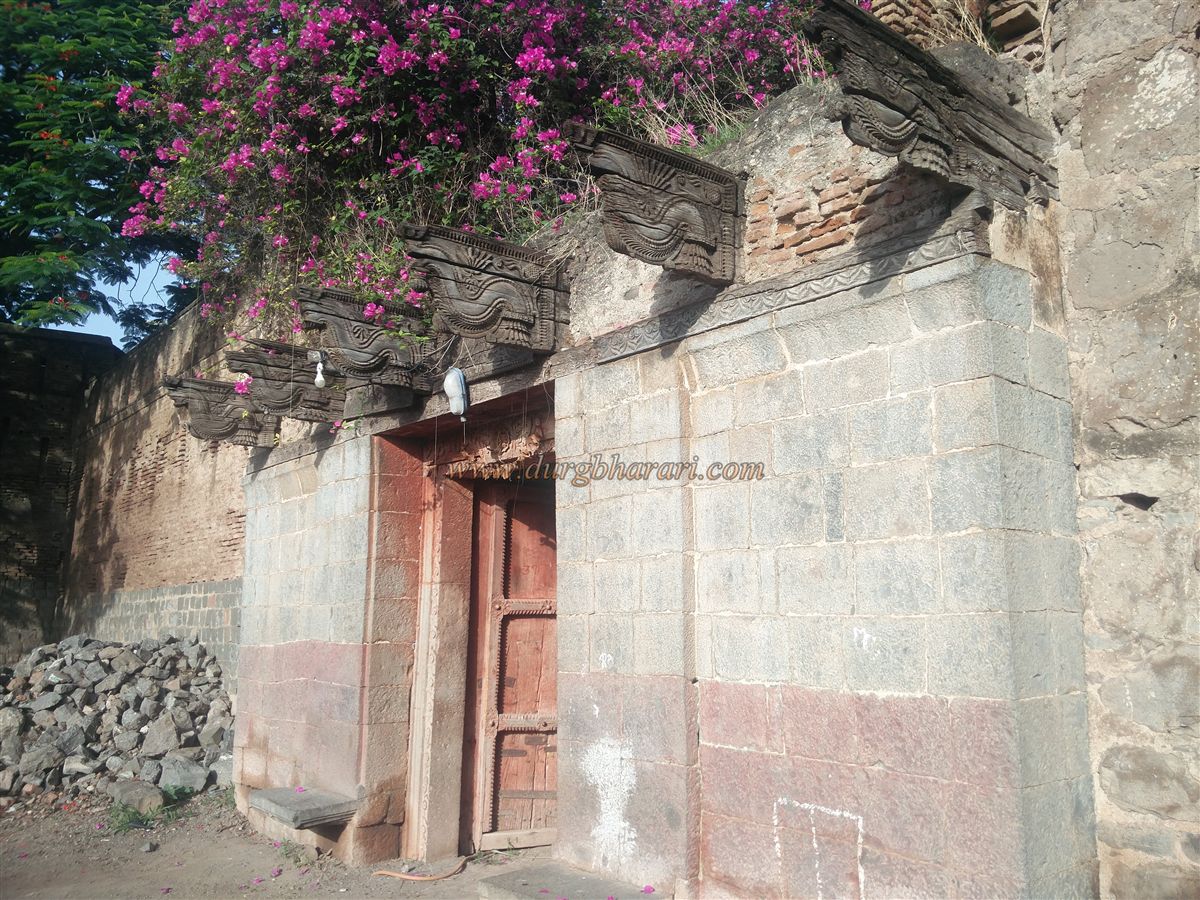
This fort, located in the middle of the village, appears to have been built after the era of Shivaji Maharaj. It is roughly rectangular in shape, spread over half an acre in a north-south orientation, and measures about 150 by 120 feet. The fort’s walls are built of rough and dressed stones, while some parts and channels are constructed with bricks. The overall construction of the fort lacks uniformity, though the wooden beam above the entrance is elaborately carved.
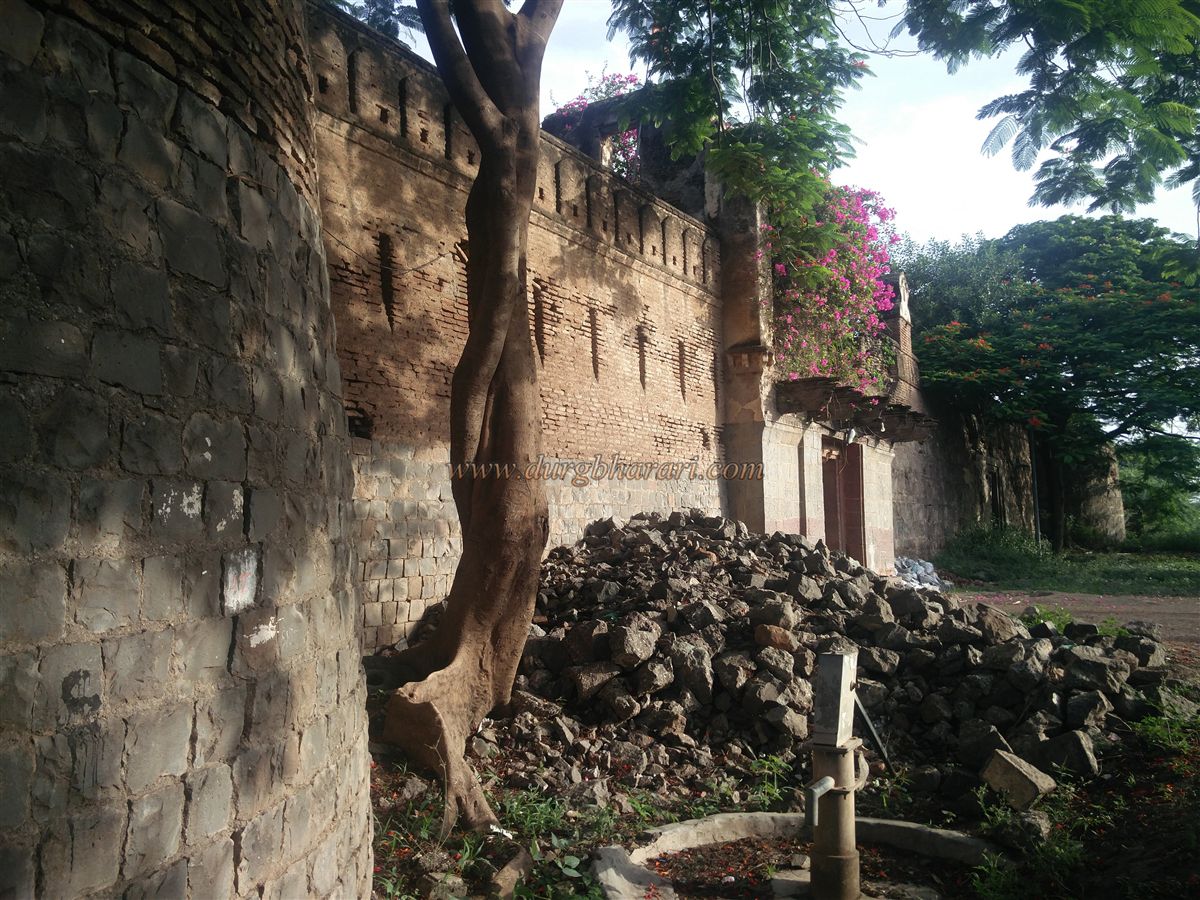
The fort has four bastions, with the walls being 8–10 feet thick and 20–25 feet high. The inner side of the wall is made of clay and has collapsed in some places. Loopholes are present in the walls for gunfire. The main entrance faces east and seems to have once had a Nagarkhana (drum house) or a similar structure above it. Inside the gate are guardrooms, but much of the inner section of the wall has collapsed, destroying the steps leading to the ramparts.
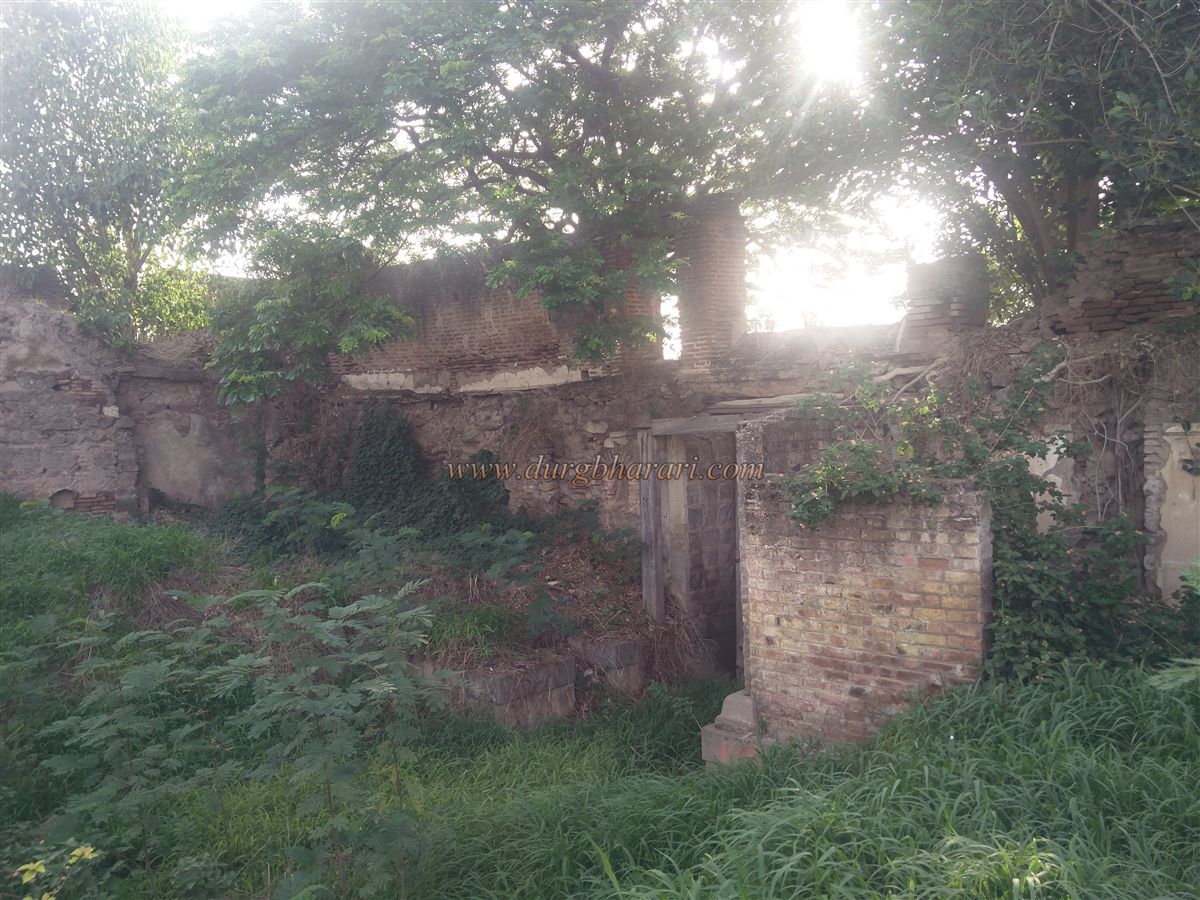
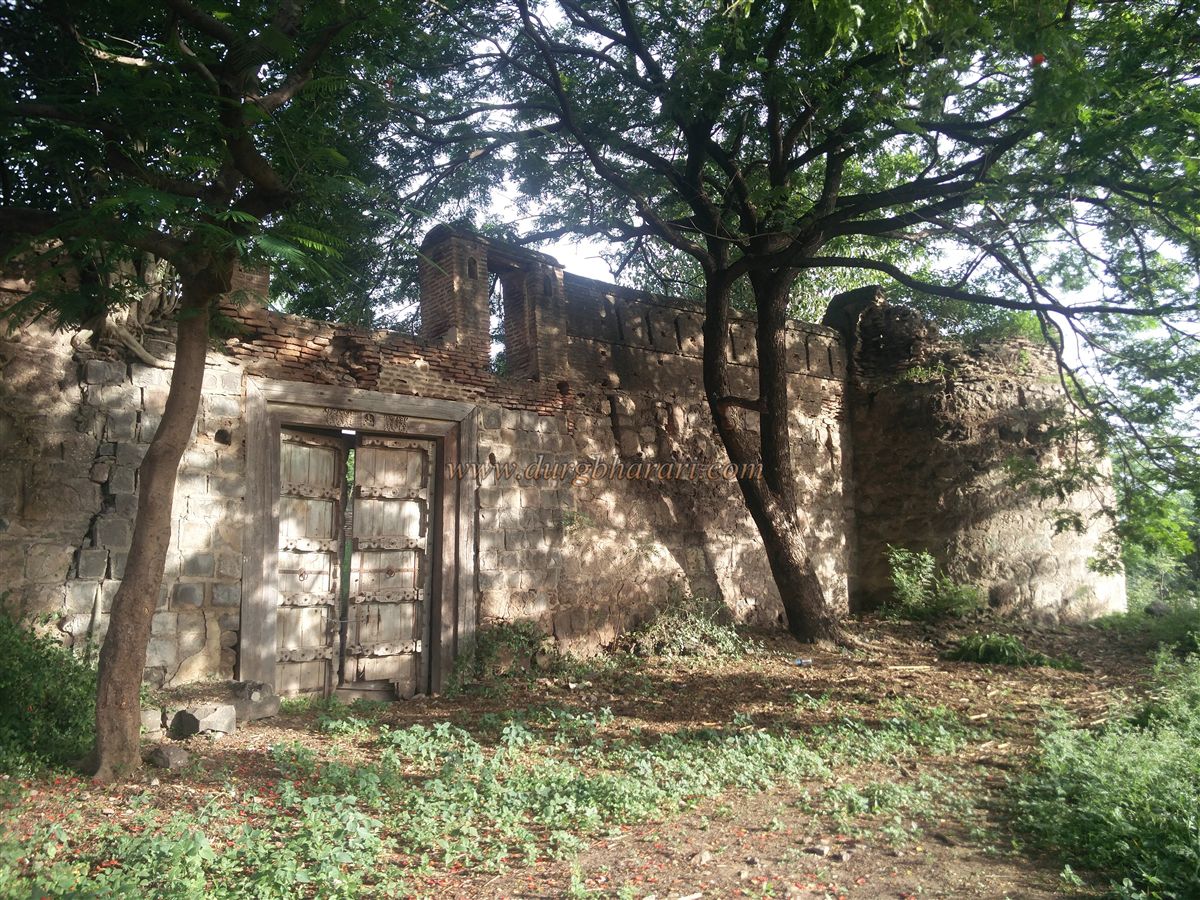
The fort was later divided into two parts. One part is in use, while the other has been completely abandoned. In the occupied part, new houses have been built, which have completely destroyed the original remains of the interior. In the abandoned section, the structures have fallen into severe disrepair, and dense vegetation has grown. To access this second section, a new gate was built by breaking the wall near the main entrance at a later time.
Although the outer wall of the fort is still in good condition, the interior has collapsed significantly, and in some places, the overgrowth prevents movement along the ramparts. The family currently living in the fort could not provide much information about its history. Once a symbol of the glory of the Nimbalkar family, this fort now stands desolate. There is little to see inside, and about 15 minutes are enough to explore it.
© Suresh Nimbalkar
GALLERY