UMARKHEDA
TYPE : FORTRESS
DISTRICT : JALNA
HEIGHT : 0
GRADE : EASY
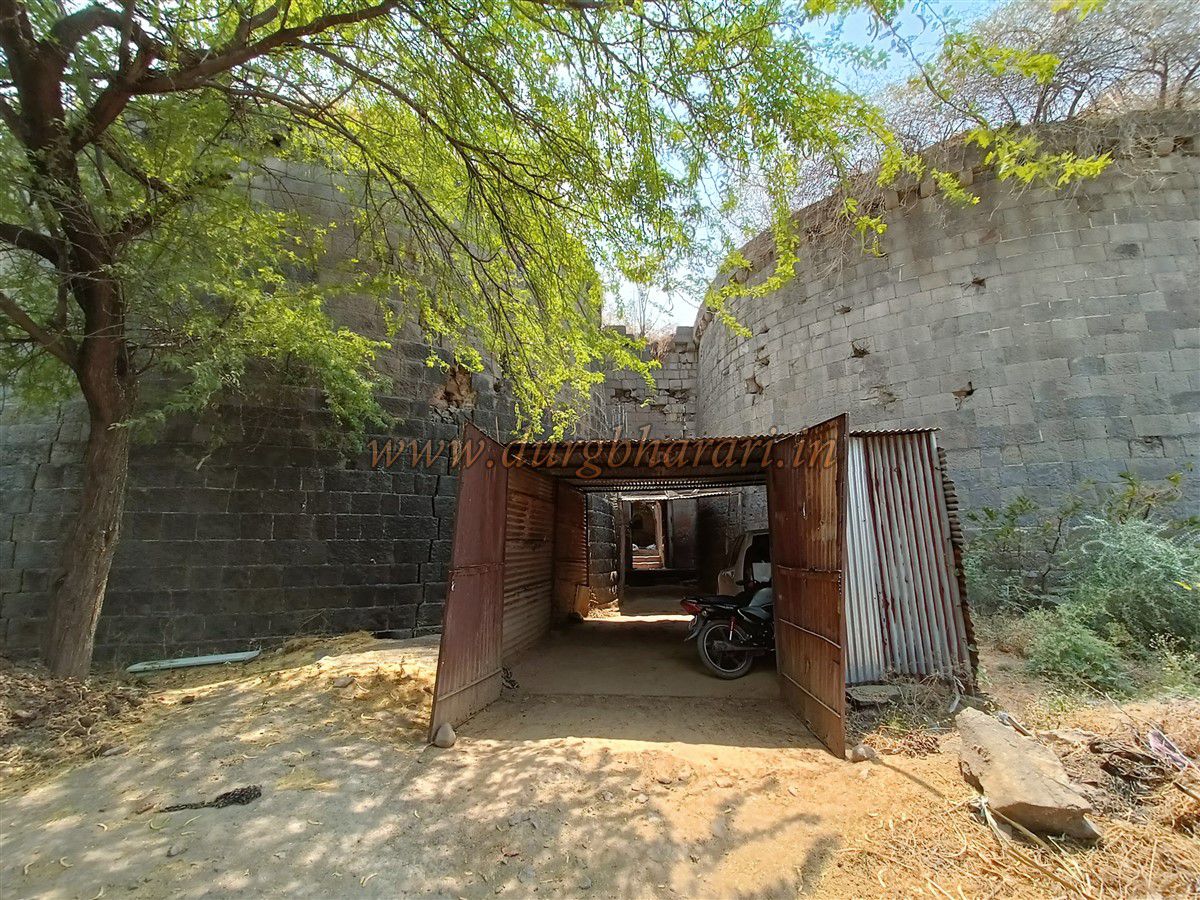
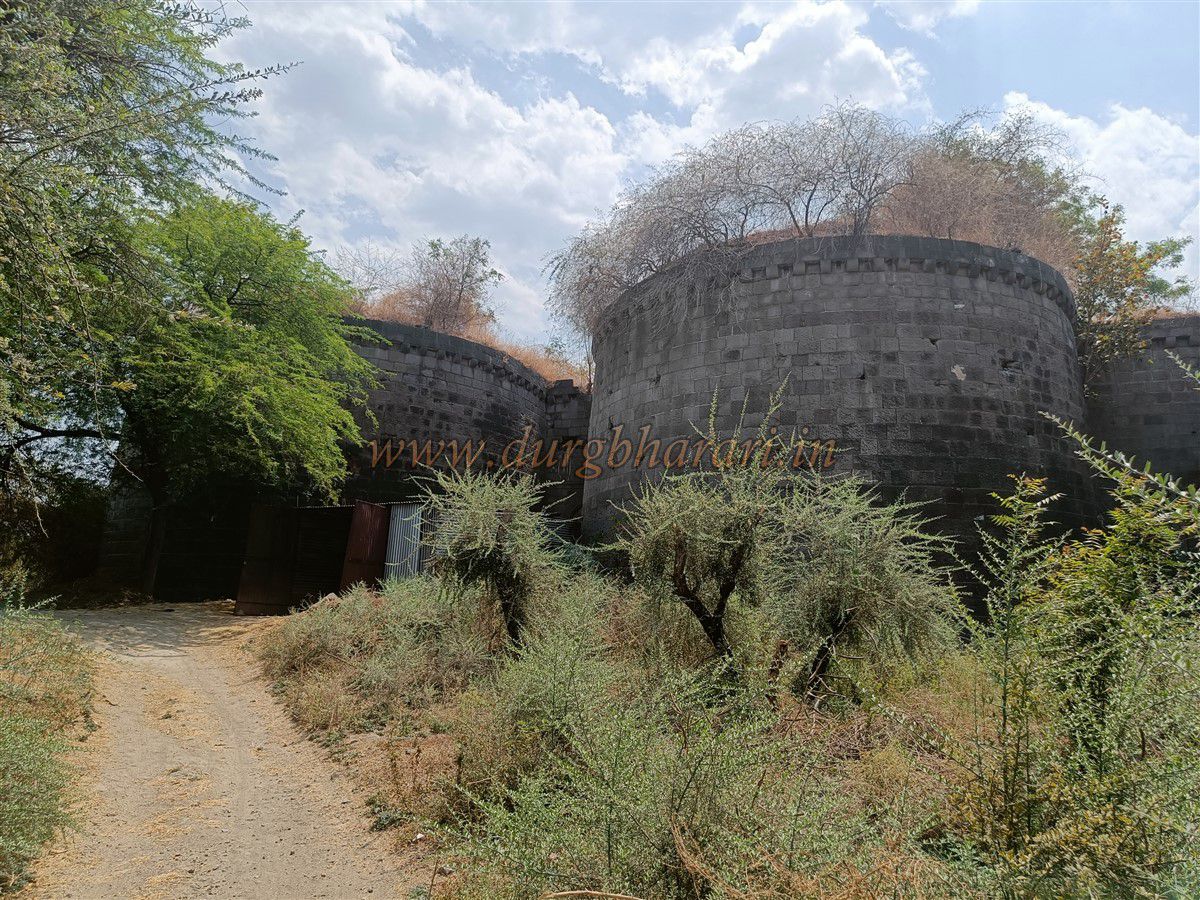
While wandering around the forts of Marathwada, we get to see a large number of fortress (gadhi) instead of forts. Apart from the two forts of Rohilgad and Mastagad, a large number of fortress can be seen elsewhere in Jalna district as well. These forts and fortress continued to flourish till the recent times and are still in good condition due to the rule of the Nizam in this area during the pre-independence period. But the fortress that dominates all these forts and looks like a strong fortress can be seen in the Umarkhed village near Mantha taluka in Jalna district. This fortress is known as a fort in the surrounding area. Umarkhed village is 2 km from Mantha taluka. Before entering Umarkhed village, we can see this fortress on the left side of the road. The construction of the entire ramparts is made of crushed stone and lime is used for the construction.
...
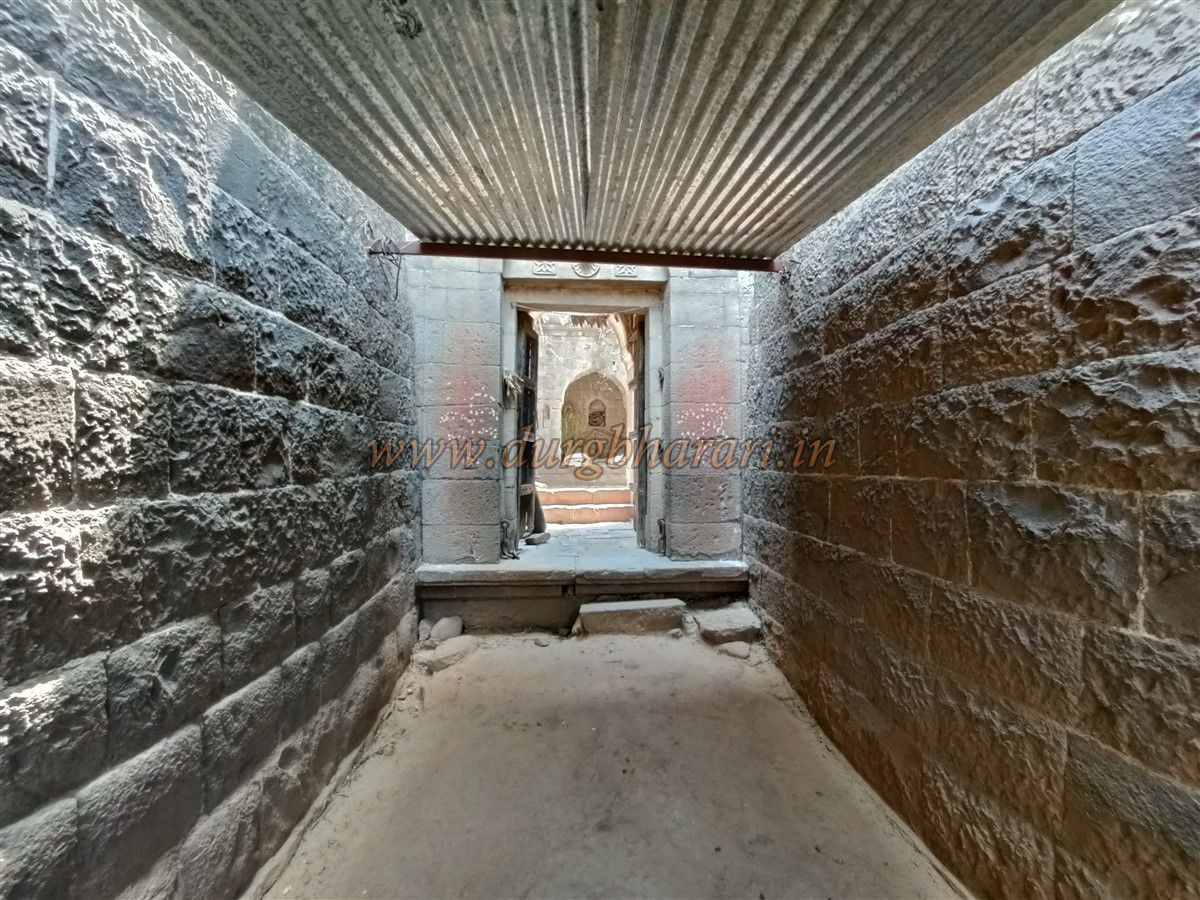
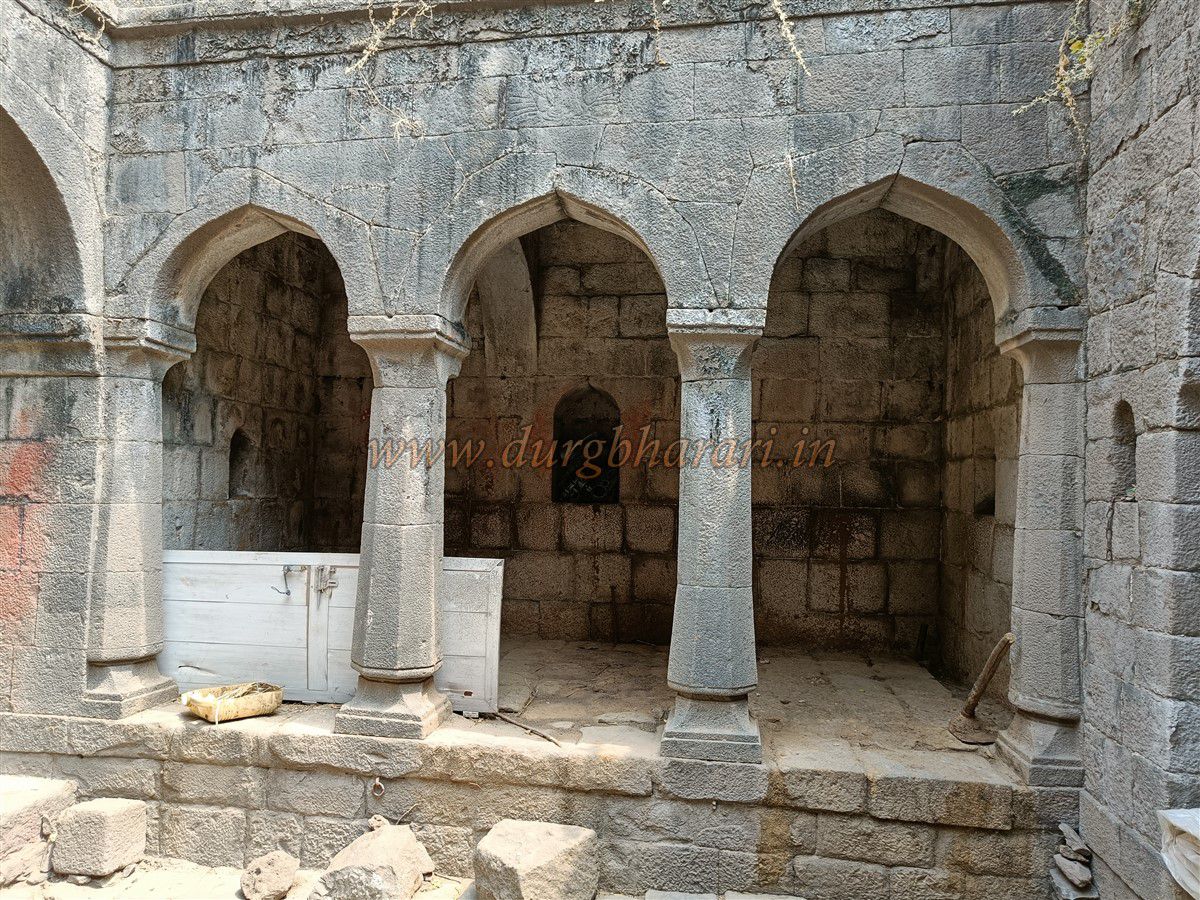
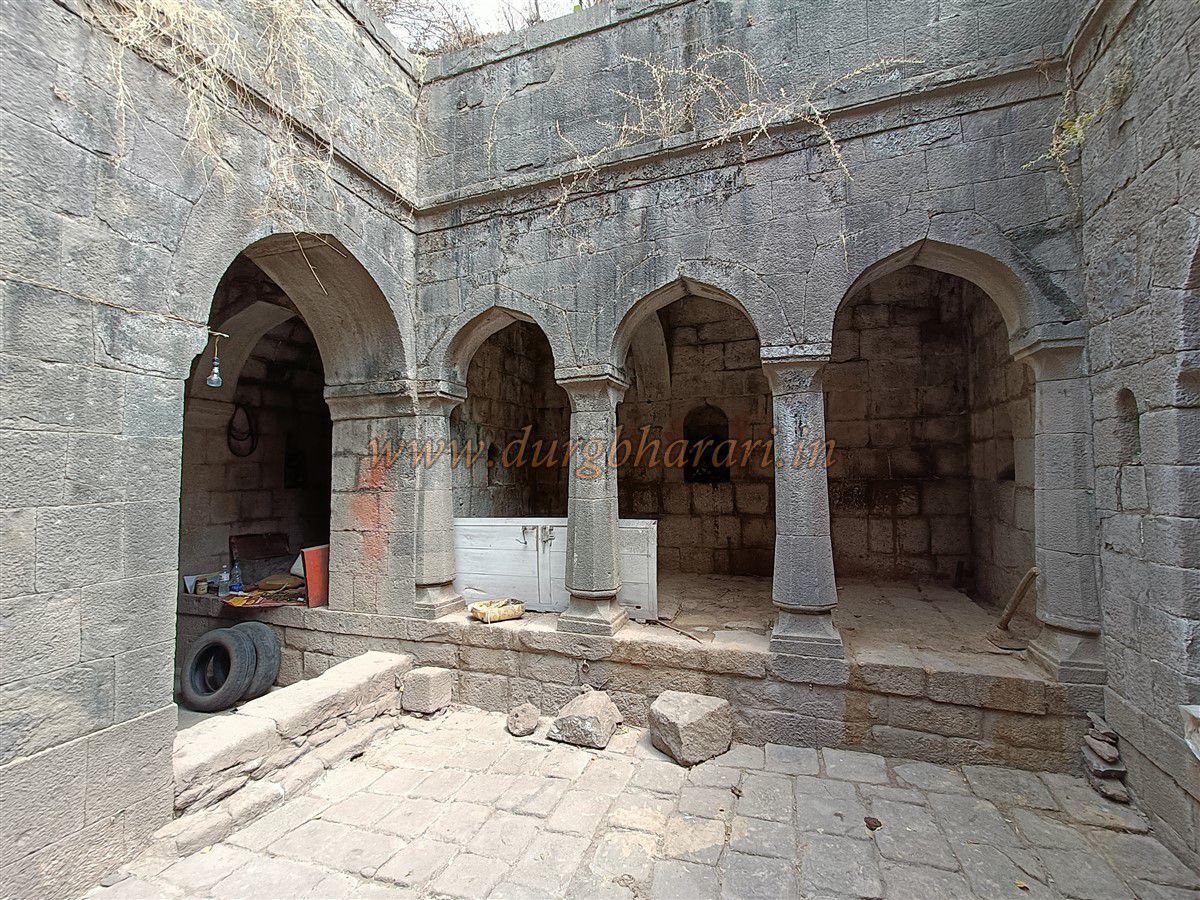
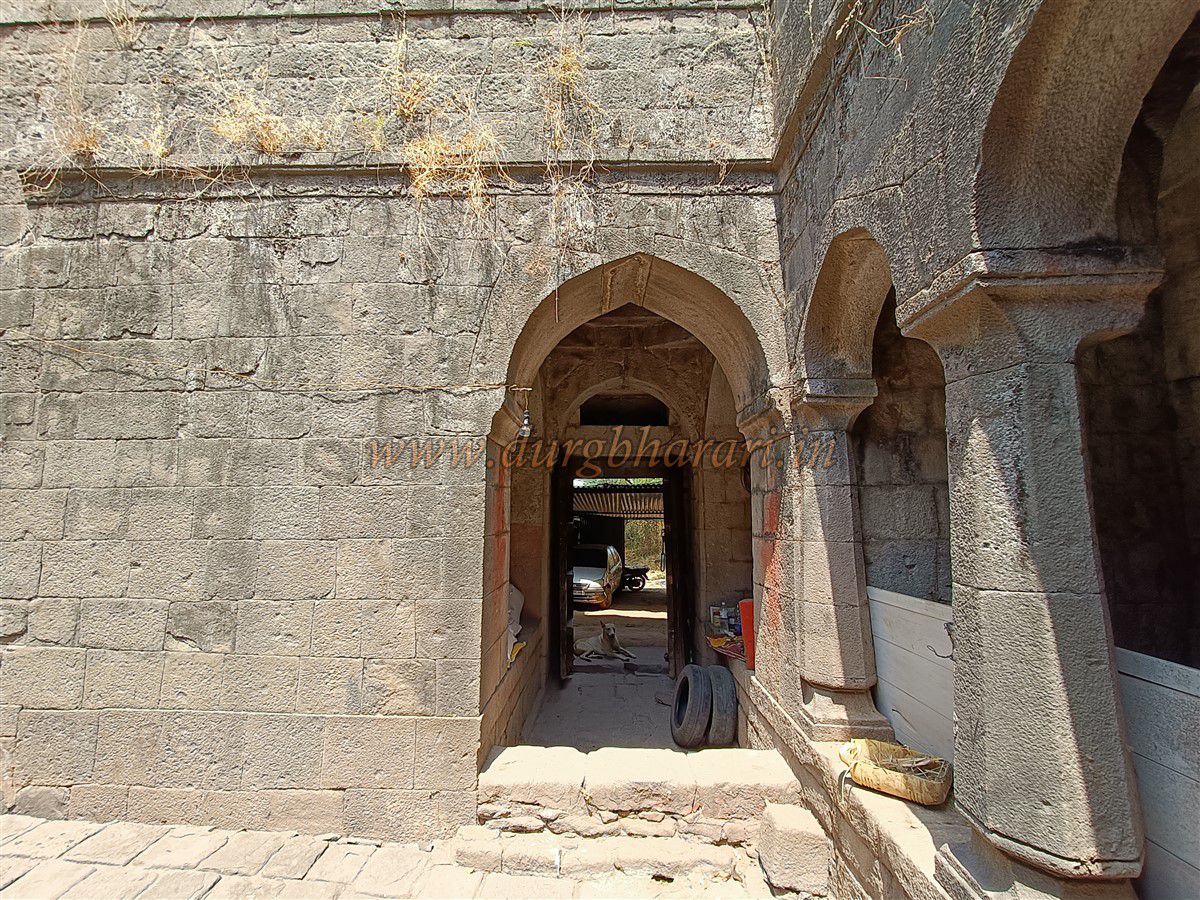
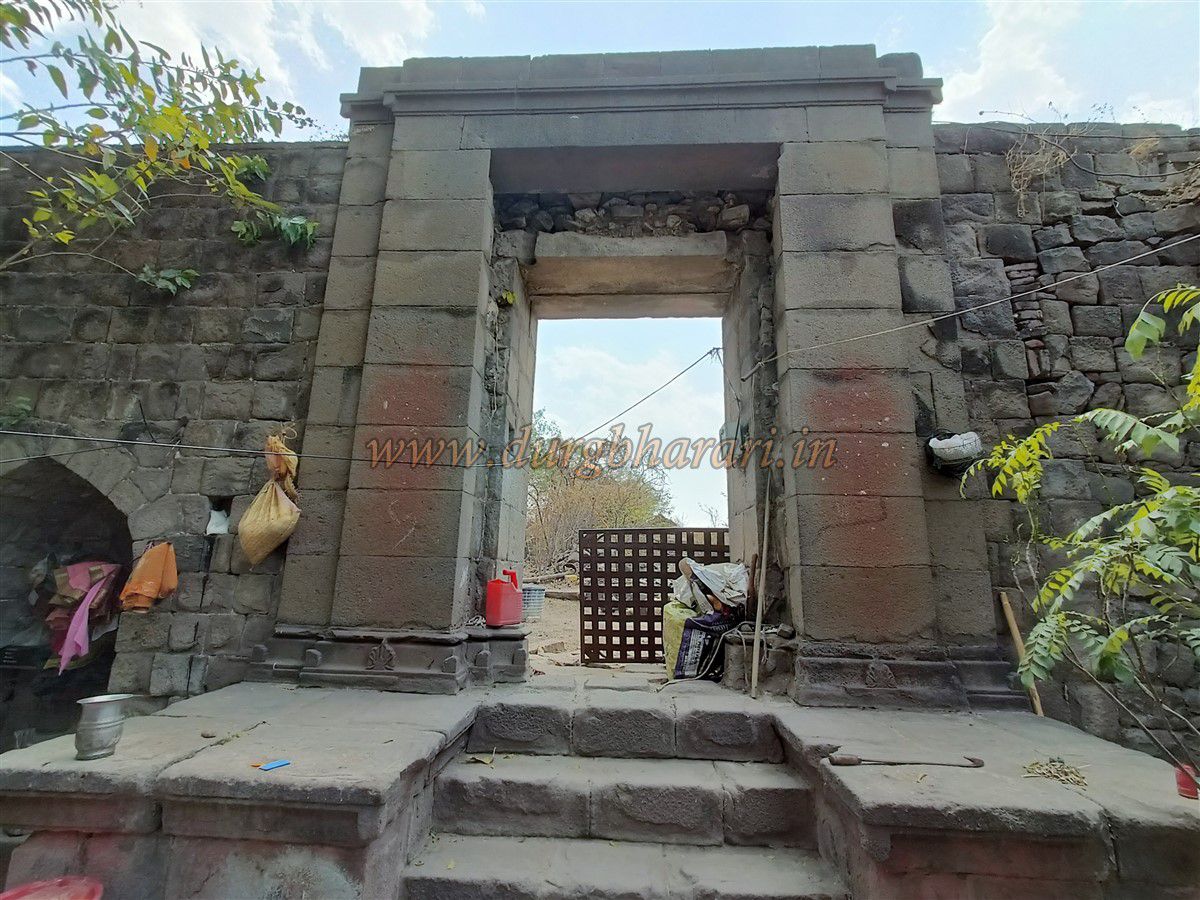
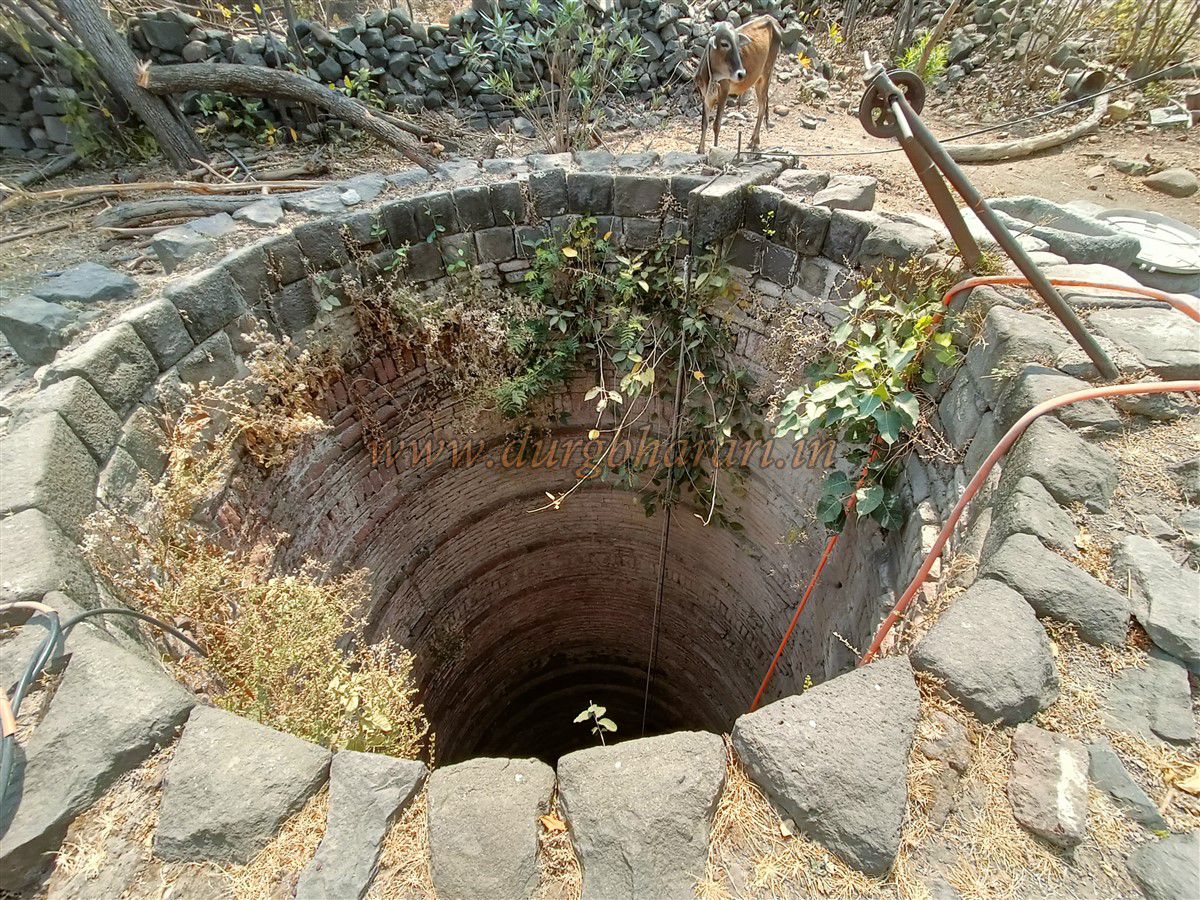
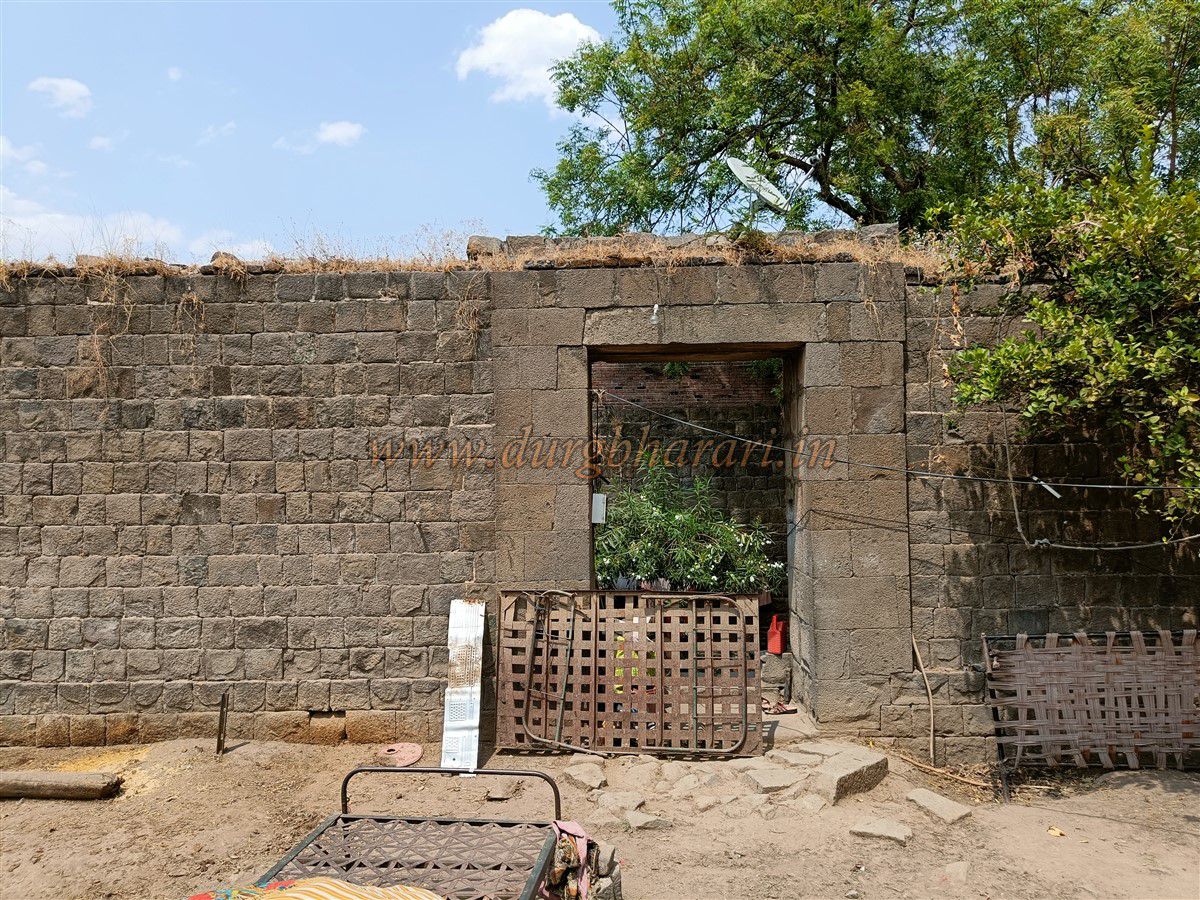
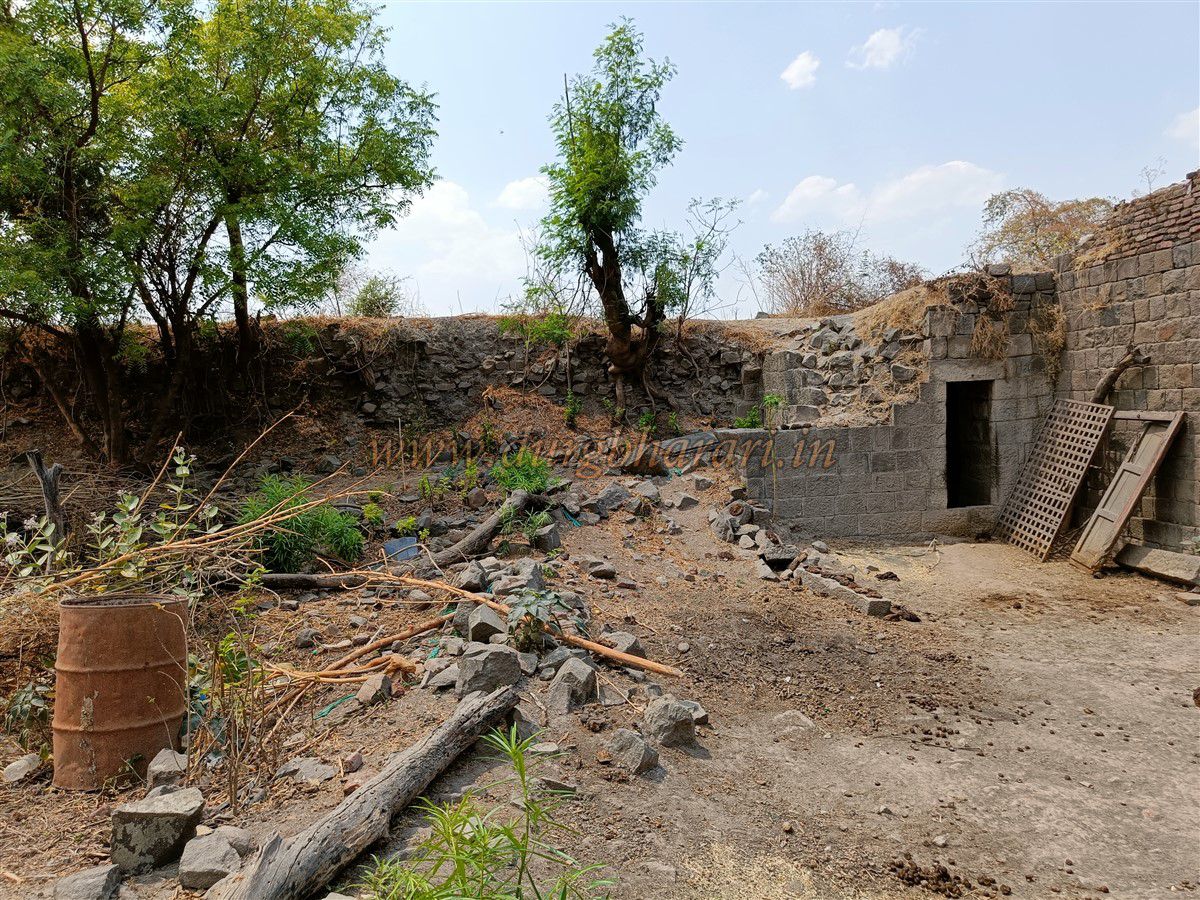
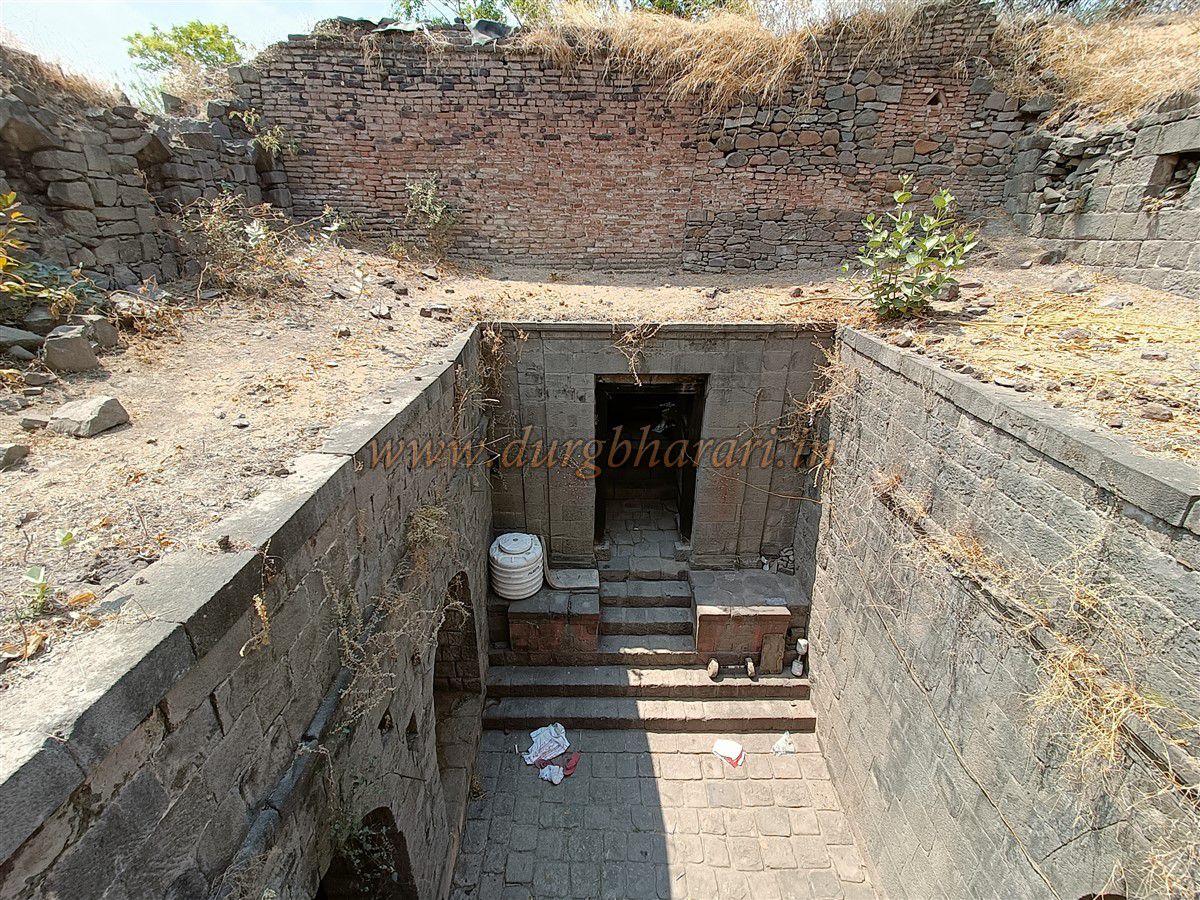
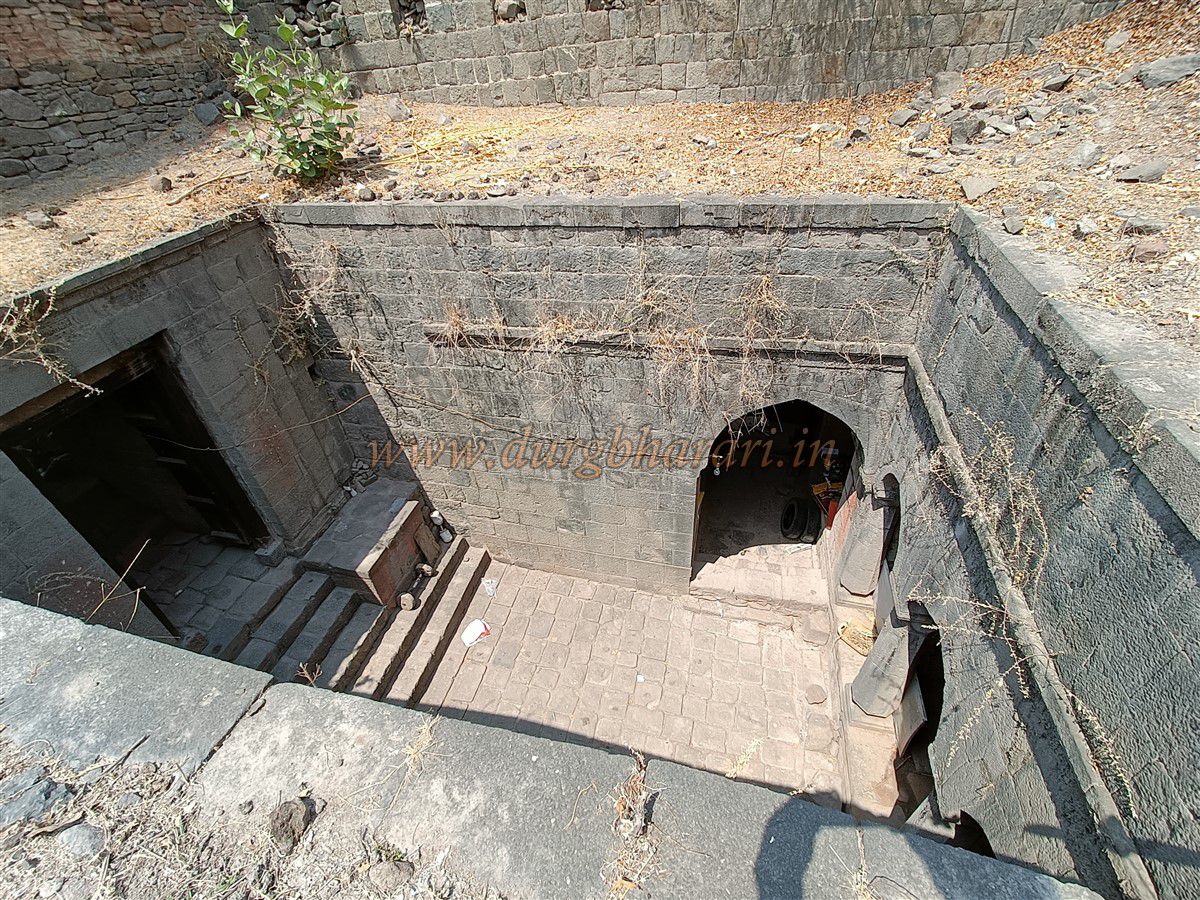
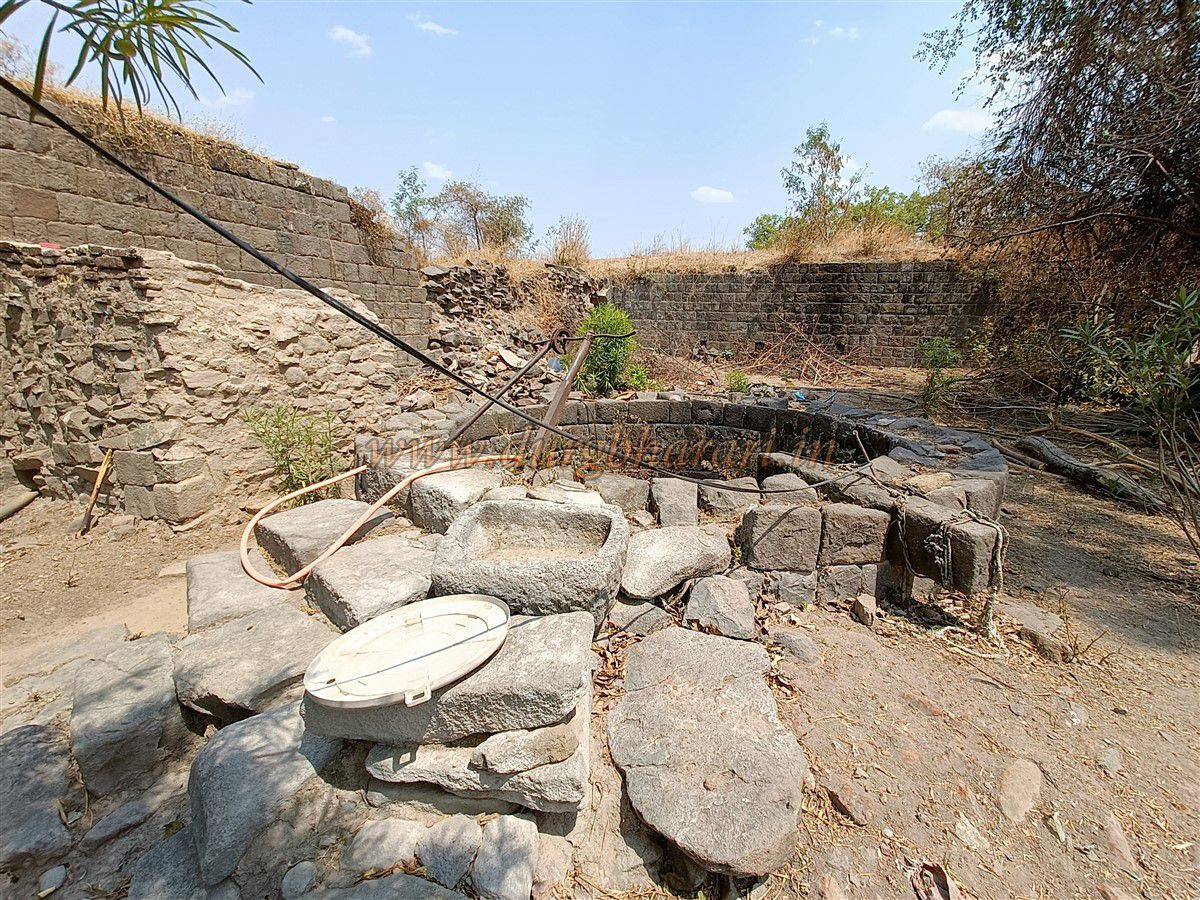
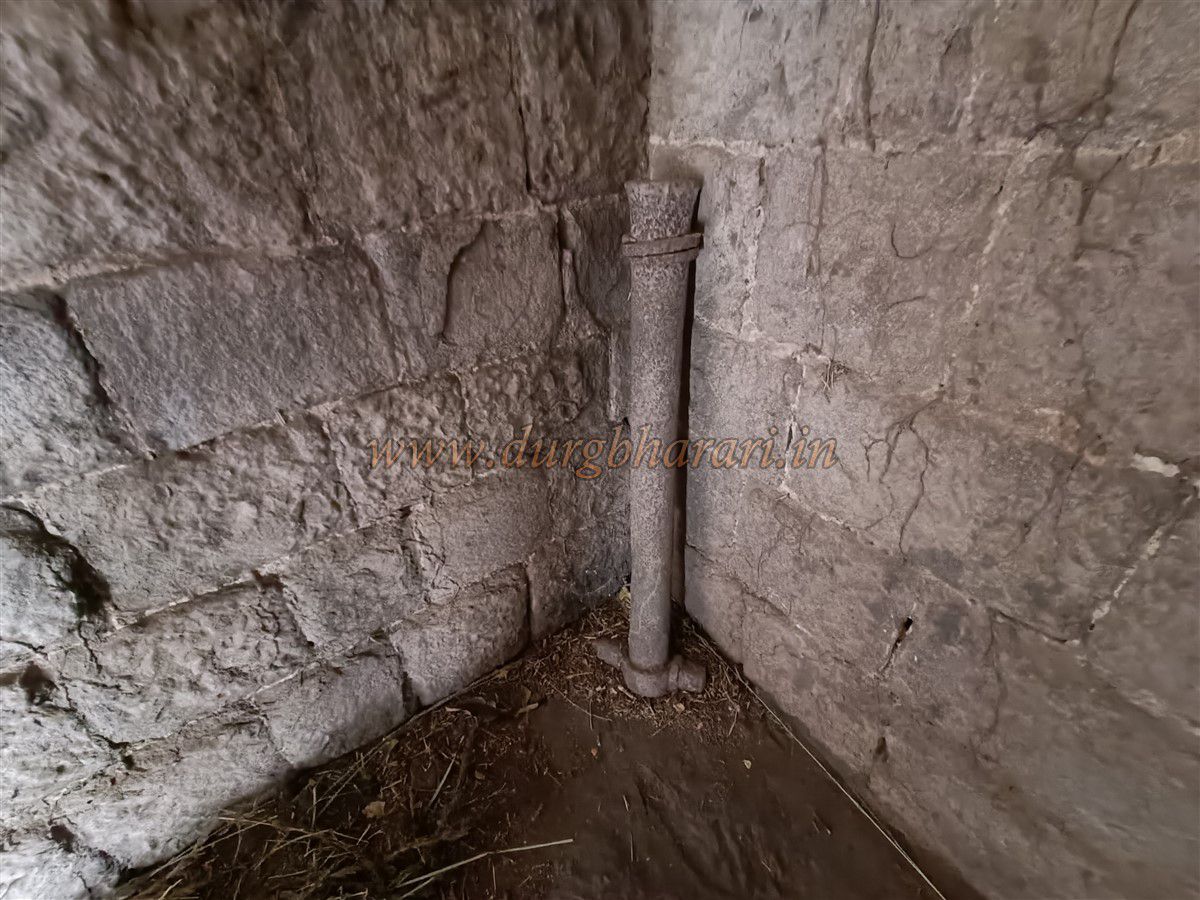
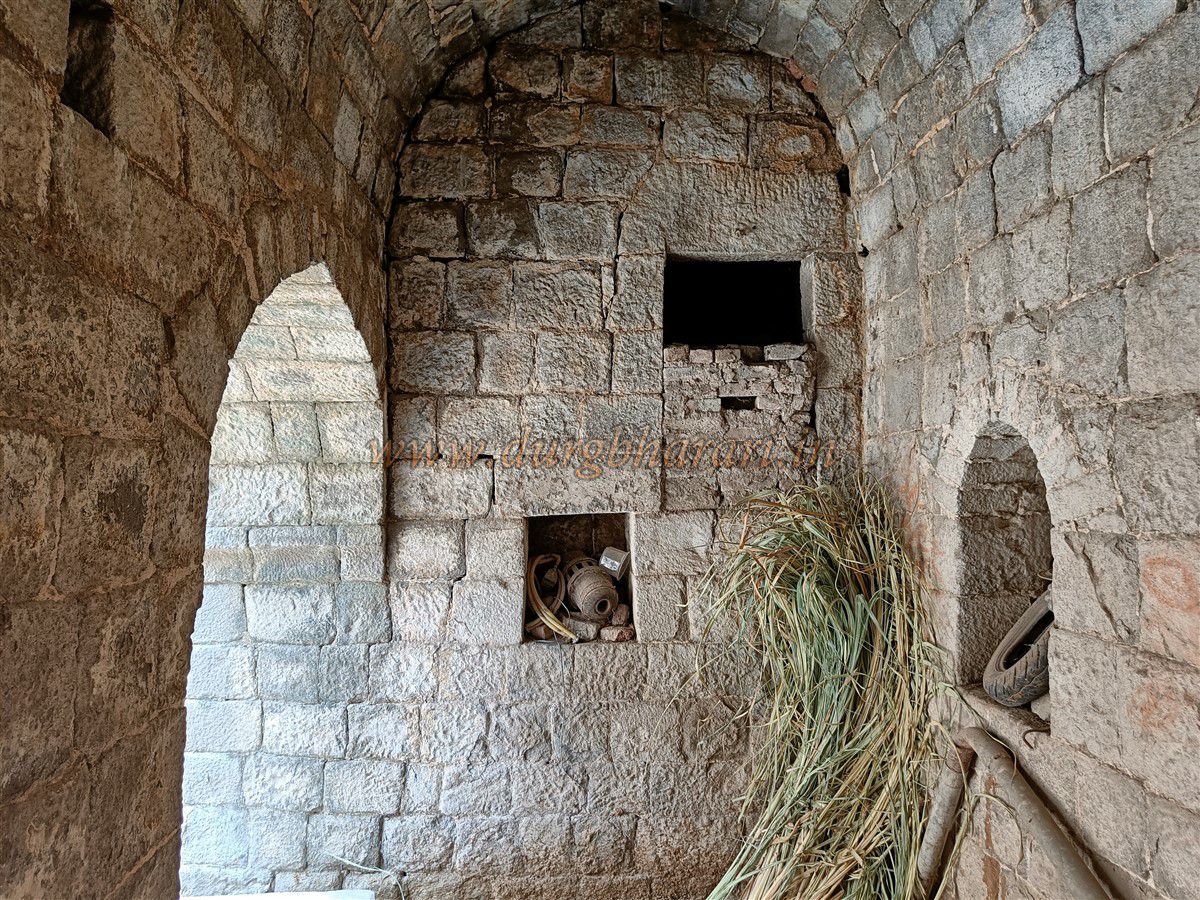
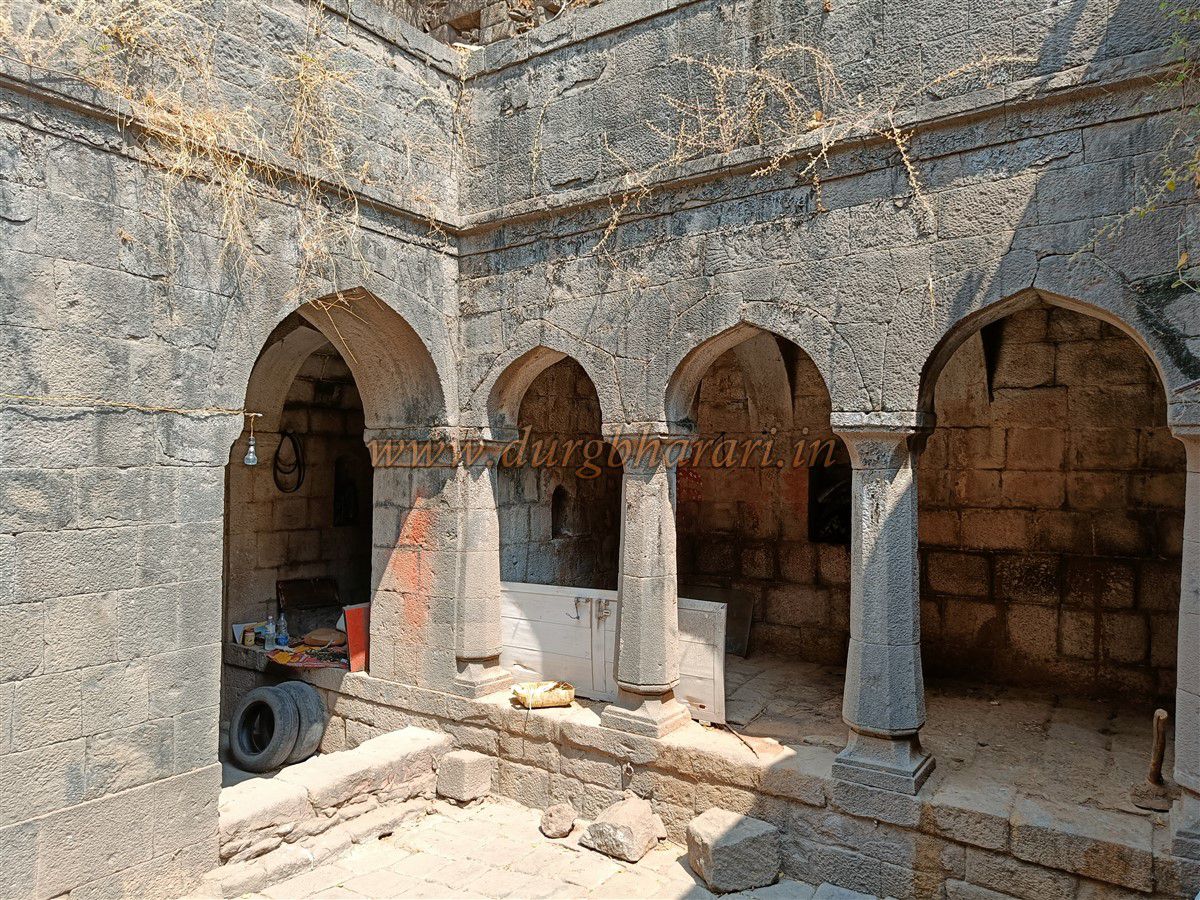
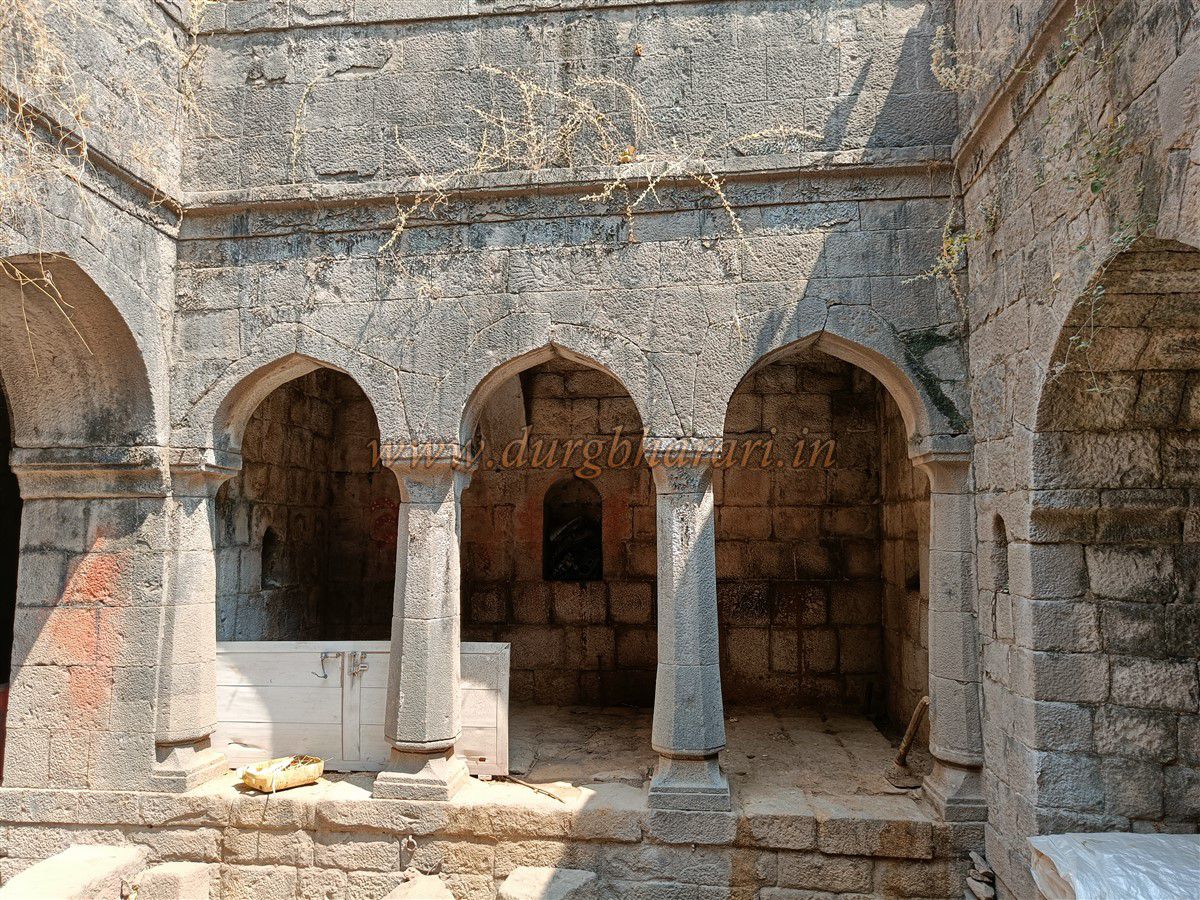
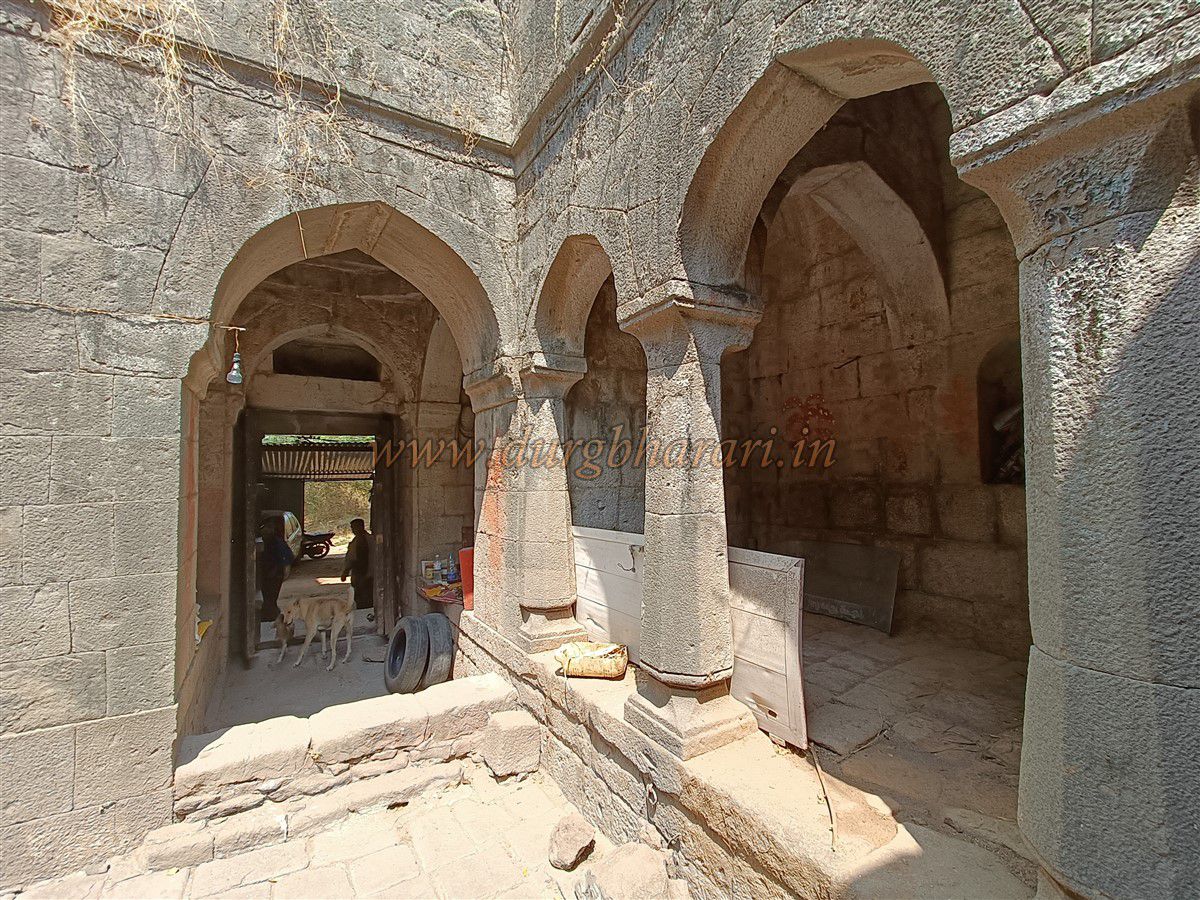
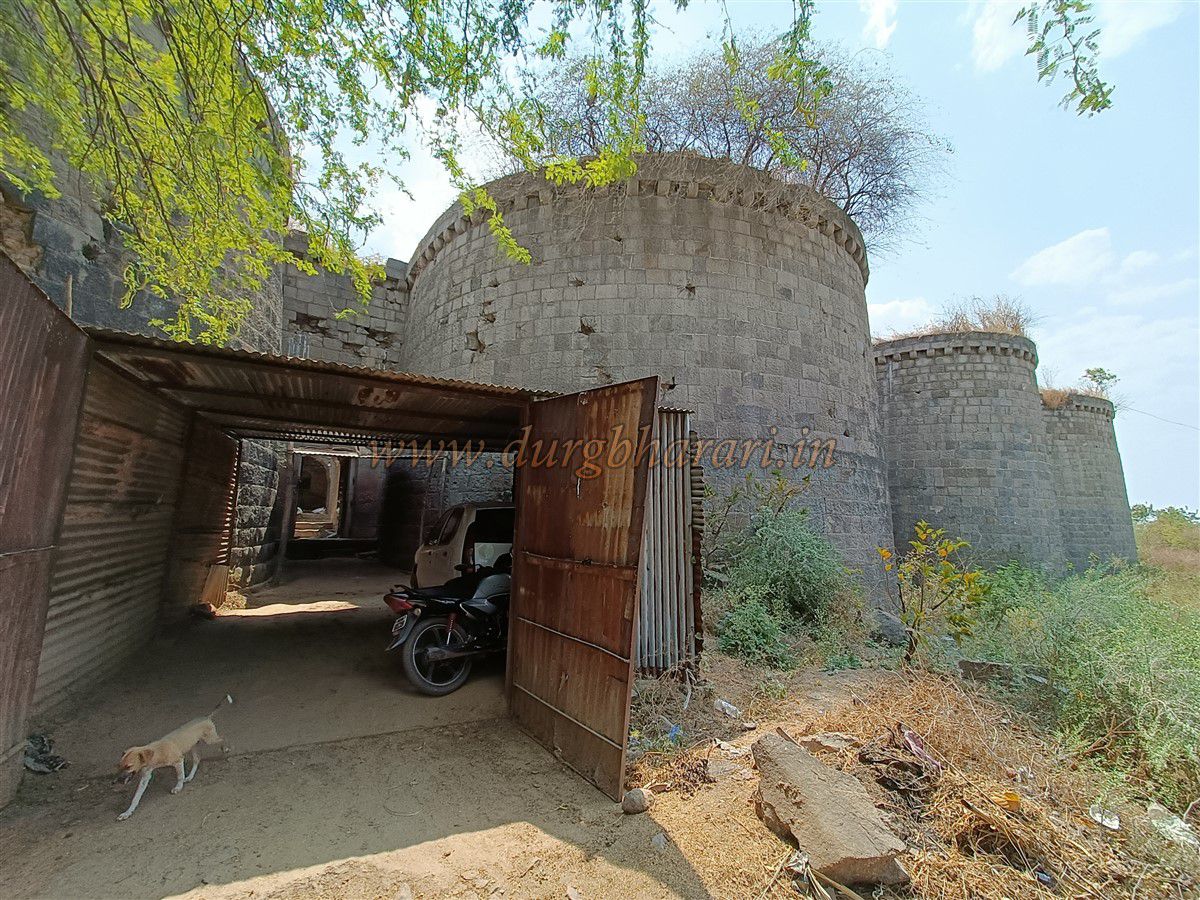
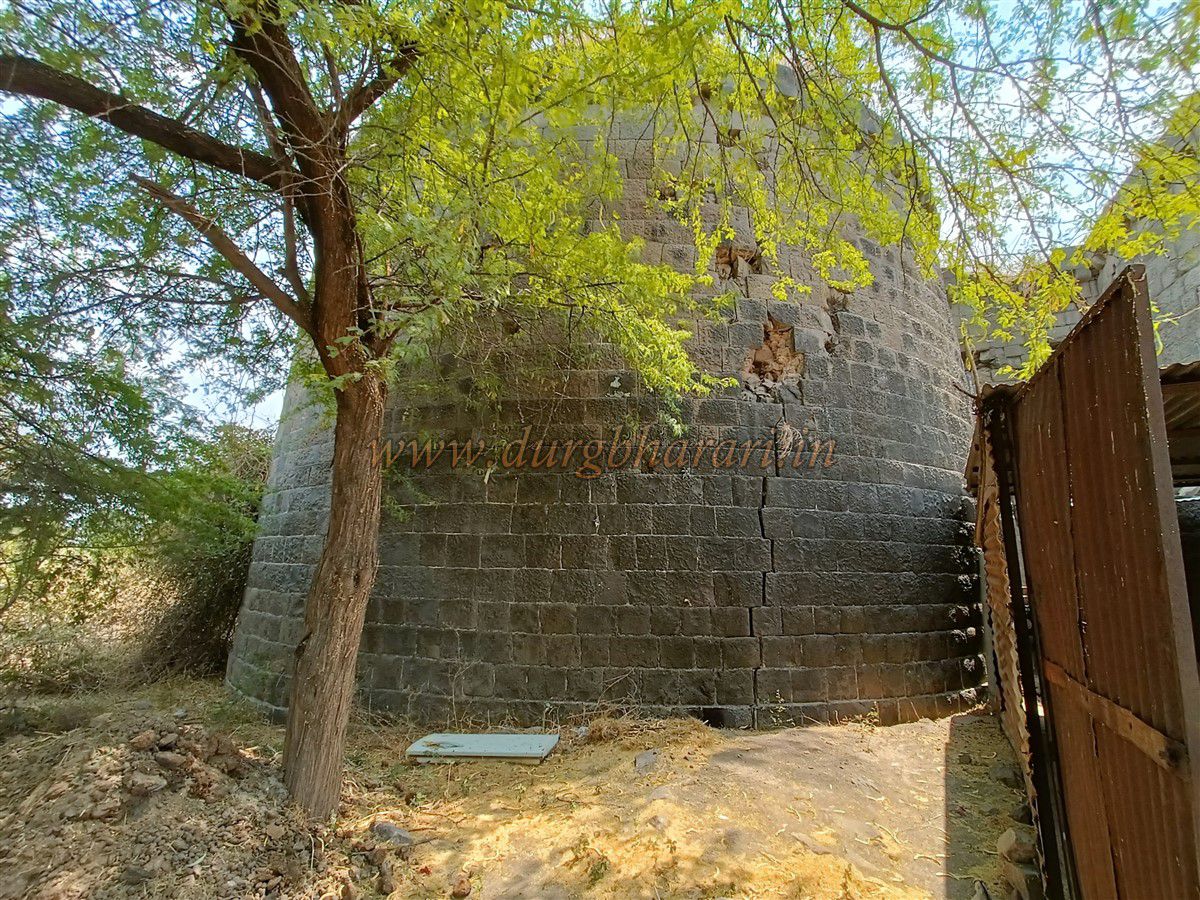
There are nine bastions of small and big size in this fortress. The north facing gate of the fortress is built between two bastions and is of medium size. There are stone carved lotus on the facade of the door and marks of cannons and guns fired by the Nizam's army during the independence struggle of Hyderabad can be seen in the upper part as well as on bastions. On the inner side of the door there are guard’s rooms and after entering through the door we reach the enclosed portion of the fort. On one side there are ramparts wall and the gate we came to, there is also another east facing gate entering the fort. On the upper side of this door, the letters Sri Venkatesh are engraved. The facade has an octagonal stone pillar and the arch above it has a picture of a peacock. There is a half-buried space in the inner part of the fortress, which is said to be a tunnel leading out of it. Around the corner, a 7-foot-long long-range cannon can be seen partially buried in the ground. These yards were once a stable for horses. Sometimes there are signs that this is enclosed from the upper side as well. The construction of this entire place is made of carved stone. After seeing this we enter the second part of the fort through the front door. There are guard’s room on both sides of this door. In here, on the left is the third large entrance to the top of the fortress. The entire construction of this door is done in hewn stone. On entering through this door, there is a barn on the right adjacent to the rampart. From this warehouse there is a small door leading to the inner part of the fortress and adjacent to the warehouse there are steps leading to the rampart. On the left side of the door there is a circular well that supplies water to the fortress and the construction of this well is made of stone bricks and lime. A stone bowl can be seen near this well. As the ramparts and bastions of the fortress are still in good condition, one can take a round trip over it. As the construction of the top of the fort was suddenly stopped, it seems incomplete sometimes. Drains are constructed at various places to drain the rain water falling on the ramparts. A cannon can be seen on the central bastion on the southern side of the fortress. The rear side of this cannon has a mask engraved on it and the letters Sri Venkatesh are engraved on the center. After going round the ramparts and approaching the door, our tour of the fortress is complete. Half an hour is enough to see the entire fortress. The height of the ramparts of the fortress is about 40 feet from the ground and from here the entire village and the distant region can be seen. Since Joshi, the owner of the fortress, lives in it, it is necessary to take his permission to visit the fortress. This fortress was built by Gopal Krishna Keshavraj Subhedar and this family is originally from Jamb-Bavi, Taluka-Bhum, and District-Osmanabad. Gopal Krishna Subhedar had responsibility of three villages Selu, Jiwaji Jawla and Umarkhed. He built fortress in two places Selu and Umarkhed but he stayed only in Selu. Due to architectural defects, he partially built this fortress. Gopal Krishna Keshavraj is considered a contemporary of Sai Baba. Although this family was loyal to the Nizam of Hyderabad, during the Hyderabad Independence War, the Nizam's army suspected that independent soldiers were hiding in this fortress, so they attacked the fortress with cannons and guns, but they could not take control of it. Even today we can see these marks on the fortress.
Note- Since pet dogs roam freely in here, do not trespass directly.
© Suresh Nimbalkar
GALLERY