TORKHEDA
TYPE : GADHI
DISTRICT : NANDURBAR
HEIGHT : 0
GRADE : EASY
In the predominantly tribal Nandurbar district, once upon a time, not one or two but as many as 15 forts existed in the forms of giridurga (hill forts), Bhuikot (land forts), and gadhi (small forts). During the Maratha and Peshwa period, until 1818, the Marathi rulers—Gaikwad, Holkar, Pawar, Kadambande, and Shinde—had established their rule here. Our Durgbharari group undertook a detailed study tour of all these forts, and I have tried to present the information gathered on this website.
Of these, the Hatmoida and Ashte forts have been completely destroyed, while the remaining 13 forts still stand today, preserving their surviving remains and continuing to battle against time. Among these 13 forts, there is 1 giridurga, 3 Bhuikot, 2 Nagarkot (city forts), and the remaining 7 are gadhi. After the princely states were annexed, the private ownership of these gadhi-kots made it difficult for the owners to maintain them, and so most of them are deteriorating.
...
The Torkheda gadhi is one such example. The indifference of the locals towards these structures is also contributing to their decline.
The Torkheda gadhi is located in the southern part of Nandurbar district, in Shahada taluka—27 km from Shahada and 31 km from Dondaicha in Dhule district. To visit Torkheda gadhi, one must first reach Nandurbar–Shahada or Dondaicha. The Nandurbar–Torkheda distance is 68 km via Prakasha–Shahada–Kothali, while another route is 66 km via Nandurbar–Dondaicha–Sarangkheda–Kothali.
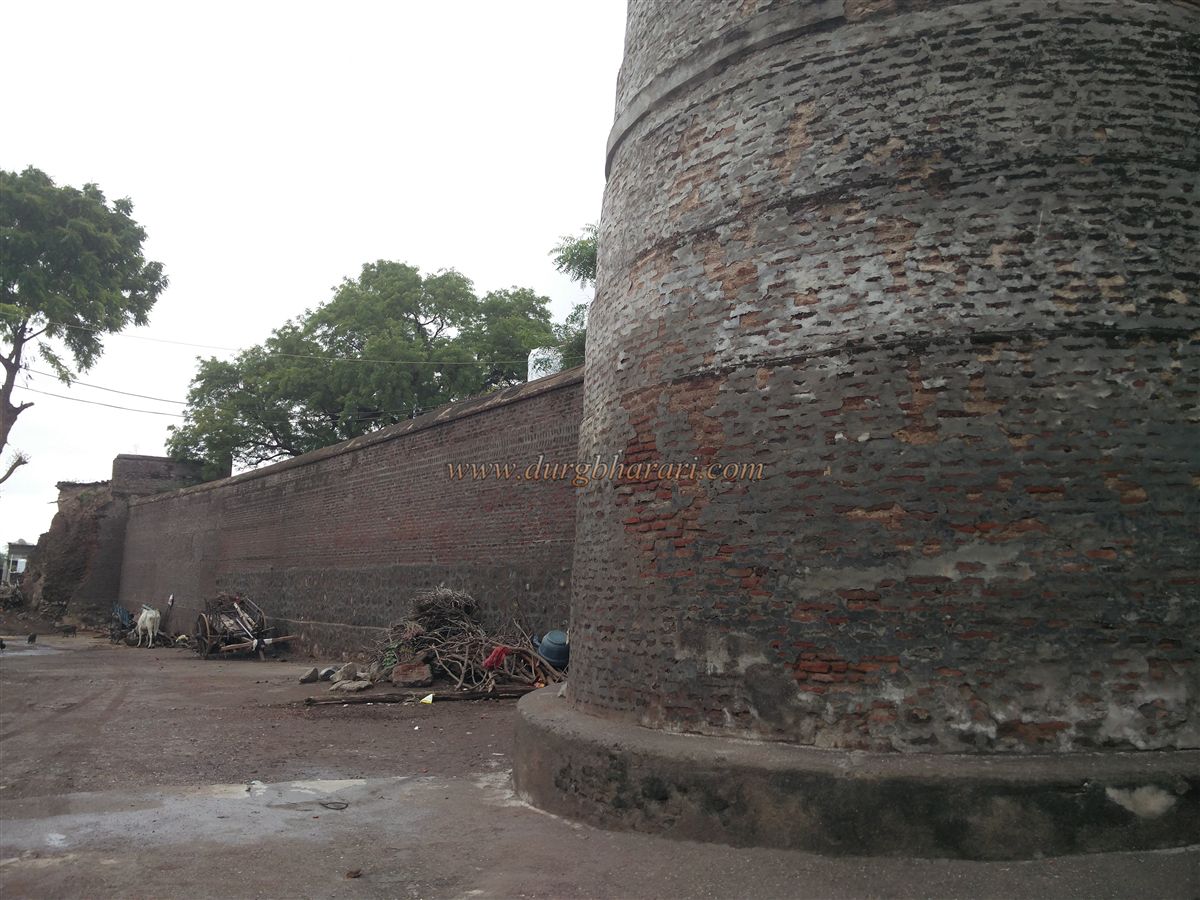
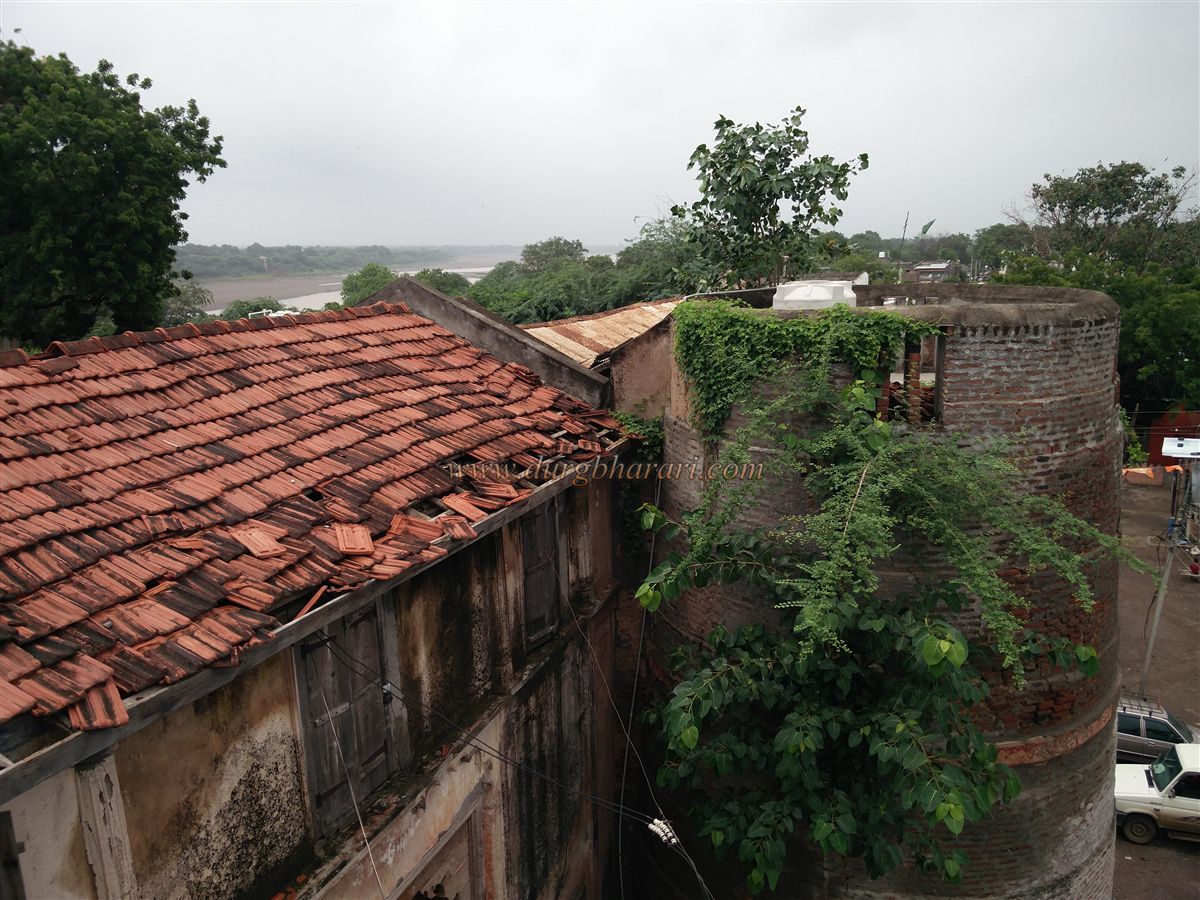
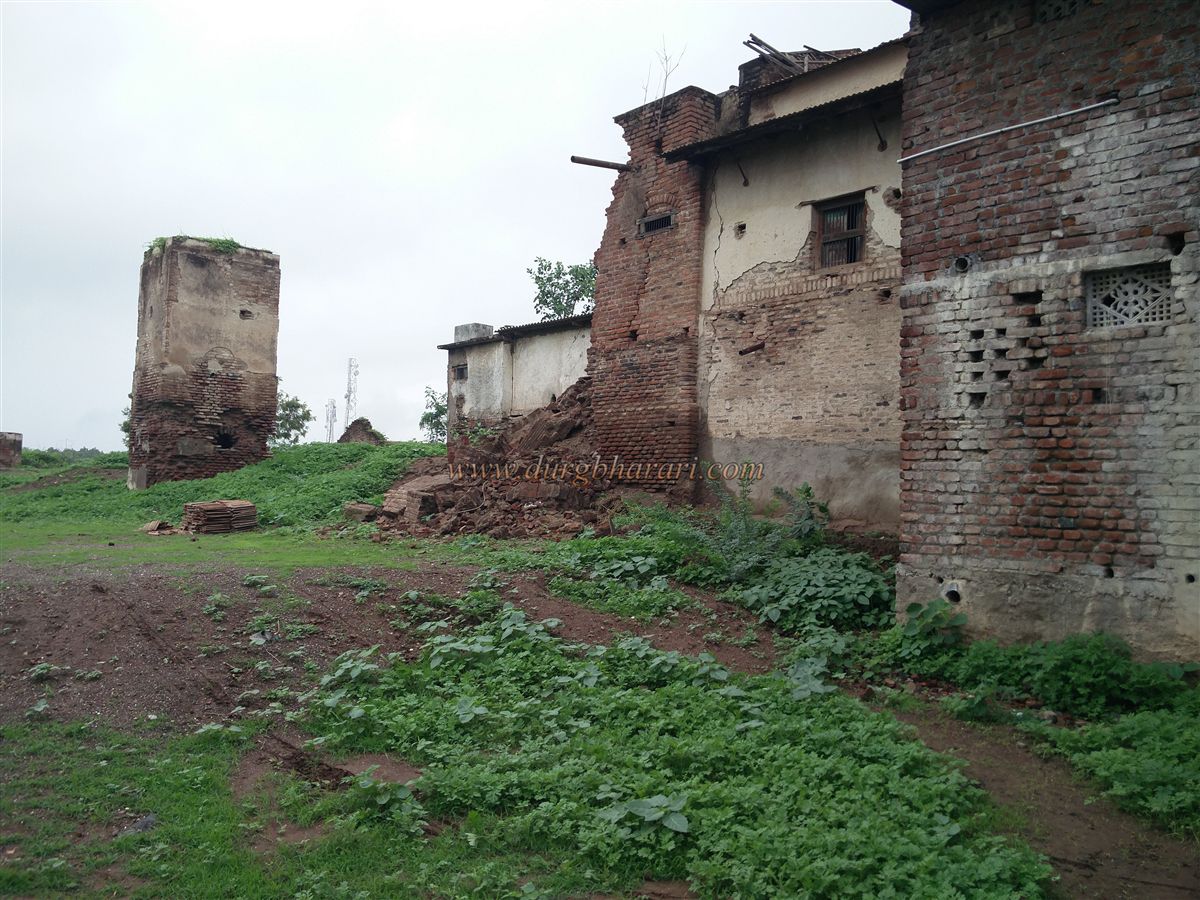
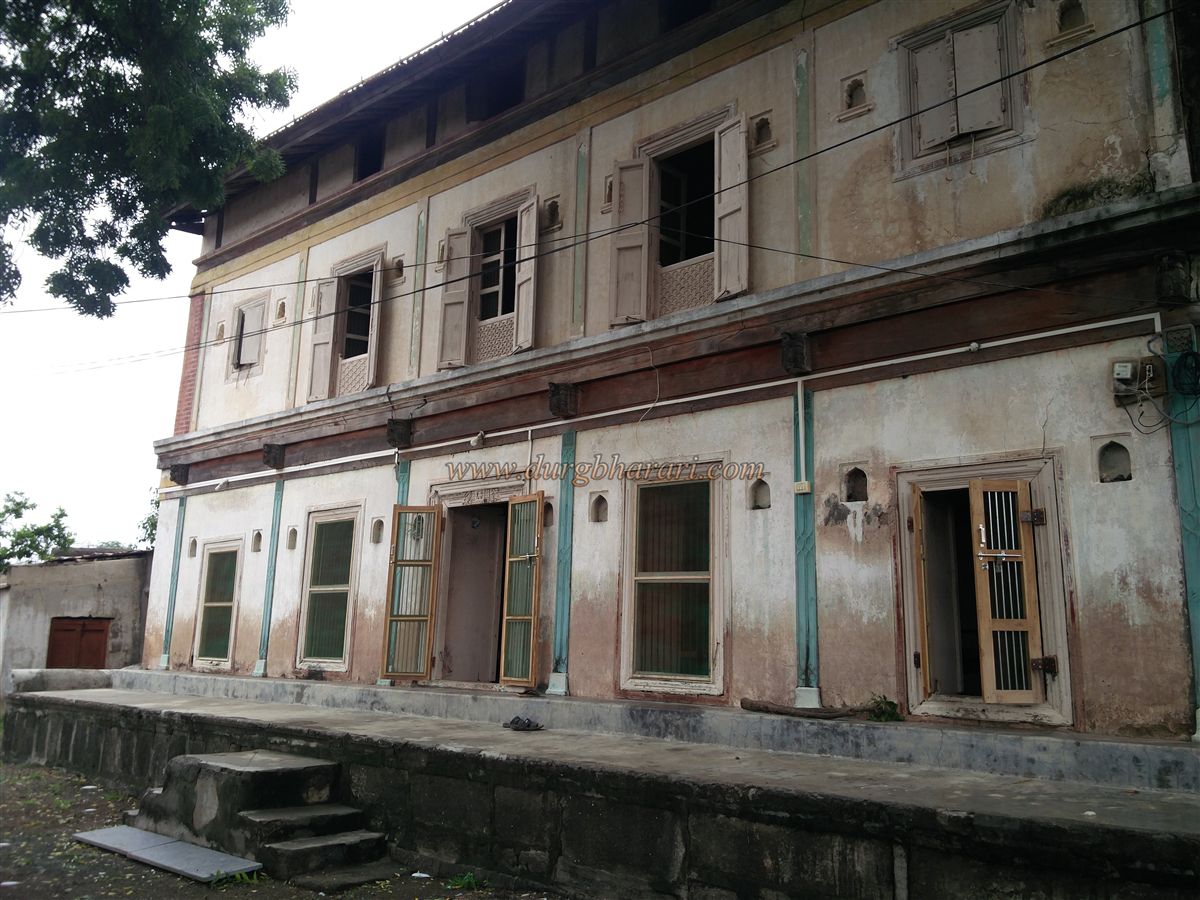
Situated at one end of the village, by the Tapi River, this gadhi houses the old, grand, three-storied wada of Sardar Kadambande. Though the fort’s walls and bastions have started to crumble, the wada remains in good condition, and the descendants of Kadambande still live there. While the fort is no longer in its original form, the Kadambande descendants are trying their best to preserve it. Spread over roughly two acres, the fort has six large bastions—one at each corner and two beside the gates—with the main gate in the north and a smaller gate in the south.
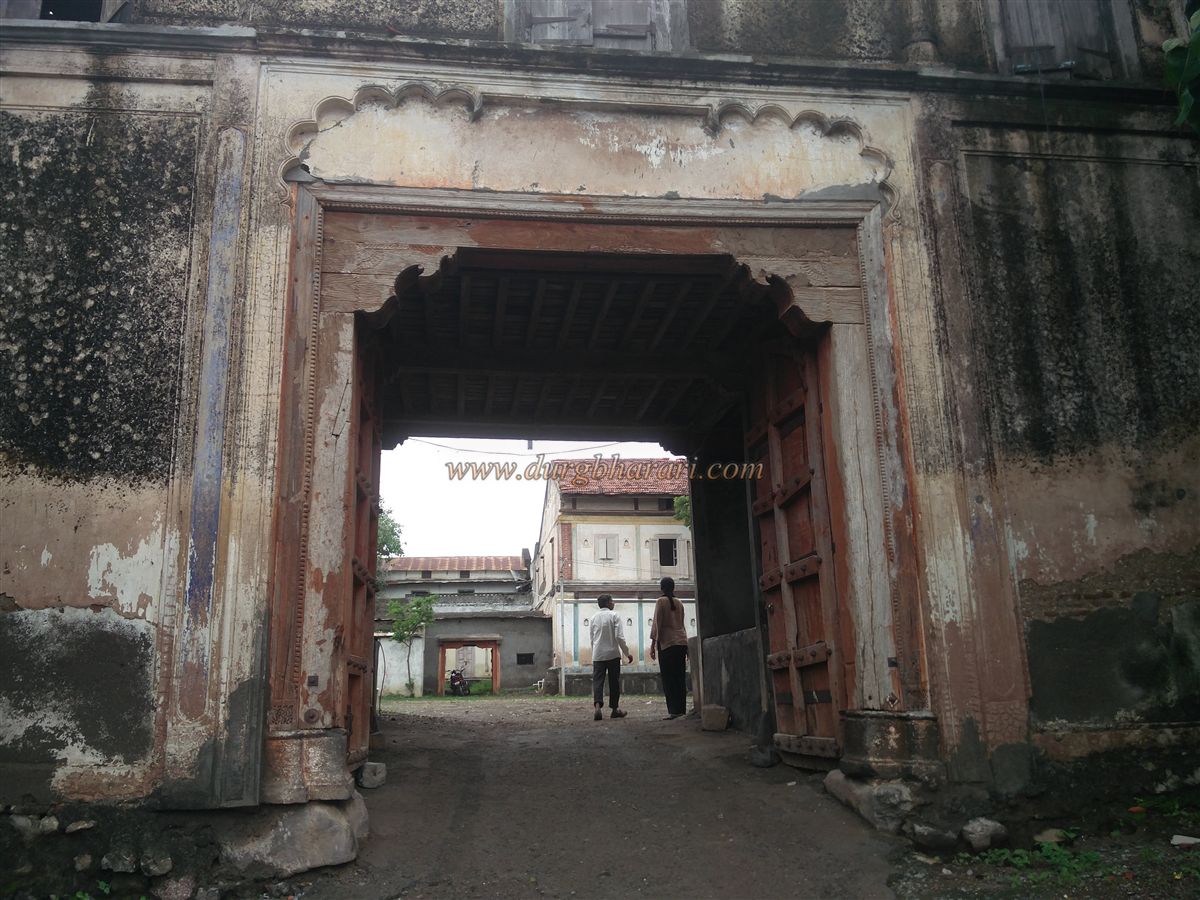
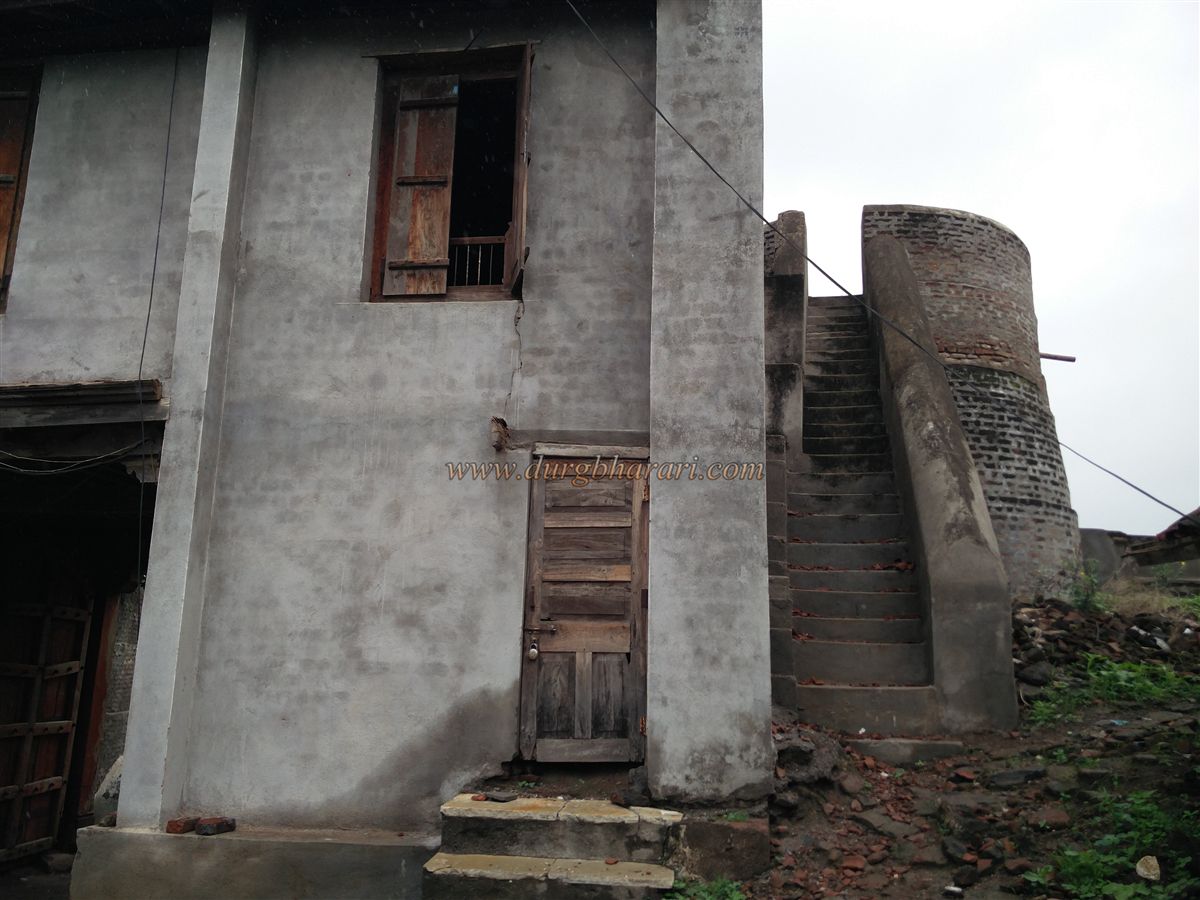
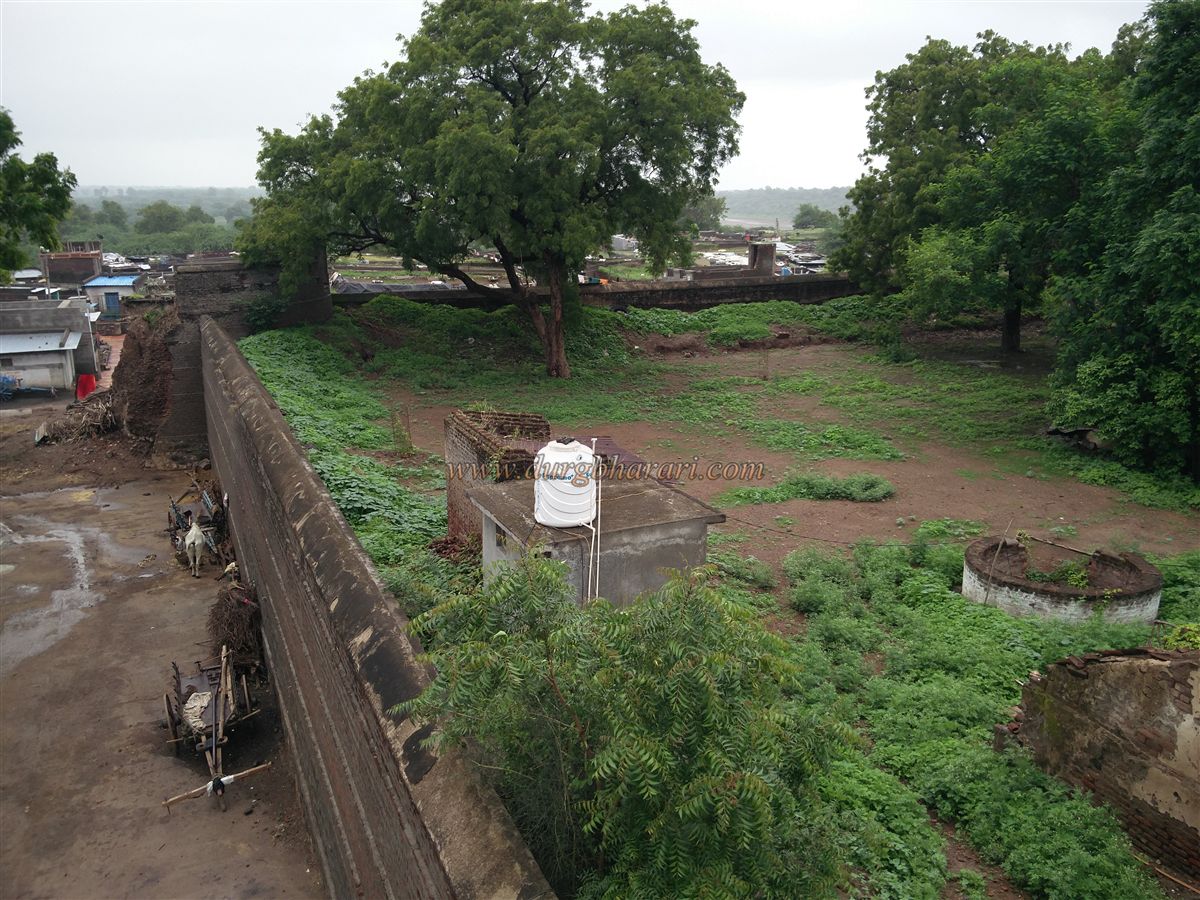
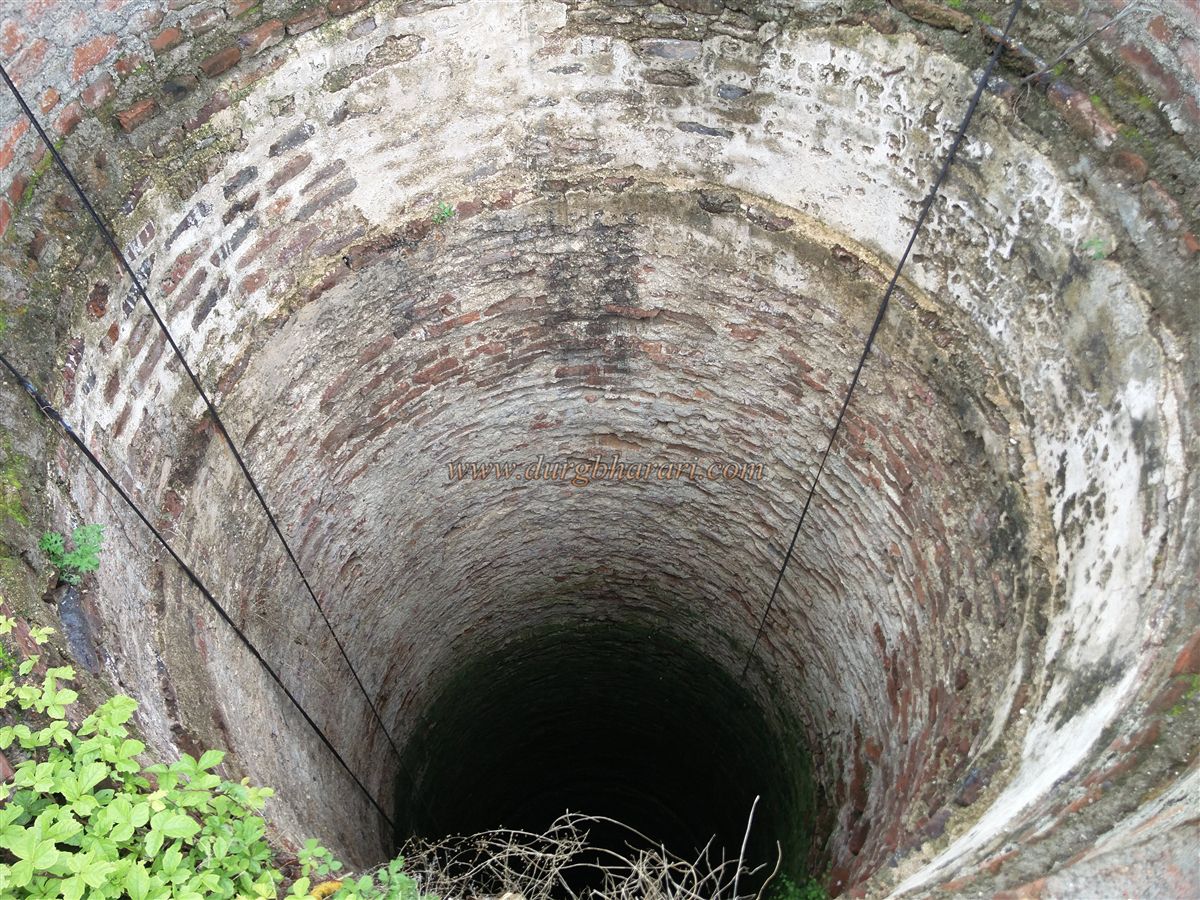
The northern main gate, along with its arch, wooden doors, and upper structure, still survives, while the southern gate has completely collapsed. From this southern gate, steps lead down to the river. The walls are 20–25 feet high and made of bricks, though frequent repairs have altered their appearance. The north-eastern bastion is significantly damaged. Inside the gate are guard rooms, and steps lead up to the wall from inside. Within the fort is a deep well, the water from which is still in use today. In one corner, there is a high, lime-built water tank, which in earlier times might have supplied water to the wada.
Behind the wada is a large tulsi (holy basil) vrindavan. From the bastions, one can see the wide stretch of the Tapi River and the surrounding region far into the distance. Since the wada is inhabited, the fort visit usually ends outside.
During our visit, we met the descendants of the Kadambande family. According to the information they provided, this gadhi was originally built by the Rawal, and when Sardar Kadambande conquered this area, he also took possession of it. Further historical research reveals that in the 13th century, Solanki sardar Sujansinh Rawal attacked and captured Songiri fort. His descendant, Kesarisingh’s son Mohansingh, built the Torkheda gadhi and established dominance over about 225 villages, including Ranale.
Inside the wada, old photographs and documents of the Kadambande family can still be seen. Sardars Krishnaji Kadambande and Venkoji Kadambande were influential nobles in the Nizamshahi. After the fall of the Nizamshahi, they served as Jagirdar in Alkuti village under Mughal rule. British records describe them as considering themselves kings, possessing an independent throne, flag, cavalry, and infantry.
When Chhatrapati Shahu Maharaj was released from Aurangzeb’s captivity, Amritrao Kadambande joined his side. The years 1710–1735 were the golden era of the Kadambande family. Amritrao two sons, Raghujirao and Kantaji, were both highly valiant. The Malharrao Holkar who served in Kantaji Kadambande cavalry later rose, by his valour, to become one of the most prominent Maratha sardars.
In 1720, Amritrao and Kantaji raided the Gujarat region, acquiring immense wealth from the campaign. During Peshwa Bajirao rule, Kantajirao displayed valour in the Gujarat campaign. At that time, the area comprising Dhule, Ranale, Koparli, and Torkheda—originally Rawal’s watan—was granted to them as a jagir. They made Torkheda their headquarters and set up a military camp at Koparli.
Chhatrapati Shahu Maharaj arranged the marriage of Kantaji’s son, Malharrao, to his daughter Gajarabai, thereby establishing a marital alliance between the Bhosale and Kadambande families. In 1750, Malharrao Kadambande settled permanently in Torkheda, reducing the importance of the Alkuti gadhi and increasing that of the Torkheda throne.
© Suresh Nimbalkar
GALLERY