TEMBHURNI
TYPE : NAGARKOT
DISTRICT : SOLAPUR
HEIGHT : 0
GRADE : EASY
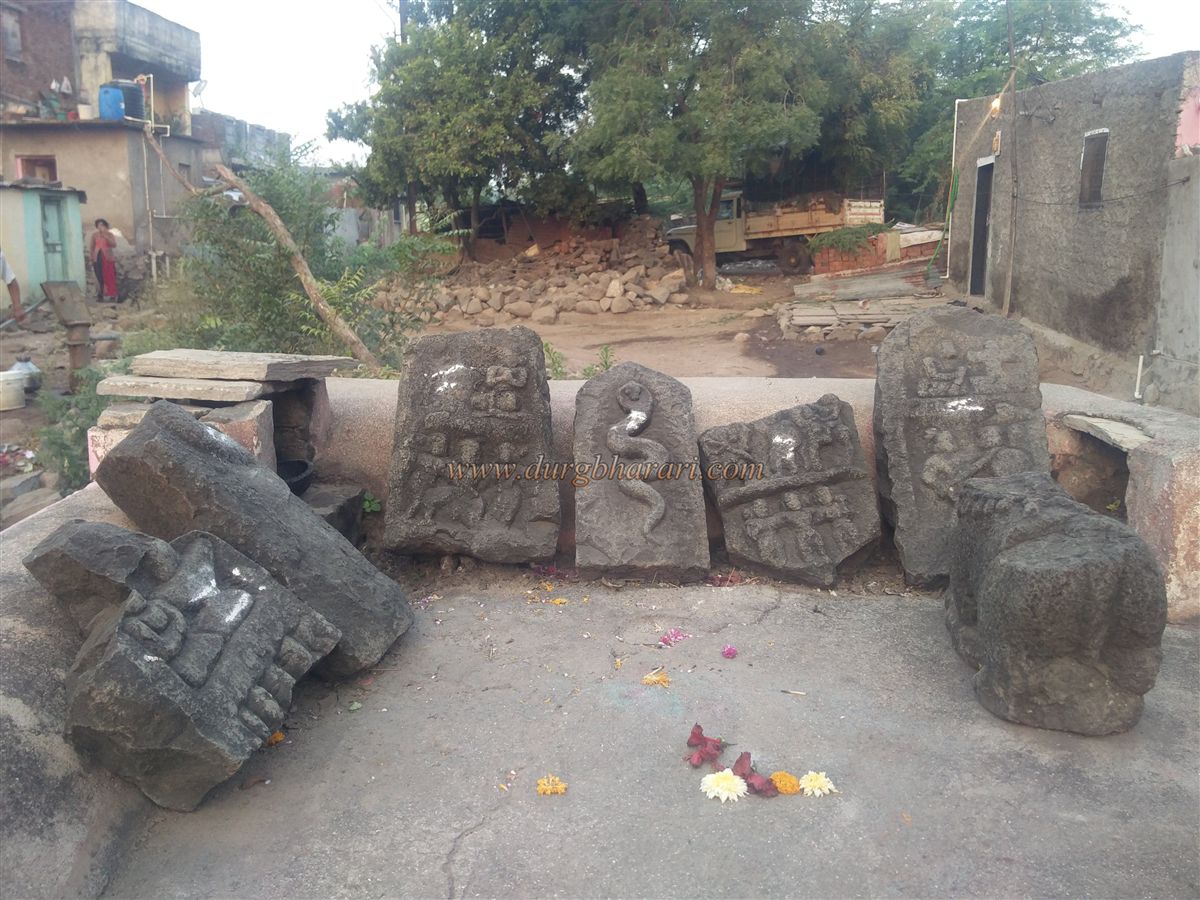
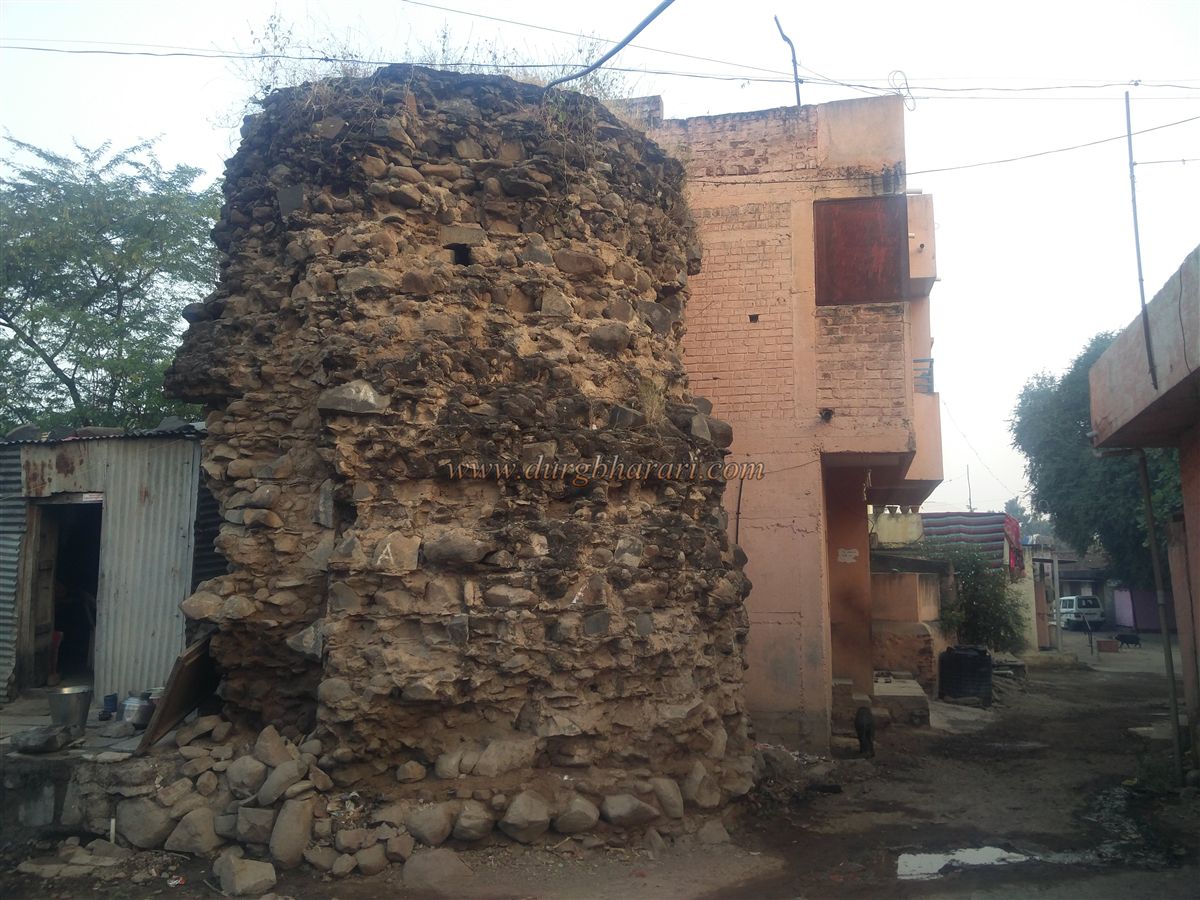
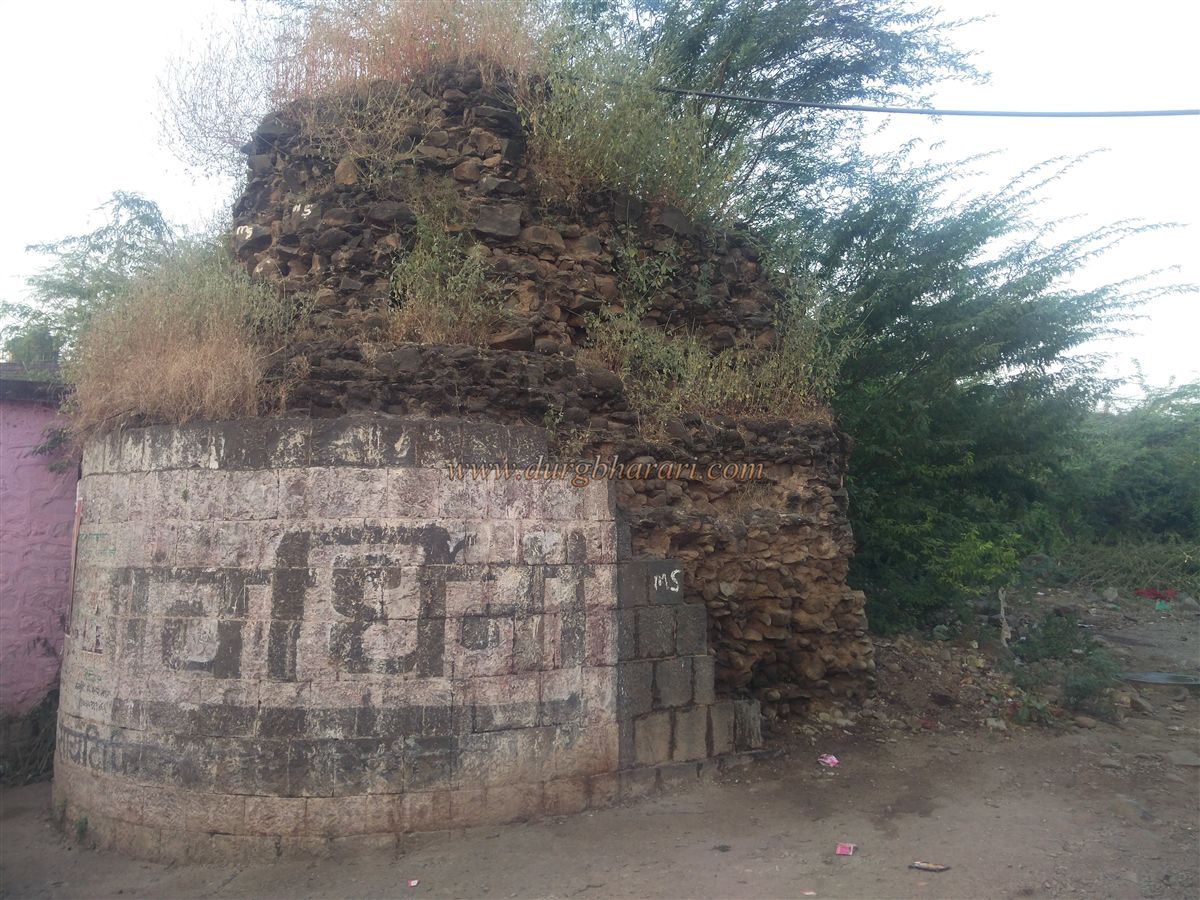
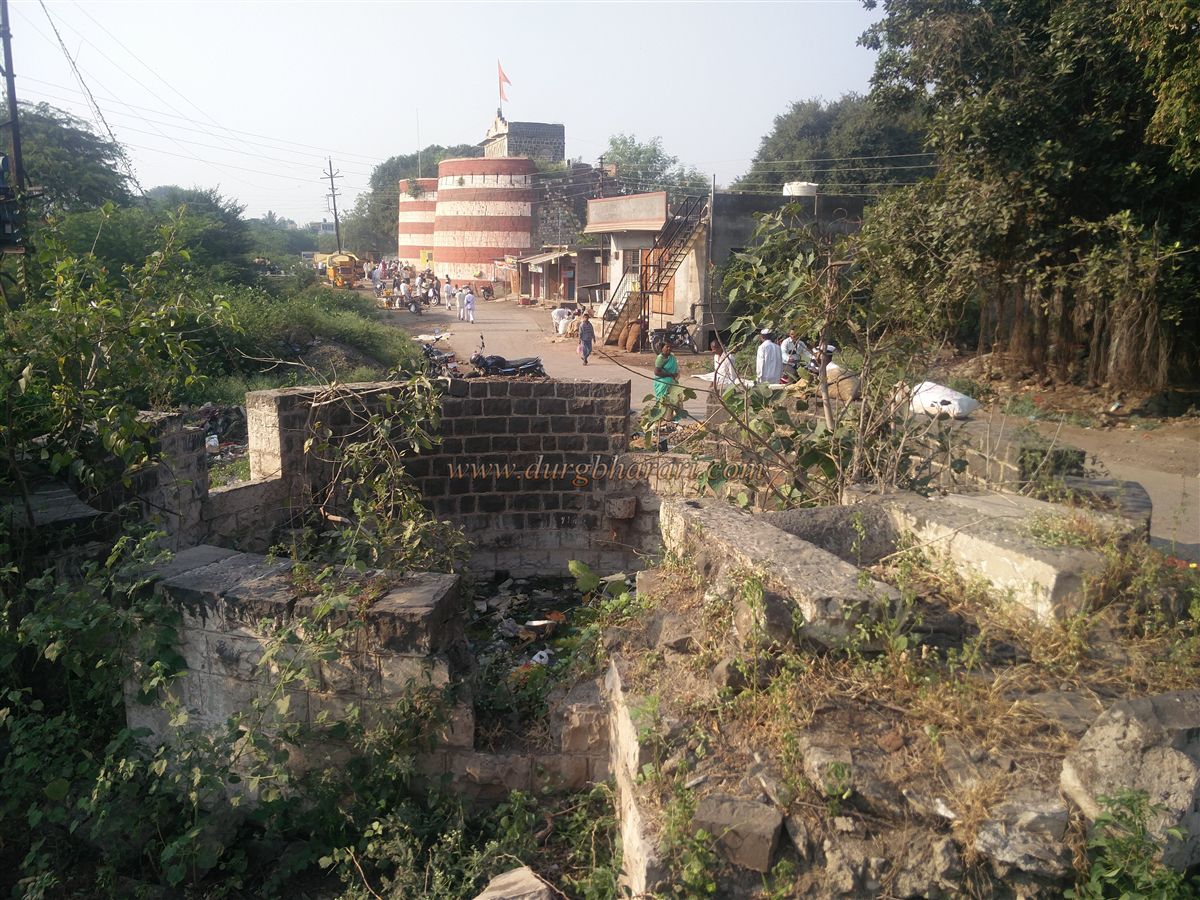
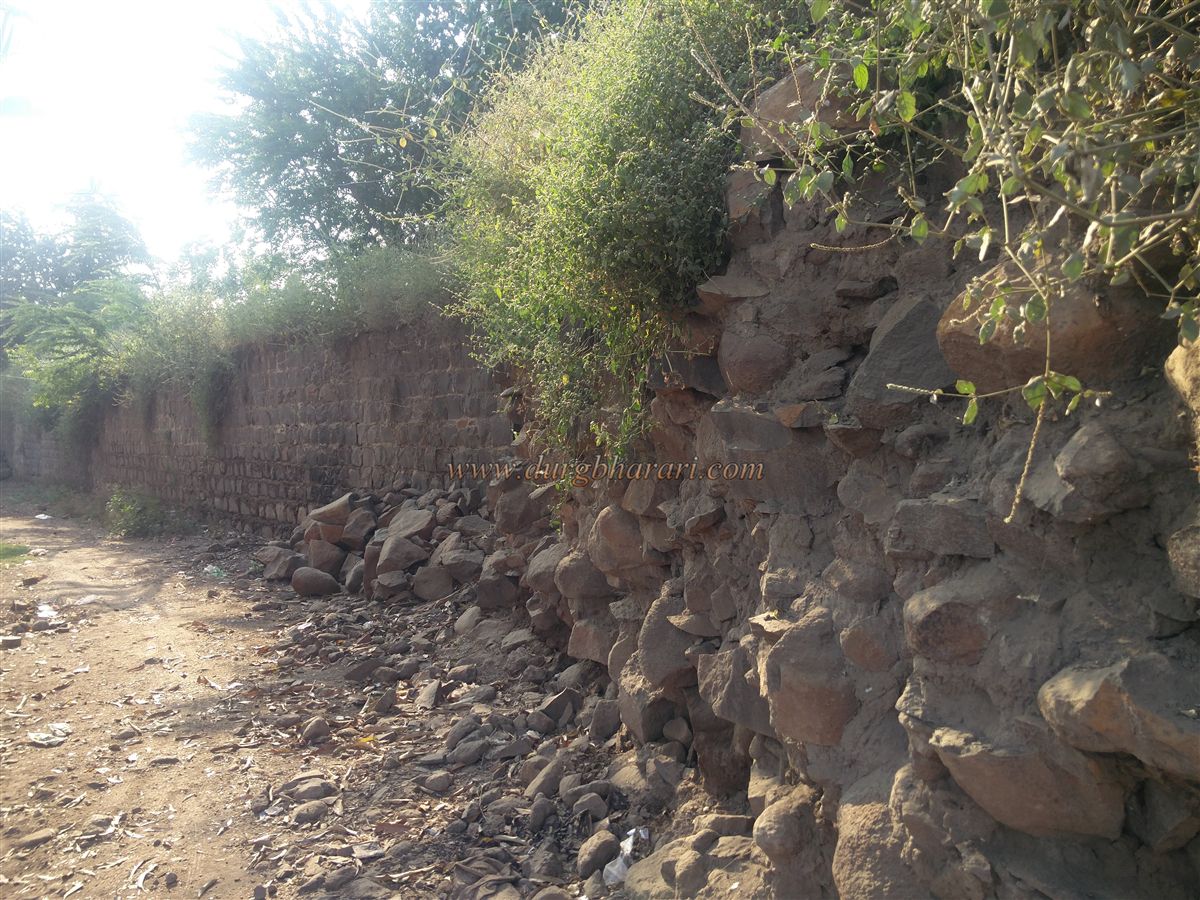
Marathas can still be seen in the form of remains of Virgal, Satishila, Nagdevata sculptures and Tembhurni Fort in the village. During the Northern Peshwa period, Sadashivrao Mankeshwar of Tembhurni on behalf of the second Bajirao Peshwa, exerted his influence on the Nizam in courtship with the Nizam. So the Nizam gave him the village of Tembhurni as a reward. The brothers built two palaces in Tembhurni around 1800, one for living in a three-storied wada (big mansion) and one for army-horses, and forts around the entire Tembhurni village. The ramparts built for protection around Tembhurni village is still largely intact and has collapsed in some places. On the way to Pune-Solapur highway, some bastions and ruins of ramparts can be seen on the right.
...
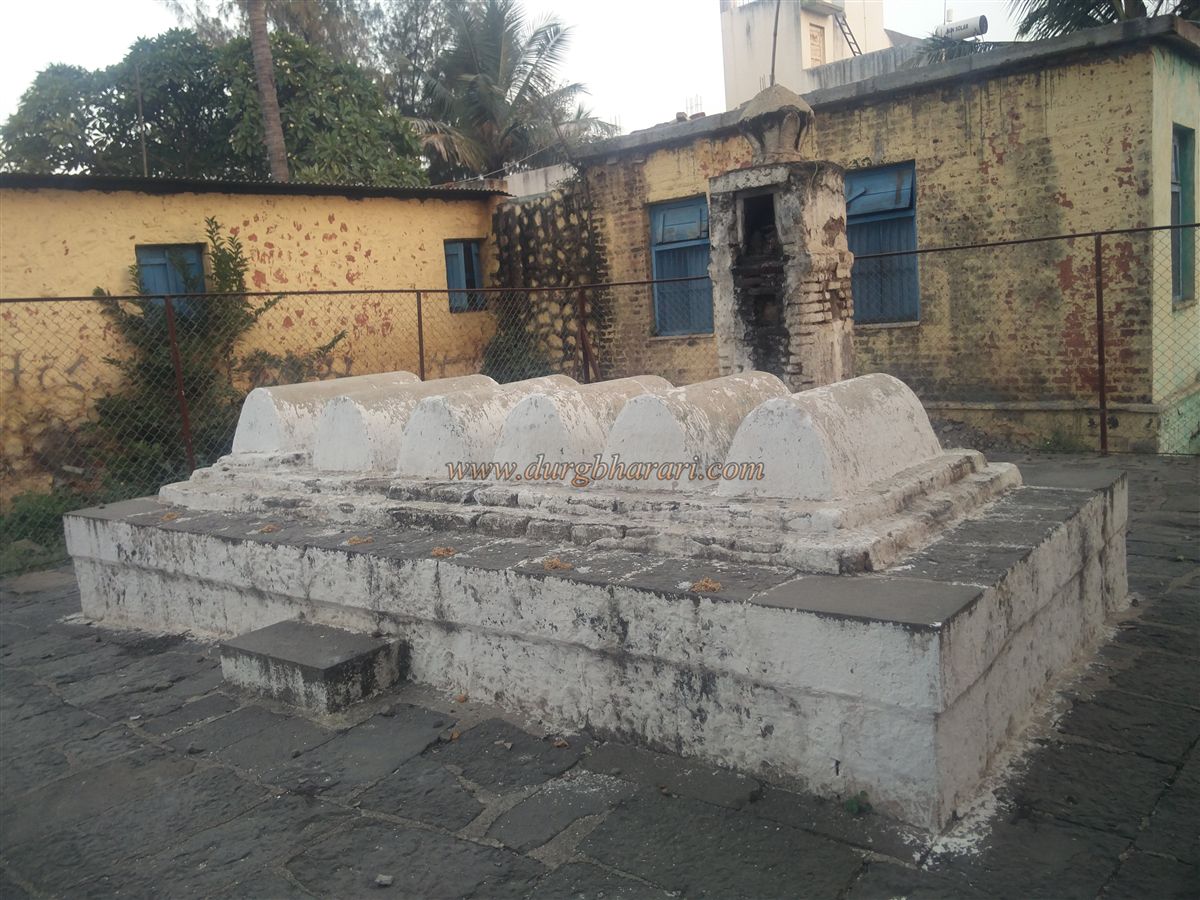
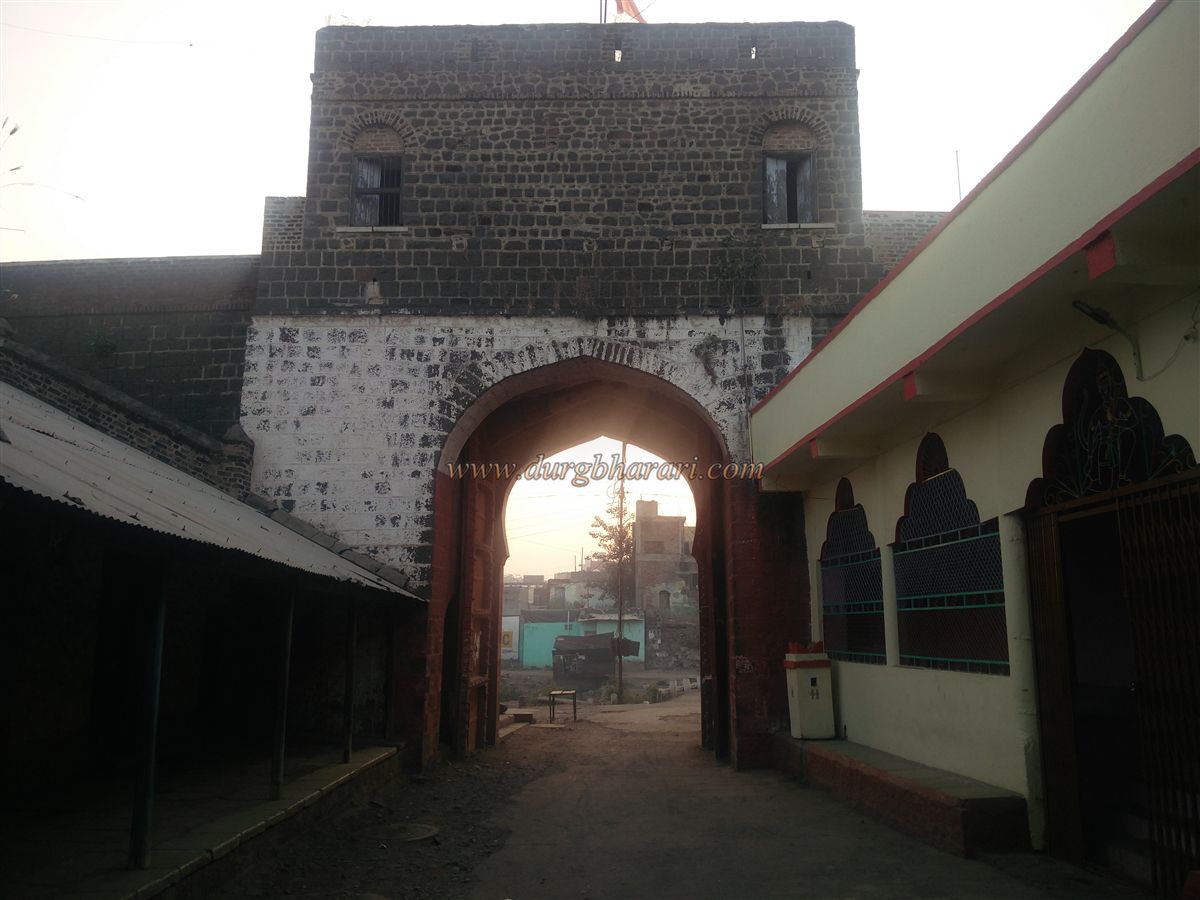
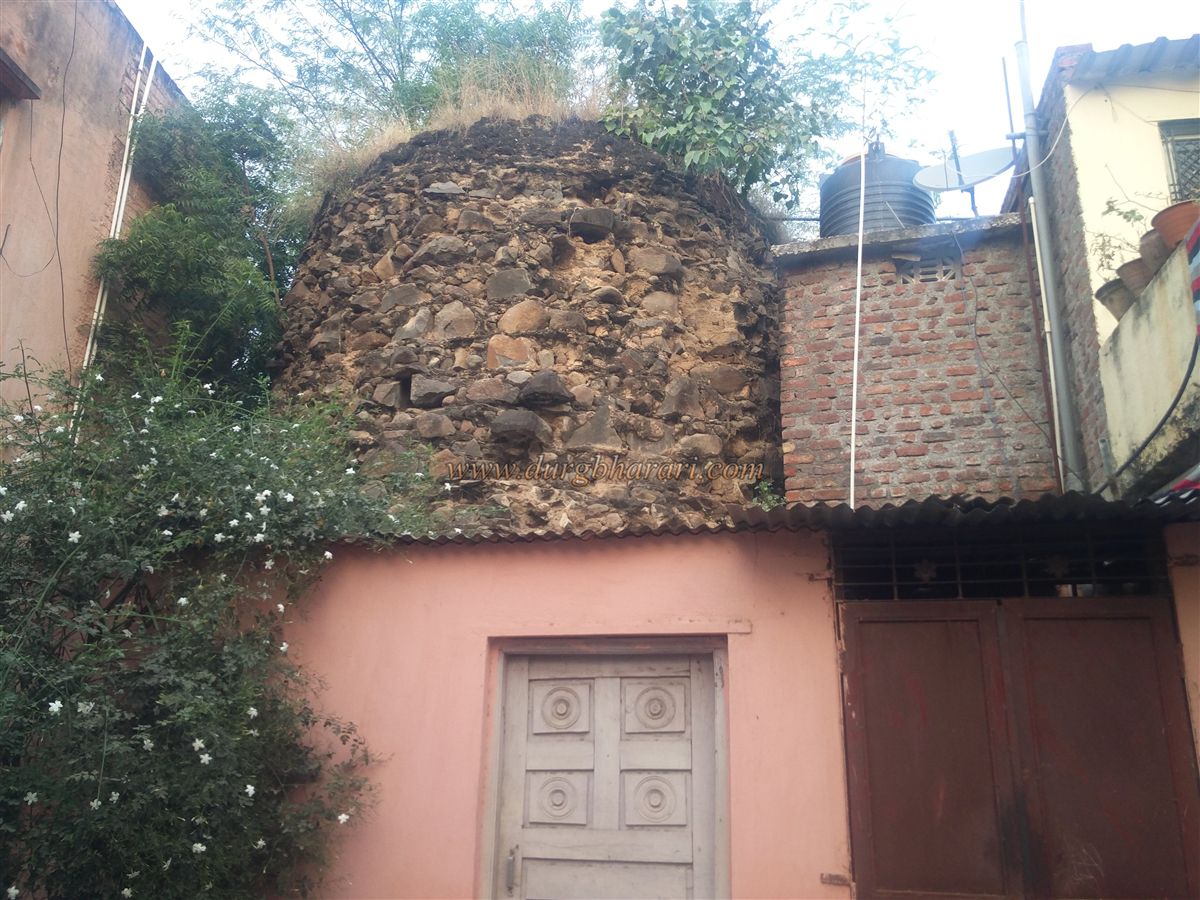
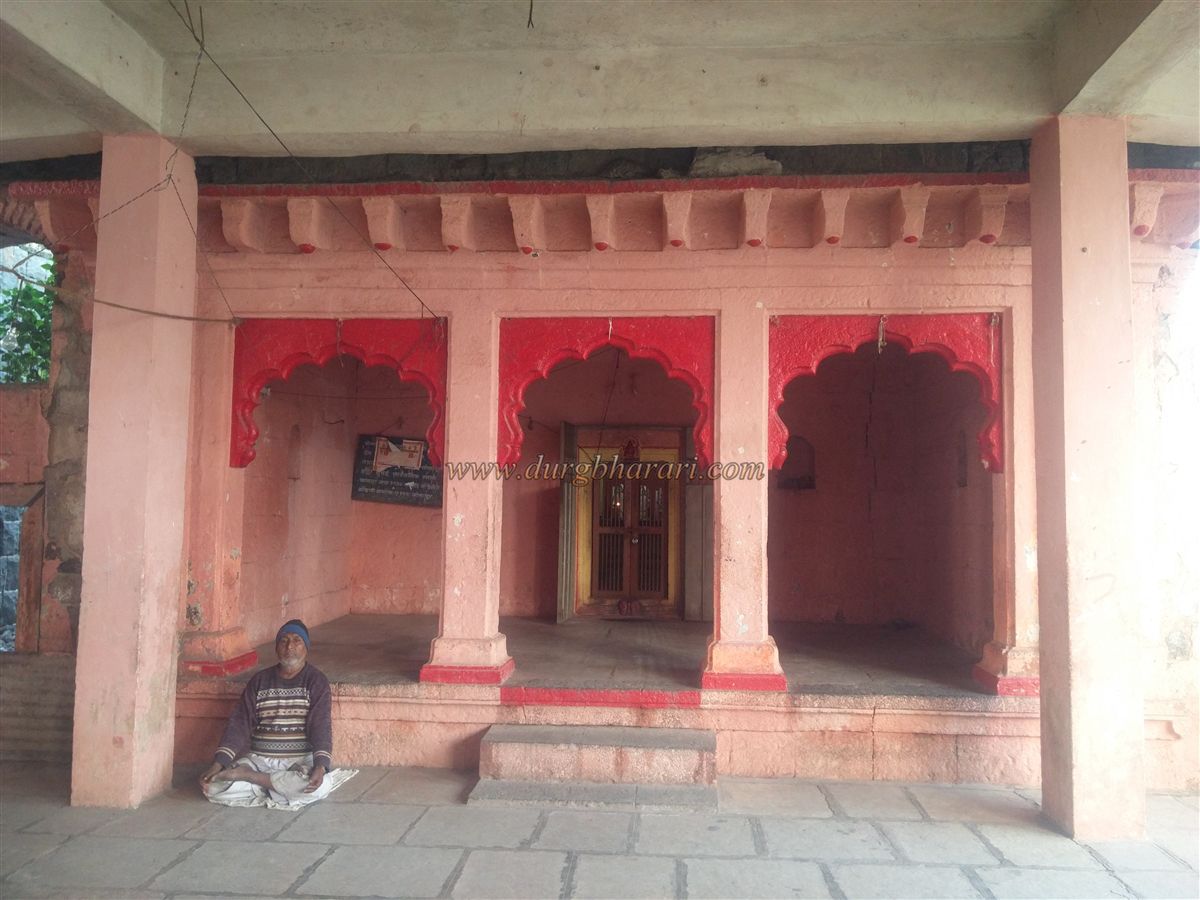
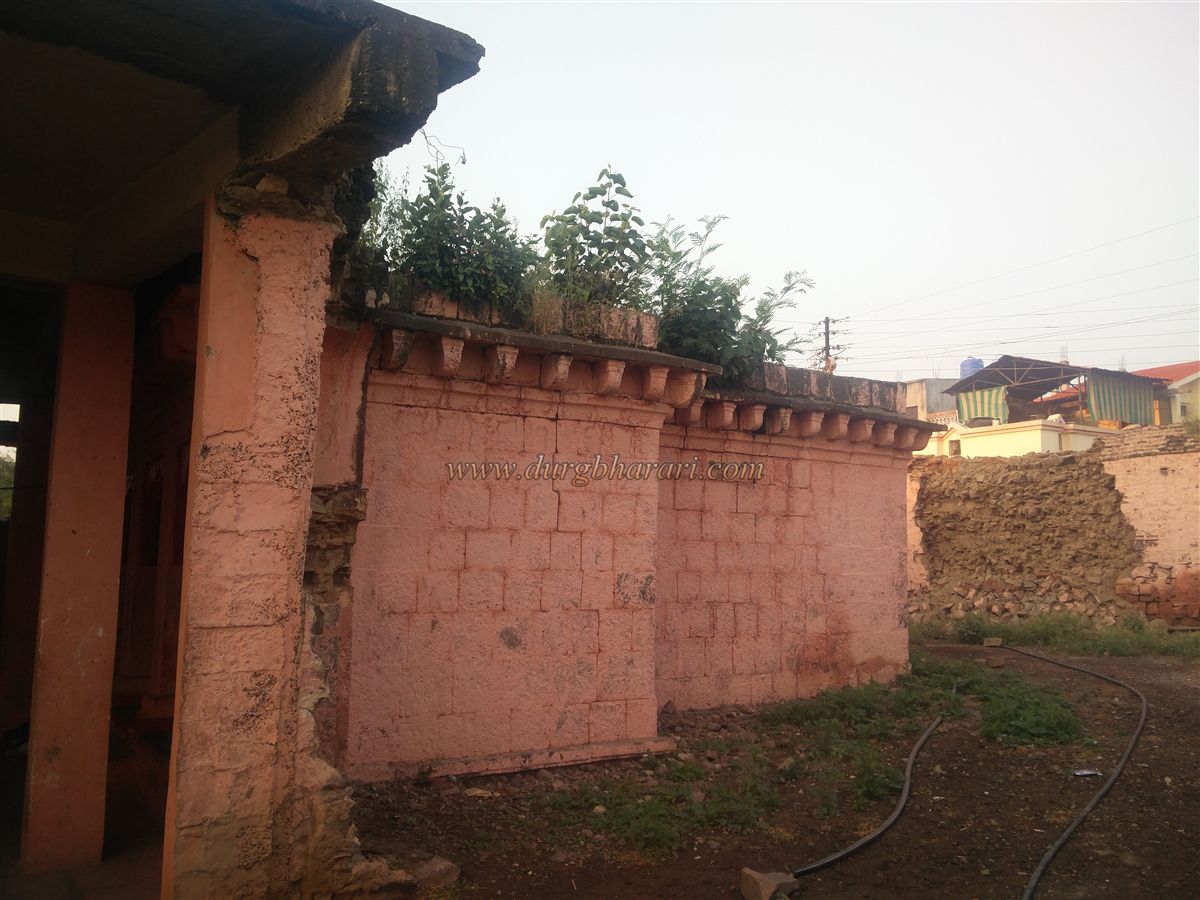
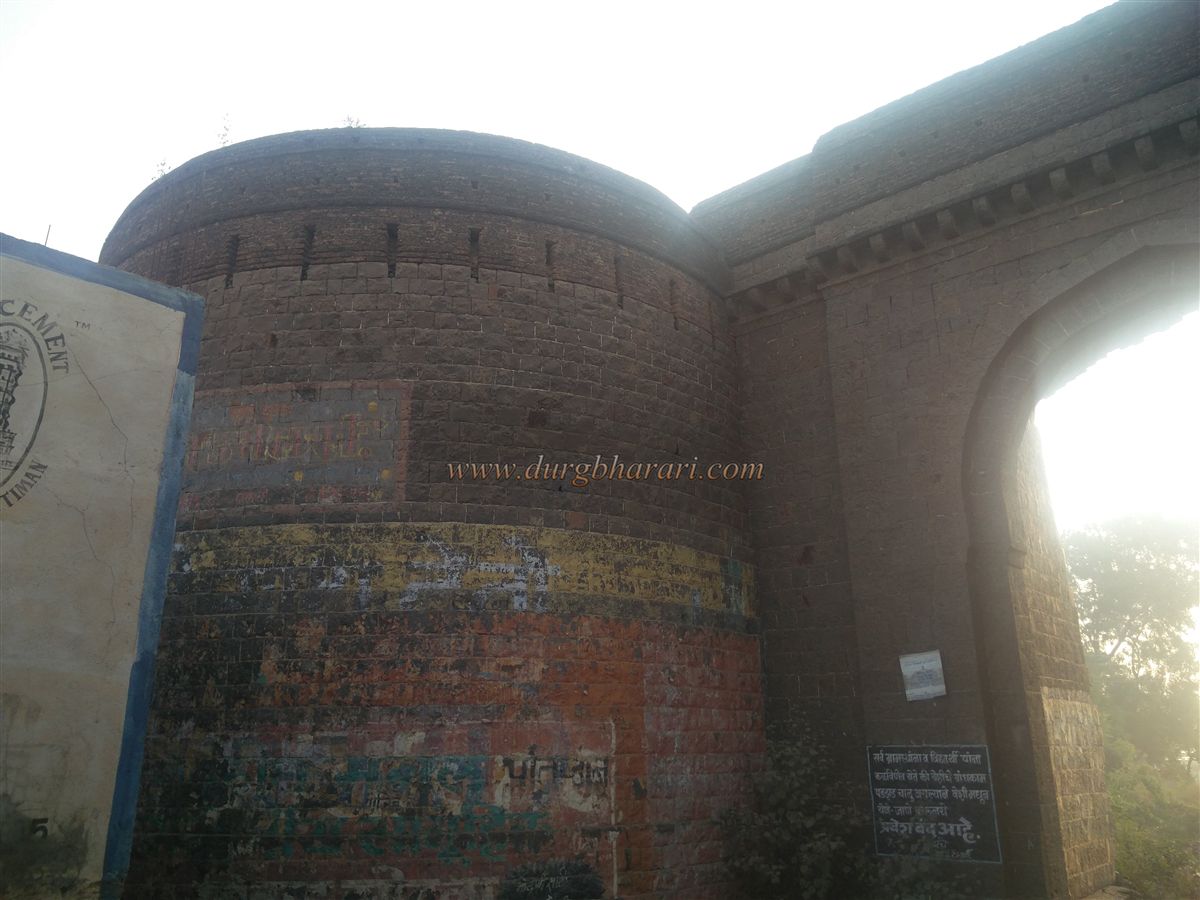
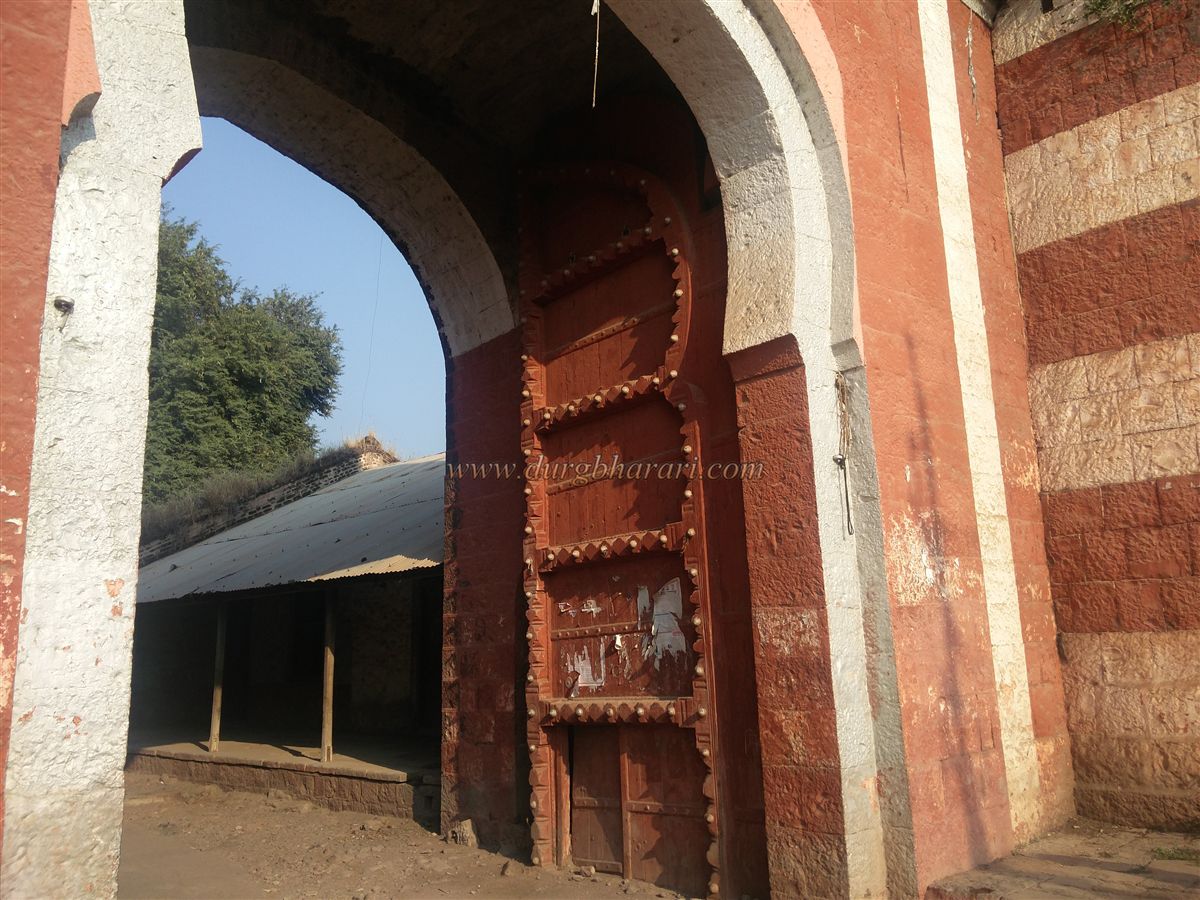
This east-west fort is spread over forty acres and has a total of sixteen bastions in the outer ramparts. The rampart wall is more than ten feet thick. Stairs can be seen at two places in the remaining ramparts to climb the ramparts. Fort has two big gates and four small gates for entry. On entering from the main gate of the fort on the Akluj-Tembhurni road, the first thing on the right is a beautiful stone Ganesh temple in the premises of the school and on the left is the Mahadev temple. As this road passes through Fort and exits through another door, if you go through this road, you can see all the remains in an orderly manner. After coming along this road, on the left side, you can see the Bamantale Lake, which used to supply water to the settlement in the fort. One such lake is outside the fort in the western part and is known as Mangtale. After going further along this path, there is a temple of Ram built in stone construction with stone walls and spacious premises, which is dilapidated. After seeing the Ram Mandir, there is Sadashivrao Mankeshwar mansion in the street on the right side. The wada has largely fallen into disrepair and is still inhabited by a few people. In the Gazette of Bombay Presidency during the British rule, it is recorded that this wada was built. To supply water to this wada built in Tembhurni, water was brought from Amrai by syphone method. It can still be seen in front of the wada. According to the villagers, the wada had three subways. One route was at the eastern gate, the other route was going to Narsinhpur and the third route was going to Amrai. The tunnel coming out of Amrai is not a tunnel but an outlet for water supply. After seeing the wada and coming to the main road, a little further on the right side, three bastions of massively scattered stones and crumbling stone constructions can be seen. There was another wada here for soldiers and horses and locals say that this wada had six bastions. As there are six stone bastions under the Fort around the second wada, it must have been a military base fort. In front of the bastion on the right side, the villagers have built a stone foundation and placed on it memorial, snake idols, Nandi and other stone sculptures found in the Fort. Six Muslim mausoleums can be seen on the platform in front of the left bastion. The second main gate of the fort is visible here. This gate of Fort is known as Indapur Ves. The western wooden door of the Fort and its decorations are still there and there is a staircase from the bastion on both sides to reach it. The Hanuman temple inside this door has been renovated recently. Here our fort tour ends. An old well can be seen outside the ramparts of the fort and other well can be seen on the left side after crossing the stream in front. An hour is enough to tour the entire fort. The Tembhurni route has been used for expeditions from Marathwada, Solapur, and Karnataka. After death of Shivaji Maharaj, Aurangzeb turned his attention to the south. According to historical records, Aurangzeb's son Shahzada Azam stopped at Tembhurni on October 2, 1682 in pursuit of the Marathas. The Marathas were across the river Bhima at that time. The Bhima River divided the territories of the Marathas and the Mughals. The Marathas crossed the Bhima and fell upon the Mughals at the first opportunity. Bakshi Bahaman Khan of the Mughals came to Paranda from Kati Pargana in 1690 after receiving news that the Maratha forces were moving around the Bhima River area. He put his heavy luggage on the way and ran to the Tembhurni area. Ghazi Uddin Khan also came there in pursuit of the Marathas. They both met there. After that Bahaman Khan came back to Paranda. After Rajaram Maharaj came to Swaraj from Jinji in 1699, he himself launched a campaign against the Mughals. As soon as he got the information about Rajaram Maharaj's campaign, Aurangzeb sent Shahzada Ajjam in pursuit of Maharaj. After he stopped the Maharaja near Paranda, the Maharaja came near Tembhurni and crossed the Bhima River towards Satara. During the Northern Peshwa period, Tembhurni once again became famous in the history of the Marathas due to Sadashivrao Mankeshwar, a kirtanakar from Tembhurni. Sadashivarao's brother Mankeshwar came to Pune during the Sawai Madhavrao Peshwa period and soon entered the political stream of Sawai Madhavrao and Nana Fadnavis due to his talent. After the untimely death of Sawai Madhavrao, Bajirao became the second Peshwa. Sadashiv Mankeshwar took the side of Baji Rao II. Due to his loyalty to Bajirao, the Sadashivrao brothers became close associates of Bajirao. Due to the wrong policy of Bajirao Peshwa, Yashwantrao Holkar attacked Pune and defeated the forces of Shinde and Peshwa and the Peshwa went to Vasai for the shelter of the British. Later, Mankeshwar helped Bajirao Peshwa from Vasai on the throne with the help of the British. He was appointed by Bajirao as his Diwan. Until 1814-15, Bajirao remained in favour with the brothers. Later Sadashiv Mankeshwar came down from the favour of Bajirao. The fact that a person from Tembhurni was holding the reins of the Maratha dynasty during the last period of Marathi power adds to the history of Tembhurni. This ruler of the Maratha Empire failed on 8 October 1817 in Pune. After the death of Sadashiv Mankeshwar, the historical importance of Tembhurni faded.
© Suresh Nimbalkar
GALLERY