TELBAILA
TYPE : HILL FORT
DISTRICT : PUNE
HEIGHT : 2515 FEET
GRADE : VERY HARD
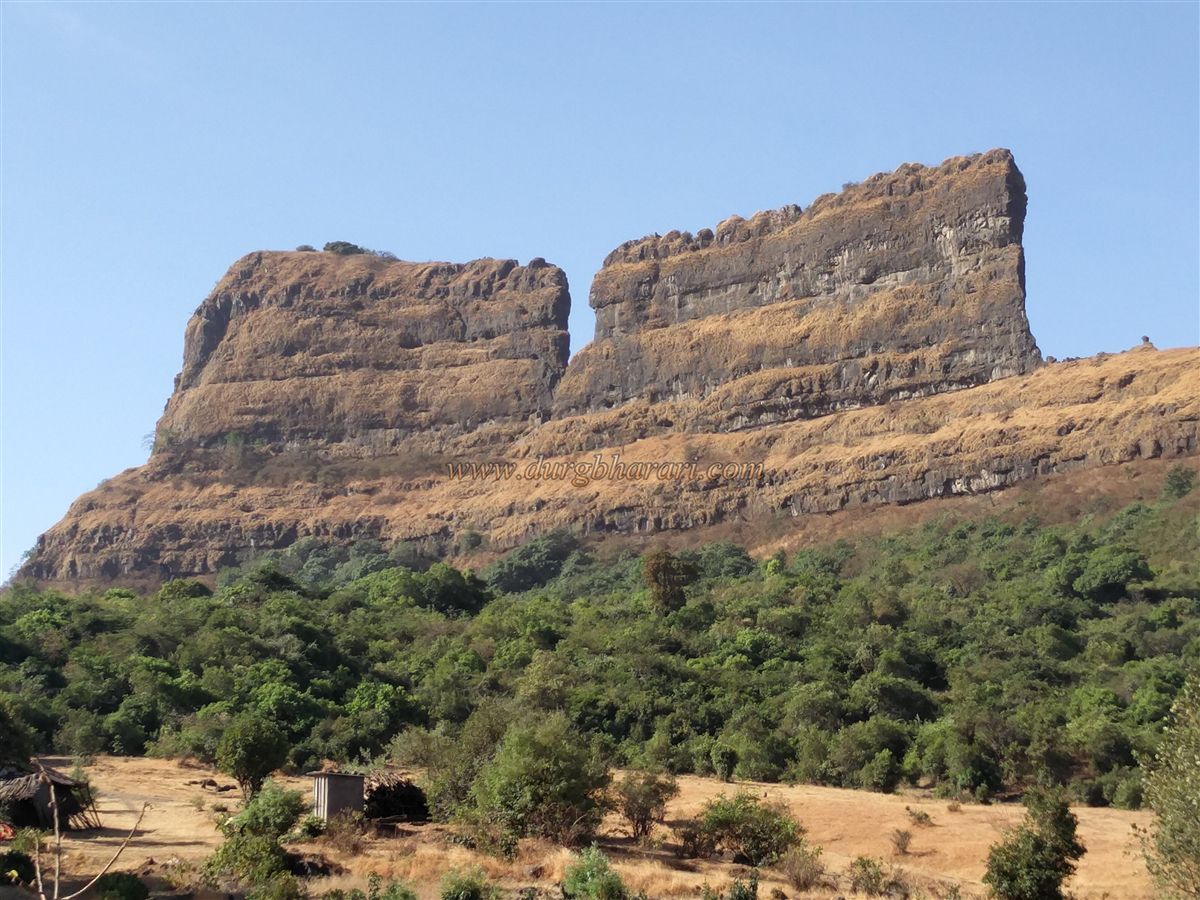
The Sahyadri range, stretching along the border of Pune and Raigad districts, has always called out to wanderers. From this part of the Sahyadri, many mountain passes descend down into the Konkan. Since ancient times, three ghats connected the village of Pali in the Konkan to the Lonavala–Khandala region on the plateau. Goods arriving at the ports in the Konkan were transported to the markets on the plateau. To protect these trade routes, a chain of forts was built from the ports to the markets. Sudhagad, Sarasgad, and Mruggad lie at the base of the ghats, while Ghangad, Telbaila, Kailasgad, and Koraigad stand above them. Telbaila is one such fort, famous for its two massive vertical rock walls. Judging by its location, shape, and remains, it was only a watch fort.
...
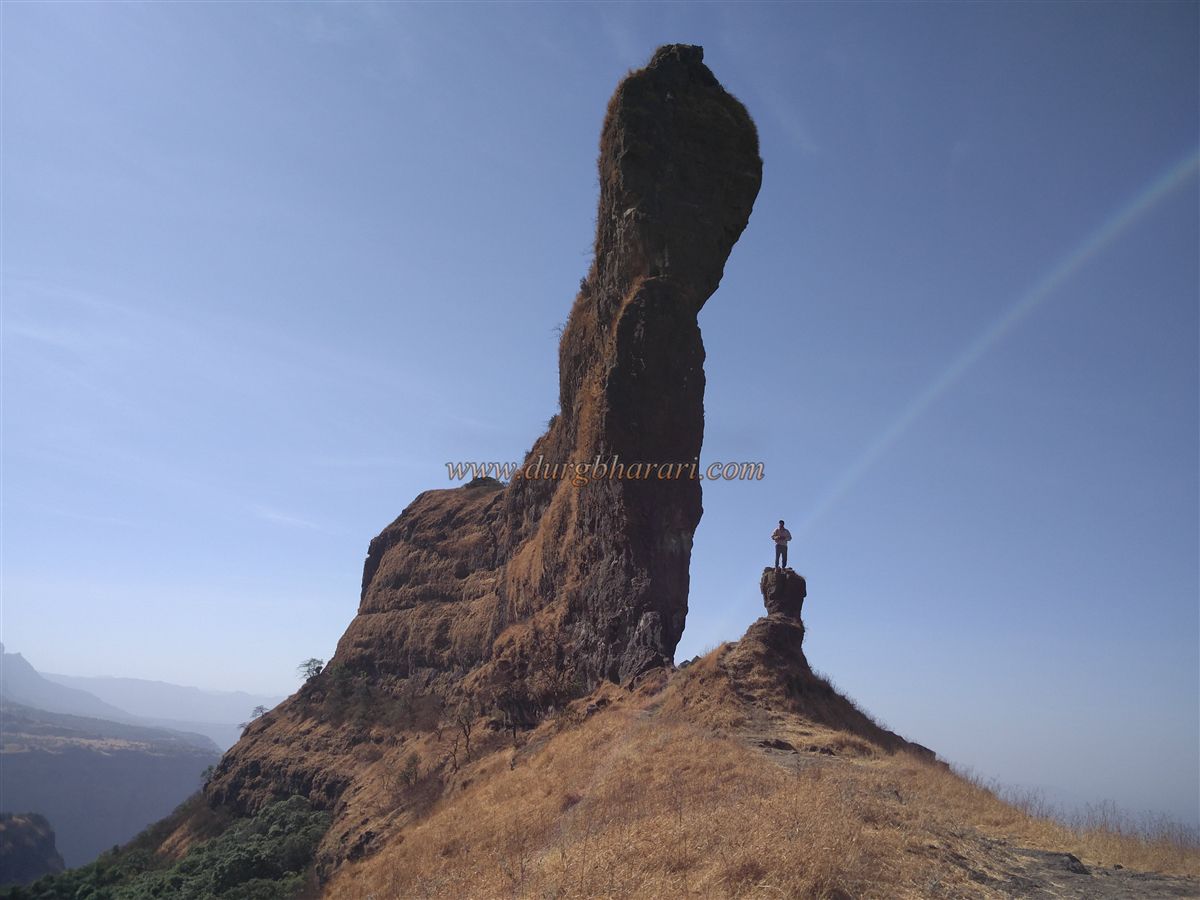
Telbaila village at the base of the fort lies 35 km from Lonavala via Bhushi Dam–Korigad–Salter. Since this route has little traffic, it is better to travel by private vehicle. After Salter Pass, there is a turnoff for Telbaila, marked with a signboard reading “Fort Telbaila alias Bhairavanath Hill.” From here, the village is 3 km away. The Sahyadri are of volcanic origin and formed in a “dike” rock structure. As the lava cooled, various unique formations were created—spires and vertical cliffs rising suddenly among the ridges. In geological terms, such spires are called volcanic plugs, while the vertical rock walls are called dikes—basalt walls formed when lava accumulated and cooled. The massive walls of Telbaila are a remarkable example of such a dike formation, unmatched anywhere in the world.
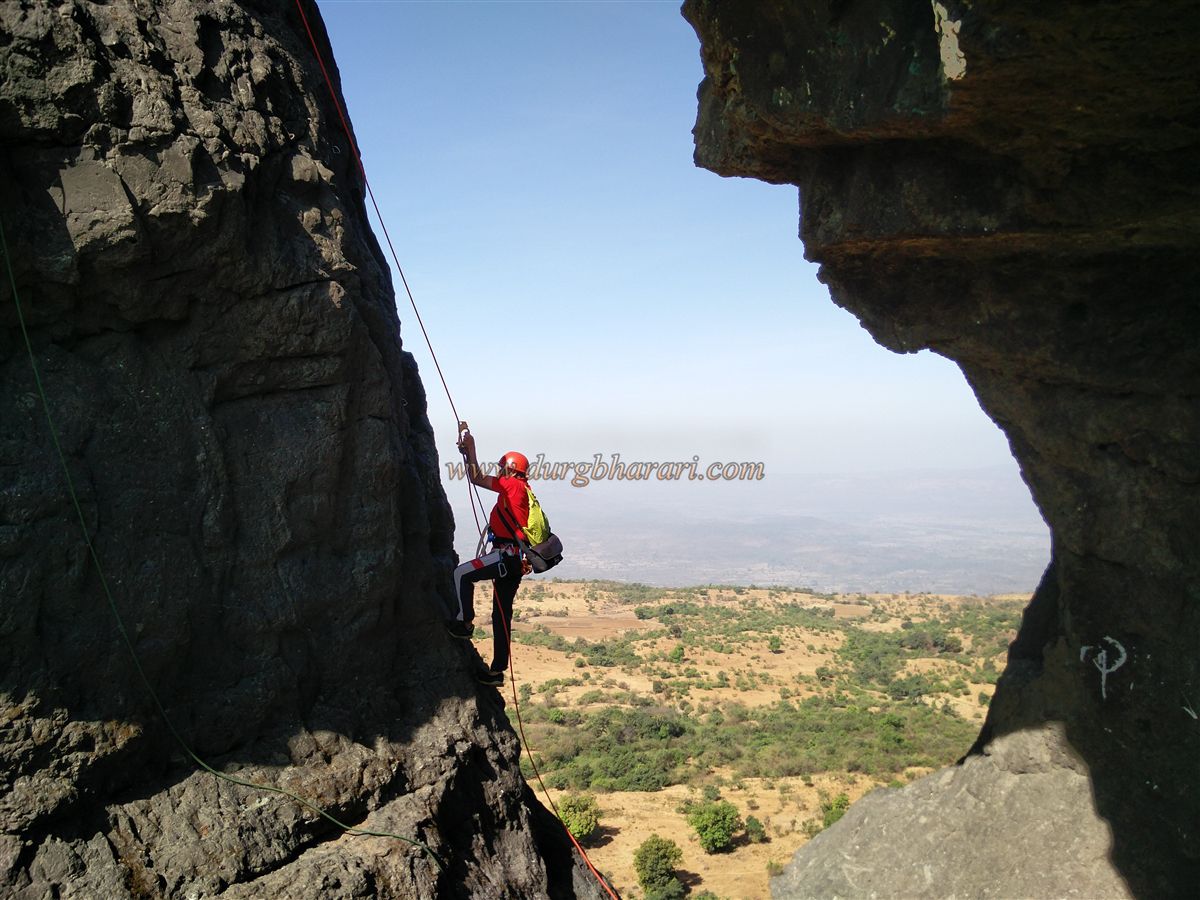
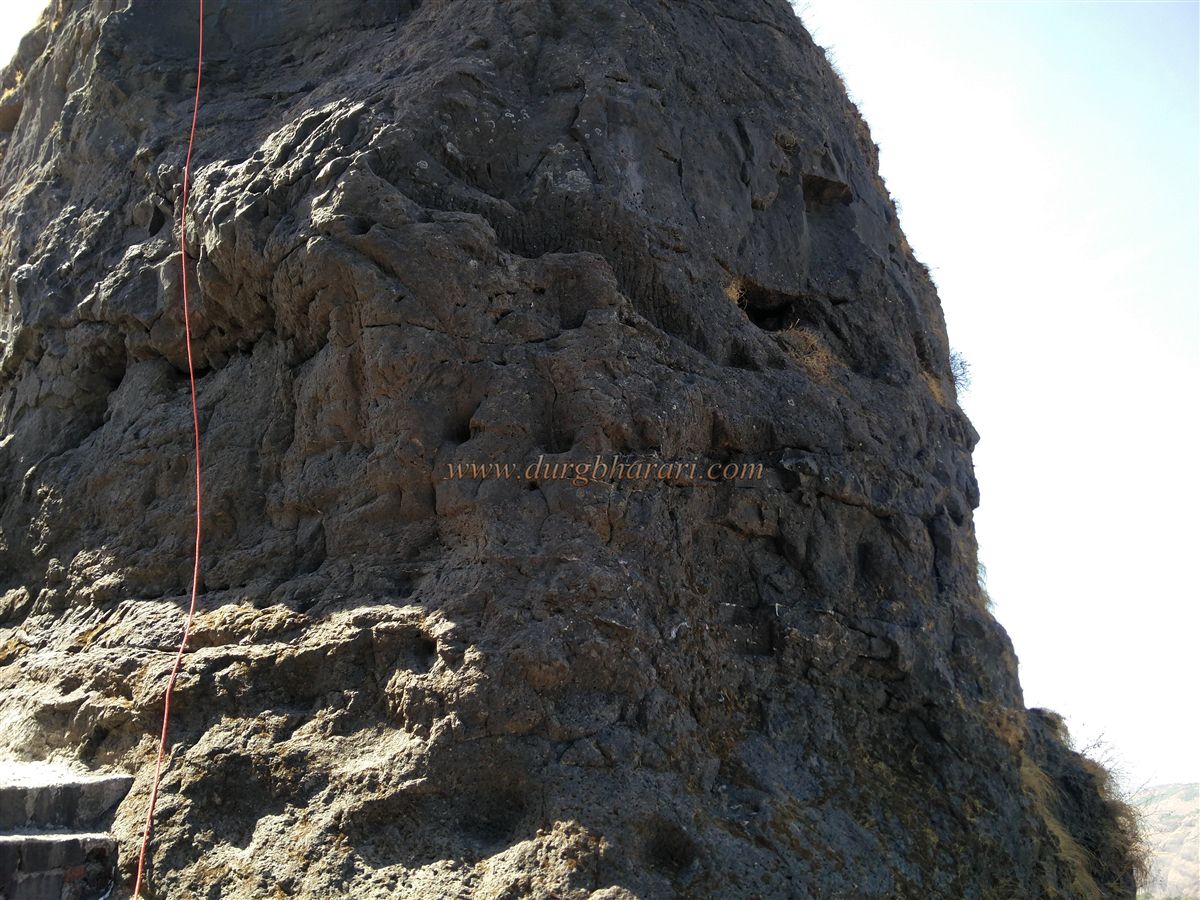
These twin walls rise 3,322 feet above sea level, running north–south. In the middle of the wall is a V-shaped notch that is clearly visible even from below, dividing the wall into two parts. For the average trekker, the excursion ends at this notch. To climb to the top of the walls, mountaineering equipment and technical climbing skills are essential.
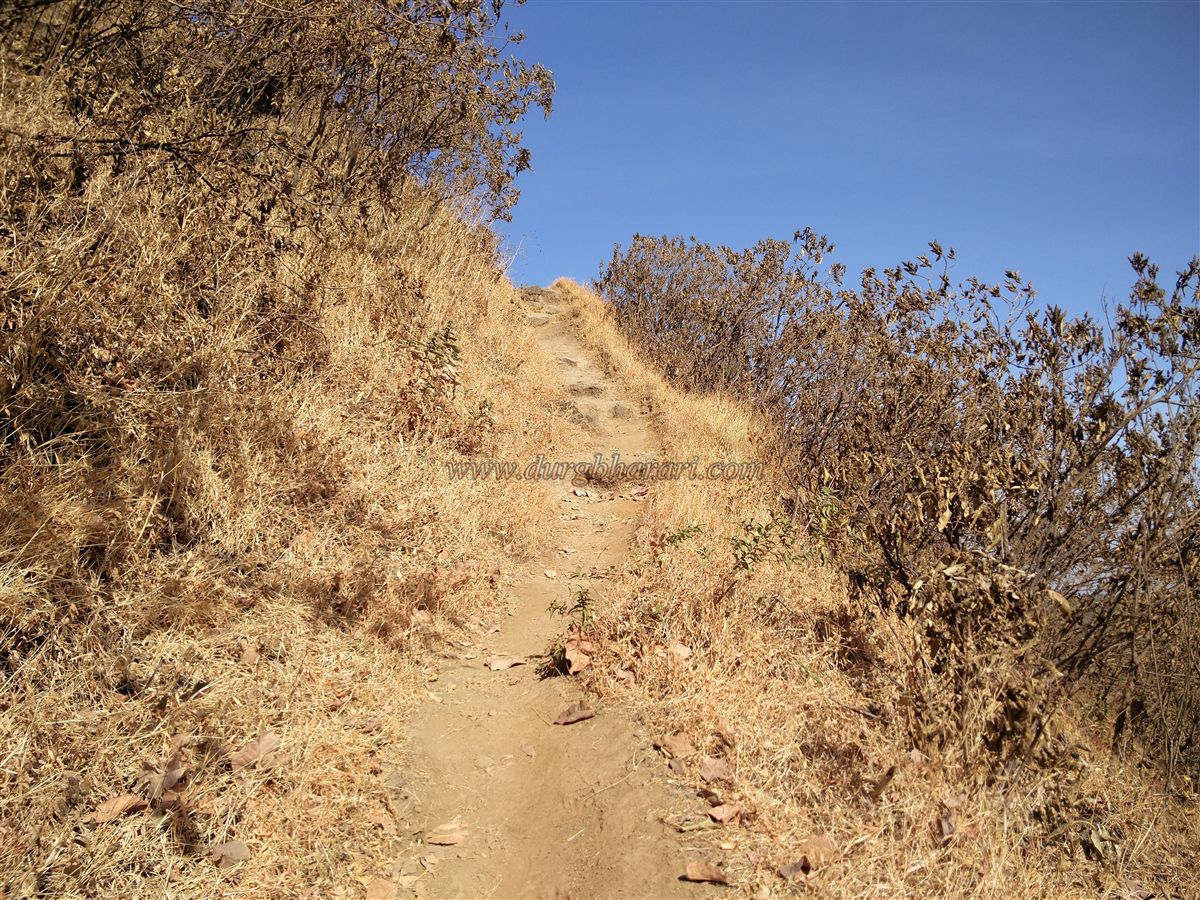
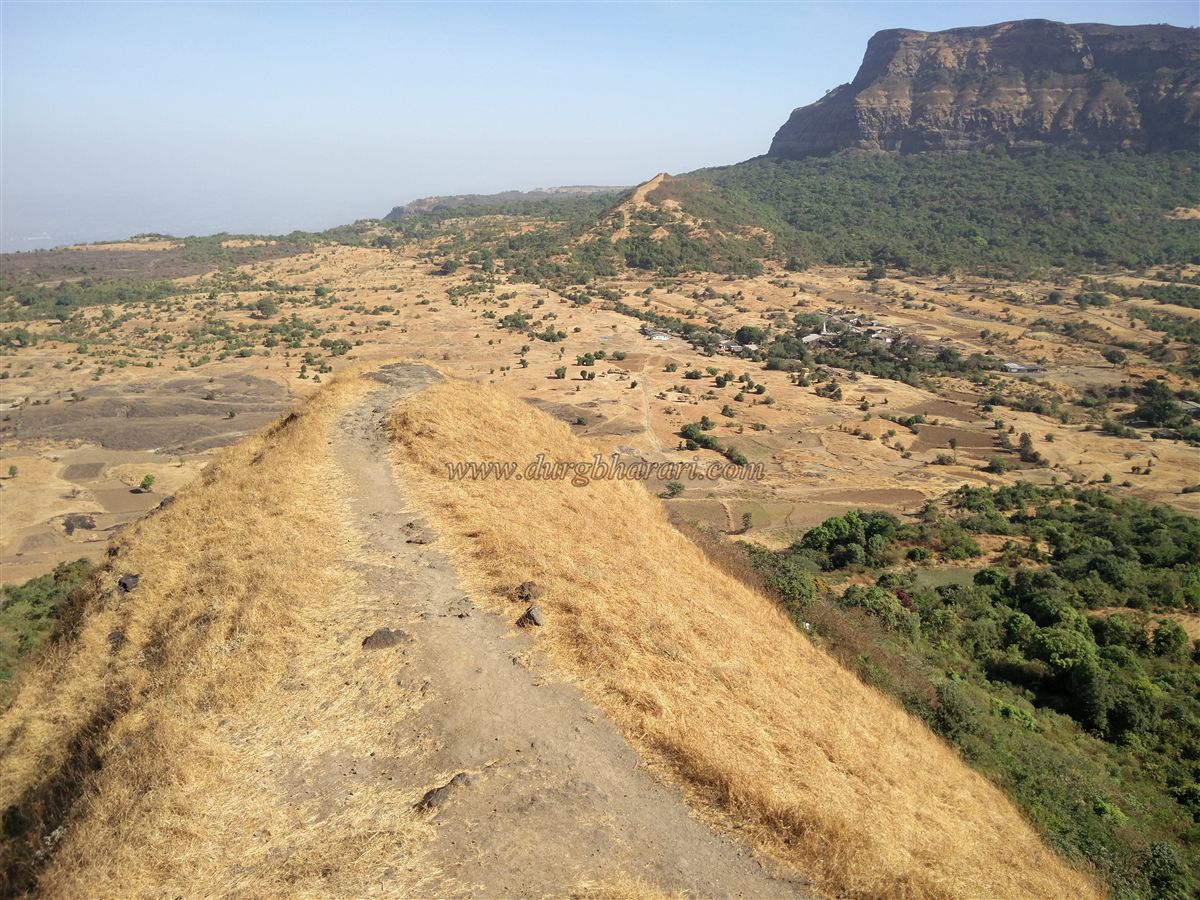
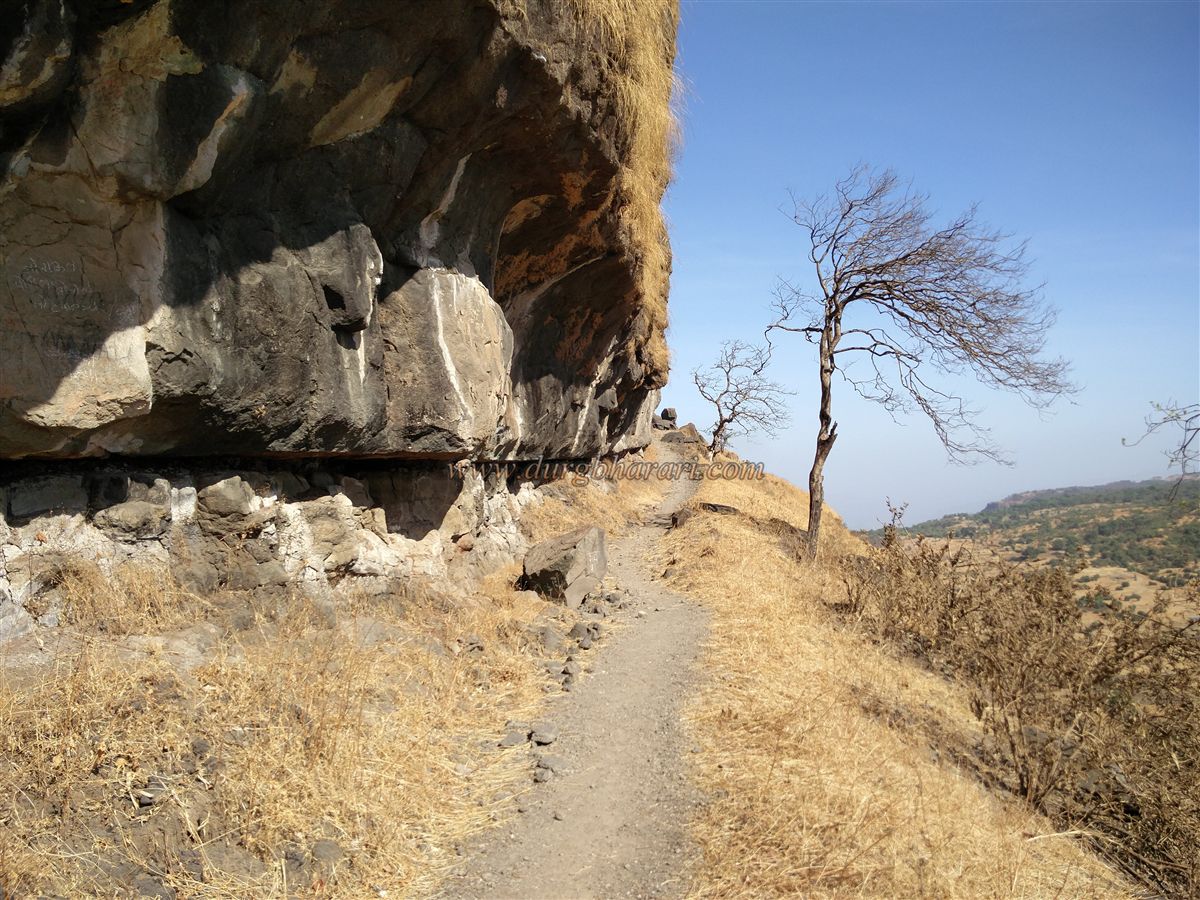
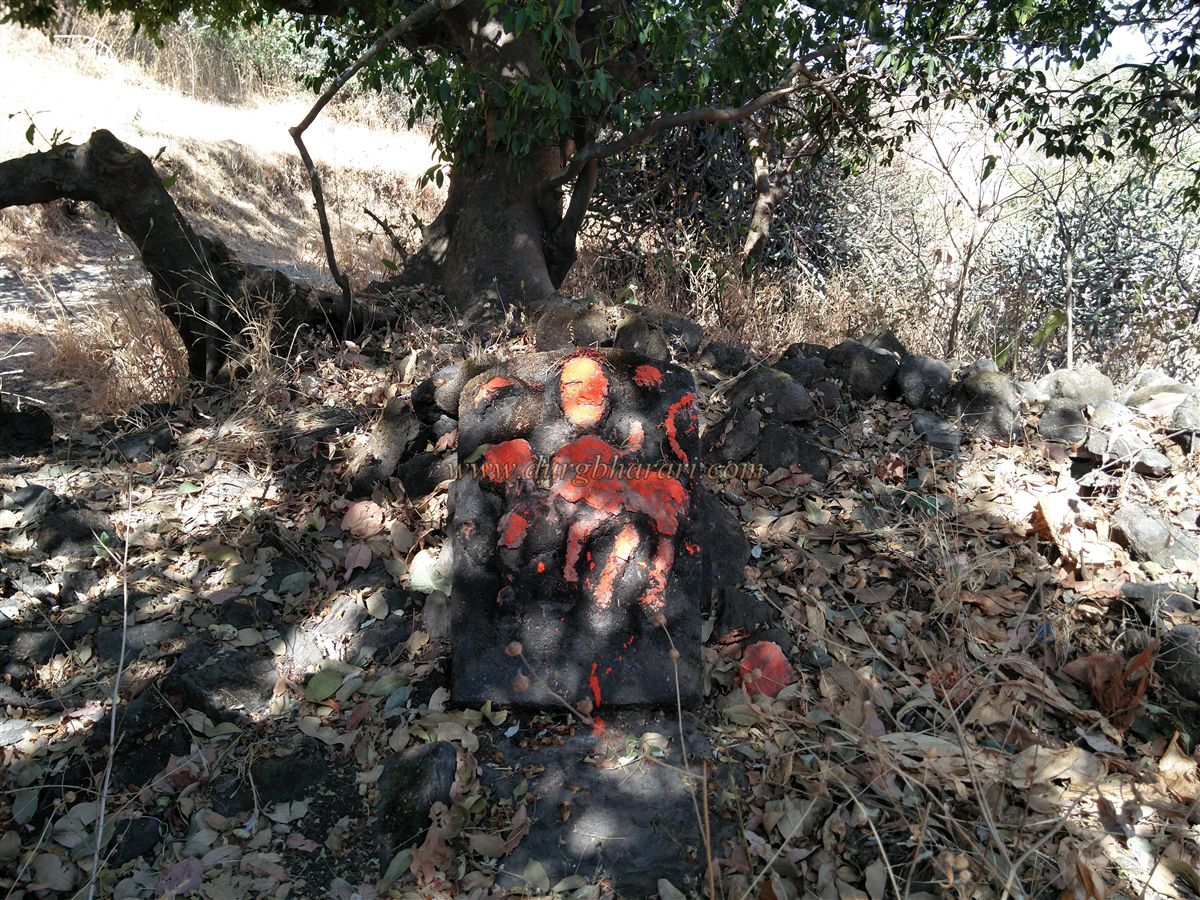
The trail to the fort begins from Telbaila village. At the foot of the hill, on the right, are the ruins of an old temple and a vermilion-smeared idol of a goddess. The path ascends along the right ridge, passing under the right-hand wall, and in about 30–45 minutes, one reaches the machi (plateau) of Telbaila. A straight path from here leads to the V-shaped notch. Standing in the notch gives a clear sense of the sheer scale of the cliffs, which rise about 900 feet.
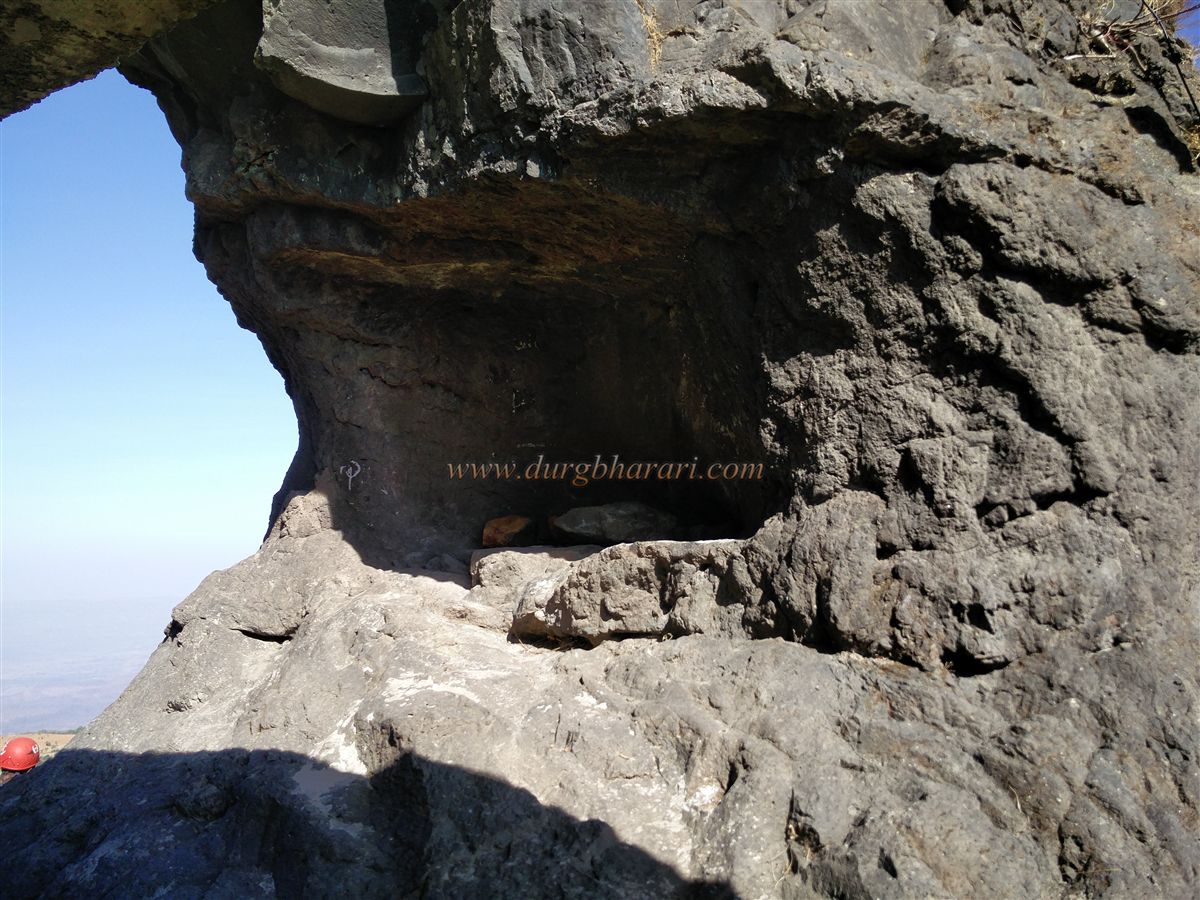
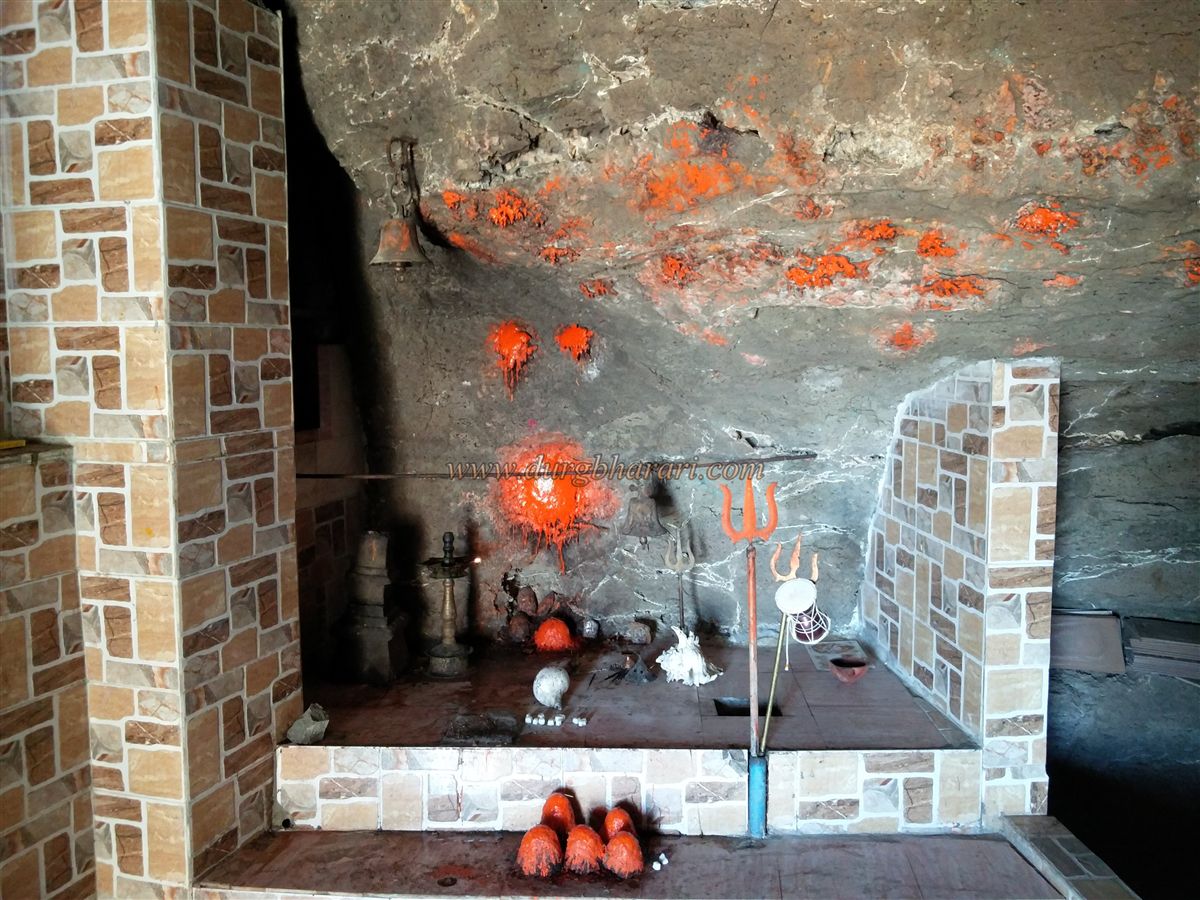
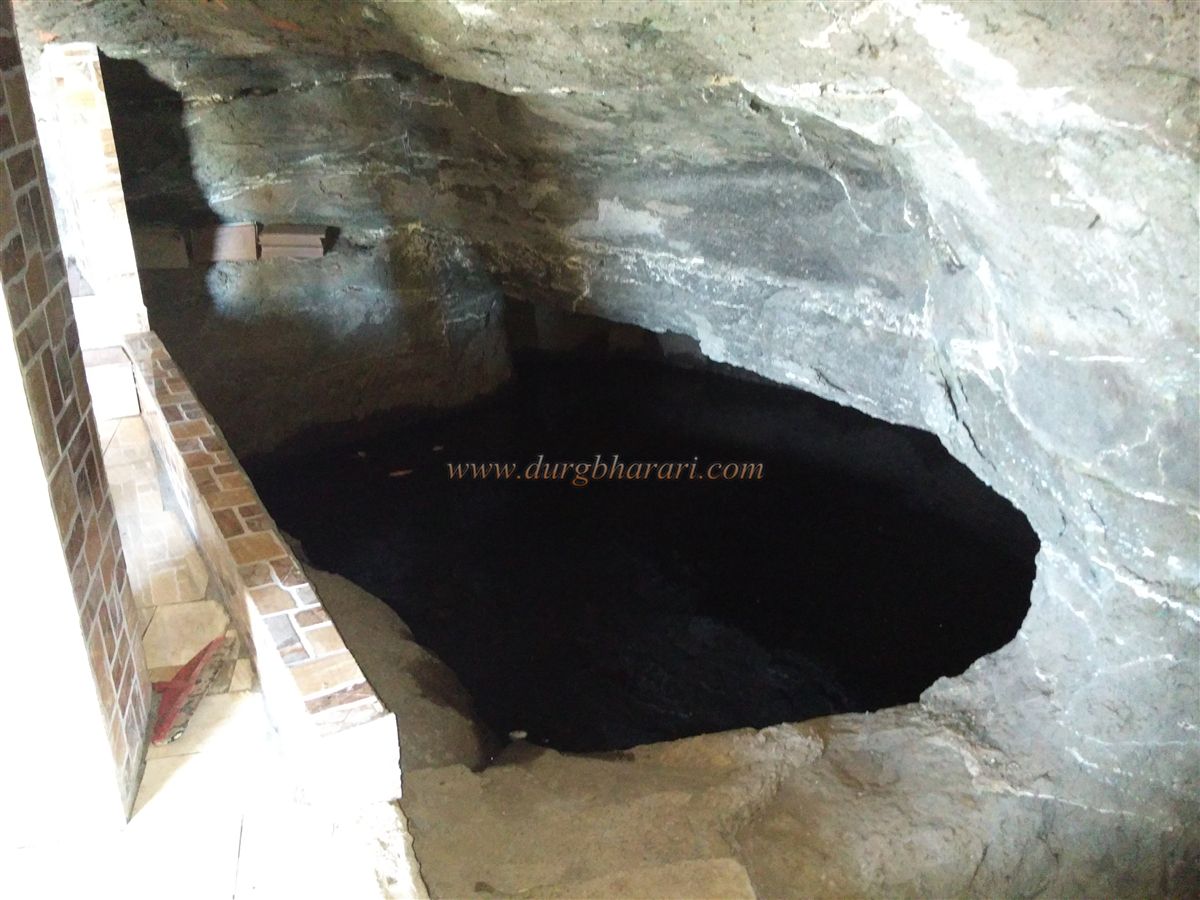
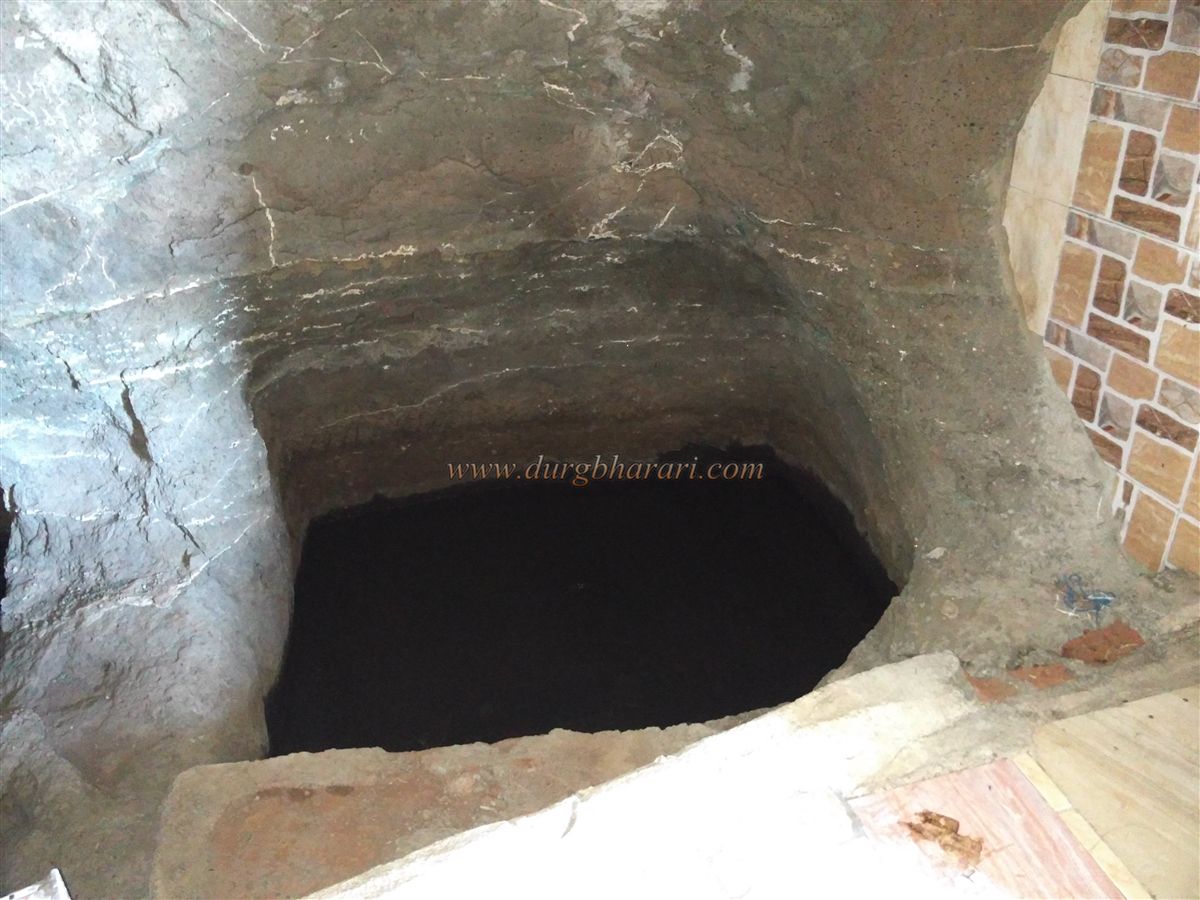
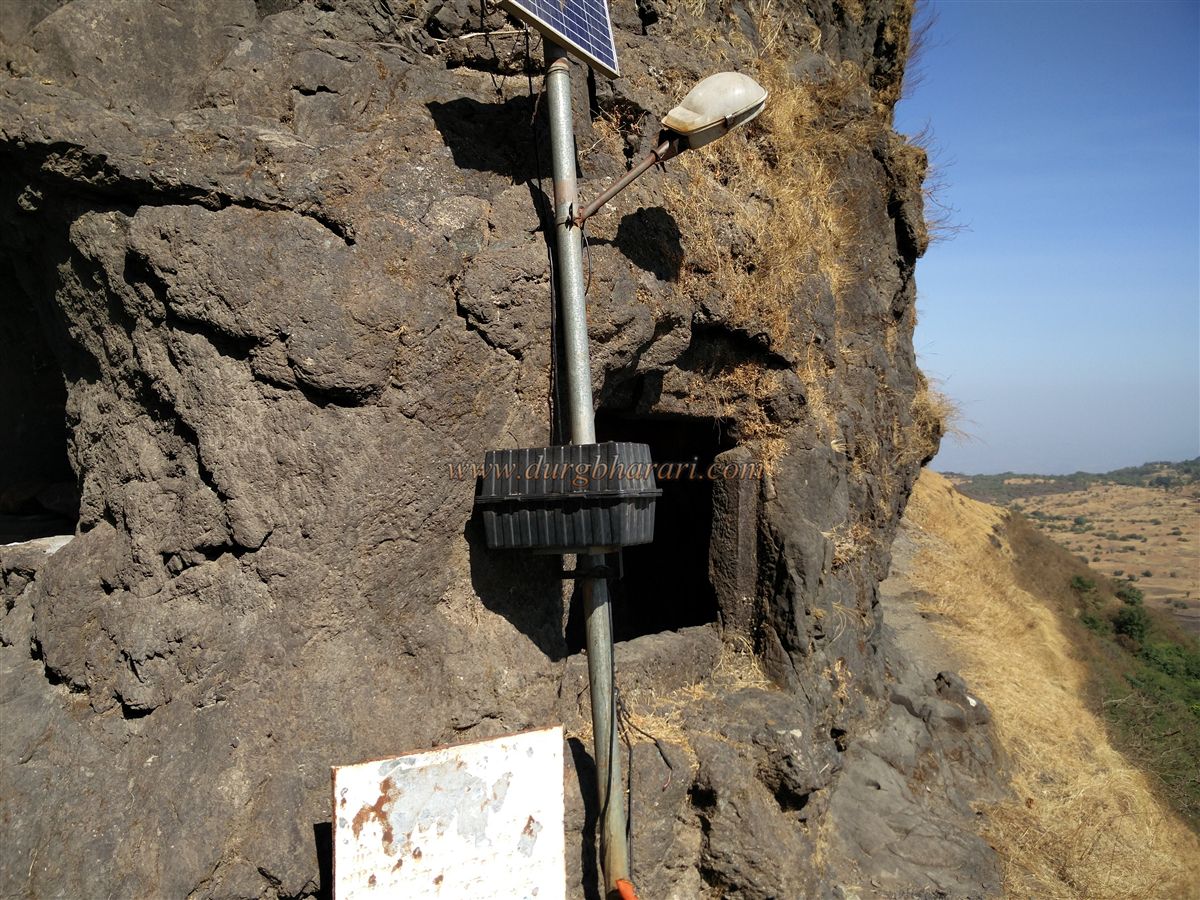
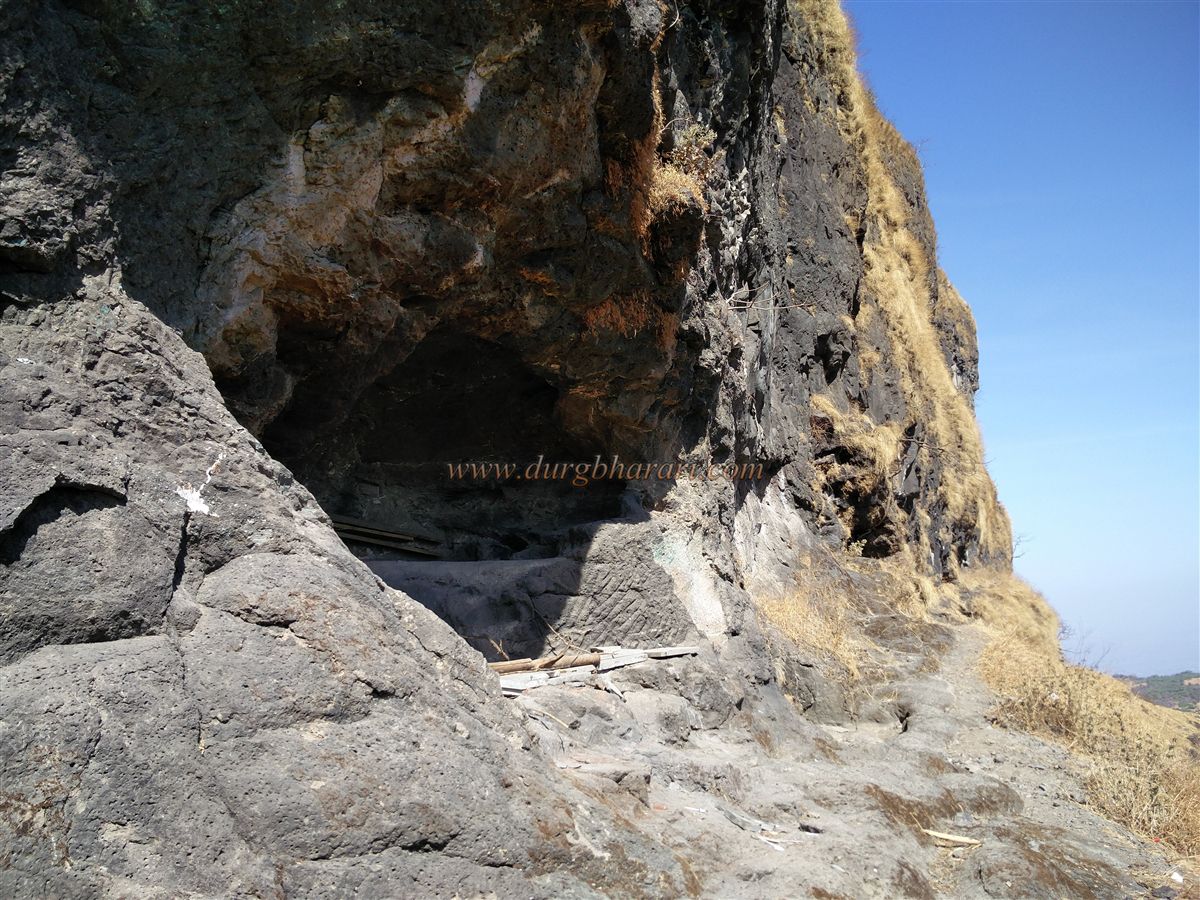
In the wall to the south is a cave with a small temple containing a few vermilion-smeared stones. Inside, to the right, are two perennial drinking-water cisterns. The cave can accommodate three to four people. From the notch, a short descent and a turn to the left lead to two caves in the northern wall—one small and one slightly larger. In front of one cave is a dry tank. These places can be visited without mountaineering gear.
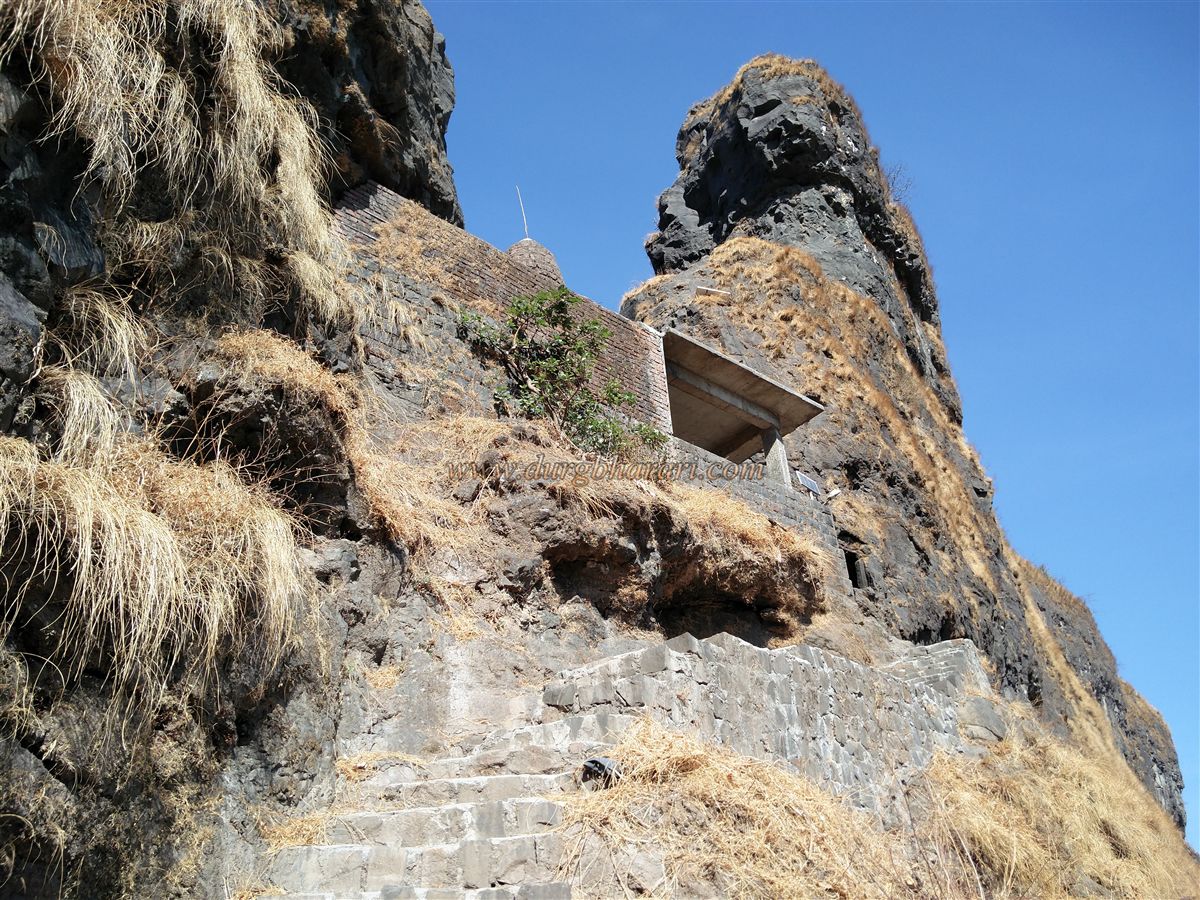
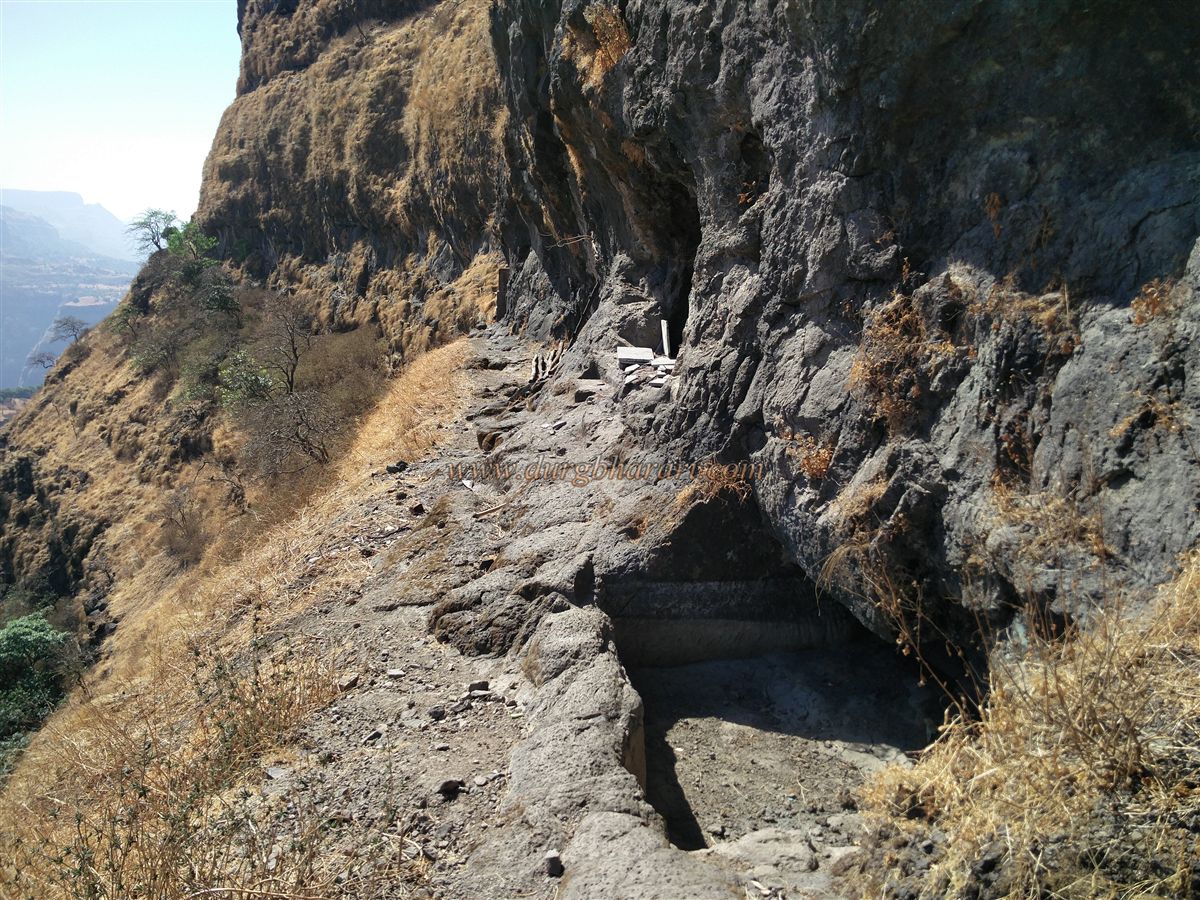
To climb the southern wall, the ascent begins to the right of the cave in the notch, using ropes. Midway up the wall, to the left, are four or five rock-cut steps leading to a small cave. Ahead of this cave are three carved idols, and beyond them is another cave with a stone water tank containing potable water. About 10–15 steps ahead is another tank. After seeing these, one returns to the tank near the second cave, then climbs the upper rock face with ropes. On the left are more rock-cut steps leading to the top of the wall. The summit is flat, with a path leading to the tip where there are one or two trees, but the rest of the area is barren. From here, Sudhagad can be seen to the southwest, Ghangad to the southeast, Koraigad to the northeast, and the top of Sarasgad to the west.
To reach the top of the northern wall also requires full mountaineering techniques. Unlike the southern wall, this side has no caves or water tanks. The vertical climb above the notch is used for rock-climbing expeditions and camps.
From Telbaila village, reaching and returning from the notch takes about 2–2.5 hours. Climbing the rock walls, however, requires a full day. Accommodation for the night is available in the Hanuman temple in the village.
© Suresh Nimbalkar
GALLERY