TASGAON GANPATI
TYPE : MEDIEVAL GANESH TEMPLE
DISTRICT : SANGALI
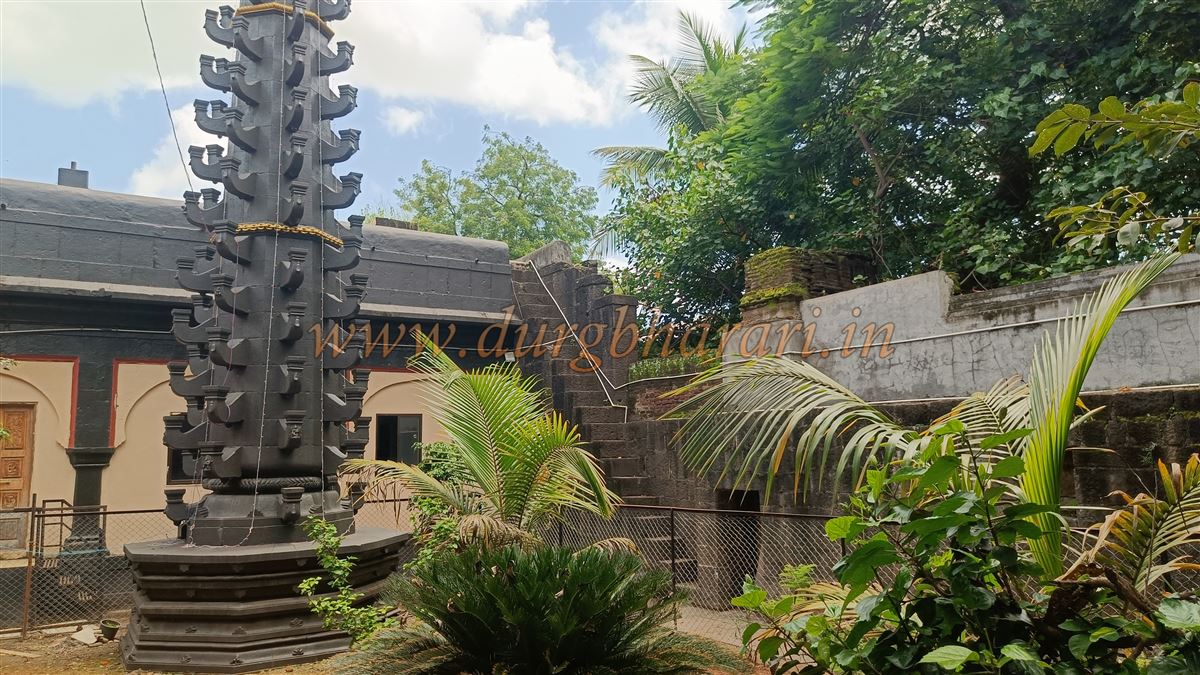
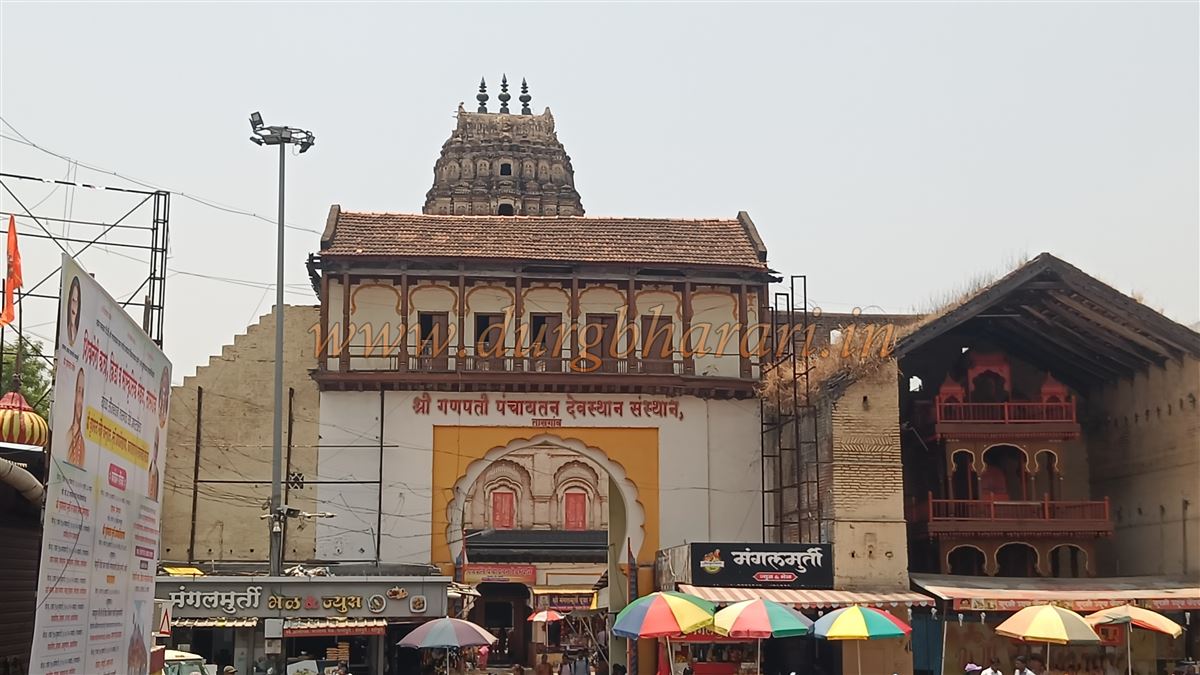
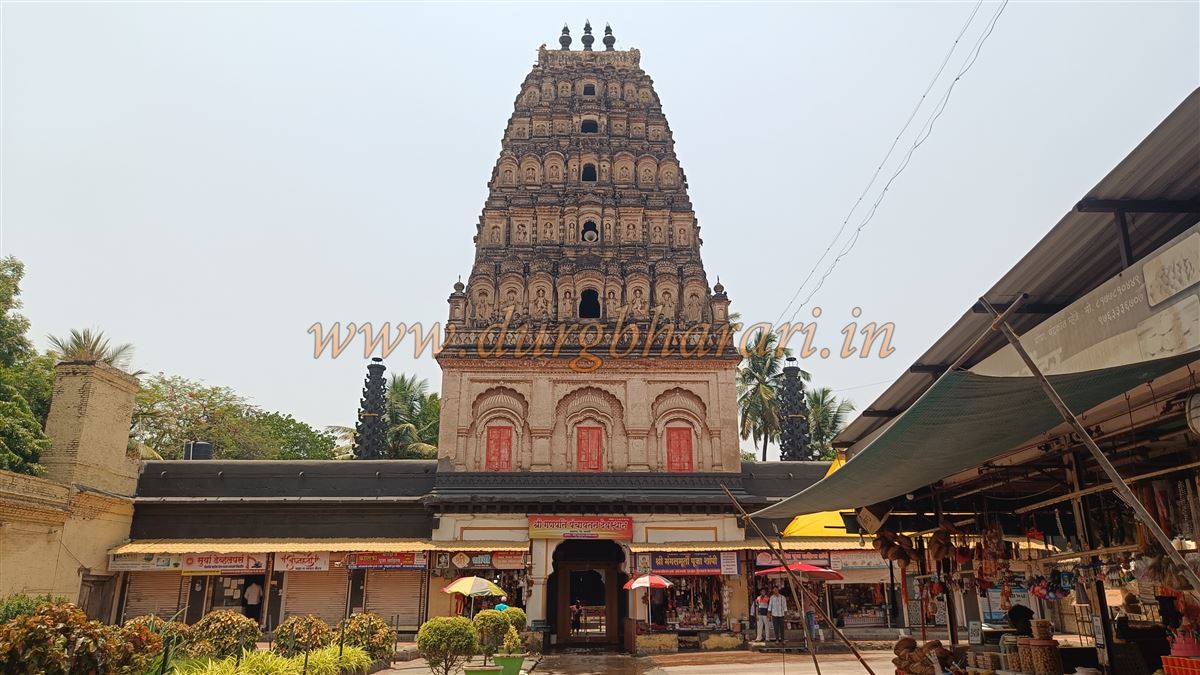
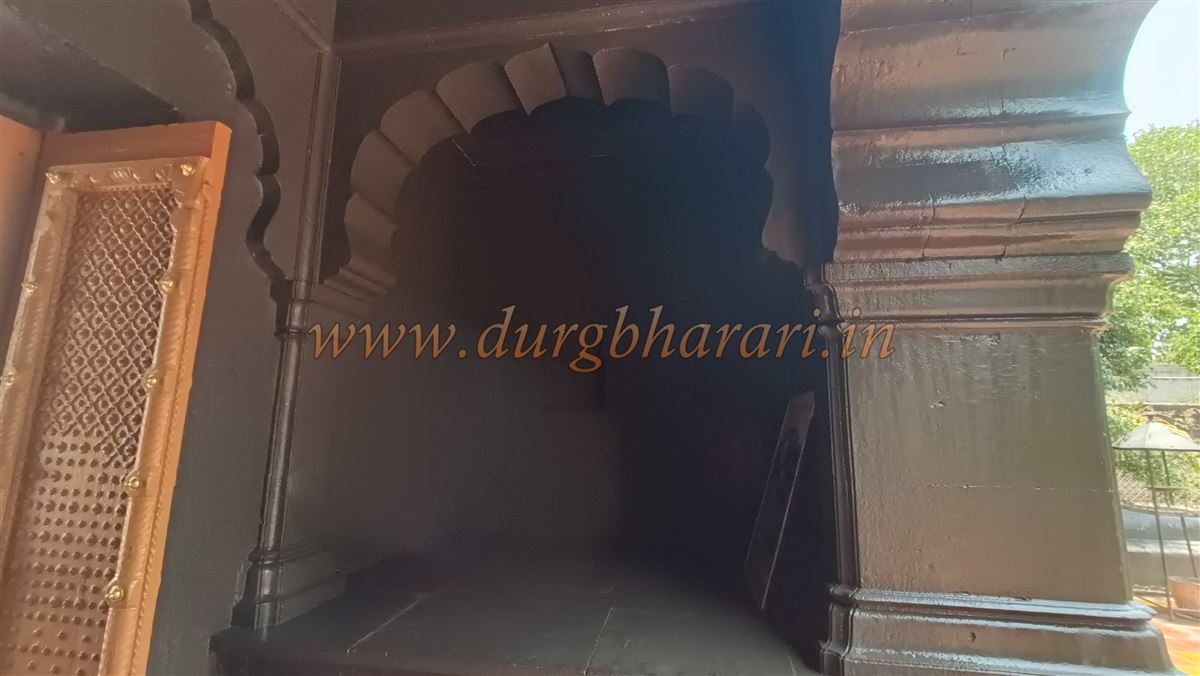
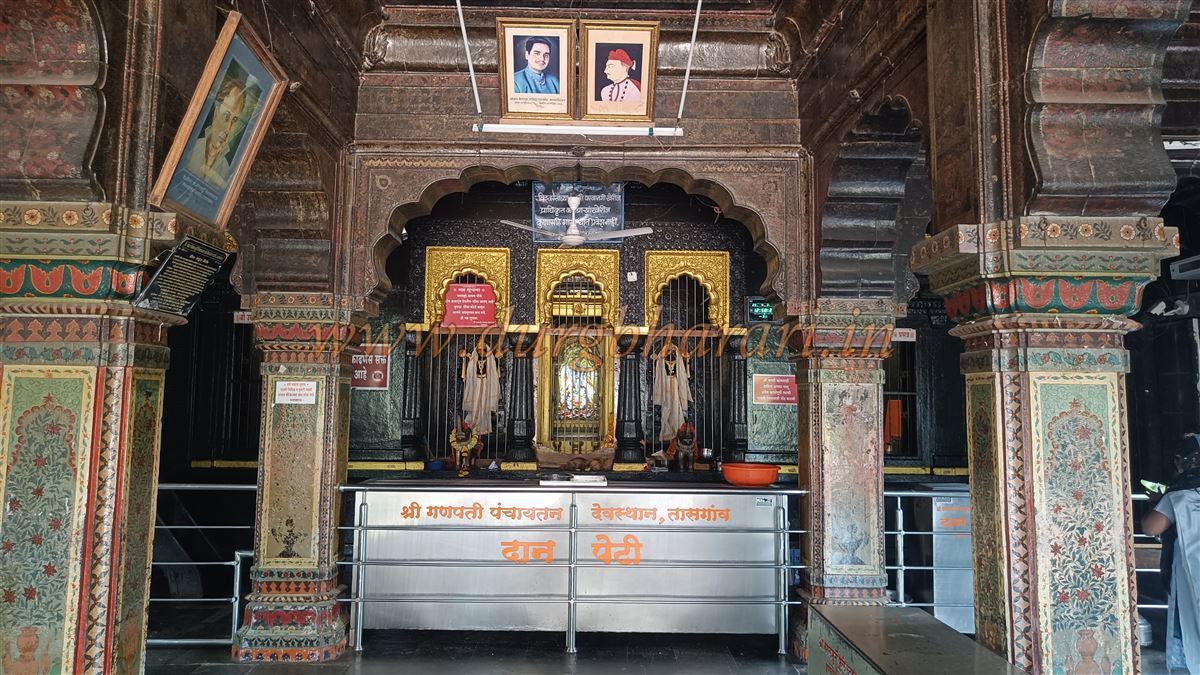
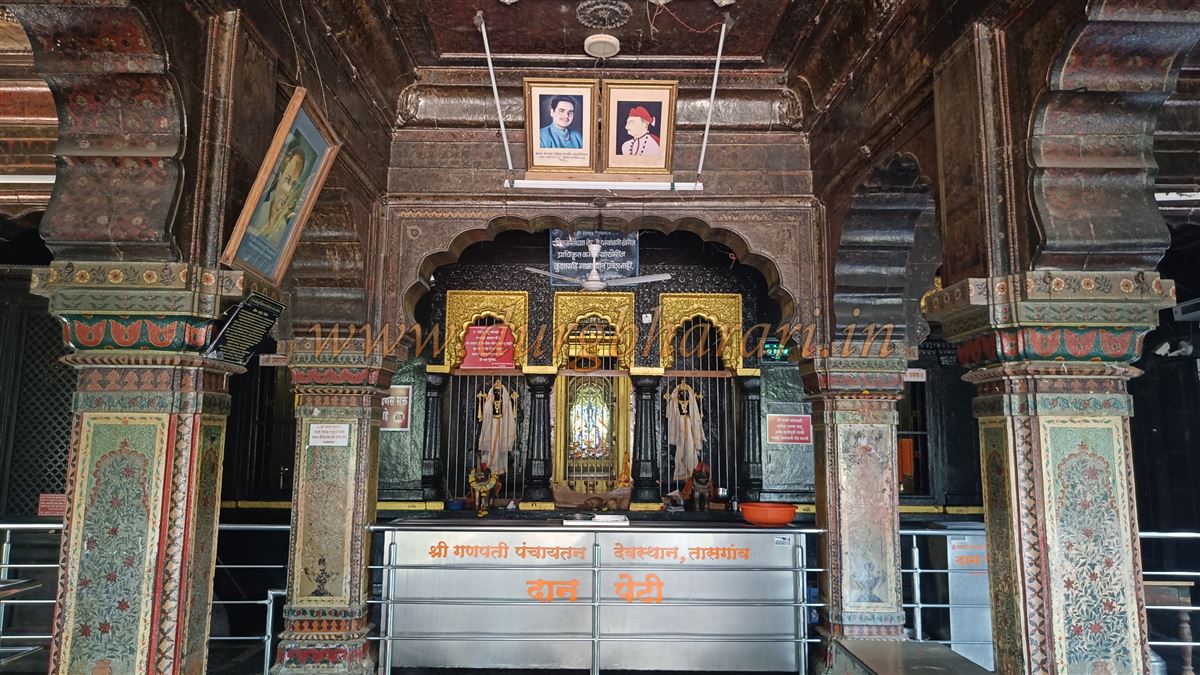
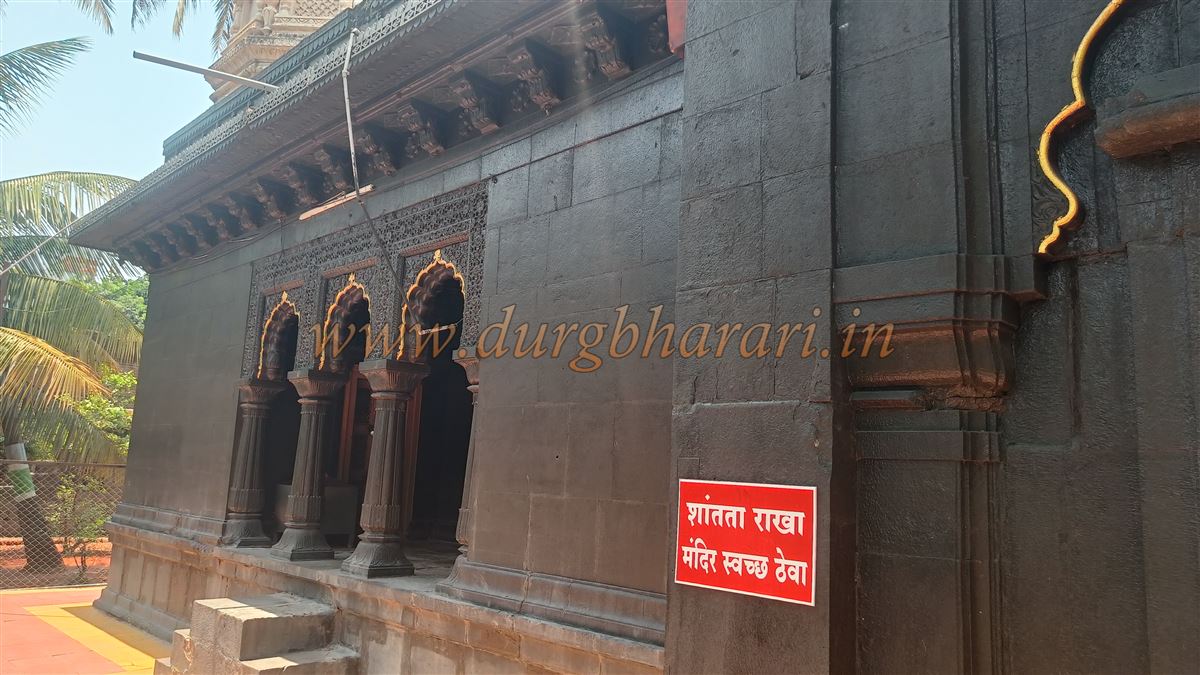
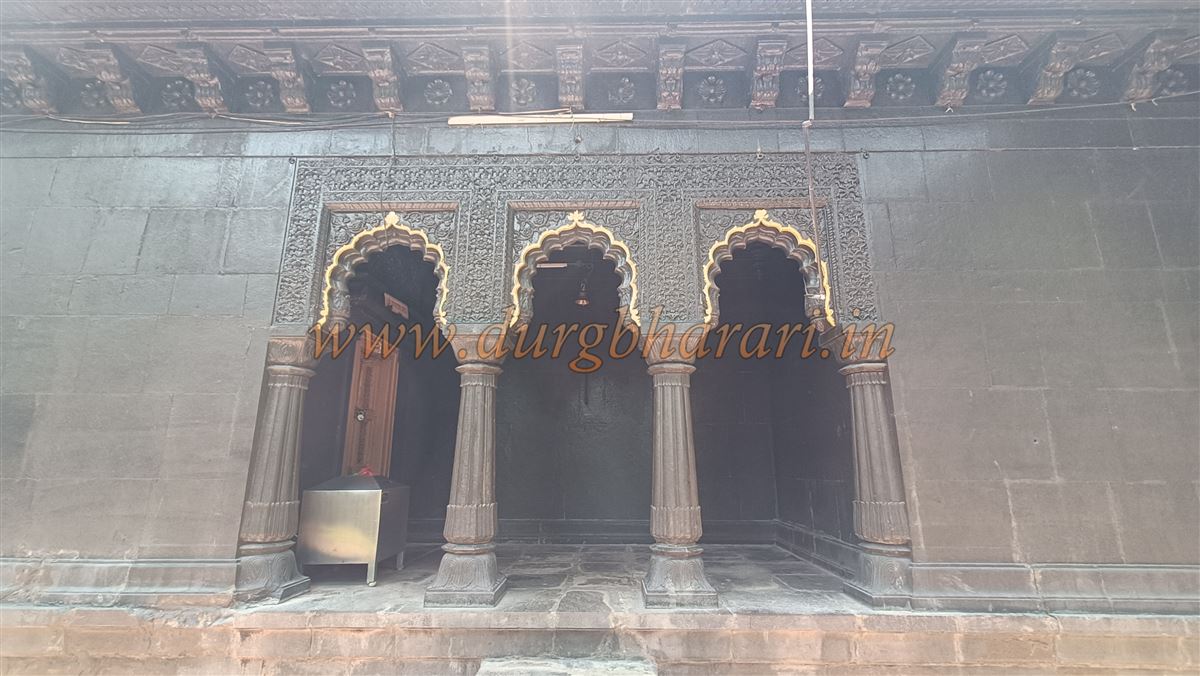
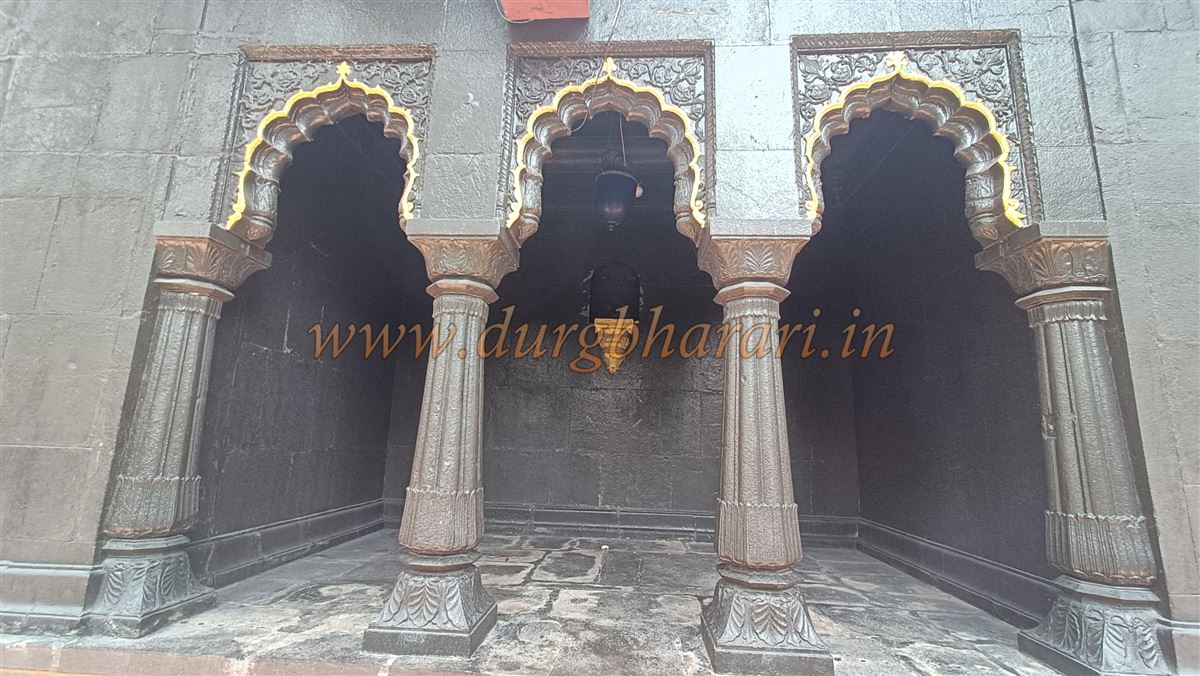
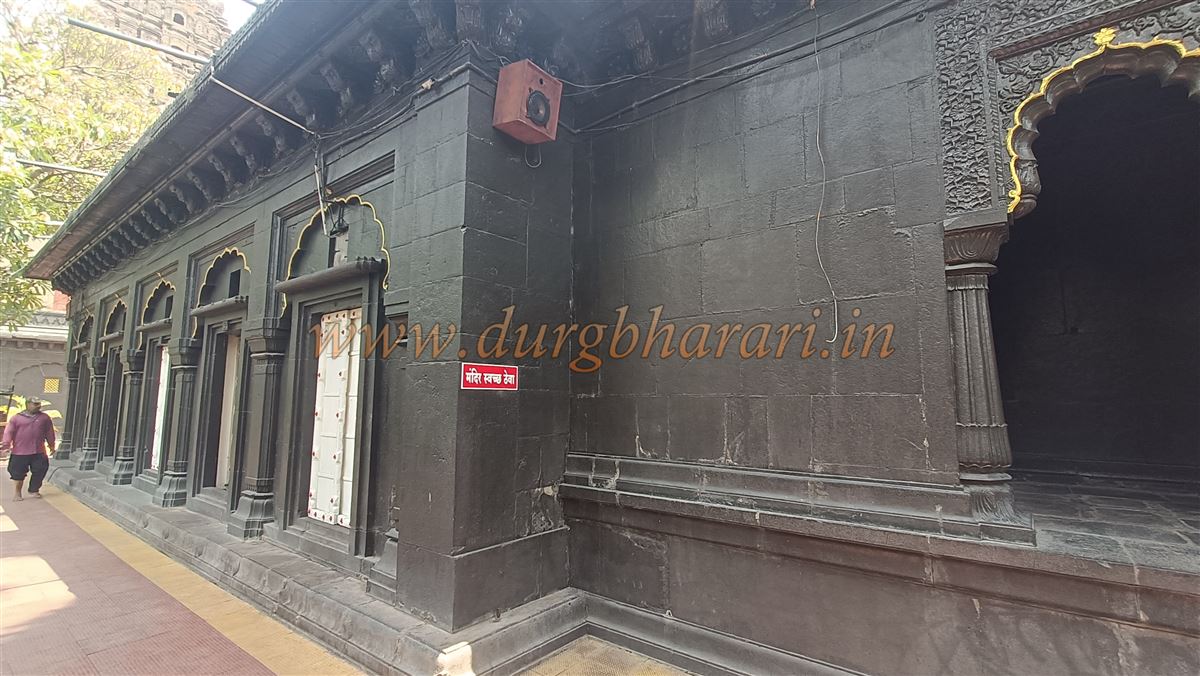
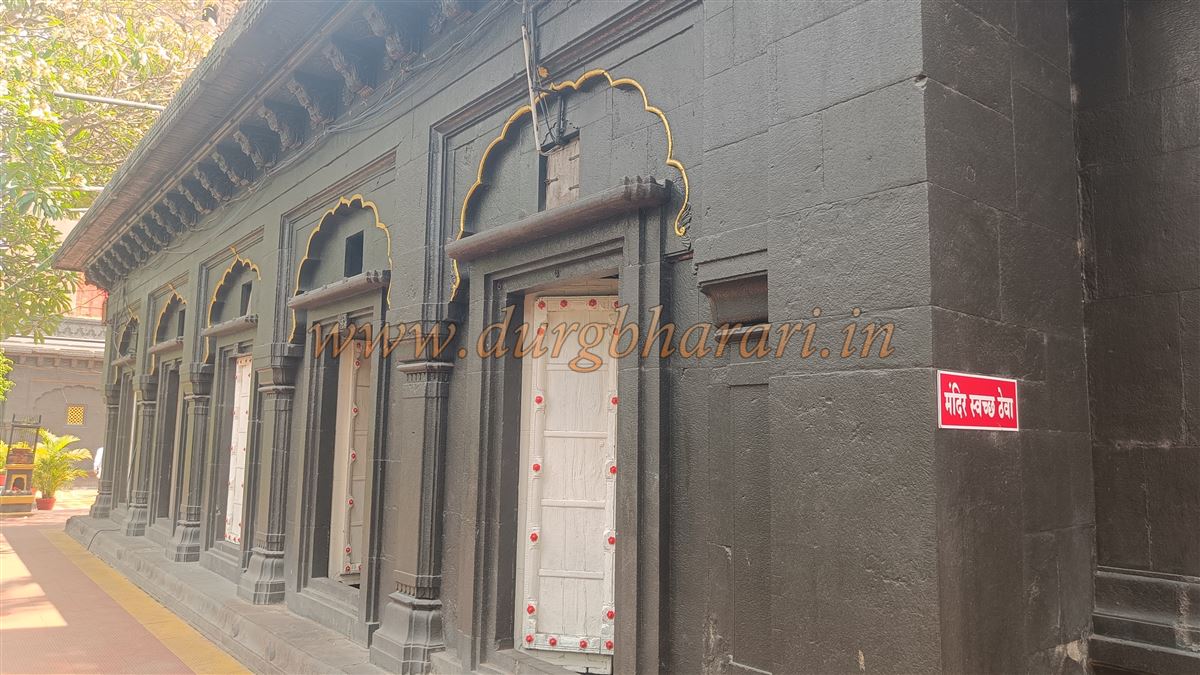
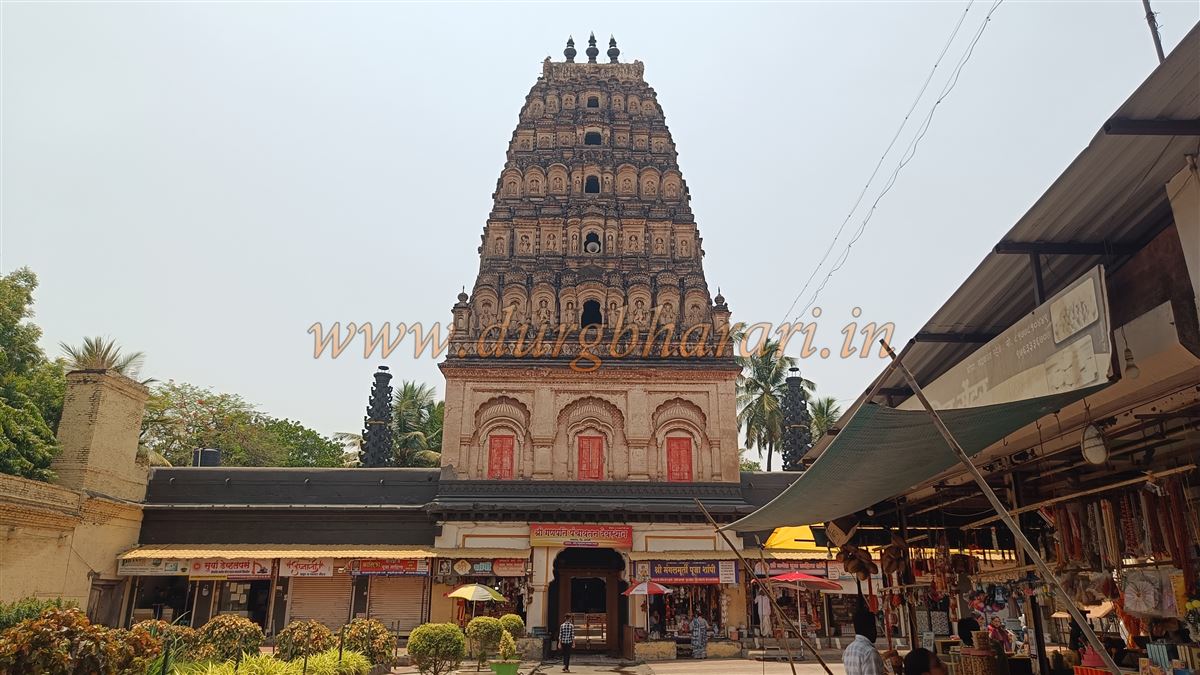
The Ganpati temple in Tasgaon city, in the Sangli district of Maharashtra, is quite famous in the state. The unique feature of this temple is that while most Ganpati idols have the trunk turned to the left, the idol here has its trunk turned to the right. It is said that this idol weighs 125 kilograms and is made of five metals (Panchdhatu). The construction of the Tasgaon Ganpati temple was done by artisans from Karnataka, so its architecture is in the South Indian style. The design of the temple is grand and magnificent. The temple has three main parts: the Gopuram (entrance tower), the Mandapa (assembly hall), and the Garbhagriha (sanctum).
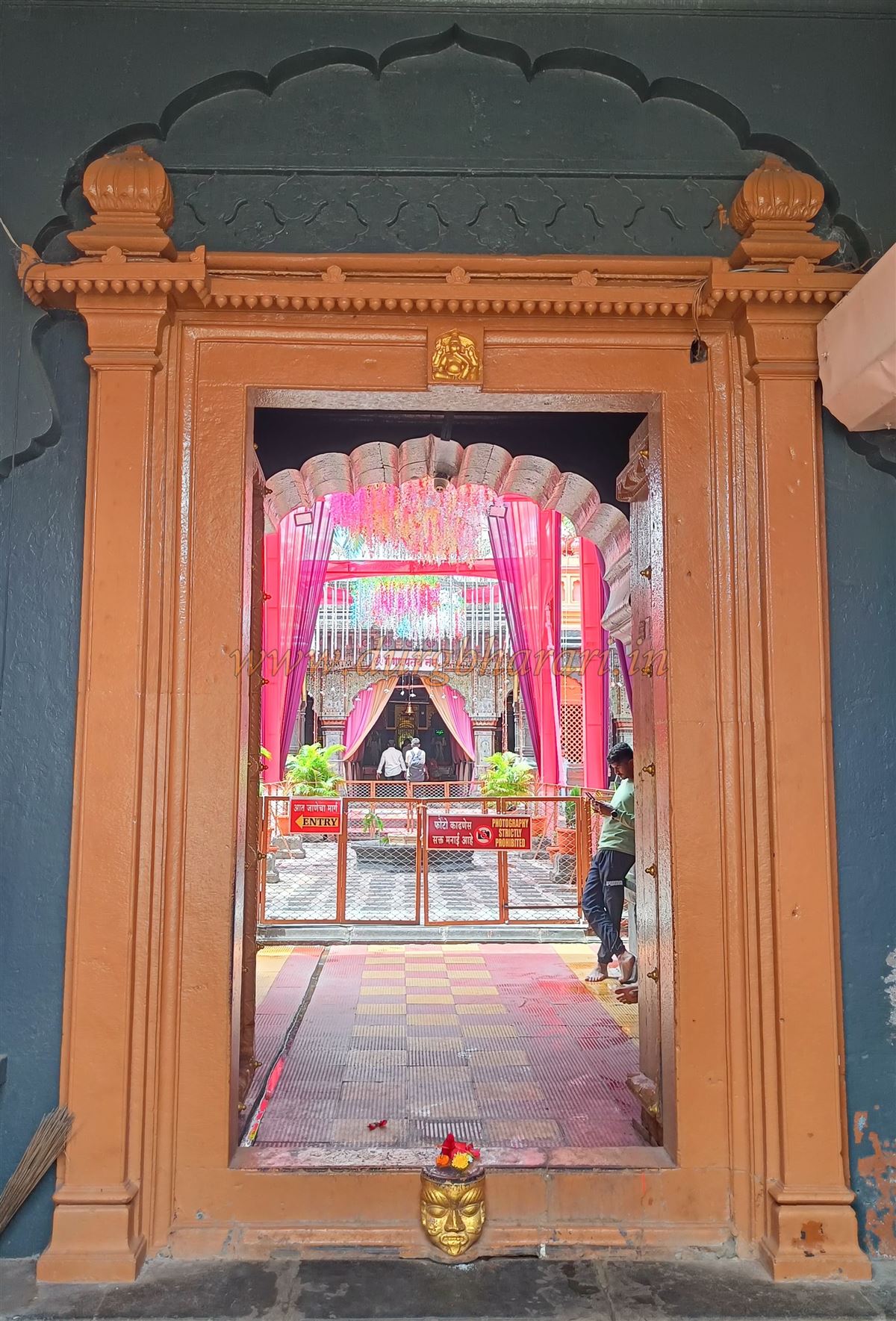
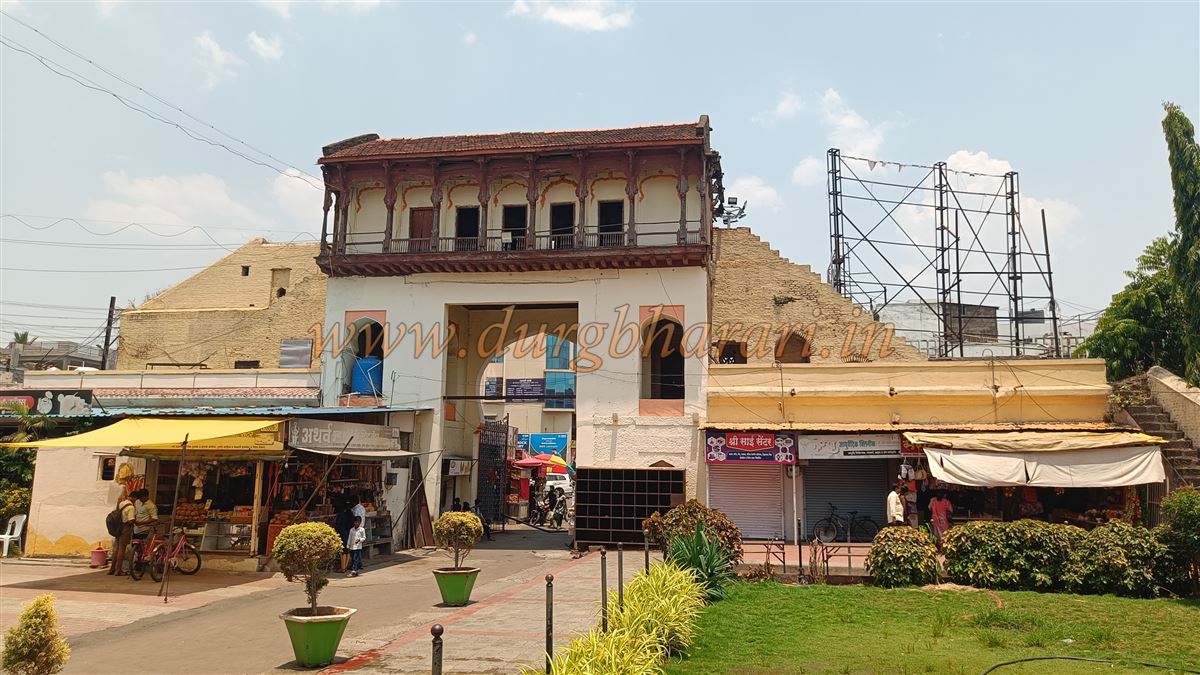
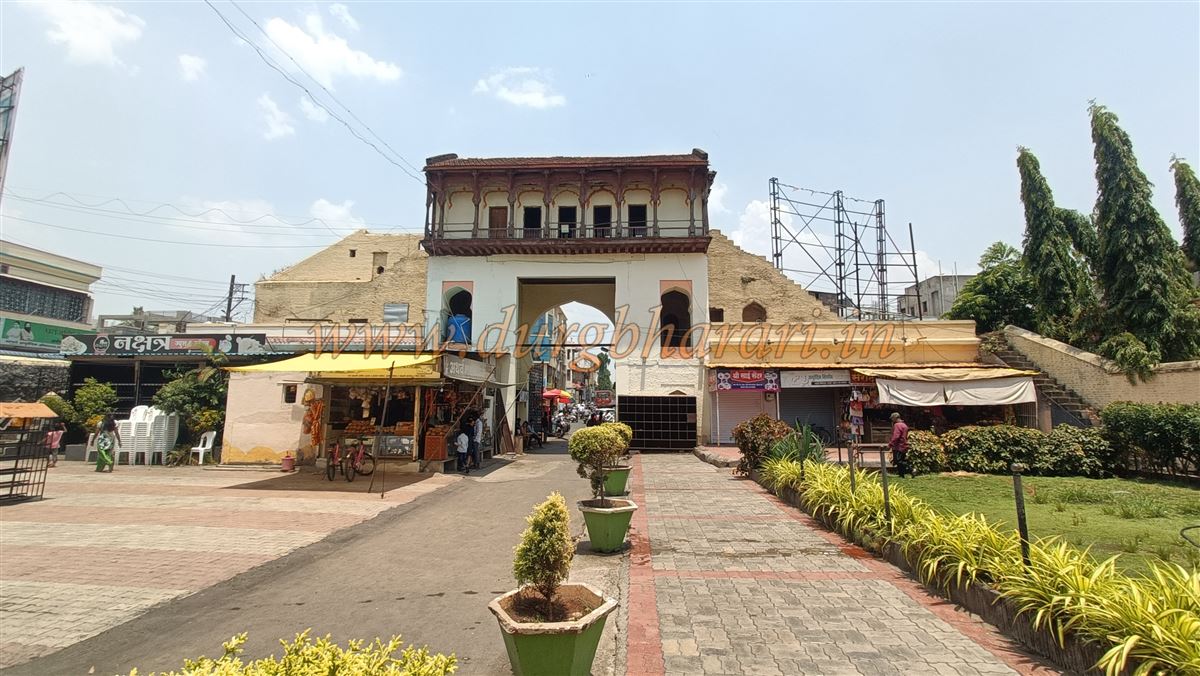
At the temple’s entrance, there is a Nagarkhana (drum chamber), and inside is a spacious courtyard. In front of it are the entrance to the sanctum and the temple office.
...
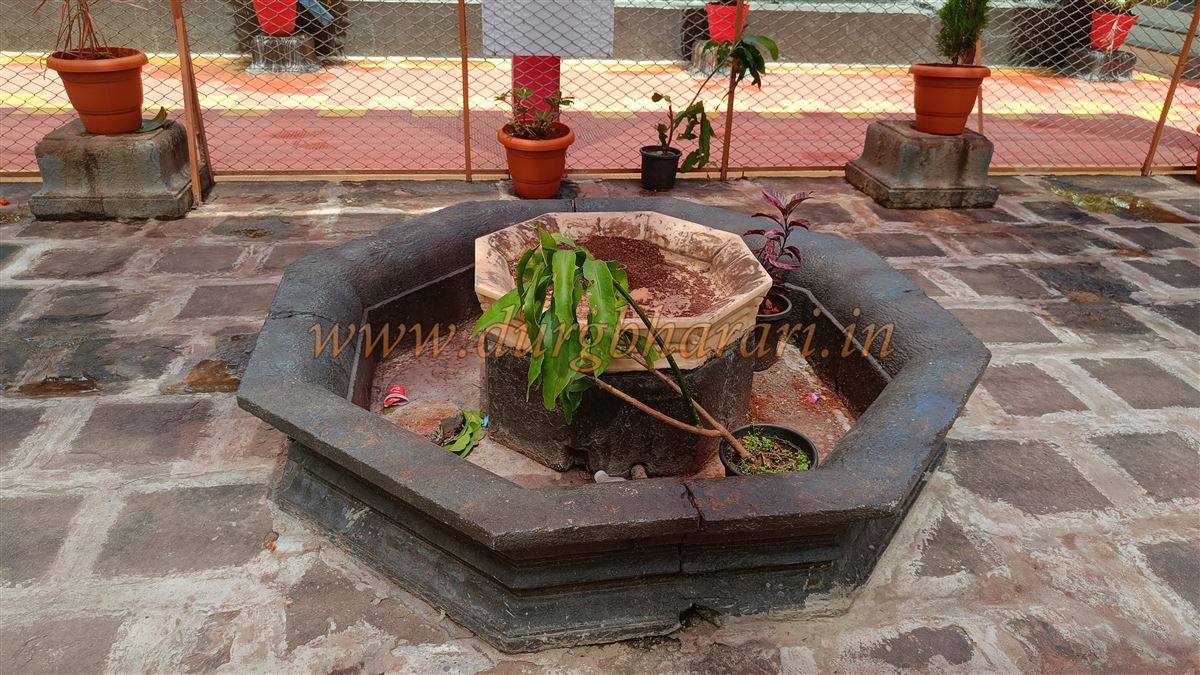
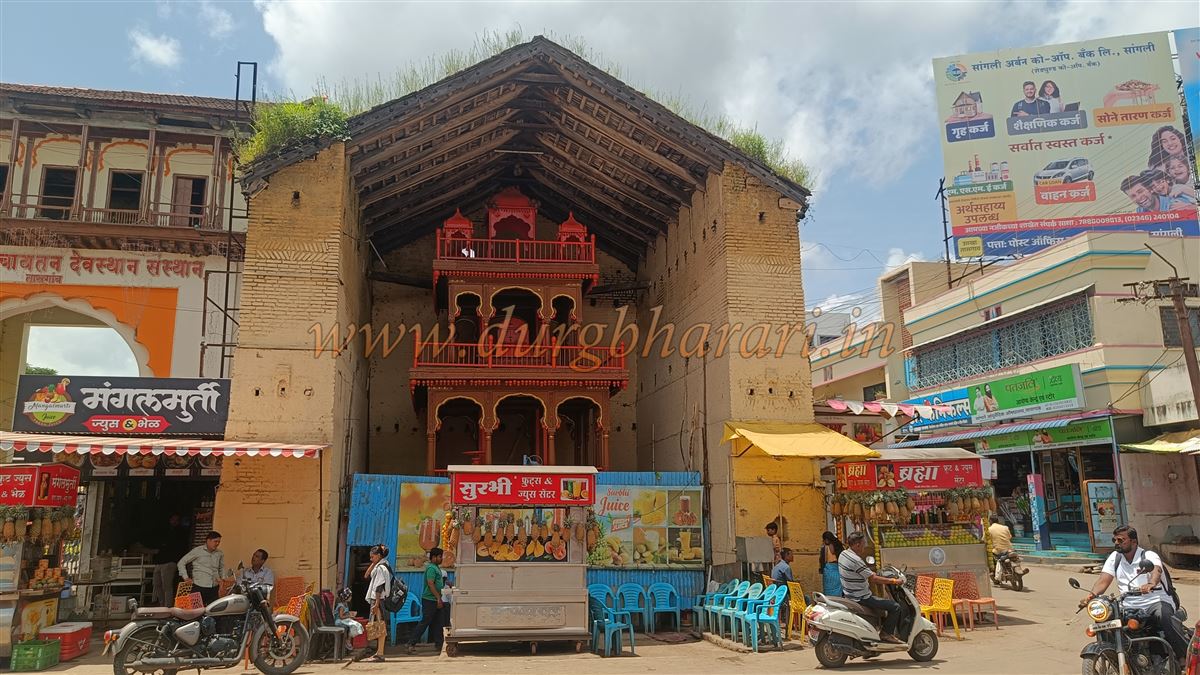
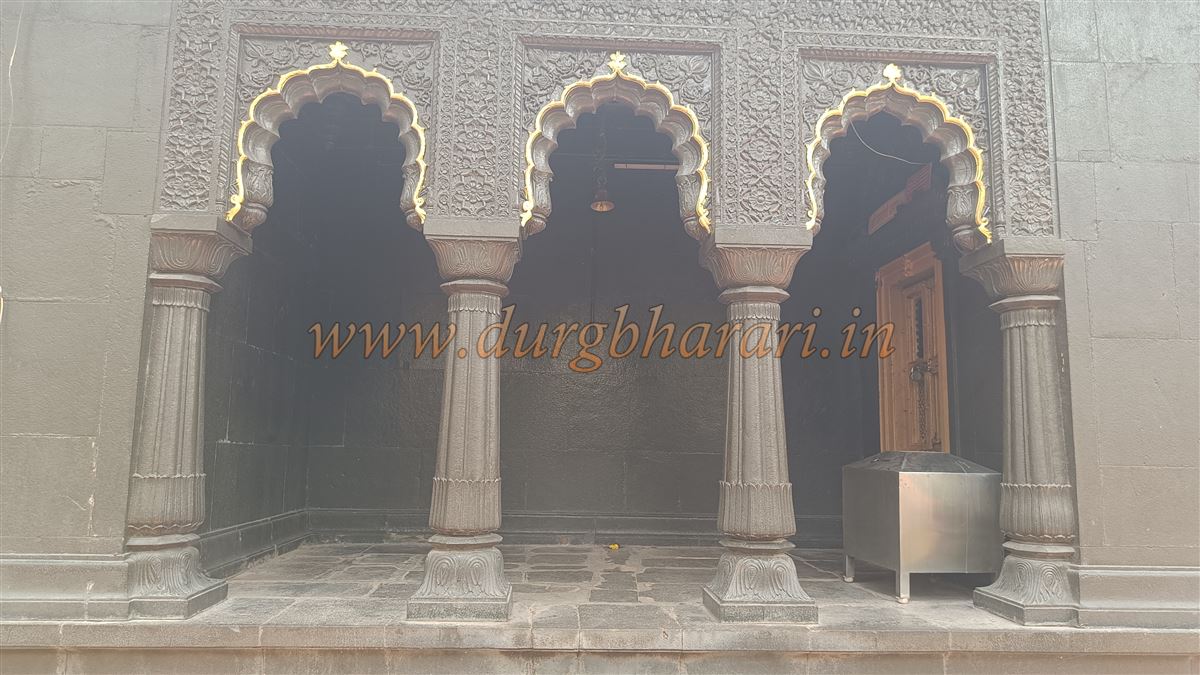
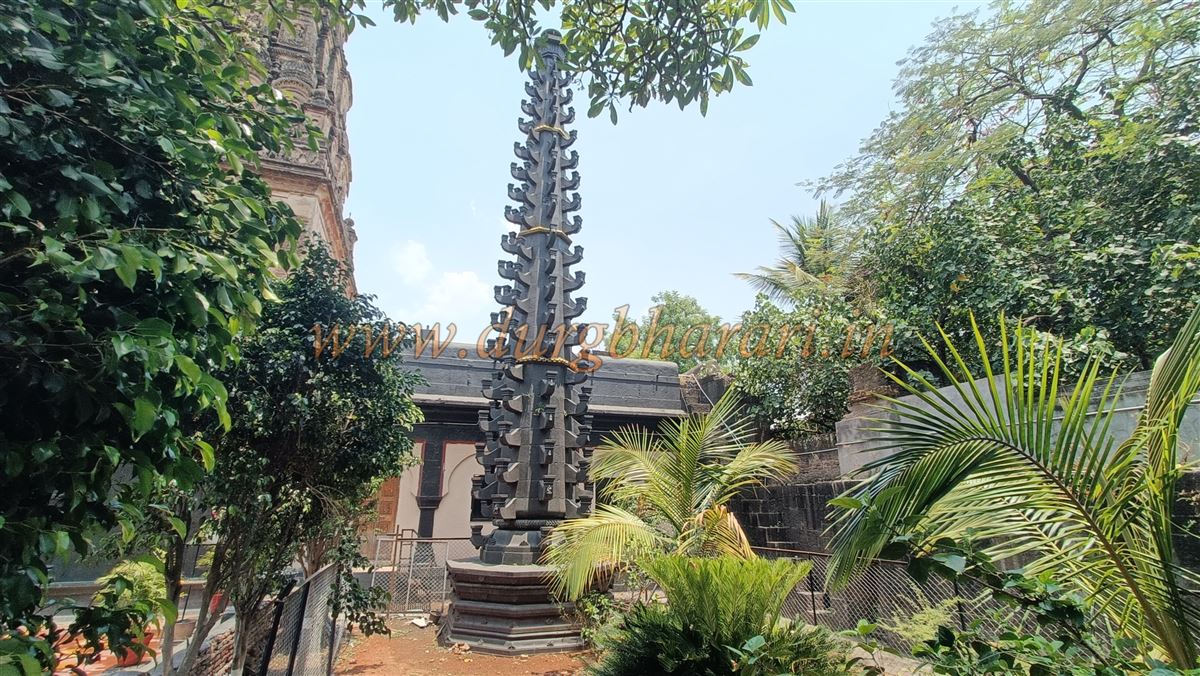
Next to it is the Rathagriha (chariot house). The entrance tower is seven stories high and about 96 feet tall. This Gopuram is carved with various deities and sculptures related to mythological stories. After passing through it, there is a stone fountain in front of the main temple. On the western side of the temple is an assembly hall supported by carved pillars, the sanctum of Lord Ganesha, and four other temples adjoining it.
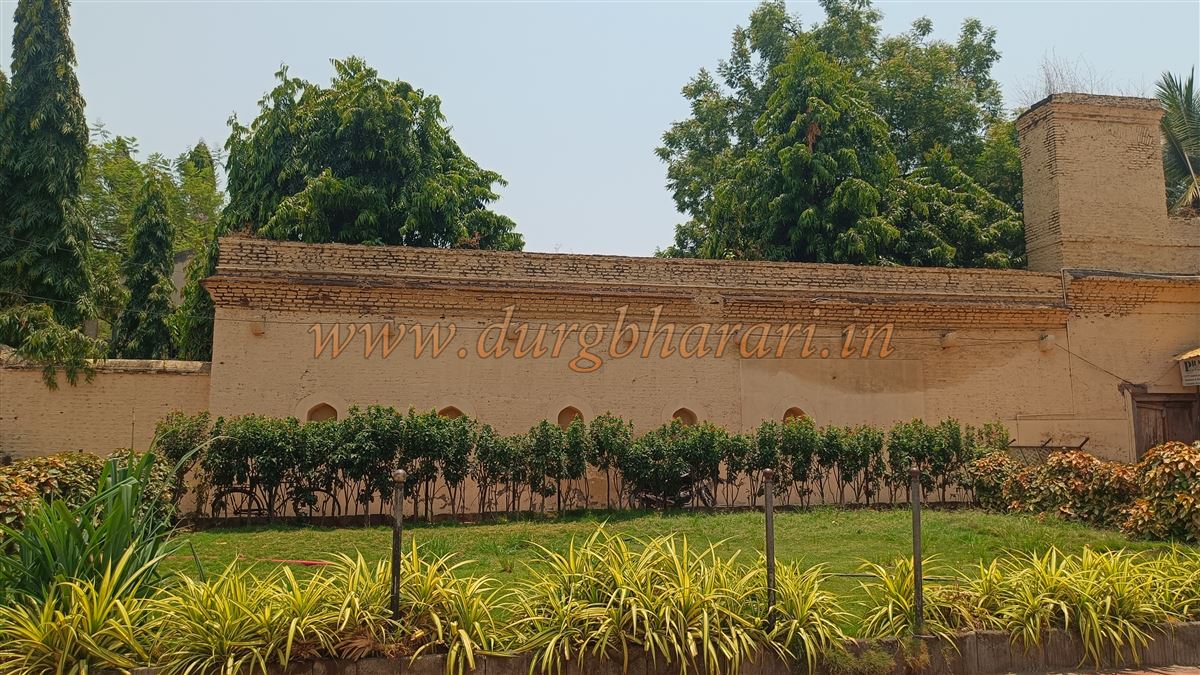
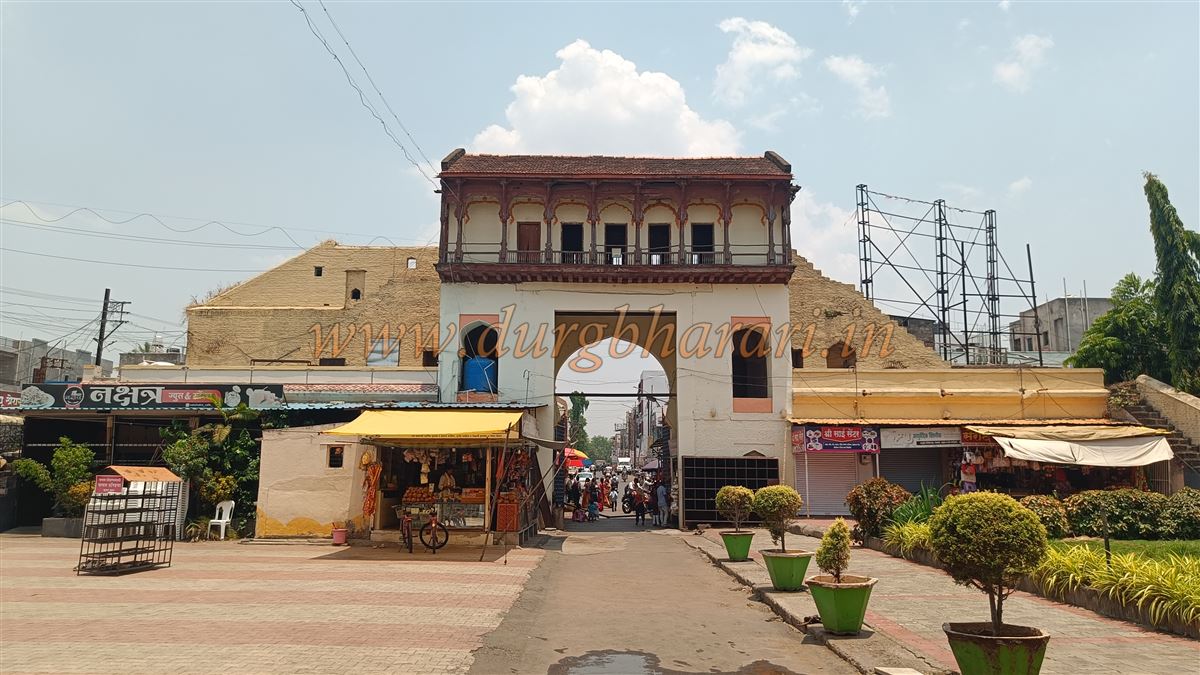
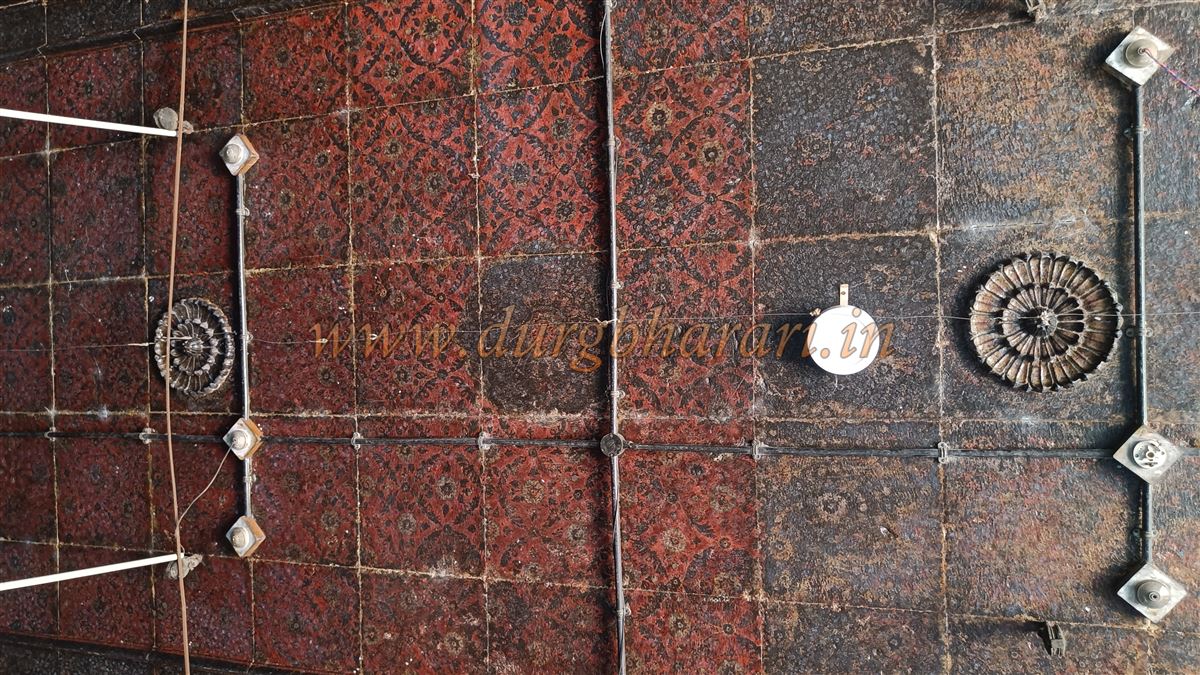
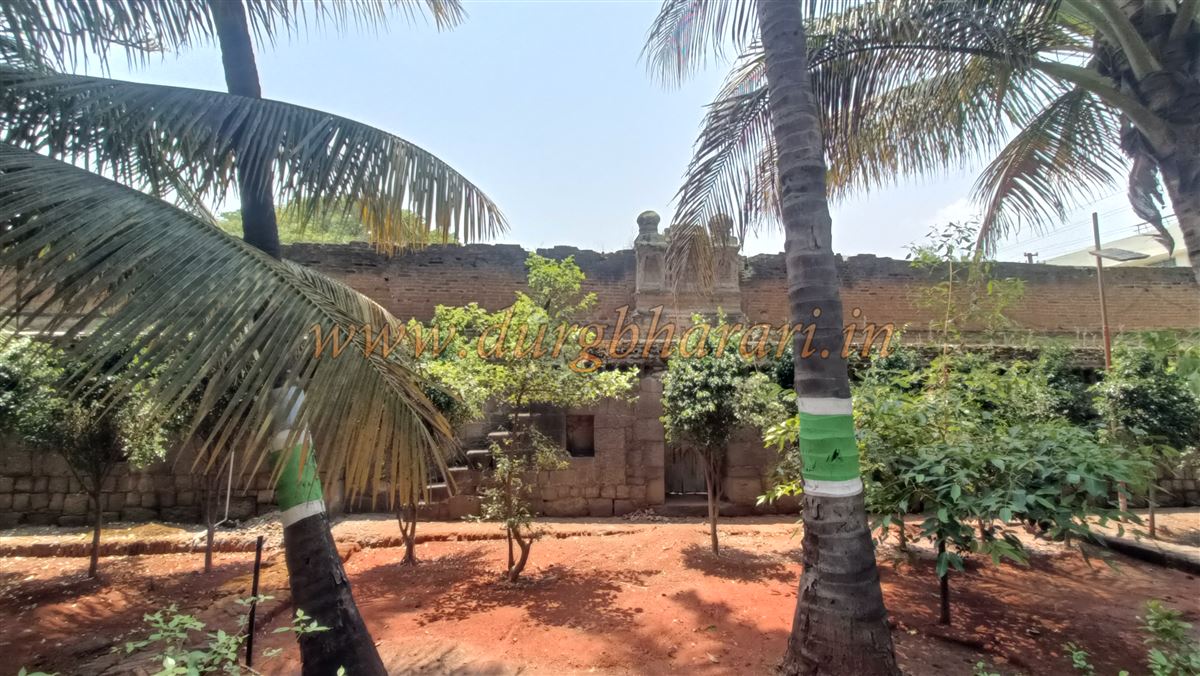
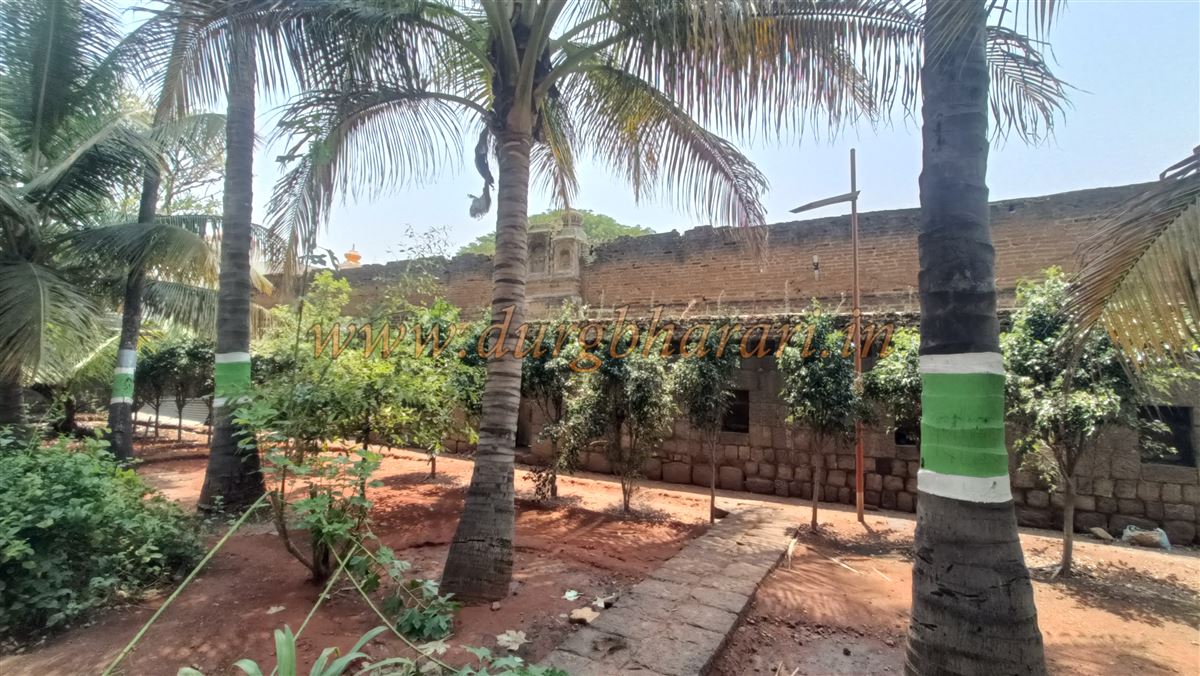
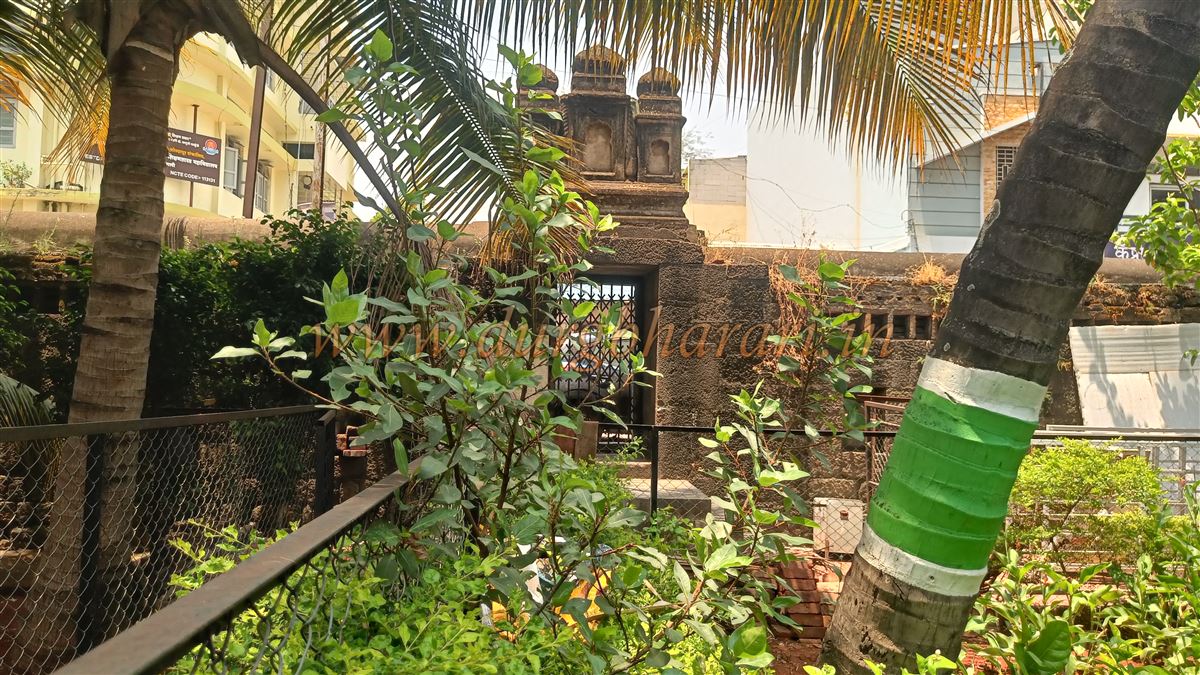
The assembly hall is supported by two rows of carved pillars and has three aisles. Its roof is covered with carved stone slabs. At the entrance are two grand statues of Nandi and Garuda. The entire temple premises are enclosed by a stone wall (Prakar) with one gate on each side for exit.
Shrimant Parashuram Bhau Patwardhan, the ruler of Tasgaon, was a brave commander from the Patwardhan family. The family’s ancestor was Harbhat (Baba) Patwardhan, whose native village was Kotavde near Ganapatipule in the Konkan region. Harbhat Baba’s son was Ramchandrapant, whose son was Parashuram Bhau. From 1755 to 1799, Parashuram Bhau displayed valour in many battles. After the battle of Panipat, Peshwa Madhavrao appointed Bhau as the in-charge of Kasbe Tasgaon. From 1770 to 1799, he fulfilled many important responsibilities. He also fought several battles against Tipu Sultan.
During these campaigns, he had the opportunity to see the grandeur and architecture of temples in Karnataka and Srirangapatna. Inspired by their beauty, he decided to build a similar grand temple in Tasgaon. In 1779, Bhau settled in Tasgaon. He brought masons, carpenters, and sculptors from Karnataka and painters from Rajasthan, and between 1771 and 1779, he built the grand Siddhivinayak temple in Tasgaon. On the auspicious day of Falgun Shuddha Chaturthi in 1779, the idol of Siddhivinayak with the right-turned trunk was consecrated. Since then, the Ganpati of the Shri Ganpati Panchayatan Sansthan in Tasgaon has been celebrated only for one and a half days.
Bhau also brought the idea of a chariot festival (Rathotsav) he had seen in Srirangapatna to Tasgaon. For the festival, he first built a three-story wooden chariot. The tradition of the Tasgaon Ganpati temple’s chariot festival began in 1785. This chariot is five stories high and thirty feet tall. The Rathotsav begins around 1 p.m. The clay idol consecrated in the royal palace and the 125 kg Panchdhatu idol of the Sansthan are brought in a palanquin to the temple with music and celebration. After both idols are worshipped, the massive crowd of devotees begins pulling the chariot, chanting “Ganpati Bappa Morya” and “Mangal Murti Morya.”
The chariot is pulled for about half a kilometer to the Kashi Vishweshwar temple on the banks of the Kapur stream to visit Kartik Swami. There, after performing the Aarti, the clay idol is immersed in the Kapur stream. After the immersion, the procession returns to the Ganpati temple with the Panchdhatu idol.
© Suresh Nimbalkar
GALLERY