TARAPUR
TYPE : COASTAL FORT
DISTRICT : PALGHAR
HEIGHT : 0
GRADE : EASY
In Palghar district, which was separated from Thane district, there are several small and large forts along the coastline, such as Vasai, Arnala, and Shirgaon. One of the important forts in this chain is Tarapur Fort. Tarapur, located 11 km from Boisar railway station on the seashore, has been an important village since ancient times. In this village, right by the sea, stands the Portuguese-era Tarapur Fort.
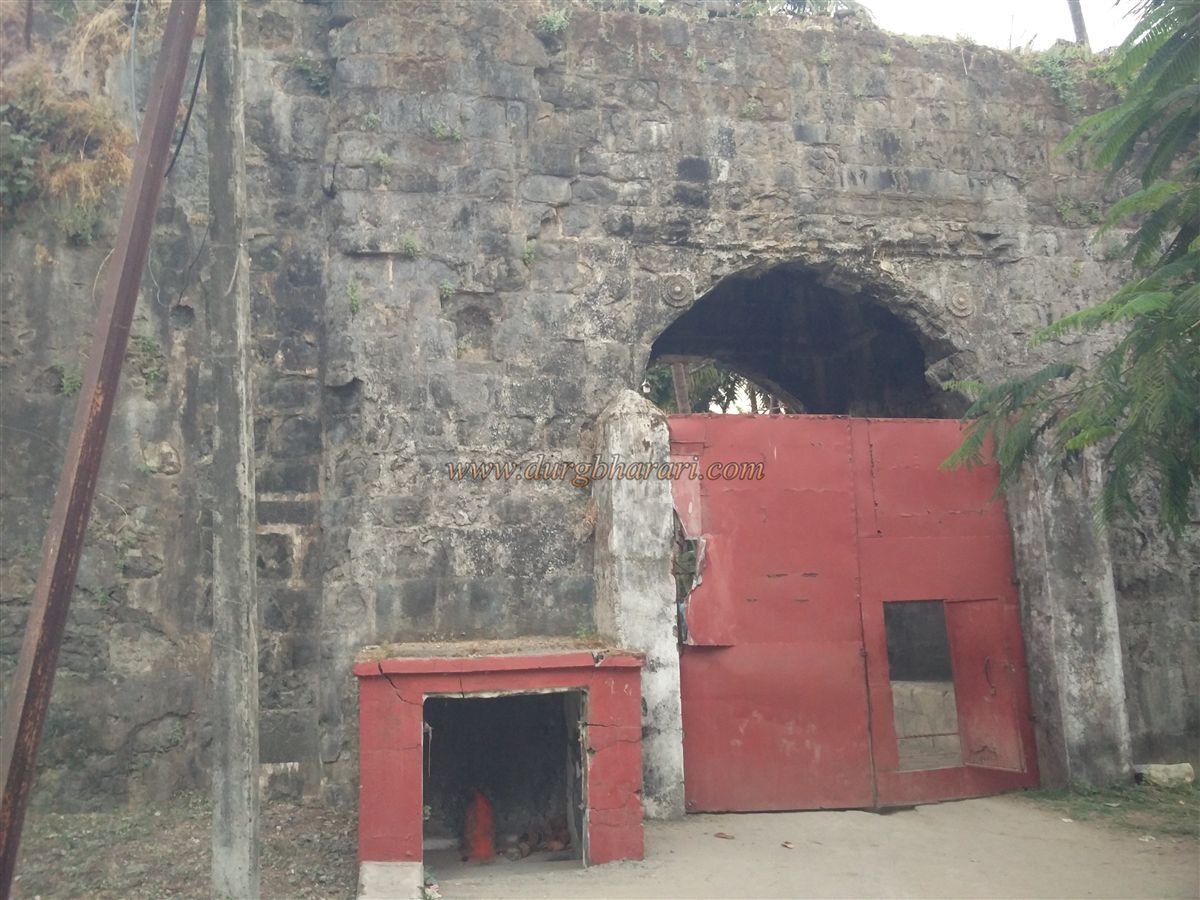
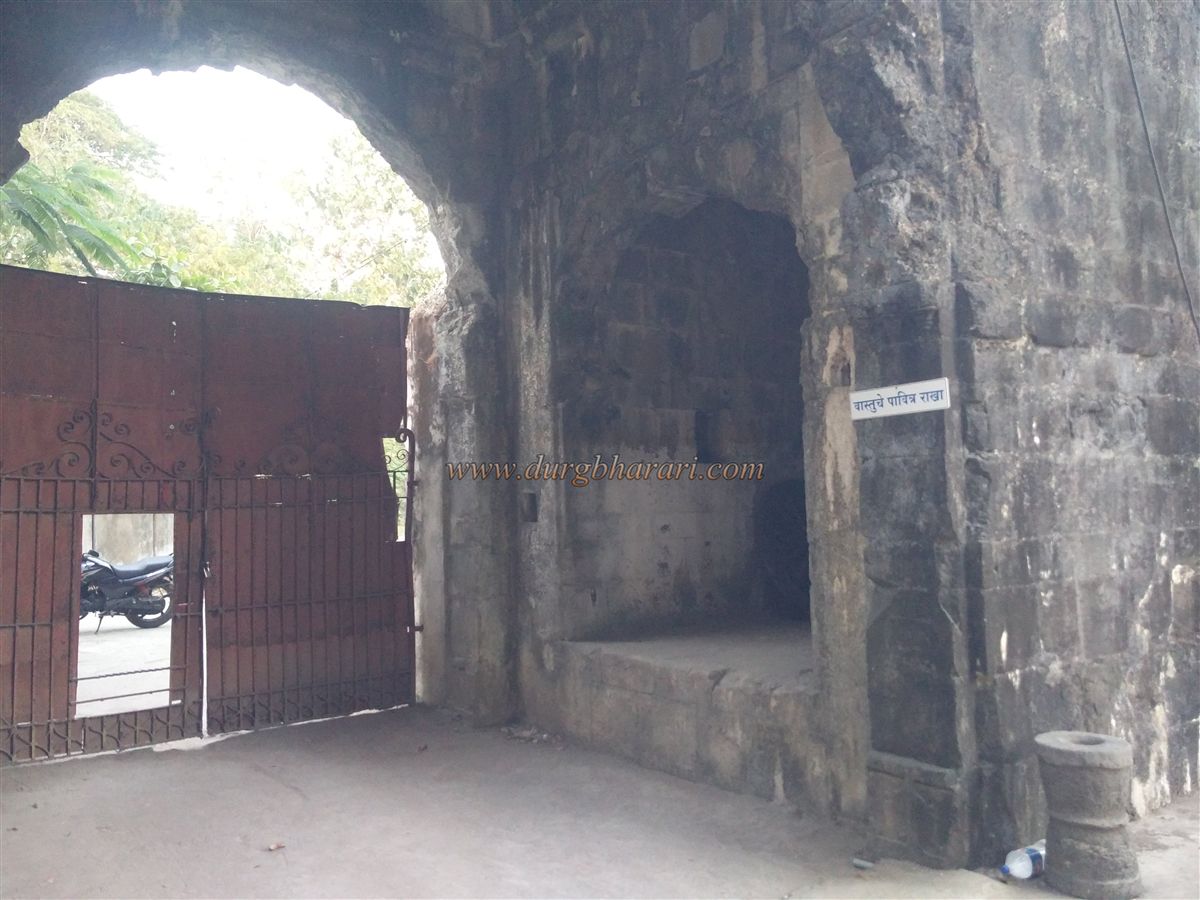
From Boisar railway station, there is good bus and rickshaw connectivity to Tarapur. By private vehicle or rickshaw, one can directly reach the east-facing main entrance of the fort. The fort is privately owned, and within its premises a resort named "Shreemant’s Wada" has been newly established. However, there is no restriction on visiting the fort.
...
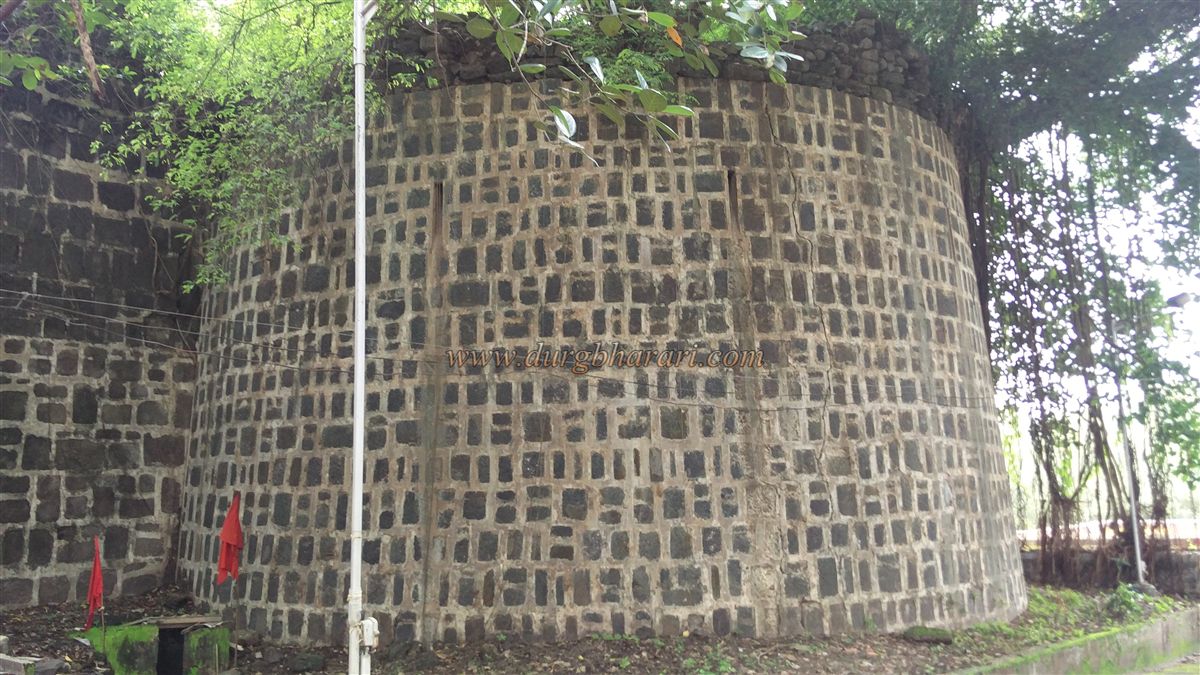
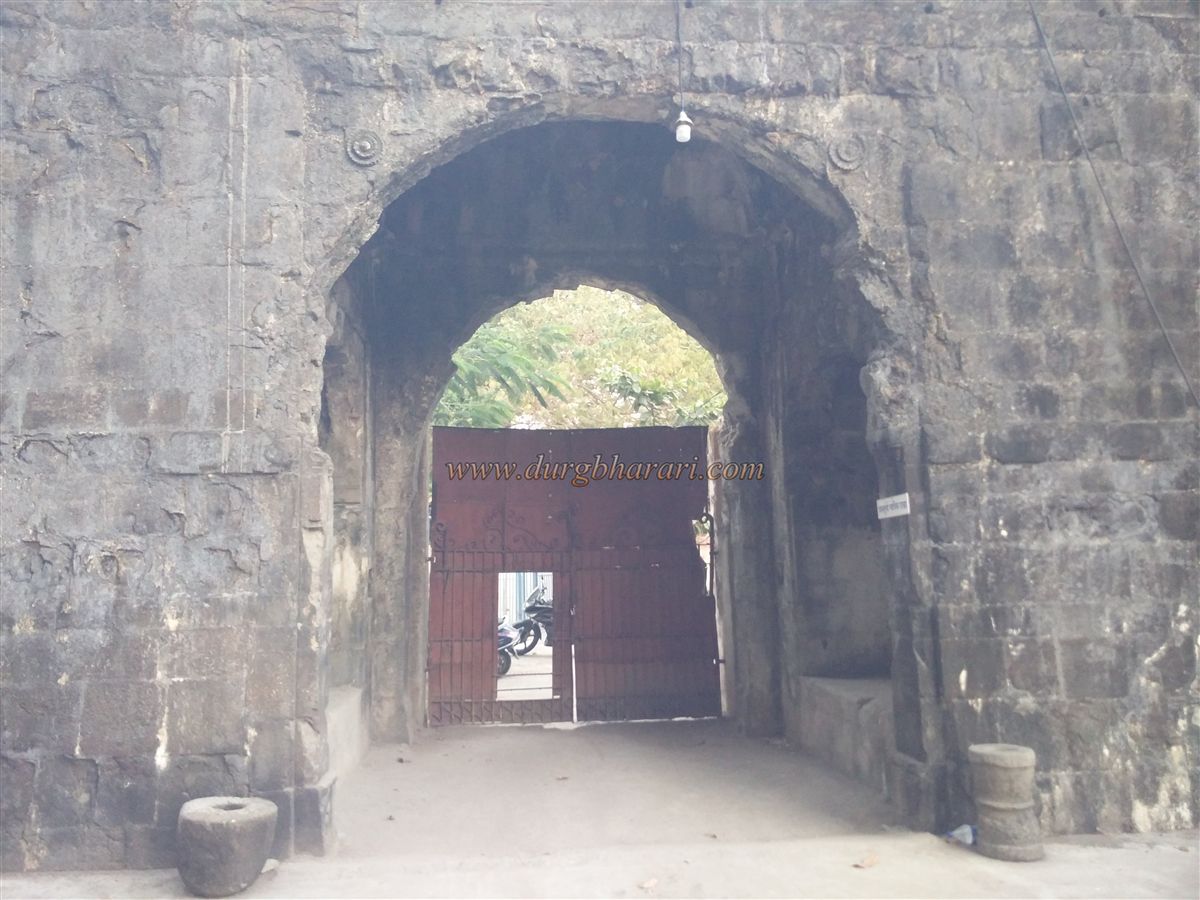
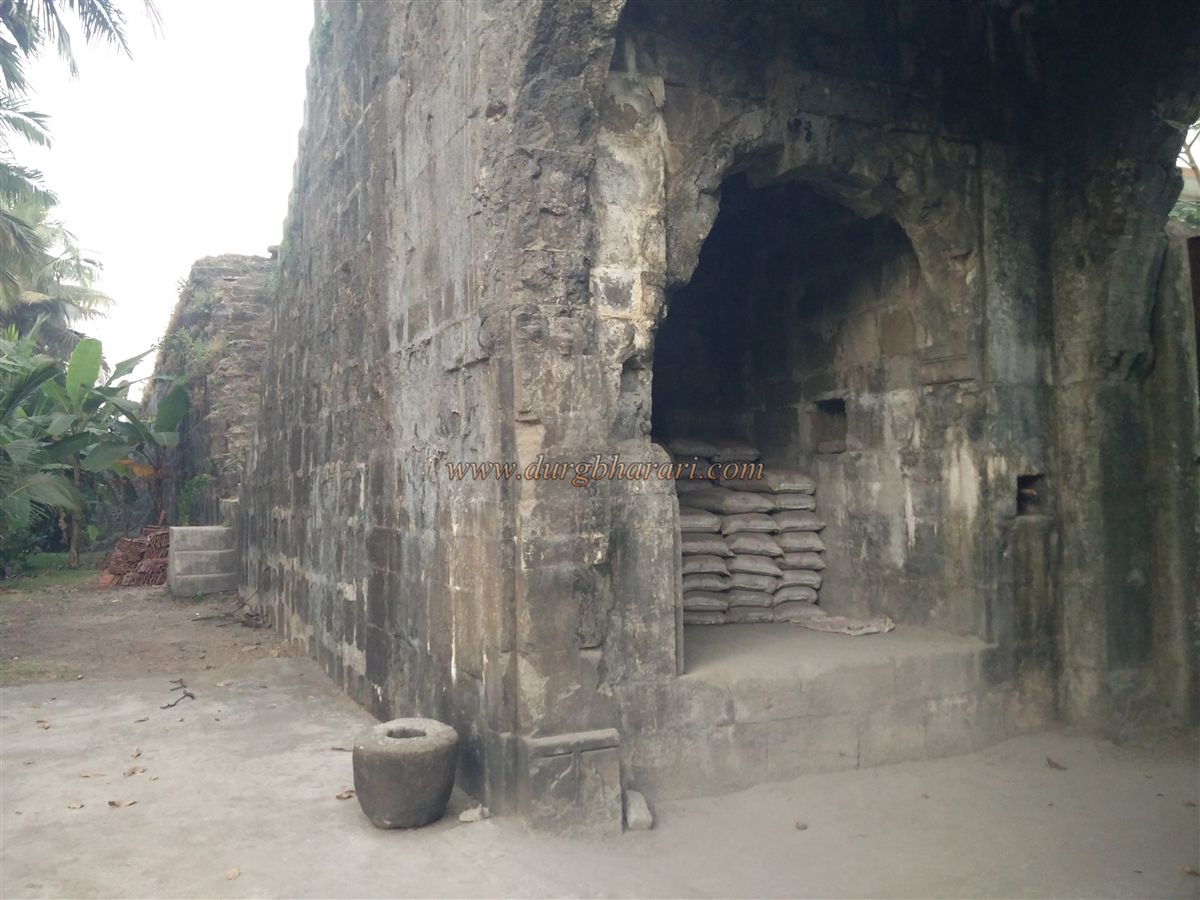
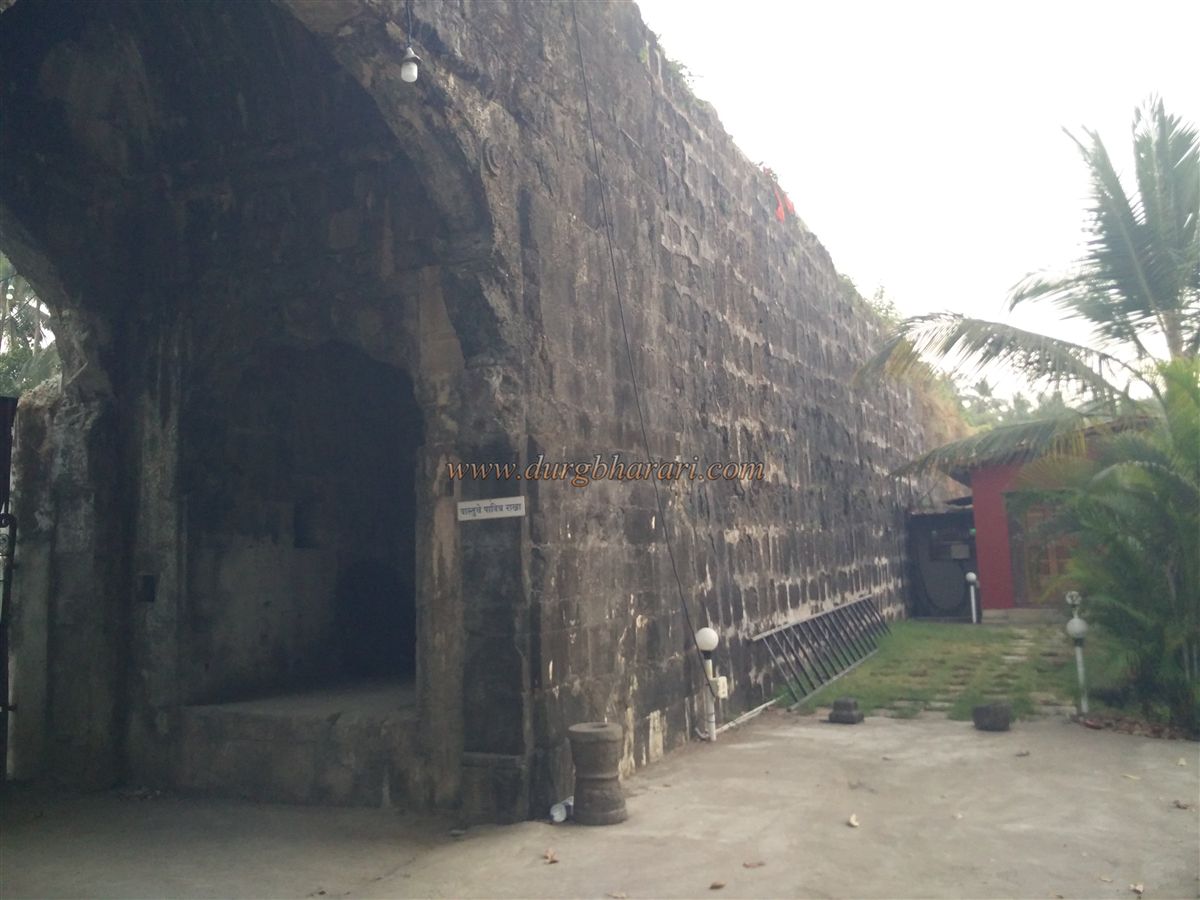
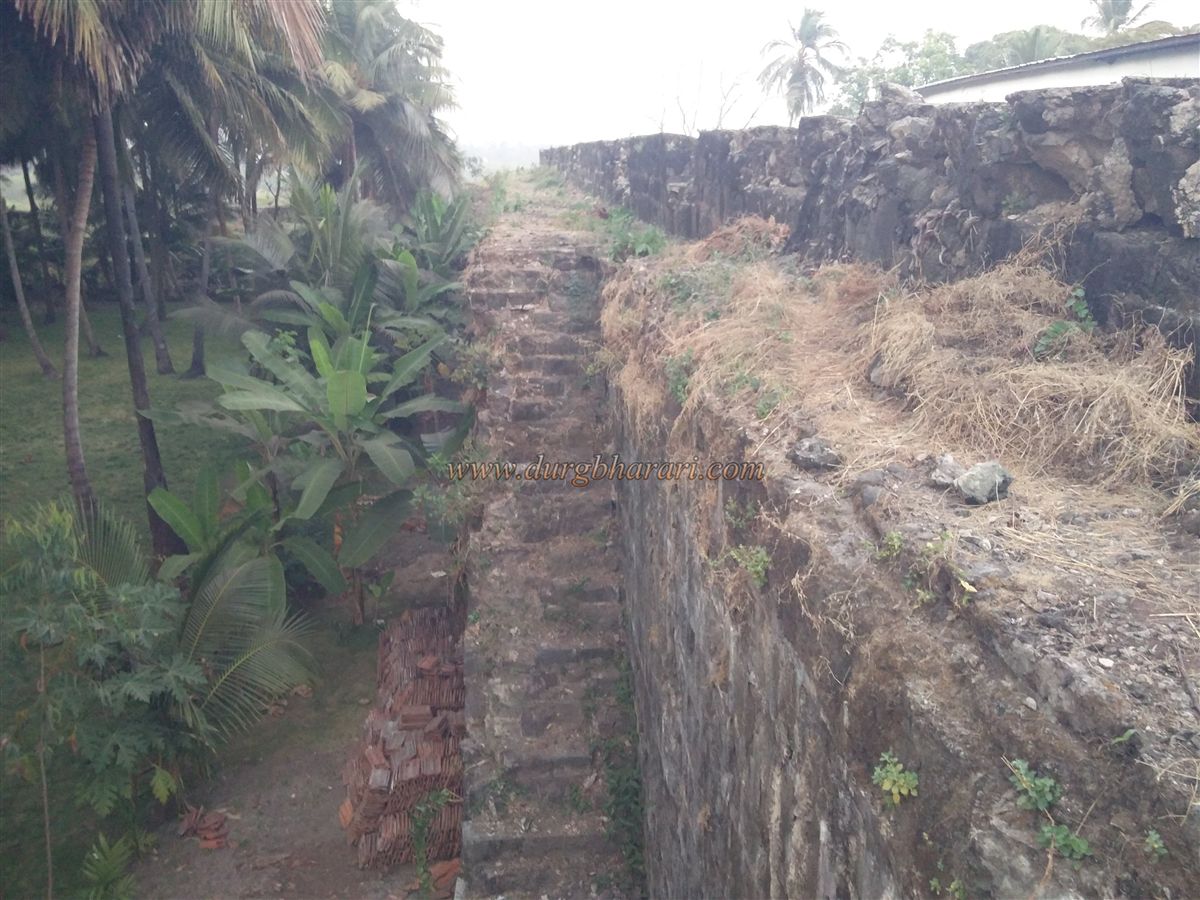
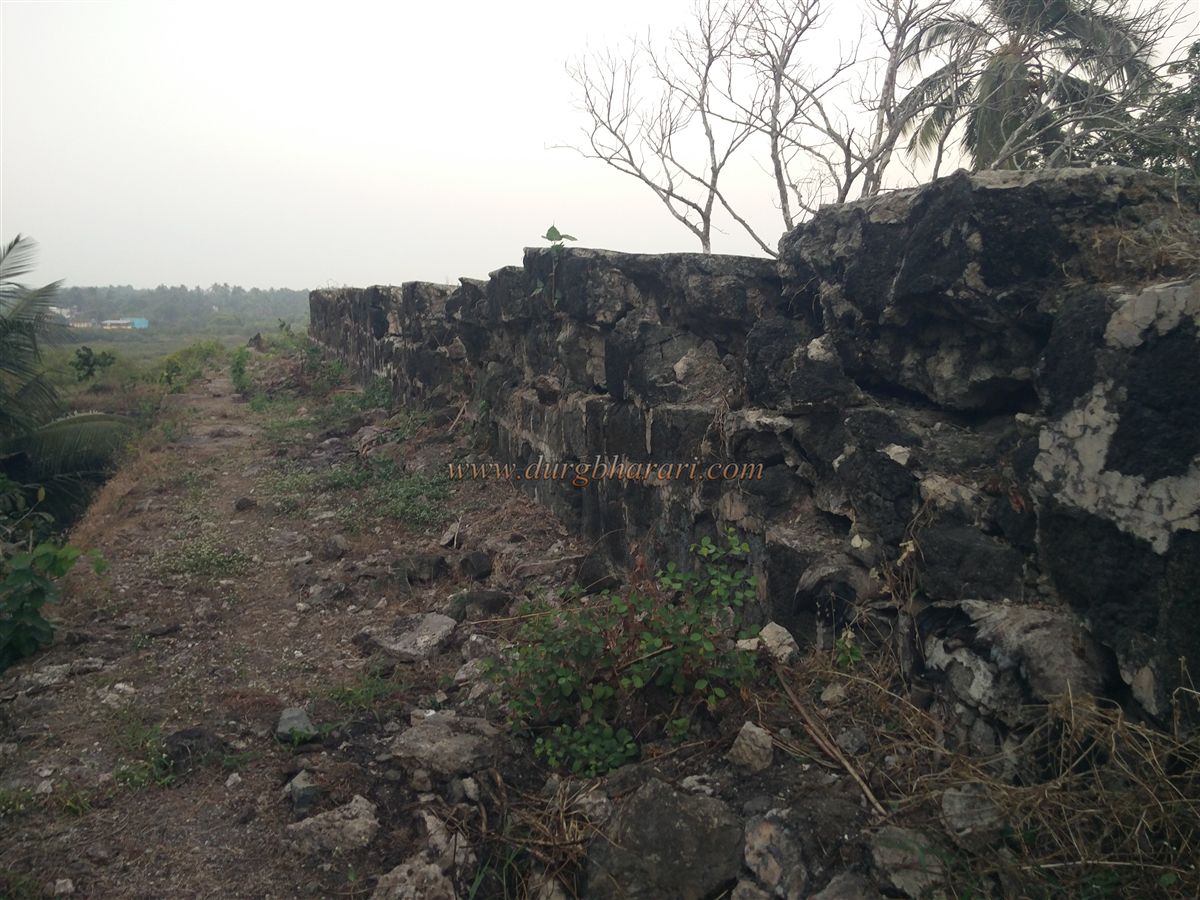
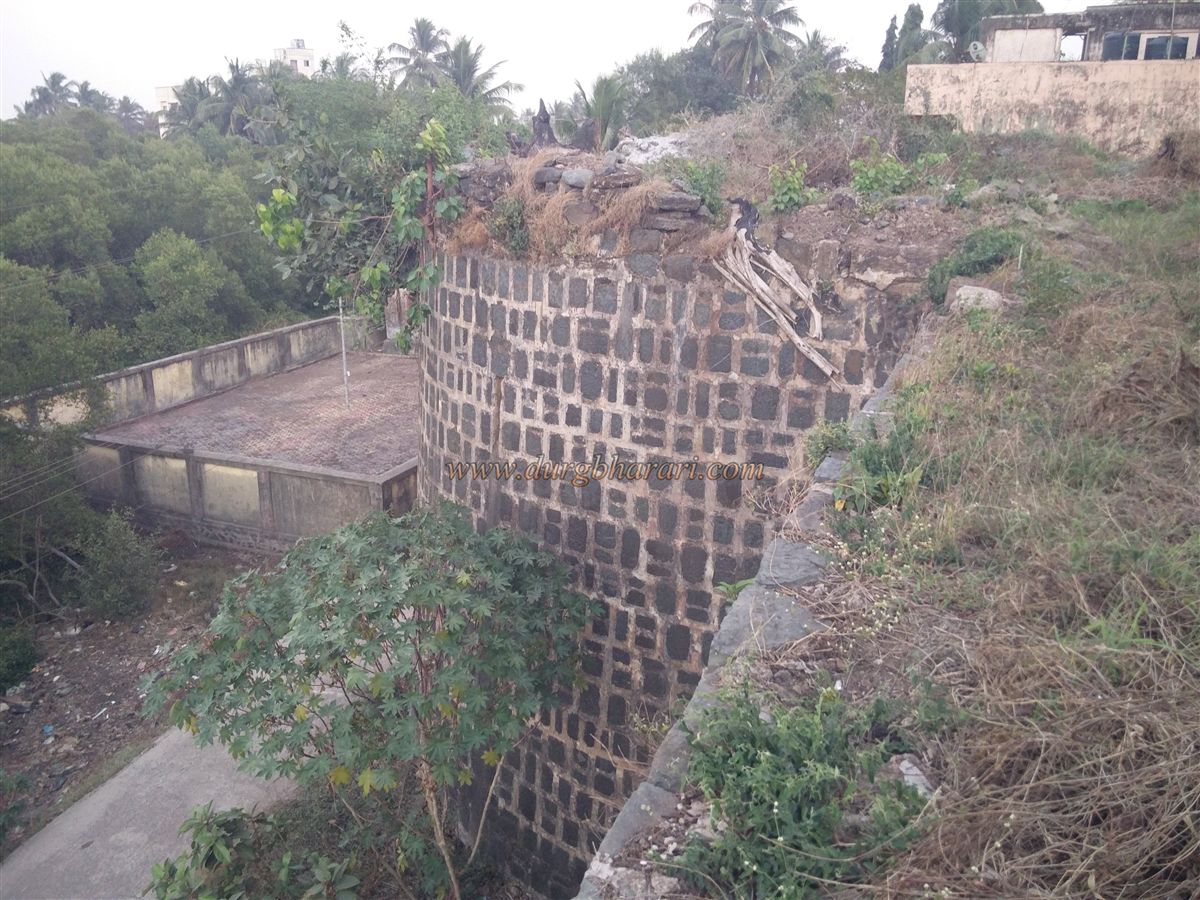
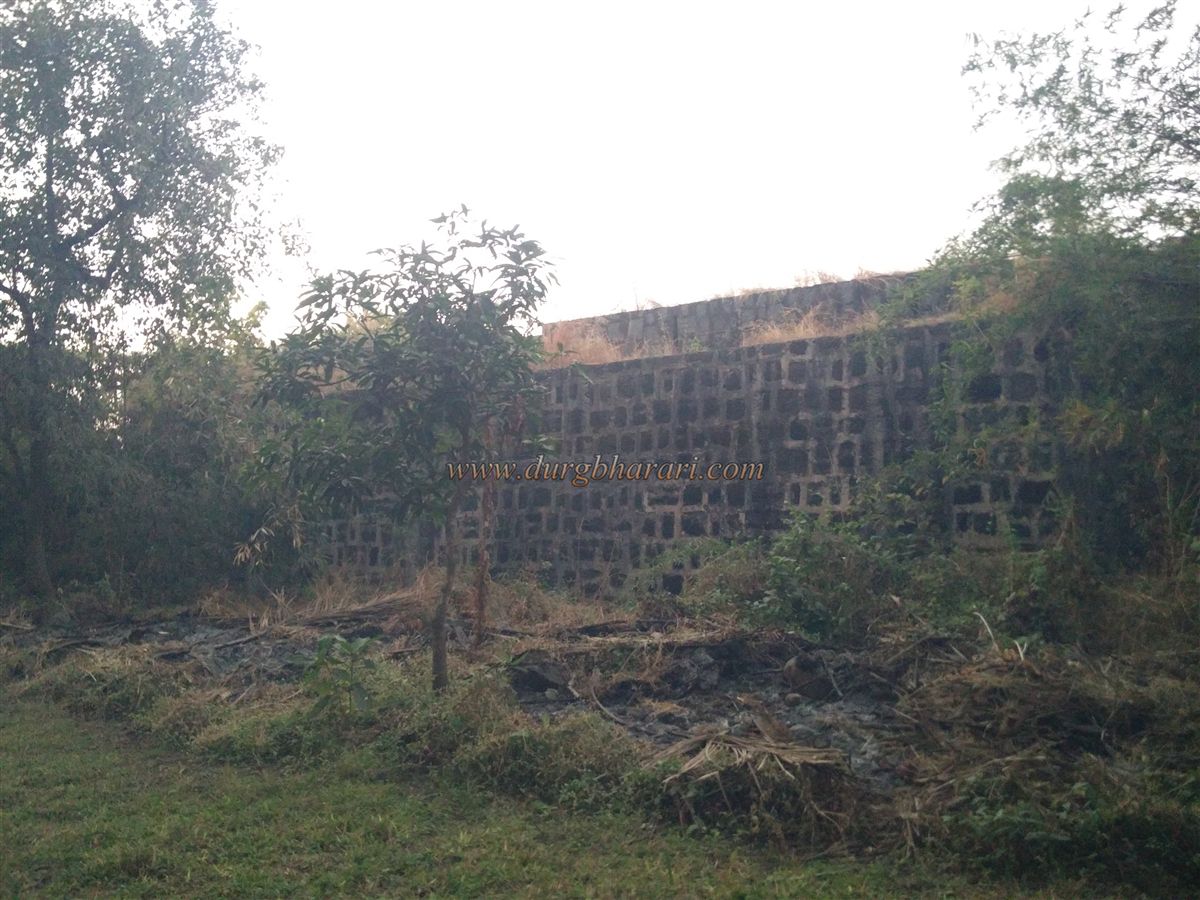
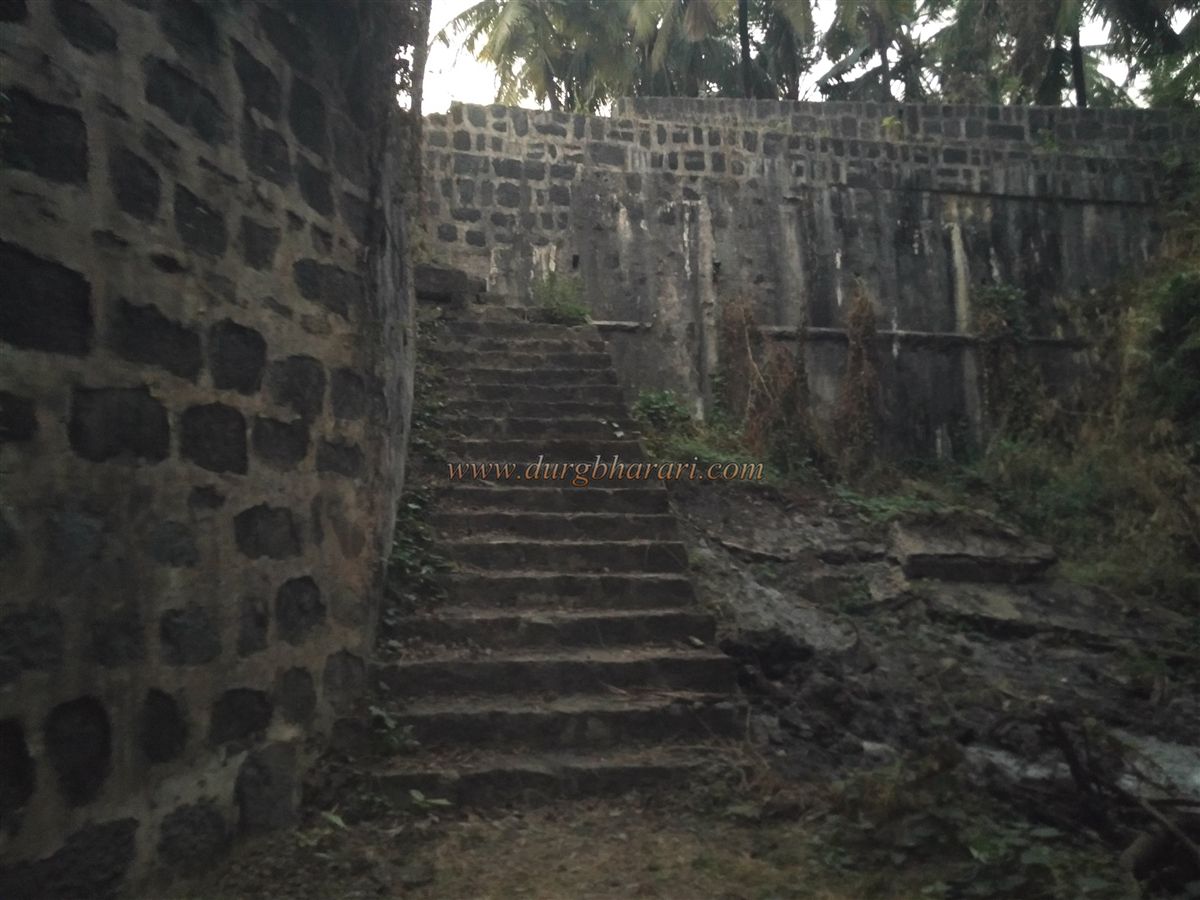
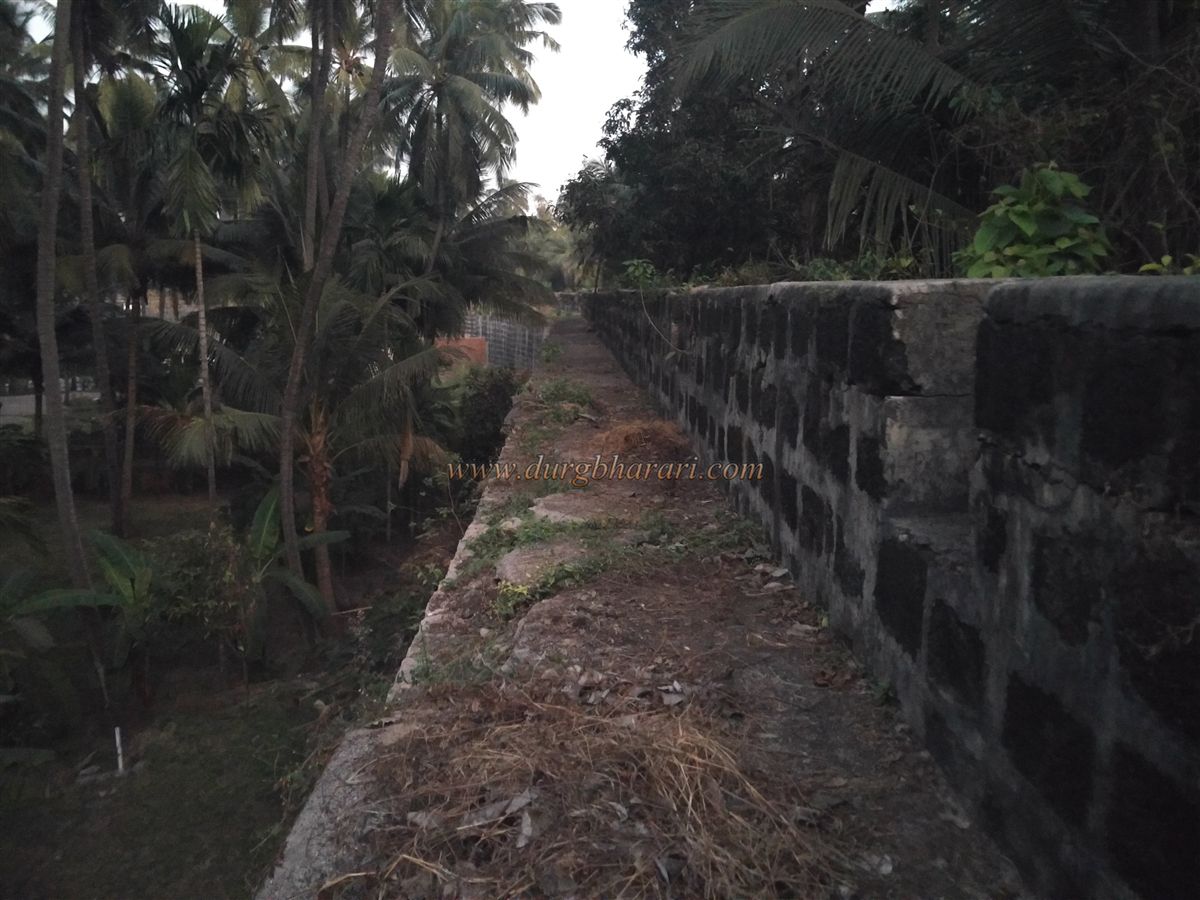
On the arch outside the main entrance, lotuses are carved on both sides, and inside, there are guardrooms on either side. Upon entering, on the right, there are steps on both sides to reach the ramparts. From these ramparts, one can walk around more than half of the fort. The fort, rectangular in shape, covers about seven acres and has a total of seven bastions along its walls. On the left, at the south-western corner bastion, there is a warehouse. Next to this bastion, steps are built to climb the walls.
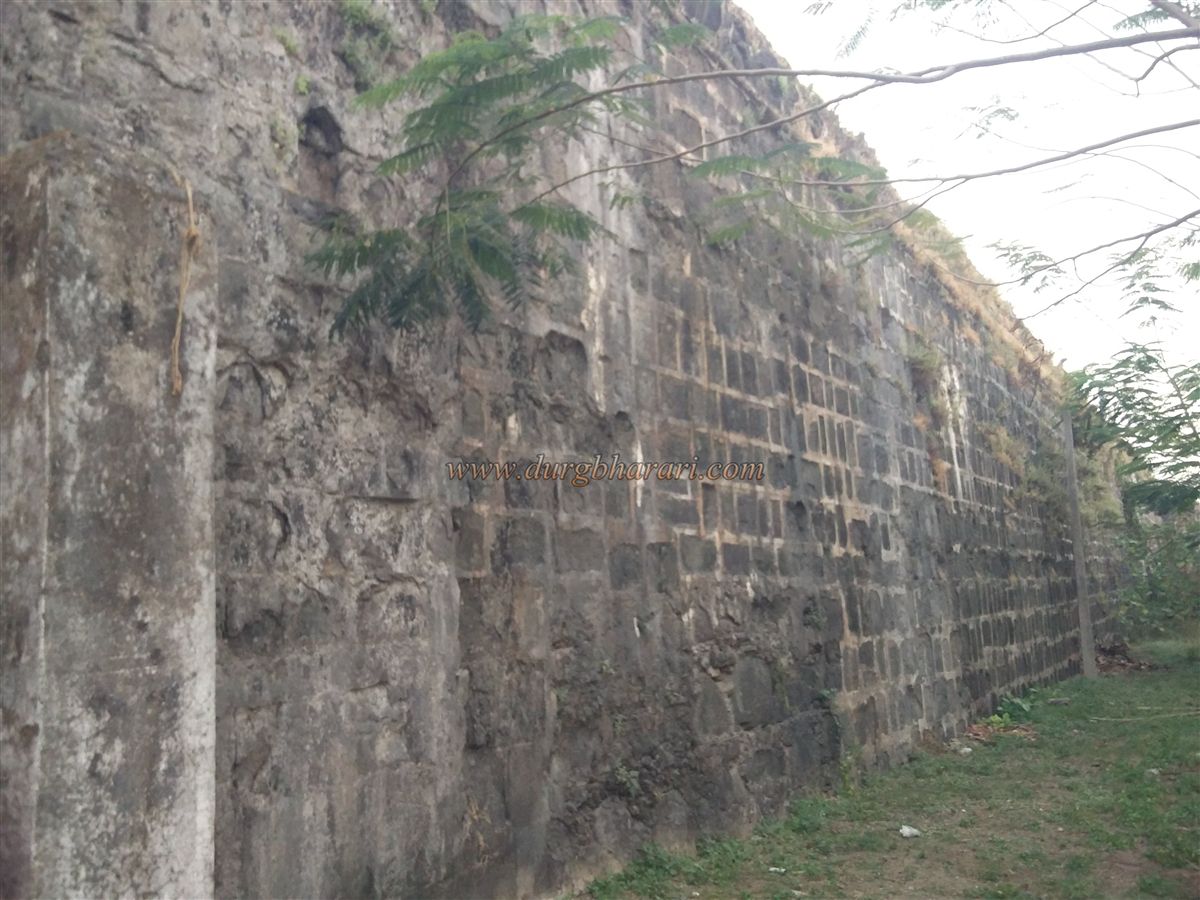
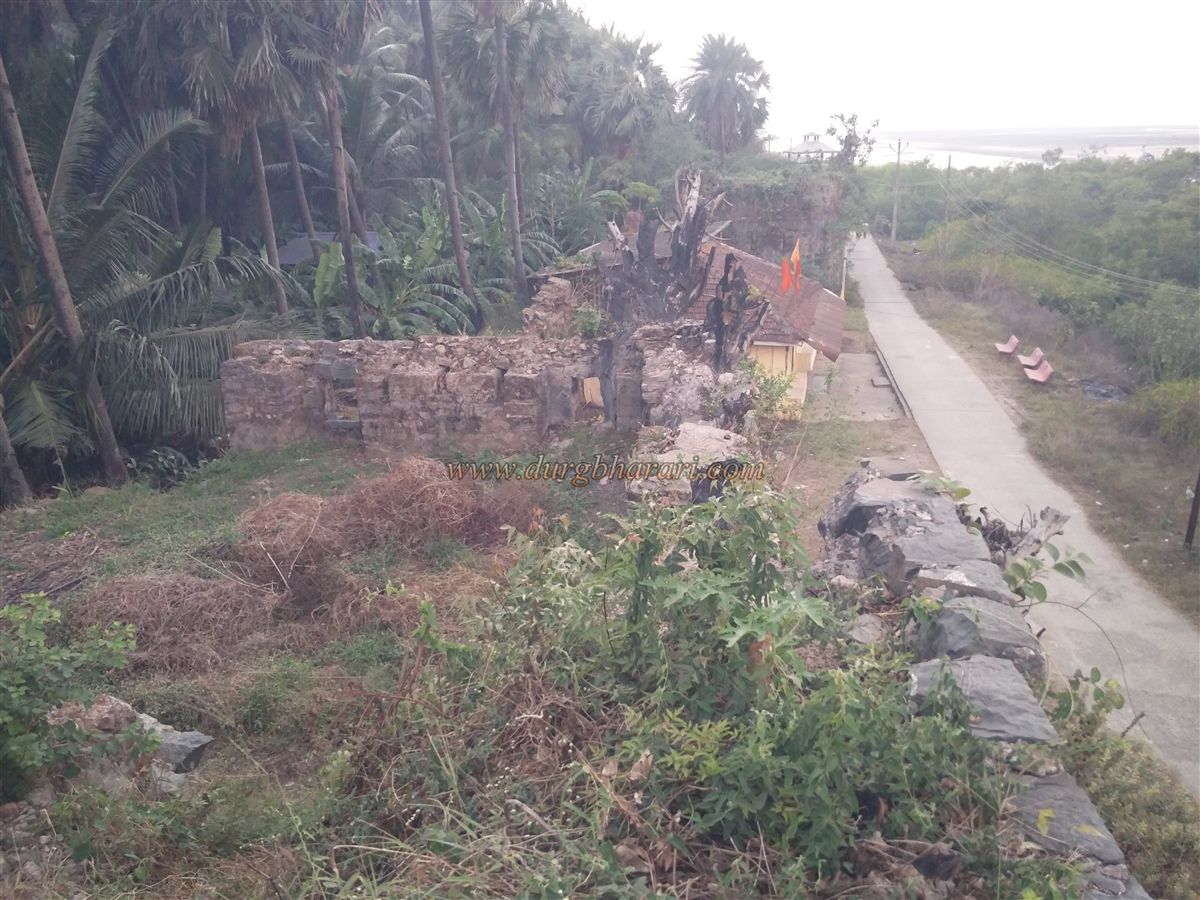
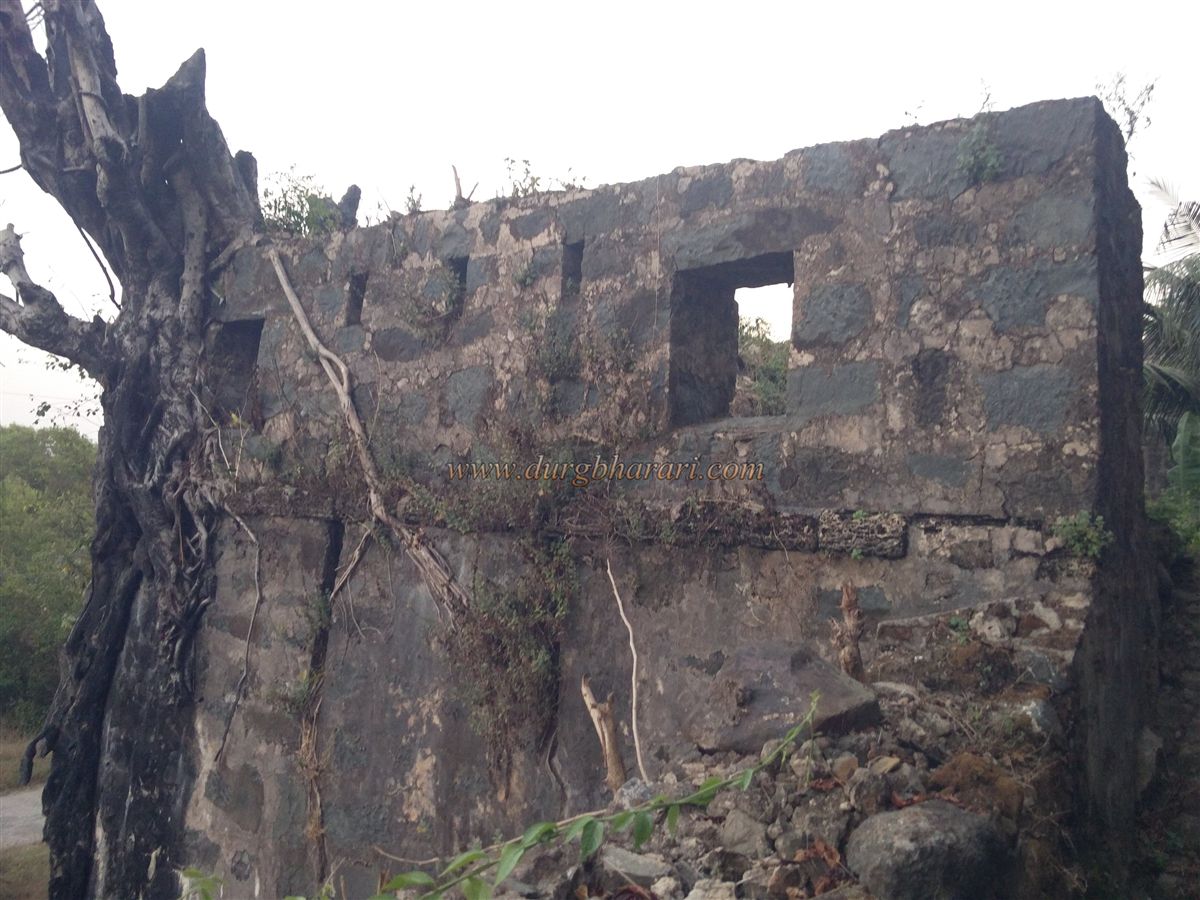
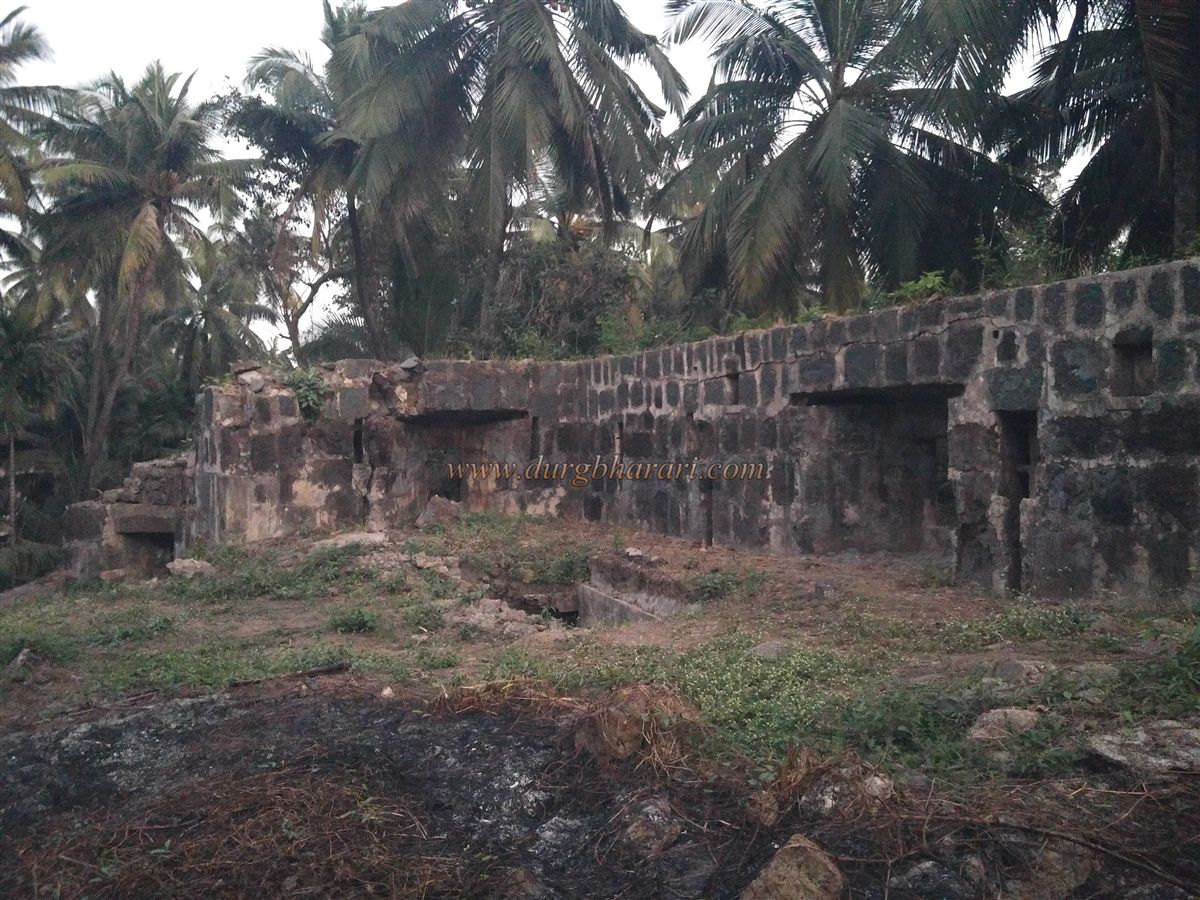
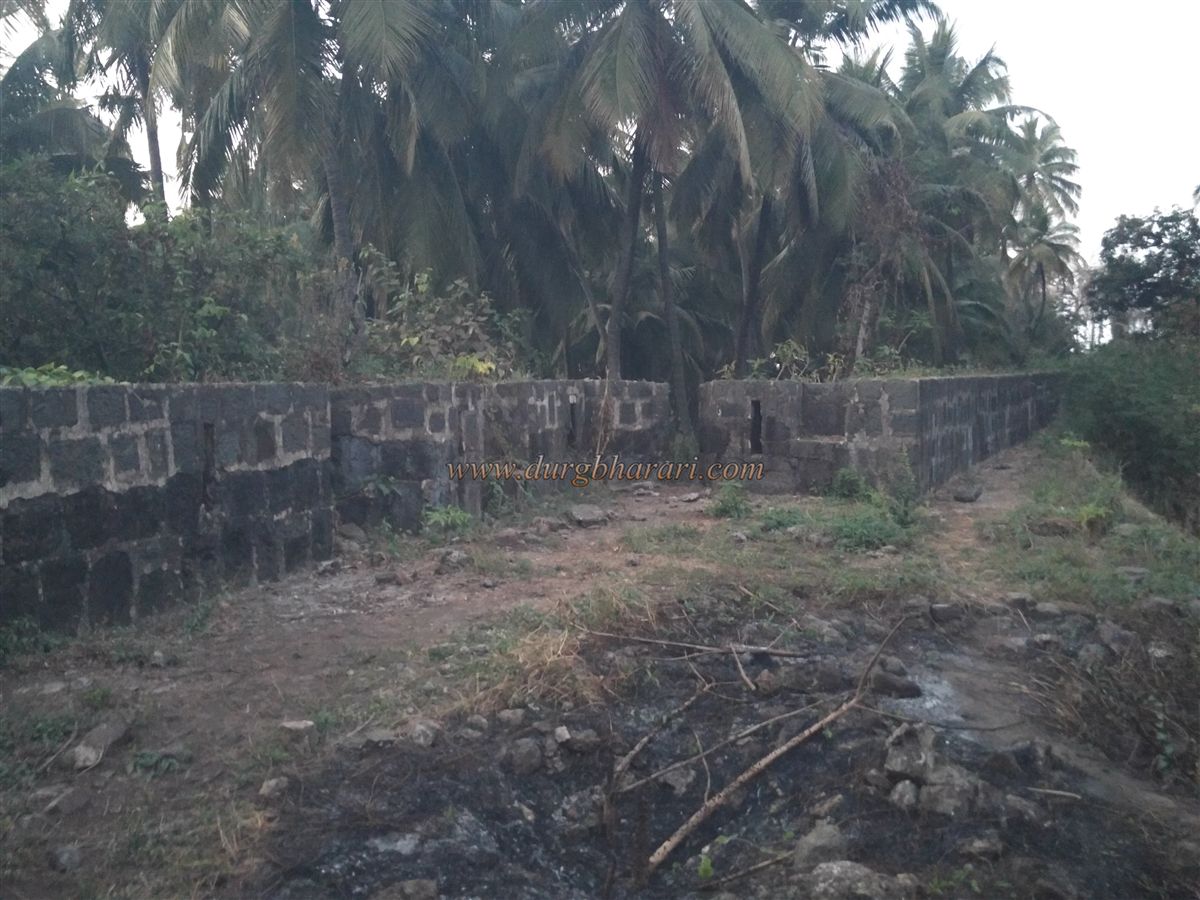
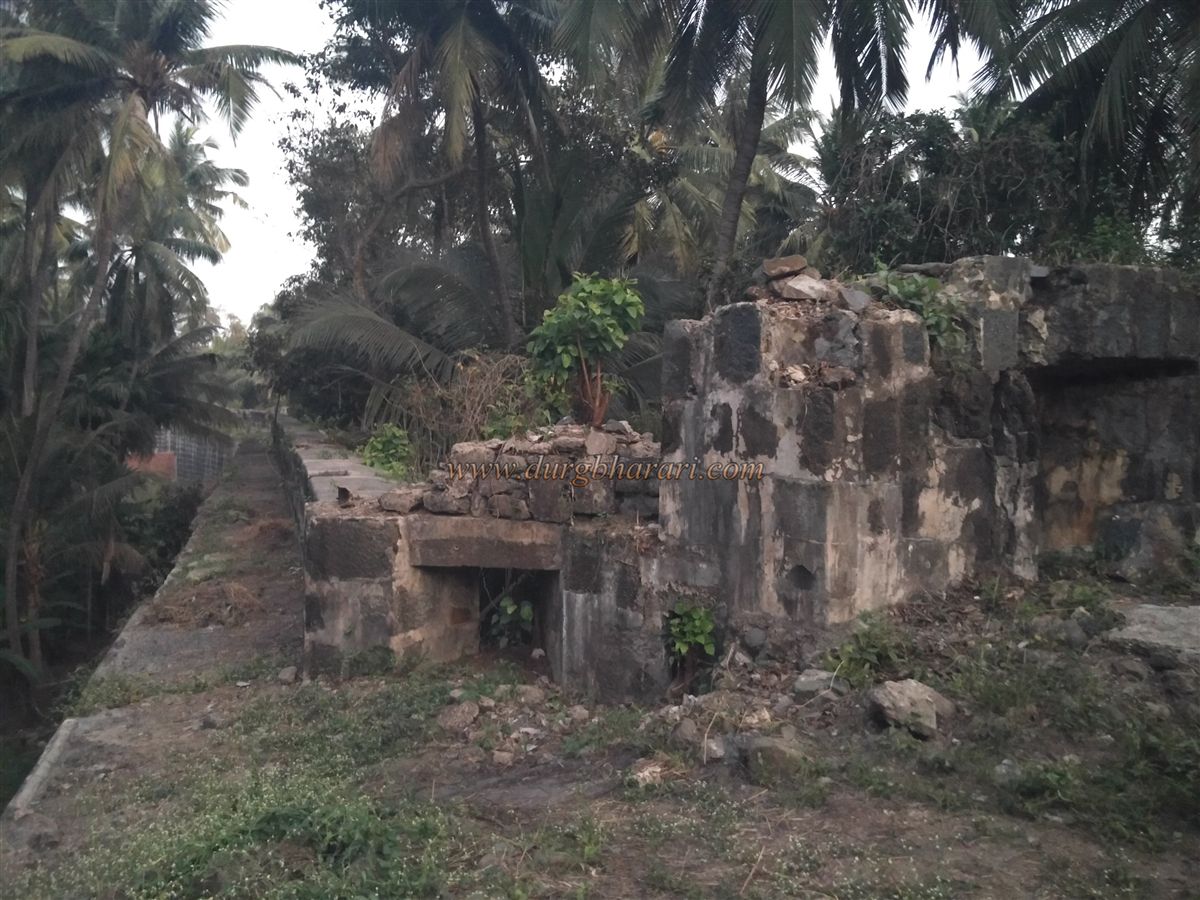
The internal structures of the fort were destroyed long ago, but the current owners have made sincere efforts to preserve what remains. Except for a few damaged portions, most of the ramparts and bastions are in good condition. Inside the fort, apart from the plinths of warehouses attached to the walls, there are no significant remnants.
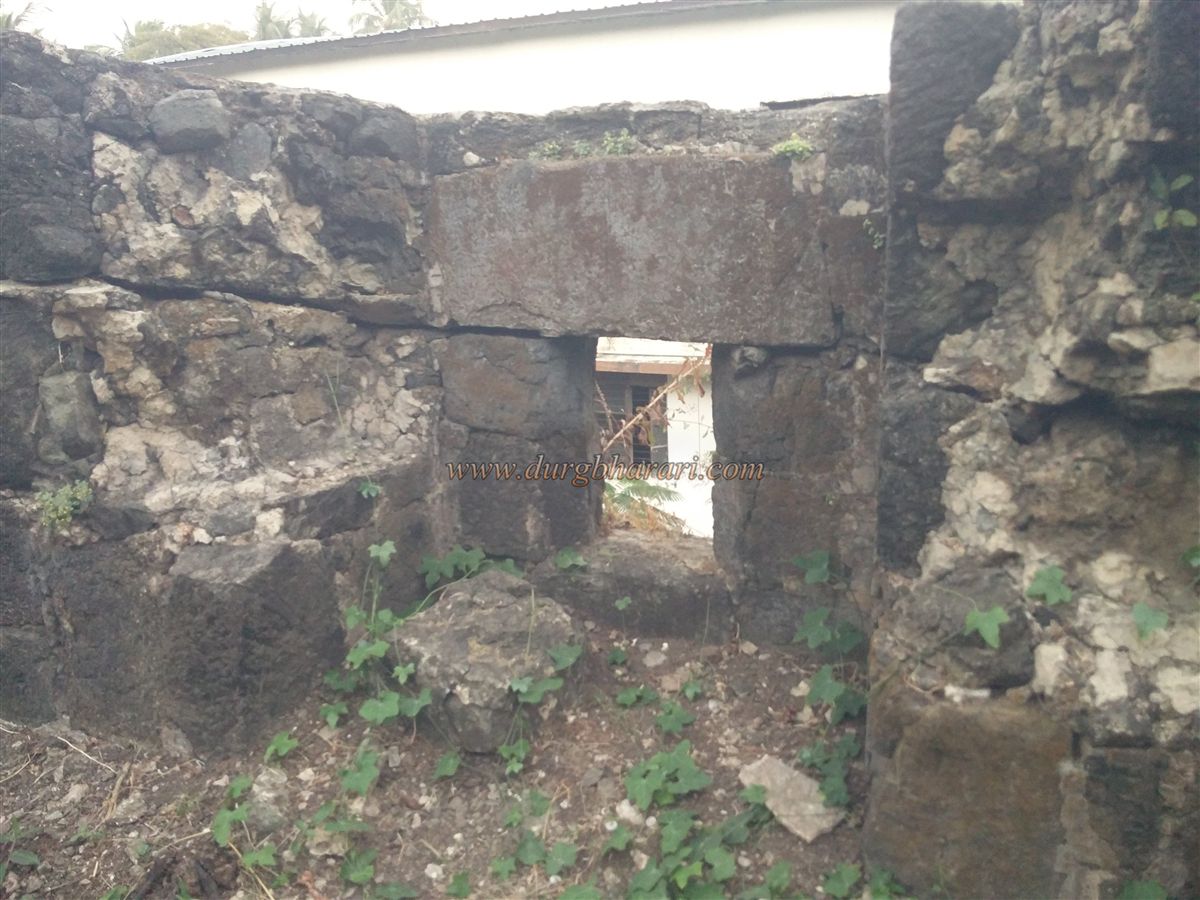
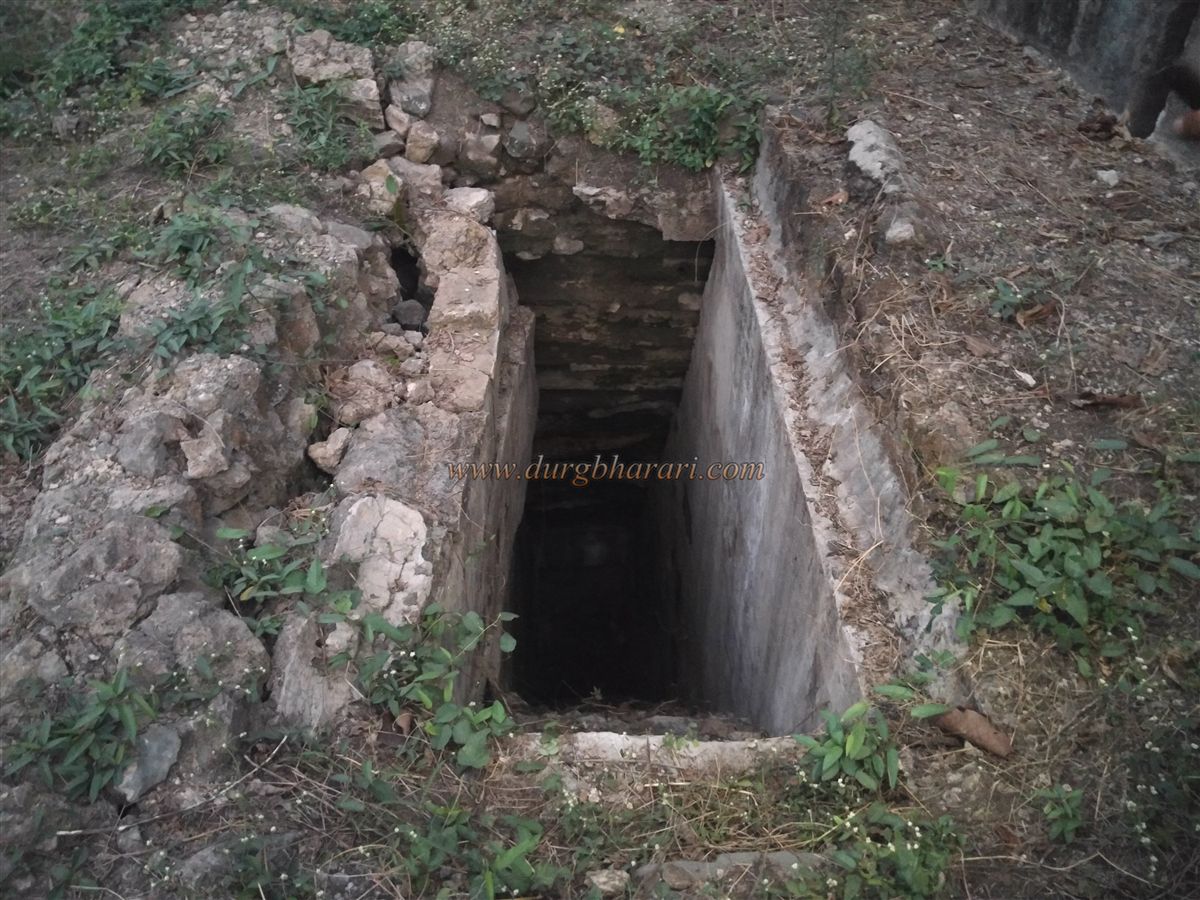
While walking along the outside of the fort walls, one can see a Portuguese-era stone inscription embedded in the wall, indicating the year of construction, and a small gate sealed with stones. A short distance away, there is a circular well with arches called "Ghodebav" and the Peshwa-era Tarkeshwar Mahadev Temple. The well has steps leading down to the water.
Historical accounts mention that earlier the fort was surrounded on one side by a creek and on the remaining three sides by a moat, but now no moat is visible. It takes about an hour to explore the fort and its outer walls.
Although the fort’s inner buildings no longer survive, some descriptions are available. In 1818, Captain Dickinson described it as being in good condition and located at the very centre of the northern Kankan’s sea forts. The square fort, built of large dressed stones, measured 150 metres in length and breadth, with ramparts 9 metres high and 3 metres wide. The north side had been eroded by tidal waves, causing its collapse, and the defensive walls had fallen. The south-eastern corner had no bastion, but the other three sides had remnants of a dry moat. The eastern side had the main entrance at the centre. Inside, there were ruins of large buildings, two grain warehouses, a guard post, some simple structures, and several sweet-water wells.
In the 1862 survey, the fort was found in a dilapidated state, with the entire northern side collapsed. The Peshwas had given the fort as an inam (grant) to Vikaji Meherji for a 100-year lease.
At the end of the 19th century, traveller Taylor wrote that the remains of the fort, built by the Portuguese in 1593, could be seen on the southern shore of Tarapur creek. Like most other forts, it was built using dressed stone. The fort was not very large, measuring about 50 to 55 square metres in area, but its ramparts were strong — 10 metres high and 3 metres wide. Although the sea is no longer adjacent to it, at one time the tidal waters reached the northern wall. The fort was surrounded by a moat on three sides, but it is now completely filled with debris and soil. The northern rampart is in poor condition. Inside the fort, there was a Christian chapel, a hospital, and a prayer hall.
In the late 13th century, Bimb Raja Bhim of Mahim captured Tarapur village from the Naiks. By the early 16th century, Tarapur was thriving commercially, with large-scale trade in timber and rice transported by boats. In 1533, the Portuguese set fire to and destroyed the village. Later, in 1556, Portuguese influence in the area increased, and Tarapur became an important city of Portuguese Daman territory. In 1559, an attack by the Habshi on Tarapur was successfully repelled. In 1582 and again in 1612, Mughal attacks were also repelled by the Portuguese.
Portuguese Viceroy of India, Matias de Albuquerque (tenure 1591–1595), ordered the construction of a fort at Tarapur in 1593. Construction began the same year and was completed in 1595. The fort had Tarapur creek to the north, the main entrance to the east, the sea to the west, and strong ramparts to the south. From the western ramparts, the Arabian Sea could be monitored. The fort’s walls had round bastions, and inside were soldiers’ quarters, a church, a Christian missionary monastery, and a hospital. The first Portuguese commander of Tarapur Fort was Diego de Couto.
Around 1634, the garrison consisted of a captain, a Naik with ten servants, a gunner, a police inspector with four assistants, an interpreter, a clerk, a torchbearer, and an umbrella bearer. Apart from the garrison, the fort housed a preacher, 50 Portuguese soldiers, 200 local Christians, and about 100 slaves—skilled fighters equipped with excellent swords, telescopes, and cannons. On 15 April 1683, Chhatrapati Sambhaji Maharaj personally led 1,000 cavalry and 2,000 infantry to attack Tarapur. They burned the town outside the fort. Other Maratha units attacked small ports from Daman to Vasai and captured two Portuguese priests.
Manuel Alvares, the Portuguese officer in charge of the Tarapur warehouse, resisted the Marathas and sent word to Goa. The authorities in Goa arrested the Maratha envoy there, Yesaji Gambhirrao. In retaliation, the Marathas blocked the grain supply to the Portuguese, cutting off provisions. This forced the Portuguese to release Yesaji. Relations between the two sides worsened, and in 1684 Sambhaji Maharaj launched a campaign in South Konkan. However, it appears that Tarapur did not fall to the Marathas at this time, as the campaign turned towards Goa and was soon interrupted by Prince Muazzam advance into Konkan.
Historical records confirm that from 1670 to 1728, Tarapur Fort and its surrounding region remained under Portuguese control. In 1728, its garrison strength had dwindled to only 60 soldiers. The Portuguese used their dominance in the area to further religious conversion. Many locals were converted; Hindu temples were demolished, and several people were executed.
In this turbulent period, Gangaji Naik of Bhiwandi, along with his family and a small force, fought the Portuguese continuously for 20 years. He informed the Peshwas about the atrocities inflicted on the local Hindu population. Eventually, in late 1738, Chimaji Appa entered North Konkan with his army. After capturing the nearby forts of Mahim, Kelve, Shirgaon, and Asheri, Chimaji Appa arrived at Tarapur on 16 January 1739 and laid siege to the fort.
The campaign was led by renowned Maratha commanders such as Baji Bhimrav, Ramchandra Hari, Baloji Chandrarao, Ranoji Bhosale, Ganoji Shinde, and Malharrao Holkar. The Marathas constructed platforms for cannons and began a fierce bombardment. At the time, the Portuguese commander was Luis Velez, who repaired damaged bastions overnight. Seeing that the cannon fire was ineffective, the Marathas planted four mines under the northern wall on 23 January 1739.
At dawn on 24 January, two of the four mines exploded, creating a large breach in the wall. Through this breach, leaders like Baji Bhimrao, Ramchandra Hari, and Yashwantrao Pawar charged with their troops, and the battle commenced. The Maratha army advanced fiercely, broke the Portuguese resistance, and captured the fort. Many Maratha soldiers were killed, but about 4,000 Portuguese, including the commander Don Francis de Arrur, fell into Maratha hands.
In the battle, Sardar Bhimrao Rethrekar was killed by a bullet to the face. In a letter to Peshwa Bajirao I, Chimaji Appa wrote that although the Portuguese were defeated, they fought with great courage and determination until the end. Bajirao I, in a condolence letter to Baji Bhimrao mother, wrote:
"Baji Bhimrao was struck in the face by a bullet and has attained Kailas. God has done a great wrong. You have suffered immense grief. For us, a brother is gone… a side is lost; there is no remedy."
For his intelligence work during this battle, the Maratha spy Khandoji Mankar was granted the village of Kharoli by Chimaji Appa. Thus, on 24 January 1739, Tarapur Fort was taken by the Marathas. Compared to the siege of Mahim, this siege cost the Marathas more lives.
After victory, Chimaji Appa ordered that all enemy personnel in the fort be taken prisoner. A total of 4,000 people were captured, along with 500 horses. During the fighting, the Portuguese commander Luis Velez was killed. All remaining officers and their families were captured. Chimaji Appa treated them according to their rank and allowed proper funeral rites. The commander’s wife requested permission to bury her husband’s body with due honour, and Chimaji Appa granted it. For this generosity, Portuguese historians praised and thanked Chimaji Appa wholeheartedly.
Thus, on 24 January 1739, Tarapur Fort was won by the Marathas. Soon after, the entire Vasai region and the Salsette region came under Maratha control. On 27 May 1739, Moro Narosinh was appointed Havaldar (fort commander) and Mahadaji Dattaji was made Fadnavis (manager).
In 1750, the Marathas repaired the sea-facing side of the fort in the European style. In 1760, the fort was in good condition and guarded by four cannons. In 1776, Raghunathrao Peshwa took refuge in this fort. In 1803, without any resistance, it came under British control.
© Suresh Nimbalkar
GALLERY