TANDULJA
TYPE : FORTRESS
DISTRICT : LATUR
HEIGHT : 0
GRADE : EASY
The Latur region of Marathwada lies far from the main Sahyadri mountain range and consists mostly of flat plains interspersed with small hills. As this area is quite different from the Sahyadri region, most of the small hills here were developed as large fortified mansions (gadhi) rather than full-fledged forts, with only an occasional fort structure. Therefore, in this region, one finds more gadhis than forts.
While touring the forts in Latur district, one can see a 300-year-old gadhi at Tandulja belonging to Jagjivanrao Naik Bawane. Tandulja is 33 km from Latur railway station, located on the Latur–Kalamb highway. As you enter the village, the outer fortifications and bastions of the gadhi are visible from afar. Considering the local transport facilities, it is preferable to travel here by private vehicle.
...
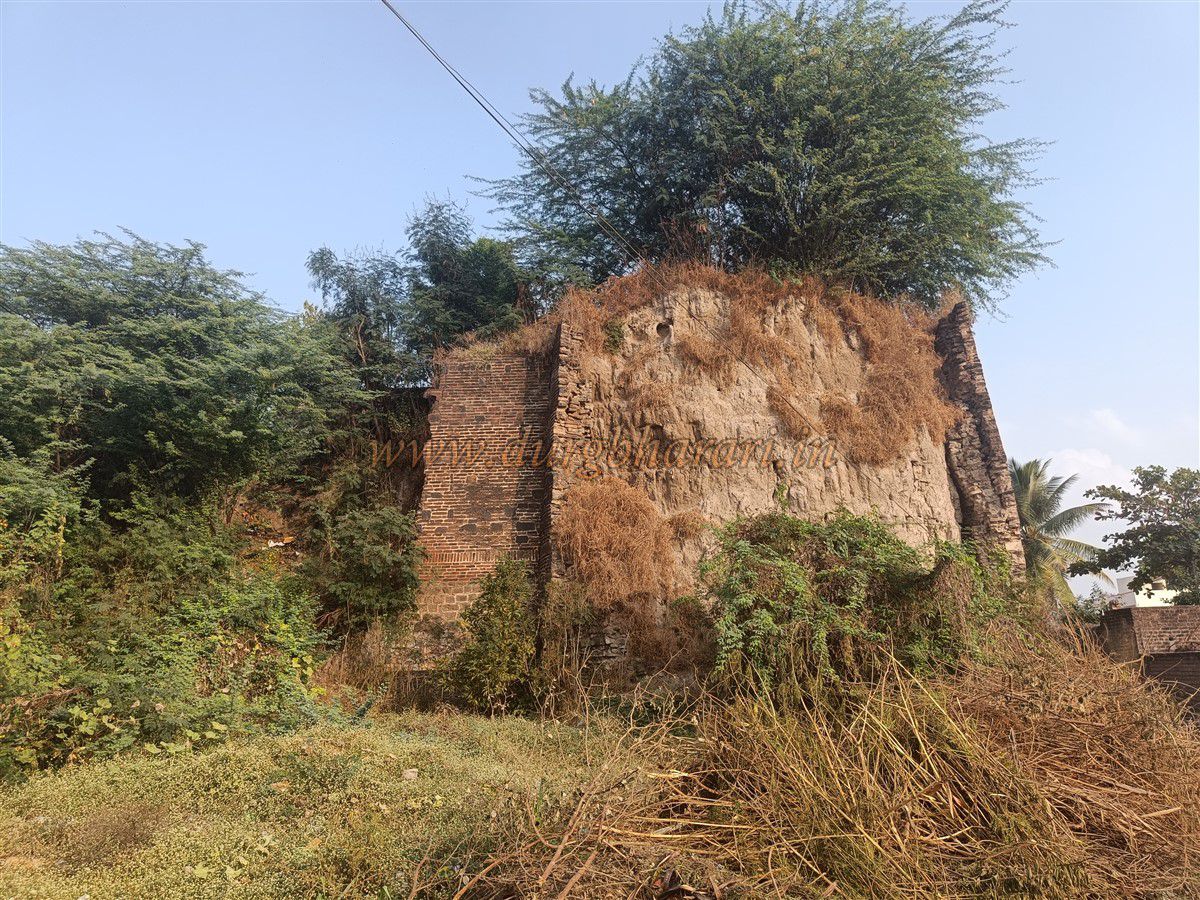
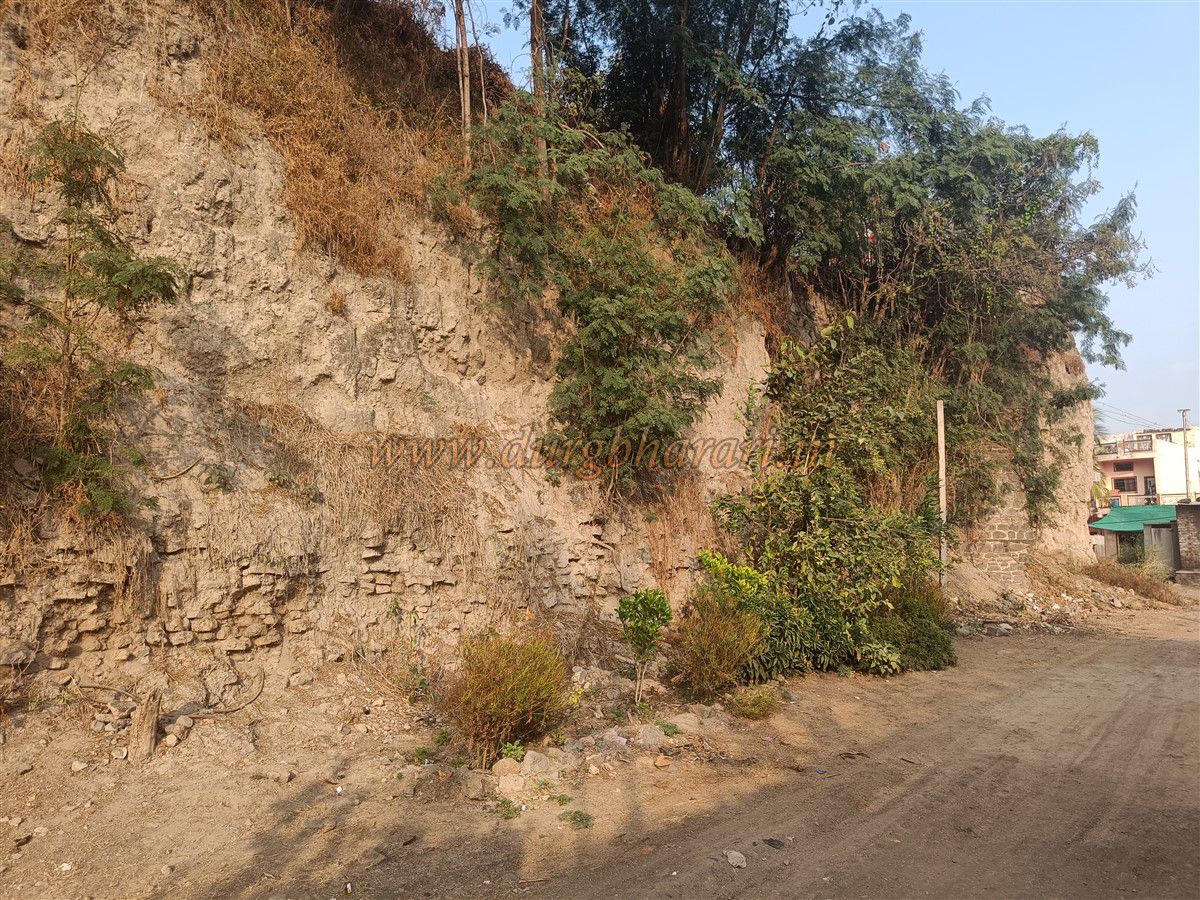
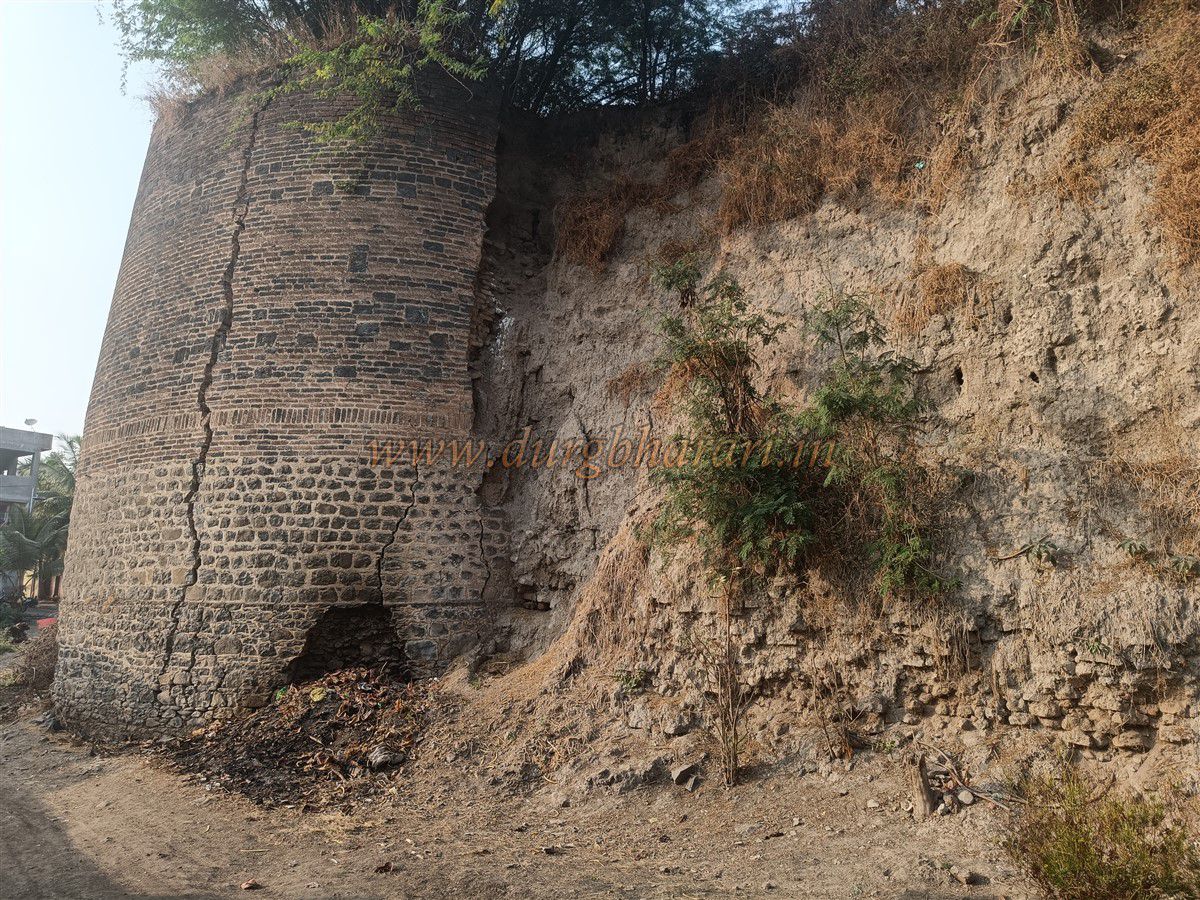
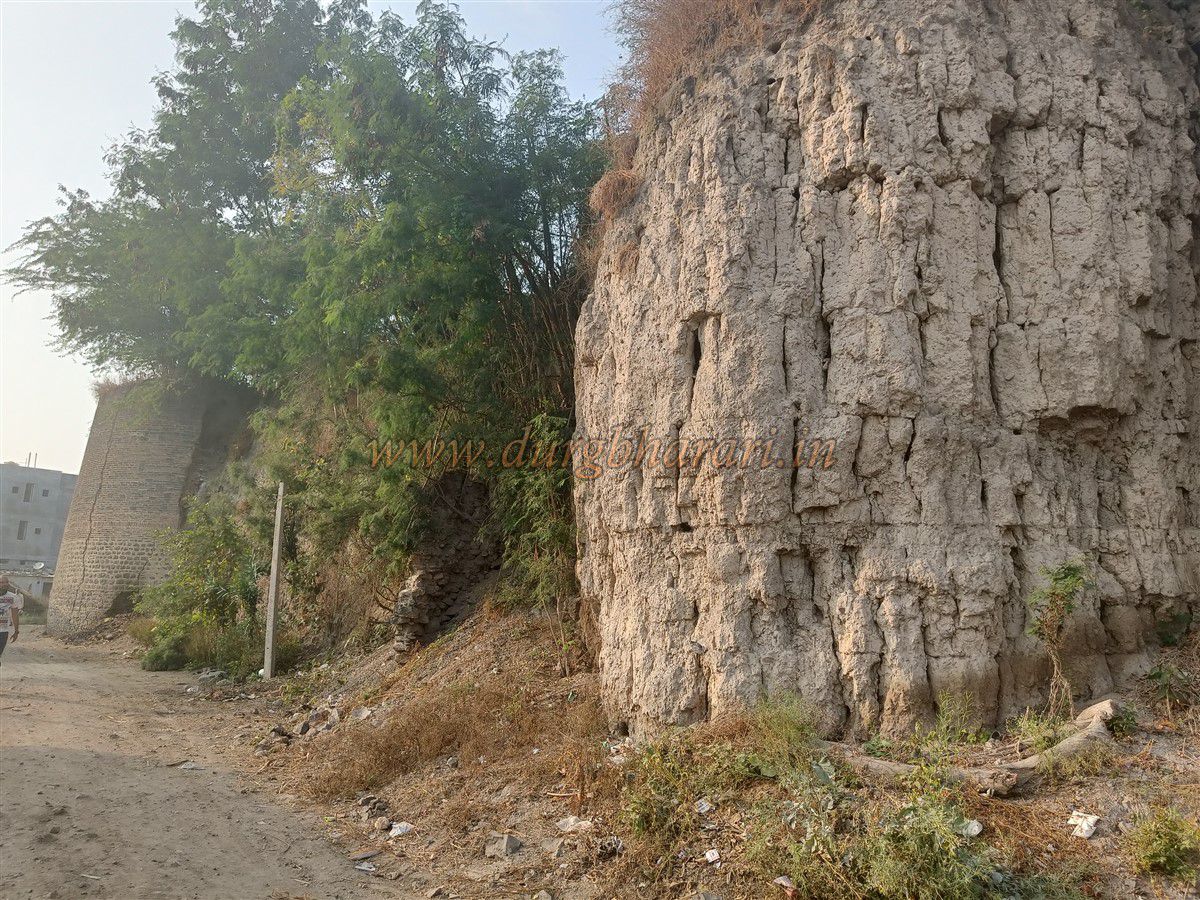
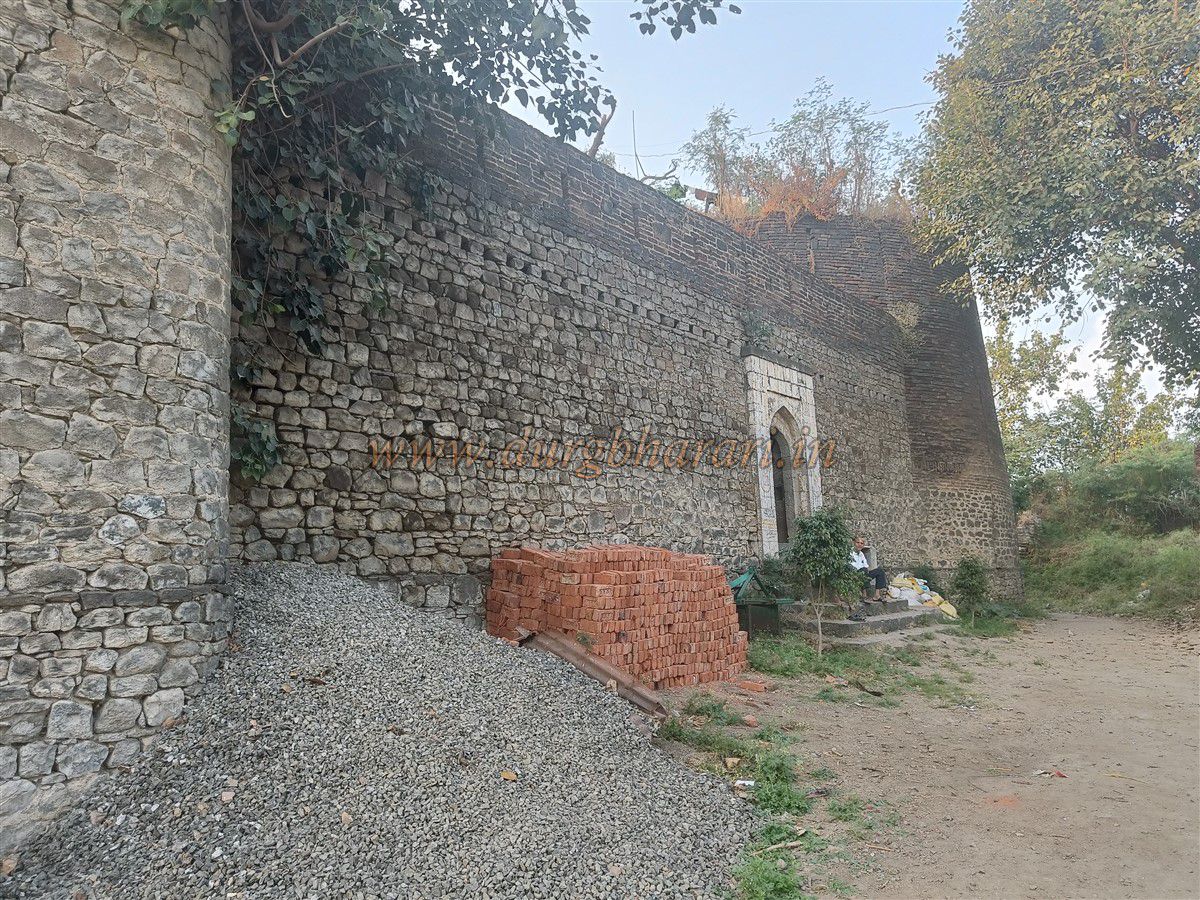
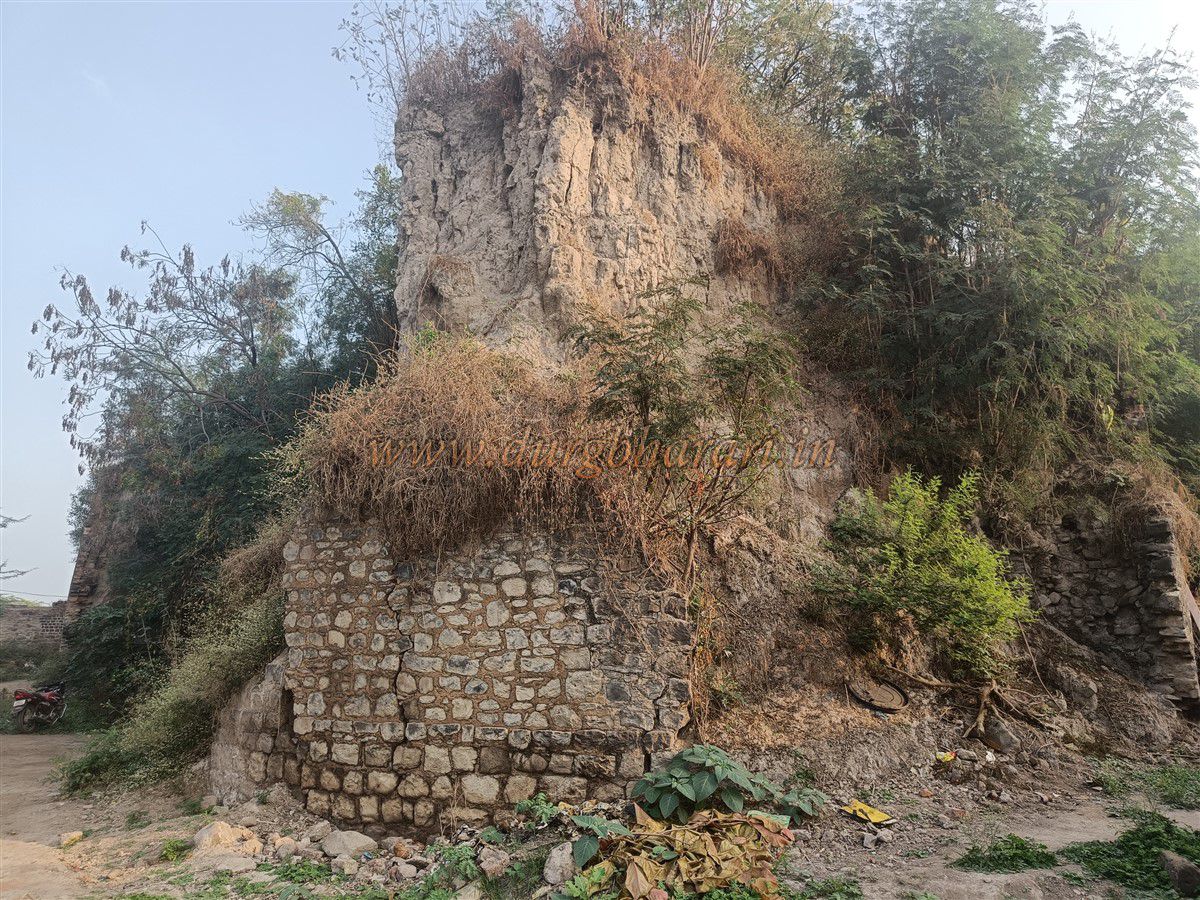
The structure of the Tandulja gadhi resembles that of a Bhuikot (ground fort). The main gadhi has four corner bastions (Chauburji) and was once surrounded by an outer wall (parkot). Today, most of the parkot walls have been destroyed, leaving only one gateway. The total area within the outer fortifications is about 1.5 acres, while the inner gadhi itself covers around 12 Guntha.
The main gateway of the parkot faces north and is built from dressed stone. The lower five feet of the gadhi walls are made of stone and lime, with the upper portion built from bricks. The walls are about 35 feet high and have loopholes for firing guns, both along the walls and on the bastions. There are five bastions in total — one near the entrance and one at each of the four corners. The bastion near the entrance is square in shape, while the others are round.
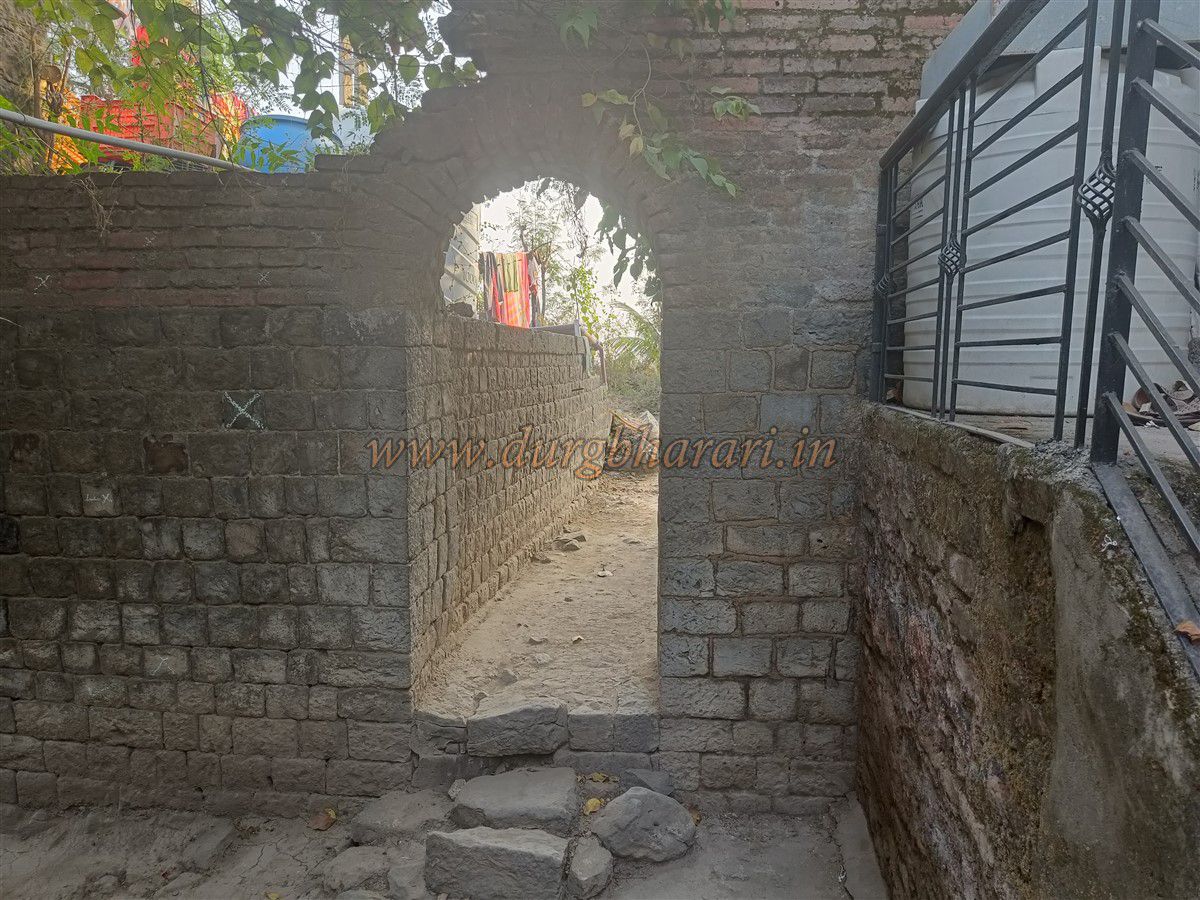
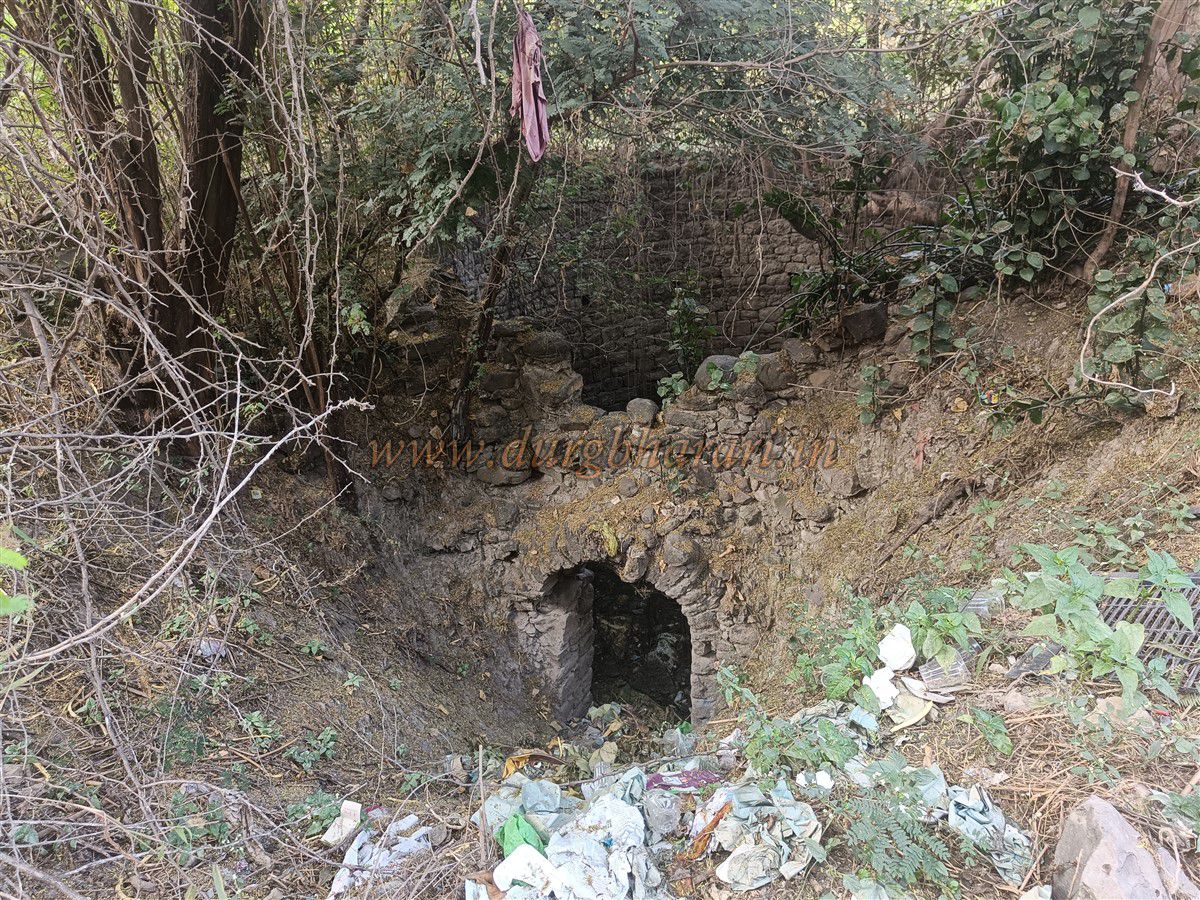
The main entrance to the gadhi lies on the northern side, opposite the parkot gate, so it is not visible upon entering the parkot. On the western side of the gadhi, near the walls, there is a large circular well with a vaulted doorway and steps leading down. This well is no longer in use, and the water is now spoiled. Inside the parkot is also the tomb of Janojirao, the ancestor of the Bawane family.
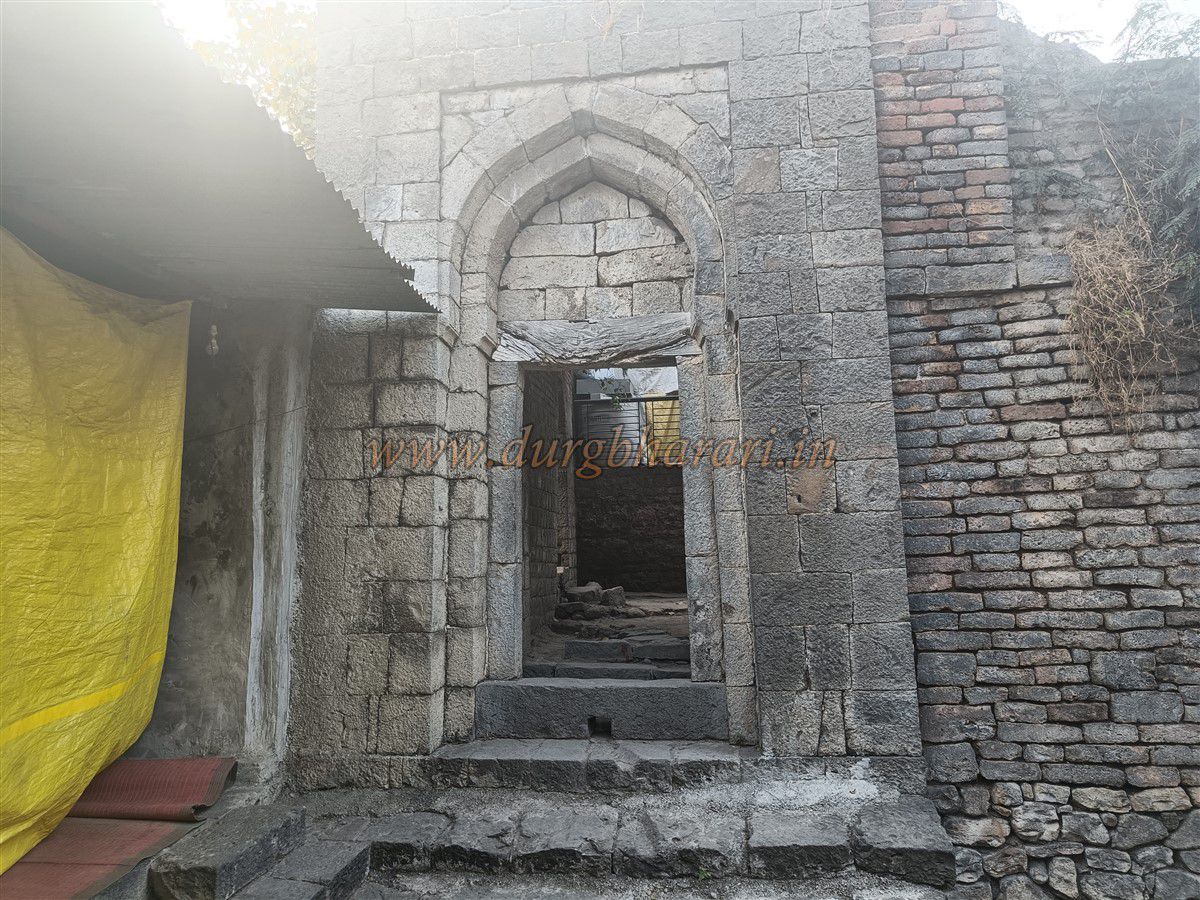
Walking around the gadhi, one reaches the main entrance. Entering this gate brings you into the space between the inner and outer walls. A second gate on the inner wall, accessed via 20–22 steps, leads inside the gadhi proper. This stairway is fully exposed to gunfire from both the inner and outer walls. Through the right-hand door, you enter the main complex.
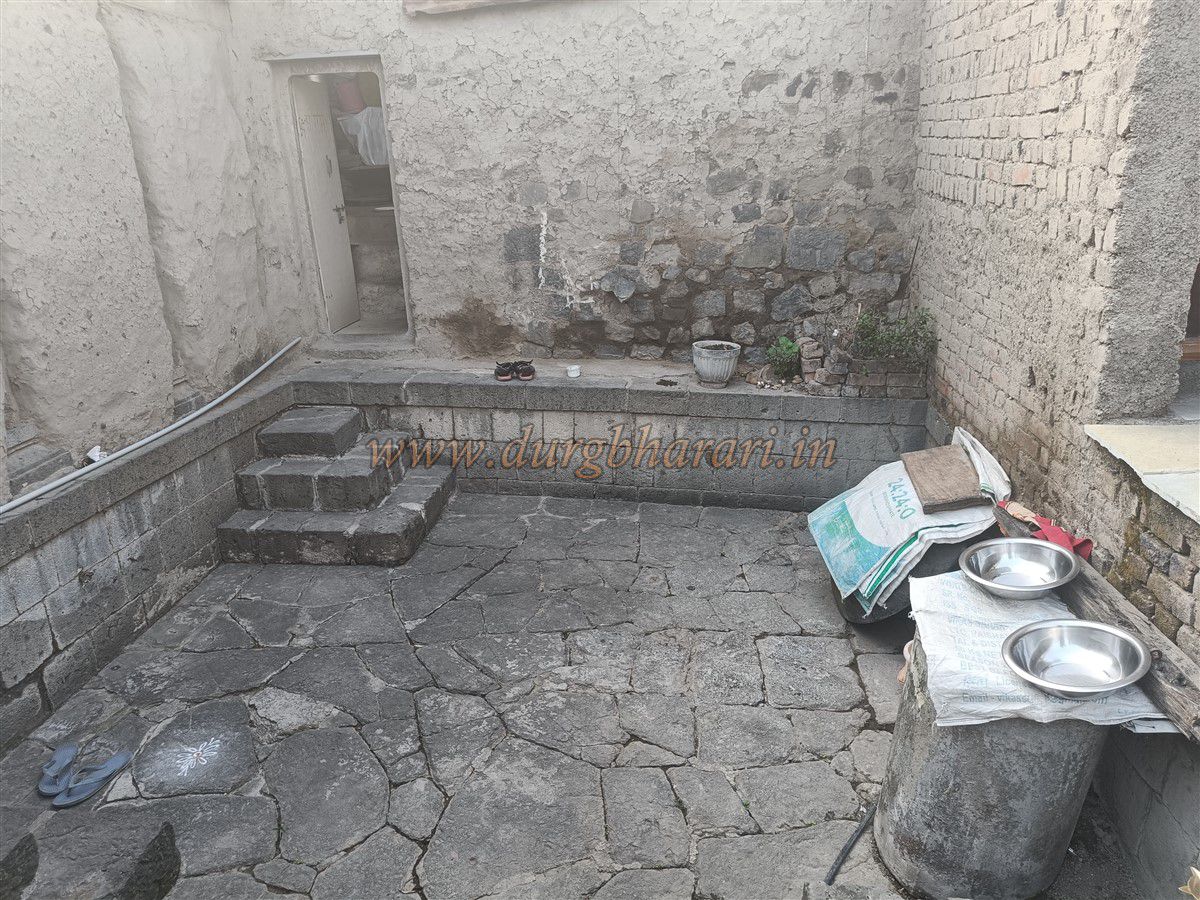
Inside, there are numerous houses, which obscure most of the original remains. However, among them, you can still spot two columns from the once grand Chausopi wada (four-pillared mansion). The parapets were constructed using white sticky clay. Only three bastions remain in good condition. In the center is a small brick-built well, likely used solely for drinking water and in emergencies, while water for other needs probably came from the large well in the parkot.
From the bastions, one can view the surrounding countryside. Exploring the gadhi and parkot takes about half an hour.
The Naik Bawane family belongs to the Kshatriya Maratha clan, with Malojirav as their forefather. It is said that during Emperor Shah Jahan’s time, Malojirav captured 52 forts in 52 days, earning him the title “Bawane.” During Aurangzeb’s rule, they were granted the villages of Pangri, Pir Pimpalgaon, Mang Deulgaon, Devdi Deulgaon, and Bhaikhed in Jafrabad Pargana as hereditary lands (watan). Malojirav base was Pangri, still known today as “Bawane Pangri,” where the family tombs remain.
After Aurangzeb’s death in 1707, when Chhatrapati Shahu returned to Maharashtra, the Bawane sardars sided with him. In 1743, Shahu Maharaj granted Janojirao Naik Bawane the villages of Tandulja and Girvali as watan. Janojirao commanded a cavalry of 5,000 horsemen and built the gadhis at Tandulja and Girvali, from where he administered his deshmukhi territory.
It was in the Tandulja gadhi that the treaty following the Marathas’ victory over the Nizam at Udgir was concluded. Under this treaty, the Nizam agreed to give the Marathas territory with revenue of 60 lakh rupees, but he did not honor the agreement. In the battles of Rakshasbhuvan and Kharda, Vyankatrav Naik Bawane’s cavalry participated. In the 1795 Battle of Kharda, Vyankatrav Bawane faced the Nizam’s minister Mushir-ul-Mulk, a clash described by poet Gangaram, who served Shahu Maharaj. The battle ended on 11 March 1795 with the Nizam’s defeat. The treaty granted the Marathas territory from Paranda Fort to Daulatabad Fort, up to the Tapi River.
After Shahu’s death in 1749, the Naik Bawane aligned with the Akkalkotkar Bhosale. In Fattesing Bhosale’s campaign against Tipu Sultan, the Naik Bawane cavalry also took part. Janoji Naik Bawane’s three sons — Bhagwantrao, Vyankatrav, and Jagjivanrao — all served as Maratha cavalry commanders.
In 1948, during the struggle against the Razakar, the people of Tandulja, Sarsa, and Devla suffered atrocities. From the Naik Bawane gadhi at Tandulja, the villagers fought the Razakar many times. In one notable incident, villagers from Tandulja, Naigaon, Sarsa, and Devla ambushed 40 Razakar Pathans — who had murdered Bansilal Marwadi and his son and looted their gold and coins — and drowned them in the Manjra River.
© Suresh Nimbalkar
GALLERY