TALEGAON DHAMDHERE
TYPE : CITY FORT
DISTRICT : PUNE
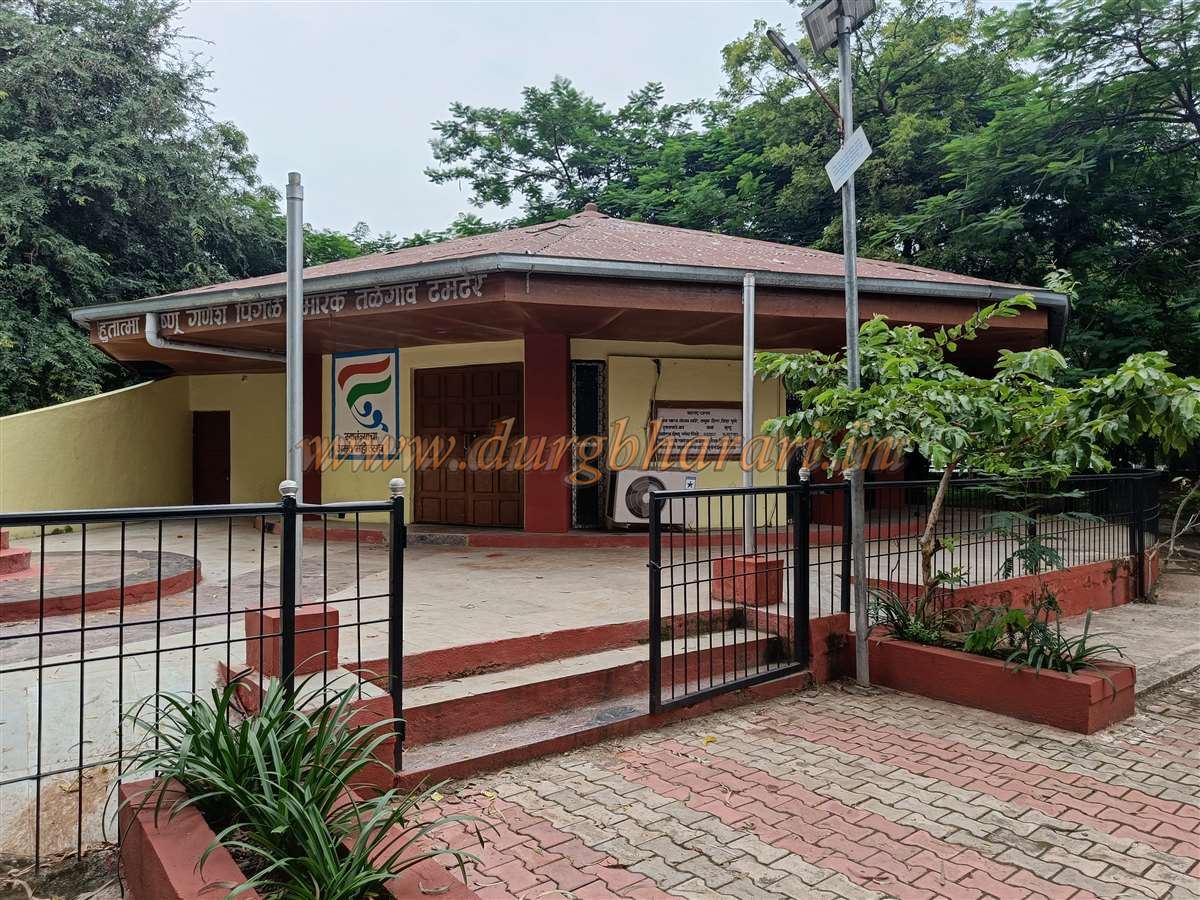
Talegaon Dhamdhere is a village in Shirur Taluka of Pune District, located about 6 kilometres from Shikrapur on the Pune–Ahmednagar highway. This village is marked on the map of India as the birthplace of martyr Ganesh Pingale, who made a significant contribution to the Indian freedom struggle. The ancestral home (wada) of Krantiratna Ganesh Pingale still stands in the village, and recently a memorial has also been erected in his honour on the outskirts of the village.
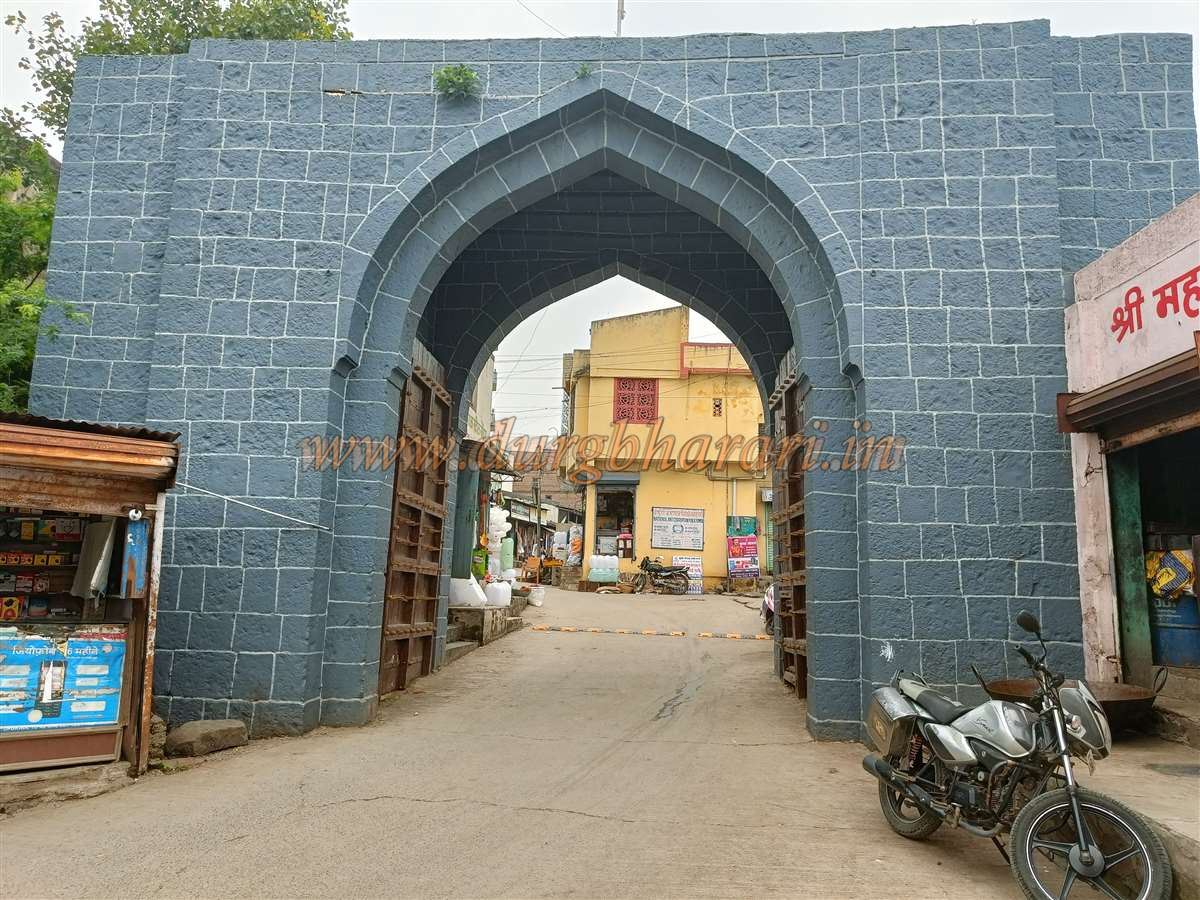
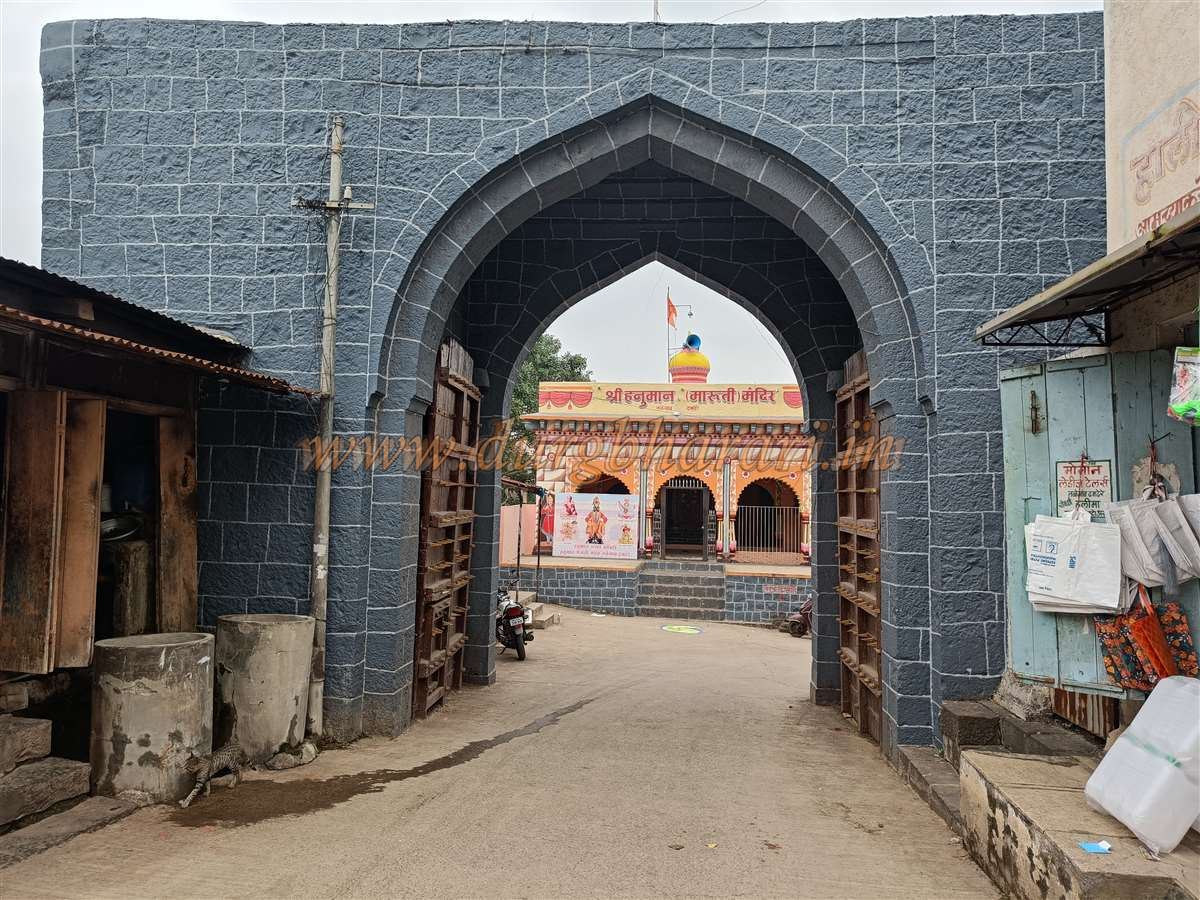
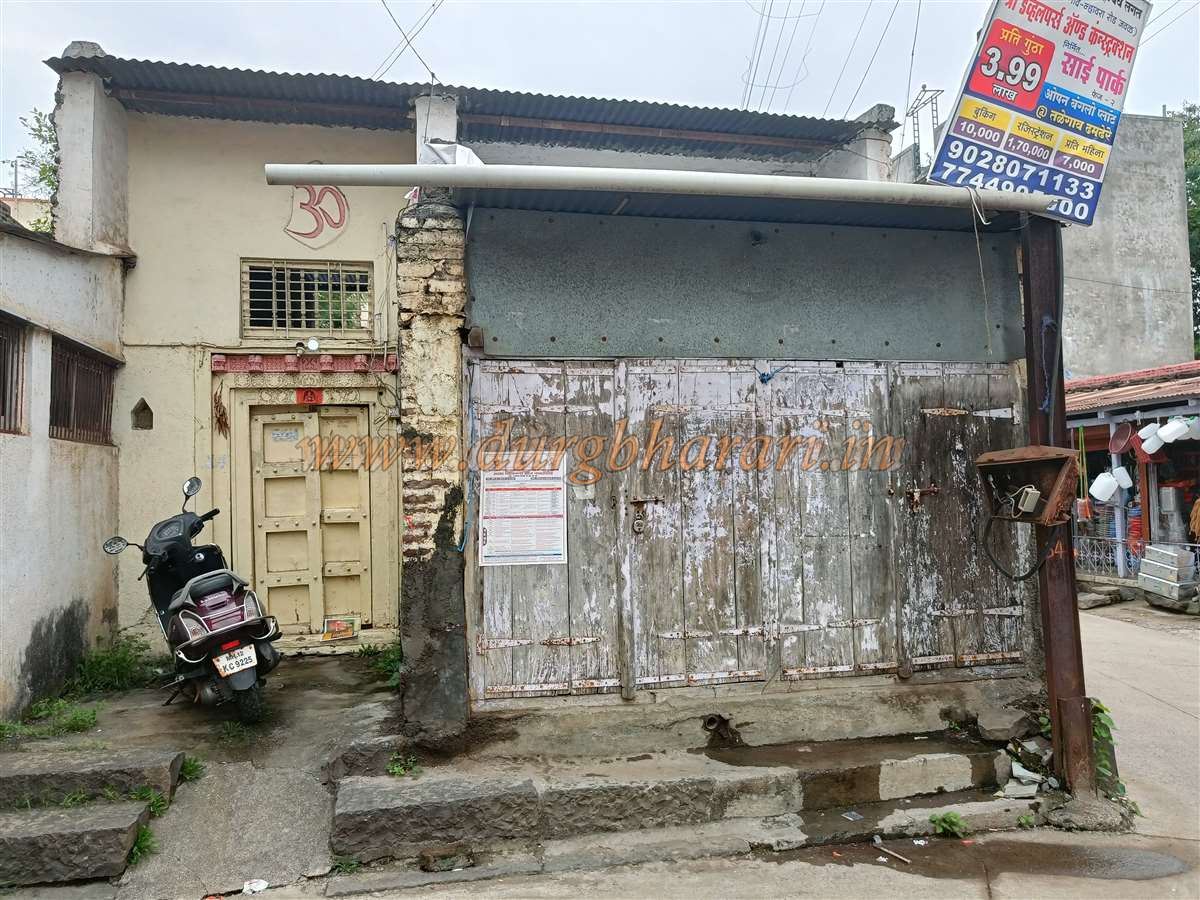
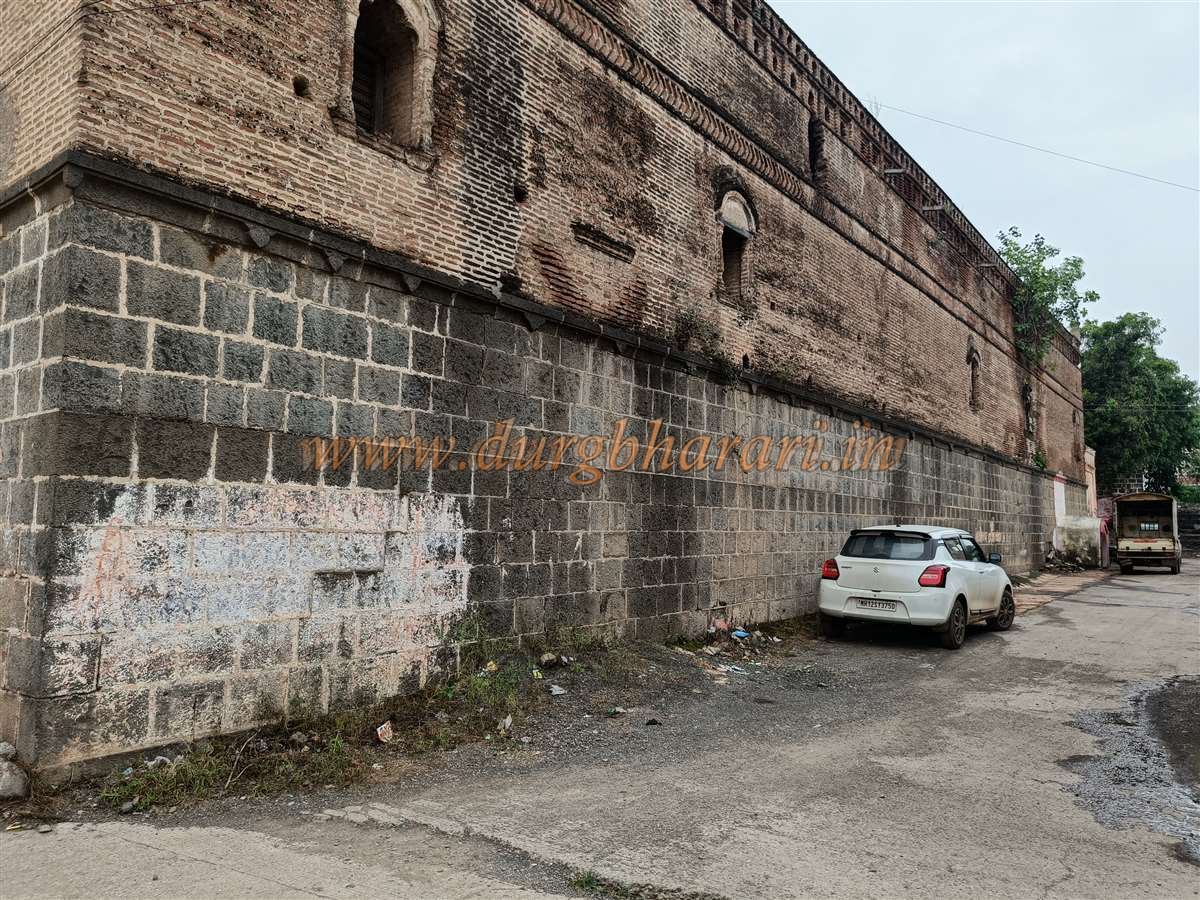
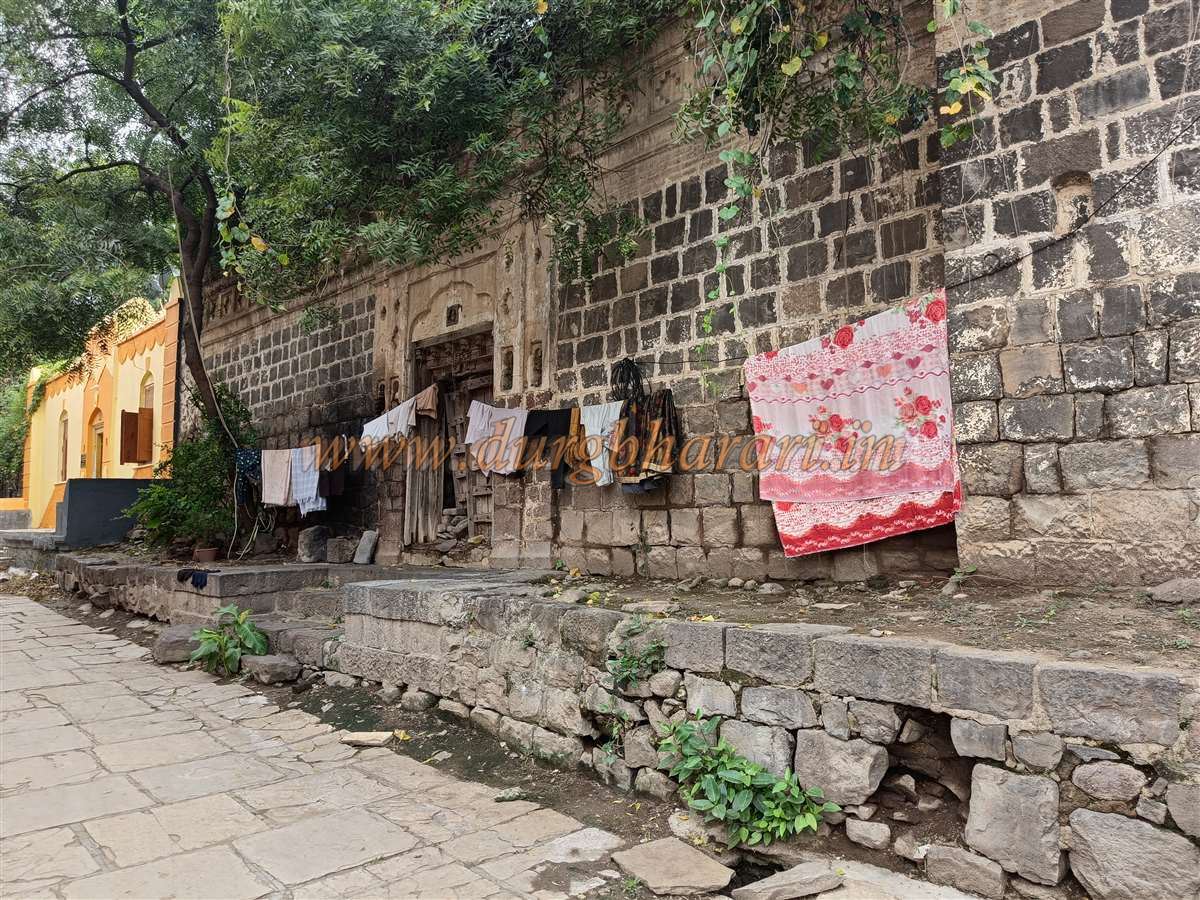
Although the village gained fame due to the martyrdom of Ganesh Pingale, its history dates back to the era of Chhatrapati Shivaji Maharaj. The bodyguard of Shivaji Maharaj, Naro Babaji Dhamdhere, had his wada here, which was recently demolished. Despite the demolition, the village gate (Ves) and the wooden entrance door, which reflect the legacy of Shivaji’s era, still remain.
...
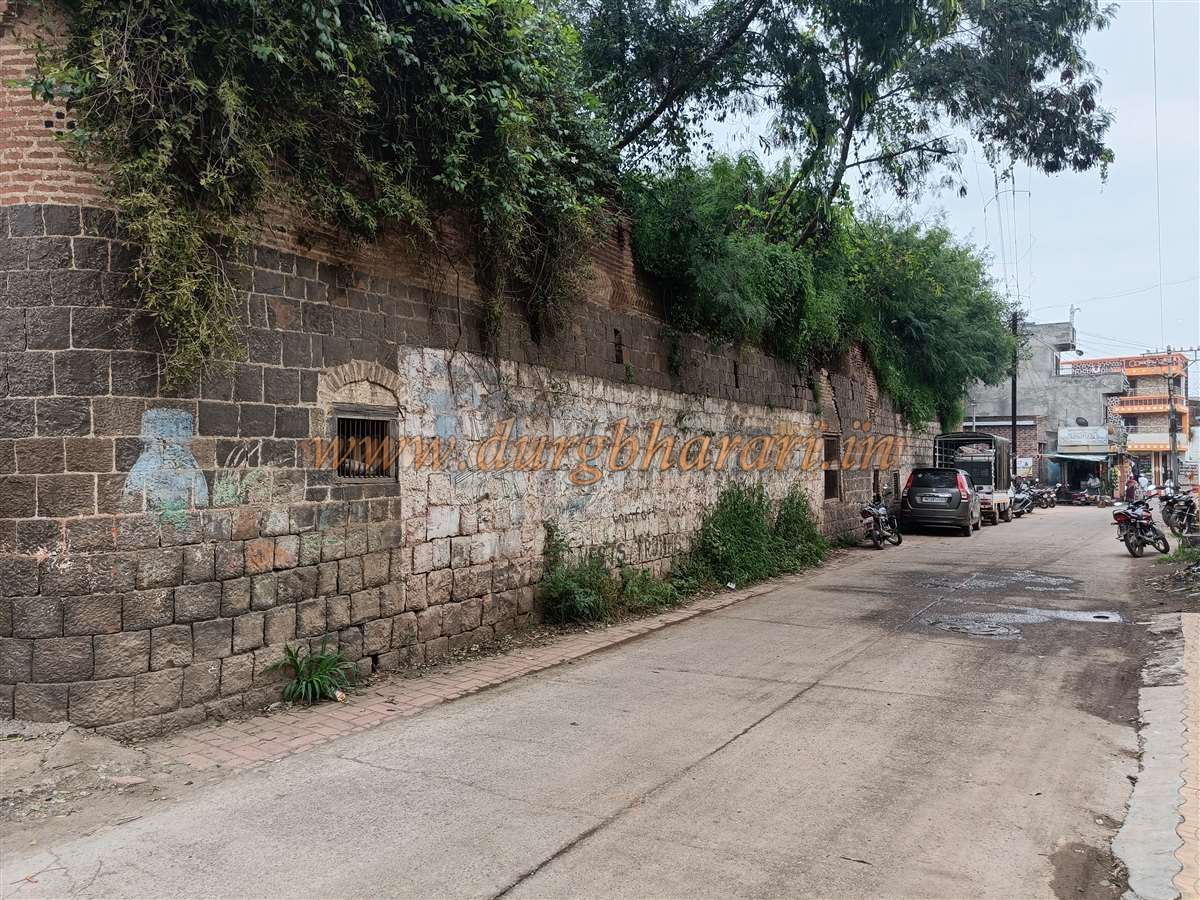
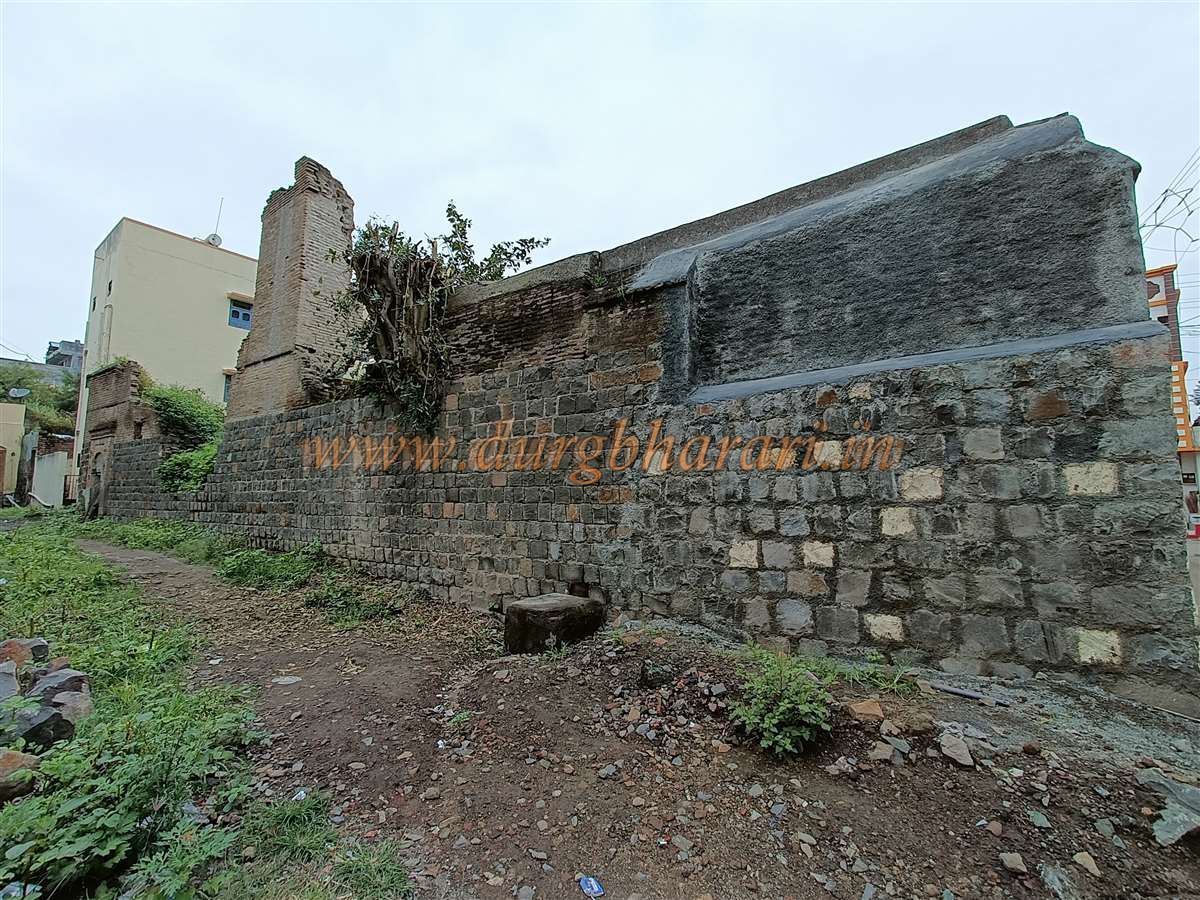
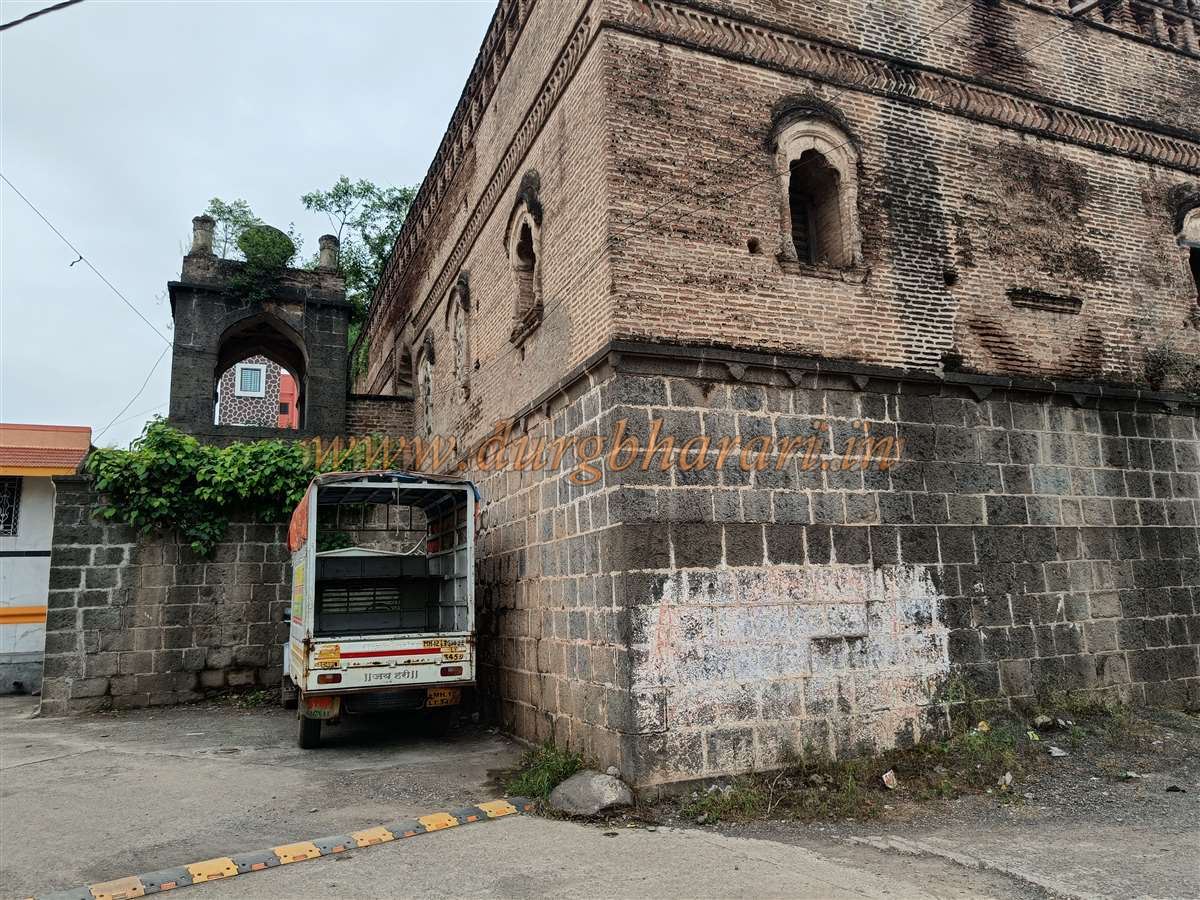
The main gate features a smaller door for regular use and includes side alcoves (devdya) inside for guards. On the outer side of the door, large, pointed iron spikes are embedded. Opposite this gate stands a restored Hanuman temple. From the design of the gate, it appears that the village may have once been surrounded by a fortified wall, but except for this gate, no other remains of the fortification survive due to the village's expansion.
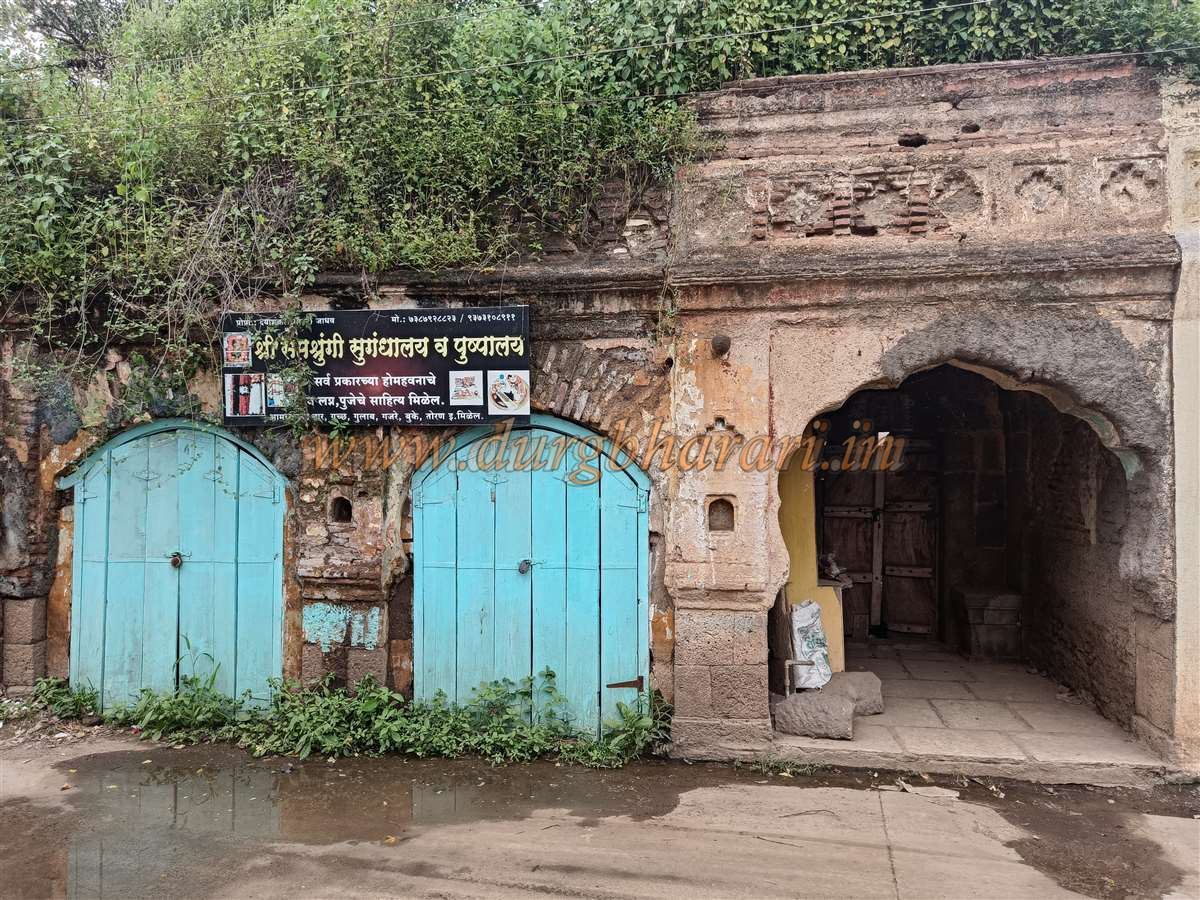
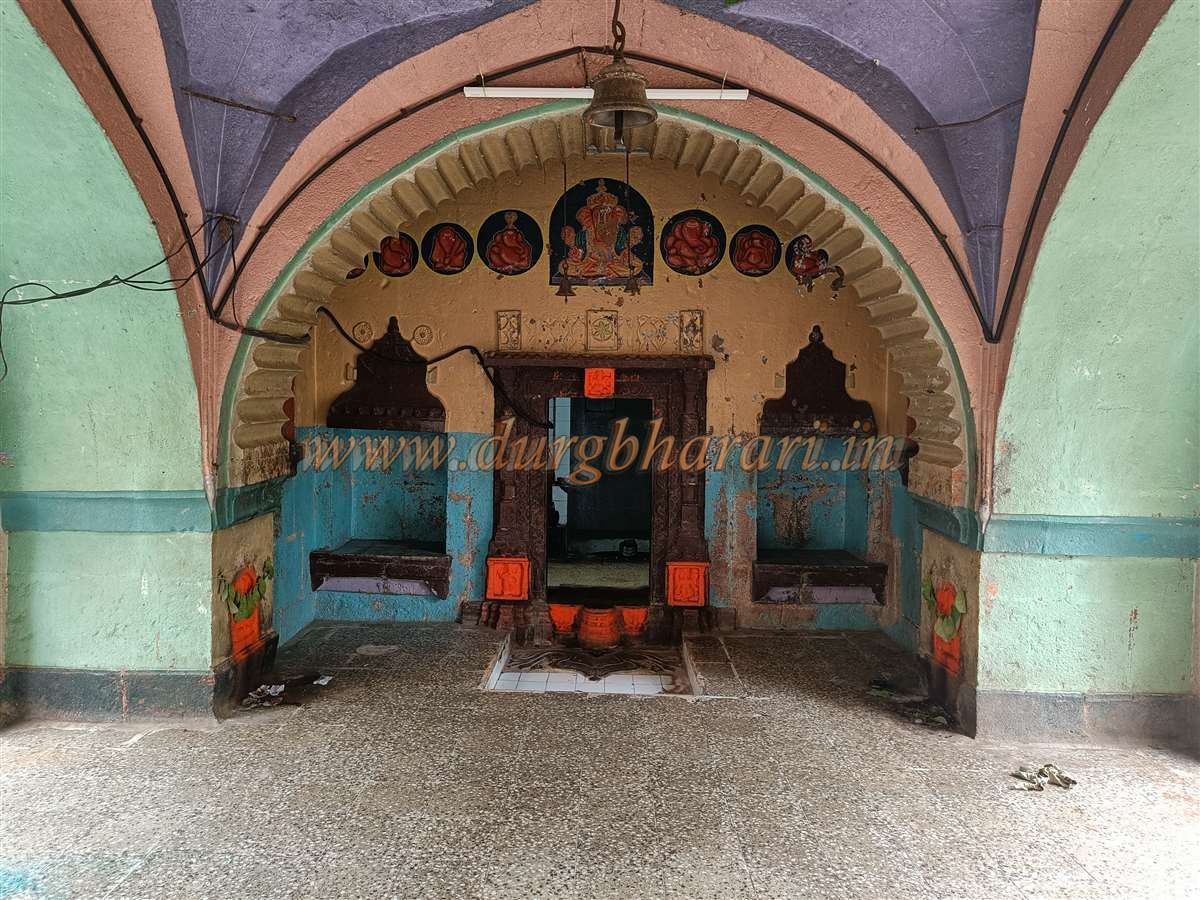
Before entering the village, one can see a memorial to Vishnu Pingale on the outskirts. In the Pingale Aali of the village, a double-storied ancestral house of Vishnu Pingale exists, which has now been modernized. A walk through the village reveals several old wada (traditional houses) and a Peshwa-era Ram temple. A half-hour walk is sufficient to explore the village. Due to the association with Naro Babaji Dhamdhere, bodyguard of Shivaji Maharaj, this village has a direct connection to the Shivaji era.In 1677, when Chhatrapati Shivaji Maharaj went on his southern campaign (Digvijay), Babaji Dhamdhere was among his trusted men. After Sambhaji Maharaj returned from Diller Khan’s camp, Shivaji Maharaj appointed Babaji as a personal bodyguard. Later, Harji Dhamdhere became the chief bodyguard of Chhatrapati Rajaram Maharaj. After Rajaram Maharaj passed away at Sinhagad, Harji Dhamdhere was entrusted with building and maintaining his tomb. For this service, he was granted hereditary land (Watan) at Khadakwadi (Agalambe), Taluka Haveli, District Pune.
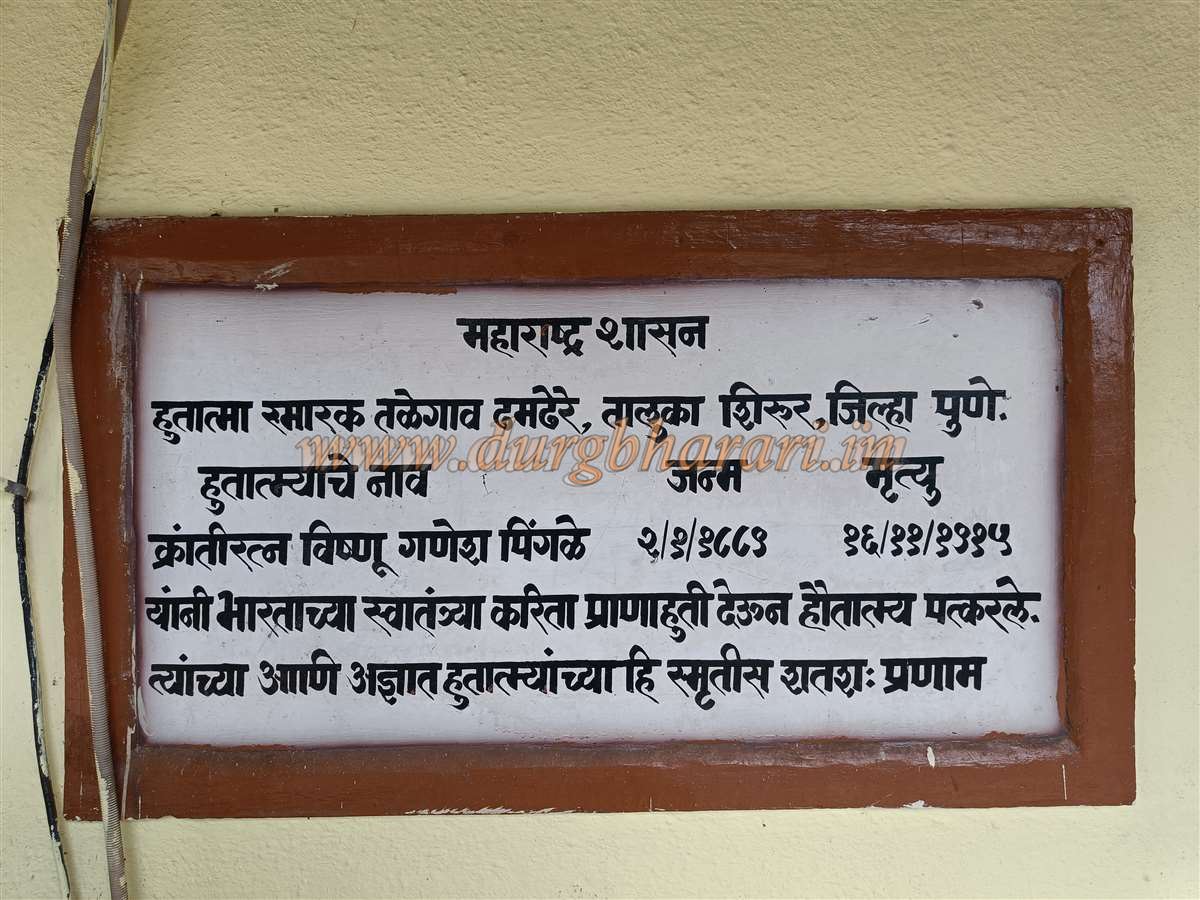
Another prominent personality from this village is Vishnu Ganesh Pingale, a descendant of Moropant Pingale, who was the Peshwa (Prime Minister) of Chhatrapati Shivaji Maharaj. Vishnu Pingale was born on 2nd January 1889 in Talegaon Dhamdhere. His father was a farmer and his mother, Saraswatibai, practiced Ayurveda medicine and served as a midwife. He completed his primary education at Samarth Vidyalaya in Talegaon. From the beginning, he was a staunch nationalist. Lokmanya Tilak gave him a handwritten letter of recommendation addressed to Dr. Khan Khodje in America.
Vishnu Pingale enrolled at a university in Washington, where he worked hard and completed his studies in Mechanical Engineering and Wireless Telegraphy in 1912. During this period, he also learned how to make bombs. He was influenced by the American War of Independence. He joined the Gadar Party and became the head of its Action Department. With the permission of Lala Hardayal, Vishnu Ganesh Pingale left America and returned to India to actively participate in the national movement. He first reached Bengal and later moved to Punjab. He established ties with revolutionaries in Bengal, such as Ras Bihari Bose and Sachindranath Sanyal. Because of his impressive personality and multilingual skills, he became beloved among all.
A meeting was planned in Kolkata with Professor Surendra Bose, an expert in bomb-making. On 3rd January 1915, Pingale received ₹500 from the Gadar Party and travelled to Banaras. To finalize revolutionary plans, he reached Kolkata, and from there, along with Ras Bihari, he went to Lahore. There, they collected 80 bombs from different locations. Inspired by Ras Bihari, Pingale became a key propagator of the revolutionary movement, which spread across Delhi and Lahore.
The British government got wind of these activities, and the police began tracking the revolutionaries. Vishnu Ganesh was asleep at a military camp in Meerut, Punjab, when army officers surrounded and arrested him. At the site, 18 bombs, gun cotton caps, and an uprising plan were found in a box, leading to his arrest. A trial was held against 81 revolutionaries. In April 1915, Kartar Singh, Harnam Singh, and Vishnu Ganesh Pingale, among others, were sentenced to death in Lahore. The death sentences of Kartar Singh and Vishnu Ganesh were confirmed.
On 16th November 1915, they were hanged in Lahore Central Jail. Vinayak Damodar Savarkar honoured Vishnu Ganesh Pingale with the title "Krantiratna" (Gem of the Revolution).
© Suresh Nimbalkar
GALLERY