TALANI
TYPE : FORTRESS
DISTRICT : JALNA
HEIGHT : 0
GRADE : EASY
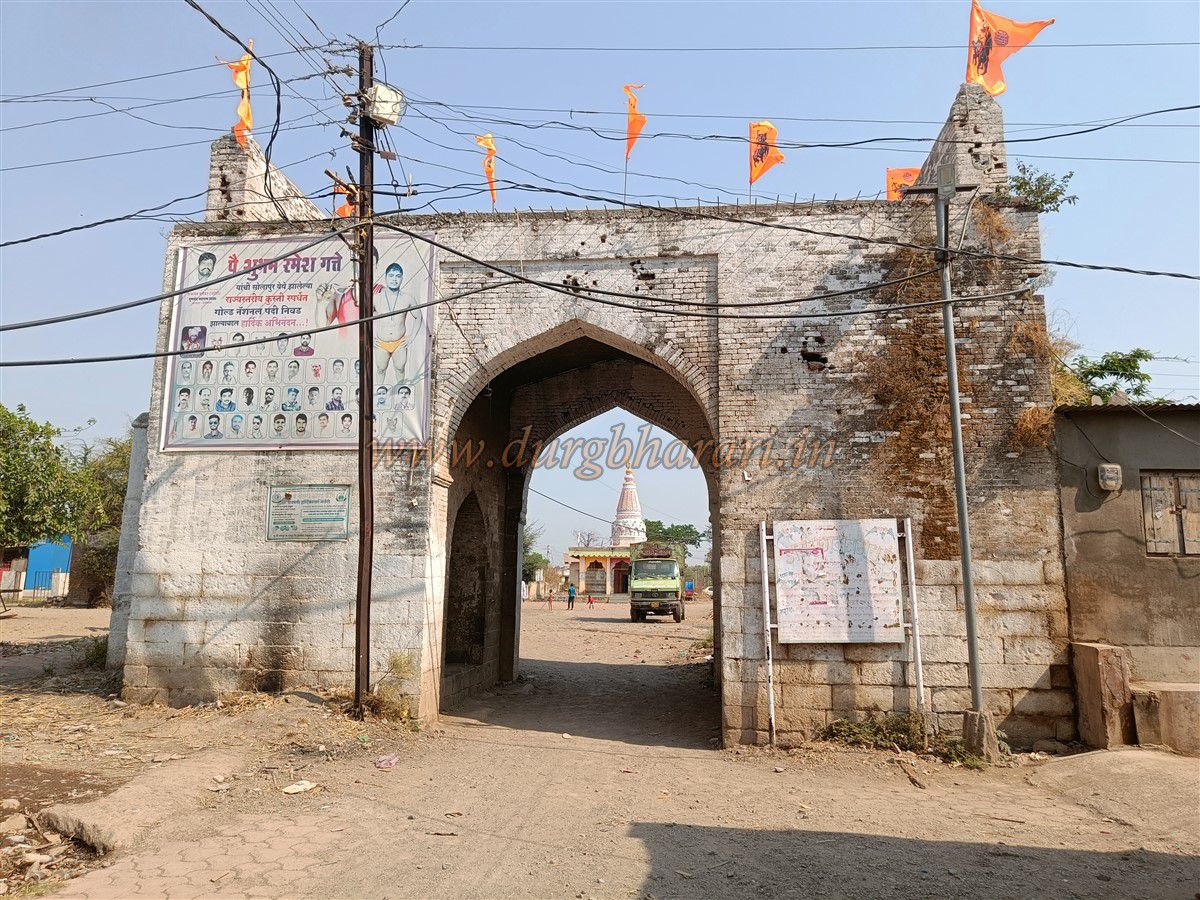
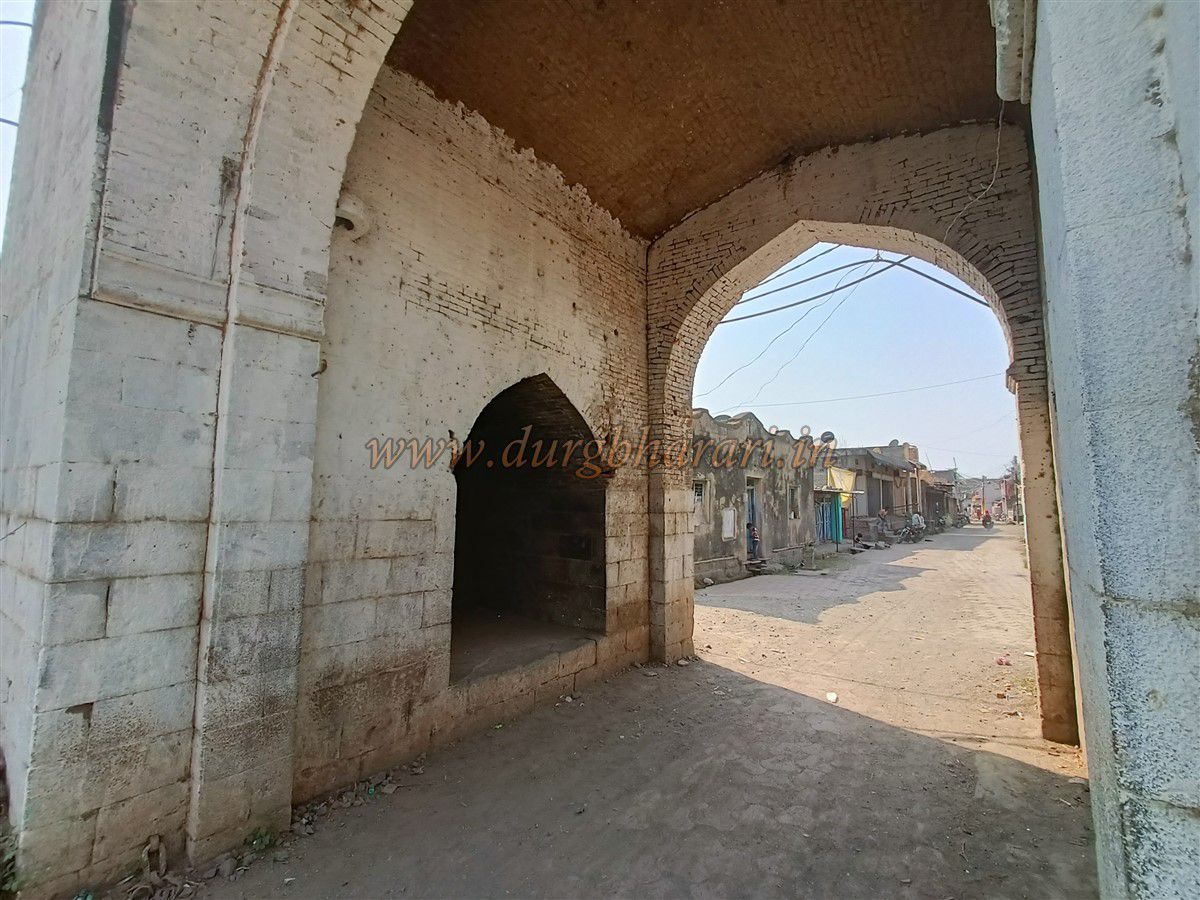
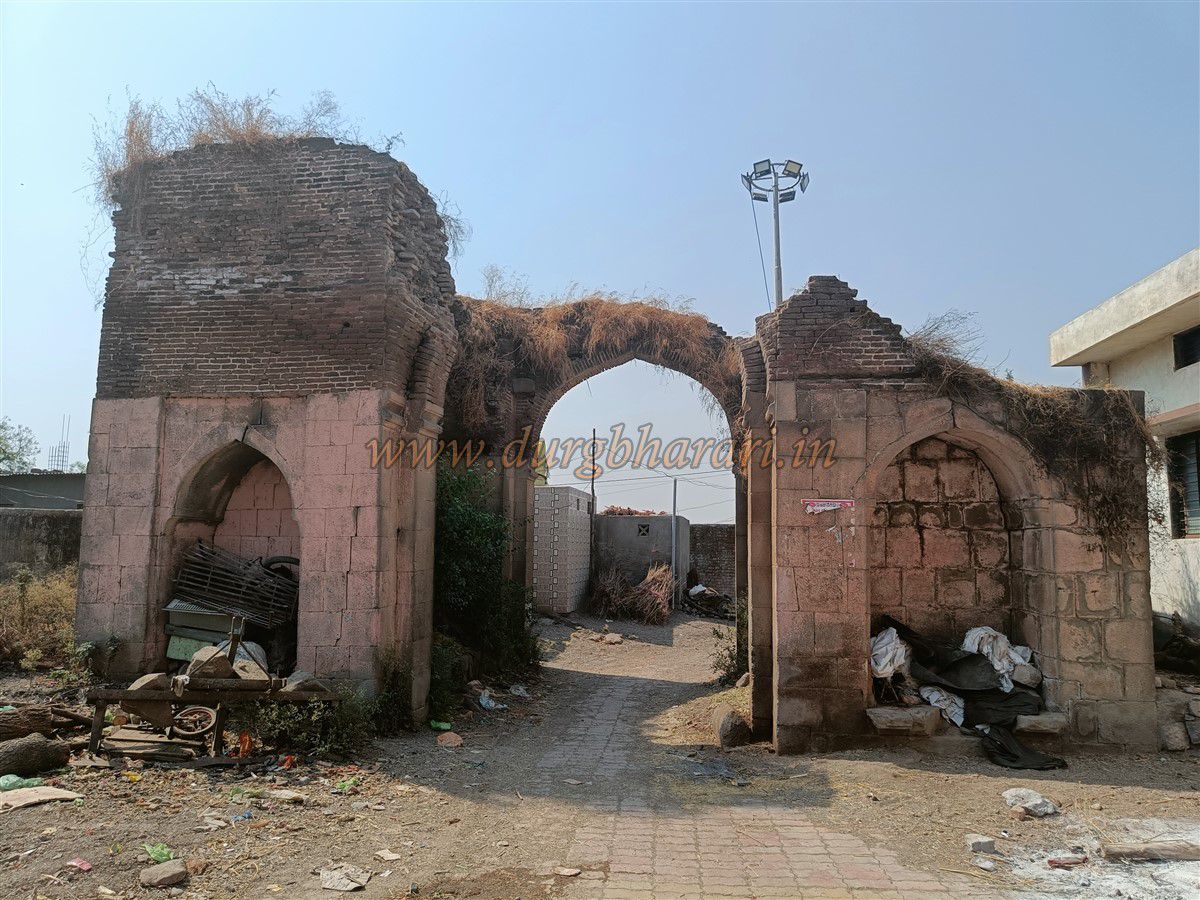
While wandering around the forts of Marathwada, we get to see a large number of fortress (gadhi) instead of forts. A large number of fortress can be seen in Jalna district except for the two forts of Rohilgad and Mastagad. Since the Nizam ruled this area during the pre-independence period, these forts and fortress remained in good condition until recently. These fortress are falling into ruins as it becomes difficult for its owner to maintain it, since they are private property. The fortress at Talani is one of them. Talani village is 34 km from Mantha taluka on Mantha-Lonar road. This village, which was once situated inside the ramparts, has spread even to the highway due to increasing urbanization. Earlier Talani village was fortified and had four gates to enter the village. Two of these gates have been destroyed with the passage of time and two gates are still standing.
...
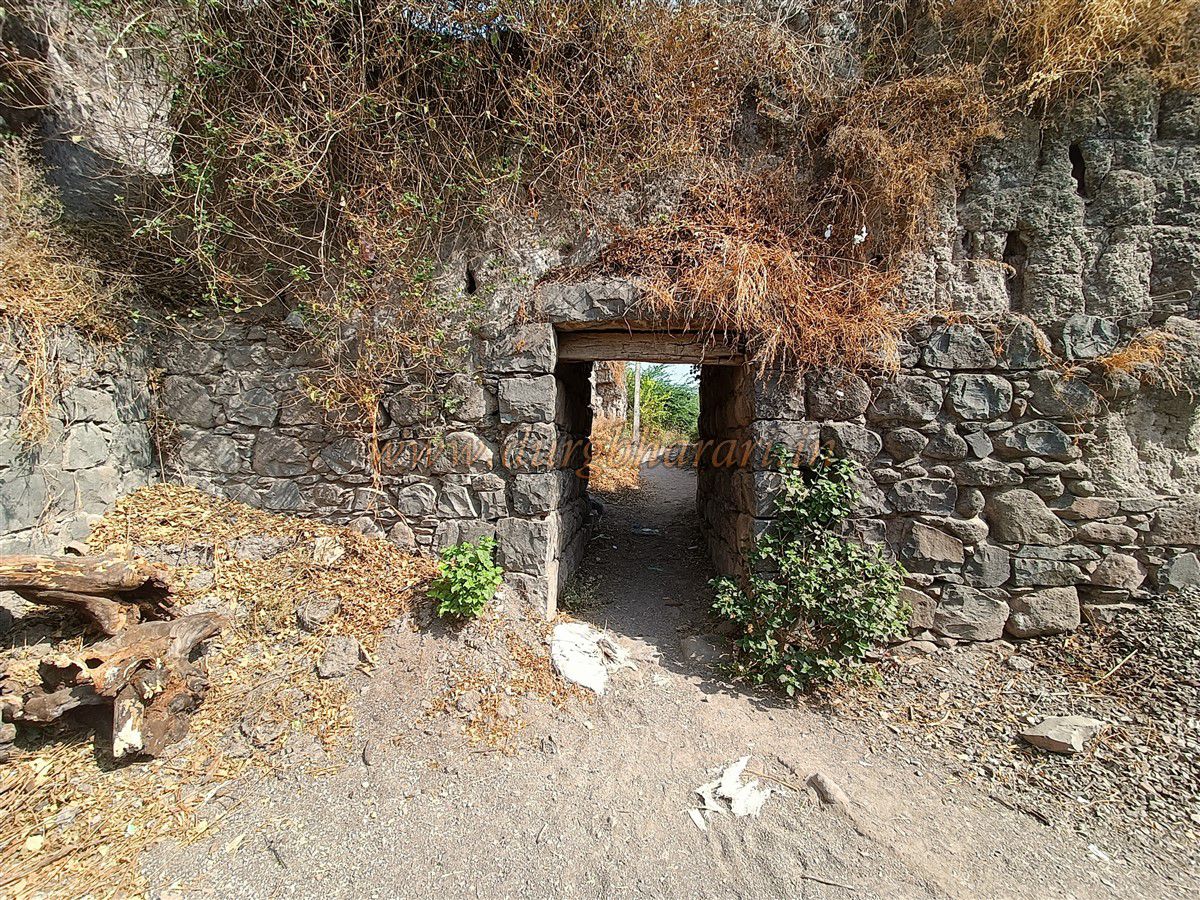
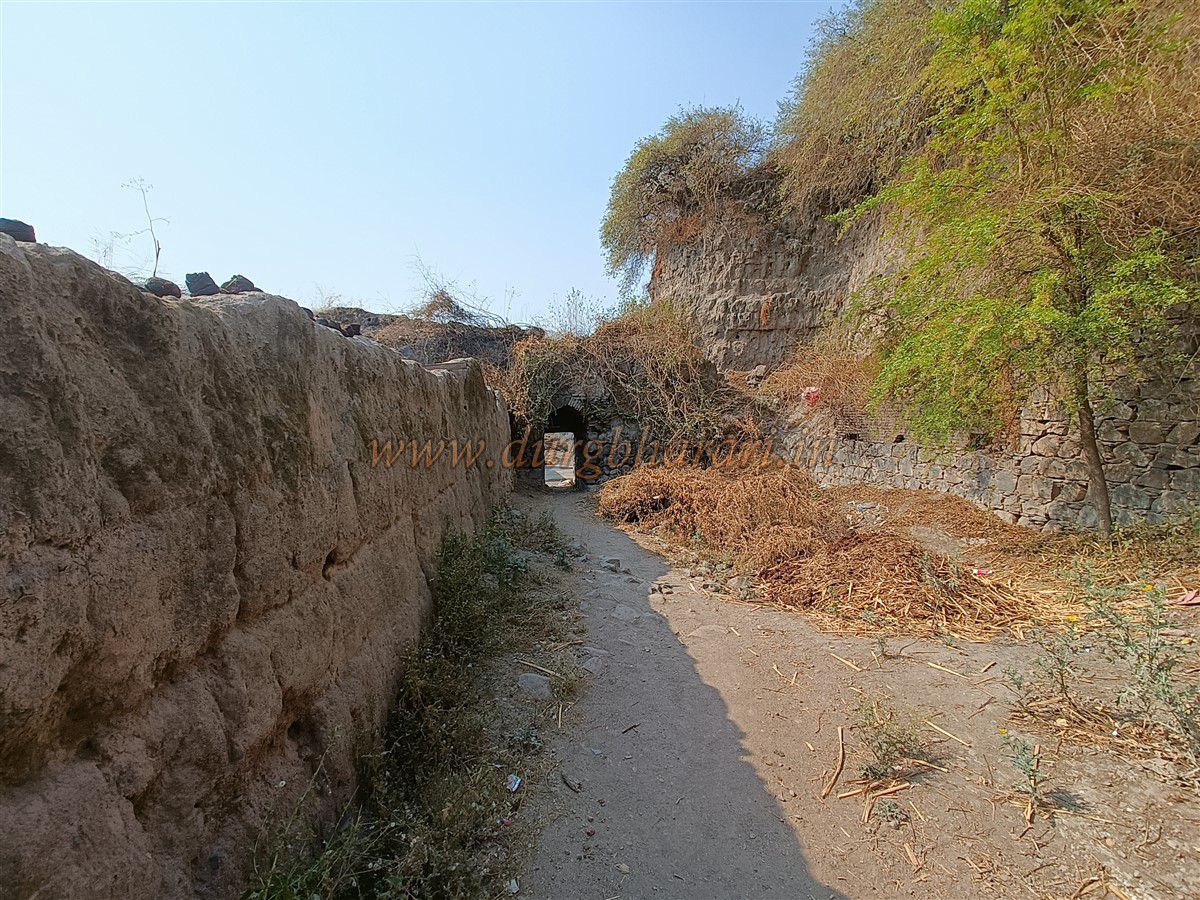
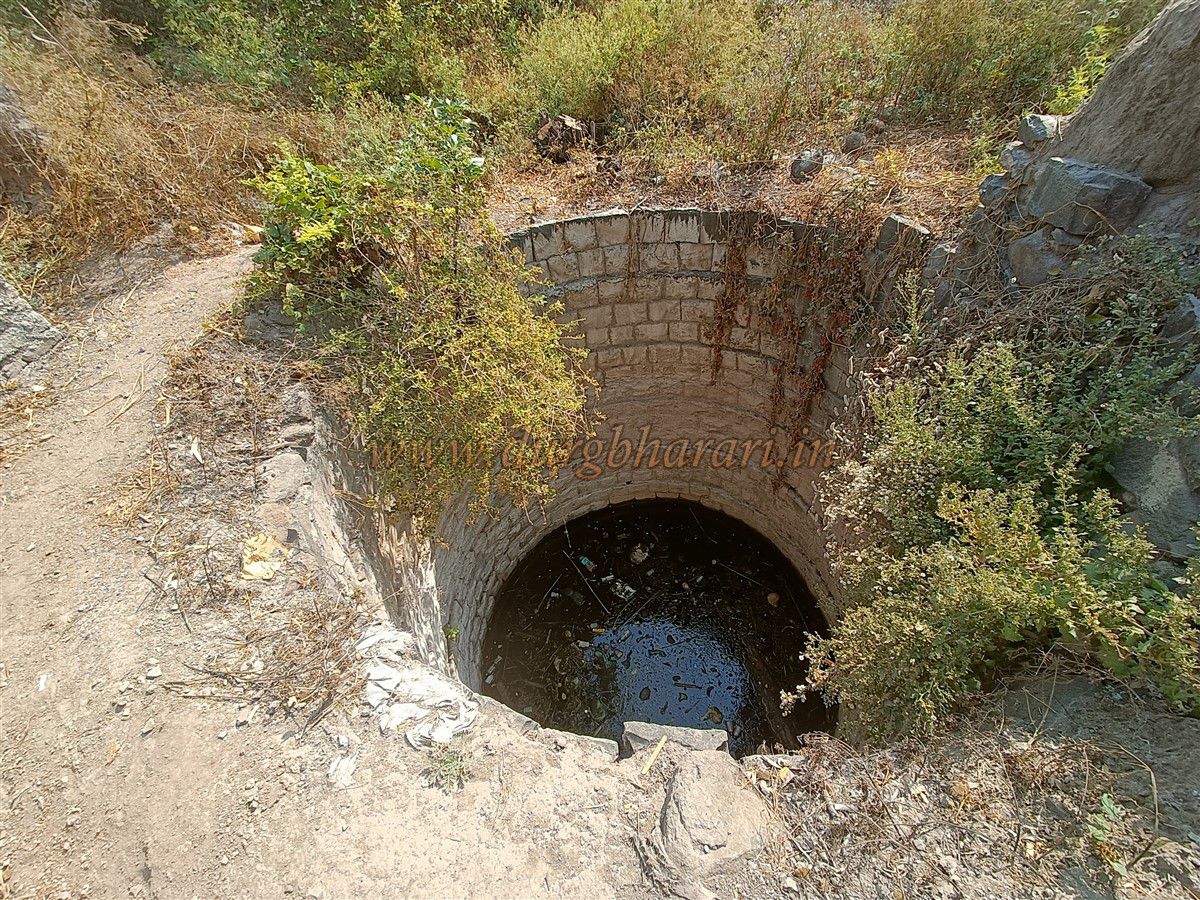
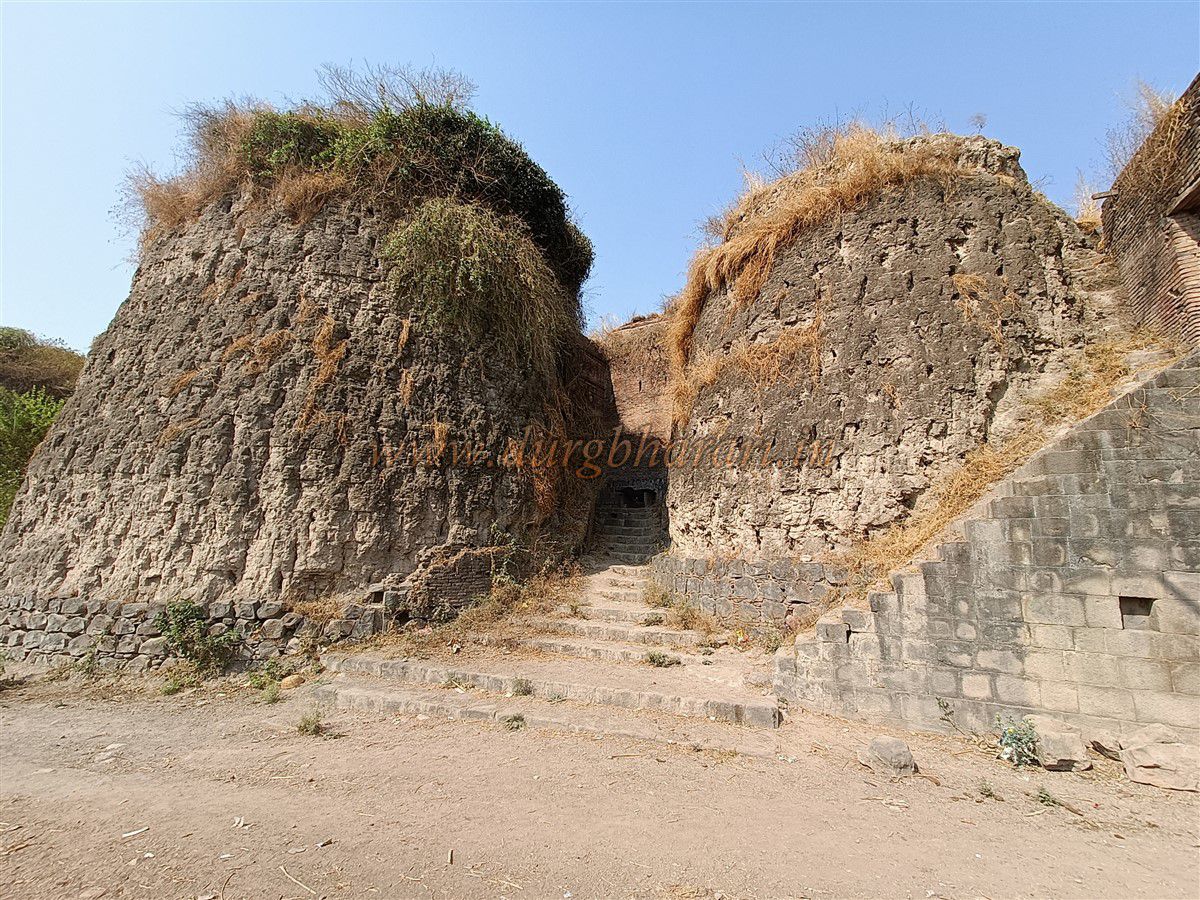
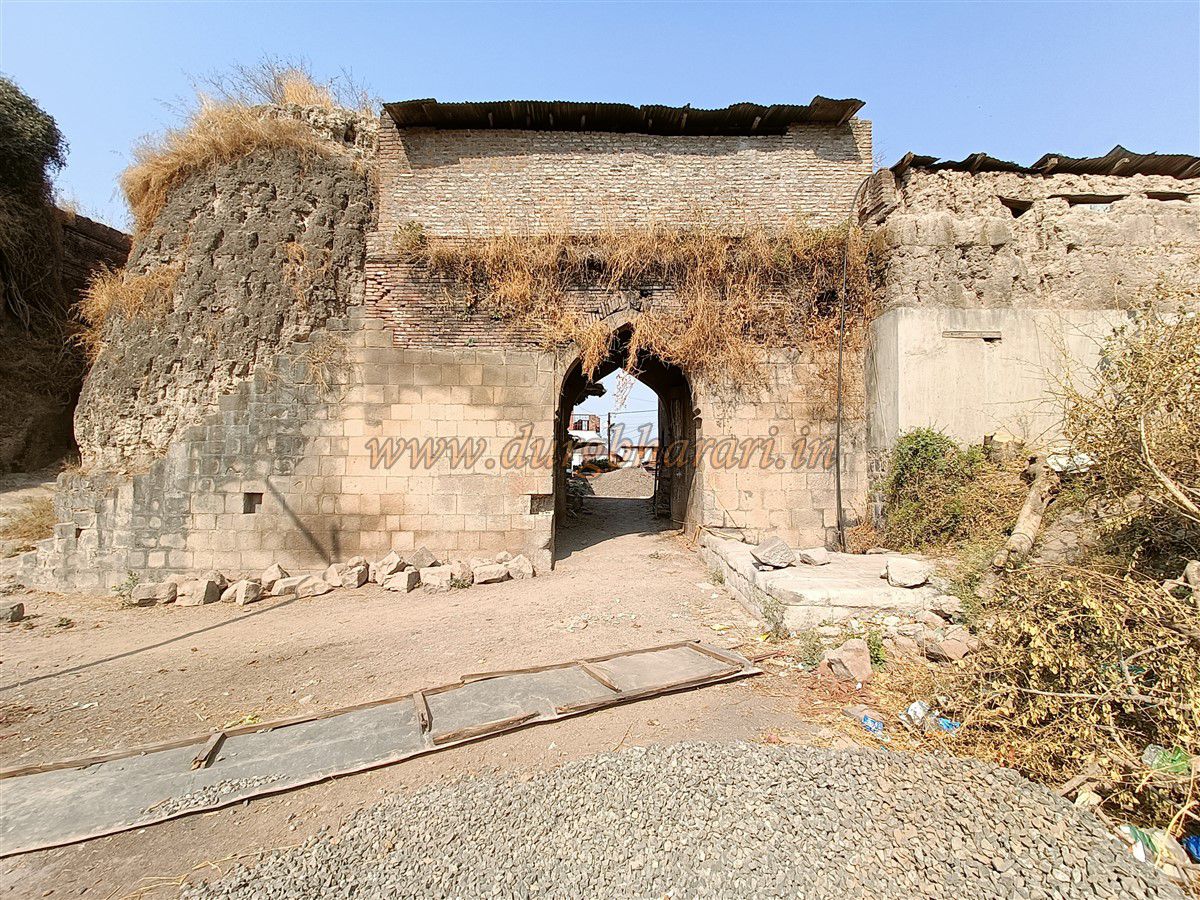
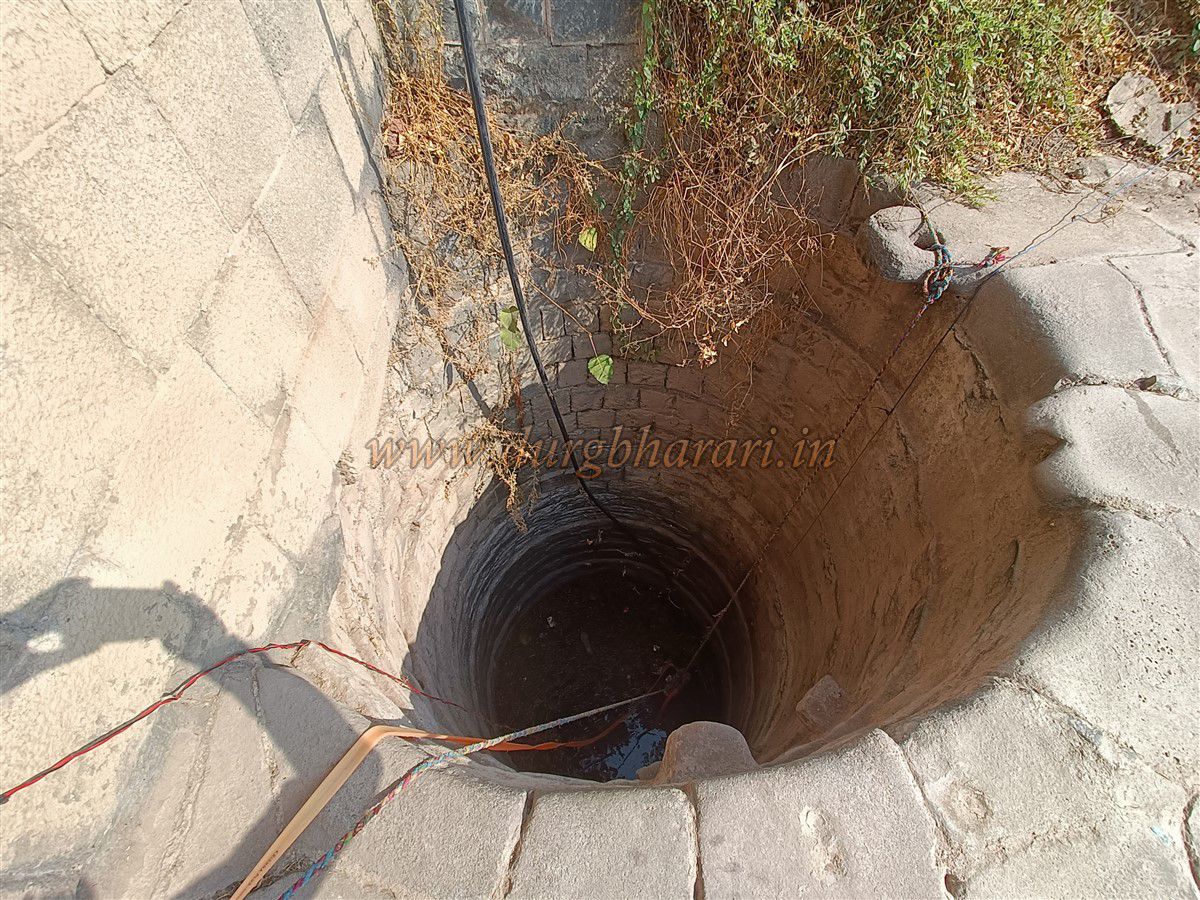
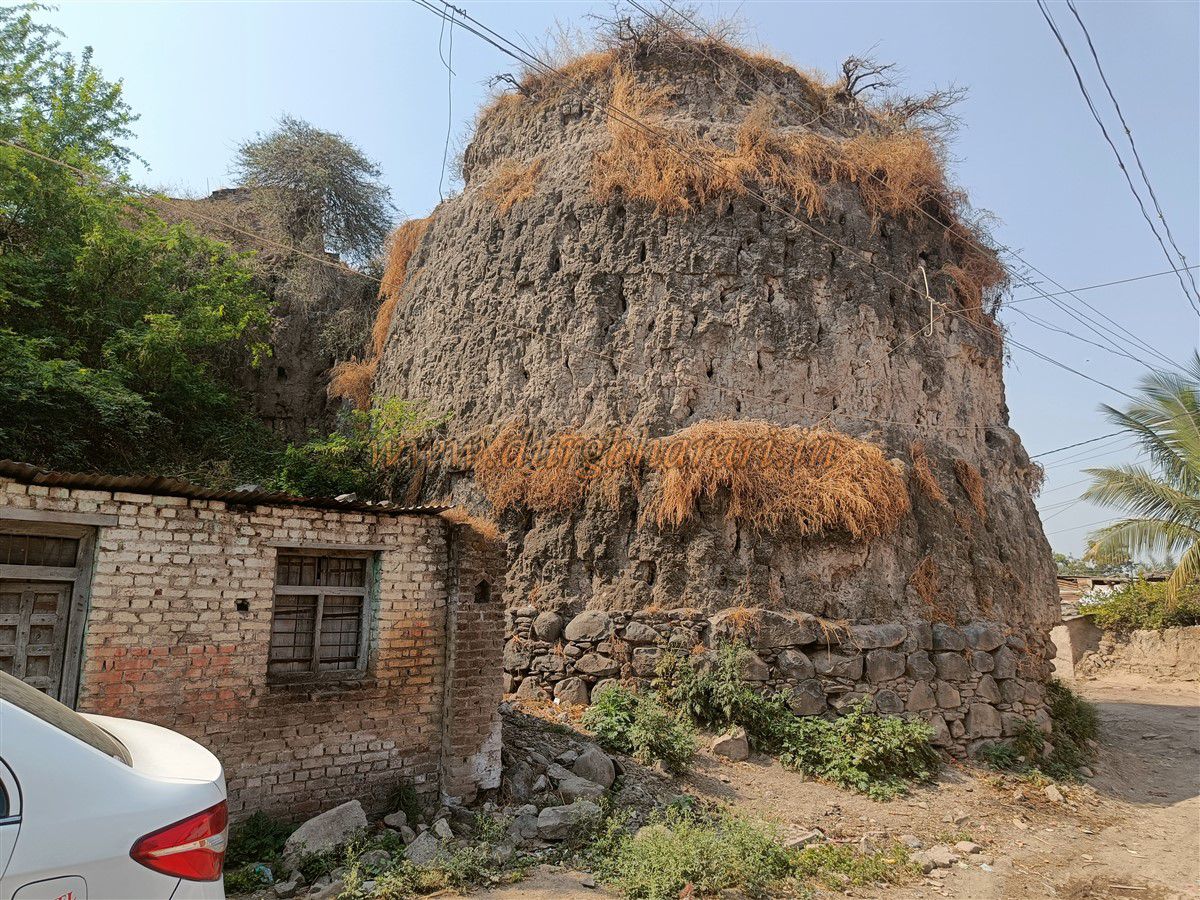
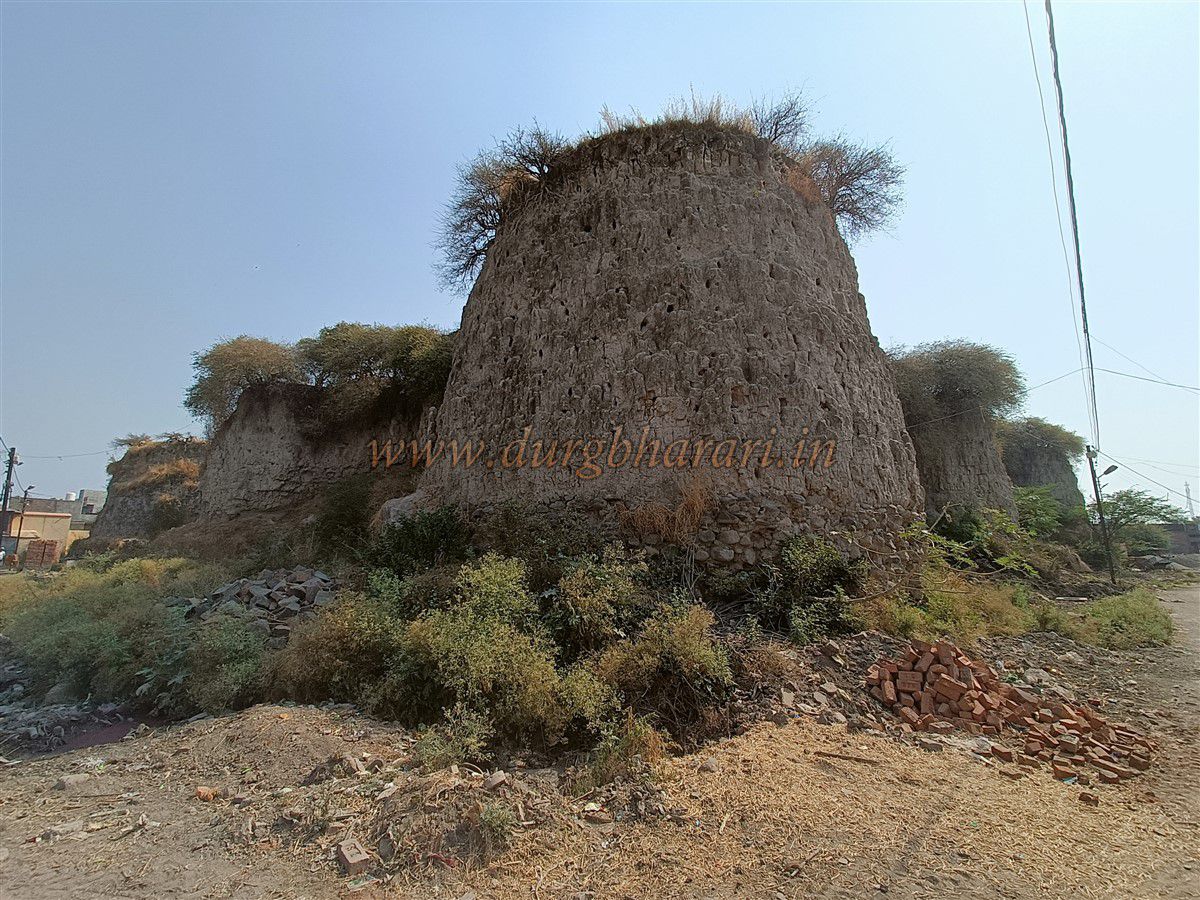
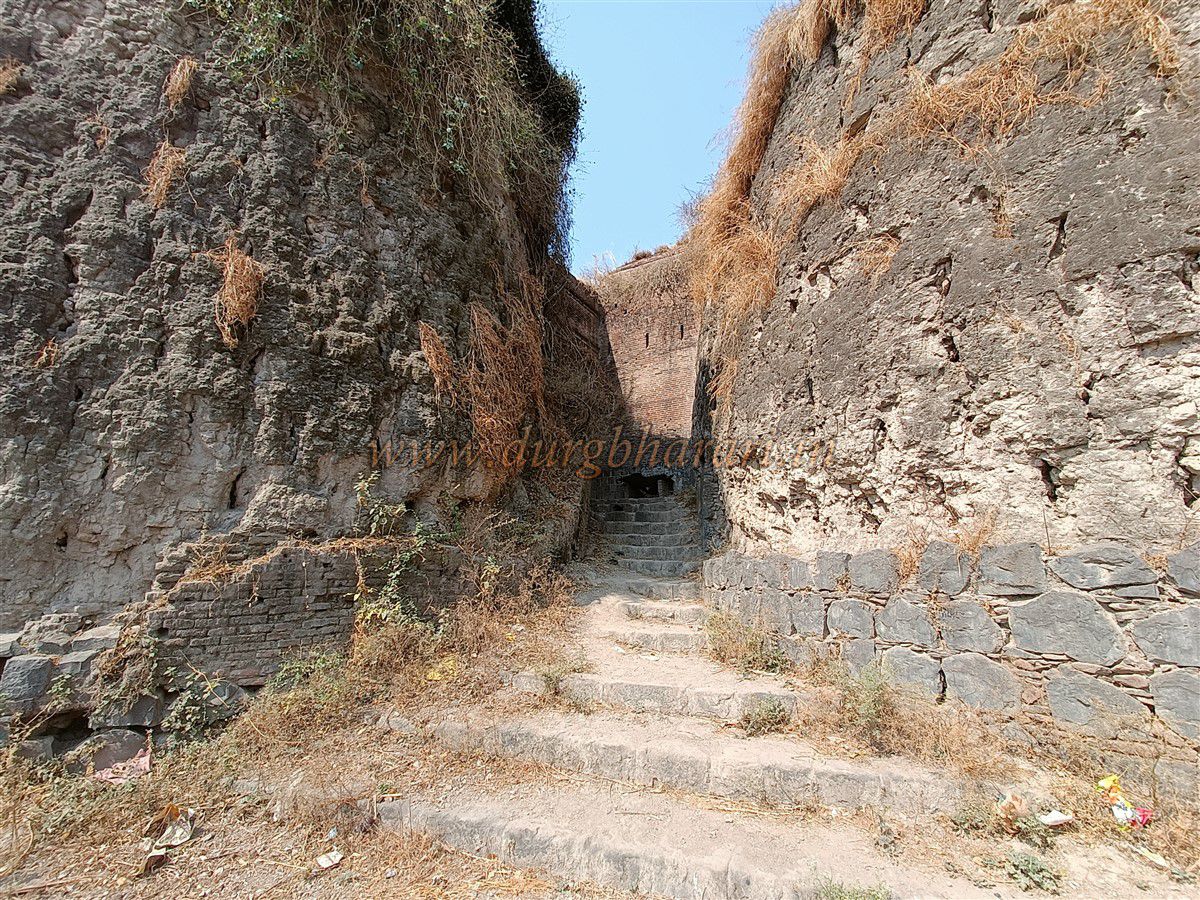
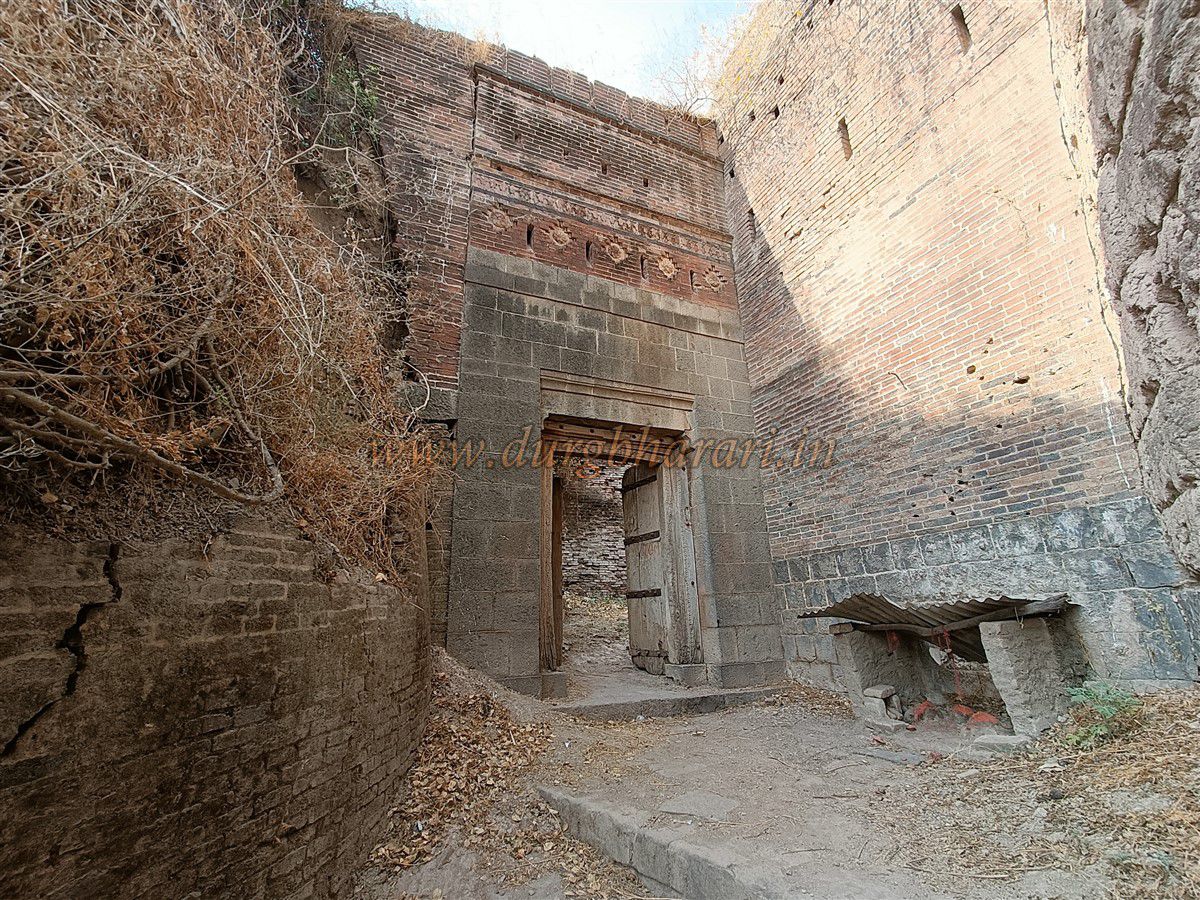
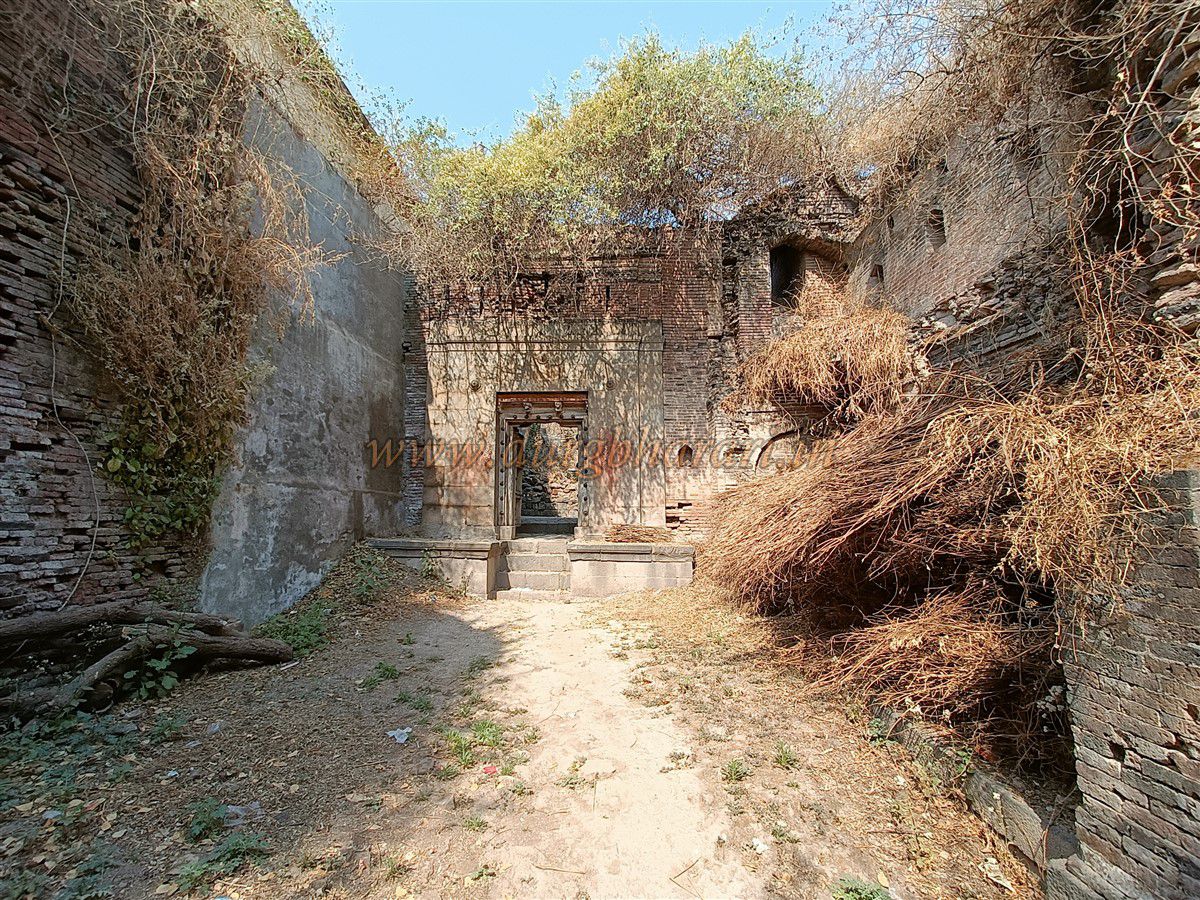
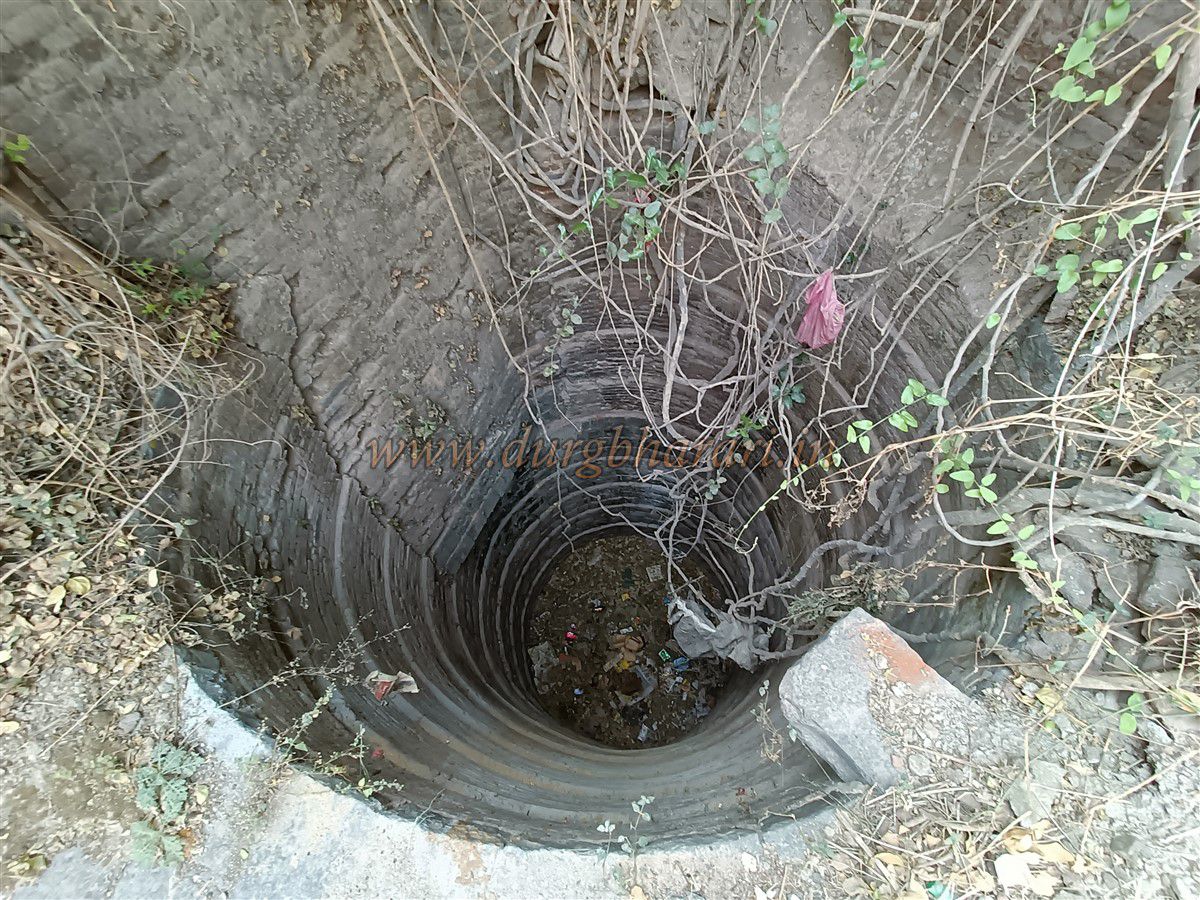
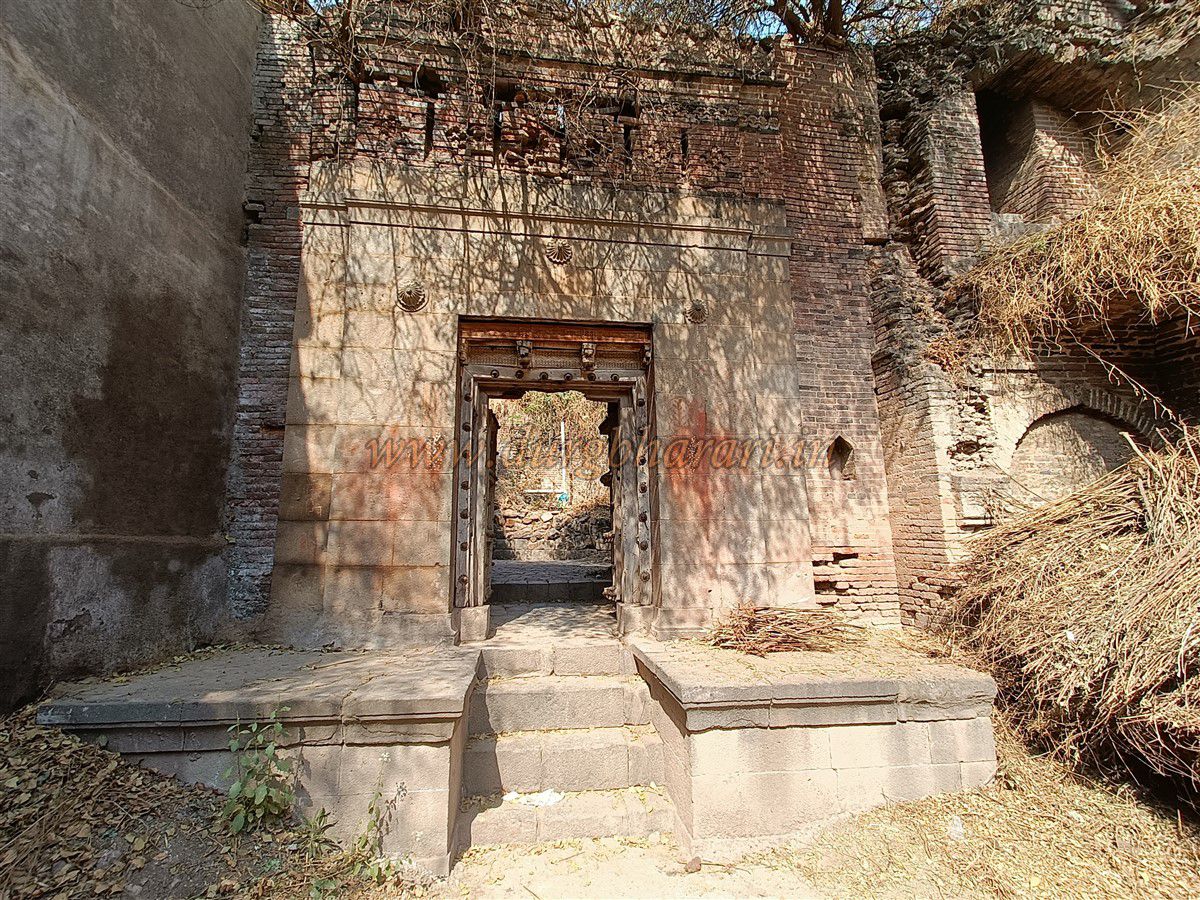
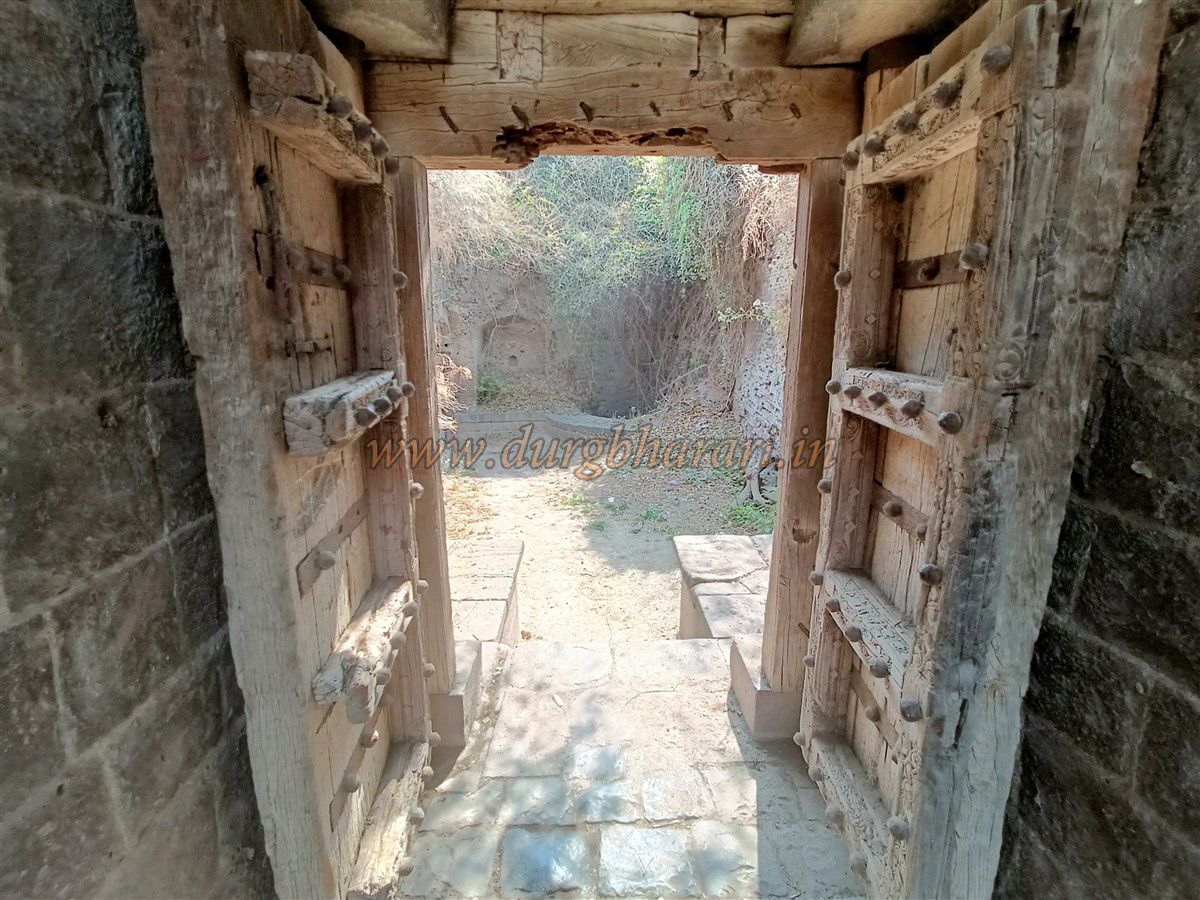
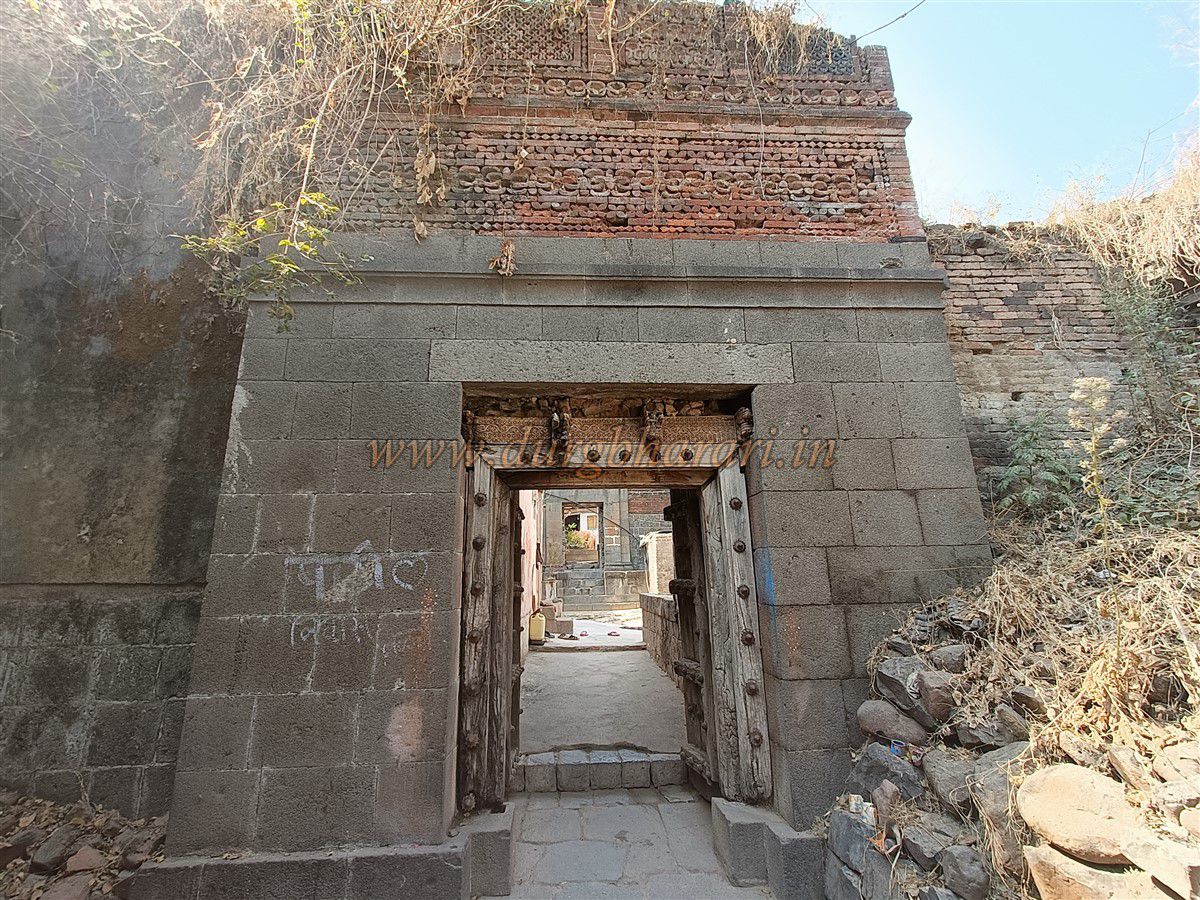
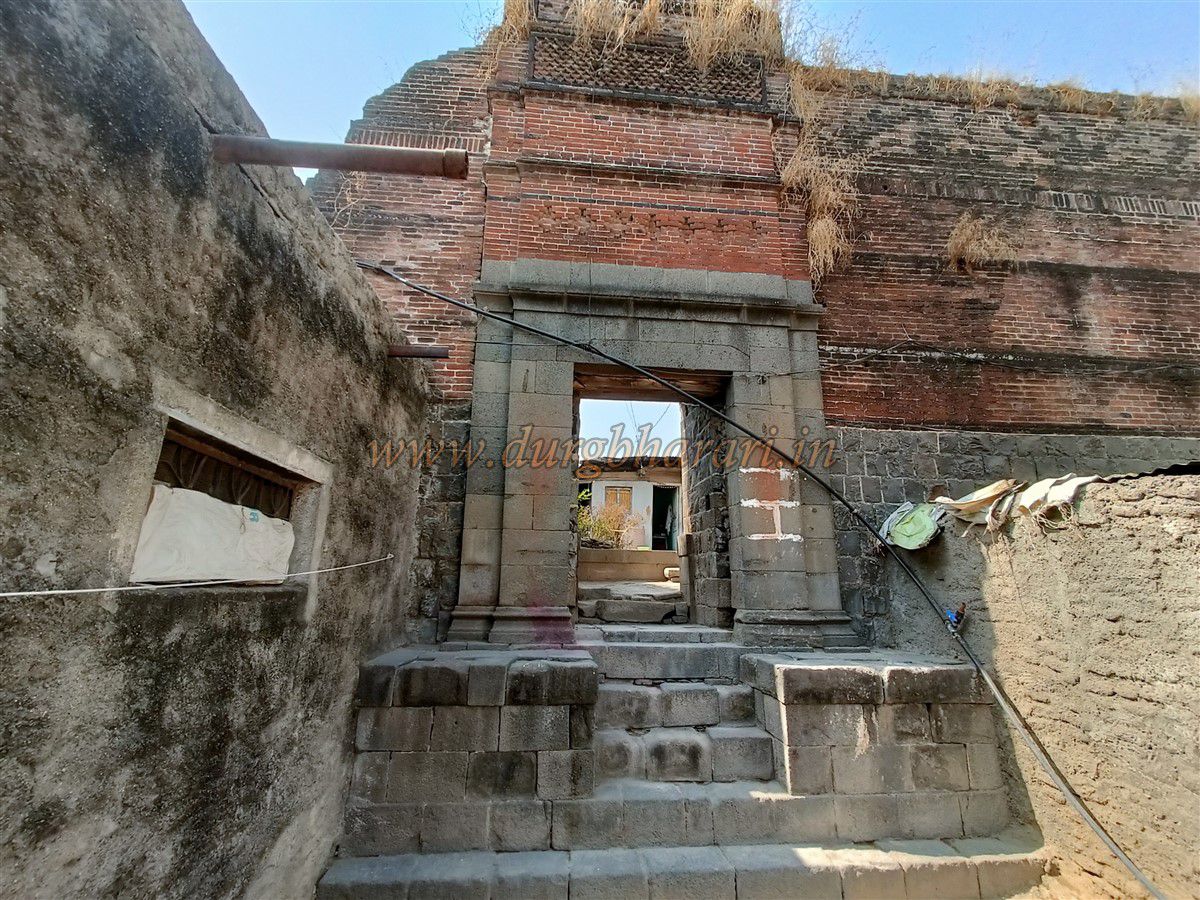
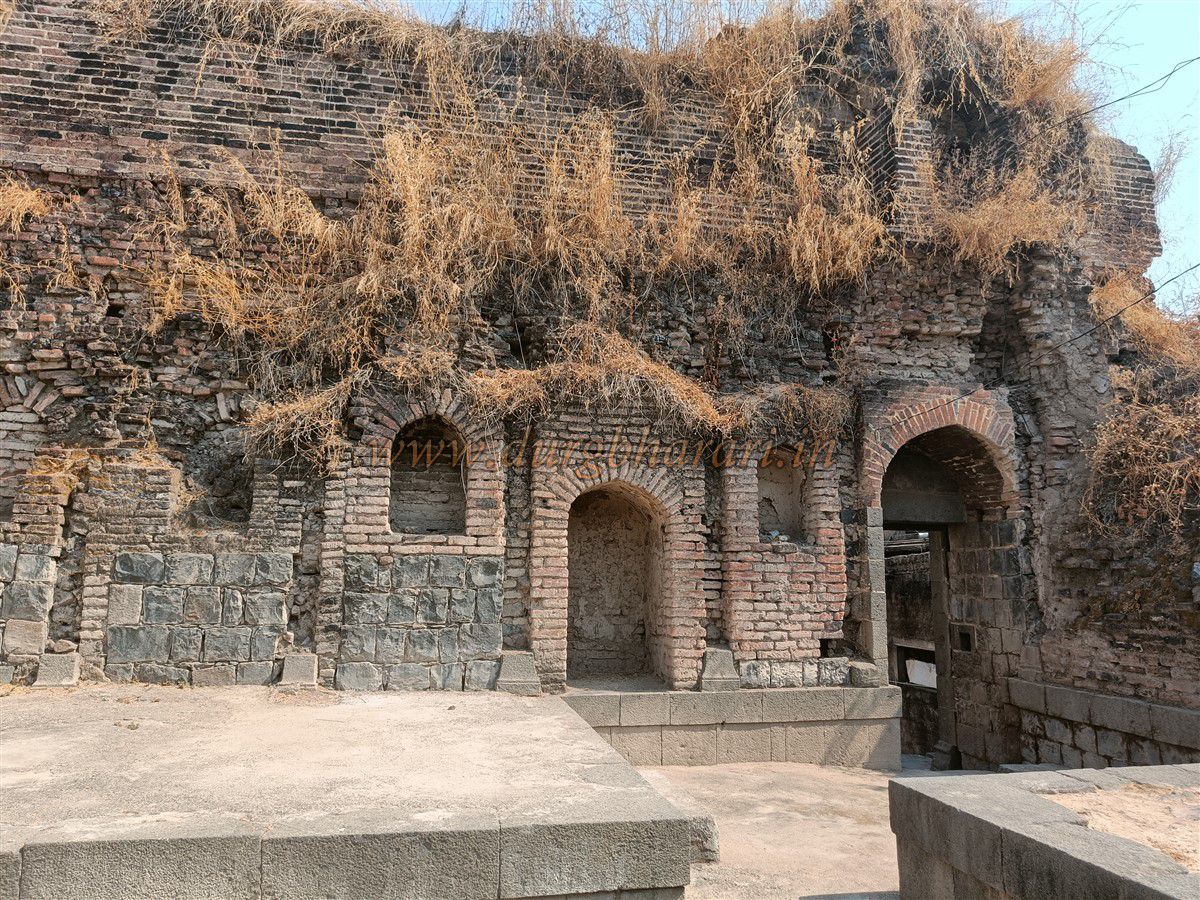
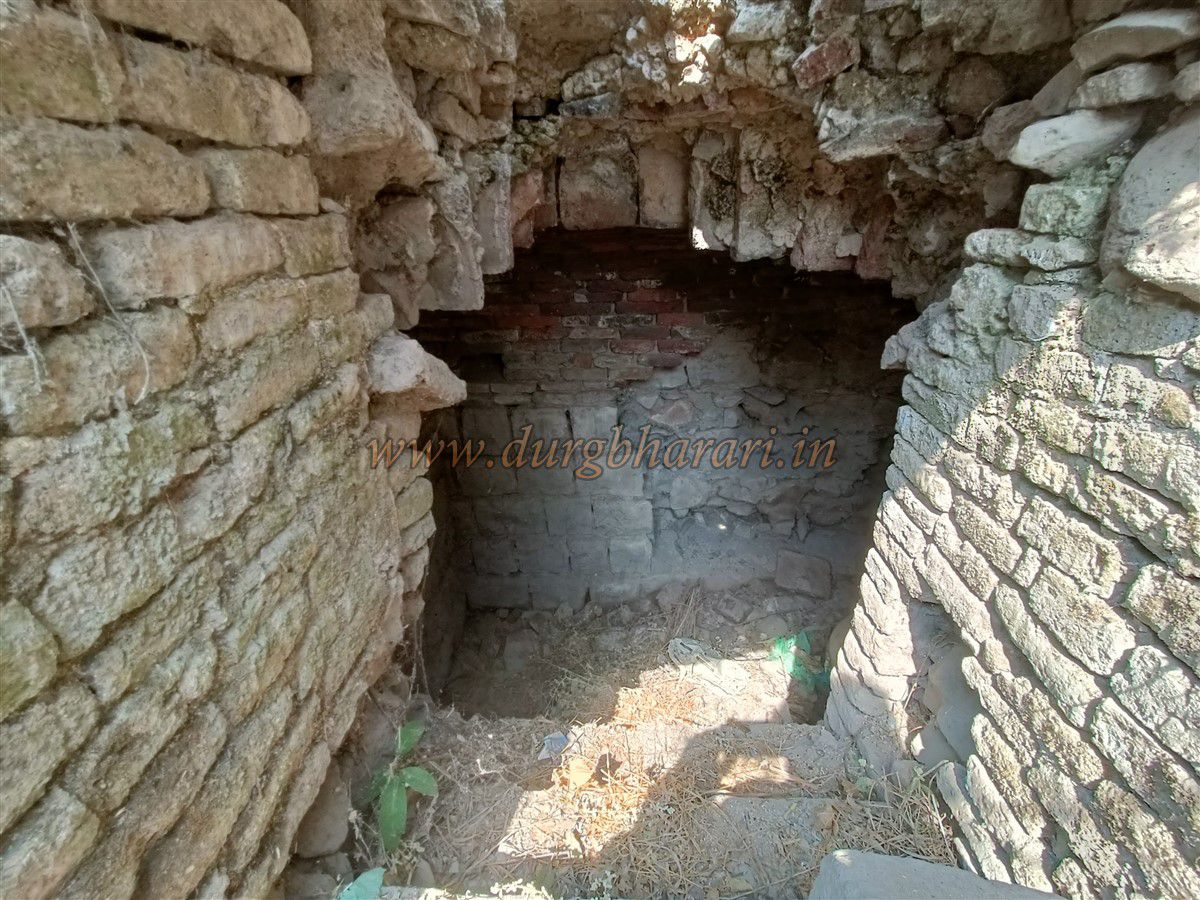
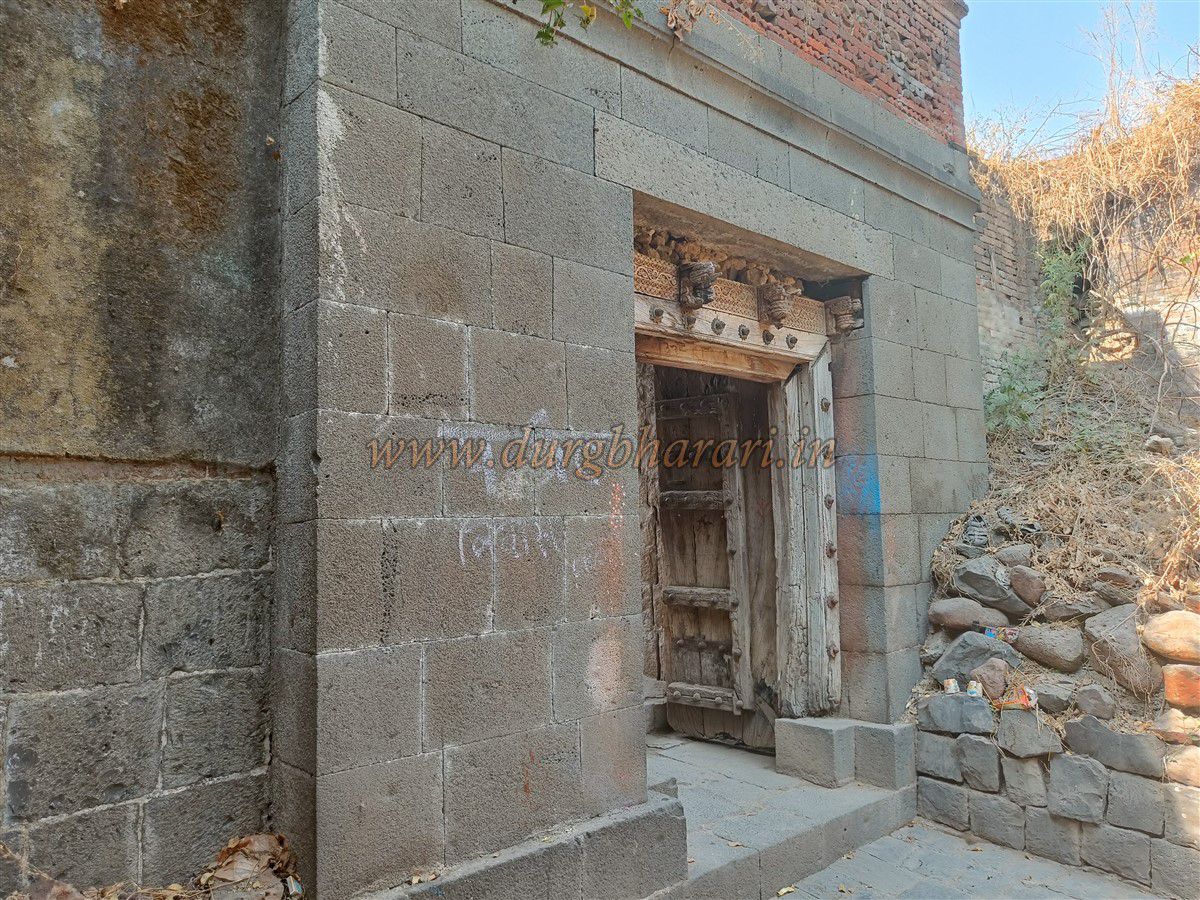
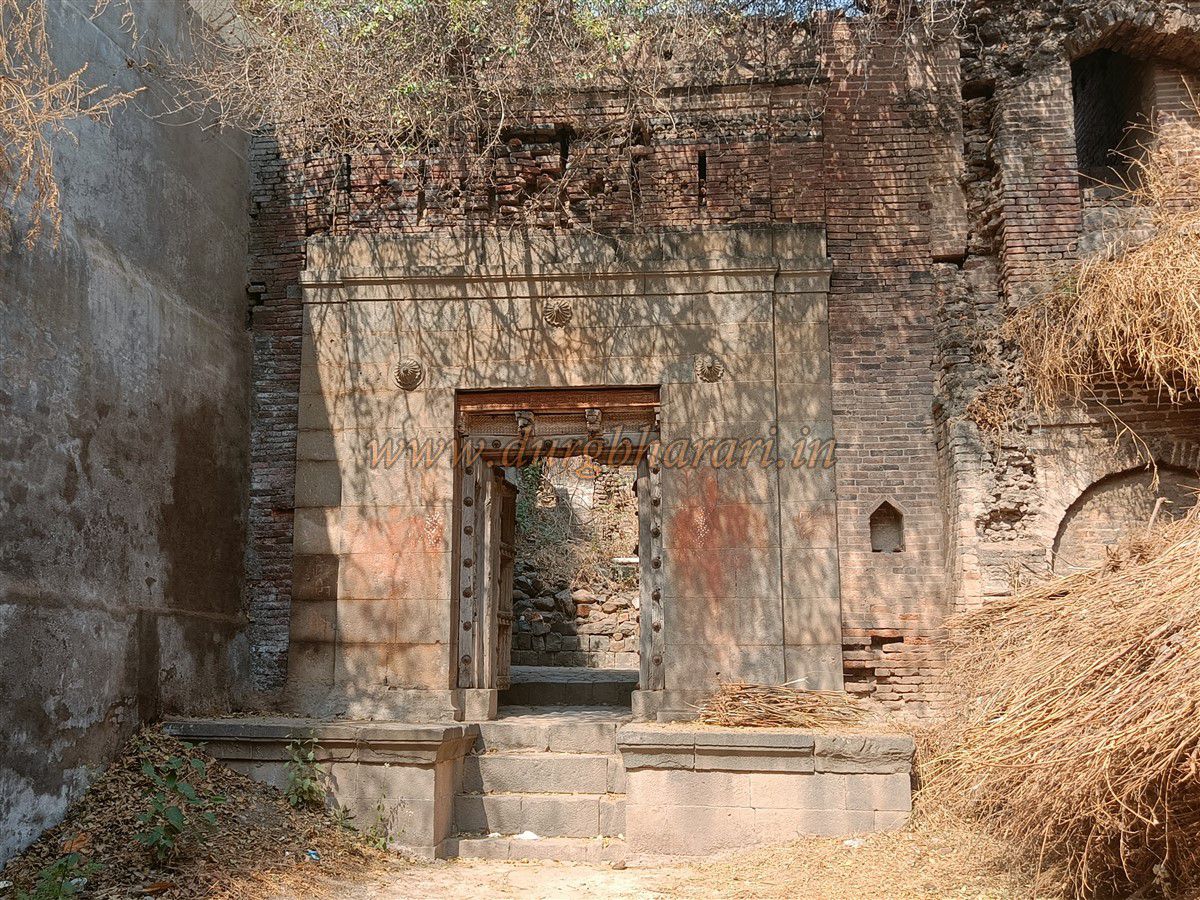
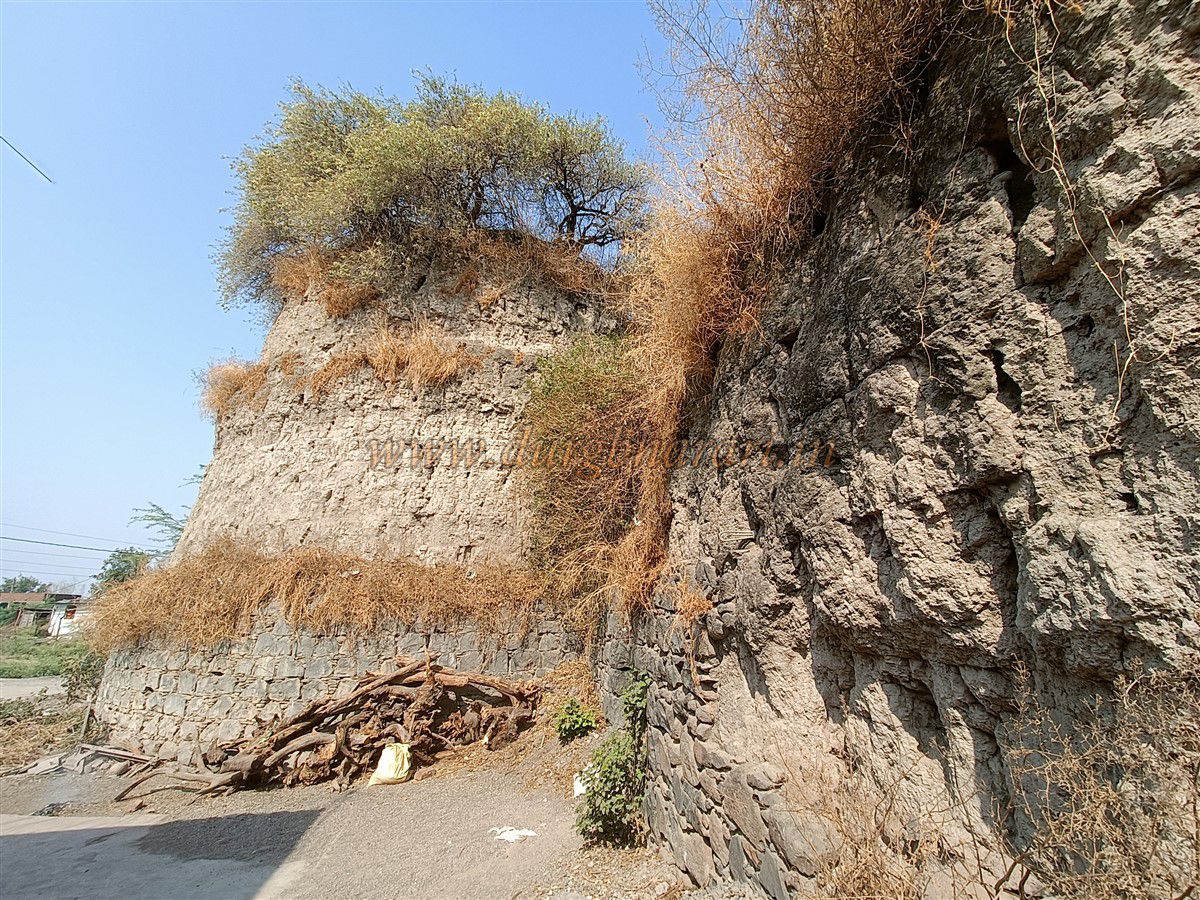
If you take a tour of the village along with the fortress, you can see these gates. One of these doors has carvings on both sides. Talani Fortress is spread over about two and a half acres and there are a total of seven bastions in the ramparts of the fortress. In the village, this fort is known as “Patil Gadhi”. A citadel has been made in the area of the main gate of the fortress, so there are two parts of the fortress, the citadel and the main fortress. The ramparts of the fortress are about 30 feet high and the lower 15 feet are made of stones and the rest of the upper part is made of white clay. Citadel wall is also built in a similar way and its height is about 20 feet. To enter the Citadel, there are two doors, a small one and a main door in two directions. There are two wells in the Citadel, one well in the middle and the other well is near the main door of the Citadel. The main door of Citadel is facing west and is built in stone. The construction on the arch of the door is made of bricks. The first gate of the fort faces east and is built between two turrets in such a way that it is not visible from the front. This door is also built in folded stone and there are gun emplacements in the upper part of the door as well as in the ramparts. The brickwork on the doorway has carvings on the bricks and the wooden door jambs still remain today. After entering through this door, we come to the first square. There is a guard rooms in the ramparts inside the gate and next to it is a 40 feet deep well which is dry. On the right side of the square there is a horseshoe and in front is another gate of the fortress at right angles. This door is a replica of the first door and one has to climb four steps to reach this door on a high plough. This door is more elaborate than the first door. After passing this door we come to another foundation. On the left side of this is the third gate of the fortress. All the gates of the fortress are built at right angles and the beauty of each gate is enhanced. After entering through this door, we come to the third foundation. Once this place was the sadar (office space) of the fortress. Now there are houses of Patil's descendants on this foundation. There is a fourth spacious door in front of here and after climbing five steps and entering through it, we come to the inner part of the fortress. Inside are the remains of a large three-storied Chausopi wada (mansion) with newly built houses on its foundation. This is the residence of the owner of the fortress and there is a 60 feet deep well to the right of it. While walking in the inner part of the fortress, one can see the places where rain water goes out of the fortress, the underground warehouses and the grain storage shed. Since this part of the fortress is at the highest point, the entire village and surrounding area can be seen from here. Outside the fortress, another well adjacent to the ramparts comes into view. A total of 5 wells can be seen in the fort, 2 in the upper part of the fort and 1 near the outer rampart. Half an hour is enough to go explore around the entire fortress. As Patil, the owner of the fortress, lives in it, it is necessary to take his permission before visit.
© Suresh Nimbalkar
GALLERY