TADAVALE
TYPE : GADHI
DISTRICT : PUNE
HEIGHT : 0
GRADE : EASY
In Maharashtra, the number of wadas (mansions) and forts runs into the thousands. During the later Maratha period, many feudal lords under the dominance of the Peshwas built Bhuikot (ground forts) and gadhis (small forts) in their territories. Many of these Bhuikot wadas were private structures, used for collecting revenue and for self-defence. After the abolition of the feudal watan, it became difficult for the owners of these privately-owned forts to maintain them, leading most of them to fall into ruin. The indifference of locals towards these structures has also contributed to their decline. The fort-like gadhi of Sardar Kharade in the village of Tadwale, Satara district, is one such example. At first glance, this structure appears more like a fort than a gadhi, but it has now fallen into severe disrepair and is heading towards destruction. Since no information about this gadhi can be found either on the internet or in any books, this is a small attempt to introduce it.
...
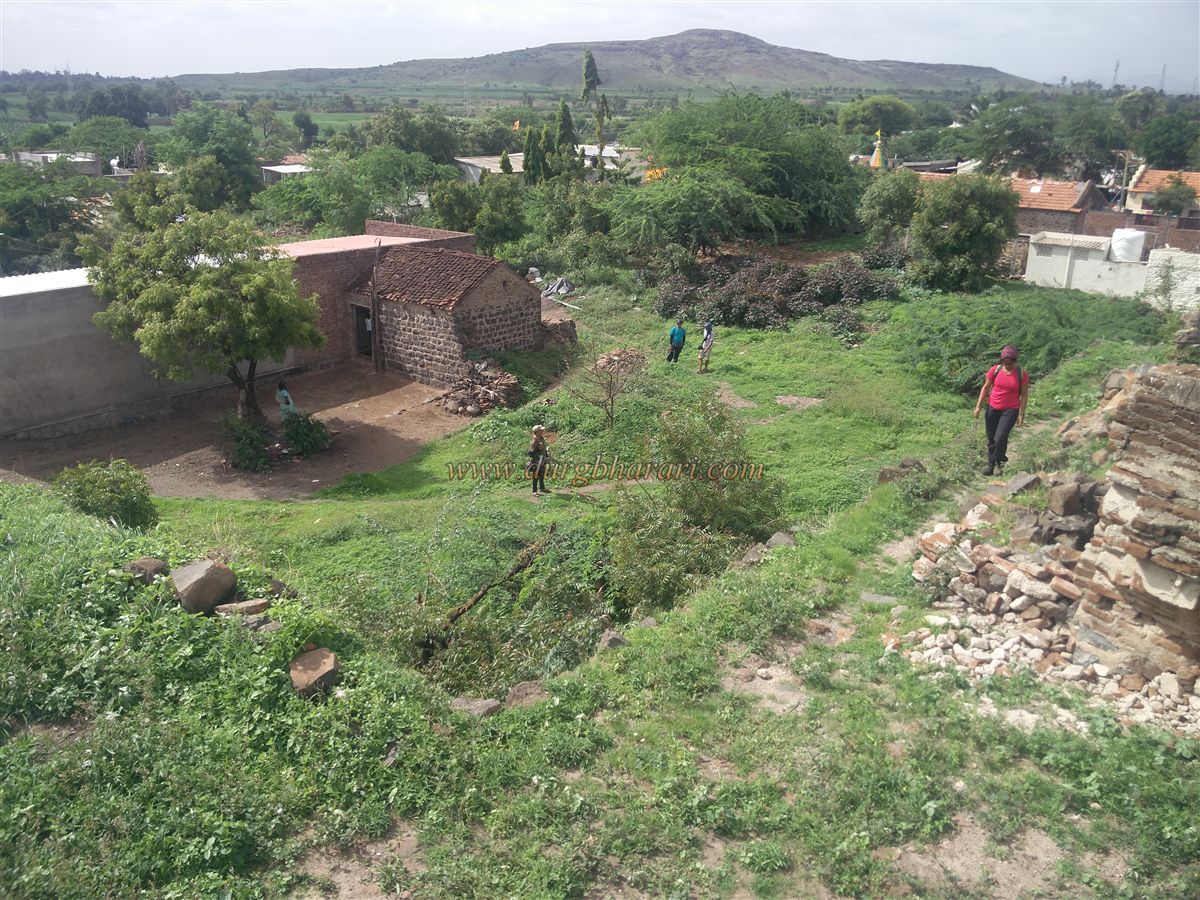
Because of the established association between Phaltan history, its heritage structures, and the Nimbalkar family, some villagers claim this to be the fort of Raja Nimbalkar. In reality, however, it is the fort-like gadhi of Sardar Kharade. The gadhi at Tadwale in Phaltan taluka is about 80 km from Pune via Saswad–Jejuri–Nira–Lonand–Kalaj, and 18 km from Phaltan. From Lonand, one takes the road to Kalaj, where a left turn leads towards Tadwale. Upon entering the village, a bastion and fortification wall on an elevated mound to the right of the road immediately draw attention—this is the fort-like gadhi of Sardar Kharade.
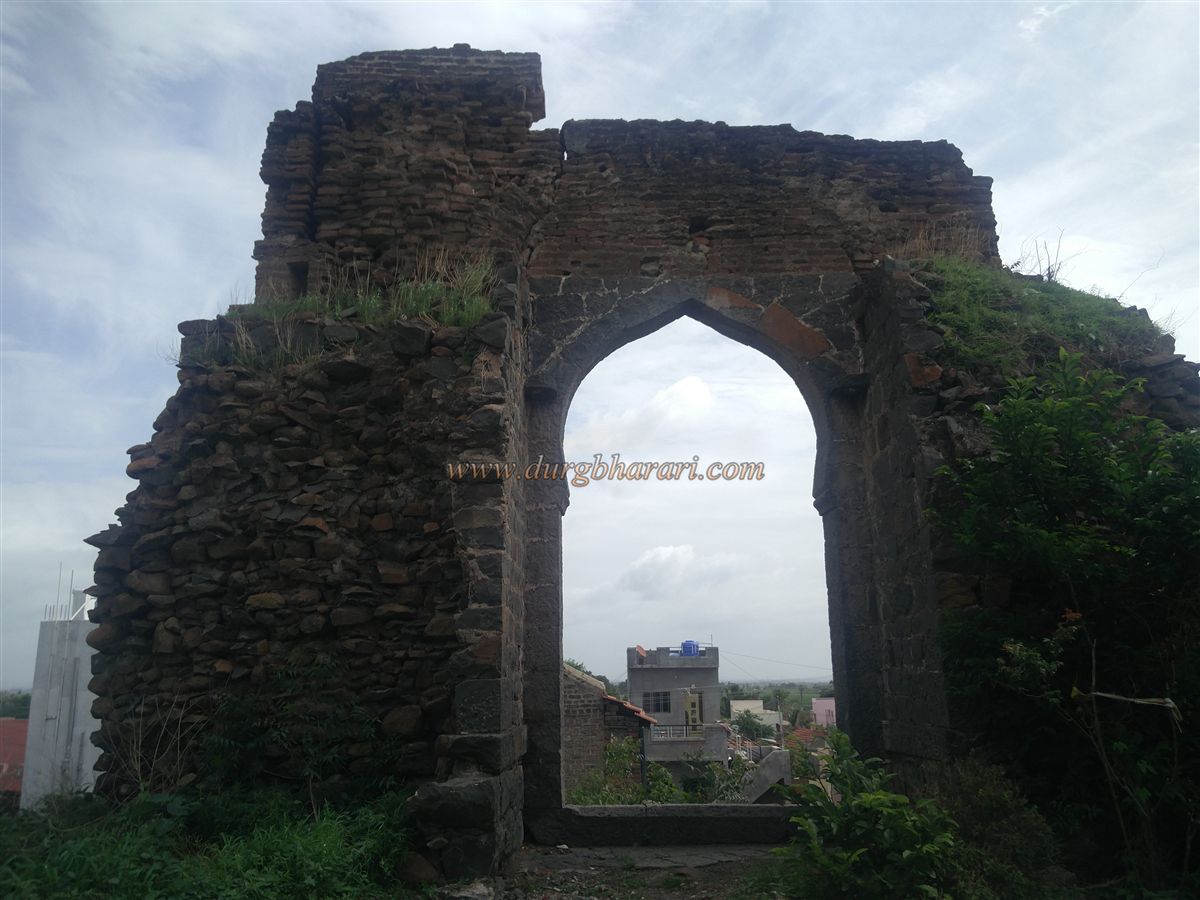
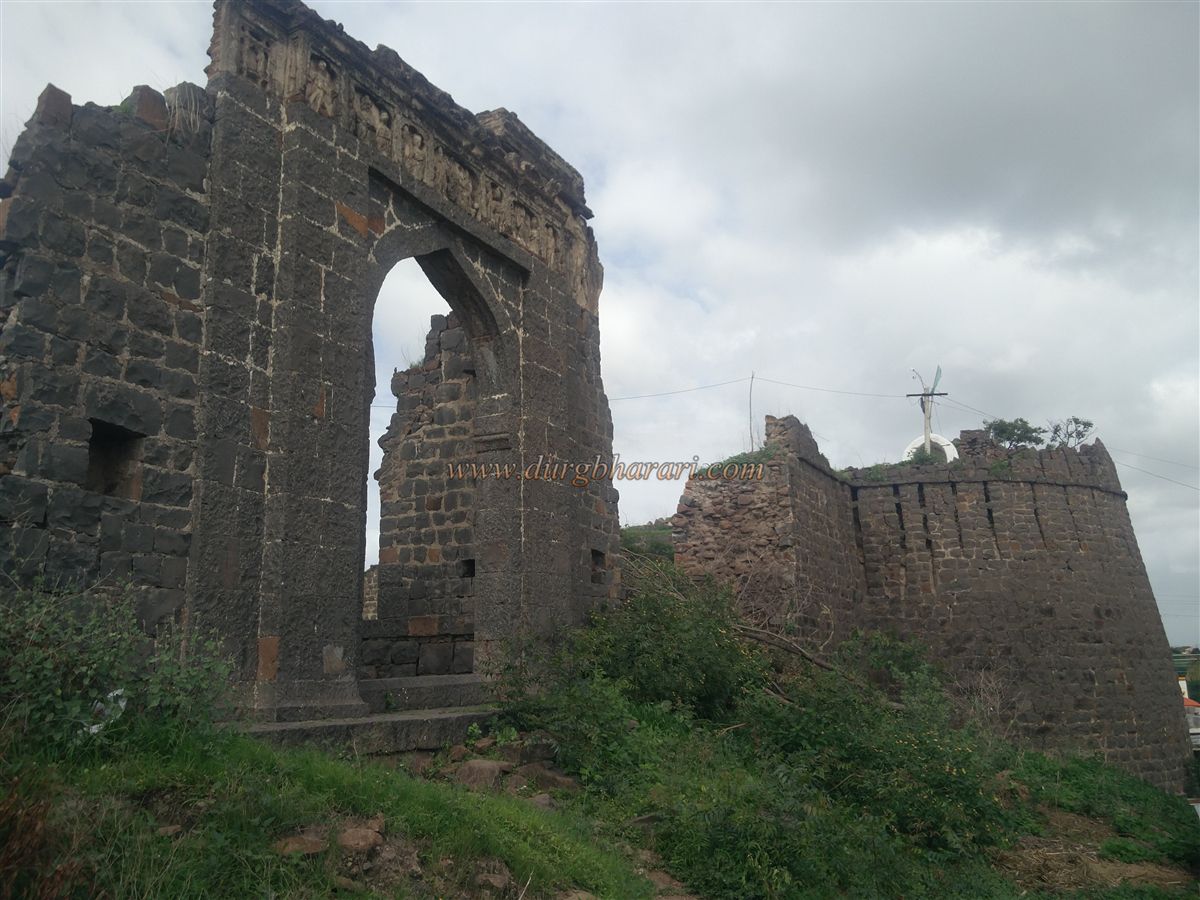
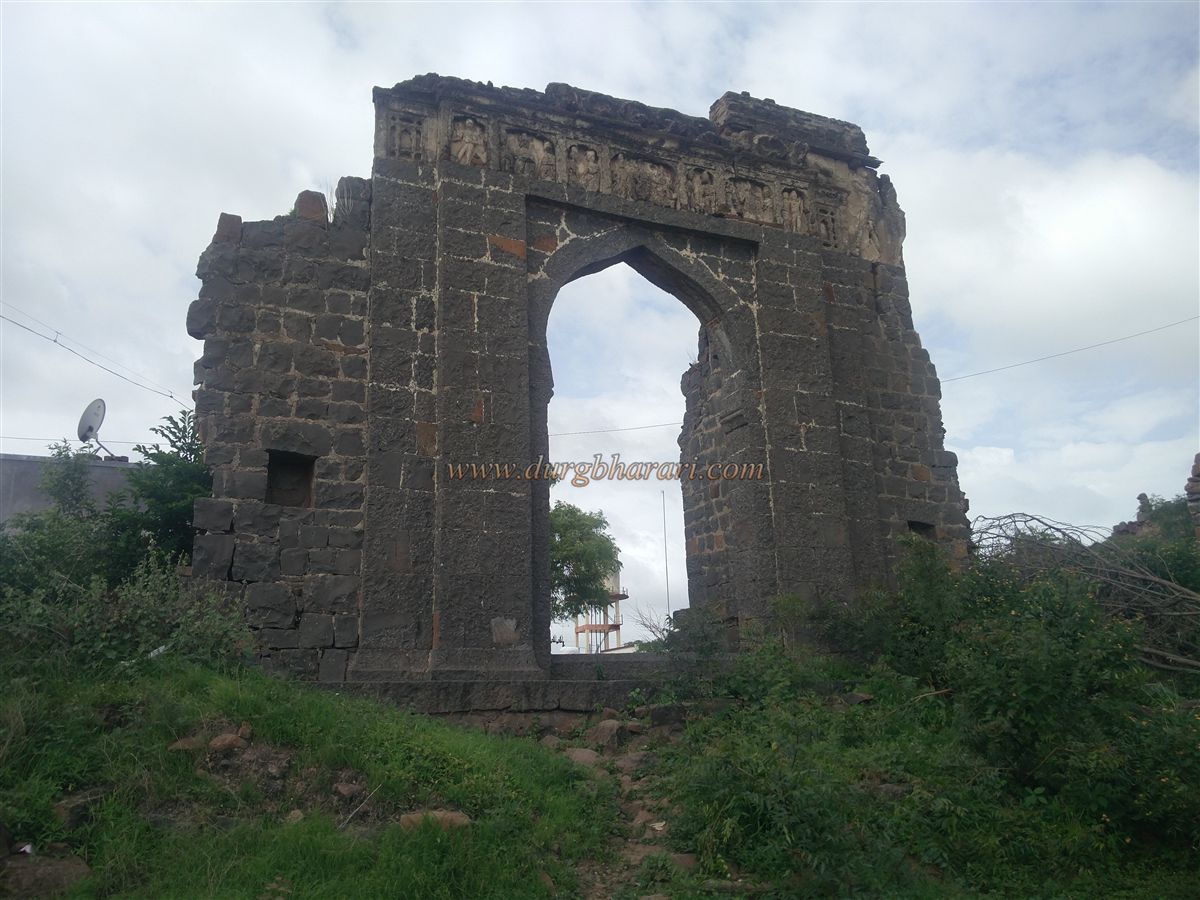
This roughly square-shaped gadhi covers an area of about half an acre. Today, only the western fortification wall and a single bastion survive. Locals say there were once four bastions, one at each corner of the gadhi. The surviving bastion and wall, along with the grand entrance and ruins within, still bear testimony to the structure’s former grandeur. The stone-built northern-facing arched entrance is about 15–18 feet high, with sculptures carved into the outer arch in lime plaster. The bastion and wall are made of dressed stone, with loopholes for gunfire. Steps attached to the wall lead up to the remaining bastion. From the top, the entire interior of the gadhi can be seen, as well as a vast stretch of the surrounding area, since the structure stands on an elevated mound.
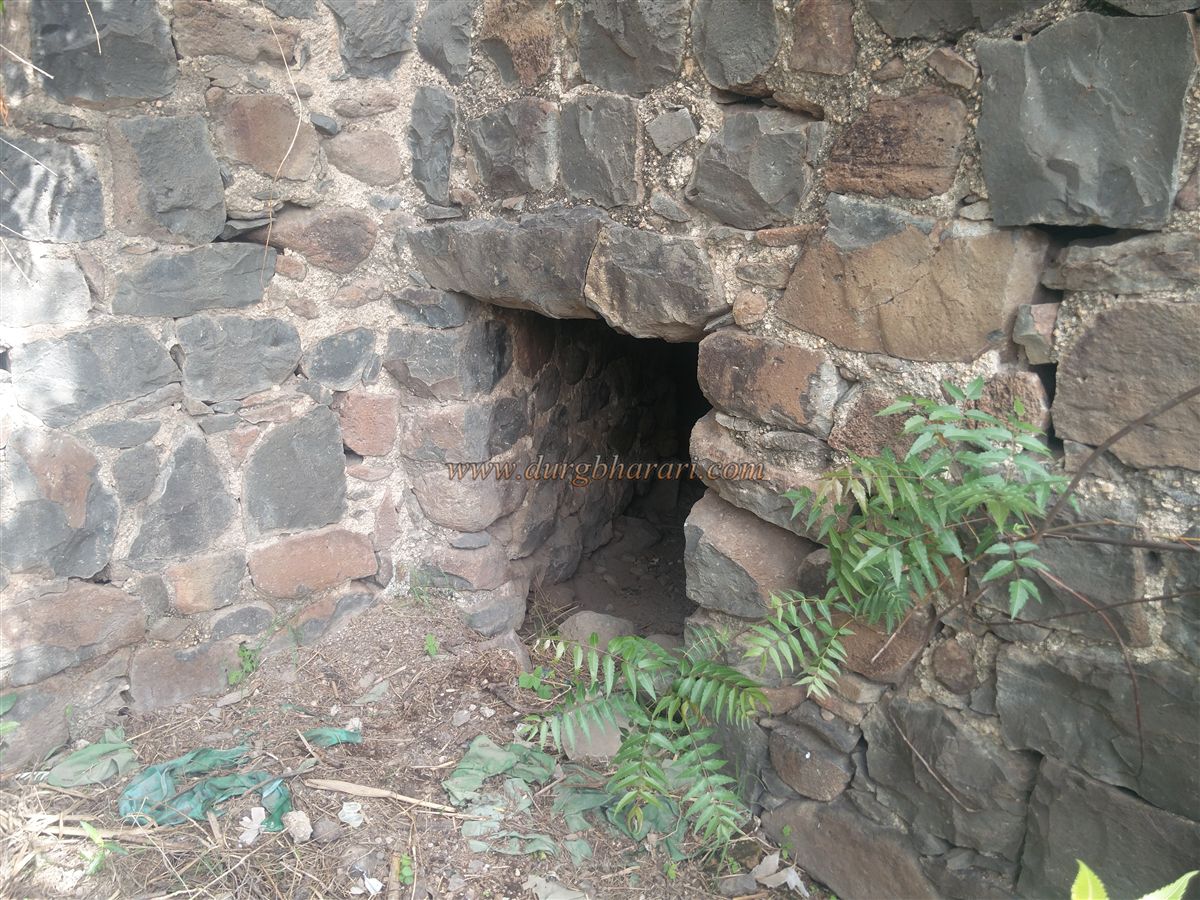
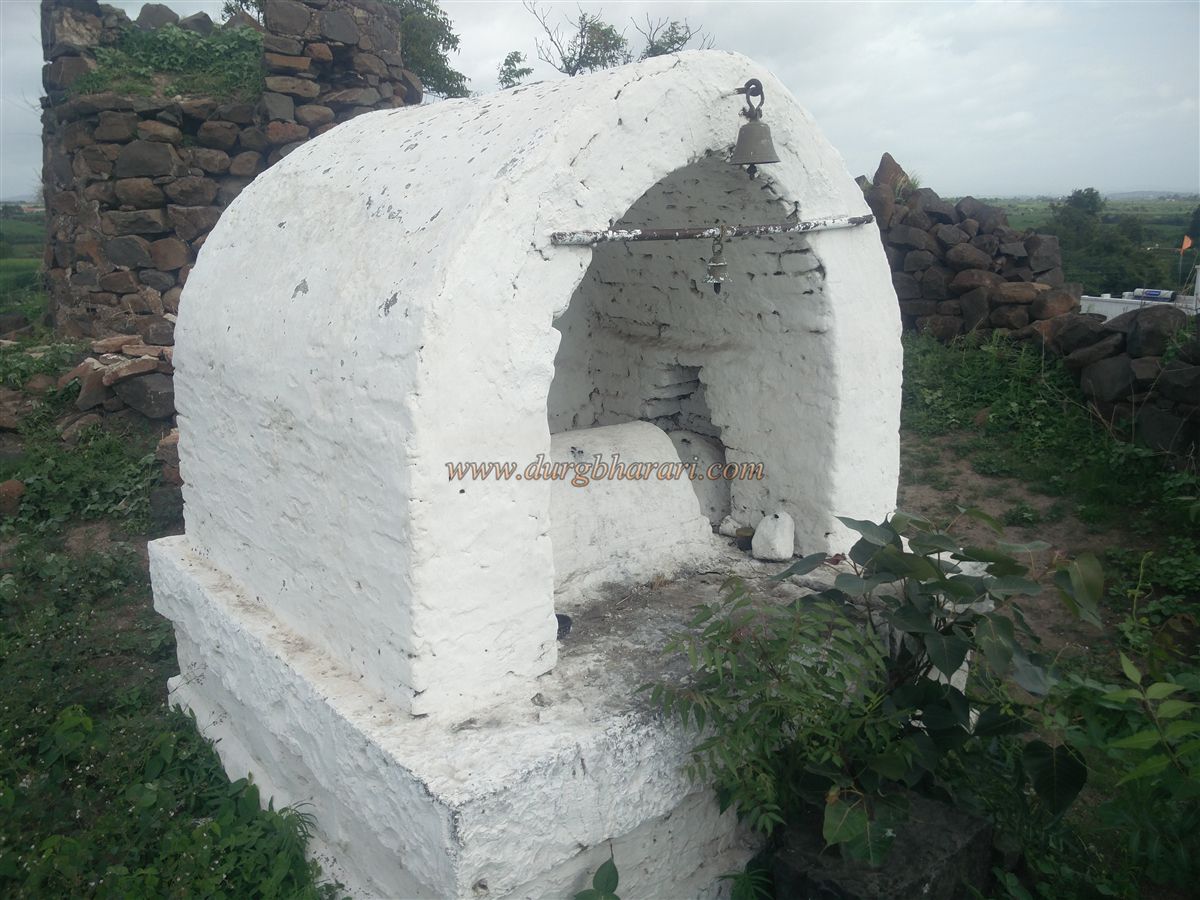
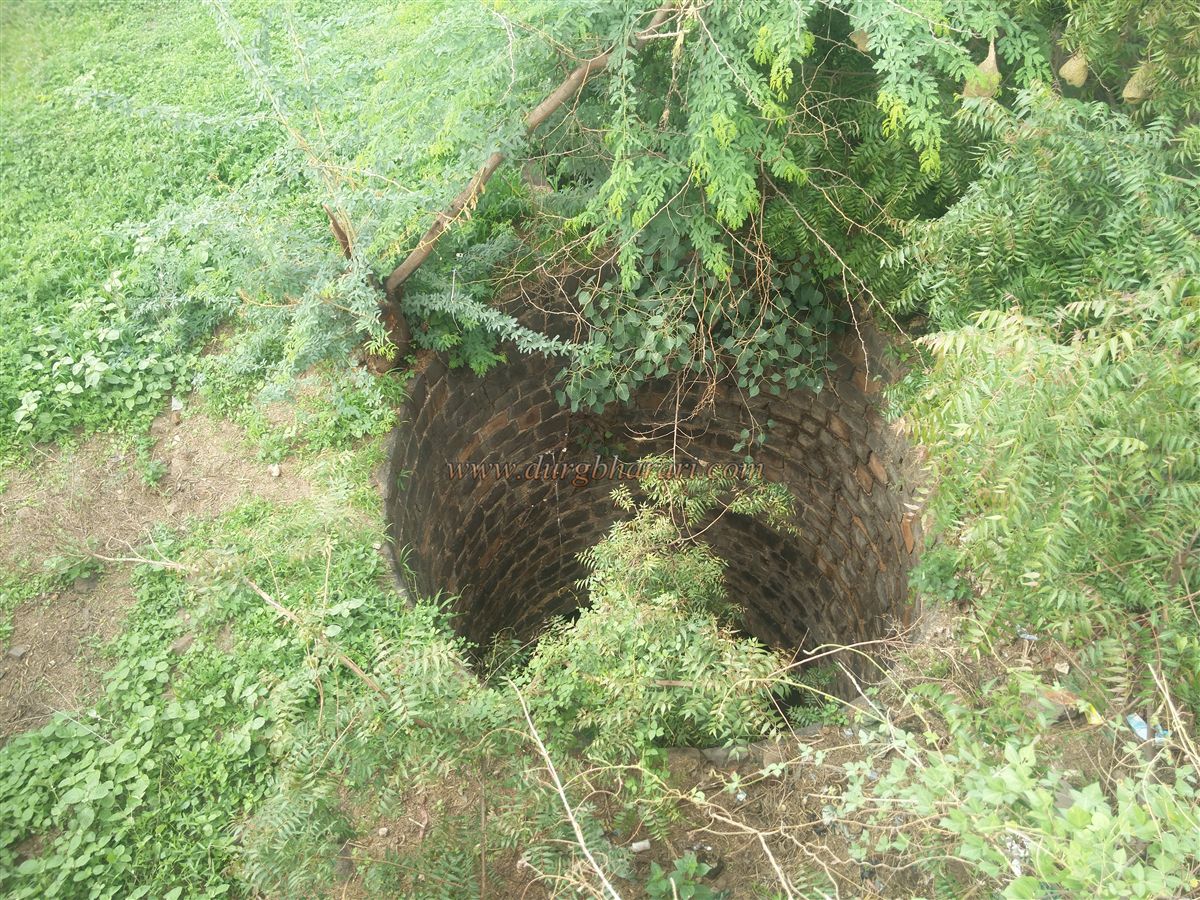
On the bastion, there is a samadhi of a Nathpanthi saint, and at the center is a circular raised platform—likely a lookout or flag-posting spot. Below the bastion is a room with a small doorway for entry. Near the bastion is a circular stone-built well, in the middle of which a stone arch can be seen. Villagers claim it to be an underground passage, but in reality, it is probably an arch over the steps descending into the well. As the upper portions of these steps have been blocked by debris from the collapsed structures above, they are no longer accessible.
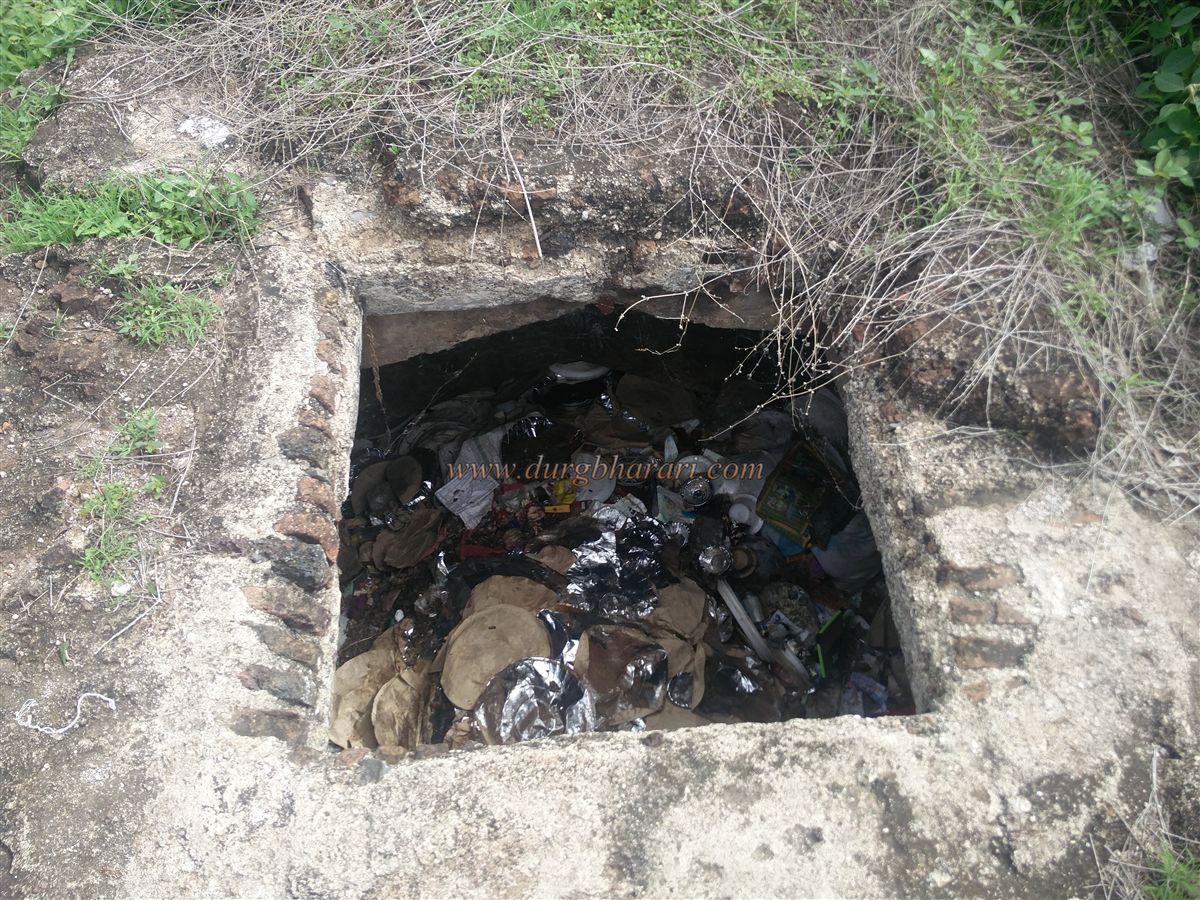
Inside the gadhi is a large stone-built cellar with arches. Entry to this cellar is through an arched doorway, in front of which a cowshed has now been constructed, and the doorway itself has been blocked with rubble. However, the arched door and the interior cellar can still be seen from outside. A short distance in front of the doorway is a square tank, which served as a ventilation and light shaft for the cellar. Through this shaft, the arches inside the cellar can be viewed. Other such shafts elsewhere in the gadhi seem to have been blocked.
With most of the other remains destroyed, it is impossible to determine the original layout of the wada. The stones from the Gadhi’s construction have evidently been reused by locals for building houses. It takes about half an hour to walk around the gadhi.
The village of Tadwale has existed since the time of Chhatrapati Shivaji Maharaj. The Kharade clan is a sub-branch of the Maratha Bhosale family, their name originating from the village of Kharadi in Sangli district. The Kharade Sardars served the Maratha Empire all their lives. Subhanji Kharade, a commander in the Maratha navy, was a trusted officer of Chhatrapati Shivaji. Sardar Shitaji Kharade and his son Sardar Fakirji Shitaji Kharade died fighting against Abdali’s vizier, Shah Pasand Khan. Sardar Tanaji Kharade participated in the Battle of Baradi Ghat as well as the Battle of Panipat in 1761.
© Suresh Nimbalkar
GALLERY