SUVARNADURG
TYPE : SEA FORT
DISTRICT : RATNAGIRI
HEIGHT : 0
GRADE : MEDIUM
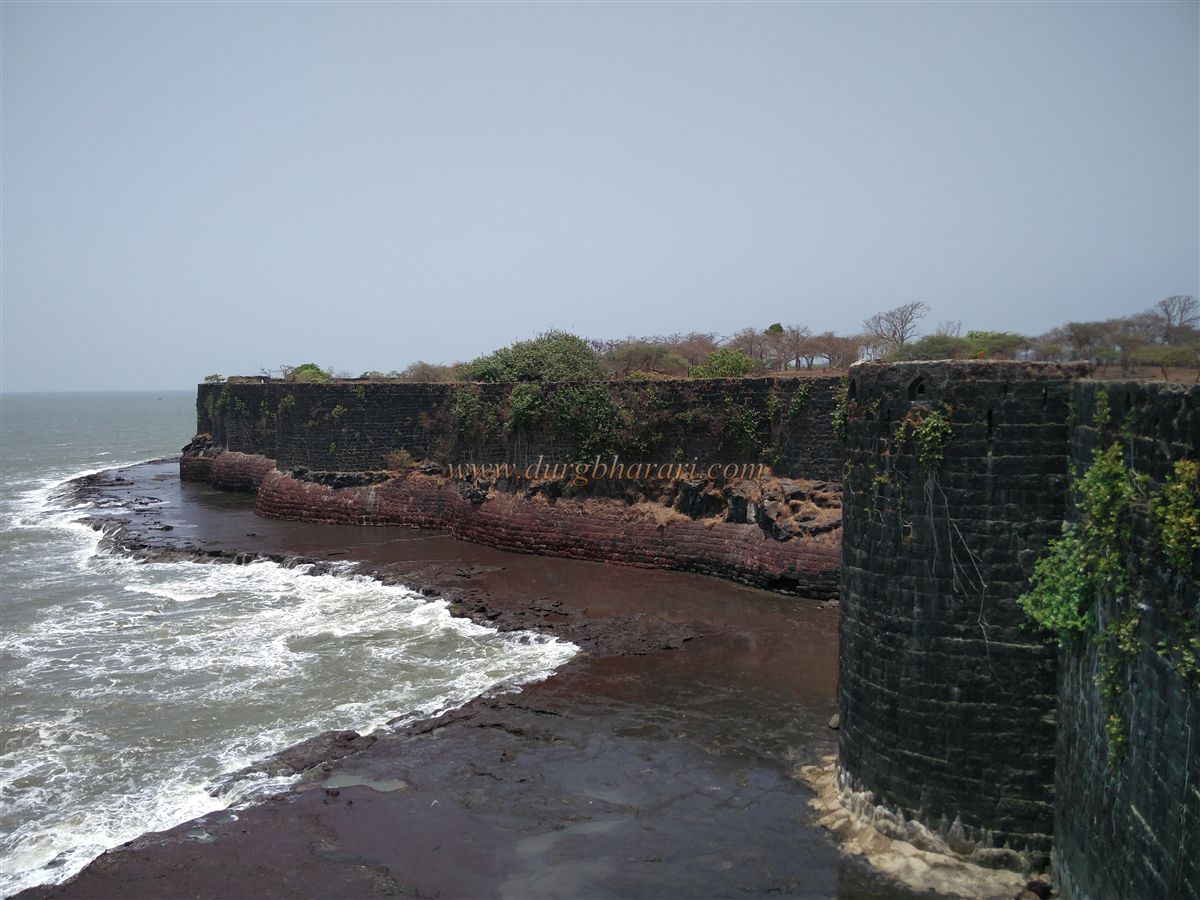
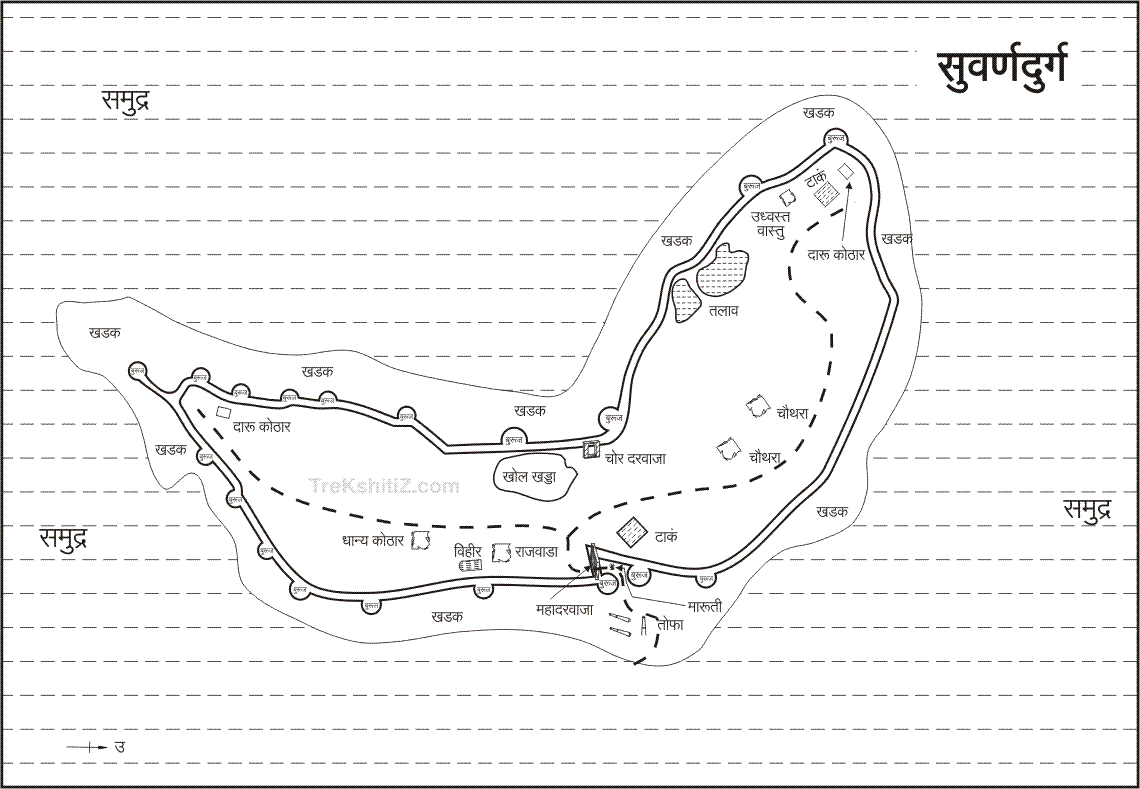
Suvarnadurg, a sea fort on Maharashtra’s Konkan coast, is built on a V shaped island located about 1 km off the Harnai port. To protect this fort, a chain of three auxiliary forts—Kanakdurg, Fatte Durg, and Goa Fort—stands along the Harnai shore. To reach Suvarnadurg, one must first travel to Dapoli, from where State Transport buses are available to Harnai village. From the Harnai bus stand, the port can be reached within 10–15 minutes. Nestled deep within the embrace of the sea, the fort lacks drinking water facilities today, so visitors must carry their own.
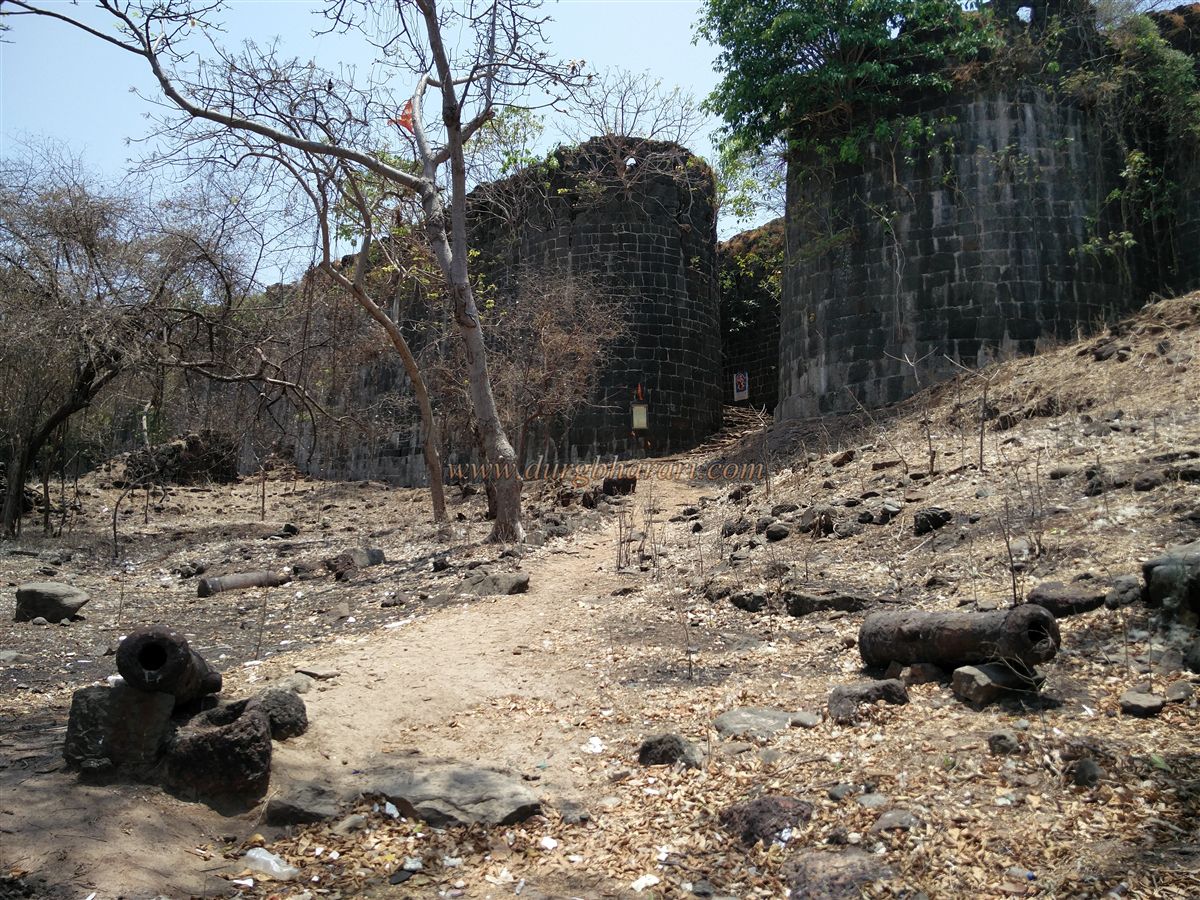
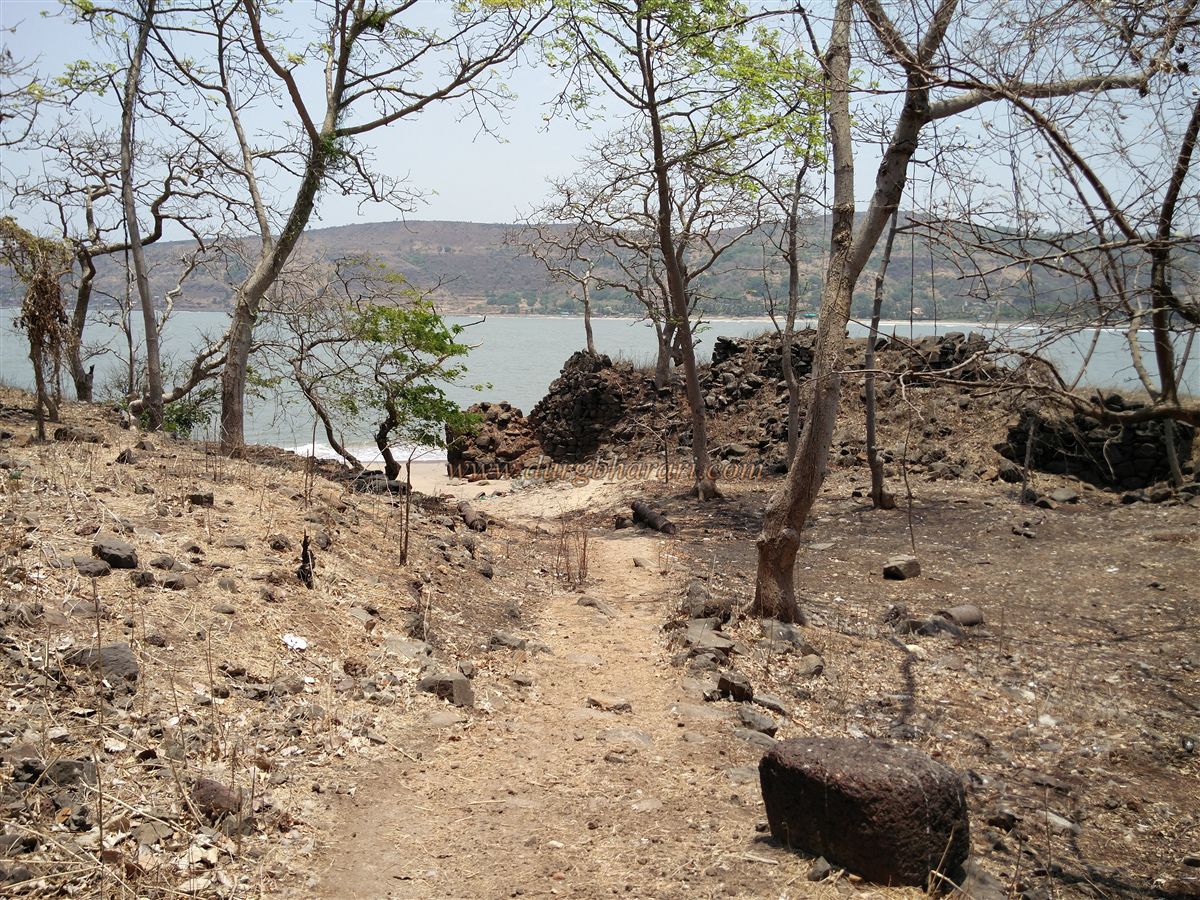
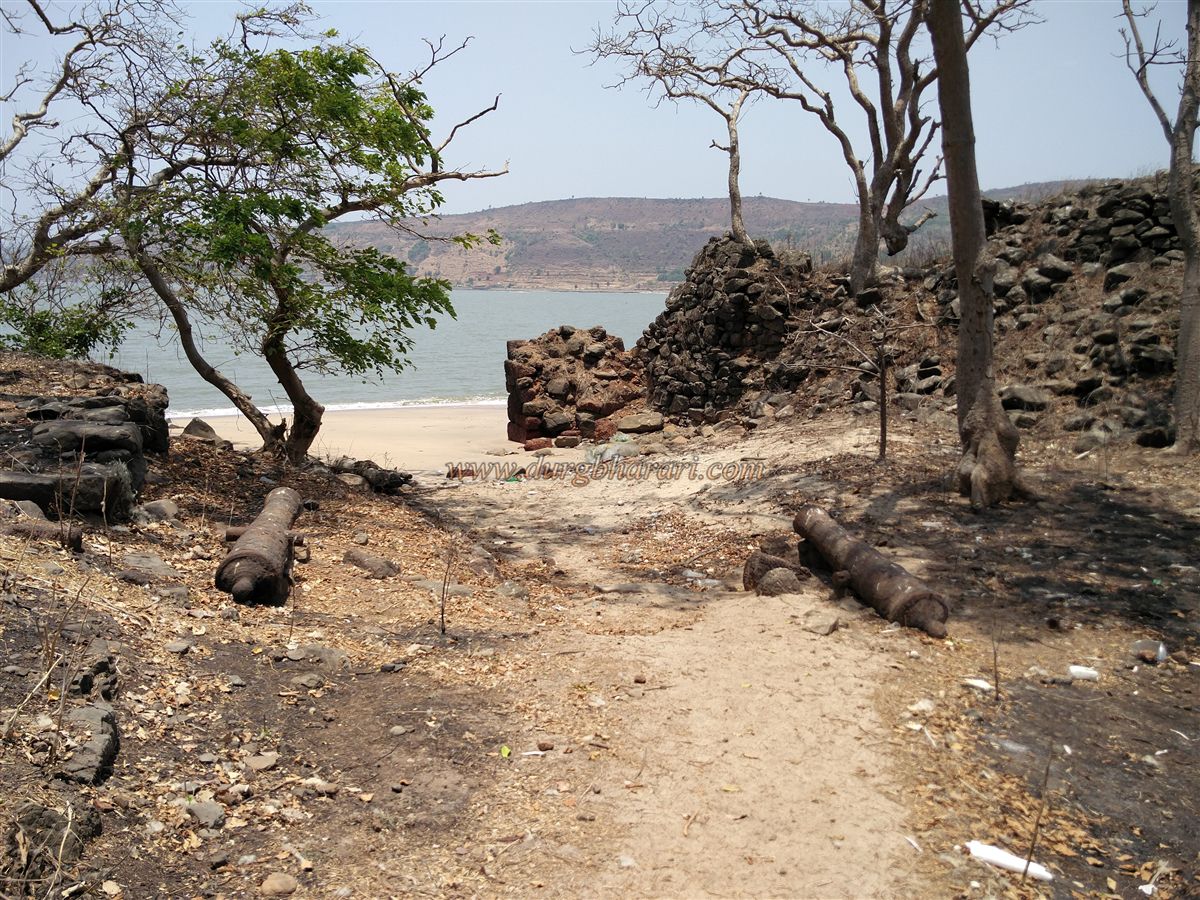
There is no regular boat service to the fort, but local fishermen’s associations provide small boats from the port, taking about 20 minutes to reach the fort. A round trip by boat costs around ₹60–70 per person. Since the fort has no jetty, one must wade knee deep in the water to reach the shore. Walking across the soft white sand, visitors arrive at the fort’s entrance, where two cannons lie embedded in the sand.
...
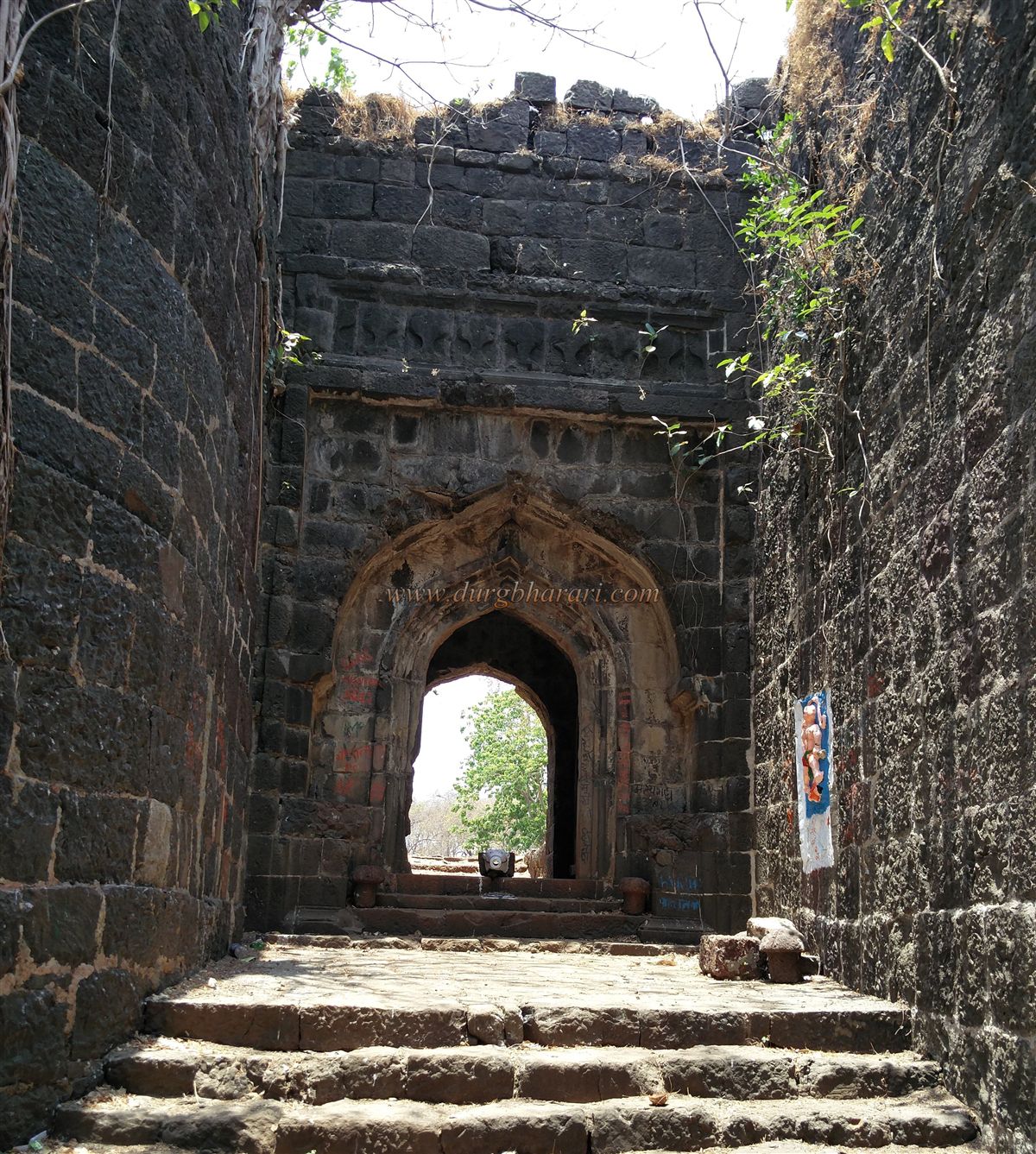
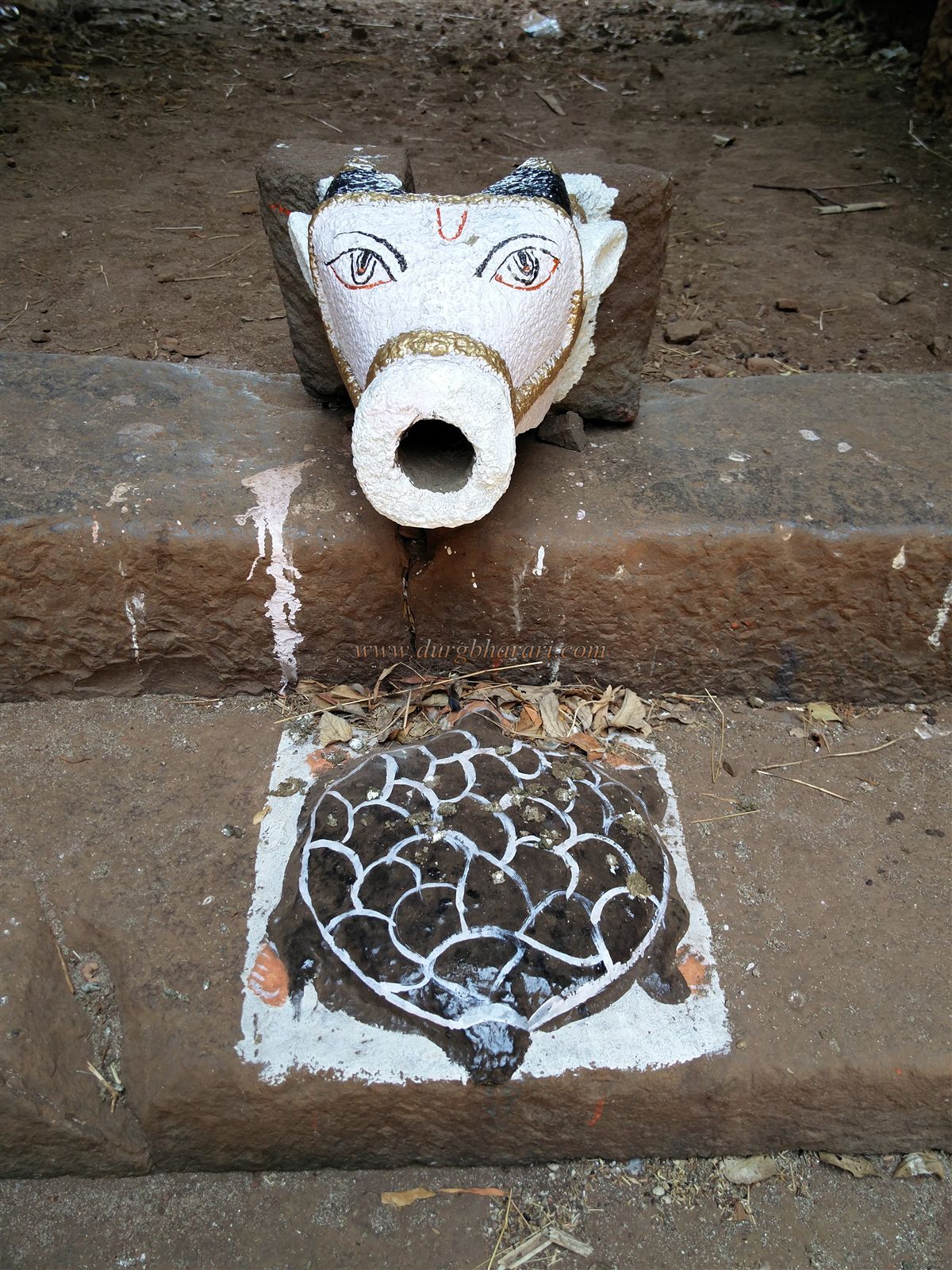
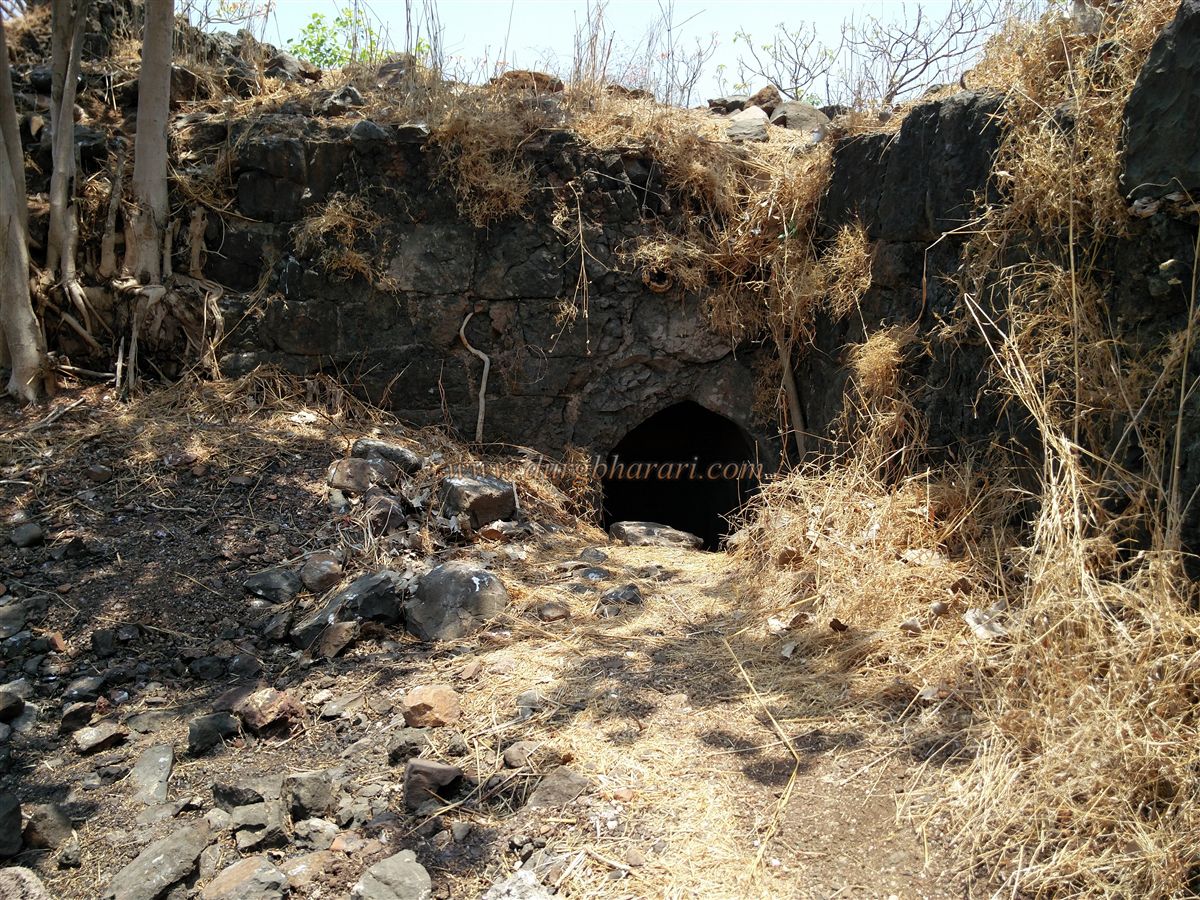
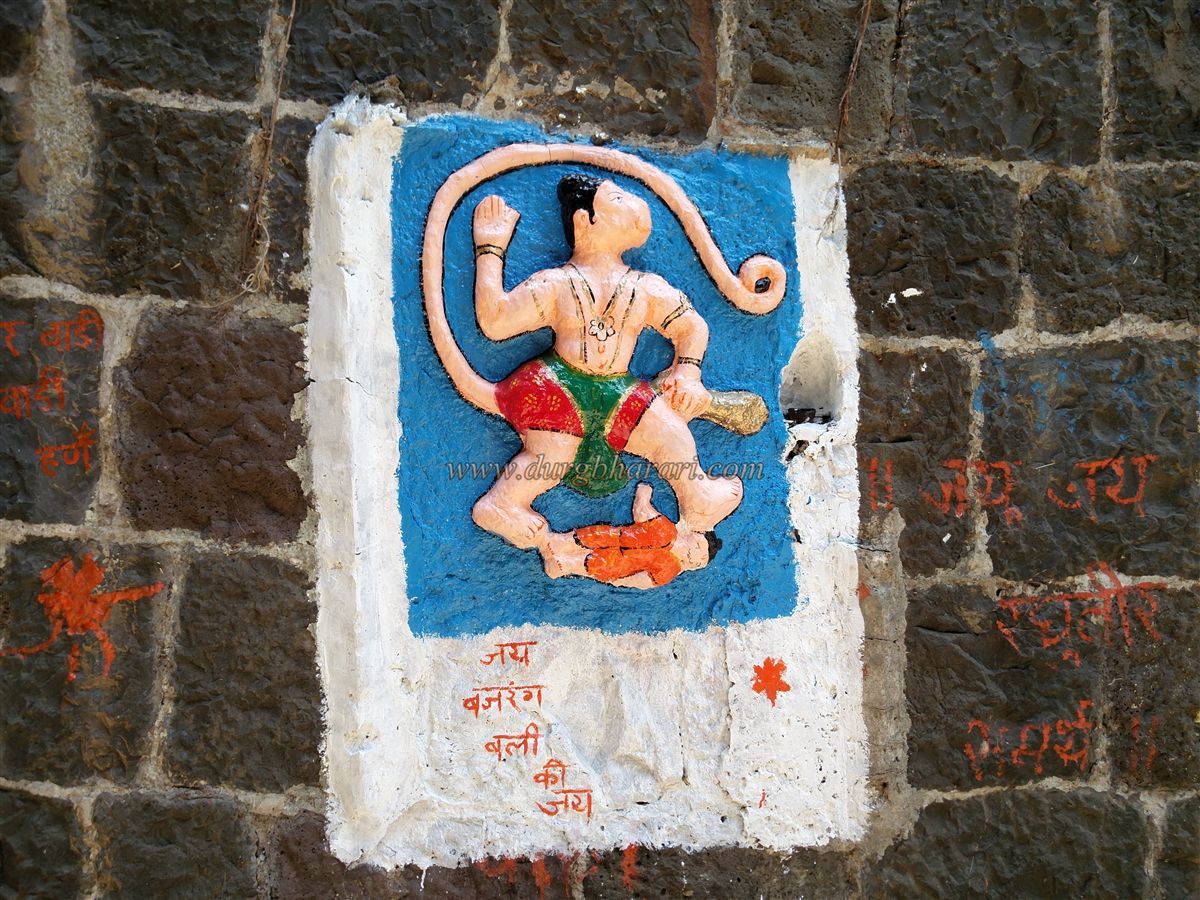
The main entrance, located in the eastern fortification, faces north and is built in the gomukhi style. In front of the gate once stood a defensive outwork, now in ruins. At the threshold, a carving of a turtle can be seen on the step, while a relatively modern idol of Hanuman is fixed into the wall on the right. Inside, guard rooms flank the entrance, and stone steps on both sides lead to the ramparts.
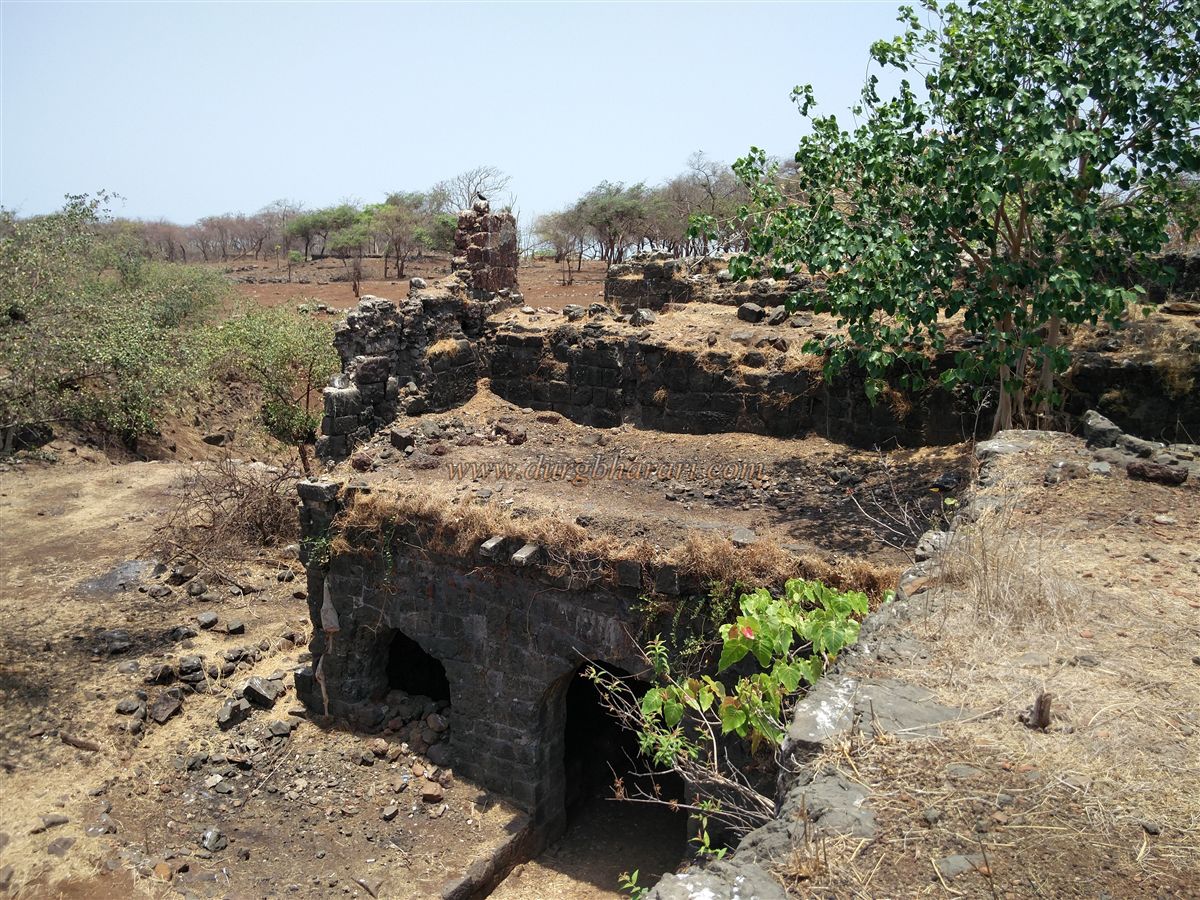
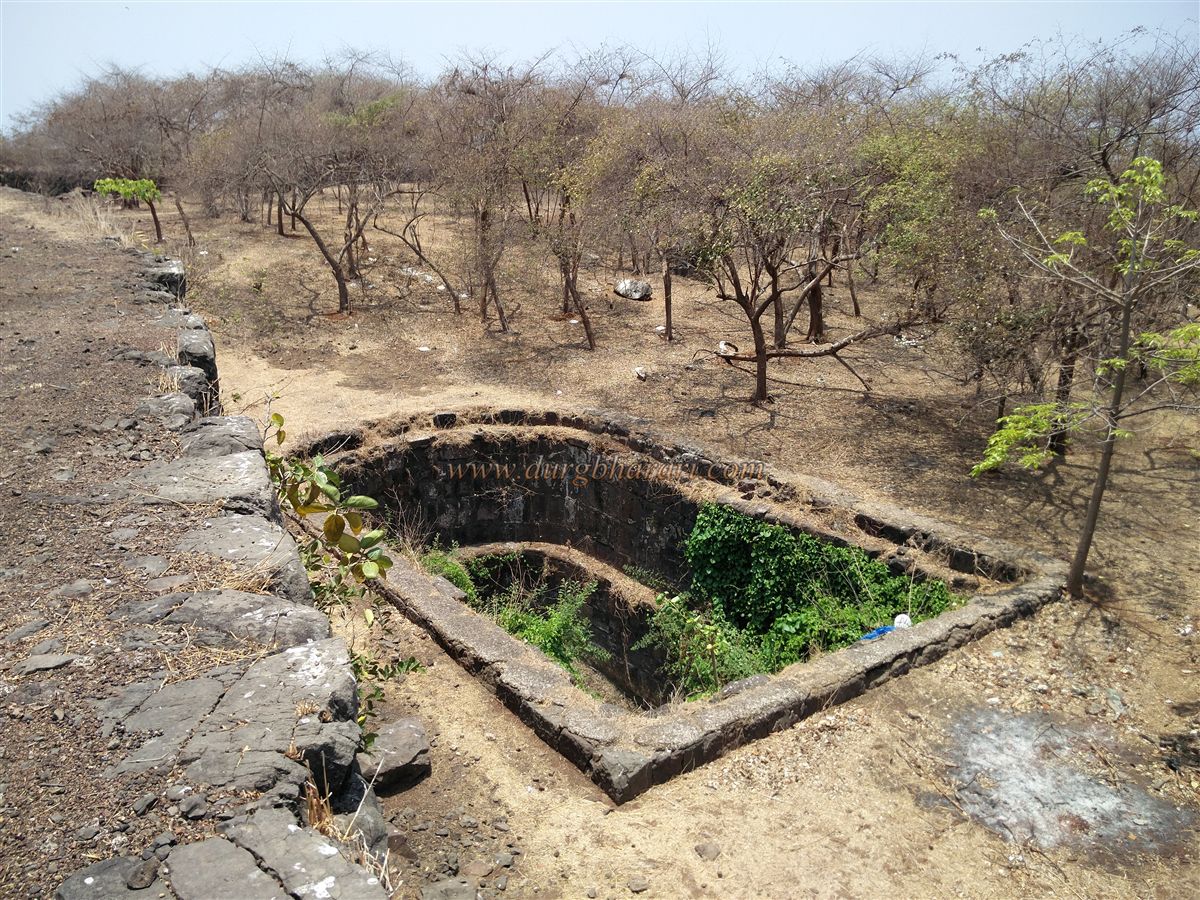
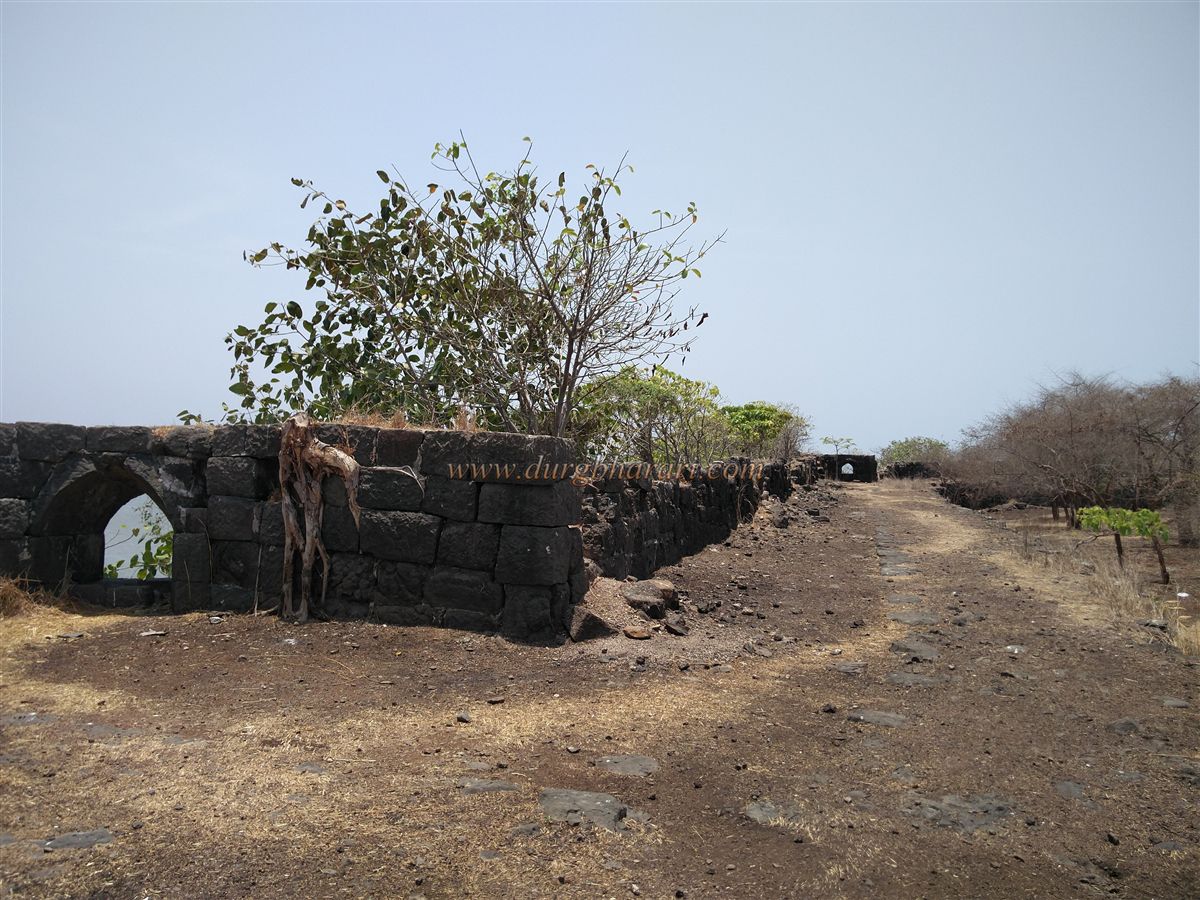
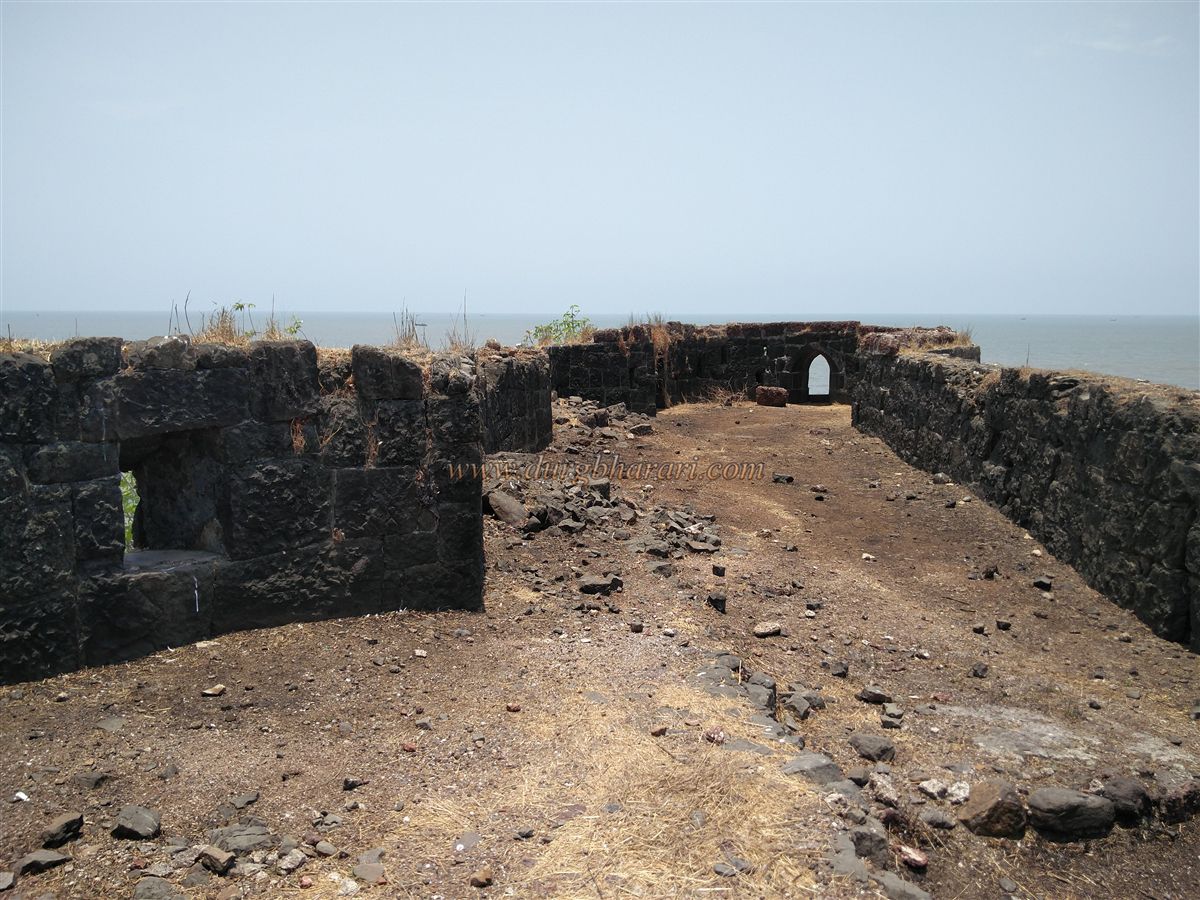
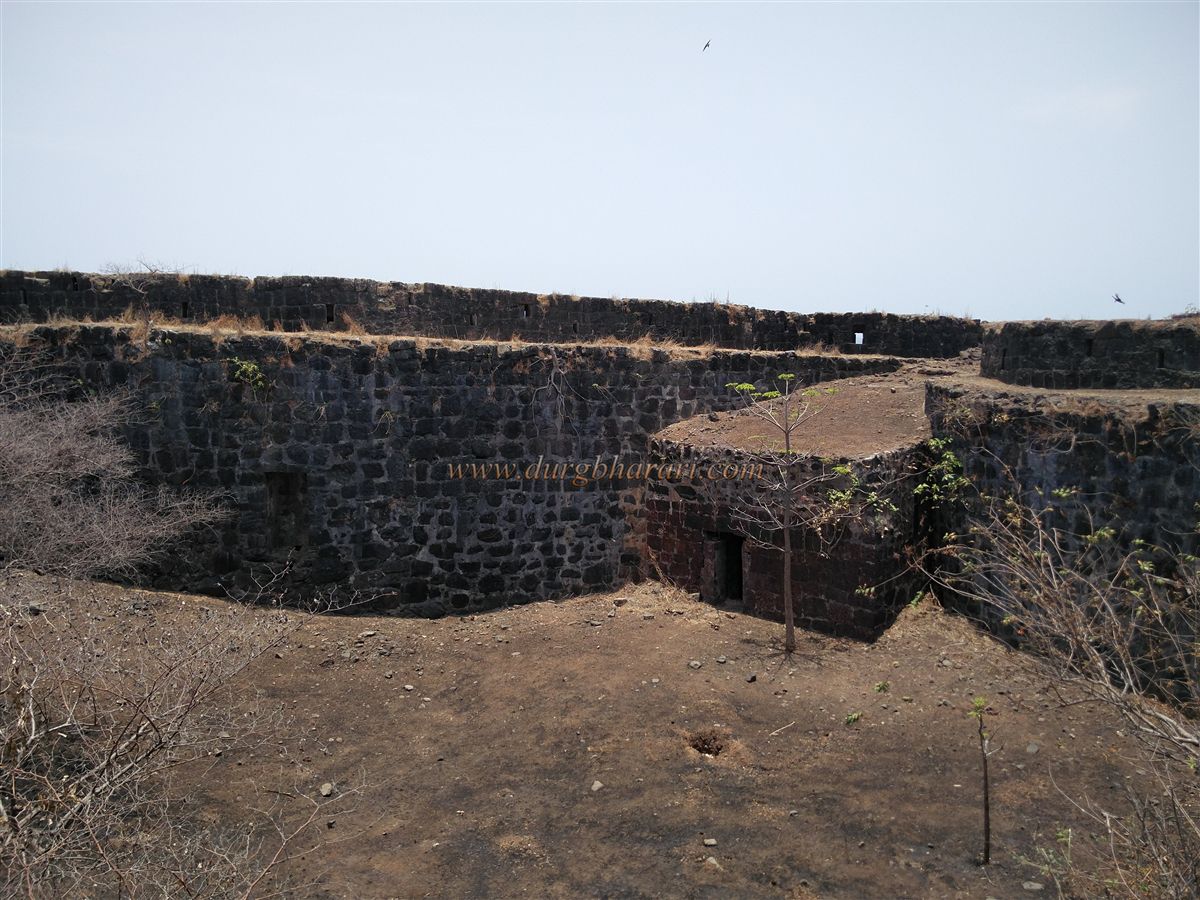
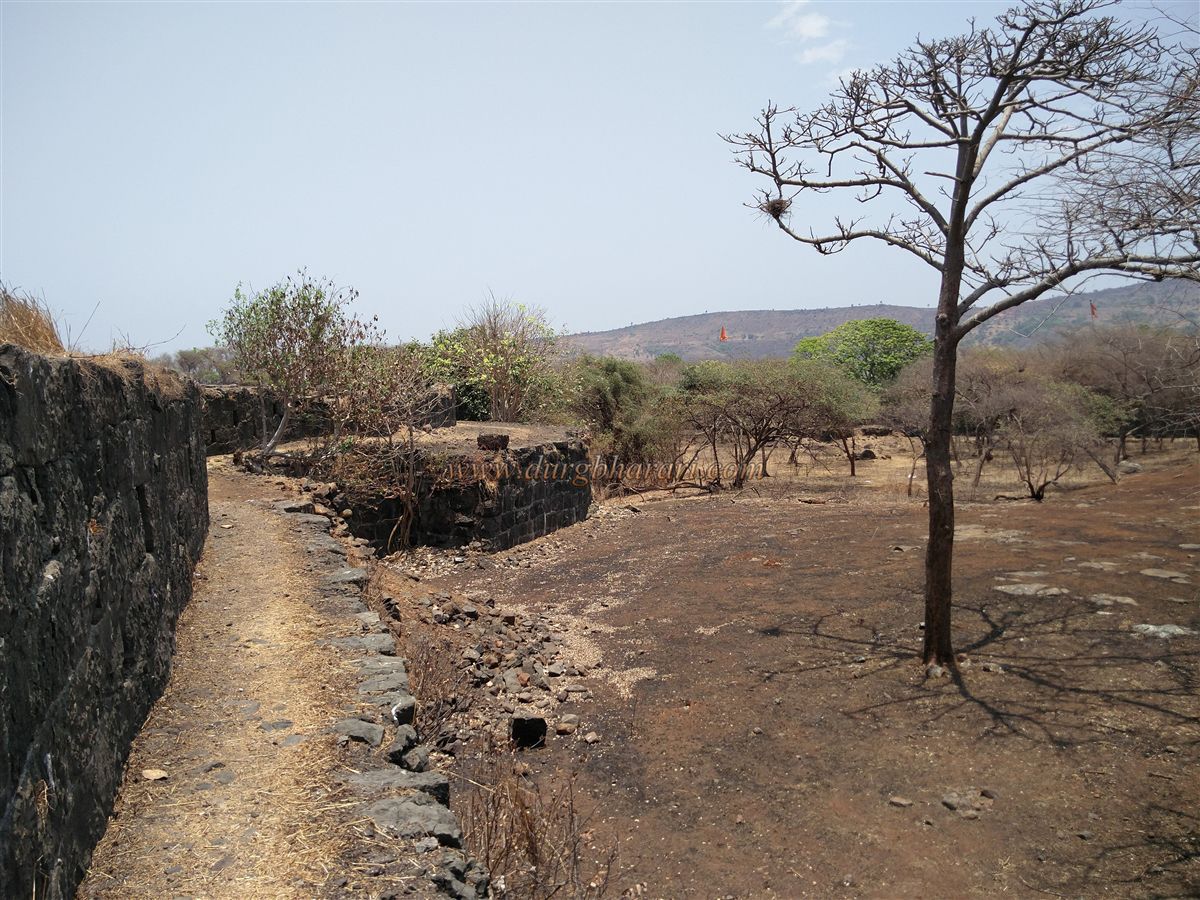
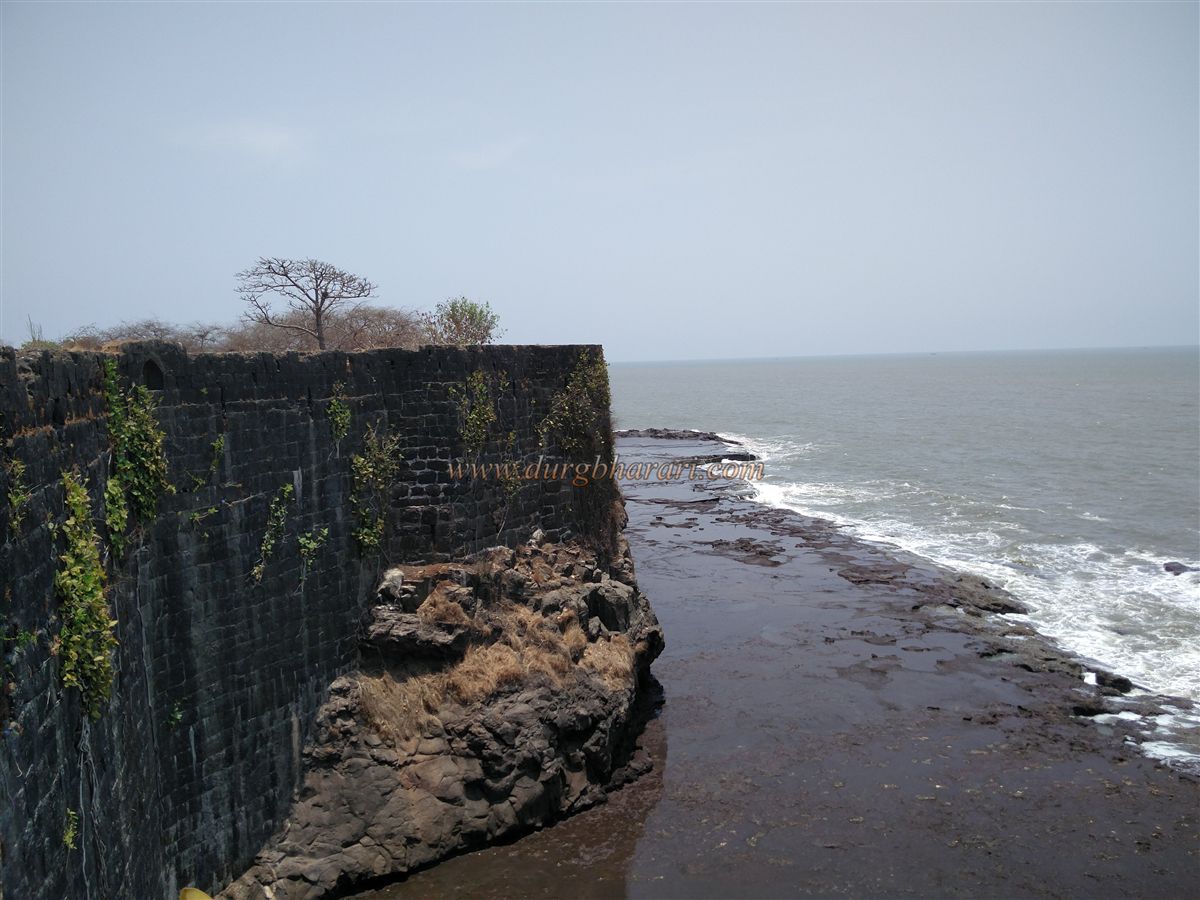
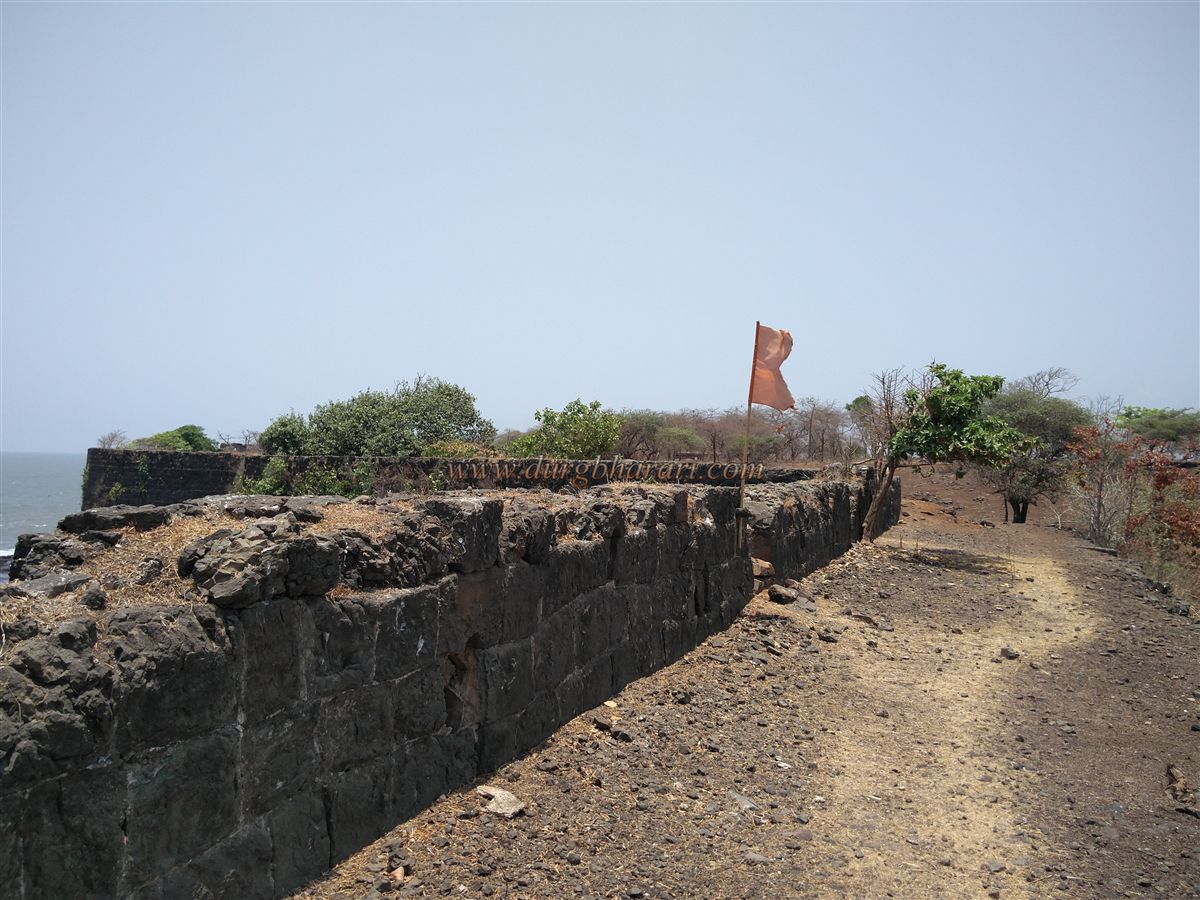
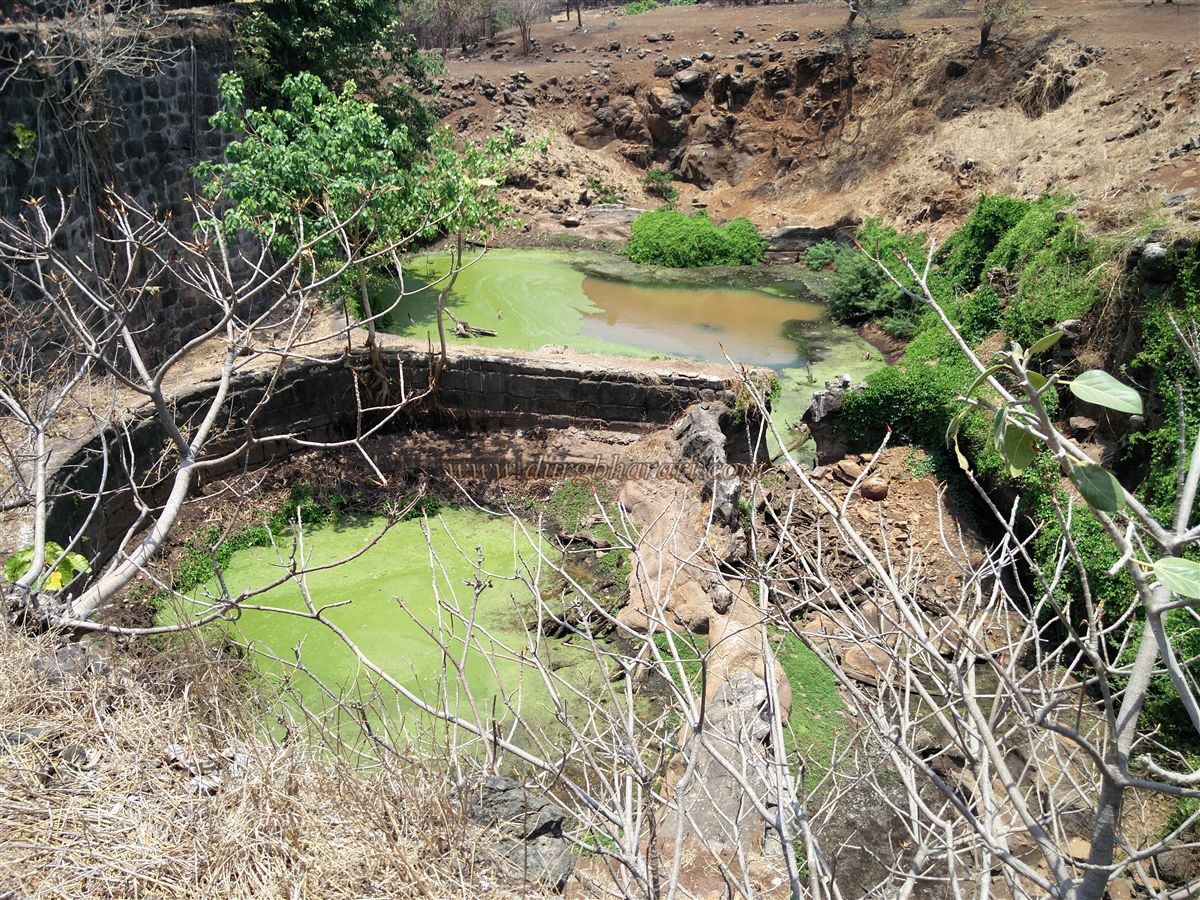
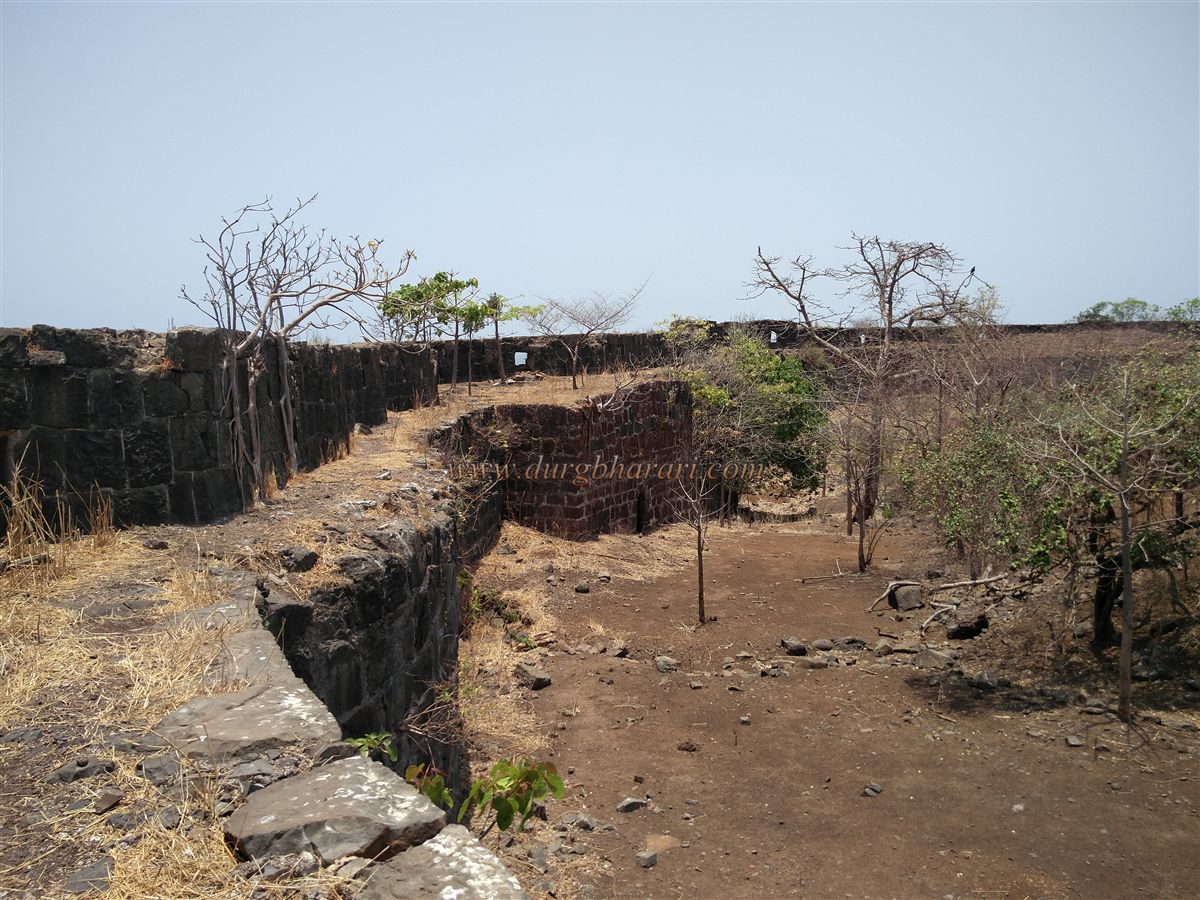
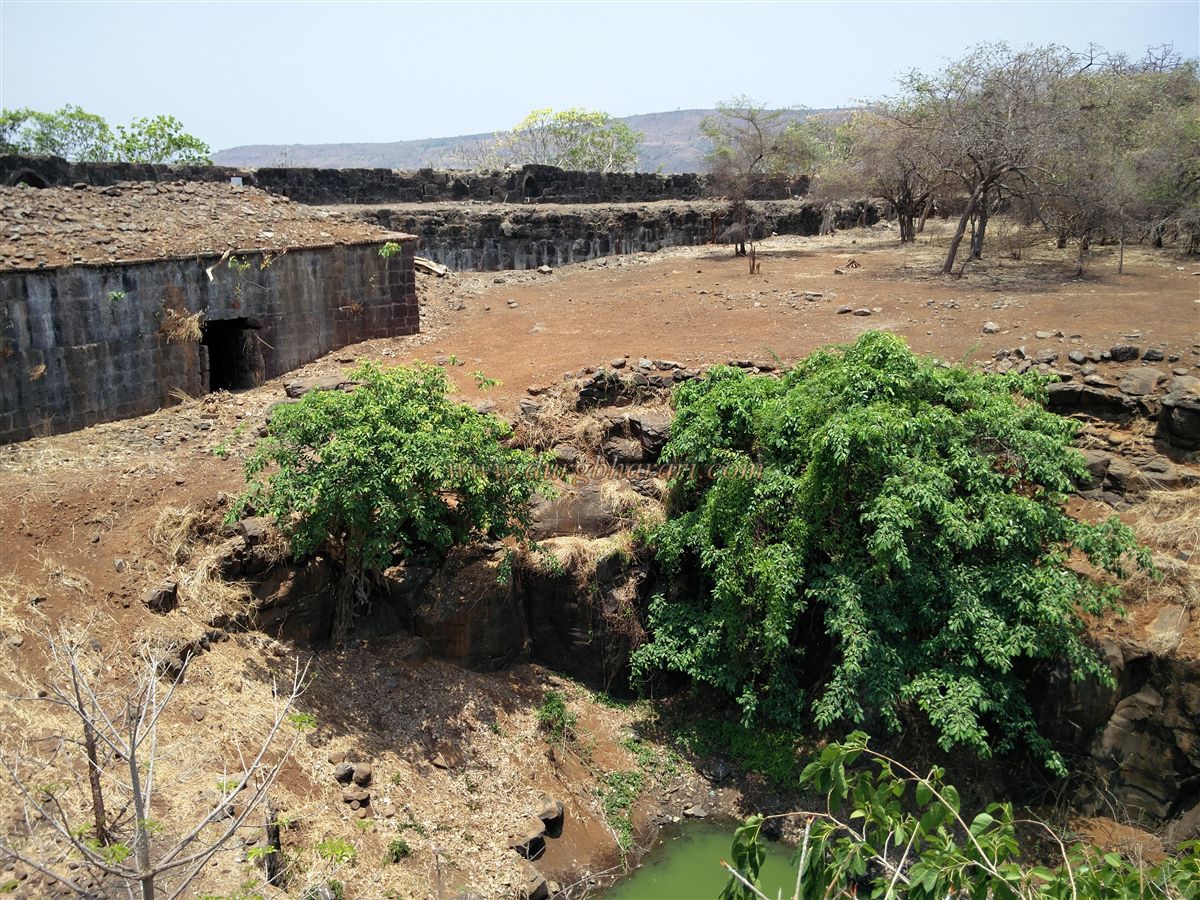
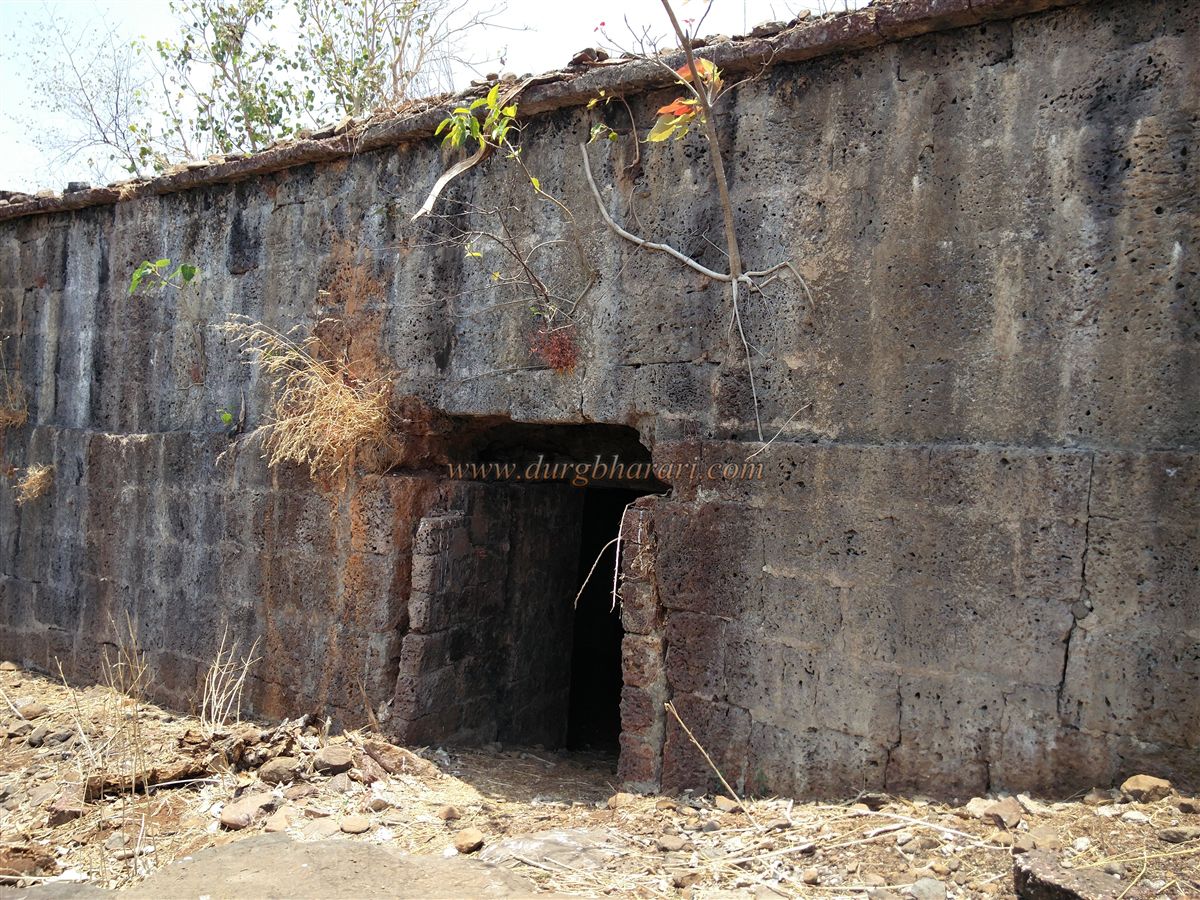
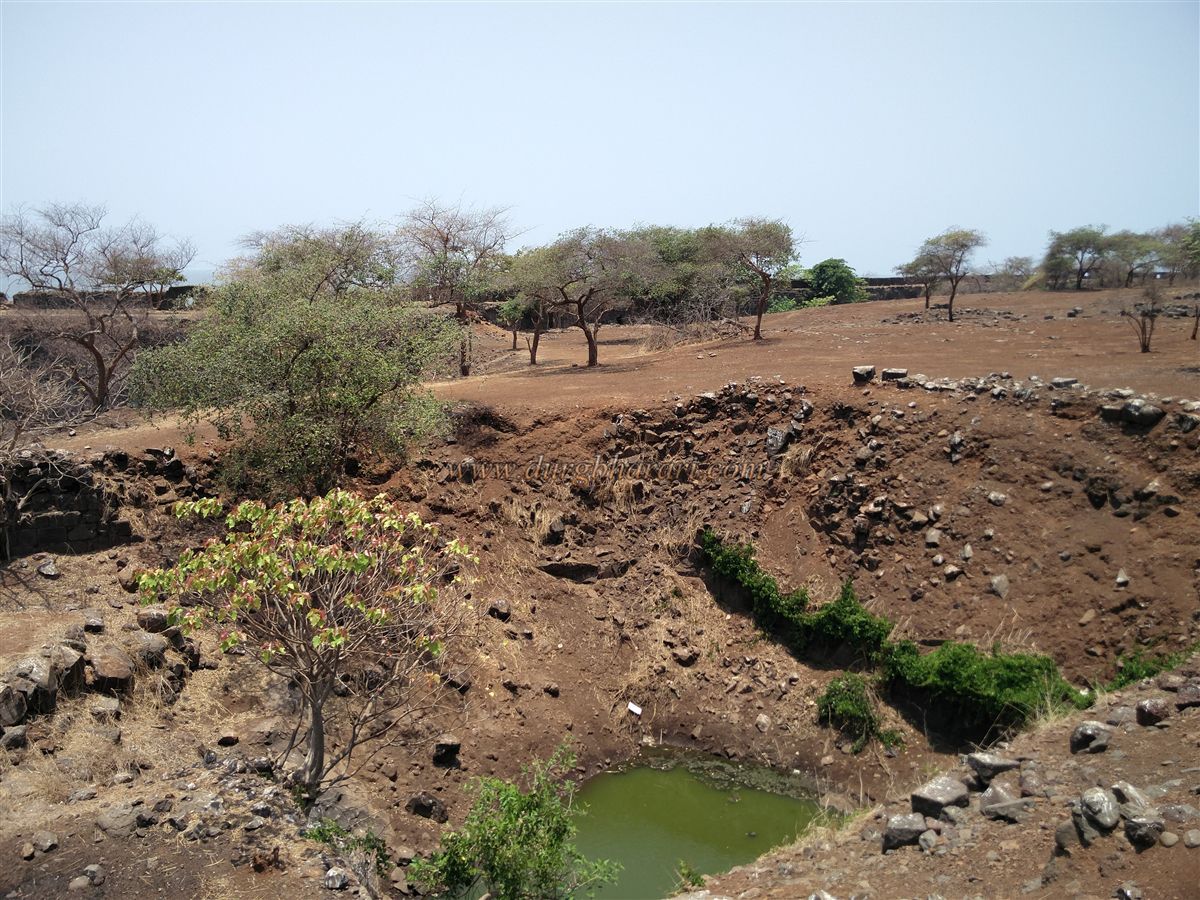
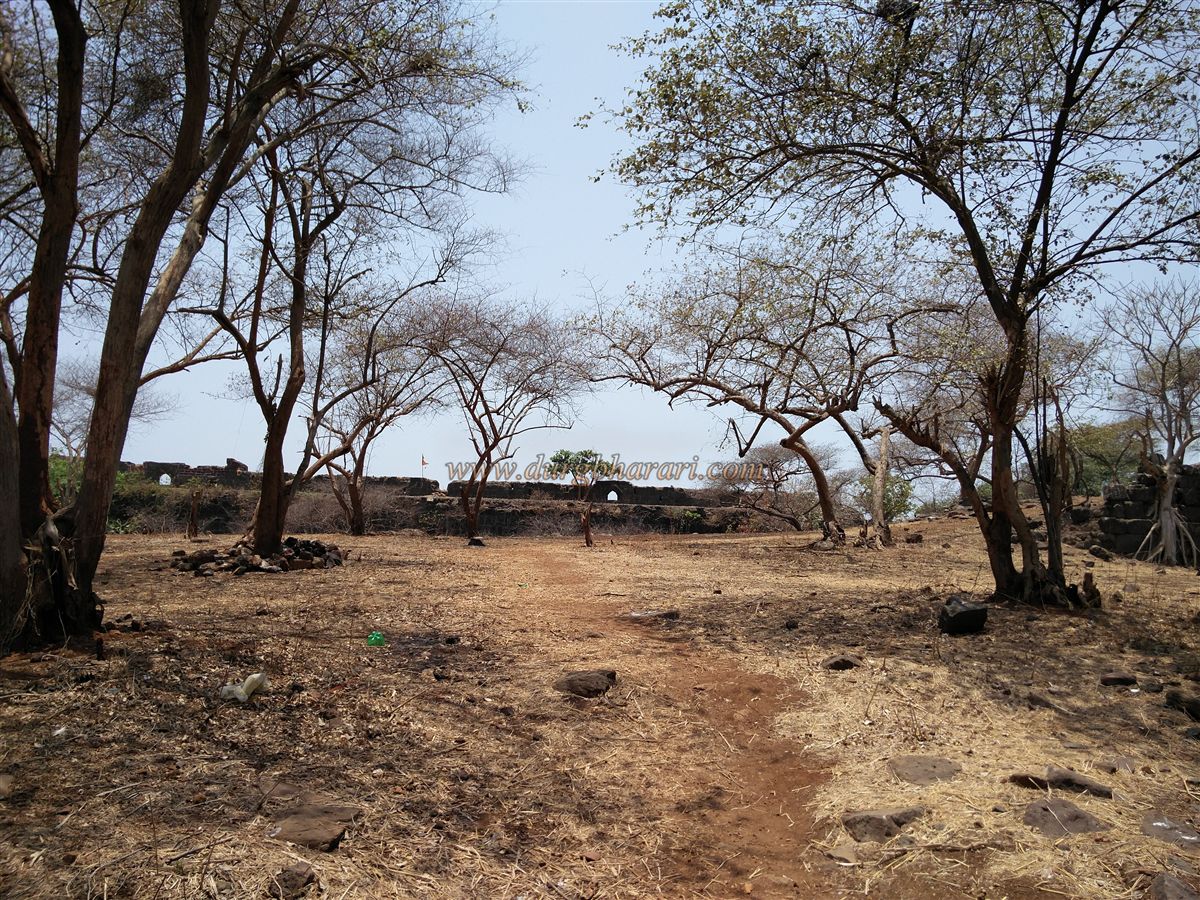
The fort covers an area of about 8 acres and has 15 bastions still intact. Though the fort has a well and rainwater storage tanks, there is currently no drinkable water. To the left of the entrance lies a well, and further ahead are the remains of a large mansion and two granaries built along the ramparts. Another granary stands near the southern wall. Walking along the ramparts, one can see the rainwater tanks with greenish water and the ruins of old mansions. On the western side is a beautiful and well preserved postern gate leading down to the sea, with the base of the fort lying about ten feet below. Nearby, another tank is built for collecting rainwater.
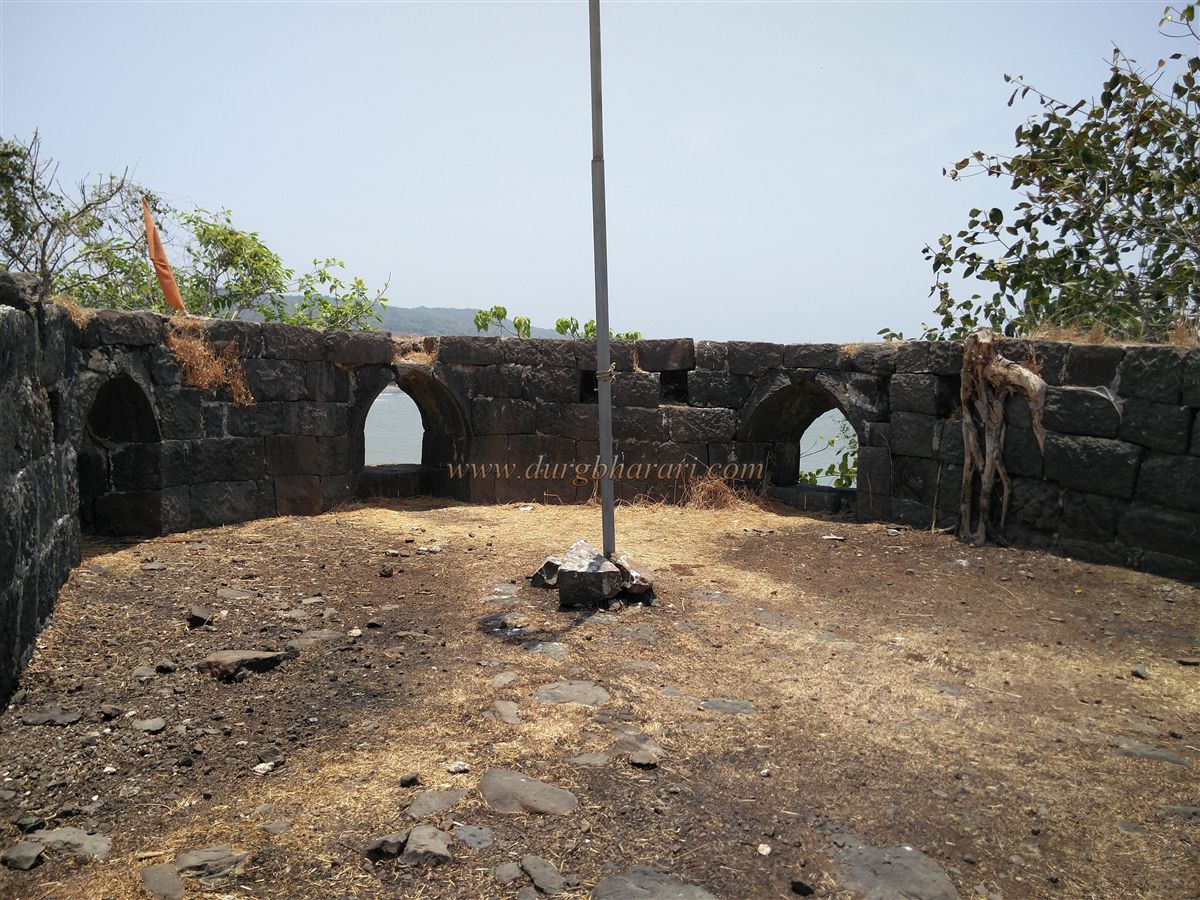
From the bastion at the southwest corner, the auxiliary forts of Kanakdurg, Fattegad, and Goa Fort on Harnai’s shore are clearly visible. At the northwest corner are a water cistern, an ammunition store, and the ruins of another structure. The fort has one well, one cistern, and four tanks, but no temple. Historical accounts reveal that the family deity of Kanhoji Angre, Kalambika Devi, once enshrined here, was later relocated to Hirakot at Alibaug.
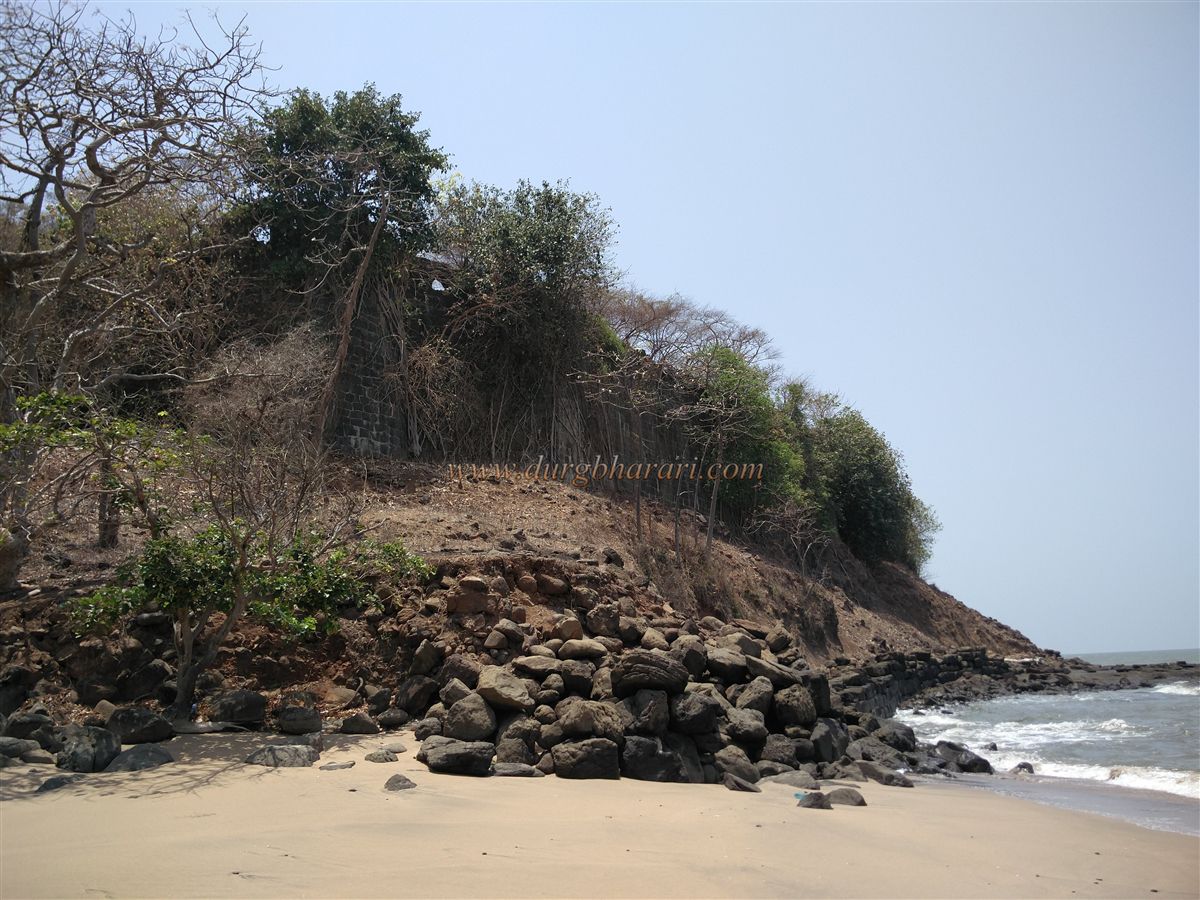
The island rock surrounding the fort has been leveled by the sea over time, with the fort itself built on its central elevated section. Recently, the Archaeological Department has begun clearing the premises, making exploration somewhat easier, though walking along the walls still requires effort. A full tour of the fort takes around two hours.
Harnai was a famous port in ancient times, and different dynasties built forts here for its protection. Initially constructed by the Shilaharas, the fort came under Adilshahi control in the 16th century. Around 1660, Maynak Bhandari brought Suvarnadurg under the Maratha realm. Shivaji Maharaj repaired the fort and established a naval base here, evidence of which can be seen in its concealed entrance gates.
During the reign of Rajaram Maharaj, Kanhoji Angre foiled the treachery of the fort commander. In 1688, Mughal commander Siddi Qasim laid siege to the fort, and Achaloji Mohite, the fort commander, defected to the Mughals. A young warrior on the fort, realizing this, captured the commander with the help of his comrades and launched a counter attack on the Mughals. Though the attack failed and he was captured, the youth escaped Mughal captivity by swimming back to the fort. This act inspired his fellow defenders, who held the fort until the monsoon, forcing Siddi to lift the siege. This young warrior later became celebrated as the “Shivaji of the Sea”—Kanhoji Angre.
In 1696, Kanhoji Angre established his naval headquarters here, and in 1713, after pledging allegiance to Chhatrapati Shahu Maharaj, the fort remained under his command. Kanhoji used Suvarnadurg as a stronghold to dominate the Arabian Sea. Later, under his successor Tulaji Angre, the fort became a significant power center.
When conflict arose between Tulaji and the Peshwas, the latter sought British help to subdue him. Commander William James led the British forces, assisted by Peshwa general Ramajipant from Kalyan. In March 1755, a joint Peshwa British force attacked Suvarnadurg. At that time, the fort had 50 cannons. On 22 March, James launched the assault with 44 cannons and 16 guns, supported by 10,000 Peshwa troops. The battle lasted from 25 March to 2 April 1755, ending in Tulaji Angre’s defeat. Commander James captured the fort and handed it over to the Peshwas, who, in return for British assistance, ceded the fort of Bankot to them.
In 1802, fearing Yashwantrao Holkar, Bajirao II fled Pune and briefly sought refuge at Suvarnadurg, leaving his family there before moving to Vasai under British protection. In November 1818, Colonel Kennedy, Captain Capel, and Lieutenant Dominiset captured the fort with just 50 soldiers and 30 sailors. English records note repairs to the fort walls in 1862. By the late 19th century, the British abandoned the base, leading to the deterioration of its structures.
Once a stronghold that witnessed key chapters of Maratha naval history, Suvarnadurg today stands in a state of neglect.
© Suresh Nimbalkar
GALLERY