SURAT
TYPE : GROUND FORT
DISTRICT : SURAT
HEIGHT : 0
GRADE : EASY
While reading the chronicles of Shivaji Maharaj, we often come across thrilling episodes. One such fascinating event is his plunder of the city of Surat, located about 300 km away from Rajgad. In January 1664, Shivaji Maharaj launched an attack on Surat, a city renowned for its wealth under Mughal rule, plundered it, and dealt a severe blow to the prestige of the Mughal court. Reading about this incident naturally arouses curiosity about the city of Surat. It is particularly surprising that, despite having a fort, the local Mughal governor of Surat neither resisted nor was able to defend the city. This very curiosity drove me to explore Surat Fort and other nearby forts.
Being an important city in the country, Surat is well connected by rail and road to several major cities. Surat Fort is only about 3 km from the railway station.
...
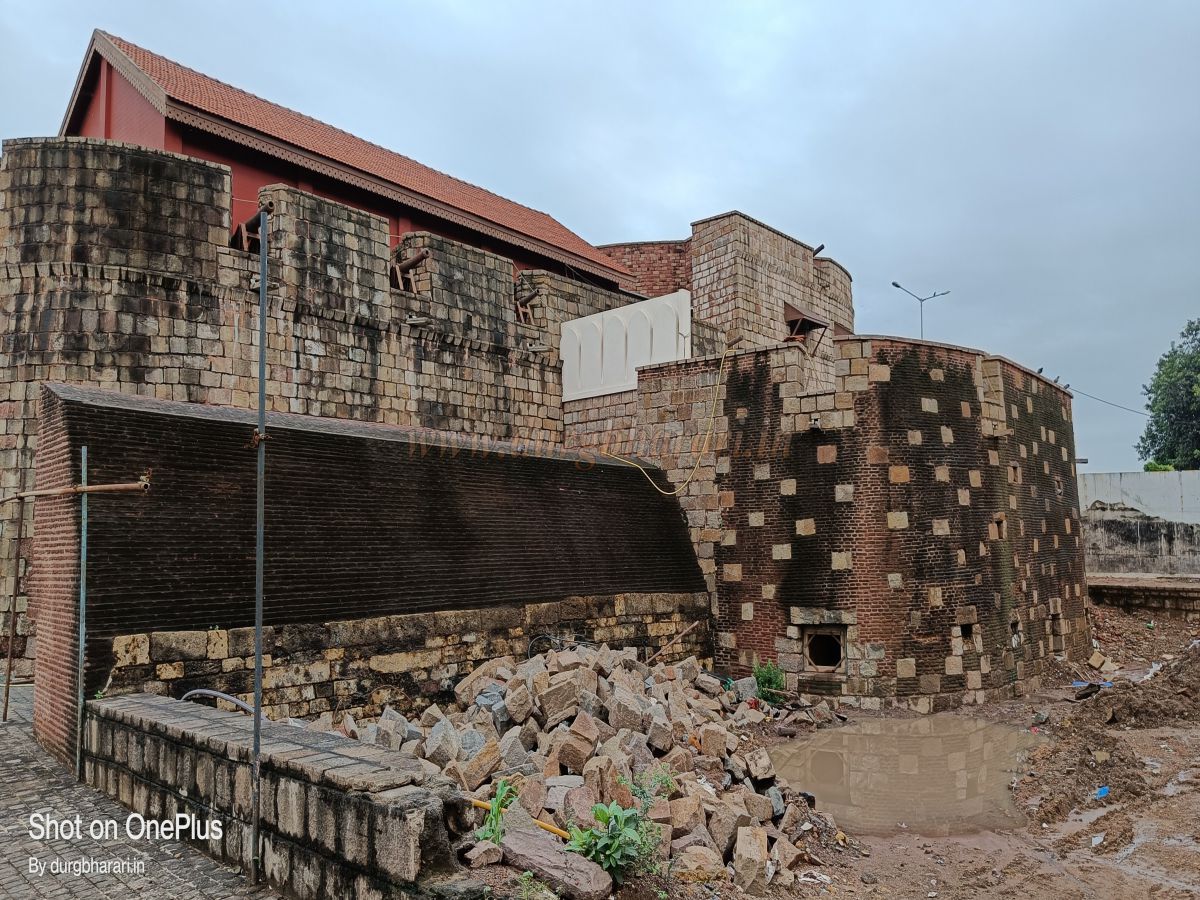
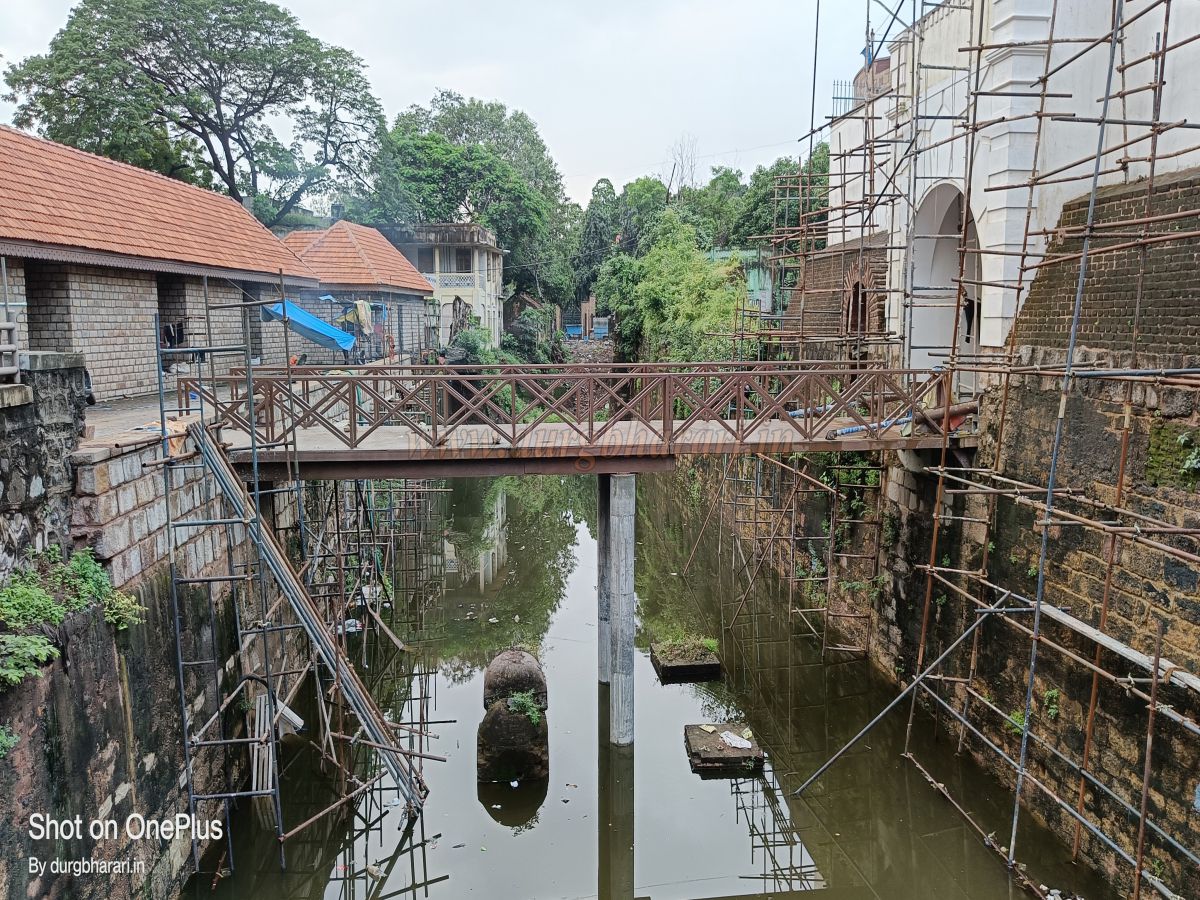
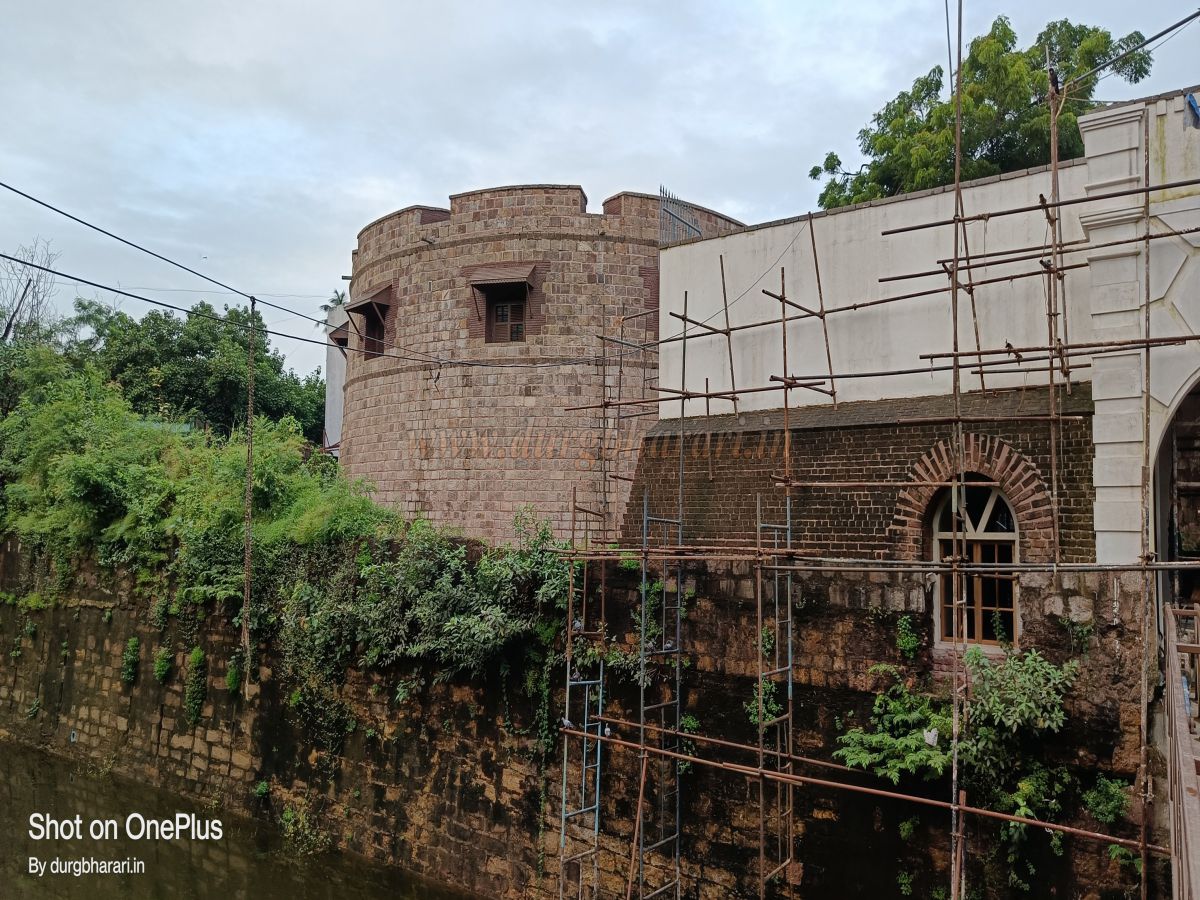
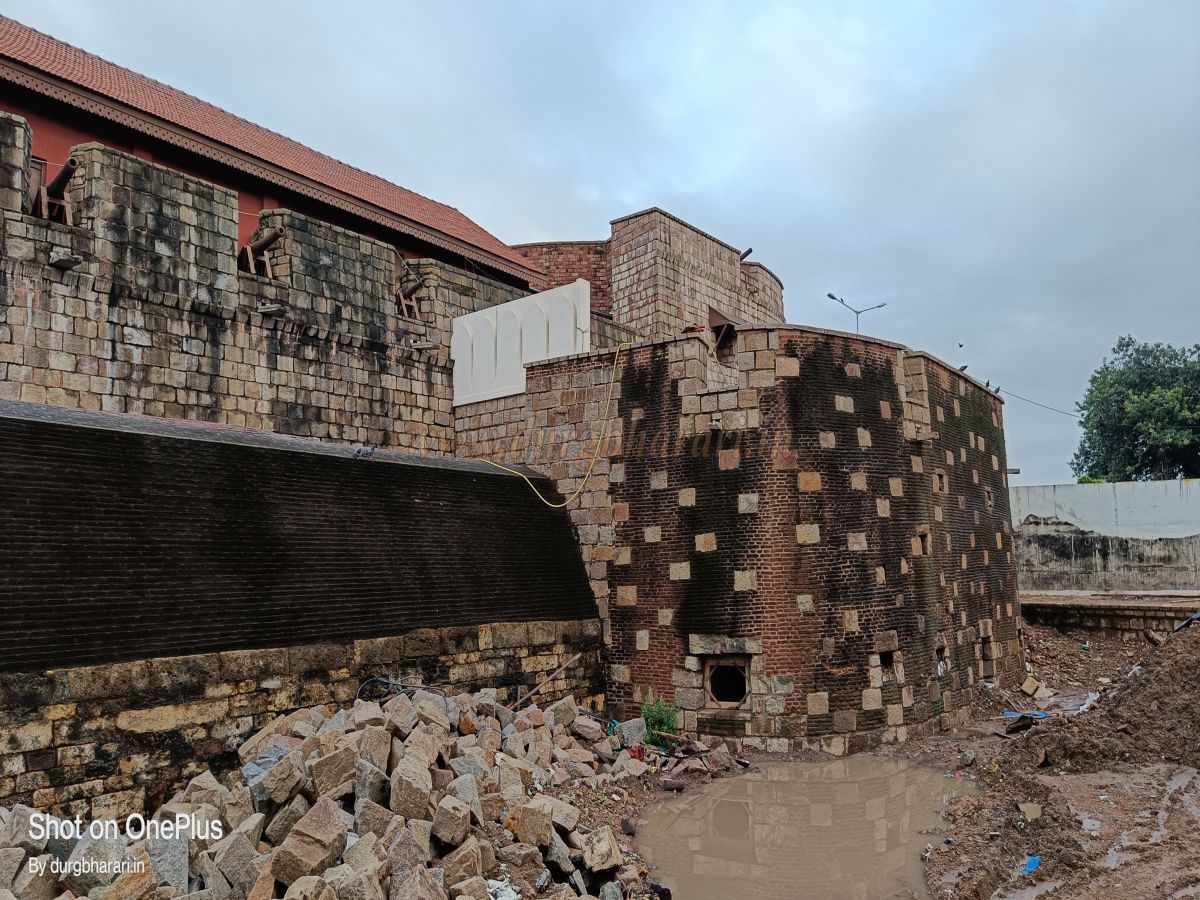
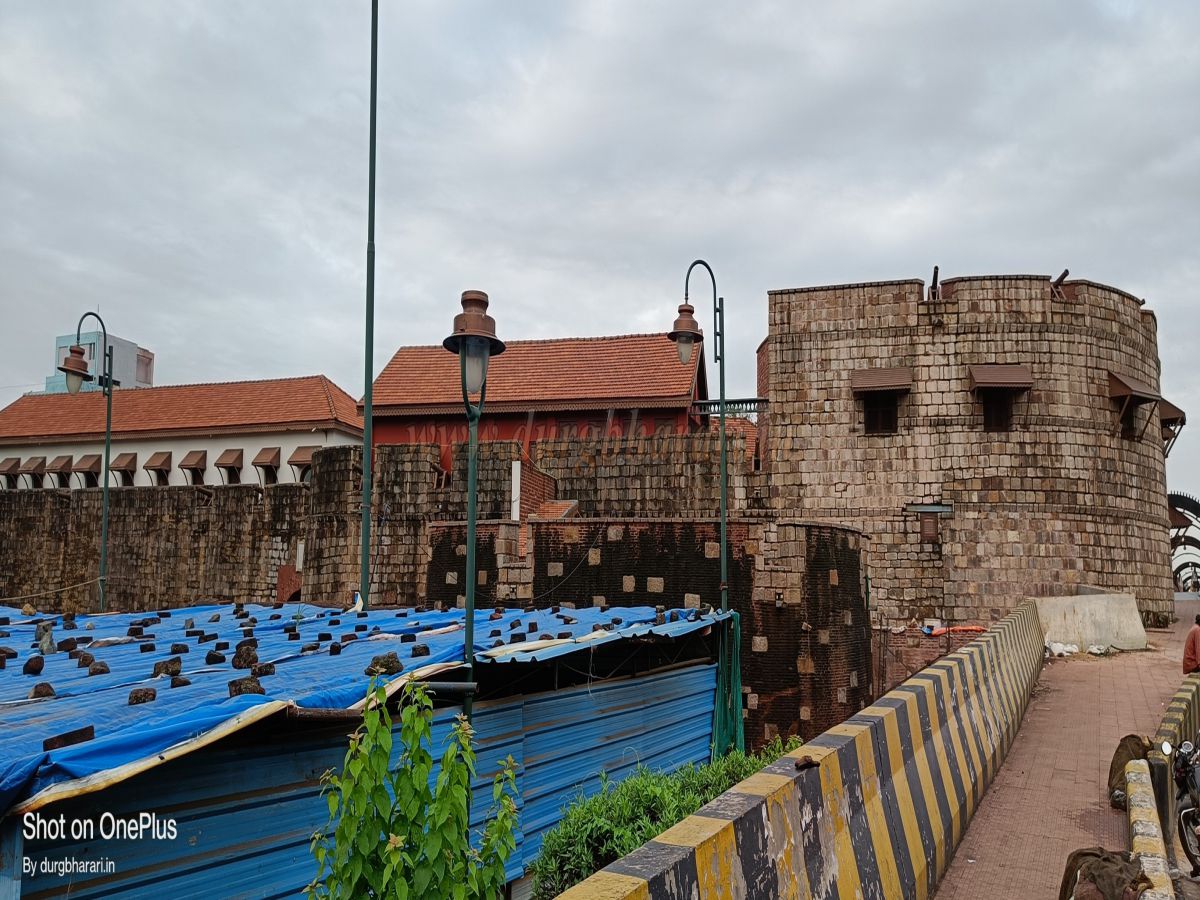
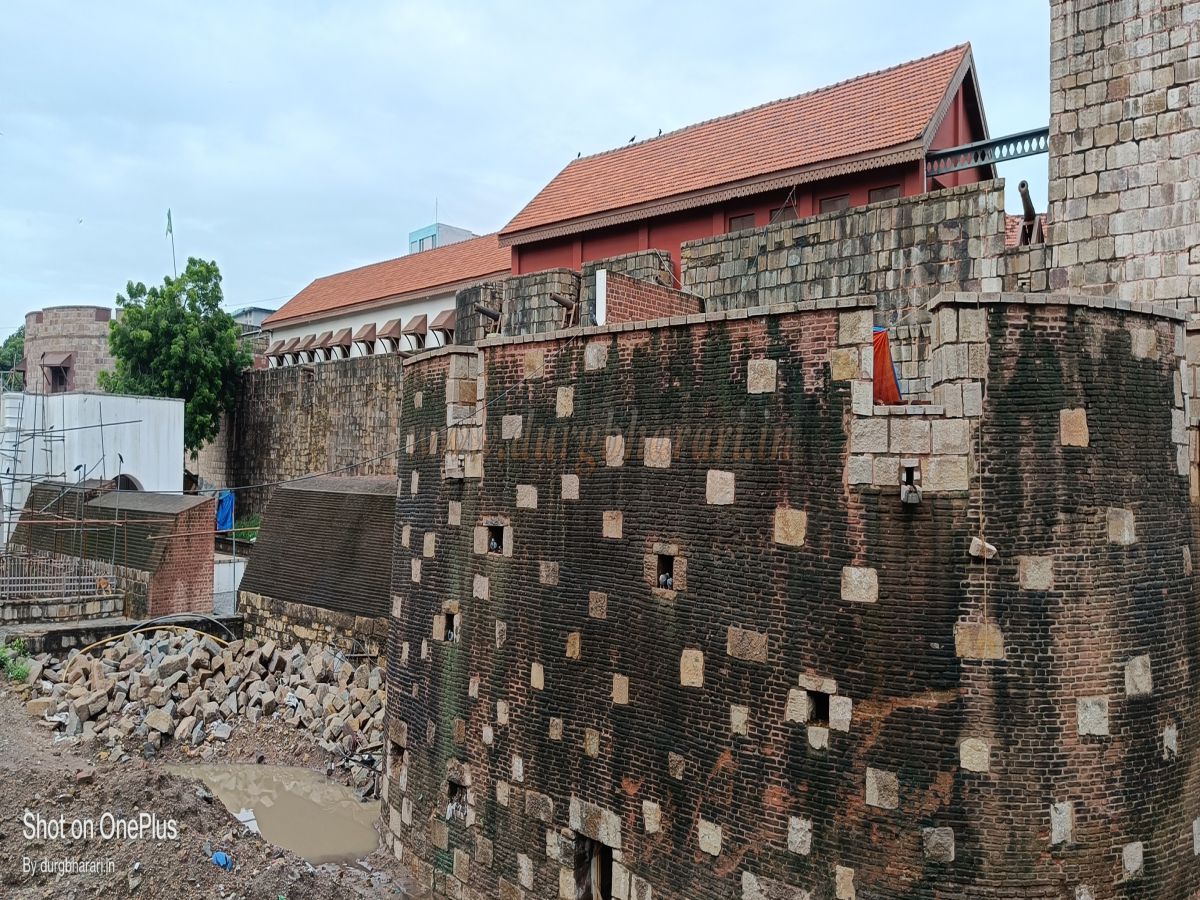
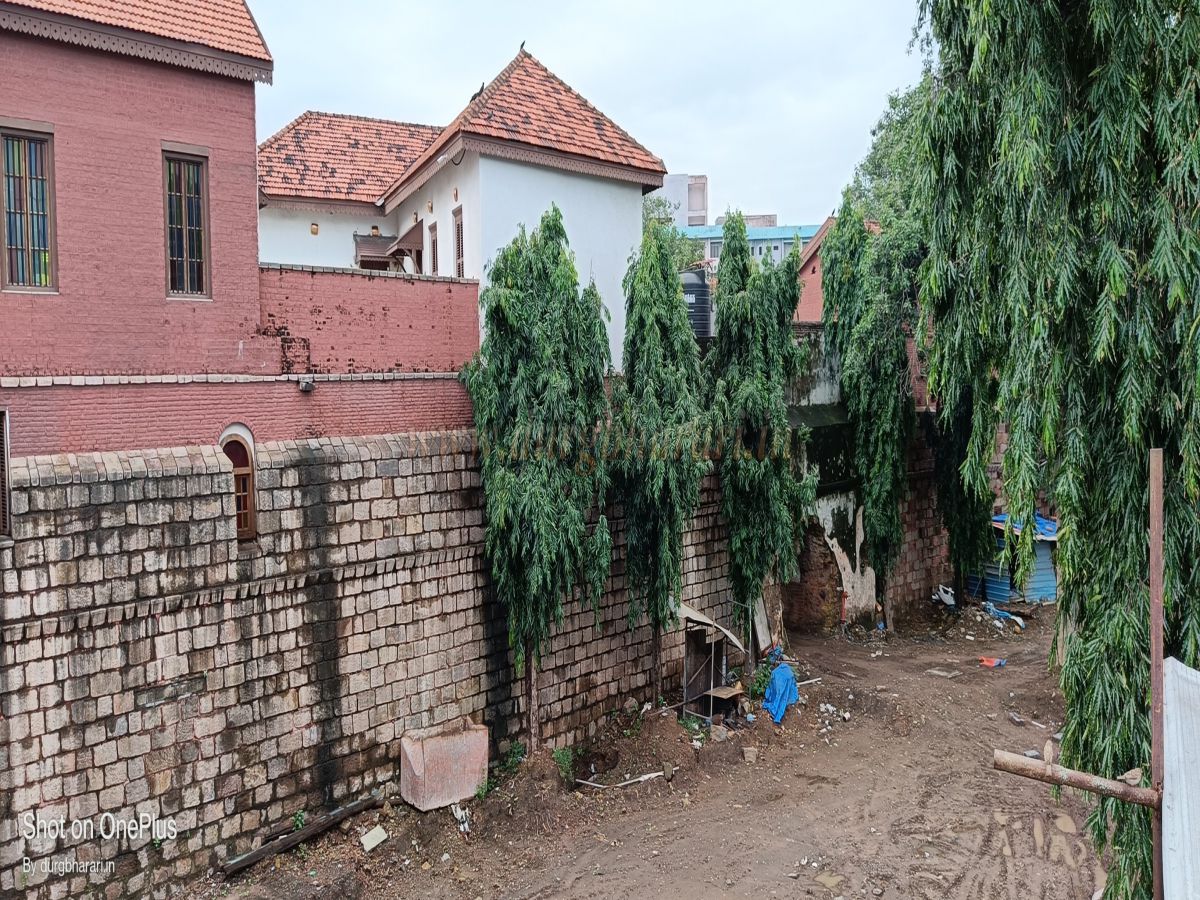
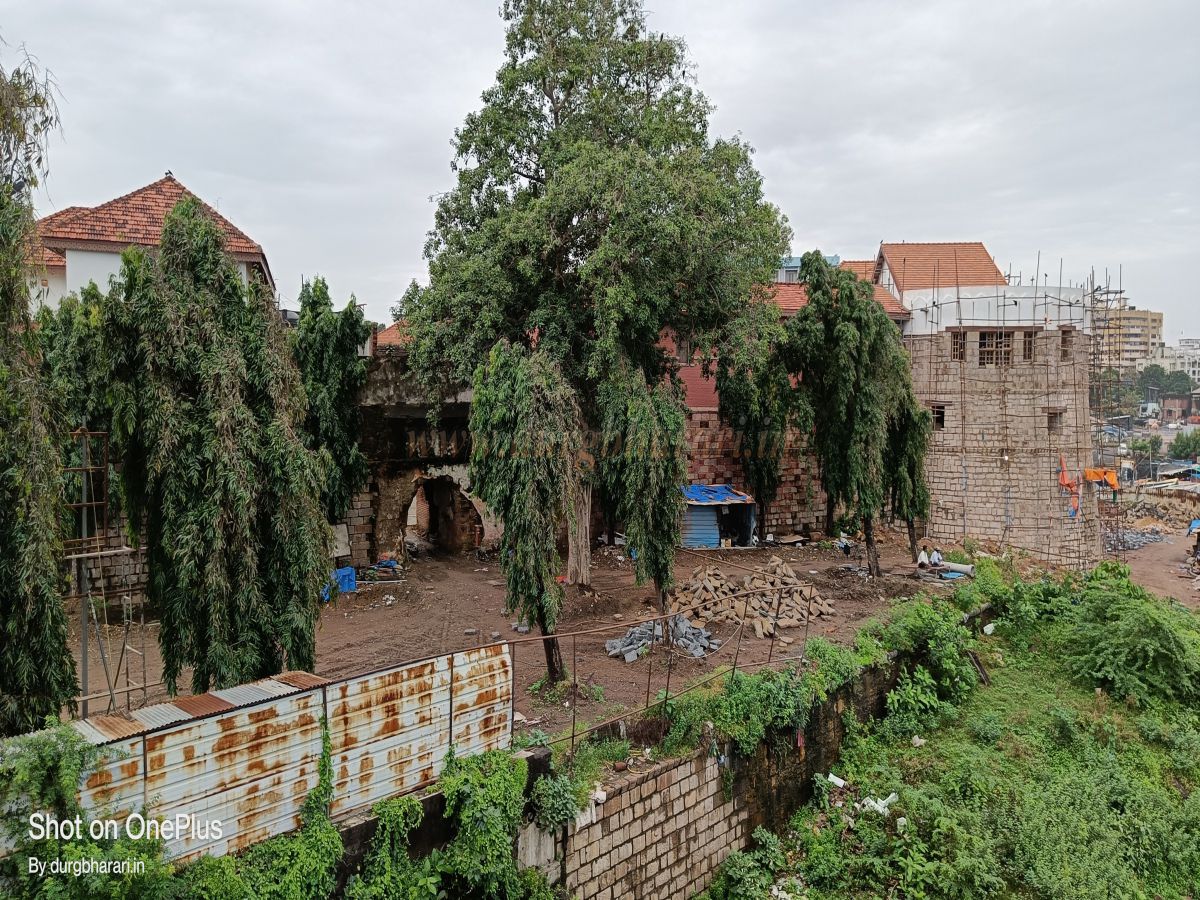
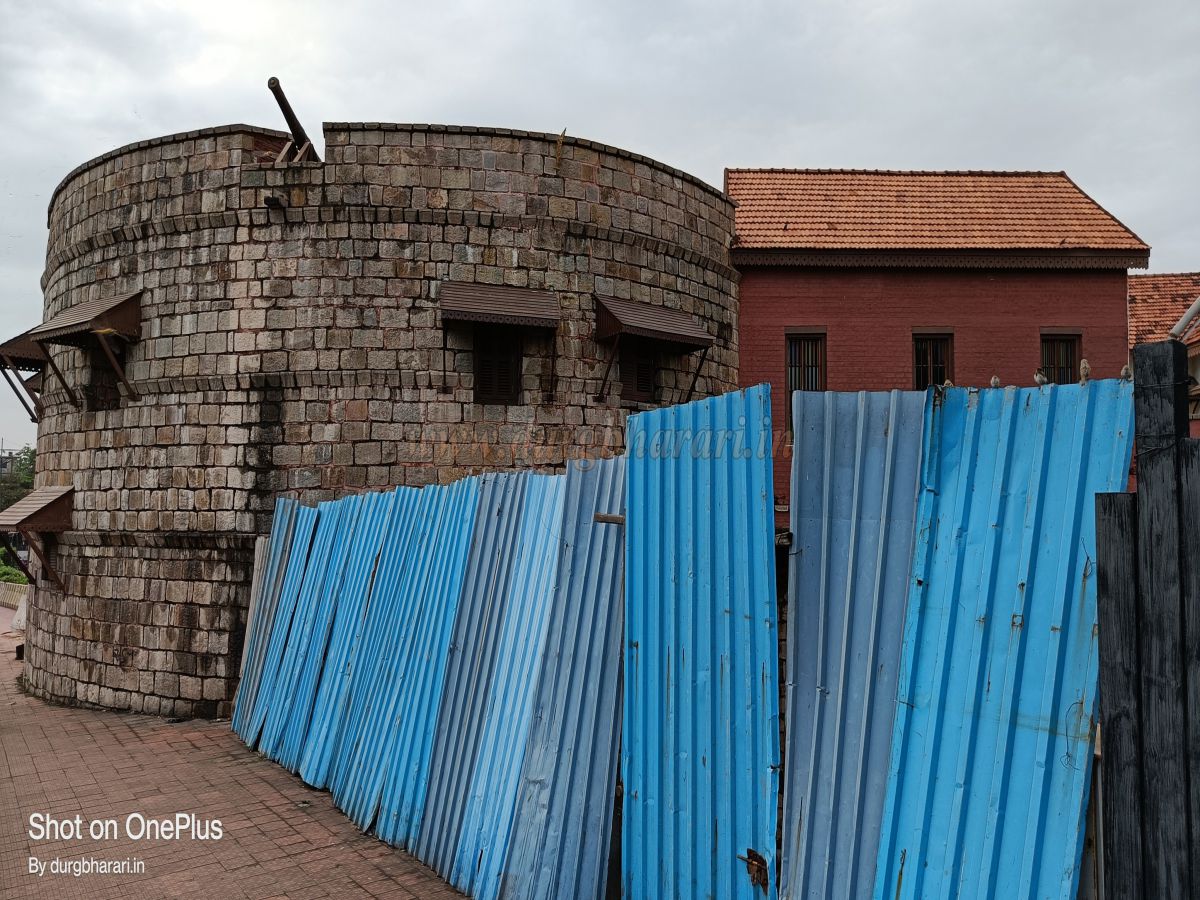
Due to periodic maintenance, the fort remains in good condition even today. Built on the banks of the Tapi River, the fort is surrounded on the landward side by a 50-foot-wide and equally deep moat. Before entering the fort, one should walk across the bridge and explore the rear section of the fort. On this side, there once stood a dock for anchoring boats, though the rounded bastion near it is now in a dilapidated state and overgrown with vegetation. A small gate near the dock provides access to the fort from this side.
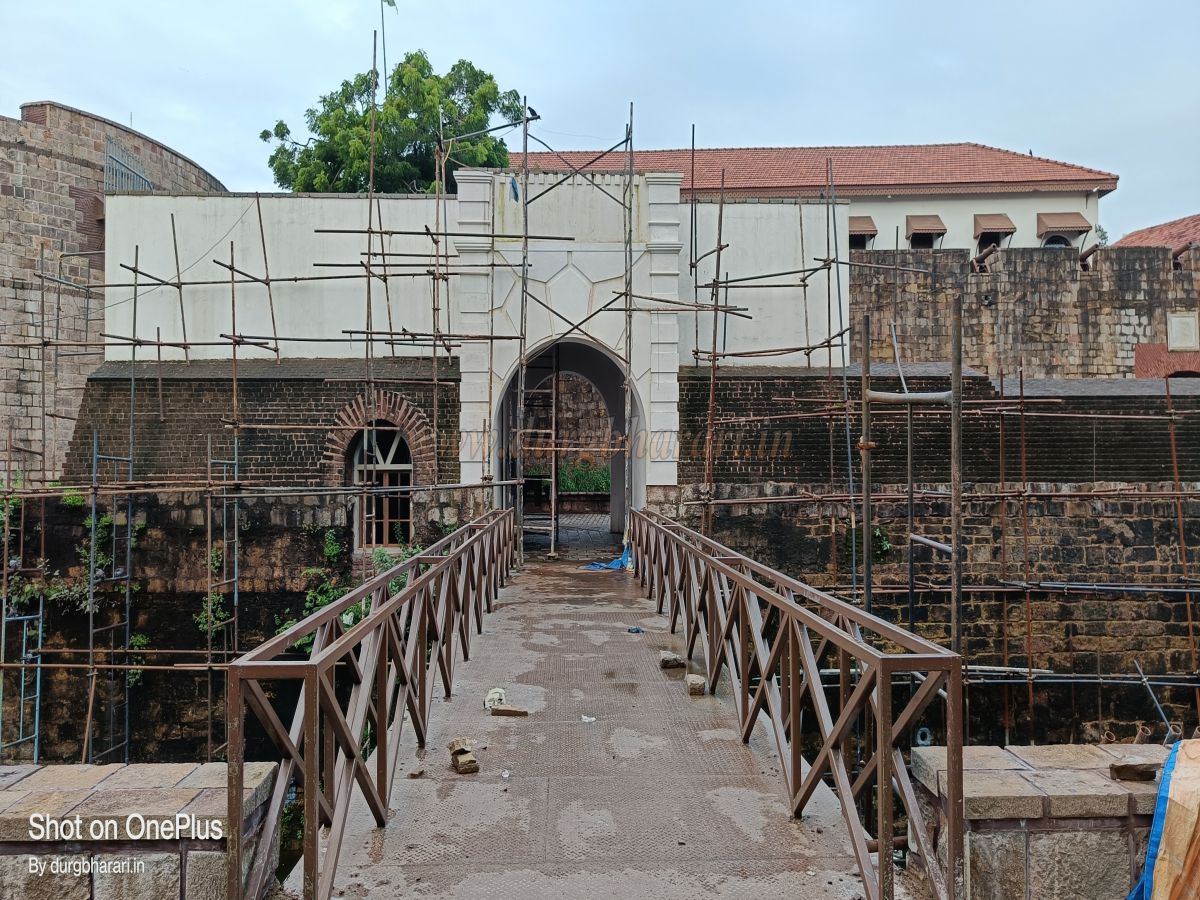
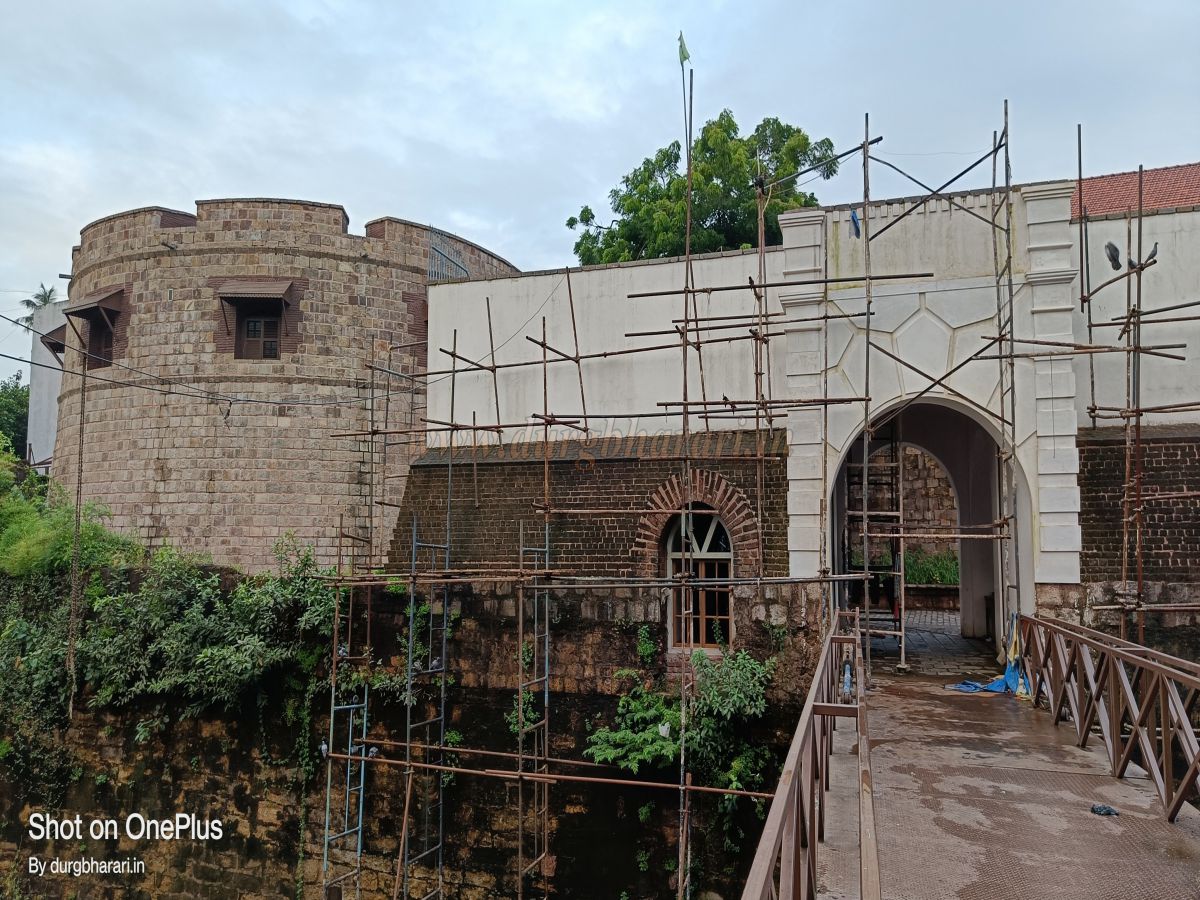
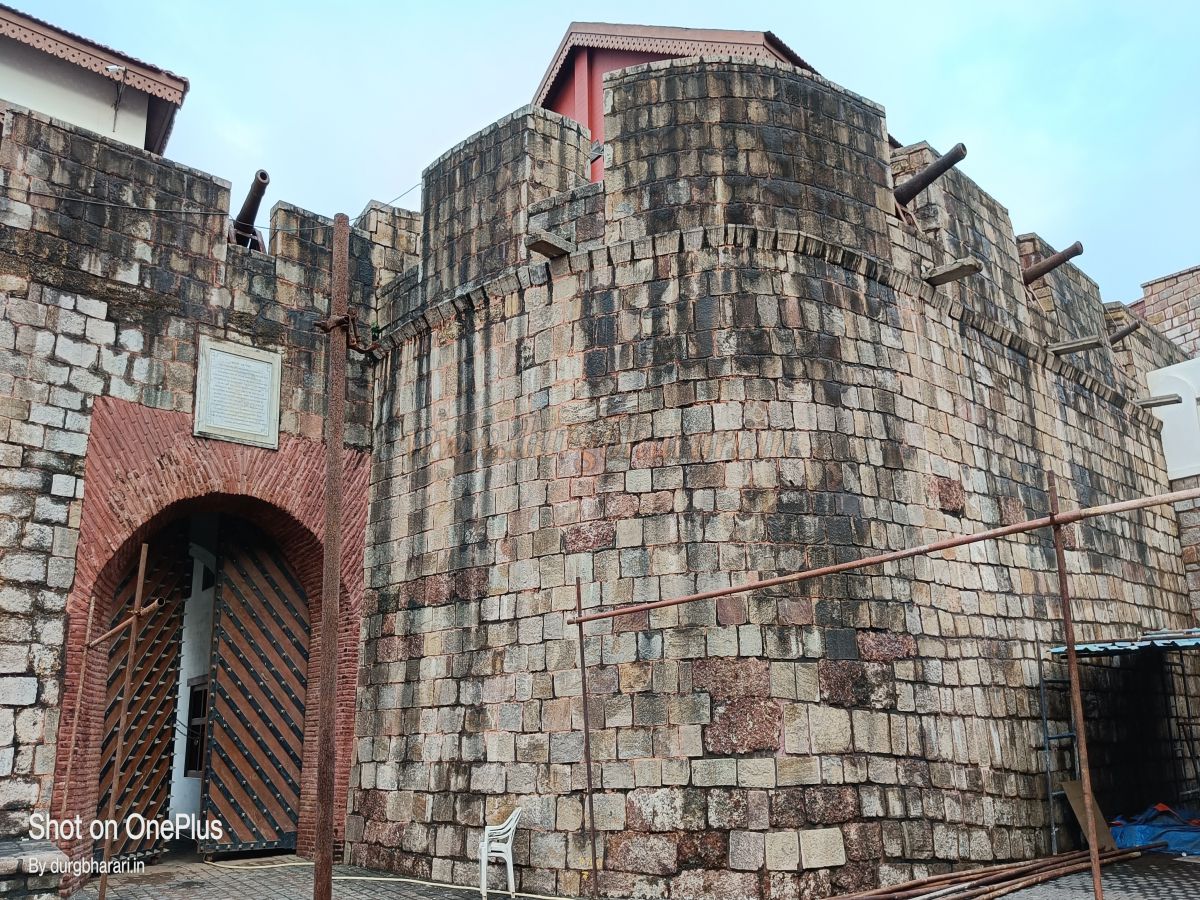
After examining the rear, one can approach the main entrance. Inside the fort, government offices and a museum are located, and an entry fee is charged. A new bridge has been constructed over the moat at the main north-facing gate, but this was not the original entrance. To the left of this bridge is another smaller bridge, which leads to the fort’s actual original entryway. This smaller bridge was also constructed later, but beneath it, one can still see the stone pillars of the original structure. Upon crossing this bridge, passing through a small external gate, and turning right, one reaches the fort’s main entrance.
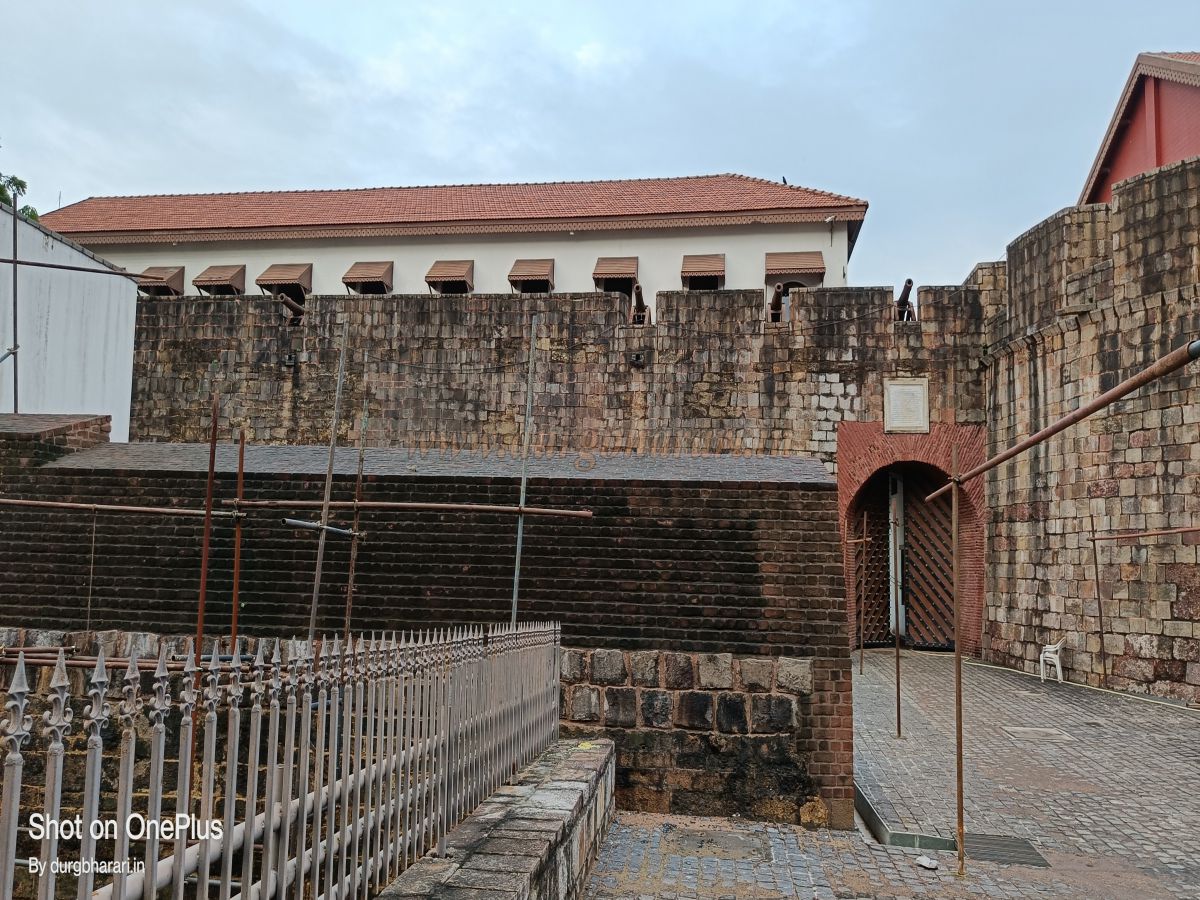
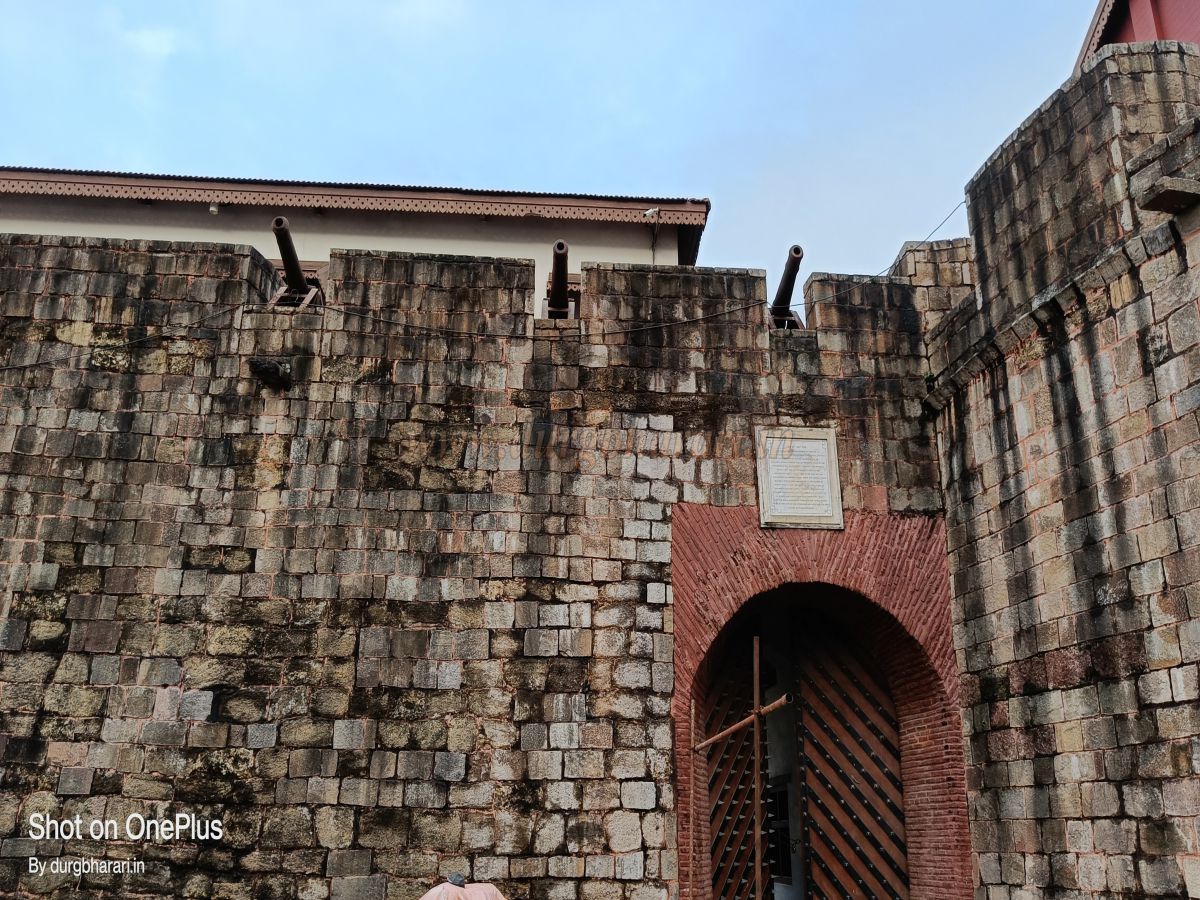
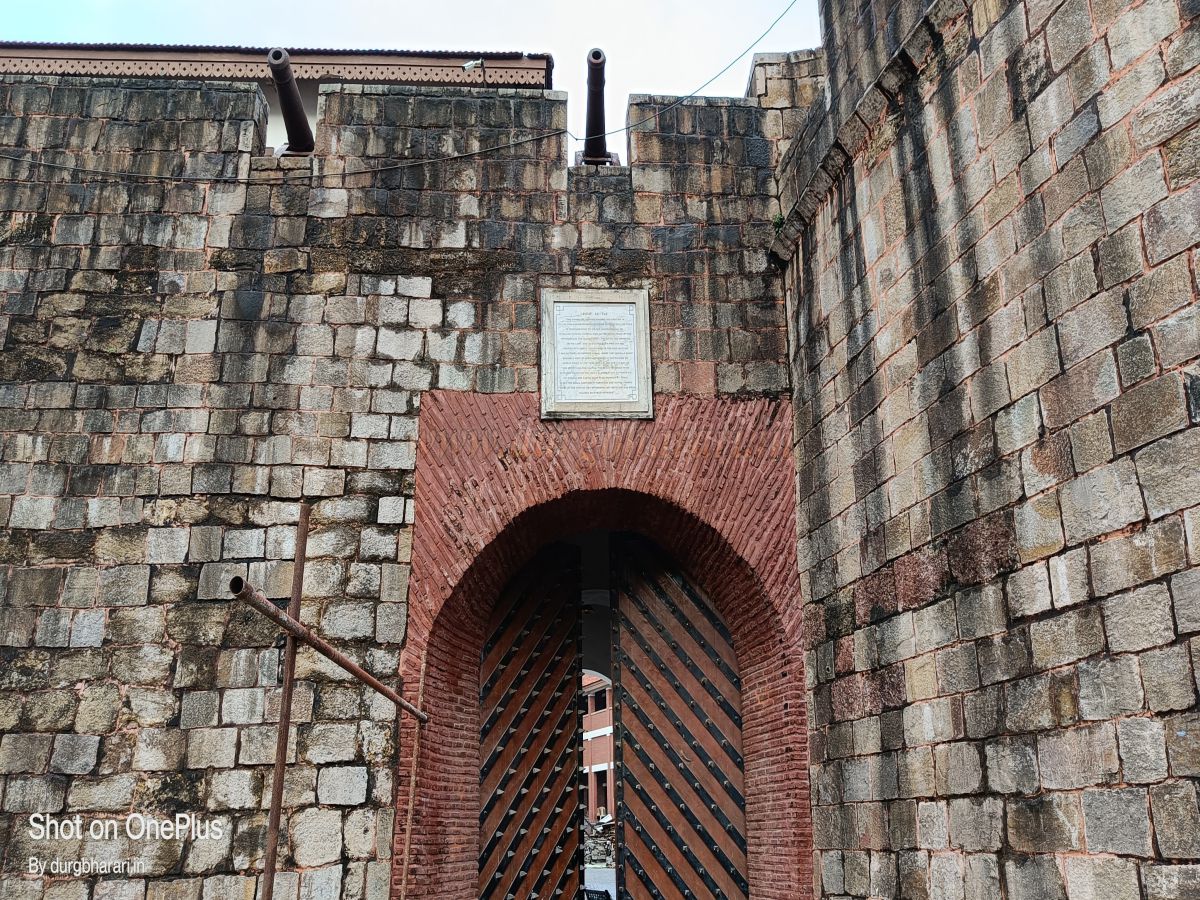
An English inscription at this gate mentions that the fort was built in 1540 by Khwaja Zafar, who held the title of Khudavand Khan, during the rule of Sultan Mahmud III of Gujarat. The inscription also notes that though Shivaji Maharaj attacked Surat twice, he did not assault the fort itself. The wooden fort gate remains in good condition, reinforced with iron spikes.
Since the fort now houses government offices, access is restricted to certain portions of the ramparts and the museum. Covering about 1.5 acres, the fort’s walls include five large bastions. Walking along the walls, one can see 12 medium-sized cannons arranged on the bastions and parapets. A thorough exploration of the fort takes about half an hour.
Shasta Khan had caused significant damage to the Maratha state during his three-year stay in Maharashtra. To compensate for these losses, Shivaji Maharaj planned the campaign against Surat. At the time, Surat was the financial hub of the Mughals and a major trading port, conducting extensive trade with Europe, Africa, and the Middle East. This trade earned the Mughals lakhs of rupees annually.
Despite its importance, Surat was not fortified like a walled city, but there was a small riverside fort guarded by about 5,000 soldiers. To gather detailed intelligence on Surat, Shivaji Maharaj sent Bahirji Naik and carefully planned his expedition. The Maratha cavalry was readied, and on December 15, 1663, a force of 8,000 troops left Rajgad, avoiding Mughal territories, and descended into the Tapi valley. Moving quickly, the Marathas reached Ghandevi village near Surat by 10 a.m. on January 5. From there, Maharaj sent a message to Surat’s governor, Inayat Khan, through an envoy, demanding tribute from him and the city’s merchants. Without waiting for a reply, the Marathas proceeded to the village of Udhna on the outskirts of Surat.
Though officially Surat had 5,000 soldiers, in reality, only about 1,000 were present. On learning of the Marathas’ arrival, Inayat Khan abandoned plans of confrontation and took refuge inside the fort, leaving the city defenceless. With no resistance from the governor, the Marathas entered the city, established checkpoints, and launched an attack on the port, setting the docks ablaze. However, they refrained from damaging any European factories, forts, or fleets.
The sudden appearance of the Marathas alarmed the Europeans, who chose to remain neutral and avoided provoking them. The English and Dutch merchants successfully defended their factories, so the Marathas did not interfere with them. However, recognizing that the Portuguese lacked sufficient manpower for defense, the Marathas extracted tribute from them.
Over the next four days (January 6–9, 1664), Maratha soldiers plundered immense wealth from the mansions of prominent moneylenders and merchants, including Virji Vora, Haji Zahid Beg, and Haji Kasam. Notably, they spared the property of Mohandas Parekh, a philanthropist known for helping locals, even though he was deceased.
In the meantime, Inayat Khan sent an envoy to negotiate with Shivaji Maharaj. When the envoy met Maharaj, he attempted to attack him, but the Maharaj’s bodyguards killed the envoy on the spot and executed four captured prisoners. In their fury, the Marathas amputated the hands of 24 other prisoners.
Realizing the urgency of escaping before a larger Mughal force arrived, the Marathas quickly gathered as much wealth as possible and departed Surat on January 10 with their immense loot. They successfully evaded pursuing Mughal detachments, returned through the Tapi valley, and made their way back to Rajgad.
Detailed accounts of this raid are found in the records of European trading factories, which vividly describe the event. This bold expedition made Shivaji Maharaj’s name known even in foreign lands. The wealth brought back from Surat was later used by Maharaj to construct Sindhudurg Fort and expand the Maratha navy.
© Suresh Nimbalkar
GALLERY