SUPE
TYPE : GADHI
DISTRICT : PUNE
HEIGHT : 0
GRADE : EASY
During the Maratha period, Supe was recognized as an important Pargana. Once a prominent town in history, it housed a fortified settlement (Bhuikot), which has now been completely destroyed, with the Gram Panchayat levelling the site using bulldozers to create a playground. Despite the destruction of the fort, several historic structures and mansions (wada) still remain in the village. Among them, two are especially notable – the Nagare Wada, also known as the Tukoba Temple, and the Subhedar Wada.
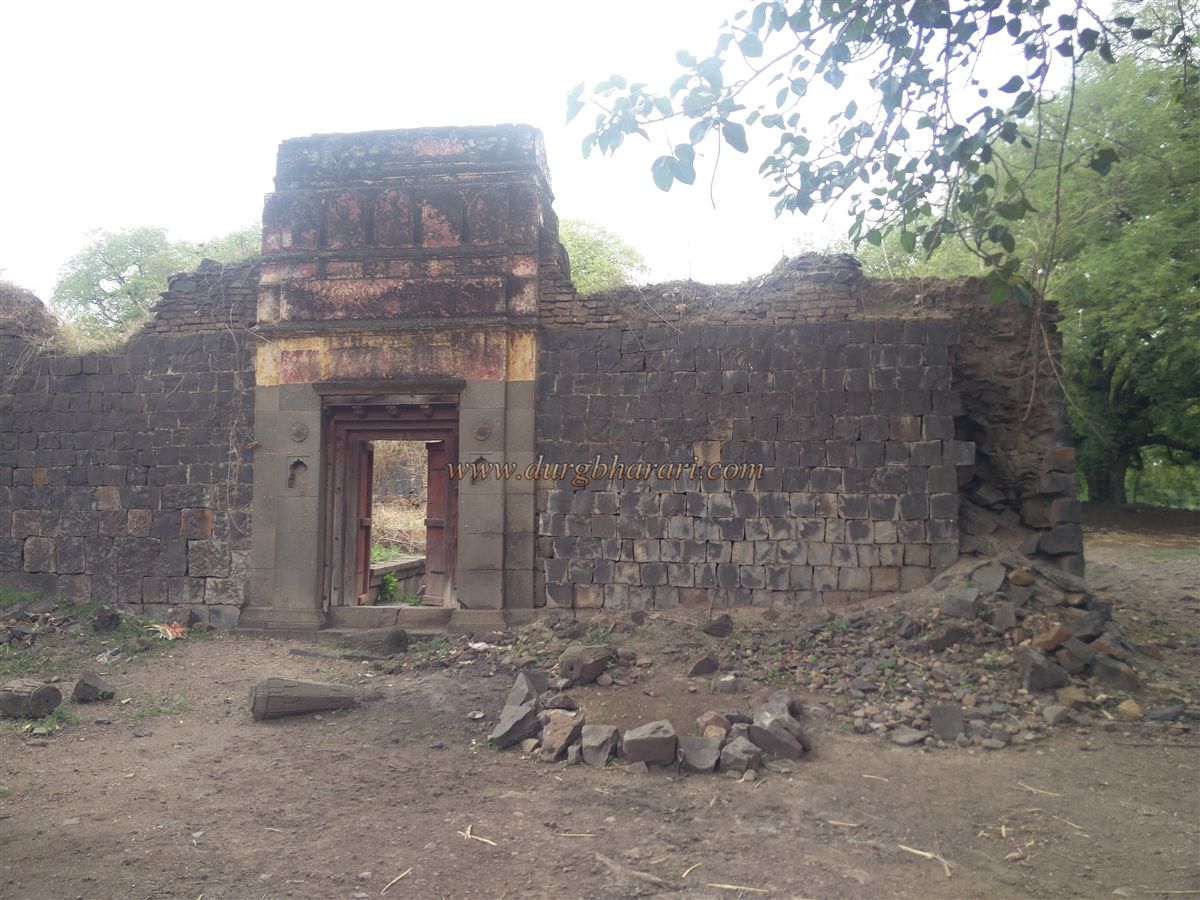
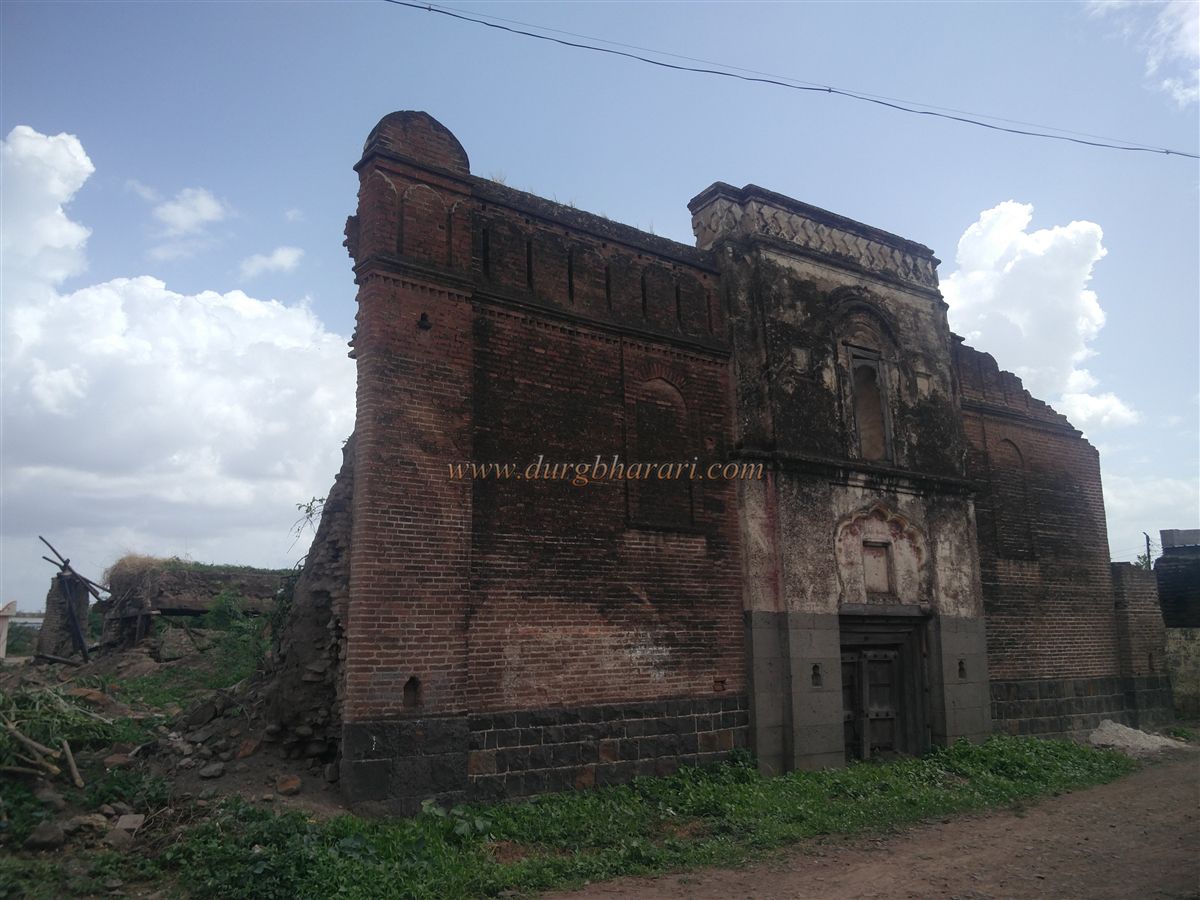
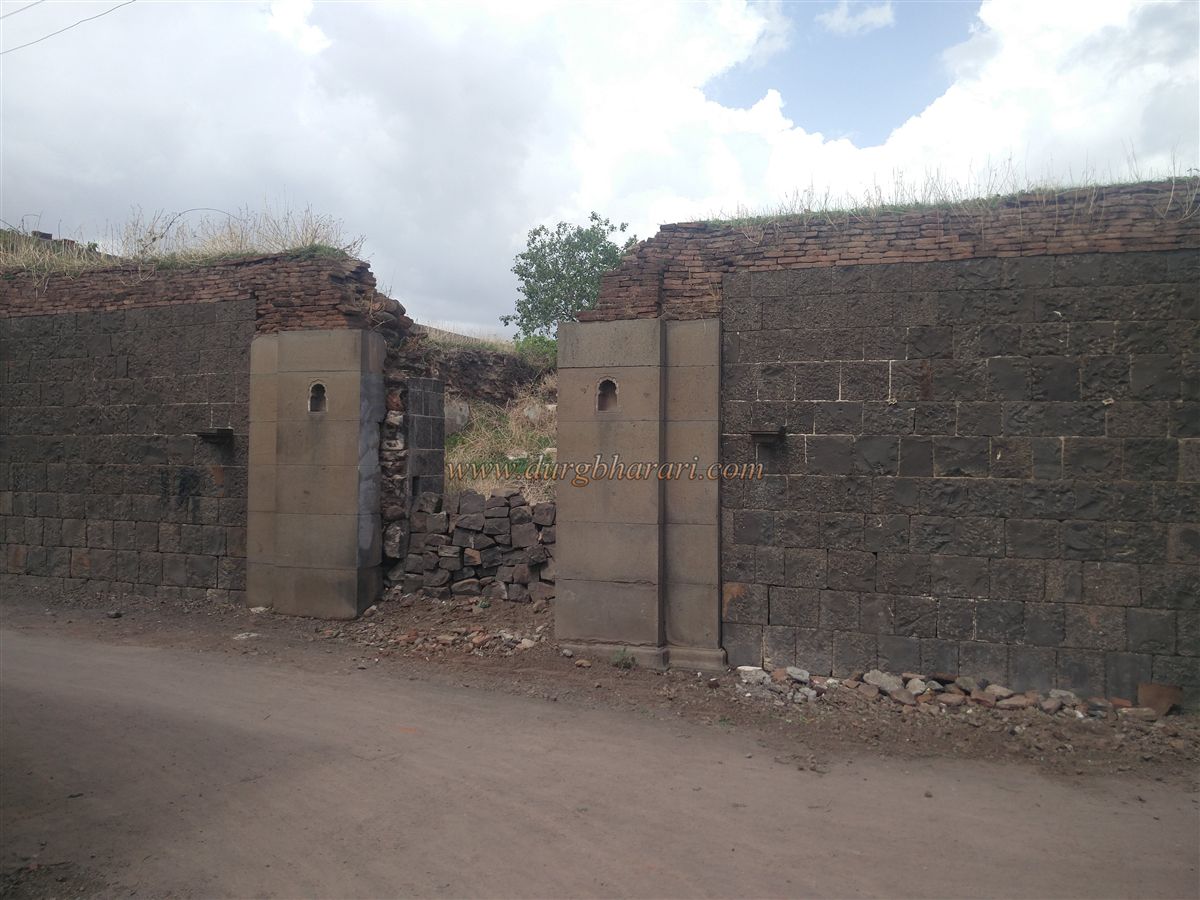
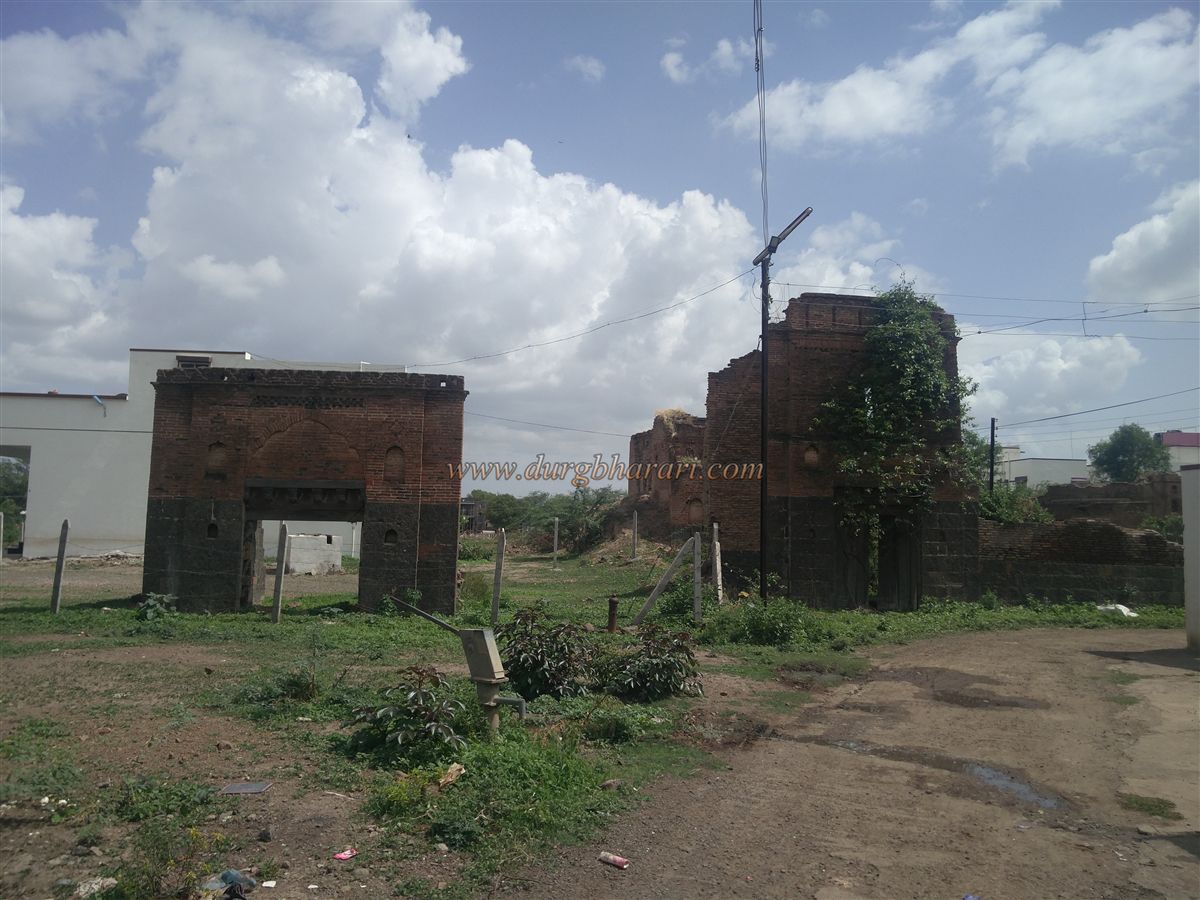
The Tukoba Wada is still occupied by the descendants of its original owners and is in good condition, whereas the Subhedar Wada has largely collapsed, with only parts of its walls and the main entrance surviving. Around the Subhedar Wada, two or three older wada can be found. These mansions were built during the Peshwa period, with their lower sections constructed from dressed stone masonry and the upper portions built using bricks
...
Two of them are double-storeyed, while the others are single-storeyed. Though most of the structures have crumbled, the remaining portions still reflect their former grandeur and architectural beauty.
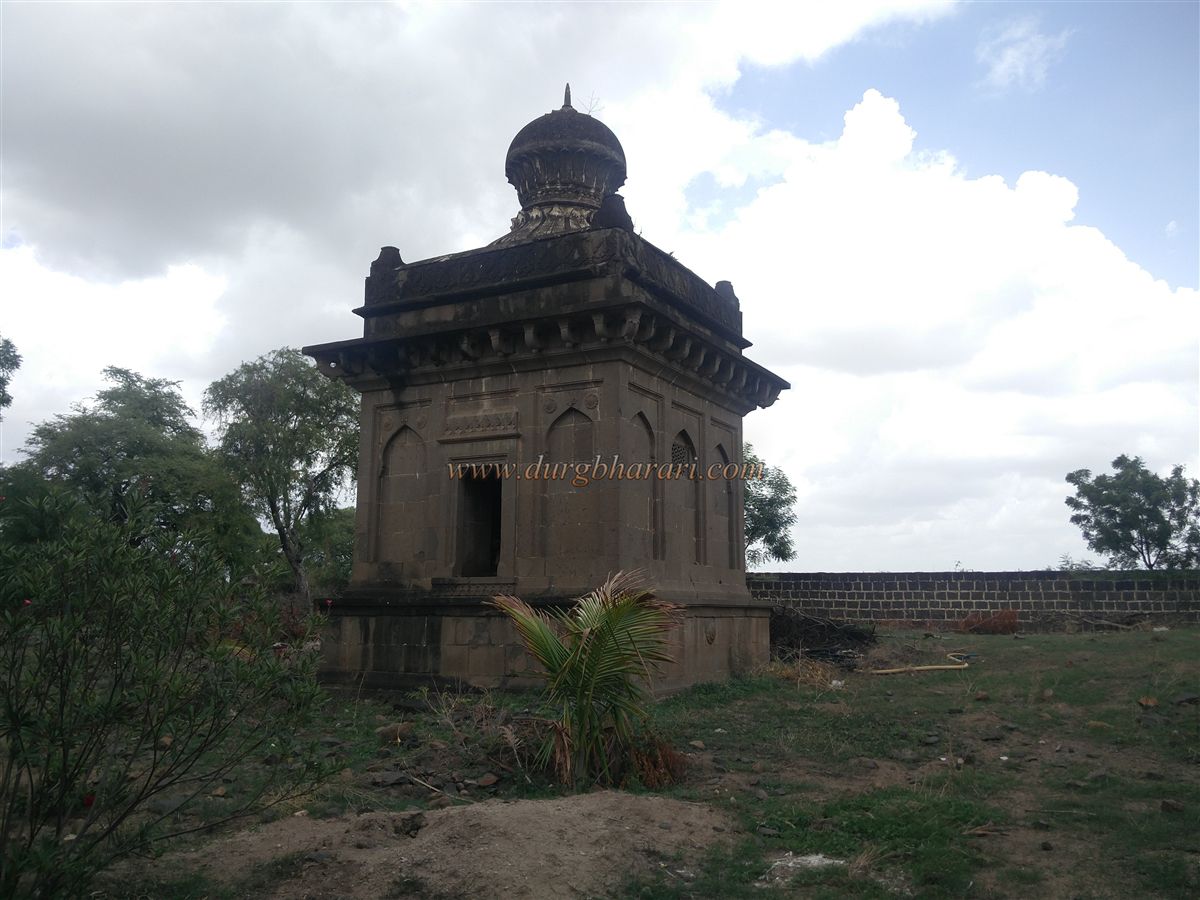
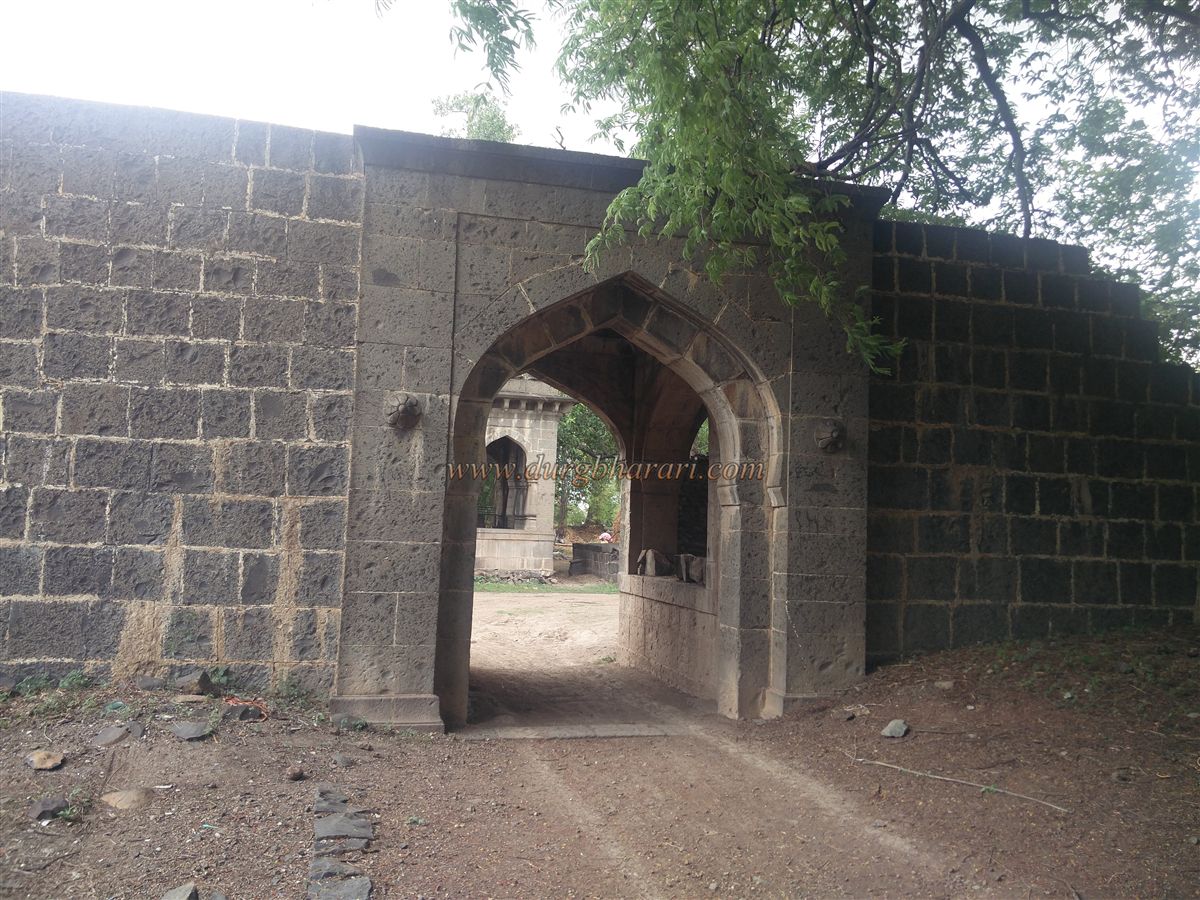
The second major structure of Supe is the Nagare Wada, popularly known as the Tukoba Temple. Located outside the village on the riverbank, it remains well-preserved, likely because of its location away from the main settlement. Spread over more than an acre, the wada is enclosed by 8–10 ft. high stone fortifications. The main entrance lies on the southern side, while another gate opens to the east. Inside the main gate are guard chambers, followed by five to six stone-built verandas (owaras). Within the courtyard, two beautifully carved stone memorials (Samadhi) stand on a raised platform, though their identities remain unknown. A lime-mixing pit (Ghana) is also present in the courtyard, though its stone wheel is now broken.
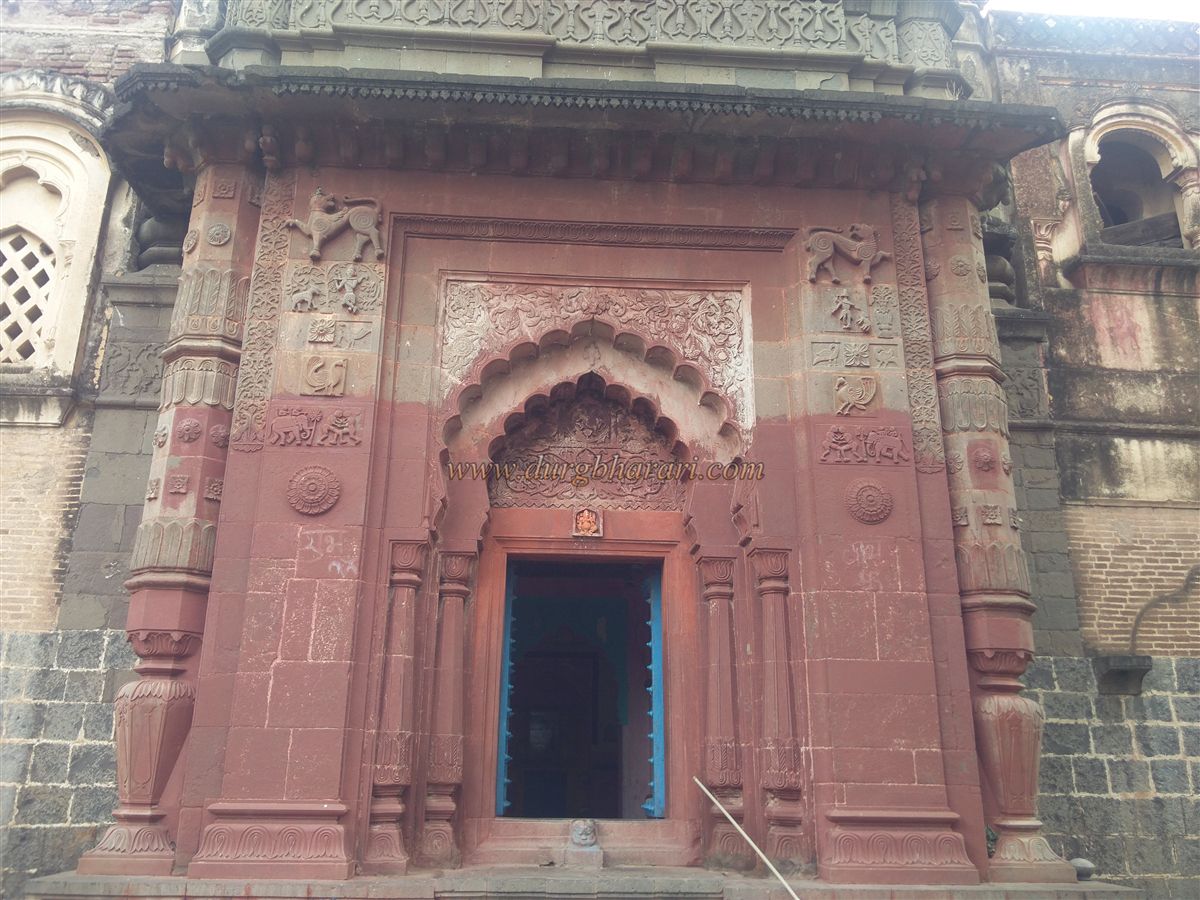
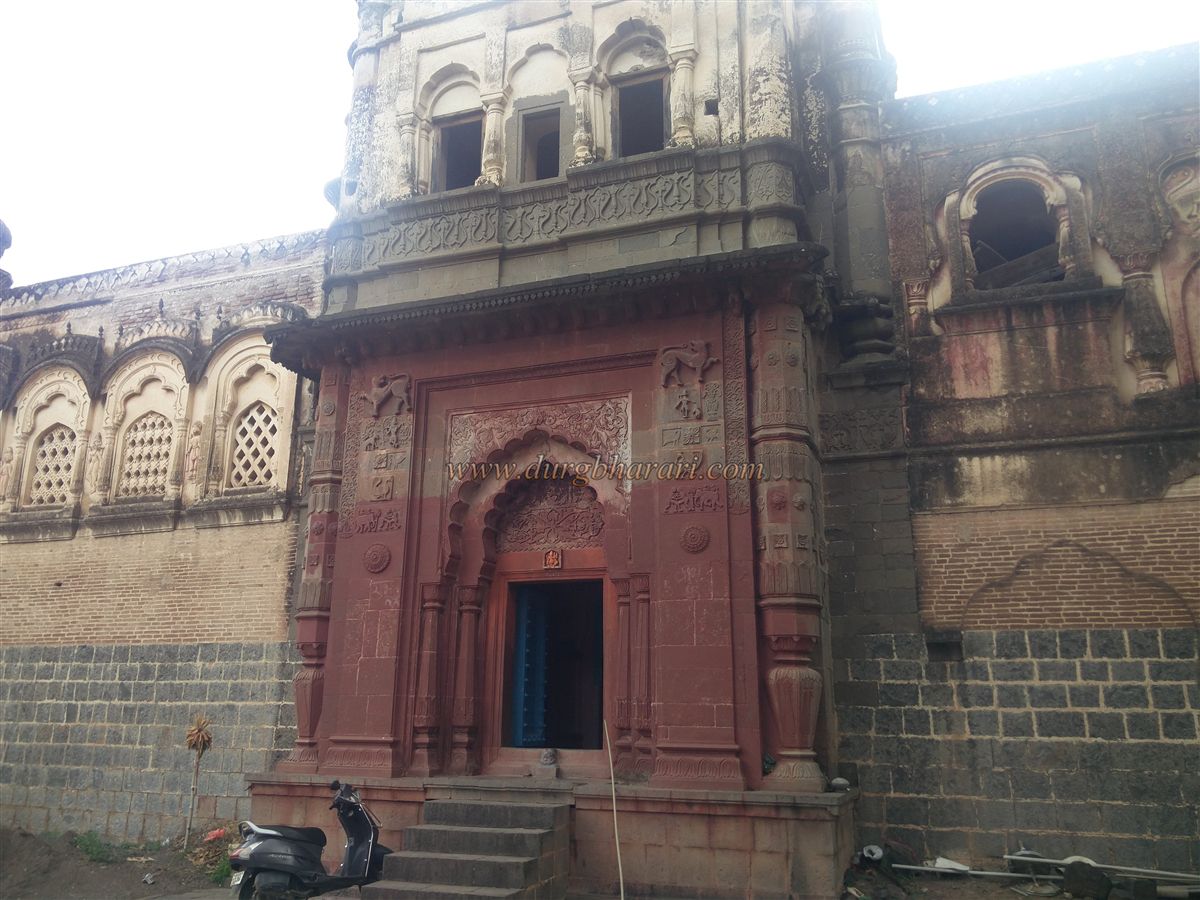
The square-shaped wada, constructed on a raised platform in an east–west orientation, has its elaborately decorated main entrance facing east. The doorway features intricate carvings of various animals, scenes, and ornamental patterns, with a Nagarkhana (drum house) built above it. The wada’s inner section is arranged around a central courtyard, with a temple standing at its heart. On the right side of the wada is a ruined structure containing a stone fountain, which, based on its design and layout, appears to have been the administrative office (kacheri).
Historical records indicate that Supe was granted as a vatan (hereditary estate) to the Purandare family, though no direct references to them are visible in the village today. The Purandare served as Subhedar of Purandar Fort until around 1700 CE. After settling in Saswad and Supe, the family divided into two branches. During the siege of Jinji by Zulfikar Khan, when Chhatrapati Rajaram Maharaj was stationed there, leaders such as Shankaraji Narayan, Ramchandra Pant Amatya, Dhanaji Jadhav, and Santaji Ghorpade fought to lift the siege. Following the successful lifting of the siege, Rajaram Maharaj rewarded his loyalists with gifts and land grants. Among these, Tuko Trimbak Purandare, who served under Dhanaji Jadhav, was granted the jagir of Supe and Brahmani villages. The sanad (grant document) bears the seal of Rajaram Maharaj and that of Pralhad Niraji. Tuko Purandare personally obtained this grant from Rajaram Maharaj at Jinji. Ambaji Trimbak Purandare received Supe, while Tuko Trimbak was granted Modhave, where they settled and built fortified mansions.
During succession disputes after Shahu Maharaj’s release from Mughal captivity, Malhar Tukdev, the nephew of Ambaji Purandare, joined Shahu’s faction while staying at Lamkani in Khandesh.
About 2 km from the Supe–Baramati–Naroli road lies the Nagare estate, which houses the grand Samadhi of Tukoji Nagare, an outstanding example of traditional architecture featuring fine carvings and remnants of original paintwork. In front of it stands the Samadhi of his son Nagoji Nagare. This large Samadhi temple complex is fortified with robust stone walls. The descendants of the Nagare family still reside in the wada, maintaining it with care. It is said that Peshwa noble Awaji Kawade was a devoted follower of the deity here. Among all historical structures in the Supe Pargana, this is the only one still preserved in good condition, and it continues to be carefully maintained.
© Suresh Nimbalkar
GALLERY