SUDHAGAD
TYPE : HILL FORT
DISTRICT : RAIGAD
HEIGHT : 1900 FEET
GRADE : MEDIUM
The Sahyadri ranges are dotted with several mountain passes connecting the Deccan plateau to the Konkan coast. Among these, the Savaashni Ghat in Pune district holds special significance. Guarding this ancient pass on the Pune–Raigad border stands Sudhagad, also known locally as Bhorpagad or Bhorai’s Hill. Blessed with a vast plateau, this fort lies barely 10 km from Pali village, making it easily accessible.
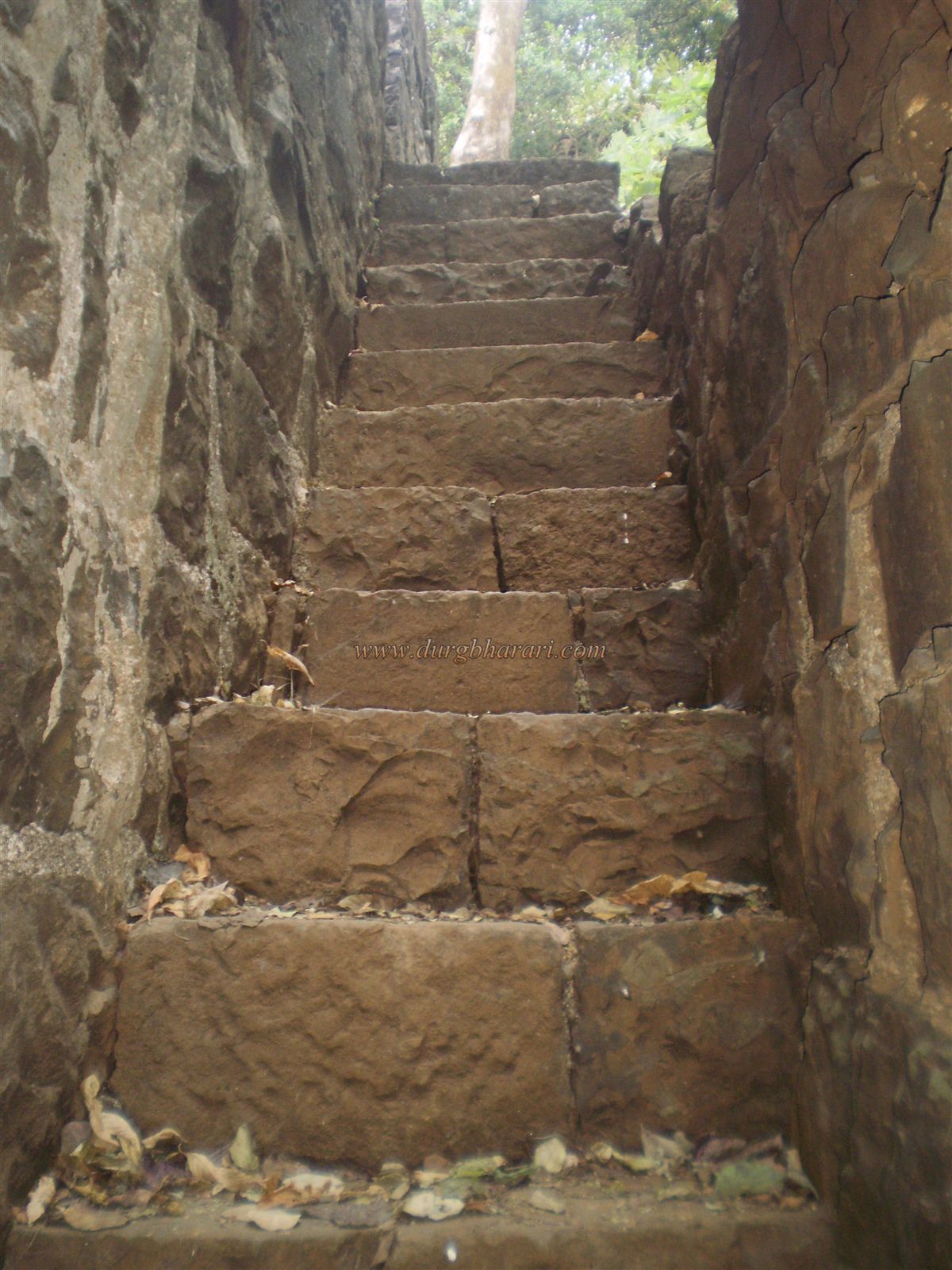
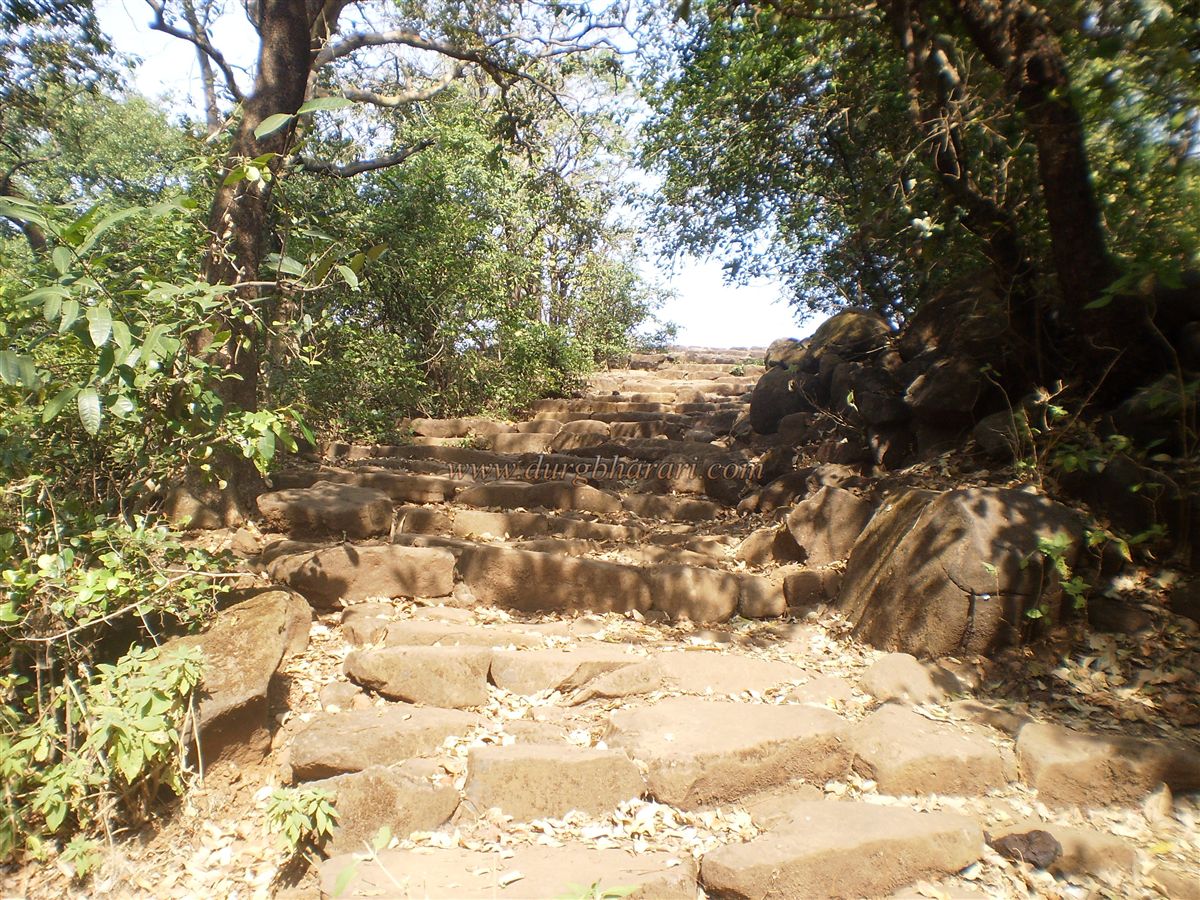
There are three main routes to reach Sudhagad. From Pali, one can reach Nadsur or Dhondse village and climb the well-built stone steps, which takes about two and a half to three hours. Another path comes via Telbaila near Savaashni Ghat, bringing one directly to the Gurmukhi Mahadarwaja, which leads straight to the Bhorai Devi temple. The third is from Pachhapur village, located 8 km along the Pali–Bhira road. From there, one can proceed to Thakurwadi and climb a relatively easy trail in about two hours.
...
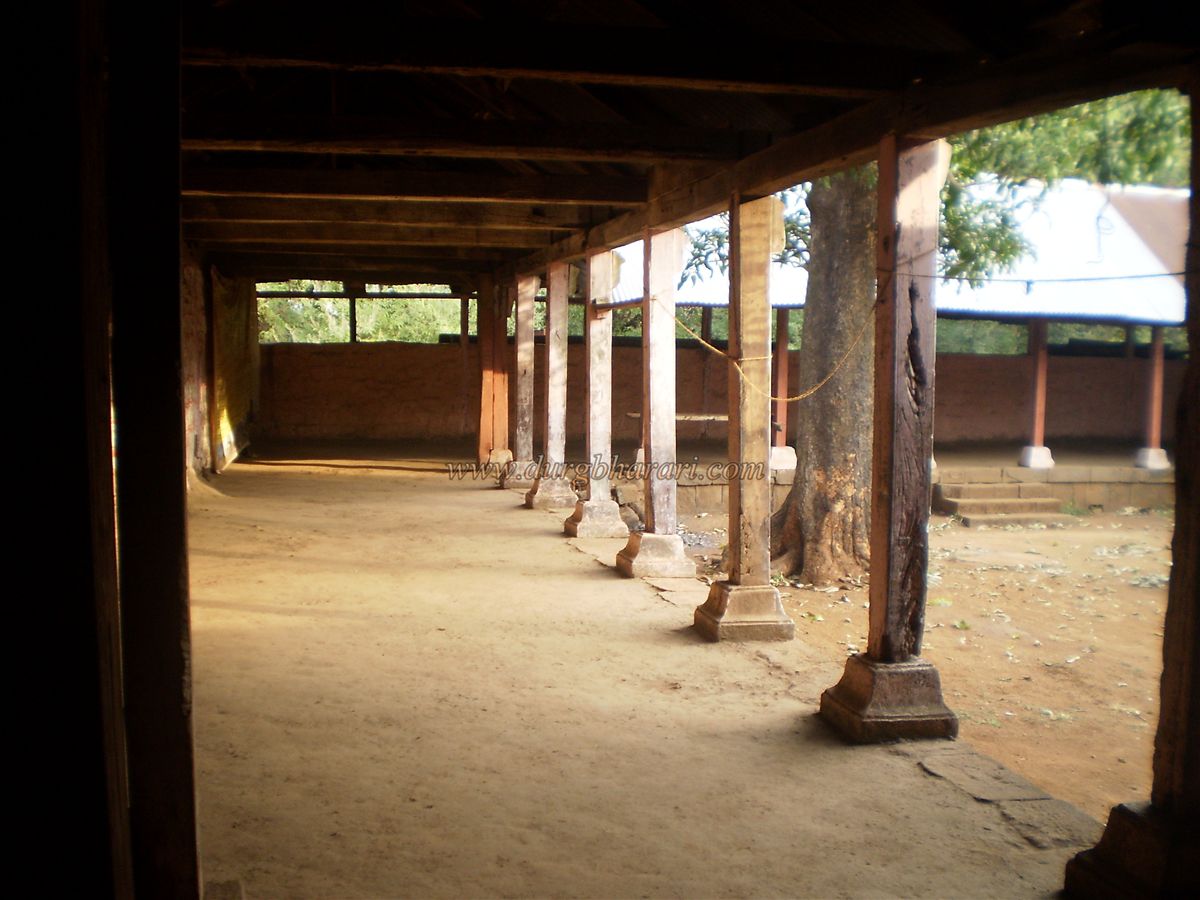
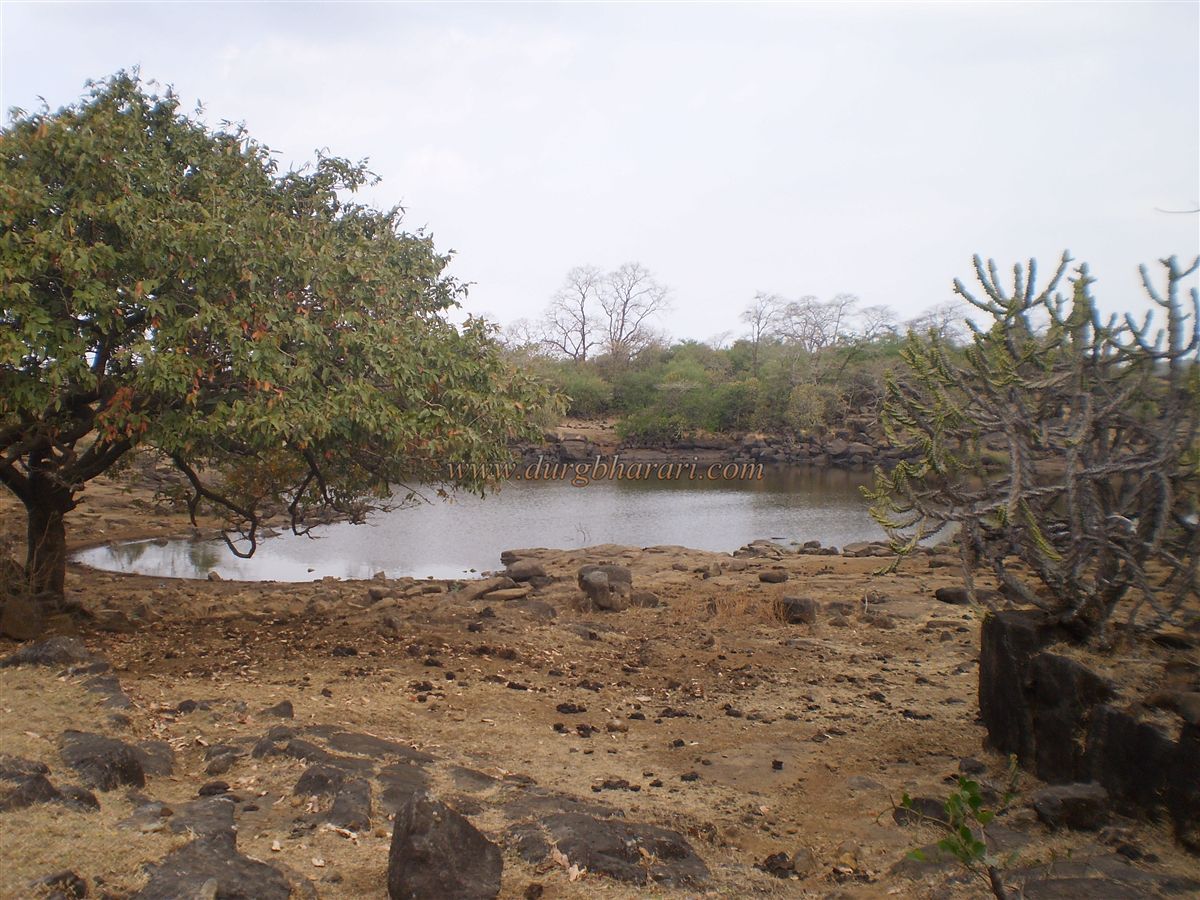
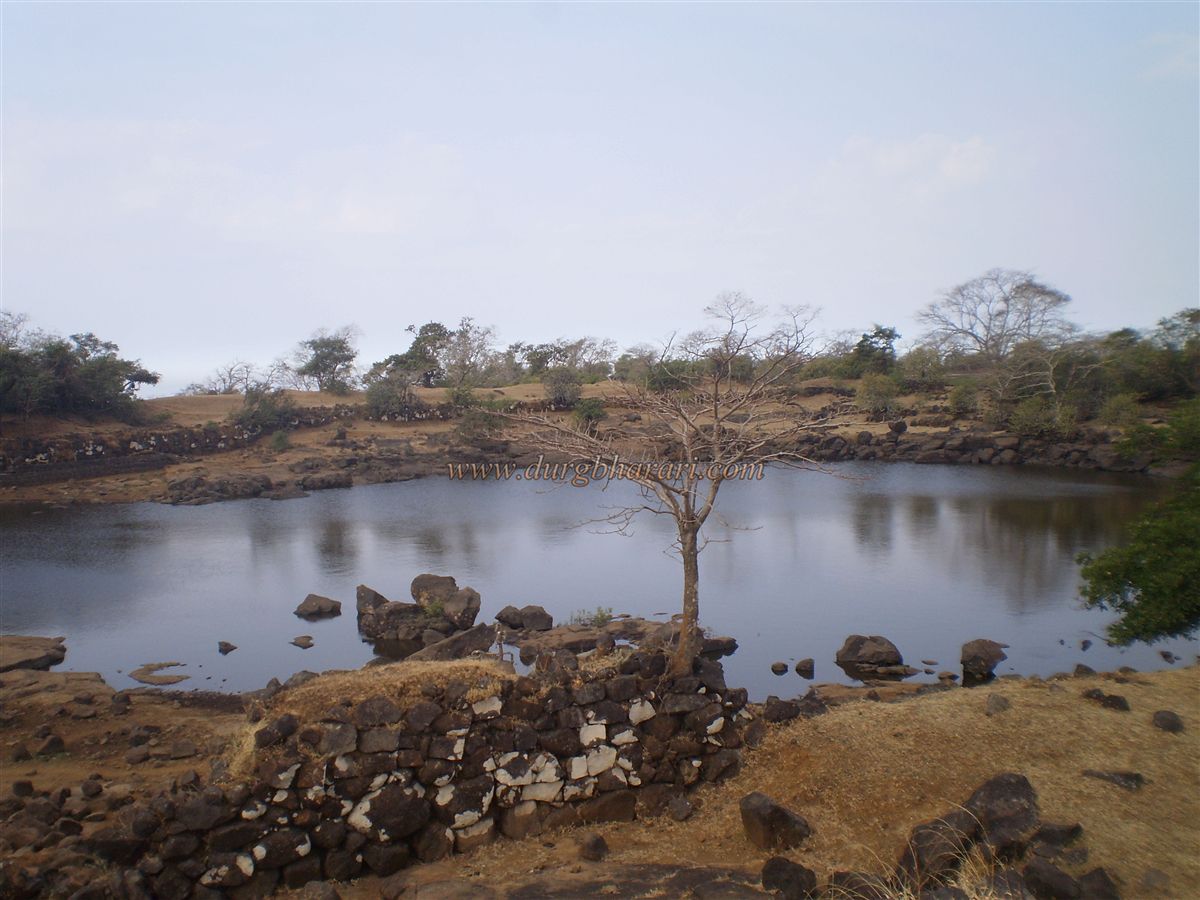
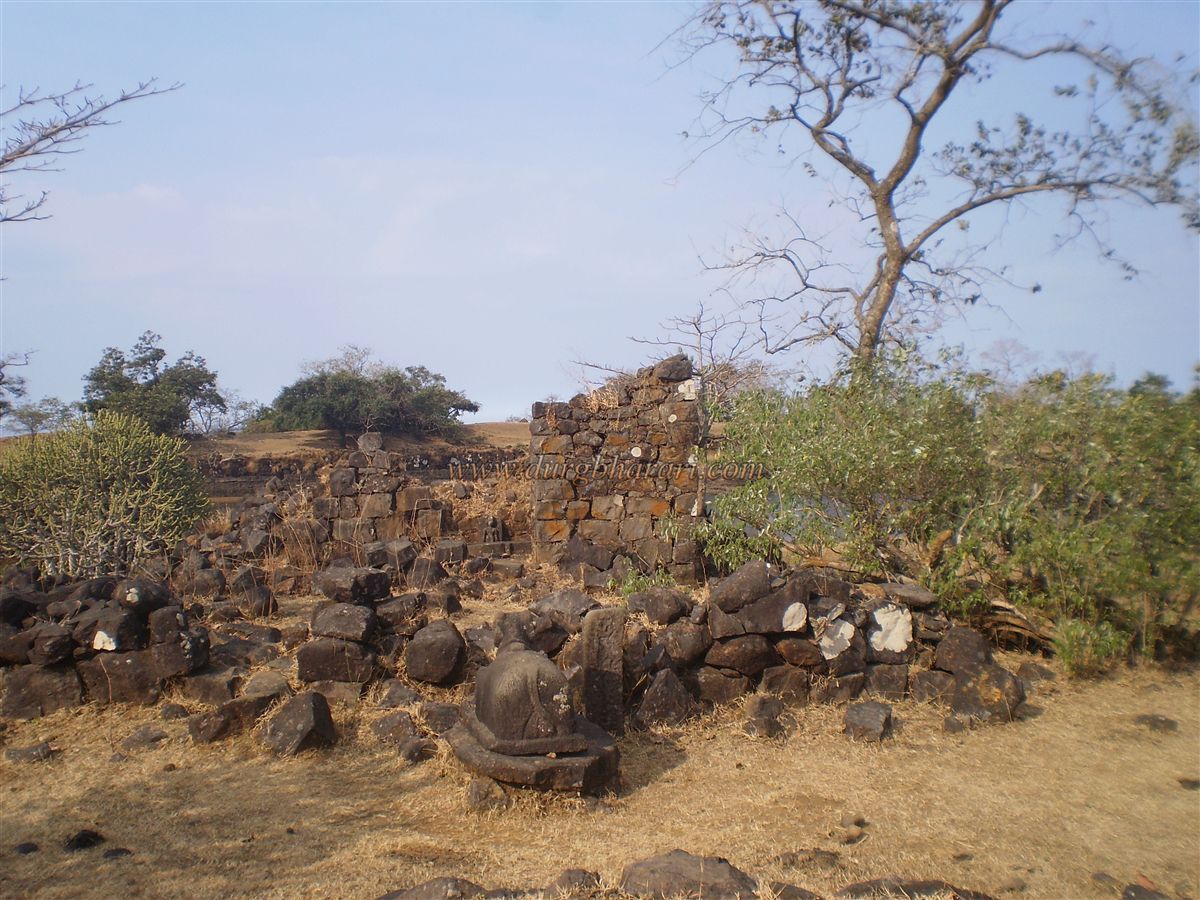
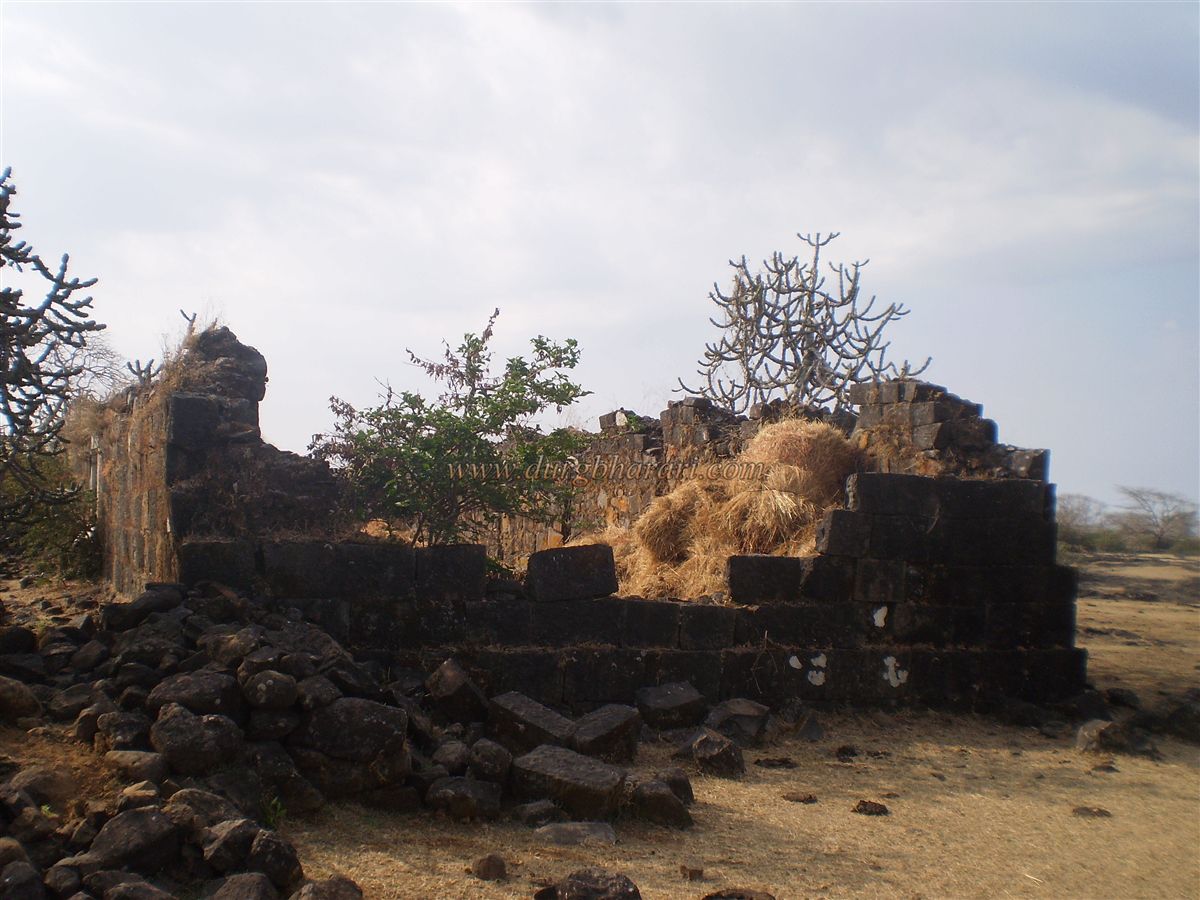
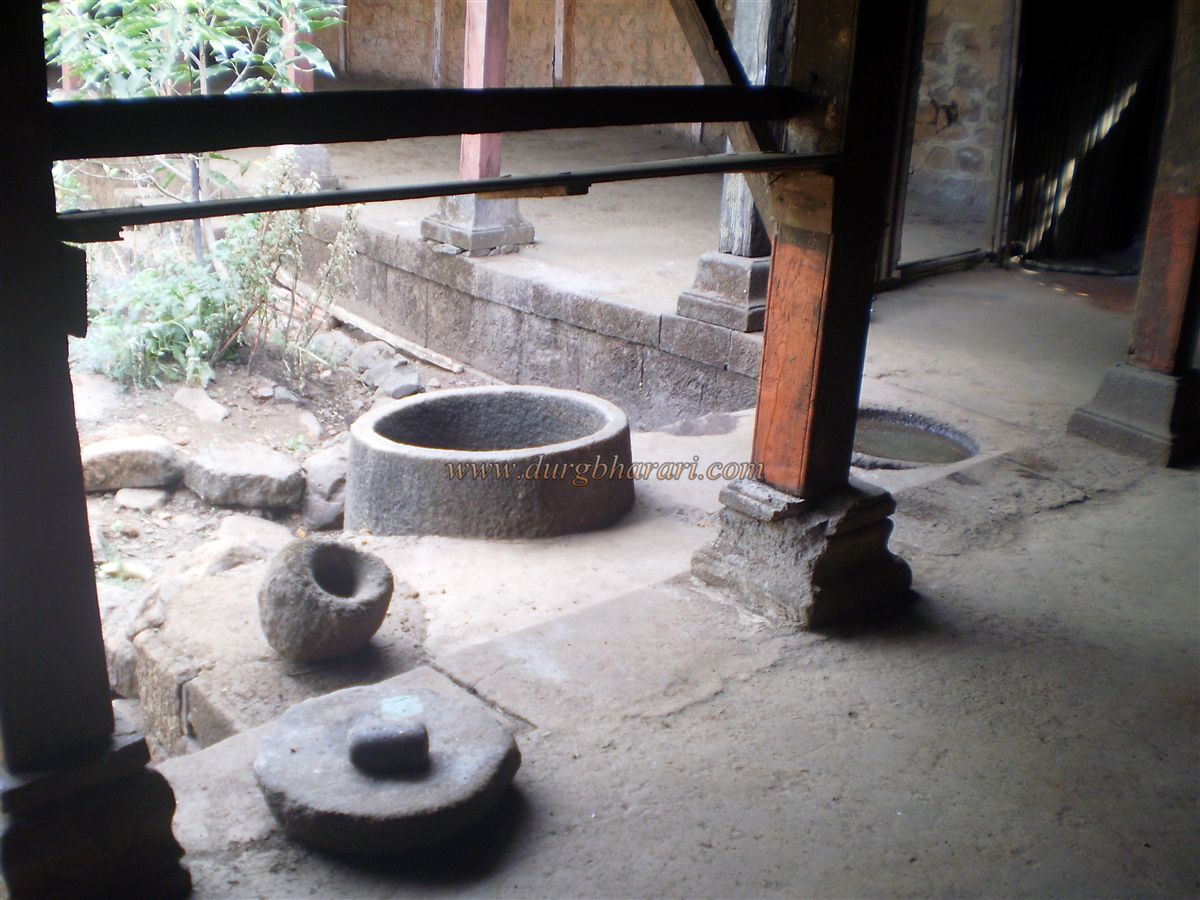
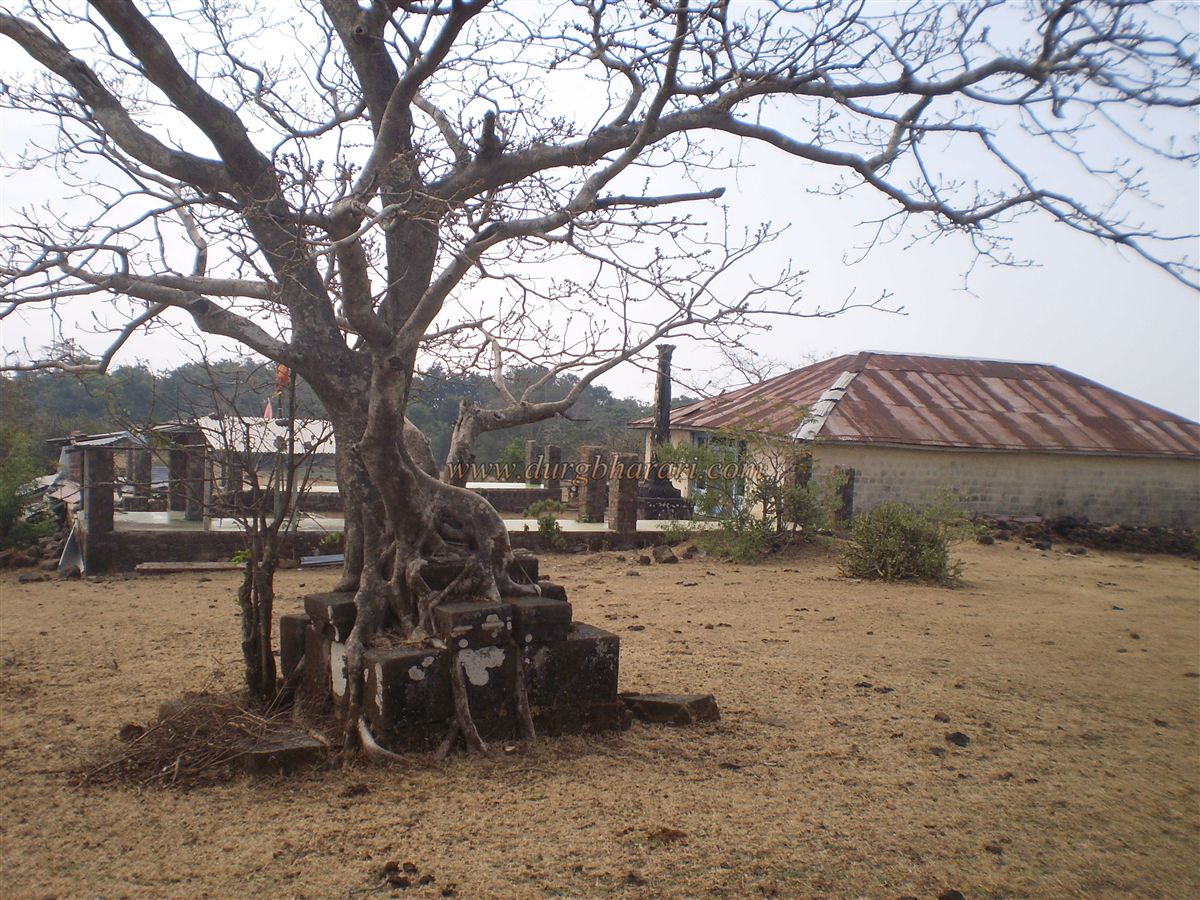
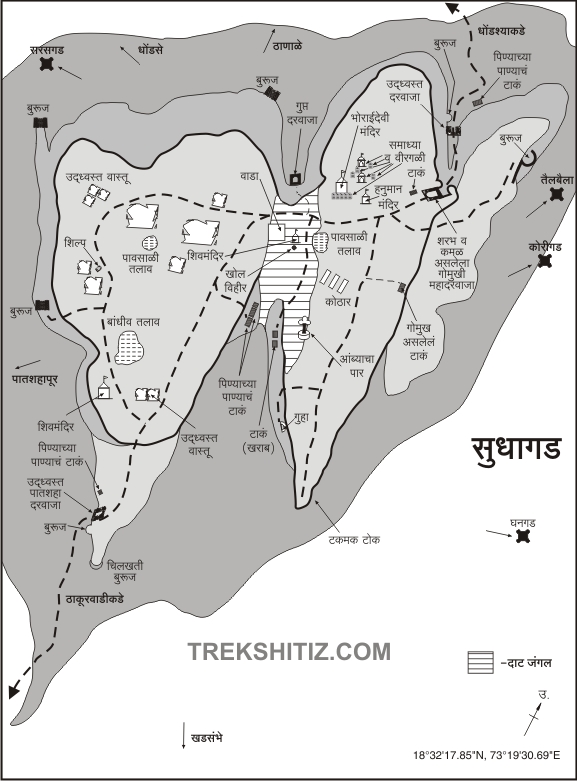
Entering through the Pachhapur Gate, one is greeted by two massive bastions, each with stairways leading to observation points, designed to keep watch over the Pachhapur and Thakurwadi approaches. Within 10 minutes of climbing, a large water reservoir comes into view. Keeping the tank to the left and walking ahead reveals ruined houses and remnants of old settlements, a glimpse into the fort’s bustling past. A little further stands the Pantasachiv Wada, a quadrangular mansion built in 1705 CE, recently restored by the Bhorai Temple Trust. The structure has two entrances, a wide veranda, two rooms, and an upper storey, with accommodation for 50 people. Opposite lies a newly built Dharamshala. Behind the wada is a platform-style Shiva temple, overgrown ruins, and a square well, now dry.
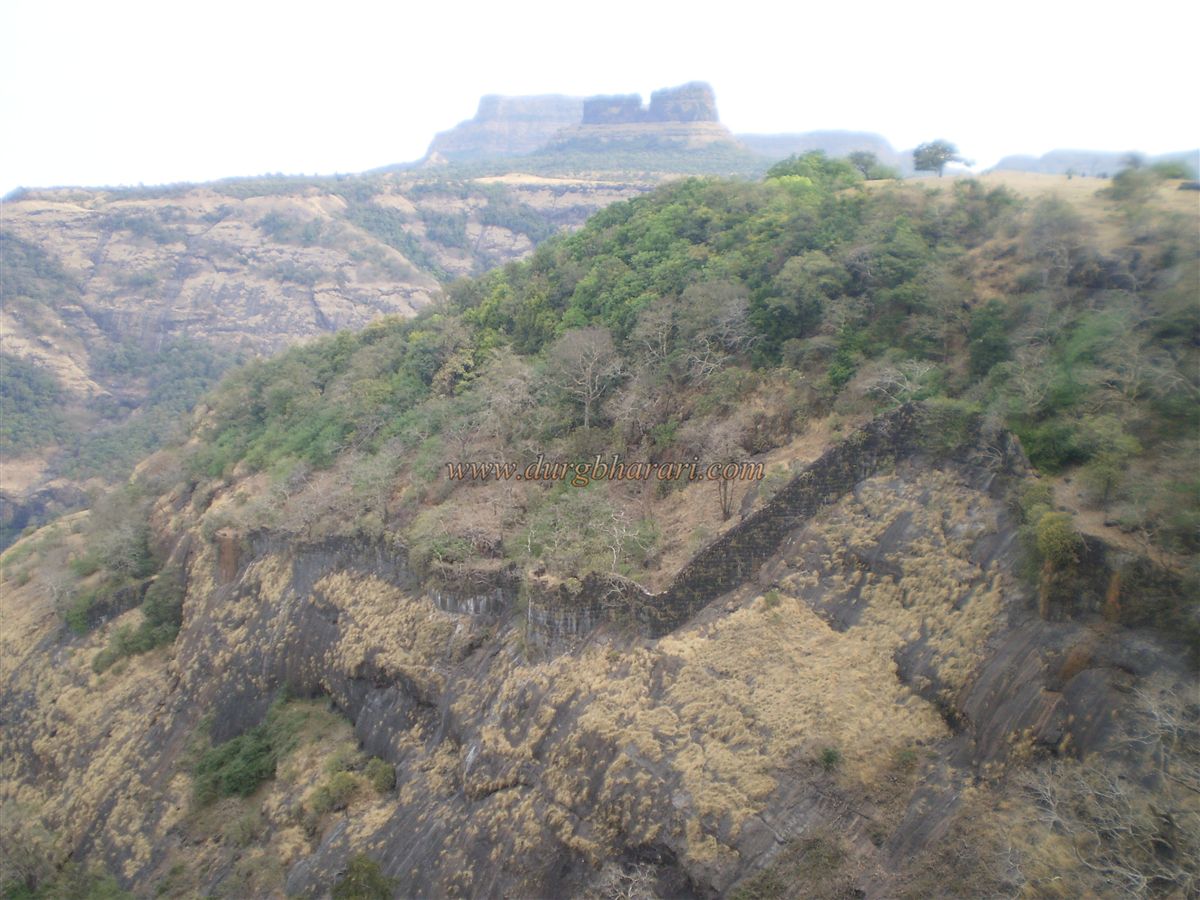
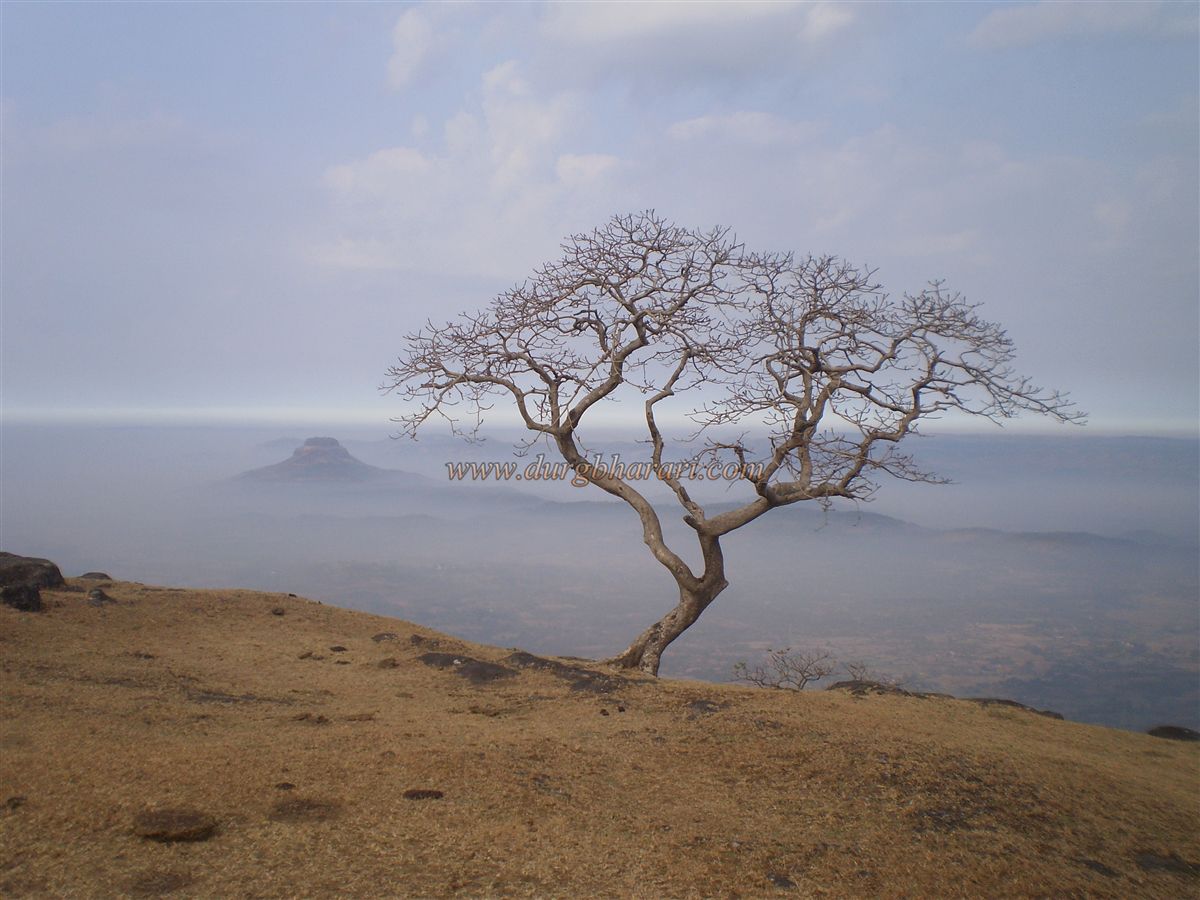
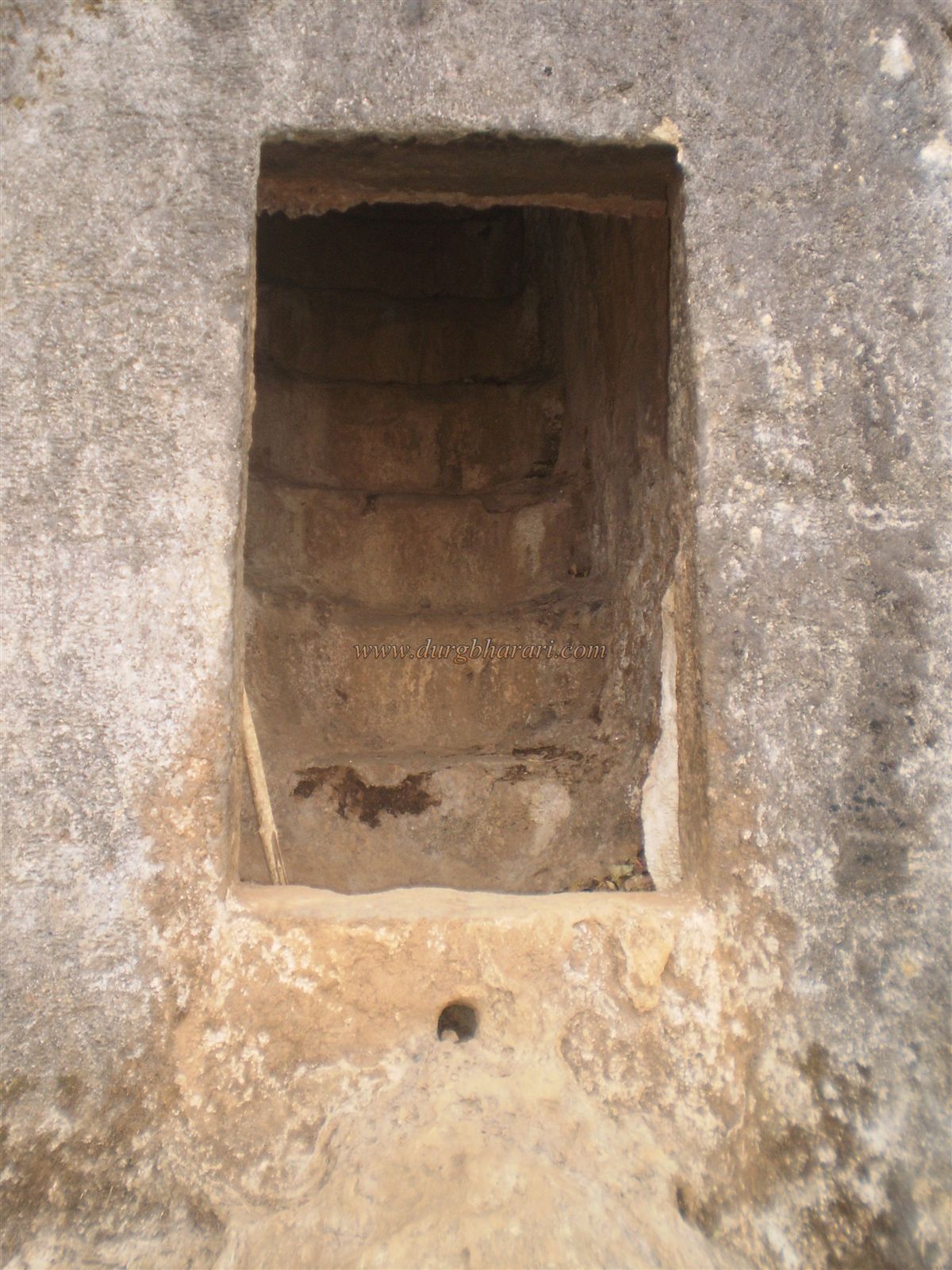
Sudhagad summit is divided into sections. The western plateau is home to large water tanks and ruins of ancient structures. From here, one can spot Sarasgad and, on clear days, the distant Karnala Fort. Near the Bhorai temple, a small hidden gate built within a bastion served as an escape route.
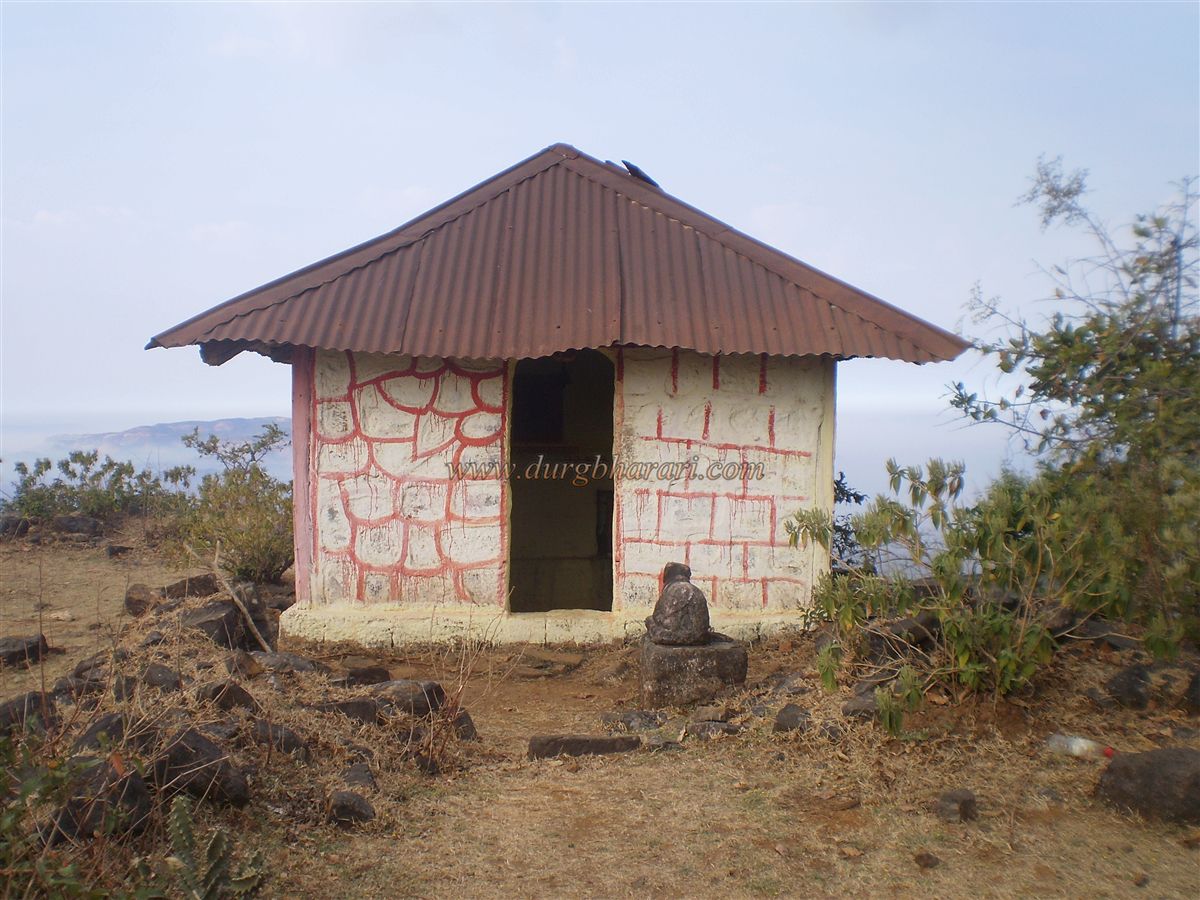
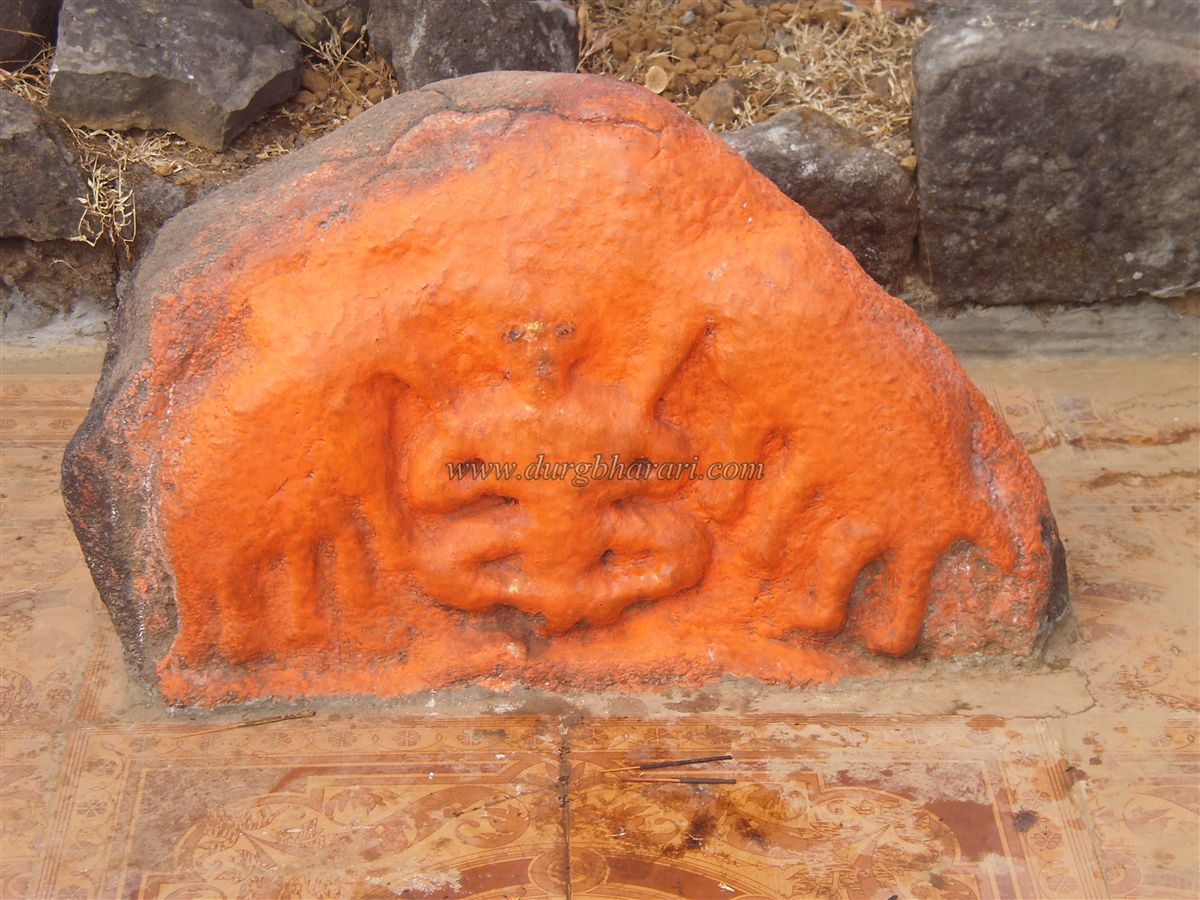
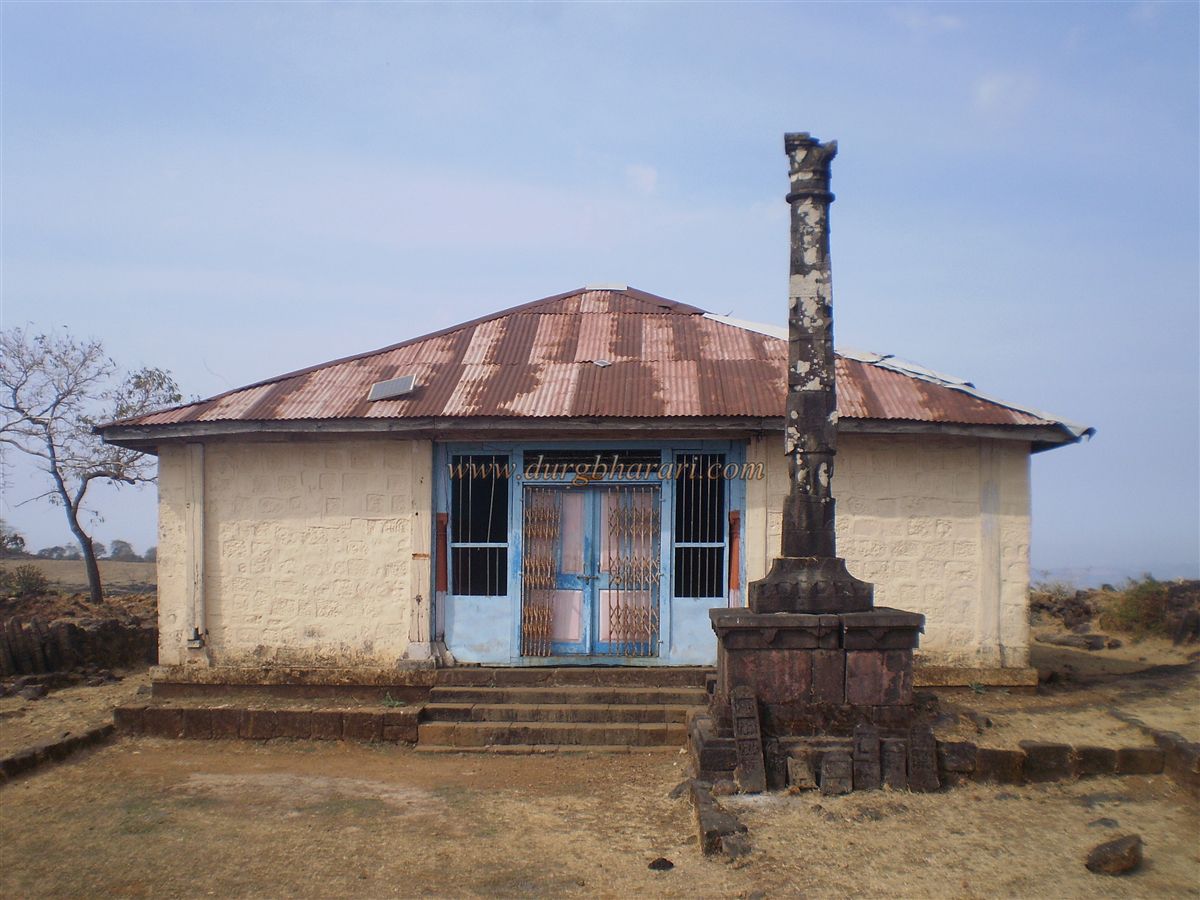
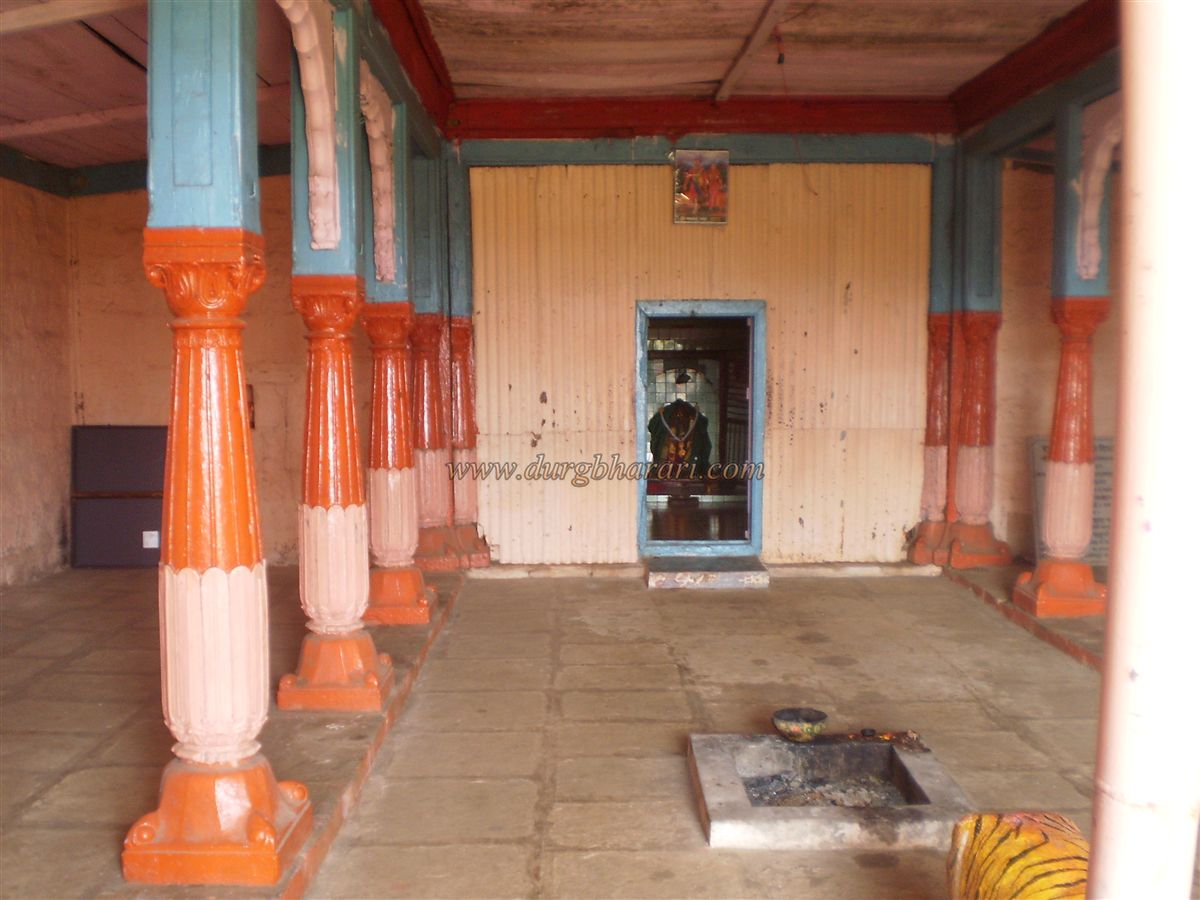
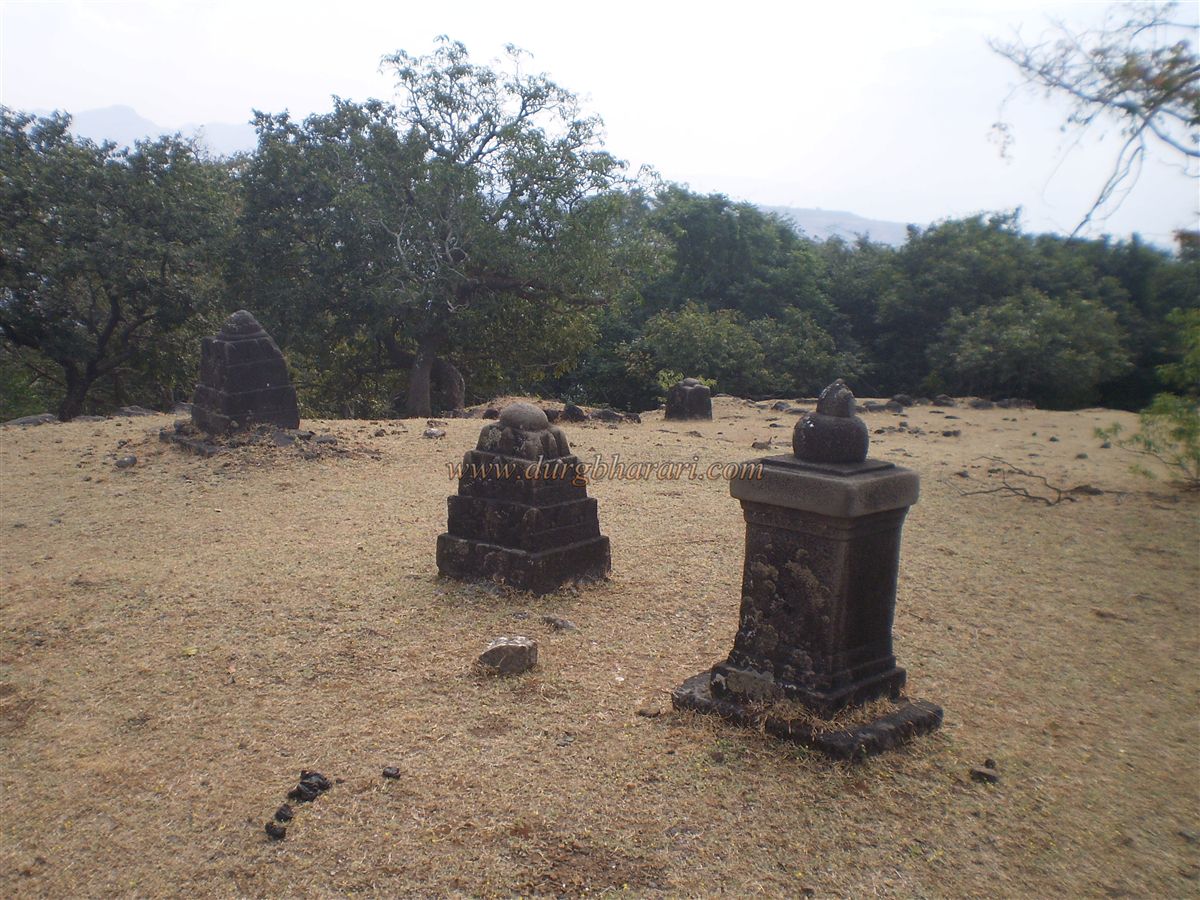
The spiritual heart of Sudhagad is the Bhorai Devi Temple, dedicated to the local goddess also known as Bhrugu Amba. The temple features a deepmala (lamp pillar) with an elephant carving at its base, a huge bell, and around 35 hero stones (virgal) within its courtyard. Accommodation for 25 people is available here. Taking the right path from the temple leads to the Amberkhana (granary), a group of massive, uniformly built storerooms each measuring 60 by 15 feet, perched on a raised plinth. Further ahead lies Takmak Point, a cliff edge resembling the famous Takmak Tok of Raigad, offering breath taking views of the surrounding valleys.
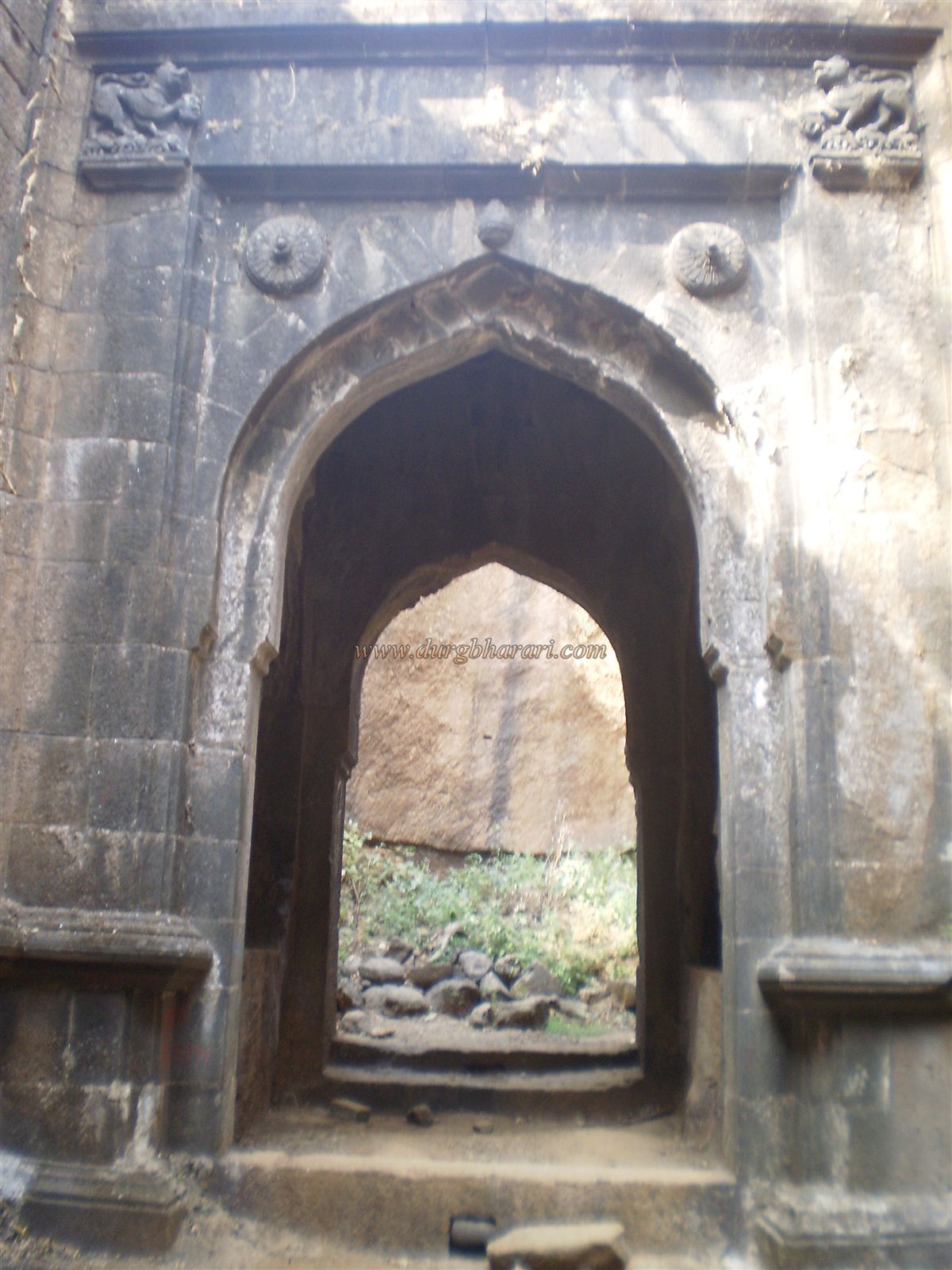
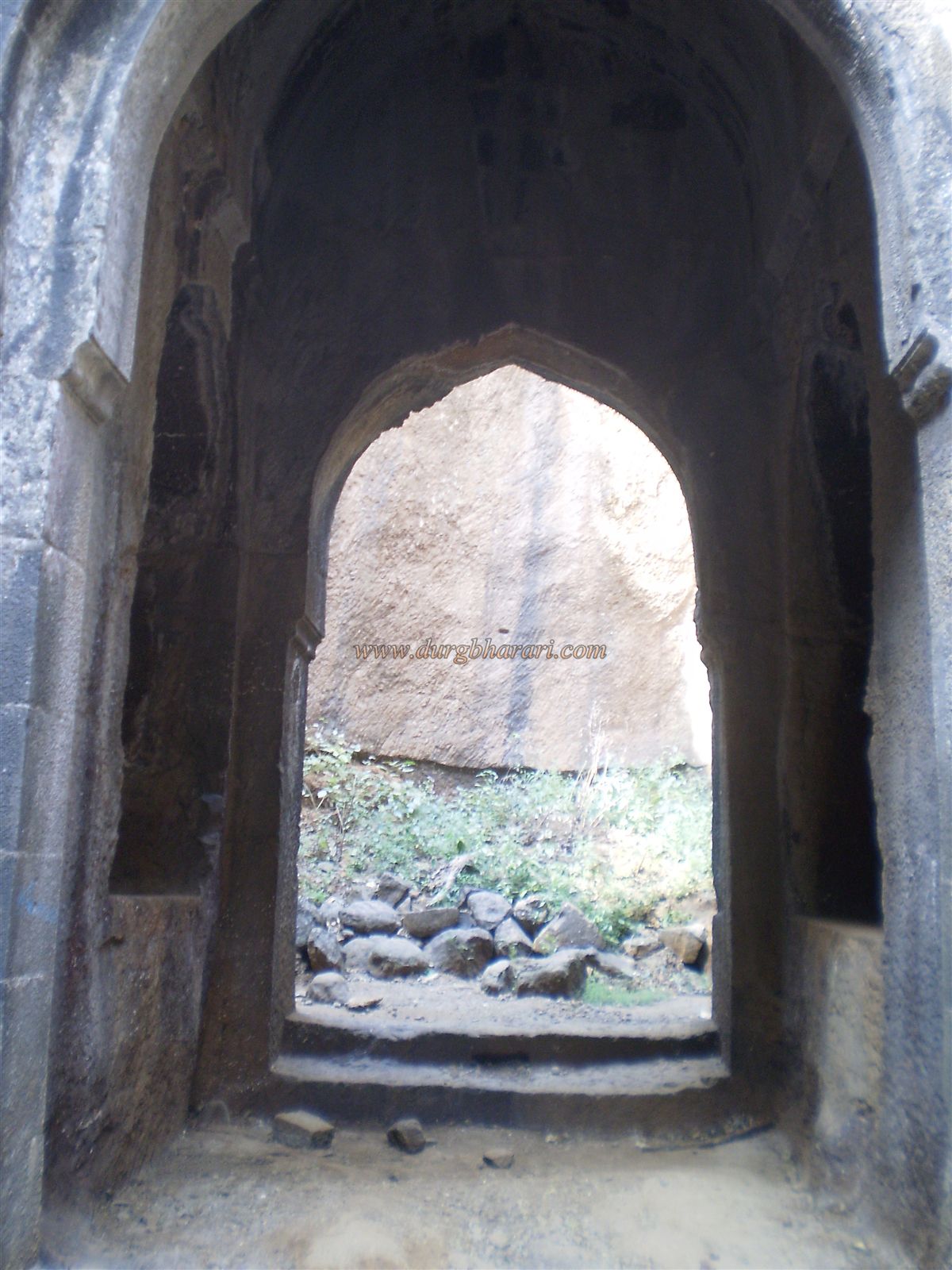
Descending through the Mahadarwaja is like walking through a smaller version of Raigad’s grand entrance. Flanked by two bastions, decorated with carvings of Sharabh (mythical beasts) and intricate designs, the gate also has guard chambers, water channels, and musket loopholes. From the bastions above, defenders could easily target any advancing enemy in the gorge below. Further down, one encounters two more ruined gateways, the Tanaji and Hanuman water cisterns (one with a soldier carved on its surface), a dilapidated Shiva temple, and a Maruti idol known as Kasarpet Maruti.
Sudhagad has deep roots in antiquity. Sage Bhrugu is said to have meditated here and installed the idol of Bhorai Devi. Over the centuries, the fort came under the Shilahara, Yadavas, Bahmani, Mughals, and finally, the Marathas. In 1648 CE, Chhatrapati Shivaji Maharaj captured the fort after a fierce battle. Chronicles describe the valour of Maloji Bhosale’s troops who scaled the fort walls to claim it for Swarajya. Before Raigad was chosen as the capital, Sudhagad was seriously considered for the honour. At the base village Pachhapur, Sambhaji Maharaj met Prince Akbar, Aurangzeb’s rebellious son. Later, the fort became the seat of the Pantasachiv family, who were granted the hereditary position of State Secretaries by Chhatrapati Shahu Maharaj. Under British rule, they were recognised as rulers of the Bhor Princely State.
The Pantasachiv also renovated the Bhorai temple, considering the goddess their kuldaivat (family deity). Until independence, the fort remained well-maintained under their care, after which it began to fall into neglect.
With its broad plateaus, abundant water tanks (the central tank retains drinkable water even in summer), temples, granaries, and intact gateways, Sudhagad is one of the best-preserved forts in this region. From the top, one can see Sarasgad, Ghangad, Korigad, Telbaila, and even Karnala. Exploring the entire fort takes a full day, but the experience—blending history, architecture, and natural beauty—is truly rewarding.
© Suresh Nimbalkar
GALLERY