SUBHANMANGAL
TYPE : GROUND FORT
DISTRICT : SATARA
HEIGHT : 0
GRADE : EASY
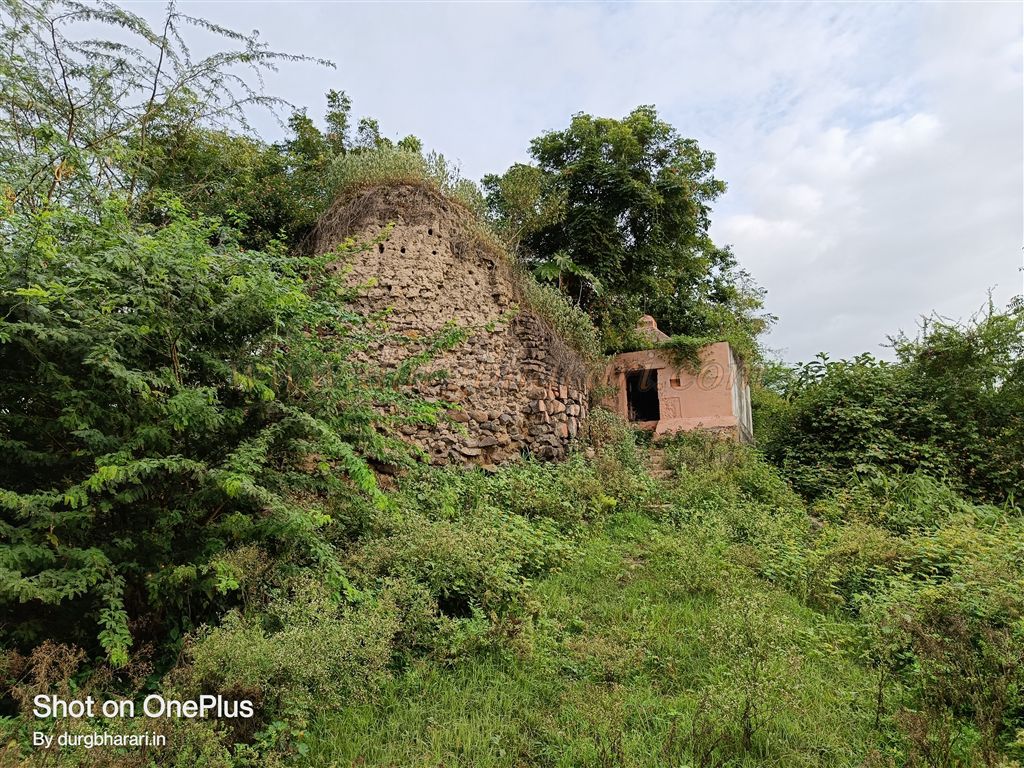
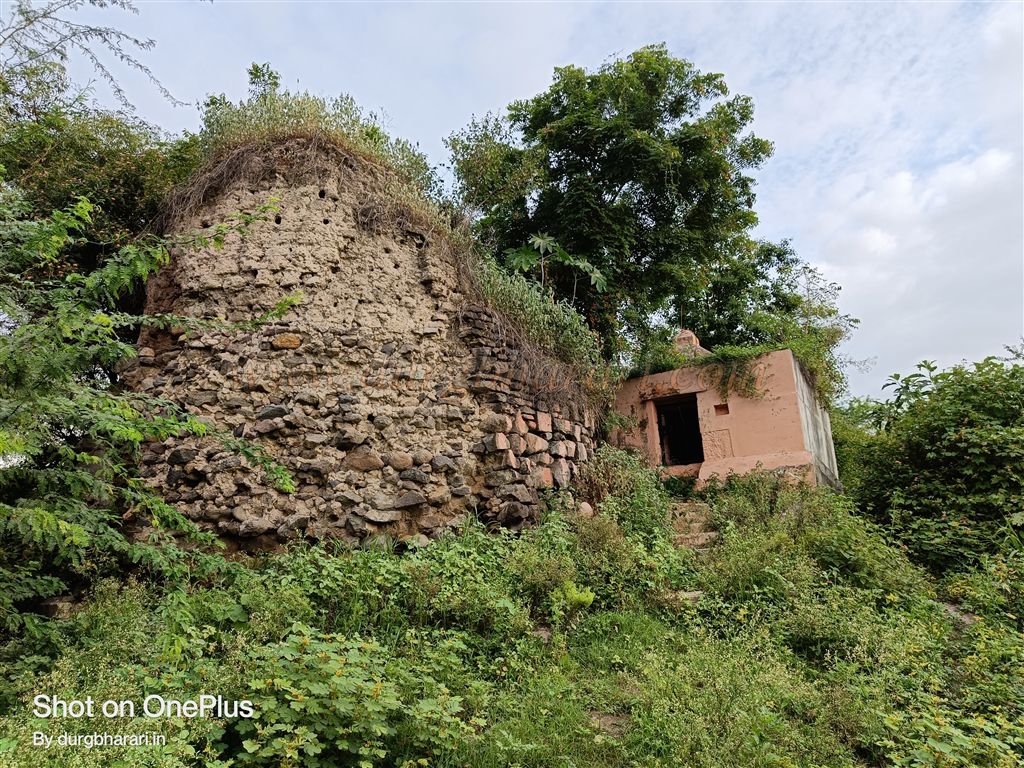
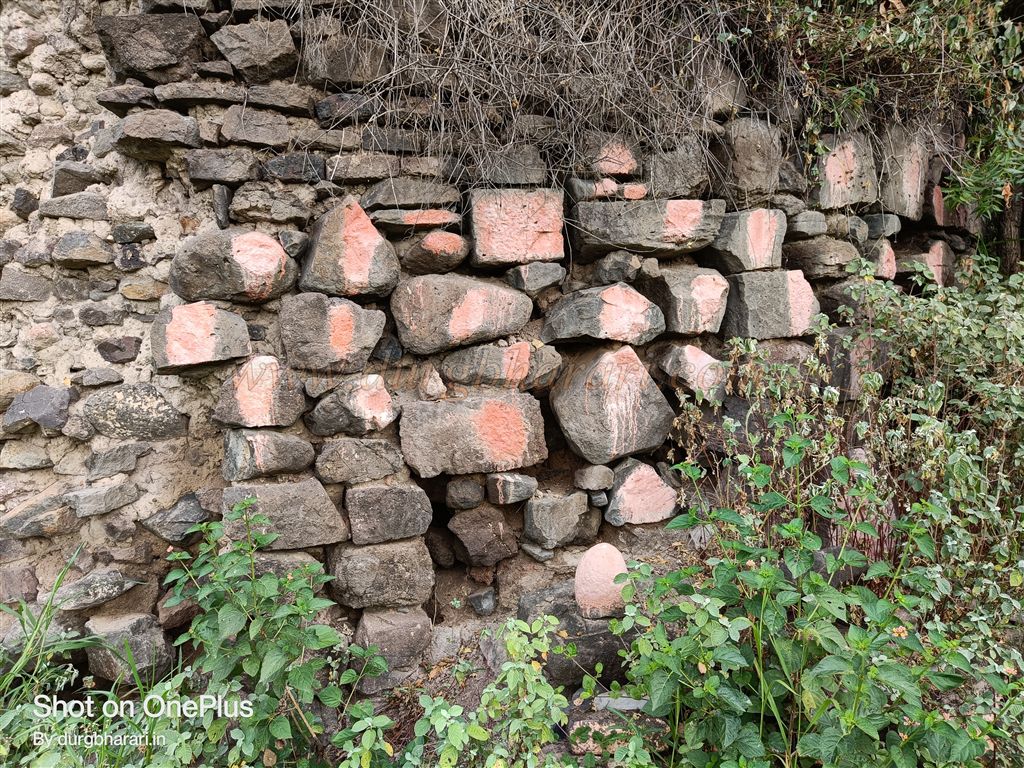
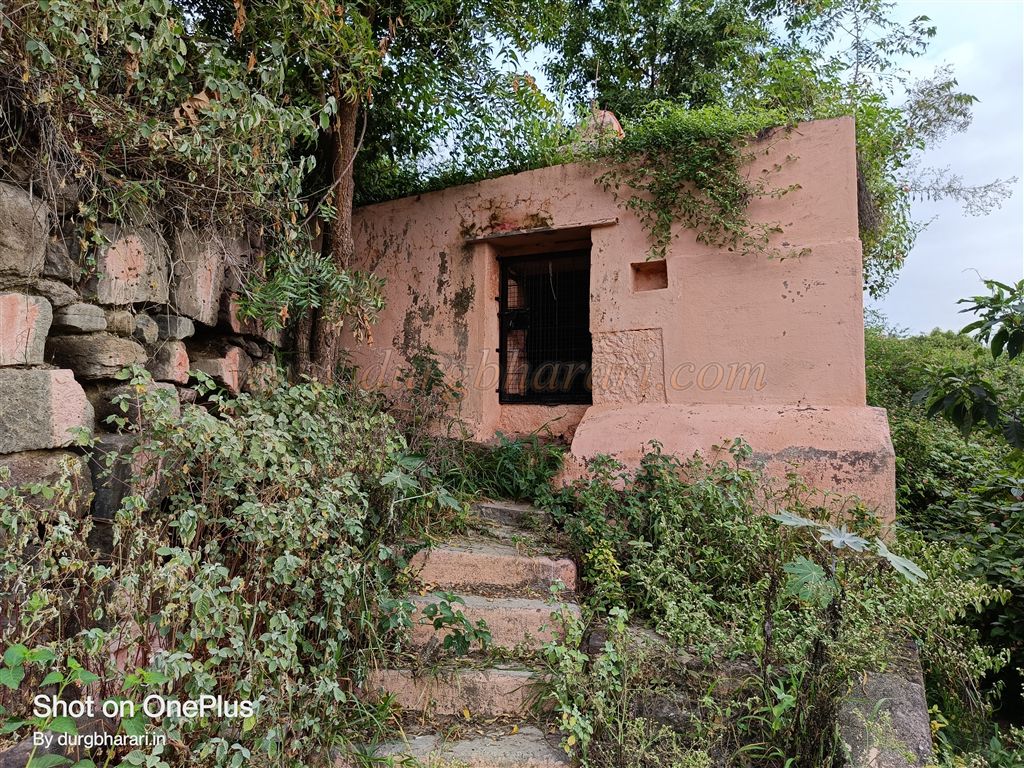
Reading the thrilling account of the first battle of Swarajya immediately draws one’s attention to the Subhanmangal fort at Shirwal. This fort, which witnessed the very first battle of Swarajya, is now in a state of utter ruin. Situated on the banks of the Nira River along the Pune–Bengaluru highway, it would be more appropriate to say that Subhanmangal once existed rather than still stands, as today only a single riverside bastion remains; all other structures have completely disappeared. Instead of repairing the crumbling bastion, a small temple has been built adjacent to it. Upon entering this temple, on the left one notices a few stones from the bastion smeared with vermillion. At the base of the bastion are two hero stones (virgal). The fort walls have entirely collapsed, and the interior has become overgrown with thick, thorny babul trees, concealing the entire area.
...
To visit the fort, one must first reach Shirwal. The path to the fort begins from the Brahmin Galli in Shirwal and passes through the town’s marketplace. Instead of asking for the fort, it is easier to ask for directions to Pragati School, which will lead directly to the bastion. As there is little left to see, the exploration of the fort takes barely five minutes.
In the early days of the establishment of Swarajya, an important event took place in this Shirwal region (1648–49). By 1648, Chhatrapati Shivaji Maharaj had brought several forts and revenue stations in Maval under his control. Maharaj justified these actions by declaring that he had occupied these places for the security of the Bijapur Sultanate, and initially, the Bijapur court paid little attention. However, when Maharaj seized Kondhana Fort, the Bijapur court was shaken. Mustafa Khan, the prime minister of Adilshah, arrested Shahaji Raje on 25th July 1648, and sent a Bijapuri army under Fateh Khan against Maharaj.
After the monsoon of 1648, in late October, Fateh Khan crossed the Bhima and Nira rivers and reached Belsar near Jejuri. Determined not to let the enemy penetrate Swarajya, Maharaj decided to confront him at the border. Accordingly, Purandar Fort and its surrounding area were chosen as the battlefield. Maharaj secured Purandar amicably and prepared to resist the invasion from there. This compelled Fateh Khan to set up his base at Belsar. He planned to capture Subhanmangal and secure the Shirwal station. Balaji Haibtarao, a commander under Fateh Khan, marched to Shirwal and captured the Subhanmangal fort and the Shirwal outpost. Encountering little resistance, Balaji Haibtarao became complacent, and Fateh Khan felt reassured.
Even after losing Shirwal, Maharaj did not falter. He had gathered more than three thousand men at Purandar, including twelve Maval Deshmukhs, along with Godaji Jagtap, Bhimaji Wagh, Sambhaji Kate, Shivaji Ingle, Kawaji Malhar, Bhikaji Chor, and his brother Bhairoji Chor. Maharaj personally oversaw the campaign and dispatched Kawaji Malhar to recapture the Shirwal station. Kawaji breached the fort walls, entered, and launched a surprise attack on the unsuspecting enemy. Though Balaji Haibtarao resisted fiercely, he could not withstand Maharaj’s forces, and Shirwal was recaptured by the Marathas. Kawaji returned to Purandar with significant loot after securing Shirwal.
Maharaj then sent a detachment directly to attack Fateh Khan’s camp at Belsar. This detachment was likely led by Baji Pasalkar and included Baji Jedhe, Kawaji Malhar, Baji Bandal, and the banner-bearing troops. They raided the Khan’s camp, but the Bijapuri army’s counterattack forced the Marathas to retreat. The Maratha ranks broke, and in the ensuing clash, about 250 men, including Baji Pasalkar and members of the Bandal clan, were killed. The Bijapuri forces even pursued the retreating Marathas for some distance.
This retreat on the Khadad–Belsar plains emboldened Fateh Khan, who immediately launched an assault on Purandar. The Bijapuri nobles, accustomed to traveling in palanquins, on elephants, and horseback, had to climb the difficult slopes of Purandar on foot. Maharaj did not allow the enemy to gauge his preparations on the fort. As soon as the enemy came within range, the Marathas unleashed a barrage of stones, flaming torches, and arrows from above. Surviving this onslaught, Bijapuri commanders Ashraf Khan, Minad Sheikh, Ratan Sheikh, and Mataji Ghadge, along with Raje Nimbalkar, pressed on, only to be met by Bhairoji Chor, Bhimaji Wagh, and Godaji Jagtap’s fierce counterattack. Godaji Jagtap killed Muse Khan, who was leading the Bijapuri forces, and with his fall, the Bijapuri army scattered in all directions. Fateh Khan himself could not stop the fleeing troops and fled toward Bijapur (late 1648).
Afterward, Maharaj worked toward Shahaji Raje’s release. Adilshah demanded the return of Kondhana Fort as a condition. Though Maharaj was reluctant, Sonopant Dabir persuaded him to agree, and the fort was returned to Adilshah. Subsequently, Shahaji Raje was released and sent honorably to Bengaluru (1649). Thus, Chhatrapati Shivaji Maharaj successfully overcame the first crisis faced by Swarajya. At just eighteen years of age, Maharaj displayed remarkable courage, boosting the morale of his followers.
In this campaign, the Maval sardars remained steadfastly loyal to Maharaj. Baji Kanhoji Jedhe displayed extraordinary valor in holding up the Maratha standard, for which Maharaj honored him with the title of Sarjerao. This battle’s vivid account is found in Chapter 13 of poet Paramananda’s Shivabharata. This was Chhatrapati Shivaji Maharaj’s first battle!
© Suresh Nimbalkar
GALLERY