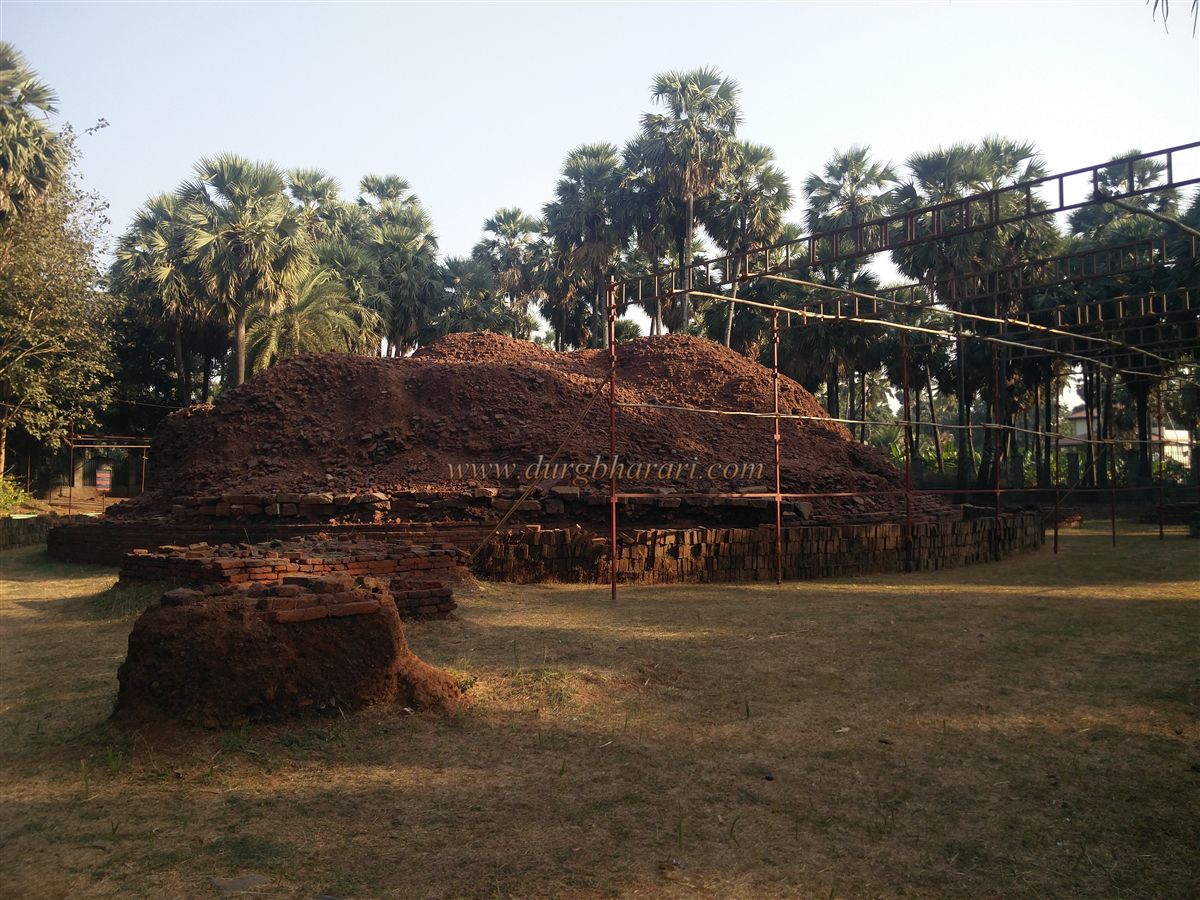
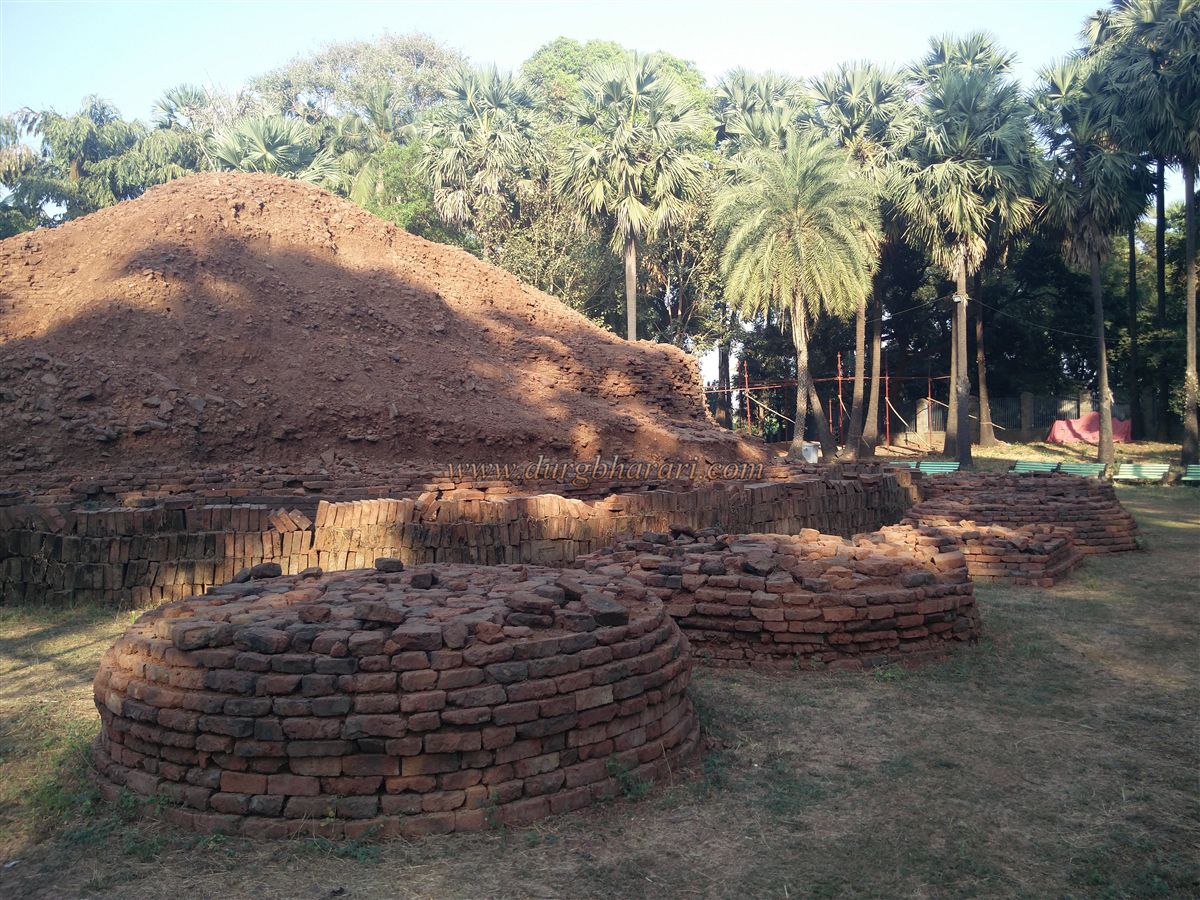
SOPARA STUP TYPE : MONUMENTS DISTRICT : PALGHAR GRADE : EASY The present-day Nalasopara region was known in ancient times as Shurparaka Nagari. From the port at Shurparaka, trade with various regions of India and abroad flourished. During the Satavahana period, this city reached its peak of prosperity, and Buddhism also spread significantly in the area. Over time, many of its structures disappeared, while some remained buried under mounds of earth. One such buried structure — a Buddhist stupa — was brought to light during excavations conducted here in 1882. This stupa is estimated to be around 2,500 years old. The Buddhist stupa at Nalasopara is recognized as an internationally significant monument, as it is believed that Lord Buddha himself resided here. Unfortunately, the current state of this stupa is quite dilapidated. Only the remnants of its circular brick-built dome survive, along with a few stone-carved sculptures and decorative fragments scattered around. ... According to historical accounts, a trader named Purna from Shurparaka travelled to northern India, where he was deeply influenced by the teachings of Gautama Buddha and embraced Buddhism. Upon returning to Shurparaka, Purna constructed a sandalwood stupa, within which Buddha is said to have stayed for 70 days. Later, when Emperor Ashoka initiated his campaign to spread Buddhism, he ordained his son Mahendra and daughter Sanghamitra as monk and nun, respectively, and sent them on missionary journeys. It is believed that they too visited this stupa and contributed to the spread of Buddhism in this region. © Suresh Nimbalkar Read more... WATCH VIDEO GALLERY Post Views: 790