SONORI
TYPE : GADHI
DISTRICT : PUNE
HEIGHT : 0
GRADE : EASY
During the later Maratha period, Malhargad was constructed by the artillery chief Sardar Panse to keep watch over Dive Ghat near Pune. While many fort enthusiasts visit Malhargad, located 30 km from Pune and 6 km from Saswad, very few know about the Panse family’s gadhi (fortified mansion) situated at the base village of Sonori.
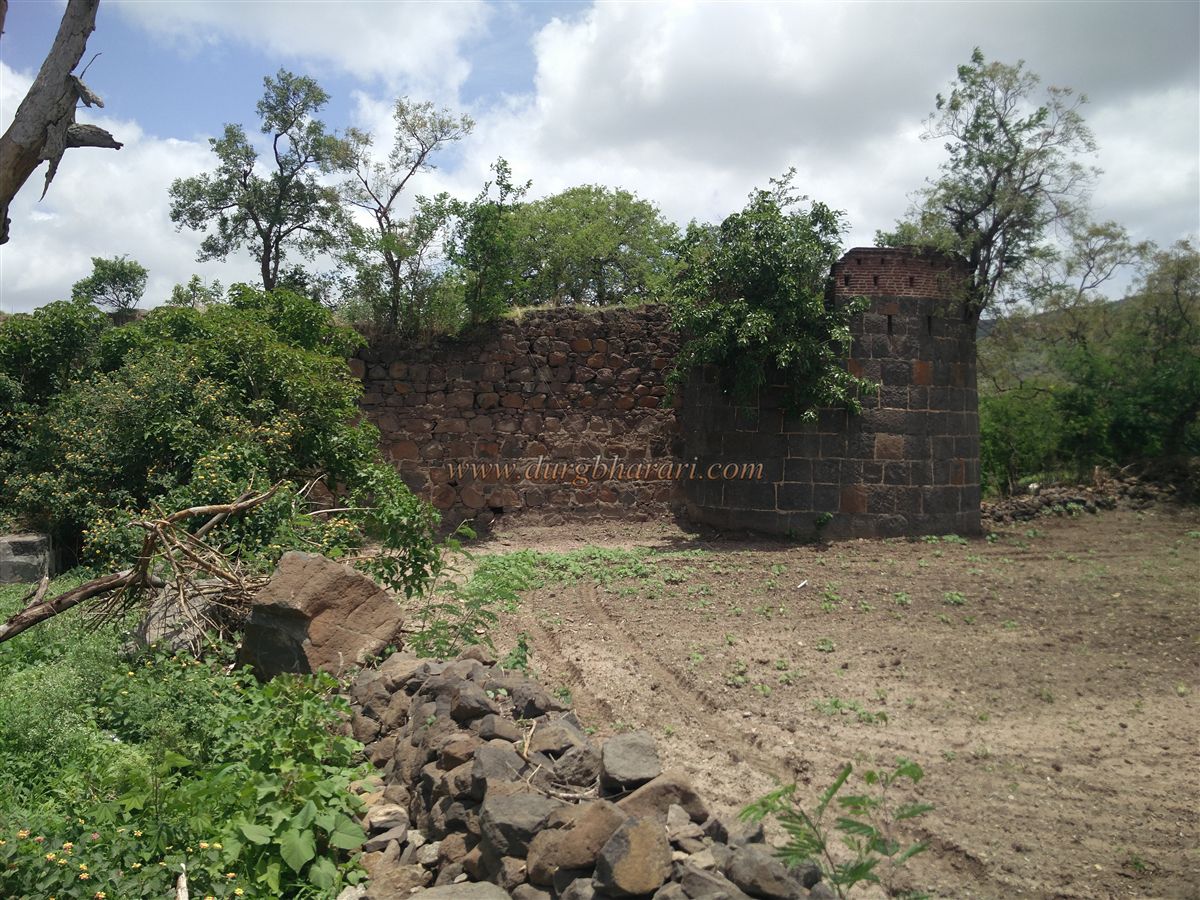
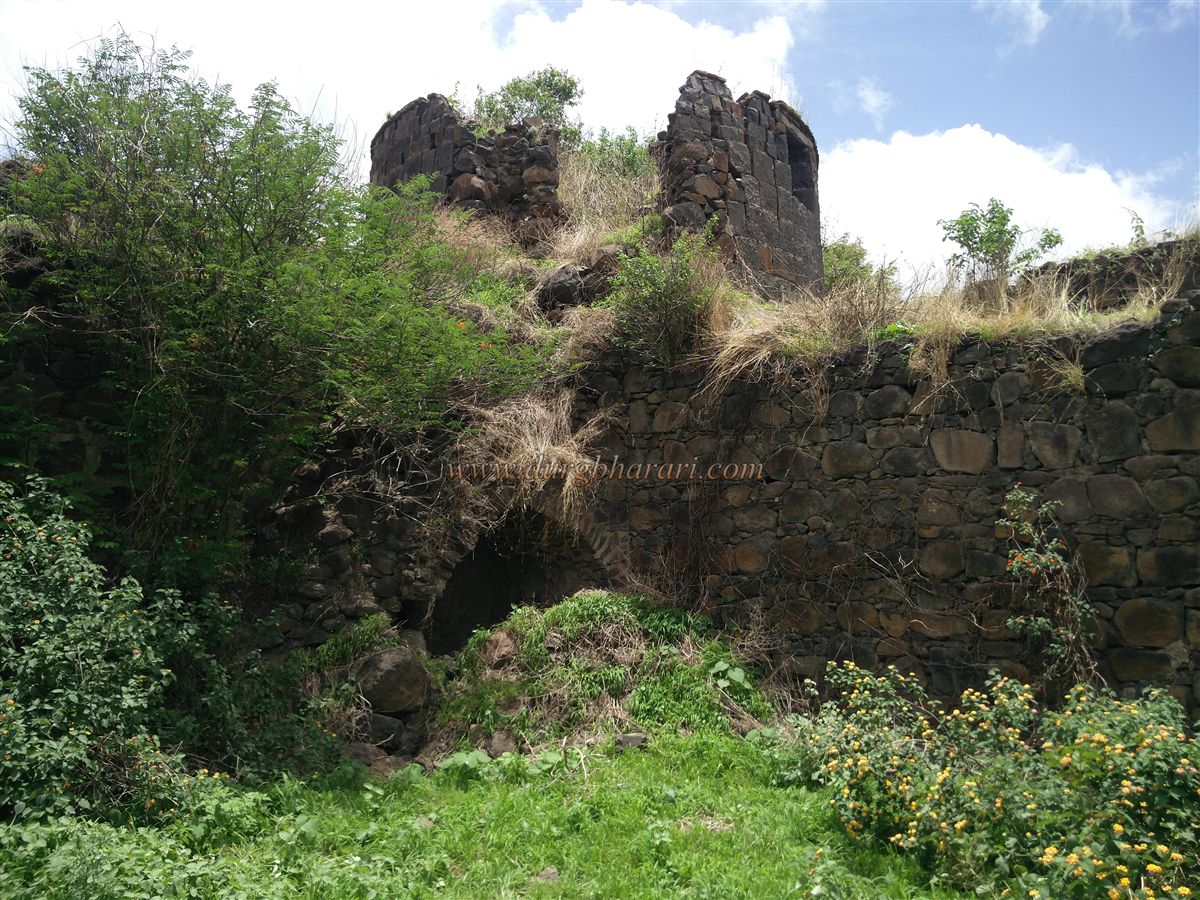
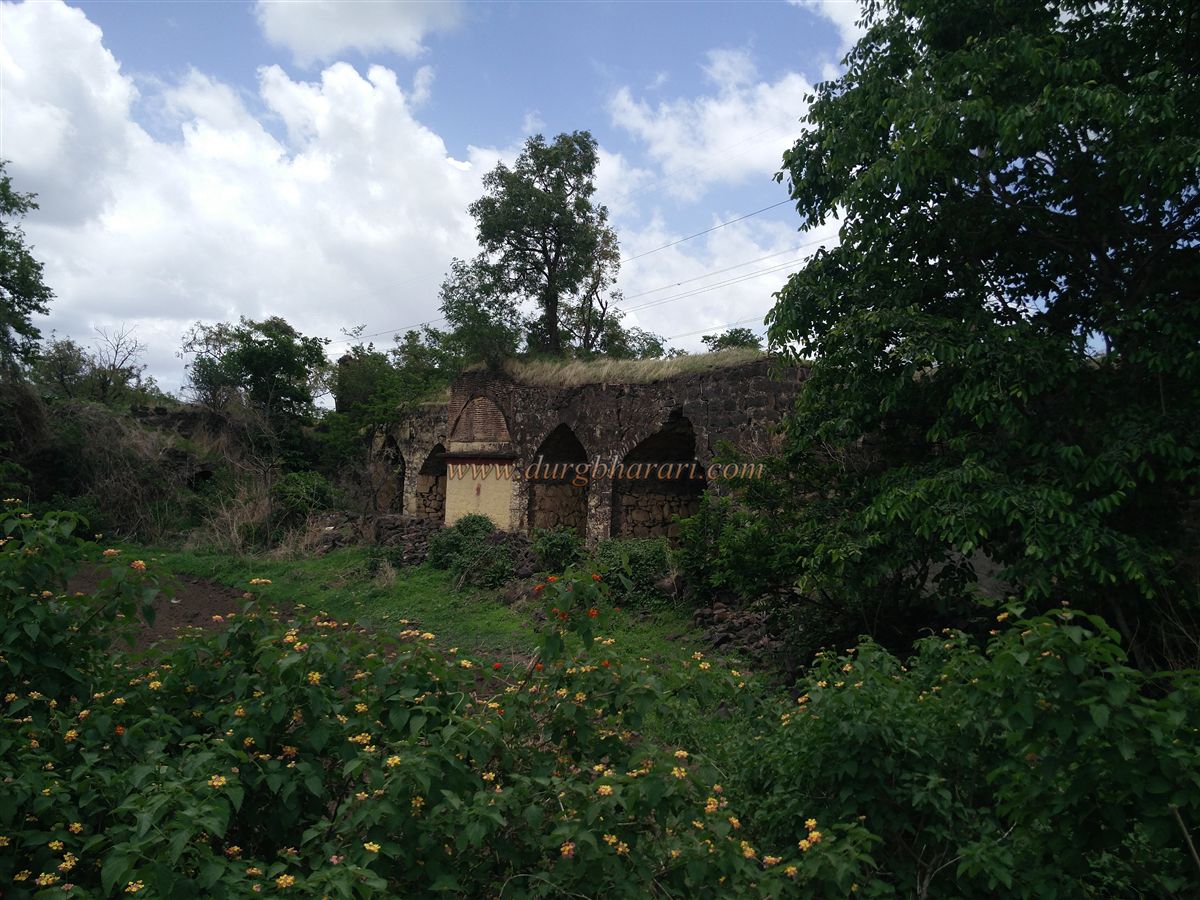
At first glance, this structure appears to be a well-preserved land fort, though the interior wada (mansion) buildings are crumbling. Located on one end of the village, this gadhi spreads across more than 3 acres. Its fortification has six bastions — one at each corner and two near the entrance. The sturdy walls, made of dressed and rough stone, rise 20 feet high and are 8 feet thick, featuring gun loops for muskets and cannons.
The main entrance faces east and has guard rooms on the inside. The western entrance was broken down by villagers to make a passage.
...
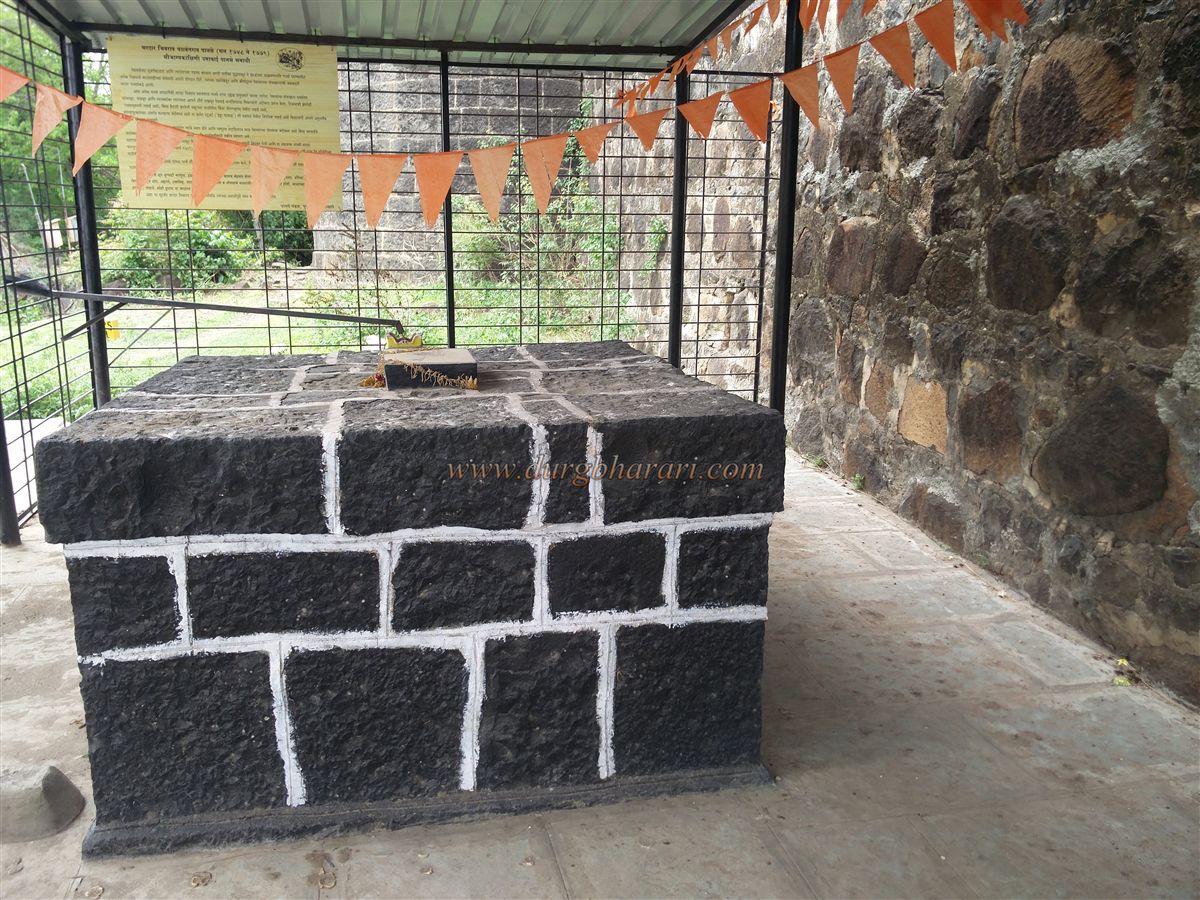
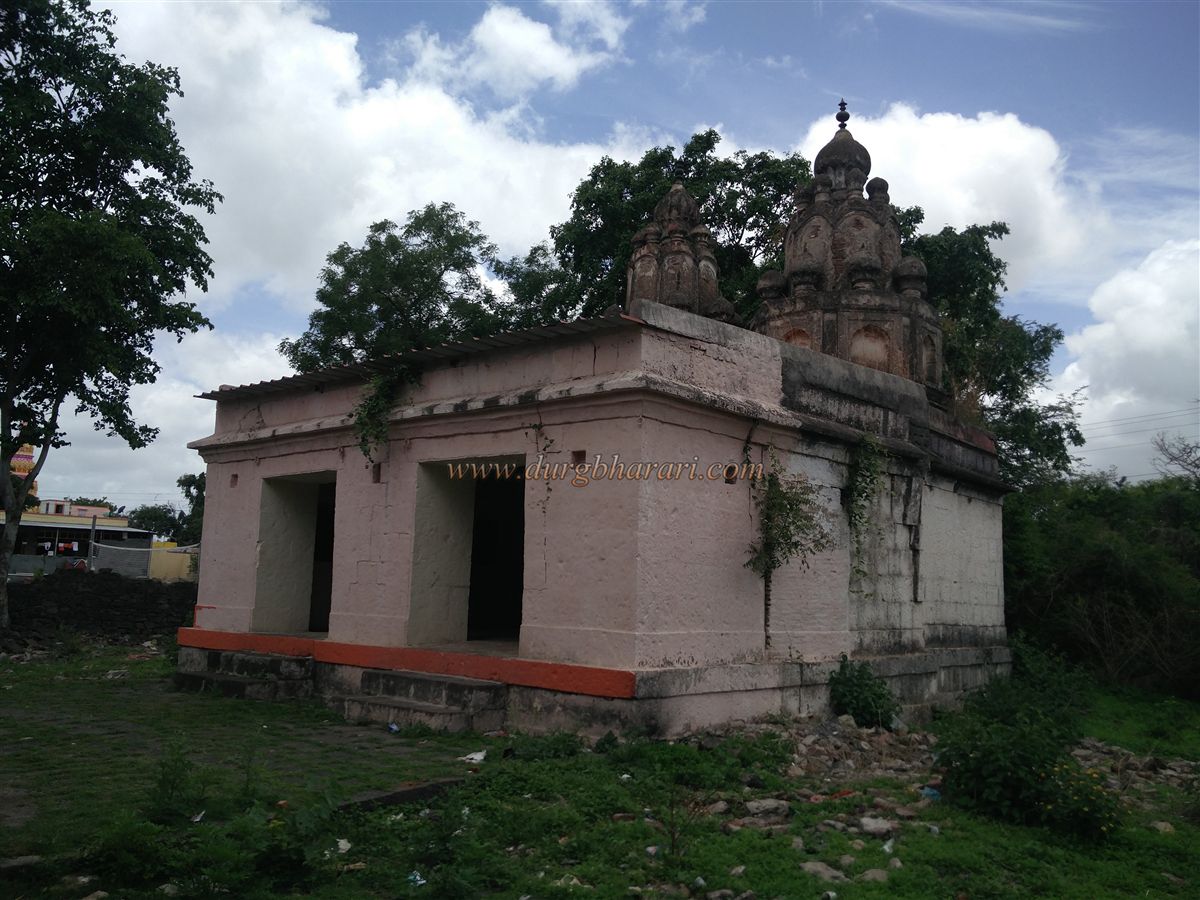
To the left of the main gate is the memorial platform (Samadhi) of Sardar Bhivrao Panse, alongside the Vrindavan (memorial) of his wife Umabai, who committed sati. In front of the Samadhi is a platform with temples dedicated to Vitthal-Rukmini and Rama, while a little further lies a stepped square water tank known as Ramteerth.
Upon entering the gadhi, one should first head toward the western gate at the end of the road. Though partially destroyed to make way for a road, half of its arch still remains. Beside the gate, adjoining the wall, are horse stables, and at the far end, near the ramparts, stands a small Ganapati temple with stairs leading to the fort walls.
Returning along the path, one finds the Lakshmi Narayan temple on the left. In front of this temple is a dried-up water tank. This is a Panchayatan temple, with shrines for Devi, Surya, Ganapati, and Mahadev at its four corners, while the sanctum houses a marble idol of Lakshmi Narayan. The idol depicts Vishnu seated on Garuda, with Lakshmi on his left. This idol was part of the loot acquired by Krishna Rao Panse during the Karnataka campaign at Melukote on March 7, 1771.
In addition, the village of Sonori has a temple dedicated to Murlidhar, containing a beautifully carved black stone idol of Krishna. For the upkeep and rituals of these temples, the Peshwa granted the village of Vanpuri as inam (tax-free land).
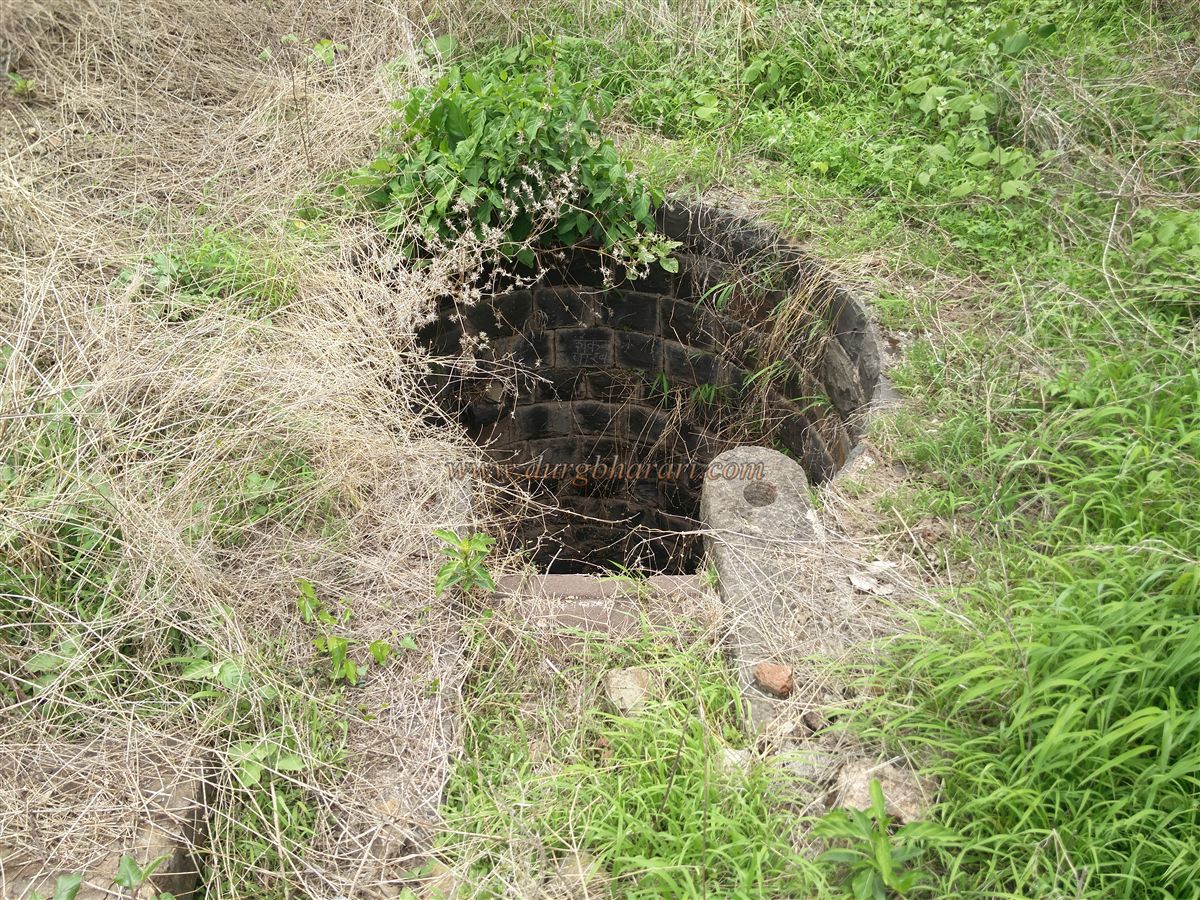
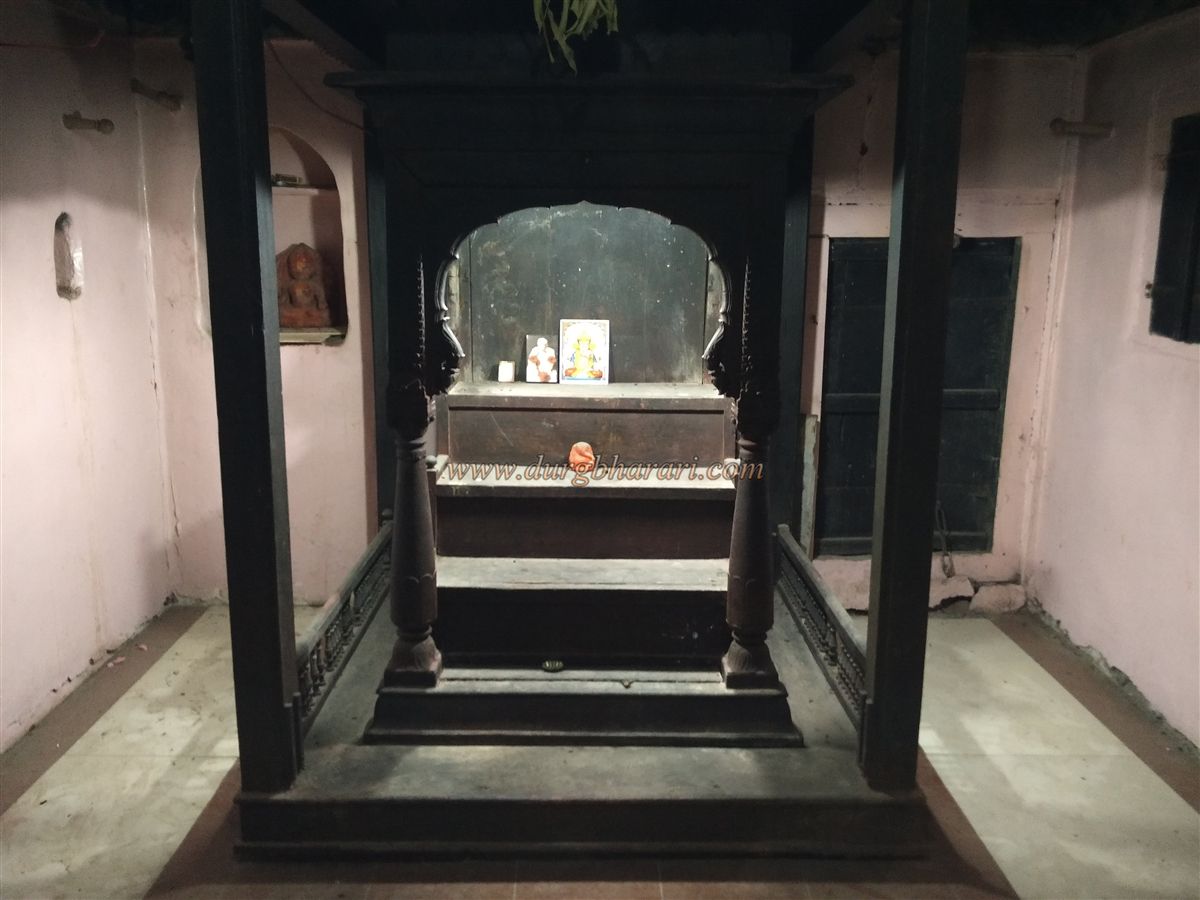
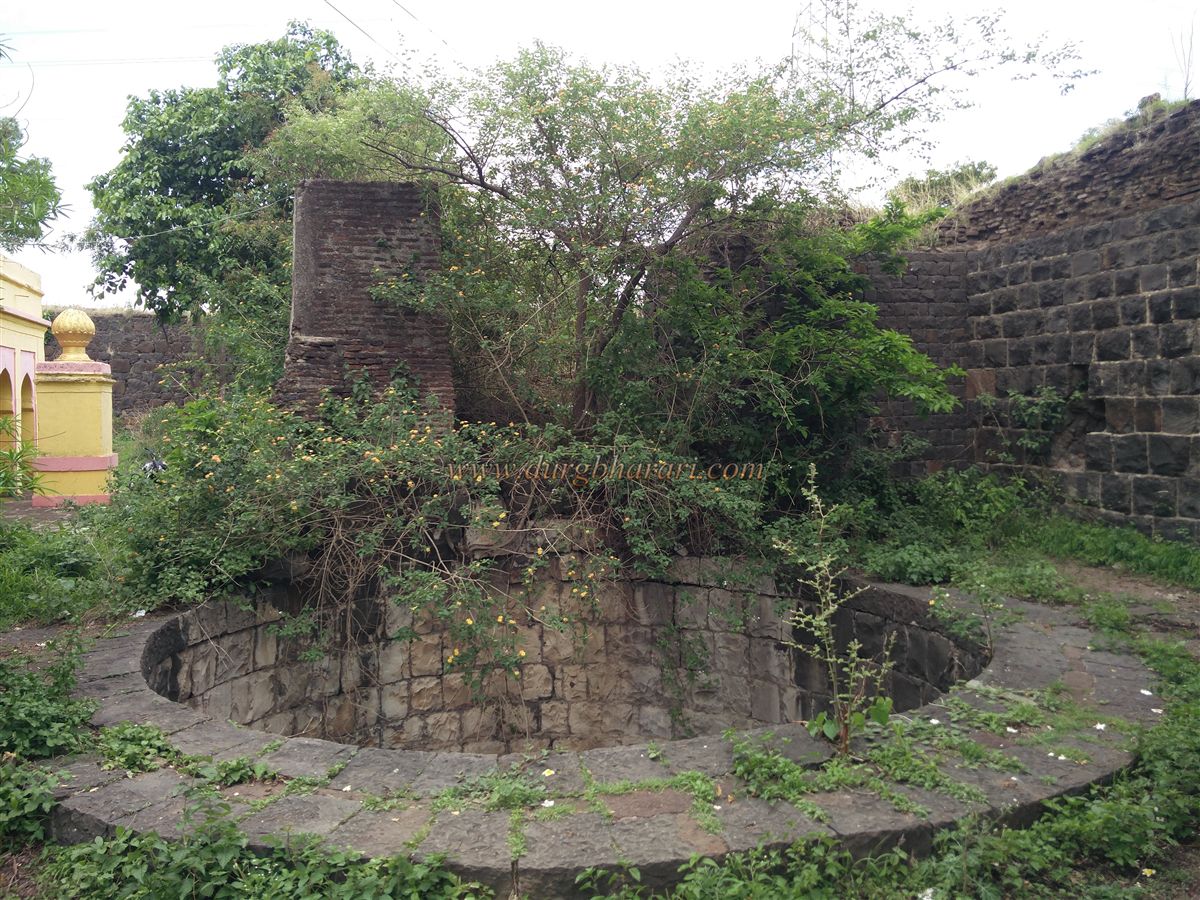
Behind the Lakshmi Narayan temple is a large circular well with steps and an arched entrance. Adjacent to this is a brick-built tower, whose cistern once distributed water through clay pipes to the entire wada. In front of the well stands the Panse wada, enclosed by its own set of walls with two gates. Originally, this was not a single wada but a complex of four wada. Of these, one is completely razed, another survives in ruins, and the remaining two — once three-storied — are now reduced to a single story. The teakwood shrine (Devghar) inside the wada is particularly notable. One of the wada contains a small inner well, while a larger well lies outside. Beyond the western bastion of the wada, there is a large water reservoir created by quarrying stone for construction.
The wada complex is the focal point of the annual Janmashtami celebrations, drawing members of the Panse family from across the region.
Historically, during the reign of Chhatrapati Shahu Maharaj, Mahadev Shivdev Panse served in the cavalry (page). In 1726, he participated in Peshwa Bajirao I’s Karnataka campaign. On Bajirao recommendation, Shahu Maharaj officially appointed Mahadevrao to the Peshwa’s service in 1735. Under him served Yashwantrao and his younger brother Mahipatrao. Mahipatrao Panse fought at Panipat alongside Sadashivrao Bhau and was among the few who returned alive.
At that time, the Peshwa lacked an independent artillery division. Peshwa Nanasaheb entrusted the artillery to Mahadevrao Panse, making him the first artillery chief from the Panse family. He implemented several reforms in the artillery. In 1753, Mahadev Shivdev Panse received 15 bighas of land in Sonori as a grant.
The fortified wada at Sonori was likely constructed between 1760–1762 by Krishna Rao Mahadev Panse and Bhivrao Yashwant Panse. Sardar Bhivrao Panse enjoyed great trust from the Peshwa. Historical documents mention that Peshwa Madhavrao I visited Malhargad in 1771–72, and it is likely that he also visited this gadhi. Bhivrao Panse distinguished himself in several battles, notably during Hyder Ali’s campaign in 1777.
During the later Peshwa period, Bhivrao Panse sided with Nana Phadnavis. In the Battle of Vadgaon (1778), he effectively used his artillery to defeat the British. Bhivrao died in 1778, and his wife Umabai performed sati after his death.
© Suresh Nimbalkar
GALLERY