SONEGAON ABAJI
TYPE : GADHI
DISTRICT : VARDHA
HEIGHT : 0
GRADE : EASY
When we think of Wardha district, what comes to mind is Mahatma Gandhi’s Sewagram. However, this district in Vidarbha once had numerous forts, including hill forts, land forts, and fortified mansions (gadhis). During an exploration of the forts in Wardha, we found remains of a total of 10 forts. Apart from the seven forts mentioned in the book Gadkille Maharashtrache by fort expert Pramod Mande, there is no other mention of these forts in any source. Even in today’s digital age, there is little to no information about them on the internet.
When we visited these forts, we gathered the information and attempted to present it on the Durgbharari website. Many of these forts have been completely destroyed, leaving only a wall, a bastion, or a gateway struggling against time. Among these 10 forts, two are hill forts, one is a sarai (inn-fort), and the remaining seven are gadhis.
...
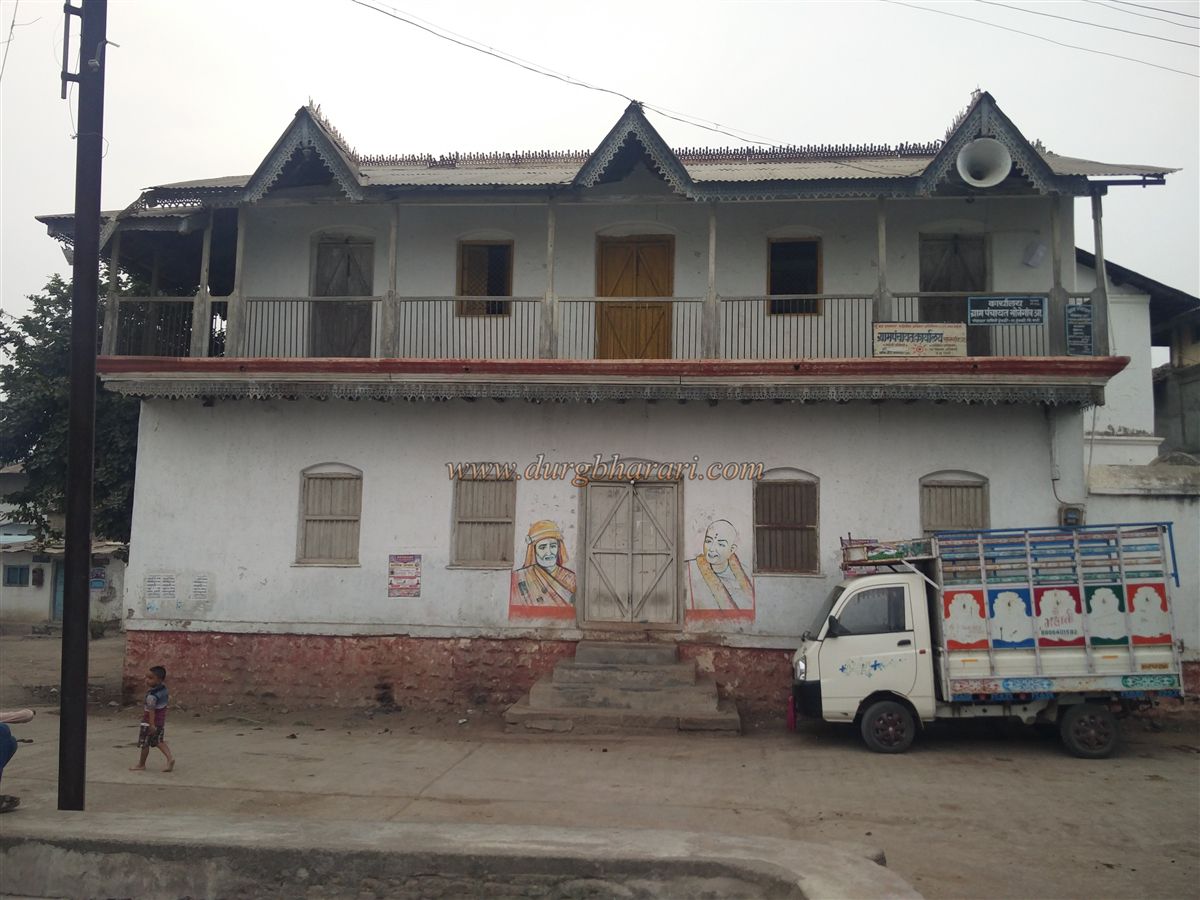
Most of these gadhis now house villages, temples, or dargah, and the new constructions have taken over the remnants of the original structures. Among them, the best-preserved structure is the gadhi at Sonegaon Abaji, which has been transformed into a temple.
To visit the Sonegaon Abaji Gadhi, the nearest town is Deoli. The distance from Wardha to Deoli is 17 km, and from Deoli to Sonegaon Abaji is 8 km. Rickshaws are available between Deoli and Sonegaon Abaji. The temple is famous in the surrounding area, so it always has a crowd of devotees. From the bus stop, it takes only five minutes to reach the gadhi located at the edge of the village.
On entering the gadhi premises, before climbing the steps, one comes across a deep circular well enclosed by an iron grill. The gadhi is square-shaped, situated on an elevated mound, and spreads across half an acre. The main entrance lies to the north, while a newly constructed small entrance is on the south. Guard rooms flank the inner sides of the main gateway. Though the exterior fortification walls and all four bastions remain intact, the original internal structures have been completely destroyed. A staircase inside the gate leads up to the ramparts, offering a view of the entire gadhi.
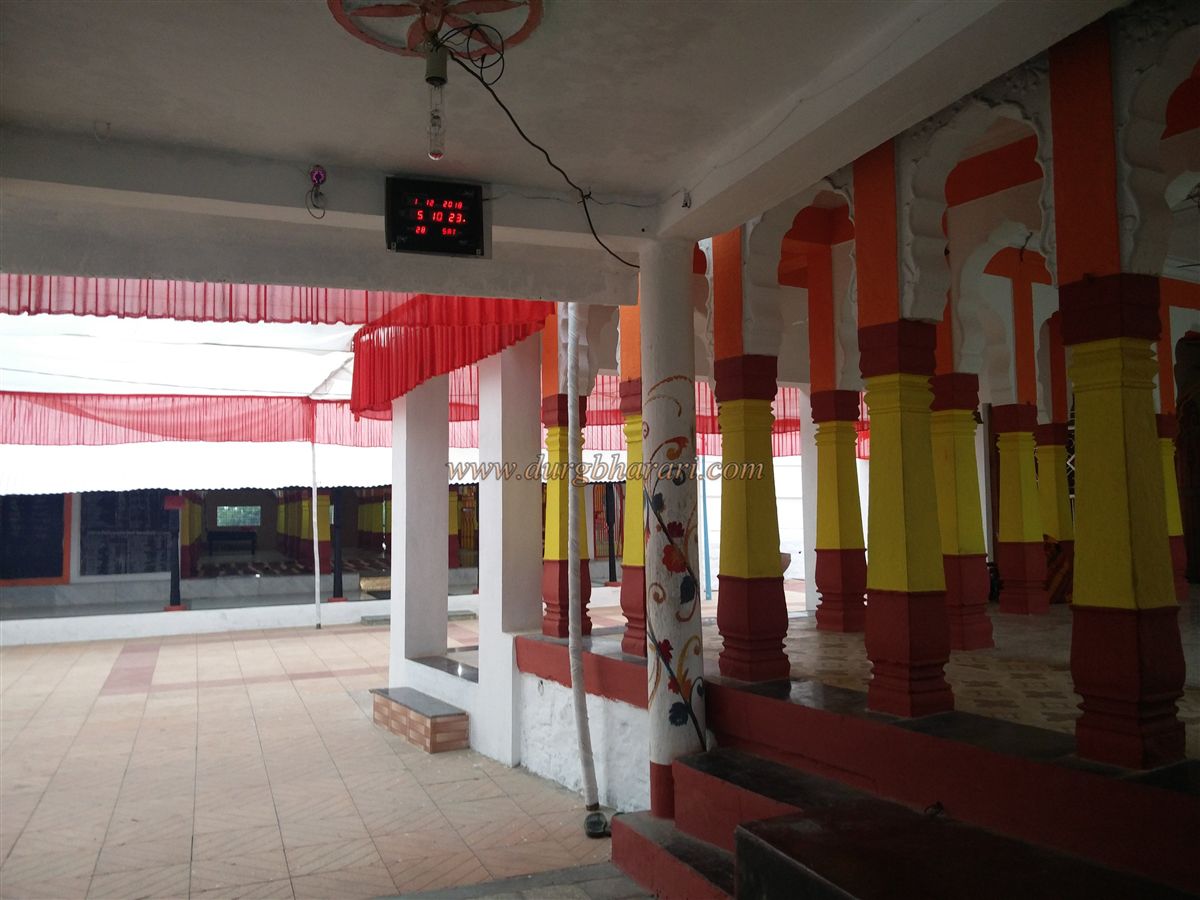
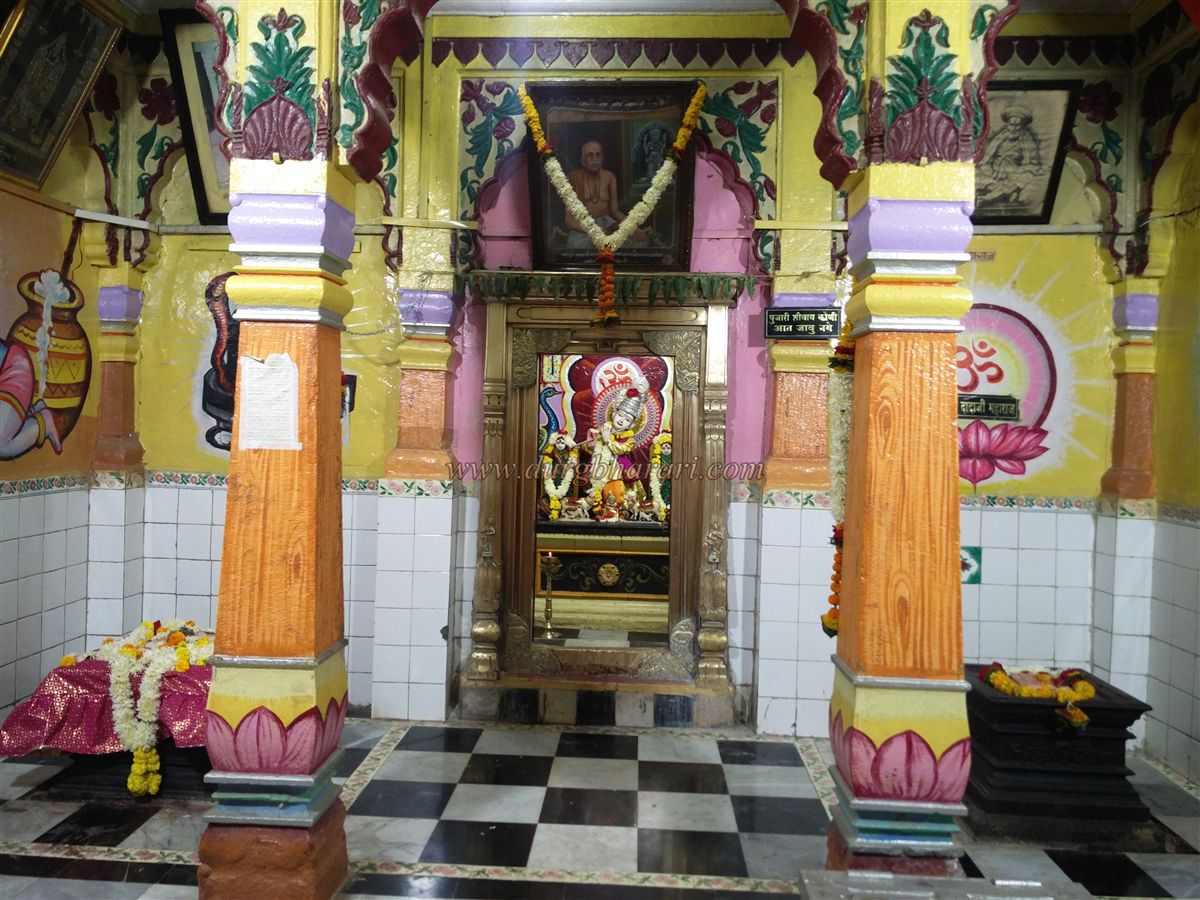
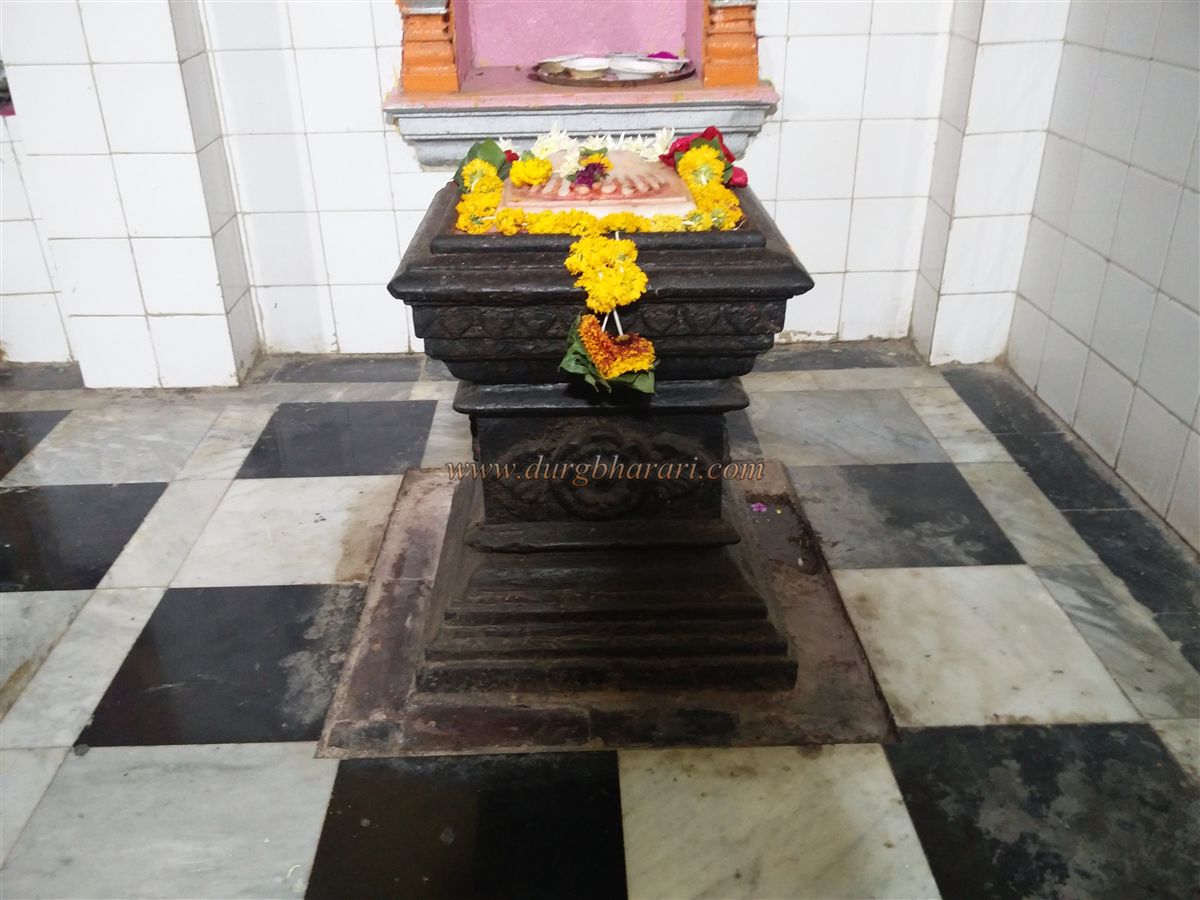
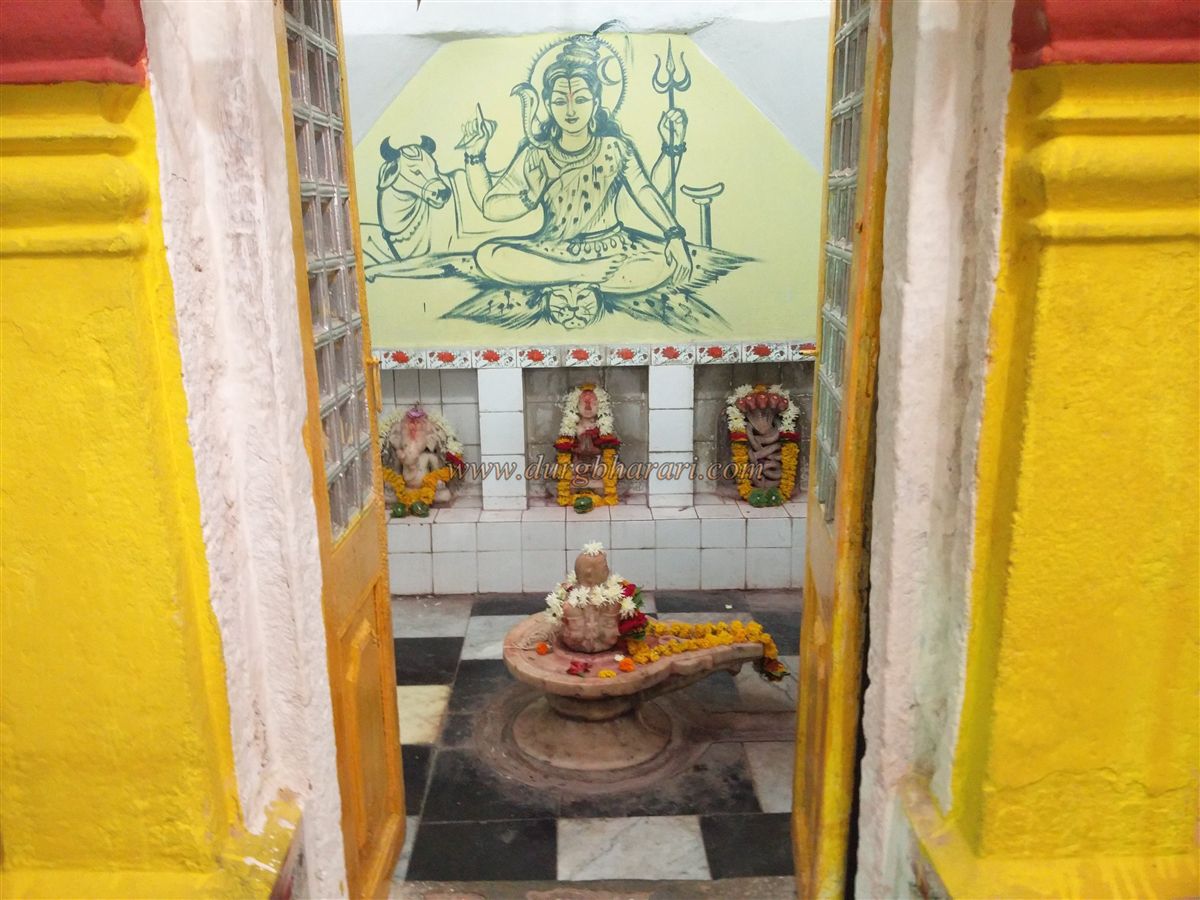
Inside, there are two temples – one dedicated to Lakshmi Narayan and Murlidhar, and the other to Shankar. The Shiva lingam in the Shankar temple is in the Sadashiv form, with five heads carved on it. Both temples house brass idols of Lord Krishna in the Ashtanga form, donated by Laxmanrao Bhosale of Nagpur. Behind the Lakshmi Narayan temple is a cellar that contains the Samadhi of Saint Abaji Maharaj. Both temples are beautifully designed, with strikingly vibrant colours.
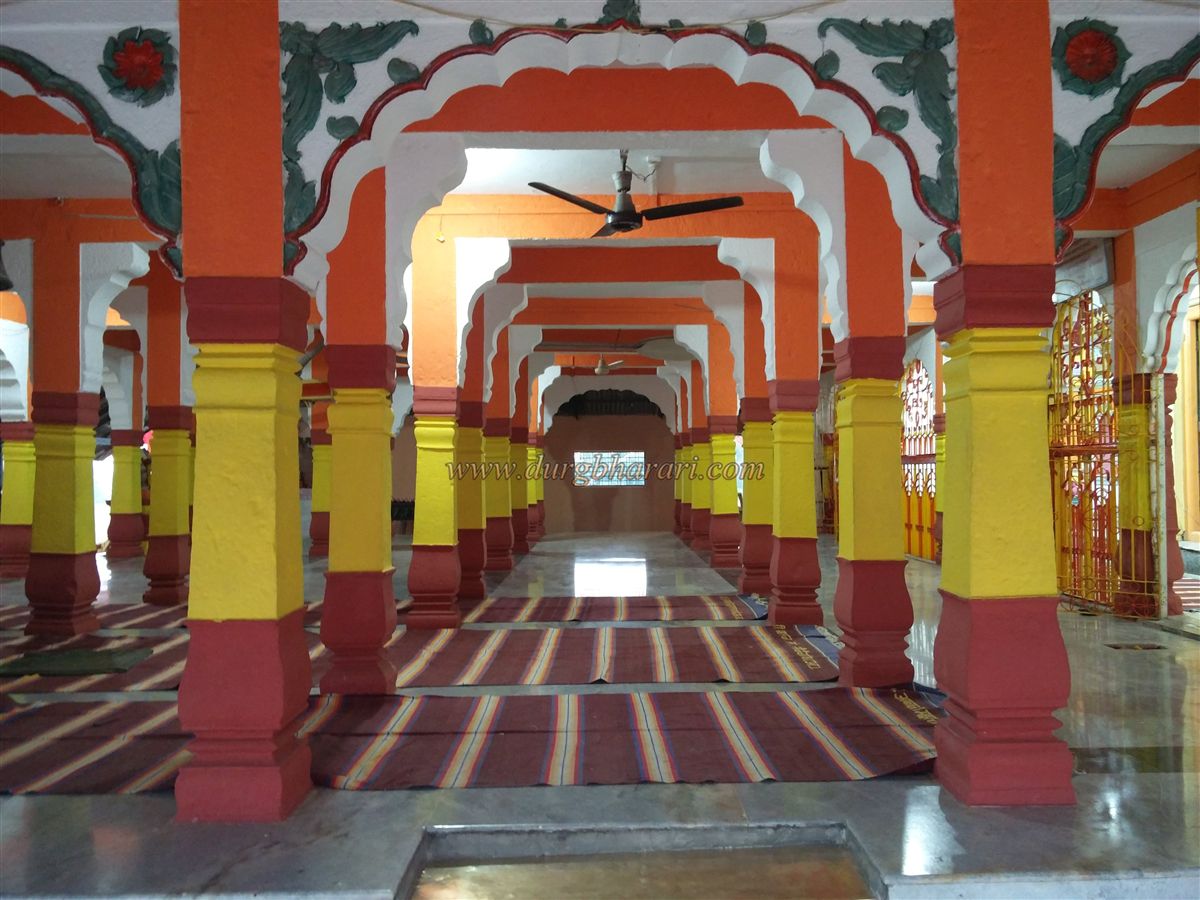
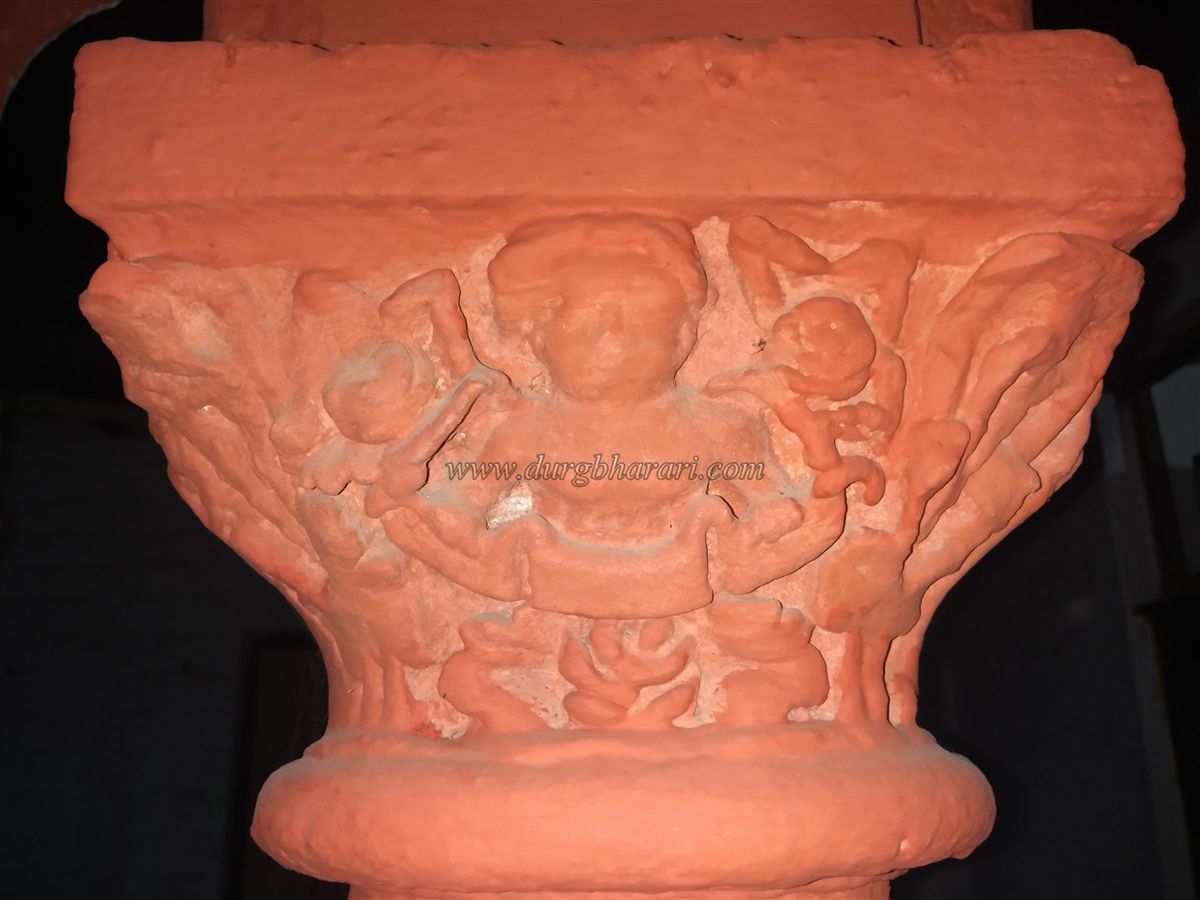
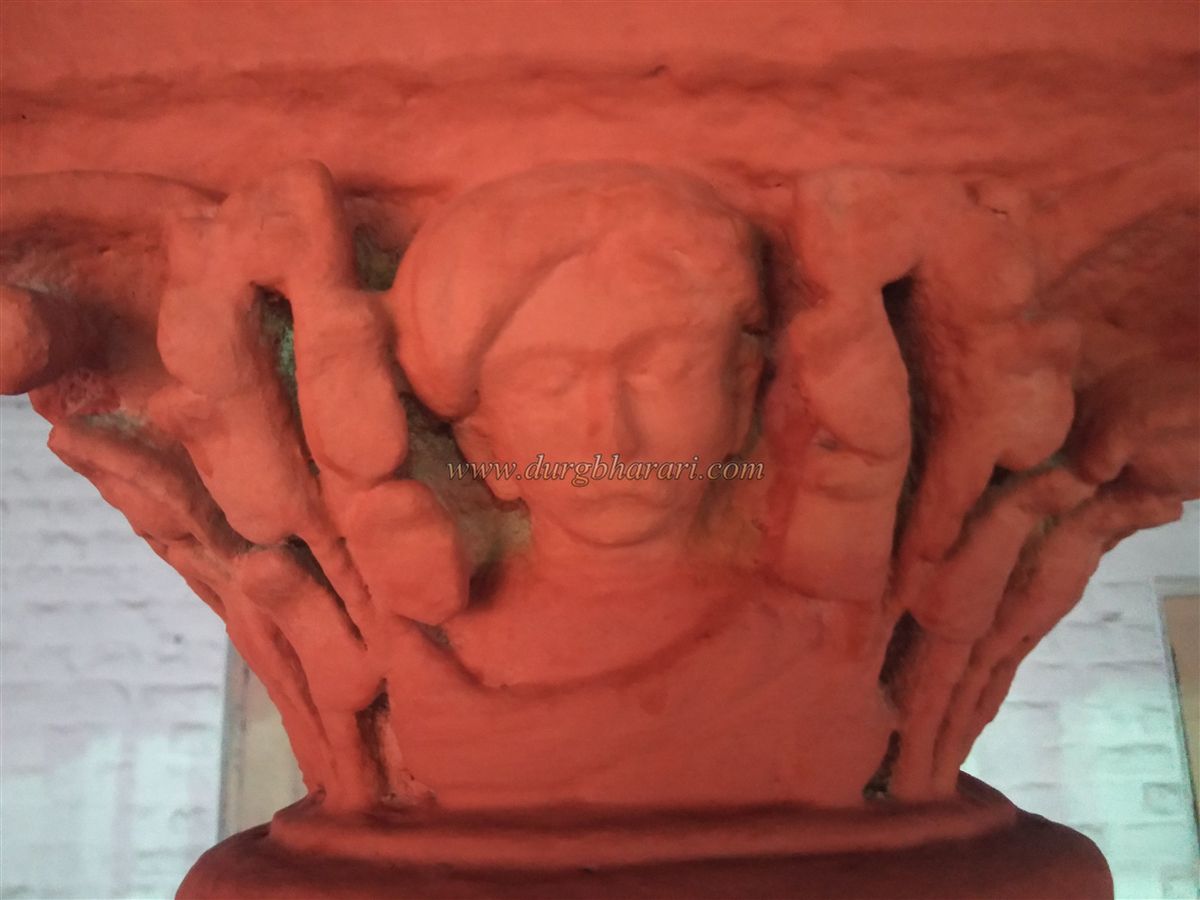
Along the eastern wall of the fortification are the original rooms, now used for temple storage and accommodation for temple staff. Along the western wall is a beautiful assembly hall, whose circular pillars feature carvings of small statues of Lokmanya Tilak and Gopal Ganesh Agarkar. Exploring the entire gadhi takes about half an hour.
Sonegaon Abaji was one of four villages under the ownership of the Kurzhadikar family, who were settled in Virul. They donated the gadhi at Sonegaon to Saint Abaji for temple purposes. Today, the head of the monastery is 82-year-old Kamlakar Purushottam Dani, a fifth-generation descendant of Saint Abaji.
© Suresh Nimbalkar
GALLERY