SOLSUMBHA KOT
TYPE : COASTAL FORT
DISTRICT : VALSAD
HEIGHT : 0
GRADE : EASY
Due to the long-standing Portuguese rule in North Konkan, many small and large fort-like structures built by them can be seen along the coastal belt from Vasai to Daman. Most of these forts have severely deteriorated, leaving only a few remnants. One such small fort is the Sulsumba Fort, located near Umbergaon.
Once a part of the Maratha Swarajya, this region was merged into the state of Gujarat during the linguistic reorganization of states. However, since the Portuguese were ousted from here after the Vasai Campaign and this region came under the Marathas, I have included this fort under the “Forts of Maharashtra” category. We were able to visit this fort thanks to information shared by our fort-enthusiast friend, Mr. Jagdish Dhanmeher.
The nearest railway station to visit Sulsumba Fort is Umbergaon, which is about 1.5 km away. Private rickshaws are available from Umbergaon station to reach Sulsumba.
...
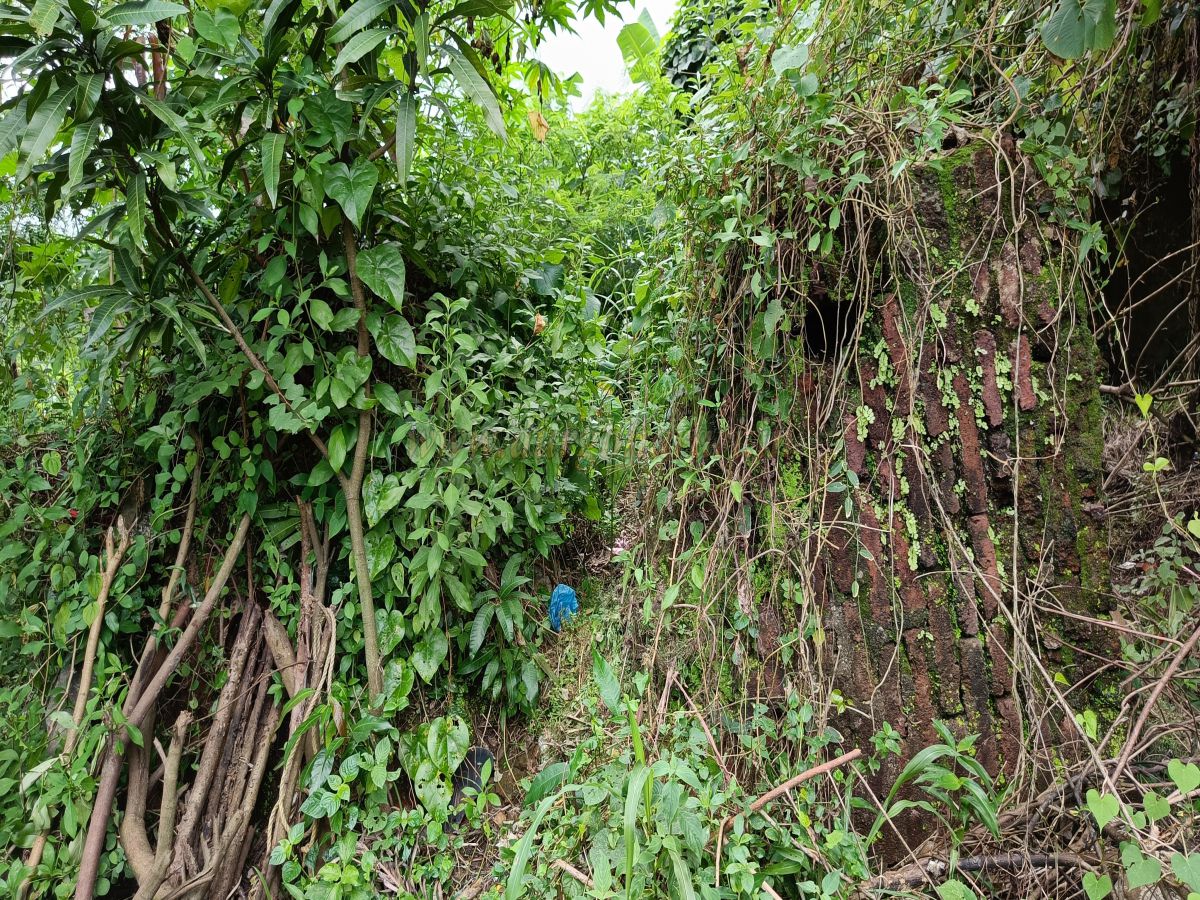
To locate the fort, one should first inquire about the Sarkar Wada Ganesh Temple, and from there ask for “Medi.” As you approach the fort, on the right side of the path, hidden among thick shrubs and trees, the structure of Sulsumba Fort comes into view.
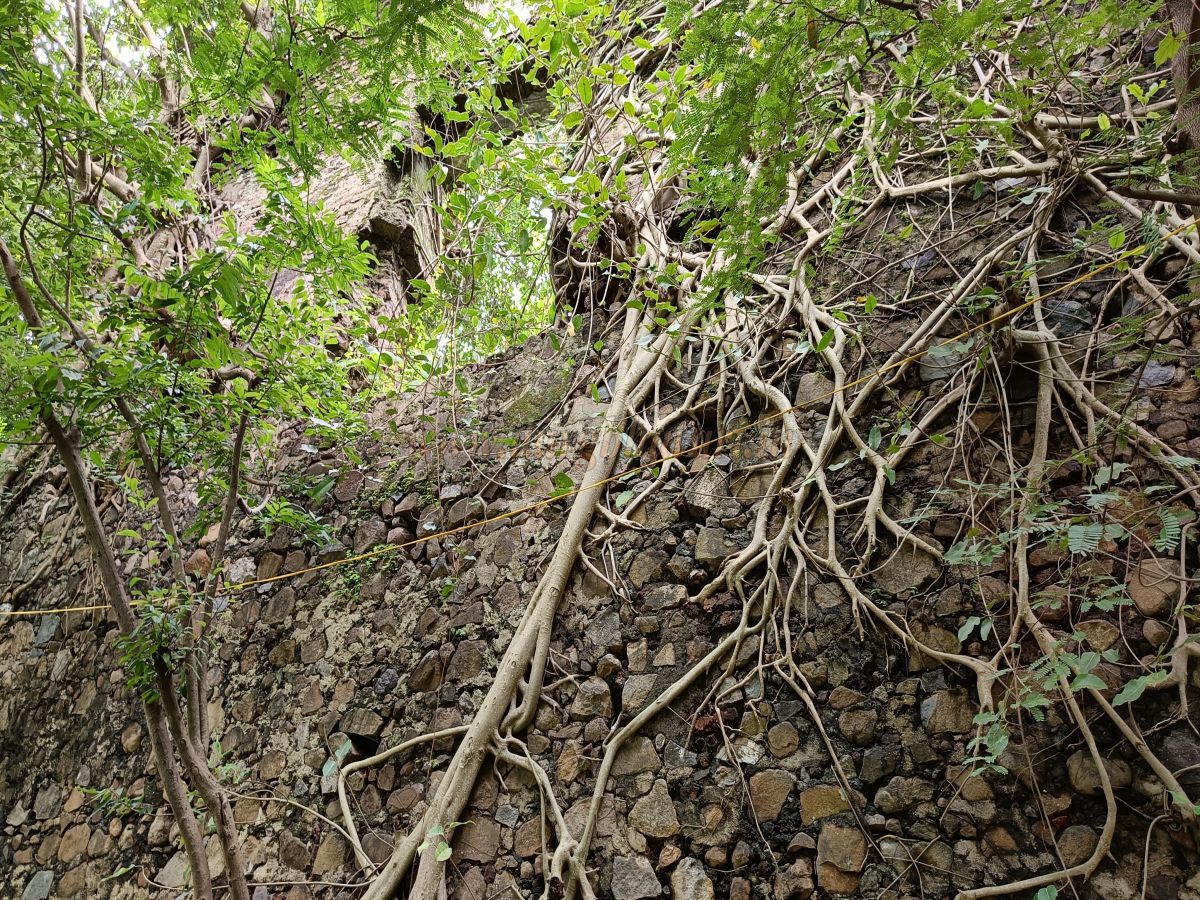
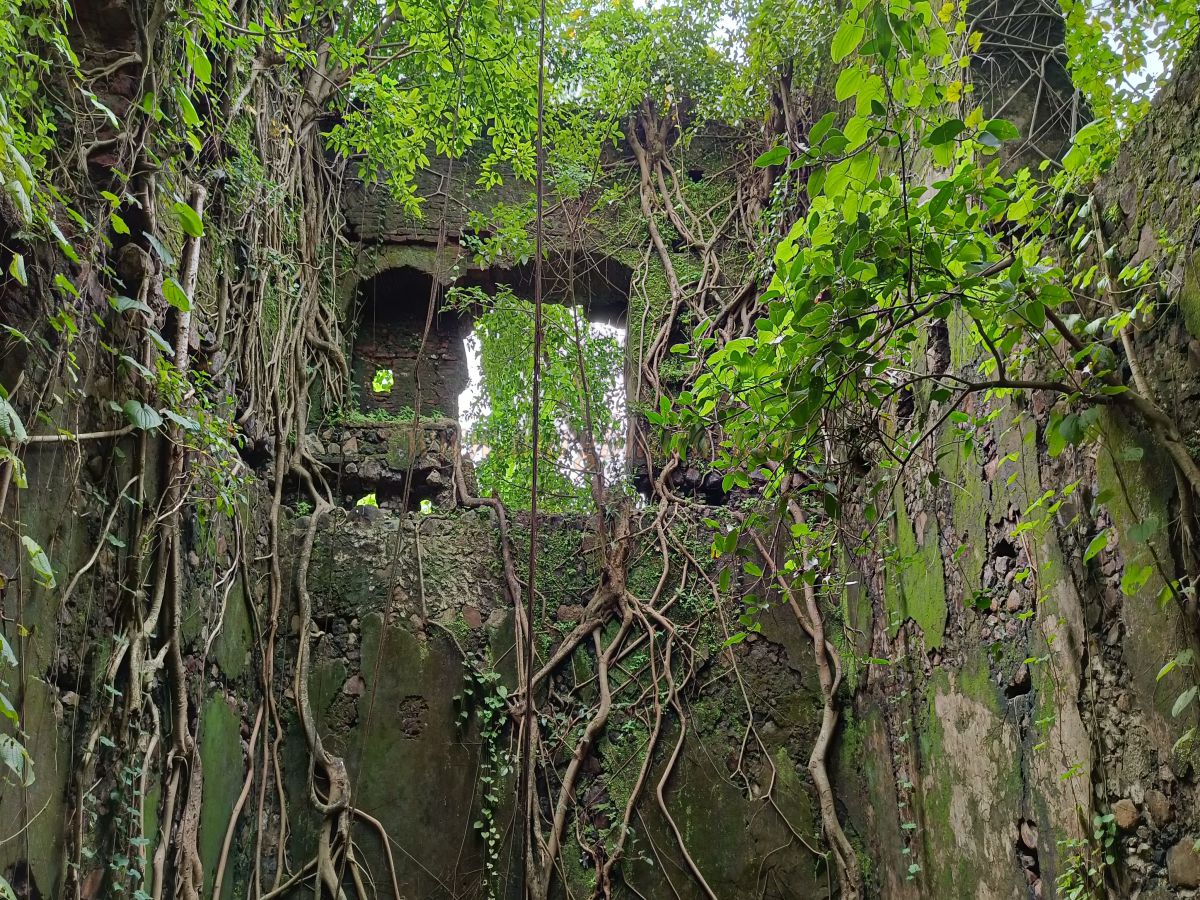
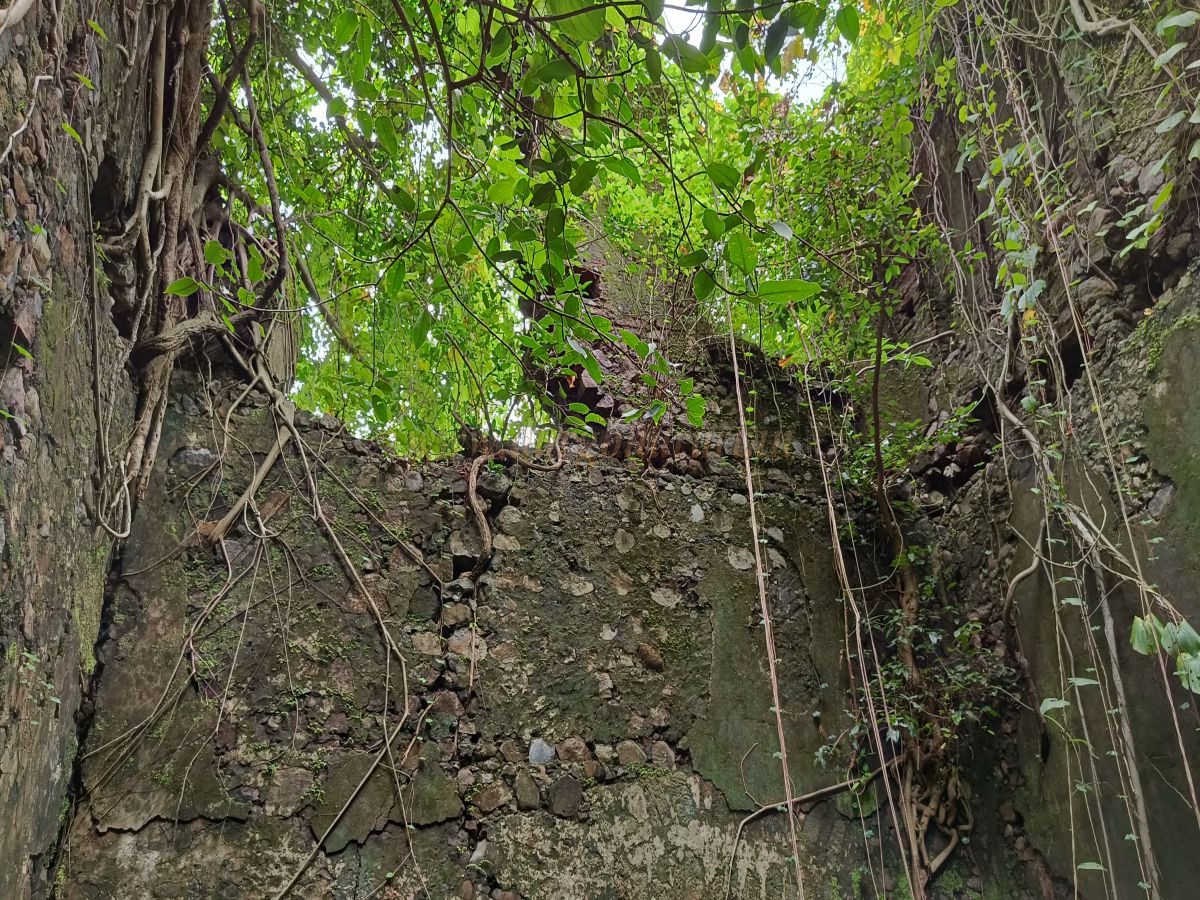
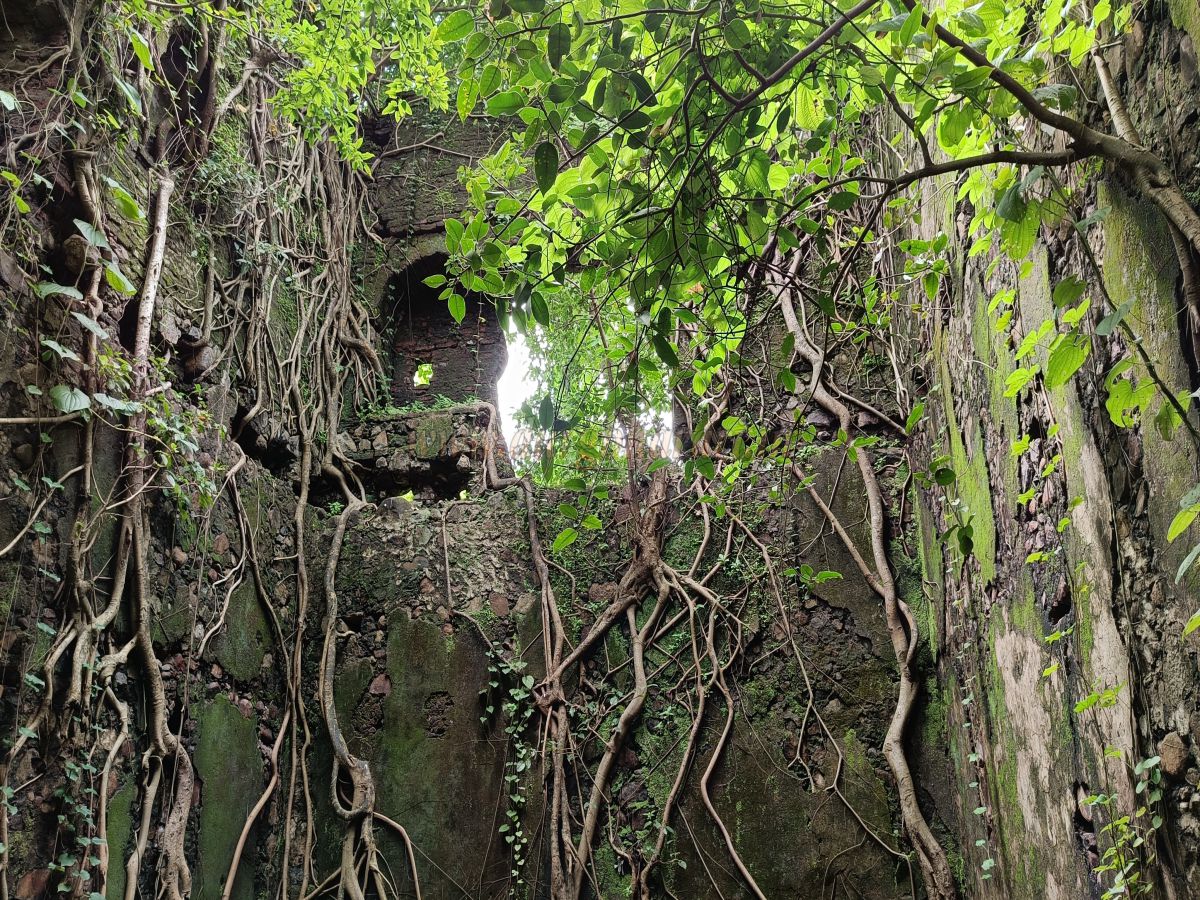
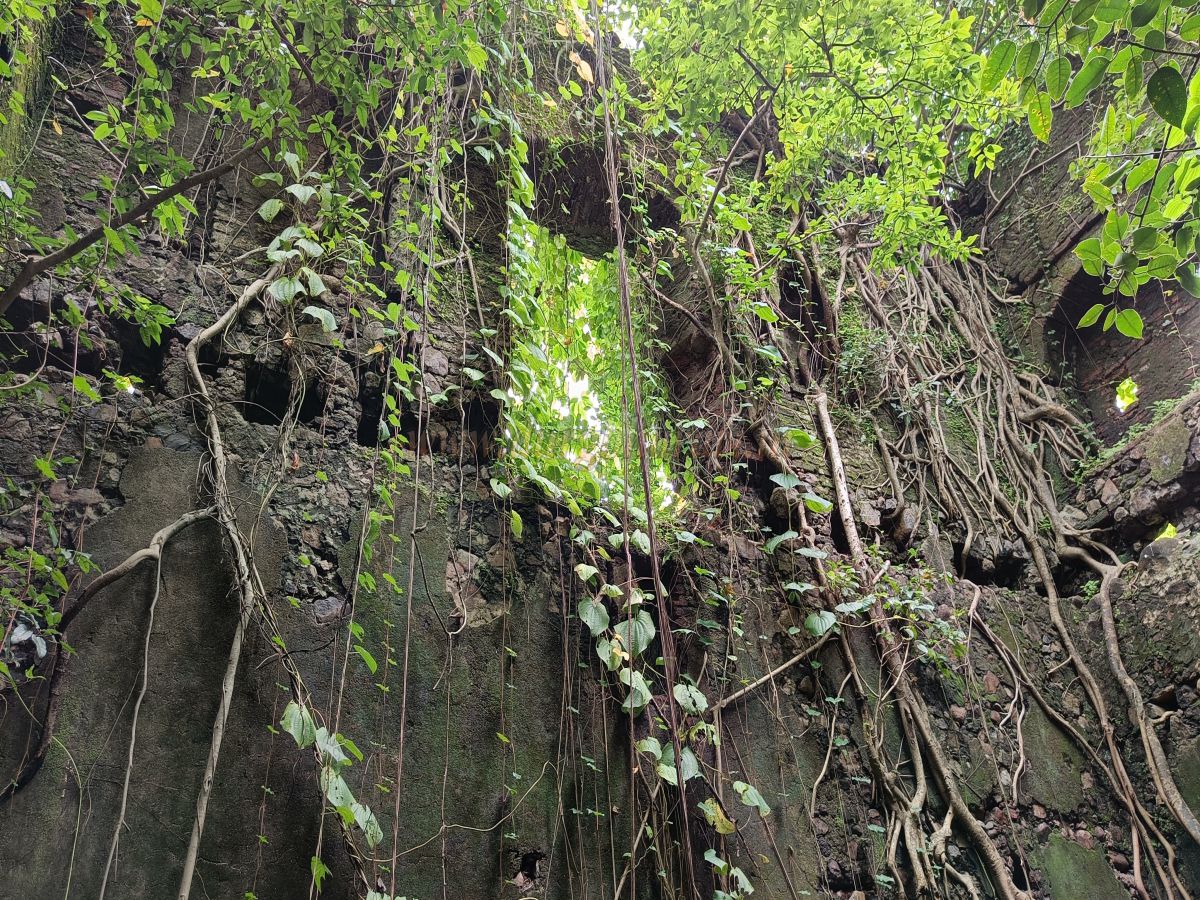
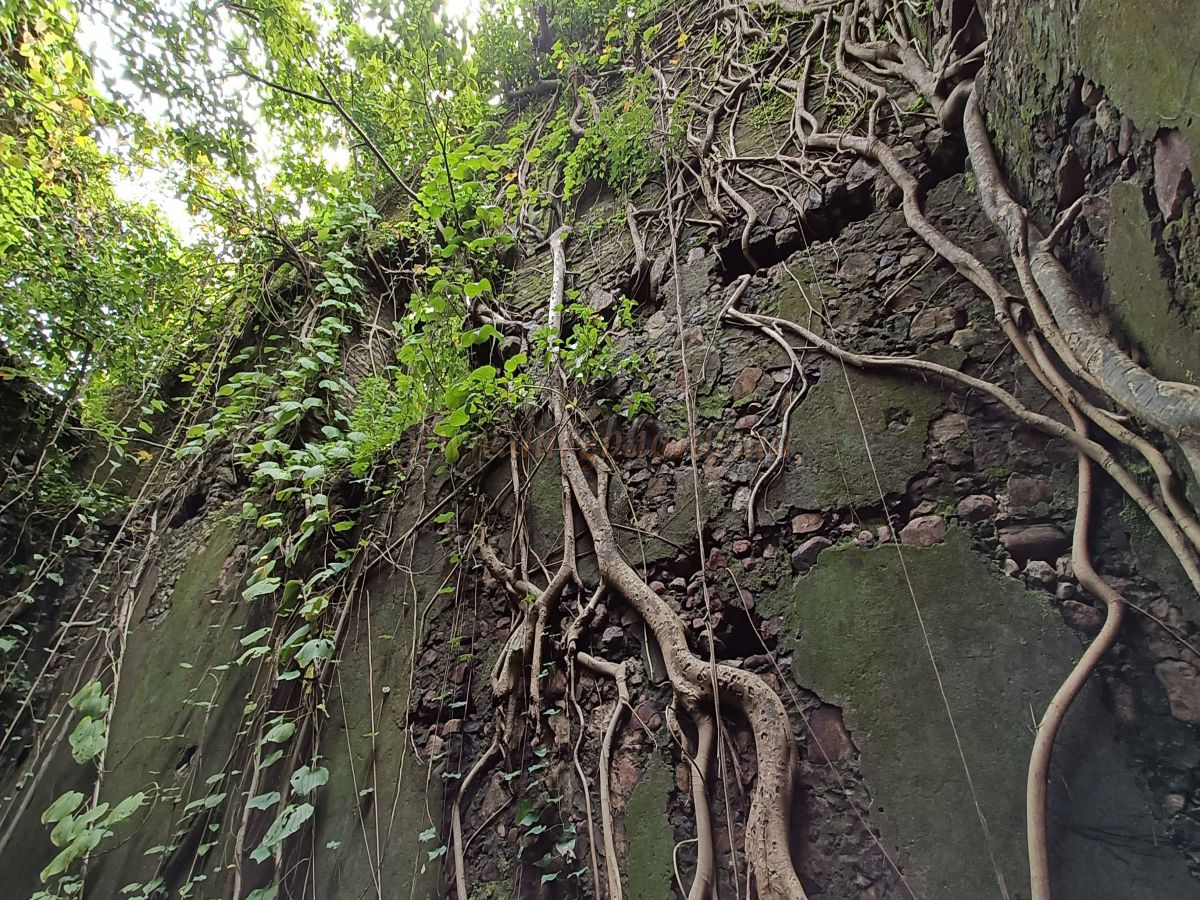
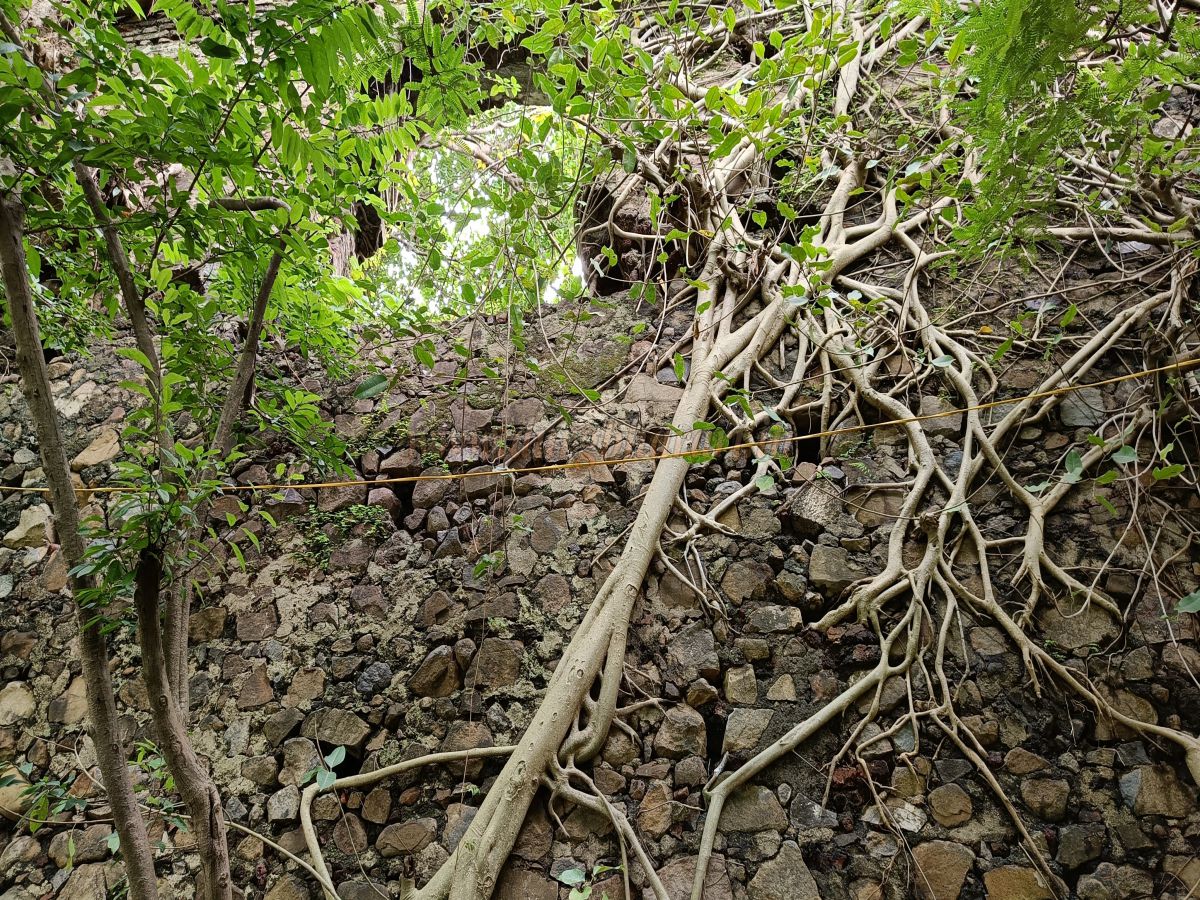
Portuguese watch-posts often share a similar architectural style and layout. This structure, measuring around 30 x 30 feet, is a two-storied building, with no other visible remnants of the fort. The construction uses rough stones as well as bricks, and the interior walls are plastered with lime. Grooves meant for wooden beams to support the upper floor are visible inside. The entrance arch is still intact, with a slot inside the doorway for sliding a wooden barrier. The upper floor walls have large windows on all four sides.
Given its layout and construction, it’s hard to assert definitively whether this was a fort. Judging by its position and design, this building might have served as a customs checkpoint (octroi post) or an administrative office.
The current condition of this fort is extremely dilapidated, and about 10 minutes is enough to explore it fully. Built around the 16th century, these watch-post forts were primarily used by the Portuguese for guarding waterways and supplying resources to other nearby forts. Using such small forts, watchtowers, and long-range cannons, the Portuguese established their dominance over the maritime routes of North Konkan.
During the 1739 Vasai Campaign, this region came under the control of the Marathas. However, those expecting a grand fort here might be disappointed.
© Suresh Nimbalkar
GALLERY