SINDKHEDA
TYPE : GADHI
DISTRICT : DHULE
HEIGHT : 0
GRADE : EASY
The Khandesh region is also known as the Watan of the "Sadebara Rawals" (literally, twelve and a half Rawals). The title “Rawal” denotes a noble rank, and among these Rawals were families belonging to different Rajput clans such as Sisodia, Solanki, Parmar, and Pratihar. The term “Sadebara Watan” refers to the 12.5 Watan jagirs, namely: 1) Dondaicha, 2) Malpur, 3) Sindkheda, 4) Aste, 5) Sarangkheda, 6) Ranjane, 7) Lambola, 8) Lamkani, 9) Chaugaon, 10) Hatmoida, 11) Ranale, 12) Manjre, and 13) Karvand. Half of these estates lay within Khandesh and the other half outside it, hence the reference to them as “half-Watan.”
Of these, the forts at Aste, Lambola, Chaugaon, and Hatmoida have been completely destroyed, while five others survive only in partial ruins. Remarkably, four forts still retain much of their original form.
...
However, after the abolition of the Watan system, these forts — which became private property — fell into neglect as their owners found it difficult to maintain them. Local indifference has further contributed to their decay.
Among these is the Sindkheda Fort. Even in the modern digital era, this fort finds little mention online. Our group, Durgbharari, visited and studied these forts, and I am attempting to present the gathered information on this platform.
Sindkheda Fort, though largely ruined, still retains much of its original structure. Until recently, Vijay Singh Rawal and his family resided in the fort. As it deteriorated, they built houses in the lower portion and moved there, leaving the fort itself deserted.
Sindkheda Fort is located in the town of Sindkheda, about 45 kilometres from Dhule city, on the western bank of the Burai River. Over time, the fort has suffered extensive collapse, but it still offers several features of interest.
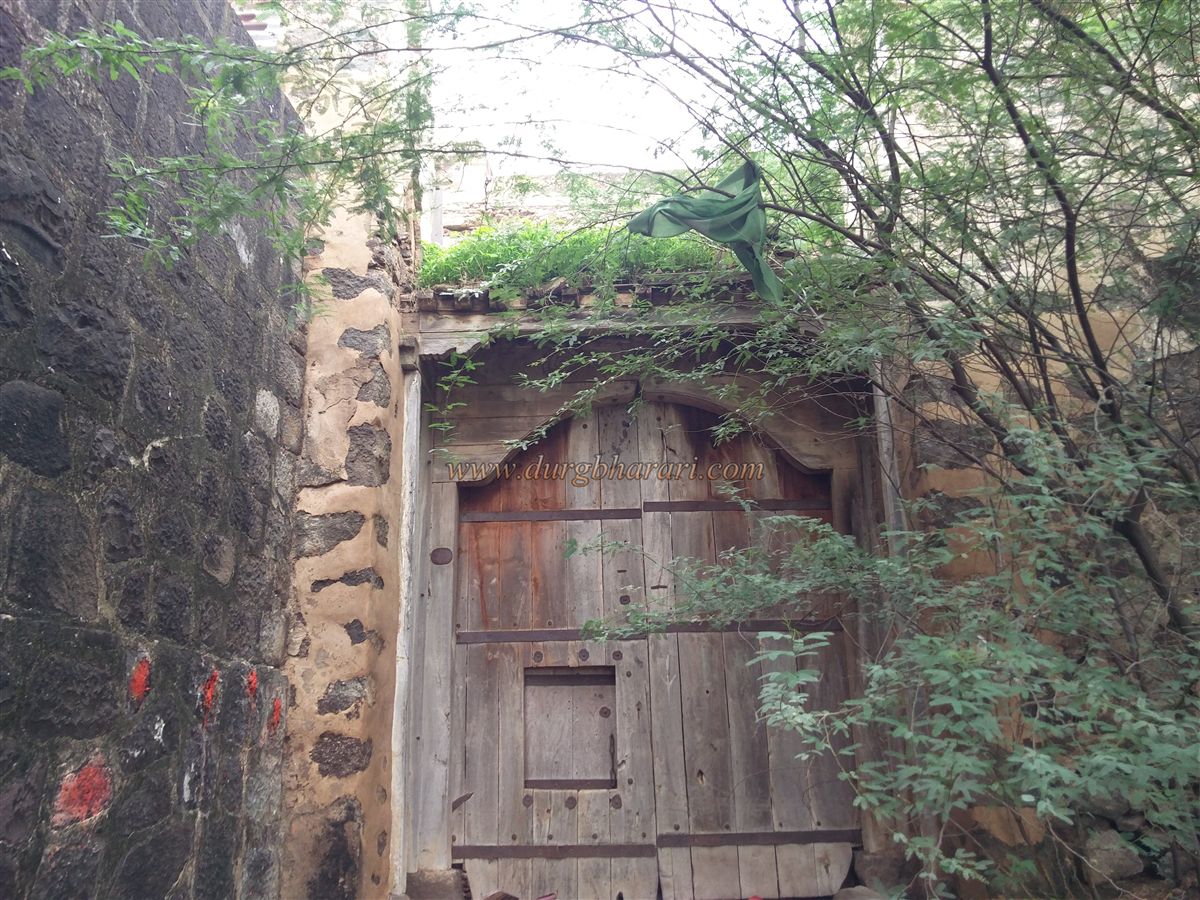
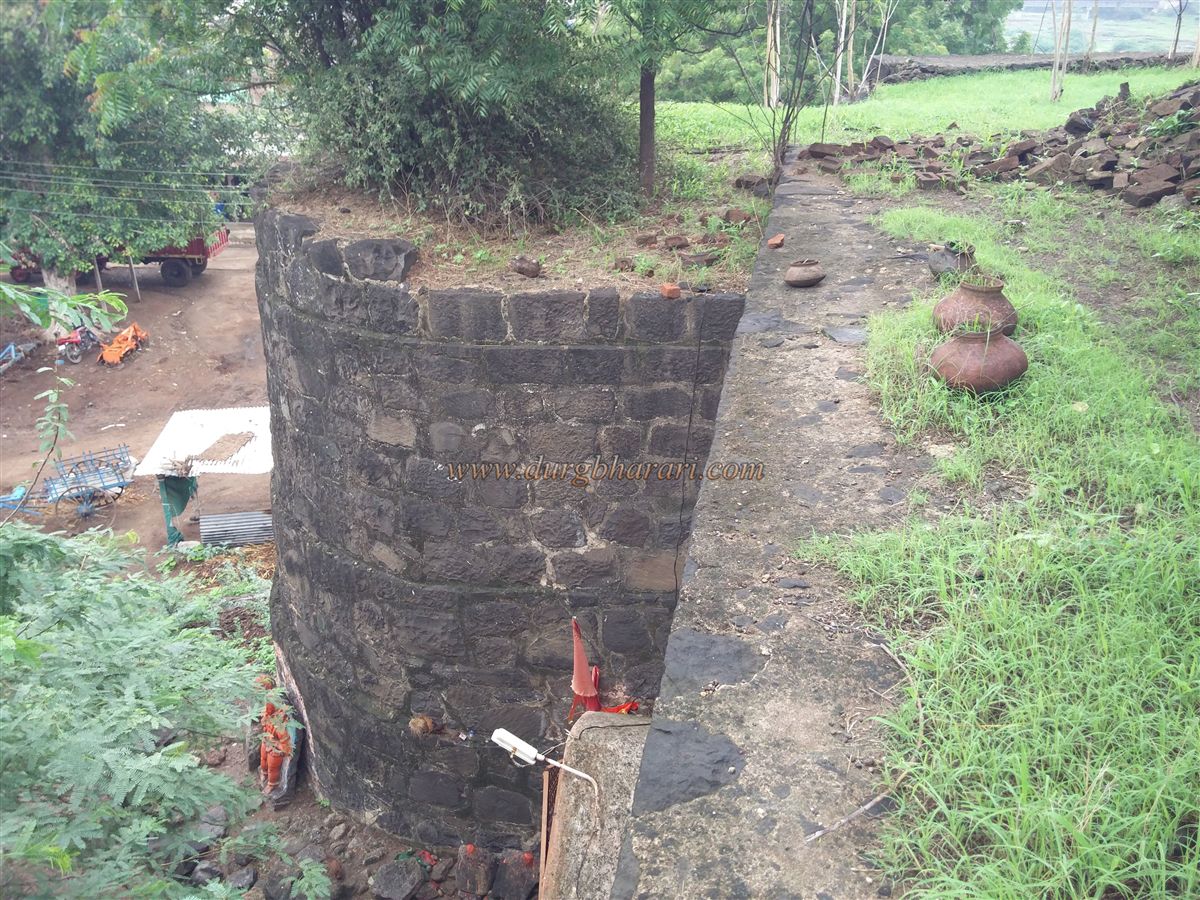
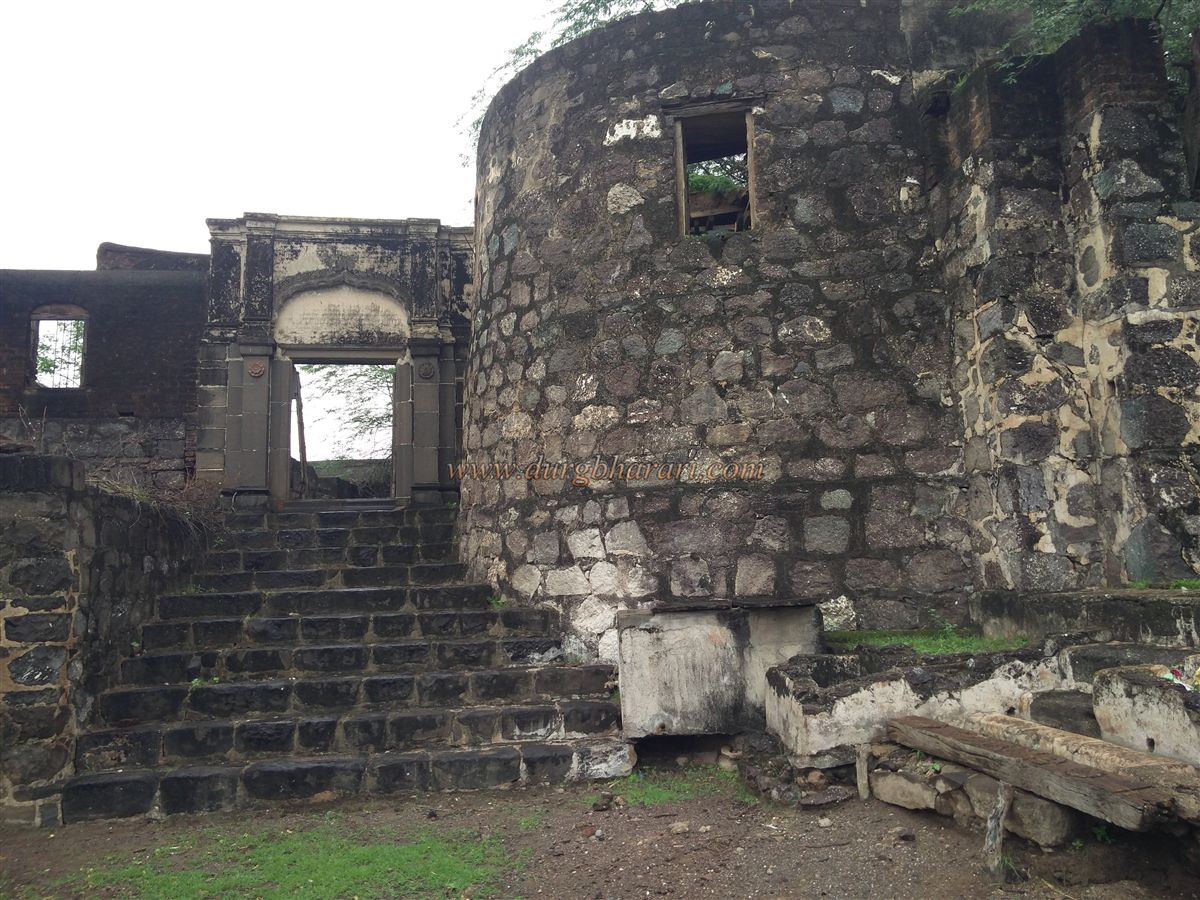
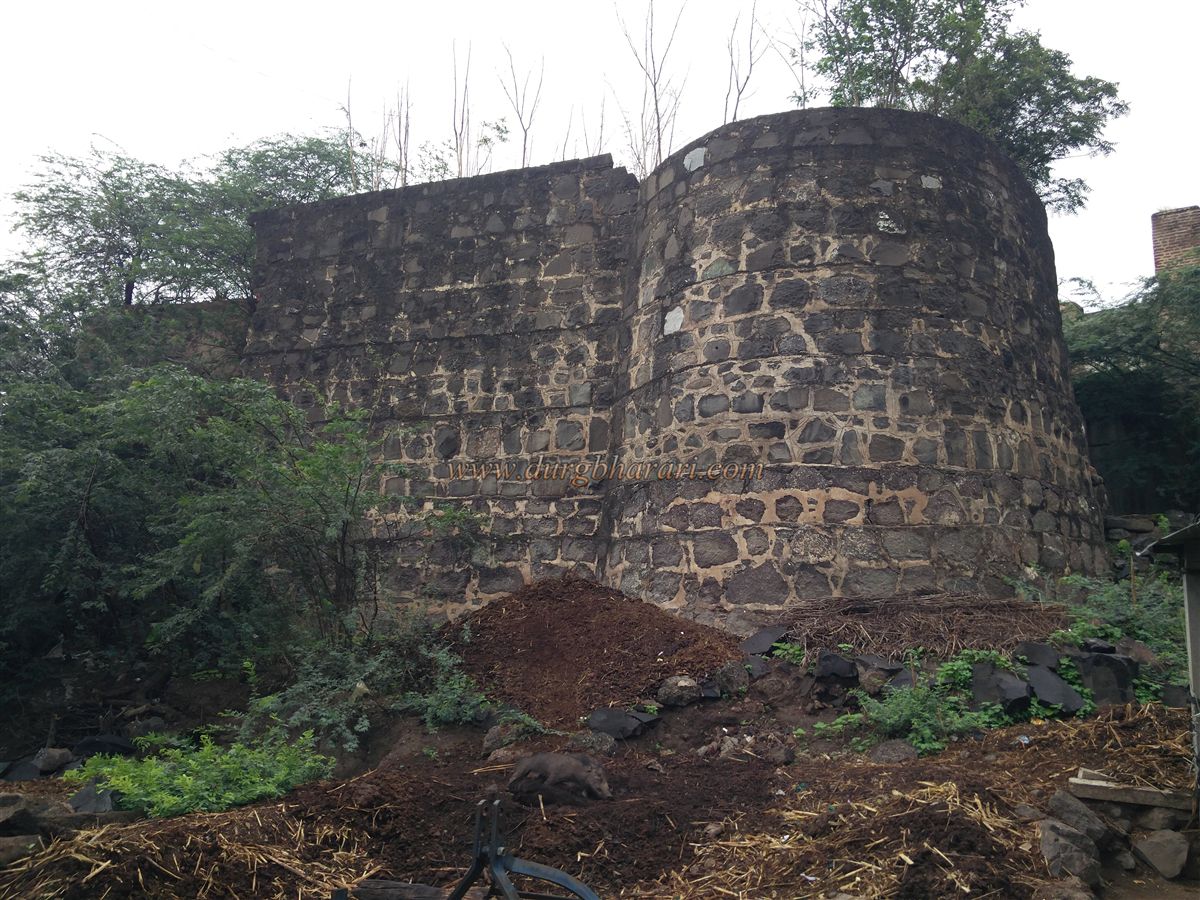
One of the fort’s unique aspects is that it has two main gates: one built between two bastions and another supported by a single bastion. The twin-bastioned gate likely served administrative or public functions (perhaps as a kacheri), while the other may have been for private use. In total, the fort has six bastions. The north-facing main gate features a small subsidiary wicket gate (dindi Darwaja) and still retains its wooden frame and arch in relatively good condition.
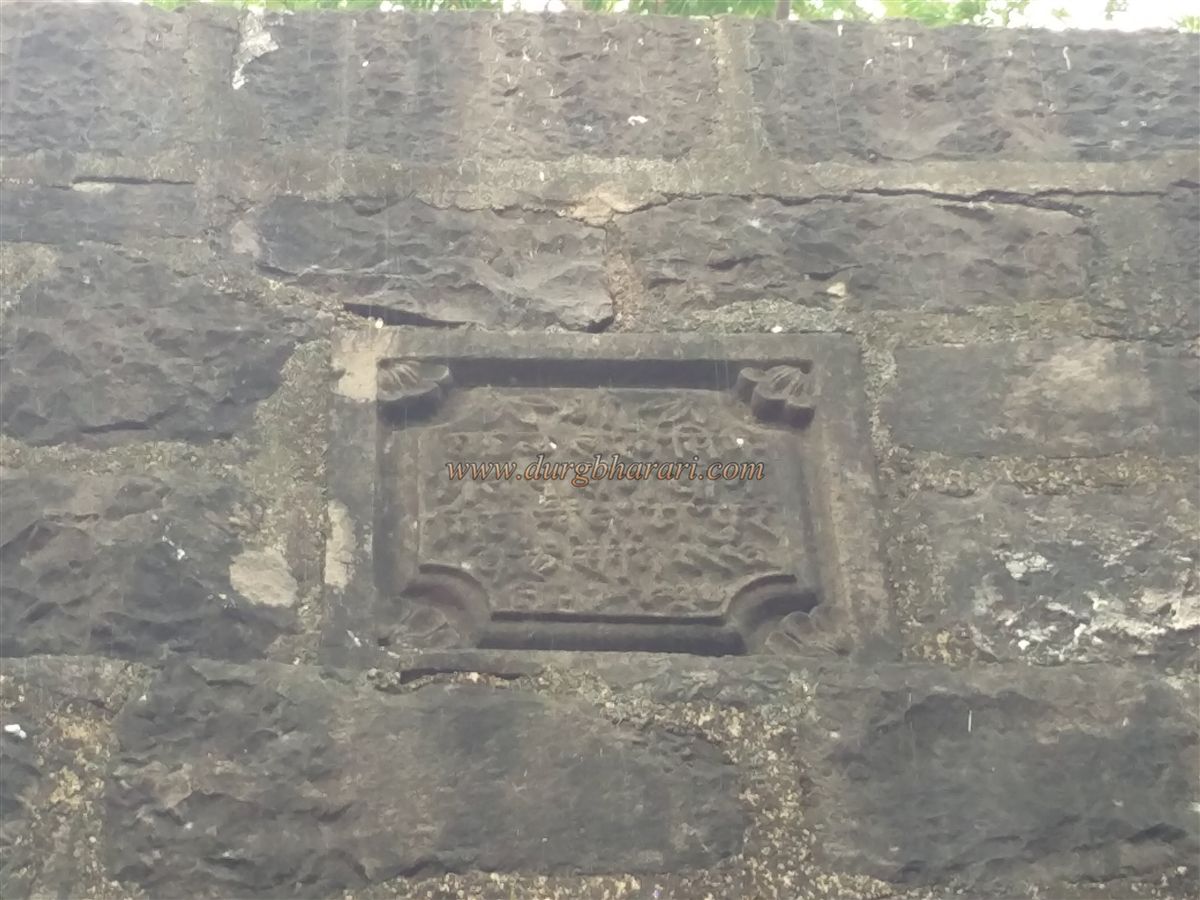
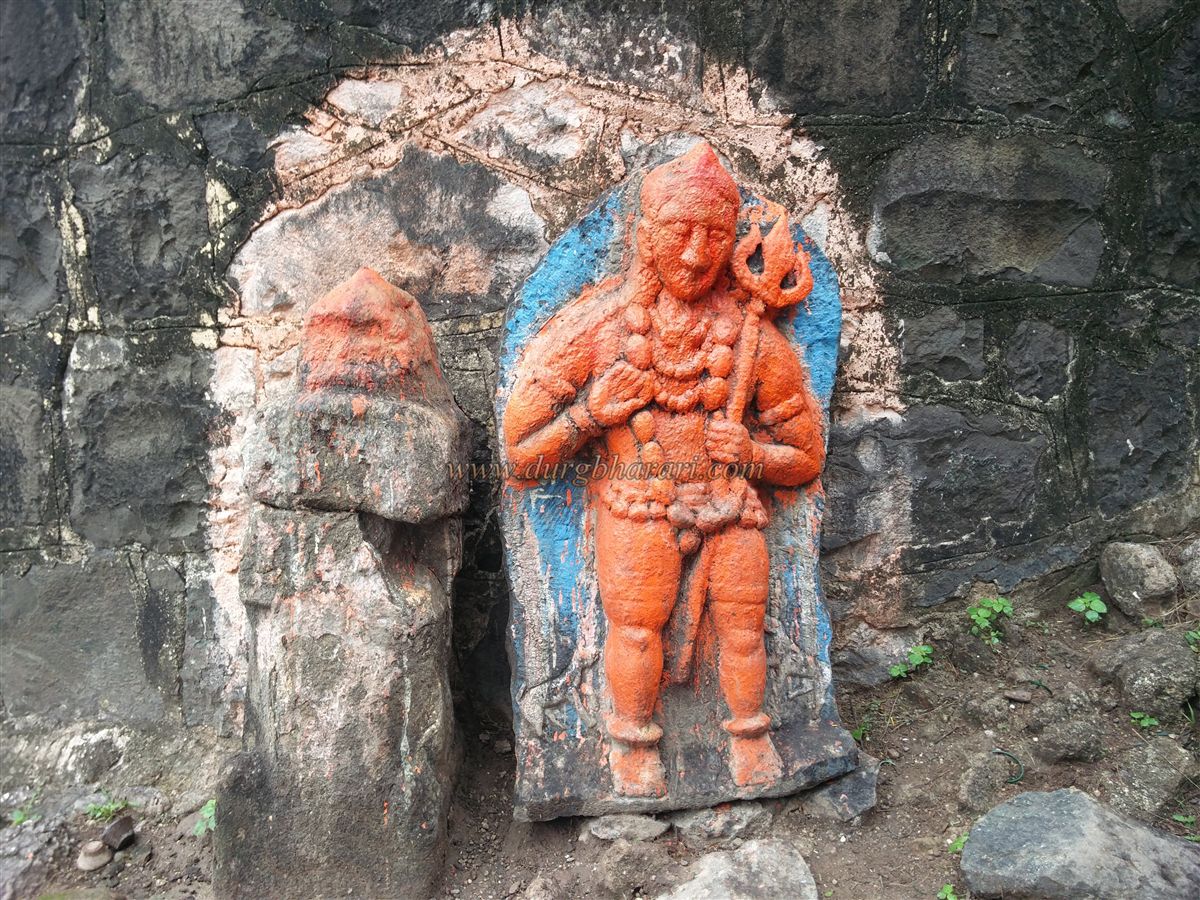
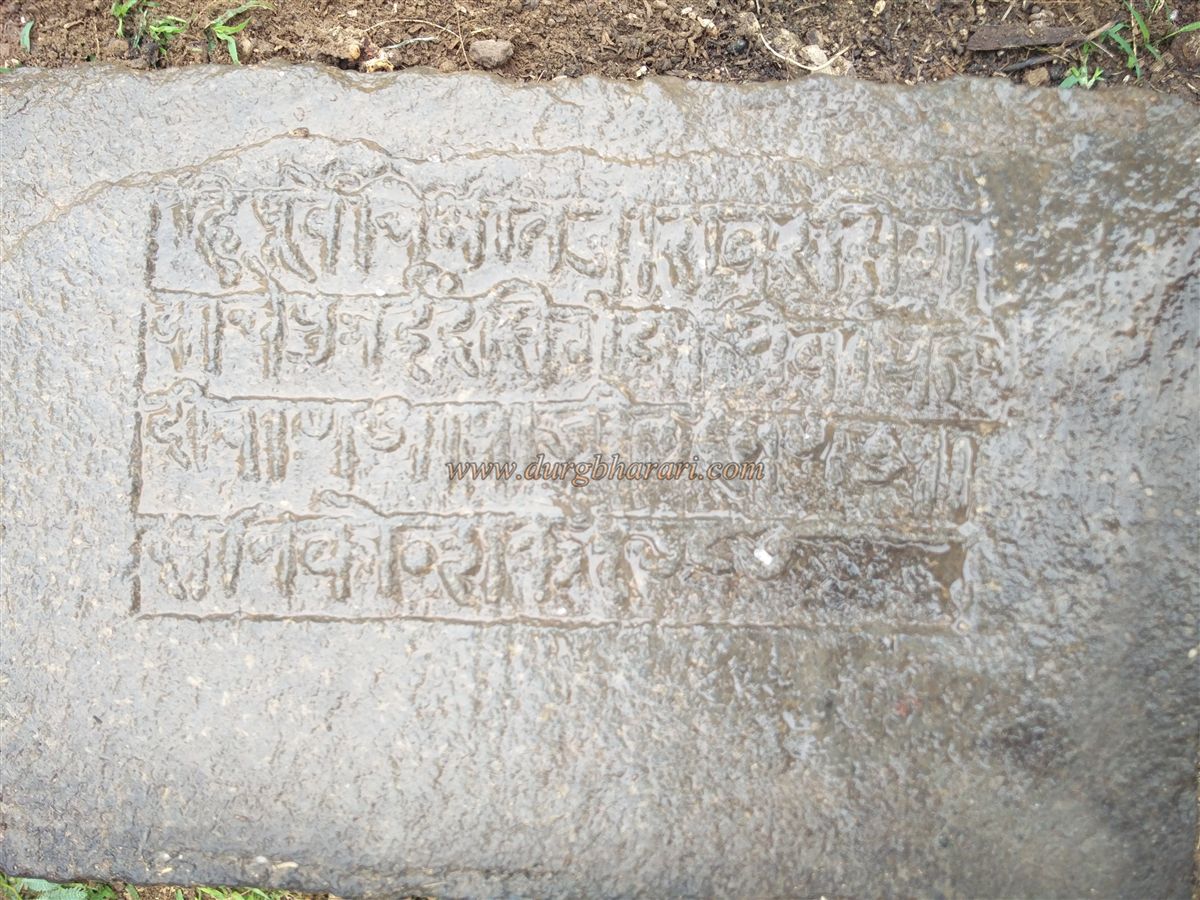
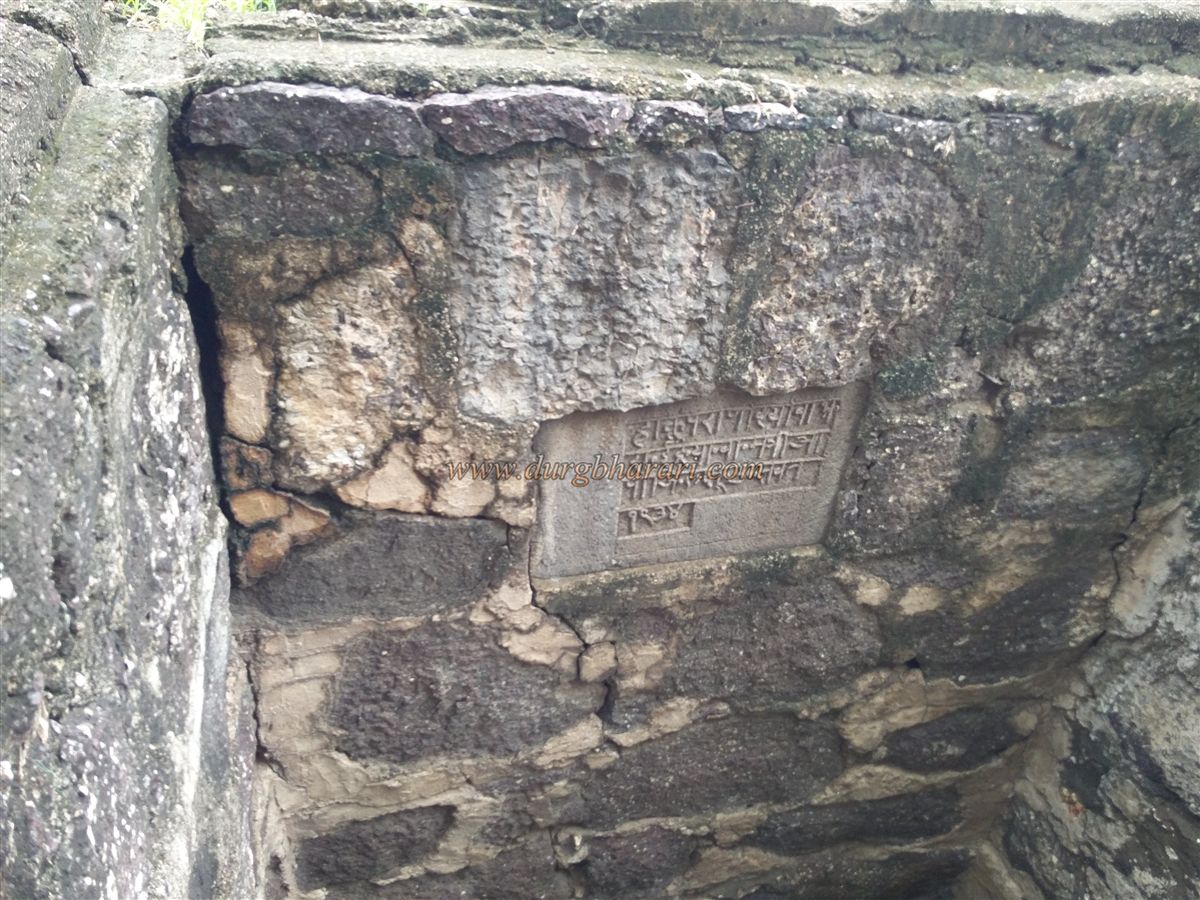
In front of this main gate stands an idol of Bhairav, and above it on the fort wall is an inscription. In total, the fort has three inscriptions — one above the main gate, the second near the other gate, and the third within a well located just outside the second gate.
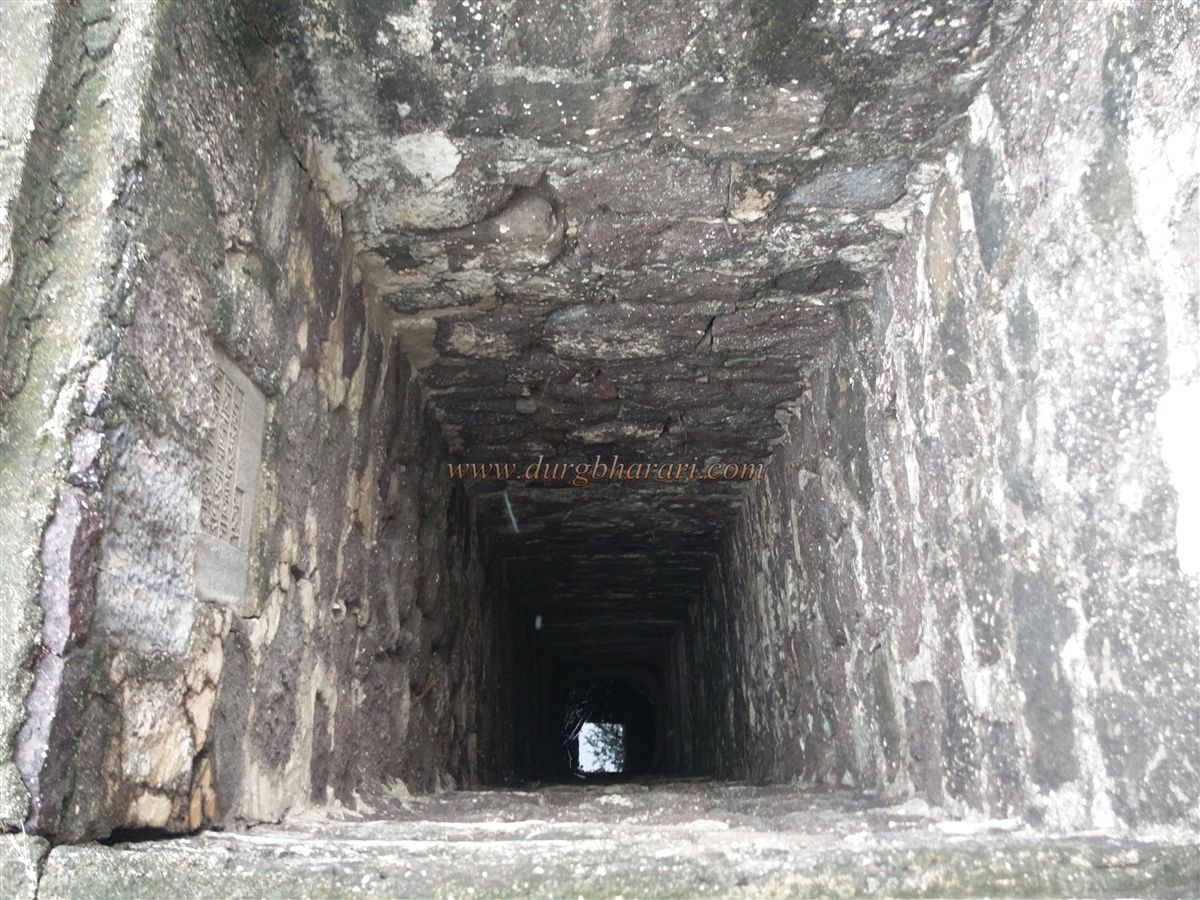
The twin-bastioned gate, once used for official purposes, is now closed, and entry is gained through the other gate after skirting around the fort wall. This east-facing gate has a well inside, designed so water could be drawn from it directly from the ramparts. The second inscription is also located within this well. To the right of this gate is a bastion, while another bastion stands a little distance outside the wall, featuring a Muslim dargah (shrine) on top.
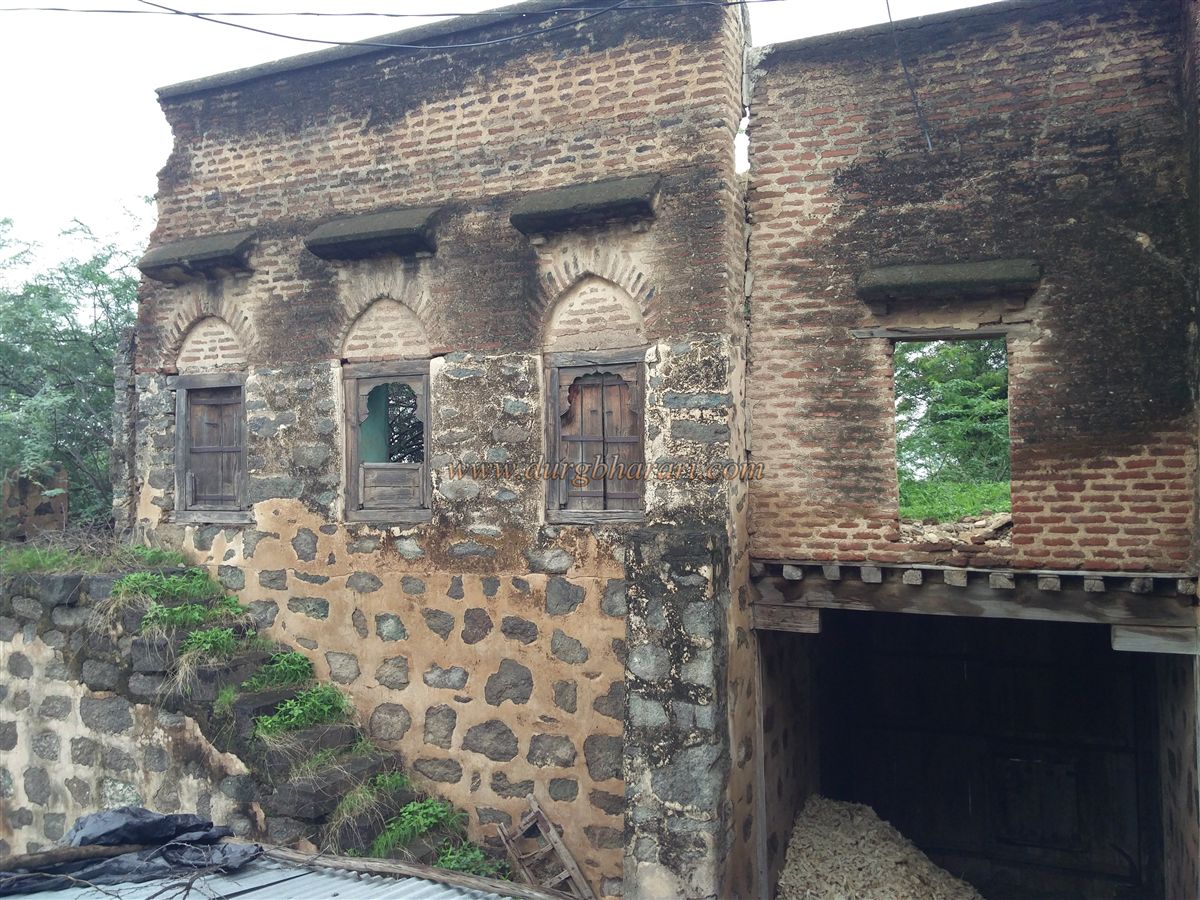
The fort’s landward walls, rising 15–20 feet, remain mostly intact, though the riverside section has partially collapsed. The inscription above the main gate pertains to the construction of this riverside wall. The lower portion of the fortification up to the rampart is built with undressed stone, while the upper sections are of brick masonry.
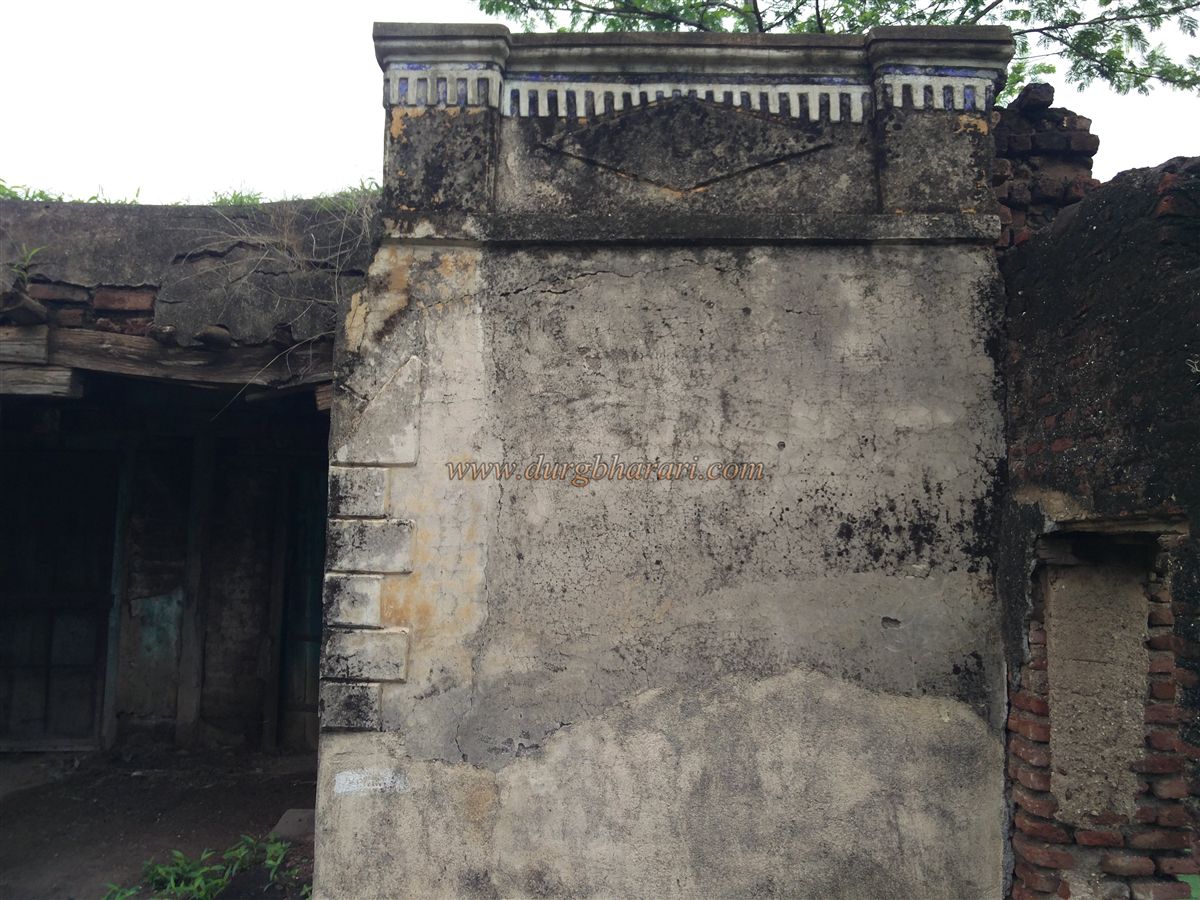
The interior of the fort spans about half an acre and contains numerous ruins. Most internal structures have collapsed, leaving only fragments of walls and a few surviving wooden beams. On one wall, faint natural-pigment frescoes depicting deities can still be seen.
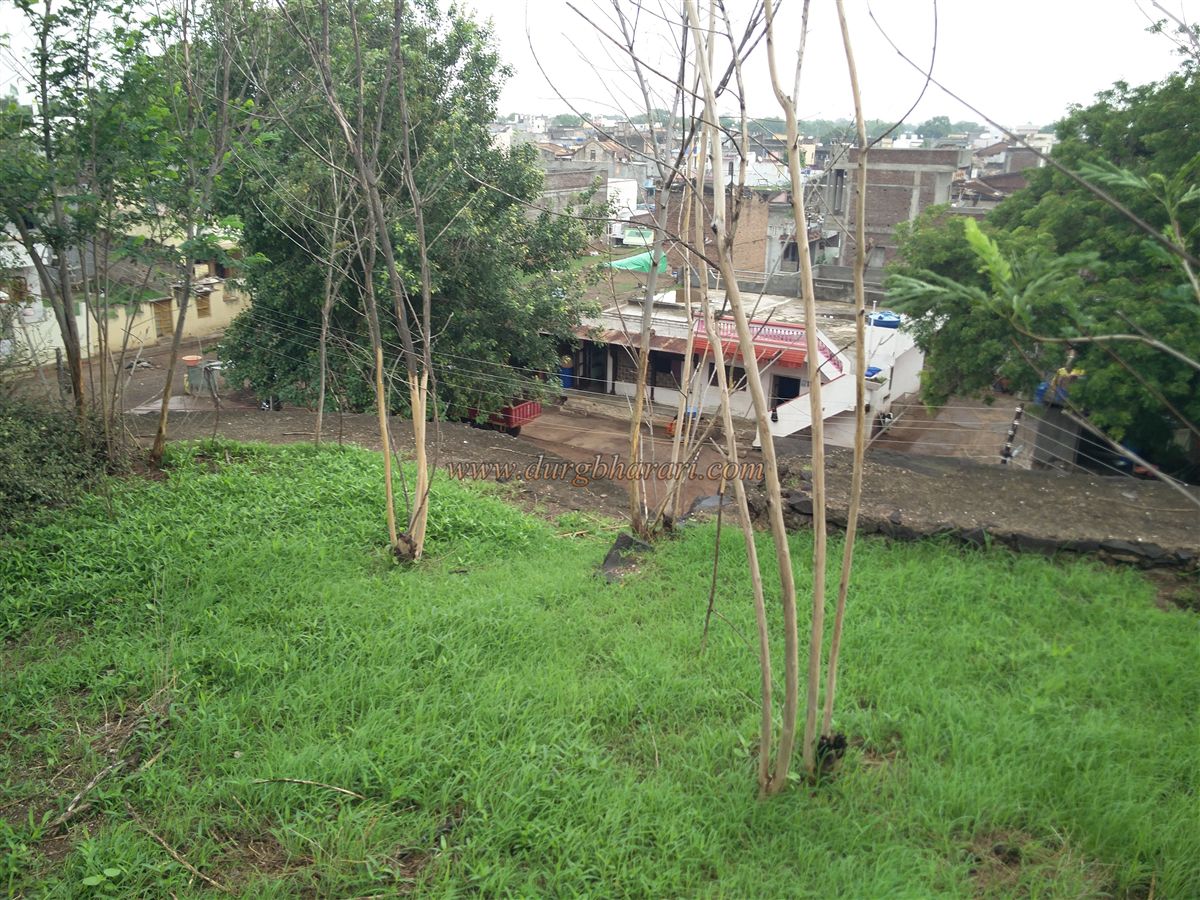
A full exploration of the fort takes about half an hour. From the bastions, one can enjoy views of the wide Burai River and the surrounding countryside.
Historically, after Allauddin Khilji’s invasion, 24 Rajput clans migrated under the leadership of Abhaysingh Rawal toward Mandu. Later, a Parmar Rawal noble named Durjansinh Rawal attacked the local Koli rulers along the Burai River, seizing their territory. He built a fort named Vijaygad on the banks of the Tapti River, founded the village of Patan, and constructed the Ashapura Devi temple.
Under the Sindkheda Watan, the Rawals held authority over 55 villages. Despite changes in the ruling powers over time, the privileges and rights of these Rawals were left untouched by successive rulers.
© Suresh Nimbalkar
GALLERY