SINDKHED RAJA
TYPE : GADHI/ NAGARKOT
DISTRICT : BULDHANA
HEIGHT : 0
GRADE : EASY
In Vidarbha Buldhana district lies the town of Sindkhed Raja, a place of great historical significance as it was the maternal home of Chhatrapati Shivaji Maharaj, the founder of the Maratha Empire. This town was the principal seat of the Watan of Raja Lakhuji Jadhav, and it holds special importance as it was in his fortified mansion (gadhi) at Sindkhed Raja that Jijabai, Shivaji Maharaj’s mother, was born.
Along with the gadhi of Raja Lakhuji Jadhav, Sindkhed Raja is home to several other historic structures, including Kala Kot, the Rangmahal, the Nilkantheshwar temple, the Sajnabarav stepwell, the Rameshwar temple, the grand mausoleums of Lakhuji Jadhav and his sons, the Putla Barav stepwell, Chandni Talao, and Moti Talao. The town is located about 80 kilometres from Buldhana city and only 30 kilometres from Jalna.
...
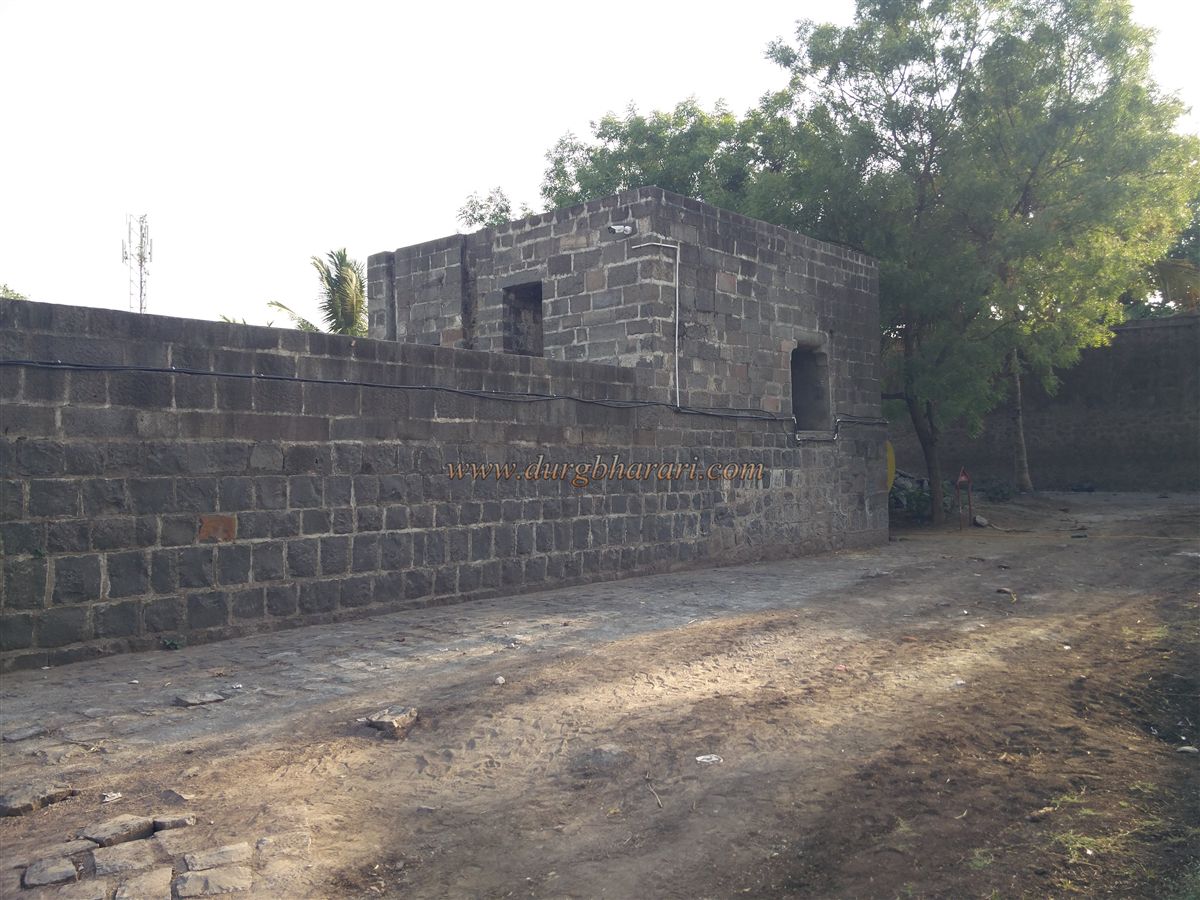
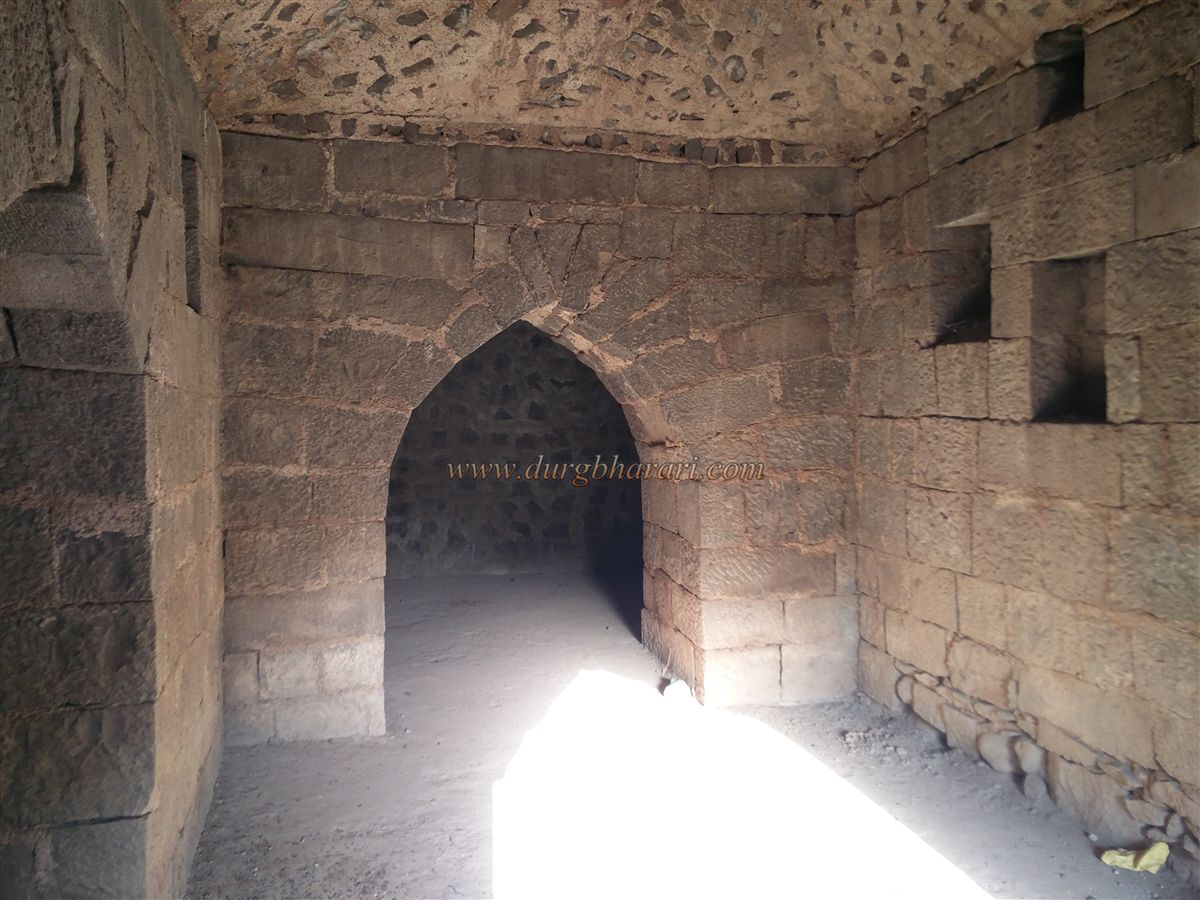
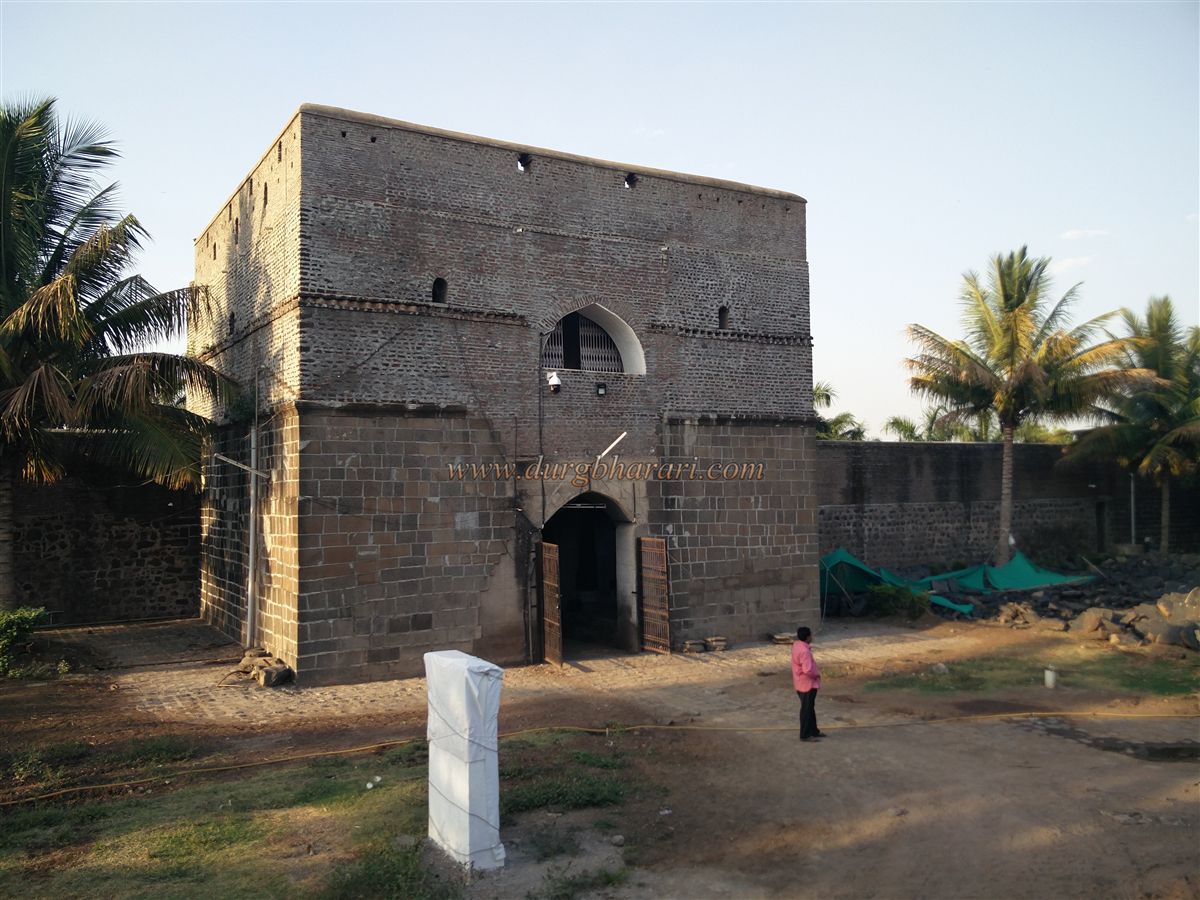
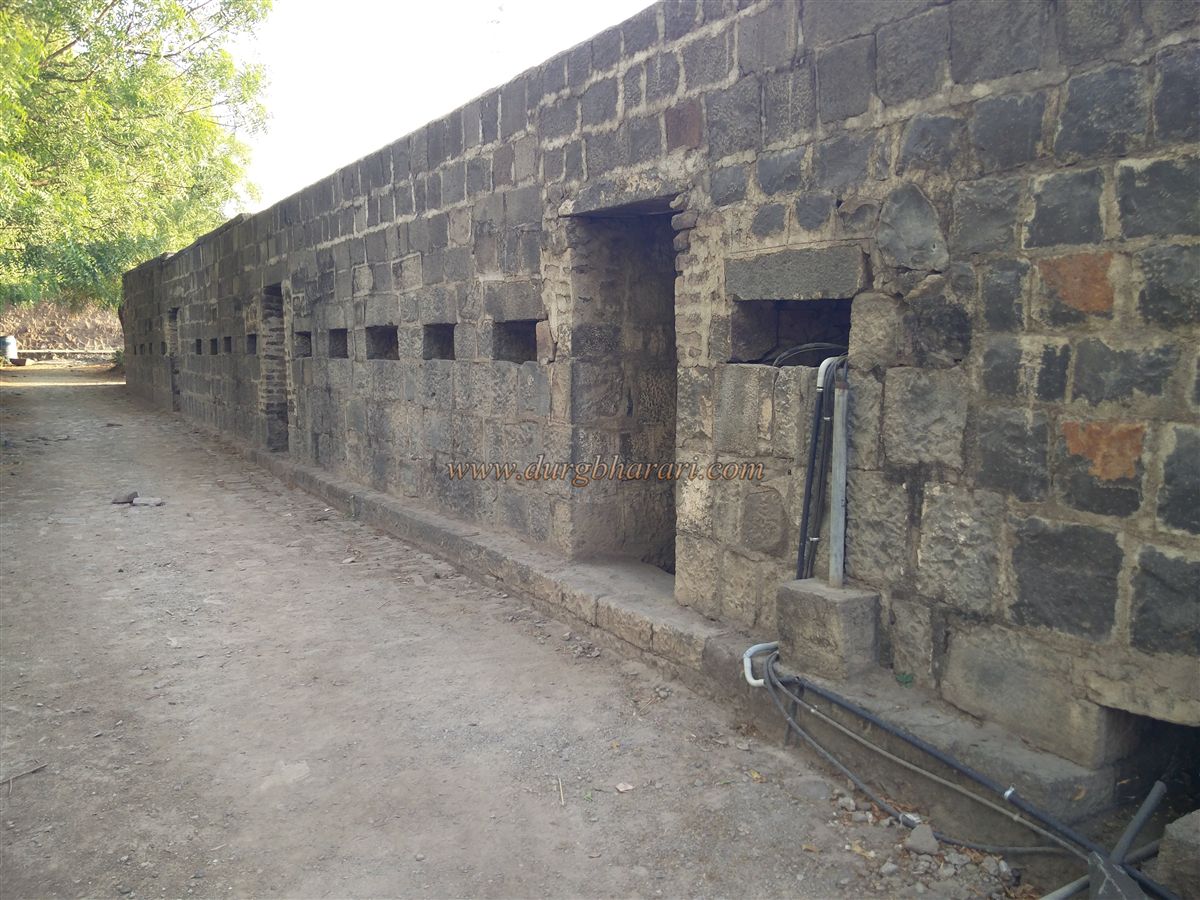
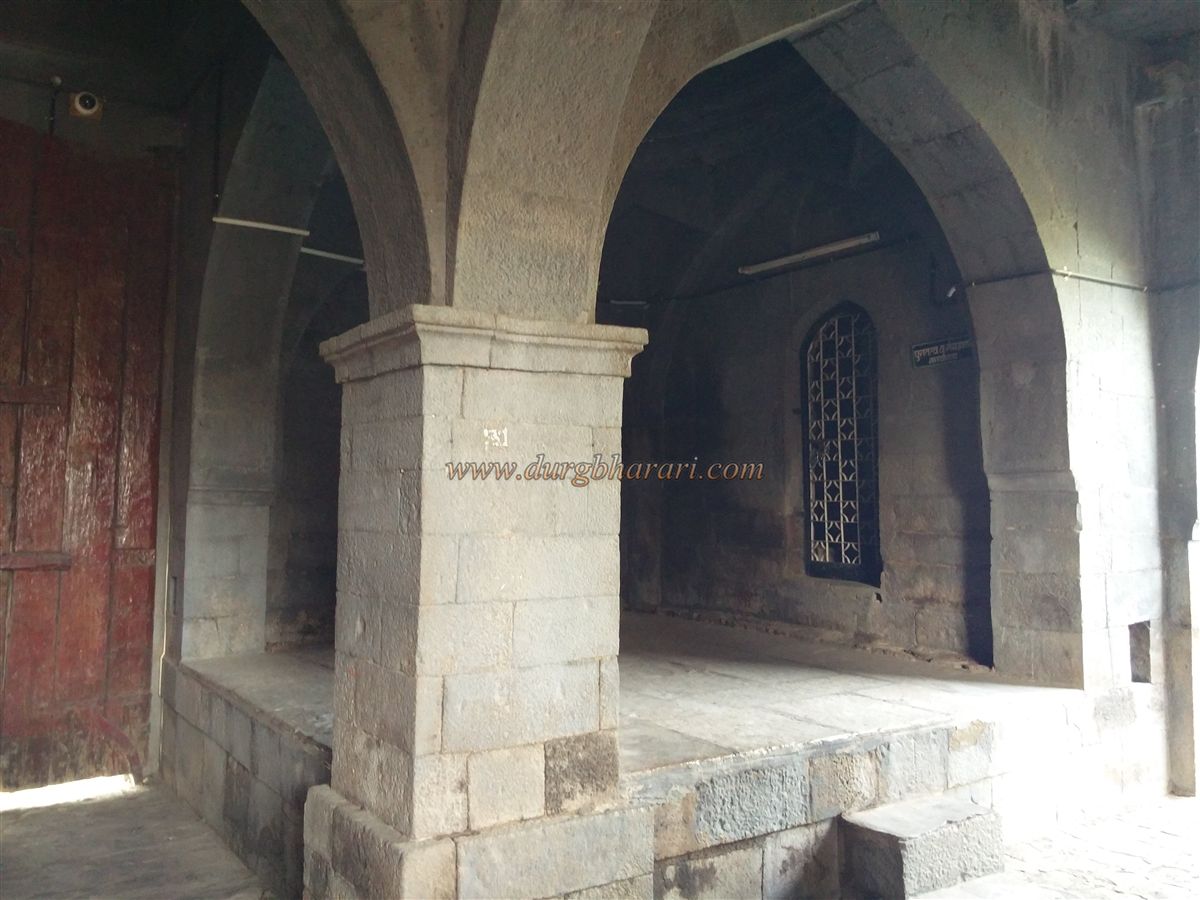
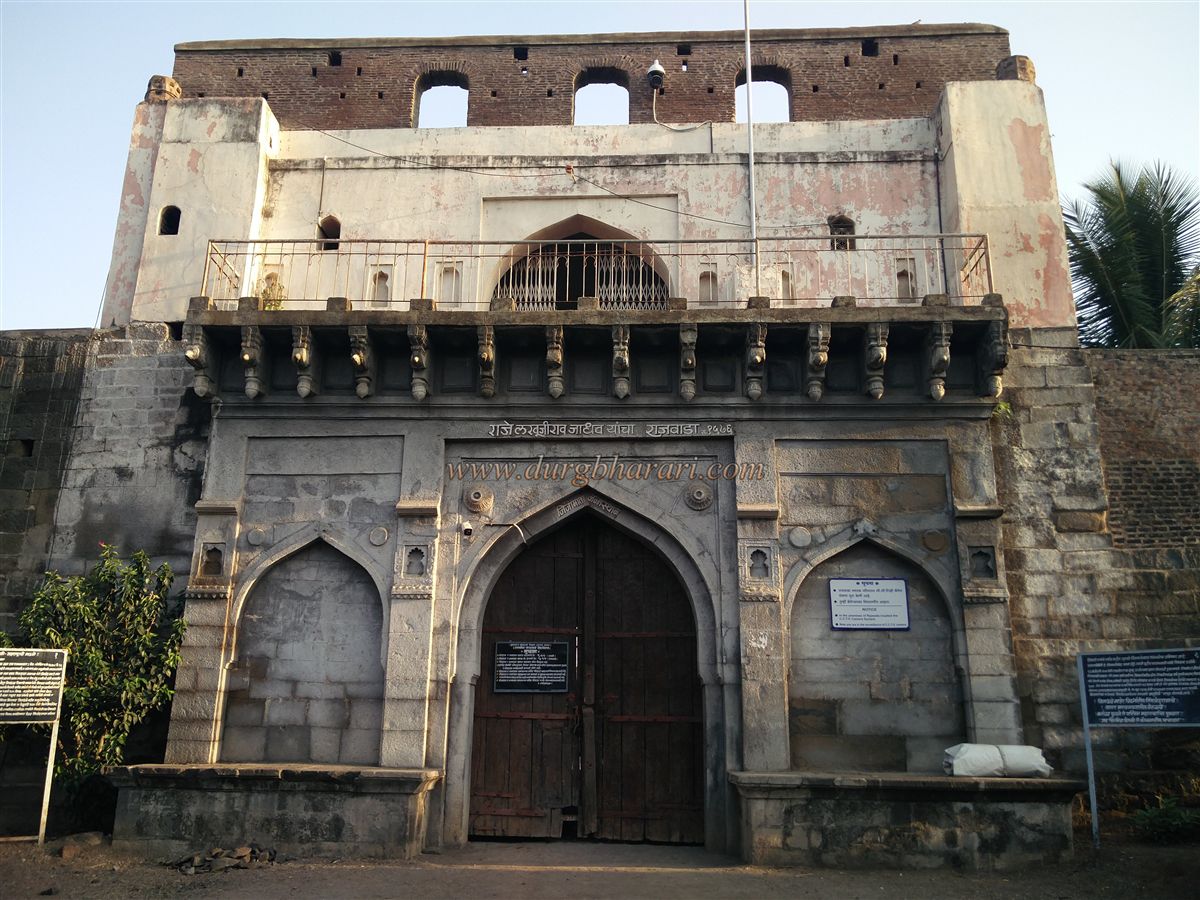
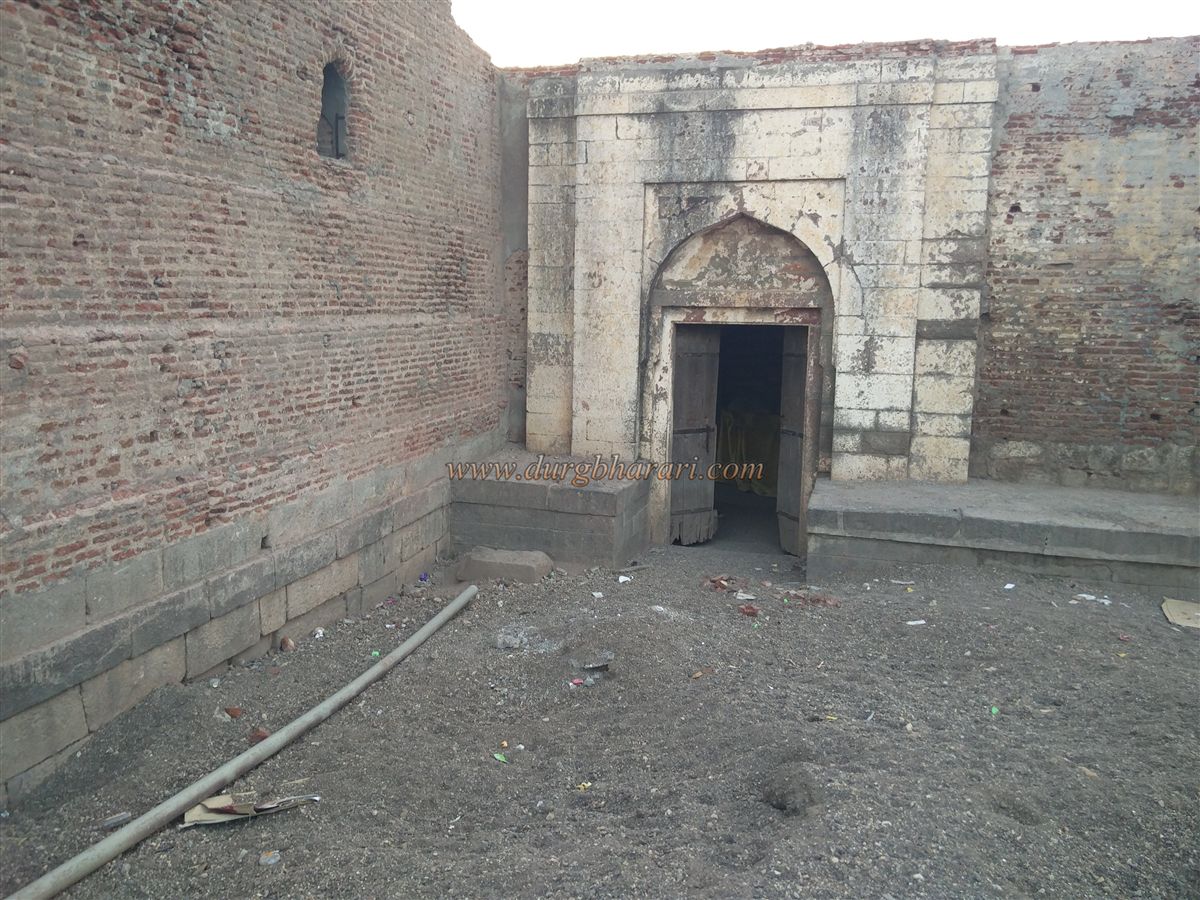
Situated at the center of the town, the gadhi is under the care of the Archaeological Department, and visitors can enter between 9 a.m. and 5 p.m. upon paying a nominal entry fee. In the newly developed garden outside the gadhi stands a full-sized statue of Jijamata. The stone fortification walls of the gadhi rise to about 15 feet, with the upper portion constructed of bricks. The north-facing entrance gate is adorned with decorative carvings. The gatehouse is three stories high, with a gallery and a Nagarkhana (drum house) on the upper floors. Built in 1576, the gadhi still retains its original wooden doors, and inside the gate are guardrooms (devdis). A staircase within these rooms leads up to the upper level of the gatehouse.
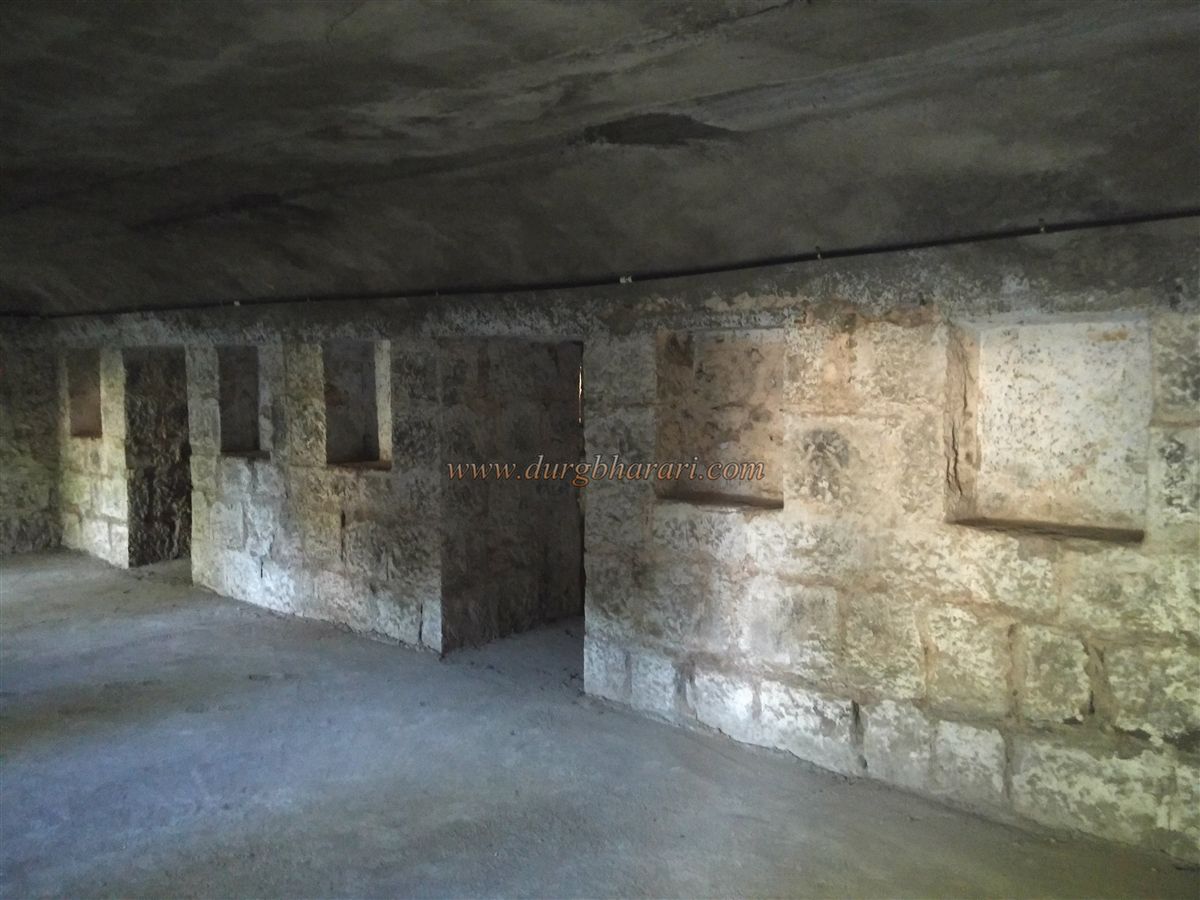
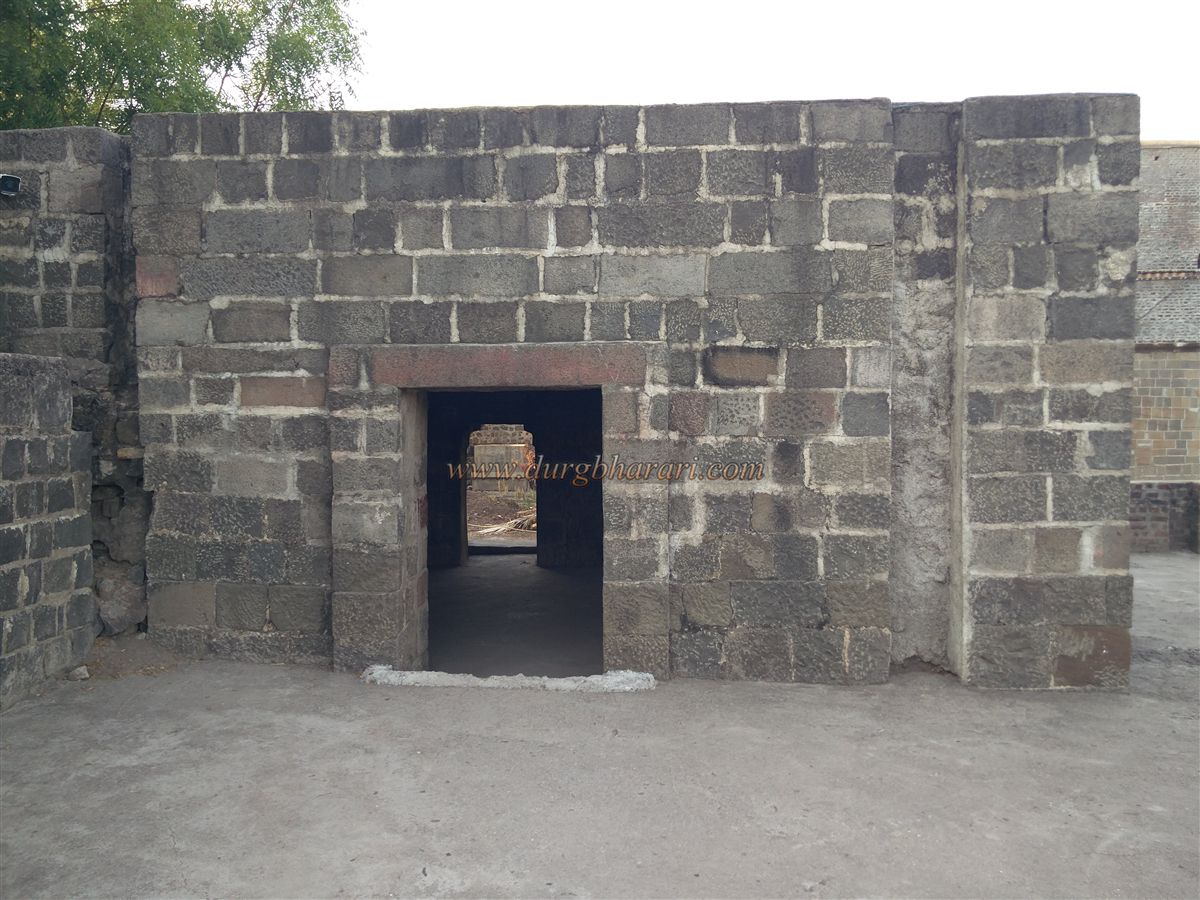
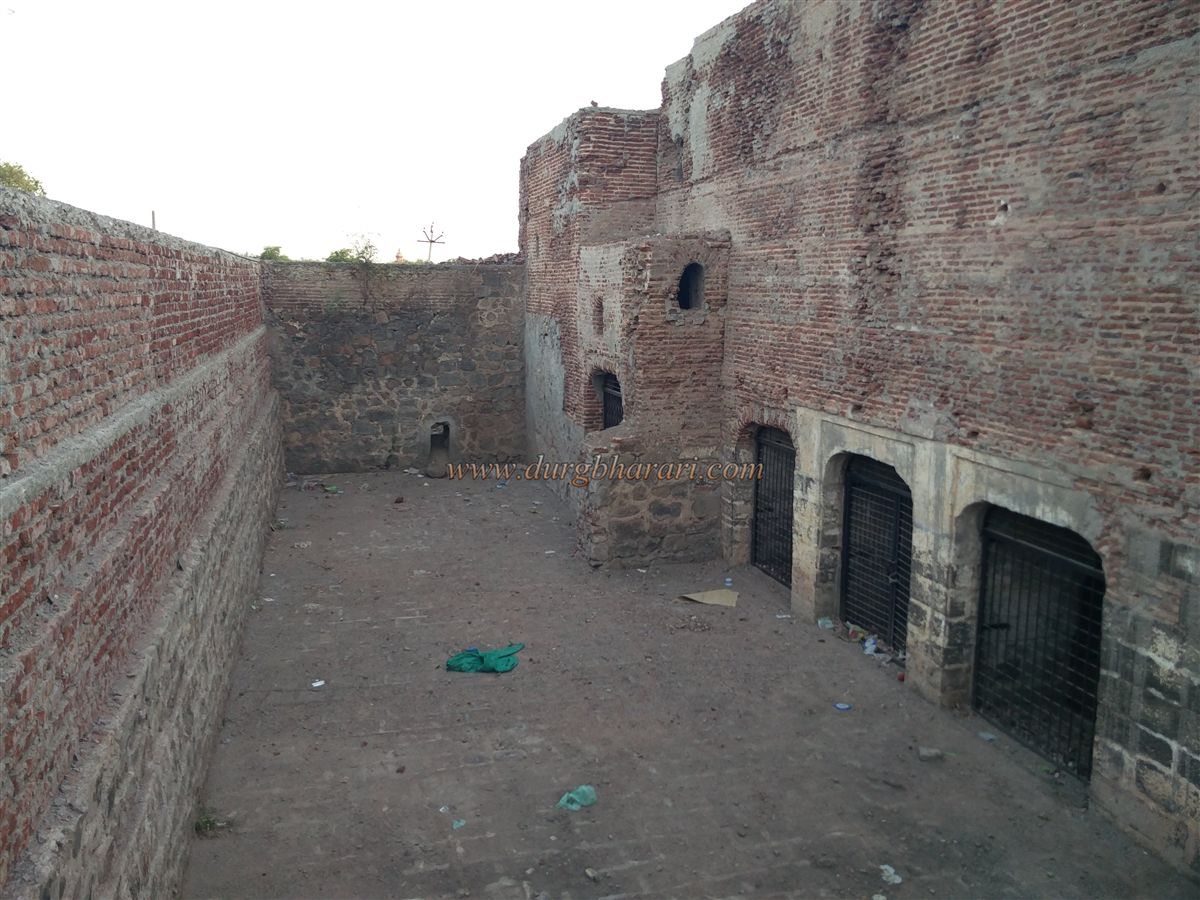
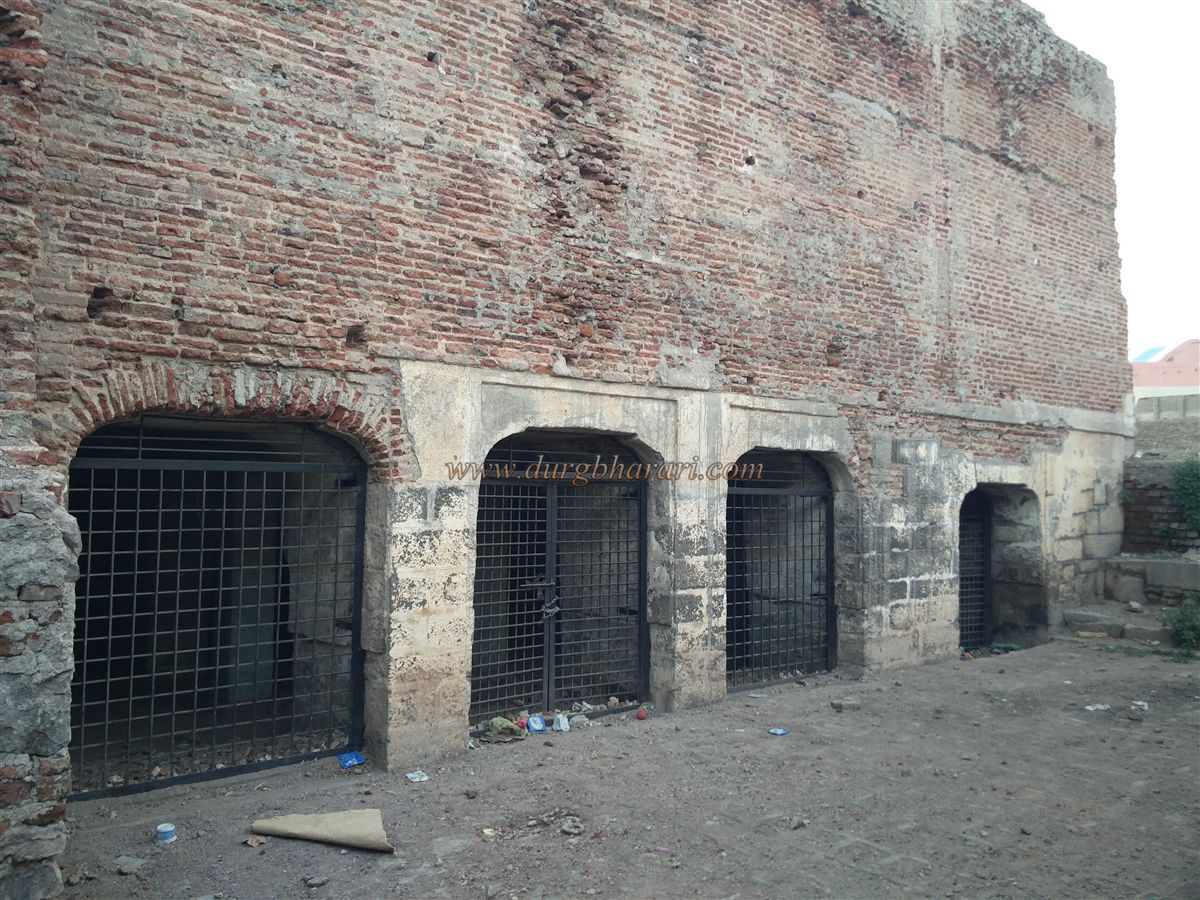
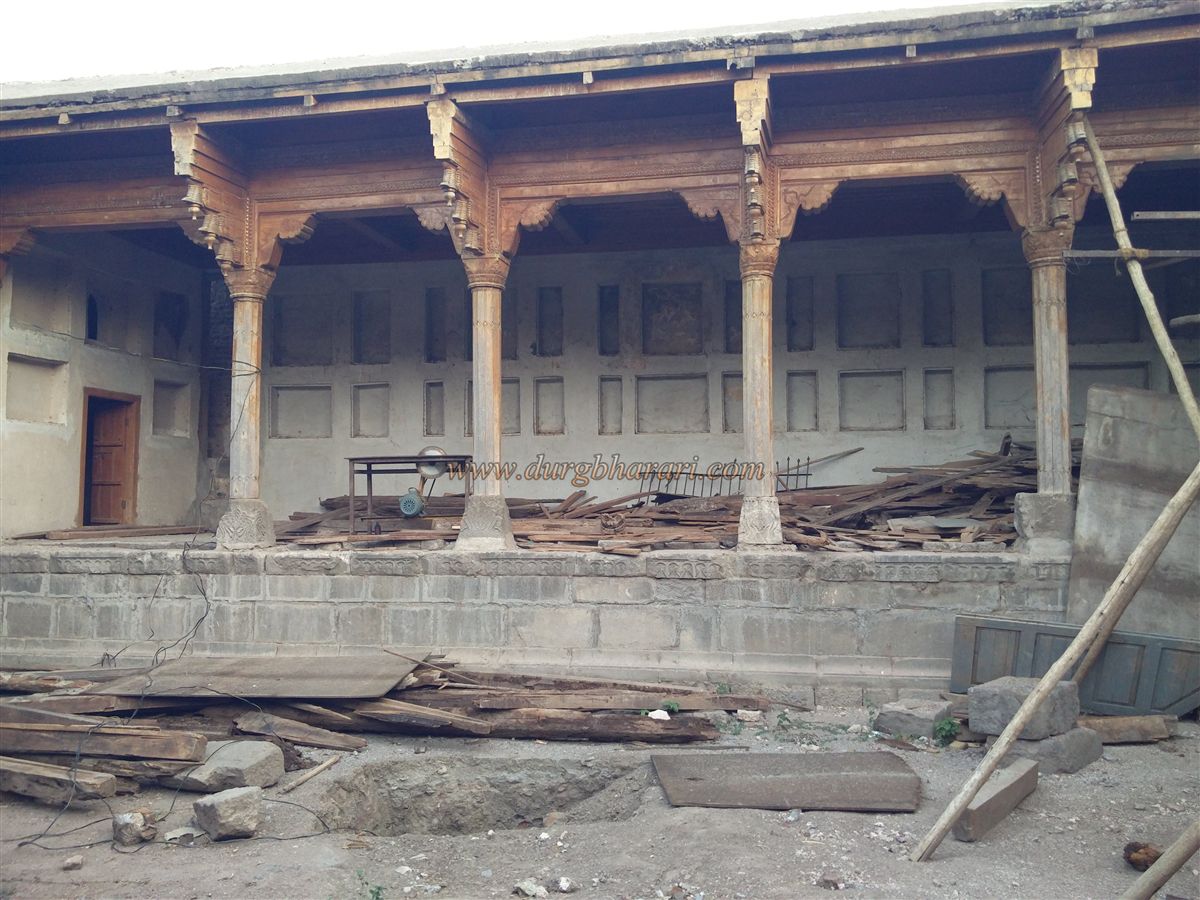
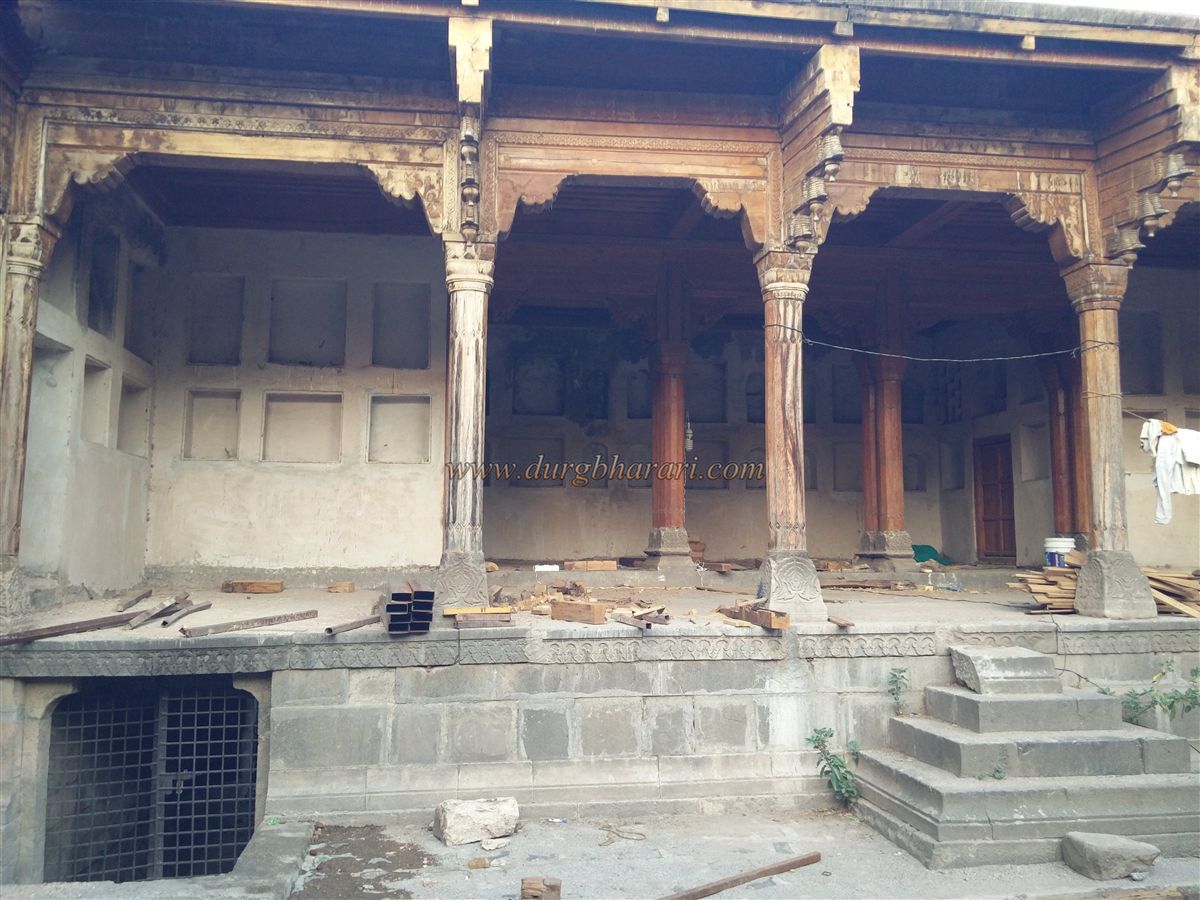
Upon entering, one sees the six-foot-high stone plinth of the royal palace. Once a two-story structure, only the plinth remains today. The Archaeological Department has undertaken extensive conservation work here. Steps in the corner of the plinth lead to the top, where on the western side are two rooms at either end. The room on the south western end is revered as the birthplace of Jijamata, and it houses statues of Jijamata and young Shivaji. Beneath the plinth are underground cellars, illuminated and ventilated by skylights in the central courtyard above. Four staircases descend to these cellars, where a series of rooms and niches carved into the walls can be found.
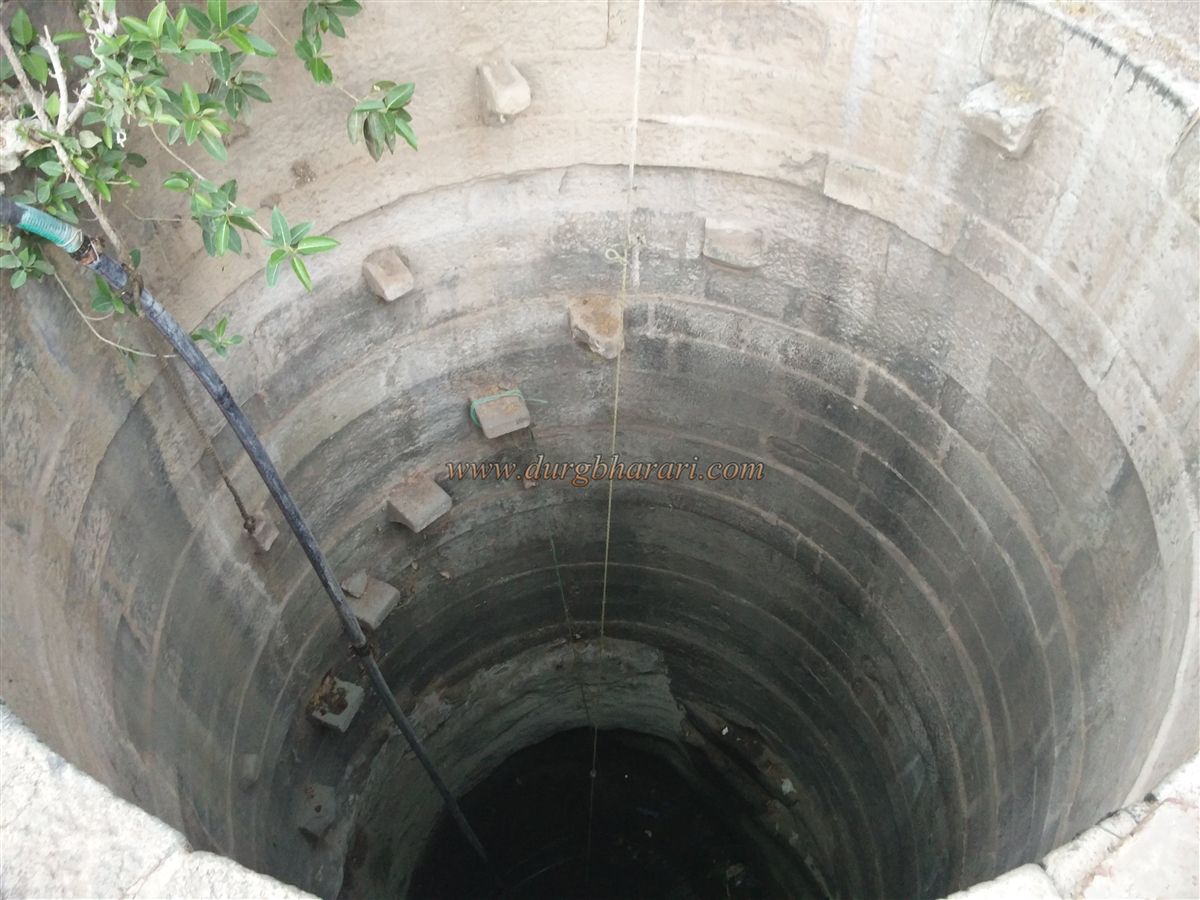
From the plinth, one can survey the inner portion of the gadhi. To the right of the main gate, at a corner of the fort wall, there is a circular well. The gadhi appears to have been divided into two sections — one for residential use, including the royal palace, and another for administrative functions, likely housing the Darbar and offices. A separating wall with stables for horses (paga) once stood between these sections. On an elevated platform stands the restored Darbar structure, extensively conserved by the Archaeological Department. Behind it, at the corner of the fortification, is a two-roomed granary.
This completes the tour of the gadhi.
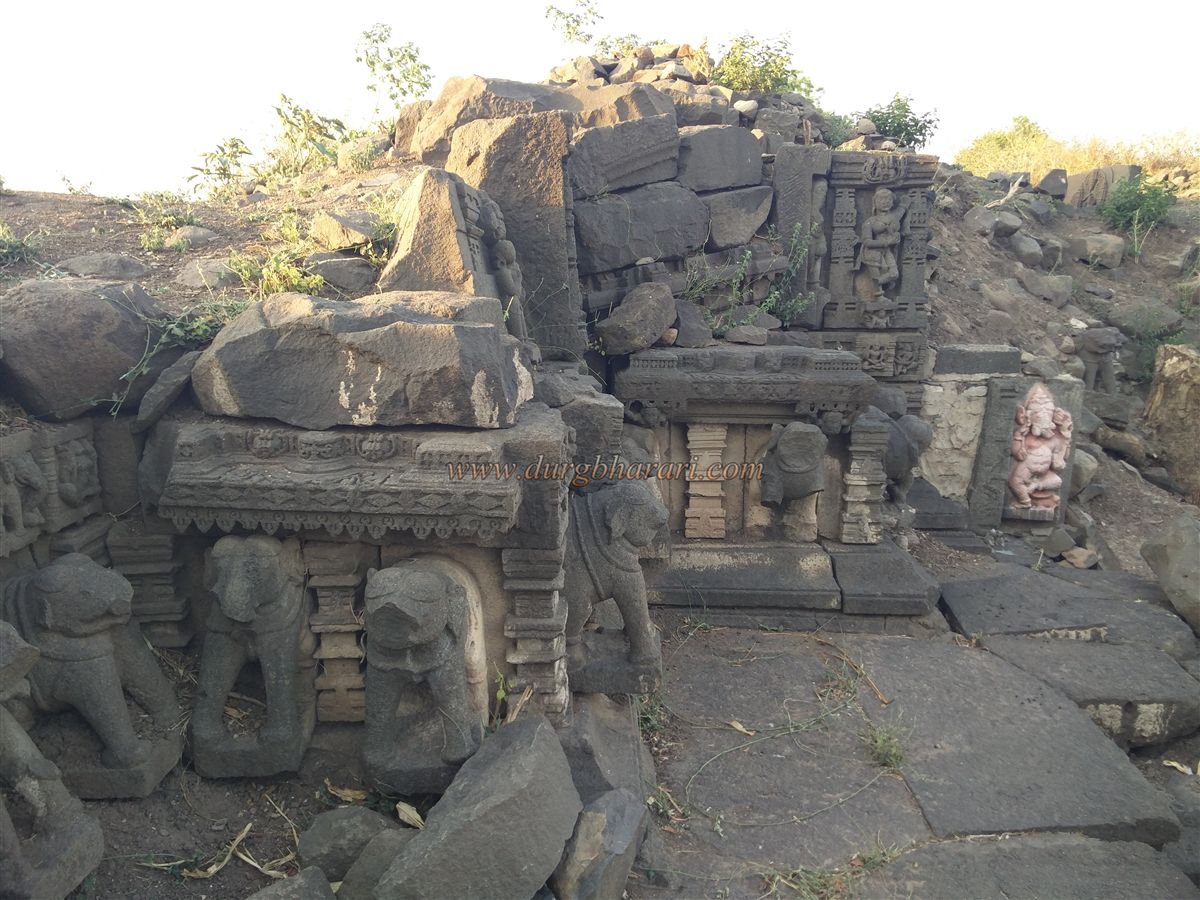
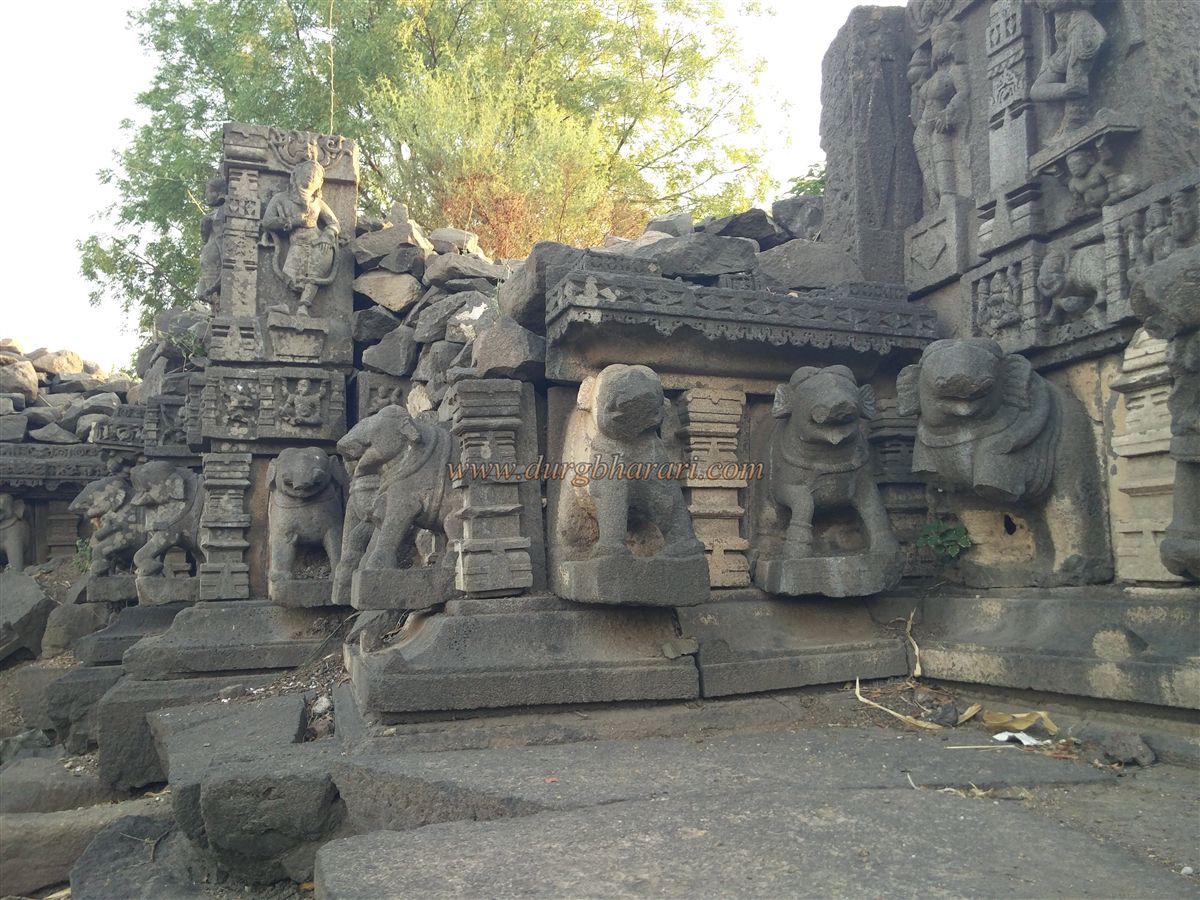
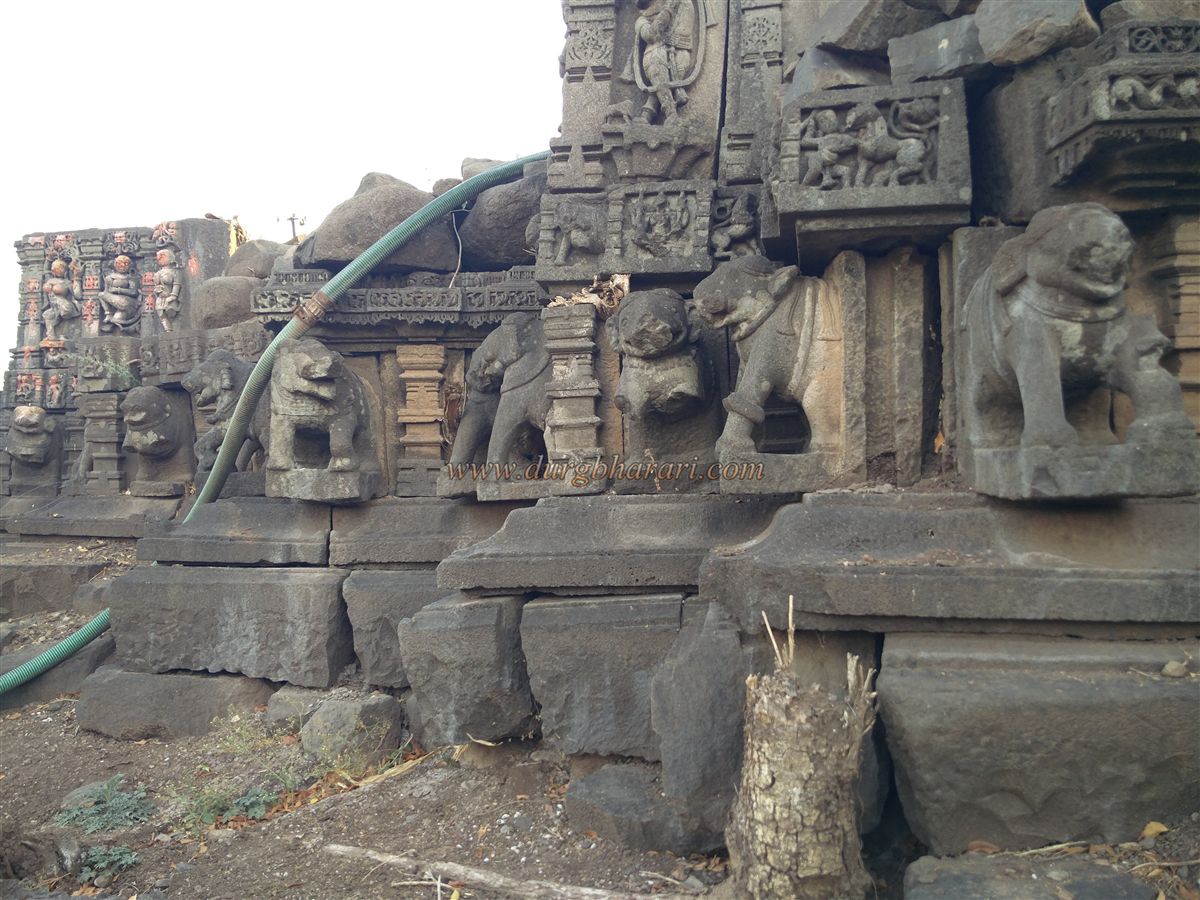
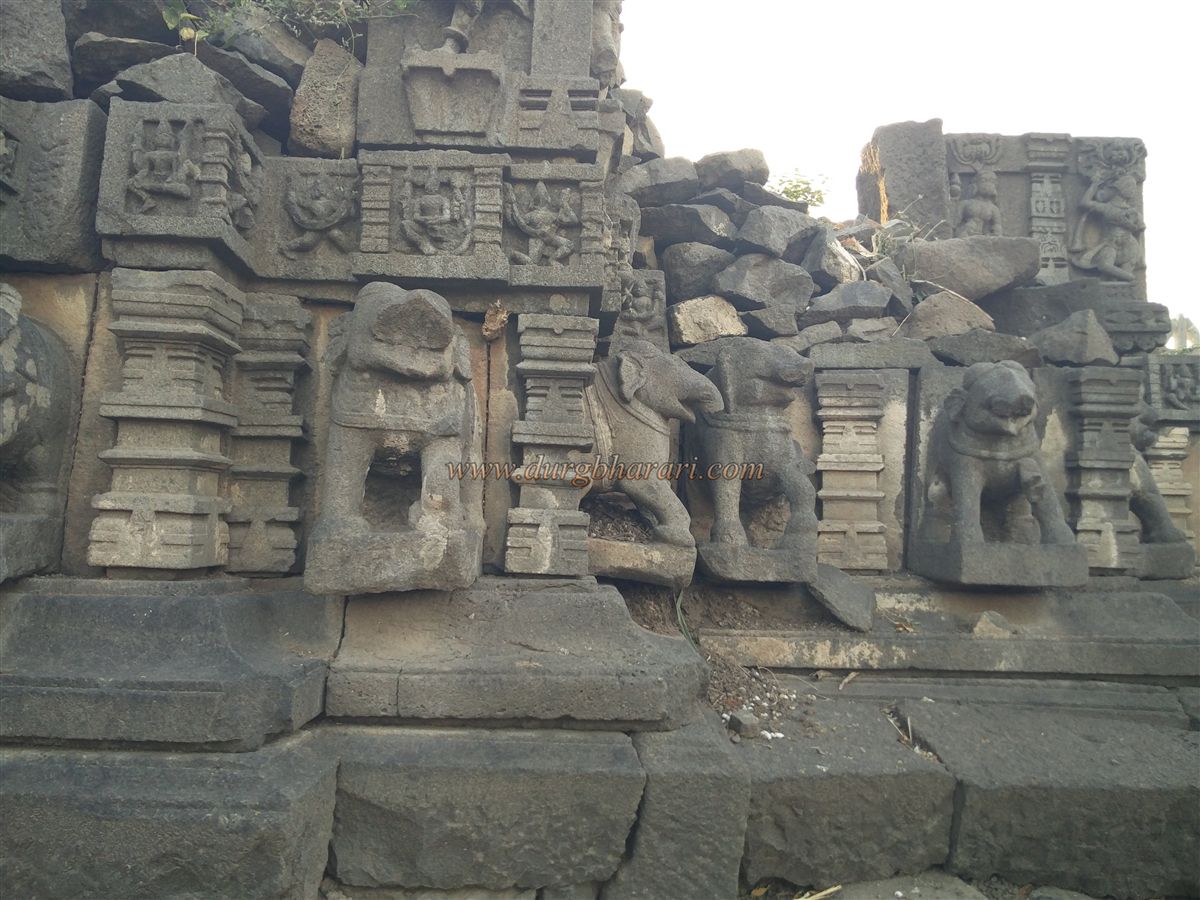
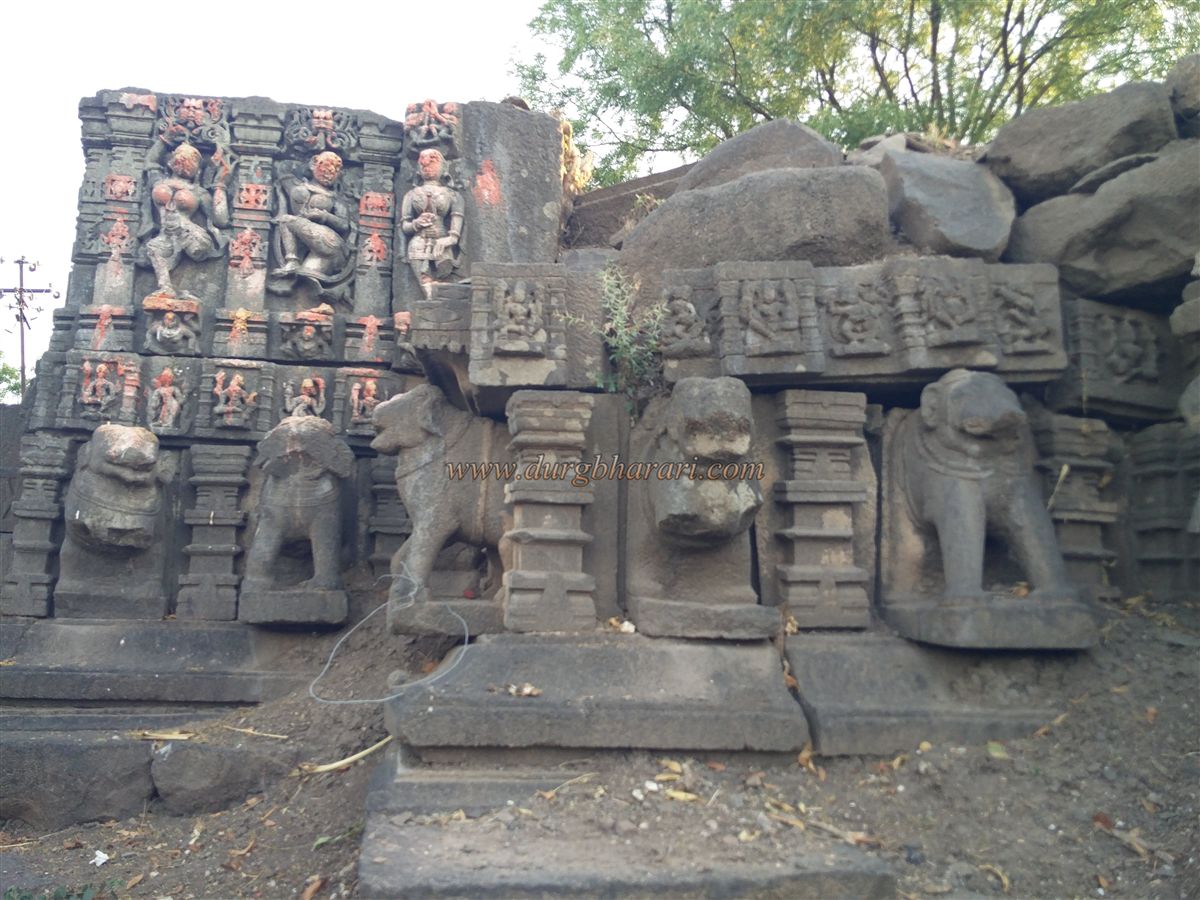
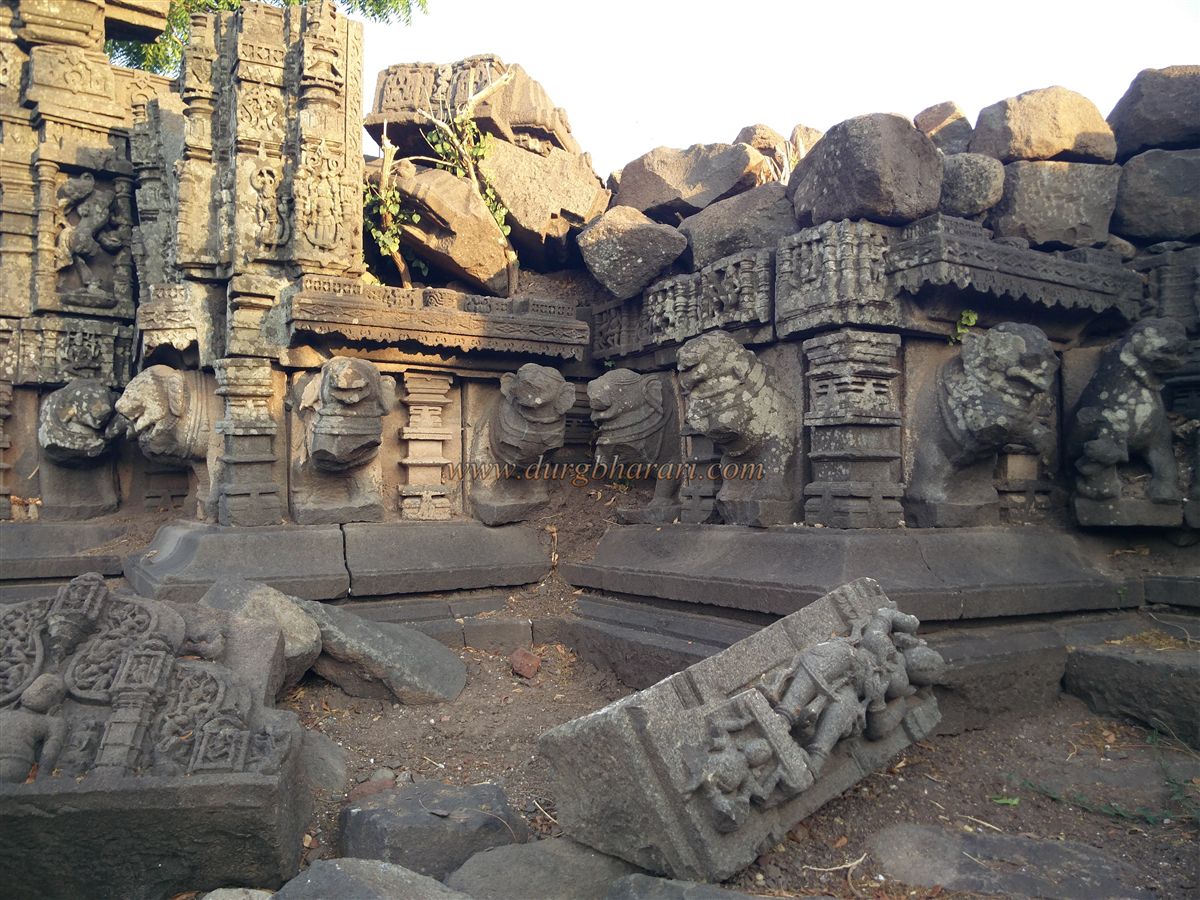
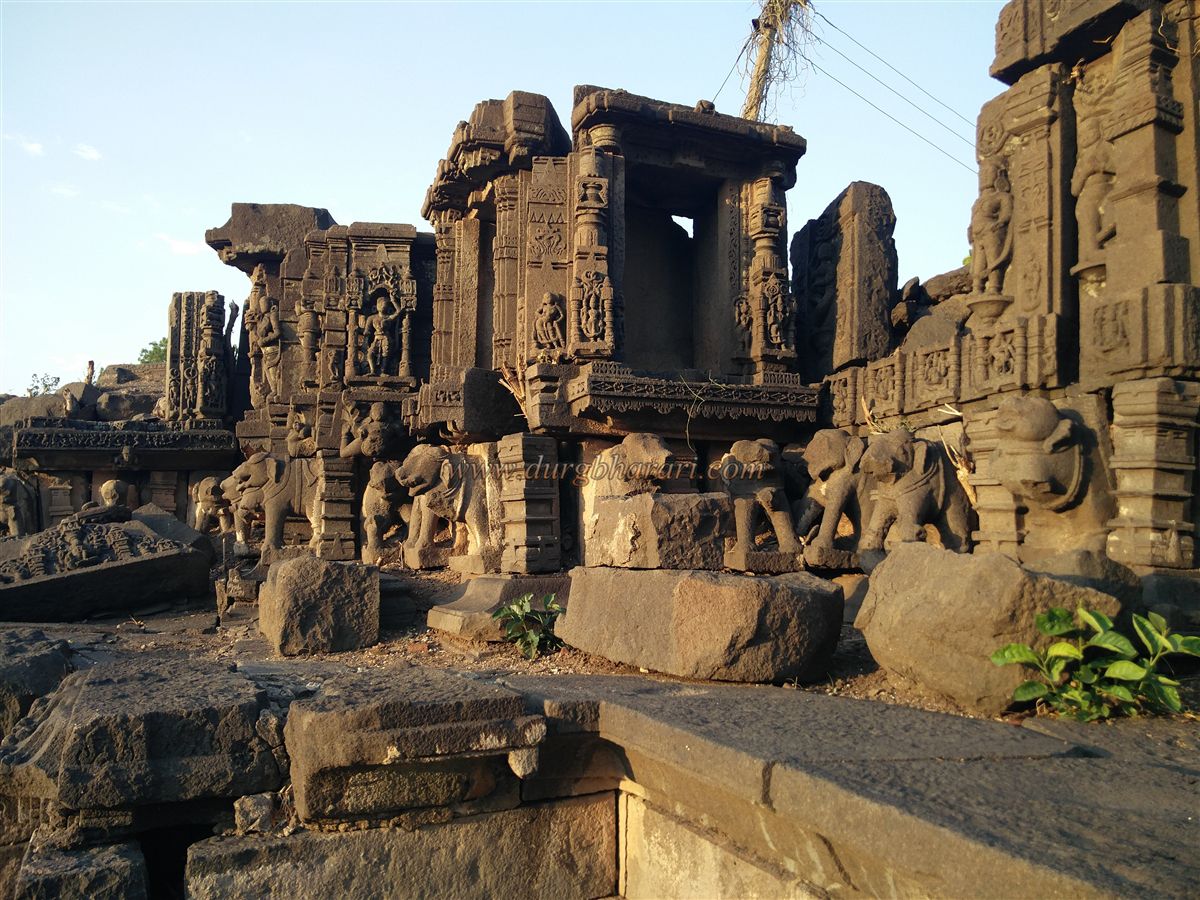
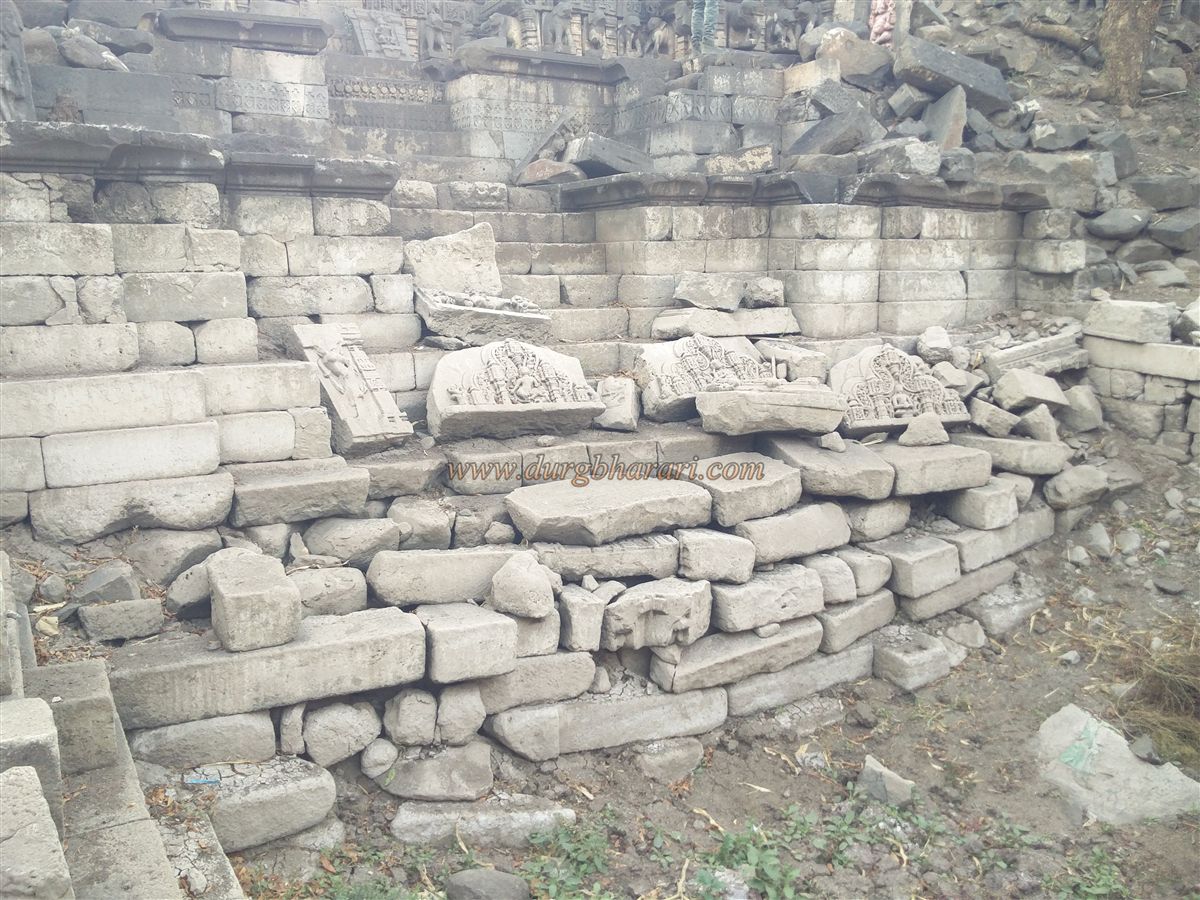
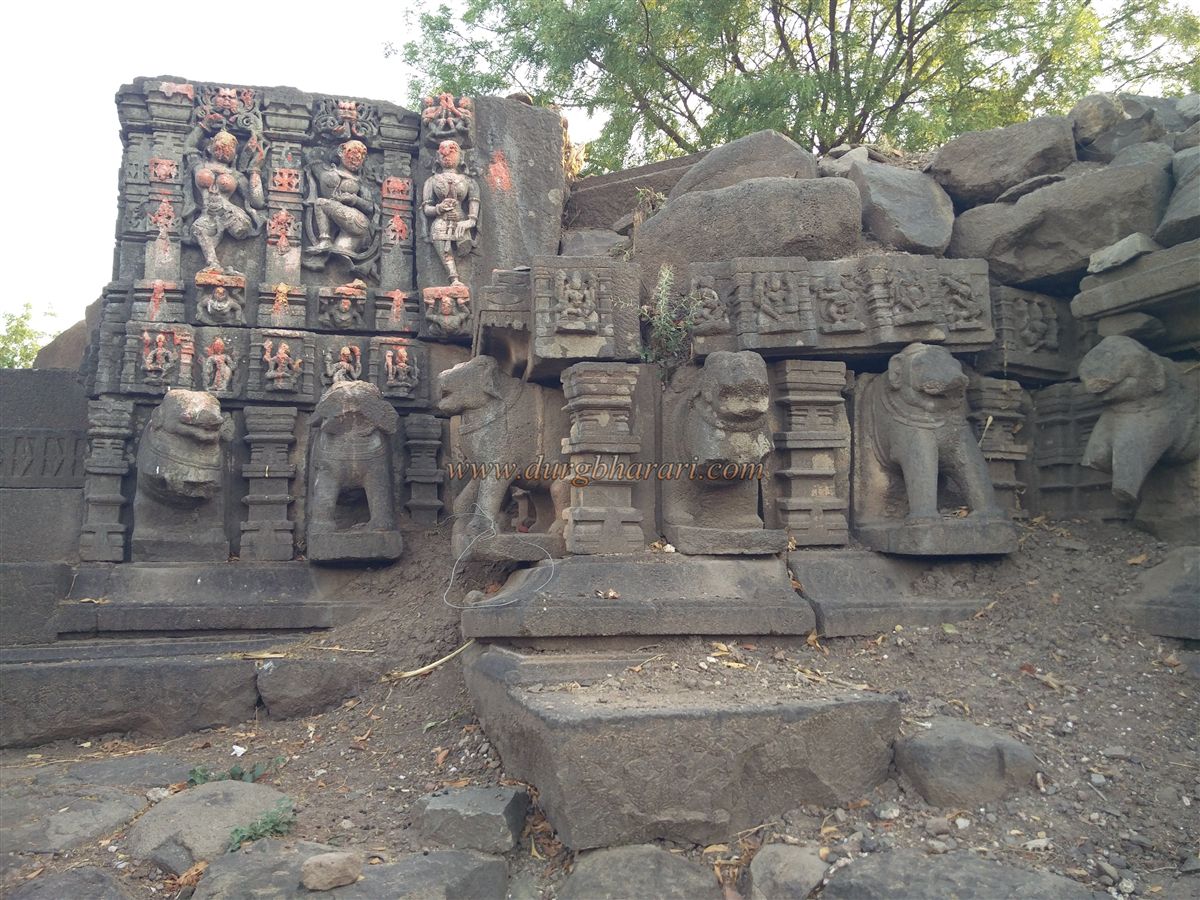
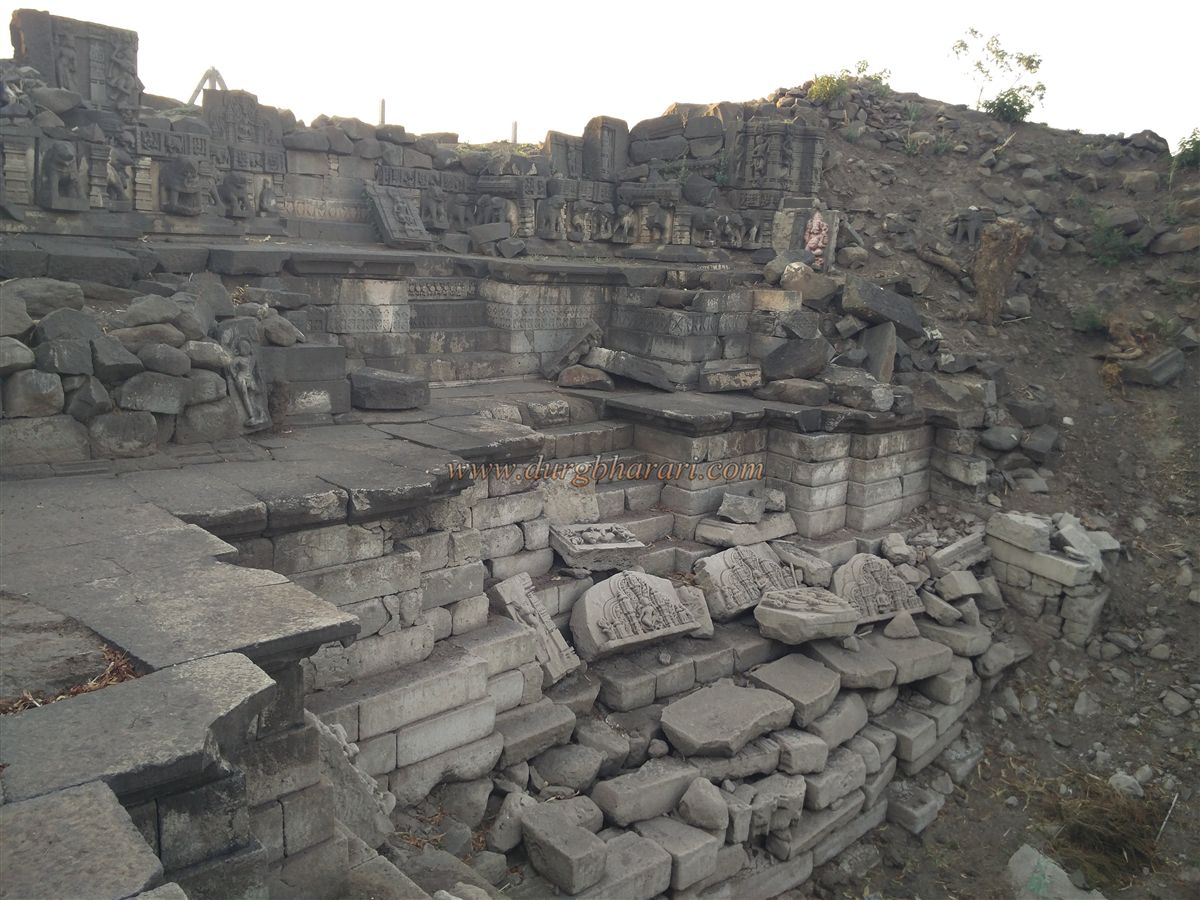
Exiting back to the main road, a short two-minute walk toward Mehkar leads to a small lane on the opposite side. At the end of this path, within a field, lies a beautiful but now completely ruined stepwell, its interior walls adorned with elaborate elephant sculptures and Sursundari (celestial maiden) carvings — this is the famed Putla Barav, a site not to be missed. Returning to the main road and walking about ten minutes toward Jalna, one reaches the third lane, where Kala Kot and the Rangmahal are located. Continuing along this road leads to the Nilkantheshwar temple. In front of this temple is another stepwell known as the Sajnabarav, believed to have been built by Raja Ravjagdeorao Jadhav. The temple complex also features a large tulsi Vrindavan and a broken idol of Vishnu in the reclining Seshashayi form. The temple’s lower portion is constructed of dressed stone, while the upper section is made of bricks. Its Sabhamandap (assembly hall) is enclosed, and in its central courtyard lies a dry well. A beautifully carved inscription can be seen on the wall to the right of the entrance.
From Nilkantheshwar, proceeding toward Rameshwar, one passes several old samadhi (memorials) and exposed stone idols along the way. The Rameshwar temple, built on a stone platform using black basalt, has several tulsi Vrindavan in its courtyard. Adjacent to this temple lies the grand mausoleum of Lakhuji Jadhav, his sons, and grandson, built in the Islamic architectural style. Within the complex are seven additional smaller samadhi.
Apart from these, the town features many other smaller historic structures.
The original name of Sindkhed Raja remains debated. Some believe it was named after King Sinduraj, who founded the settlement, while others suggest the abundance of Shindi trees (date palms) in the area inspired the name. However, an inscription in the Nilkantheshwar temple mentioning the Pargana of Sidpumar suggests that Sidpumar evolved into Sindkhed, which, combined with the Jadhav family’s ownership, became Sindkhed Raja.
The presence of the Putla Barav, with its Sursundari carvings, indicates that the town’s history stretches back as far as the 11th century. During the Bahmani period, Sultan Allauddin Ahmad (r. 1436–1458) granted the local Pargana as a jagir to a Kazi in 1450. Later, the region came under the control of the Mule family. During the Nizamshahi and Adilshahi periods, several Maratha families rose to prominence through their valour and abilities, among them the Jadhav of Sindkhed. In the 16th century, while the Mule family held the Deshmukhi of Sindkhed, Ravirao Dhone led a rebellion and massacred them, sparing only Yamuna Bai, a pregnant woman, who fled to Daulatabad and took refuge with Lakhuji Jadhav, a commander under the Nizamshah. At the time, the Sindkhed Pargana was under Lakhuji Jadhav, who crushed Ravirao’s rebellion. With no heirs left to inherit the Mule Deshmukhi, Lakhuji Jadhav was officially granted the Deshmukhi of Sindkhed in 1576, marking the beginning of the town’s prosperity.
Lakhuji Jadhav constructed the gadhi and developed a bustling marketplace in Sindkhed. His daughter Jijabai, later famed as Jijamata, was born to his wife Mhalsabai on January 12, 1598, in this very town. In 1610, Jijabai was married to Shahaji Raje Bhosale. On July 25, 1629, Lakhuji Jadhav, his sons Achaloji and Raghoji, and his grandson Yashwantrao were treacherously murdered by the Nizamshah at the Daulatabad court. Lakhuji’s brother, Raja Bhutji (Jagdevrao), built the grand mausoleum for them between 1630 and 1640, which still stands in Sindkhed Raja. Later, Ravjagdeorao Jadhav, Lakhuji’s grandson, shifted the family’s base from Sindkhed Raja to Deulgaon Raja around 1690, reducing Sindkhed Raja’s prominence and increasing that of Deulgaon Raja.
© Suresh Nimbalkar
GALLERY